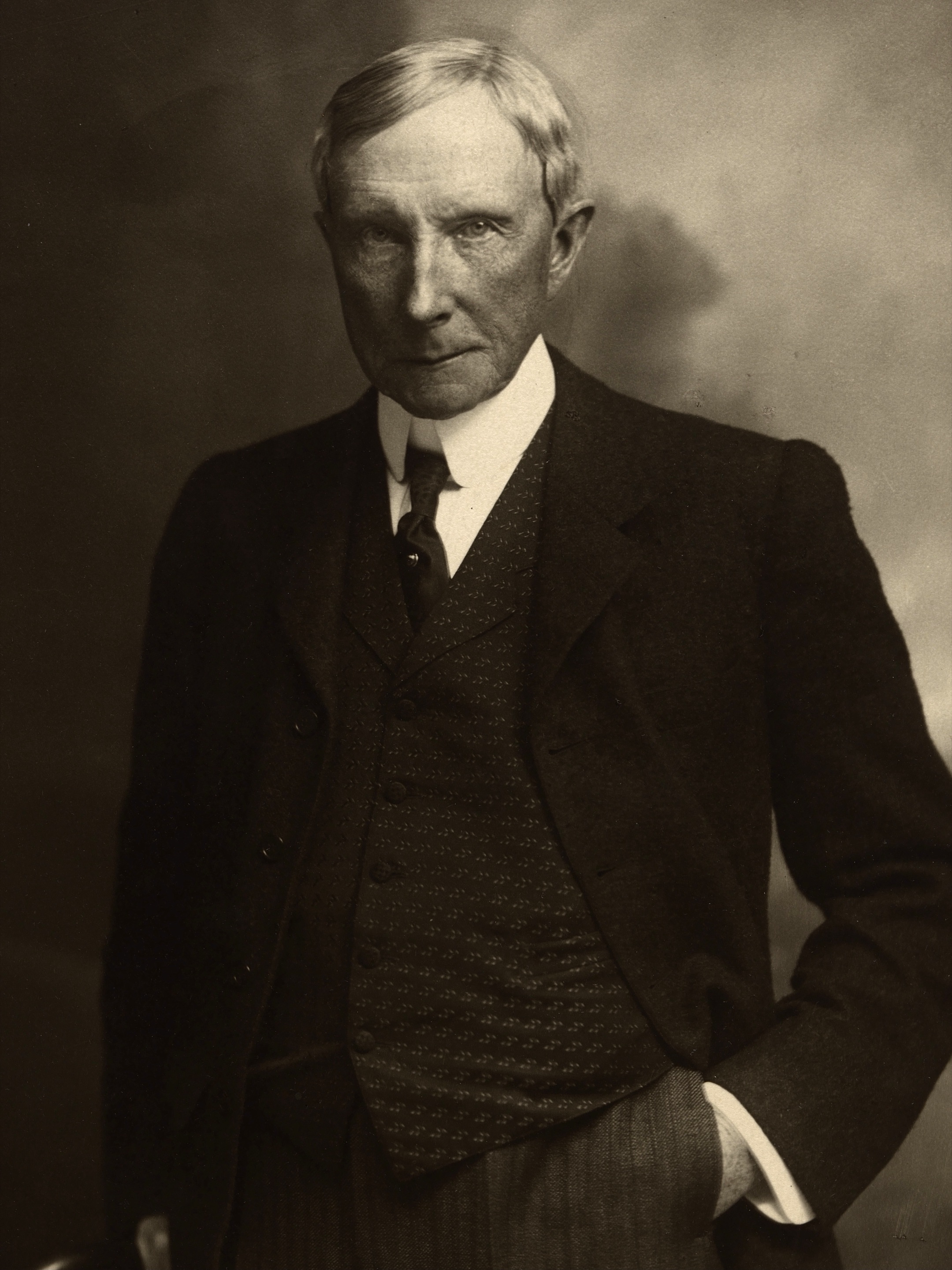
The World’s First Oil Billionaire
Baptist thrift. Ruthless scale. From clerk to colossus. A legacy of power and gifts.
John D. Rockefeller treated oil like a math problem that could own a continent.
As a young bookkeeper he loved ledgers. As a refiner in Cleveland he loved order. As the builder of Standard Oil he loved control of barrels, pipelines, tank cars, and prices. Critics called him a monopolist. Admirers called him a genius of organization. Both were describing the same machine.
Critics called him a monopolist. Admirers called him a genius of organization.
This is the story of America's defining industrial fortune, and of a Baptist striver who later tried to wash part of that fortune into universities, medicine, and philanthropy.
Where he came from
John Davison Rockefeller was born on July 8, 1839, in Richford, New York, and raised partly in Cleveland, Ohio. His father was a traveling salesman of dubious reputation. His mother was devout and strict. Young John sold candy, raised turkeys, and learned to lend money at interest. He took a bookkeeping job and treated every cent as a soldier to be drilled.
That clerical mind became a strategic weapon. Oil was chaotic after Pennsylvania's boom. Rockefeller wanted rules, scale, and margins.
How Standard Oil started
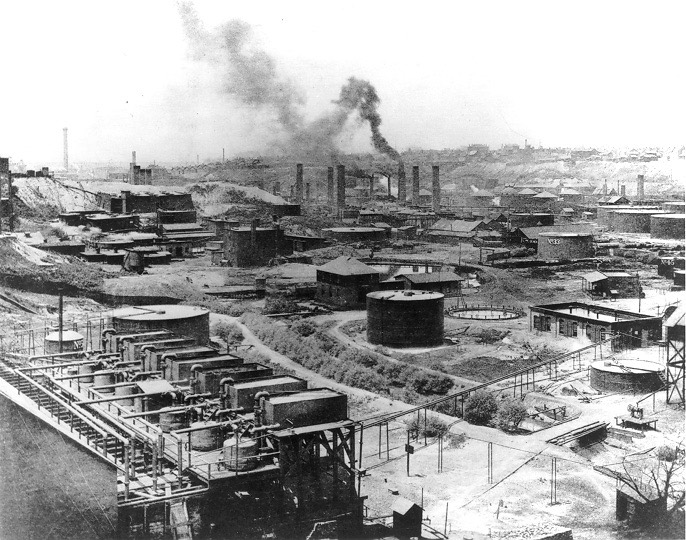

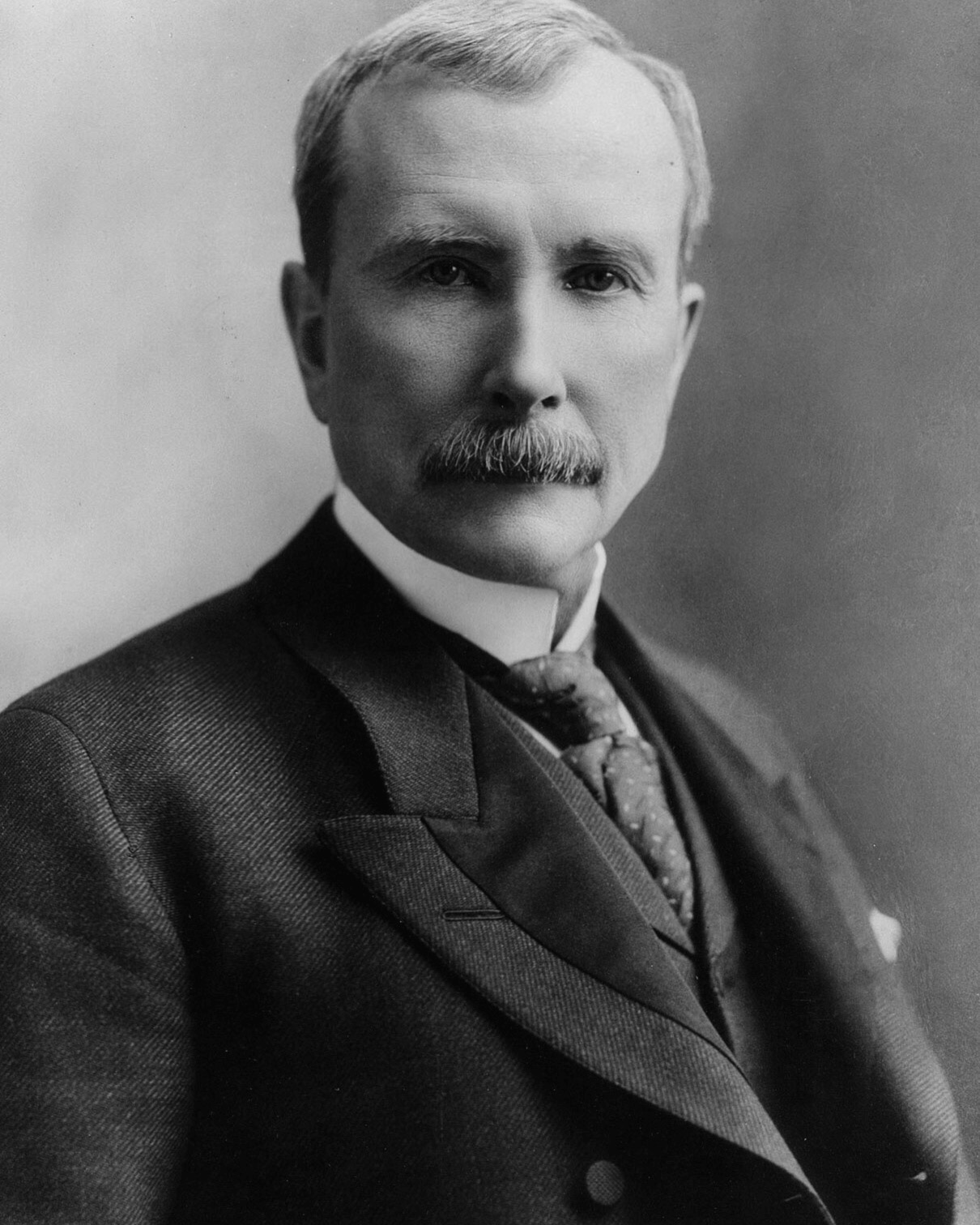
With partners including chemists and merchants, Rockefeller entered refining. In 1870 he co-founded Standard Oil of Ohio. Through advantageous railroad rebates, acquisitions of rivals, and relentless cost cutting, Standard Oil gained overwhelming share of American refining. The trust structure of 1882 coordinated a web of companies. Efficiency rose. Competition withered.
Investigative journalist Ida Tarbell exposed methods that outraged the public. Antitrust pressure mounted. In 1911 the U.S. Supreme Court ordered Standard Oil broken into successor companies. Ironically, shares in those pieces often made Rockefeller richer still as the automobile age multiplied demand for fuel.
What they built

Standard Oil's system shaped modern corporate scale: centralized accounting, horizontal and vertical integration, and national branding of a commodity. Rockefeller retired from management earlier than myths suggest, focusing on investments and giving. He funded the University of Chicago, Rockefeller Institute for Medical Research (later Rockefeller University), and major public health campaigns. The Rockefeller Foundation (1913) became a template for large-scale philanthropy.
Historians still debate how to compare his peak wealth to modern billionaires; in relative share of the U.S. economy he ranks among the richest humans ever.
Challenges and judgment
Monopoly power brought progress in product consistency and price in some periods, and predation in others. Rockefeller's public image swung from demon to benefactor. He lived simply relative to his means in some habits, even as he controlled industrial destiny. Moral accounting remains contested: the same hand that crushed rivals funded medical breakthroughs.
The same hand that crushed rivals funded medical breakthroughs.
Where the legacy lives
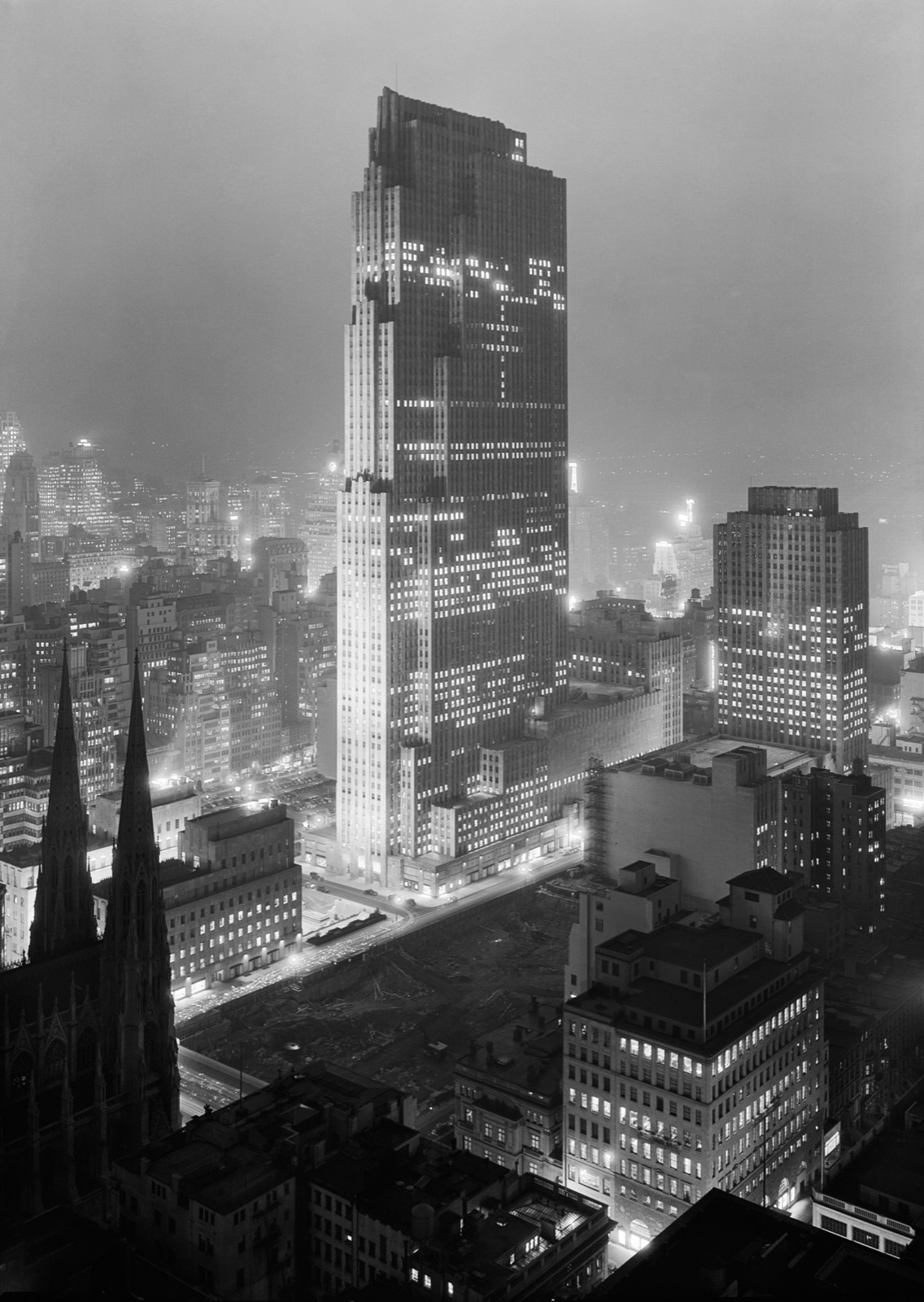
Rockefeller died on May 23, 1937, at age ninety-seven. Successor oil companies and family philanthropic institutions still carry the name. Rockefeller Center stands as an urban symbol built by the next generation. The antitrust story remains a founding myth of American regulation.
Why the story matters
Rockefeller teaches that organization can be more powerful than invention. He did not discover oil. He standardized it. He also teaches that fortunes at civilizational scale eventually face law, journalism, and conscience.
He did not discover oil. He standardized it.
Picture a clerk's stool. Picture Cleveland stills. Picture a trust map of pipelines. Picture a foundation check for disease research. The American century's template of corporate power and philanthropic repair begins in those scenes.
Ledgers as destiny
The childhood love of accounting sounds dull until you see what it enabled. Rockefeller could compare unit costs across refineries the way a coach compares split times. Advantage compounded. In any era, the founder who sees true costs early can buy the future while rivals argue about romance. Oil was his medium. The method transfers.
Scenes and lessons for builders
Great founders leave patterns you can study even if you never enter their industry. Watch how they gather information. Watch how they treat time. Watch how they respond when success creates new problems. Watch what they refuse to trade away when money arrives.
The useful habit is to turn biography into a checklist. What was the first unfair advantage. What was the first moral stress test. What was the scaling machine. What was the public cost. What was the late-career choice. If you can answer those five prompts for a founder, you understand more than a list of dates can teach.
Another habit is to keep the human scale in view. Companies become abstract. People do not. Early memories become strategies later, dressed in adult language.
Finally, remember that every empire is also a set of daily routines. Studio mornings. Shop floors. Quiet walks. The drama is real, but the calendar is what compounds.
- Born
- July 8, 1839
- From
- Richford, New York
- Founded
- Standard Oil of Ohio, 1870
- Philanthropy
- University of Chicago, Rockefeller Institute, Rockefeller Foundation
- Died
- May 23, 1937, age 97
- 1839
Born in Richford, New York.
- 1870
Co-founds Standard Oil of Ohio.
- 1882
The Standard Oil trust coordinates a web of companies.
- 1911
The U.S. Supreme Court orders Standard Oil broken up.
- 1913
The Rockefeller Foundation is established.
- 1937
Dies on May 23, at age ninety-seven.
Watch alongside this story
Short cuts from interviews, keynotes and launches. Each plays only the moment that matters.