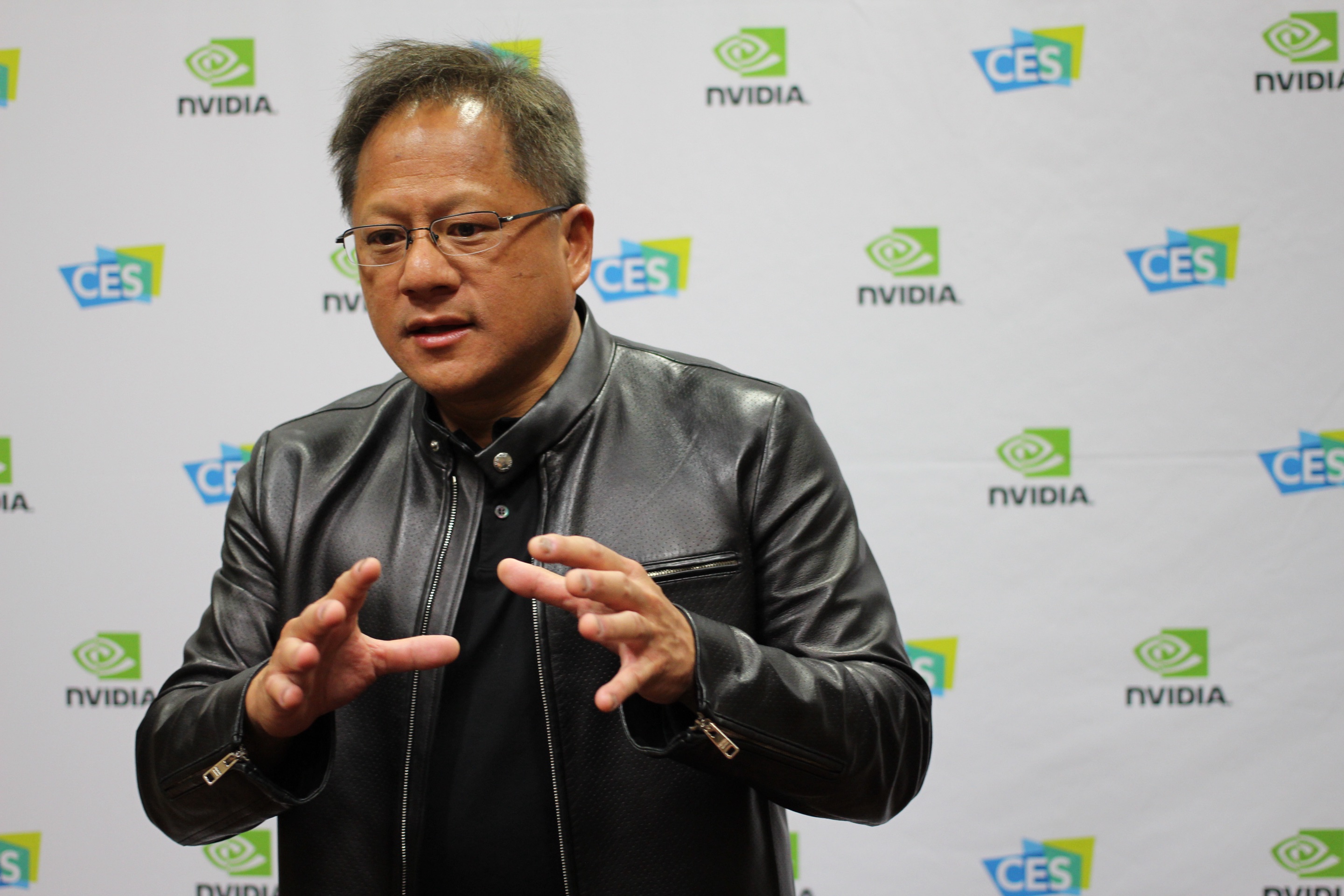
The Leather Jacket That Built AI
How Jensen saw the future in the chips & GPUs NVIDIA became the stack beneath intelligence.

The night shift at Denny’s was not glamorous.
A teenage immigrant washed dishes, cleared tables, and learned how hard work feels in your hands. Years later he sat in another Denny’s booth in San Jose with two friends and sketched a chip company on napkins and cheap coffee.
The night shift at Denny’s was not glamorous.
His name is Jensen Huang. He co-founded NVIDIA and has led it as president and CEO ever since. Today NVIDIA’s processors power video games, science labs, robots, and modern artificial intelligence.
This is the story of how grit, engineering, and a long bet on parallel computing helped start a new era.
Where he came from

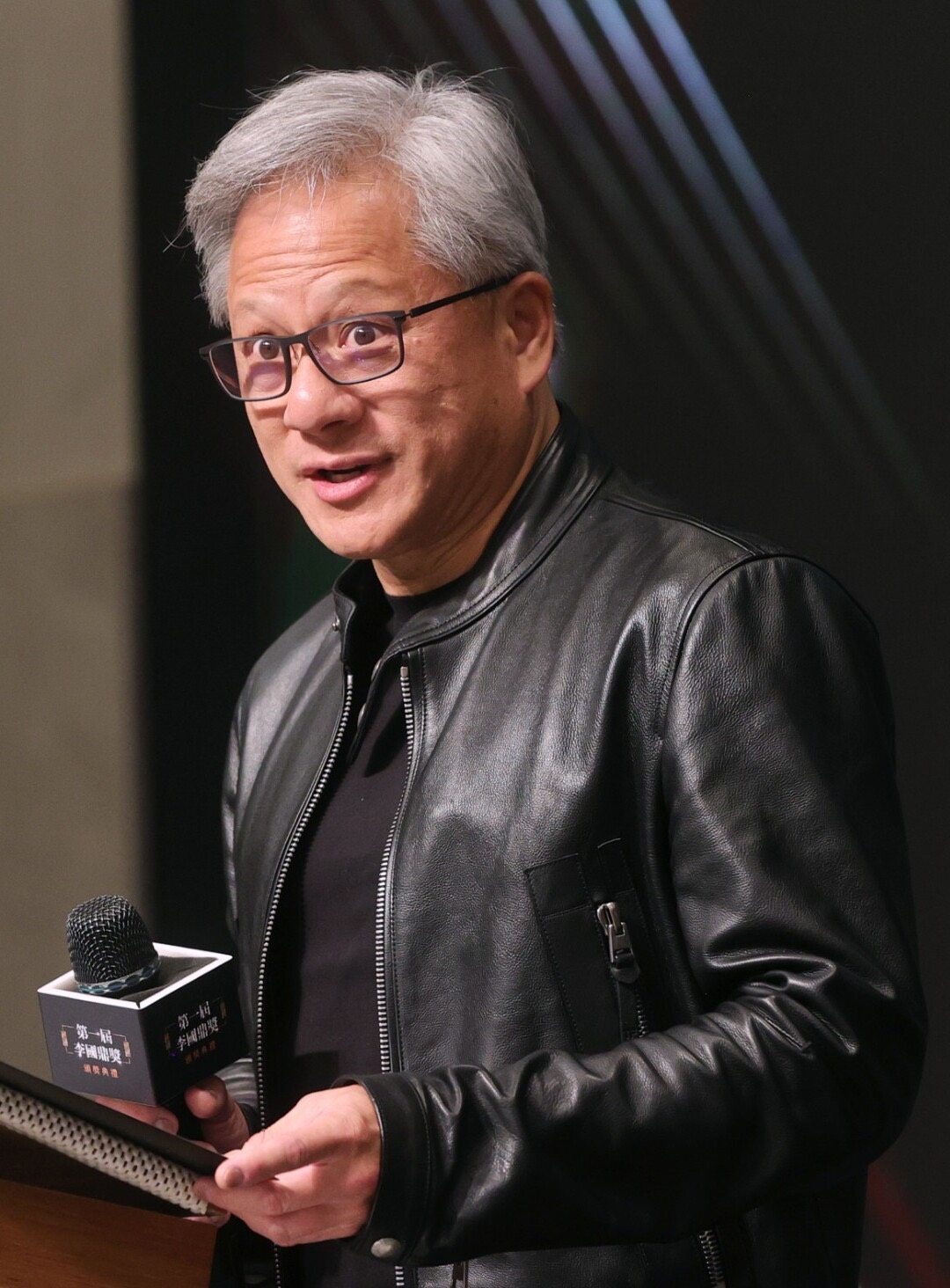
Jen-Hsun “Jensen” Huang was born on February 17, 1963, in Taipei, Taiwan. As a child he also lived in Tainan. His father, Huang Hsing-tai, was a chemical engineer who worked with oil refineries. His mother, Lo Tsai-hsiu, was a schoolteacher. The family spoke Taiwanese Hokkien at home.
His mother taught her sons English with a simple daily drill. She picked words from the dictionary and made practice a habit. Small habits can change a life. Language became a bridge.
When Jensen was about five, the family moved to Thailand for his father’s work. He attended Ruamrudee International School in Bangkok. Then came another leap. Around age nine, he and his older brother were sent to the United States. Relatives in Washington State were supposed to help. A misunderstanding sent the boys to Oneida Baptist Institute in Kentucky, a boarding school that was not the elite academy the family expected.
Life there was tough. Jensen was small, spoke English with an accent, and faced bullying. He cleaned toilets. He learned to survive far from home. About two years later, his parents reached America and settled in Beaverton, Oregon. The brothers left Kentucky to reunite with them.
In Oregon, Jensen bloomed. He attended Aloha High School, skipped grades, and graduated at sixteen. He excelled in math and joined computer, science, and math clubs. The school’s Apple II computer fascinated him. He played text games and wrote simple programs, including his own version of Snake. He also became a nationally ranked table-tennis player.
To earn money he worked at Denny’s from his mid-teens into his early twenties as a dishwasher, busboy, then waiter. He has said those jobs taught humility and respect for every kind of work. Service work trained his patience. Engineering later trained his ambition.
The spark in college and chips
For college he chose Oregon State University, partly because in-state tuition was affordable. He studied electrical engineering and graduated in 1984 with highest honors. He was young for his classes and sometimes felt like the kid in the room. He kept going.
He learned that building hard things is not only about talent. It is about process. How you design. How you test. How you recover when a plan fails.
After Oregon State, Jensen worked in the semiconductor industry, including roles at Advanced Micro Devices (AMD) and LSI Logic. While working, he took night classes at Stanford University and earned a master’s degree in electrical engineering in 1992. He learned how chips are designed, manufactured, and sold. He also learned how fragile young tech companies can be.
By then he could see a gap. Personal computers needed better graphics. Games and visual software were hungry for speed. The market was crowded and cruel. That danger did not stop him. It sharpened the need for a better approach.
How NVIDIA started
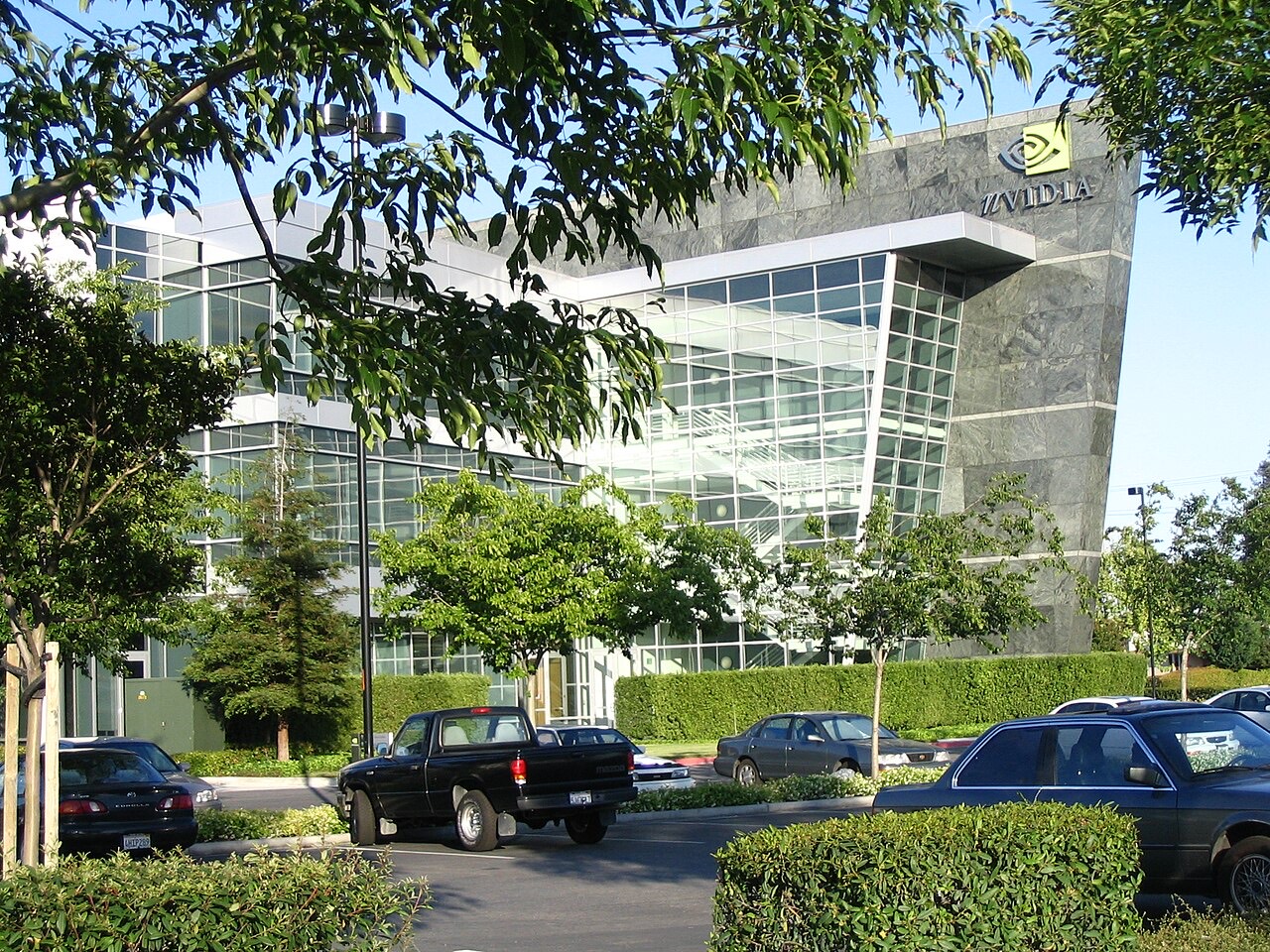
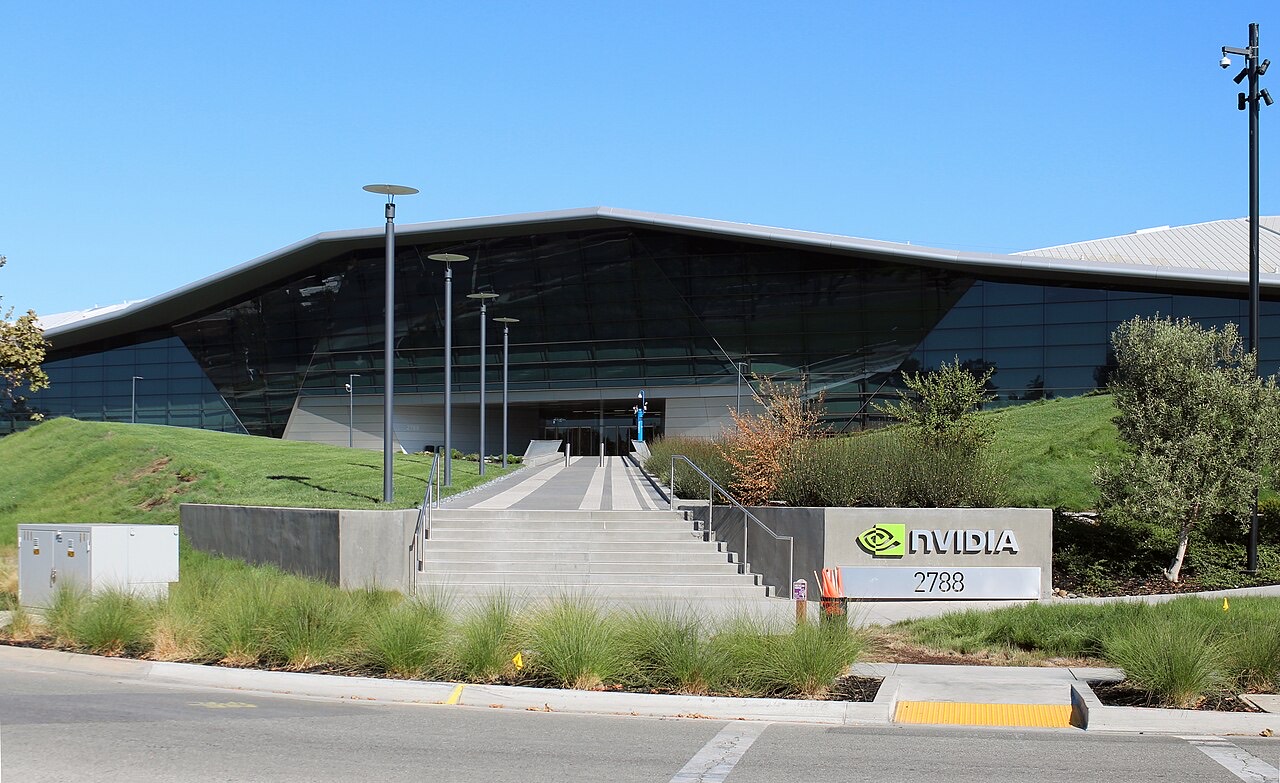
In 1993, at age thirty, he co-founded NVIDIA with Chris Malachowsky and Curtis Priem. They sketched the company at a Denny’s in San Jose, near Jensen’s home. The three men knew graphics chips could make personal computers more visual and exciting.
Each put in a small amount of money. Public accounts often say the starting capital was only a few hundred dollars each, about $600 in total. Jensen became president and CEO, roles he has held ever since.
The company name came from a play on the Latin word “invidia,” linked to envy. The dream was bold: make rivals green with envy at what the chips could do.
Early NVIDIA focused on PC graphics. The market was brutal. Bigger rivals and changing standards nearly wiped the company out more than once in the 1990s. Jensen’s leadership style mixed urgency with long-term vision. He told employees the company was always thirty days from failure. The phrase was meant to keep everyone sharp.
Survival required shipping better chips, listening to developers, and refusing to quit when the easy path disappeared.
What they built
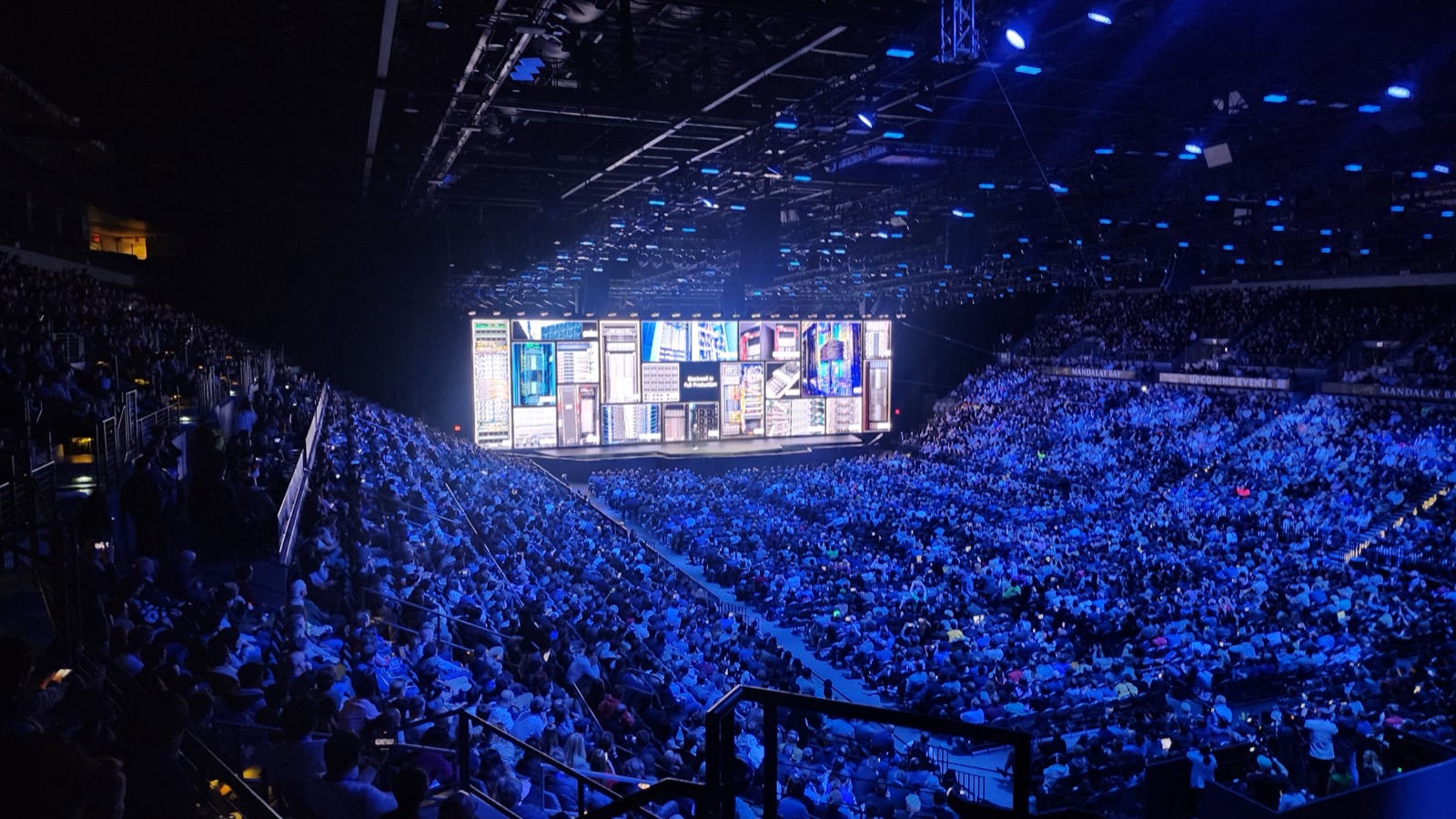
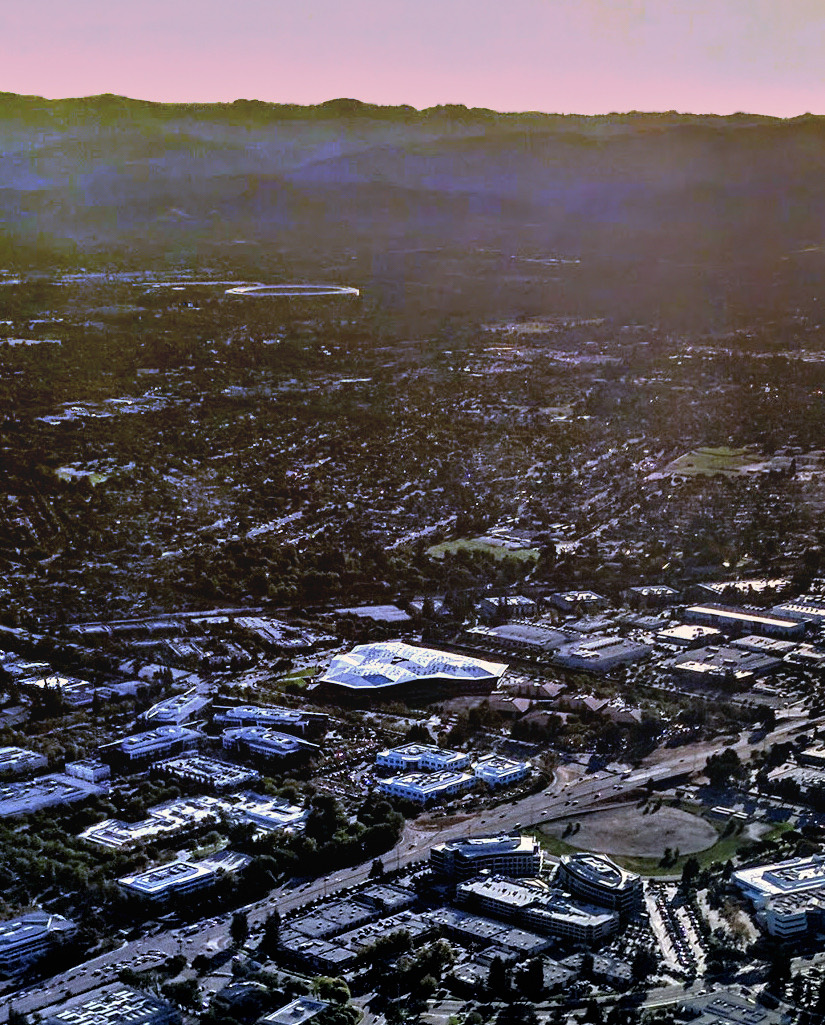
In 1999, NVIDIA introduced a chip it called a GPU, a graphics processing unit. Programmable shading changed how games and movies looked. Gamers adopted NVIDIA hardware in huge numbers. The company’s reputation grew around performance and software tools for developers.
Then came a second act. Researchers discovered that GPUs could accelerate scientific computing because they handle many parallel tasks at once. NVIDIA invested in CUDA, a platform that let programmers use GPUs for general computing, not only graphics.
That bet looked expensive and uncertain for years. Later it became central to deep learning. Training modern AI models requires enormous parallel math. NVIDIA’s chips and networking stacks became the backbone of many AI data centers.
Under Jensen, NVIDIA expanded into data-center accelerators, automotive computing, robotics, and software platforms. The company helped redefine gaming as a major entertainment industry and then helped redefine AI infrastructure.
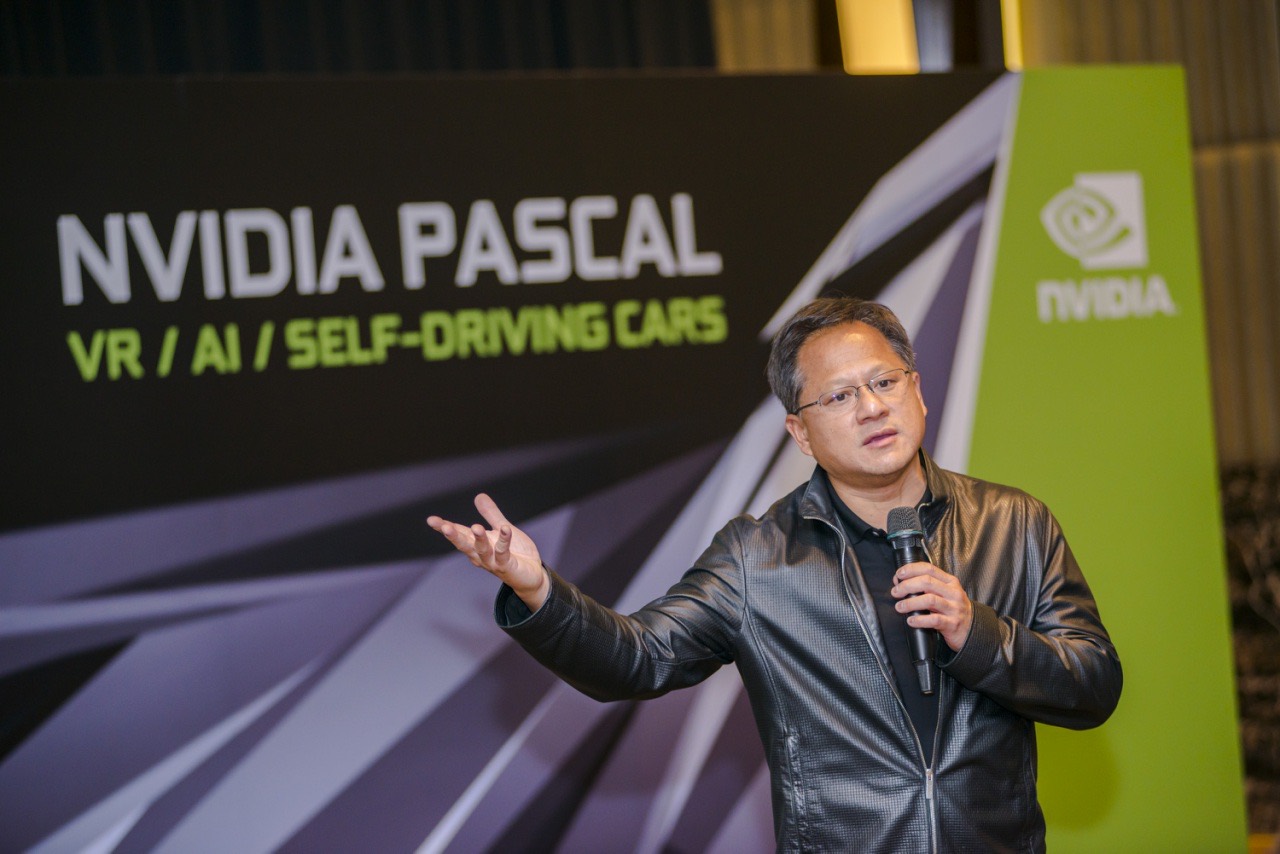
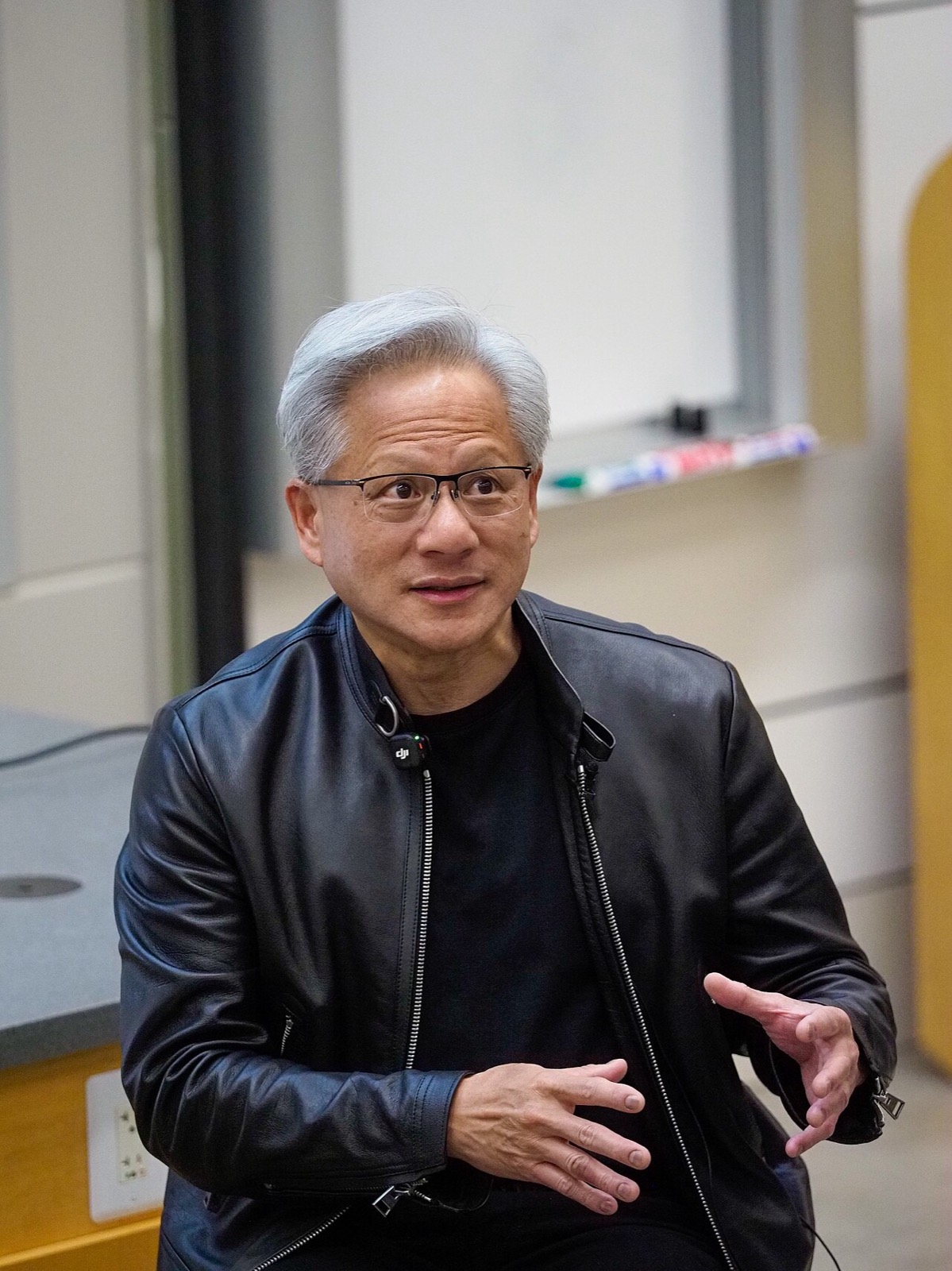
Jensen became famous for keynote talks in his leather jacket, explaining complex ideas with energy and clear metaphors. Customers, developers, and investors watched closely because NVIDIA’s roadmap often signaled where computing was heading next.
Hard times and near failure
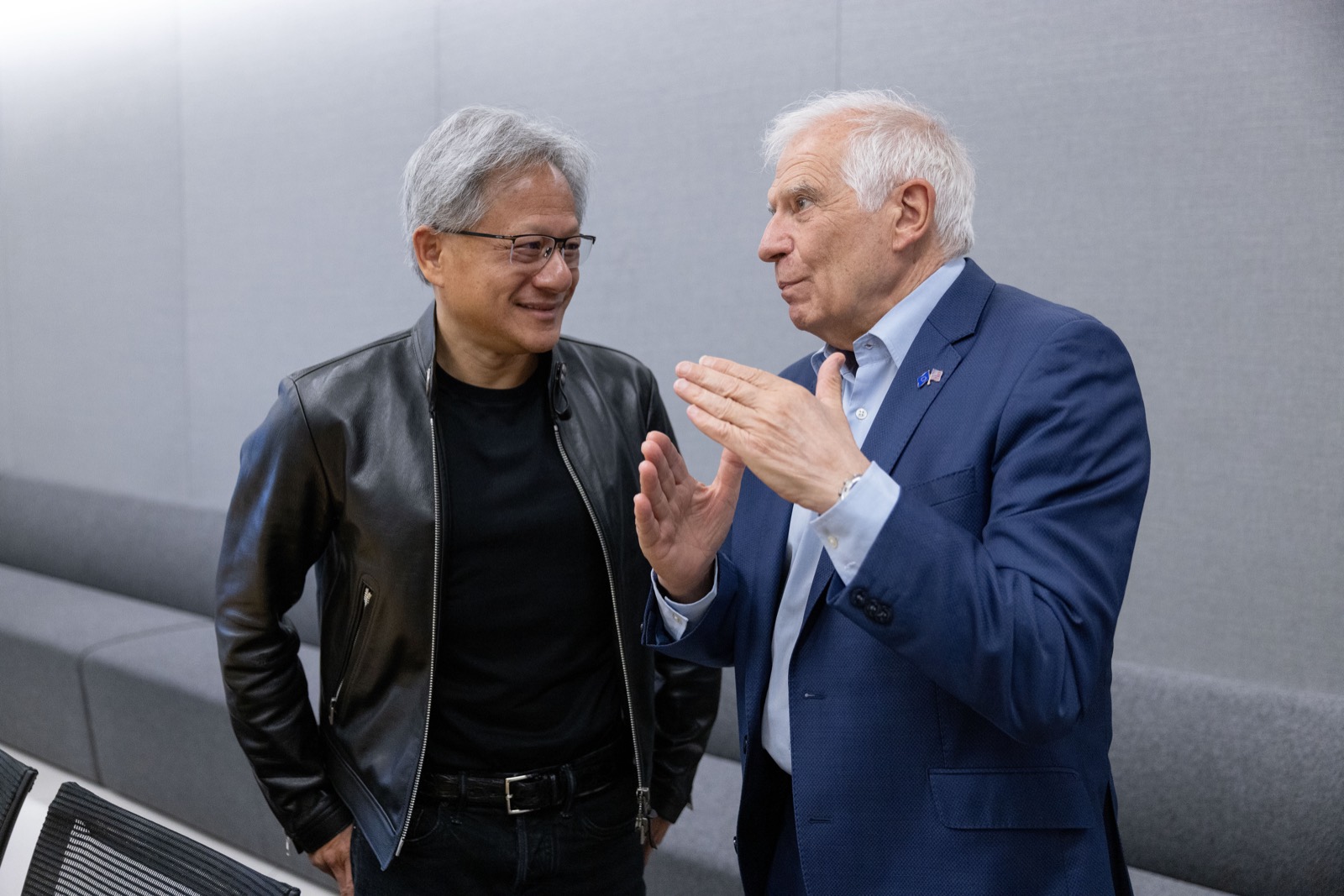
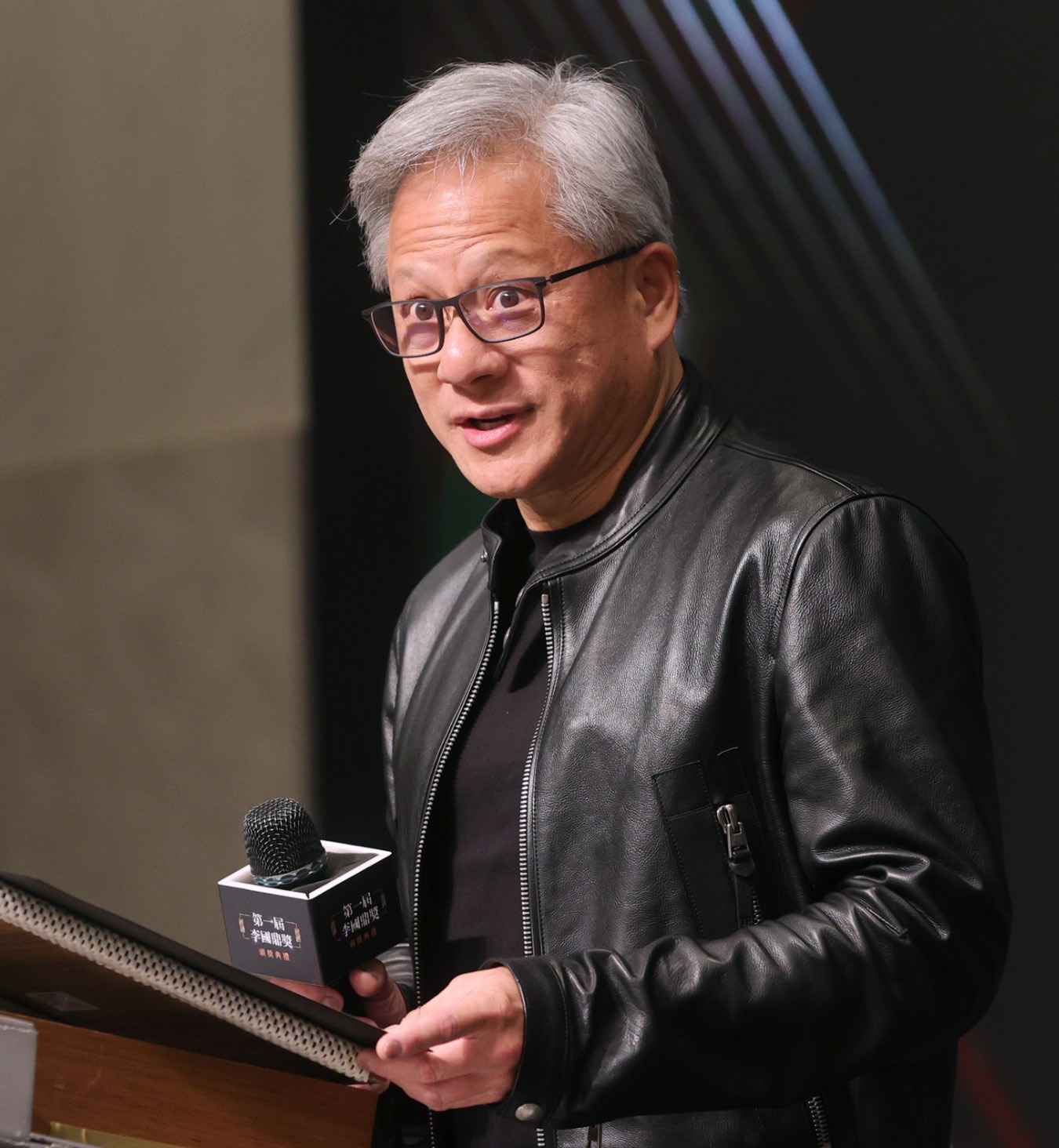
NVIDIA’s path was not a straight climb. In the 1990s the company faced product delays, fierce competition, and moments when cash and confidence ran low. Public histories describe periods when the firm was close to collapse before later chips restored momentum.
Even after success in gaming, new markets brought new risks. Cryptocurrency cycles swung demand. Supply chains strained. Geopolitics affected chip sales and manufacturing partners. Export rules and global competition became boardroom topics, not distant news.
Jensen’s “thirty days from failure” mindset sounds dramatic, but it matches semiconductor reality. A missed generation of chips can erase a lead. A wrong architecture bet can waste years. Cause and effect are merciless when physics, software, and markets must line up together.
He also had to rebuild trust with developers again and again. Hardware without software is a brick. CUDA and related tools were as important as silicon. That dual bet (chips plus platform) is why NVIDIA’s advantage compounded.
Hardware without software is a brick.
Rebuilds and the AI wave
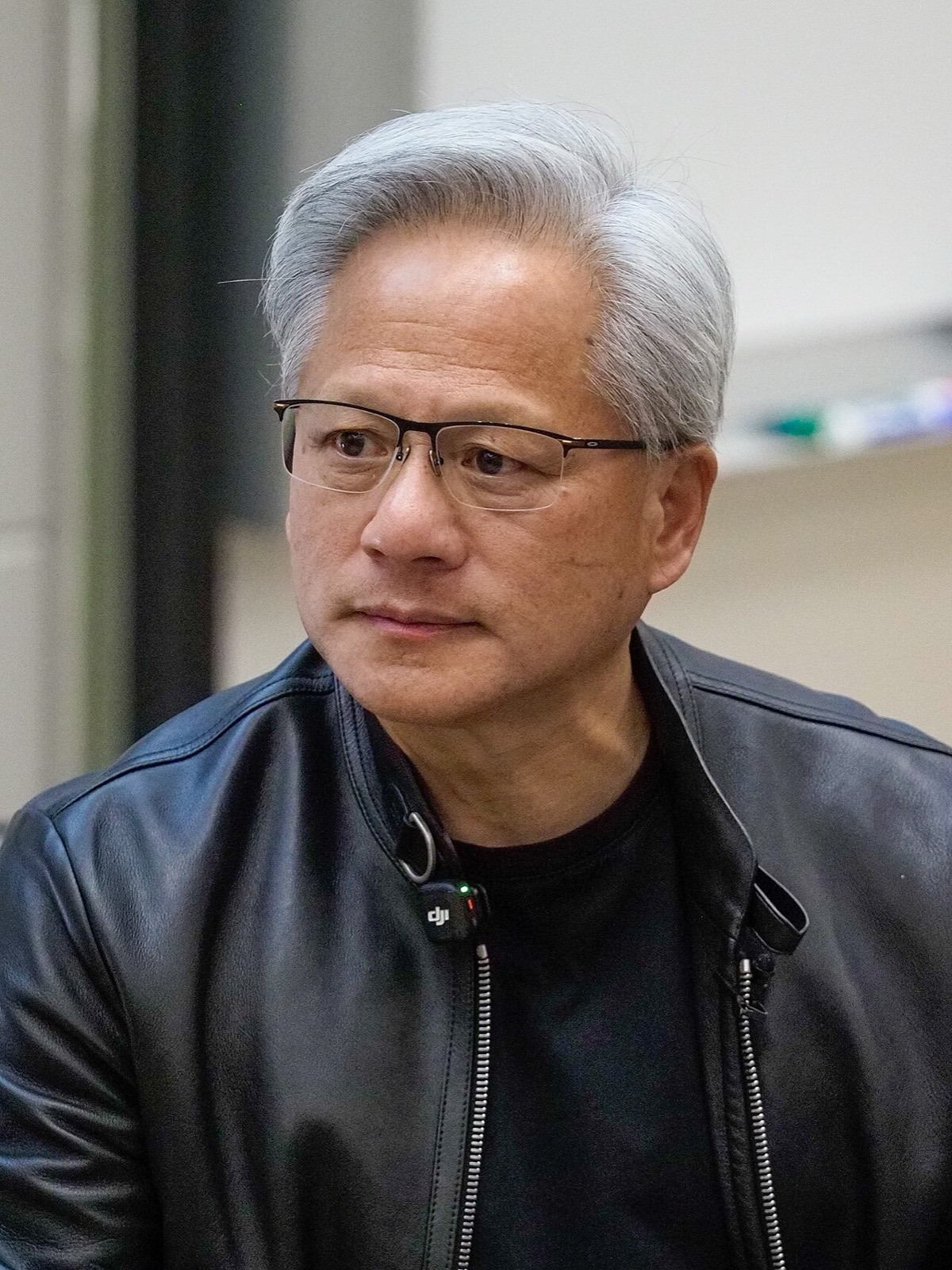
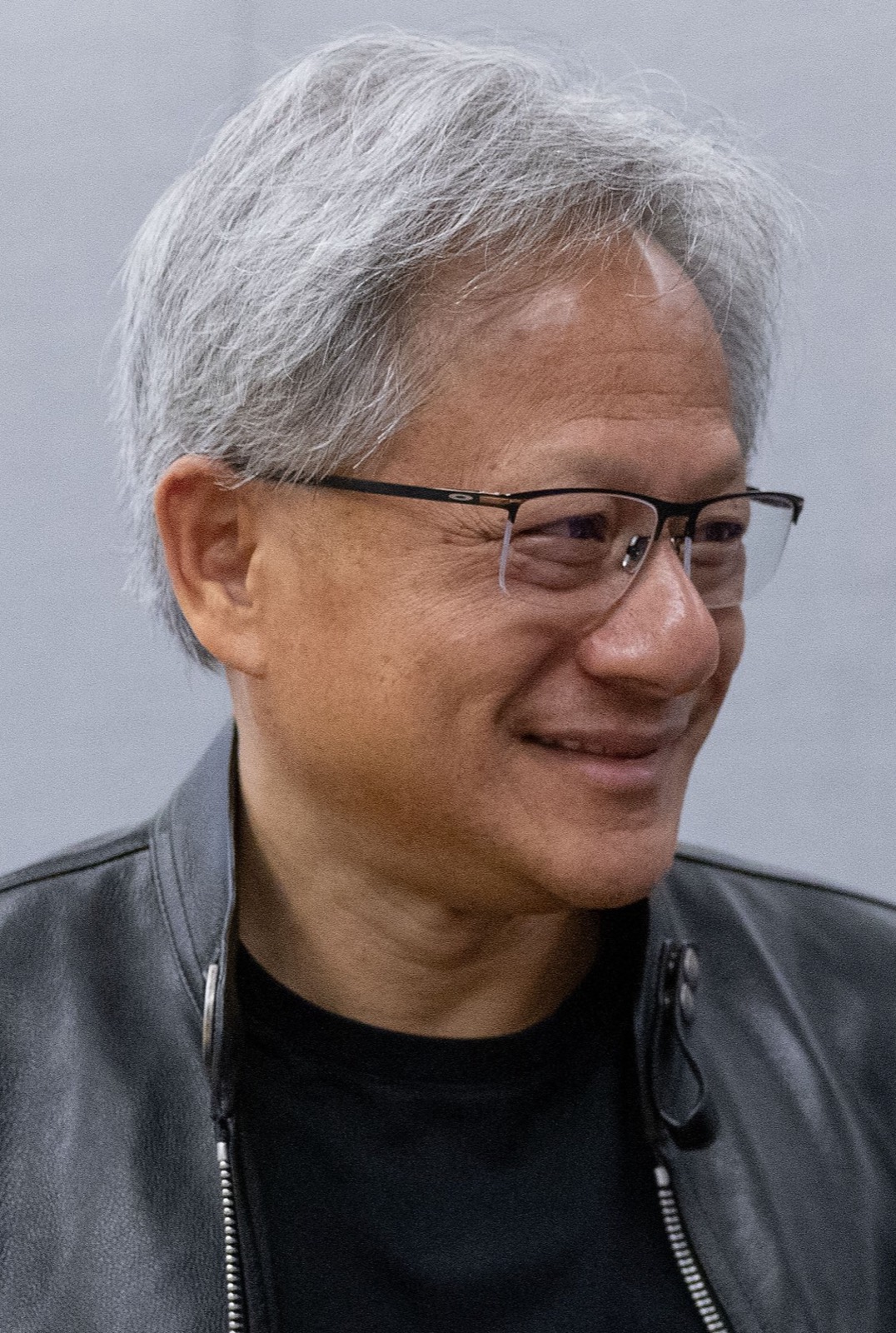
When deep learning took off, NVIDIA was ready in a way few rivals were. Years of CUDA investment suddenly looked visionary instead of costly. Researchers trained models faster. Startups and big cloud companies bought accelerators in huge volumes.
NVIDIA’s market value soared during the AI boom, though stock prices move and are not the same thing as lasting usefulness. What mattered more for the industry was infrastructure. Data centers redesigned around accelerated computing. Software stacks thickened. Partners built systems on top of NVIDIA platforms.
Jensen kept sounding the same theme in public talks: accelerated computing is a new engine for science, industry, and intelligence systems. He framed GPUs as engines that can perceive and understand the world when paired with the right software.
The rebuild was not a single product launch. It was decades of staying alive long enough for the world to need what the company had practiced.
Where he is now
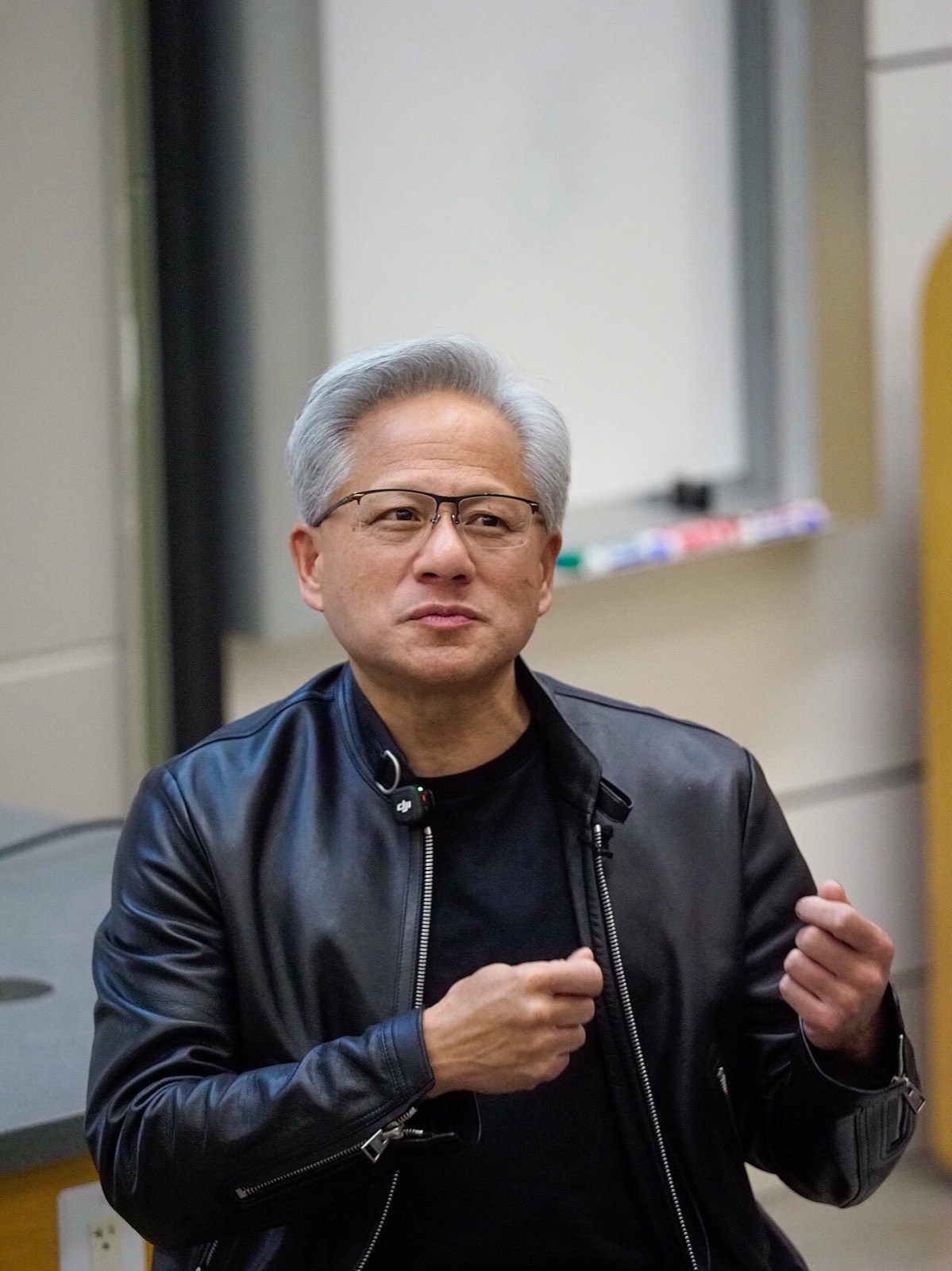
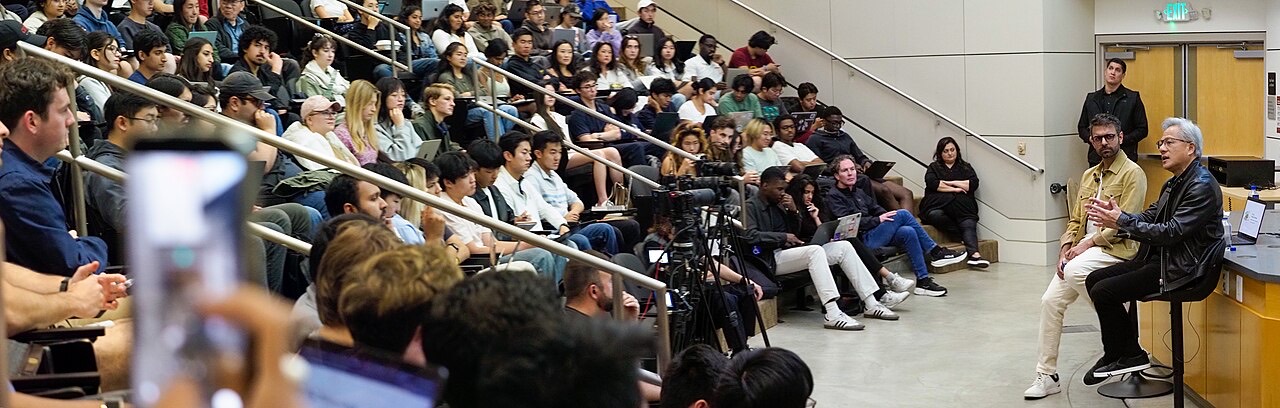
Jensen Huang still leads NVIDIA as founder, president, and CEO. He remains one of the most visible CEOs in technology. He appears at major events such as CES and Computex, and he speaks at universities about hard work and building what you love.
He is married to Lori Huang, whom he met at Oregon State. They have children and have given large gifts to education and other causes, including support tied to their alma mater.
Public wealth rankings often place him among the world’s richest people because of NVIDIA stock, but those estimates change with markets. His day job is still running a company that must keep inventing the next platform before rivals catch up.
Lessons from near death
NVIDIA’s early years taught Jensen a permanent lesson. A semiconductor company can look healthy on Monday and face disaster by Friday if a chip misses its window. Competitors do not wait. Customers do not wait. Physics does not wait.
He responded with culture. Stay paranoid about time. Stay close to developers. Treat software platforms as seriously as silicon. CUDA was not a side project. It was a bet that parallel computing would outgrow games.
When crypto mining spiked and then cooled, NVIDIA had to manage boom and bust. When AI demand exploded, the company had to scale manufacturing partnerships and software support at once. Growth itself became a stress test.
Partnering with the world
Modern NVIDIA does not win alone. It works with cloud providers, server makers, car companies, robotics startups, and research labs. Jensen’s keynotes often sound like roadmaps for an ecosystem, not only a product catalog.
That ecosystem approach is why CUDA’s early years mattered so much. Programmers invested their careers in tools. Once skills and libraries piled up, switching costs rose. Advantage compounded.
He also kept returning to education. Talks at Oregon State and Stanford circle the same themes: do hard work you love, build process as carefully as product, and remember that social growth matters as much as grades.
Family and giving
Jensen met Lori at Oregon State. Their partnership spans the whole NVIDIA journey. Public reports of large gifts to universities show a desire to widen the ladder they climbed. Immigrant stories often end with building institutions that welcome the next wave.
Even as NVIDIA’s value soared in public markets, Jensen kept framing the mission in engineering terms: accelerate computing so science and industry can move faster. Stock prices make headlines. Platforms change what is possible in labs and factories.
Lasting work and legacy
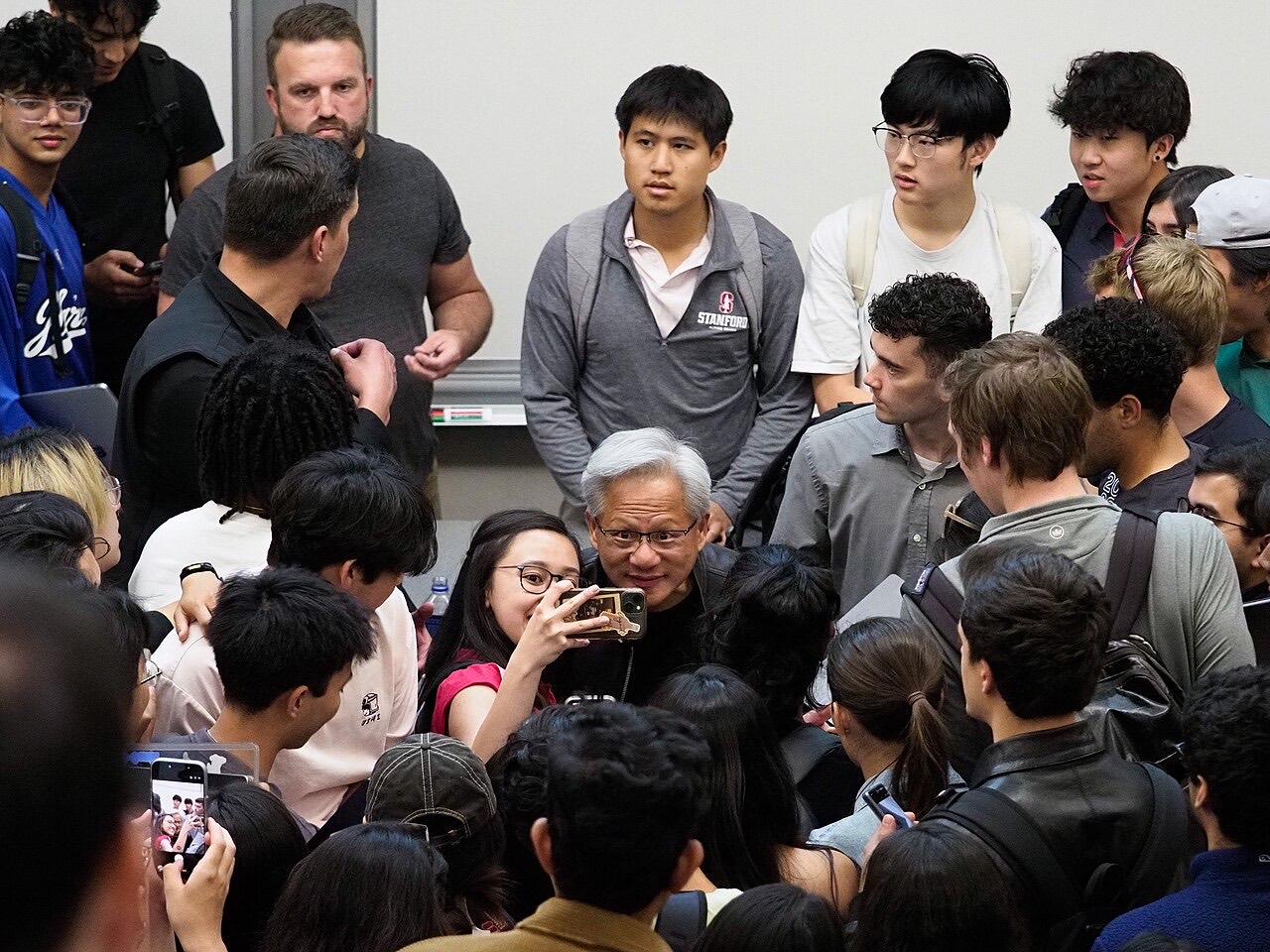
Jensen’s lasting work is the GPU era and the AI infrastructure era that grew from it.
He helped turn computer graphics into a huge entertainment industry. He helped turn parallel processors into tools for science and machine learning. He showed that a founder can stay CEO for decades if the company keeps reinventing its mission without abandoning its core craft.
The leather jacket is famous. The real uniform is persistence.
For young builders, his story is blunt and hopeful. Clean toilets if you must. Wait tables if you must. Study hard. Find partners. Bet early on platforms, not only chips. Expect near death moments. Keep a sense of urgency without losing the long view.
He began as a boy moving across countries. He became a student who graduated young. He became a CEO who still talks about dishwashing as a teacher. The leather jacket is famous. The real uniform is persistence.
- Born
- February 17, 1963
- From
- Taipei, Taiwan
- Studied
- Electrical engineering, Oregon State (1984) and Stanford (1992)
- Co-founded
- NVIDIA, 1993, with Chris Malachowsky and Curtis Priem
- Role
- President and CEO since 1993
- 1963
Born in Taipei, Taiwan.
- 1984
Graduates from Oregon State University with highest honors.
- 1992
Earns a master’s in electrical engineering from Stanford.
- 1993
Co-founds NVIDIA after sketching it at a Denny’s in San Jose.
- 1999
NVIDIA introduces the GPU.
Watch alongside this story
Short cuts from interviews, keynotes and launches. Each plays only the moment that matters.