The 19‑Year‑Old Who Built AI’s Data Engine
He grew up near a nuclear lab. He left MIT at 19. Scale AI became essential to AI training.
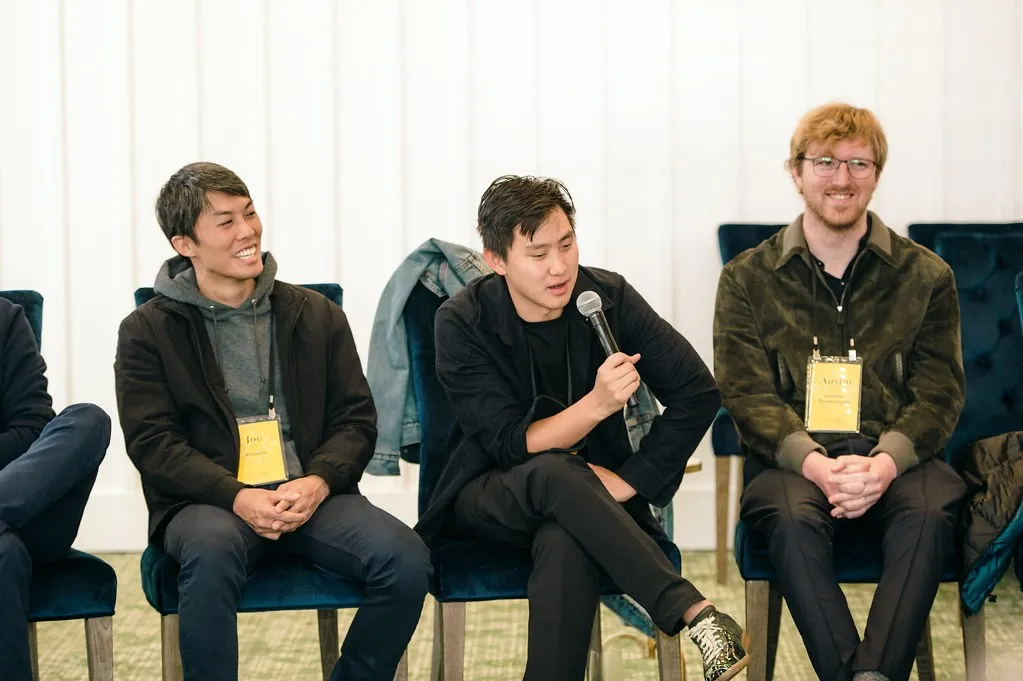
Alexandr Wang left MIT at 19 to start a new company.
He wanted to fix a problem he saw in AI.
He saw that data was the weak link.
Childhood and Family
Alexandr was born in January 1997 in Los Alamos, New Mexico.
His parents were Chinese immigrants.
They both worked as weapons physicists at Los Alamos National Laboratory.
The lab environment sparked his love for math and computers.
School and Early Achievements
He attended Los Alamos High School.
He won national math and programming contests.
He graduated early and earned a reputation as a prodigy.
College and First Jobs
He enrolled at MIT to study mathematics and computer science.
He dropped out after one year in 2016.
He then worked as a software engineer at Addepar.
He later became a tech lead at Quora.
He also interned as an algorithm developer at Hudson River Trading.
Founding Scale AI
In 2016 he met Lucy Guo at Quora.
Together they entered Y Combinator’s S16 batch.
They first tried an AI medical agent.
They realized the real bottleneck was labeled training data.
They pivoted to building a data‑labeling platform.
Early customers included Aurora, Uber, and Cruise.
They won those contracts by demoing at the CVPR conference.
Scale AI grew fast.
It became a unicorn in 2019.
By 2024 the company reached $1.5 billion in annual recurring revenue.
Growth, Controversies, and Meta
In June 2025 Meta bought a 49 % non‑voting stake for $14.3 billion.
The deal valued Scale AI at over $29 billion.
After the deal Wang joined Meta as Chief AI Officer.
He now leads Meta Superintelligence Labs.
Scale AI has faced criticism.
Workers have sued over wage theft and unsafe conditions.
The company has also been sued for misclassifying its global contract workforce.
Wang’s push for U.S. Department of Defense contracts made him a polarizing figure.
A bitter legal dispute with co‑founder Lucy Guo also drew attention.
In 2025 a data leak exposed client secrets.
Yann LeCun questioned Wang’s research background and conflict of interest.
The U.S. Department of Labor investigation was dropped in May 2025.
Class‑action lawsuits continue to target the firm.
Alexandr keeps his personal life private.
He does not disclose a partner or marriage.
He enjoys chess, board games, reading AI research, hiking, and science fiction.
He gives to STEM causes.
He supports AI safety research and computer‑science education for under‑represented groups.

Alexandr Wang’s story shows how a small town can shape a global AI leader.
His focus on data has changed how machines learn.
He continues to build the future of artificial intelligence.
Founding Story
Alexandr Wang was born in January 1997 in Los Alamos, New Mexico.
His parents were Chinese immigrants and worked as weapons physicists at the Los Alamos National Laboratory.
The lab environment sparked his love for math and computers.
He excelled in national math and programming contests at Los Alamos High School.
He graduated early and entered MIT to study mathematics and computer science.
He left MIT after one year to chase a startup dream.
He had already worked as a software engineer at Addepar and as a tech lead at Quora.
He also interned as an algorithm developer at Hudson River Trading.
In 2016, at age 19, Wang co‑founded Scale AI with Lucy Guo.
They met while working at Quora.
They joined the Y Combinator S16 batch to launch the company.
First Customers & Product
Scale AI started as an experiment with an AI medical agent.
The team soon realized that AI needed clean, labeled data more than new algorithms.
Wang first saw this problem when he tried to build a camera for his refrigerator.
The company shifted to data labeling services.
Early customers were autonomous‑vehicle firms.
Aurora, Uber, and Cruise signed contracts for massive human‑labeled datasets.
Wang and Guo demoed their product at the CVPR conference.
Engineers at the booths saw the value and placed orders.
Early Struggles
Many venture capitalists called data labeling “unsexy.”
They thought the market was too small.
Scale AI had trouble raising money at first.
The founders kept the lights on by billing the auto‑tech clients.
They hired a global contract workforce to handle the labeling load.
The workforce later faced criticism over pay and working conditions.
Key Turning Points
In 2019, Scale AI hit unicorn status.
Annual recurring revenue topped $1.5 billion by 2024.
Wang’s public statements highlighted the importance of data.
The company survived a 2025 data leak that exposed client secrets.
It also weathered lawsuits about wage theft and worker misclassification.
A U.S. Department of Labor probe was dropped in May 2025.
Growth & Numbers
Scale AI’s revenue grew to $1.5 billion in 2024.
The firm served more than 200 enterprise customers.
Its data pipelines powered self‑driving cars and large language models.
Wang also began investing in AI safety research and coding bootcamps.
He donated to computer‑science programs for under‑represented groups.
Funding & Acquisition
In June 2025, Meta bought a 49 % non‑voting stake in Scale AI for $14.3 billion.
The deal valued the whole company at over $29 billion.
After the deal, Wang joined Meta as Chief AI Officer.
Jason Droege became Scale’s CEO, later replaced by Francis deSouza in August 2026.
Scale AI stayed private and has not launched an IPO.
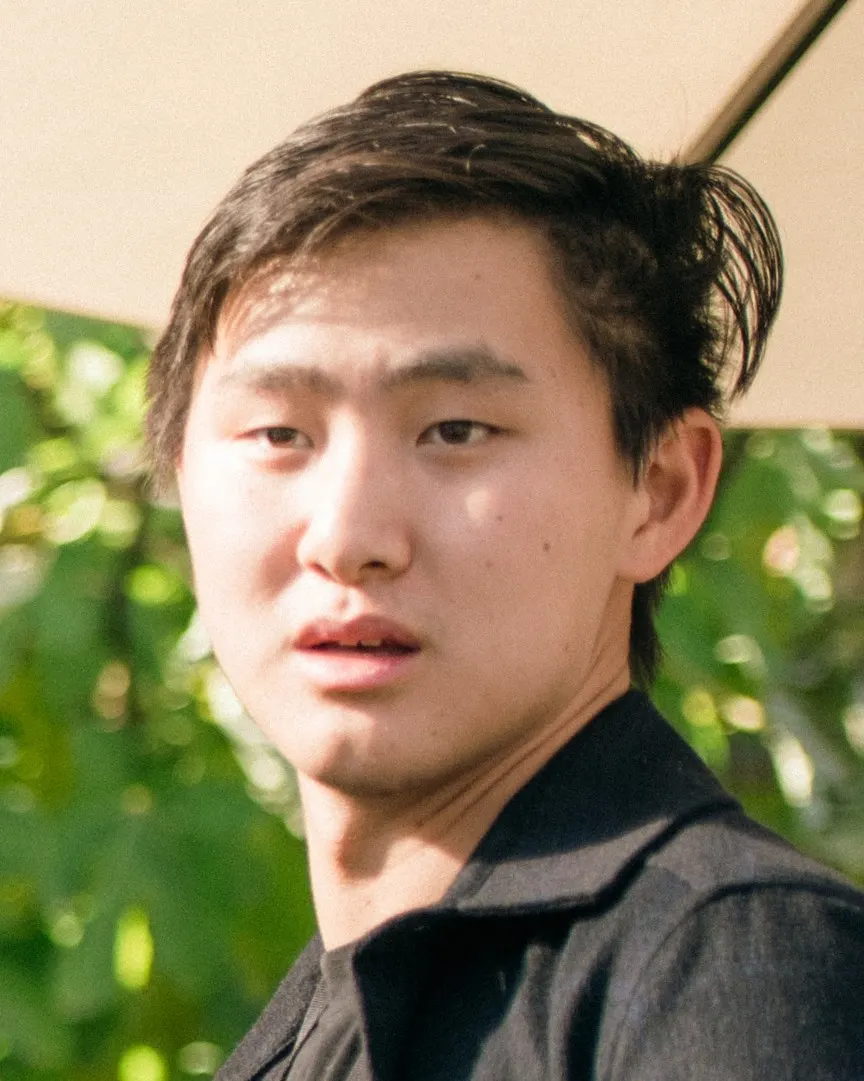
Wang’s dual role at Meta and Scale sparked debate.
Yann LeCun questioned his research background and potential conflicts of interest.
Critics also pointed to the company’s labor lawsuits.
Despite controversy, Wang kept focusing on data infrastructure.
Legacy
Wang remains private about his personal life.
He enjoys chess, board games, reading AI research, hiking, and science fiction.
He believes “The models are only as good as the data they’re trained on.”
He also says “If you are 13 years old, you should spend all of your time vibe‑coding.”
His work shapes how AI learns today and tomorrow.
Setbacks
Alexandr Wang left MIT after one year. He dropped out in 2016. He was only 19. He had no money. He needed investors. Early investors thought data labeling was boring. They called it low‑TAM. Scale AI could not get big funding. The team struggled to pay staff. They had to prove the market. They went to CVPR. They showed a demo to engineers. That helped them win early contracts.
Criticism and Controversies
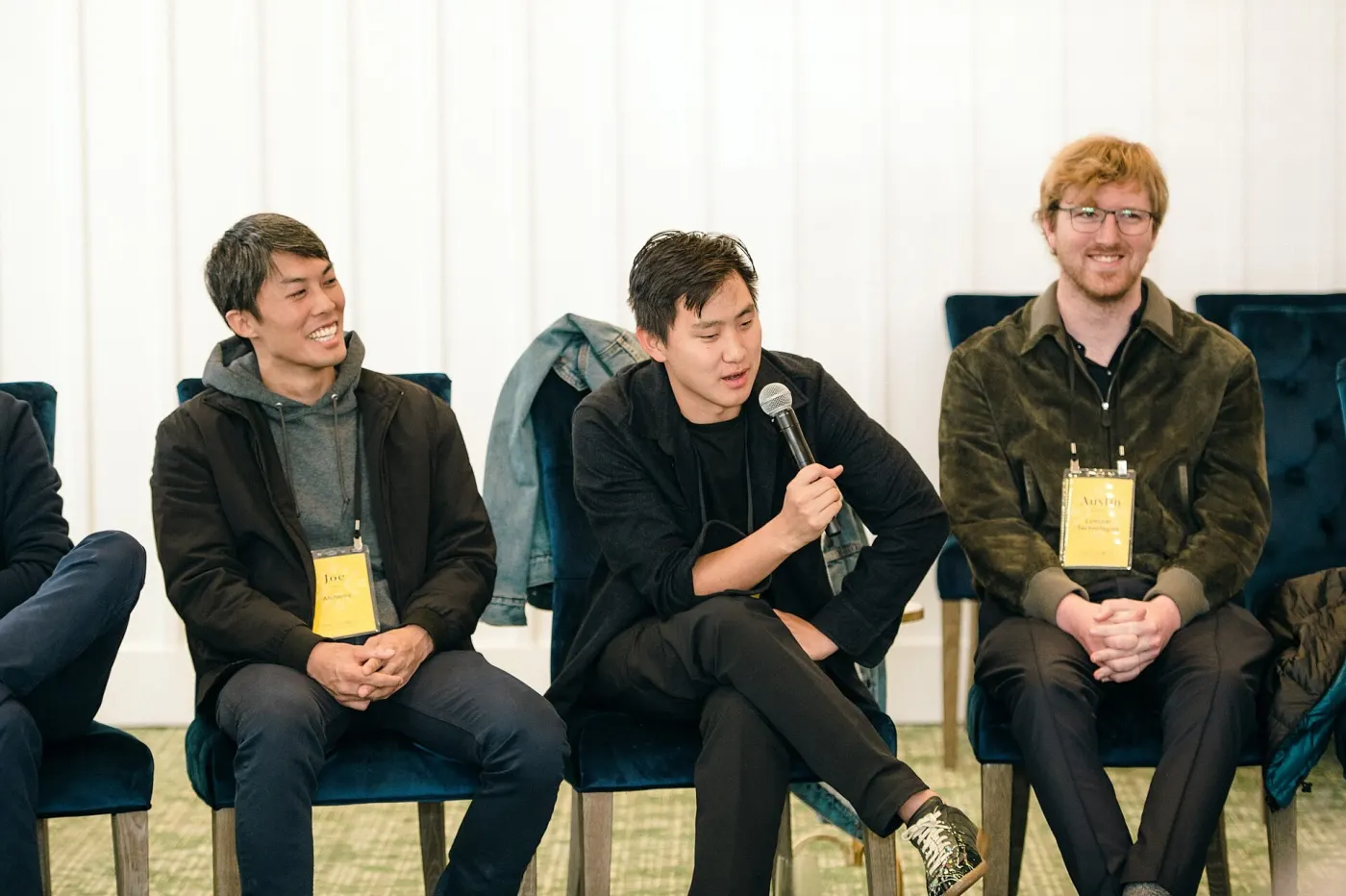
Scale AI has been sued many times. Workers say they were underpaid. They say they were mis‑classified. Some say they faced graphic content trauma. The company also chased DoD contracts. That made many tech peers uneasy. A legal fight grew with co‑founder Lucy Guo. In 2025 a data leak showed client secrets. Critics like Yann LeCun questioned Wang’s research background. They also worried about his dual role at Meta and Scale. A U.S. Labor investigation started. It was dropped in May 2025. The lawsuits keep coming.
Recent Changes
Meta bought a 49 % stake in June 2025. The deal was $14.3 billion. Wang became Meta’s Chief AI Officer. He started Meta Superintelligence Labs. He rebuilt the AI team from scratch. He launched the Muse AI agent. He also released the Muse Spark model line. He kept his founder title at Scale AI. He invested $105 million in Reflection in March 2025.
Where He Is in 2026
In September 2026 Wang still leads Meta’s AI work. He runs the Superintelligence Labs. He guides the Muse projects. He remains founder of Scale AI. Scale AI stays private. It is still a data and infrastructure provider. It serves autonomous vehicle firms and large language model teams. The company keeps growing after the Meta stake. Wang lives a low‑key life. He does not share personal details. He still enjoys chess, board games, reading AI papers, hiking and sci‑fi books.
Why the story matters
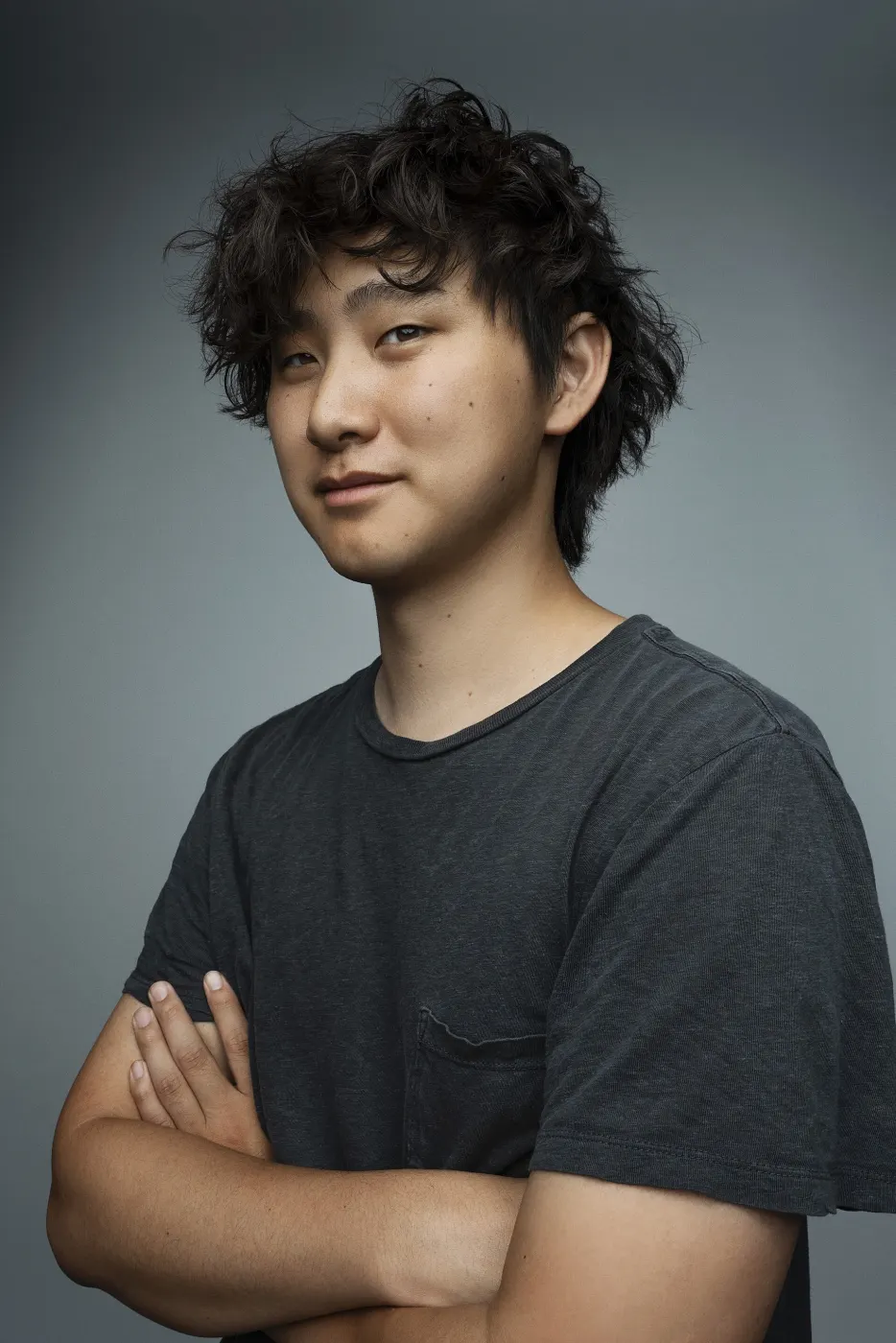
The story shows how a teen can build a global tech company. It teaches that hard work beats fancy ideas. It warns that rapid growth can bring labor issues. It shows the power of data in AI. It proves that pivoting early can save a startup. It reminds us that leadership can shape an entire industry.
The Record
Birth: January 1997, Los Alamos, NM
Education: Los Alamos High School; MIT (dropped out)
Founded: Scale AI, 2016
Unicorn: 2019
Meta stake: 49 % in 2025
Current role: Meta Chief AI Officer (2026)