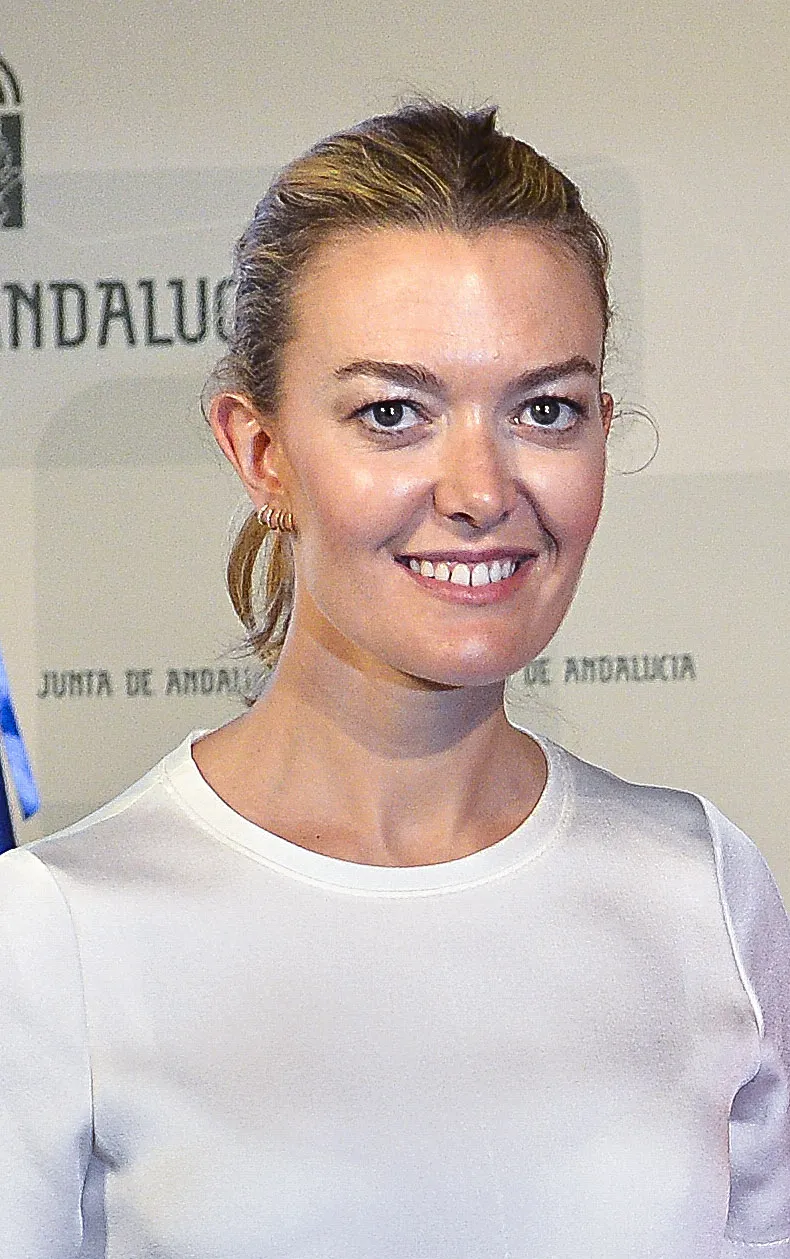
The Man Who Dressed the Street
A railway worker's son left school at fourteen in A Coruña. He and Rosalía Mera sewed bathrobes before they opened Zara. By 2026 Inditex sold nearly forty billion euros a year.
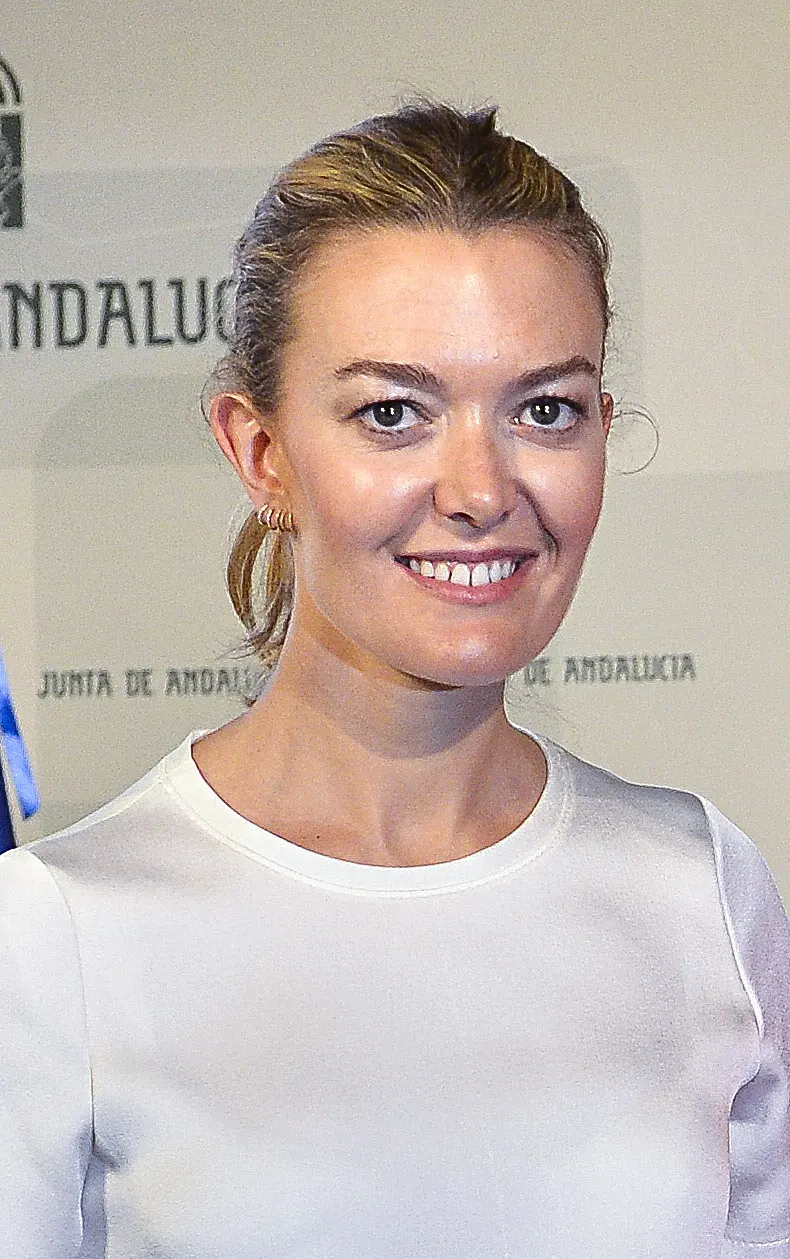
For decades the richest clothing retailer on Earth treated publicity like a stain. Amancio Ortega Gaona did not chase magazine covers. He did not build a personal brand on stages. He built factories, logistics halls, and shop windows, then let the windows do the talking. When journalists finally hunted his face before Inditex went public, the surprise was not his wealth. The surprise was how long a man could reshape how the planet buys clothes while remaining almost invisible.
By late 2026 Forbes realtime estimates still placed Ortega near one hundred fifty billion dollars, give or take the daily swing of Inditex shares. Public trackers put him around the tenth-richest person alive and Spain's defining fortune. He was ninety years old, still tied to roughly three fifths of Industrias de Diseño Textil, the parent behind Zara and a family of sibling brands. Inditex's fiscal year that ended 31 January 2026 posted about thirty-nine point nine billion euros in sales and more than six billion euros in net profit. The company ran about five thousand four hundred sixty stores after years of closing weak doors and enlarging strong ones. Online sales alone topped ten billion euros. Ortega was no longer chairman. His daughter Marta Ortega Pérez held that chair. The drama of his life is not a victory speech. It is a supply chain that learned to listen.
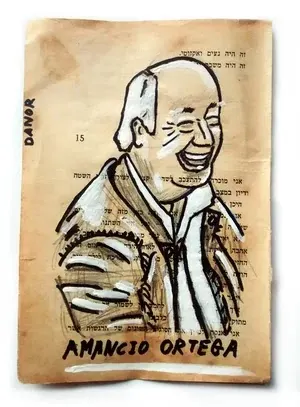
Busdongo, Tolosa, and a boy who watched money refuse his mother
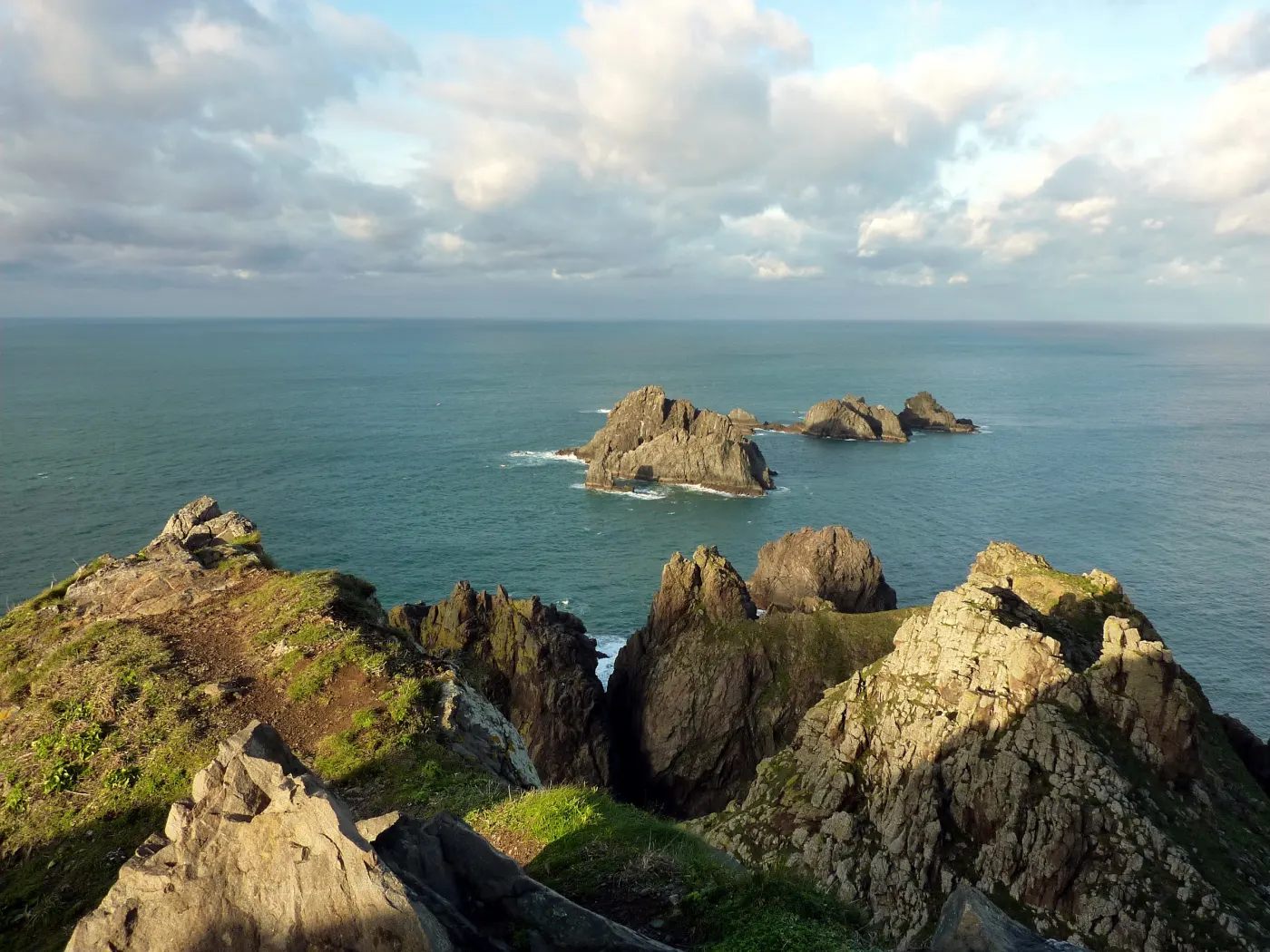
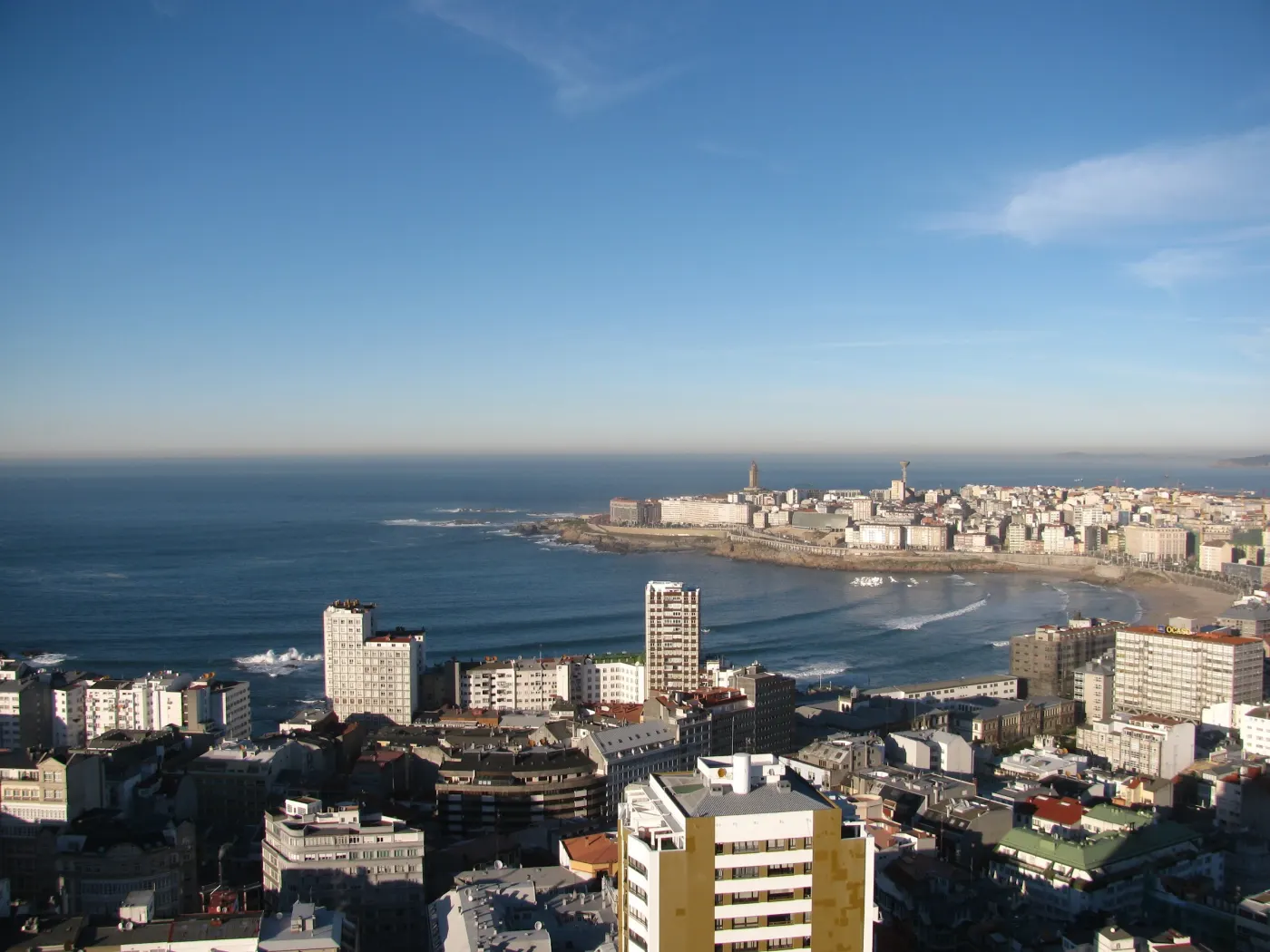
Amancio Ortega Gaona was born 28 March 1936 in Busdongo de Arbás, a small place in León, into the youngest slot of four children. His father, Antonio, worked the railway. His mother, Josefa Gaona Hernández, worked as a housemaid in the hard years around the Spanish Civil War and its long aftermath. Childhood also passed through Tolosa in Gipuzkoa before the father's job pulled the family to A Coruña when Amancio was about fourteen.
Secondary biographies, including stories drawn from Covadonga O'Shea's reporting, return to a grocery humiliation: a shopkeeper refusing his mother credit while the boy stood close enough to feel the shame. Exact dialogue is soft. The vow that follows is what later friends and writers treat as fuel. He would not let his family live inside that kind of no again. Whether every syllable is perfect matters less than the pattern that followed: watch customers, watch suppliers, never pretend pride feeds anyone.
The Spain he grew into was not a consumer playground. Rationing memories lingered. Class lines were stiff. A railway household taught the value of a uniform paycheck and the fear of sudden unpaid bills. Ortega's later obsession with cash conversion and inventory discipline reads differently once you picture a teenager who saw credit used as a weapon in a shop aisle. He did not study that lesson in a business school. He absorbed it in public.
School ended early. Work began. In downtown A Coruña he entered Gala, a shirtmaker that local lore still points to on a corner, as a delivery boy and shop hand. He learned cloth by carrying it. He learned people by watching who bought, who hesitated, and who returned angry because a fashion had already moved on. Later he shifted to La Maja, a sharper boutique, where his siblings Antonio and Pepita also worked the trade. There he met Rosalía Mera Goyenechea, a young woman who could sew with professional seriousness. Love and a business plan grew in the same aisle.
At Gala and La Maja he saw the industry's lag with his own eyes. Fabric arrived late. Styles arrived after the party. Managers pushed what warehouses held instead of what customers asked for. Ortega began practicing small designs at home, often nightwear and simple pieces, using cheaper materials and family hands. The experiments were not glamorous. They were prototypes of a future where the maker refused to be blind.
Bathrobes, GOA, and a kitchen that became a factory
Ortega could sell. Rosalía could cut and stitch. In the early 1960s they began making garments at home and in small workshops with family: baby clothes, lingerie, then quilted bathrobes in bright colors that washed well and felt like a small luxury. The bathrobes hit a nerve. Galician women sewed in cooperatives. Goods moved to wholesalers and big Spanish retailers whose names still appear in local origin histories: Simago, Pryca, Galerías Preciados. The brand name that stuck was GOA, Amancio Ortega Gaona's initials read backwards, a private joke that became a company.
Sources disagree on the exact legal birthday of Confecciones GOA. Inditex's own history page presents Ortega opening a small dressmaking workshop under that name. El País timelines often cite a 1963 robe workshop and a 1972 scale-up of Confecciones Goa. The honest version for a magazine is this: the sewing started in the early sixties; the company hardened into a real industrial bet by the early seventies; A Grela industrial space replaced living-room tables. Ortega rode a bicycle and an old car to place product. He was still a supplier to other people's shops. He had not yet risked his own front door.
Rosalía's own later interviews, preserved in Galician cultural profiles, describe starting as a teenage modista, meeting Amancio at La Maja, and leaving wage work to sew full time for GOA. She framed early success as effort, constancy, intelligence, and luck. Primitiva Renedo, married to Antonio Ortega, appears in the same founding cluster. Pepita Ortega handled money sense. The first Inditex was not a lone genius myth. It was a family workshop that scaled because the bathrobes sold and the reinvestment never stopped.
Spain under Franco still policed taste and limited how freely a middle class could dress for play. That constraint mattered. Ortega's early product sense was not Paris fantasy. It was what ordinary buyers could afford and what workshops could finish before the season died. When Franco died in November 1975, Spain's transition opened social energy and consumer hunger. Ortega's first Zara store had already opened months earlier. Timing helped. Preparation mattered more.
Zorba was taken, so the street got Zara
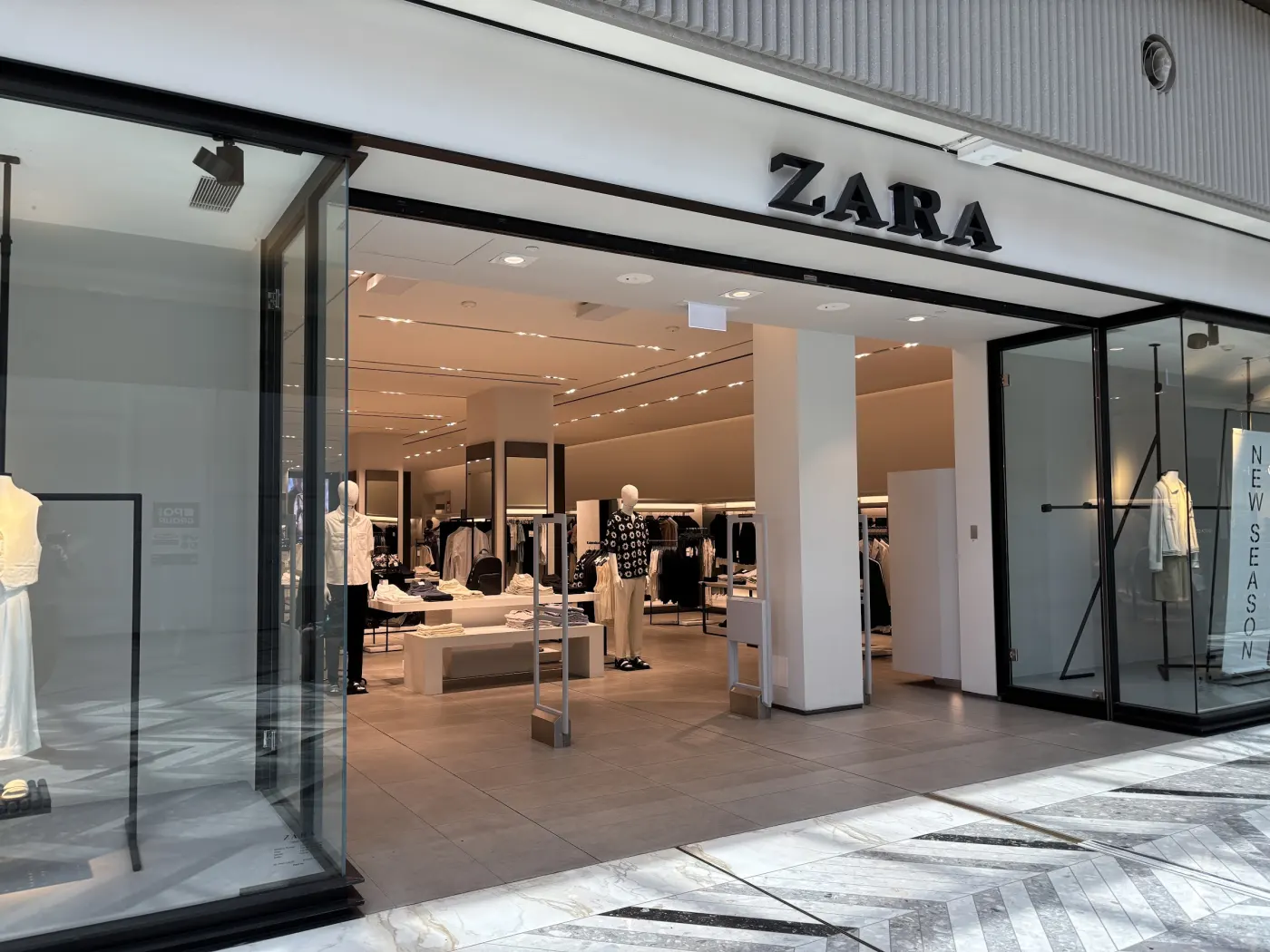
On 15 May 1975 the first Zara store opened in A Coruña. The preferred name was Zorba, after the film energy Ortega liked. Someone else held that name. Zara was close enough, short enough, and empty enough to own. The bet was huge for a man who had spent a decade serving other retailers: control the path from hanger to hand. If a dress sold out by lunch, the shop could tell the makers by night. If a color died, stop making it. The store was not a billboard for a distant factory. It was a sensor.
Early Zara sold affordable interpretations of high-end looks without pretending to be couture. That choice made enemies among prestige brands and fans among office workers who wanted to look current on a paycheck. Ortega's team studied magazines and streets the way a coach studies film. They did not wait for a seasonal bible written in another country. They wrote their own weekly scripture from sales and gossip.
Rosalía Mera was not a footnote. She was co-founder energy, early stitcher, and later a major Inditex shareholder in her own right until her death in 2013. Their children Sandra and Marcos grew up inside a company that still felt local even as it scaled. The marriage ended in divorce in 1986. Ortega later married Flora Pérez Marcote in 2001. Their daughter Marta, born in 1984, would eventually take the board's top chair. Family complexity is part of the empire's truth. Soft soap is not.
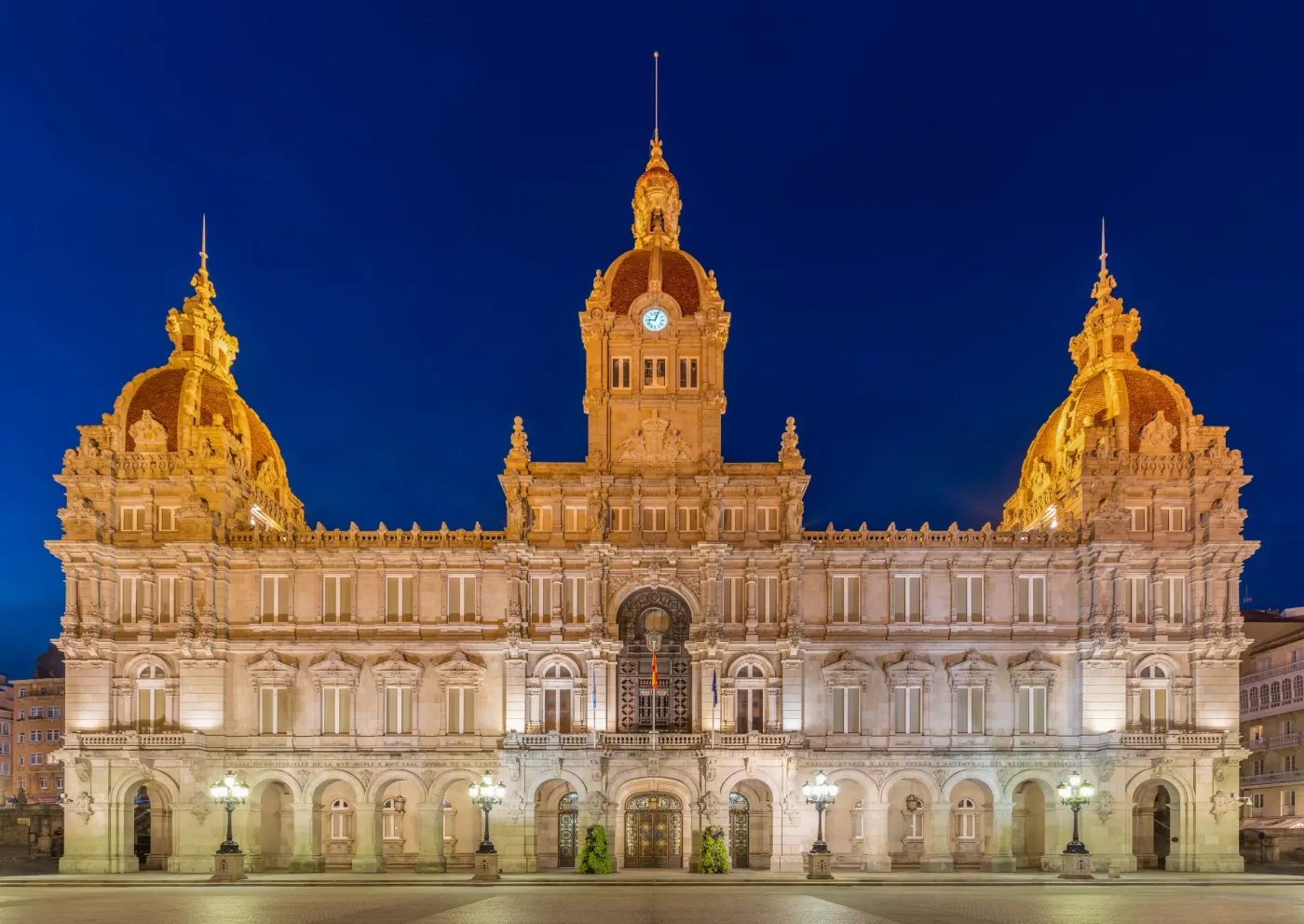
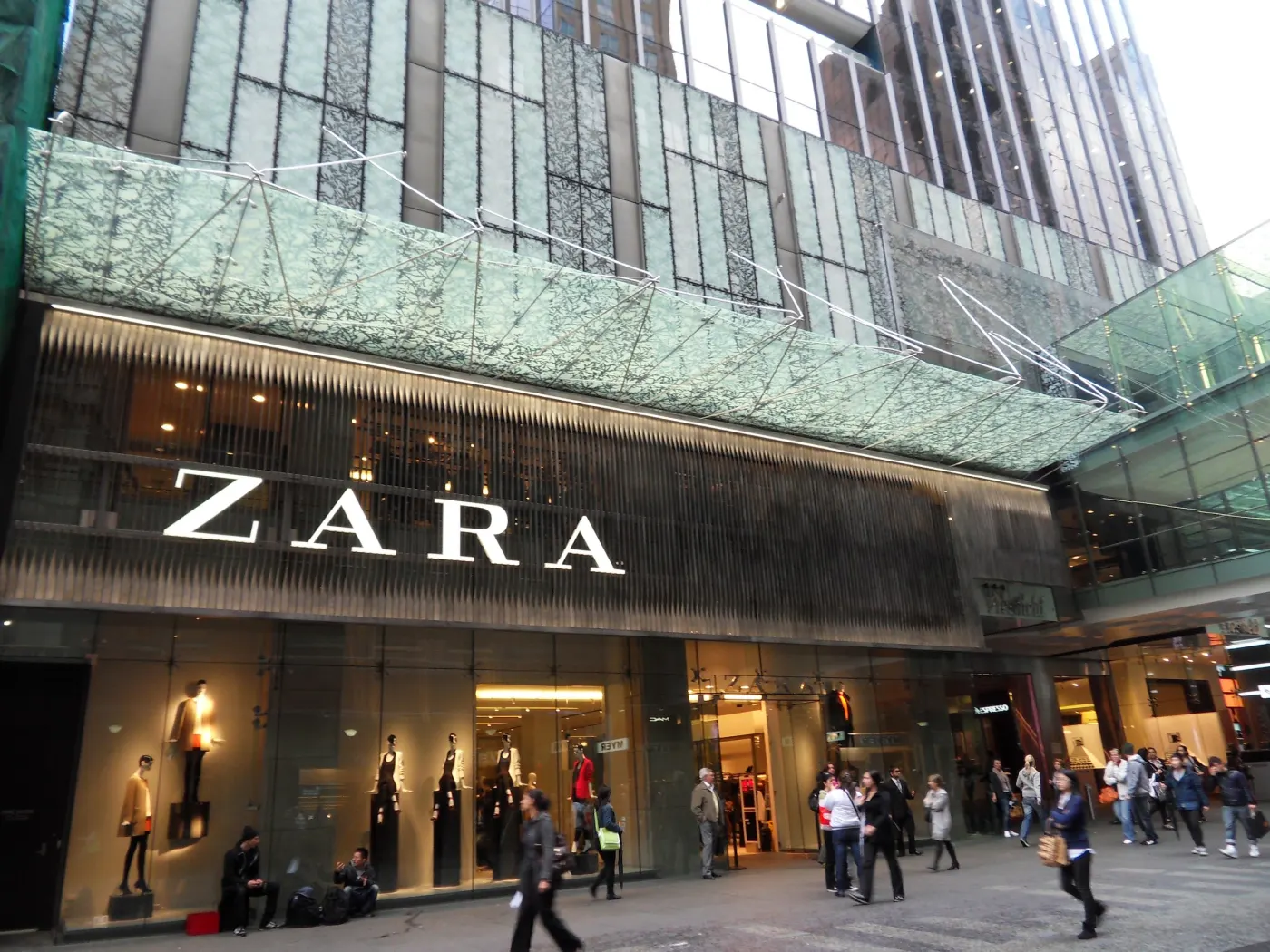
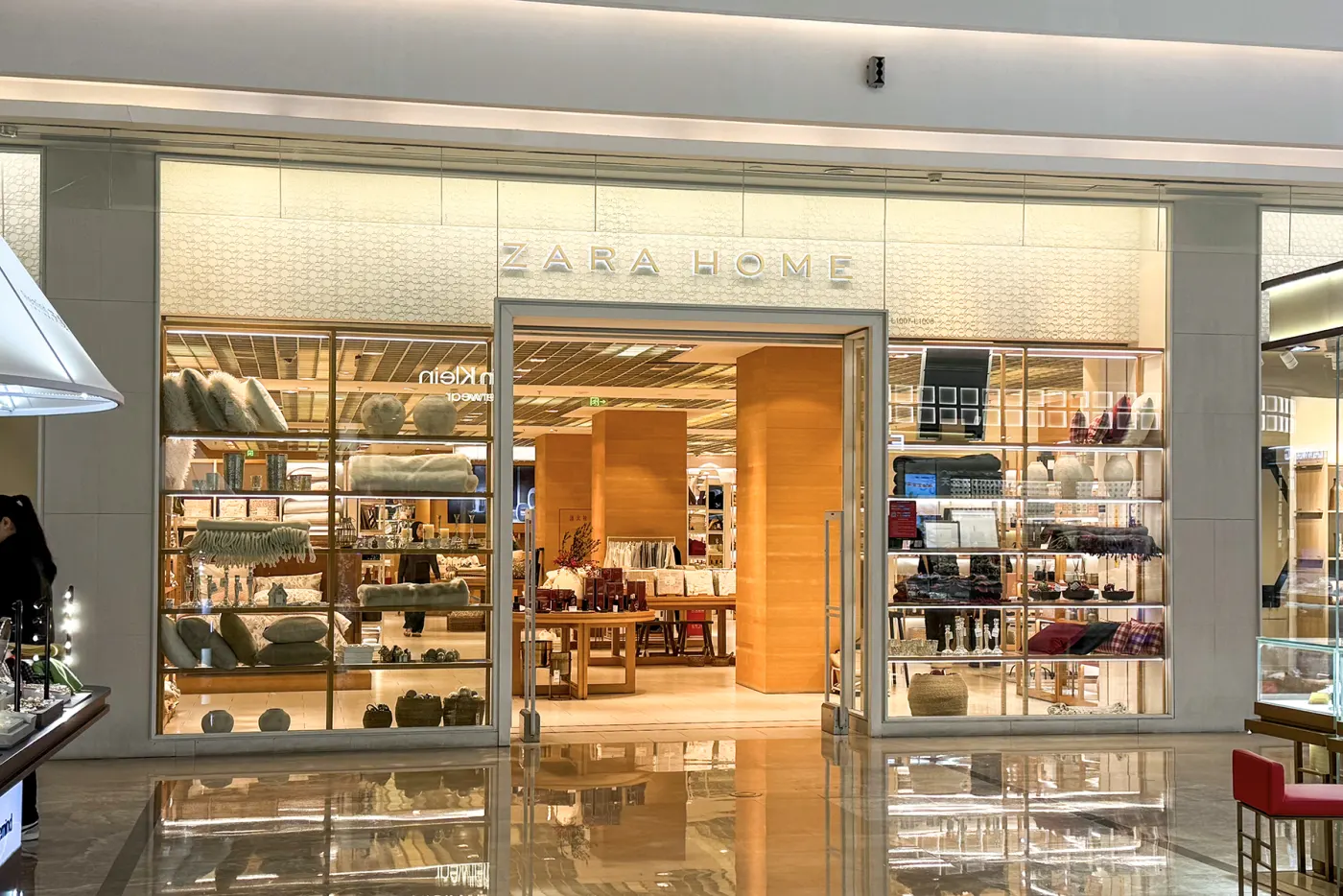
Through the late 1970s and early 1980s Zara multiplied across Spanish cities. Factories and a logistics habit formed on the Coruña outskirts. A first major logistics center in the mid-1980s made speed physical. In 1985 Inditex was incorporated as the holding roof over shops and plants. Porto opened in 1988. New York followed in 1989. Paris in 1990. Mexico City, Athens, Belgium, Sweden, and a spreading map of capitals proved that Galician cadence could travel. Pull&Bear, Massimo Dutti, Bershka, Stradivarius, Oysho, and Zara Home later widened the aisle so one group could dress teens, office workers, and living rooms without forcing every customer into the same rack.
Instant fashion, almost no ads, and a fortress called Arteixo
What competitors studied until their eyes hurt was not a single clever logo. It was a loop. Design teams watched streets, magazines, and store cables. Trend-sensitive pieces could move from sketch toward shop floor in roughly two to three weeks, with about fifteen days often cited in documentaries and case teaching. Batches stayed small on purpose. Scarcity was not only marketing poetry. It was inventory hygiene. Stores received fresh goods multiple times a week. Unsold risk shrank because the company preferred to miss a few sales than to drown in markdowns.
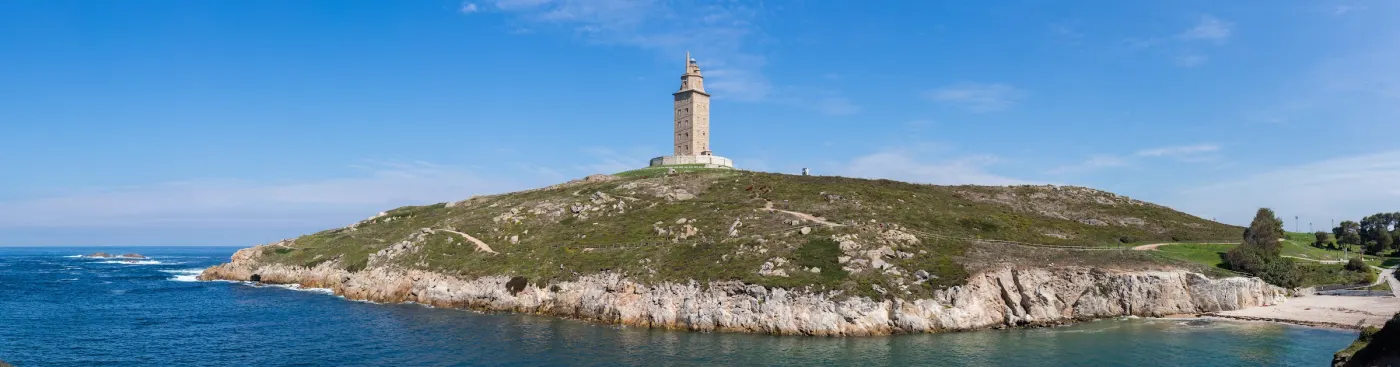
Advertising budgets stayed tiny compared with peer brands, often estimated under one percent of revenue in secondary analyses. Ortega treated prime street corners as the campaign. Rent was the billboard. A Zara on a great avenue taught the city what Inditex wanted to be: close, current, priced for repetition. Inside Arteixo, headquarters and plants grew into a system reporters describe like a fortress with automated logistics, long internal conveyors, and a culture that hated delay. Soft numbers about exact underground kilometers vary by film. Hard truth does not: proximity and information were the strategy.
The New York Times helped baptize the category when Zara entered the American conversation. "Fast fashion" became both compliment and accusation. Ortega's machine answered desire quickly. Critics answered with questions about waste, copycat ethics, and the human cost of speed in distant workshops. Those questions would never fully leave.
El País, writing when Ortega briefly sat among the planet's top three fortunes, captured the paradox: a company that barely advertised yet opened stores like clockwork, a founder who ate in the staff canteen yet controlled a global network, a model business schools copied without fully replicating. José Luis Nueno of IESE and other case writers kept returning to the same verdict. Pieces of Inditex can be imitated. The whole integrated nervous system resists clones.
Near deaths that did not look like Silicon Valley drama
Inditex's crises rarely arrived as theatrical near-bankruptcy scenes in English-language lore. They arrived as currency shocks, European consumption collapses, and the quiet terror of being wrong about a season. During Spain's deep downturn years, the group leaned harder into international openings and cheaper tickets while peers froze. When China labor costs rose, production maps shifted toward nearer geographies such as Turkey, North Africa, and Portugal for speed-critical work, while basics still rode longer ocean routes. The point was not patriotism. It was lead time math.
Inventory discipline was the real cliff edge. A wrong bet on color could fill warehouses. Ortega's culture treated dead stock as moral failure. Dye it, restyle it, move it, learn. Case anecdotes about umbrellas appearing when rain was forecast are half folklore, half operating metaphor: the window should match the weather of demand. That metaphor scaled into software, handhelds for floor staff, and a headquarters that lived inside sales data the way a trading desk lives inside ticks.
Then came the spring of 2020, and the cliff edge was no longer a figure of speech. Covid shut city after city. At some point in the first quarter, up to 88 percent of Inditex stores were closed. At the end of April only 965 of them were open, in 27 markets. Sales for February through April fell 44 percent to about 3.3 billion euros. Inditex posted a net loss of 409 million euros, the first quarterly loss in its life as a listed company, partly because it set money aside to shut older, smaller stores for good. Online sales rose 50 percent that quarter and almost doubled in April. The machine bent. It did not break.
In those same weeks the Arteixo trucks and cargo contracts were pointed at a different job. Inditex used its logistics to fly more than 120 million pieces of medical gear from China to Europe, much of it donated by others. Ortega's foundation bought about 63 million euros of supplies in the first weeks alone: 1,450 ventilators for intensive care, three million masks for health workers, a million test kits, and hundreds of hospital beds. The company also said it paid suppliers in full for orders already made or in production.
Copycat lawsuits and designer anger were another recurring storm. Luxury houses accused Zara of skating too close to runway DNA. Inditex answered that fashion is a conversation of forms, that speed interprets trends rather than forging unique art objects, and that lawyers exist for a reason. Shoppers mostly voted with baskets. The ethical gray zone remained: inspiration versus appropriation, democracy of style versus dilution of authorship.
IPO light, Isla years, and a recluse in the canteen
Until the run-up to listing, Ortega's face was scarce. The 2001 Madrid IPO forced a controlled appearance. Inditex arrived as one of Europe's defining retail floats, with a valuation often summarized near nine billion euros in secondary accounts, and Ortega selling a meaningful minority slice while keeping control near sixty percent through vehicles that later concentrated in Pontegadea and related companies. Exact float percentages and day-one prices belong to prospectuses and should be treated carefully in soft secondary retellings. What mattered strategically was capital for global growth without surrendering the Galician center of gravity.
Ortega stepped down as chairman in 2011, asking Pablo Isla, already a powerful CEO since 2005, to lead. Isla scaled online, flagship theater like Fifth Avenue scale stores, and professionalization that investors liked. Ortega did not vanish into a mythic cave. Spanish profiles described him still appearing in design areas and staff dining rooms, still allergic to ties, still preferring simple jackets that were not costume Zara cosplay. Privacy remained policy. Only a handful of journalists ever got real interviews across his life.
In April 2022 Marta Ortega Pérez became non-executive chair, a succession Inditex presented as generational continuity after her years inside product and brand work, including international postings and Zara Woman design. Flora Pérez Marcote had already represented family interest on the board for years. The public story is dynasty with homework: Marta was not a surprise parachute. The private story is a founder watching his name become a committee while Óscar García Maceiras and other executives ran day-to-day operations in the post-Isla era.

Pontegadea: when dividends need somewhere to live
Inditex threw off enormous cash. Ortega's answer was not a louder yacht Instagram. Through Pontegadea he built one of the world's great private property engines: offices and trophy assets across Europe and North America, tenants that include names like Apple and Amazon in various buildings over time, plus selective energy-network stakes in companies such as Enagás, Red Eléctrica, and Portugal's REN as reported in the Spanish press. Forbes and European business magazines in 2026 described a real-estate book measured in tens of billions of dollars of value, sitting beside the Inditex core. Soft: exact portfolio marks move with appraisals and FX.
Spanish coverage in 2025 and 2026 tracked Pontegadea profits and assets at scales that sound unreal until you remember most of the mountain is still Inditex equity marked through holding companies. Expected Inditex dividends into Ortega vehicles for 2026 were reported in the multi-billion-euro range. Soft on any single newspaper's exact forecast. The structural point is clean: the fashion float funded a second empire that does not need a shop window, and that second empire now shapes skylines from Madrid's Castellana axis to Seattle office blocks.
Ortega's personal geography stayed stubbornly Galician. Profiles say he preferred an A Coruña apartment over a palace tour. Casas Novas equestrian life gave him a public hobby without requiring a TED Talk. Wealth lists mention yachts named Drizzle and Valoria B and a Gulfstream jet. Those toys exist in the reporting. They never became the brand. The brand was absence paired with relentless compounding.

How he worked when nobody was filming
Ortega's method, reconstructed from employees, biographers, and rare public crumbs, is stubbornly operational. Walk the floor. Trust store managers as sensors. Prefer fixing process over giving speeches. Keep headquarters away from Madrid glamour so the culture stays near cutting tables. Spend on location and logistics instead of celebrity campaigns. Hire design as a team sport, not a lonely genius myth. Accept that fashion plagiarism accusations will arrive when you move at street speed; answer with lawyers, buyers, and the next drop.
He liked mornings that looked ordinary. He disliked executive theater. People who worked near him describe a man more interested in whether a seam would sell than whether a journalist would smile. That temperament built a company fluent in SKUs and awkward in interviews. It also meant that when trouble came, the public met a logo before it met a founder.
For years he had no grand corner office. Employees and biographers describe him sitting at a plain table on the open floor near Zara's women's design team at Arteixo, close enough to hear designers argue about a hem. His uniform barely changed: blue blazer, white shirt, gray trousers, no tie. He asked store managers what customers had touched and put back. Then he wanted to see the fabric, feel it, and know how fast it could be in a store.
Brazil's 2011 revelations about slave-like conditions in subcontracted workshops tied to Zara production, covered by The Guardian and Brazilian authorities, forced Inditex into settlements, apologies, and tighter supplier controls. The 2013 Rana Plaza collapse in Bangladesh killed more than a thousand garment workers and shamed an entire sourcing map; Inditex, like other majors, lived inside Accord-era pressure, audits, and NGO scorecards. Fast fashion's environmental ledger (volume, short wear cycles, fiber waste) became a running moral case against the category Ortega helped invent. Company answers include supplier codes, IndustriALL framework language, recycled-fiber targets (Inditex said forty-seven percent of fibres from recycled materials in 2025), and store-efficiency programs. None of that erases critique. A fair biography holds both: the convenience shoppers loved, and the externalities workers and planet paid.
Podemos and other Spanish voices also argued about Ortega's cancer-equipment donations to public hospitals: gratitude for machines mixed with anger that a billionaire's check should be needed to modernize care. The foundation's large 2017 health gift and earlier Cáritas donation sit in that political weather. Ortega kept writing checks anyway, including a one hundred million euro fund after the 2024 Valencia DANA floods.
The giving kept coming anyway. In November 2024, after deadly DANA floods tore through Valencia, the Amancio Ortega Foundation pledged 100 million euros to help victims rebuild. Each year its scholarship program also sends hundreds of Spanish teenagers to spend a school year in Canada or the United States, a quiet echo of a founder who left school at fourteen and learned everything on a shop floor.
World change you can measure in closets
Before Zara's tempo, many mid-market chains locked collections months ahead and prayed. Ortega's system taught a generation that clothes could refresh like magazines. That changed how often people entered shops, how designers chased trends, and how competitors from H&M to later online pure-plays set clocks. It democratized a look of newness for budgets that could not fund couture. It also trained disposable habits that sustainability advocates now fight.
For Spain, Inditex became a rare global champion born far from Madrid's traditional power map. Galicia gained payrolls, logistics pride, and a complicated dependence on one group's health. Arteixo became a pilgrimage word in retail operations classes. For cities worldwide, Zara and sister brands turned central retail streets into Inditex showcases, raising rents and footfall while squeezing weaker independents. For capital markets, the 2001 listing created a Spanish equity icon that often behaved like a defensive growth compounder when other domestic names stumbled.
The cultural export was subtler. A teenager in Seoul, Lagos, or São Paulo could participate in a European-ish trend week without a luxury card. That access is real. So is the critique that endless newness flattens craft and floods landfills. Ortega did not invent human vanity. He industrialised its refresh rate.
Fifty years of Zara and the 2026 scoreboard
In 2025 Inditex celebrated fifty years since that first A Coruña door. The anniversary marketing was corporate; the operating reality was harder: optimize space, grow online, defend margins while shoppers juggle inflation and TikTok-native rivals. FY2025's nearly forty billion euros of sales, six point two billion euros of profit, and a trimmed store base of five thousand four hundred sixty doors show a mature machine still compounding, not a nostalgia museum. Gross space plans for 2026 stayed expansionary even as net store counts fell through absorption. Online crossed ten billion euros. Concepts from Zara to Stradivarius posted positive sales in company commentary.
On 28 March 2026, Amancio Ortega turned ninety. Weeks earlier, Inditex had reported a fourth record year in a row: 6.22 billion euros of net profit for the year ended 31 January 2026. The board raised the dividend to 1.75 euros a share, the largest in company history. With about 59 percent of Inditex held through Pontegadea and Partler, Ortega's share came to roughly 3.23 billion euros, paid in two halves on 4 May and 2 November 2026. At the July 2026 shareholder meeting, the company also marked twenty-five years on the stock market. The railway worker's son who left school early now collected one of the largest dividend checks in Europe.
Marta Ortega's 2026 shareholder remarks leaned on culture and people, the soft assets her father encoded by walking rooms instead of granting interviews. Whether a second generation can keep the fifteen-day reflex while meeting climate rules is the open exam. Ortega's fortune will keep oscillating with the share price. Soft: any single Forbes print is a weather report. The durable scoreboard is different: a poor railway child who built the world's most influential clothing retailer, then a property vault, then a succession path that still points back to Arteixo.
Sandra Ortega Mera, after Rosalía's death, became one of Spain's wealthiest women through inherited Inditex exposure, a reminder that the family's balance sheet is plural. Marcos's quieter public profile sits beside Marta's chair role. The Ortega story is no longer only Amancio's private war with poverty. It is a multi-branch stake in how Spain meets the world.
Failures, enemies, and the luck he will not mystify
Ortega's legend sometimes sounds frictionless. It was not. Early years meant debt risk, supplier fights, and the humiliation of selling door to door when Stanford-style prestige was elsewhere. International leaps meant learning landlord politics in New York and Paris. Brand extensions sometimes lagged; not every concept became Zara. Uterqüe and other experiments showed the portfolio could misread a niche. Online arrived later than pure-play rivals, a lag Isla-era management had to close.
Enemies included luxury lawyers, labor NGOs, environmental campaigners, and domestic politicians who disliked billionaire philanthropy as public policy. Luck included Spain's post-Franco consumer boom, the timing of global mall culture, and the accident of a short name when Zorba was blocked. Ortega's own interviews are too rare to quote as a fountain of self-myth. Biographers suggest he credited work and team more than destiny. That matches the operating system: less prophecy, more trucks.
Design rooms, truck bays, and the religion of twice a week
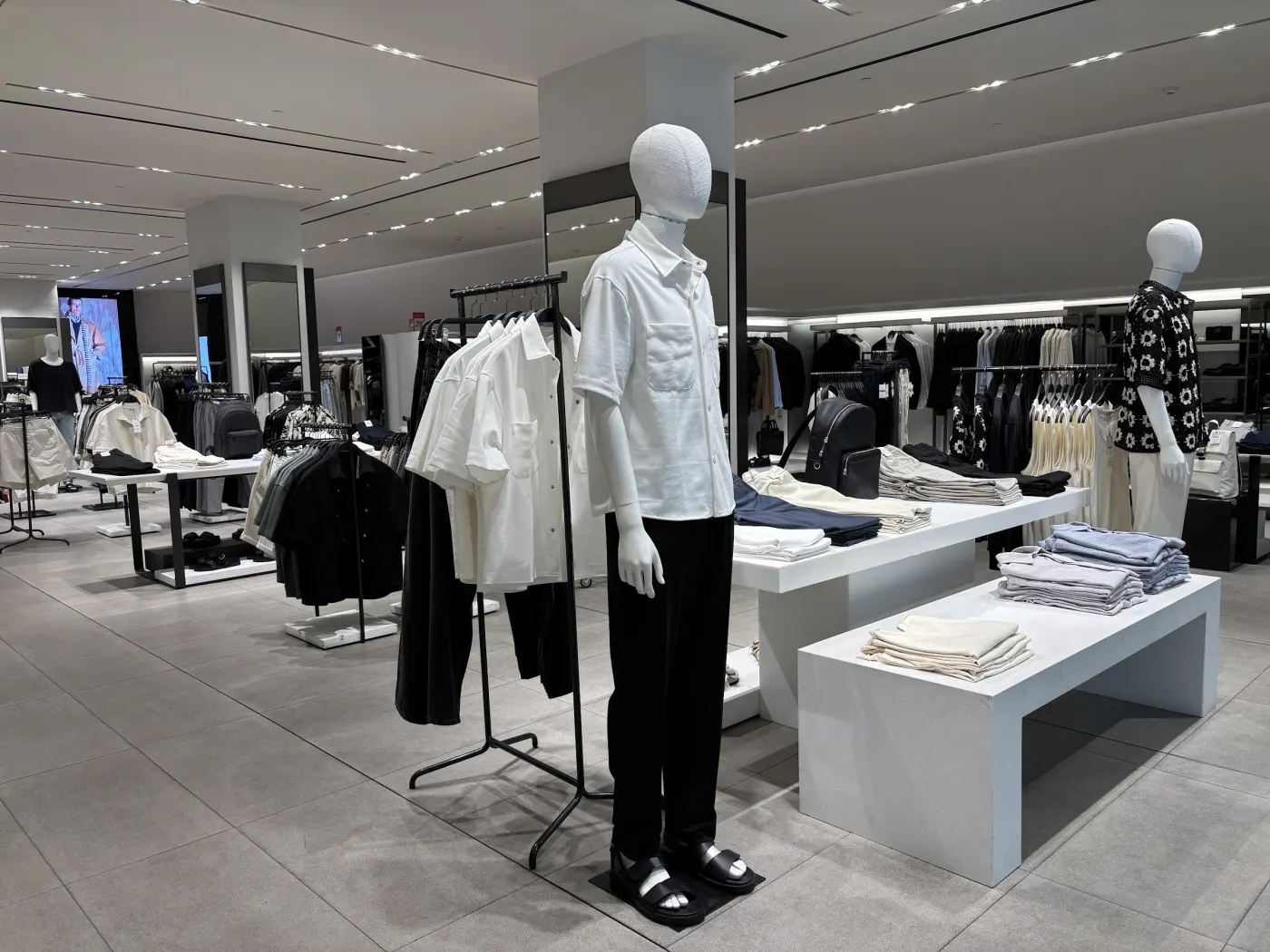
Walk into a Zara on a Thursday and the floor may already disagree with Monday. That is not accident. Inditex trained itself to treat the store like a live instrument. Managers and staff fed observations upward. Headquarters translated those notes into cuts, dyes, and cancellations. Design was plural: teams, not a single branded auteur, chased what the week demanded. Trend pieces leaned on nearer production. Basics could travel farther. The split let the company protect speed where speed paid and chase cost where sameness ruled.
Twice-weekly deliveries became a kind of liturgy. Customers learned that waiting a month for "new" was optional. Competitors tried to match the cadence and discovered that cadence without the feedback loop is just expensive churn. Ortega's contribution was insisting the loop stay closed. A pretty logistics center that cannot hear a store is worthless. A store that cannot force a factory to change is decoration.
Arteixo's scale also remade local labor markets. Generations of Galicians built careers inside Inditex orbits: sewing, packing, IT, store ops, design assistants. The company became a regional gravity well. When Inditex sneezed, A Coruña felt the breeze. That civic entanglement is part of Ortega's world impact even when he refuses the microphone.
Money, control, and the fear of being photographed
Ortega's allergy to cameras was not only shyness. Biographers and Spanish financial writers link it to control: once the face is public, every rumor grows teeth. Before the IPO he consented to visibility as a duty to employees and markets, not as a personal brand launch. Afterward he retreated again. The rare photographs that circulate show an older man in plain clothes, often mid-stride, rarely performing wealth.
Control also meant share structure. Holding companies kept roughly three fifths of Inditex under family direction even after the float. That stake funded Pontegadea without forcing Ortega to become a television capitalist. Dividends arrived like seasons. Property deals recycled them into concrete that outlasts a fashion week. Energy stubs diversified further. Soft figures aside, the architecture is clear: fashion cash underwrites a quieter, heavier portfolio.
When Forbes briefly ranked him the world's richest in 2015 as Inditex shares spiked past Bill Gates for a stretch, Ortega did not tour America explaining himself. The spike itself told the story: a clothing retailer from Galicia could, for a moment, outrank software royalty on a mark-to-market list. The ranking moved again. The lesson stayed. Apparel, done as a system, can create tech-scale wealth without a Silicon Valley zip code.
What shoppers gained and what the planet invoiced
A fair closing of the ledger needs two columns. Column one: access. Millions of people wore trends their parents could not have touched. Travelers found familiar racks in foreign cities. Young workers built starter wardrobes without luxury debt. Column two: consequence. Short wear cycles swell textile waste. Water, dye chemistry, and shipping emissions ride every cheap thrill. Factory pressure in distant countries can turn a fifteen-day miracle into a human risk if subcontractors cheat.
Inditex's 2020s sustainability language (recycled fibres, eco-efficient stores, net-zero roadmaps toward 2040 with interim 2030 cuts) is the company's attempt to rewrite column two without abandoning column one's commercial engine. Skeptics call it green varnish. Supporters call it iterative reform inside a giant. Ortega's personal quotes on climate are scarce because his quotes on everything are scarce. The institution he built now owns the argument.
Rosalía's shadow and the women who sewed the first fortune
Any honest Ortega film must keep Rosalía Mera in frame. She sewed when he sold. She risked leaving wage work for a workshop that might have failed. She later became, in her own right, one of the world's richest self-made women before her death in 2013 after a stroke and related complications reported in the Spanish press. Sandra's inheritance continued that line of wealth. Marta's chair continues another. The empire's origin story is incomplete if it only crowns the railway son.
Galician seamstresses in the GOA years were not extras. They were capacity. Cooperatives and workshop floors turned Ortega's commercial instinct into physical volume. Fast fashion's later global supply chain would grow far beyond those rooms, and far more controversial. Remembering the first hands is not nostalgia. It is genealogy.
Inditex's own timeline now prints 2025 as a jubilee year for Zara and a checkpoint for materials science inside fashion. Forty-seven percent recycled fibre content is a corporate claim that auditors and activists will keep testing. Store optimization numbers (openings, enlargements, absorptions across dozens of markets in a single year) show a company still rearranging its physical footprint while online takes a larger wallet share. Ortega's original insight survives inside those spreadsheets: the customer changes faster than a slow factory can afford. Everything else is execution theater.
Those jubilee numbers sit beside a simpler continuous fact: Arteixo still ships decisions faster than most rivals can schedule a meeting. That gap is Ortega's lasting product.
Closing
Amancio Ortega's life is a quiet argument with fame. He left school young, carried shirts for Gala, learned the boutique craft at La Maja, and stitched a future with Rosalía Mera over bathrobes that ordinary families could want. He opened Zara when the safer path was to remain a wholesaler. He wrapped factories and shops inside Inditex, taught clothing to move at information speed, and spent almost nothing on traditional ads while buying the best corners on Earth. He listed the company, kept control, stepped back for Pablo Isla, then watched Marta take the chair. He turned dividends into Pontegadea stone and steel. He gave large checks to hospitals, students, and disaster relief while critics kept asking who pays for fast fashion's pace.
In 2026 you can walk through dozens of capitals and feel his system without seeing his face: a Zara window swapped twice a week, a shopper treating outfits as temporary, a Galician HQ still coordinating a planet of hangers. Ortega never promised that the model would be gentle. He promised, mostly to himself, that his family would not stand again where a grocer's no could break them. The Fortune numbers will move. The stores will keep teaching the street what "new" means. That is the unfinished biography of a man who dressed the world while trying not to be watched.
Watch alongside this story
Short cuts from interviews, keynotes and launches. Each plays only the moment that matters.