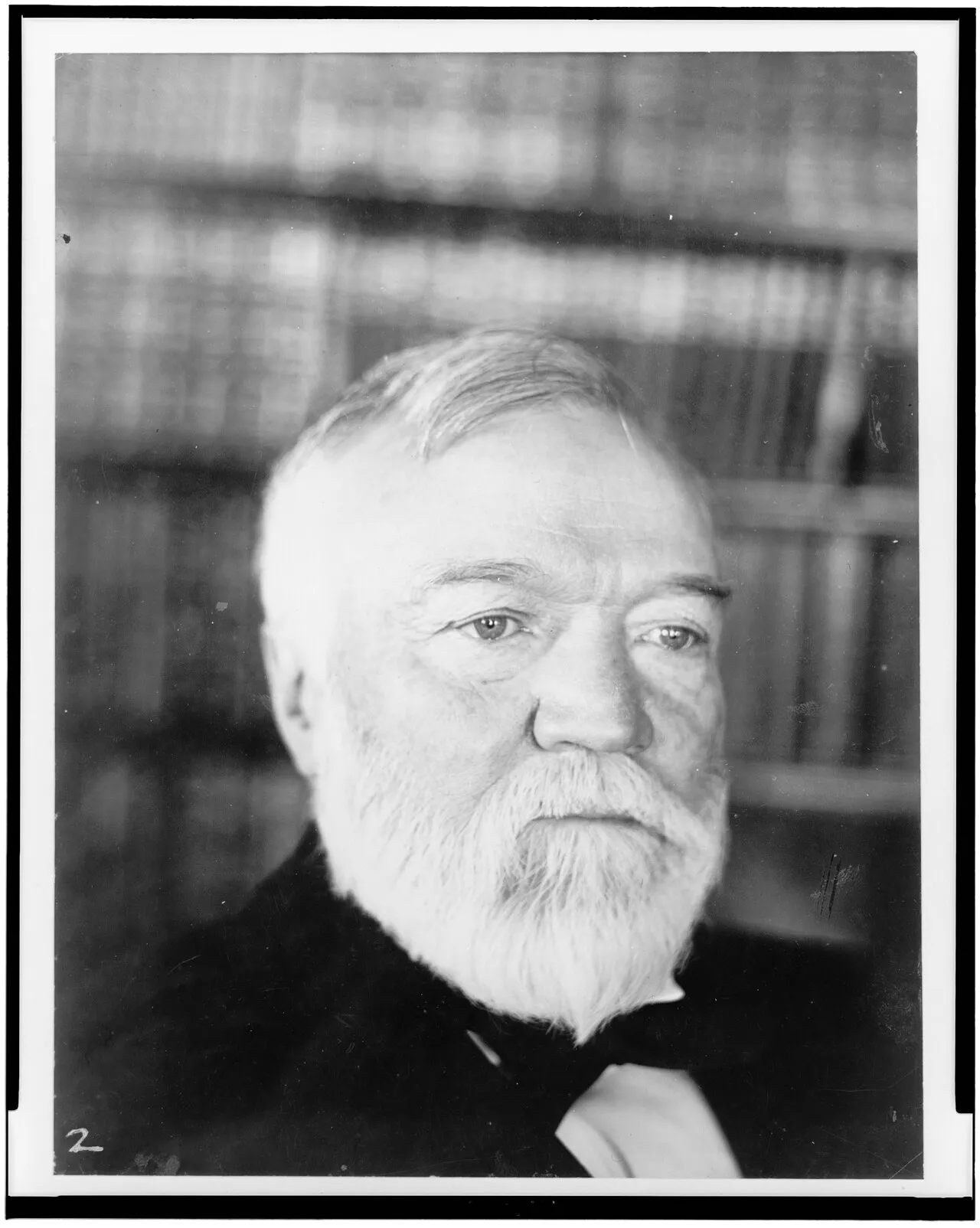
The Boy Who Built Steel America
In the summer of 1892, smoke hung over Homestead, Pennsylvania, like a second sky.
Men who had poured steel for Carnegie wages stood behind fences of their own making. Barges slid up the Monongahela carrying three hundred Pinkerton guards. Rifles cracked. Bodies fell into the river and onto the bank. The state militia marched in. The union broke. The mill kept running.
Andrew Carnegie was in Scotland while the worst of it burned.
He had built the age of steel for America. He had also written that workers deserved associations of their own. Homestead made those two sentences collide in blood. Newspapers called him a coward and a hypocrite. He called Homestead the wound that never healed.
Years later he would sell the empire for a fortune so large that papers crowned him the richest man alive. Then he tried to give the money away on purpose, filling towns with libraries and funding peace, science, and schools. The mills made the modern city possible. The libraries taught millions how to climb. The strike never left the story.
This is how a bobbin boy from Dunfermline forged steel America, and how the world still walks on what he built.
Where they came from
Andrew Carnegie was born on November 25, 1835, in Dunfermline, Scotland, in a weaver's cottage that shared space like a secret. His father, Will, worked handlooms. For a while the damask sold. Little Andrew sat at his father's feet and listened to the shuttle like music.
Then steam looms arrived. Handloom wages collapsed. Will sold looms one by one. Shame crept into the house the way cold creeps under a door. Margaret Carnegie, Andrew's mother, held the family together. She mended shoes. She ran a small shop from the front room. She wanted respectability the way some people want air.
In 1848 the family borrowed money and sailed for America. They landed in Allegheny, near Pittsburgh, in a neighborhood hard enough to teach a child what hunger looks like when it has an address. Andrew was twelve. Formal school ended. He became a bobbin boy in a cotton factory, twelve hours a day, six days a week, for about a dollar twenty a week.
He later fired a boiler in a bobbin works and lay awake fearing the steam was too low or too high. The fear trained him. He learned that machines punish distraction.
In 1849 he entered the telegraph office as a messenger. He called the wires tamed lightning. He memorized Pittsburgh streets. He remembered the faces of important men after one delivery. He learned to take Morse by ear without the paper slip. Speed made him valuable. Valuable people get promoted.
Colonel James Anderson opened his private library of a few hundred volumes to working boys on Saturday nights. Carnegie borrowed like a starving reader. Free books felt like rescue. He later swore that if wealth ever came, other poor boys would get the same chance. That promise became thousands of Carnegie libraries.
Thomas A. Scott of the Pennsylvania Railroad hired him as a clerk and operator. Carnegie watched how railroads moved freight, money, and power. Scott mentored him into investments. Some of those early deals rode inside knowledge that later ages would call corruption. Carnegie learned a hard lesson anyway: ownership of productive assets beats a salary alone. His mother mortgaged the family home so he could buy into Adams Express. Returns followed. So did sleeping-car shares and iron bets.
By twenty-four he was superintendent of the Western Division. He hired his younger brother Tom. He hired his cousin Maria Hogan, who became one of the country's early female telegraph operators. He learned cost control inside the first truly giant American businesses.
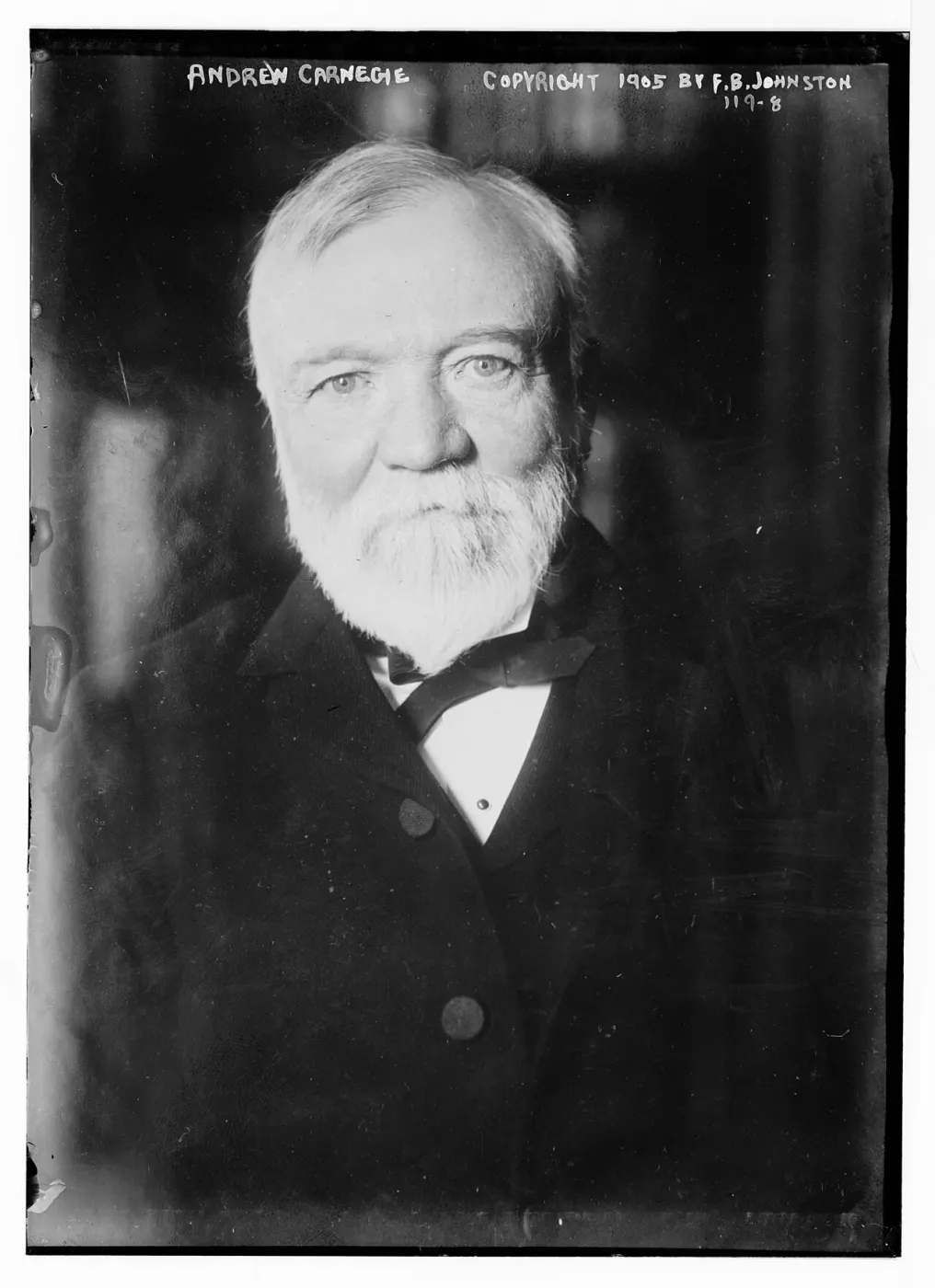
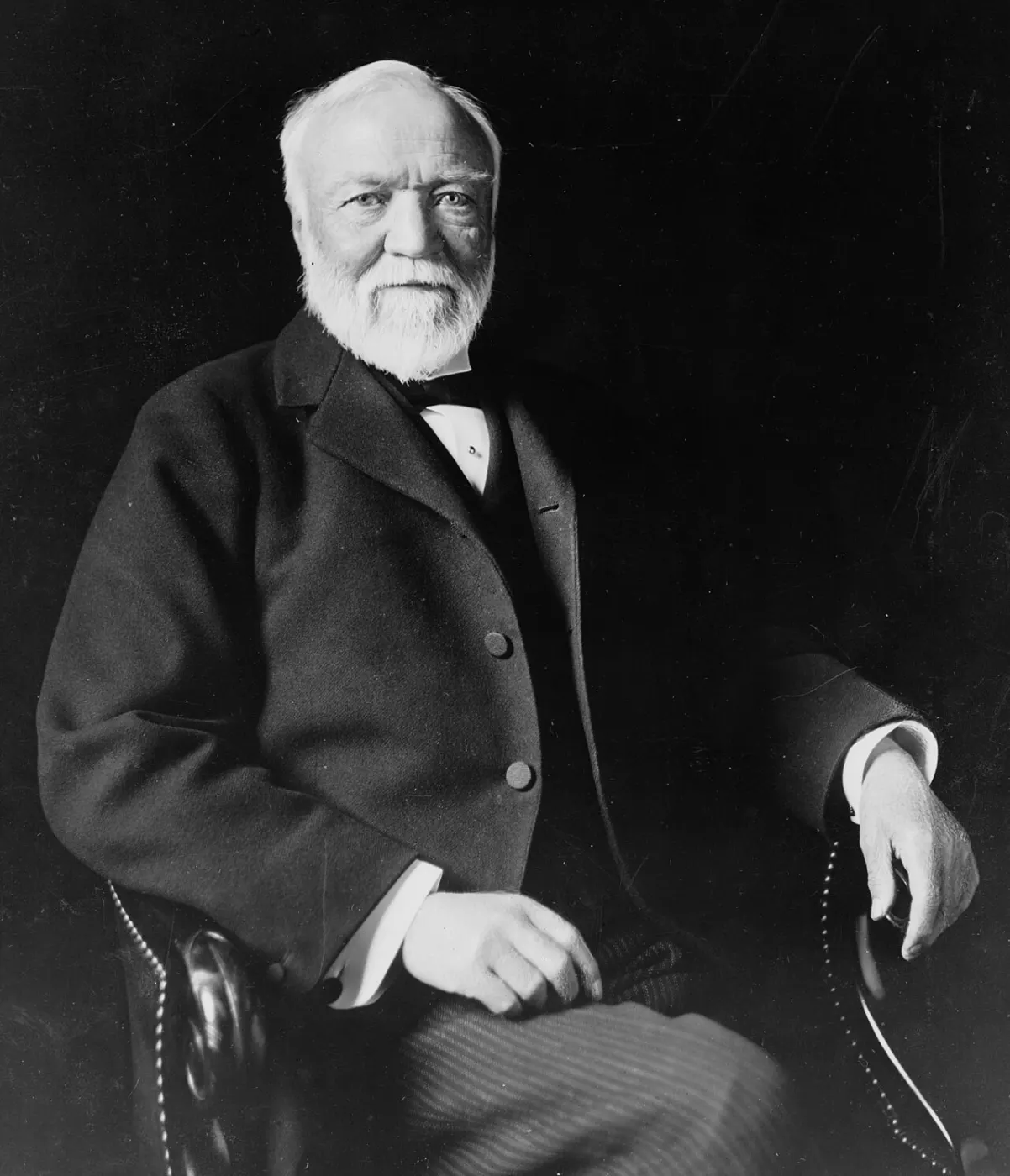
First bets and how they built
The Civil War turned railroads and telegraphs into weapons. Scott pulled Carnegie into military transport work. Carnegie helped open cut rail lines into Washington. He joked later that he was an early casualty when a wire scarred his cheek. The war taught him that industrial capacity decides nations.
After the war he left the railroad payroll to build iron and bridges. Keystone Bridge Company and Union Ironworks fed the track appetite of a country stitching itself together. He stayed close to Scott and to J. Edgar Thomson. The Pennsylvania Railroad remained a hungry customer. Carnegie gave stock to powerful friends because contracts are relationships wearing invoices.
He invested in oil in Venango County and watched cash dividends arrive like thunder. He visited British plants and saw the Bessemer converter turn large batches of iron into steel. The age of brittle iron was ending. Steel could be shaped. Steel could carry trains. Carnegie put his own money and borrowed money into a new plant at Braddock, naming it for Thomson. Partners learned that soft excuses died in his meetings. His motto was blunt: watch the costs, and the profits take care of themselves.
He pushed toward vertical control. Ore. Coke. Furnaces. Finishing mills. Railroads to move the metal. If you owned the chain, you owned the price. In 1883 he bought Homestead Steel Works, with coal and iron fields, a long railway, and lake steamships attached. By the late 1880s Carnegie interests ranked among the world's great makers of pig iron, rails, and coke.
He did not invent the Bessemer process. He industrialized it in America with ruthless accounting. That distinction matters. Invention opens a door. Systems walk through it with armies of workers and mountains of capital.
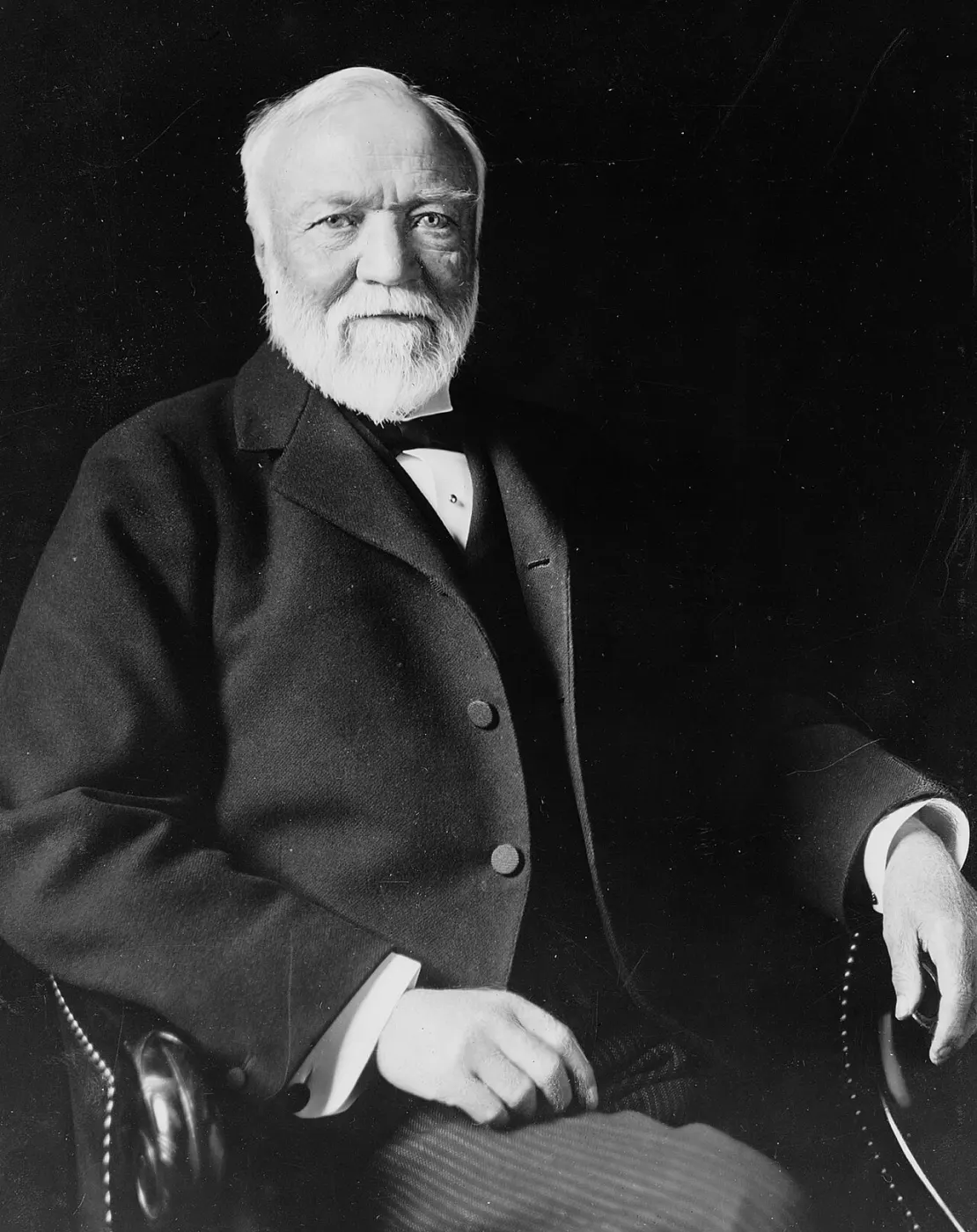
Breakthrough
America needed rails for continental dreams and beams for rising cities. Carnegie Steel fed that hunger. Night shifts glowed. Rivers around Pittsburgh carried heat and slag. Customers got cheaper steel. Competitors felt the squeeze. Workers got quotas, pressure, and the knowledge that a stopwatch can be a weapon.
Henry Clay Frick entered as the cold precision partner on coke and operations. Carnegie liked to travel, write, and gather intellectuals the way other tycoons gathered paintings. Frick ran plants with a harder edge. The partnership made money. It also stored future explosives.
In 1889 Carnegie published "Wealth," soon known as The Gospel of Wealth. He argued that rich people should not die clutching unused piles. Surplus wealth, he said, should be administered during life for the public good. Mere deathbed charity was too late and too lazy. He praised progressive taxation and estate taxes as signs of healthy public opinion. The essay made him a philosopher of money while his mills still ran on sweat.
The breakthrough was not a single product launch. It was a system: new steel chemistry, vertical ownership, railroad demand, tariff shelter, and a public story about duty. America became a steel country. Carnegie became a symbol of that transformation.
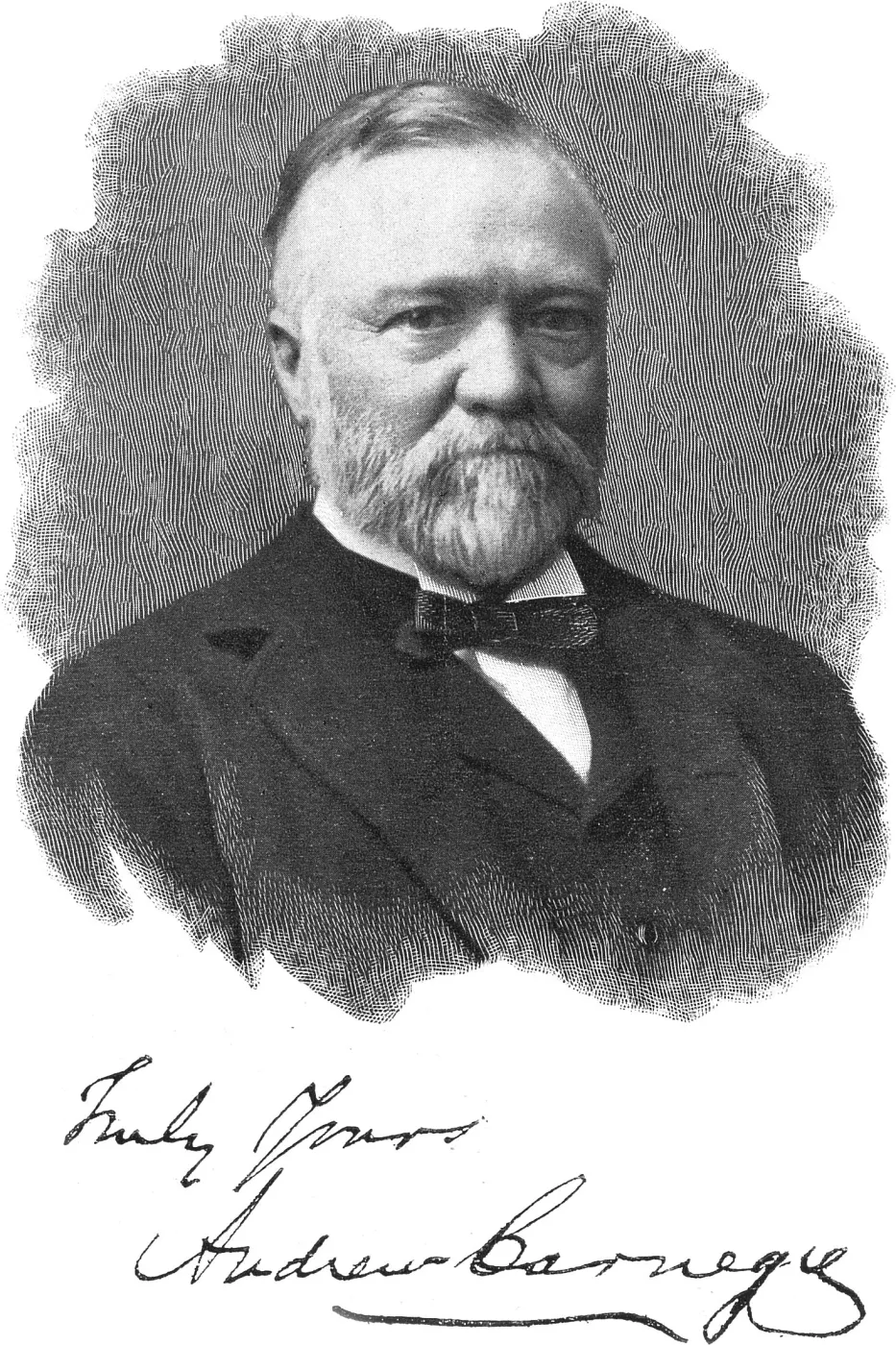
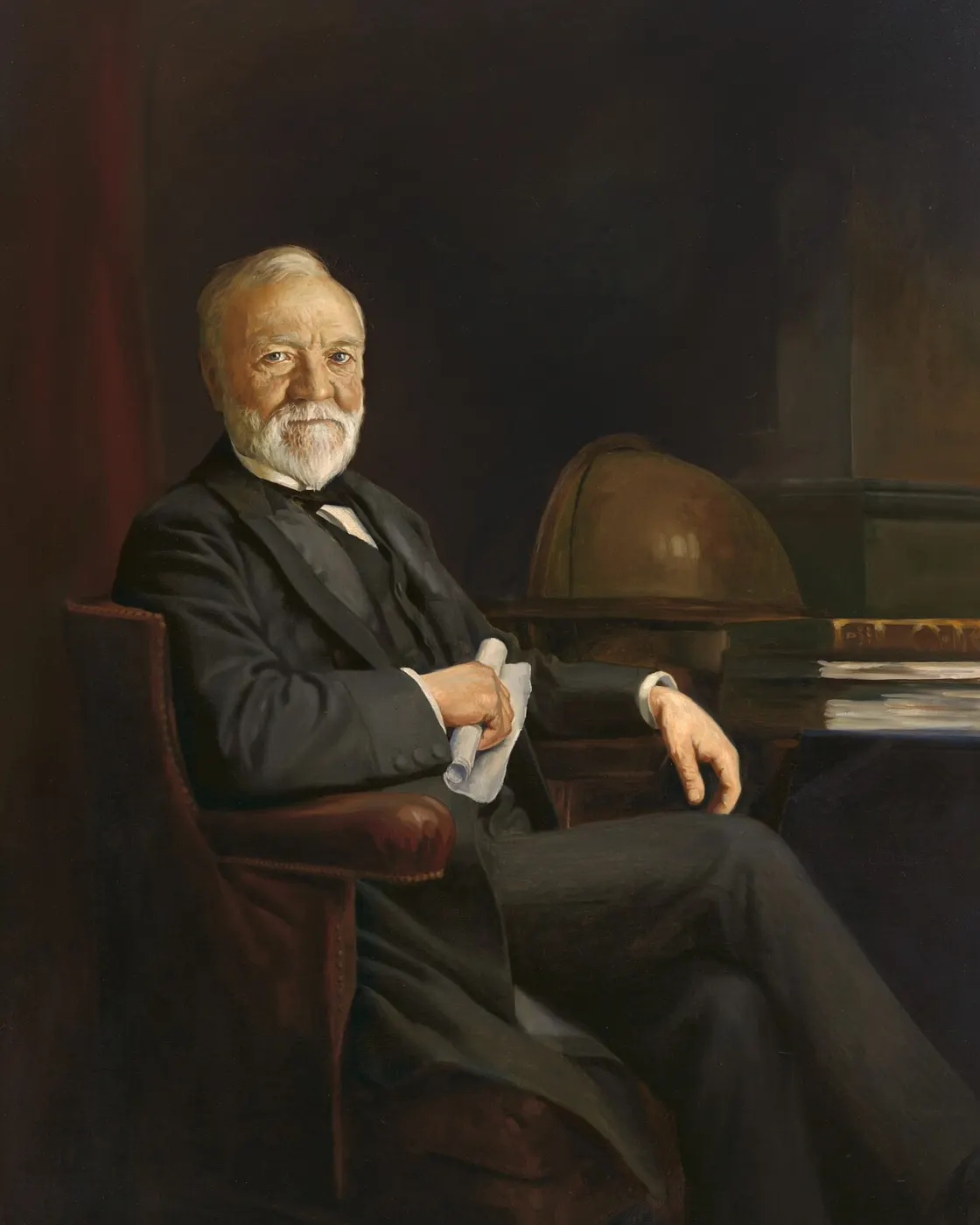
Failure, enemies, almost-quits
Homestead was the moral crater.
In 1892 steel prices had fallen. Frick moved to cut wages and break the Amalgamated Association of Iron and Steel Workers at Homestead. Carnegie was abroad. He supported the hard line from a distance. Frick locked out thousands. Workers seized the plant. Pinkertons arrived by barge. Fighting killed men on both sides. The militia crushed the strike. Replacement workers entered. The union's power in Pittsburgh steel was shattered for decades.
Anarchist Alexander Berkman later shot and wounded Frick, hoping to strike at the system through the manager. The violence only hardened public drama around the conflict. Carnegie returned to a reputation stained for life. He had preached labor rights in essays and backed a lockout in practice. Workers remembered the barges. He remembered the shame. In his autobiography he wrote that nothing in his business career wounded him so deeply.
There were other shadows. Carnegie belonged to the South Fork Fishing and Hunting Club above Johnstown. In 1889 the dam failed. More than two thousand people died in the flood. Club members avoided legal blame through skilled lawyers and silence. Carnegie later funded a library for Johnstown. Gifts do not erase water.
He also lived inside contradiction on peace and arms. He sold armor plate to a modernizing navy while opposing colonial annexation of the Philippines. After the Spanish-American War he even offered a huge sum so Filipinos might buy independence from American rule. The offer went nowhere. The tension stayed: a peace preacher whose metal could become weapons.
Family grief cut too. His brother Tom died in 1886. His mother, the fierce center of his early climb, died the same year. Only then, at fifty-one, did he marry Louise Whitfield. Their daughter Margaret arrived in 1897. He bought Skibo Castle in Scotland and hosted the powerful. He polished the image of wise capitalist elder while still preaching duty.
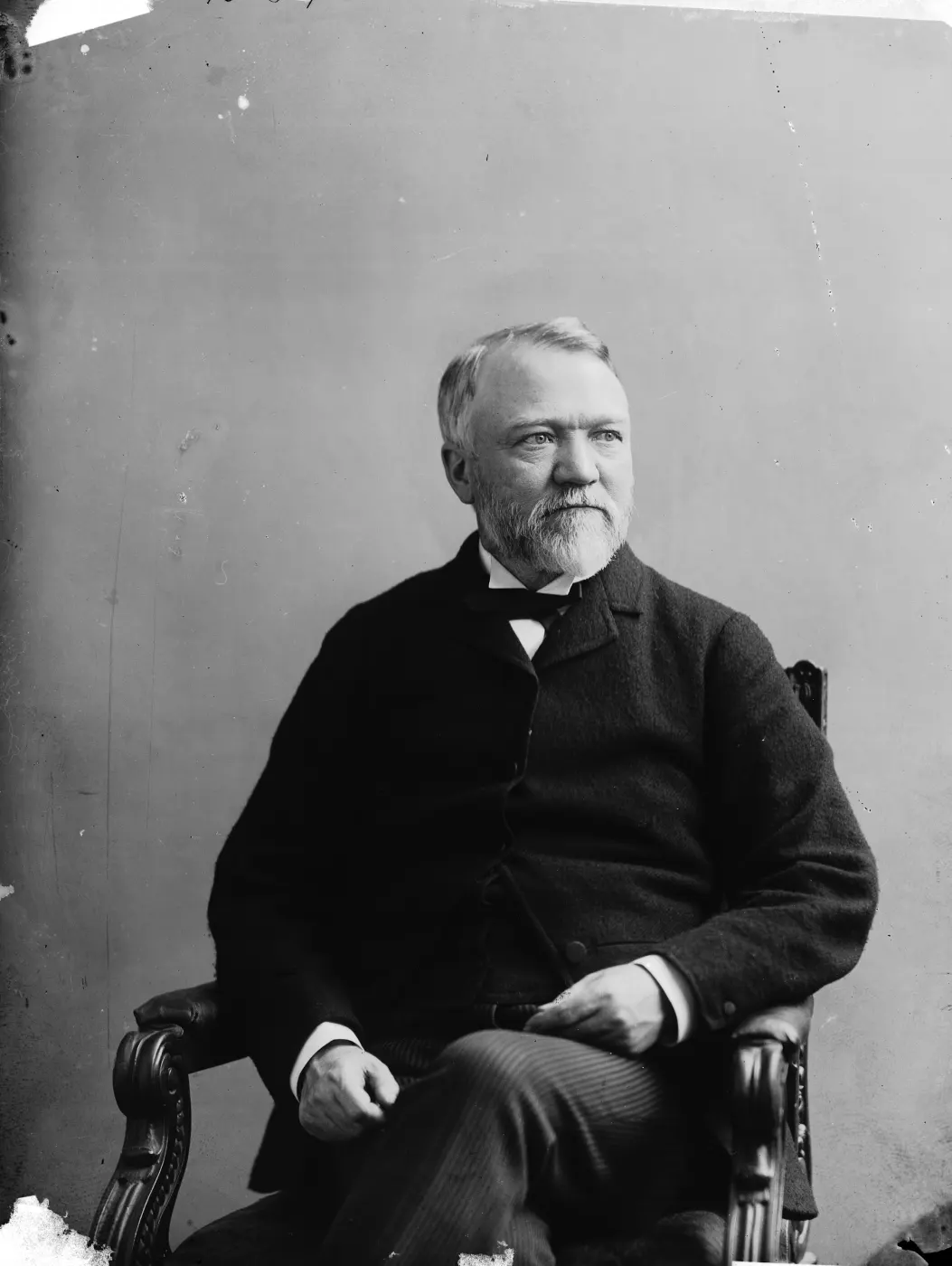
Empire and how they worked
Carnegie Steel became a machine for measuring waste. Managers lived inside cost sheets. Furnaces were judged by tons and minutes. Carnegie often directed strategy from afar while Frick and others handled the floor. He sold bonds in Europe. He wrote books praising American democracy and criticizing monarchy. He collected poets and scientists as companions.
He believed concentration of capital was evolution, a step from scattered shops to coordinated production. He argued unions could block natural price declines. Workers heard that philosophy as a justification for long hours and broken strikes. Both readings live in the record.
In 1901 J. P. Morgan moved to buy Carnegie's steel interests into a giant combination that became U.S. Steel, the first billion-dollar corporation by market capitalization. Negotiations, carried in part through Charles M. Schwab, produced a sale on a historic scale. Carnegie walked away with hundreds of millions in bonds and the public title of richest man. Morgan congratulated him. Carnegie changed jobs.
He became a professional giver.
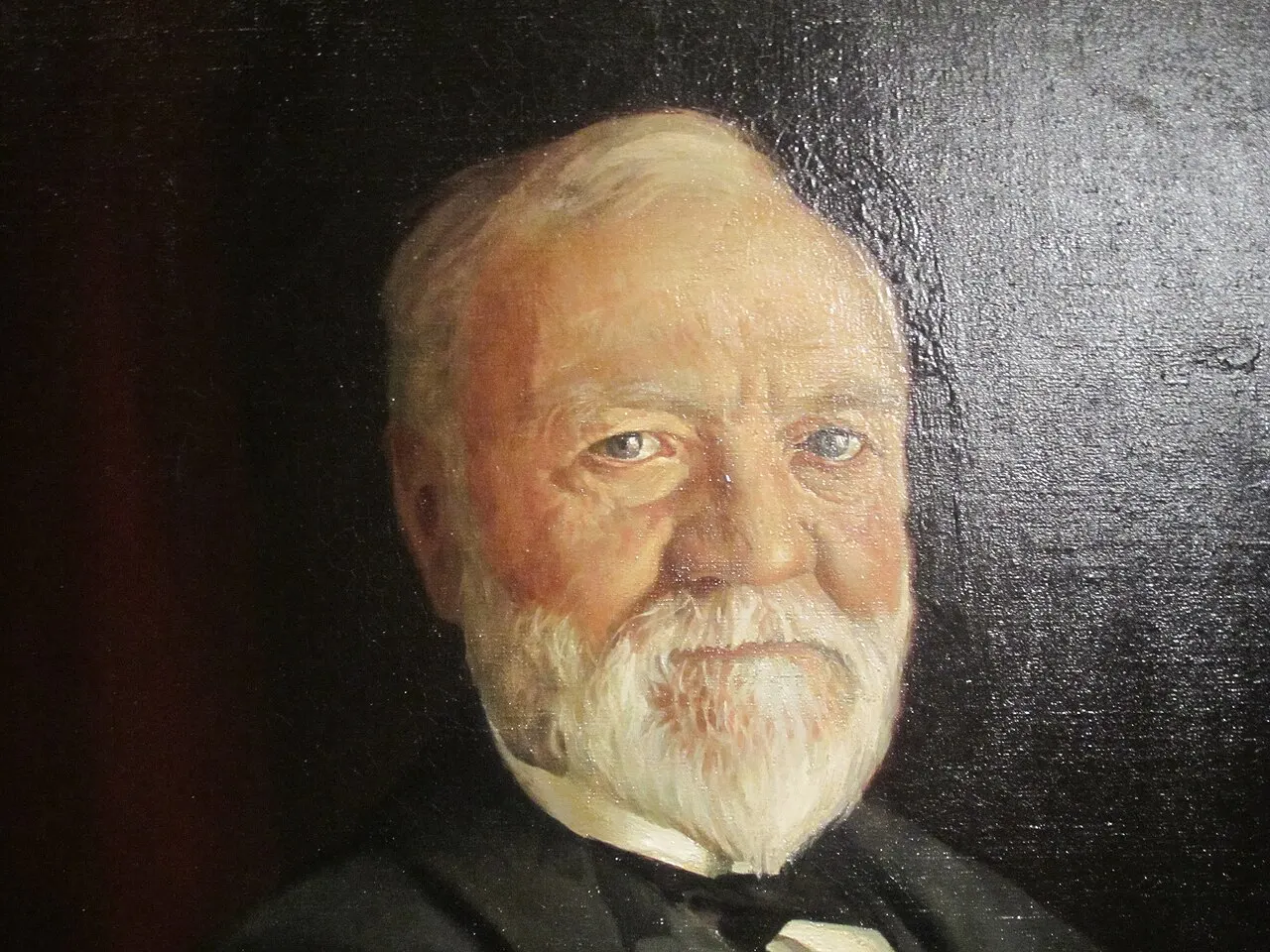
What they actually built
He built integrated steel capacity that made rails, structural shapes, and the skeleton of industrial America. He built managerial habits of cost control that later manufacturers copied. He built a template for vertical integration that other industries studied.
Then he built philanthropy as infrastructure.
He funded about three thousand public libraries across the United States and other countries. The deal was simple and strict. He paid for the building if the town promised taxes for books and staff. That matching rule forced local ownership. Immigrant children found English shelves. Farmers found newspapers. Women found reading rooms safer than saloons. Soft power outlived some mills.
He funded Carnegie Hall in New York. He funded technical education that became Carnegie Mellon University. He funded the Carnegie Institution for science, trusts for Scottish universities, teachers' pensions that fed into later retirement systems, hero funds for civilian courage, and the Carnegie Endowment for International Peace. He helped build the Peace Palace at The Hague. He backed Tuskegee Institute under Booker T. Washington. He poured money into organs, museums, and research telescopes.
He did not invent rich people giving. He industrialized it. Challenge grants, foundations, and named buildings became a template later billionaires still copy. Whether that template repairs the harms of accumulation remains contested. Carnegie forced the argument into public view.
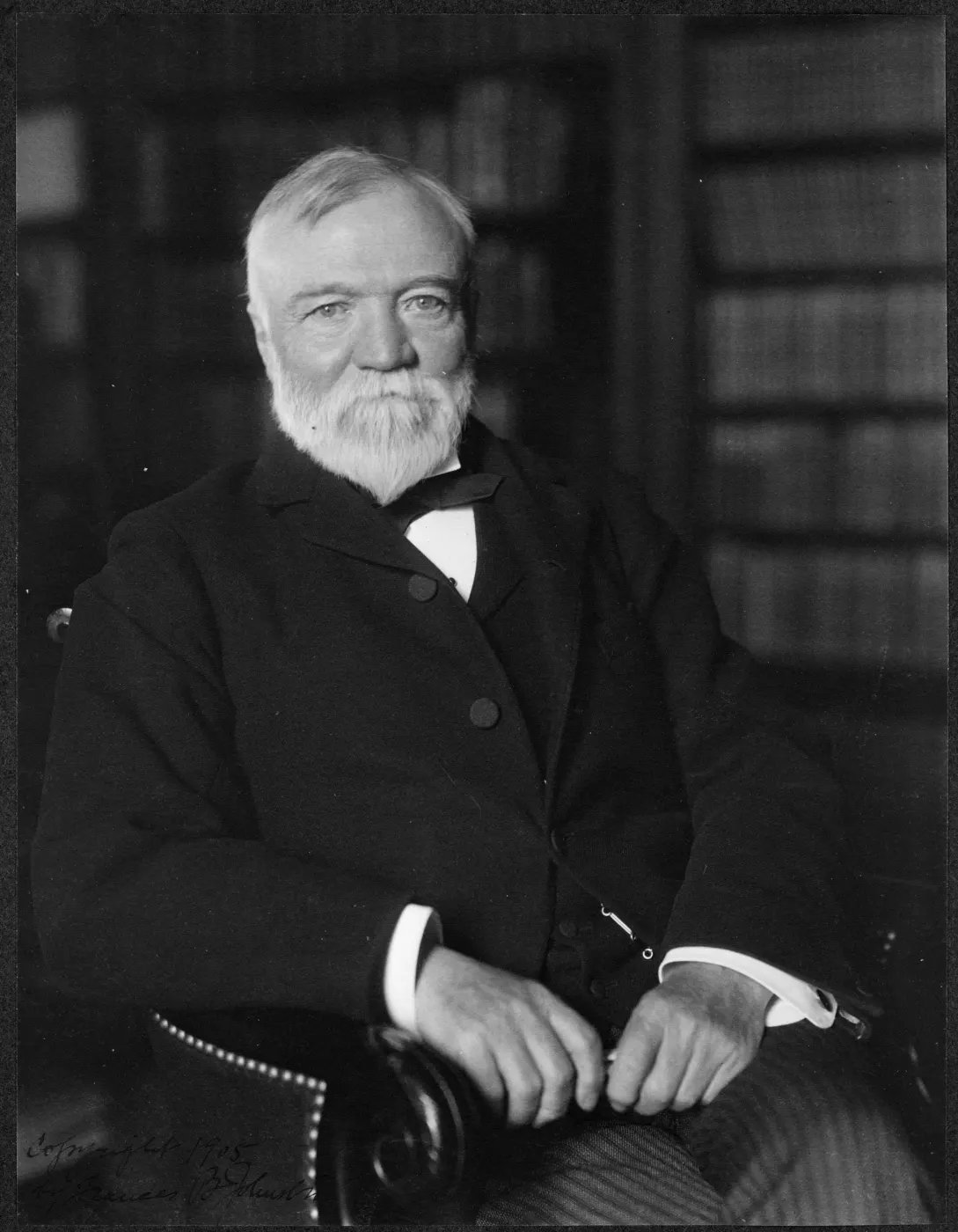
Current legacy and living impact (as of 2026)
Andrew Carnegie died on August 11, 1919, in Lenox, Massachusetts. He had already given away the vast majority of his fortune. Foundations kept spending after the funeral.
In 2026 his name still sits on operating systems of culture and knowledge. Carnegie Hall still sells nights that define musical careers. Carnegie Mellon still trains engineers, computer scientists, and artists who feed global tech and research. Carnegie libraries still open doors in small towns where bookstores never arrived. The Carnegie Corporation of New York still grants for education and democracy. The Endowment for International Peace still publishes and convenes on conflict. Museums in Pittsburgh still carry his stamp. TIAA's deep roots include the pension logic he funded for professors.
U.S. Steel and the wider steel industry no longer look like Carnegie's personal shop floor. Global competition, mini-mills, and new materials rewrote the map. Yet the physical world he helped frame remains. Bridges, rails, and skylines still depend on mass-produced steel logics he raced to dominate. Modern corporate philanthropy still echoes his Gospel language, for better and worse, when tycoons talk about giving while living.
There is no honest 2026 "Carnegie net worth" to update. The living balance sheet is institutional. The interest compounds in literacy, research papers, concert programs, and peace debates. That is a different kind of return, and it is still paying.
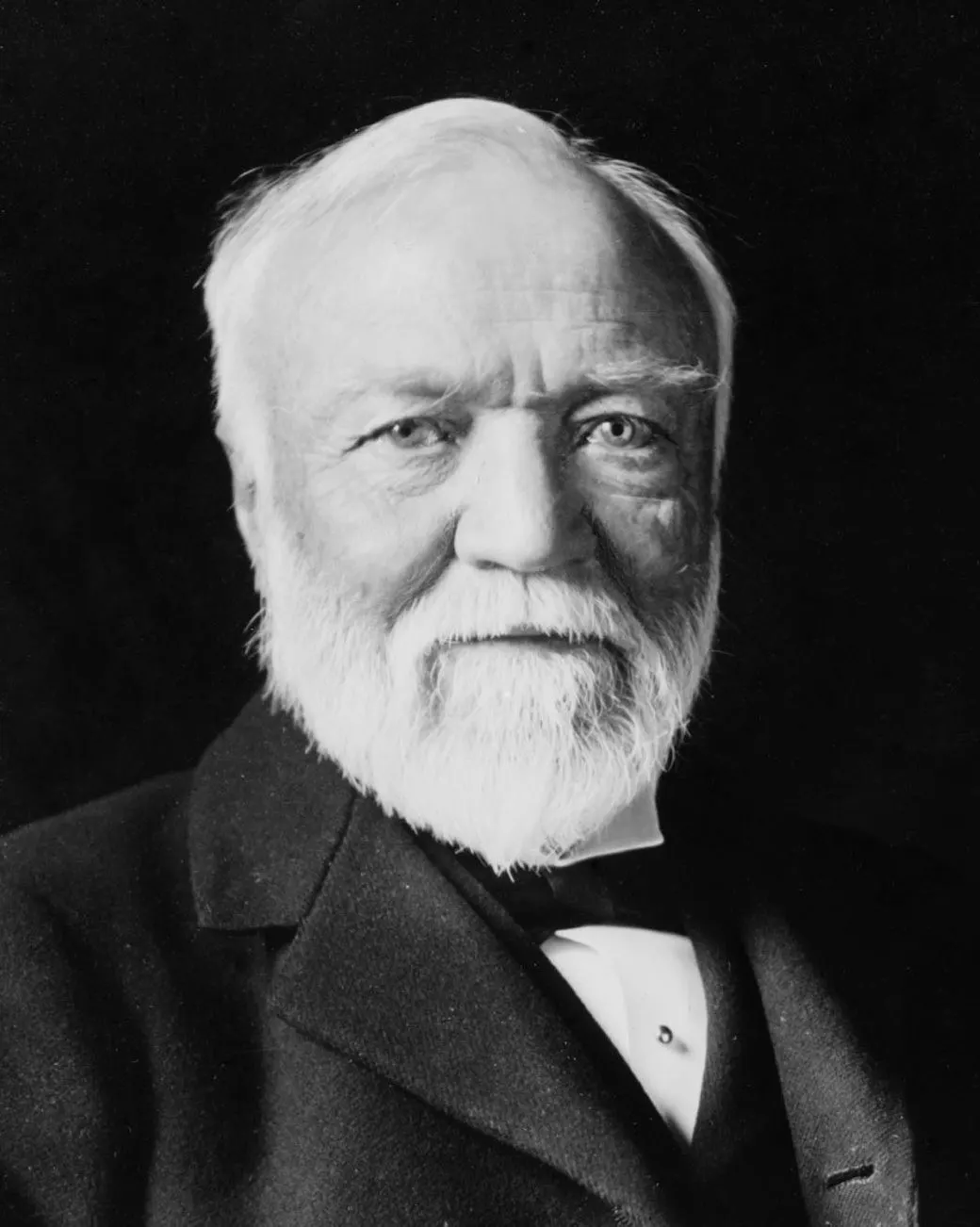
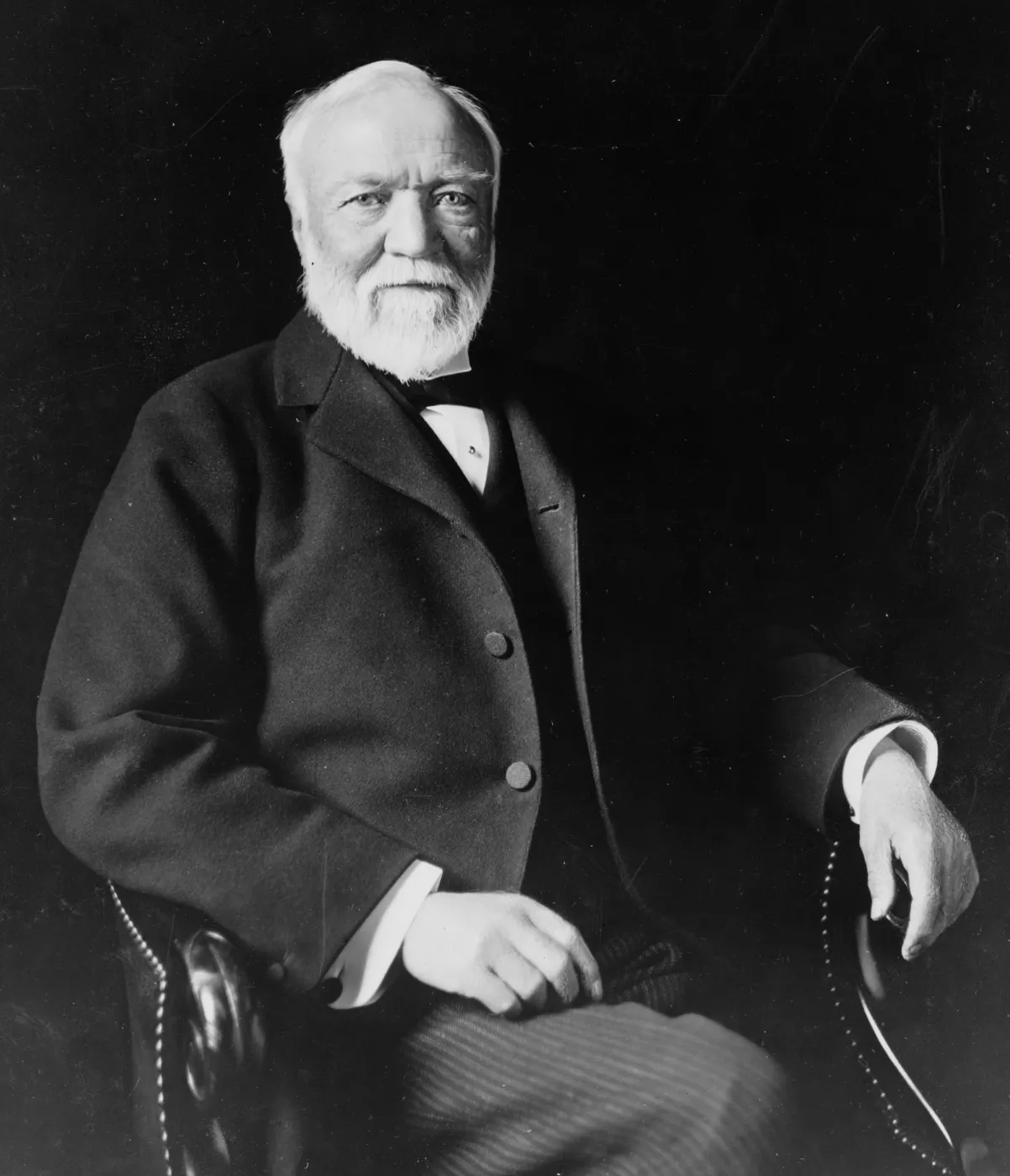
World impact: what shifted
Carnegie helped shift steel from scarce specialty metal to industrial river. Cheaper rails tightened continents. Structural steel lifted cities upward. America overtook older industrial powers in steel output, and that shift moved military capacity, construction speed, and factory scale.
He shifted the social contract of wealth, at least as public theater. The Gospel of Wealth told the rich that dying rich was a disgrace. Libraries became civic utilities. Education and science gained permanent endowments. Later givers from other industries borrowed the script.
He also shifted labor history through Homestead. The strike became a warning about private armies, state power, and the cost of crushing unions. Generations of organizers studied it. Generations of managers studied it too, for colder reasons. The fight helped define how bitter American industrial conflict could become.
For immigrants and working children, free libraries changed the odds of self-education. For towns that took the deal, a Carnegie building became a daily room for quiet ambition. For steelworkers, the wage system and the twelve-hour day left scars that philanthropy did not automatically heal.
World impact is never only monuments. It is also habits. Cost accounting as religion. Vertical integration as strategy. Public giving as reputation repair and genuine public good at once. Those habits still structure how companies and donors behave in 2026.
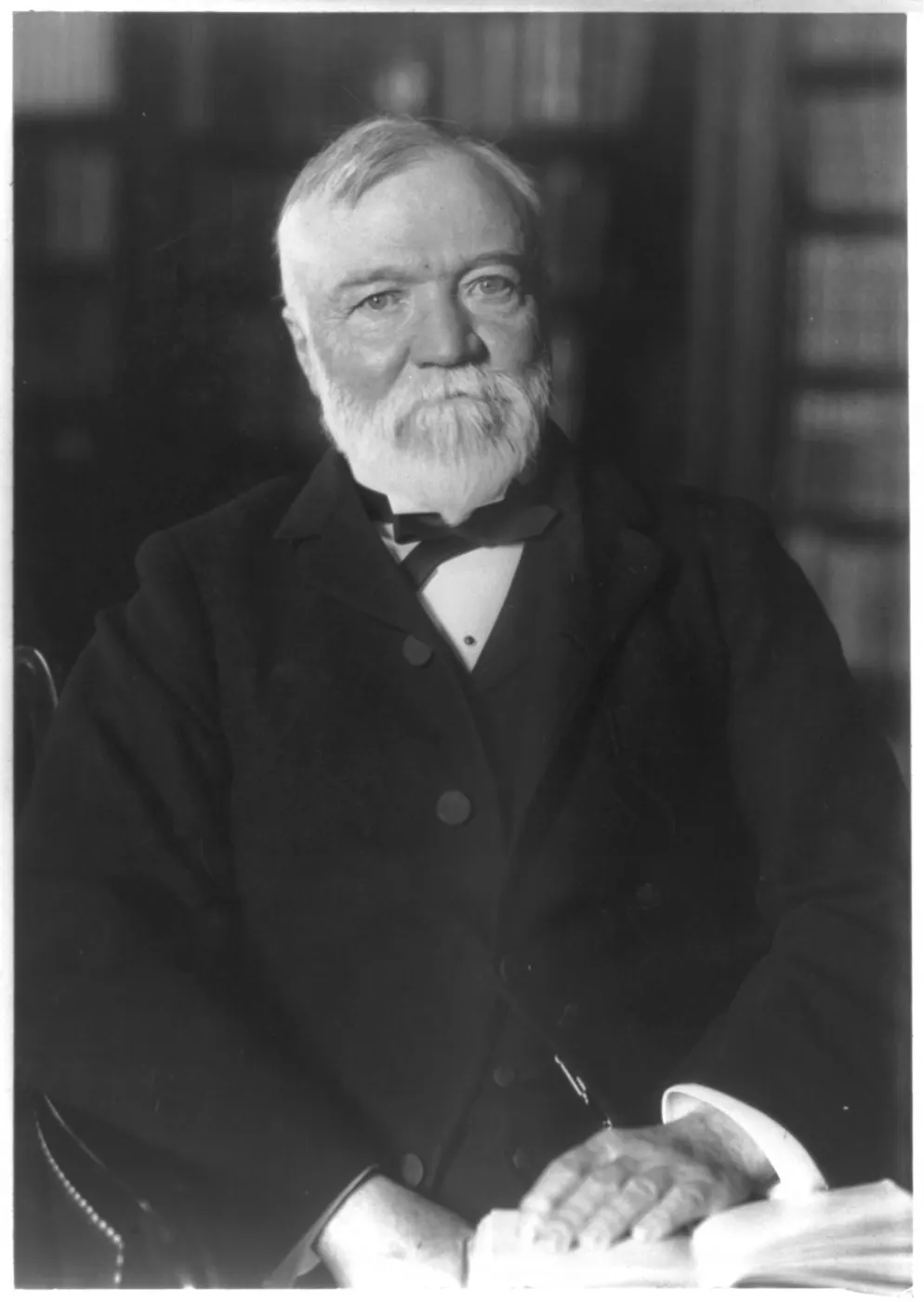
Money, tariffs, and the daily machine
Carnegie learned political economy the hard way. Tariffs protected American steel margins. Freight rates decided whether a ton of metal made sense. City and railroad contracts shaped the order book. He cultivated relationships because steel does not sell itself into a vacuum. Markets are human networks wearing price tags.
Inside the mills, the day was heat and timing. Bessemer vessels roared. Later open-hearth furnaces at Homestead pointed toward the future of quality steel. Novelist Hamlin Garland wrote of a roar like lions and thunder like cannons, with spatters of fire. That was not poetry for decoration. It was the sensory truth of the shop floor. Men worked long turns. Managers tracked output. Carnegie praised thrift to young readers while his plants ran on discipline that could feel like iron around the ribs.
He kept notebooks. He counted. He hated waste the way some people hate lies. Partners learned that vague excuses died in meetings. Vertical integration was not a slogan for him. It was a map: ore fields around Lake Superior bought at advantageous moments, coke from Frick's world, furnaces named for allies, finishing mills, and transportation links that turned raw earth into priced product.
When he wrote advice for ambitious young men, he described his own ladder. Readers loved the ladder. Workers asked who held the ladder while others climbed. That tension is not a footnote. It is the plot.
Scotland returns and the public stage
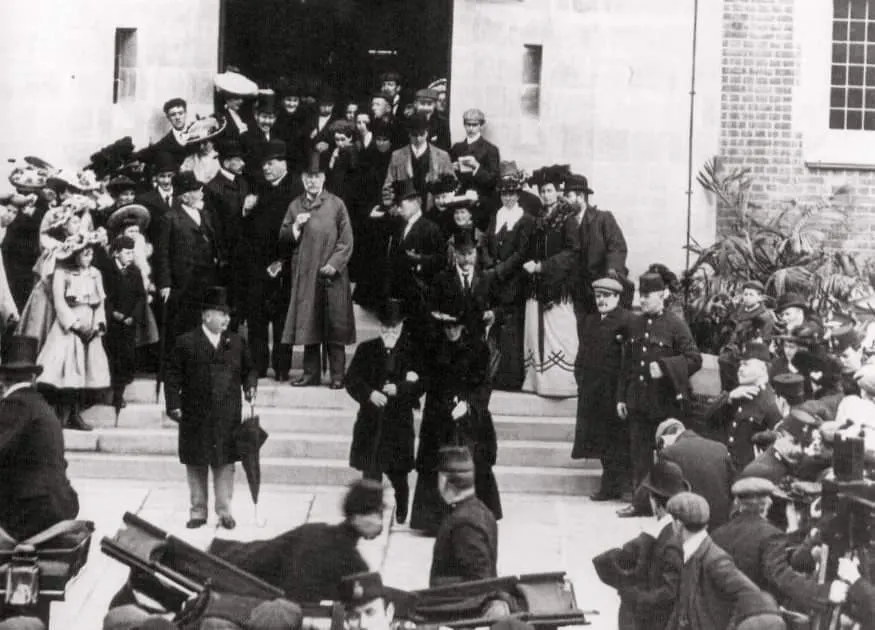
Fame pulled Carnegie back to Dunfermline as a benefactor. He funded a library in the town that had watched his family fall. His mother laid a foundation stone. The boy who had looked up the High Street toward shops his family could not comfortably claim now returned with capital and ceremony. He bought land that became Pittencrieff Park and opened it to the public. Private privilege became a civic lawn.
He wrote travel books and political books. Triumphant Democracy argued American republican energy against monarchy, complete with a cover that mocked crown and scepter. British readers bristled. American readers bought copies. Carnegie enjoyed the role of immigrant who could lecture empires.
He befriended writers and thinkers. He corresponded with presidents. He liked being the industrialist who could quote Burns and talk peace. Image was part of the business. So was sincerity. Both can be true in one man.
In New York he built a mansion on Fifth Avenue that later became a museum. At Skibo he hosted summers of influence. Louise and Margaret gave him a private life after decades of mother-centered bachelor climb. The public still saw the steel master. The private man tried to become the giver.
The sale to Morgan, beat by beat
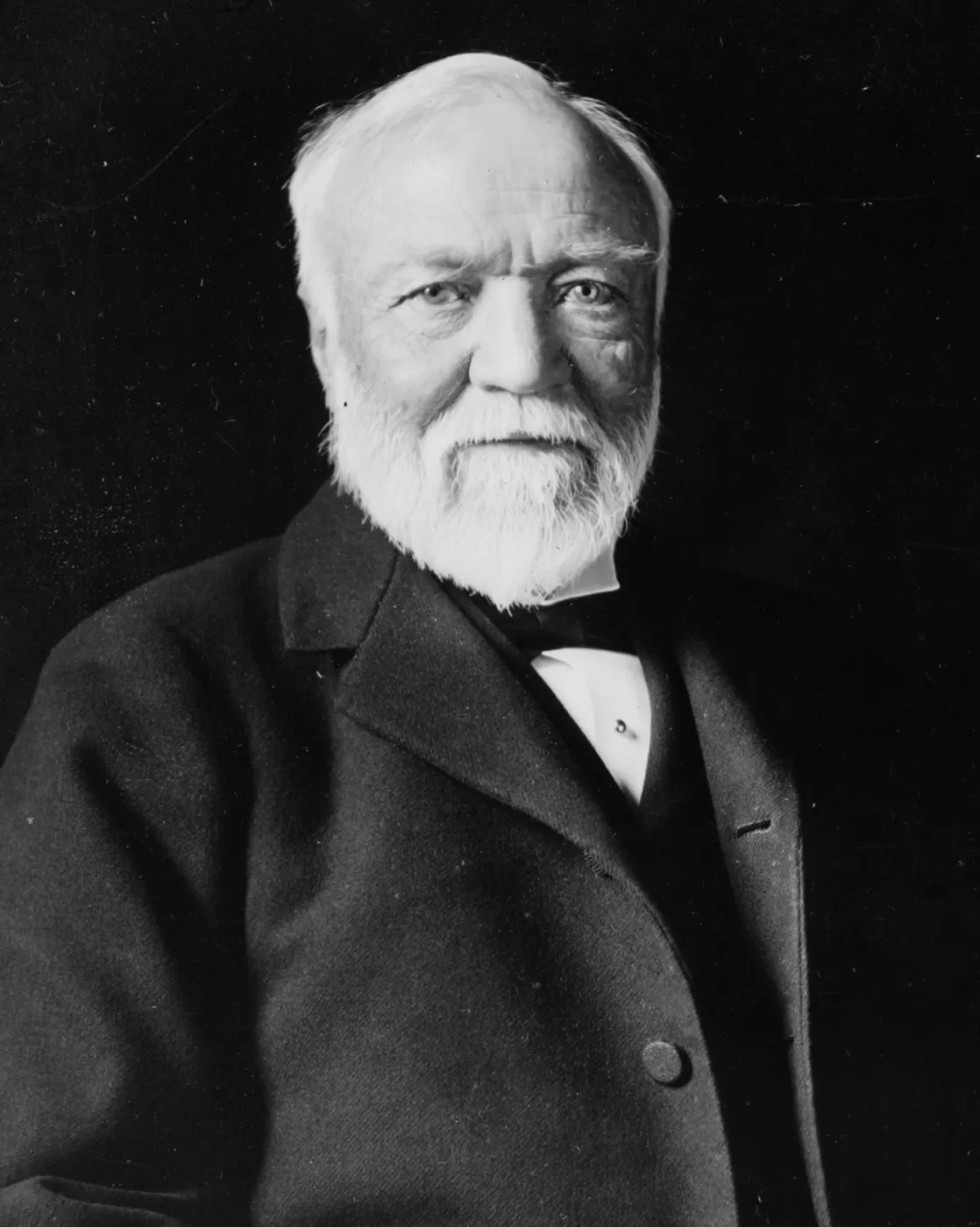
By 1901 Carnegie was ready to exit operations. Morgan wanted an integrated steel giant that could cut duplication and dominate scale. Schwab helped carry numbers between rooms. Carnegie named a price. Morgan accepted. The combination that became U.S. Steel was capitalized at a scale the country had not seen. Carnegie's personal take arrived largely as gold bonds, locked in trust arrangements so vast that a special vault became part of the folklore.
He had spent decades becoming necessary to American construction. Then he sold necessity and kept the cash. The second act required a different courage: giving at a pace that matched his old hunger for accumulation.
He told himself the man who dies rich dies disgraced. He tried to live the sentence. He did not finish every dollar before death, so he built the Carnegie Corporation to keep giving after he was gone. That corporate afterlife is why his philanthropy still moves in 2026.
How the giving machine worked
A Carnegie library was a deal, not only a gift. Towns promised tax support for books and staff. He promised the building. Staff under James Bertram later systematized requests. The method spread culture into places publishers ignored. It also spread Carnegie rules about reading and civic order. Some steelworkers despised the Homestead library even as others used libraries elsewhere as ladders. Control and opportunity can share a roof.
He funded research because he believed light beats superstition. He funded peace because he believed war was waste at civilizational scale. World War I shattered that optimism. He had predicted peace with a confidence history punished. Yet the institutions remained, stubbornly working the problem after the guns spoke.
He supported simplified spelling with a reformer's zeal that looks eccentric now and sincere then. He funded hero medals for civilians who risked themselves for others. He wanted virtue made visible. He wanted his biography to end in light.
Deeper world change
Before Carnegie's scale, steel was often expensive and limited. After the industrial push he led and symbolized, steel became the default muscle of modernity. Rail networks thickened. Skylines rose. Factories standardized around metal that could take stress. Nations measured power partly in steel tonnage. That measurement shaped wars and recoveries long after 1919.
Philanthropy shifted too. Private foundations became engines of public purpose. Matching grants trained communities to invest in their own libraries. Universities learned to hunt large donors. The moral debate sharpened: Can gifts clean a fortune? Can a fortune build public goods even when the making of it crushed people? Carnegie made the debate unavoidable by writing it down and funding it in brick.
Immigrant America felt a specific change. Free libraries offered a room where a child could borrow a future. That is not romantic fluff. It is how skills and language spread when tuition is impossible. Carnegie's own memory of Anderson's shelves became policy for strangers he would never meet.
Labor politics changed through Homestead's example. Private security forces, state militia, and replacement workers became a studied toolkit. So did public relations disasters. Later industrial fights happened in Homestead's shadow, whether managers admitted it or not.
The 2026 through-line
Walk into a Carnegie library in 2026 and you may see computers beside the old stacks. The tools changed. The bet did not: open access to knowledge as a public good. Walk past Carnegie Mellon labs and you see robotics and software where once there was technical schooling for industrial trades. The curriculum changed. The wager on skilled minds did not.
Global steel now involves China, scrap furnaces, aluminum competition, and green-metal experiments. Carnegie's exact map is antique. His core insight is not. Whoever masters the material backbone of an era shapes cities and jobs. Whoever pairs that mastery with a public story about duty shapes culture.
Carnegie's living impact is not a personal yacht count. It is operating institutions, stubborn buildings, and an argument about wealth that still refuses to end.
Scenes from the climb
On Rebecca Street in Allegheny, the Carnegie family squeezed into rented rooms after crossing an ocean for a better life and finding smoke instead of romance. Pittsburgh was already an industrial throat. Rivers carried barges. Chimneys wrote black sentences on the sky. Margaret pushed respectability. Andrew pushed usefulness.
As a messenger he did not only deliver paper. He delivered himself into networks. A businessman who received a telegram once became a face Andrew never forgot. That memory later became access. Access became capital. Capital became mills.
When he ran the Western Division, he treated time like a material. Trains that moved faster earned more. Delays cost money. The railroad taught him systems thinking before the word was fashionable. He carried that thinking into steel, where minutes in a furnace decide chemistry and chemistry decides whether a rail cracks under a locomotive.
At Braddock the Edgar Thomson works became a proof. Name the plant after a powerful ally. Build for output. Sell into a railroad that already trusts you. Reinvest. Repeat. Competitors who romanticized craft without counting costs lost ground.
Frick and Carnegie met in New York circles where honeymoons and mothers and deals shared hotel lobbies. Frick brought coke and a willingness to fight labor. Carnegie brought capital and a public voice. Together they scaled. Apart they blamed. Homestead made the partnership a moral case study forever.
After Homestead, the unfinished apology
Carnegie returned to Homestead years later to dedicate a building with a library, a hall, a pool, bowling alleys, and a gym. He wanted reconciliation through amenities. Many workers wanted power and wages. The dedication could not rewrite July 1892. He carried the wound in prose. The town carried it in memory.
That unfinished apology is part of why his story still teaches. Founders love redemption arcs. History keeps the invoice.
Philanthropy as strategy and sincerity
He saved letters of gratitude in a drawer. He liked being thanked. He also liked being useful. The mix is human. He funded spelling reform because he thought English waste was real. He funded peace because he thought war was the ultimate waste. He funded libraries because books had saved him.
When World War I began, the peace dream cracked. Delegates headed toward conferences while armies moved. Carnegie lived long enough to see optimism fail in real time. He died in 1919 with pneumonia at Shadow Brook. He was buried at Sleepy Hollow under a simple Celtic cross, near other Gilded Age names, including labor leader Samuel Gompers a short walk away. Capital and labor share cemetery geography if not living agreement.
Why the documentary still matters
Because every modern city is a steel argument. Because every foundation press release echoes his Gospel language. Because every labor conflict still asks who owns the risk when efficiency rises. Because a poor reader with a library card is still a revolutionary small scene.
Carnegie is not a museum bust only. He is a system of choices that still structures how wealth, work, and knowledge meet.
The ledger under the legend
Numbers from the Gilded Age turn slippery when converted to modern dollars, but the scale is not slippery. Carnegie could sell a steel combination large enough to help create the first billion-dollar corporation and still spend nearly two decades giving. He funded roughly three thousand libraries. He moved hundreds of millions into public purposes. He left a corporation to keep moving money after his death.
What he built in metal became the skeleton of industrial America. What he built in institutions became a second skeleton for learning and soft power. What he broke at Homestead became a permanent case study in the price of efficiency without consent.
In 2026, when founders talk about stewardship, matching grants, and dying with a giving plan, they are often speaking Carnegie's language even if they never open his essay. When cities depend on steel logistics and when children open a public library account, they step into consequences he accelerated.
That is documentary truth without fairy dust. The boy who listened to a handloom lived long enough to hear blast furnaces. The man who feared a boiler gauge funded instruments that measure stars. The empire changed hands. The argument did not.
The immigrant ledger
Every immigrant story risks becoming propaganda. Carnegie's story earned its propaganda power because the climb was real and the costs were real. A handloom cottage became a steel map. A free library habit became a continent of buildings. A lockout became a permanent stain.
In classrooms in 2026, students still meet him as a split figure: Gospel and Homestead, shelves and smoke. That split is the documentary. It refuses to resolve into a single applause line.
Closing beat
Picture the boy who feared the boiler gauges, then picture the old man funding telescopes to see farther into the sky.
Andrew Carnegie wanted to be remembered as a benefactor. Workers remembered lockouts. Readers remembered free shelves. Cities remembered steel. All of those memories are evidence.
His life asks builders a blunt question. If your product remakes a nation, what do you owe the people who sweat for it? Carnegie answered with philanthropy at historic scale. Many workers answered that fair wages and unions mattered more than marble doorways with his name.
Both answers still argue in the modern world. Every time a library light clicks on in a small town, one side of the argument breathes. Every time a labor history class opens to Homestead, the other side speaks.
He arrived poor enough to notice every coin. He left institutions rich enough to outlive him. The smoke cleared. The shelves remained.
Watch alongside this story
Short cuts from interviews, keynotes and launches. Each plays only the moment that matters.