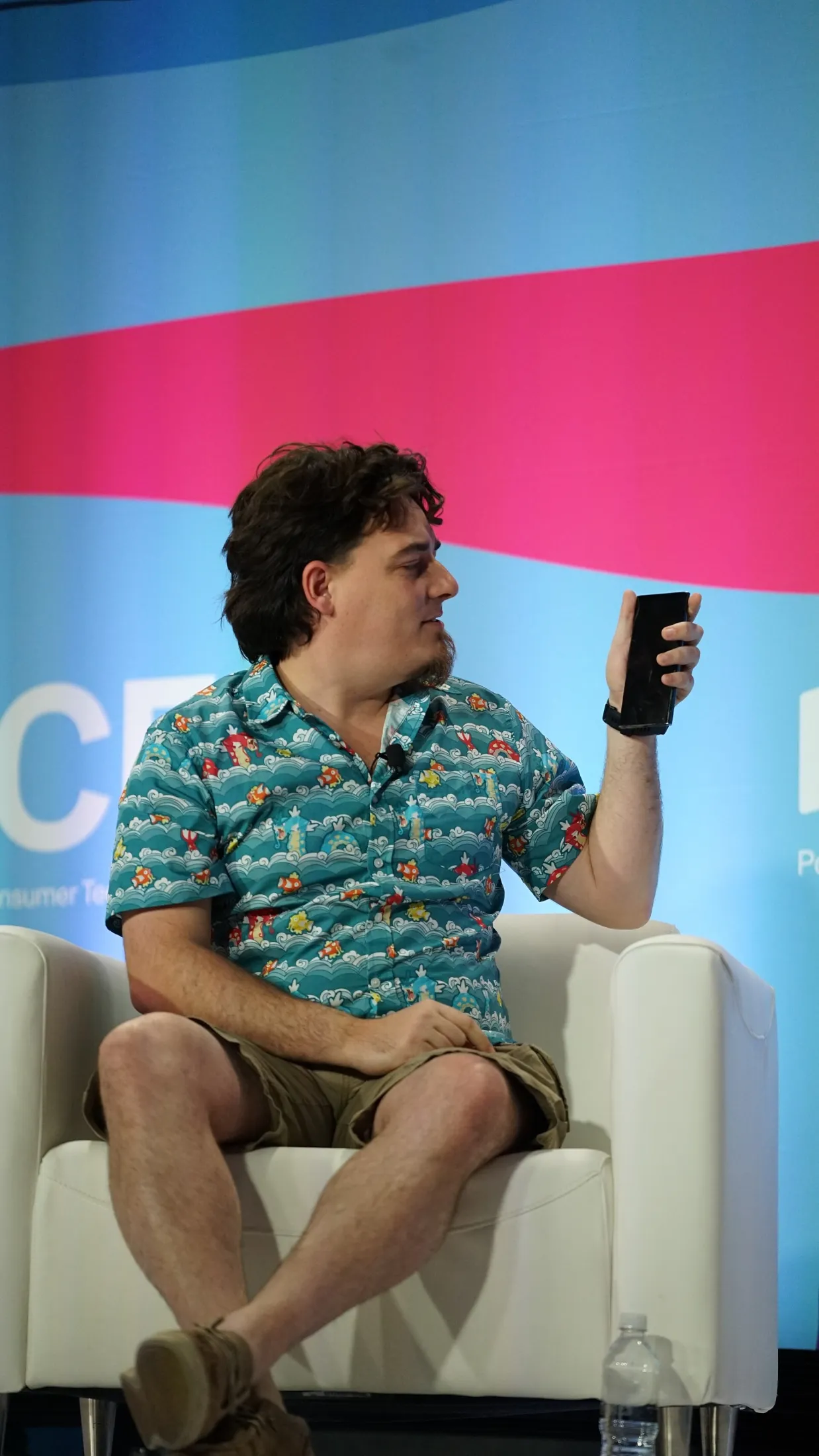
The Garage Kid Who Built VR, Then Built Weapons
He built VR headsets in his parents' garage. Facebook paid $2 billion for his company. Then Facebook pushed him out.
As a teenager, Palmer Luckey collected old virtual reality headsets. Most were heavy, blurry and made people feel sick.
So he started building his own, in his parents' garage.
That garage project became Oculus, the company that brought VR back to life. Later, after a very public fall, he started Anduril, one of the fastest growing defence companies in America.
A homeschooled tinkerer
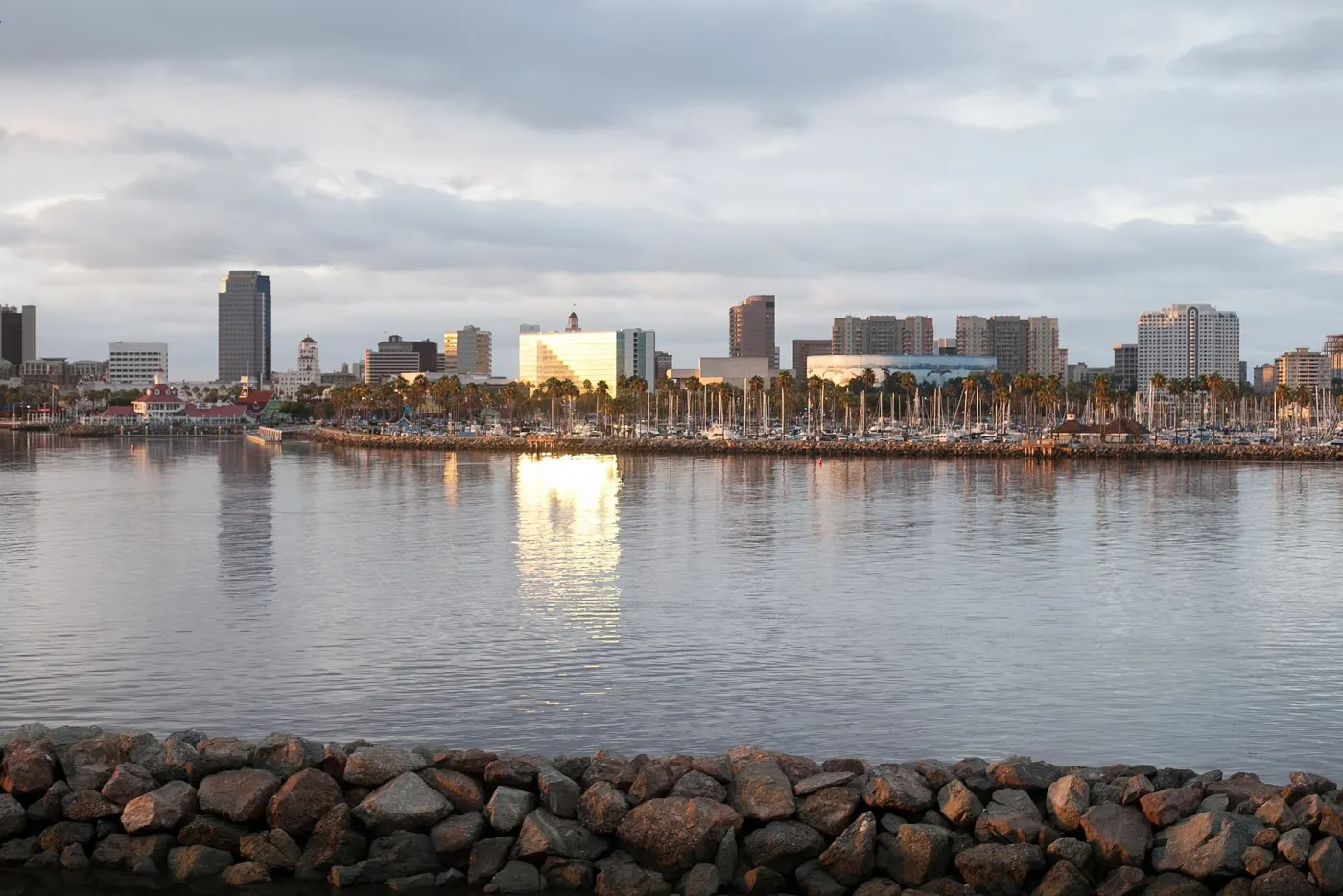
Palmer Luckey was born in 1992 and grew up in Long Beach, California. He was homeschooled.
He loved taking electronics apart and fixing them. He earned money repairing and reselling phones, and spent it on rare VR gear.
He took some college classes, but his real education came from building things himself.
Oculus
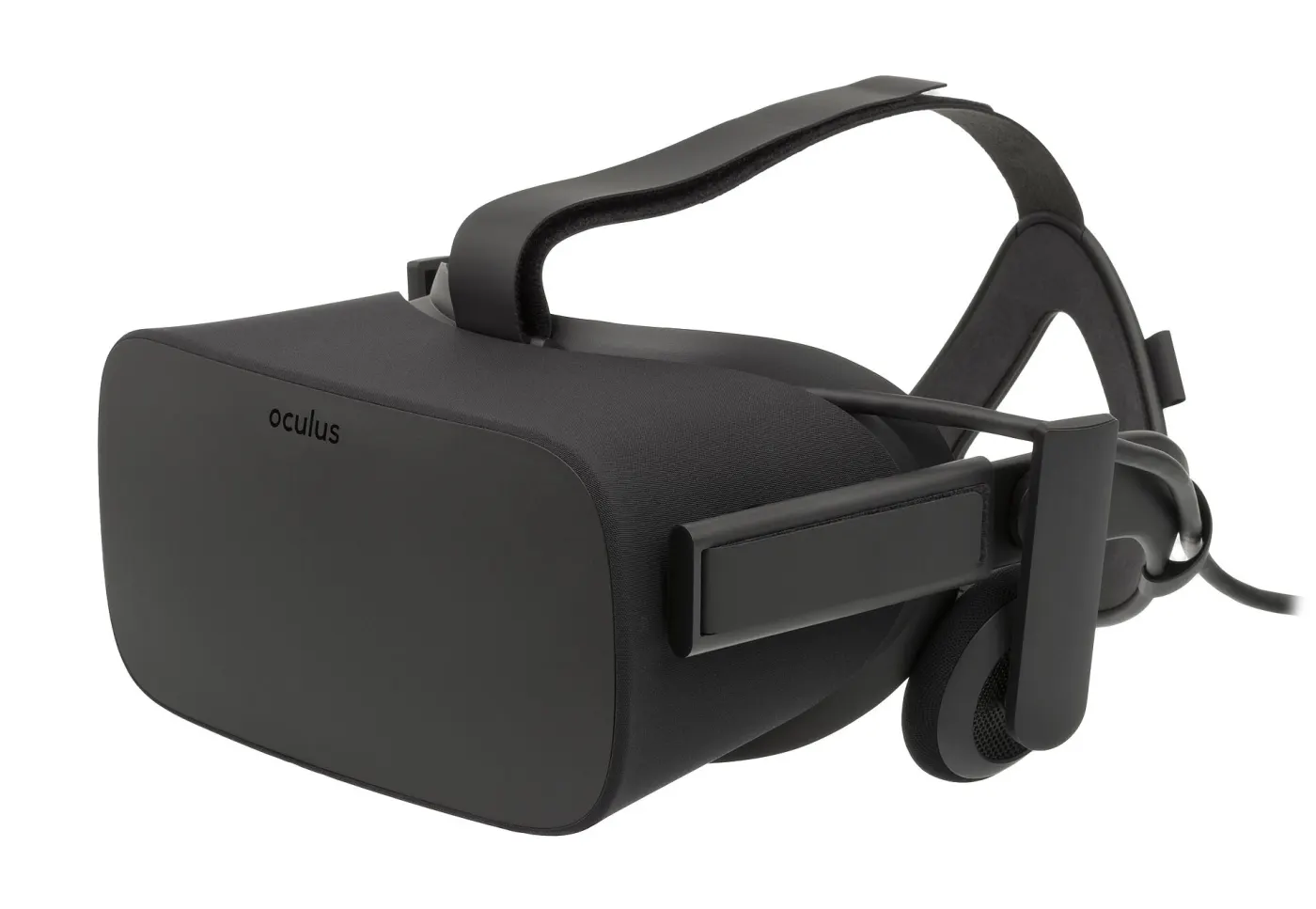
By age 16, Palmer was making VR prototypes. His headset, the Rift, caught the attention of legendary game programmer John Carmack, who showed it off at a big gaming show.
In 2012, Palmer launched a Kickstarter campaign for the Oculus Rift. It raised about $2.4 million.
In 2014, Facebook bought Oculus for about $2 billion. Palmer was 21.
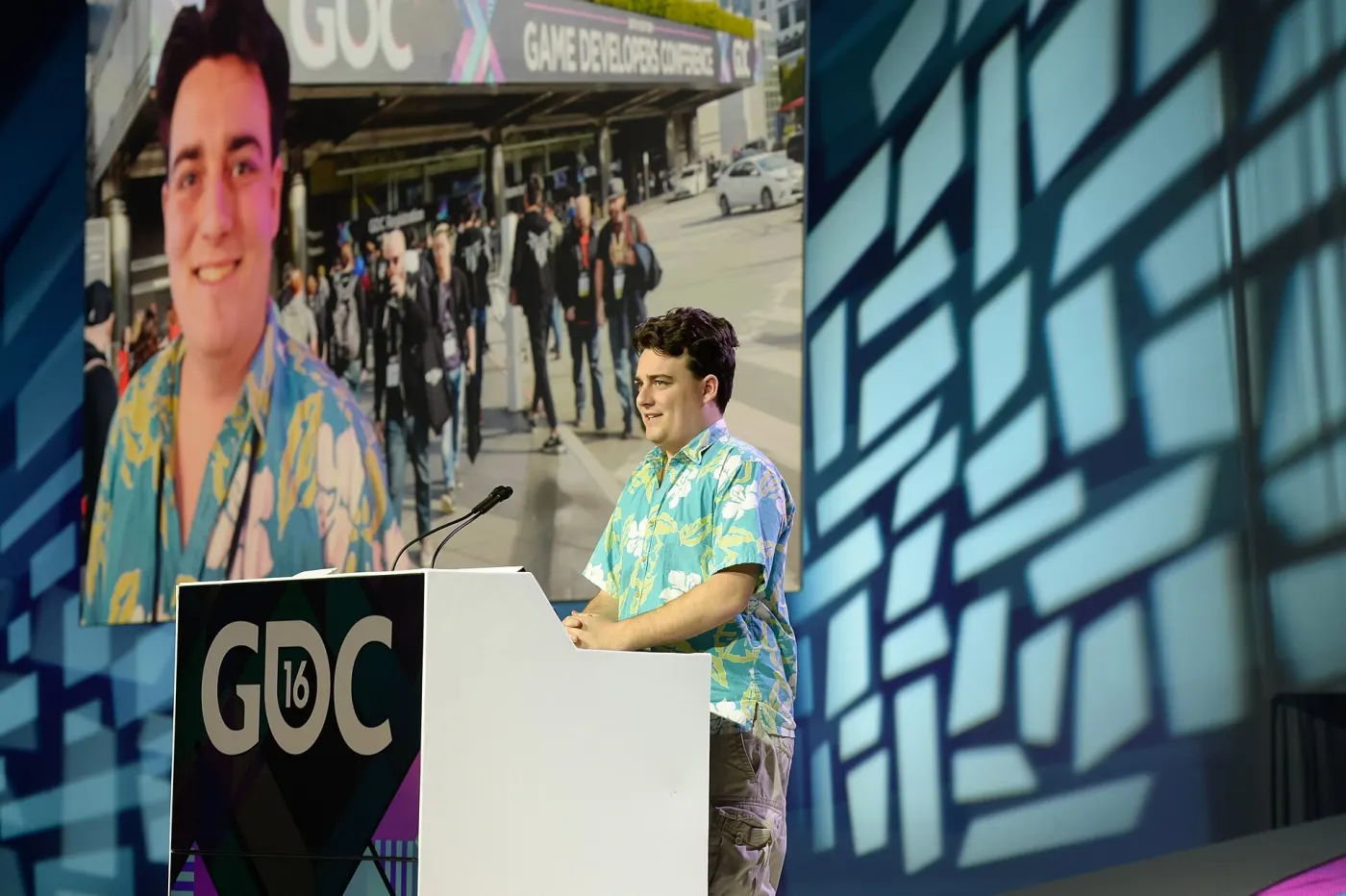
The fall
In 2016, news came out that Palmer had donated money to a political group that supported Donald Trump. There was a big public backlash.
In 2017, he left Facebook. He later said he had been fired over his political views. Facebook has said it did not fire him for his politics.
He was in his twenties, very rich, and suddenly an outsider in Silicon Valley.
Anduril
Palmer believed the U.S. military was buying technology too slowly and too expensively. In 2017, he co-founded Anduril Industries with Trae Stephens, Brian Schimpf, Matt Grimm and Joe Chen.
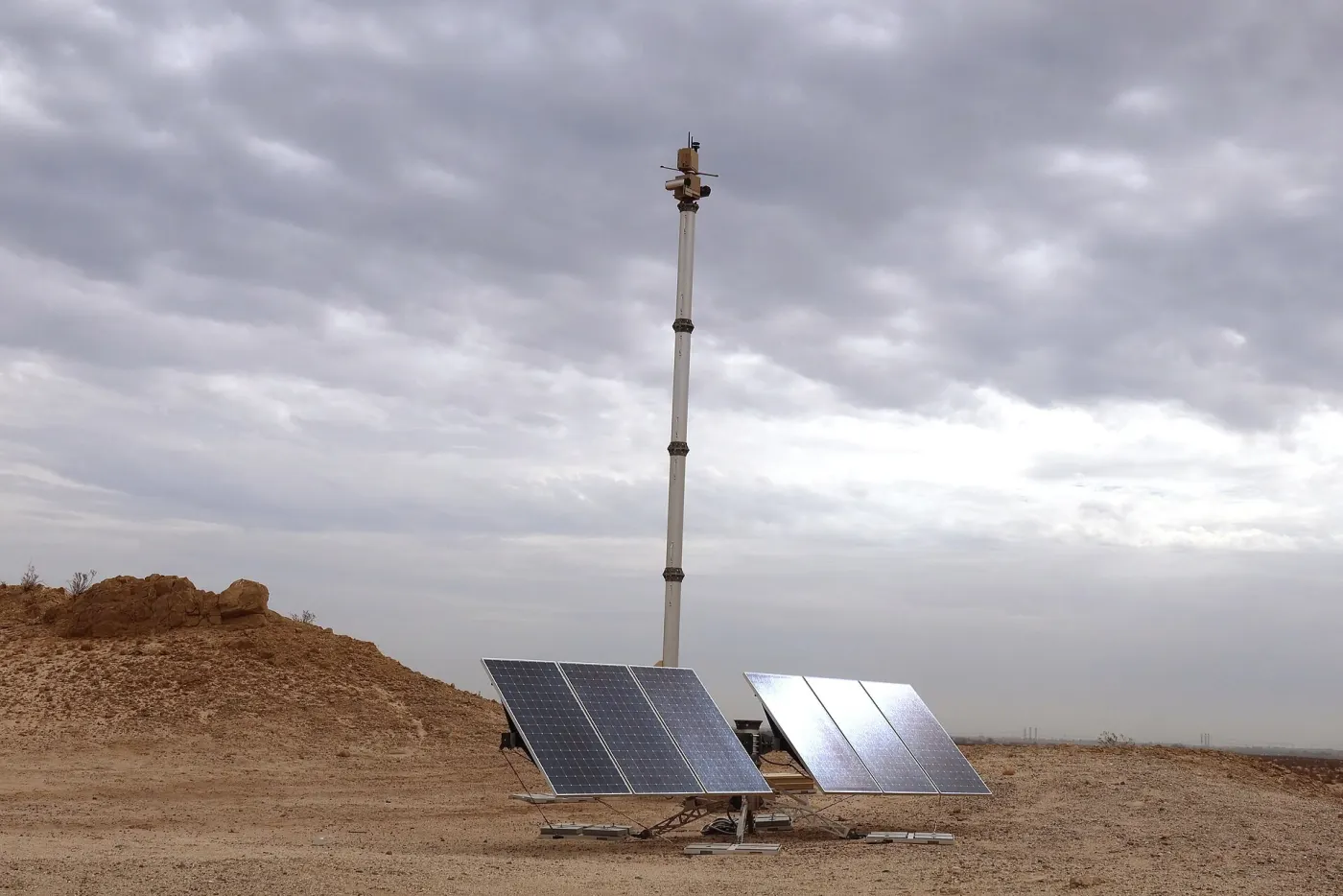
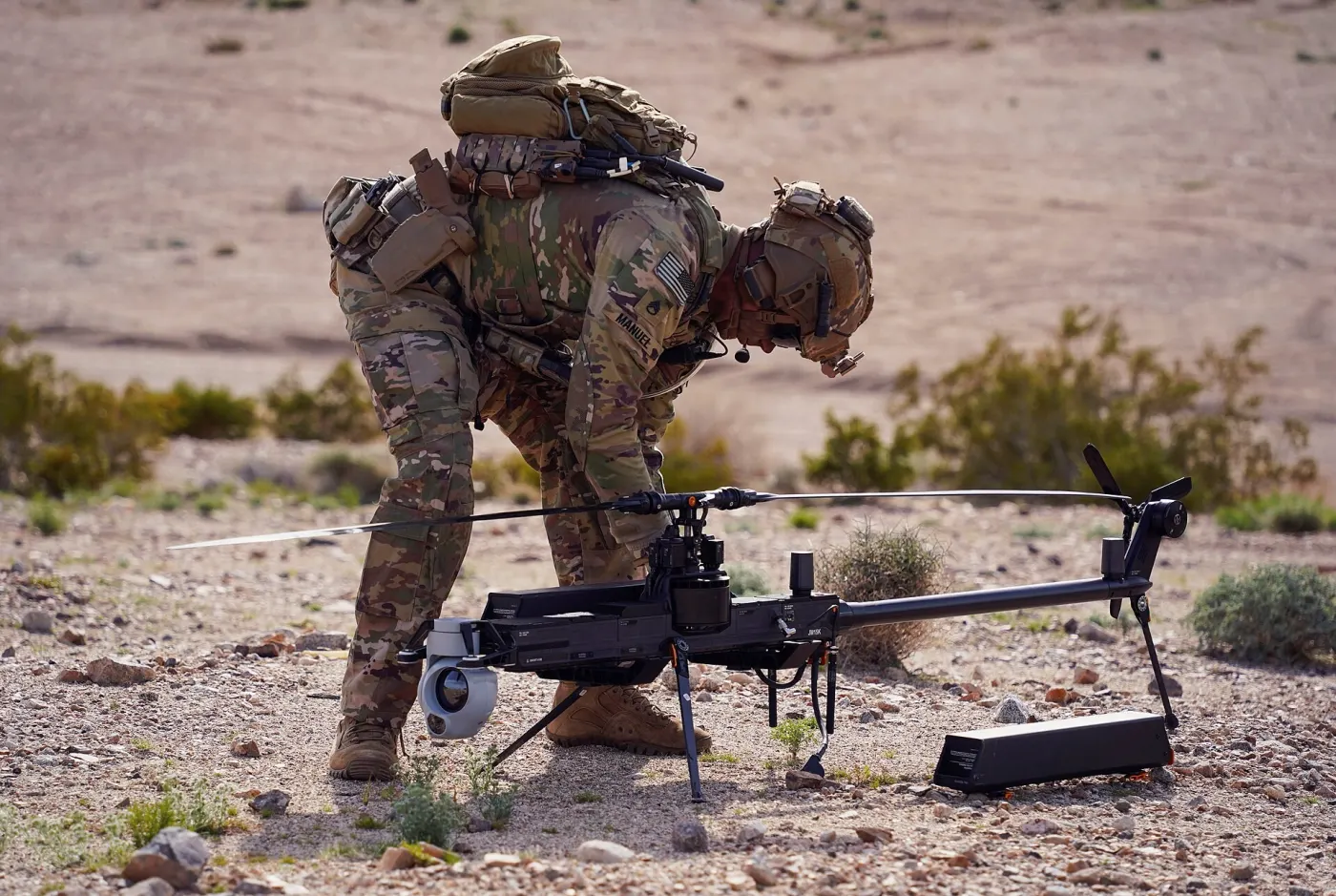
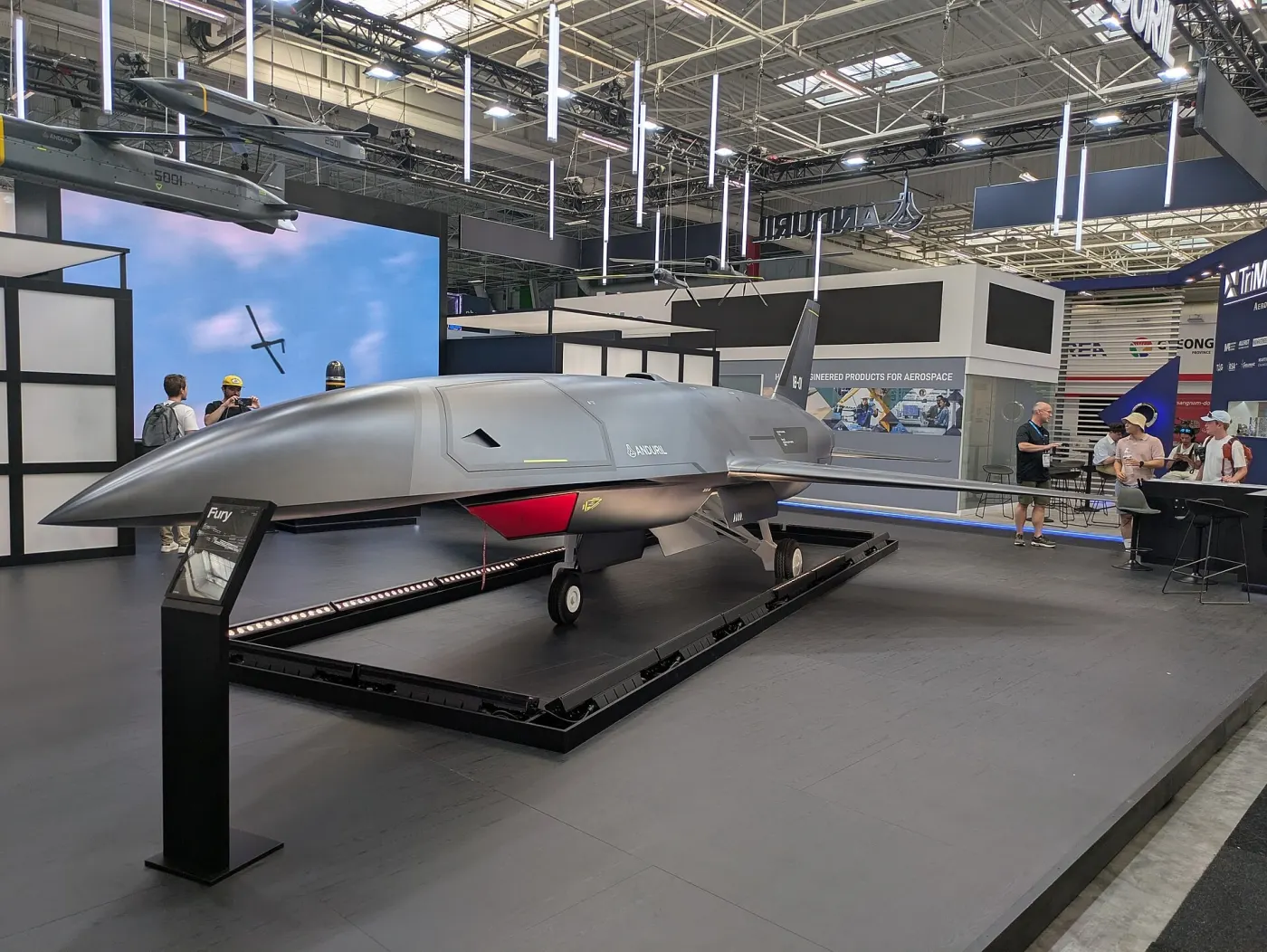
Anduril builds its own products first, then sells them, like a tech company. Its products include Lattice, an AI software system; Sentry surveillance towers; drones like Ghost; and a robotic fighter jet called Fury.
Where he is now
Today, Palmer Luckey is Anduril's founder and a leading voice for new defence technology. In 2026, Anduril was reported to be valued at $61 billion after a big funding round, with talks of a higher valuation later that year. He also partnered with Meta, his old employer, on military headset technology.
He remains a controversial figure. Supporters see him as a patriot fixing a slow system. Critics worry about AI in warfare.
Why the story matters
Palmer Luckey's story is about coming back. He built something amazing as a teenager, lost his place in the industry, and then built something even bigger in a totally different field.
For young builders, the lesson is simple. Obsession with a problem, like blurry VR, can become a company. And a painful setback does not have to be the final chapter.
He was pushed out of one future, so he built another.
The Record
Born: 1992
From: Long Beach, California, USA
Built: Oculus, Anduril Industries (with co-founders)
Known for: Oculus Rift, Anduril's defence products
Timeline
1992 Born in Long Beach, California.
2012 Launches Oculus Rift Kickstarter.
2014 Facebook buys Oculus for about $2 billion.
2016 Political donation sparks backlash.
2017 Leaves Facebook. Co-founds Anduril.
2025 Anduril's YFQ-44 shown at the Paris Air Show.
2026 Anduril reported at $61 billion valuation.