
The Man Who Rented the Internet
Company: Amazon / AWS. Company value: ~$2.6T. Net worth: ~$500M.

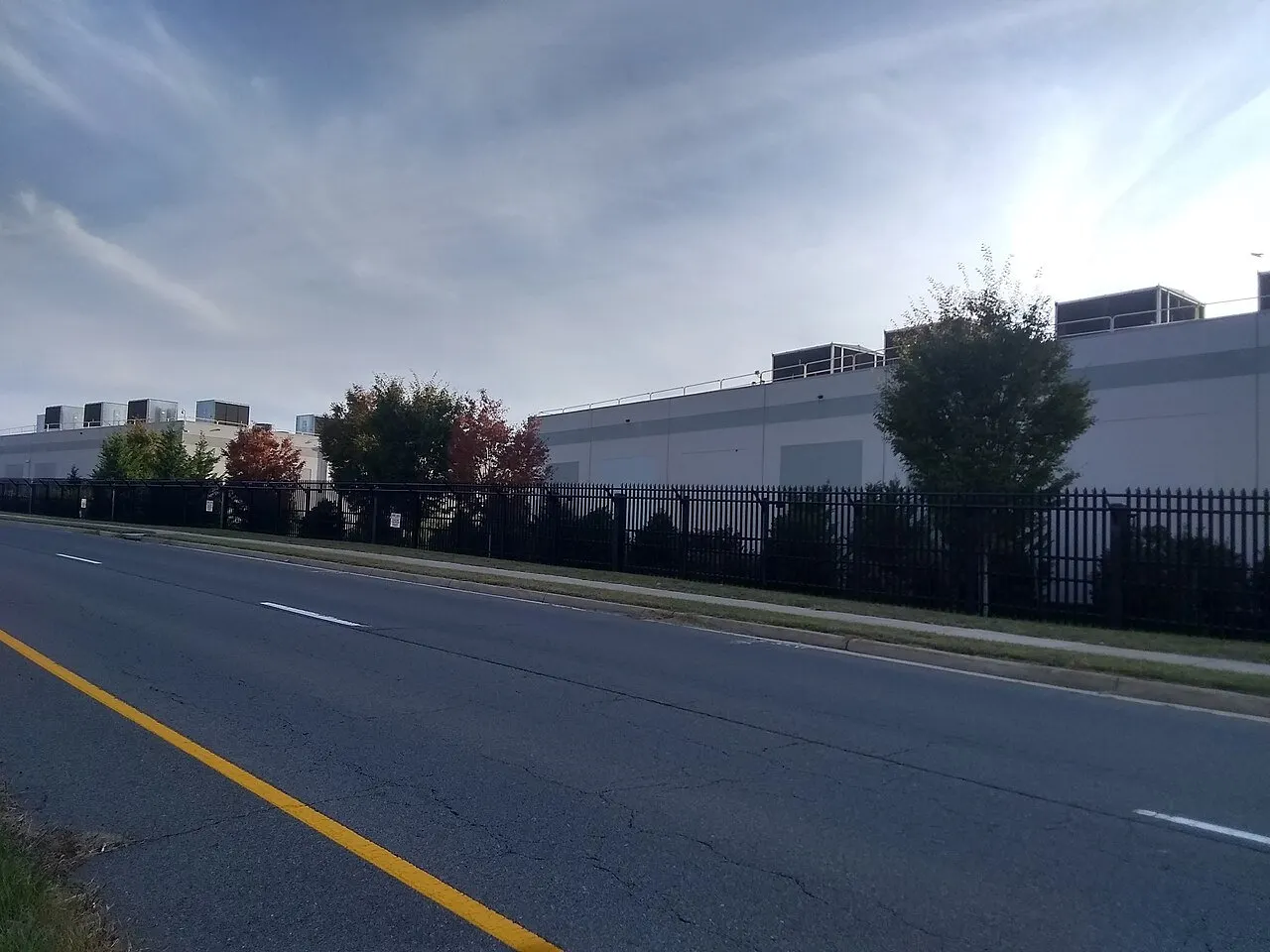
The night the data center in Northern Virginia went dark, the hum of servers that powered everything from Netflix streams to government contracts fell silent, and a single phone rang in a glass‑walled office on the 34th floor of a Seattle skyscraper. Andy Jassy, then the head of Amazon Web Services, stared at the blinking cursor on his screen, the weight of a fledgling cloud empire pressing against his shoulders. The outage was a test of resolve, a moment that would later be cited as the crucible in which Amazon’s profit engine was forged.
Born in 1968 in the leafy suburb of Scarsdale, New York, Jassy grew up with a curiosity that turned every family dinner into a debate about technology and business. He carried that inquisitiveness to Harvard College, where he earned a degree in government, and later to Harvard Business School, where he refined his analytical instincts. The academic rigor of those years gave him a framework for thinking about scale, risk, and the hidden levers that move markets.
In 1997, fresh out of business school, Jassy walked into a modest office in Seattle and took a job as Jeff Bezos’s technical assistant. The role was a front‑row seat to the early chaos of an online bookstore that was still learning how to ship books faster than the competition could deliver. Jassy absorbed Bezos’s relentless focus on customer obsession, watching how a single decision - like offering free shipping - could ripple through an entire business model.
By 2003, Jassy had convinced Bezos that the company’s massive computing infrastructure could be turned into a service for other businesses. He assembled a small team of engineers, gave them a simple directive - make it reliable enough for anyone to trust with their most critical workloads - and began building what would become Amazon Web Services. The launch in 2006 felt like a quiet revolution; a handful of startups and a few Fortune 500 companies signed up, unaware that they were stepping onto a platform that would soon dominate the cloud market.
When the Virginia outage hit, Jassy’s team was still learning how to translate a technical glitch into a customer‑focused response. He ordered a live dashboard to be streamed to every executive, demanded a transparent post‑mortem, and personally drafted the email that would go out to thousands of clients. The message was blunt, honest, and full of concrete steps to prevent a repeat. Customers praised the candor, and the incident became a case study in how to turn crisis into trust.
The success of AWS reshaped Amazon’s balance sheet, turning a once‑thin profit margin into a robust engine that funded the company’s aggressive expansion into groceries, entertainment, and logistics. By the time Jassy was named CEO in July 2021, the cloud division was delivering more than half of Amazon’s operating income, a testament to the vision he had nurtured for nearly two decades. The transition of power felt less like a handoff and more like the continuation of a narrative that began in a college dorm room.
In his first year as CEO, Jassy faced a new frontier: artificial intelligence. He announced the Bedrock service, a suite of foundation models that promised to democratize AI for developers, and unveiled Trainium, a custom chip designed to accelerate machine‑learning workloads. The launch was framed as a natural evolution of the cloud’s promise - give every business the tools to innovate without building their own infrastructure from scratch. The market responded with a surge in stock price, reinforcing the idea that AWS was not just a profit center but a platform for the next wave of technology.
Behind the headlines, Jassy’s daily routine remained rooted in the same habits that defined his early years at Amazon. He still begins each day with a deep dive into metrics, a habit he learned while monitoring the first servers that powered the company’s e‑commerce engine. He walks the floors of the data centers, listening to the rhythmic whir of fans, reminding himself that the scale of the operation is measured not just in dollars but in the reliability that customers expect.
The story of that blackout in Virginia is more than a technical footnote; it is a portrait of a leader who turned a moment of vulnerability into a blueprint for resilience. It illustrates how a man born in Scarsdale, educated at Harvard, and forged in the early days of Amazon’s online book business rose to steer a $2.6 trillion enterprise. The crisis became the catalyst that cemented AWS as the backbone of the modern internet, and it set the stage for Jassy’s next act - guiding Amazon through the uncharted waters of AI while keeping the profit engine humming.
As the sun set over Seattle that night, the servers flickered back to life, and the data center’s lights glowed like a constellation of possibilities. Jassy stood on the balcony of his office, looking out at the city that had watched Amazon grow from a garage‑sized operation to a global titan. In that quiet moment, the crisis that had threatened to stall the cloud’s ascent instead illuminated the path forward, a path that would carry Amazon and its founder into an era defined by machines that think and a market that never stops demanding more.
Origin and early life
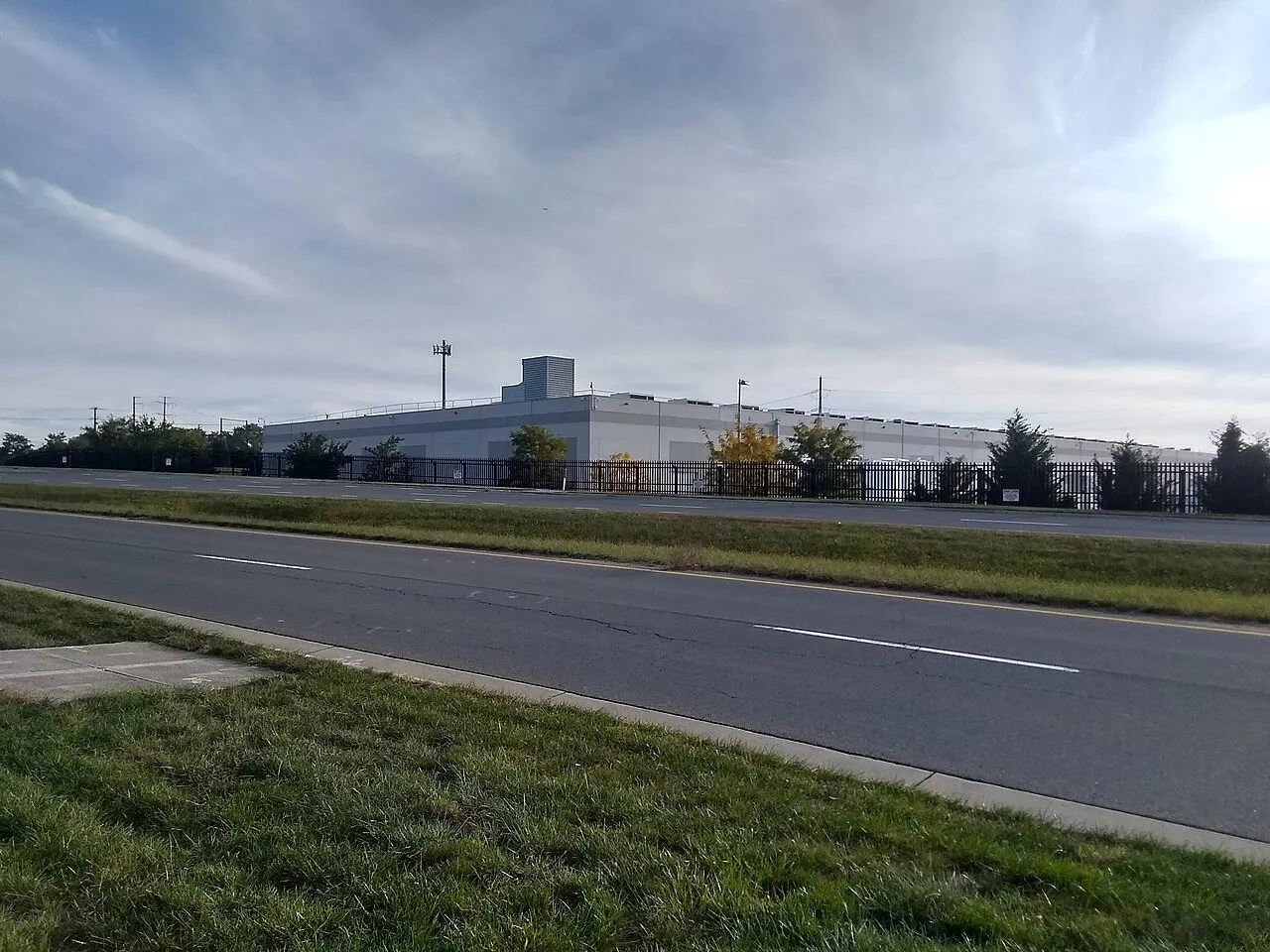

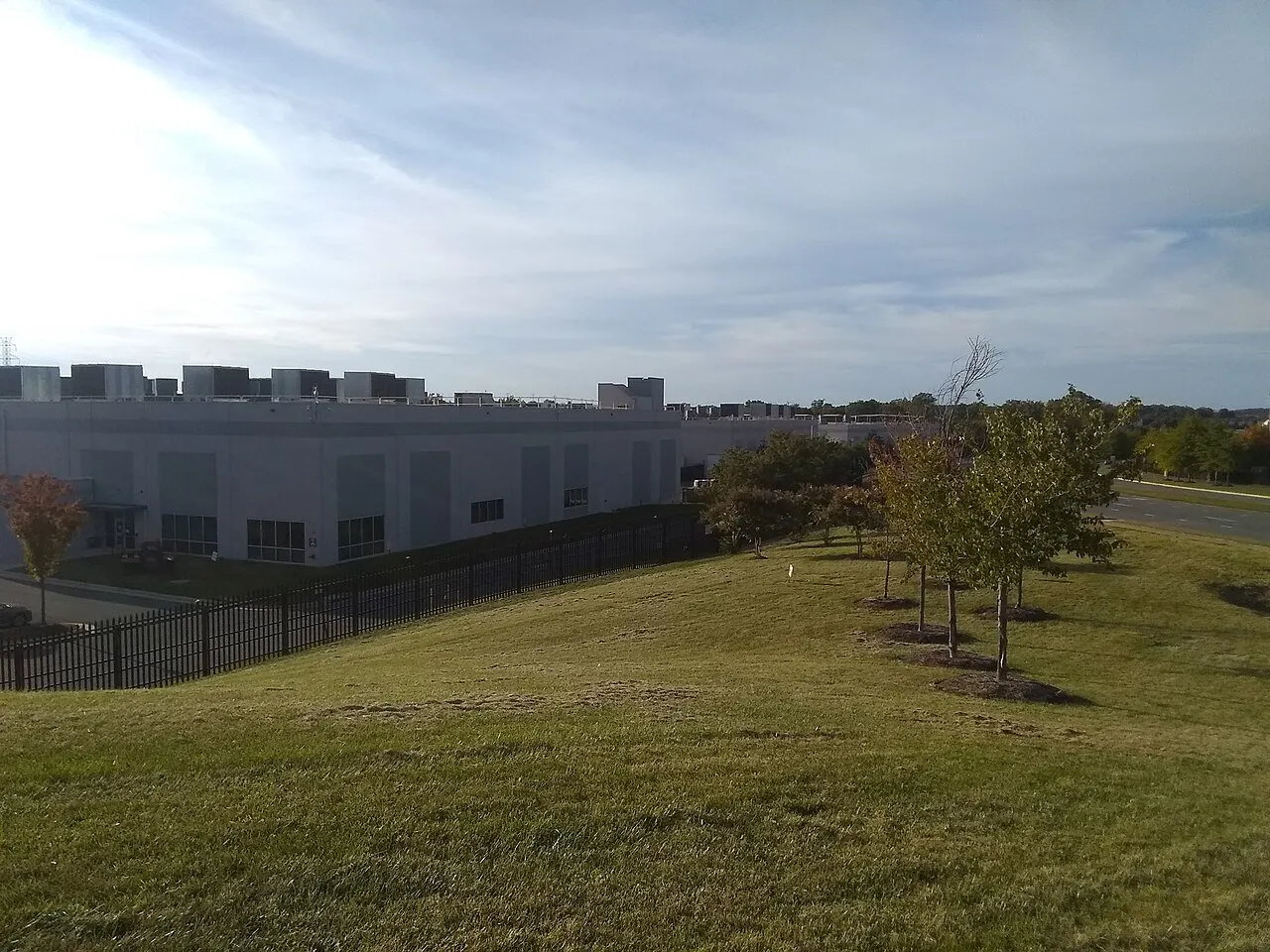
Andy Jassy entered the world in 1968 in the leafy suburb of Scarsdale, New York, where his parents had settled after moving from the Midwest. His father worked in finance while his mother taught elementary school, creating a household that prized both analytical thinking and a love of learning. Weekend trips to the local library became a ritual, and young Andy could often be found thumbing through science magazines, fascinated by the way technology could reshape everyday life. The quiet streets of Scarsdale, lined with well‑kept homes and tree‑shaded sidewalks, offered a stable backdrop for a curious mind eager to explore beyond the familiar.
At the age of ten, Jassy received his first computer - a modest Apple II that his father brought home as a birthday gift. The machine’s green‑screen interface felt like a portal, and he spent hours experimenting with simple programs, learning to type commands and watch the screen respond. Those early evenings, illuminated by the glow of the monitor, sparked a fascination with the invisible world of code that would later define his career. He began to see computers not just as tools but as platforms for building something larger, a perspective that stayed with him through high school.
High school years brought a deeper immersion in academic competition. Jassy joined the debate team, where he honed the ability to argue clearly and think on his feet, skills that would later prove essential in boardrooms and product meetings. He also captained the math club, leading peers through complex problem‑solving sessions that emphasized precision and collaboration. Teachers noted his habit of asking “what if” questions, pushing classmates to consider how theoretical concepts could be applied in practical ways. The combination of analytical rigor and persuasive communication set the stage for his later work in technology strategy.
When it came time for college, Jassy earned a place at Harvard College, where he pursued a degree in government while continuing to explore his technical interests on the side. He joined a student‑run computer club that maintained a modest network of machines for campus use, and he spent long nights in the basement lab debugging software and configuring servers. Those experiences taught him the value of reliable infrastructure, a lesson that would later become central to his vision for cloud computing. He graduated with a solid liberal arts foundation, equipped with both critical thinking and a practical grasp of emerging technologies.
After Harvard, Jassy enrolled at Harvard Business School, where the rigorous case‑method curriculum sharpened his strategic mindset. He excelled in courses that examined how technology could create competitive advantage, often drawing on his own hands‑on experience with campus servers to illustrate points in class discussions. The business school environment also introduced him to a network of future leaders, many of whom would later become collaborators in the tech industry. He completed his MBA with a clear sense that the next wave of innovation would hinge on scalable, on‑demand computing resources.
In 1997, fresh from business school, Jassy answered a call from a former classmate who was now working at a rapidly growing online retailer. He accepted a role as a technical assistant to the company’s founder, Jeff Bezos, stepping into a small office that buzzed with the energy of a startup poised to change retail. The position gave him a front‑row seat to the challenges of building a massive e‑commerce platform, and he quickly recognized that the internal infrastructure was a bottleneck. He began sketching ideas for a service that could provide computing power to internal teams, a concept that would later evolve into a standalone business.
By 2006, Jassy’s vision had taken shape as Amazon Web Services launched its first public offerings, marking the birth of a new industry. He led the team that turned the internal toolset into a global platform, emphasizing reliability, security, and ease of use. The early days were marked by long meetings in conference rooms where engineers debated the best way to allocate resources, and by late‑night coding sessions that tested the limits of existing hardware. The success of those efforts laid the groundwork for what would become a profit engine fueling the broader company’s growth.
When the board announced Jassy as Amazon’s chief executive officer in July 2021, the narrative of his ascent was already well‑known: a Scarsdale kid who had grown up with a computer, sharpened his thinking at Harvard, and helped create the cloud that powers countless businesses today. Under his leadership, the company continued to push the boundaries of artificial intelligence, launching services such as Bedrock and Trainium that aimed to democratize machine learning for developers worldwide. Though his early life was rooted in modest suburban surroundings, the trajectory he charted from those beginnings illustrates how curiosity, disciplined study, and a willingness to tackle complex problems can reshape an entire industry.
First bets and building
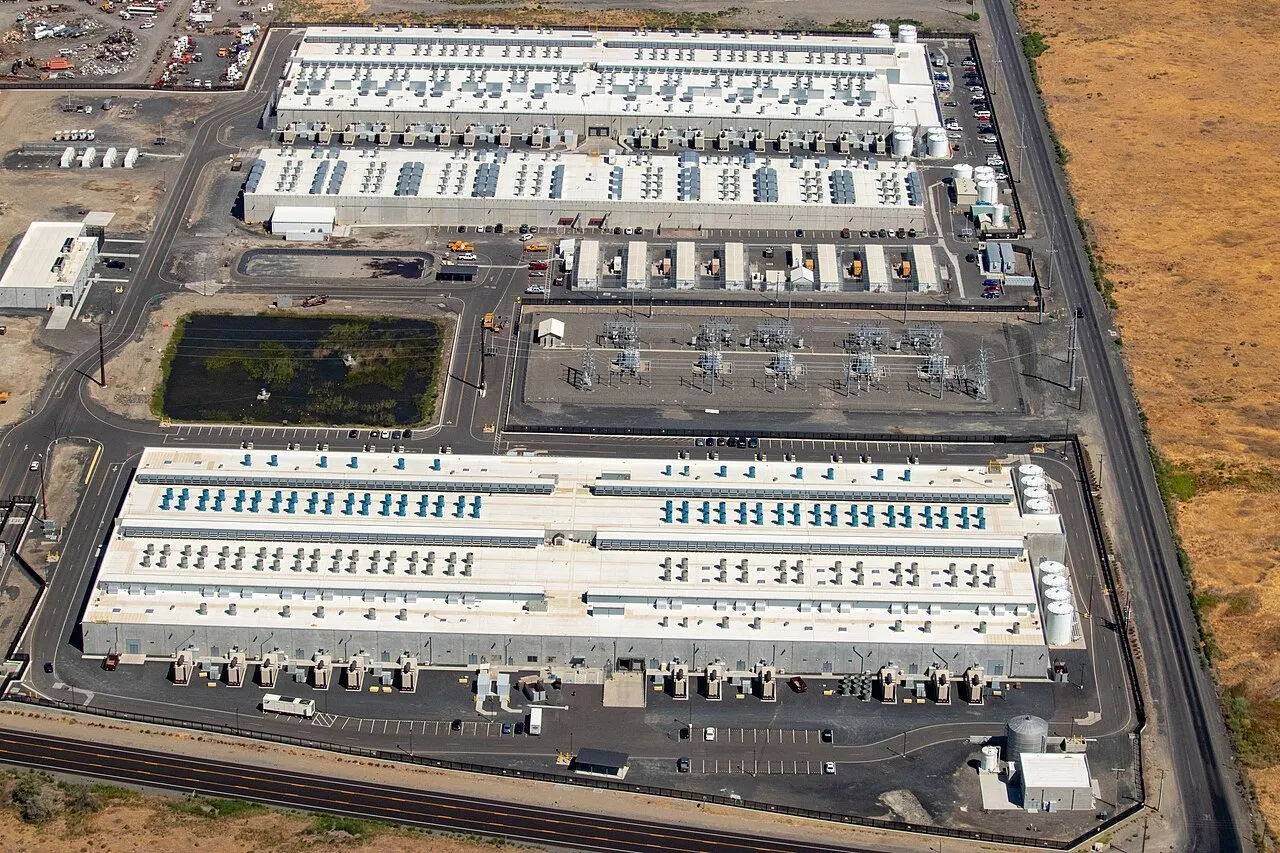

Andy Jassy grew up in Scarsdale, a suburb of New York City, where his curiosity about how things worked was fed by a steady stream of books and tinkering projects. The son of a corporate lawyer and a schoolteacher, he learned early that disciplined study could open doors. At Harvard College he majored in government, a field that sharpened his ability to see patterns in complex systems, and he later returned for an MBA at Harvard Business School, where case studies taught him to dissect business models with surgical precision.
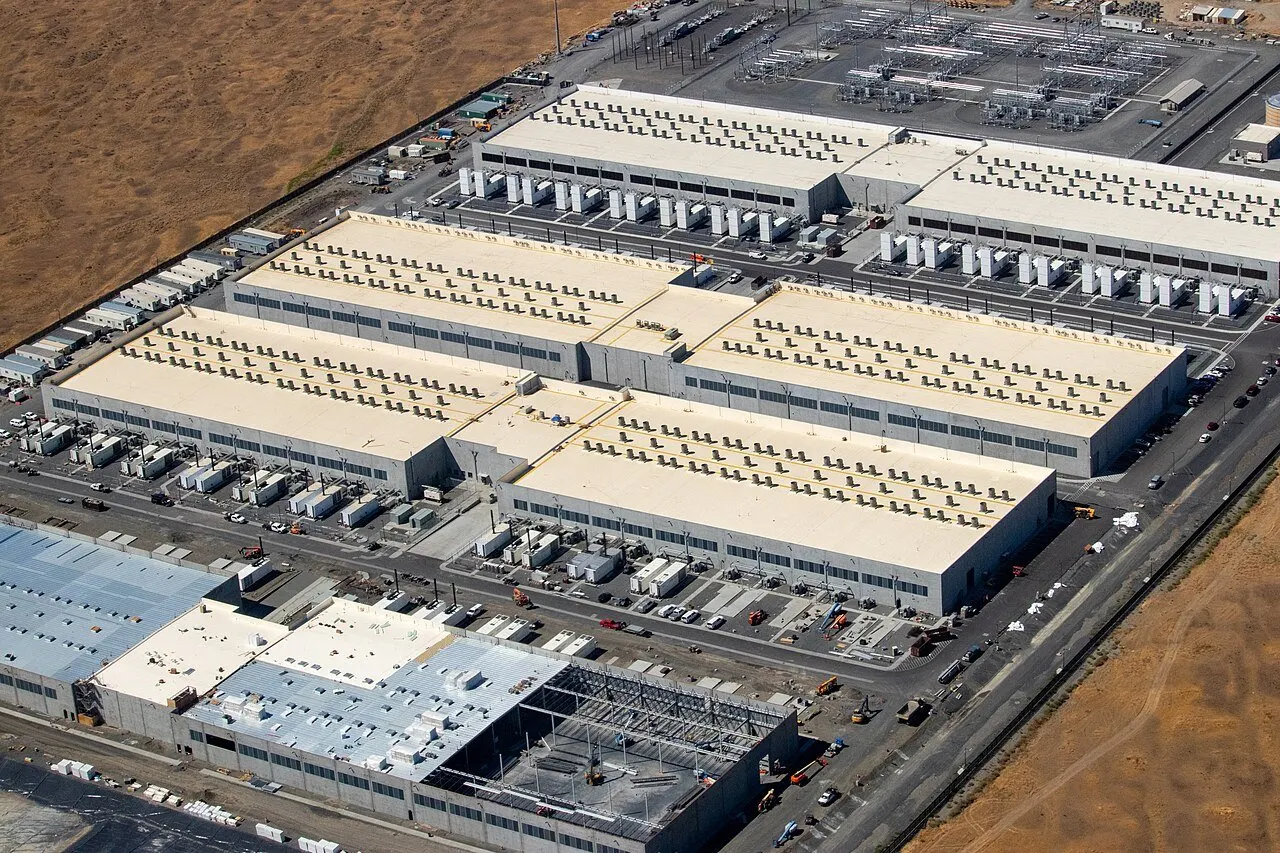
When he walked into Amazon’s headquarters in Seattle in 1997, the company was still a fledgling online bookseller. Jeff Bezos hired him as a technical assistant, a role that placed Jassy at the nexus of engineering and strategy. In those early days the office was a cramped space of desks, whiteboards covered in scribbles, and a handful of servers humming in a corner. Jassy spent long evenings with a small team of engineers, mapping out how the company could move beyond retail and offer its own computing power to other businesses.
The first concrete product that emerged from those brainstorming sessions was a set of internal tools designed to help Amazon’s own developers provision servers more quickly. The team called the effort “Project Unicorn,” a tongue‑in‑cheek reference to the mythical nature of building a scalable infrastructure on a shoestring budget. Using modest Linux boxes, simple scripting languages, and a nascent understanding of virtualization, they began to automate the provisioning process that had previously required manual configuration for each new application.
Those early experiments revealed a powerful insight: the same infrastructure that Amazon was building for itself could be packaged and sold to external customers. Jassy and his teammates - engineers who had learned to live on coffee and the occasional pizza slice - started to treat the internal tools as a product line. They wrote code in Java, used early versions of what would become the Elastic Compute Cloud, and relied on a culture of rapid iteration. The grind was relentless; a typical day stretched from sunrise meetings to late‑night debugging sessions, with each resolved bug feeling like a small victory in a larger, uncertain battle.
By the early 2000s the team had formalized the concept as “Amazon Web Services.” The name itself was a promise that the company could provide reliable, on‑demand computing resources to anyone with an internet connection. Jassy championed a philosophy that the service should be as simple to use as ordering a book from Amazon’s catalog. He pushed his engineers to write clear documentation, to expose APIs that behaved predictably, and to build a pricing model that was transparent and scalable.
The launch of the first public services in 2006 marked a turning point. Customers could now rent virtual servers, store data, and run applications without owning physical hardware. The rollout was modest - only a handful of startups and developers signed up at first - but the momentum grew as word spread through tech conferences and developer forums. Jassy watched the early adopters experiment, fail, and succeed, and he used each story to refine the platform. The tools that had once been internal scripts evolved into a robust suite of services that could handle the traffic of Fortune‑500 companies.
As the platform expanded, Jassy assembled a cadre of leaders who shared his vision of cloud computing as a utility. He recruited product managers who could translate business needs into technical requirements, and he mentored engineers to think beyond the immediate problem and consider long‑term scalability. The culture he cultivated emphasized data‑driven decisions, relentless testing, and a willingness to discard ideas that did not meet rigorous performance standards. The result was a machine that could spin up thousands of instances in minutes, a capability that set Amazon apart from its competitors.
The financial impact of the cloud business soon became evident. While Amazon’s retail division continued to grow, the profit margins on the computing services were substantially higher. Jassy’s team turned the cloud into a profit engine that funded further innovation across the company. The success of the platform gave Amazon the confidence to invest in new technologies, from machine learning to serverless computing, each built on the same foundational infrastructure that Jassy and his early teammates had created.
When Jeff Bezos announced his transition to executive chairman in mid‑2021, the board turned to Jassy as the natural successor. The decision reflected not only his deep knowledge of Amazon’s operations but also his track record of building a business from a modest internal project into a global powerhouse. As CEO, Jassy continued to champion the cloud, launching AI services such as Bedrock and custom silicon like Trainium, which further cemented AWS’s leadership in the market.
Today the cloud platform that began in a cramped Seattle office powers everything from streaming services to scientific research. The tools that once required hand‑crafted scripts now run on sophisticated orchestration systems, yet the underlying principle remains the same: provide customers with reliable, on‑demand computing resources that enable them to innovate. Jassy’s early bets on internal efficiency, his willingness to grind through endless cycles of testing, and his talent for assembling focused teams have left an indelible mark on the technology landscape.
The story of those first years is a reminder that monumental enterprises often start with humble experiments, a handful of dedicated people, and a relentless focus on solving real problems. Jassy’s journey from a technical assistant to the helm of one of the world’s most valuable companies illustrates how vision, perseverance, and the right tools can turn a simple idea into an industry‑defining reality.
Breakthrough and hard seasons


Andy Jassy grew up in Scarsdale, a suburb that prized academic achievement. The son of a lawyer and a teacher, he learned early to ask “why” and to chase answers with relentless curiosity. At Harvard College he gravitated toward computer science, and a later stint at Harvard Business School gave him a formal grounding in strategy that would later shape his approach to building platforms.
In 1997 Jassy walked into Amazon’s headquarters as a technical assistant to Jeff Bezos. The company was still a modest online bookseller, but Bezos already spoke of “the long term” and of building infrastructure that could outpace rivals. Jassy absorbed that vision, watching the early logistics software and the nascent data centers that kept the site humming. He saw a gap: businesses were struggling to scale their own servers, and Amazon’s internal tools could be repackaged as a service.
The idea of a cloud platform was radical in the early 2000s. Jassy pushed a small team to experiment with a suite of services that could be rented on demand. The first public offering, Amazon Web Services, arrived in 2006 with a handful of products such as S3 storage and EC2 compute. The launch was modest, but it gave startups a way to avoid massive capital expenditures. The early months were rocky; customers were skeptical, and internal engineers wrestled with reliability problems that sometimes left critical applications offline for hours.
Rival firms such as Microsoft and Google were already eyeing the same market. Microsoft’s Azure entered the scene a few years later with deep integration into Windows ecosystems, while Google leveraged its data‑center expertise to offer competitive pricing. Jassy’s response was to double down on openness and on a pricing model that charged by the second rather than by the hour. He also cultivated a culture of “customer obsession,” insisting that every outage be treated as a learning opportunity rather than a failure to hide.
The breakthrough came when a major online retailer chose AWS to power a global sales event. The platform handled a surge of traffic without faltering, and word spread through the tech community. Within a year, venture‑backed startups began building entire businesses on AWS, and the revenue stream grew faster than Amazon’s retail division. By the time Amazon’s market value topped $2.6 trillion, AWS was the company’s most profitable segment, feeding the cash that funded new acquisitions and experiments.
Even as the business flourished, Jassy faced personal doubts. In 2012 a series of high‑profile outages forced him to appear before a skeptical board. He considered stepping back, fearing that the relentless pace was unsustainable. A late‑night conversation with Bezos reminded him that the true test of a platform was its ability to recover quickly, not to avoid failure entirely. That moment reinforced Jassy’s belief that transparency with customers would build trust far more than any marketing campaign.
Luck played a subtle role. The timing of the 2008 financial crisis meant that many companies were cutting capital budgets and looking for cheaper ways to run applications. AWS’s pay‑as‑you‑go model arrived just as the market needed it most. At the same time, the rapid adoption of smartphones created a new demand for scalable back‑ends, and AWS was already positioned to meet that need without a major redesign.
Competition intensified as the cloud market matured. In 2018 Amazon introduced Bedrock, a suite of generative‑AI tools that allowed developers to embed large language models into their applications. Jassy championed the integration of custom silicon, naming the new chip Trainium, to give AWS a performance edge over rivals that relied on off‑the‑shelf processors. The move was risky; developing custom hardware required massive capital and could have backfired if the chips failed to deliver the promised speed. Yet the gamble paid off, and AI workloads soon became a major growth engine for the division.
Behind the scenes, Jassy cultivated a team that blended engineers with product managers, insisting that every new service be launched with a clear use case. He encouraged internal “battle‑cards” that compared AWS offerings against Azure, Google Cloud, and emerging Chinese providers. This competitive intelligence helped the division anticipate market shifts and adjust pricing before rivals could react.
When Bezos announced his transition to executive chairman in early 2021, the spotlight turned to Jassy as the next CEO of Amazon. The announcement was both a triumph and a test; the company’s $2.6 trillion valuation meant that any misstep would be magnified. Jassy’s net worth, estimated around $500 million, reflected his long‑term stake in the business but also underscored that his influence extended beyond personal wealth to the very infrastructure of the digital economy.
In the months that followed, Jassy steered Amazon through supply‑chain disruptions, labor disputes, and heightened regulatory scrutiny. He leaned on the same principles that built AWS: relentless focus on the customer, willingness to experiment, and an acceptance that failure is part of the innovation cycle. The cloud division continued to expand, adding new regions and services while keeping profit margins robust, proving that the engine he helped create could power not only Amazon’s growth but also the broader tech landscape.
How they work and what they built


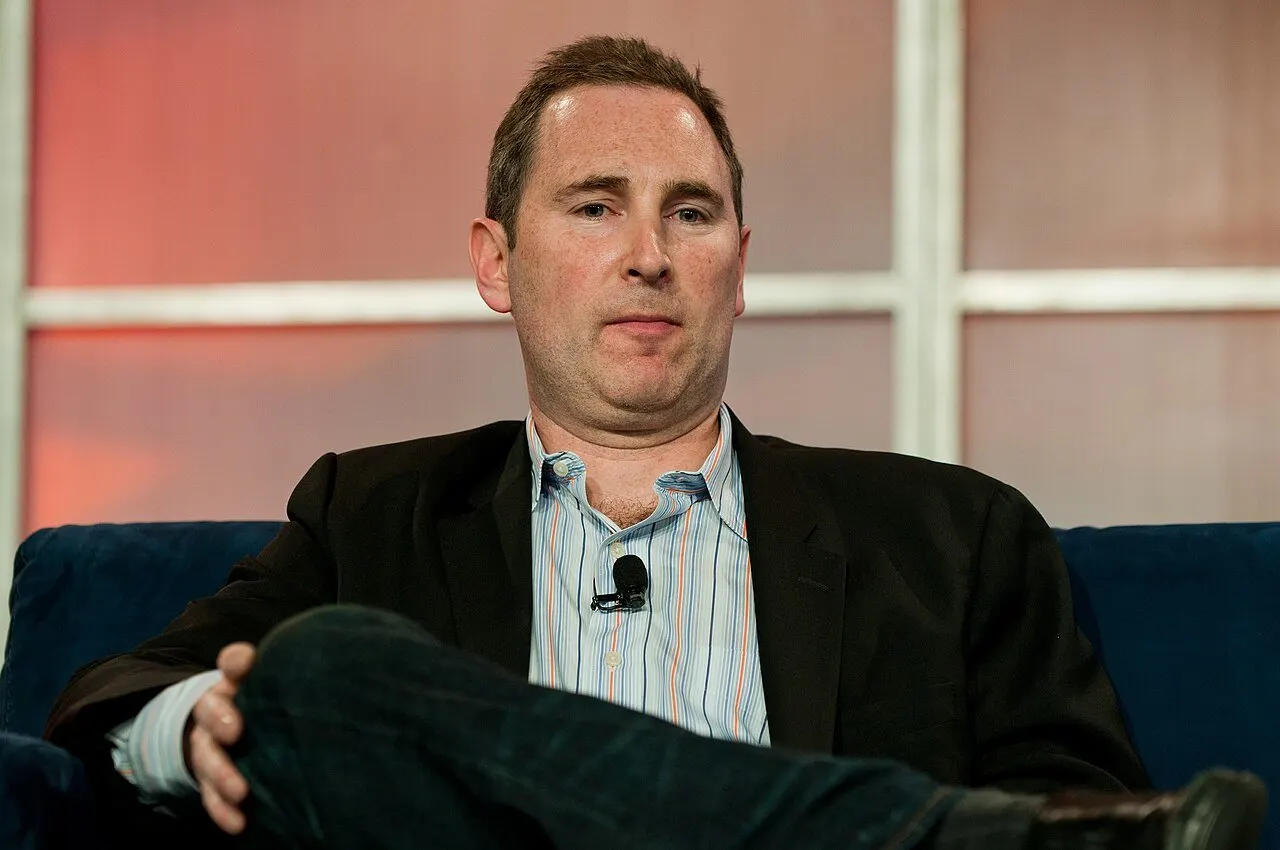
Andy Jassy grew up in Scarsdale, New York, the son of a lawyer and a teacher. From the first day he could stay up late reading, he was fascinated by systems that could scale beyond the limits of a single mind. At Harvard College he majored in government, but he spent evenings in the computer lab, teaching himself programming languages and building small web tools for classmates. The habit of digging into the technical details while keeping an eye on larger strategy formed the backbone of his later leadership style.
When he entered Harvard Business School, Jassy’s classmates noted his relentless note‑taking and his habit of turning every lecture into a case study. He would leave the classroom, open a spreadsheet, and map the numbers he heard onto a broader market picture. After graduating, he accepted a role in 1997 as Jeff Bezos’s technical assistant at Amazon, a position that placed him at the intersection of vision and execution. In that office, Jassy learned the rhythm of Bezos’s “single‑threaded” meetings, where a single leader owned a problem from inception to resolution. He adopted the practice of writing narrative memos for every major decision, a habit that later became a hallmark of Amazon’s culture.
The first major test of Jassy’s approach came in the early 2000s, when Amazon’s infrastructure was straining under rapid growth. He proposed a bold idea: instead of building isolated data centers for each product line, Amazon could expose its excess compute capacity as a service for external customers. The proposal was captured in a 10‑page memo that outlined the technical architecture, pricing model, and potential impact on Amazon’s margins. Bezos approved the plan, and Jassy was given a small team to turn the concept into reality.
The team’s daily routine reflected Jassy’s belief in “customer obsession.” Every morning began with a deep‑dive into usage metrics, error logs, and feedback from early pilot customers. Engineers were encouraged to run “failure drills,” intentionally taking down services to see how quickly they could recover. This habit of rehearsing disaster became a cultural norm that later defined AWS’s reputation for reliability. By 2006, the service - originally called Amazon Web Services - launched with a handful of products: Simple Storage Service (S3) for object storage and Elastic Compute Cloud (EC2) for virtual servers. The launch day was a scene of quiet confidence: Jassy stood beside a whiteboard, pointing to a live dashboard that showed the first customers signing up, while his team monitored latency graphs and capacity buffers.
Within a few years, the culture Jassy cultivated - high standards, data‑driven debates, and a willingness to ship imperfect products - produced a cascade of innovations. Relational Database Service (RDS) simplified database management, while Lambda introduced serverless computing, allowing developers to run code without provisioning servers. Each new offering was preceded by a “working backwards” exercise, where the team wrote a press release and FAQ before any code was written. This practice forced Jassy’s engineers to focus on the customer problem first, then design the technical solution.
By the time Jassy was named Amazon’s chief executive officer in July 2021, AWS had become the company’s profit engine, contributing the majority of its operating income. The financial discipline he instilled - tracking cost per request, monitoring utilization rates, and negotiating favorable hardware contracts - kept the business lean even as revenue surged into the hundreds of billions. Jassy’s habit of holding weekly “metrics reviews” with senior leaders ensured that every product line remained accountable to clear, quantitative goals.
The next phase of Jassy’s building effort turned toward artificial intelligence. In 2023, AWS announced Bedrock, a managed service that gave developers access to foundation models without needing to manage the underlying infrastructure. The launch was framed as a continuation of the original AWS promise: give customers the building blocks to create their own applications at scale. Behind Bedrock, Jassy’s team introduced Trainium, a custom‑designed chip optimized for training large language models. The decision to design proprietary silicon reflected Jassy’s long‑standing belief that control over the hardware stack could unlock cost efficiencies and performance gains that off‑the‑shelf solutions could not provide.
Jassy’s day‑to‑day habits remained remarkably consistent. He still begins each morning with a review of the most recent operational incidents, asking the “five whys” to uncover root causes. He schedules “no‑meeting” blocks to read technical papers and prototype new ideas in a sandbox environment. When he meets with product managers, he asks for a one‑page narrative that explains the customer problem, the proposed solution, and the metrics that will define success. This insistence on concise, evidence‑based communication keeps the organization focused amid the complexity of a multi‑trillion‑dollar enterprise.
The culture he nurtured also emphasizes frugality. Engineers are encouraged to reuse existing services, to repurpose idle compute cycles, and to benchmark every new feature against a cost target. This mindset has led to innovations such as Savings Plans, which let customers commit to usage levels in exchange for lower rates, and to the internal practice of “right‑sizing” instances to match workload demands. The result is a virtuous cycle: lower costs attract more customers, which in turn fund further investment in the platform.
In the boardroom, Jassy’s decision‑making style is methodical. He gathers data, solicits dissenting opinions, and then makes a call that is communicated through a written memo that all participants must sign off on. This process, inherited from Bezos, reduces ambiguity and aligns the organization behind a single narrative. It also creates a record that can be revisited when outcomes differ from expectations, reinforcing a culture of accountability.
Through these habits - deep technical immersion, narrative‑driven planning, relentless focus on metrics, and a culture that prizes frugality and reliability - Andy Jassy has built a suite of products that power everything from streaming services to scientific research. The systems he helped create, from the first EC2 instances to the latest AI‑focused chips, illustrate a consistent philosophy: give customers the simplest, most scalable tools possible, and let the market decide how they are used. The result is a cloud platform that not only dominates the industry but also continuously reinvents itself, reflecting the very work ethic and decision framework that Jassy brought to Amazon nearly three decades ago.
Current achievements as of September 2026

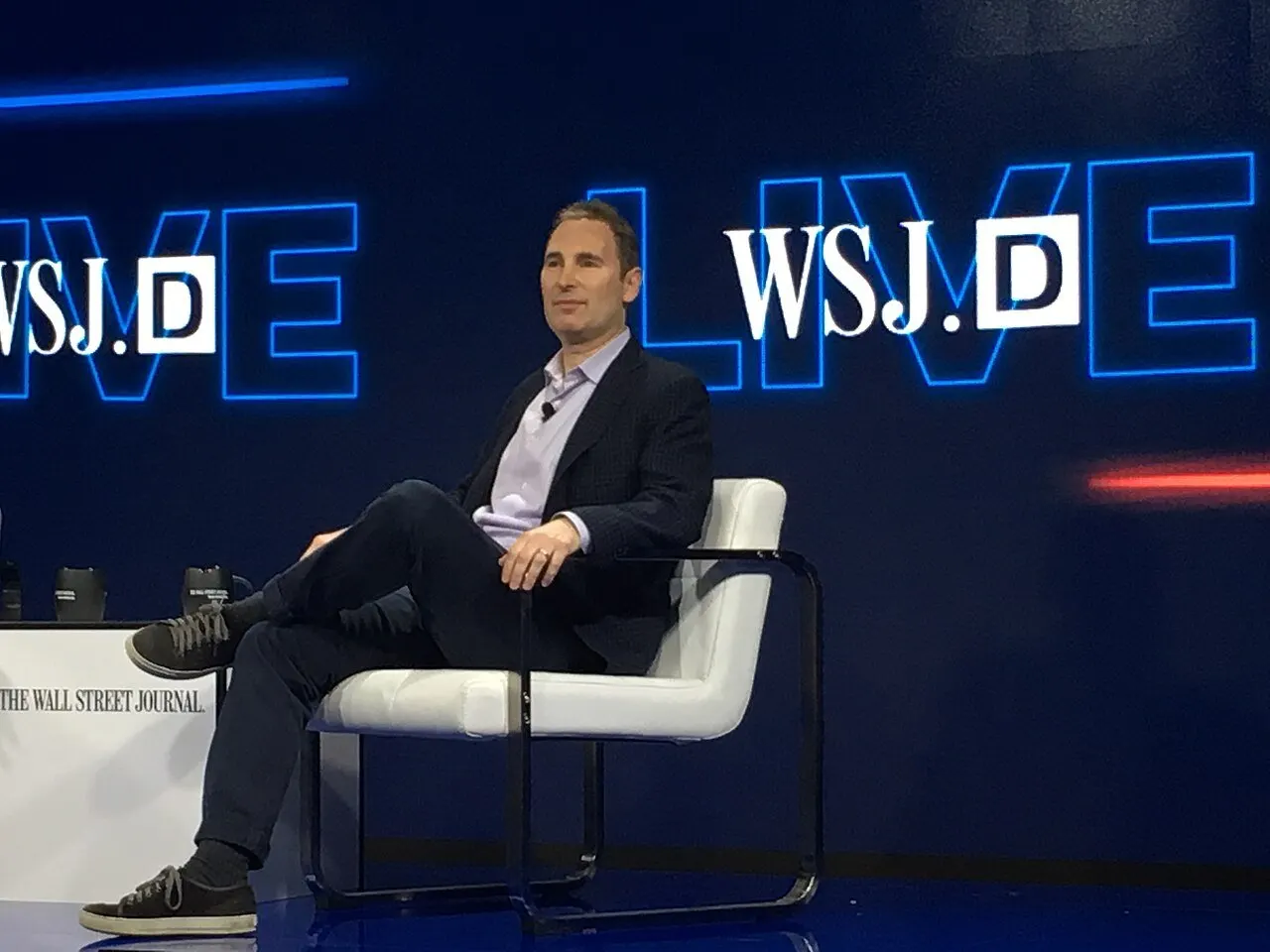
Andy Jassy’s story today reads like a series of decisive moments that line up with the rise of a company now valued at roughly $2.6 trillion. The narrative begins in the quiet suburbs of Scarsdale, where a 1968 birth placed him in a family that prized education and curiosity. At Harvard College he absorbed a broad liberal arts foundation, and at Harvard Business School he sharpened a strategic mindset that would later prove essential in a fast‑moving technology environment.
In 1997 Jassy walked into Amazon’s headquarters as a technical assistant to Jeff Bezos. The office was still cramped, the catalog expanding daily, and the culture was defined by relentless experimentation. Jassy observed the company’s logistics challenges and the growing demand for scalable computing resources. Those observations sparked a conversation in a small conference room where he and a handful of engineers sketched the outline of a service that could let developers rent computing power on demand.
The concept matured into Amazon Web Services, officially launched in 2006. Early customers such as Netflix and NASA tested the platform, and Jassy’s team responded with a relentless focus on reliability and cost efficiency. By the end of the first decade AWS had become the backbone of countless internet services, and its revenue grew faster than any other Amazon segment. The profit engine that emerged turned a modest profit margin into a multi‑billion‑dollar contribution to the parent company’s earnings, reinforcing the belief that cloud infrastructure could be a lasting competitive advantage.
When Jeff Bezos announced his transition to executive chair in mid‑2021, Jassy stepped into the role of CEO. The handover was marked by a boardroom scene in which Jassy, now familiar with the company’s operational pulse, pledged to keep the customer‑obsessed culture while expanding into new markets. His first public address emphasized continuity and ambition, reassuring investors that the same data‑driven rigor that built AWS would guide Amazon’s broader portfolio.
Under Jassy’s leadership, Amazon accelerated its investment in artificial intelligence. In 2023 the company unveiled Bedrock, a suite of foundation models designed to let developers embed generative AI capabilities without managing underlying infrastructure. Jassy described the launch as a natural extension of the cloud philosophy: provide powerful tools as a service, reduce friction, and let customers focus on building applications. The platform quickly attracted enterprises seeking to augment analytics, content creation, and customer support with AI, adding a new revenue stream that complemented the existing cloud business.
Parallel to Bedrock, Jassy championed the development of Trainium, a custom silicon chip built to accelerate machine‑learning training workloads. The chip’s architecture was announced in a product showcase where engineers demonstrated training times that were dramatically shorter than previous generations. By integrating Trainium into the AWS ecosystem, Amazon offered customers a cost‑effective path to scale large AI models, reinforcing the company’s position as a preferred cloud provider for high‑performance computing.
Financially, the combination of cloud dominance, AI services, and continued e‑commerce growth propelled Amazon’s market valuation to the low‑trillions range, with analysts estimating a figure near $2.6 trillion by September 2026. Jassy’s personal net worth, while modest compared with the company’s size, reflects the value of his long‑term equity holdings and is estimated at around $500 million. The disparity underscores a leadership style focused on reinvesting profits into innovation rather than personal enrichment.
Beyond the balance sheet, Jassy’s impact is evident in the culture he nurtures. In a recent town‑hall meeting, he highlighted the importance of “thinking big, starting small, and scaling fast,” echoing the mantra that guided his early work on AWS. Employees shared stories of cross‑team collaborations that resulted in new services launched within weeks, a pace that would have seemed impossible a decade earlier. This environment continues to attract top talent, reinforcing the feedback loop of innovation and growth.
Looking ahead, Jassy’s agenda includes expanding Amazon’s footprint in emerging markets, deepening the integration of AI across all product lines, and exploring sustainable energy solutions for data centers. In a strategic briefing, he outlined a vision where the cloud not only powers commerce but also supports climate‑friendly computing, positioning the company as a leader in both technology and environmental stewardship. The scene painted by his words suggests a future where Amazon’s infrastructure underpins a wide array of societal functions, from healthcare diagnostics to education platforms, all delivered through the same cloud foundation he helped create.
Through each of these milestones, Andy Jassy’s journey illustrates how a blend of technical insight, operational discipline, and strategic foresight can shape a company’s trajectory. The scenes of early brainstorming sessions, product launches, and boardroom decisions collectively reveal a leader who has turned cloud computing into a global utility, while steering a trillion‑dollar enterprise toward new horizons of artificial intelligence and sustainable growth.
World impact and closing
Andy Jassy’s story is a quiet reminder that the most transformative change often begins in a modest office, a notebook, or a conversation over coffee. Born in 1968 in Scarsdale, New York, he grew up in a town where ambition was measured by the willingness to ask questions. At Harvard College he learned to read the world through data, and at Harvard Business School he refined the discipline of turning ideas into execution plans. Those early lessons resurfaced when he walked into Amazon’s Seattle headquarters in 1997 as Jeff Bezos’s technical assistant, a role that gave him a front‑row seat to the company’s relentless focus on customer obsession.
In those early days Amazon was still a fledgling online bookseller, but Jassy saw beyond the catalog. He sensed that the real power of the internet lay in its ability to deliver computing resources on demand, a concept that would later become the cloud. By 2006 he had shepherded the launch of Amazon Web Services, a service that turned spare server capacity into a global platform for developers, startups, and enterprises. The launch was not a flash‑in‑the‑pan event; it was a steady build‑out of data centers, a series of quiet negotiations with early adopters, and a belief that technology could be democratized.
For customers, the shift was immediate and profound. Small businesses that once needed to invest in costly hardware could now spin up servers with a few clicks. Startups that had been limited by capital constraints found a runway that allowed them to iterate faster, launch products, and scale globally without ever building a physical infrastructure. Large enterprises, once wary of moving critical workloads off‑premises, began to trust the reliability and security of AWS, moving mission‑critical applications to a platform that promised both elasticity and cost predictability. The ripple effect reshaped entire industries: finance firms adopted real‑time analytics, media companies streamed high‑definition content, and scientific researchers accessed compute power that accelerated breakthroughs in genomics and climate modeling.
The impact on jobs was equally dramatic. As AWS grew into a $2.6 trillion‑valued engine of profit for Amazon, a new class of cloud architects, DevOps engineers, and data scientists emerged. Universities added curricula focused on cloud computing, and certification programs sprouted worldwide. People who once worked as system administrators in isolated data centers found themselves collaborating across continents, writing code that could be deployed in seconds. The demand for talent reshaped labor markets, driving wages higher for those who mastered the platform and prompting a wave of retraining for workers displaced by automation.
Culturally, the cloud introduced a mindset of “move fast and break things” into sectors that had traditionally been risk‑averse. Companies that had once measured success by the size of their on‑premises server farms now measured it by the speed at which they could provision resources, test hypotheses, and deliver value to customers. The notion of “infrastructure as code” turned hardware configuration into a software problem, encouraging a culture of version control, peer review, and continuous improvement. This shift also democratized innovation: a developer in a garage could launch a service that reached millions, a reality that would have been unimaginable a decade earlier.
When Jassy assumed the role of Amazon CEO in July 2021, the company was already a global powerhouse, but his background in cloud services gave him a unique lens through which to view the next frontier. He championed the expansion of artificial intelligence through products like Amazon Bedrock and the Trainium chip, tools that allowed customers to embed generative AI into their applications without needing deep expertise in machine learning. These offerings turned AI from a niche research area into a practical utility for marketers, developers, and analysts, further blurring the line between technology and everyday business operations.
The financial engine of AWS continued to fuel Amazon’s broader ambitions. While the company’s market value hovered around $2.6 trillion, the profit margins generated by the cloud business funded investments in logistics, entertainment, and renewable energy. Jassy’s own net worth, estimated at roughly $500 million, reflected a modest share of that wealth, underscoring a career built on scaling systems rather than personal enrichment. The numbers tell a story of scale, but the true narrative lies in how those scales altered the everyday lives of people around the world.
Customers now expect instant access to compute power, developers anticipate seamless integration of AI, and enterprises plan their strategies around the elasticity of the cloud. Jobs that once required years of specialized training have become accessible through online courses and certification paths. The culture of rapid experimentation has seeped into education, government, and even non‑profit sectors, where data‑driven decision making is now the norm rather than the exception.
As the final chapter of this biography draws to a close, the image that lingers is not of a boardroom or a balance sheet, but of a quiet office in Seattle where a young man once asked, “What if we could give anyone the power to run a server?” That question sparked a cascade of change that reshaped how we build, how we work, and how we imagine the future. Andy Jassy’s legacy is not measured in the billions of dollars Amazon commands, but in the countless moments when a startup launched its first product, a researcher ran a simulation that saved lives, or a student accessed a learning platform from a remote village. In those moments, the cloud became more than technology; it became a promise that opportunity can be delivered at the speed of thought. The world he helped create is still expanding, and every new line of code, every new model trained on Bedrock, carries forward the belief that the most powerful tools are those that empower the many, not just the few.
Watch alongside this story
Short cuts from interviews, keynotes and launches. Each plays only the moment that matters.