
The Physicist Who Opened Software to Everyone
He built a side-project CLI that wrote whole apps from English. A Saturday walk pulled in a younger cofounder. Eight months after launch the company claimed a hundred million in ARR.
In the summer of 2023, Anton Osika typed a dare into a terminal. Create a snake game, the prompt said. The tool he had just wired together, GPT Engineer, spat out files, stitched them, and opened a playable game. He recorded a short video, posted it, and watched an open-source project climb GitHub's trending lists almost overnight. The clip looked like a toy. The argument underneath was not. If a large language model could assemble a whole program from plain English, then the bottleneck on software was no longer only scarce engineers. It was permission, packaging, and courage.
A few days later he was outside a Stockholm apartment on a Saturday morning, calling Fabian Hedin, a former Depict colleague who had quit to find his own thing. Osika asked if Hedin knew what GPT Engineer was. Hedin did not. They walked anyway. By the end of the walk the question had changed from a cool demo to a company thesis: build an AI software engineer for the people who do not write code. Keep the company in Europe. Aim for the last piece of software anyone has to write, because the tool itself should be able to create the next ones.
By late August 2026 private investors valued that company, Lovable, at about thirteen point three billion dollars after a four hundred million dollar Series C. Forbes estimated Osika's stake near twenty-four percent and his real-time fortune near three point one billion dollars. The ARR curve, if the company's public markers hold, had climbed from a few million dollars weeks after the November 2024 launch toward hundreds of millions by September 2026, with tens of millions of projects and hundreds of millions of monthly visits to apps users built on the platform. This is the story of how a Swedish physicist who once wrote trigger logic at CERN turned a weekend CLI into one of Europe's defining AI products, and why he keeps saying the money is not the point of the work.

Curiosity school, Hong Kong physics, and CERN triggers
Anton Osika was born in Sweden on August 10, 1990. In later interviews he does not lead with a dramatic childhood crisis. He leads with appetite. He has said he was obsessed with understanding how things work, and that a Swedish school culture that tried not to burn children out left him hungry rather than stuffed. When university finally opened, he overloaded on courses. Physics. Computer science. Later, as deep learning began to work in narrow domains and AlphaGo made reinforcement learning feel newly real, AI stopped being a side interest and started looking like a life problem.
He took the long route through foundations. A Bachelor of Science in Physics at the Hong Kong University of Science and Technology. A physics internship stretch at Zhejiang University in 2012. Then a Master of Science in Engineering Physics and Applied Mathematics at KTH Royal Institute of Technology in Stockholm. Secondary profiles sometimes add a near-perfect GPA. Treat the decimal as soft. The harder fact is the direction: he trained to model systems, not to memorize startup slogans.
Before the startups he spent a season inside one of the largest scientific machines on Earth. In mid-2013 he worked with the ATLAS Supersymmetry Group at CERN. The job description that stuck in later tellings was triggers: software that decides, at brutal speed, which collisions among petabytes of detector noise are worth keeping. That is not a metaphor founders invent for keynotes. It is a literal filtering problem. Keep the signal. Drop the flood. Years later, when Lovable had to decide which model behaviors to ship and which agent fantasies to kill, the habit of triage was already in his hands.

First employee at Sana, and the retrofit lesson
After research and data engineering work at Ampfield, Osika joined Sana Labs in Stockholm in May 2017 as the first employee and founding engineer. The company's bet was personalized learning: people learn differently, and adaptive systems can move outcomes by large statistical margins if you get the product right. He built tech, hired early engineers, and watched the company grow into a serious AI knowledge business that later raised tens of millions of dollars.
On Lenny Rachitsky's podcast, when asked for a failure corner story, Osika reached for Sana's early product shape rather than a theatrical collapse. The AI, he said, could be pretty good. The packaging was the trap. Trying to sell an advanced personalization API that other education products had to retrofit into their engines was hard. Customers already had a product. Swapping the engine is not the same as inventing the experience. The lesson he carried forward was blunt. Start from the end-to-end user picture. Add AI where it solves a sharp problem. Do not fall in love with a capability and assume the world will rebuild itself around your API. Sana later found stronger product ground. Osika kept the scar tissue.
He left Sana in mid-2020. The first-employee chapter had already taught him hiring, shipping, and the difference between research excitement and adoption.
Depict.ai: Y Combinator, recommendations, and leaving on purpose
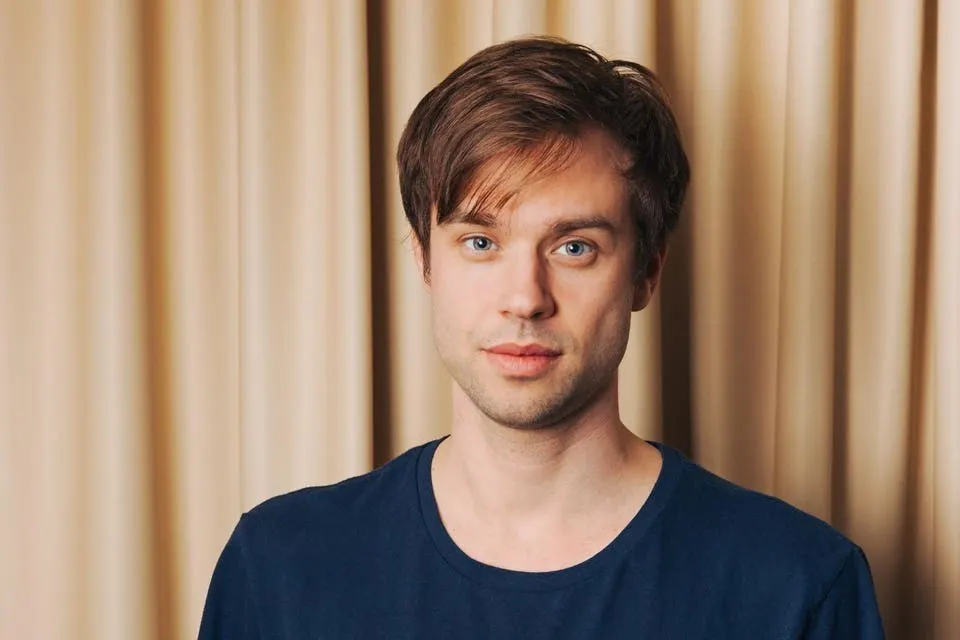
In 2020 Osika co-founded Depict.ai with Oliver Edholm, applying machine learning to e-commerce product discovery and recommendations. Depict went through Y Combinator, raised on the order of twenty million dollars from names that included Tiger Global, EQT Ventures, Initialized Capital, and Northzone, and scaled to serve large recommendation volumes for online retailers. Osika served as CTO. Hedin later joined as a frontend lead and lasted about ten months, his longest employment to date, before quitting to reclaim ownership of his time.
Depict was a real company, not a resume decoration. That is exactly why Osika's October 2023 exit matters. He left a funded AI firm with customers and prestige to chase a messier idea: autonomous code generation for people who are not engineers. Inc. later noted Depict's Series A and Osika's departure toward Lovable. Effective-altruism profiles from Sweden mark the same hinge and add that he formalized a Founders Pledge commitment around the same broader period, aiming to give a large share of future exit value to highly effective causes, with special attention to humanity's transition through advanced AI.

GPT Engineer: prove the point in public
Large language models in 2023 were already writing snippets. Osika was not impressed by the average demo. He wanted proof that a model could own a whole small project. GPT Engineer was that proof. Describe software in English. Watch files appear. Run the result. The snake-game video was marketing and experiment at once. Developers forked, starred, and argued. Secondary tallies later put the repository above fifty thousand stars. Exact counts move; the cultural fact does not. GPT Engineer became one of the defining open-source exhibits of LLM project generation.
Osika's strategic read was the opposite of the Copilot orthodoxy. Making existing engineers ten percent faster was valuable and crowded. Enabling the much larger population that had never been able to create software was, in his view, the higher-leverage problem. He has repeated the ninety-nine percent framing across Strange Loop, Lenny, and company messaging. Lovable's job, as he tells it, is not to be another IDE with autocomplete. It is to be a personal AI software engineer that returns a working product you can iterate in conversation and launch.

The Saturday walk and a company called Lovable
Hedin’s First Block interview freezes the recruiting scene. Saturday. Phone. Osika already outside. A walk. A days-old CLI. A conversation about whether a company could sit on top of that capability while GPT-3 and GPT-4 were still clumsy. Hedin chose the rocket over the soft life he had been tasting after Depict. Osika chose a partner who had already proven he would quit comfort for ownership.
They kept the company name Lovable from the beginning. The early product still wore GPT Engineer branding. Hedin later admitted he clung to that engineering name longer than the market needed. The deeper naming idea was product taste. Classic startup doctrine pushed teams toward a disposable minimum viable product. Osika liked jargon that pointed at something warmer: a minimum lovable product. Build the thing people actually want to keep. Hence Lovable.
Seed capital arrived as the open-source heat was still fresh. Forbes later narrated an October 2023 Hummingbird seed near eight million dollars. Treat the precise term sheet as secondary reporting. The operational fact is clearer. A tiny Stockholm team began turning a CLI aesthetic into a hosted product non-coders could pay for.
Launch, fifteen people, and a vertical revenue line
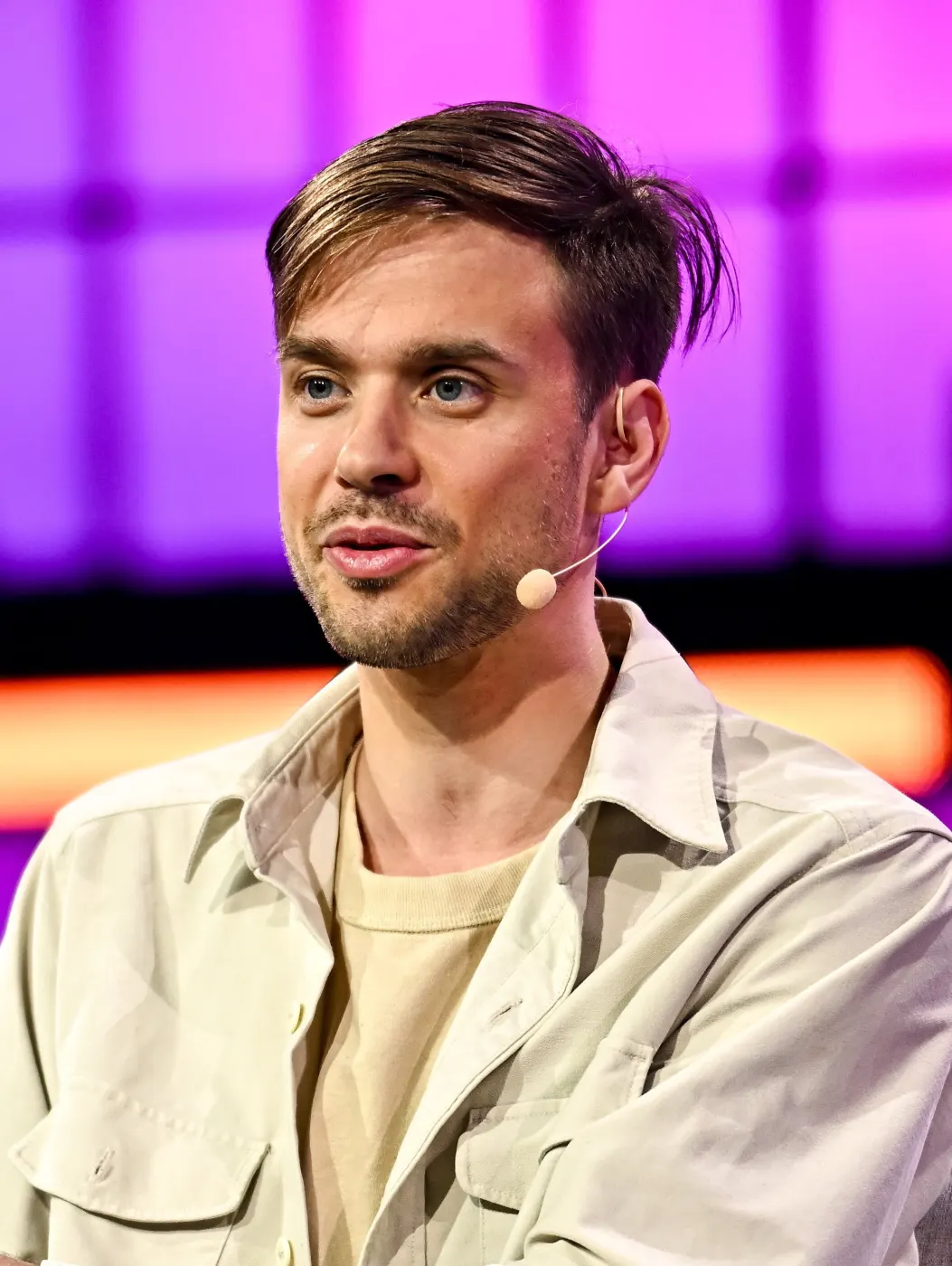
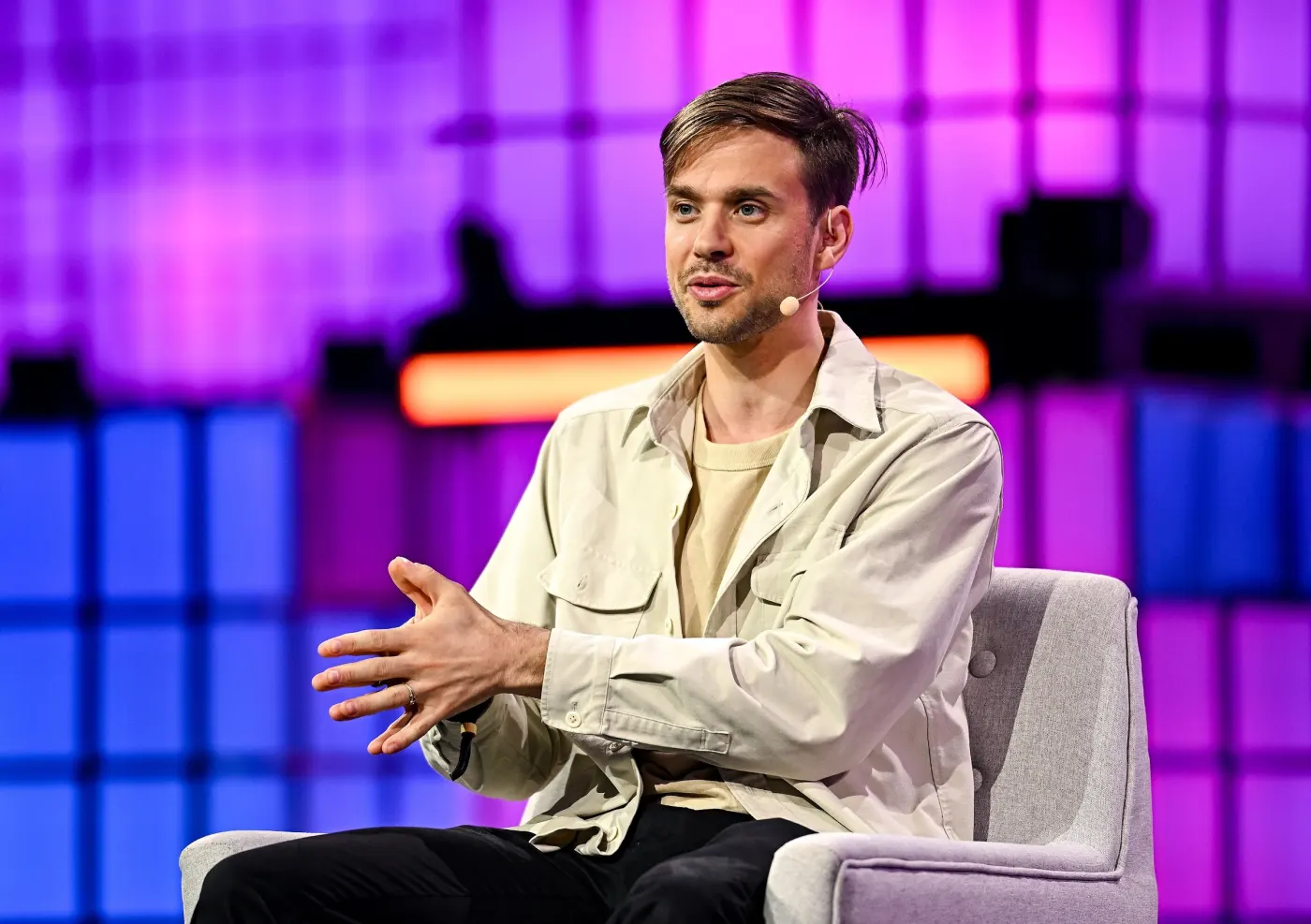
Lovable launched publicly in November 2024 after a period Osika and Hedin both later criticized as too waitlist-heavy. Being early does not help if the gate stays closed while Notion founders are already recommending you in private. When the gate opened, the curve bent.
On Lenny's show, recorded while the company was still tiny by headcount, the public markers sounded unreal even to veteran operators: roughly four million dollars in annual recurring revenue in the first four weeks, about ten million within two months, about fifteen people on the team, and a claim to be among Europe's fastest-growing startups. Osika demoed live, spinning an Airbnb-style clone from a short prompt and showing visual edits that did not require opening a code editor. Packaging for non-technical people was the point. Reliability and unsticking the model when it looped were the hard engineering problems underneath the magic.
By July 2025 the company was telling the world it had crossed about one hundred million dollars in ARR within eight months of launch, a pace Forbes and company posts compared against other famous software rockets. A Series A around two hundred million dollars at roughly one point eight billion dollars of valuation followed. By November 2025 Osika was citing on the order of eight million users and about two hundred million dollars ARR. In December 2025 a round near three hundred to three hundred thirty million dollars valued Lovable around six point six billion dollars, with Menlo, CapitalG, Accel, EQT-linked capital, and others in the stack. Forbes estimated each cofounder near a twenty-four percent stake and about one point six billion dollars on paper. Europe suddenly had another pair of AI-minted billionaires who still rode ordinary bikes to work in Swedish profiles of the office.
Series C, sixty million projects, and day zero talk
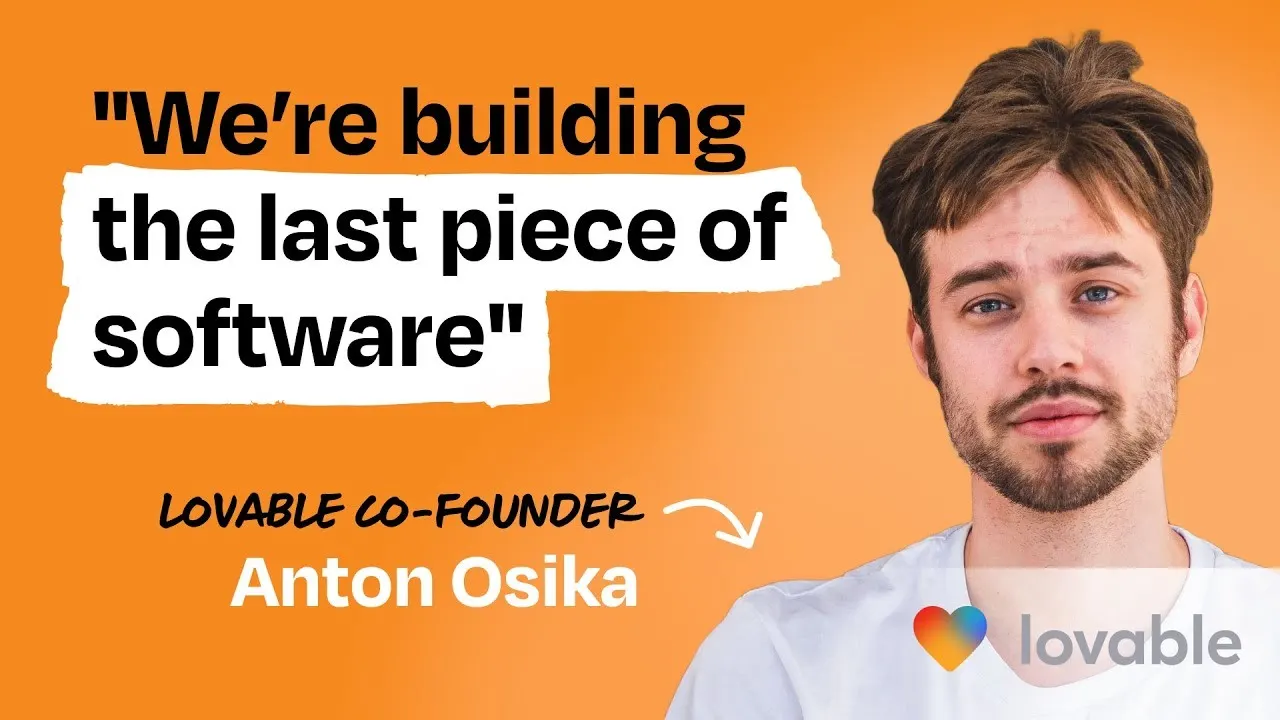
The August 2026 Series C made the earlier unicorn math look quaint. Four hundred million dollars at about thirteen point three billion dollars, co-led by Menlo Ventures and the Scaleup Europe Fund managed by EQT. Osika's own LinkedIn note treated the round as accountability more than fireworks. Since the December Series B, he wrote, projects built on Lovable had moved from about twenty-five million to about sixty million. Monthly visits to Lovable-built products had moved from about two hundred million to about nine hundred million. ARR had nearly tripled in eight months.
Fabian Hedin's September 24, 2026 HumanX remarks pushed the operating picture further: annualized revenue near six hundred million dollars, a claim that roughly two thirds of the Fortune 500 were using the product often through bottoms-up adoption, named logos such as Microsoft, NVIDIA, and Deutsche Telekom with thousands of internal apps, and hiring plans toward roughly four hundred fifty people with Latin America expansion and heavier security investment. Both founders kept insisting it was still day zero. The phrase is easy to mock at thirteen billion dollars. It is also a discipline against believing the press release is the product.
How Osika actually works
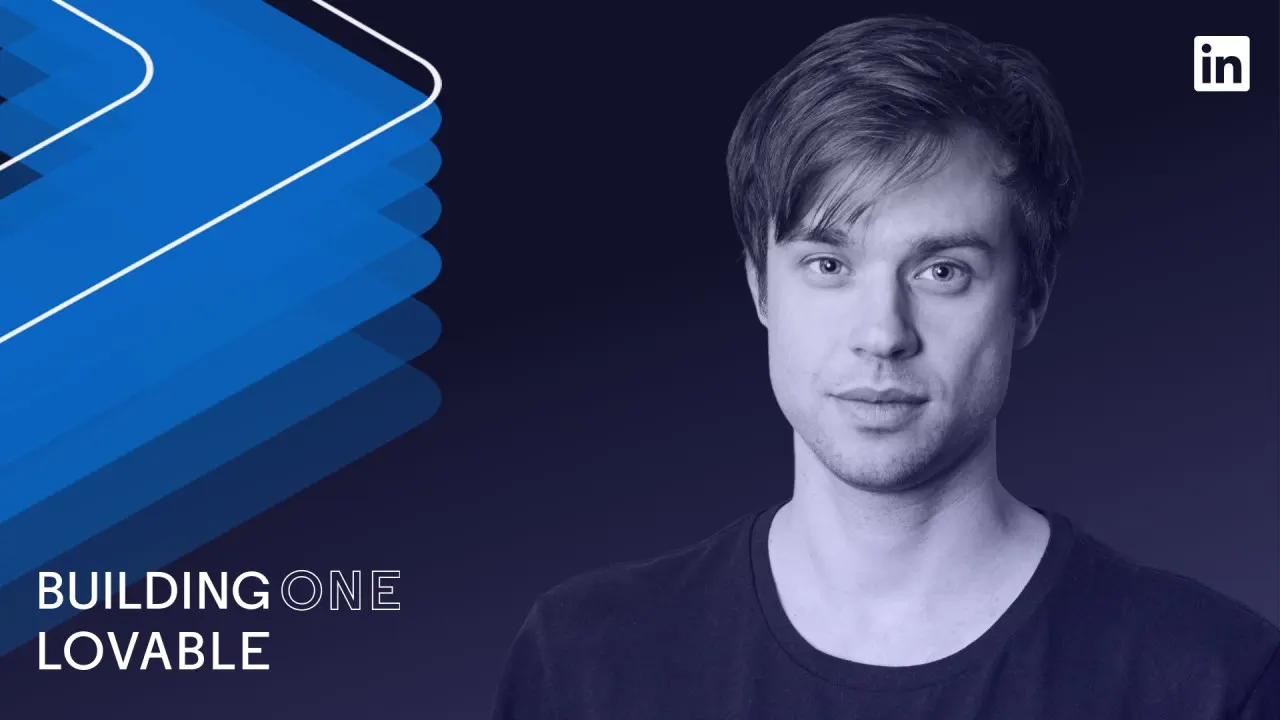
Lenny's long conversation is still the clearest public window into Osika's operating system. He obsesses about hiring people who carry multiple skill stacks in one body. Physicists, competitive programmers, serial founders, and product engineers show up in the company self-description for a reason. A fifteen-person team that prints extraordinary ARR cannot afford single-purpose seats.
He dogfoods. He wants the company to run on its own medicine. He talks about getting models unstuck when they thrash, about reliability as a product feature, and about a roadmap that deepens integrations, collaboration, and governance as enterprises discover thousands of shadow apps built by employees who got tired of waiting on backlog tickets. The competitive map in his head is clear enough to repeat. Cursor-like tools arm experts. Lovable packages creation for people who will never live in an IDE. Replit, Bolt, and others chase adjacent surfaces. The differentiator Osika sells is a finished, runnable product plus the business layer around it, not a pile of files.
He also stayed in Stockholm when the gravitational story said move to San Francisco. At Slush and in later profiles he framed the refusal as talent and culture strategy, not nationalism cosplay. Europe had more available talent than the confidence narrative admitted, he argued. Recruiting people from Notion and Gusto into Stockholm flipped the usual script. Building from Europe became part of the fundraising story when an EU scaleup fund co-led the 2026 round.
World impact: who gets to make software now
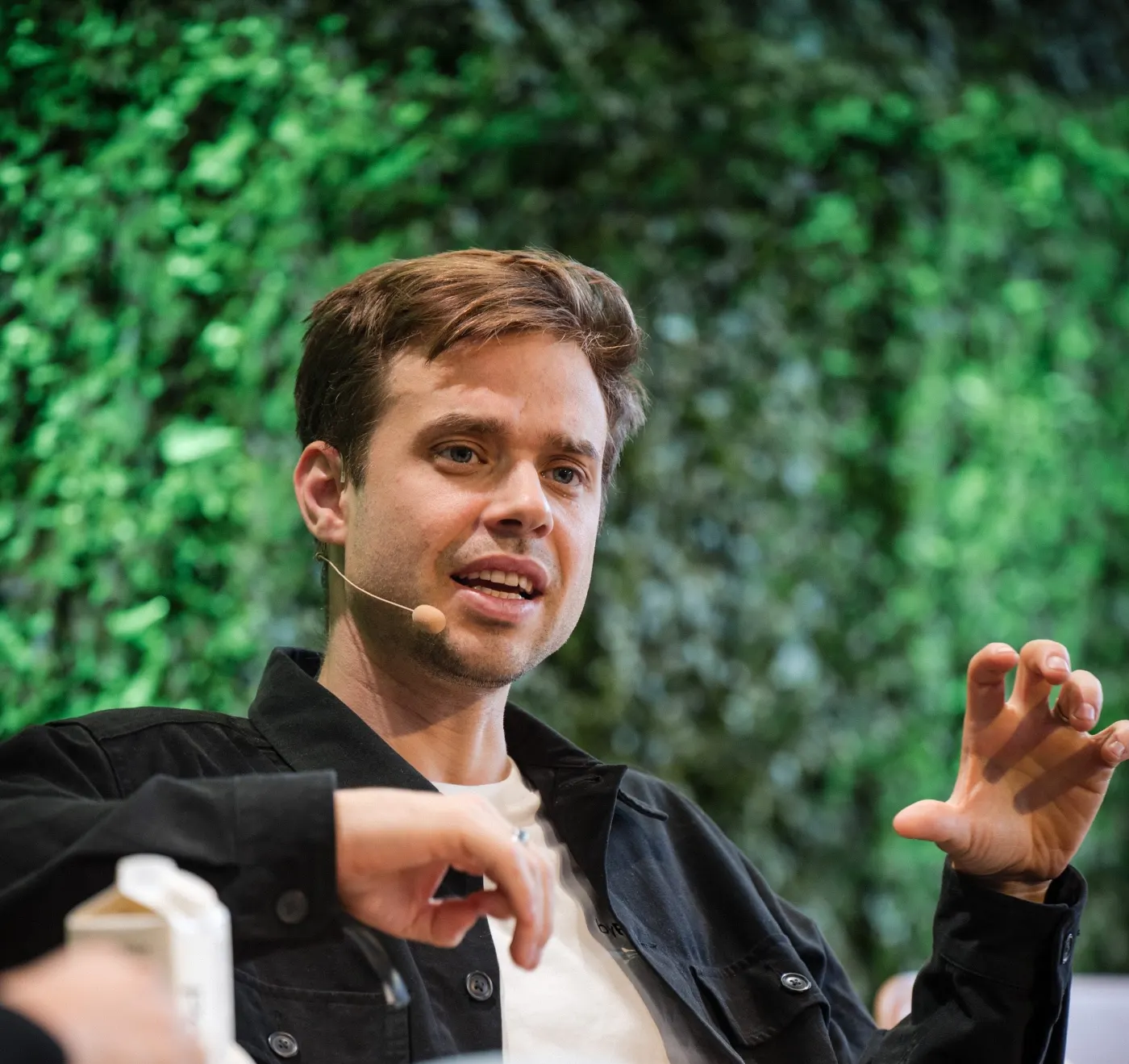
The world-change claim is not that Lovable invented large language models. It is that the cost and skill floor for shipping a first version collapsed for millions of people who previously needed a scarce engineer for every experiment. Sales leaders build tools that match how they actually pitch restaurants. Operators inside telecoms and banks spin internal apps in hours. Founders who cannot recruit a technical cofounder still get a working surface to test belief against reality.
That shift has second-order effects. IT and security teams inherit governance problems at a new scale. Deutsche Telekom's reported thousands of apps are both a success metric and a compliance headache. Lovable's push into permissions, scanning, and enterprise controls is the mature face of the same thesis. If anyone can create, someone must also help organizations survive the creation. Monthly visit counts in the high hundreds of millions to user-built products suggest the output is not only landing pages. It is traffic-bearing software living in the wild.
There is cultural impact too. "Vibe coding" became a mainstream phrase for building by conversing with models. Osika's public ambition, that Lovable could be the last piece of software anyone has to write, is deliberately maximal. Even if the absolute claim never fully lands, the directional change is already visible in classrooms, small businesses, and corporate shadow IT. Software creation is leaking out of the priesthood.
Money, pledge, and living-person care
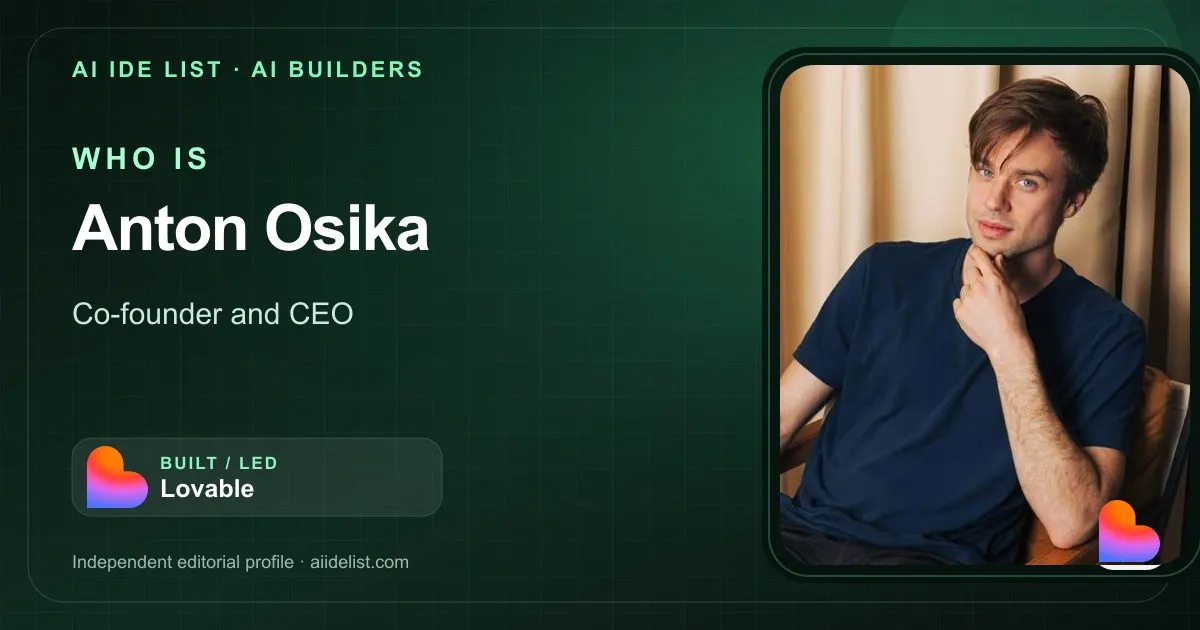
Forbes' August 2026 real-time line near three point one billion dollars is a private-market shadow, not a cash account. Ownership percentages are estimates. Valuations can compress. Osika and Hedin have both pledged to give away about half of their earnings from an eventual exit, with Osika telling Forbes the capital should help ensure humanity's transition to more powerful AI goes well for the humans living through it. Founders Pledge lists him as a member. Swedish effective-altruism interviews describe the same moral arc from CERN and Sana through Depict into Lovable: build valuable companies, then route a large share of the upside to high-impact causes, while advocating safer AI development.
Living-person care means keeping disputes and hype in proportion. Lovable's "fastest growing software startup" framing is company and press language, not a court verdict. Waitlist regrets, agent overbuilds, and early model weakness are founder-admitted scars, not gotchas invented here. Wikipedia's occasional shorthand that Osika "co-founded" Sana sits beside his clearer LinkedIn and interview identity as first employee and founding engineer; this biography follows the first-employee account. Childhood hometown detail beyond Sweden remains thinly sourced in English. Hummingbird's exact seed terms and the precise equity split should be read as reported estimates.
Failures, forks, and the lives he did not live
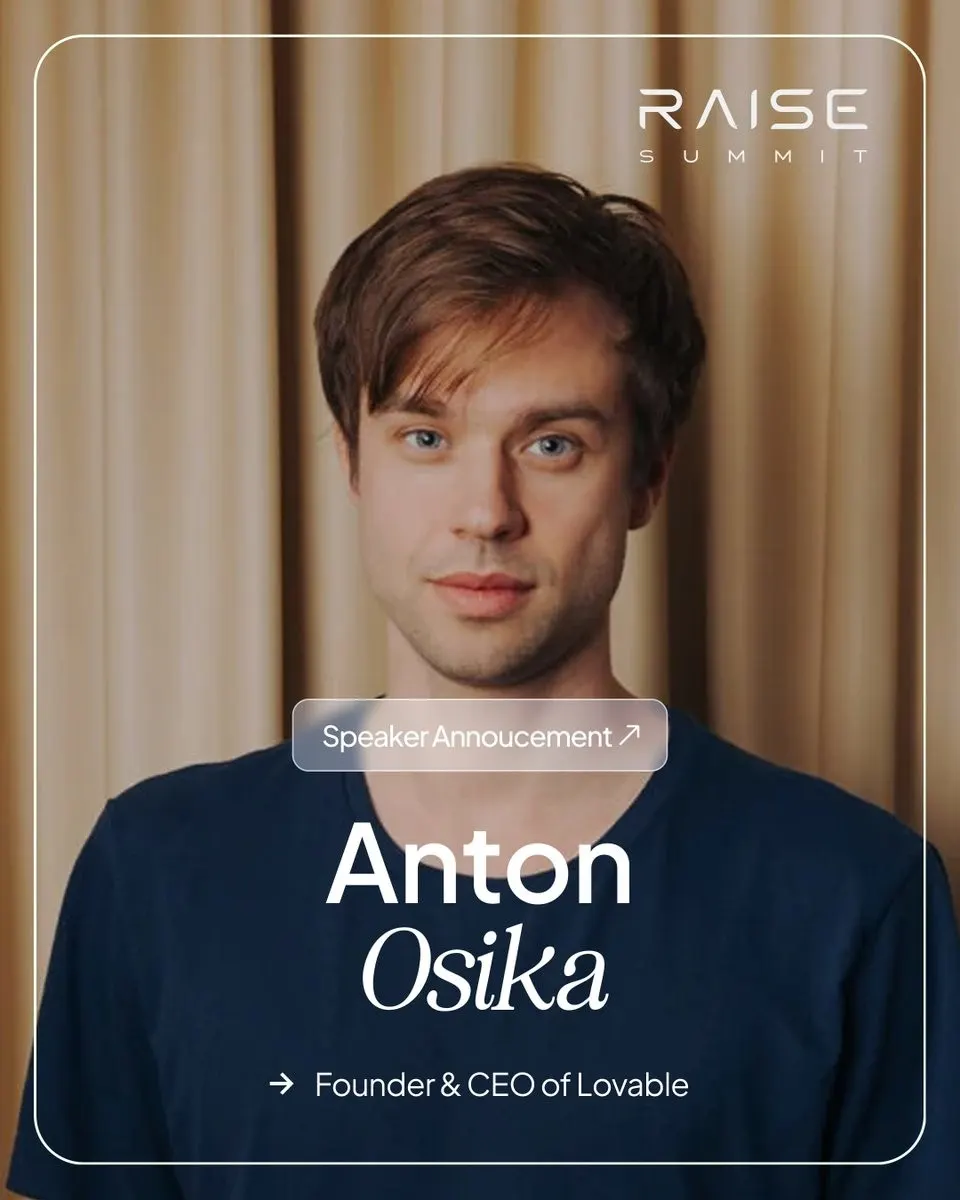
Osika could have stayed in particle-adjacent research. He could have remained Depict's CTO through a slower compounding path. He could have optimized GPT Engineer as a developer-productivity company and fought Cursor on Cursor's ground. He could have moved the company to California and worn the default AI-founder costume. Each fork was available. He kept choosing the broader user, the European base, and the end-to-end product over the retrofit API.
The Sana lesson still echoes. Capability without packaging fails. Lovable's packaging bet is extreme on purpose. Talk to the computer. Get a product. Edit without shame. Pay when it hurts not to. When that loop works, fifteen people can look like a hundred. When it breaks, reliability work becomes the whole company. Series C cash is mostly a bet that reliability, enterprise trust, and global distribution can keep pace with the prompt box.

University overload, neuroscience itch, and the AlphaGo turn
Before Sana and Depict, Osika's curiosity had a sequence. He has said that before university he wondered whether he should study how intelligence itself works, including neuroscience. At university he layered neuroscience courses on top of engineering physics. Then deep learning stopped being only a paper topic. Expert systems gave way, in public imagination, to neural nets that suddenly worked in vision and games. AlphaGo's reinforcement-learning shock made the path feel less academic and more civilizational. That is when he and Joel Hellermark's orbit at Sana found each other: people who thought modeling human learning with neural networks was not a side quest.
The Hong Kong years matter as texture even when English sources stay thin on dorm-room anecdotes. Leaving Sweden for a physics bachelor's at HKUST, then a short Zhejiang internship, then returning into KTH's engineering-physics machine, trained him to cross systems. CERN then compressed the lesson. Triggers are not romantic. They are triage under fire. A detector shouts. Software decides. Most of the shout is thrown away so a few events can become science. Product work later rhymes. Most model outputs are noise. The product is the filter that keeps a user moving.
Ampfield, the research and data engineering stint before Sana, rarely makes glossy profiles. It sits in the LinkedIn spine as proof he could ship analytical systems in ordinary companies before he became a named AI founder. The documentary arc needs that gray middle. Not every year is a unicorn year. Some years are just reps.
What Depict actually did, and why leaving still hurt
Depict's product was not "AI" as a poster. It was merchandising and discovery for online stores that drown in catalogs. Recommendations, collection pages, brand rules, Shopify and headless stacks: the unglamorous work of helping a shopper find the right thing. Raising twenty million dollars and going through Y Combinator twice in the lore around the company meant Osika already knew American venture theater. He also knew European delivery. Leaving in October 2023 was not a failure narrative. It was a bet that the next bottleneck was creation itself, not ranking products inside someone else's store.
Hedin’s ten months under Osika at Depict add a human knot. Boss becomes peer. Peer becomes cofounder. Ego has to survive the flip. Swedish profiles of Lovable's office later show a chief of staff shadowing Hedin and Post-it jokes with Osika, the small culture signals of a company that still fits in one messy floor even while the valuation looks like a sovereign fund. The partnership only works if the CEO's weather systems of ideas meet a CTO who can herd them. Osika generates the public maximalism. Hedin often supplies the sheepdog metaphor. Both have to stay aligned when Forbes writes the same billionaire sentence about each of them.
Inside the product: from prompt to something that runs
On Lenny's podcast Osika refused to keep Lovable abstract. He typed a short Airbnb-clone prompt and let the room watch the interface build. The point was not the clone. The point was the loop. Describe. See. Correct. Change colors and text without opening a developer tool. Connect data. Publish. That packaging is why he separates Lovable from tools that assume you already live in Git.
Under the glass, the hard problems are older than vibe coding. Models get stuck in loops. Multi-file projects drift. Databases need migrations. Auth breaks. What looks like magic in minute five becomes debt in hour three. Osika talks about scaling laws and getting the AI unstuck as core work, not as blog decoration. Early Lovable experiments with heavy sub-agent architectures, he and Hedin have both suggested, overbet on future models. The corrected instinct was to ship what works on today's models for a broad user, even when a narrower vertical like landing pages looked safer.
Integrations with hosting, authentication, and backend partners such as Supabase show up in demos and docs because a "product" that cannot live on the internet is only a sketch. As enterprises arrived, governance features stopped being optional. Someone in security eventually notices that a sales team built two thousand internal tools. The vendor that helped create the flood is asked to help dam it. That phone call is now part of Lovable's growth story.
Europe without apology, hiring without theater
Osika's Europe stance is easy to misread as anti-American romance. The practical version is colder. Stockholm offered a team that already shared context. San Francisco offered denser capital and louder talent markets, and also the risk of drowning in hype cycles. He has said there is more available talent in Europe than the confidence narrative admits. Pulling operators from Notion and Gusto into Sweden was a proof move. The Scaleup Europe Fund's role in the 2026 round turned that cultural choice into a capital structure choice. Investors who want a long-lasting global business from Europe wrote it into the lead.
Hiring remains the constraint he names most often when asked how fifteen people printed outsized ARR. Multi-skilled amateurs of hard problems beat rows of specialists who need a committee to ship. Competitive programmers who can feel model failure modes. Physicists who tolerate uncertainty. Founders who have already felt a company die or bend. The culture pitch is intensity without costume. Swedish day-in-the-life coverage of the office stresses bikes, modest dinners, and late talks about catastrophic AI risk. Whether every frugality anecdote is universal, the signal is consistent: the cofounders do not perform billionaire cosplay as the product.
Rivals, category risk, and what could still break
Map the rivals honestly. Cursor and its peers make experts faster and may capture the high willingness-to-pay developer wallet. Replit and Bolt chase accessible building with different defaults. Figma, Google, and classic website builders can bolt AI into surfaces users already trust. OpenAI and Anthropic can always move down the stack. Lovable's defense is packaging plus distribution plus the habit of turning a prompt into a running business object, including the messy middle of payments, SEO, and growth tooling that Hedin says many users actually want.
Category risk is real. If foundation-model vendors absorb the app-builder layer, independent wrappers shrink. If enterprises ban shadow AI building, bottoms-up growth stalls. If a security incident hits a viral Lovable app, trust tax arrives overnight. If valuation storytelling outruns retention, the thirteen billion dollar stamp becomes a weight. Osika's public answer is execution speed, enterprise controls, and the claim that creation demand is larger than any single model brand. Investors in 2026 are underwriting that answer with cash. Customers underwrite it with projects. Critics underwrite doubt by waiting for the first ugly plateau.
2026 scoreboard and the unfinished self
By September 2026 the public scoreboard looks like this, with the usual private-company fog. Valuation about thirteen point three billion dollars. Fresh four hundred million dollars of Series C capital. Founder paper wealth in the low billions each on Forbes' method. ARR markers that moved from single-digit millions shortly after launch toward mid-hundreds of millions annualized on founder-stage comments. On the order of sixty million projects. Approaching a billion monthly visits to things users built. Headcount still small relative to the revenue claims, with plans to grow toward the mid hundreds. A fifty percent pledge hanging over any future liquidity event. A CEO who still describes the mission as democratizing software creation so human creativity can leave people's heads.
The unfinished self is the part magazines skip. Osika is thirty-six. He has not taken Lovable public. He has not lived through a full AI winter inside this company. He has not yet had to choose between growth and a safety constraint in a way that defines him in court or in parliament. The Founders Pledge and the AI-transition rhetoric are promises about a future self. The product metrics are evidence about the present one. Both belong in the frame.
Voice, demos, and the magazine of a living CEO
Osika's public voice is unusually concrete for a billion-dollar AI founder. He will say the name Lovable came from wanting products people love, then immediately pivot into retention and packaging. He will claim a historic ARR pace, then spend minutes on failure modes. He will praise open source, then insist the commercial product must serve people who never open GitHub. That mix is why Lenny's episode works as documentary raw material. It is not only celebration. It is a working session with a demo that can fail in front of an audience.
Short clips reinforce the same character. A Problem Solvers cut shows him compressing the mission into a punchy public-facing line. HumanX-stage conversation leans into the scale of products built without traditional code. The Forbes explainers fixate on the billionaire mint and the fifty percent pledge because money is easier to thumbnail than trigger algorithms. The fuller story needs both thumbnails and the boring middle: waitlists, agent wrong turns, security tickets, and the Saturday walk that still sounds almost accidental.
For a living subject, restraint is part of accuracy. This biography does not invent childhood trauma, boardroom betrayals, or courtroom drama that the public record does not support. The drama is already in the velocity. A CERN season. A first-employee education company. A YC commerce AI firm. A viral CLI. A Stockholm company that compressed a decade of SaaS folklore into months. If the curve bends down later, that chapter will deserve its own reporting. As of September 2026, the evidence still points up, and the founder still talks as if the hard part has barely started.
Philanthropy as operating constraint
The fifty percent pledge is easy to file under public relations. Osika treats it more like a design constraint. If a large share of exit value is already spoken for, the company cannot be only a personal wealth engine. Swedish coverage of late founder dinners returns again and again to p-doom talk, the slang probability that advanced AI goes catastrophically wrong. Whether one accepts their risk estimates, the behavioral tell is that they keep the scary scenario on the calendar while shipping consumer-grade creation tools. Building power and worrying about power at the same time is uncomfortable. It is also more honest than pretending a thirteen billion dollar software factory has no downstream civic weight.
Founders Pledge membership, Nordic Tech Week remarks about spending future earnings against "bad AI," and the joint public line with Hedin form a single moral package. Critics can still ask for audited gifts later. As of 2026 the commitment is prospective, tied to liquidity that has not fully arrived. That honesty belongs in the record beside the ARR charts.
Closing
Picture a Swedish teenager who wanted to know how things work, then a physics student stacking courses until AI looked like the most interesting machine in the universe. Picture a young engineer at CERN writing triggers that throw away almost everything so science can keep a little signal. Picture a first employee learning that clever models do not sell themselves. Picture a CTO walking away from a working YC company because the larger unlock was elsewhere.
Then picture a snake game appearing from an English sentence, a Saturday sidewalk in Stockholm, and a younger cofounder saying yes. Picture November 2024, a rebranded product, and a revenue line that stopped behaving like normal SaaS. Picture Forbes updating a billionaire row while the founders talk about p-doom over late dinners and half their exit. Picture August 2026, thirteen point three billion dollars, sixty million projects, and a CEO who still says day zero.
Anton Osika's life so far is the story of a physicist who treated software creation as a civil right for the imagination. Lovable is the instrument. The open question of 2026 is whether that instrument can stay lovable while it becomes infrastructure for schools, shops, banks, and the next kid who only has an idea and a sentence to type.