Twenty Failed Startups, Then Instacart
He tried about 20 startup ideas. None worked. Then he built Instacart.
Apoorva Mehta was born in 1986.
His first home was Jodhpur, India.
His father worked for an electric transmission company.
The job moved the family to Libya soon after his birth.
Early Life and Family
When Apoorva was 14, his family moved again.
They settled in Hamilton, Ontario, Canada.
His mother taught school.
He grew up with a mix of cultures.
Move to Canada and School
Apoorva attended Westdale Secondary School.
He learned math and science.
He dreamed of building things.
University and Early Career
He studied electrical engineering at the University of Waterloo.
He earned his degree there.
After graduation he tried many jobs.
He worked briefly at BlackBerry.
He also spent time at Qualcomm.
He even worked in a steel factory.
Amazon and Startup Sprint
In 2008 he joined Amazon.
He was a supply‑chain engineer.
He stayed two years.
He left Amazon in 2010.
He moved to San Francisco to become an entrepreneur.
From 2010 to 2012 he started about 20 different companies.
Ideas included a social network for lawyers and an advertising platform for gaming.
All of those attempts failed.
Founding Instacart
He saw that grocery shopping was still offline.
He decided to fix that problem.
In 2012 he wrote the first version of Instacart in three weeks.
He delivered the first orders himself.
He called this the “chicken and egg” solution.
His team photographed every product in local stores.
He got into Y Combinator after delivering a six‑pack of beer to their office.
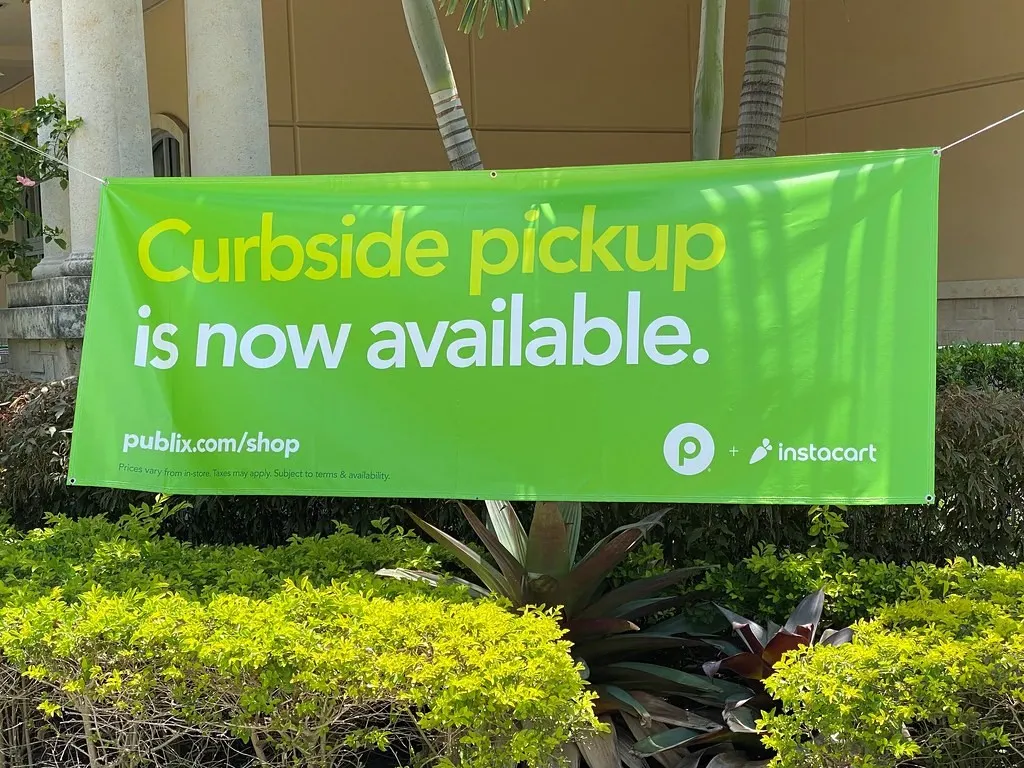
Instacart launched in 2012.
It grew fast.
By 2021 its valuation reached $39 billion.
It raised about $2.9 billion from investors like Sequoia Capital and Andreessen Horowitz.
It bought Unata in 2018 for $65 million.
It bought Caper AI in 2021 for $350 million.
Apoorva stepped down as CEO in 2021.
Fidji Simo took over.
He stayed as executive chairman.
Instacart went public in September 2023.
The IPO raised $660 million and valued the company at $9.9 billion.
He faced criticism for a chaotic management style.
He also dealt with lawsuits over trade secrets in 2022.
He settled the case in early 2023.
Apoorva is married to Becky Poplawski.
They have two children.
He and his wife support the Tipping Point Community in the Bay Area.
He says, "For the company to be the best version of you, you have to make sure you are really honing into your strengths".
After Instacart, he founded Abundance in April 2026.
Abundance is an AI‑driven hedge fund in Palo Alto.
It uses thousands of autonomous AI agents.
It raised $100 million in seed funding.
Apoorva also invests in AI infrastructure, enterprise automation, and consumer‑facing machine learning.
His story shows that many failures can lead to a big success.
It shows that persistence matters.
Apoorva Mehta: From Failures to Instacart
Founding Story
Apoorva Mehta was born in 1986 in Jodhpur, India.
His father worked for an electric transmission company.
The family moved to Libya soon after his birth.
When he was 14, the family moved to Hamilton, Ontario, Canada.
His mother taught school in Canada.
He went to Westdale Secondary School.
He earned an electrical engineering degree at the University of Waterloo.
After college he worked briefly at BlackBerry and Qualcomm.
He also spent time working in a steel factory.
In 2008 he joined Amazon as a supply‑chain engineer.
He left Amazon in 2010 to become an entrepreneur in San Francisco.
For two years he tried about 20 different startup ideas.
All of those ideas failed.
He saw that grocery shopping was still done offline.
He decided to build a grocery delivery service.
First Product and Early Customers
In 2012 Mehta coded the first version of Instacart in three weeks.
He acted as the sole shopper for the first orders.
He did this to solve the “chicken and egg” problem.
His team photographed every item in local stores.
They uploaded the photos to build a product database.
The service launched in the local market that summer.
Early customers were busy professionals who wanted groceries delivered.
Orders were fulfilled by Mehta himself at first.
The app let shoppers pick items and deliver them to homes.
Customers praised the speed and convenience.
Early Struggles
Mehta missed the Y Combinator deadline.
He delivered a six‑pack of beer to their headquarters using his app.
The stunt earned him an interview and funding.
Funding was still small and the team was tiny.
The company faced the classic “no shoppers, no orders” loop.
Mehta continued to shop himself while recruiting more shoppers.
The manual photo process was slow and costly.
Competition from other delivery services began to rise.
Critics called the management style chaotic.
Executive turnover was high in the product team.
Key Turning Points
Joining Y Combinator gave Instacart credibility and early capital.
The company added Max Mullen and Brandon Leonardo as co‑founders.
In 2014 the service expanded to several major U.S. cities.
Partnerships with large grocery chains boosted order volume.
A 2018 acquisition of Unata added $65 million in technology assets.
A 2021 purchase of Caper AI added $350 million in AI tools.
The COVID‑19 pandemic caused a surge in grocery delivery demand.
Instacart’s valuation rose to $39 billion in 2021.
Growth, Funding, and IPO
Instacart raised about $2.9 billion from investors such as Sequoia Capital and Andreessen Horowitz.
Revenue grew to billions of dollars per year by 2022.
The company continued to add new grocery partners across the country.
In 2021 Mehta stepped down as CEO.
Fidji Simo became the new chief executive.
Mehta stayed on as executive chairman.
The company filed for an IPO in September 2023.
The IPO raised $660 million.
The public market valued Instacart at $9.9 billion.
After the IPO Mehta left the board.
Later Ventures and Legacy
Mehta founded Abundance, an AI‑driven hedge fund, in April 2026.
Abundance uses thousands of autonomous AI agents for stock research.
The fund raised $100 million in seed equity.
Mehta also invests in AI infrastructure and automation startups.
He is married to Becky Poplawski and they have two children.
The family supports the Tipping Point Community in the Bay Area.
Mehta’s story shows that many failures can lead to a breakthrough.
Young builders can learn that persistence matters more than a single idea.
Setbacks
Apoorva Mehta tried about 20 startups before Instacart.
All of those ideas failed.
He built a social network for lawyers.
He built an advertising platform for gamers.
Each project ended without customers.
The failures taught him to test ideas fast.
He left Amazon in 2010.
He moved to San Francisco to keep building.
He spent two years making new apps that never took off.
He finally saw that grocery shopping stayed offline.
Criticism & Controversies
As CEO, Mehta was called “chaotic” by some observers.
Product teams saw high turnover.
Board members argued about the timing of the IPO.
Customers complained about “bait‑and‑switch” tipping.
Gig shoppers said they earned less than promised.
In December 2022, NextMed sued him.
The suit claimed trade‑secret theft and a copycat business called Sunrise.
Mehta denied the claims.
The case settled in February 2023.
What Changed Recently
Mehta stepped down as CEO in 2021.
Fidji Simo took over the role.
Mehta stayed on as executive chairman.
Instacart went public in September 2023.
The IPO raised $660 million at a $9.9 billion valuation.
In April 2026 he launched Abundance.
Abundance is an AI‑driven hedge fund in Palo Alto.
It runs thousands of autonomous AI agents.
The fund raised $100 million in seed equity.
It manages its own capital and plans to accept outside money later.
Where He Is Now (2026)
Apoorva Mehta runs Abundance full time.
He invests in AI infrastructure and automation startups.
He still advises Instacart as a board observer.
He lives in Palo Alto with his wife Becky Poplawski.
They have two children.
The family supports the Tipping Point Community in the Bay Area.
Why the story matters
Failure can be a teacher.
Mehta’s 20 lost startups gave him real‑world data.
His persistence turned a simple grocery app into a multibillion‑dollar company.
Even after criticism, he kept improving his leadership style.
Now he is shaping the future of finance with AI.
Persistence beats perfection.
The Record
Born: 1986
Education: Electrical engineering, University of Waterloo
Early jobs: BlackBerry, Qualcomm, steel factory, Amazon supply‑chain engineer
Founded: Instacart (2012), Abundance (2026)
Funding raised: ~ $2.9 billion for Instacart; $100 million seed for Abundance
IPO: Instacart September 2023, $9.9 billion valuation
Timeline
1986 to Born in Jodhpur, India.
2000 to Moved to Hamilton, Ontario, Canada.
2008 to Joined Amazon as a supply‑chain engineer.
2010 to Left Amazon, moved to San Francisco to start new ventures.
2012 to Launched Instacart and entered Y Combinator.
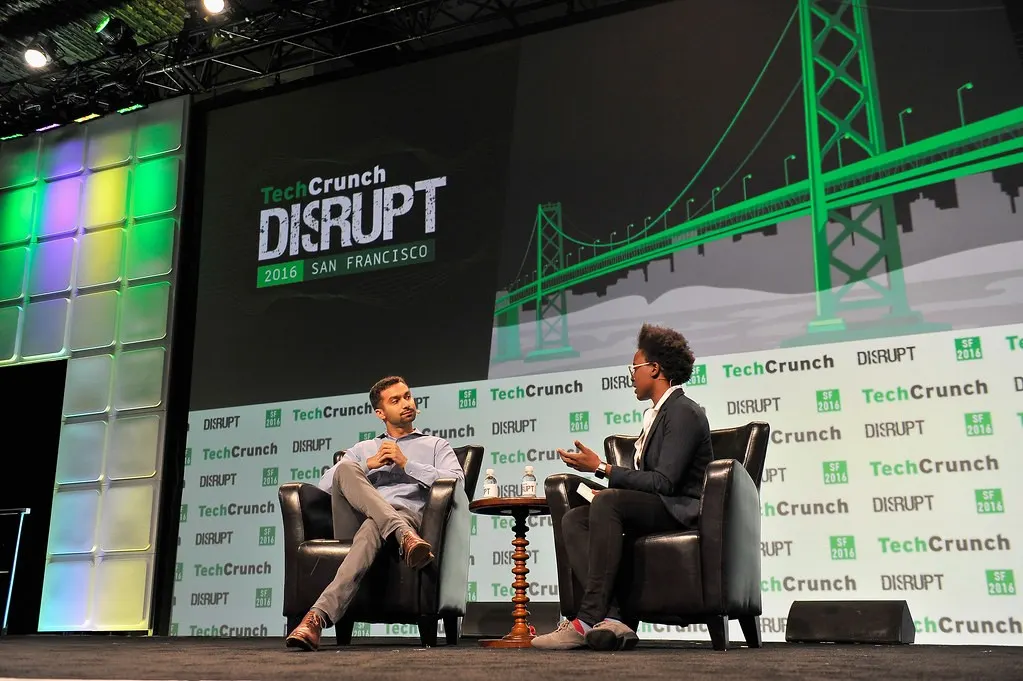
2016 to Appeared at TechCrunch Disrupt San Francisco.
2021 to Stepped down as Instacart CEO.
2023 to Instacart IPO raised $660 million.
2024 to Served as executive chairman of Instacart.
2026 to Founded Abundance, an AI‑driven hedge fund.