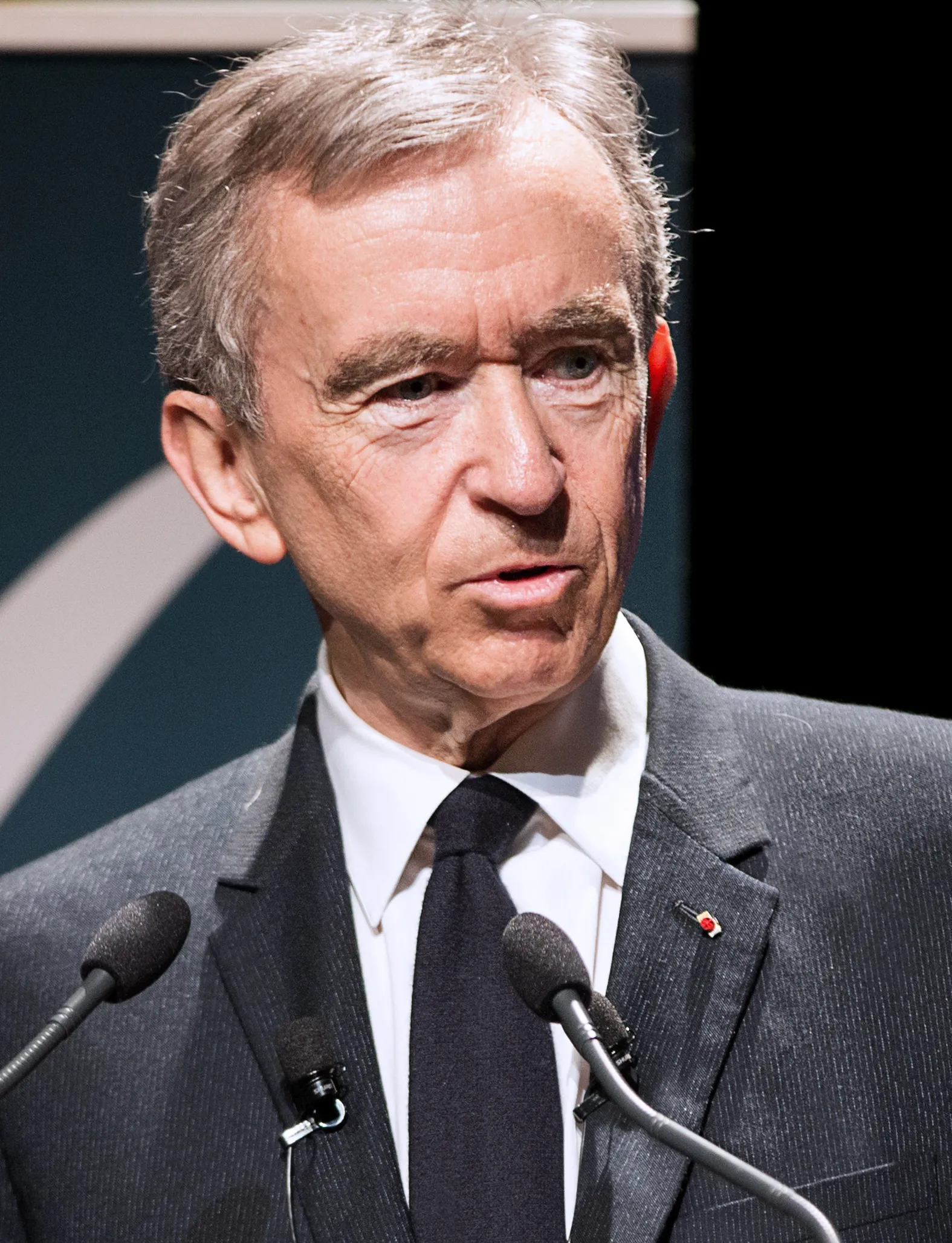
The Wolf Who Bought Desire
A northern French engineer who learned real estate first. A cab driver in New York who knew Dior, not the president. Then a forty-year build of the world's luxury house of houses.
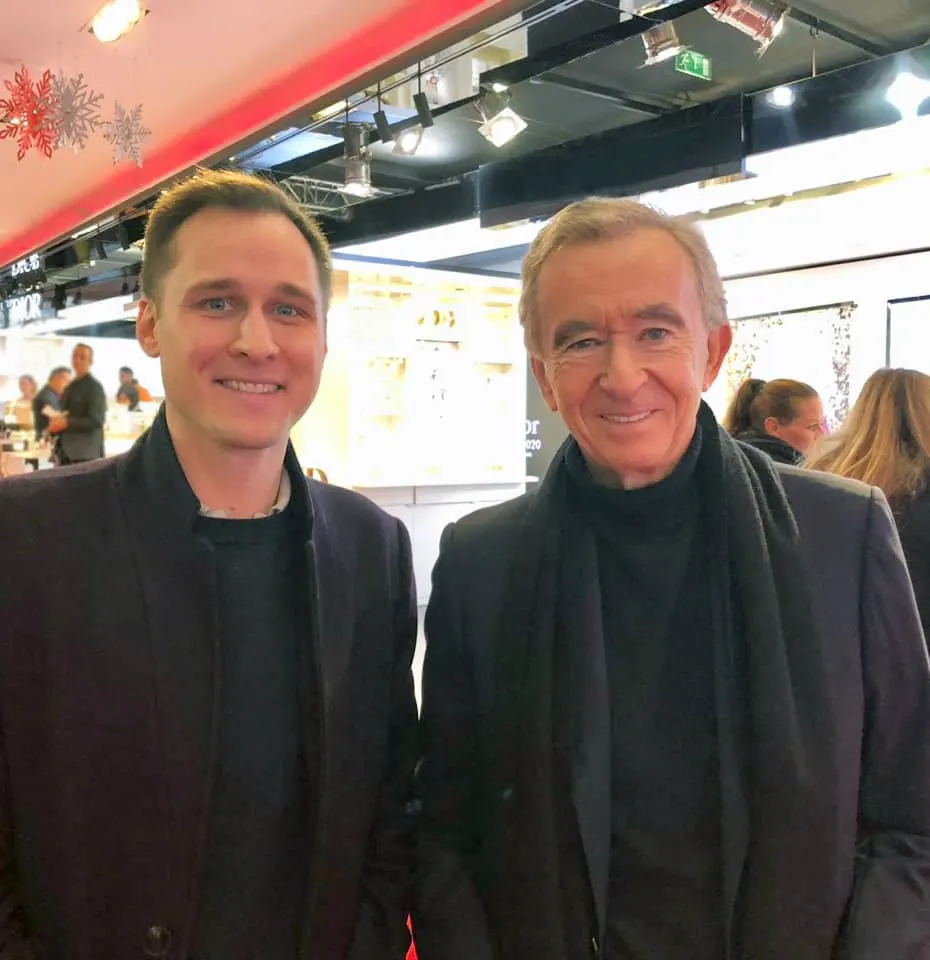
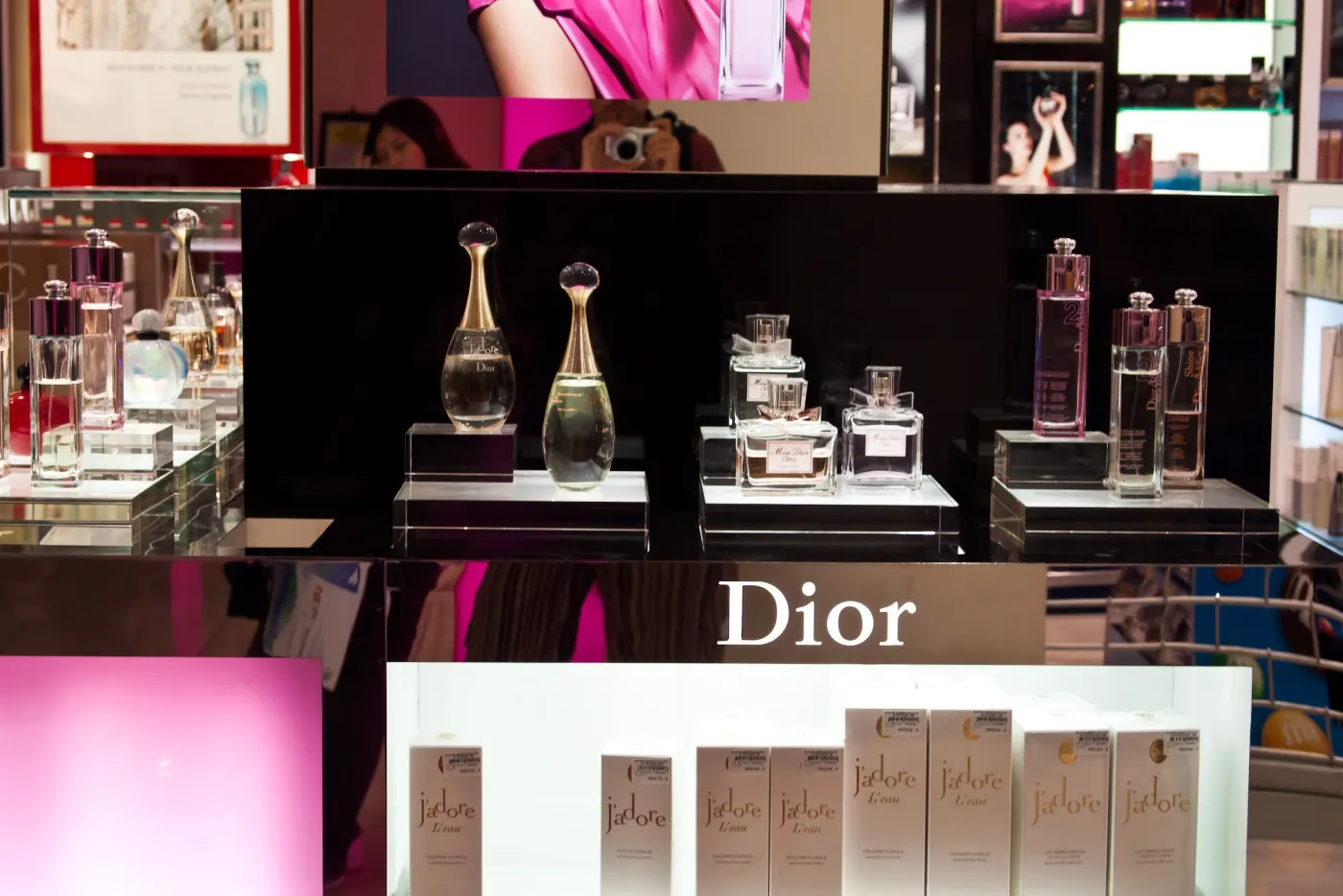
Bernard Arnault stands in Christian Dior's original salon on Avenue Montaigne and puts his hand near a desk that once belonged to Monsieur Dior. Cameras from a rare television interview are allowed inside for the first time. Outside, Paris is hosting the Olympic Games. Inside, the man who turned a bankrupt textile mess into the world's biggest luxury group is telling a childhood story about perfume.
His mother wore Miss Dior. He was a boy in Roubaix who noticed. Decades later, when LVMH became a premium partner of the Paris Olympics, the medals, the champagne, and the French team uniforms all carried pieces of his empire. The desk is not a museum prop to him. It is the room where a ten-year fashion explosion began without the internet, and where his own forty-year bet still feels personal.
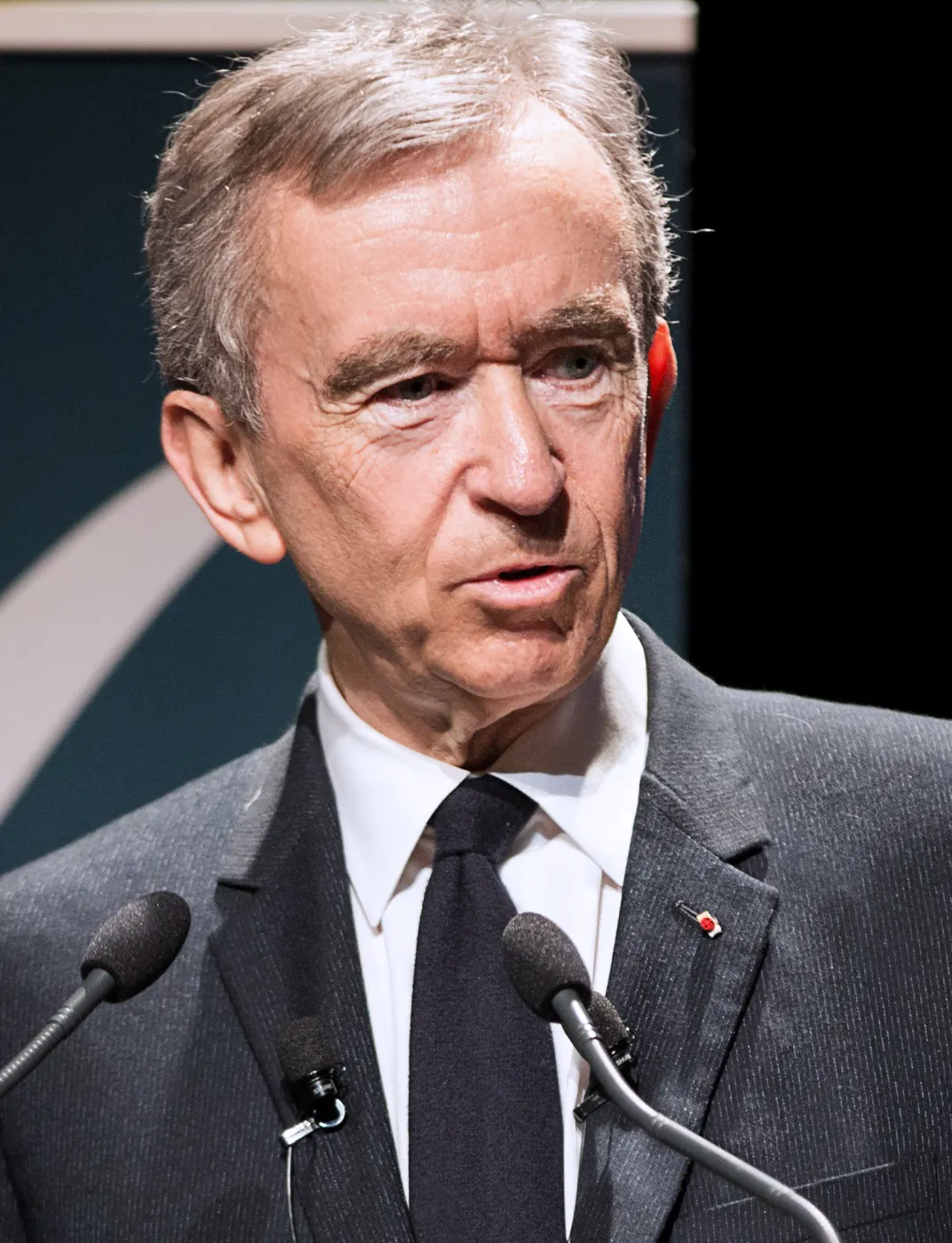
Roubaix, a grandmother across the street, and a piano that was not a career
Bernard Jean Etienne Arnault was born on March 5, 1949, in Roubaix, an industrial city in northern France. His father, Jean Leon Arnault, was an Ecole Centrale graduate who ran Ferret-Savinel, a civil engineering and construction company. His mother, Marie-Josephe Savinel, came from the family side of that industrial world and loved music. She also loved Dior. That detail will matter more than any spreadsheet.
He was raised in a devout Catholic household. His grandmother kept a strict, old-world tone. When his grandfather died in 1959, the boy saw his grandmother alone and sad. He told his parents he would live with her. He moved across the street. In interviews decades later he still tells the story with a soft laugh, as if the short walk were a childhood rebellion that somehow trained loyalty.
School memories are mixed. He liked to "disobey" for fun, he has said, even when grades were fine. He took classical piano seriously enough that adults wondered if he might turn professional. At the Oxford Union he waved that myth away. He is a good amateur. He loves music. He knew early that friends who were true pianists lived on another planet of talent. The piano stayed. The career did not.
He studied at the Lycee Maxence Van Der Meersch in Roubaix and boarded at the Lycee Faidherbe in Lille, the kind of school that feeds France's grandes ecoles. Then came Ecole Polytechnique. He graduated in 1971 as an engineer, not a fashion romantic. The path looked obvious: join the family firm, pour concrete, manage sites, inherit a respectable northern business.
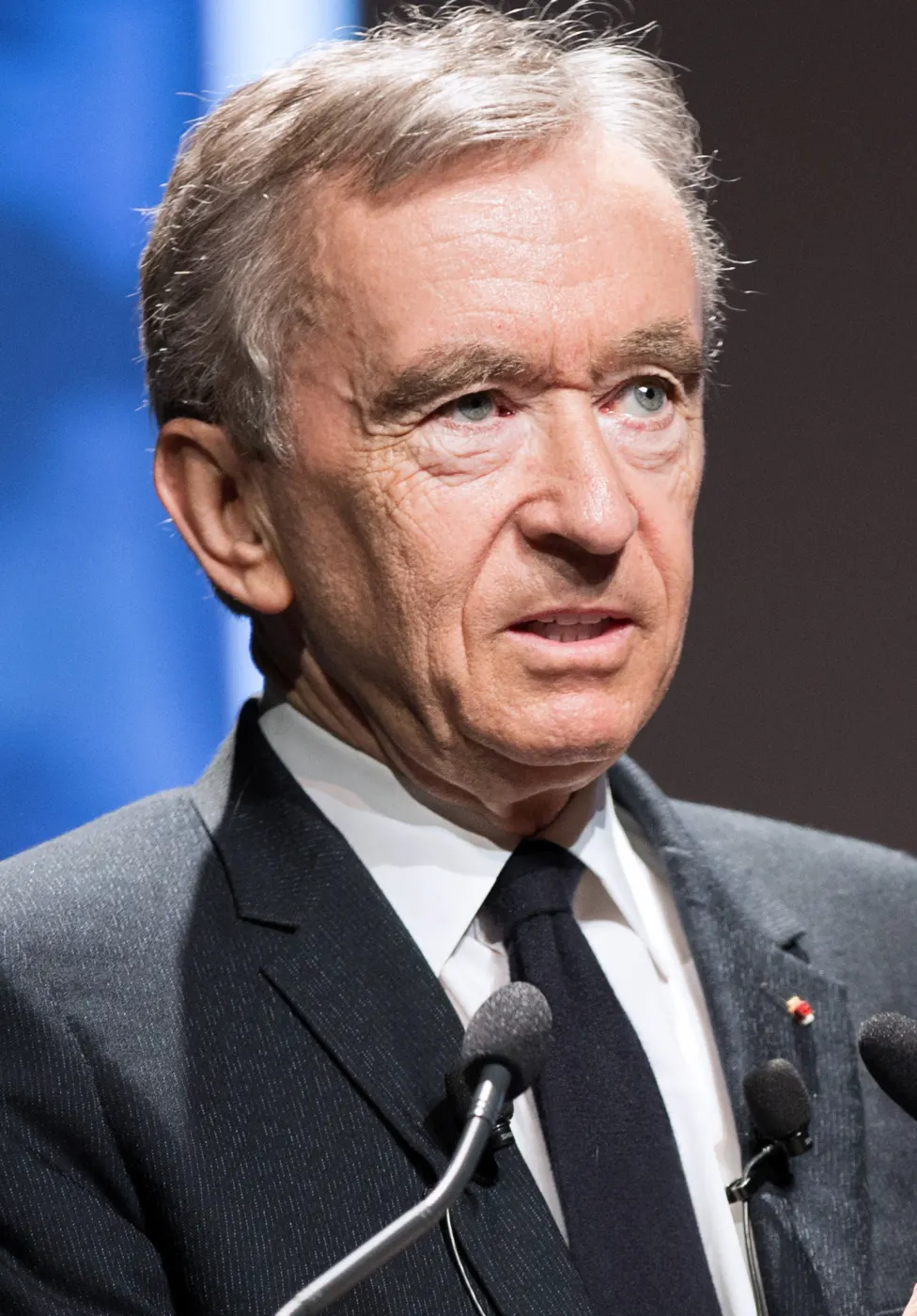
Ferret-Savinel, Florida, and the American lesson
He entered Ferret-Savinel in 1971. He did not leave it as he found it. Construction was steady. Real estate development scaled differently. He pushed the company toward property, into the firm later known as Ferinel. By the late 1970s he was running it. In 1978 he became chairman. He was still in his twenties when the title landed.
Politics smashed the plan. When Francois Mitterrand's Socialists took power in 1981 and began nationalizing key industries and banks, Arnault moved his family and parts of the business to the United States. For roughly three years he developed condominiums in Palm Beach, Florida. The work mattered less than the method. American leveraged buyouts were teaching a generation how to buy companies with other people's money, strip what did not fit, and keep the jewel. France had not yet fully imported that toolkit. Arnault brought it home in his head.
An earlier New York memory sits beside the Florida years like a private parable. In 1971, on his first trip to the United States, a cab driver leaving the airport loved France, disliked Richard Nixon, and could not name the French president. He could name Christian Dior. Arnault has repeated the story for years. It is the moment he says he understood the power of a name that travels farther than politics.
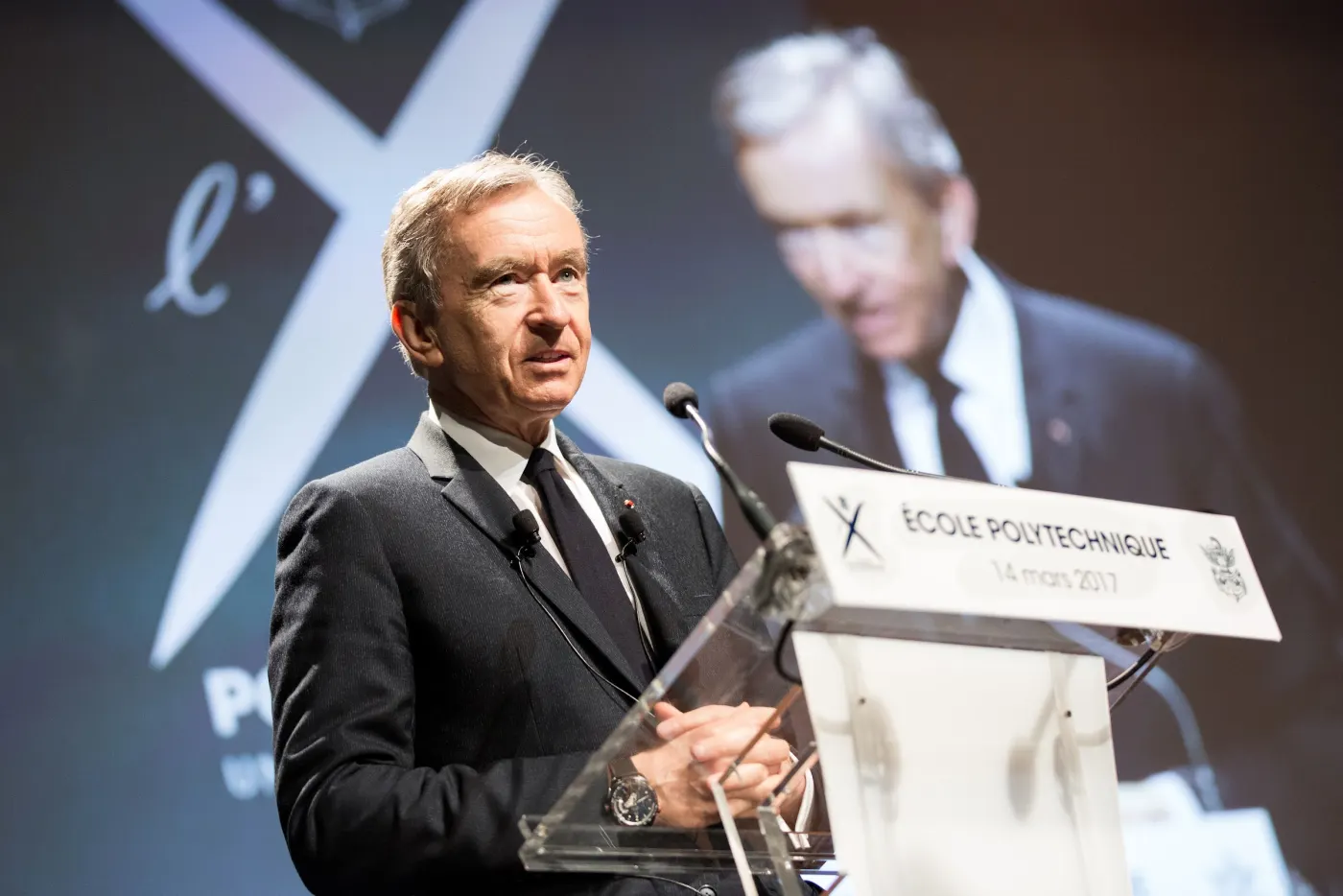
One franc, Boussac, and the nickname that stuck
In 1984 the French state needed a buyer for Boussac Saint-Freres, a bloated textile and retail conglomerate that happened to own Christian Dior. Arnault was thirty-five. He wanted Dior, not the whole factory graveyard. With help from Lazard Freres partner Antoine Bernheim, he assembled financing that included about fifteen million dollars from the family business and tens of millions more from Lazard. Through Financiere Agache he won control. The ceremonial price often cited is one franc. The real cost was restructuring.
He sold nearly everything that was not the point. He kept Christian Dior and the Paris department store Le Bon Marche. Thousands of jobs were cut in a short span. French papers called him "the Terminator." The label followed him into English-language profiles for decades. It is a press nickname from a brutal turnaround, not a self-chosen brand, and it belongs in the story as what people said when factories closed.
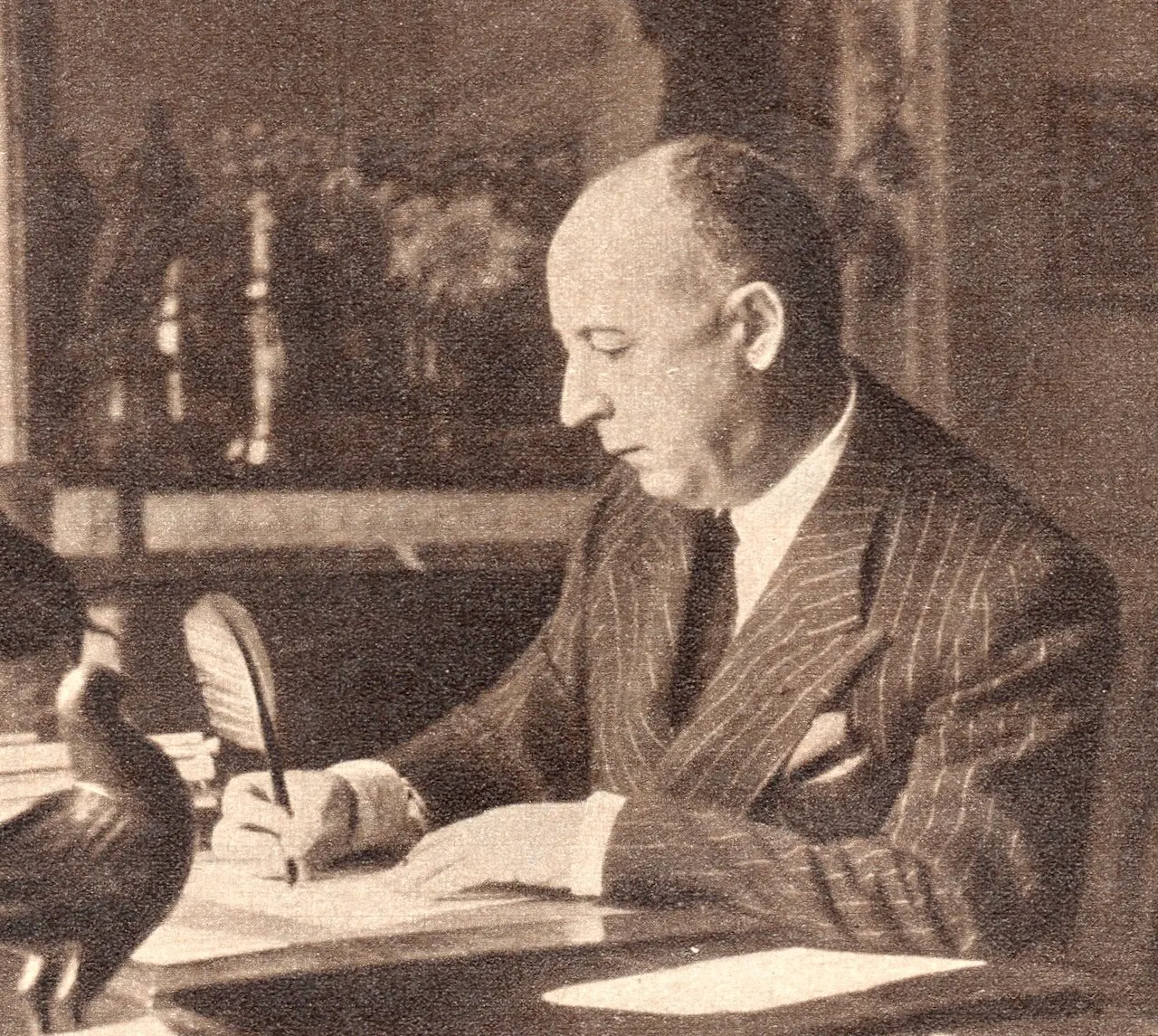
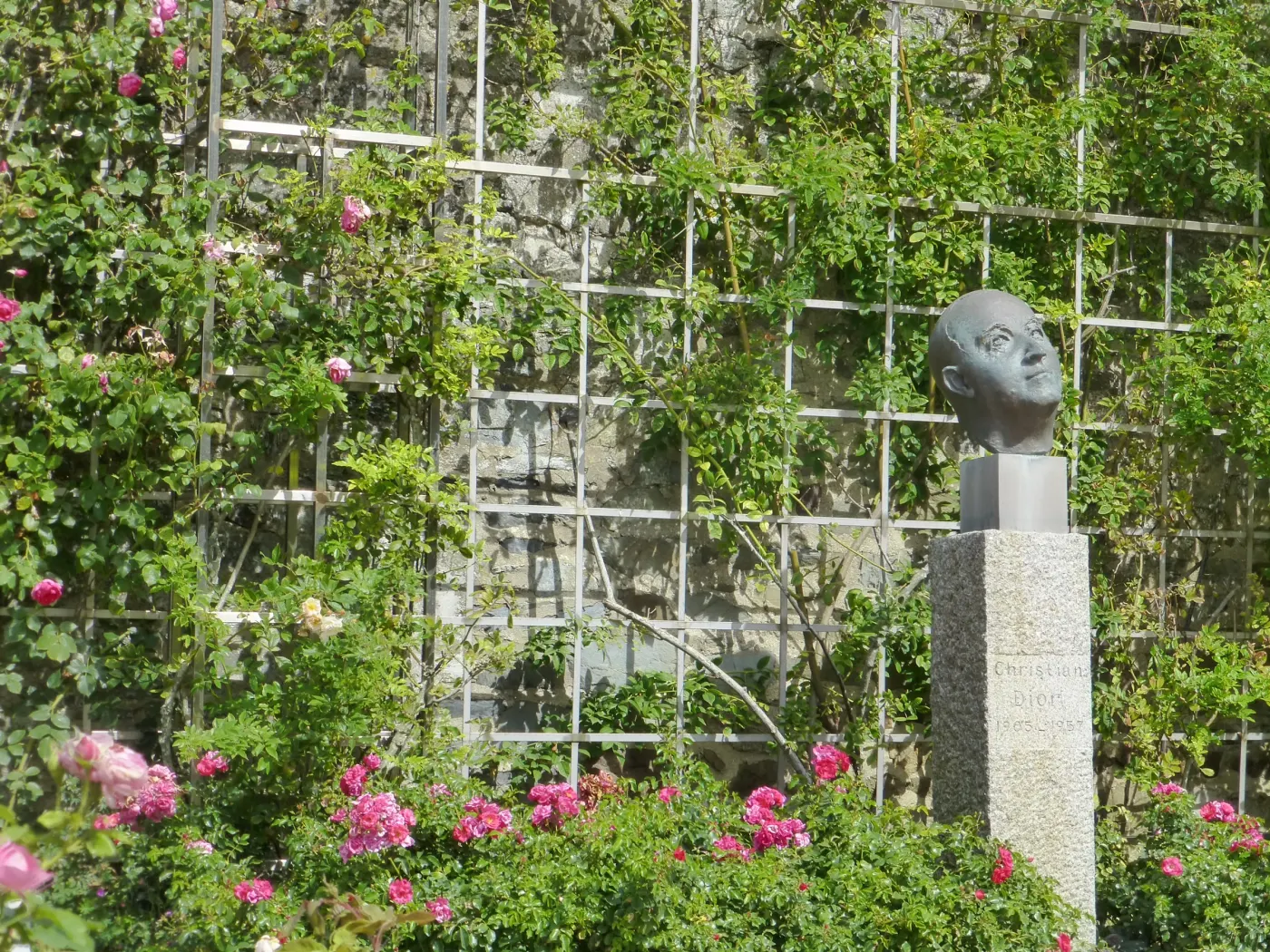
By 1987 the slimmed company was profitable again. Dior, which had fascinated his mother, became the cornerstone of a new holding strategy. He hired talent that surprised Paris. Italian designer Gianfranco Ferre took the artistic reins. Later, British designer John Galliano arrived. Critics fretted about nationality. Arnault's answer, paraphrased across profiles, was that talent has no passport. The "star system" was not a slogan. It was a hiring doctrine: find creators who make people want, then build industrial discipline around them.
LVMH, the wolf in cashmere, and a house of houses
Louis Vuitton and Moet Hennessy merged in 1987 into LVMH. The combination was partly defensive, a way for Vuitton leadership under Henry Racamier to fortify against raiders. Arnault bought in. By 1989 he had become the majority force and the chairman and chief executive. He removed Racamier after a bitter contest. The business press gave him another nickname: the wolf in cashmere. Soft fabric. Sharp teeth.
He argued for something then considered strange: a multi-brand luxury group. Skeptics said brands would blur. He said the opposite. Keep each maison distinct. Share financial muscle, retail craft, and long-term capital. Do not turn everything into one logo. In The Brave Ones he still frames the model as creativity, innovation, and quality under one roof. Competitors, he says, try to copy it.
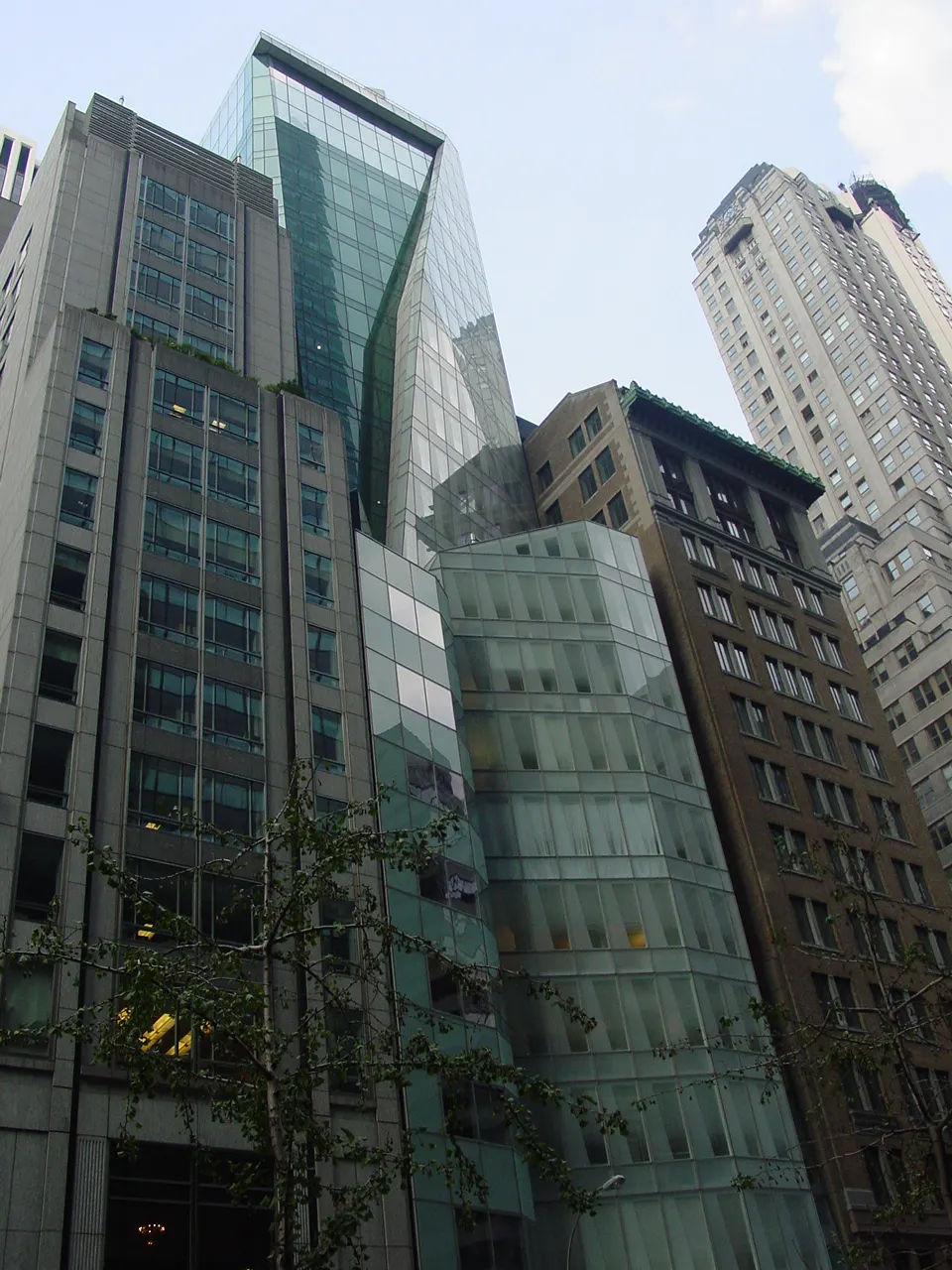
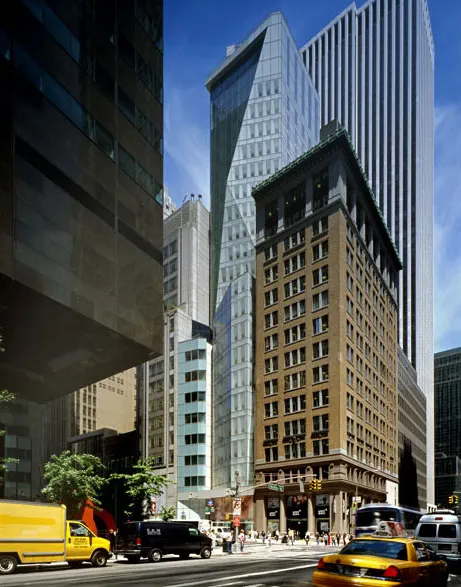
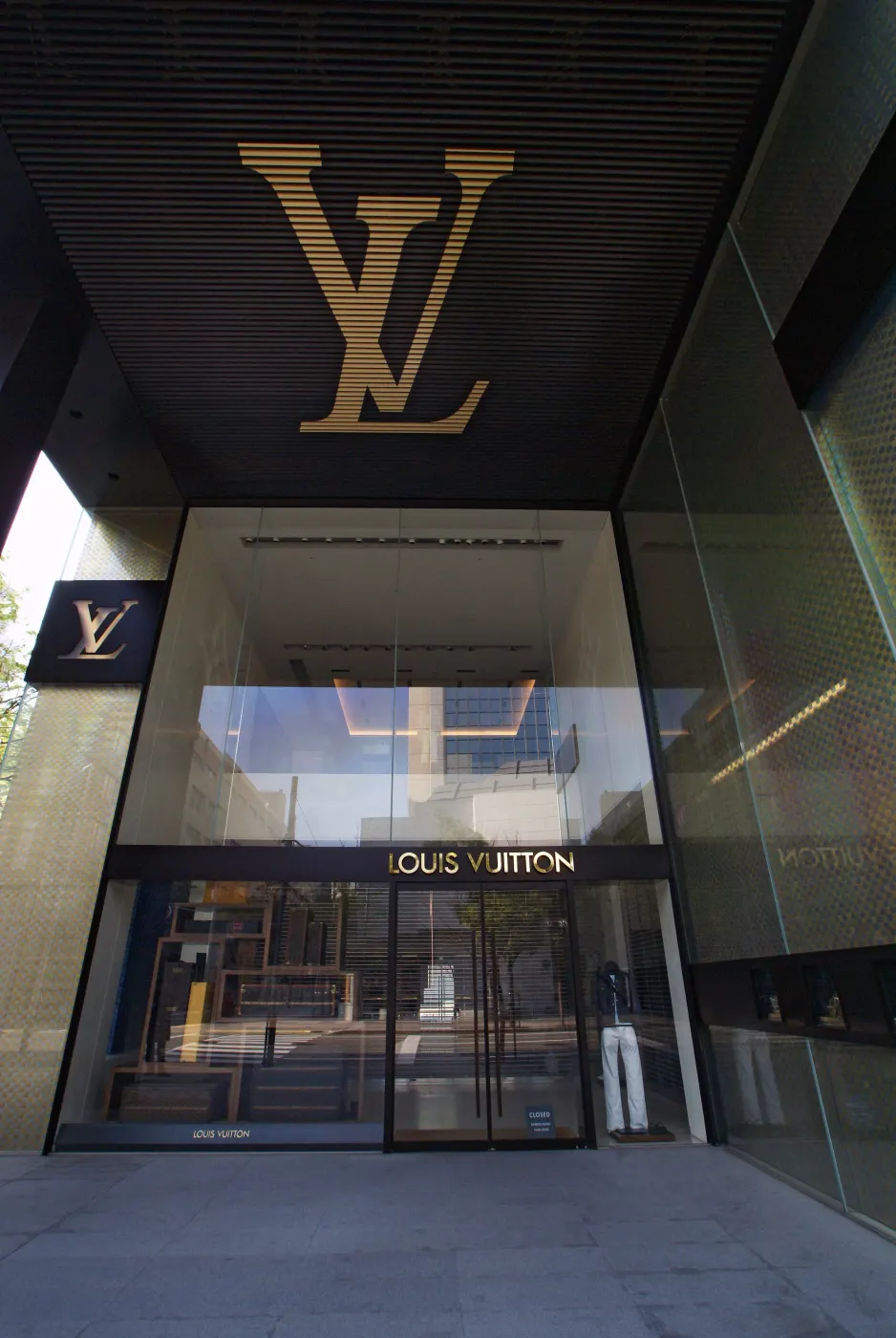
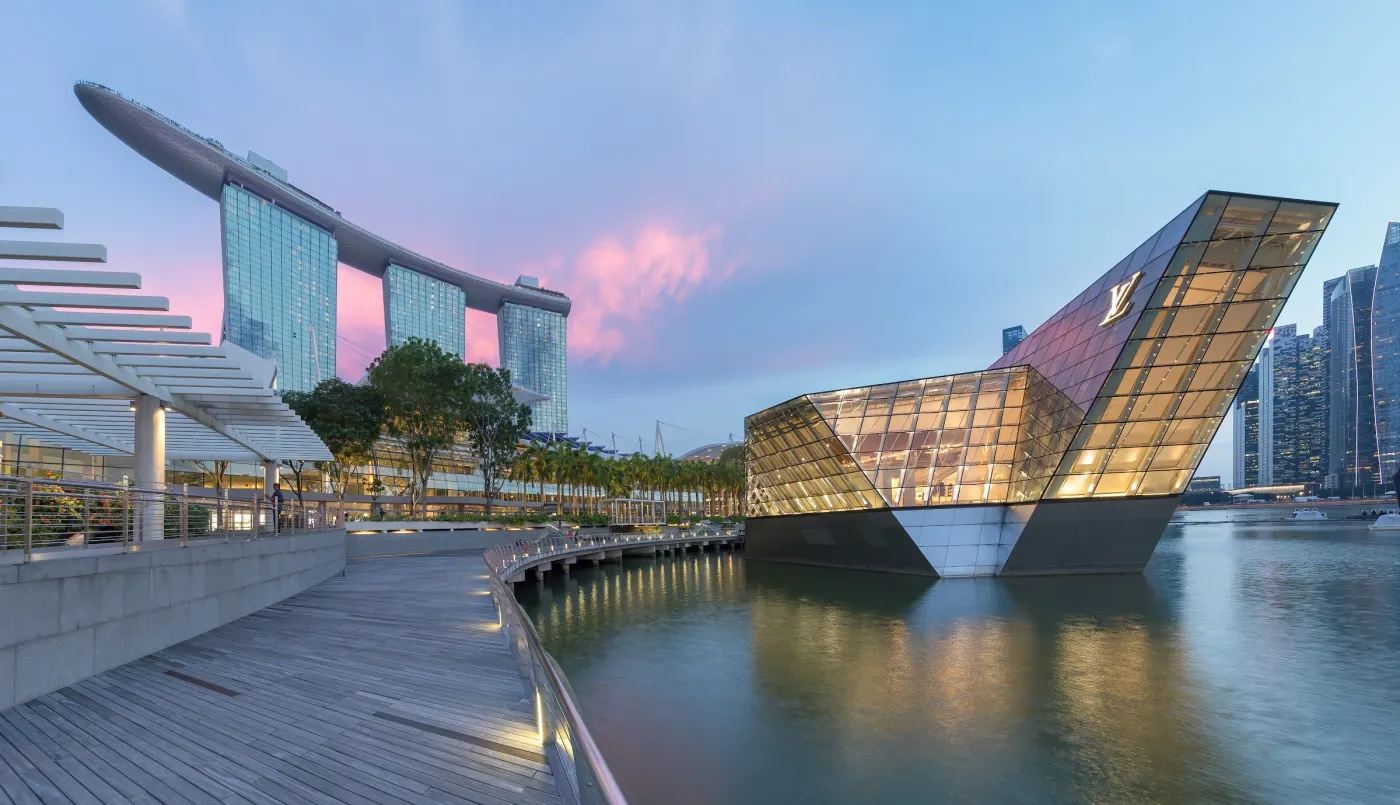
The buying years stacked names. Berluti and Kenzo. TAG Heuer. Guerlain. Loewe. Sephora in 1997, when a multi-brand beauty chain looked crazy to some luxury purists. Marc Jacobs helped remake Louis Vuitton ready-to-wear. Fendi. Thomas Pink. Later Bulgari, Loro Piana, Rimowa, Belmond hotels. In New York he raised the LVMH Tower, designed with Christian de Portzamparc, as an American headquarters that looked like ambition in glass. In Kobe and Singapore and a hundred other cities, the stores became stage sets for desire.

Rivals, raids, and the fights that defined him
Luxury in France is also a family blood sport. In 1999 Arnault built a stake in Gucci that climbed toward a third of the company. Domenico De Sole and Tom Ford looked for a white knight. Francois Pinault's group stepped in. LVMH eventually sold. The loss stung. Years later, when Notre-Dame burned in 2019, Pinault pledged one hundred million euros. Arnault and LVMH pledged two hundred million. The cathedral reopened in December 2024. Money was not the only language. Optics were too.
Hermes was the quieter war. Through equity swaps and subsidiaries, LVMH built a position that shocked the Hermes family when it surfaced around fourteen percent in 2010 and later climbed past twenty percent. The Dumas clan fought to protect independence. French authorities and courts pressed. By 2014 LVMH was forced to unwind the stake, distributing Hermes shares to LVMH shareholders. Arnault did not get the house. He showed how far he would go for a brand he believed belonged in a greater constellation. Hermes remained free. The lesson stuck on both sides.
Then came Tiffany and Co. In November 2019 LVMH agreed to buy the American jeweler for about $16.2 billion, or $135 a share, a deal widely called the largest luxury acquisition ever. Covid crashed tourist traffic and Tiffany's numbers. LVMH tried to walk, citing a material adverse effect and even a French foreign ministry letter about trade tensions. Tiffany sued in Delaware. LVMH countersued and accused Tiffany of burning cash on dividends while losing money. In late 2020 they settled at $131.50 a share, roughly $15.8 billion. The deal closed in January 2021. Arnault got the blue box. He also got a public lesson that even he can be forced to renegotiate when the world stops traveling.
How he defines the work
Ask Arnault what luxury means and he often rejects the word. At Oxford he said luxury sounds like show-off, like something useless. His preferred definition is simpler: a combination of quality and creativity. Price follows those two. The job inside LVMH, as he describes it, is to keep makers and scientists inventing products people will still want in ten years, not only next quarter.
He told the same room about China in the early days. The first Louis Vuitton shop opened when many customers still rode bicycles. His team sold expensive goods anyway. He called the company a pioneer. Today China is a core engine beside the United States, with cycles of boom, caution, and recovery that move the whole group's mood. He also told a small Steve Jobs story. When Apple began building stores, Jobs sought advice and looked at putting shops near Louis Vuitton. Arnault recounts it as mutual curiosity between two men obsessed with desire and design, not as a celebrity cameo.
He likes long time. In documentaries and earnings seasons he returns to the same idea: he cares less about six-month scorekeeping than whether a brand's desire will hold for a decade. That is why a Vuitton trunk from the nineteenth century and a new drop can share a window. Timelessness and modernity at once. The paradox is the product.
Family, marriage, and five apprentices with real titles
Arnault married Anne Dewavrin in 1973. They had Delphine and Antoine. After their divorce he married Canadian concert pianist Helene Mercier. Forbes has repeated the charming detail that he courted her at the piano with Chopin. They had Alexandre, Frederic, and Jean. All five children work inside the LVMH world.
As of 2025 and 2026 the map looks like a succession drama without a declared winner. Delphine Arnault is chairman and chief executive of Christian Dior Couture and sits on LVMH's board and executive committee. Antoine Arnault leads image, communications, and sustainability, chairs Christian Dior SE, and joined the group's executive committee as his role widened in early 2026. Alexandre Arnault is deputy chief executive of Moet Hennessy and a board member. Frederic Arnault became chief executive of Loro Piana and joined the LVMH board, with additional responsibility at the family holding. Jean Arnault works on Louis Vuitton watches, marketing and development.
In a 2023 New York Times conversation Arnault said it is neither obligation nor destiny that a child must succeed him. The best person, inside the family or outside it, should lead one day. He did not sound eager for a duel soon. In January 2026 Reuters reported that some LVMH investors wanted clearer succession plans. The company says plans exist and will not be published. The age limit for his combined chairman and CEO role has been extended toward eighty-five. At seventy-seven in 2026 he is still the center of gravity.
Culture, foundations, and the soft power of French craft
Arnault speaks of himself as an ambassador of French heritage. He links products to Versailles and to a national idea of refinement. The Fondation Louis Vuitton, the Frank Gehry building in the Bois de Boulogne, is the cultural cathedral of that claim. He hosts concerts there. He talks about young pianists the way other CEOs talk about interns. The LVMH Prize, associated with Delphine's generation of sponsorship for young designers, extends the star system downward into discovery.
Paris 2024 made the soft power loud. LVMH spent a year negotiating a premium Olympic partnership, the first of its kind at that scale for a luxury group. Chaumet worked on medals. Moet filled glasses. Dior dressed parts of the French presence. Arnault told CNBC the point was not only a check. France, he said, should show itself as creative, refined, and built on craftsmanship. For a man who once left France under a Socialist wave, the Olympics were a homecoming as national branding.
His holding structures evolved too. Financiere Agache and later Agache concentrated family control. In 2022 he moved to reshape Agache as a limited partnership suited to multi-generational ownership. Agache's venture arm, Aglae Ventures, has held stakes in companies such as Netflix and ByteDance's parent, according to Forbes. LVMH and Arnault interests also connect to L Catterton, a private equity platform with tens of billions under management. In 2024 Agache took a majority stake in Paris FC, a football club, another signal that the family's appetite is not limited to handbags.
What LVMH actually is in 2026
Strip away the mythology and the machine is measurable. LVMH reported about 80.8 billion euros in 2025 revenue, roughly 10.9 billion euros in net profit group share, and an operating margin near twenty-two percent. The group lists more than seventy-five maisons, on the order of 6,280 stores, and about 211,000 employees. First-half 2026 revenue reached 38.6 billion euros, with organic growth accelerating in the second quarter despite a disrupted geopolitical map. Tiffany and Bulgari posted strong jewelry momentum. Sephora kept growing. Fashion and leather goods, the historic profit engine, showed a gradual return to organic growth after a tougher stretch.
Forbes, on September 24, 2026, put the Arnault family fortune near $122.8 billion, ranking him around fourteenth in the world that day. The number jumps when LVMH stock jumps and falls when luxury cools. For years he rotated with Elon Musk and others at the tip of global wealth lists. The more durable fact is control: through the family holding he remains the decisive owner of the largest luxury constellation on earth.
World impact is not only rich customers. LVMH sets prices and scarcity norms that ripple through competitors from Kering to Richemont to Hermes. It trains artisans in workshops from Italy to France. It shapes airport retail, Instagram desire, and the job market for designers. When Arnault buys a jeweler in New York or a cashmere house in Italy, thousands of suppliers feel the order book change. When tourist flows shift between China, the United States, and Europe, his earnings calls become a weather report for discretionary spending worldwide.
How he works day to day
People who do not know him imagine a cold spreadsheet emperor. People who work near him describe store visits, product touch, and competitive hunger. "I am very competitive. I always want to win," he says at the top of The Brave Ones. He wants maisons managed as if a turnaround could still be required, even in fat years. Praise after a strong earnings release, he has suggested, can soften the mind. Better to stay slightly uneasy.
He delegates brand identity and refuses to dilute names into a generic LVMH aesthetic. The corporate center is capital, acquisitions, talent, and discipline. The maisons keep their myths. That separation is why a customer can love Sephora and never think about Hennessy, or collect Tiffany while ignoring a vineyard. The group is a portfolio of feelings backed by shared cash.
He is not romantic about every fight. Galliano's fall from Dior after a public hate scandal showed a hard corporate line. Arnault and Dior leadership kept distance for years while the designer sought return paths elsewhere. The star system hires stars. It also fires them when the brand's name is at risk. Beauty and brutality share the same hallway.
The long patience after the raid years
After the loud takeover decade, Arnault's later style looked quieter and more patient. He still hunted brands, but he also defended margins, opened flagships as cultural stages, and treated China and the United States as twin engines that must both stay warm. When post-pandemic luxury cooled, especially in parts of Asia, he did not reinvent the company overnight. He spoke of desire durability. He kept Tiffany renovating stores and refreshing HardWear and Knot. He kept Bulgari celebrating Serpenti. He kept Sephora expanding the front door of beauty for customers who will never buy a trunk.
Inside the family holding, the July 2022 move toward a limited partnership structure was a governance signal: the empire should survive as a controlled family asset across generations, not as a loose pile of listed paper. Investors still ask who will sit in his chair. He still declines to answer with a name. That refusal is itself a management tool. Ambition among the five stays sharp when the crown is not fixed.
Builder habits that survived scale
He reads products like an engineer reads stress. He asks whether a design will still create desire after the campaign ends. He protects scarcity even when volume looks tempting, because luxury dies when everyone owns the same signal. He invests in workshops and know-how that cannot be coded overnight. He uses architecture (Gehry's foundation, Portzamparc's tower, island stores on water) as proof that the group sells more than leather.
He also keeps score socially. Notre-Dame funding, Olympic partnership, academy election in December 2024 into the Political Economy section of the Academy of Moral and Political Sciences: these are not accidents. They place LVMH inside French state theater as a national champion of craft. For a northern industrial heir who once fled Socialist nationalization, the arc is almost novelistic. He left. He returned. He bought the soft power.
What the world looks like because LVMH exists
Walk any major airport and you will see his thesis in glass cases. Duty-free corridors teach children the alphabet of logos before they learn geography. Wedding registries and social feeds turn handbags into life milestones. Watch enthusiasts argue over TAG Heuer at a Formula 1 weekend because a luxury group decided sport and craft share values. Young designers apply to prizes hoping a maison will notice. Artisans in small European towns keep jobs because a Paris holding company still needs handwork.
Competitors organized in response. Conglomerates copied the multi-maison idea. Family houses reinforced defenses after Hermes. American jewelers learned that a French bidder can rewrite a boardroom in a pandemic. Shoppers learned to wait for drops and to treat scarcity as authenticity. Whether one loves or distrusts that system, Arnault is one of its chief authors.
Racamier, Guinness, and the boardroom knife fight
The path from minority investor to master of LVMH was not a polite handover. Henry Racamier, married into the Vuitton family line, had rebuilt Louis Vuitton and helped forge the 1987 merger partly to keep predators out. Arnault arrived as the predator who already owned the keys to Dior. Through Financiere Agache and allies, including a complex dance that involved Guinness in the late 1980s capital structure, he accumulated voting power until the boardroom belonged to him.
Racamier fought. Lawsuits and press campaigns filled Paris business pages. When Arnault won, he cleared executives and installed a culture that mixed fashion romance with industrial reporting. The wolf nickname was earned in those months. Soft scarf. Hard vote count. The episode taught younger luxury executives a permanent lesson: brand romance without control of the holding company is just poetry.
Sephora, beauty, and the bet against snobbery
When LVMH bought Sephora in 1997, some luxury purists sniffed. A store where many brands share shelves looked like dilution. Arnault saw distribution. Beauty is habitual. Customers return. Young shoppers learn logos at a perfume counter years before they can afford a trunk. Sephora became a funnel into the wider LVMH universe and a profit engine of its own. In 2026 it remains one of the group's growth bright spots even when fashion leather softens. The "crazy" store format is now copied worldwide. Being early looked reckless. Being right looked inevitable only afterward.
Designers as leverage, not decoration
Arnault's star system is easy to romanticize and easy to fear. Marc Jacobs at Louis Vuitton pulled the house from luggage heritage into cultural heat. John Galliano at Dior made shows into global news. Later creative directors across Fendi, Celine, Givenchy, and other maisons rotated under the same logic: hire someone who can bend desire, give them budget and workshops, demand commercial results without killing the myth.
When Galliano's career at Dior collapsed after a public scandal involving hate speech, the group cut him loose. The episode showed the edge of the doctrine. Stars are assets until they threaten the name. The maisons are bigger than any one designer, including the ones who made the front pages. That cold clarity is part of why investors trust the machine even when creative chairs turn over.
The 2017 Dior simplification
For years the ownership map confused outsiders. The Arnault family controlled Christian Dior SE, which in turn held a major stake in LVMH, while LVMH did not fully own Dior fashion. In 2017 Arnault moved to untangle it. LVMH acquired the Christian Dior couture and fashion lines in a multi-billion-euro internal transaction, and the family structure was cleaned so minority LVMH shareholders gained cleaner exposure to Dior's growth. Simplification is not glamorous. It is how a raider becomes a steward. The same man who once bought chaos spent capital to make the org chart boring.
Fondation, Gehry, and the long cultural bet
The Fondation Louis Vuitton opened as a Frank Gehry building that looks like sails caught mid-wind in the Bois de Boulogne. Arnault uses it as proof that the group funds art, music, and public spectacle, not only handbags. At Oxford he lit up describing Lang Lang and young students in master classes under that roof. The foundation collects and shows contemporary work. It hosts concerts. It gives the LV initials a civic face in Paris.
Critics call it soft power for a hard conglomerate. Arnault calls it heritage. Both descriptions can be true at once. In a city that judges billionaires by what they give back to culture, the glass sails are a permanent argument.
Covid, closed stores, and the refusal to stay small
When pandemic lockdowns shuttered boutiques, luxury looked suddenly fragile. Arnault had just signed Tiffany. Tourism died. Online helped but could not replace the theater of a flagship. LVMH cut costs, protected crafts where it could, and prepared for reopening waves that hit Asia, America, and Europe on different clocks. The Tiffany legal fight ran in parallel with empty avenues. Closing the deal in January 2021, at a slightly lower price, was both retreat and conquest. He paid less than first promised. He still paid a historic sum in a year when many boards froze.
The rebound that followed, especially 2021 and 2022, poured record revenue into the group and briefly pushed Arnault to the top of global wealth lists. Then China slowed, American shoppers grew selective, and 2024 and 2025 became years of defending margins instead of printing easy growth. The 2025 print of 80.8 billion euros in revenue, with profit still immense, is resilience more than fireworks. H1 2026's 38.6 billion euros with accelerating second-quarter organic growth suggests the machine can still find speed without pretending the world is simple.
Money outside the boutiques
Agache is more than a lockbox for LVMH shares. Through Aglae Ventures the family has taken technology-adjacent stakes, including widely reported positions linked to Netflix and ByteDance's parent company. Through L Catterton, connected to LVMH and Arnault interests, private equity capital touches brands from fitness to footwear. The 2024 majority move into Paris FC put the family name on a football club climbing French leagues. Diversification looks like leisure until you notice the pattern: wherever culture meets consumers, Arnault likes a seat.
Personal texture without the spectacle
He is not a social media founder. He rarely sits for long television interviews. When he does, as with CNBC at the Olympics or the Oxford Union hall, he returns to craft, quality, and France. He still plays piano as an amateur. He still frames competition as sport. Colleagues describe store walks and product reviews more than visionary speeches. The public sees a silent billionaire in a dark coat. The private operating system seems closer to a restless merchant who never stopped inspecting the goods.
He has been awarded France's highest honors, including Grand-croix of the Legion d'Honneur, and in December 2024 he was elected to the Academy of Moral and Political Sciences. Those medals do not run a company. They signal that the French establishment now treats him as infrastructure.
Almost-quits that never became headlines
Arnault does not tell classic startup near-death stories because his crises were balance-sheet wars and political winds. Leaving France in 1981 was a near-quit of the national stage. The Boussac layoffs could have trapped him as a permanent villain without a luxury future. Losing Gucci could have made him timid. Losing Hermes could have ended the acquisition appetite. The Tiffany lawsuit could have stranded him in Delaware for years. Each time he adjusted price, structure, or timing, then continued. The through-line is not charm. It is refusal to let a lost battle redefine the campaign.
Workshops, scarcity, and the boring excellence underneath
Behind every campaign film sits a less photographed system: cutters, tannery relationships, watchmakers, cellar masters, and retail staff trained to stage a box as theater. Arnault's edge is not only buying logos. It is funding the slow schools of craft that make a higher price feel earned. Scarcity is managed on purpose. Waiting lists and limited drops are not accidents. They are inventory philosophy. When critics say luxury manufactures inequality, his answer in public is quality and creativity. When operators speak privately, they also mean control of supply, control of image, and control of time between desire and ownership.
That system now spans more than seventy-five maisons and over six thousand stores. It employs on the order of two hundred eleven thousand people. It turns French and Italian workshop habits into a global consumer language. In 2026, with jewelry strong, beauty resilient, and fashion recovering unevenly, the test is whether desire still compounds when tourists hesitate. Arnault's career says the answer is to keep inventing objects people will wait for, then wait with them.
The merchant's calendar
A year inside LVMH is a calendar of launches, not a single product bet. Watch Week in Milan. Couture on the Paris calendar. High jewelry exhibitions that travel from Shanghai to Seoul to Mumbai. Formula 1 weekends where TAG Heuer is visible in the noise. Sephora resets that teach teenagers a new scent before they can spell Moet. Arnault's job at the center is to keep that calendar funded without letting any one season redefine a maison that claims centuries.
He still acquires when the fit is right, but the 2020s have also been about digesting Tiffany, renovating landmarks, and defending operating margins near the low twenties percent when volumes wobble. That is less cinematic than a one-franc takeover. It is how a group stays number one after everyone else learns the multi-brand playbook. Imitators can buy names. Fewer can keep artisans, scarcity, and desire aligned for decades.
The northern engineer is still visible in that discipline. Measure. Cut. Keep the jewel. Repeat. The boy who noticed his mother's perfume bottle grew into a man who noticed every bottle, bag, and bracelet that might outlive him. In September 2026, with a fortune that Forbes prints in the low hundreds of billions depending on the day's stock tape, the more interesting number is still seventy-five: the count of maisons asked to feel eternal on his watch.
Closing
The boy who crossed the street for his grandmother became the man who crossed oceans for brands. The engineer who poured concrete learned to pour capital into names. The amateur pianist still talks about concerts at a foundation with a glass sail for a roof. In 2026 Bernard Arnault remains chairman and CEO of LVMH, father of five executives, sponsor of an Olympiad, restorer of a cathedral's funding story, and the living argument that desire can be industrialized without admitting that it is industry.
He bought a broken group to keep a perfume his mother loved. He built a planet of stores around that instinct. Whether a child or an outsider eventually takes the chair, the maisons are designed to outlast any one surname. That is the real product. Not a bag. Not a bottle. Time, priced as longing.
Watch alongside this story
Short cuts from interviews, keynotes and launches. Each plays only the moment that matters.