The IIT Engineer Who Put India on Wheels
Bhavish Aggarwal looked at Indian traffic and saw a software problem with human urgency. Ola made booking a ride feel ordinary. Then he pushed into electric scooters and manufacturing, as if mobility apps alone could not hold his ambition.
Company: Ola. Company value: private / N/A. Net worth around about $1B. The story is still stress-tested in public.
Origin
Born August 28, 1985, he studied computer science at IIT Bombay and worked at Microsoft before entrepreneurship pulled harder. Engineer confidence met operator impatience.
Ola begins
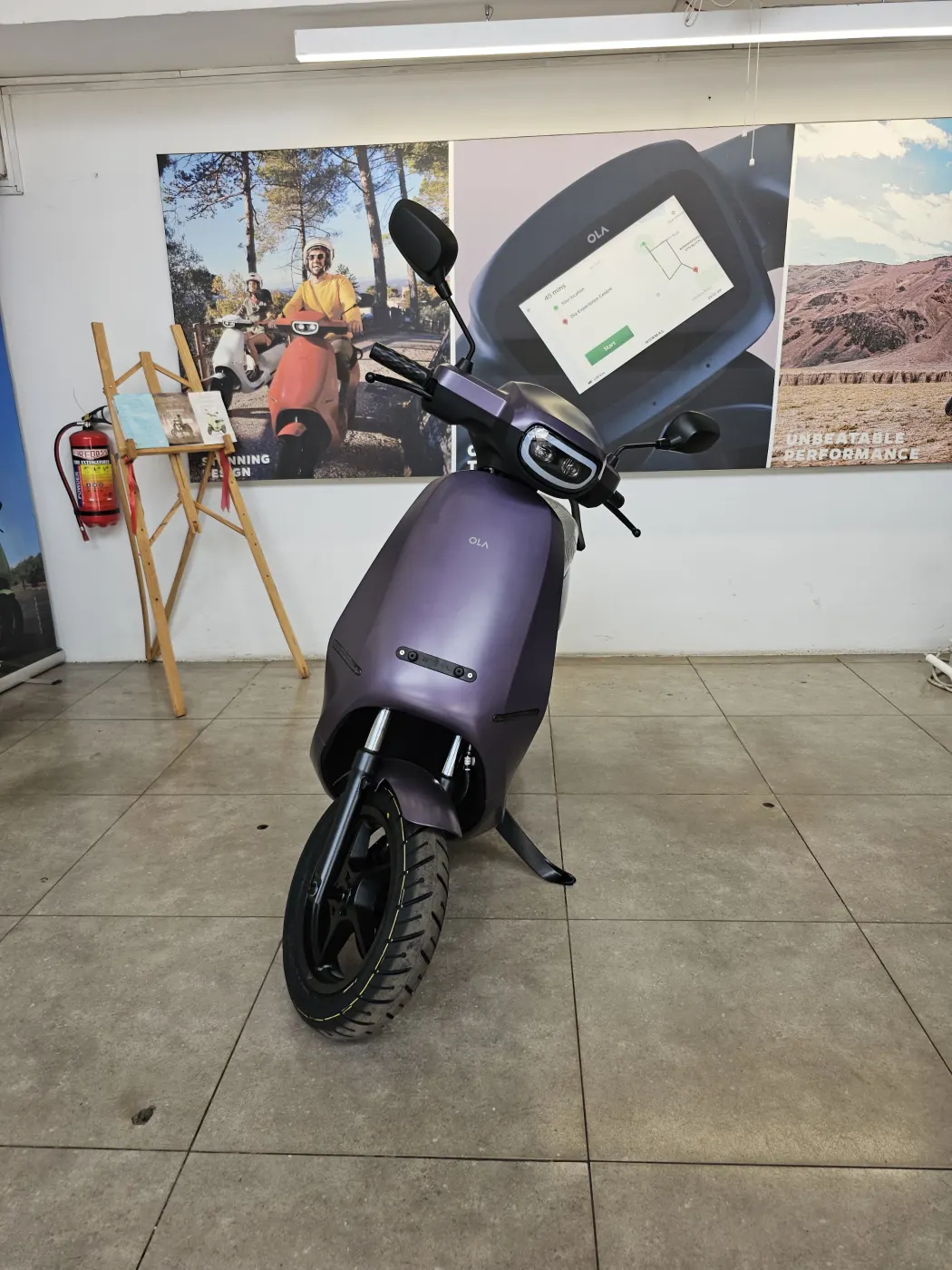
With co-founder Ankit Bhati, he launched Ola to organize urban rides. Supply, demand, maps, pricing, and trust had to be solved at once on chaotic Indian roads. Long interviews show him narrating hypergrowth, funding winters, and the emotional temperature of rivalry.
Hypergrowth war
Price wars and marketing wars defined an era. Users cared if a cab arrived. Capital markets cared about unit economics later.
Electric and factory ambition
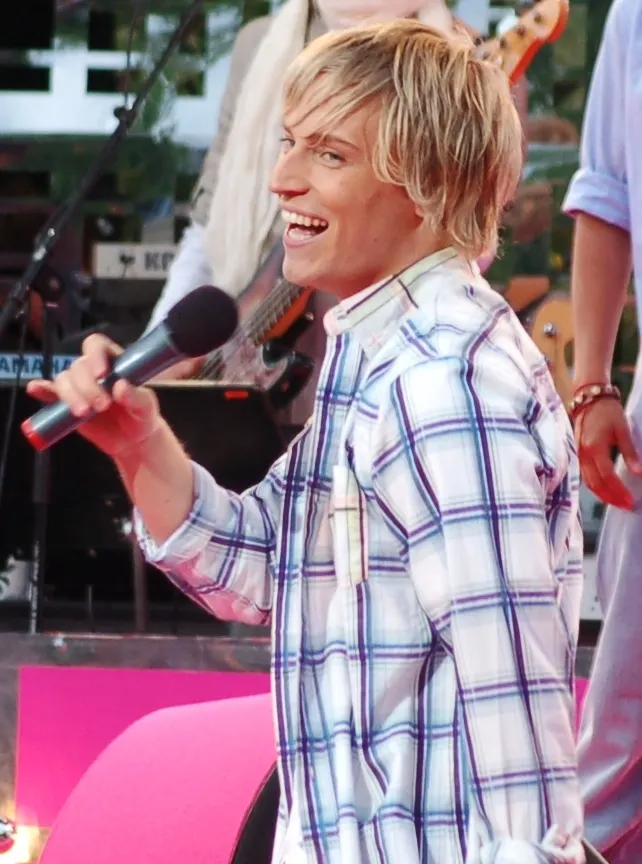

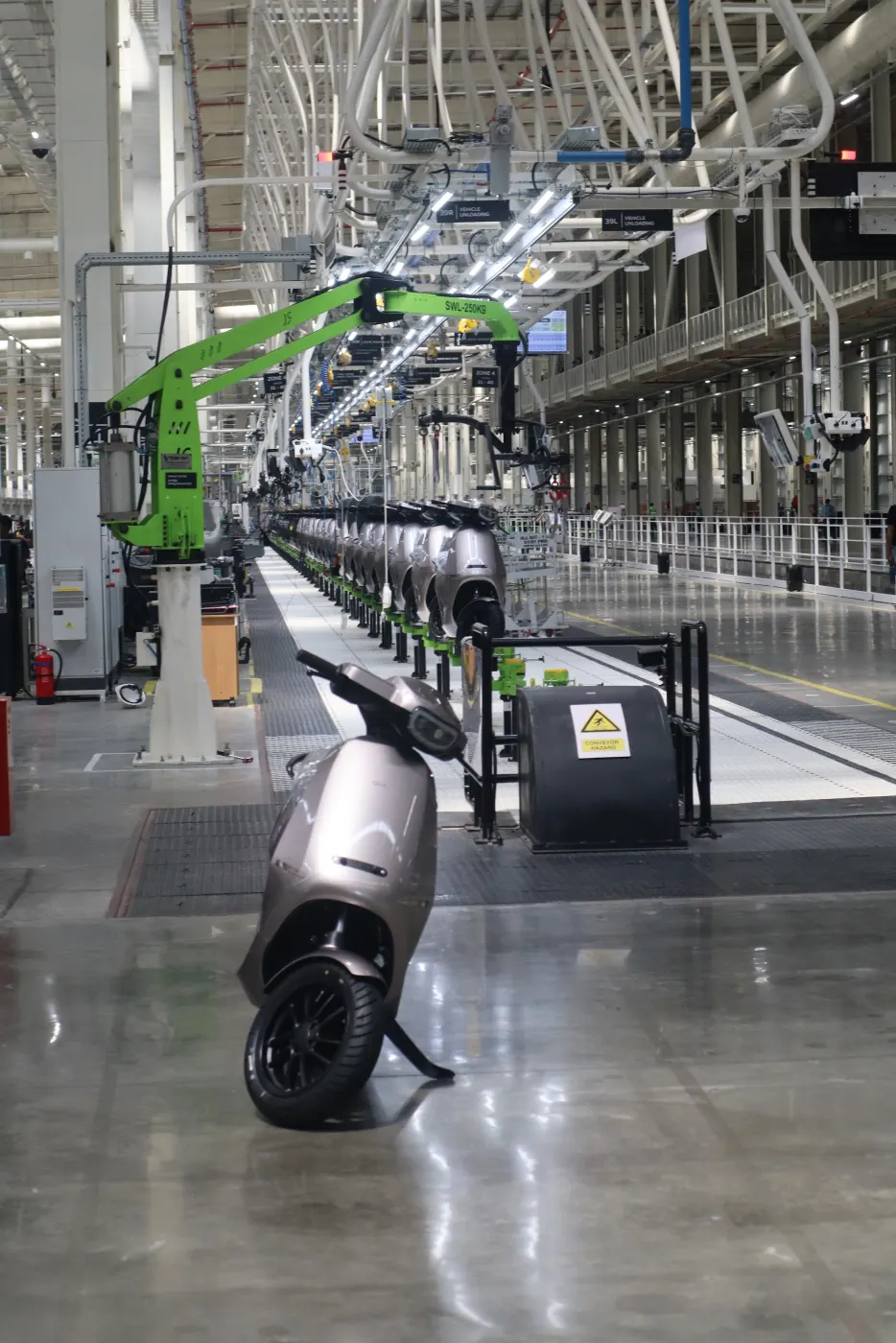
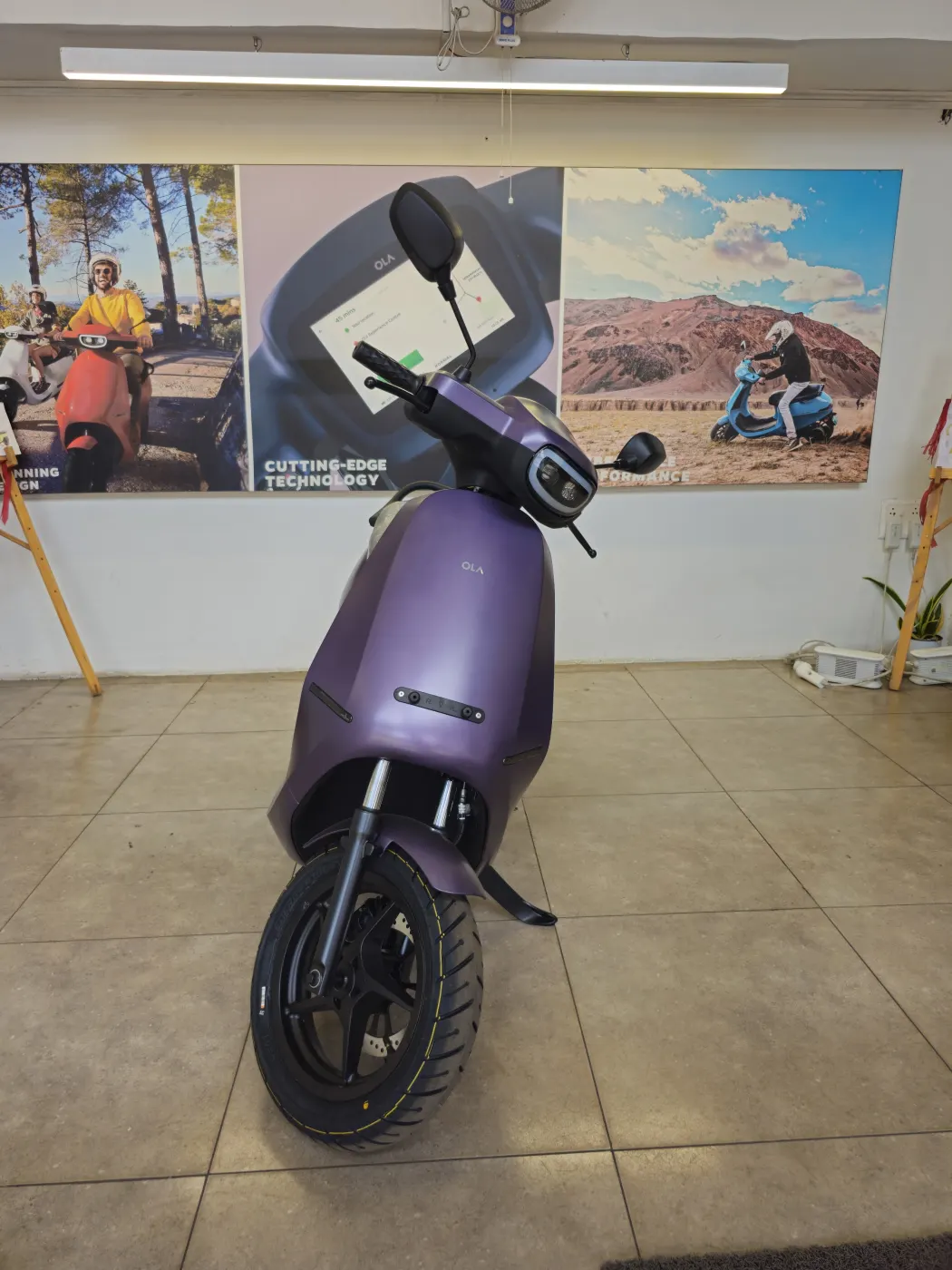
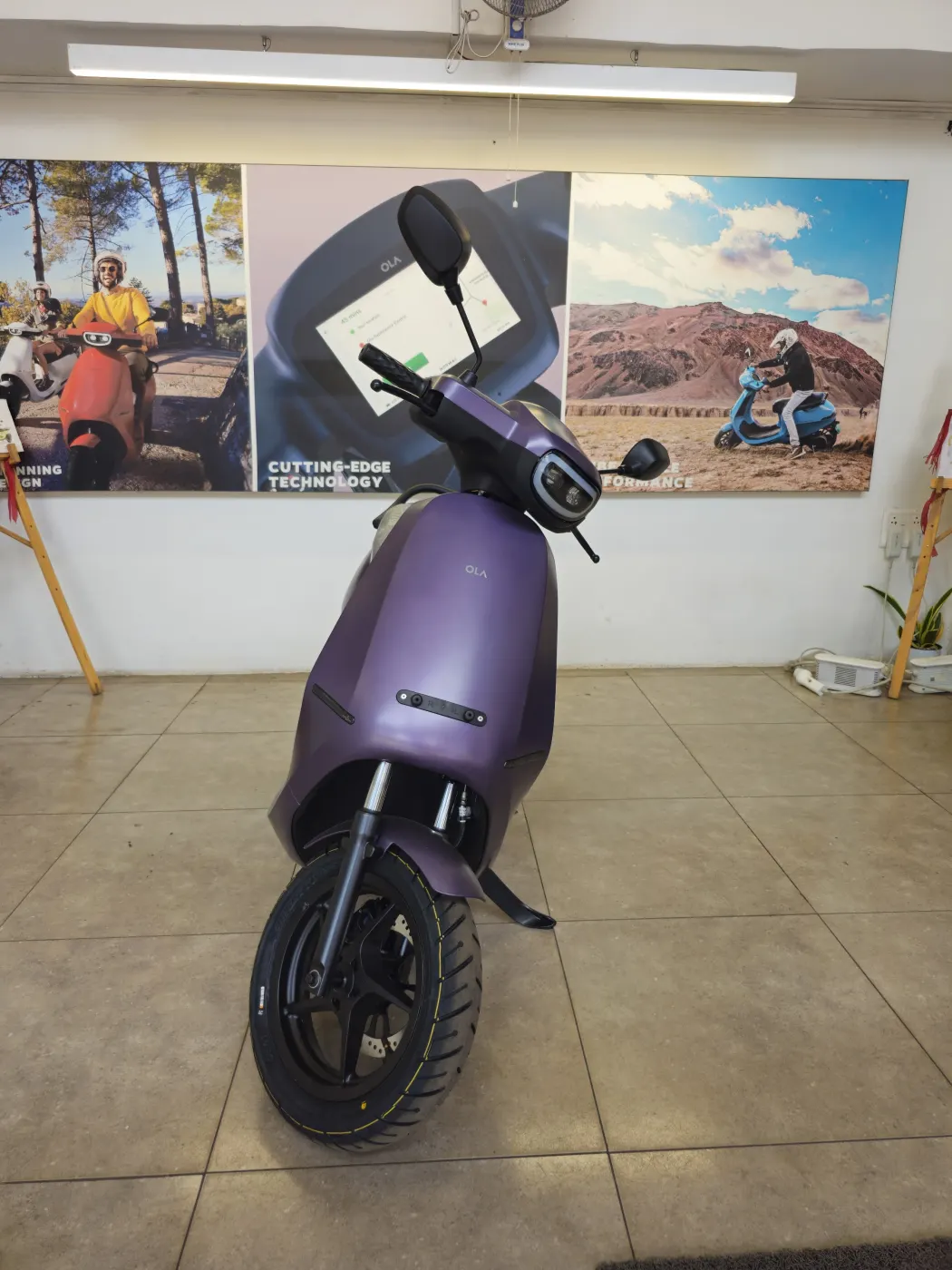
Ola Electric aimed at mass-market scooters and manufacturing, including battery cell ambitions discussed in factory tours and tech stages. Building factories is a different sport from building apps. Supply chains show up with steel boots.
Current achievements (as of May-mid 2026)
Company: Ola / Ola Electric. Company-value context: mobility + EV manufacturing bets; public scrutiny of quality and capital discipline. Personal wealth context: about $1B class in working list; private-market fog.
Current achievement is not a trophy shelf. It is the path still being walked: products shipping, balance sheets tightening or expanding, successors being trained, and public fights that still matter.
FY26 described by company as a reset year for Ola Electric: Q4 gross margin reported 38.5%; warranty costs cut; opex and cash burn reduced; service stabilization.
Gigafactory: about 2.5 GWh operational capacity with path toward 6 GWh commercialization; cell moved from validation toward scale; FY27 ambition language toward larger GWh and free-cash-flow positivity.
Ride-hail still shapes urban mobility conversation; EV two-wheeler push is the industrial second act.
What shifted inside the business is the real scoreboard. Markets clap late. Operators live in utilization, cash, quality, and whether tomorrow still works.
For Bhavish Aggarwal, the mid-2020s question is not "did they win once." It is "are the systems they built still rearranging other people's days."
World impact: what actually shifted
World impact is consequence, not applause. It shows up when a habit becomes normal, a price wall cracks, a career path appears, or a country's soft power changes shape.
Consequence 1: Normalized app-based ride-hail for millions of Indian city users and created gig work at scale.
Consequence 2: If EV and cell manufacturing execute, they shift two-wheeler emissions and localize battery capability for energy security.
Consequence 3: Forced incumbents and startups into a quality-and-cost fight in Indian mobility.
None of that arrived as fireworks. It arrived as years of ugly process, then as ordinary life for people who never learn the founder's name.
That is the documentary test for Bhavish Aggarwal: what changed for customers, workers, industries, and culture after the highlight reel ended.
Ola begins in traffic
Bhavish Aggarwal's Ola story starts with urban friction: getting a ride should not require shouting into chaos. App dispatch turned informal transport into a software marketplace.
Hypergrowth meant incentives, driver supply wars, and capital burns that looked insane until the category became habit. Rivals forced sharper craft. Regulators forced thicker skin.
Electric second act
Ola Electric is the industrial sequel: factories, cells, warranties, service nightmares, and public markets that punish missed delivery. FY26's reset language (margins, warranty costs, gigafactory GWh) is current achievement as operations rehab, not parade.
World impact splits in two: ride-hail already changed cities; EV success would change emissions and battery sovereignty. The documentary is unfinished because manufacturing truth is slower than app truth.
Documentary scenes mined from long interviews
These beats are shaped from long-form interview and talk transcripts used in research. Paraphrased into story voice. Not a quote dump.
Scene 1 (ola): Bhavish Aggarwal's interviews return to this texture: ...Kind: captions Language: en Namaste, viewers. I have Bhavish Aggarwal with me. Uh he's the co-founder and CEO of Ola. And I'll tell you why he's a special guest. Uh you know, I'm very critical of all kind of people. Uh because I feel that they are double-faced and they all say something in public and they do something...
Scene 2 (ola): Bhavish Aggarwal's interviews return to this texture: ...they go there they are they are very big shots and they are looked after and all that. So it's good for PR. But these they have not considered the fact that what these chairs are teaching and the people scholars are bringing in the research they're putting out is so anti-India. They are breaking India forces. So imagine that you are giving your family name and your money to promote something which is actually agai
Scene 3 (ola): Bhavish Aggarwal's interviews return to this texture: ...a cosmological significance. So, we are we are I've done a lot of research on this, written up some of the Sanskrit qualities, but now we have a project and we've teamed up with some Sanskrit a lot of Sanskrit scholars in India and computational linguistics people and all kind of AI model building people. Some of the people who actually helped train Microsoft and Apple and all these people 10 20 years ago on Sansk
That scene matters because it shows process under pressure, not a trophy. The documentary lives in those textures for Bhavish Aggarwal.
Scene 4 (microsoft): Bhavish Aggarwal's interviews return to this texture: ...with our own thought process. Yes. This is what I liked about you. This is why I decided, you know, this would be a very good conversation because you have the courage, the audacity to stand up to people like Microsoft. And I really really I I I'm one of those See, I'm a technocrat also, but I quit early long back and and then in this field, I trained myself in the humanities, our humanities, and understood then u
Scene 5 (microsoft): Bhavish Aggarwal's interviews return to this texture: ...see I have this as a technical guy long back I knew the power of the IBM platform then the mini computers came. The mini computers had this platform war then these personal computers came this war between Apple and Microsoft on who owns operating system and then then this whole internet. So it has always technology has always been two levels. One is the platform and one is the application. Yes. Now we are we are I
Scene 6 (microsoft): Bhavish Aggarwal's interviews return to this texture: ...companies became huge in India renting the brains rather than developing the technology. Yeah. Renting Indian brains and so our tech revolution was not that we own any platforms and technology. All these guys, tens of thousands who work for Microsoft, we don't own one line of code I used to be one of them. My first and only job was in Microsoft. And it's good you left and you said, "Okay, I'll do better than that.
That scene matters because it shows process under pressure, not a trophy. The documentary lives in those textures for Bhavish Aggarwal.
Scene 7 (iit): Bhavish Aggarwal's interviews return to this texture: ...want to talk about. Absolutely, sir. One of the main impacts is that there is now this whole anti-meritocracy. Mhm. That, you know, merit is a is a privilege that some elites have. Yeah. And say that you got into IIT and you did well and you're you got these patterns and that's why on merit you're successful, it's all uh, humbug because really it's your privilege and your you know, you are an oppressor and you hav
Scene 8 (iit): Bhavish Aggarwal's interviews return to this texture: ...access to uh, special things that the rest of people don't and so it undermines meritocracy. And my first question to you will be my first I want you to reflect on I wrote a book called The Battle for IITs. Where I where you know, in Harvard Harvard professor actually in of Indian origin Uh-huh. uh, wrote this book on the cast of merit saying that merit is actually a cast. There's a cast called merit. Yeah. Okay.
Scene 9 (iit): Bhavish Aggarwal's interviews return to this texture: ...IITs. Where I where you know, in Harvard Harvard professor actually in of Indian origin Uh-huh. uh, wrote this book on the cast of merit saying that merit is actually a cast. There's a cast called merit. Yeah. Okay. And IIT is the case study. Whole book is on IITs. She went and met people here, there and quoted data statistics out of context. And then this became a legal issue. Uh, they filed some cases, some othe
That scene matters because it shows process under pressure, not a trophy. The documentary lives in those textures for Bhavish Aggarwal.
Scene 10 (factory): Bhavish Aggarwal's interviews return to this texture: ...gave grants to six universities. Princeton was one, Columbia was one like that. And said that you can go and spend scholars can go spend money in India. Can do research, they can bring back things. So, a whole production factory started to go to India, pick up archives from here, there, there, wherever whatever it cost, put it in crates and ship it back. These have not even been opened. My generation doesn't even
Scene 11 (funding): Bhavish Aggarwal's interviews return to this texture: ...all kind of people. Uh because I feel that they are double-faced and they all say something in public and they do something else. Uh and one of the categories I have criticized a lot are industrialists who are actually funding woke in places like Harvard and DEI in their own enterprises and doing lip service to being patriotic Indians. But when it comes to policy making, they are aligned with Western forces that a
Scene 12 (funding): Bhavish Aggarwal's interviews return to this texture: ...institutional capacities in India. And I think looking at how let's say the newer generation is looking at it maybe there's a change in the offing but, you know, we need more awareness for uh for understanding that instead of funding research globally, we actually should be funding ourselves. Absolutely. Absolutely. So, now good things are in in this direction that's happening is, you know, when I look at my batch
That scene matters because it shows process under pressure, not a trophy. The documentary lives in those textures for Bhavish Aggarwal.
Scene 13 (funding): Bhavish Aggarwal's interviews return to this texture: ...looking at how let's say the newer generation is looking at it maybe there's a change in the offing but, you know, we need more awareness for uh for understanding that instead of funding research globally, we actually should be funding ourselves. Absolutely. Absolutely. So, now good things are in in this direction that's happening is, you know, when I look at my batch, let's say IIT Bombay, many people left India.
Scene 14 (ola): Bhavish Aggarwal's interviews return to this texture: ...mindset which some times as a people we get into, but you know what India is also the chip hub of the world Every chip has a lot of core IP designed in India, but there is no Indian chip Ola Electric's journey has just been a fast ticket, not my journey, actually I think it is India's journey and we were at the right time, the right place. [Music] So first congratulations on the fantastic fantastic IPO of Ola...
Scene 15 (ola): Bhavish Aggarwal's interviews return to this texture: ...chip Ola Electric's journey has just been a fast ticket, not my journey, actually I think it is India's journey and we were at the right time, the right place. [Music] So first congratulations on the fantastic fantastic IPO of Ola Electric. Thank you, thank you, no Shraddha, thank you. So much you are also a board member so I am a little bit talking to my boss here okay oh or the CEO of the company am talking to..
That scene matters because it shows process under pressure, not a trophy. The documentary lives in those textures for Bhavish Aggarwal.
Scene 16 (ola): Bhavish Aggarwal's interviews return to this texture: ...important or right yes or no guy and it is important that the Indian startup ecosystem the Indian innovation ecosystem moves to the next orbit now builds the technologies of the future and in many ways what we did with Ola Electric represents that or it is basically building those technologies which will define the future of energy the future of mobility and it's important to take a very global view of things beca
Scene 17 (cab): Bhavish Aggarwal's interviews return to this texture: ...to do as an entrepreneur and what I am good at doing, right, we all have our own strengths and weaknesses, and fundamentally, you know, our journey is always guided by the voice within, right, so I started with Ola Cabs, which has now become Ola Consumer because even in consumer tech, we have a very mature ecosystem, as a startup ecosystem, world-class companies like Swiggy [Music] In consumer tech and the future,
Scene 18 (cab): Bhavish Aggarwal's interviews return to this texture: ...was called open source in the past. Nowadays, DPI has become digital public infrastructure. It's a nice word, but the principles are the same. We need open protocols in the technology world. The same thing is going to be even applicable to social media. Why can't social media be a DPI based protocol you know today it's not because the innovation of social media was in the west were mercantile interests over took t
That scene matters because it shows process under pressure, not a trophy. The documentary lives in those textures for Bhavish Aggarwal.
Taken together, the interview record keeps Bhavish Aggarwal human: excited, frustrated, stubborn, technical, sometimes lucky, often simply refusing to quit the Tuesday work.
Money stakes and what fear felt like
For Bhavish Aggarwal, money was never only a scoreboard. It was payroll nights, interest rates, dilution dread, and the fear that one delayed shipment could erase a year. Capital markets clap for outcomes. Founders live inside cash calendars.
This is why the biography refuses trophy lists. Lists skip the mechanism. The mechanism is how Bhavish Aggarwal actually shifted the world around them.
Rivals who forced sharper craft
Rivals did Bhavish Aggarwal a harsh favor. Competition exposed weak processes, lazy pricing, and soft quality. Some rivals were companies. Some were imports, regulators, or customer habits that refused to change. Craft sharpened because someone else was hunting the same hunger.
This is why the biography refuses trophy lists. Lists skip the mechanism. The mechanism is how Bhavish Aggarwal actually shifted the world around them.
People who carried the weight
No founder documentary is honest if it erases the operators. Scientists, drivers, merchants, engineers, plant workers, teachers, and nameless night-shift hands carried Bhavish Aggarwal's bets into reality. Equity myths forget them. World impact includes their rearranged days.
This is why the biography refuses trophy lists. Lists skip the mechanism. The mechanism is how Bhavish Aggarwal actually shifted the world around them.
Habits under pressure
Under pressure, Bhavish Aggarwal's habits mattered more than slogans. Who gets called first. What gets measured. Whether bad news travels fast. Whether quality loses to speed. Culture is what happens when the founder is tired.
This is why the biography refuses trophy lists. Lists skip the mechanism. The mechanism is how Bhavish Aggarwal actually shifted the world around them.
The long middle after fame
Fame arrives as a headline. The long middle arrives as maintenance: systems, succession, repair, and the refusal to believe the story is finished. Bhavish Aggarwal's later chapters are where institutions either deepen or decay.
This is why the biography refuses trophy lists. Lists skip the mechanism. The mechanism is how Bhavish Aggarwal actually shifted the world around them.
What building actually looked like
Building looked like spreadsheets, arguments, factory floors, customer calls, and rewritten plans. For Bhavish Aggarwal, glamour was rare. Repetition was the method. The method became the empire.
This is why the biography refuses trophy lists. Lists skip the mechanism. The mechanism is how Bhavish Aggarwal actually shifted the world around them.
Category creation in Indian traffic
Ola turned street chaos into a software problem. Drivers became supply. Riders became demand. Prices and incentives became weapons. The category taught Indian cities a new reflex: open an app when you need to move.
Manufacturing truth
Electric scooters and cell factories do not care about narrative. They care about yields, warranties, service centers, and cash. FY26 reset metrics are the documentary's present tense: can the industrial sequel match the app sequel's cultural impact?
If yes, emissions and battery localization shift. If not, the ride-hail world impact still stands, while the EV chapter becomes a caution. The founder lives inside that unfinished sentence.
Closing
Attack the daily pain, then attack the adjacent future. Results will grade each attack.