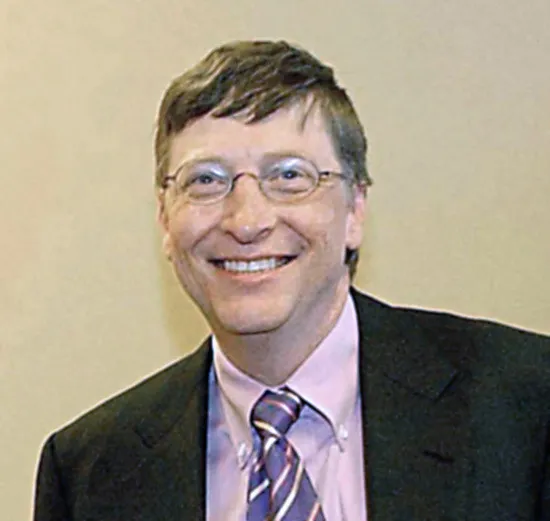
The Boy at the Teletype
A magazine cover showed a microcomputer. He left Harvard to write software for it. Windows sat on the world's desks. Then he tried to spend the fortune on children he would never meet.
In January 1975, a magazine cover changed Bill Gates's life.
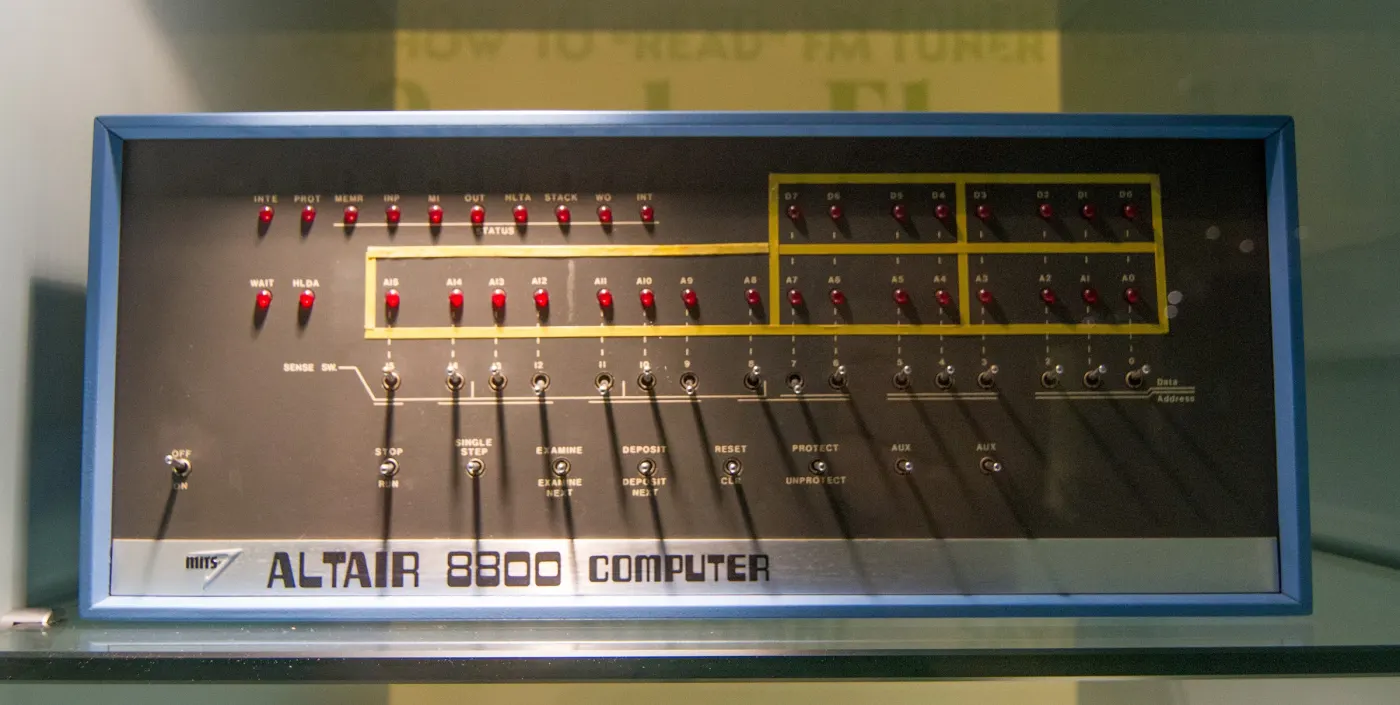
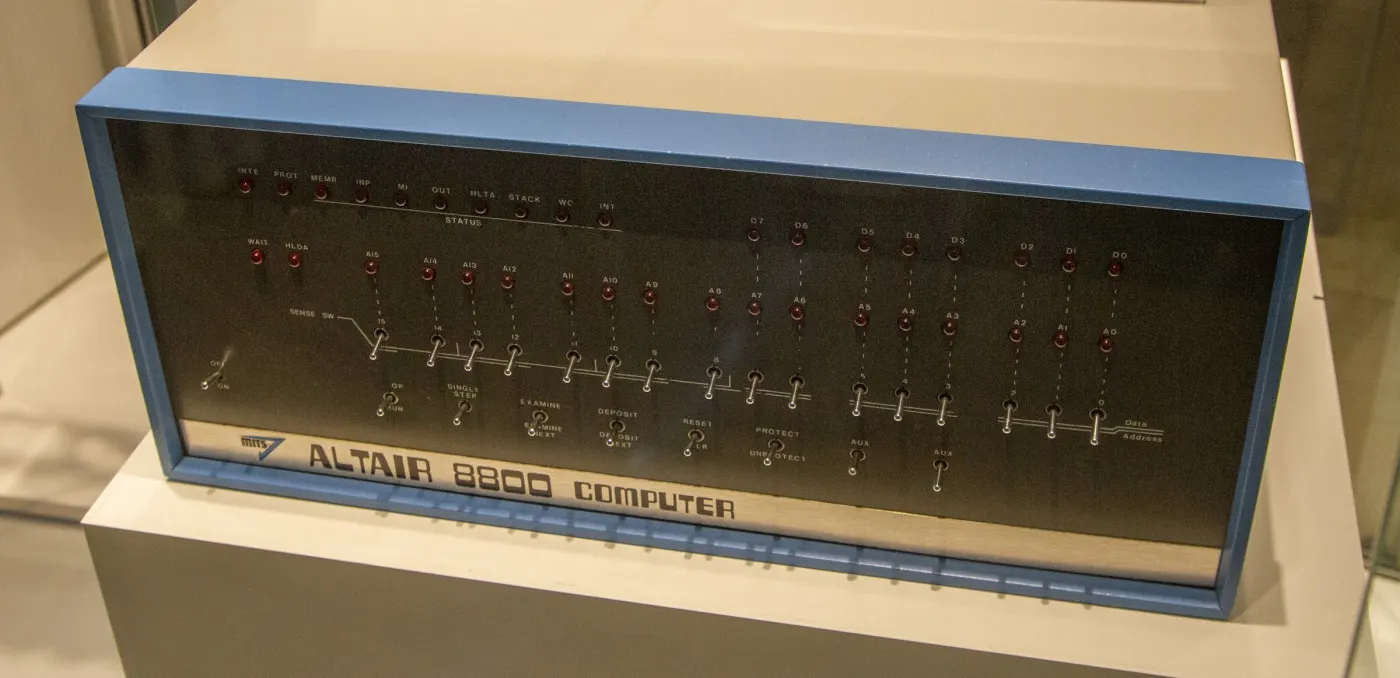
Popular Electronics featured the Altair 8800, a build-it-yourself microcomputer. Gates and his friend Paul Allen saw the future in that box of switches and lights. Software would matter as much as hardware. They decided to write a BASIC interpreter for the Altair before someone else did.
Gates was still a student at Harvard. Allen was working nearby. They coded hard and soon had a deal with the Altair's maker in Albuquerque. Gates left Harvard. Microsoft was born.
That leap looks legendary now. It did not look safe then. Most people had never seen a personal computer. Hobbyists expected programs to be shared like recipes. Gates argued that software should be a business. The argument made enemies. It also made an industry.
Decades later the same man would be less famous for Windows than for a foundation that spends on vaccines, farms, and schools. In 2026 he was still among the richest people on Earth, even after giving away tens of billions, and he had set a public clock: close the Gates Foundation by the end of 2045 and spend an extra $200 billion doing it. The path from the Altair to that clock was not a saint's tale. It was a power story that turned toward repair.
A Seattle childhood and a terminal that felt like magic
William Henry Gates III was born on October 28, 1955, in Seattle, Washington. His father was a lawyer. His mother, Mary, was active in community work and later on corporate boards. The family valued reading, debate, and ambition.
As a boy Bill raced through books. He could seem distant. His parents worried he might withdraw, so they moved him to Lakeside School, a private school in Seattle. There he found peers who loved ideas as much as he did. He also found Paul Allen.

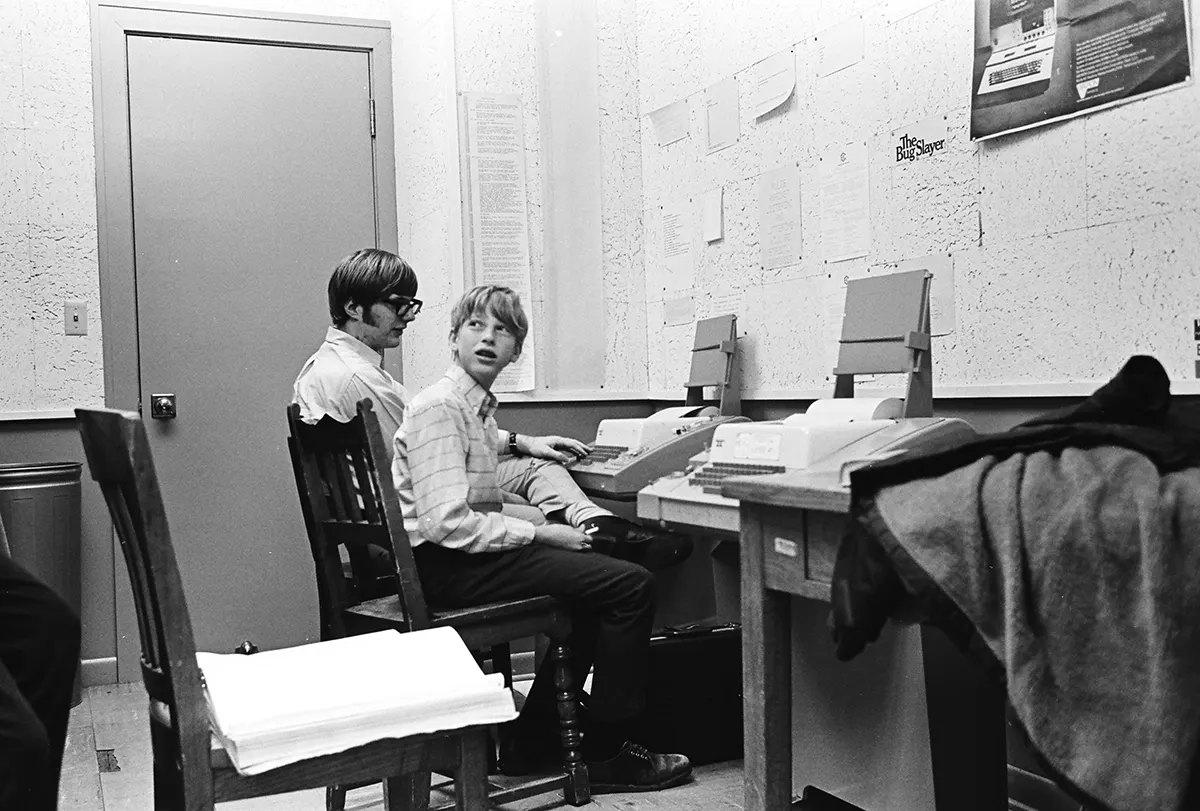
Lakeside got computer time through a teletype linked to a remote machine. The Mothers' Club helped fund access. Gates and friends haunted that terminal. They wrote games and tools. They learned that code could create worlds, and that bugs could ruin nights.
They also learned business early. They formed a small venture to analyze traffic data. Gates discovered he liked negotiating as much as programming. The combination would later scare competitors. A programmer who also liked the contract was a new kind of opponent.
School was not only computers. Gates was competitive in a way that could look rude. He wanted to be right. He wanted to finish. Friends learned that an argument with him was a sport. That sport later showed up in product reviews that could leave people shaking.
Harvard, then Albuquerque
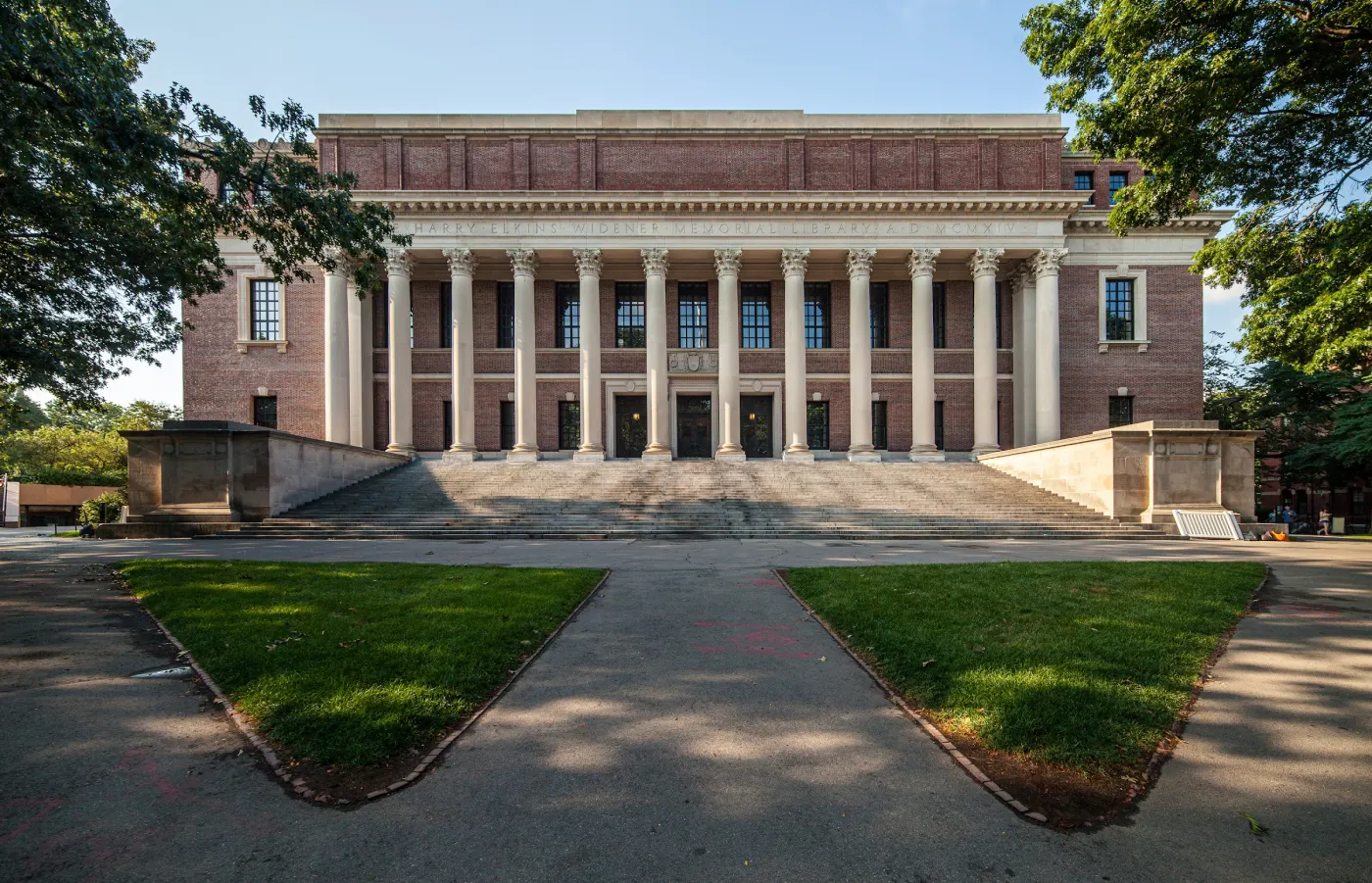
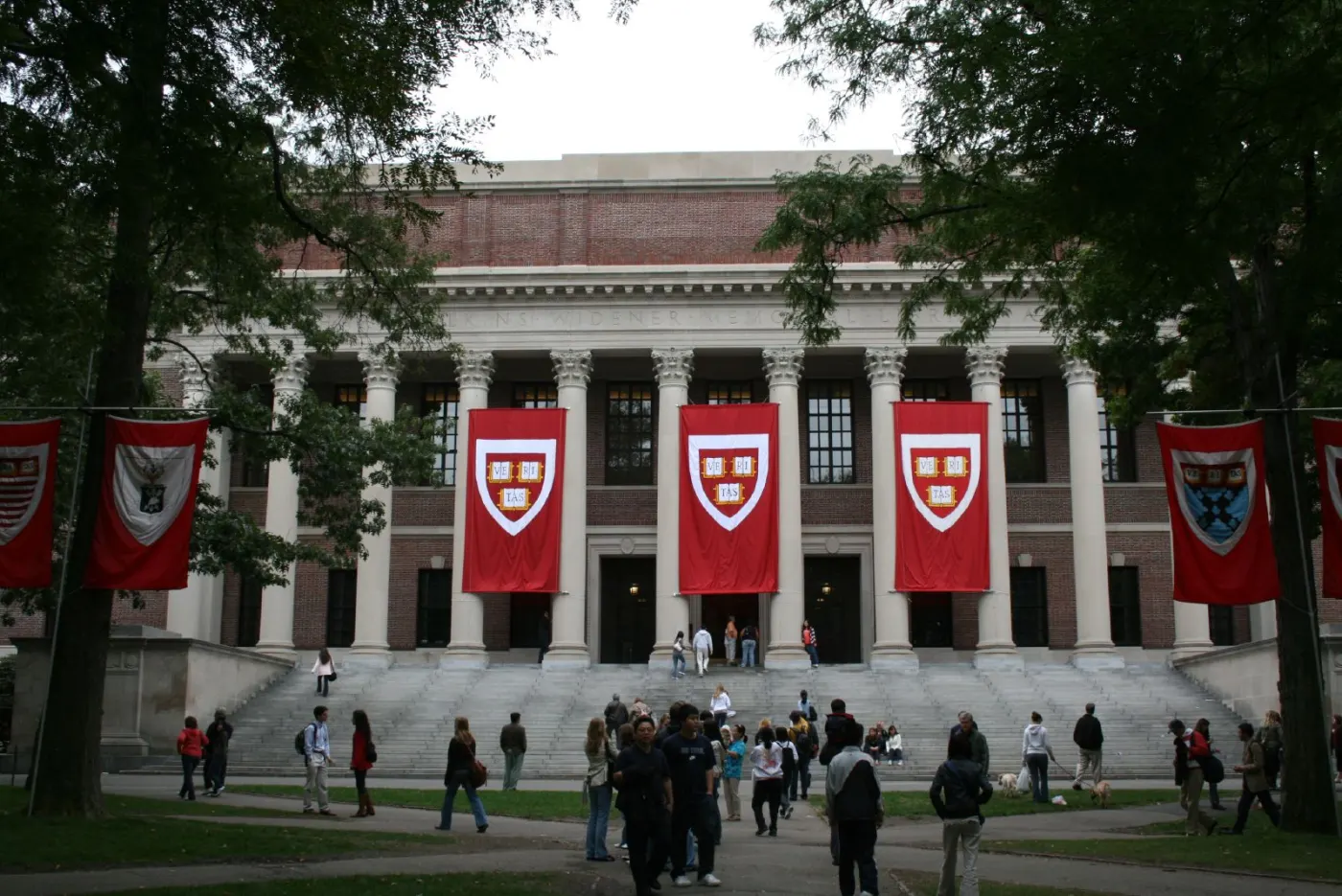
Gates entered Harvard in 1973. He took hard math and computer classes. He also spent long hours in computing labs. The Altair news pulled him out of the ordinary college path.
Allen and Gates moved the young company toward Albuquerque, where MITS built the Altair. The early Microsoft team wrote software for a machine most people had never seen. Money was tight. The work was intense. Gates gained a reputation for toughness in deals and for living inside problems until they cracked.
Albuquerque was not glamorous. The team wrote code in cramped spaces and argued about contracts. Gates insisted on protecting software rights when many hobbyists still expected programs to be free. That stance made enemies and also made a business model.
He wrote an open letter to hobbyists that scolded them for copying software. The letter is still quoted as the moment software stopped being a gift and started being a product. Whether one likes the tone, the logic was clear. If nobody pays, nobody writes the next version.
In 1979 Microsoft moved to the Seattle area, closer to home and to growing talent. The personal computer industry was about to explode.
The IBM deal that changed everything
In 1980 and 1981, IBM needed an operating system for its new personal computer. Microsoft arranged to provide one, adapting licensed work into what became PC-DOS and MS-DOS. The key business twist mattered as much as the code: Microsoft could license the software to other computer makers too.
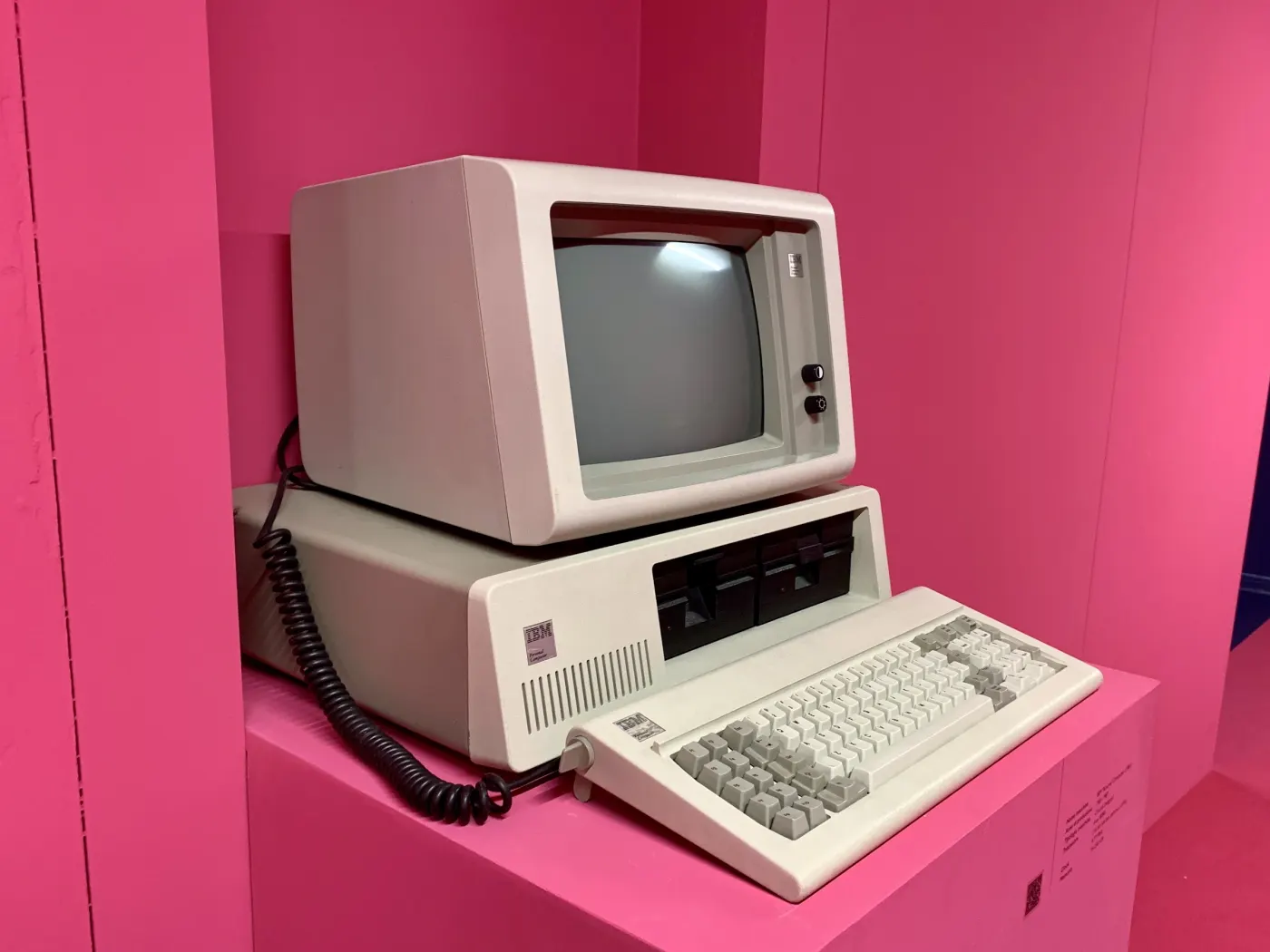
When clones of the IBM PC flooded the market, they needed compatible software. MS-DOS spread like a standard. Microsoft's revenue scaled with the whole PC industry, not just one brand. IBM had thought the machine was the product. Gates had thought the software layer would outlive any one machine.
That insight is the hinge of the Microsoft fortune. Hardware makers raced each other on price. Microsoft sat in the middle, collecting a license as the market grew. Developers wrote for DOS and then Windows because customers had it. Customers bought it because developers wrote for it. The circle made competitors feel like they were running uphill.
Windows came next. Early versions were awkward. Windows 3.0 and then Windows 95 made graphical computing mainstream for offices and homes. Office applications like Word and Excel became defaults in business.
Gates became famous as the intense young
CEO who competed hard, shipped products, and accumulated extraordinary wealth as Microsoft's stock rose. The Rolling Stones played at the Windows 95 launch. The product was not only code. It was a cultural event that put a Start button into daily life.
Once MS-DOS and then Windows sat on most PCs, Microsoft's power came from ecosystem gravity. Gates understood platforms early. He pushed for APIs, tools, and partnerships that made Microsoft software the default layer between silicon and user. Office locked in workplaces with files, macros, and training. Leaving meant switching costs measured in months of pain.
Windows did not win because the first versions were perfect. It won because Microsoft kept iterating while controlling distribution through PC makers. Each release fixed pain from the last. Critics mocked early Windows. Offices eventually standardized on it anyway.
Office became the quiet empire inside the empire. Word documents and Excel sheets became the language of work. Once a company stored years of files in those formats, switching costs rose. Gates understood lock-in as a product design outcome, not only a legal one.
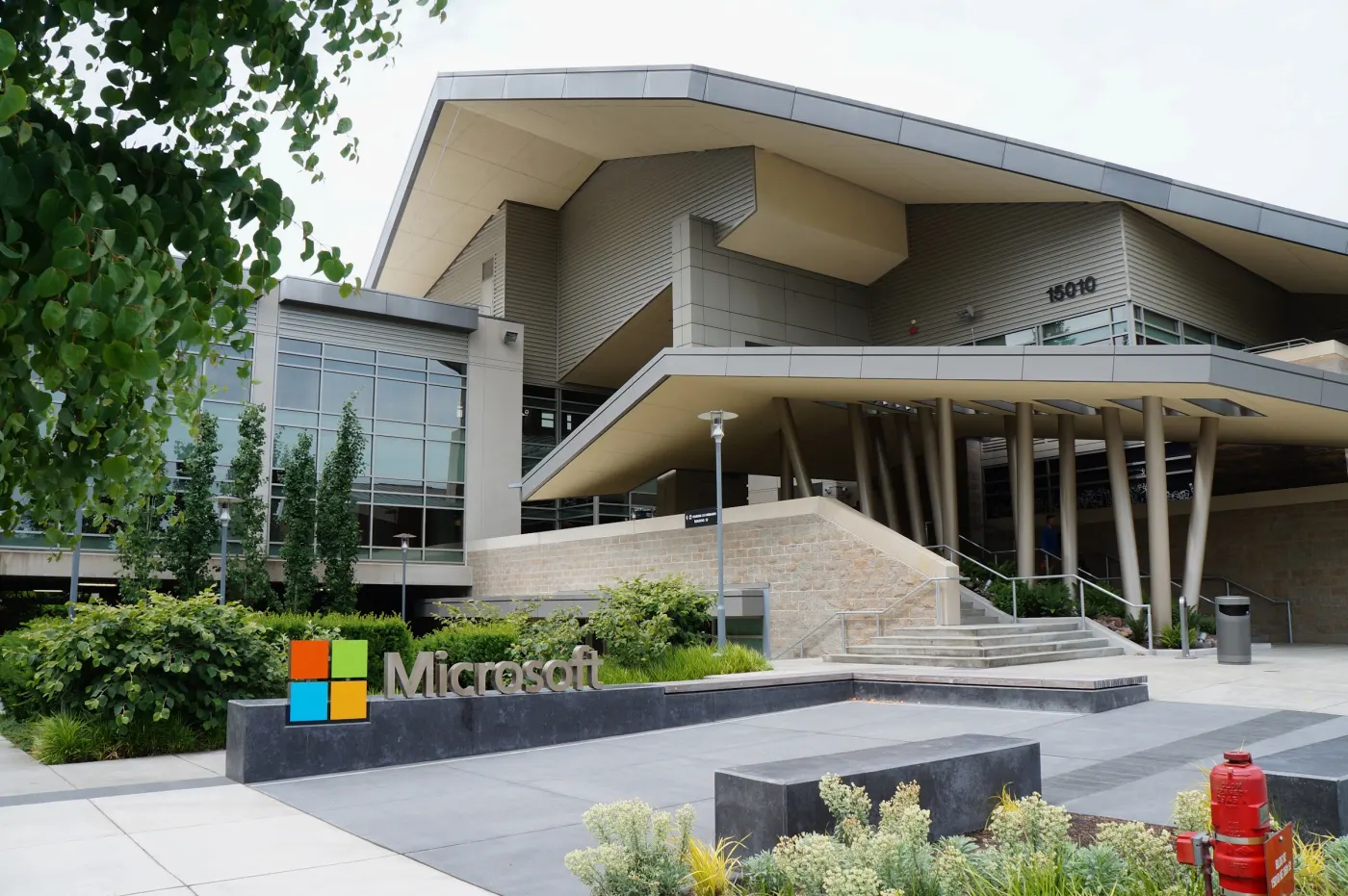
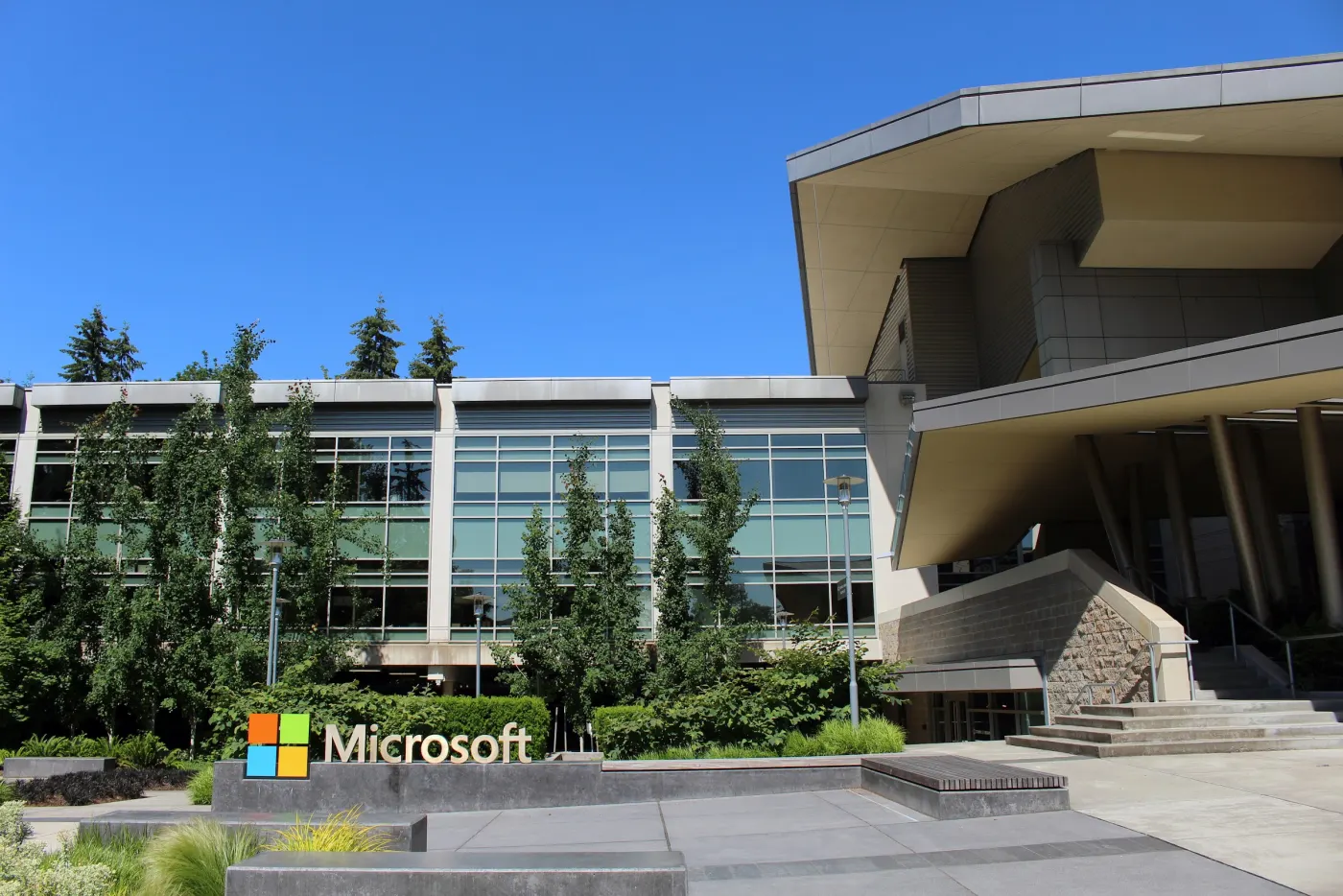
When Microsoft moved to Bellevue and later Redmond, the company began hiring at a pace that felt reckless to outsiders. Gates interviewed aggressively. He wanted people who could think in systems and ship. The campus grew into a city of developers, testers, and product managers.
Antitrust storm and personal cost
Success invited scrutiny. In the 1990s the U.S. government and others accused Microsoft of using its Windows monopoly to crush browser competition, especially Netscape. The antitrust case became a public drama. Gates gave videotaped testimony that many viewers found evasive. A trial court initially ordered a breakup. Appeals and a settlement softened the remedy, but the fight scarred Microsoft's reputation and distracted the company for years.
Inside Microsoft, the browser war and the rise of the internet forced a hard turn. Gates wrote a famous memo about the internet tidal wave. The company poured effort into Internet Explorer and online services. Critics said Microsoft was late. Gates treated lateness as a problem to crush with resources and focus.
The personal cost showed in his calendar. He was known for think weeks in a cabin with stacks of papers. He was also known for harsh reviews in meetings. Employees feared and respected the same edge.
During the antitrust years, Gates's public image hardened. Editorial cartoons drew him as a monopolist. Employees felt under siege. Yet inside the company, teams still shipped Windows XP and later products that millions used daily.
He was a fierce competitor. Microsoft's tactics in the browser era drew legal fire because the company mixed operating-system dominance with distribution power. Even people who admired the products disliked the hardball. Gates learned that public trust can lag private success.
Stepping back to give away wealth
In 2000, Steve Ballmer became CEO. Gates shifted toward software architecture and then toward philanthropy. With Melinda French Gates he built what became the Bill and Melinda Gates Foundation, later called the Gates Foundation. The foundation poured billions into global health, vaccines, education, and U.S. schools.
Polio eradication, malaria research, and pandemic preparedness became signature themes. Gates argued that the lives of children in poor countries should count as much as lives in rich ones when budgets are set. He used data, celebrity attention, and partnerships with governments to push that claim.
Leaving the CEO seat did not mean leaving intensity. Gates brought the same quantitative habit to philanthropy. The foundation funded vaccine research, agricultural improvements, and school experiments. Some efforts worked brilliantly. Some drew criticism for top-down design. Gates kept publishing letters that admitted what failed and what needed more time.
He argued that markets alone will not solve diseases of the poorest. Public goods need intentional capital. That claim put him in endless debates with economists, activists, and governments. The debates mattered because the budgets were huge and the outcomes were measured in human lives.
He and Melinda announced their divorce in 2021 after 27 years. Foundation leadership changed over time. Gates continued as a central figure in large-scale philanthropy and later as sole chairman of the foundation.
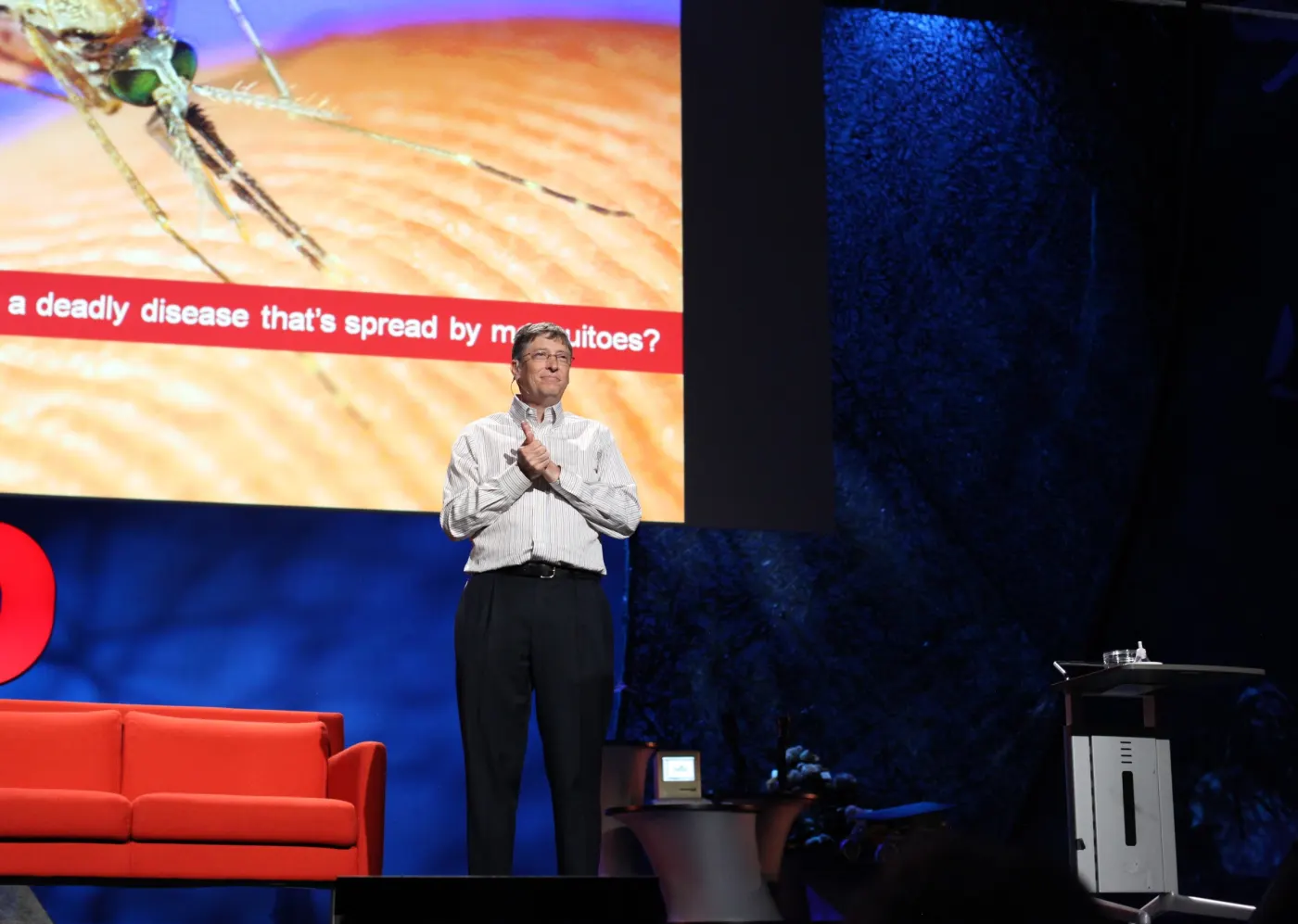
In 2015, years before COVID-19, he gave a TED talk warning that the world was not ready for a pandemic. He used the 1918 flu as a model. He asked for stronger health systems. When a real pandemic arrived, the talk looked prophetic. It also became a magnet for conspiracy theories he did not earn. The episode showed both the power and the cost of being a famous nerd with a microphone.
Details that made the early Microsoft years work
The Altair deal was only a start. Microsoft wrote languages and tools for whatever machine would pay. Gates treated the exploding hardware zoo as a distribution opportunity. If your BASIC ran on more boxes, your brand became the default brain of the hobby.
He was young and often blunt in rooms with older men. That bluntness could look like arrogance. It also meant he did not wait for permission from East Coast computer makers who still thought software was a free extra.
When IBM came calling, Microsoft did not even own the operating system it first planned to offer. The company licensed QDOS from Seattle Computer Products, adapted it, and then made sure the contract with IBM left room to sell to others. The details of that sequence have been argued for decades. The outcome is not in dispute. Compatible PCs needed a compatible OS, and Microsoft sat on the license.
Rivals such as Lotus and WordPerfect owned applications before Microsoft did. Gates did not treat that as fate. He funded Word and Excel, copied good ideas, and used Windows distribution as a wedge. Application wars were as fierce as OS wars. By the mid-1990s Office was the suite most offices could not imagine leaving.
The internet wave almost flipped the table. Netscape made the browser feel like the new OS. Gates's tidal-wave memo was a founder yelling at his own giant. Internet Explorer was bundled. The courts called that bundling a weapon. Users just called it the blue E. Both descriptions can live in the same his
tory.
Xbox, later, showed Microsoft could enter living rooms, not only offices. Gates was not the face of every later product. The platform habit he installed made those later bets possible. A company that already sat on desks could try TVs, phones, and then cloud.
Public fights, private reading lists
Gates used his fortune as a megaphone. He could get presidents in a room to talk about malaria. He could get drug companies to cut prices for poor countries by guaranteeing purchases. That is power. Power invites a fair question: who elected him?
He has answered, in effect, that the world's poorest children do not have lobbyists, so someone with spreadsheets should show up. Activists have answered that development should be led by the people who live it. The foundation's later letters try to sound more partner than emperor. The money is still huge.
He also became a target in culture wars about vaccines, farms, and global institutions. Some attacks were conspiracy fiction. Some critiques were serious arguments about agricultural technology and influence. A documentary that cannot tell those apart is not a documentary. It is a fan letter or a hit piece.
Think weeks continued. Cabin. Stack of papers. Silence. Then a memo that tried to turn a messy field into a sequence of bets. That ritual is the through-line from Windows reviews to polio strategy.
How he works
Gates's method is not mystery. It is reading, arguing, and measuring.
He used think weeks to read stacks of memos and scientific papers. He liked being forced into quiet. That habit later shaped foundation strategy memos that read like engineering design docs: problem, metrics, interventions, risks.
He also learned to partner. The foundation worked with Rotary on polio, with drug makers on vaccines, and with governments on delivery systems. Philanthropy at that scale is logistics as much as generosity.
Friends say he still disappears into reading stacks. Critics say his wealth buys too much agenda-setting power. Both observations can be true while the foundation ships bed nets and supports vaccine campaigns.
At Microsoft he was known for asking questions until a presenter's logic cracked. At the foundation he is known for charts. The style is the same. Find the bottleneck. Fund the bottleneck. Check if the curve moved.
He writes books. He writes annual letters. He treats public communication as part of the product. The product, in the second career, is attention pointed at diseases and schools that markets underfund.
What the world changed because of the work
The wealth story is loud. The impact story is larger and more mixed.
Before Microsoft scaled, personal computers were hobby kits and office curiosities. After MS-DOS and Windows, a common software layer let offices share files, schools teach typing, and a generation learn to work in windows on a screen. That standardization created huge wealth. It also created a single point of failure and a single point of power. Antitrust was the bill for that power.
Office changed work itself. Spreadsheets let a junior analyst model a company. Word documents became how governments and firms remember what they decided. Those formats still haunt migrations decades later. Lock-in is a form of world change, even when it is frustrating.
The foundation's world change is counted in different units. Polio cases fell in countries where campaigns ran for years. Vaccine programs, bed nets, and agricultural research moved numbers that do not show up in a software license. Critics argue that big philanthropy can distort local priorities. Supporters argue that waiting for perfect politics would leave children unprotected. Both arguments sit on the same ledger as the dollars.
When people open a laptop, they still touch ideas Microsoft normalized: windows on a screen, files in folders, apps that talk to cloud services. When health workers track vaccine campaigns, they sometimes touch systems and funding Gates helped push into existence.
U.S. education bets were harder. The foundation spent heavily on school reform and later admitted that some big ideas had not delivered as hoped. That admission matters. A second career built on data has to publish the misses too.
Climate and agriculture became later pillars. Smallholder farmers face weather that is less predictable than old almanacs. The foundation's answer has been seeds, data, and money aimed at adaptation, not only at speeches. Whether one agrees with every crop bet, the frame is the same Gates frame: find a measurable bottleneck and fund it.
Work itself changed shape. A manager in Nairobi and a manager in Nebraska could share the same spreadsheet language. That common tongue is easy to forget because it became weather. Before it was weather, it was a fight among WordPerfect, Lotus, and a young company in Redmond that refused to stay in languages.
Schools put kids in front of Windows machines and called it computer literacy. That had a democratic promise and a narrowness. Literacy meant Microsoft literacy. Later the web loosened that grip. Then phones loosened it more. The platform did not vanish. It moved into the background as Office 365 and Teams, still collecting rent on attention at work.
In global health the change can be felt in a cold chain. Vaccines need refrigeration, trucks, trained hands, and governments that keep showing up after the cameras leave. Gates money did not replace those systems. It tried to stiffen them. Rotary volunteers, ministries of health, and local nurses did the walking. A fair story gives them the miles and still admits that a billionaire's check can buy the fuel.
Malaria nets are unglamorous. So are latrines and nutrition programs. The foundation's taste for unglamorous metrics is the adult version of the kid who liked the terminal more than the football field. He still prefers a graph to a slogan.
Pandemic preparedness is unfinished. COVID-19 proved both that warnings can be right and that the world can still improvise badly. Gates spent the years after 2020 arguing for faster vaccine manufacturing and better surveillance. Critics said he had too much say in a public emergency. The tension is the point. Private fortune collided with public health, and neither side will forget it.
U.S. education remains the humbling chapter. Small class-size theories, teacher evaluation fights, and curriculum bets did not yield a clean Windows-style standard. Kids are not operating systems. Gates has said as much in later letters. The 2026 plan still includes U.S. schools, with more caution and with AI as a new tool rather than a magic patch.
Agriculture sits at the climate hinge. A farmer with a drought-resistant seed is not a software user. The foundation's $1.4 billion climate-agriculture pledge at COP30 tries to make adaptation as real as a license key. If the work fails, the failure will show up as hunger, not as a missed earnings call.
The 2026 chapter: a clock on the fortune
By 2026 Gates was no longer the face of Microsoft's daily product fights. He had left the Microsoft board in March 2020. Forbes has estimated his remaining Microsoft stake at less than 1 percent after large donations of shares. The majority of his fortune now sits in Cascade Investment, a holding company built from Microsoft stock sales and dividends, with stakes across public companies such as railroads and industrial firms.
Net worth estimates in 2026 clustered around $110 billion to $116 billion depending on the list and the day. Bloomberg around mid-September 2026 put him near $114 billion. Forbes real-time snapshots in late August sat near $110 billion. The number moves. The mechanism is clearer: a diluted software stake plus a diversified investment machine, minus decades of giving.
The giving is the new operating system. Forbes has noted donations of more than $59 billion to the foundation. In May 2025 Gates announced that the foundation will shut down in 20 years. The 2026
Gates Foundation annual letter put the plan in hard language. Close the doors by December 31, 2045. Spend an additional $200 billion, described as about double what the foundation spent in its first 25 years. Focus the last two decades on maternal and child health, nutrition, infectious disease, agriculture, and U.S. education.
Over 70 percent of funding, the letter said, focuses on the first two goals, a share likely to grow. In 2025 the foundation made a $2.5 billion commitment to women's health research in five underfunded areas. At COP30 it committed $1.4 billion over four years to help smallholder farmers adapt to climate change. It also described at least $1 billion over two years for AI tools in health, education, agriculture, and digital infrastructure.
The 2045 clock is a bet that the problems the foundation was founded to tackle can be solved on a human timeline, not parked in perpetuity. It is also a bet against the usual fate of giant foundations: living forever as bureaucracies. Whether the deadline holds will be a later documentary. The announcement itself already changed how other donors talk about sunsets.
Microsoft, the first empire, kept compounding without him in the CEO chair. Cloud computing and then AI tools turned the old software company into infrastructure again. Gates remains an adviser voice around the industry and a full-time public advocate on health and climate-related innovation funding. He writes. He talks. He funds. The second scoreboard is case counts and farm yields, not Windows share.
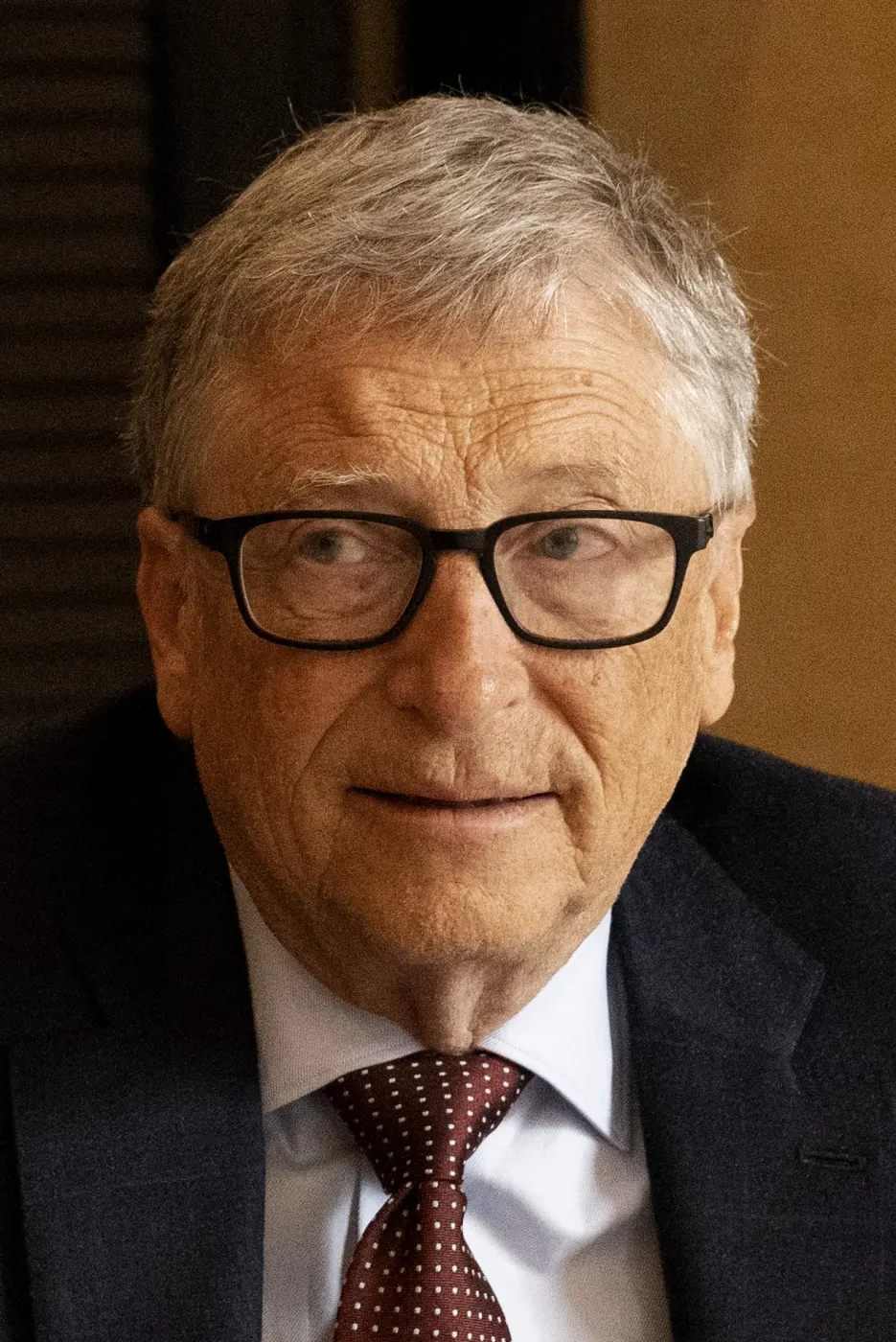
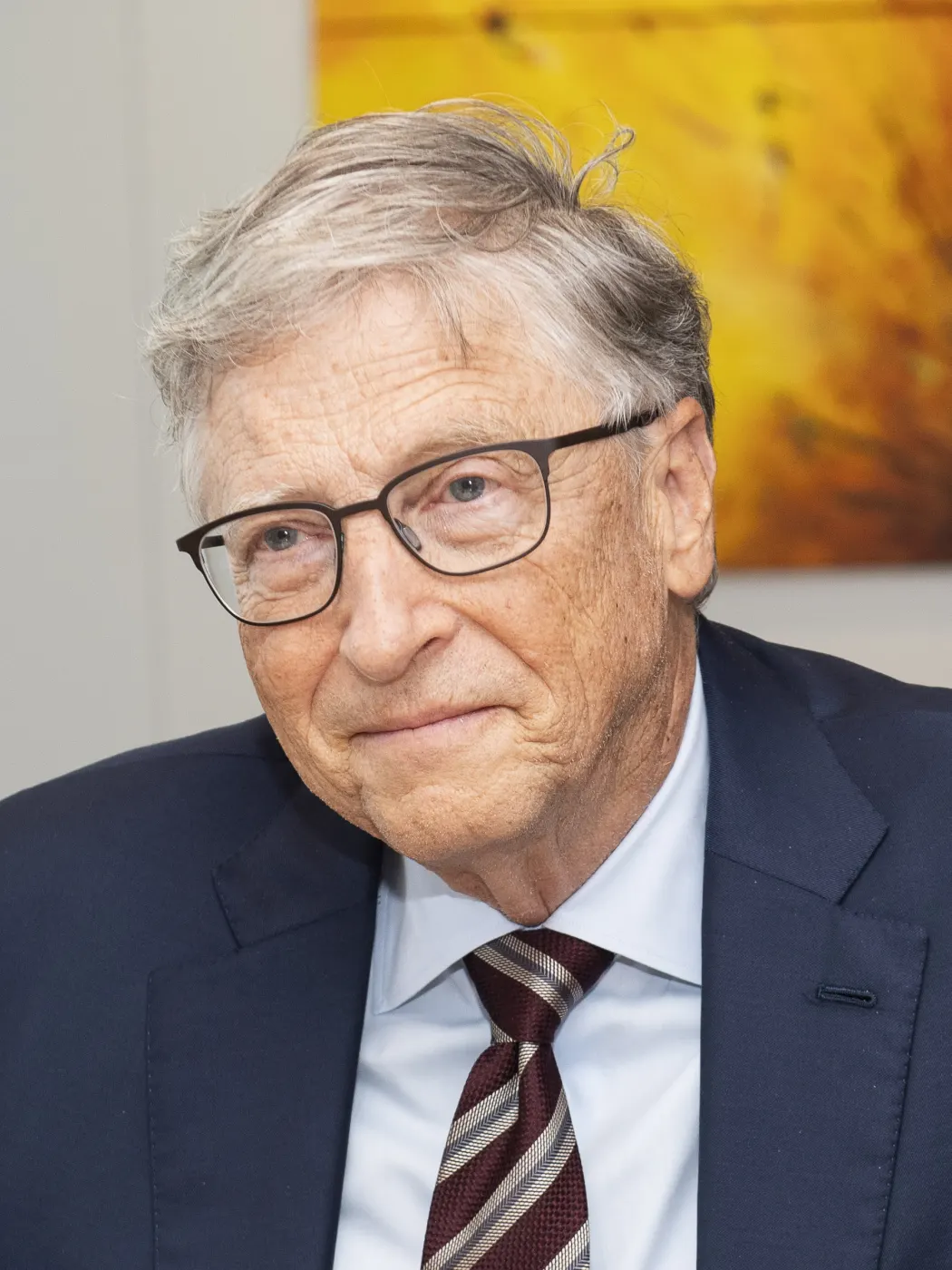
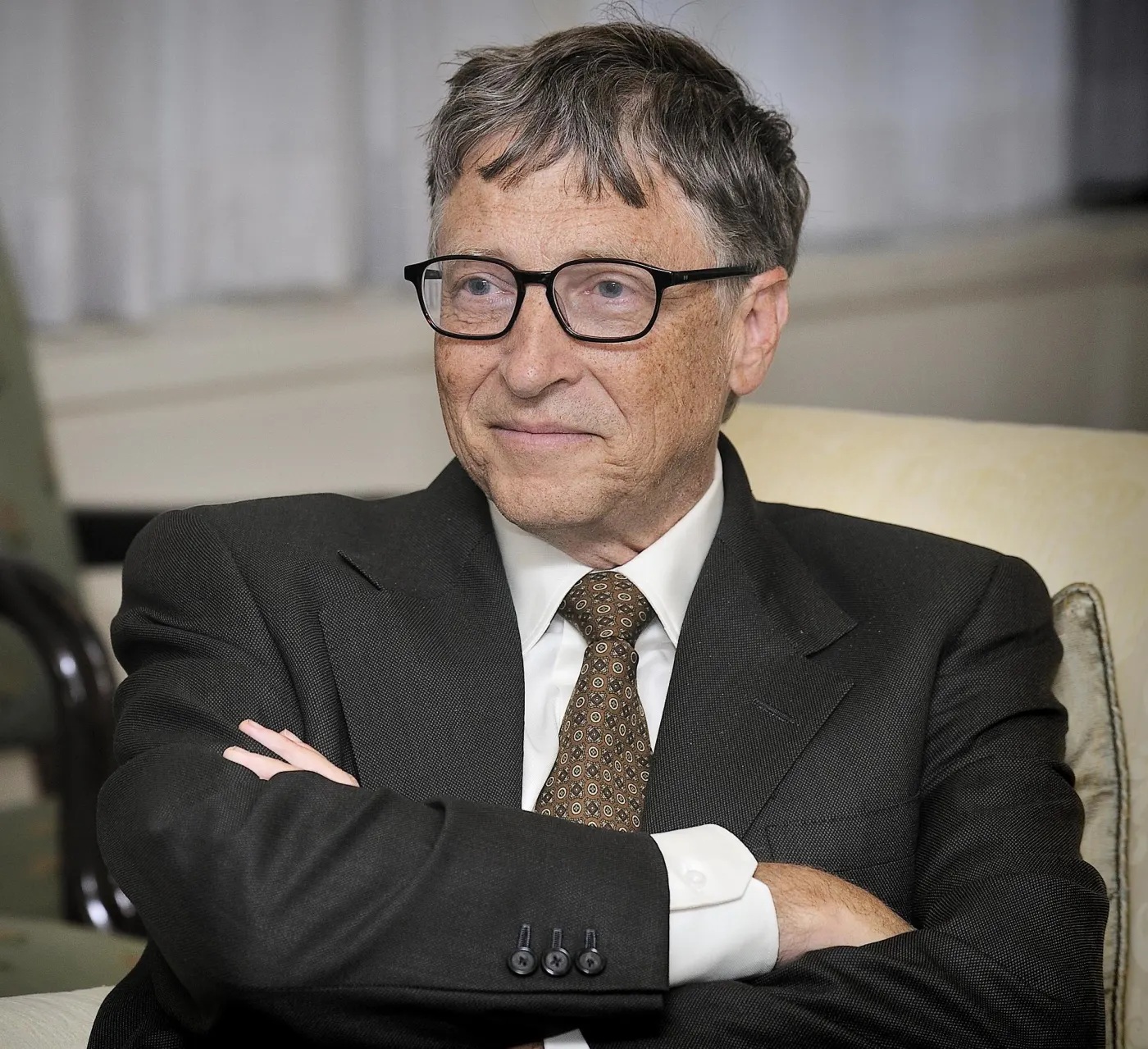
He told Harvard graduates in 2007 that his biggest regret was how little he had seen of inequity while he was a student racing through labs. The speech tied the dropout story to the foundation story. It was also a confession: success can narrow your field of view until someone forces you to look at a child who will never buy your product.
Cascade Investment is the quiet machine behind the later fortune. Microsoft dividends and sales became railroads, farm equipment, and other unfashionable assets. The nerd who once bet only on software learned to bet on physical networks too. That mix is why his net worth can stay huge even after a small Microsoft residual.
The 2045 close date is a management choice with moral theater attached. A foundation that must spend down cannot hide in endowment forever. Staff will have to pick fewer fights. Partners will have to plan for a world without that particular check. If the plan holds, Gates's last product is a sunset, not a monument.
Where he is now
Gates remains a public teacher with a private reading list. He is no longer the young monopolist in the cartoons. He is not a retired saint either. He is a man who built a platform the world could not easily leave, then tried to spend the resulting power on problems markets skip.
Paul Allen died in 2018. The Lakeside friendship that started the company is now history. The company is not. The foundation is not. The argument about how much one fortune should steer global health is not.
Why the story matters
Gates's life connects three chapters that usually stay separate: the hobbyist computer boom, the creation of software platforms that standardise whole industries, and the attempt to spend fortune on measurable global health gains.
The Altair cover created urgency. The IBM license created scale. Windows and Office created daily dependence. Antitrust created a reckoning. The foundation created a second career with different scoreboards: disease case counts instead of market share.
For builders, one lesson is timing plus ownership. Gates and Allen moved before the PC market was obvious, and they structured deals so their software could ride every compatible machine. Another lesson is reinvention. When the internet threatened Microsoft, Gates forced the company to turn. When CEO life no longer fit, he turned again toward vaccines and classrooms.
He was not a gentle competitor. He was not always right about product taste. He was persistent, quantitative, and willing to change the scoreboard he played on. That combination built a software empire and then tried to bend part of that empire's wealth toward children who would never buy Windows.
He still shows up with slides about toilets, cows, and nuclear innovation, topics that make tech keynotes look glamorous. That is a tell. He is not chasing applause from developers anymore. He is chasing bottlenecks that smell like sanitation and fertilizer.
Microsoft without Gates as CEO proved the first platform could outlive the founder. The foundation with a 2045 close date is an attempt to make the second platform refuse to outlive its purpose. One empire wanted to last forever on every desk. The other empire wants to finish.
The boy at the Lakeside teletype wanted to make the machine do something new. Decades later, the same restless focus shows up in charts of polio cases and malaria nets. The tools changed. The intensity did not.
Picture a Lakeside terminal glowing at night. Picture a young Gates on a plane to Albuquerque with code that had to work on real hardware. Picture a courtroom and a video screen during antitrust. Picture a foundation warehouse of vaccine supplies destined for countries most tech founders never visit.
The scenes explain why Gates is hard to summarize with one label. Programmer. Executive. Defendant. Philanthropist. Each role grew from the previous one's tools and wounds.
Stand in 1975 and the ending looks impossible. Stand in 2026 and the beginning looks inevitable. Both feelings are traps. The real documentary is the middle: the letter to hobbyists, the IBM license, the Start button, the deposition, the think week cabin, the TED warning, and a foundation with a closing date.
The boy who haunted a teletype learned that a scarce machine could become a business if you rented time and sold results. The man who haunted Redmond learned that a common OS could become a tax on an industry. The older man who haunts foundation charts learned that a vaccine campaign is also a logistics company.
He still likes to predict. Sometimes he is early, as with the pandemic talk. Sometimes he is wrong, as with some education theories and some product bets. The useful habit is not prophecy. It is updating the chart when the world refuses the first draft.
That is the story. Not a clean myth.
A last scene belongs in any honest Gates film. It is not a keynote. It is a warehouse of nets, a lab notebook, a government signature, and a spreadsheet that tries to count children who did not die. The scene is slower than Windows 95. It is also the only second act that makes the first act more than a monopoly story.
A long bet that first remade the desk, then tried to remake the ledger of who gets to live.
Watch alongside this story
Short cuts from interviews, keynotes and launches. Each plays only the moment that matters.