The Quiet Co-Founder Who Wired India for Carts
A Chandigarh kid Google would not hire. An Amazon engineer with nothing to do. Then a bookstore that taught India to click and wait for the doorbell.
The first Flipkart order did not arrive by magic. It arrived because two young engineers in Bengaluru refused to tell a stranger on the internet that the book was out of stock.
Late October 2007. The company was days old. The website sold books and almost nothing else. A customer often remembered in later tellings as V.V.K. Chandra clicked buy on a memoir called Leaving Microsoft to Change the World. In a city full of bookshops, that title was strangely hard to find. Binny Bansal and his co-founder Sachin Bansal (no relation) hunted distributors, dug through warehouses, and finally put the book in motion themselves. The promise was simple enough for a fifth grader to understand. You order. We find it. It shows up. If we said four days, we tried to beat four days.
That stubborn delivery became a company. The company became India's most famous online store. In 2018 Walmart paid about sixteen billion dollars for a majority stake. In 2023 Binny sold his last Flipkart shares. By August 2026 Forbes still listed him around one point four billion dollars. Between those numbers sits a quieter story: a sports-mad Chandigarh boy, two Google rejections, a dead-end Amazon desk, cash on delivery, a logistics army called Ekart, fashion wars, payment reboots, a painful resignation, and a second career teaching other founders how not to break while they grow.
Chandigarh, Class Four computers, and the IIT hostel
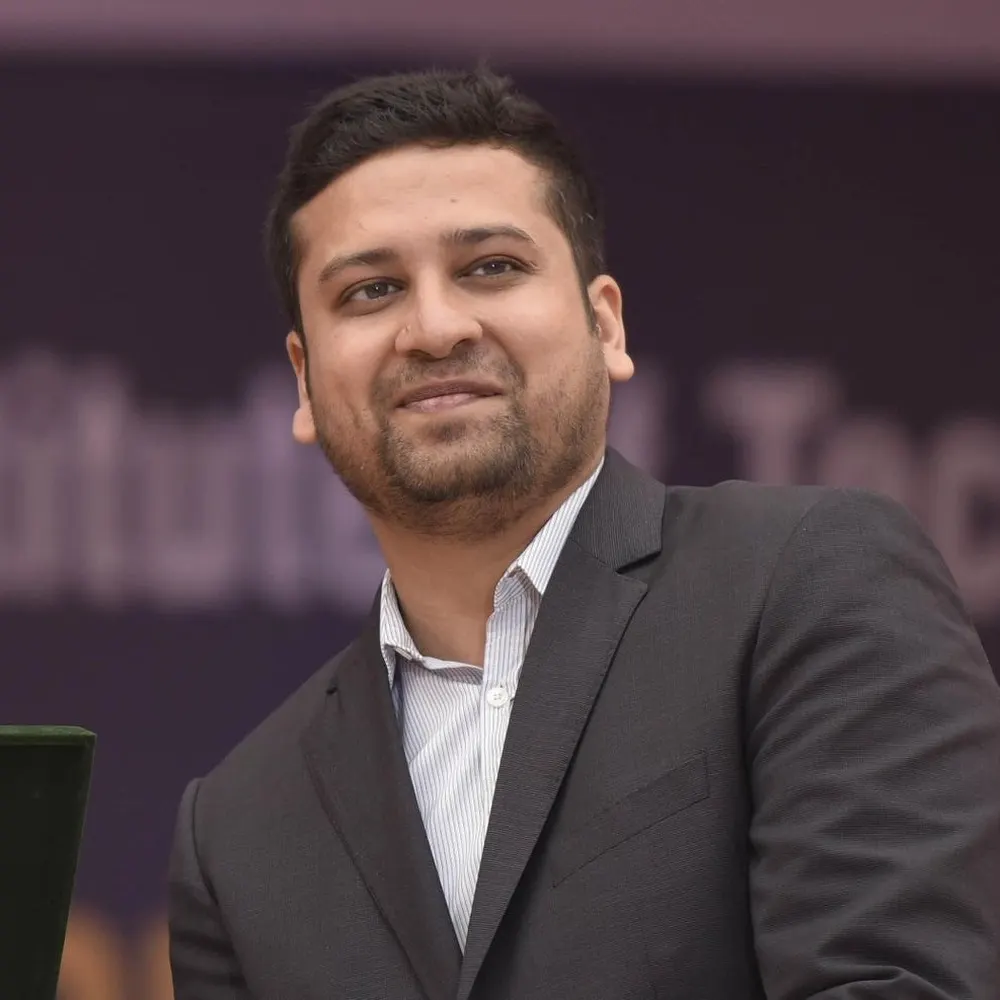
Binny Bansal grew up in Chandigarh, the planned north Indian city of grids and open sky. In public talks he has said his early years belonged to sports and athletics. School felt average until computers arrived around Class Four. The machine changed the plot. Curiosity moved from the field to the screen. The boy who had been fine-but-not-famous in class suddenly had a reason to grind.
That grind carried him into the Indian Institute of Technology Delhi for computer science. He graduated in 2005. IIT hostel life, he later told Accel's Anand Daniel, ranked among the best stretches of his life. In Shivalik and on campus he crossed paths with people who would mark Indian internet history. Sachin Bansal, another Chandigarh name on a different family tree, became a friend and later a co-founder. Rohit Bansal, who would help build Snapdeal, was a batchmate and early buddy. He also met Trisha, who became his wife.
IIT did not hand him a script for ecommerce. It handed him proof that hard problems yield to focus, and that the right peers matter more than polish. India in 2005 still treated "startup founder" as a rare and slightly suspicious job title. Most computer science graduates chased the safe logos: Google, Microsoft, the big product companies. Binny tried to join that parade.

Google says no, Amazon says nothing, and the reading begins
After college he spent about a year at Sarnoff working on computer vision software. The work had texture. Then he aimed at Google. He interviewed twice while based in Bengaluru, once near the end of 2005 and again around mid-2006. The first loop ran long, about eight interviews, and ended in a no. The second loop was shorter, about four interviews, and ended the same way. In a 2024 South Park Commons conversation he told the story with a shrug and a laugh. The first thing that pushed him toward founding, he said, was that Google did not hire him.
Sachin was already inside Amazon's Bengaluru world and referred him. Binny joined Amazon toward the end of 2006. He expected intensity. He found emptiness. In his telling, the job felt like a twelve-to-five shift. He would reach the office near noon, surf the web, eat lunch, play table tennis on the roof, drift to a coffee shop with friends, and go home. Two months of that rhythm was enough to scare him. People elsewhere lived inside nine-to-five pressure. He lived inside spare time that felt like a warning.
So he read. American startup blogs became a second education: TechCrunch, VentureBeat, Marc Andreessen's writing. India barely had a startup scene to copy. A handful of venture firms existed. A few founders were trying. Nothing yet looked like a movement. The blogs whispered another option. If Google would not hire him, and Amazon would not use him, maybe he should build.
Sachin came from a business family and already wanted a company. Both men shared boredom and a Chandigarh-IIT bond. The "minus one" phase started as a joint search for something worth doing, not as a polished pitch deck.
Comparison engines, bad catalogs, and a bookstore bet
Their first product ideas wandered. They looked at maps. They sketched a comparison shopping engine, the kind of tool that sends a shopper to the lowest price across sites. While building that lens, they stared at India's existing ecommerce pages and hated what they saw. Listings were messy. Trust was thin. Delivery was a shrug. Comparing bad stores, Binny later joked, had no point.
Doing ecommerce "right," in their early creed, meant three plain duties. Show the right item quickly. Deliver what was ordered. Own the problem when something broke. Books were the wedge. Books were easy to list, easy to source in theory, and easy to ship compared with fashion or phones. In October 2007 they quit Amazon, pooled roughly four hundred thousand rupees of savings (about six to eight thousand dollars in later retellings), and launched Flipkart from a small rented place in Koramangala.
The name itself was a compromise with the domain system. They wanted a name that suggested flipping through a catalog. Available domains shaped the final spelling. Frugality shaped the first year. Monthly burn could sit near fifteen to twenty thousand rupees. They persuaded only a couple of book distributors to share inventory at the start. They listed tens of thousands of titles anyway and learned supply the hard way, on foot and on two-wheelers.

First orders, bike logistics, and Accel's first check
The first real order turned founders into a courier company. When the John Wood memoir would not appear on any easy shelf, they refused to fail the customer. That story became Flipkart folklore because it encoded the culture: the website was a promise, not a brochure.
Volumes crept from a handful of orders a day toward a few dozen. Sachin leaned into demand: search, design, the public face of the store. Binny leaned into supply, technology, and the backend systems that kept promises honest. They hired slowly. For a long stretch they were the logistics team on alternating days. Courier partners learned that missed windows brought angry founders to the door.
In 2009 Accel India wrote the first serious institutional check, about one million dollars. Headcount and office count jumped. The company was still a bookstore in spirit, but the ambition was already horizontal. Books trained the muscle of trust. The next categories would test whether that trust could travel.
Electronics that would not sell, then cash on delivery
After books grew at a fierce month-on-month clip, the team opened electronics. For roughly half a year, electronics sales barely moved. Binny later told CNBC the mistake was assuming phones and gadgets would behave like cheap books. A ten-dollar paperback invites a small leap of faith. A three-hundred-dollar device does not. Customers did not want to pay online for a brand they barely knew. They wanted to touch the box, then pay.
Flipkart's answer was operational, not poetic. Cash on delivery. A thirty-day returns posture that felt radical in India at the time. Advertising that tried to make Flipkart a household name, including the later Flipkart "kids" campaigns that lodged in memory. And logistics under their own control, because third parties could not be trusted to collect cash and protect the experience.
Cash on delivery sounds simple. It is not. Someone must carry product and cash across chaotic cities, manage refusals, reverse logistics, and fraud. Building Ekart, Flipkart's logistics arm, began as necessity more than grand strategy. A small Koramangala team in 2010 became, within a year, a network measured in hundreds of cities and thousands of delivery staff. Reliability became a product feature you could hear at the door: the knock, the package, the option to pay in cash.
Once those pieces clicked, electronics did not crawl. In Binny's CNBC telling, the category and the broader business leapt on the order of ten times across a pivotal year around 2011. The company had found India's real checkout button: trust first, card later.
Warehouse wars, Amazon's shadow, and the capital treadmill
Indian ecommerce in the early 2010s was a land war disguised as a website war. Discounting burned cash. Investors paced the runway. Snapdeal, Jabong, and others crowded the field. Amazon opened its Indian site in 2013 and turned the fight global.
Flipkart raised again and again. Tiger Global became a defining backer. Naspers and others joined earlier rounds. Category expansion never stopped: media, mobiles, large appliances, fashion experiments. Big Billion Days turned shopping into a national event and also into a stress test for warehouses and support lines. Binny's public voice in those years stayed operational. He talked about touchpoints, reliability, speed, and staying agile even at scale.
Capital intensity forced hard choices. In a 2018 Code Commerce interview after the Walmart deal, Binny argued that the intervals and size of checks ecommerce demanded made a long-term, patient owner more rational than endless venture cycles. SoftBank's Vision Fund put about two and a half billion dollars into Flipkart in August 2017, a statement that the fight would be fought with heavy artillery.
Inside the building, roles shifted. Sachin and Binny were complementary and also human. They argued about strategy, including whether to buy Myntra. They shared a customer-first value line and split skills: Sachin more intuitive and demand-side, Binny more systems and supply-side, at least in Binny's later telling.
Myntra, fashion DNA, and three failed payment lives
Fashion humbled them. Flipkart tried to sell apparel the way it sold books and gadgets, then watched Myntra, founded the same year as Flipkart, pull ahead with fashion-native taste, private brands, and a different front end. After a stretch of near parity and a lot of internal debate, Flipkart acquired Myntra in 2014 for a price widely reported around three hundred million dollars. In Binny's later account, Myntra could serve fashion-forward shoppers while Flipkart covered value and convenience. He said Myntra's scale multiplied many times after the deal.
Payments were a longer bruise. Flipkart believed payments were strategic as early as 2012 or 2013. Early attempts, including efforts and acquisitions remembered under names like PayZippy and other experiments, did not stick. Market timing was wrong. Integration was wrong. Pride was expensive. In 2015 and 2016, when senior leaders left and began building what became PhonePe, Flipkart circled back, joined forces, and finally got a payments story that compounded. By the late 2010s PhonePe was no longer a side quest. It was a pillar of group value and a daily habit for millions of Indians paying with a phone.
The pattern matters more than any single brand name. Binny's Flipkart years were full of wrong first tries that became right second or third systems: electronics after COD, fashion after Myntra, payments after PhonePe. Persistence was not stubbornness alone. It was instrumented stubbornness. Look at the miss. Change the machine.
CEO years, founder-proofing, and Walmart's sixteen billion
In January 2016 Binny moved from chief operating officer to chief executive. In January 2017 he became group CEO while Kalyan Krishnamurthy took deeper charge of the core Flipkart retail engine. Binny talked later about making the company "founder-proof," installing strong CEOs across Flipkart, Myntra, and PhonePe so the organism could survive without a founder as daily hero.
May 2018 brought the headline that rewrote Indian startup history. Walmart agreed to buy roughly seventy-seven percent of Flipkart for about sixteen billion dollars, a deal framed as the largest of its kind in global ecommerce M&A at the time. Sachin sold his stake and exited. Binny stayed through the transition window, still on the board path, still publicly defending long-term investment against Amazon.
Why sell? Binny told CNBC that a public listing remained a future option, but Flipkart still needed several more turns of scale and durability. Walmart offered patient retail capital and a way to keep building. He also smiled at the obvious gravity of a check that large. Sixteen billion dollars is hard to romanticize and hard to refuse.

November 2018: allegation, investigation, resignation
On November 13, 2018, Binny Bansal resigned as chairman and group CEO. Flipkart and Walmart said an independent investigation had examined an allegation of serious personal misconduct. Binny strongly denied the allegation. The companies said the investigation did not find evidence to corroborate the complainant's assertions, but did find other lapses in judgment, especially a lack of transparency in how he had handled the situation. They accepted his resignation. Leadership continuity pointed to Kalyan Krishnamurthy and the wider bench.
This chapter must stay exact. It is not a courtroom verdict dressed as gossip. It is a corporate fact pattern: allegation, denial, investigation, partial clearance on the core claim, criticism on process and transparency, and a founder exit that stunned employees and the industry. Binny wrote to staff that the claim left him stunned, that the period strained his family, and that he would not let the storm become a lasting distraction for the company.
The Flipkart he left was no longer a Koramangala bookstore. It was a national marketplace with fashion and payments arms, locked in a structural fight with Amazon, now owned by an American retail giant. The boy who could not get a Google offer had helped build one of India's defining consumer internet companies. The ending of his operating chapter was abrupt and unfinished in the public imagination.

xto10x: fewer mistakes for a hundred founders
He did not disappear into silence. By late 2018 and into 2019 he was building xto10x (often written Xto10x), a company with former Flipkart colleagues aimed at the ugly middle of startup life: the stretch after product-market spark, when hiring, culture, process, and go-to-market start to crack. Binny had angel-invested since around 2012. He told CNBC he had personally backed dozens of companies and found more energy in helping founders than in forever CEO-ing Flipkart.
The thesis was blunt. Scaling mistakes rhyme across health, education, ecommerce, and B2B. Founders should not have to relearn every bruise alone. If xto10x could cut one hundred mistakes down to eighty, survival odds rose. The firm grew into a multi-year operating partner for growth-stage teams, with a Bengaluru center of gravity and a wider regional ambition.
Alongside it he invested through vehicles associated with Three State Ventures, with public mentions of companies such as Curefoods and Ather Energy. The portfolio life was not retirement. It was a different operating system: leverage through many companies instead of one logo on a visiting card.
Selling the last slice, then cutting the board cord
Even after 2018, Binny kept a minority Flipkart stake. In 2023 Walmart bought remaining slices from early investors and from Binny, in deals reporters tied to a Flipkart valuation around thirty-five billion dollars. Accounts of Binny's cumulative Flipkart proceeds commonly land in a one to one and a half billion dollar range across time. Exact private numbers stay soft; the public point is clear. The bookstore equity had become generational capital.
In January 2024 he resigned from Flipkart's board, ending formal ties with the Walmart-owned company. The newspaper line wrote itself: end of an era. For Binny it also cleared narrative space. He was no longer the co-founder still sitting in the old cathedral. He was a builder with fresh letterhead.
Opptra, 2025: brands across Asia with an AI spine
On March 12, 2025, he unveiled Opptra, describing it as an AI-driven platform and franchising-licensing partner to help consumer brands expand across Asian markets. The structure was a portfolio of category vehicles. Exporio focused on fashion and lifestyle brands moving into Gulf markets. Terraspan focused on home and kitchen brands entering India, the GCC, and Southeast Asia. More category companies for electronics, sports, baby care, and general merchandise were described as incubating.
Each vehicle was meant to act as a master franchisee or licensing partner with end-to-end muscle: adapt assortments, clear imports, run omni-channel distribution, manufacture when needed. Senior operators arrived from Amazon India, Flipkart, and Swiggy. Ranjit Babu, known for Amazon India electronics and Cloudtail leadership, joined to lead electronics and general merchandise. Binny's public line stretched past Asia: start here, aim later at brands from anywhere to everywhere.
Opptra sat downstream of a career spent wrestling physical goods across Indian pincode chaos. Franchising and licensing are trust and execution games. That is familiar territory for a founder who once measured success by whether a book arrived before the promised day.

How he works when the cameras leave
Across interviews, a working style repeats. Focus beats vanity breadth. Books before everything. Technology as the only credible path to one hundred times scale. A high talent bar, with founders interviewing early hires for years. Complementary co-founders who argue hard and share values. A willingness to install professional CEOs when the company outgrows founder heroics. Study trips to China in the early Flipkart years, because China's internet commerce rhymed with India more than Silicon Valley did.
He also speaks like an engineer of institutions. Customer trust is not a poster. It is COD networks, return windows, logistics SLAs, and support desks that answer. When electronics failed, he did not blame Indian shoppers. He redesigned payment and brand and delivery until shoppers could say yes.
After Flipkart, the same instinct turned outward. xto10x packages operating knowledge. Opptra packages market-entry execution. Three State style investing packages capital plus scars.
Money, power, and the 2026 scoreboard
As of August 25, 2026, Forbes listed Binny Bansal's real-time net worth around one point four billion dollars. The scoreboard is mostly Flipkart liquidity plus subsequent investments, not a public Opptra or xto10x valuation fairy tale. He appears at conferences as a elder of India's consumer internet generation, including an IFA Berlin 2026 speaker slot tied to Opptra.
In March 2026, IIT Delhi alumni networks celebrated him on campus as an exhibition hall bearing his name was inaugurated, a soft signal that the institute's story now includes the Flipkart co-founder who once could not clear Google's interview loop.
Flipkart itself, under Walmart, remains a central pillar of Indian ecommerce beside Amazon and the rise of quick commerce challengers. PhonePe's separate arc continues to shape digital payments. The Flipkart "mafia" of alumni founders, which Binny spoke about with pride, still seeds new companies. That diaspora may be one of his largest uncounted impacts: managers who learned to build for Indian reality and then built again.
What India looks like because Flipkart happened
Before Flipkart's rise, online shopping in India was a curiosity for a thin slice of users. After cash on delivery, prepaid fear eased. After Ekart-scale logistics, doorstep commerce felt normal in cities far from Bengaluru. After Big Billion Days, online sales became festival weather. After PhonePe and UPI-era habits, paying by phone stopped feeling like science fiction.
None of that was Binny alone. Sachin, thousands of Flipsters, rivals, regulators, and smartphone penetration all share the frame. Still, Binny's fingerprints are on the boring miracles: backend systems, supply discipline, logistics obsession, category learning loops, and the insistence that trust is an engineered object.
Amazon forced Flipkart to grow up faster. Walmart forced a capital resolution. Policy shocks, including ecommerce rules Binny criticized in 2019 for instability, kept the board game cruel. Through it all, Indian consumers gained a default assumption that a package can follow a click.
The unresolved human chapter
Living founders do not get marble endings. The 2018 resignation remains part of any honest account. So does the investigation's split finding. So does his denial. Readers can hold those facts without turning them into a pulp novel.
What followed was not a vanishing. It was a pivot into meta-work: scaling studios, investing, franchising brands across borders. In the South Park Commons conversation years later, he sounded less like a man re-litigating 2018 and more like a builder scanning India's next talent gaps, deep tech shortfalls, and the still unfinished ninety percent of ecommerce.
SoftBank, valuation theater, and the price of patience
By 2017 Flipkart was both a product company and a capital markets creature. SoftBank's Vision Fund check of about two and a half billion dollars did more than fill a bank account. It bought time. It also raised the scoreboard. Every subsequent conversation with employees, sellers, and journalists floated on that number.
Binny's job in those months mixed product judgment with investor psychology. Amazon was spending hard. Discounting could win a weekend and destroy a quarter. Category mix mattered: mobiles brought volume, fashion brought margin puzzles, grocery experiments taught humility. He argued for long-term ownership structures because ecommerce in India was still a low single-digit slice of retail. In the Code Commerce interview he put online's share near three to three and a half percent of relevant retail, a statistic meant to sober anyone who thought the war was over.
Patience capital was not a slogan. It was a reply to the treadmill. Venture rounds arrive with clocks. Retail owners can think in decades. That logic later made Walmart intelligible even to people who wanted an Indian public listing first.
Sellers, support desks, and the invisible middle
A marketplace is a city of strangers. Sellers want predictable payouts. Buyers want honest photos. Support agents want tools that do not lie. Binny's public talks return to those unglamorous layers. Technology, he said, should sit on every customer touchpoint rather than hide in a back office trophy case.
Flipkart's early decision to run its own logistics looked expensive to outsiders. From the inside it was how cash on delivery became possible at quality. Reverse logistics for returns was another quiet war. A thirty-day return promise is marketing until a warehouse can absorb the boomerang inventory without drowning.
The company also learned festival physics. Big Billion Days compressed months of demand into hours. Pages had to hold. Warehouses had to wave-pick through the night. Delivery maps had to flex. Those weeks taught managers who later seeded the so-called Flipkart mafia: people who had seen scale under fire and then went to found Udaan, Curefit, and dozens of other firms.
Binny spoke about those alumni with a builder's pride. Companies are schools. The alumni network is part of the yield.
Rivalry without romance
Amazon's India entry forced Flipkart to grow up in public. Press coverage loved the duel framing: home champion versus Seattle giant. Inside Flipkart the duel looked like pricing matrices, delivery SLAs, and seller poaching. Binny rarely performed hatred for the camera. He performed urgency.
Walmart's arrival reframed the duel again. Suddenly Flipkart had a parent that understood shelves and supply chains at planetary scale. Critics worried about foreign control of Indian digital retail. Supporters saw survival insurance. Binny's 2019 CNBC comments after the resignation still defended the strategic sense of the deal even while he navigated the personal wreckage of his exit.
He also warned that choppy ecommerce policy made life hardest for smaller startups, not for giants with legal teams. Stability, he argued, was itself a growth input. Whether one agrees with every regulatory take, the operational instinct is consistent: reduce chaos so builders can build.
Singapore days, angel checks, and the mentor calendar
Post-Flipkart life scattered across boardrooms and mentor slots. Profiles often place him in Singapore as a base while India work continued. He kept writing checks and taking calls. xto10x became the structured form of advice he had been giving informally for years.
The emotional shift is easy to miss if you only watch valuation headlines. At Flipkart he had already tried to make himself less central by installing CEOs. After Flipkart he completed that move. The protagonist became the coach. The field became many companies at once.
Some founders want a second consumer unicorn with their face on the homepage. Binny told interviewers he would rather help a hundred teams make fewer mistakes. That may sound like branding. It also matches a COO personality: systems over spotlight.
Opptra's bet on the hard yards of brand entry
Cross-border brand expansion looks glamorous in slideware. In practice it is customs codes, assortment edits, local taste, retailer negotiations, and working capital. Opptra's March 2025 launch pitched AI as a decision layer on top of those chores: which SKUs travel, which cities first, which franchise form fits.
Exporio into Gulf fashion and Terraspan into home categories were not random. They mirrored Flipkart lessons about category DNA. Fashion needs different merchandising than kitchenware. Electronics needs yet another muscle, which is why hiring Ranjit Babu made narrative sense.
If Flipkart was about teaching India to buy online, Opptra is about teaching brands to land in Asia without each one rebuilding the same airport. That is classic Binny: find repeated pain, productize the pipeline.
Numbers that still move, and numbers that never will
Forbes can quote one point four billion dollars on a Tuesday in August 2026. That number will flicker. What will not flicker is the first-principles chain that made him matter:
Google's no created a fork.
Amazon's boredom created reading time.
Bad Indian ecommerce pages created disgust.
Books created a wedge.
Cash on delivery created trust.
eKart created reliability.
Myntra created fashion literacy.
PhonePe created a payments redemption arc.
Walmart created an ending and a beginning.
xto10x created a teaching company.
Opptra created a second operating thesis for physical brands.
Living biography refuses a final moral. It offers a working pattern. Binny Bansal's pattern is to treat trust as infrastructure and infrastructure as the real product. The scooter at the door was never only a scooter. It was a contract with a country learning to believe a screen.
He still describes himself less as a visionary poet and more as an operator who likes clean loops: measure the miss, change the system, measure again. That loop built Flipkart's trust machine. That loop now sits underneath xto10x workshops and Opptra market launches. The tools change. The habit does not.
Koramangala rooms, table tennis, and the smell of cardboard
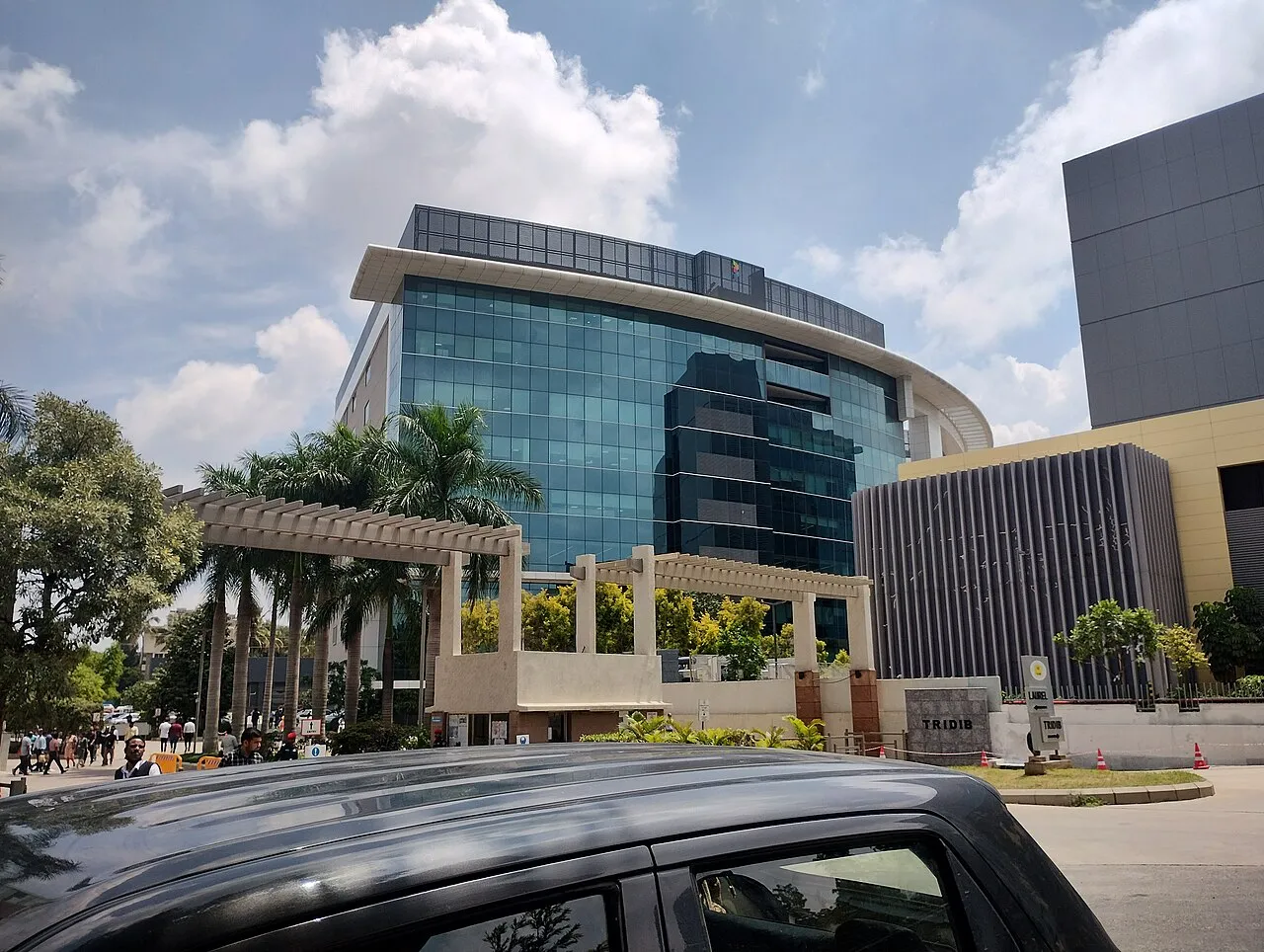
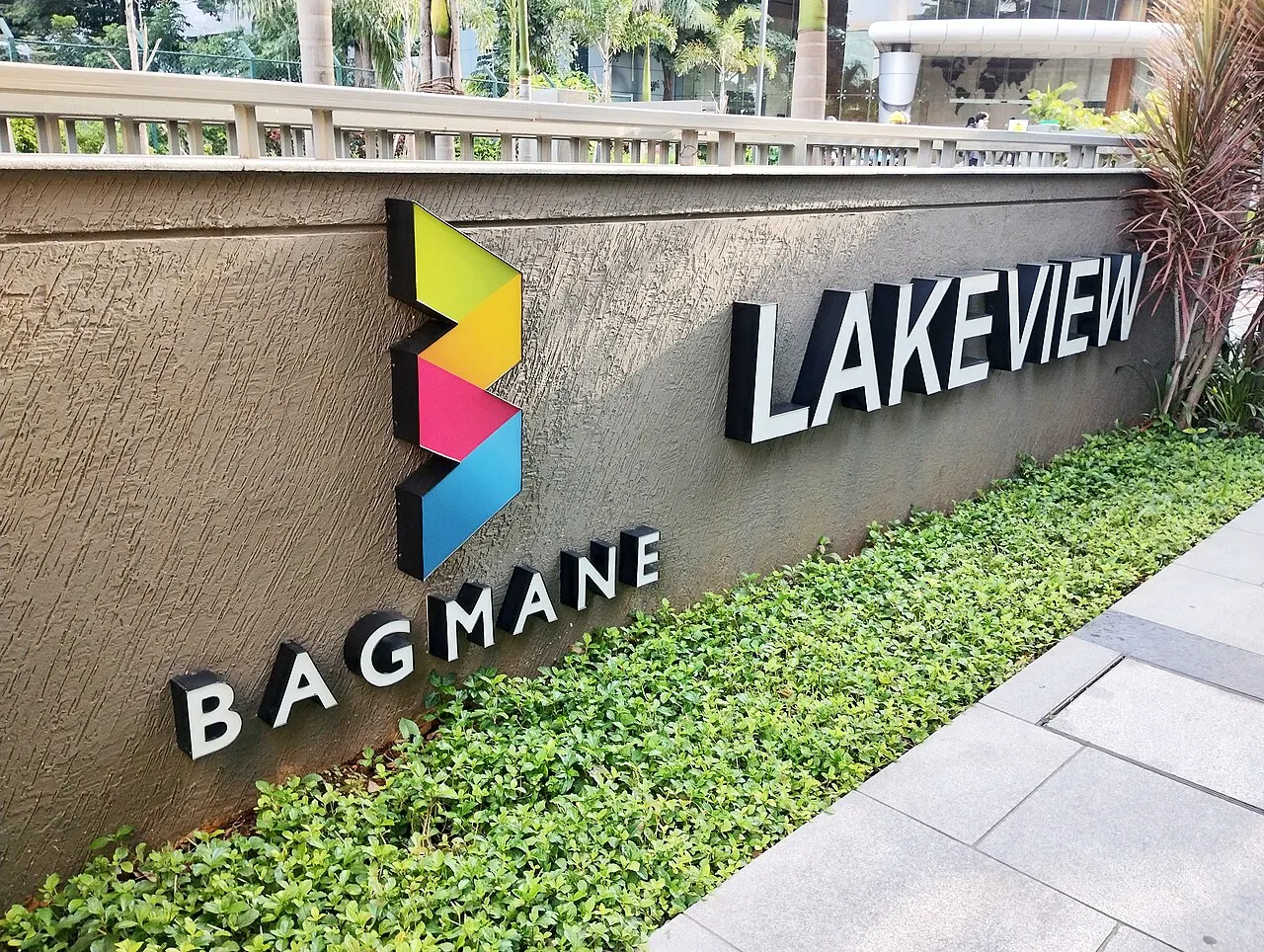
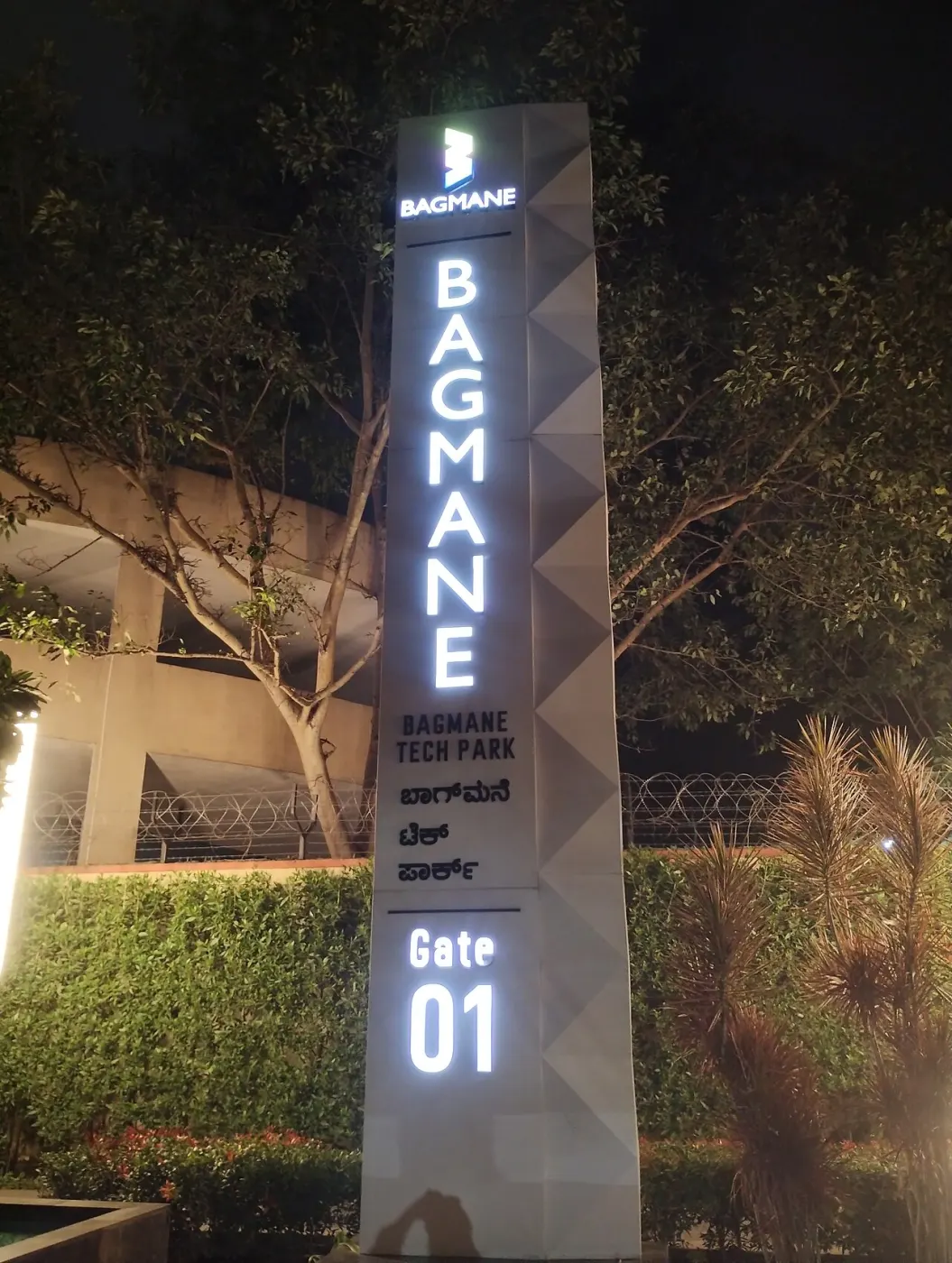
Early Flipkart did not look like a tech campus. It looked like a rented flat with books in stacks and laptops on dining tables. Visitors from later years struggle to map that room onto Bagmane glass towers. Binny's memory of Amazon table tennis sits beside Flipkart's cardboard dust for a reason. Both are about surplus energy looking for a worthy problem.
When distributors finally shared catalogs, the work became typing, cleaning, photographing, and promising. When orders rose, the work became packing tape and apologies. When Accel's money arrived, the work became hiring without lowering the bar. Binny has said he and Sachin stayed close to early hiring for years because culture compounds in the first fifty people more than in the first fifty features.
Cardboard is an underrated teacher. Every crushed corner is a customer message. Every late scooter is a spreadsheet lie. The co-founder who owned supply learned to hear those messages before dashboards existed to show them.
Big Billion Days as national weather
Festival commerce turned Flipkart into a seasonal character in Indian life. Big Billion Days ads entered living rooms. Parents joked about cart reminders. Sellers prepared inventory like farmers before rain. The event also exposed every weak bolt in the machine: payment gateways timing out, pages slowing, delivery slots vanishing.
Binny's operating answer was not to shrink ambition. It was to harden systems before the spike. Peak commerce is where ecommerce companies either become utilities or become punchlines. Flipkart's survival through those peaks, including years when losses looked frightening to outsiders, trained a generation of managers in incident response.
Those managers later carried the same muscle into new startups. That is world impact that never fits on a valuation slide: a labor market of people who know how to keep a digital bazaar alive at midnight.
Closing
Picture the Koramangala room again. Two engineers. A thin bank balance. A website that sells books. A customer who wants a memoir that the city cannot easily spare. The easy path is an apology email. The Flipkart path is a hunt through warehouses and a delivery that teaches a company what it is.
Binny Bansal's life keeps returning to that lesson. Rejected by Google. Bored by Amazon. Forged in operations. Enriched by a historic sale. Marked by a public fall. Rebuild as a teacher of scale and a carrier of brands. In 2026 the net worth number is large, but the more durable artifact is smaller and stranger: millions of Indians who hear a scooter stop outside and trust that the carton matches the screen.
That trust was not inevitable. It was built, route by route, refund by refund, warehouse by warehouse, by a quiet co-founder who treated the backend as the real product.