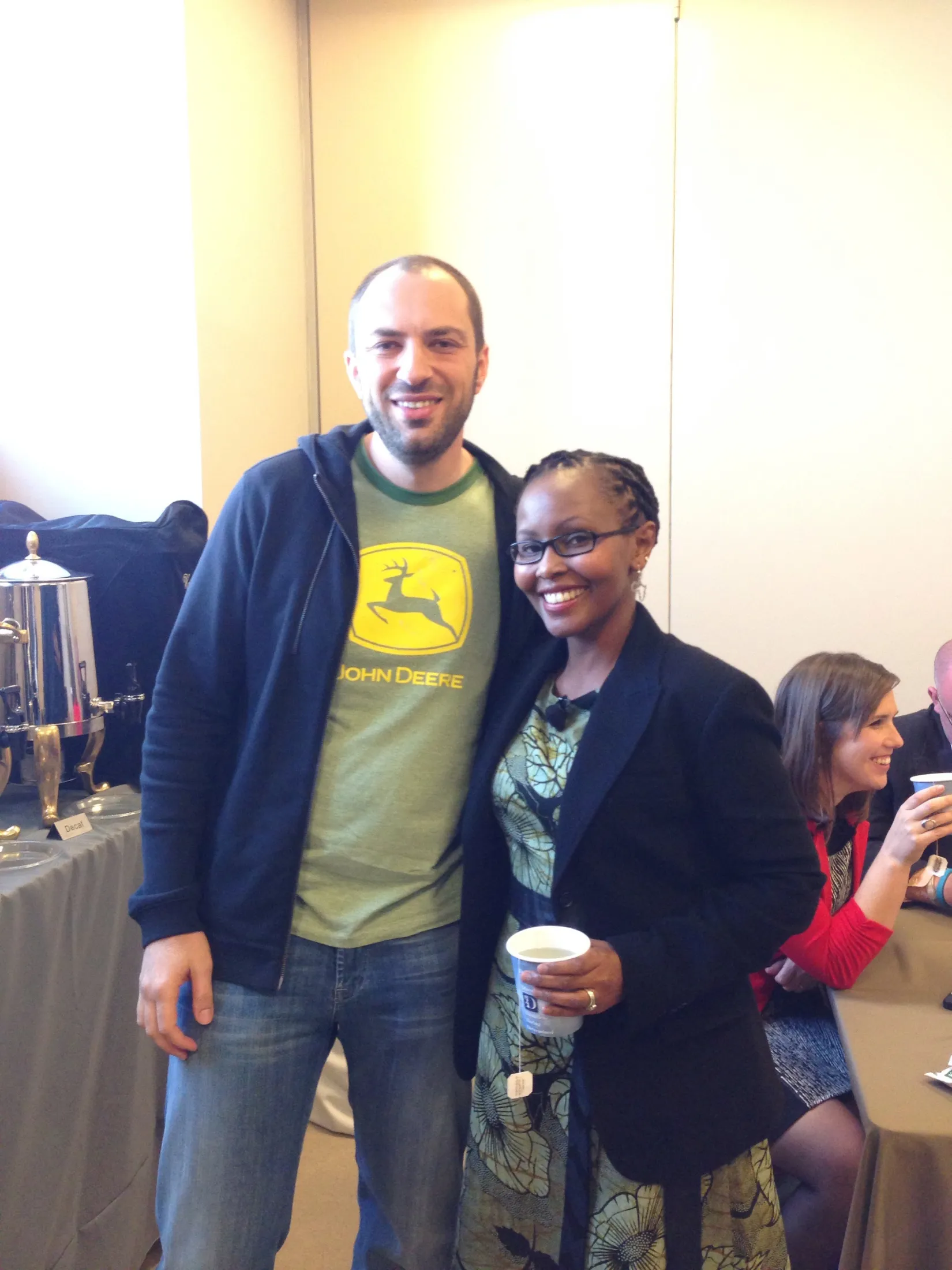
The Man Who Walked Away From $850 Million
A Florida kid coded at Stanford and Yahoo. He co-built the chat app that reached billions. Then he left Facebook money on the table for privacy.
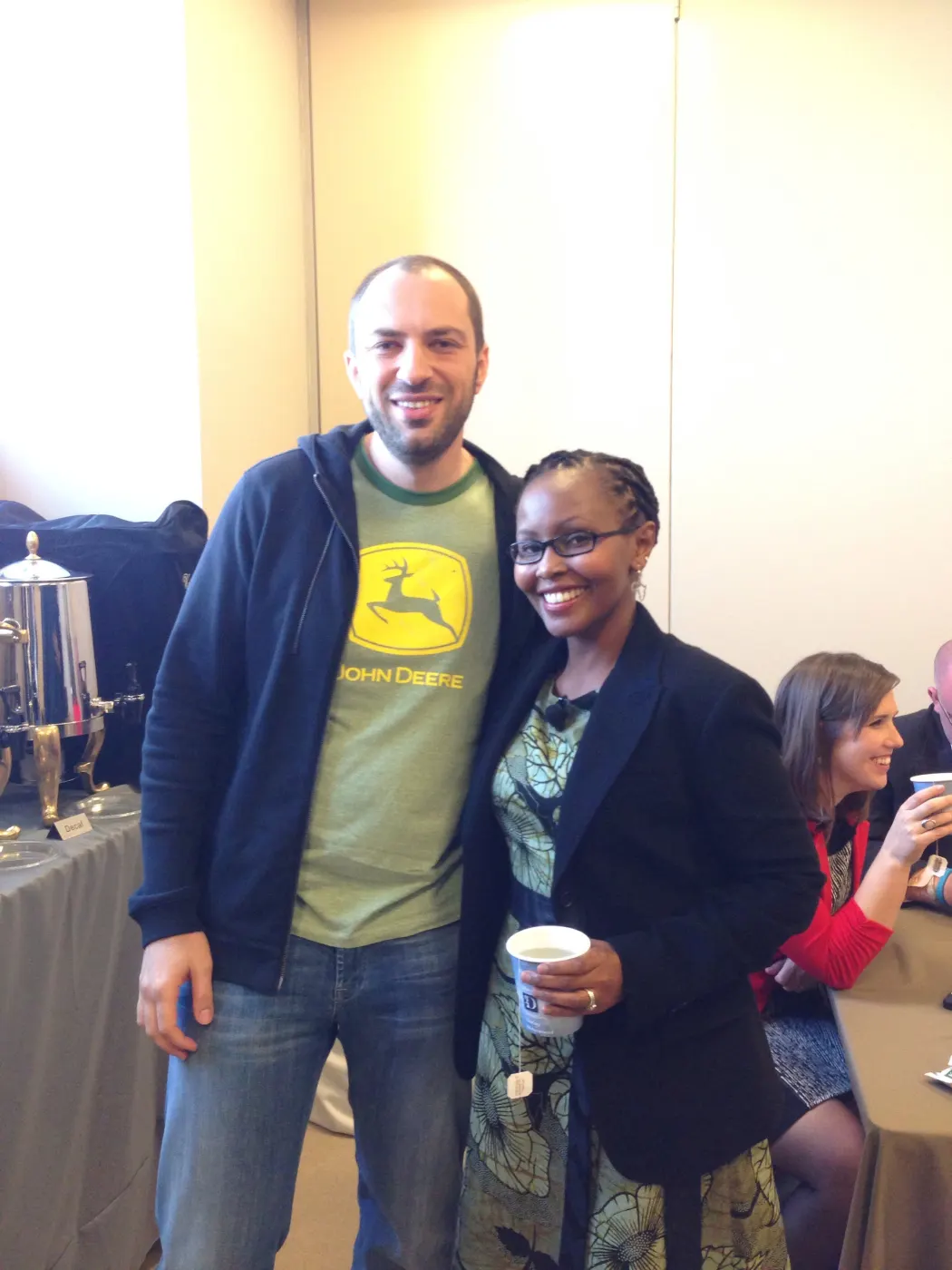
In September 2017, Brian Acton did something Silicon Valley rarely celebrates out loud. He left.
Not with a soft landing memo. Not with a victory tour. He left WhatsApp, the messaging company he had co-founded, while it sat inside Facebook. He left before a final pile of stock options vested. Reporting later put the forfeited value near $850 million. He said the fight was about ads, data, and the kind of product WhatsApp was supposed to remain.
Months later, when the Cambridge Analytica scandal made Facebook a global punchline, Acton typed four words that traveled farther than most marketing campaigns:
It is time. #deletefacebook
The man Facebook once paid a fortune to keep was telling the public to leave the platform that had made him a billionaire. The story does not start there. It starts in Michigan cold, Florida humidity, Stanford labs, Yahoo cubicles, and a nearly dead app that learned to say hello without SMS fees.
Michigan roots and Florida high school
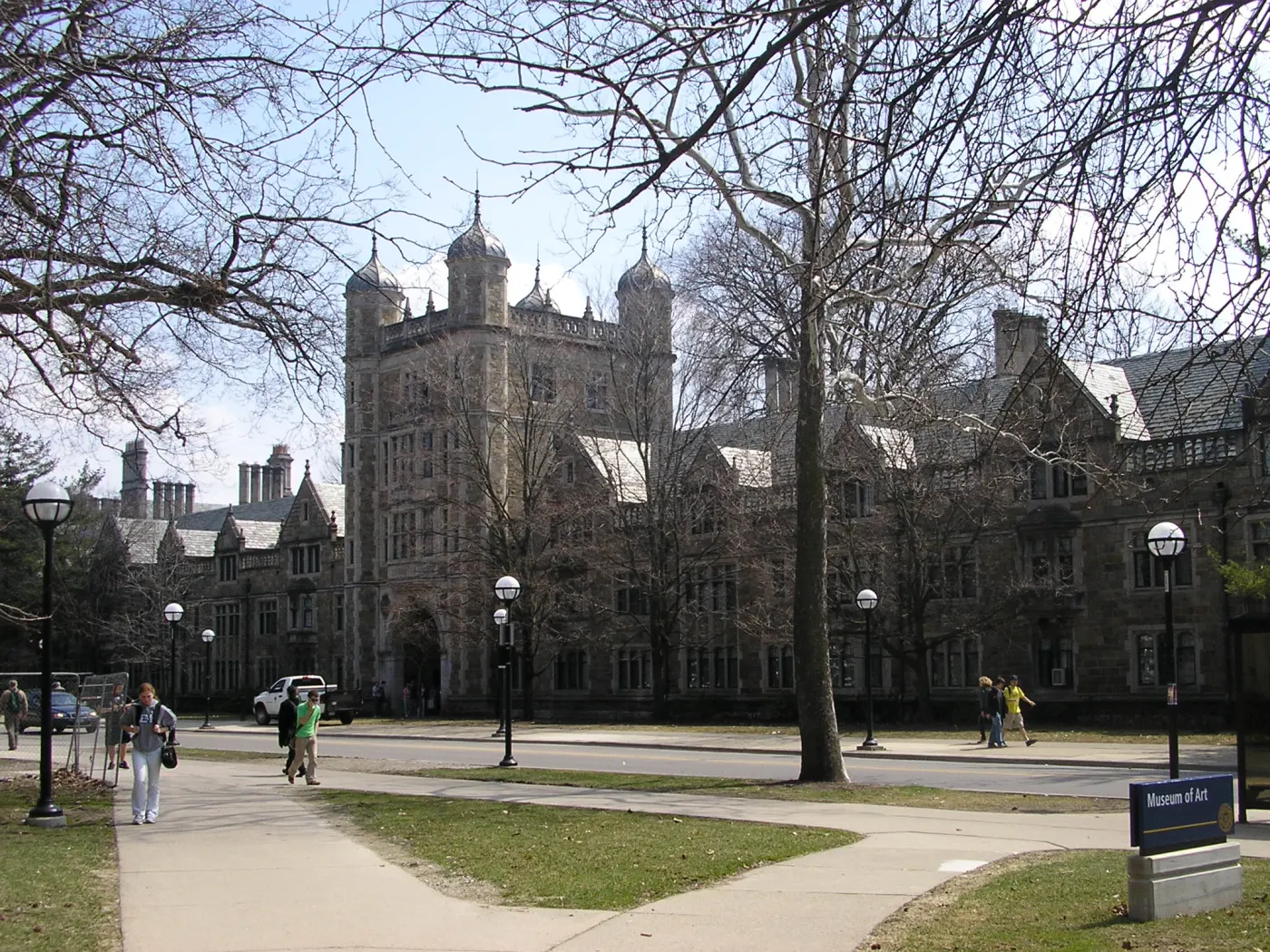
Brian Acton was born in 1972 in Michigan. Exact town details stay thin in primary profiles. What repeats across reliable accounts is the arc: Midwestern start, then Central Florida, where he finished Lake Howell High School.
Florida was not a startup campus. It was lawns, heat, and ordinary American teenage noise. Acton was not born into a famous tech dynasty. He was a kid who could keep a machine running. That skill matters more than poetry. Networks fail. People who fix them early learn patience under pressure.
He took classes at the University of Central Florida. Then a full scholarship pulled him toward engineering at the University of Pennsylvania. Prestige arrived with a price. After about a year he left Penn and headed west to Stanford University. The transfer was not a failure story he hid. It was a course correction toward the computer science culture that was already minting the Valley's next operators.

At Stanford he wore the quiet intensity of someone who had already moved coasts for code. He graduated in 1994 with a computer science degree. Classrooms that built machines from the bottom up stuck with him. Years later, speaking to founders at StartX on the Stanford campus, he still sounded like a student who remembered course numbers and lab grit more than party lore.
Rockwell, Apple, Adobe: learning systems before brands
Before the billion-dollar headlines, Acton worked where systems actually break. In 1992 he became a systems administrator at Rockwell International. Admin work is unglamorous. Disks fill. Users panic. Uptime is the product.
He moved into product testing at Apple and Adobe. Testing is another school of humility. You press the buttons users will press. You file the bugs pride wants to ignore. Those years taught him that shipping is not a speech. Shipping is a loop of break, fix, release.

By the mid-1990s the consumer internet was turning from curiosity into business. Acton joined that shift the practical way: he got hired.
Yahoo employee forty-four
In 1996 Acton joined Yahoo as roughly the forty-fourth employee. Yahoo then was not a nostalgia brand. It was the front door of the web for millions of people. Early employees lived the chaos of scale: search, mail, media deals, and a stock that could mint paper millionaires overnight.
Acton was a builder inside that machine for more than a decade. The job gave him combat experience in large systems and a front-row seat to how culture changes when a company stops being a startup.
Around 1998 he crossed paths with Jan Koum, a Ukraine-born engineer who had come up through security testing and then Yahoo infrastructure work. They were not twin personalities. Koum carried immigrant urgency and a sharp product instinct. Acton carried older-engineer calm and operational taste. The friendship outlasted Yahoo itself.
Acton also tasted the market the hard way. He invested into the late-1990s boom and lost millions when the 2000 crash erased paper wealth. That loss mattered. It taught him that valuations are weather. Products and trust are climate.

Rejected by Facebook, rejected by Twitter
In September 2007 Acton and Koum left Yahoo. They took time. They traveled in South America. They played ultimate frisbee. The break looked like leisure from the outside. Inside it was a search for the next build.
Both men applied to Facebook. Acton has said he was rejected. He also applied to Twitter and was rejected there too. Years later he posted the rejection emails like trophies turned inside out. Silicon Valley loves origin myths where giants discover genius early. Acton's myth runs the opposite direction. The giant said no. Then the rejectee built a product the giant paid nineteen billion dollars to own.
Unemployment for skilled engineers can feel like freedom until rent is due. Acton was older than the hoodie archetype. When WhatsApp truly took shape he was around thirty-eight, a fact he later underlined for young founders: useful work does not expire at twenty-five.
WhatsApp: from status toy to global habit
In January 2009 Jan Koum bought an iPhone and saw the App Store as a new industry forming in public. He talked apps with friend Alex Fishman. He liked the name WhatsApp because it sounded like "what's up." On February 24, 2009, his birthday, he incorporated WhatsApp Inc. in California.
The first idea leaned on status updates: a way to signal what you were doing without a phone call. Early versions struggled. Apple policy changes punched the product. The team nearly shut down. Then the pivot arrived. Messaging via data networks could replace SMS fees. People wanted conversation, not a louder status light.
That pivot is when Acton jumped in hard. In his StartX telling, Koum's early status product was WhatsApp 1.0. The messaging focus was 2.0. Acton recognized the second version as the real company. He brought capital, engineering judgment, and a co-founder's stubbornness about simplicity.
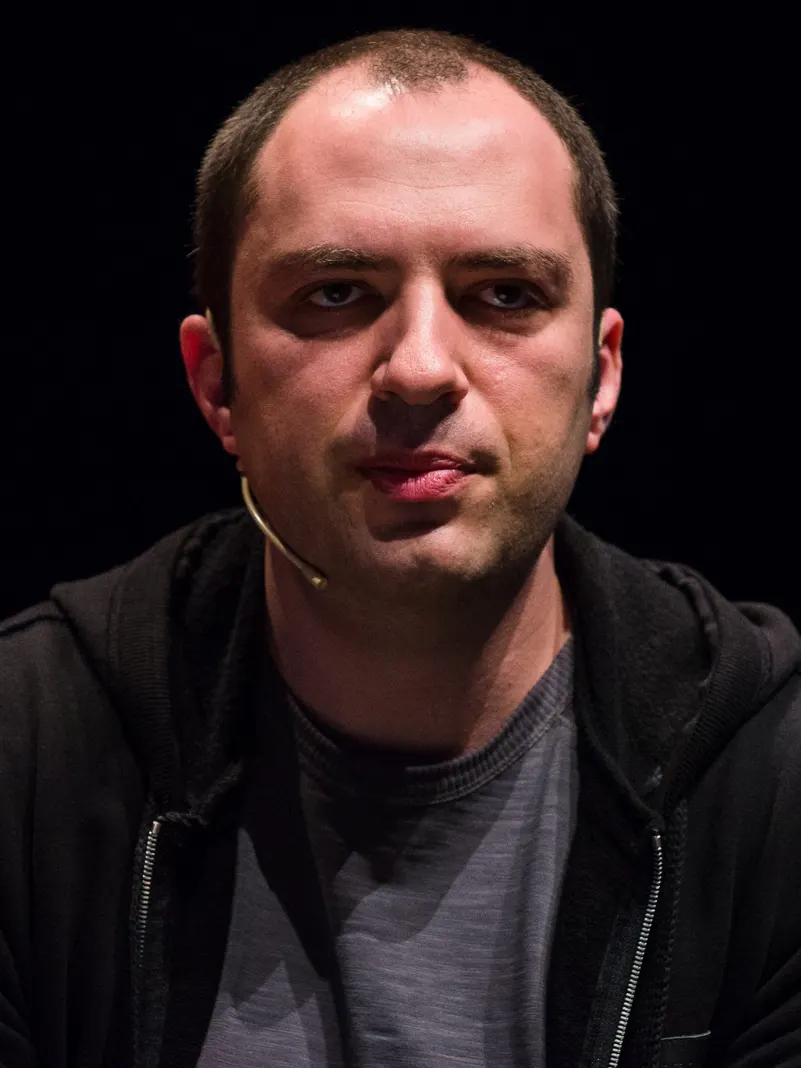
WhatsApp stayed tiny while usage exploded. The company charged about a dollar a year after a free trial rather than carpet-bombing users with ads. Sequoia Capital partner Jim Goetz became a key investor and adult in the room. The bet looked strange on a spreadsheet that worshipped engagement ads. It looked obvious to people paying roaming SMS bills across continents.
Growth was feral. Servers strained. Support tickets piled up. International adoption outran American cocktail-party awareness. In countries where texting was expensive, WhatsApp felt like oxygen. Families split by migration used it as a kitchen table that never closed.
Acton and Koum argued for a culture that refused glamorous overtime as a badge. Acton later said he felt bad if people worked late nights and weekends. The point was not softness. The point was sustainability. A messaging service that must stay up for a planet cannot be built only on burnout theater.
Encryption, rivals, and the price of trust

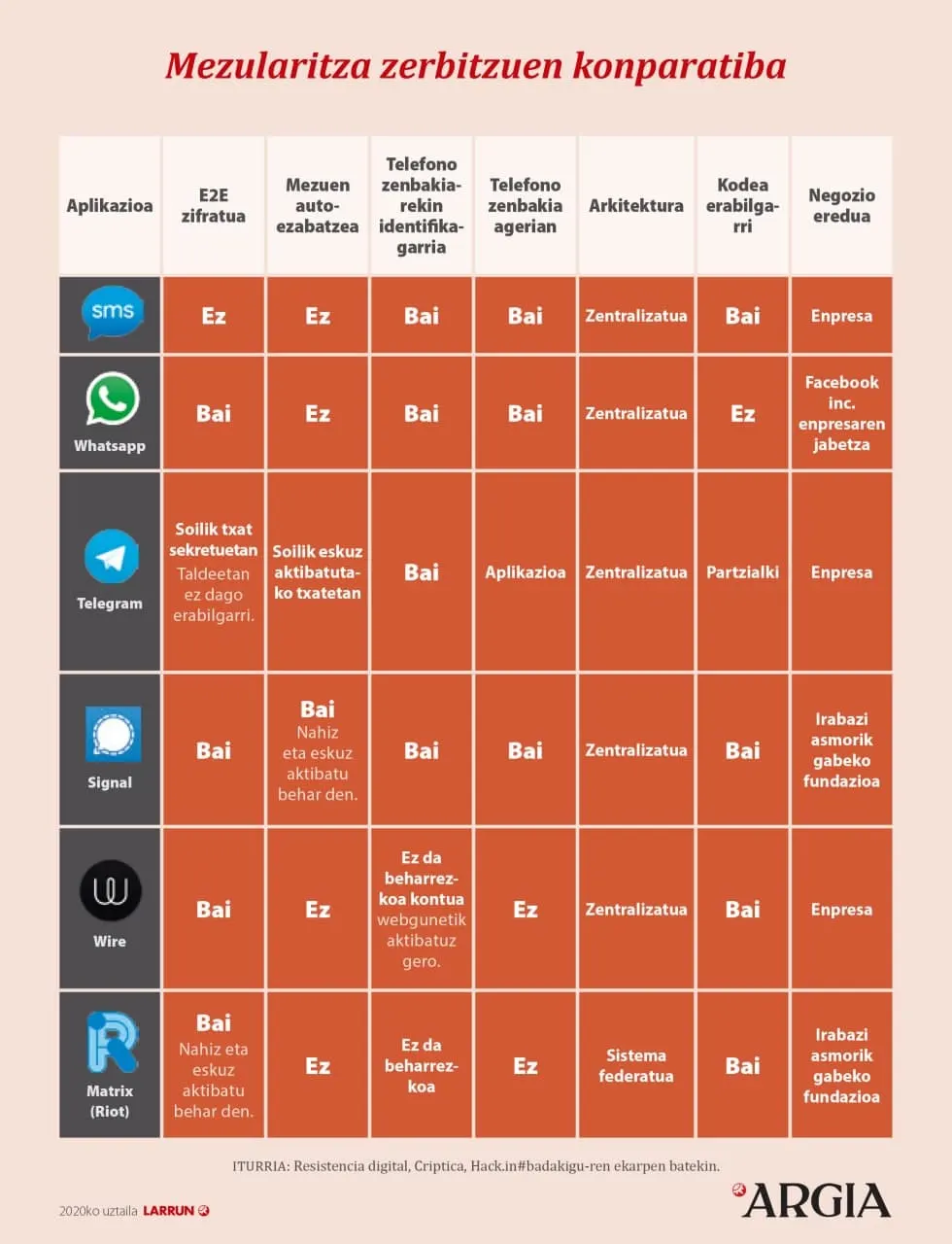
As WhatsApp scaled, privacy stopped being a slogan and became architecture. The company eventually rolled out end-to-end encryption using the Signal Protocol pioneered by Open Whisper Systems and Moxie Marlinspike. The move put serious cryptography into everyday family chats. It also set up a collision with advertising logic: you cannot easily target what you cannot read.
Competitors circled. Facebook Messenger, traditional carriers, and other chat apps all wanted the same attention. WhatsApp's edge was reliability plus a product philosophy that treated chat as a utility. Acton liked comparing communication products to tools that must work when emotions are high: births, borders, breakups, elections.
Inside the company the founders stayed aligned on no-ads purity longer than Wall Street preferred. Alignment is not the same as peace. Acton has said he and Koum sometimes disagreed, then returned to shared principles. Shared principles are easy in a garage. They get expensive after a nine-figure valuation.
Nineteen billion dollars and a new boss

In February 2014 Facebook announced it would buy WhatsApp. Public figures commonly cite about $19 billion. Later Forbes framing of the deal in cash and stock has also used a figure near $22 billion. Either way, it was one of the largest tech acquisitions of the era. Acton's stake was reported around $3 billion. Paper wealth arrived with a new reporting line: Mark Zuckerberg.
Why sell? Fear of competition. Desire for distribution. Exhaustion. Opportunity. Founders give different mixes depending on the day. What is clear is that Acton later described the sale as a compromise he still carries. In a 2018 Forbes interview he said he sold his users' privacy for a larger benefit, and that he lived with that choice every day.
Facebook promised independence and resources. WhatsApp kept growing. The user count climbed toward and then past a billion, then far beyond. The product became infrastructure for politics, small business, and diaspora life. That success made the philosophical fight louder, not quieter.
The fight over monetization

According to Acton's later public account, Facebook leadership pressed to monetize WhatsApp through advertising and business tools that leaned on more data. He pushed back. He also described tension around encryption and around how European regulators were briefed about future data practices. Those claims are Acton's. Facebook and later Meta have disputed critical framings of their intent over the years. For this documentary the fair line is simple: the co-founder and the parent company stopped sharing a future.
Leaving early meant walking away from unvested equity worth hundreds of millions. Forbes reported the figure near $850 million. Acton framed the math as moral clarity rather than financial strategy. Whether one agrees, the decision was rare. Most executives rationalize one more vest date.
In March 2018 his #deletefacebook tweet detonated because of who he was. It was not a random activist. It was a seller of WhatsApp telling users the parent platform had become something to exit. He did not turn the tweet into a personal media empire. He mostly went quiet and built elsewhere.

Signal Foundation: a nonprofit second act

In February 2018 Acton and Moxie Marlinspike announced the Signal Foundation. Acton became executive chairman. He put serious personal capital behind the idea that private communication should be accessible, secure, and widespread. Early reporting highlighted about $50 million from Acton. Foundation filings later described a much larger zero-interest loan structure, reported around $105 million by the end of 2018, due decades later.
Signal was not a new toy for Acton. WhatsApp had already used Signal's protocol. Now he was funding the nonprofit that kept the harder, less monetizable version of the dream alive: open-source clients, minimal metadata ambitions, and no ad business sitting on the inbox.
The foundation model mattered as much as the code. Venture capital wants exits. Advertising wants attention graphs. A 501(c)(3) structure with a long-horizon loan was Acton's attempt to buy independence for engineers who refuse to sell the message contents.
Usage surged whenever public trust in big platforms cracked. Acton admitted in interviews that Signal was not magically prepared for every viral spike. Capacity planning for privacy apps is a different sport than capacity planning for an ad network. The team learned under fire.
How Brian Acton works
Acton's method looks almost boring until you notice how rare it is.
He favors removing code over adding code when security is the goal. He talks about systems that fail closed. He distrusts growth hacks that need friendship graphs to pay the bills. He prefers small, focused hiring over empire org charts. At WhatsApp he celebrated low cost structure as a feature. At Signal he treats donations and restraint as the business model.
He is not a pure monk. He sold WhatsApp to Facebook. He took the money. He then spent a slice of that money trying to build an escape hatch from the world the sale helped enlarge. That contradiction is the documentary's engine. Acton does not pretend the contradiction vanished. He works inside it.
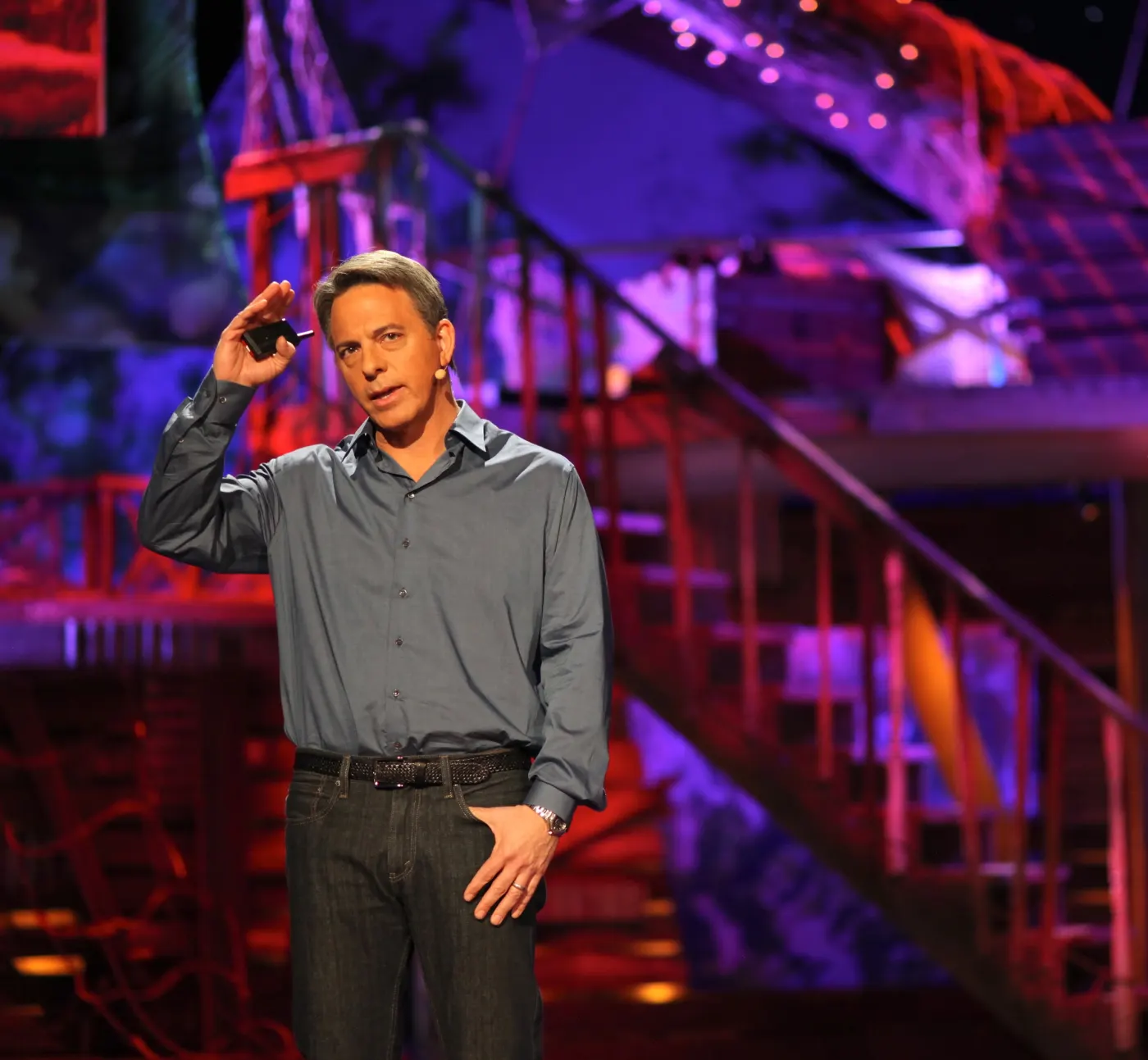
He also works as a public explainer when needed, then disappears. The StartX talk shows a teacher-founder: Stanford hat, long answers, respect for operators who shipped before him at Apple and Yahoo. The LinkedIn Business Unusual appearance shows a privacy advocate translating threat models for people who just want a safer video call.
2026: what he built and what still fights him
By 2026 WhatsApp, still under Meta, reported user scales in the multi-billion range across roughly 180 countries in popular tallies. The product Acton co-founded remains one of the most used pieces of software on Earth. That is world impact measured in daily human contact: remittances arranged, homework checked, protests coordinated, grandparents seen on video.
Signal remains smaller by design and by distribution. Its impact is different. Journalists, rights workers, and ordinary users who want fewer data exhaust trails treat it as critical infrastructure. Governments and criminals both notice encrypted messengers. Acton's public stance stays consistent: private communication should be normal, not suspicious.
Leadership shifted too. Moxie Marlinspike stepped down as Signal Messenger CEO in January 2022. Acton stepped in as interim CEO and, by mid-2023, stayed in the role while remaining executive chairman of the foundation. The builder who once fled a corporate monetization fight now runs day-to-day product responsibility for a nonprofit messenger.
Forbes listings around 2025 and 2026 have placed Acton's fortune in the multi-billion range, with one real-time figure near $3.6 billion. Wealth figures move with markets and methodology. Treat them as estimates. What does not need a stock ticker is the portfolio of choices: Yahoo lessons, WhatsApp scale, Facebook rupture, Signal subsidy.
World change you can feel without a white paper
Before WhatsApp, international texting was a tax on love and labor. After WhatsApp, a data connection became a passport for conversation. Acton and Koum did not invent packets. They packaged packets into a habit so simple that grandparents could join without a manual.
Before widely deployed end-to-end encryption on mass messengers, many users assumed chat was private because the interface felt intimate. After WhatsApp's encryption rollout and Signal's continued hard line, the public gained a clearer vocabulary: servers may route, but they should not read.
Acton's second act tries to prove a harder claim: that a communications giant can refuse ads and still operate. Success is incomplete. Signal still fights spam, scaling costs, and the gravitational pull of network effects toward larger apps. Failure would also be incomplete. The protocol and the cultural argument already escaped the lab.
Dollar-a-year economics and the Sequoia bet
Early WhatsApp revenue looked almost insulting to advertising culture. A free trial, then roughly a dollar a year. That price was a filter and a promise. Users who paid were customers, not inventory. Acton liked the clarity. If the lights stay on because people tip a dollar for utility, you do not need to invent a shadow profile of their friendships.
Sequoia Capital's Jim Goetz saw the usage curve when polite society still treated WhatsApp as a foreign curiosity. Venture stories often invent destiny. This one is more practical: international SMS was expensive, smartphones were spreading, and a tiny team was shipping a reliable inbox. Goetz's check bought time. Time bought servers. Servers bought trust.
Acton brought Yahoo muscle to that trust. He had watched large systems melt and recover. He knew hiring should follow bottlenecks, not vanity headcount. WhatsApp stayed famously small relative to its user base. Critics called it underbuilt. Fans called it focused. Outages still happened. Each outage was a public exam. The company treated reliability like religion because chat is not a game you can pause mid-sentence.
The product vocabulary stayed plain. Green screen. Contacts from the phone book. Last seen. Double checks. Voice notes that let people talk when typing felt slow. Those choices were political in disguise. A chat app that imports your address book becomes a map of human relationships. Acton spent later years trying to make sure that map could not be sold like billboard space.
Jan Koum and the immigrant mirror
Acton's Florida-to-Stanford path and Koum's Ukraine-to-California path should not be flattened into one origin song. They worked because difference paired well. Koum pushed product nerve. Acton steadied operations and capital timing. Friends from Yahoo days became co-founders when the industry said both were already too late.
Koum has spoken about building a company meant to last decades. Acton echoed durability over fashion. When Facebook arrived with an offer measured in billions, durability met fear. Would a rival crush them? Would carriers change rules? Would Apple policy swing again? Sale math includes dread as much as greed.
After the deal, both men served inside Facebook's orbit. Both eventually left. Koum's exit followed Acton's by months and also landed in public as a values story. The pair did not choreograph every headline. The pattern still read clearly: the founders who sold WhatsApp did not remain comfortable as Facebook product managers forever.
What the sale felt like from the inside
Acton's 2018 Forbes interview is the most detailed public confession of the aftertaste. He described pressure from Mark Zuckerberg and Sheryl Sandberg's world to find monetization paths. He described fights over how much WhatsApp should become a business platform and an ad surface. He said encryption he had helped champion sat awkwardly beside a parent company that lived on data.
He also made a claim that requires careful wording. He said Facebook executives coached messaging that could mislead European regulators about intentions to merge WhatsApp and Facebook user data. That is Acton's allegation as reported. Meta has long argued its compliance and product plans were lawful and disclosed on their timelines. Readers should hold both: a co-founder's remorseful account, and a corporation's competing narrative. What is not in dispute is the rupture. Acton left. Equity burned. Trust between founder and parent cracked in public.
Walking away from roughly $850 million in unvested options was not a spreadsheet flex. It was a calendar decision. Vesting cliffs are designed to keep people seated. Acton stood up early. In Valley terms that is almost rude. In his terms it was the only way to stop arguing inside a machine whose incentives would not change.
The #deletefacebook tweet months later was shorter than a haiku and louder than a keynote. It cost him nothing financially compared with the options already abandoned. It cost him residual goodwill inside Menlo Park. He did not follow it with a book tour. He followed it with Signal paperwork.
Building Signal without an ad department
Signal's promise sounds simple until you try to pay engineers. No ads. Open clients. Aggressive cryptography. Minimal data retention as a goal. That combination makes growth marketers itch. Acton used WhatsApp wealth to underwrite the itch.
The foundation announcement in February 2018 put him beside Moxie Marlinspike, whose protocol work had already shaped WhatsApp. Now the money and the mission sat in one nonprofit house. Acton's title, executive chairman, signaled governance and capital. Marlinspike's early CEO role at the messenger subsidiary signaled product continuity.
When usage spiked after privacy scandals or political shocks, Acton talked like an operator again: sleep debt, load levels, whether the fleet would hold. He compared the growth to WhatsApp days and said some surges exceeded what he had seen before. The David-and-Goliath line he used in interviews was not cosplay. He had helped create a Goliath. Now he funded a smaller fighter that refused the Goliath's business model.
Security by design, in Acton's telling, means you do not bolt privacy on after the growth team ships. You remove features that demand surveillance. You accept that some viral loops will be slower. You explain to users in India, Europe, and the United States why a messenger might ask for donations instead of watching their clicks.
Ordinary workdays after extraordinary exits
What does Acton actually do all day once the Forbes headline fades? Board oversight. Hiring judgment. Incident review. Fundraising ethics for a nonprofit that must not behave like a stealth startup. Public interviews when the moment requires a translator between cryptographers and civilians.
He still sounds like a Yahoo systems person under the billionaire polish. He remembers professors. He remembers testers. He remembers that removing code can be the win. He is wary of metrics that only reward addition. That instinct travels from Apple bug databases to Signal feature debates.
Philanthropy with his wife, Tegan, spreads beyond Signal into other vehicles. Forbes has reported charitable holdings at very large scale. Exact fund lists change. The pattern holds: WhatsApp liquidity became a long bet on institutions that are not optimized for quarterly ad revenue.
Rivals, governments, and the unfinished inbox
Every encrypted messenger lives between two fires. Users want safety from hackers and from overreaching institutions. States want lawful access tools. Criminals abuse any channel that works. Acton's public posture stays with the user: private communication should be ubiquitous, not a niche for the paranoid.
WhatsApp under Meta continued to add business features and payments experiments while keeping encryption for personal chats as a marketed pillar. Signal continued to market itself as the harder privacy default. Users voted with install buttons during each scandal cycle, then often drifted back to where their friends already lived. Network effects are a physical law in social software. Acton knows that law. He still funds resistance to it.
By 2026 the world impact split into two ledgers. Ledger one: WhatsApp as default global chat for billions, a utility Acton co-authored. Ledger two: Signal as a reference design and refuge, a utility Acton bankrolls and now helps run. Few founders get one world-scale product. Fewer get a moral sequel that still ships builds.
The older founder lesson
Acton likes reminding rooms that he was not a teenage founder when WhatsApp worked. Thirty-eight is ancient only in pitch-deck mythology. Experience at Rockwell, Apple, Adobe, and Yahoo was not wasted time. It was inventory. When the App Store opened a door, he already knew how companies fail at scale.
Young founders hear that as comfort. Investors hear it as a warning against age bias. Acton himself seems to hear it as responsibility: if you have scars, spend them on products that reduce harm, not only on products that increase multiples.
He is still competing, in a sense, with the version of himself that signed the Facebook deal. Every Signal release is a footnote to that signature. The footnote will never erase the contract. It can still change what the next generation expects a messenger to be.
Servers, voice notes, and the physics of chat
A messaging company fails in public. When WhatsApp lagged, newspapers noticed. When it recovered, nobody wrote poems. Acton lived that asymmetry. Operations work is invisible when perfect and infamous when late. His Yahoo years prepared him for the invisibility. His WhatsApp years made the invisibility planetary.
Voice notes deserve a special mention because they reveal product empathy. In places where literacy, language switching, or sheer speed mattered, holding a button and talking beat typing. WhatsApp did not invent audio messages, but it normalized them for relatives who would never open a desktop VoIP client. Acton and Koum shipped for those relatives, not for demo-day judges.
Group chats became digital town squares and digital arguments. Businesses used broadcast lists before official business APIs matured. Churches, cricket fans, election workers, and cousins abroad all bent the same tool. That bending is world change. Software becomes culture when it disappears into daily ritual.
Acton watched the ritual with mixed pride after Facebook owned the servers. Pride in the habit. Unease about the landlord. Signal became his attempt to rebuild a room with a different landlord model: users and donors, not advertisers.
Money, marriage, and the long loan
Public profiles note Acton's marriage to Tegan Acton and substantial philanthropic structures held together. The Signal loan details that surfaced in reporting are almost comic in their seriousness: more than a hundred million dollars, zero interest, due in 2068. That is not a startup bridge note. That is a generational subsidy for cryptography.
Why a loan rather than a pure gift? Foundations and tax architecture get complicated. What matters for the story is intent. Acton wanted Signal able to hire and harden without selling a growth story to investors who would eventually demand an exit. The due date sits so far out that the real repayment plan is civilization still needing private speech.
He could have built another consumer unicorn. The Valley would have applauded a fintech or a creator tool. He chose a messenger that advertises how little it knows about you. That choice is the through line from the dollar-a-year WhatsApp era to the donate-to-Signal era.
What 2026 asks of him
As Signal Messenger CEO and foundation chair, Acton faces problems that do not fit inspirational posters. Spam and fraud migrate to any popular channel. Mobile platform rules shift. Desktop security differs from phone security. Group permissions, usernames, and metadata tradeoffs spark civil wars among privacy purists. Acton has to pick ships that can sail, not only flags that look pure.
Meanwhile WhatsApp, the first empire, keeps expanding under Meta with payments, channels, and business messaging. Acton's name is no longer on the door. His fingerprints remain in the product grammar. Every time a government argues about encryption backdoors, both of his children, WhatsApp and Signal, appear in the same debate with different owners.
Forbes still lists him among the world's wealthy, with estimates that move around the low billions. The more interesting number is softer: how many people sleep easier because a lock icon means something. That number has no Excel home. It is still the metric he seems to optimize.
One more beat on rejection as fuel
Those Facebook and Twitter rejection emails still matter because they puncture the myth that gatekeepers see value first. Acton kept building after the no. Koum kept building after the no. The App Store did not ask for a permission slip from Menlo Park. Users voted with installs across Nairobi, São Paulo, Delhi, and Jakarta before many American investors could pronounce the product name without smiling. Rejection became research. Research became a company. The company became a mirror held up to the industry that once closed the door.
Product taste: what he refused to ship
Acton's taste shows up in refusals. WhatsApp long resisted becoming a social network costume party. Nearby-friends gimmicks and noisy discovery features got side-eye. The north star was conversation between people who already shared a number. That sounds obvious. Most chat apps drown the obvious in growth experiments.
He also refused the idea that a messaging company must work its people like a wartime bunker forever. Sustainable hours were culture, not perk. When you run a global inbox, tired engineers ship tired outages. Acton's guilt about late nights was operational wisdom dressed as kindness.
At Signal the refusals continue. No ad account. No engagement farm. Features that require storing extra personal context face a higher burden of proof. The company will still ship imperfectly. The difference is the default question: does this make private speech easier without making users the product?
Numbers that moved, numbers that matter
Deal headlines fixed on nineteen billion and twenty-two billion. Option headlines fixed on eight hundred fifty million left behind. Fortune headlines wander around a few billion in net worth. Those figures are real enough for magazines. They are not the operating truth of Acton's days.
The operating truth is messier: message latency, donation runways, protocol reviews, and whether a parent in Lagos can send a voice note without paying a carrier tax. Acton has lived both ledgers. He cashed the first. He is still paying into the second. In 2026 that double life is the biography.
Closing
Brian Acton's documentary ending is not a yacht shot. It is a status line.
He helped turn messaging into global infrastructure, then discovered that infrastructure can be steered toward surveillance advertising against a founder's wishes. He left money on the table. He funded a nonprofit cipher. He kept showing up as an engineer who believes removing the wrong feature can be the bravest product decision.
Michigan to Florida to Stanford to Yahoo to WhatsApp to Facebook to Signal. Rejected by the company that later bought his. Celebrated by users who never learn his name because the chat just works. In 2026 the phones still buzz with blue ticks and lock icons he helped make ordinary. That ordinariness is the victory and the unfinished war.
The last frame should not be a courtroom or a ticker. It should be a locked phone on a kitchen table in a country where SMS once cost too much. Someone sends a voice note. Someone else listens without a corporation sitting between the words like a hidden guest. Acton spent a career trying to make that guest leave the room. He is not done. The messages keep coming.
Watch alongside this story
Short cuts from interviews, keynotes and launches. Each plays only the moment that matters.