Inbound: He Changed How Companies Market
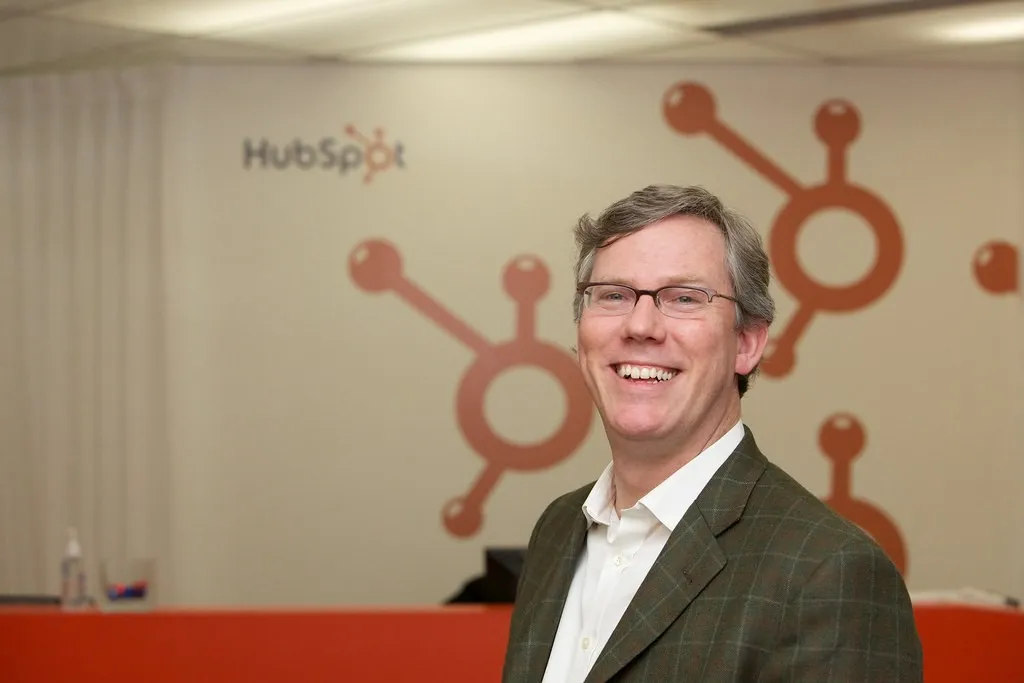
He met Dharmesh Shah at MIT. They built HubSpot. Now he coaches CEOs.
Early Days in Westwood
A cold September morning in 1967, a baby cried in Westwood, Massachusetts. That baby was Brian Halligan. He spent his entire childhood in the same town, attending the public schools that served the community. Halligan is a third‑generation Irish American; his family traces its roots to Sherkin Island in West Cork. The records do not name his parents, but Halligan has said that they did not have professional connections that could open doors for him. From an early age he learned the value of hard work and self‑reliance, eventually paying his own way through college.
College Years in Vermont
In 1986 Halligan left Massachusetts for the University of Vermont. He chose electrical engineering because he loved solving puzzles with circuits and enjoyed the logical rigor of the discipline. While at UVM he was involved in a number of student projects that required teamwork and tight deadlines, experiences that later shaped his management style. He earned a Bachelor of Science in Electrical Engineering in 1990. Because his parents could not finance his education, Halligan worked part‑time jobs and took out loans to cover tuition and living costs. After graduation he moved to the Boston area, where the technology sector was beginning to expand rapidly.
First Jobs at PTC
Halligan’s first professional role was as an administrative assistant to the vice president of channel sales at Parametric Technology Corporation (PTC). The position gave him a front‑row seat to the sales processes of a large enterprise software firm. Over the next ten years he rose through the ranks, eventually becoming senior vice president of the Pacific Rim. In that capacity he oversaw sales and channel development across Asia, gaining a deep understanding of how cultural differences affect buying behavior. The decade at PTC taught him the importance of aligning product strategy with the realities of global distribution networks.
Learning Sales at Groove Networks
After leaving PTC, Halligan joined Groove Networks as vice president of sales. Groove was a small startup focused on collaboration software, and Halligan was responsible for building a sales organization from the ground up. He quickly recognized the limits of traditional outbound tactics such as cold calling, especially when trying to reach technology‑savvy buyers who were increasingly skeptical of pushy sales pitches. The experience sharpened his belief that a different approach to reaching customers was needed, one that would later become the cornerstone of inbound marketing.
Meeting Dharmesh at MIT
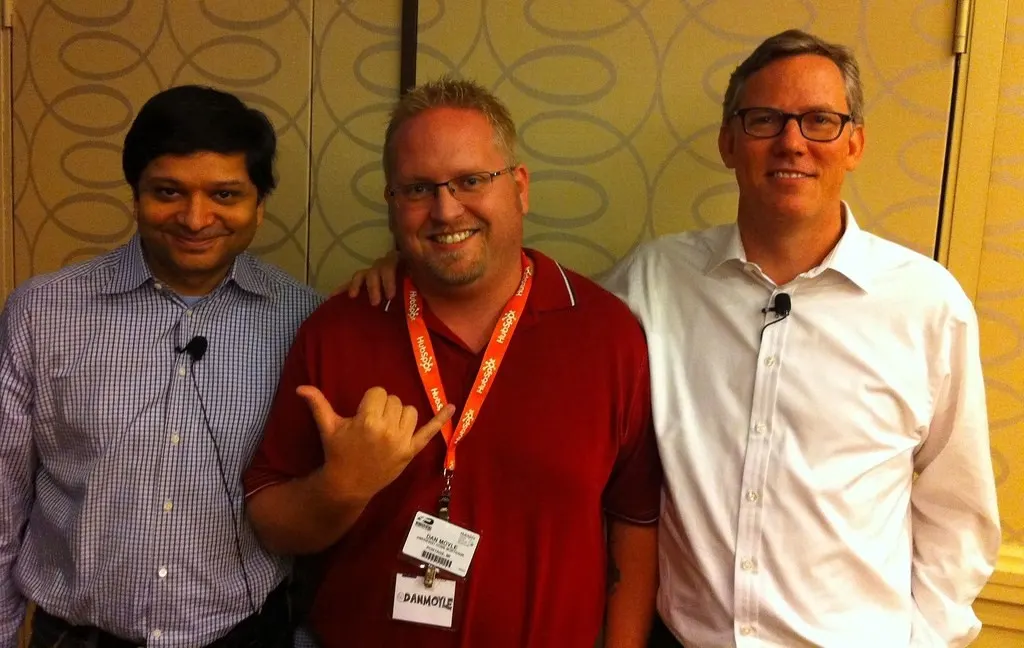
In 2005 Halligan enrolled in the MBA program at the MIT Sloan School of Management. The decision to return to school was motivated by a desire to broaden his strategic perspective and to acquire the financial acumen needed to launch his own venture. At Sloan he met Dharmesh Shah, a blogger who had built a sizable audience for his site OnStartups without spending any advertising dollars. Their conversations centered on the observation that buyers were ignoring cold calls and banner ads, preferring instead to seek out information on their own. Halligan and Shah began to articulate a new marketing paradigm that would later be called inbound marketing.
Birth of Inbound Marketing
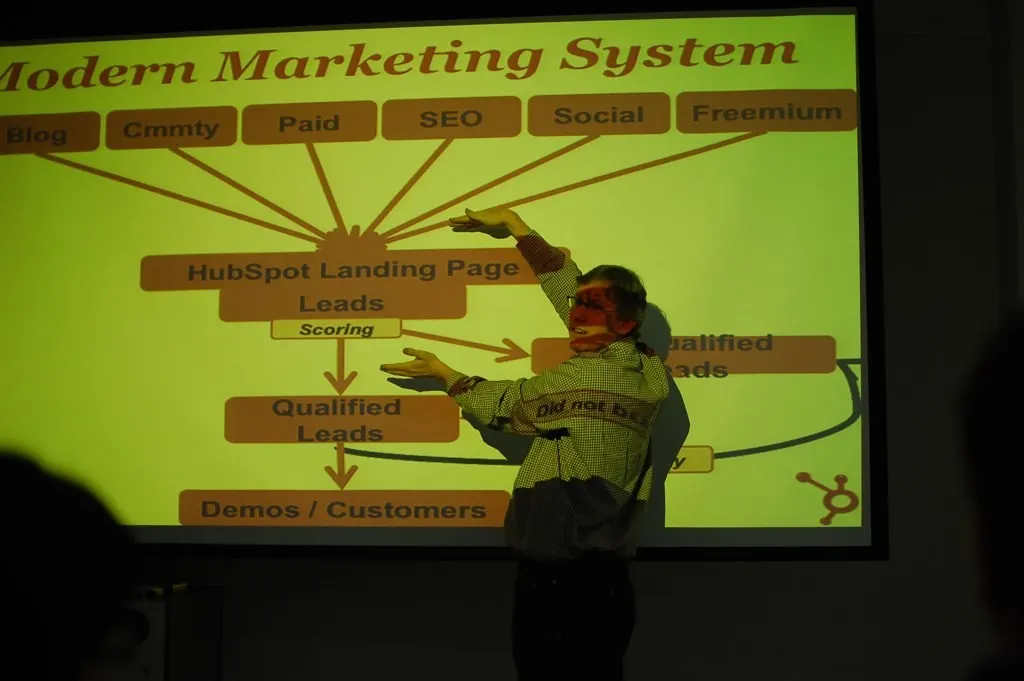
In June 2006 Halligan and Shah co‑founded HubSpot. They coined the term “inbound marketing” to describe a philosophy that attracts customers through valuable content, search engine optimization, and social media, rather than through interruption‑based tactics. Their first public‑facing tool was the free Website Grader, which scanned a website and highlighted gaps in SEO, blogging, and lead capture. The Grader served as a practical demonstration of the inbound thesis: marketers could see, in real time, where they were missing opportunities to attract visitors. The tool generated thousands of sign‑ups and gave HubSpot an early data set to refine its product roadmap.
Building HubSpot: The First Years
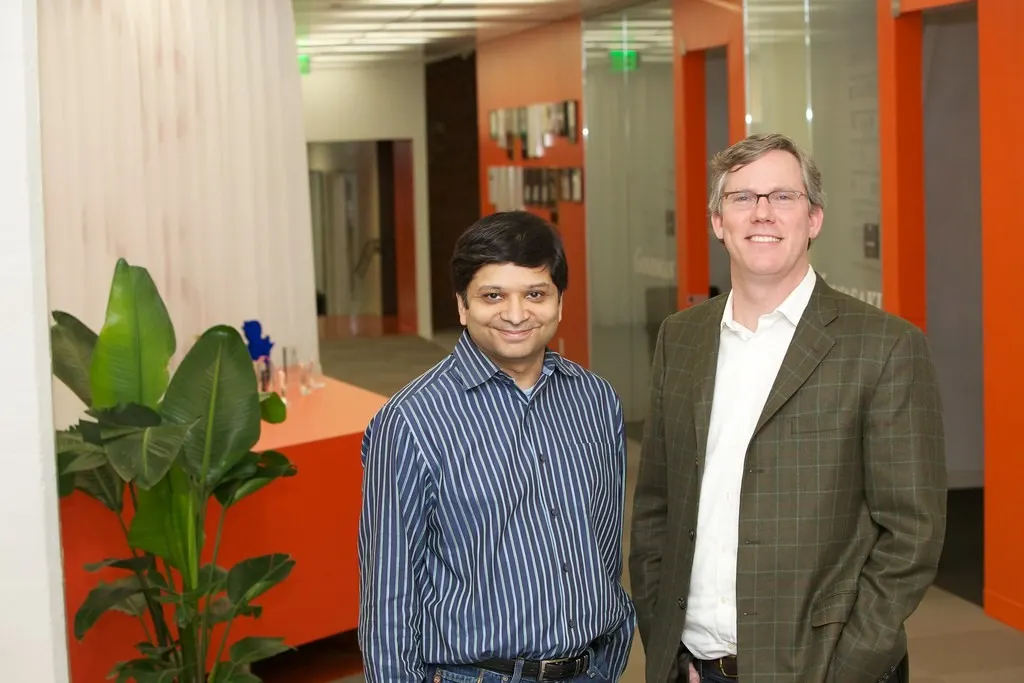
The early HubSpot offering was a hybrid of consulting services and software. Halligan and Shah sold consulting engagements to fund product development, while simultaneously building a SaaS platform that could automate inbound tactics. They deliberately ignored investors who wanted a quick exit or who doubted the viability of selling to small and medium‑sized businesses. Instead, they focused on creating educational content, blogs, ebooks, and webinars, that would draw prospects into the HubSpot ecosystem. In 2007 the company released a pure software version of its marketing platform, marking the transition from a services‑heavy model to a fully SaaS business.



The Big Break: Website Grader and First Customers
The Website Grader quickly became a magnet for early adopters. One of HubSpot’s first notable customers was Schwartz Communications, a public relations firm that saw immediate value in the diagnostic tool. The Grader turned anonymous visitors into qualified leads by offering a free analysis in exchange for contact information. This conversion model proved that content could serve as a sales engine. As the tool’s popularity grew, HubSpot’s blog and resource library expanded, creating a virtuous cycle of traffic, leads, and product adoption.
Going Public and Scaling
HubSpot raised a total of $100.5 million across six funding rounds before its initial public offering. In October 2014 the company went public on the NYSE, raising $125 million and establishing an initial market capitalization of $760 million. At the time of the IPO HubSpot reported $77 million in annual revenue. Over the next few years the company continued to scale, eventually surpassing $2 billion in annual recurring revenue. HubSpot broadened its platform to include sales and service hubs, and pursued selective acquisitions to add capabilities such as conversational marketing, customer feedback, and data analytics.

Challenges, Controversies, and Leadership Lessons
Halligan’s tenure as CEO was not without turbulence. In 2015 the HubSpot board sanctioned him and reduced his compensation after he failed to promptly disclose that senior staff, including the chief marketing officer, had used unethical tactics to obtain an unpublished manuscript by former employee Daniel Lyons. The incident triggered an FBI investigation, although no criminal charges were filed. Lyons later published Disrupted, a book that criticized HubSpot’s culture and accused Halligan of age discrimination. Halligan has spoken publicly about early leadership missteps, acknowledging that he sometimes micromanaged and reversed strategic decisions too quickly. Those experiences informed a more collaborative and data‑driven leadership style in later years.
Where He Is Now
Halligan stepped down as HubSpot CEO in 2021 after a snowmobile accident that forced him to reevaluate his day‑to‑day responsibilities. He remained executive chairman until May 2025, guiding long‑term strategy while delegating operational duties. In 2021 he founded Propeller Ventures, a $100 million fund that invests in ocean‑based climate technologies, reflecting his deep commitment to addressing climate change. Halligan is also an avid Grateful Dead fan; he serves as steward of Jerry Garcia’s Wolf guitar, a symbol of his personal passion for music.
Since 2023 Halligan has been a partner at Sequoia Capital, where he coaches “five‑tool” AI‑native startup founders, helping them integrate product, growth, finance, talent, and culture. He hosts the podcast Long Strange Trip: CEO to CEO, interviewing fellow executives about leadership, culture, and technology. In addition, Halligan is developing “Hal,” a personal AI agent that functions as a digital twin, extending his memory and decision‑making capabilities. He continues to teach as a senior lecturer at MIT Sloan, sharing lessons from his entrepreneurial journey with the next generation of business leaders.
**[VIDEO CLIP] Brian Halligan on Bloomberg (HubSpot)