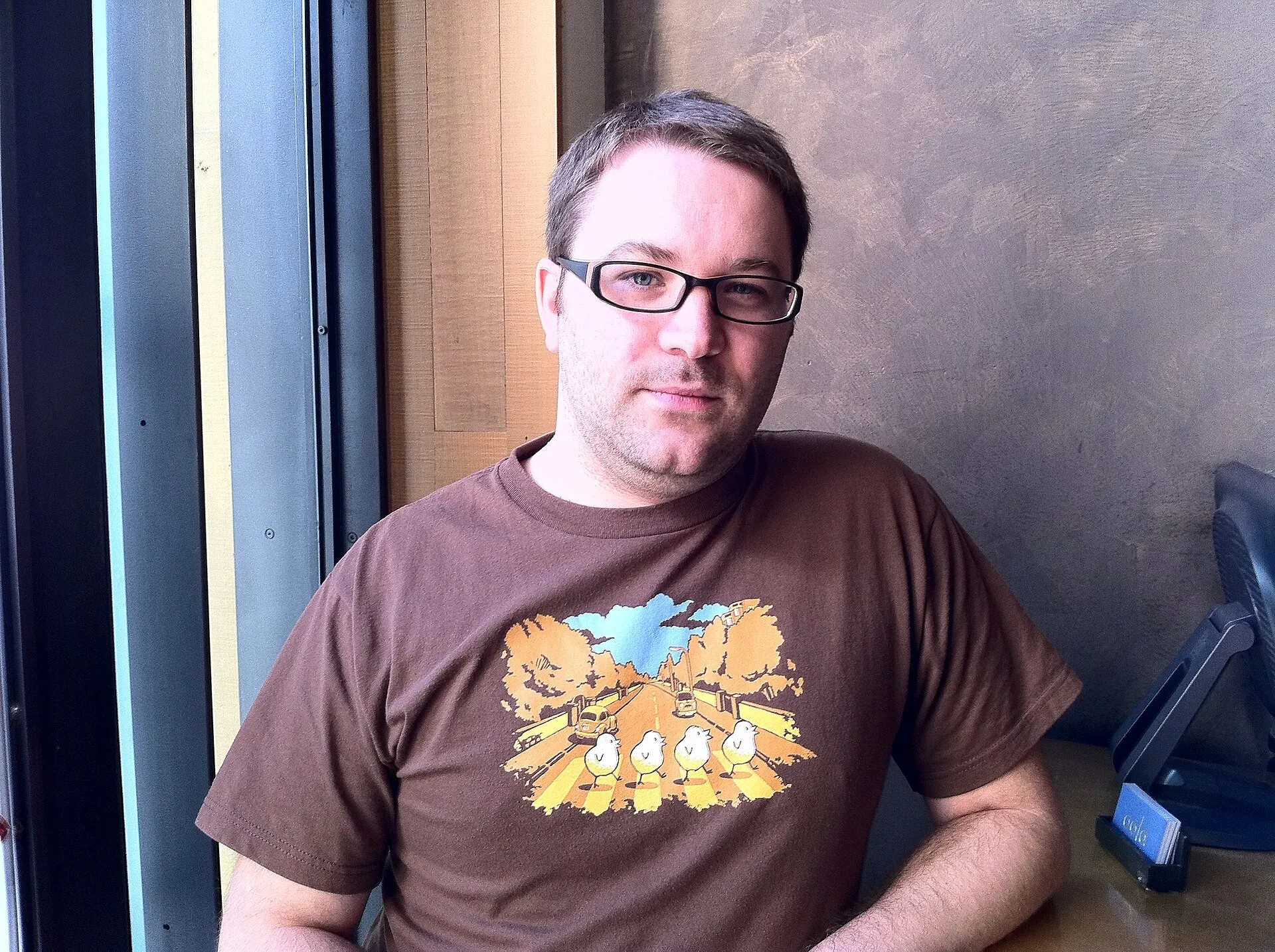
Two Failed Games. Two Giant Products.
He tried to build an online game. Twice. Both games failed. The tools behind them became Flickr and Slack.
Some of the most famous tech products were never the original plan.
Cal Henderson knows this better than almost anyone. Twice, he helped build an online game. Twice, the game failed.
And twice, a tool built along the way turned into something huge: first Flickr, then Slack.
A web developer from England
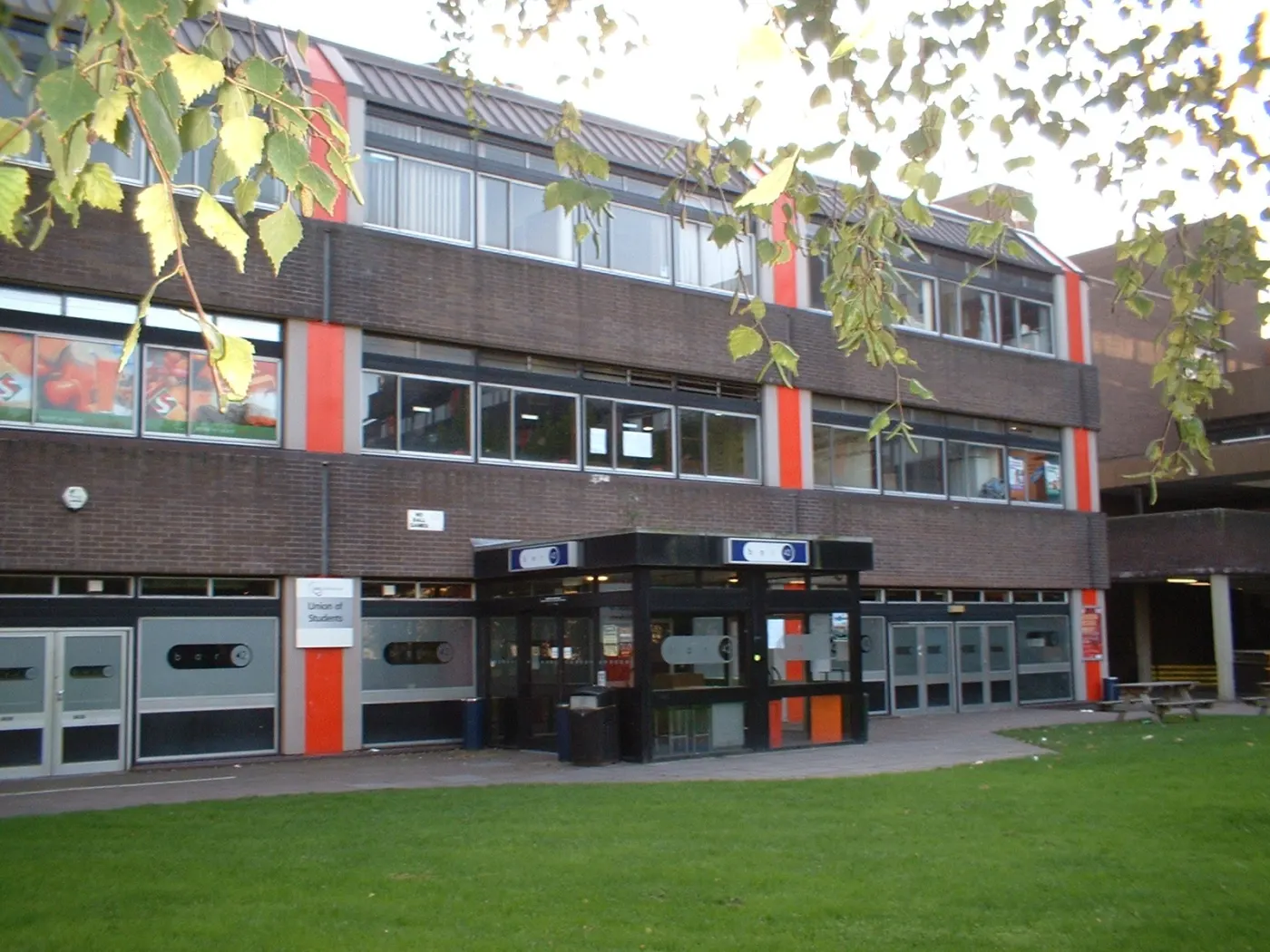
Cal Henderson grew up in England and studied at the University of Central England in Birmingham, now called Birmingham City University.
He fell in love with building websites and became a skilled web developer, working on digital projects in the UK.
The game that became Flickr
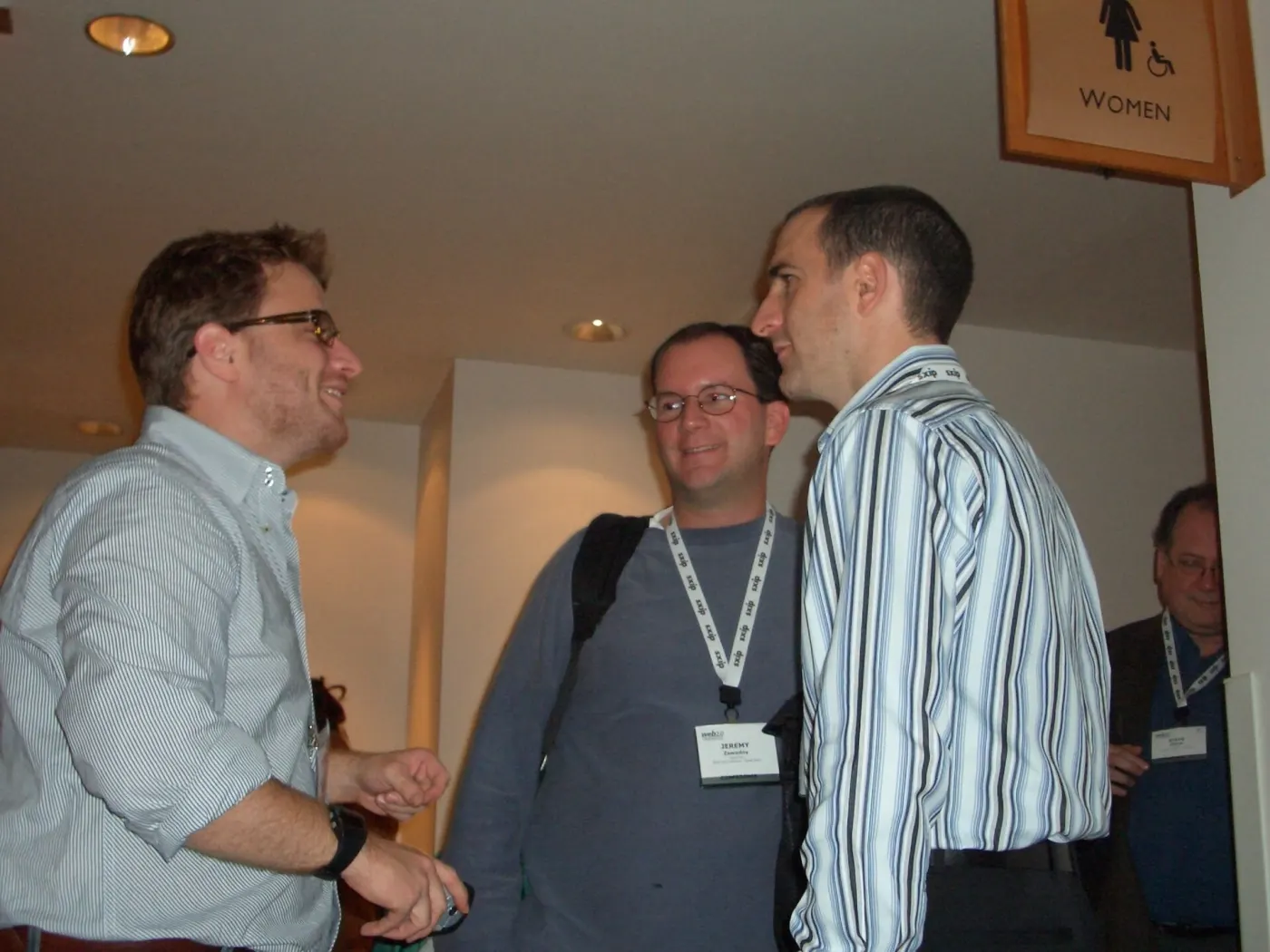
In the early 2000s, Cal joined a small company in Vancouver, Canada, run by Stewart Butterfield. They were building an online game called Game Neverending.
The game struggled. But the team had built a way for players to share photos. In 2004, they turned it into Flickr, one of the first big photo sharing websites.
Cal led engineering. In 2005, Yahoo bought Flickr. Cal went on to write a well known book about how to build websites that can handle huge numbers of users.
Another game, another surprise
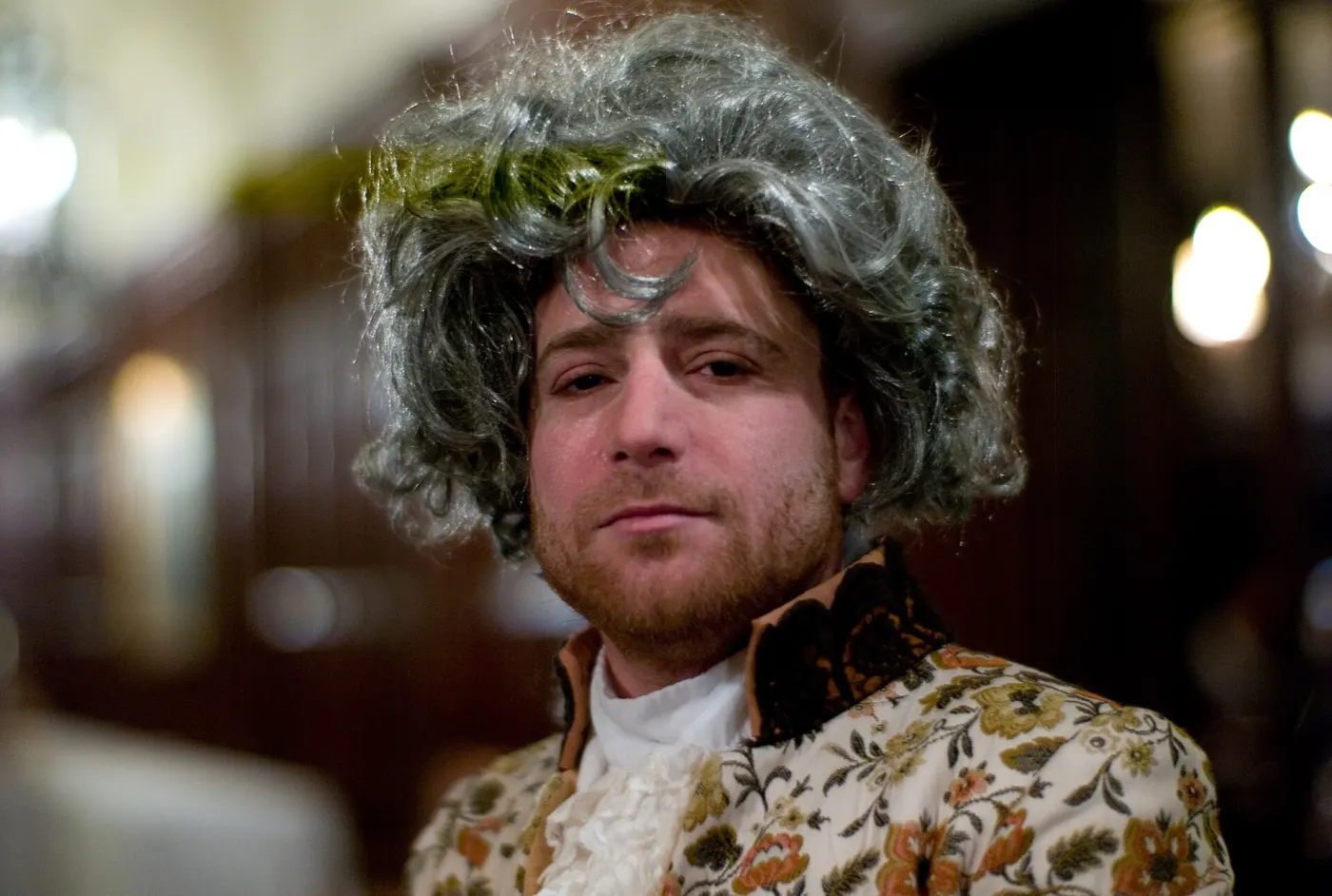
In 2009, Cal and Stewart teamed up again at a company called Tiny Speck. They built another online game, Glitch.
Glitch was charming, but it did not attract enough players. It shut down in 2012.
Once again, the team had built something useful along the way: an internal chat tool they used to work together.
They turned it into Slack. It launched in 2013 and opened to everyone in early 2014.
Slack takes over work

Slack let teams talk in channels instead of long email chains. It was fast, searchable and fun, with emoji and integrations.
Companies loved it. Slack became one of the fastest growing work apps ever. Cal was co-founder and chief technology officer.
In June 2019, Slack listed its shares directly on the New York Stock Exchange.
In 2021, Salesforce bought Slack for $27.7 billion.
Leaving Slack
Stewart Butterfield left Slack at the end of 2022. In January 2024, Cal, the last remaining co-founder, announced he was stepping down as CTO. He left on March 1, 2024.
Where he is now
Today, Cal Henderson speaks at tech events and advises people building companies. He is also a huge Lego fan. In a 2025 interview, he said he was building a 64,000 piece model of Notre Dame Cathedral.
He joked about why he enjoyed helping fact check stories about Slack's history.
"There's nothing I enjoy more than correcting people."
Why the story matters
Cal Henderson's story is proof that failure can hide treasure. Two games failed. Both left behind tools that changed the internet.
For young builders, the lesson is simple. Pay attention to what you build for yourself while chasing your big idea. Sometimes the side tool is the real product.
He did not win by sticking to plan A. He won by noticing plan B.
The Record
From: England, UK
Studied: University of Central England, Birmingham
Built: Flickr and Slack (with Stewart Butterfield and team)
Role at Slack: Co-founder and CTO, 2009 to 2024
Timeline
2004 Flickr launches from the Game Neverending team.
2005 Yahoo buys Flickr.
2009 Co-founds Tiny Speck to build Glitch.
2012 Glitch shuts down.
2013 Slack launches.
2019 Slack lists directly on the NYSE.
2021 Salesforce buys Slack for $27.7 billion.
2024 Leaves Slack on March 1.