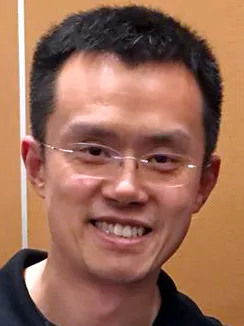
From McDonald's to the World's Largest Exchange
A Canadian immigrant coded trading systems. He built Binance into crypto's biggest marketplace. Then came a guilty plea, prison, and a presidential pardon.
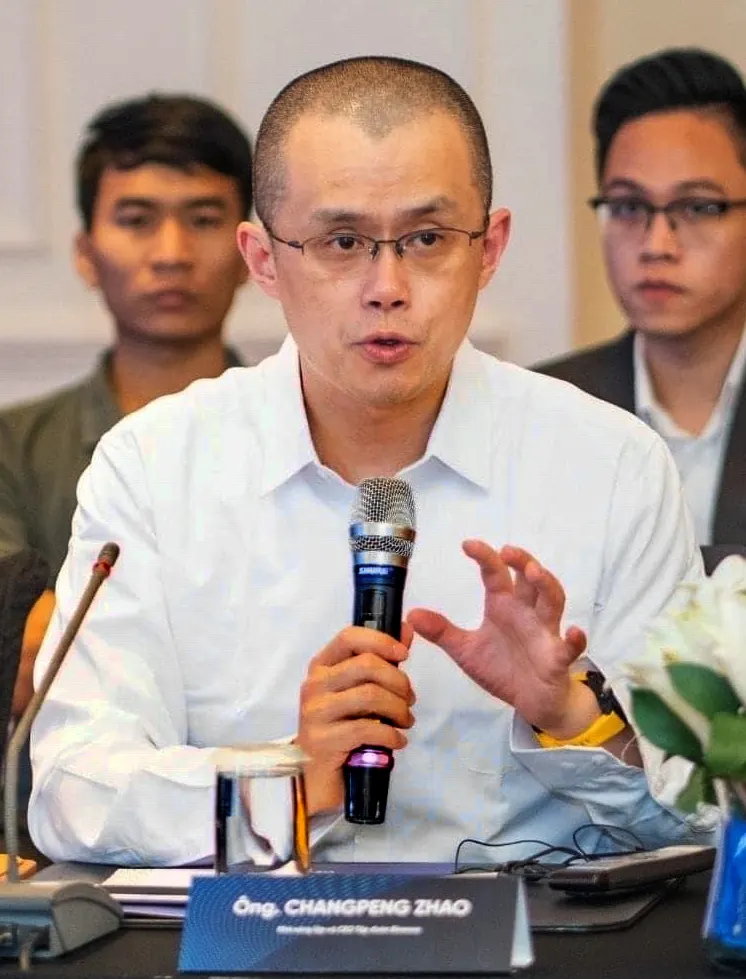
In November 2023, Changpeng Zhao walked into a Seattle federal courtroom and ended an era with his own voice.
He pleaded guilty to failing to maintain an effective anti-money-laundering program under the Bank Secrecy Act. Binance, the exchange he built, pleaded guilty to related federal charges and agreed to pay about $4.3 billion. Zhao agreed to a $50 million personal fine and to step down as chief executive. He kept majority ownership, according to contemporaneous reporting, while Richard Teng took the CEO seat.
The man the industry called CZ had spent six years turning a Hong Kong launched trading venue into the world's largest crypto exchange by volume. Now he was taking personal criminal responsibility for compliance failures that U.S. prosecutors said put customers and the financial system at risk.
Rural China and the bookworm father

Zhao was born in 1977 in Ganyu, in China's Jiangsu province, into a family of schoolteachers. His father, Zhao Shengkai, was a university instructor branded a pro-bourgeois intellectual in the Cultural Revolution era and sent to rural labor. The family knew scarcity. Stone desks in cold classrooms. Rice as the constant meal. Later CZ would tell interviewers those years taught endurance more than bitterness.
Around age ten the family moved to Hefei, home to a major science and technology university. Older students taught him chess and Go. Campus talk drifted into politics. He learned early to listen to people older than his grade.
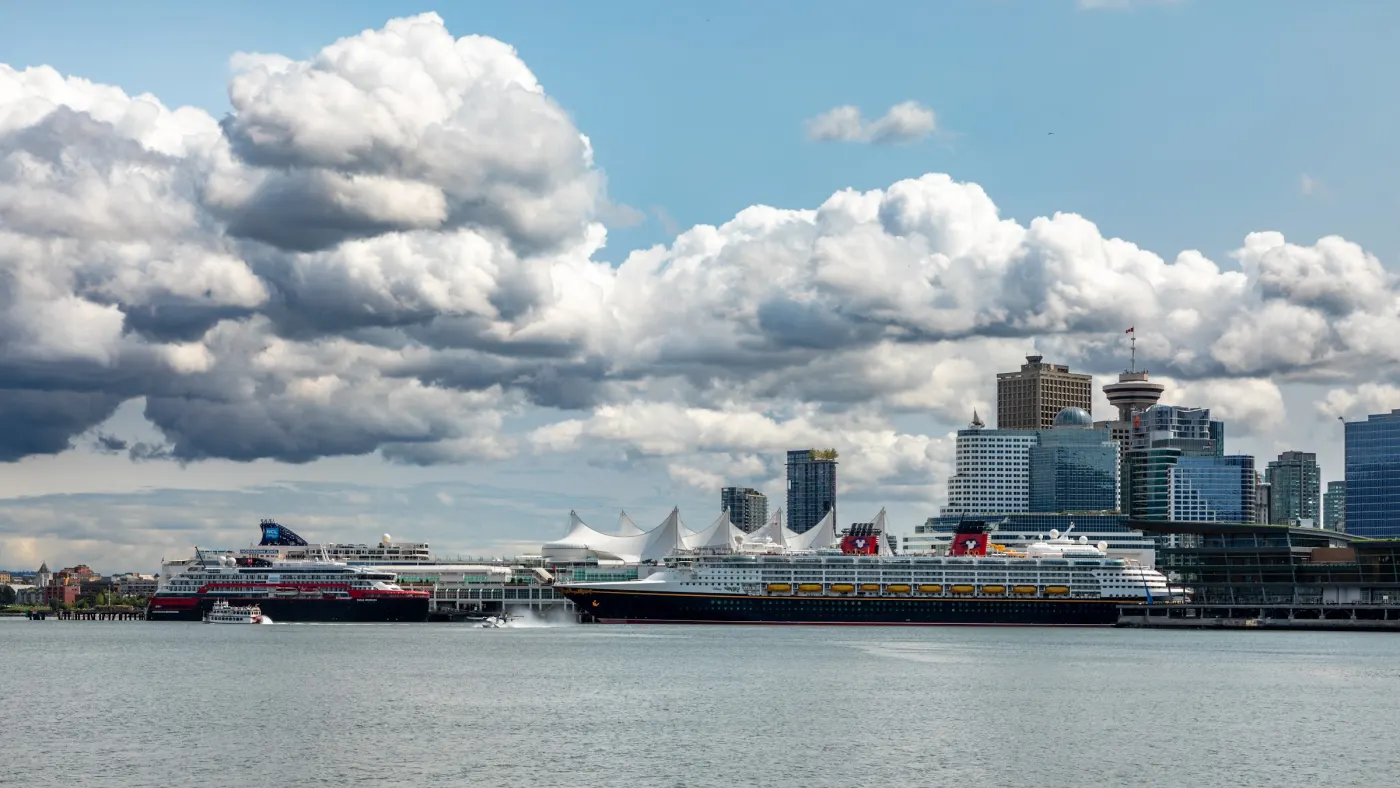
In late 1989, when he was twelve, he and his mother and sister joined Shengkai in Vancouver. The father had pursued graduate study in Canada, first linked to Toronto and then to the University of British Columbia. The timing followed the Tiananmen Square crackdown. The family landed in modest UBC graduate housing among cedars and ferns, far from Jiangsu stone desks.
Canada was green and clean and strange. English was not fluent. Money was tight relative to classmates whose parents drove BMWs to volleyball. His mother, once a teacher in China, took sewing work in a garment factory because language blocked better jobs. Zhao pumped gas overnight at a Chevron station. He flipped burgers at McDonald's for two years. He refereed volleyball and captained his school team. A PE teacher nicknamed him Champ when classmates struggled with Changpeng.
The only big family splurge he later highlighted was a roughly C$7,000 IBM-compatible 286 computer. Shengkai needed it for research. He also taught his son to program. That machine became a doorway. High school coding courses followed. Math competitions followed. The immigrant kid who worked night shifts was building a technical identity in public silence.
Years later, when internet trolls mocked the McDonald's past, Zhao did not erase it. He retweeted memes of himself in franchise garb. The fryer years stayed part of the brand: humble Canadian affect wrapped around ruthless product speed.
Night shifts and the Champ nickname
The overnight Chevron shifts taught him a simple equation. Cold rain. Drunk customers. Cash drawer discipline. Mistakes cost money you did not have. McDonald's taught speed under fluorescent light and the discipline of a uniform. He later said the work never felt shameful. It paid for a household that had moved continents.
Volleyball made him visible. Captaincy meant showing up twice a week when parents never watched from the bleachers. Shengkai was in the lab or at the computer. CZ noticed. Decades later he named that absence out loud in interviews, worrying he might copy the same neglect with his own kids.
Humble values stuck sideways. He got along better with Taiwanese classmates who had money but less flash than some Hong Kong peers chasing brands. The public CZ of the 2020s still performed that humility: soft voice, plain shirts, jokes about fries. The private operator shipped products that crushed rivals on fees and listings. Both versions were real. Neither canceled the other.
Wealth gap at school was a daily teacher. Friends' parents drove BMWs to games. His father drove a worn Datsun. The computer purchase still sits in family lore as the one wild bet on tools. Tools mattered more than cars. That preference survived into Binance years, when he mocked Lambo culture even while sitting on exchange equity worth fortunes on paper.
McGill, Tokyo, Bloomberg
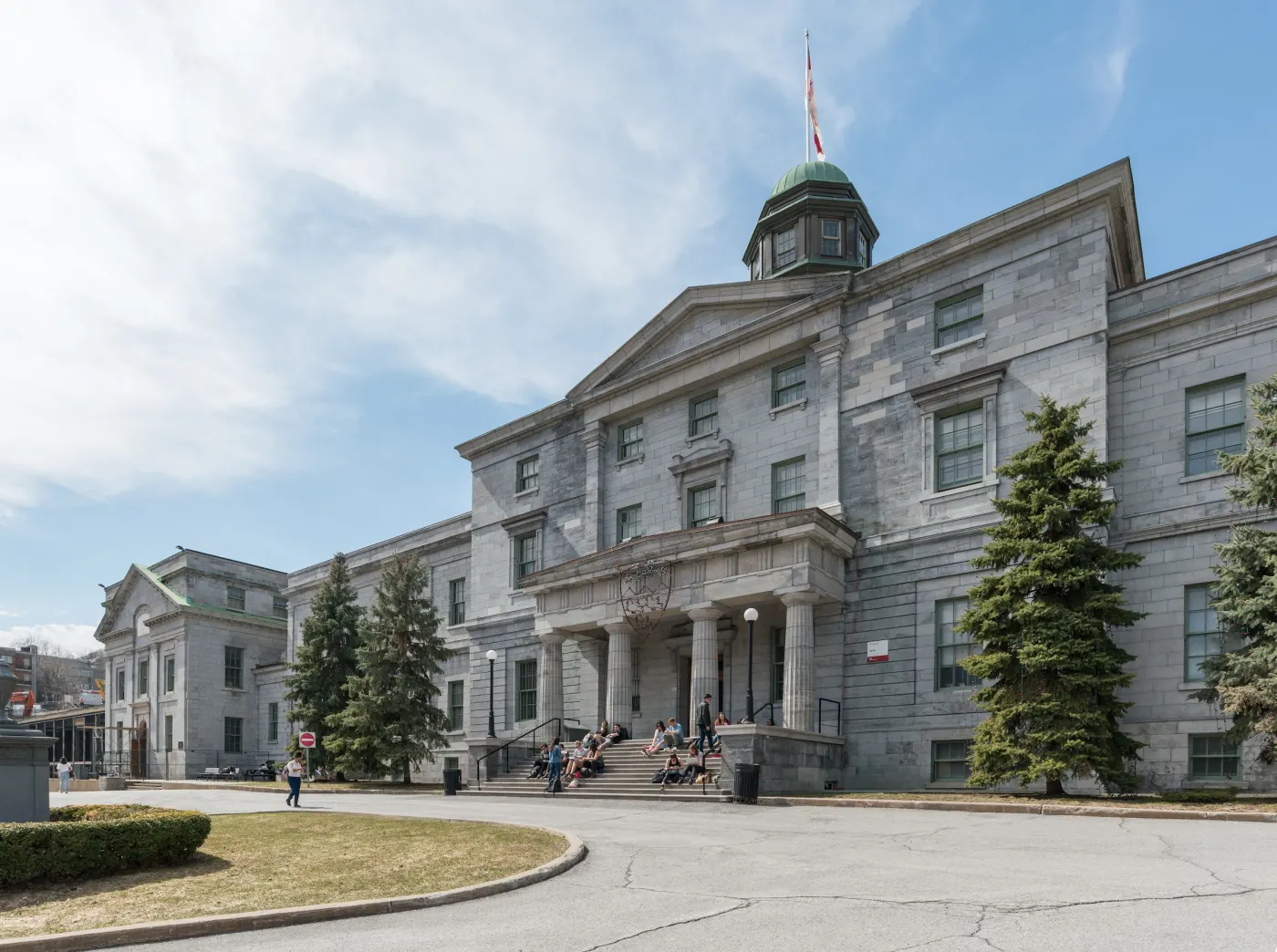
In 1995 he crossed the country to McGill University in Montreal. Winters were brutal. He switched from biology to computer science when university biology felt like a step backward from human oriented high school work. He Rollerbladed, ate pho, and stayed late in computer labs on early Apple machines.
Near the end of his McGill years he cowrote a scholarly paper on artificial intelligence with professor Jeremy Cooperstock, rare for an undergraduate in a graduate seminar. Cooperstock later remembered a personable, highly intelligent student and said he was surprised years later to learn that student had become a billionaire.
Public accounts disagree on the diploma. Many profiles call him a McGill graduate. A detailed 2023 Fortune investigation reported that around 2000 he turned a Tokyo Stock Exchange matching software internship into full time work and did not return to finish. In later interviews Zhao has spoken of McGill and then Tokyo and New York in a compressed career arc. For this documentary, the careful line is that McGill shaped his coding foundation, and Tokyo paid him to ship production trading software before Bloomberg did.
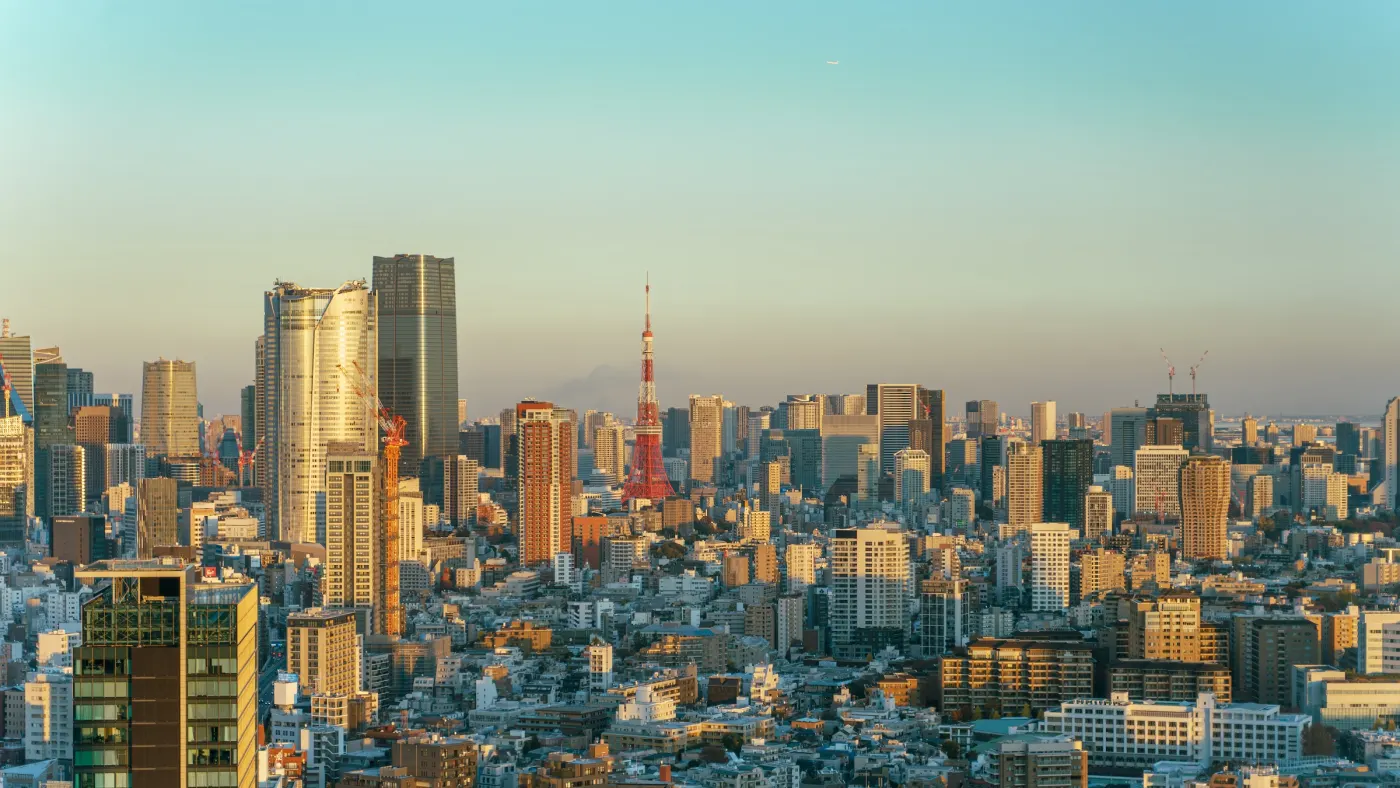
At Bloomberg Tradebook in New York he spent about four years building futures trading systems. He moved from developer to team leader, managing groups that grew toward sixty and then roughly eighty people. Millisecond markets taught him that reliability is a moral claim in finance. A buggy match engine does not merely annoy. It costs real money in real seconds.
In 2005 he left New York for Shanghai. China was accelerating. Shanghai was a shipping and finance engine. Returnees like him were called sea turtles: people who studied abroad and swam home with English, Western work habits, and Chinese language fluency. He later said he was taught to go where growth is, not where everything is already finished.
What New York taught about risk
Bloomberg Tradebook was not a startup romance. It was production finance software with clients who measured latency in money. Zhao learned to manage people as well as code. Team leadership meant translating between traders who wanted features yesterday and engineers who needed clear specs. He left with a resume that could have kept him in Manhattan forever.
He chose Shanghai anyway. Growth pulled harder than comfort. The sea turtle wage premium was real. So was culture shock. Baijiu dinners with officials felt like a second language he never loved. He studied the rules as theater: unclear on purpose, enforced when useful. That education later colored how Binance chose countries. Favorable rule sets were a product feature.
Fusion Systems and the Shanghai rules
In Shanghai he cofounded Fusion Systems with other expats. The company built high frequency trading platforms for brokers and banks, including major global names. Zhao learned to sell as well as code. Guanxi, banquet drinking, and deliberately unclear rules felt foreign after Canada and New York. He said he was never fully comfortable with that theater. He still prospered inside it.
The Shanghai years also rewired his sense of what competition looks like. Western tech press later marveled that Binance rose so fast. Asian operators who knew China's early internet battles were less shocked. Speed, fee cuts, and regulatory arbitrage were not side effects. They were the game.
All in on bitcoin
In 2013, during a poker game, Bitcoin evangelist Bobby Lee and investor Ron Cao pressed crypto on Zhao. Lee suggested putting about ten percent of wealth into bitcoin. Zhao went further. He sold his Shanghai apartment and poured roughly a million dollars into bitcoin. Family members were dismayed when price crashed afterward. He held.
He joined early crypto builders: months as head of development at Blockchain.info, then a stretch as chief technology officer at OKCoin. At OKCoin he argued in public on Reddit, unusual for a CTO. After clashing with CEO Star Xu he left and posted a long critique alleging volume bots and opaque reserves. Xu accused Zhao of fabricating credentials. The fight cooled. The lesson stuck: crypto founders would wage war in public, and regulators were watching China already.
Next came Bijie Technology, software for digital exchanges. About thirty Chinese platforms ran on related tech. Some of that wider market got tangled in a collectible stamp trading mania that hurt ordinary investors and drew a state crackdown. Zhao was not shown to run the stamp scams. His stack still lived next to a market the state decided to crush. By 2017 many Bijie clients were gone. Crypto prices, meanwhile, were exploding again.
Leaving OKCoin and building exchange steel
The OKCoin breakup mattered because it was public. Zhao used long Reddit posts the way other executives used press releases. He accused the company of fake volume and weak proof of reserves. The company struck back at his credentials. Crypto Twitter did not exist yet in modern form, but the pattern was born: founders as combatants, forums as courts.
Bijie Technology turned that combat energy into infrastructure. Writing exchange software for dozens of Chinese platforms meant learning listing ops, matching quirks, and the politics of local finance experiments. When stamp and collectible exchanges blew up under state pressure, the client base shrank. Zhao kept looking at Coinbase's U.S. success and Asia's underserved traders. The gap was the company.
He has described assembling Binance with people he already trusted from years in crypto chat rooms and prior startups. Yi He was central from early days, later chief customer officer and life partner. The founding was not a lone genius myth. It was a team that already knew exchange failure modes.
Birth of Binance
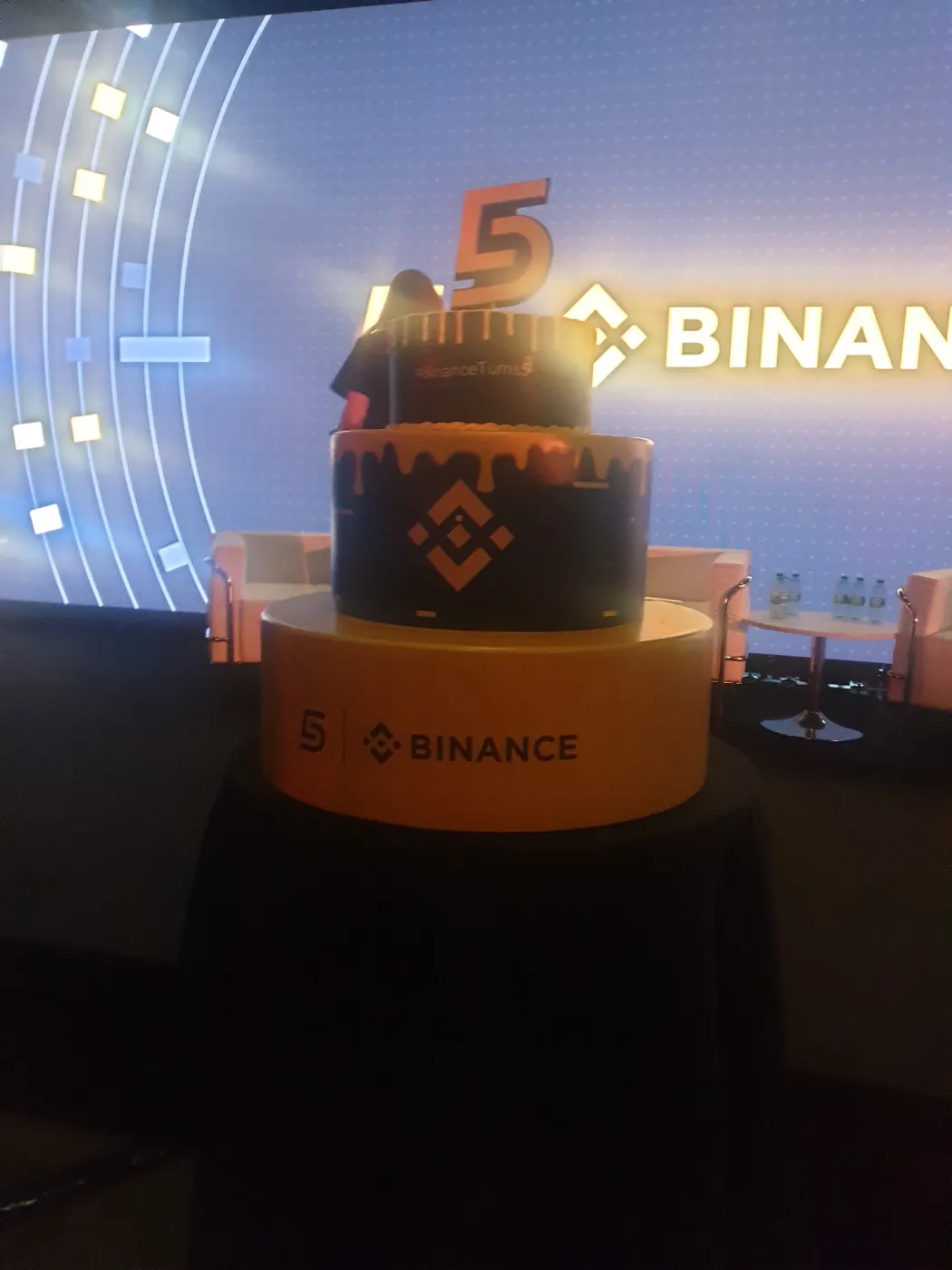
In July 2017 Zhao launched Binance. The name fused binary and finance. Early motto: exchange the world. He and Yi He, a business partner who became his life partner, built for a global crowd that existing exchanges underserved. An initial coin offering raised about $15 million. Trading opened days later.
Binance pushed a clean interface, aggressive fee discounts for holders of Binance Coin (BNB), and a long asset list. Within months volume rankings flipped. By early 2018 Bloomberg and others described Binance as the world's largest crypto exchange by trading volume. Forbes put Zhao among crypto's new billionaires.
The China window slammed shut. In September 2017 Chinese authorities banned ICOs and moved to shut domestic exchanges. Binance ran a frantic migration of data from more than two hundred Alibaba hosted servers to clouds outside the Great Firewall. Staff left China. Tokyo became a next stop. Japan did not last after phishing scandals and registration pressure. Malta welcomed crypto for a stretch. Then Binance claimed it would operate without a traditional headquarters. Investigators hired by adversaries later said Zhao was hard to locate. By 2022 he was visible again from Dubai and later Abu Dhabi.
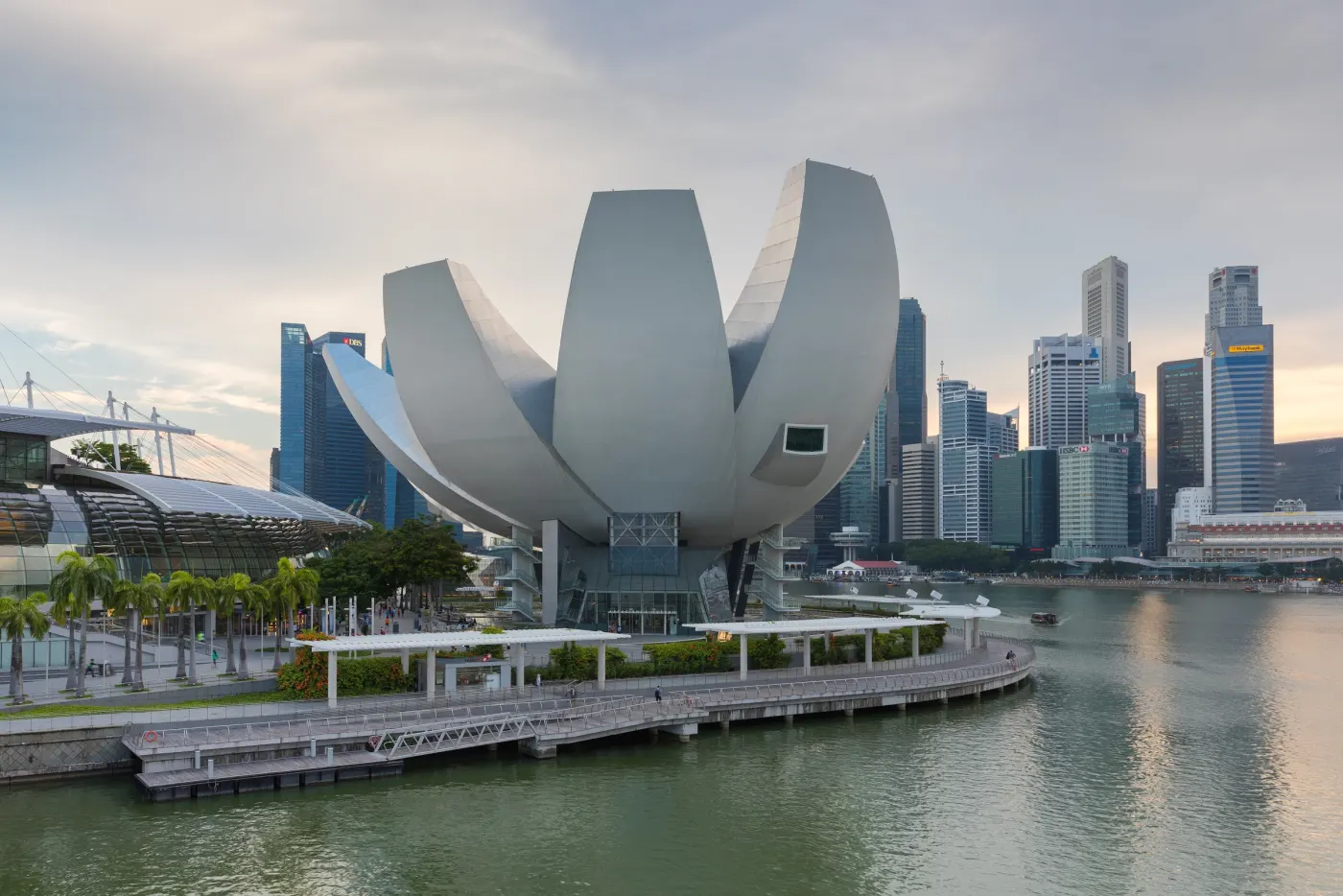
The China exit as a product test
Moving more than two hundred servers out of China under a ban was an operations war. Staff worked in quiet panic. Domains, databases, customer keys, and chat support had to keep working while the legal ground vanished. Success proved Binance could treat geography as temporary. Failure would have erased the company in weeks.
Tokyo looked like safety until phishing ads stole user funds and regulators demanded registration Zhao would not accept on their terms. Malta offered a flag and a friendly prime minister for a stretch. Then even that felt too fixed. Declaring no headquarters thrilled decentralization fans and enraged supervisors who need a doorbell to ring. Private investigators hired in lawsuits later claimed they could not find him. That opacity was strategy and liability at once.
Dubai and Abu Dhabi finally gave a visible base with friendlier digital asset rules. Zhao could sit for camera interviews again. The soft spoken founder returned to the frame, now with children and a skyline behind him.
How Binance won
Product beats mattered as much as jurisdiction hopping. BNB gave traders a reason to stay inside the ecosystem. Binance Smart Chain, launched in 2019, added smart contract competition with Ethereum. Launchpads, earn products, and a huge listing machine created a supermarket feeling. Coinbase looked like a regulated American storefront. Binance looked like a global bazaar that never slept.
Critics said the bazaar asked too few questions. Know your customer controls were uneven for years. Internal communications later cited in U.S. civil cases allegedly discussed risky flows. Binance built Binance.US as a domestic affiliate in 2019 while the global platform remained the main engine. In 2021 it withdrew a Singapore exchange application. The company kept insisting it was becoming more compliant even as enforcement pressure rose.
Zhao's public style stayed oddly soft. Mild voice. Modest clothes. Canadian politeness. Rivals who traded against Binance described a harder operator: delistings, competitive fee wars, and a willingness to move the corporate map overnight. Fortune called him a shape shifter: Asian to Americans, American to Asians, always slightly in between.
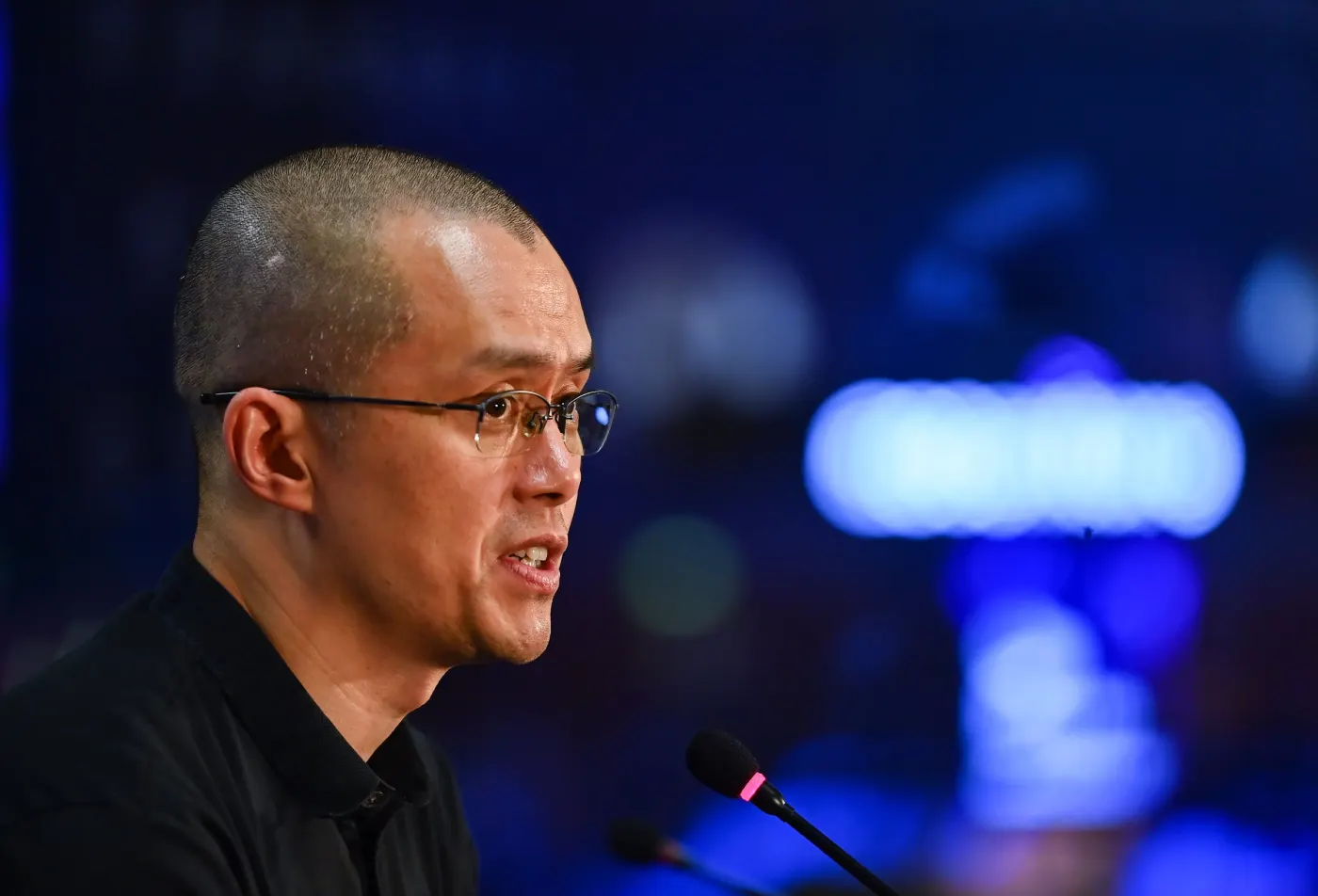
FTX, Twitter money, and the long U.S. fight
In 2022 Binance committed about $500 million toward Elon Musk's Twitter acquisition financing, a blank check style bet Zhao later discussed in interviews. The same year crypto's boom cracked. When Zhao publicly moved to liquidate Binance's remaining FTX related holdings, the spiral that exposed Sam Bankman-Fried's fraud accelerated. Zhao has said he was surprised by the depth of the FTX collapse even though he had known Bankman-Fried as a client and early investment counterpart. The two men were crypto's twin poles for a season. After FTX, only one still ran a living exchange.
U.S. agencies closed in. In March 2023 the Commodity Futures Trading Commission filed a civil lawsuit alleging Binance and Zhao willfully evaded U.S. rules. In June 2023 the Securities and Exchange Commission sued on multiple securities related counts. Those civil cases made allegations. They were not the same as the later criminal guilty pleas. The distinction matters for accuracy.
Inside Binance, lawyers multiplied. Zhao later wrote that 2023 meant daily calls with large legal teams while the Justice Department pressed toward a multi billion resolution. The final corporate number settled near $4.3 billion.
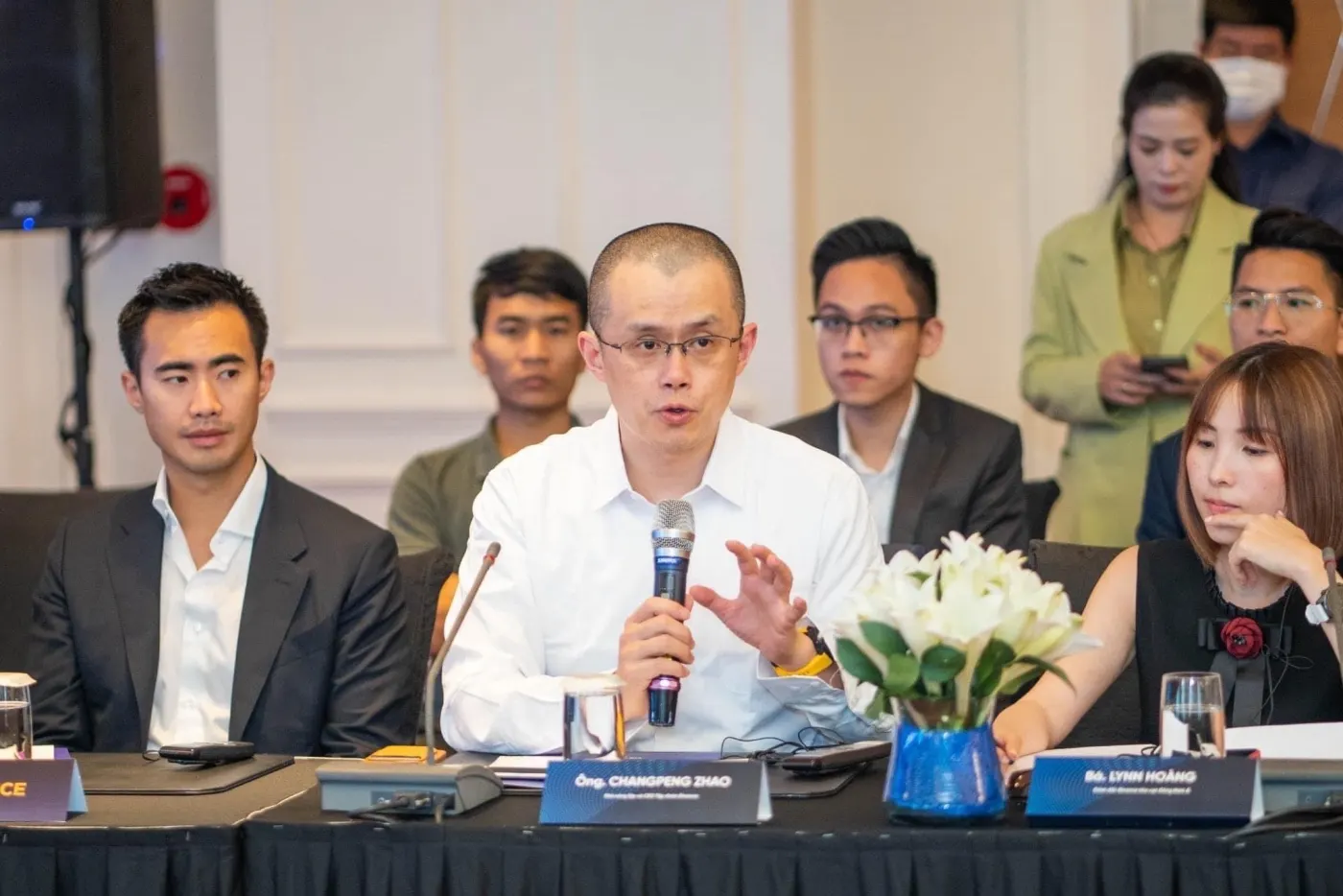
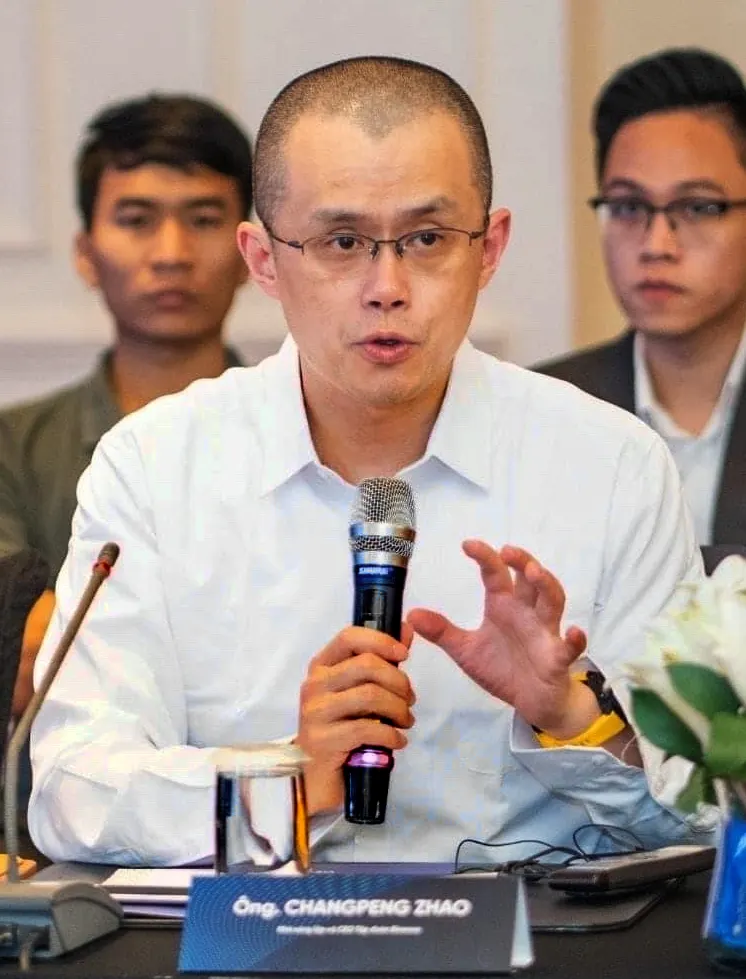
Civil suits before the criminal landing
The CFTC complaint in March 2023 accused Binance and Zhao of ducking U.S. derivatives rules and pointed to internal chats about dangerous counterparties. The SEC suit in June 2023 stacked securities allegations across thirteen charges in media summaries. Binance denied wrongdoing in civil forums while negotiating the separate criminal track. Accurate writing keeps those lanes apart. Allegation is not conviction. The November plea was the conviction lane.
FTX's estate later sued Binance and Zhao seeking roughly $1.8 billion tied to a 2021 share repurchase when Binance exited FTX stakes. That claim remained a civil fight. It shows how intertwined the boom era balance sheets were, even among rivals.
Guilty plea, prison, release
On November 21, 2023, the Justice Department announced that Binance Holdings Limited pleaded guilty to Bank Secrecy Act violations, failure to register as a money transmitting business, and International Emergency Economic Powers Act violations. Zhao pleaded guilty to failing to maintain an effective AML program. He said resigning was the right thing and that he made mistakes he had to own.
In April 2024, U.S. District Judge Richard A. Jones sentenced him to four months in prison, far below the multi year exposure some prosecutors had discussed. He reported to Federal Correctional Institution Lompoc I in California. Bureau of Prisons records and company statements put his release from custody around September 27, 2024.
In his first major interview after prison, Zhao told Altcoin Daily that confinement stripped life to human connection. He missed children, family, colleagues, and community more than comfort. He said some guards recognized him and asked what coin to buy. News coverage had called him potentially the richest inmate in American history. He said that label did not help his safety.
Four months in Lompoc
Prison time is often mythologized. Zhao's version was blunt. Freedom gone. Days empty. Reflection forced. He said the experience clarified that people outrank beds and meals. He also lived under the weird celebrity of wealth inside a federal facility. Safety was a real concern when news called him the richest inmate story of the year.
He used the idle hours to write. Freedom of Money began as confinement pages. The memoir that reached shelves in April 2026 carried that origin as a marketing fact and as a personal claim: the exchange king slowed down enough to narrate himself.
Release in late September 2024 did not restore the CEO title. Richard Teng remained the public operator. Zhao's gravity remained ownership, commentary, and deal flow. Markets still parsed his sentences like policy.
How he works
Zhao describes himself as a builder, not a trader. In a 2025 CNBC hit he said he does not day trade. He holds bitcoin and BNB. He tried timing markets years ago, lost money, and decided developers should ship systems instead. That self story matches his career path: matching engines, exchange software, then an exchange that is itself a system of incentives.
He works through compressed decisions. Move servers. Cut fees. List assets. Relocate staff. Speak softly in public while the product stays aggressive. He has said he is not a pure libertarian and does not believe civilization is ready for a world with no rules. The gap between that sentence and Binance's early compliance record is the central tension of his biography.
Parenting worries him. He has said his father rarely attended volleyball games because lab work swallowed the calendar. He fears repeating neglect. Yi He remains a core Binance leader and life partner. Zhao has five children across his earlier marriage and his partnership with Yi He, according to public profiles.
Pardon, memoir, and 2026 stature
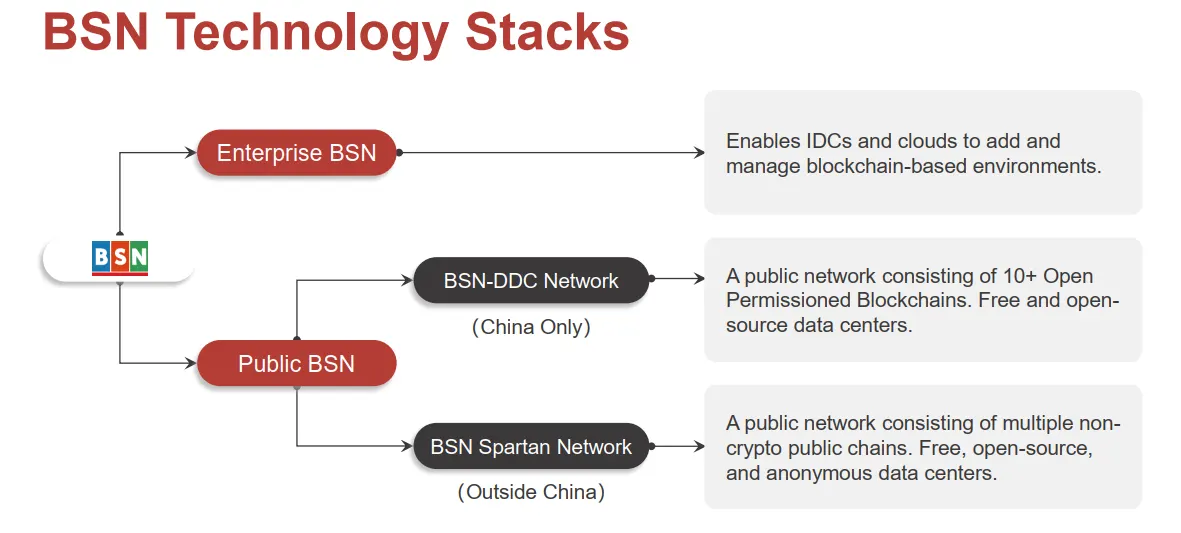
After release, Zhao took advisory roles beyond the exchange brand, including a 2024 appointment tied to Pakistan's crypto council and a 2025 advisory role to Kyrgyzstan's president on digital assets. Binance kept operating under Richard Teng. Zhao's ownership stake and public commentary still moved markets and headlines.
In 2025, major newspapers reported that Binance had held business talks involving Trump family crypto ventures, including administration of trading related to World Liberty Financial, and that Zhao's side spent heavily on lobbying while seeking a pardon. On October 21 to 23, 2025, President Donald Trump granted Zhao a full pardon. Zhao posted thanks. The White House framed the prosecution as a political war on crypto. Critics in both parties called the pardon corrupt. On 60 Minutes days later, Trump said he had no idea who Zhao was, then added he had heard the case was a Biden witch hunt. Those statements sit side by side in the public record. Readers can weigh them.
On April 8, 2026, Zhao's self published memoir Freedom of Money went on sale. He said he wrote much of it in prison. The book covers childhood, immigration, Binance's rise, the settlement, and incarceration. He stated that author royalties would go to Giggle Academy, his education nonprofit. Forbes estimates around April 2026 placed his net worth near $111 billion, ranking him as Canada's richest person and among the world's top twenty fortunes. Crypto prices and private ownership stakes make any billionaire number soft. The direction is clear: the exchange he founded still anchors global spot and derivatives flow for digital assets.
In a short CNBC conversation he said that if he could redo one thing, he would have blocked United States users from day one. He framed early U.S. access as a small Shanghai startup mistake that became a Bank Secrecy Act crisis years later. Whether that rewrite fantasy is wisdom or revision, it shows how he narrates the crash now: product first, jurisdiction last, bill due later.
Pardon politics without cartoon ink
The October 2025 pardon is a hard scene to write cleanly. Documented facts include the presidential signature, Zhao's grateful posts, Binance's celebration, White House language about a Biden war on crypto, and extensive reporting on Trump family crypto ventures and lobbying. Critics called the clemency pay to play. Zhao's lawyer called attacks on the pardon an attempt to usurp presidential power. Trump's later claim that he did not know who Zhao was collided with the paper trail of meetings and headlines.
This documentary does not claim secret proof of a corrupt bargain. It reports that the overlap of business talks, lobbying, and clemency created a lasting legitimacy fight around Zhao's second act. Readers who care about rule of law will keep arguing. Readers who care about crypto market structure will notice that Binance liquidity barely paused for the morality play.
World impact
Binance changed who could trade crypto. Millions of users outside the United States found deep liquidity, low fees, and endless pairs. Developers found a distribution pipe for new tokens. Nation states found both a partner and a problem: some sought advisory help, others sued.
The impact cuts two ways. On one side, cheaper global market access and a working example that an exchange can outgrow Coinbase without Silicon Valley manners. On the other side, a compliance bill measured in billions, a CEO in federal prison, and a long civil docket. In June 2026, nearly 1,700 UK investors named Zhao among defendants in a London High Court claim seeking more than £150 million over alleged unauthorized crypto derivatives marketing. That case was ongoing allegation, not a final judgment, when this documentary was written.
Culture shifted too. BNB and BSC pulled developer attention. Exchange tokens became normal. Founder memes mixed McDonald's uniforms with private jet jokes. CZ's soft voice became a template for crypto executives who want to sound harmless while shipping hard.
Users, nations, and the double ledger
For a trader in Lagos, Jakarta, or Buenos Aires, Binance often meant the difference between thin local rails and a deep order book. That is real consumer impact. For compliance officers in Washington and London, Binance often meant a moving target with too much volume and too little early restraint. That is also real.
National advisors roles in Pakistan and Kyrgyzstan show governments trying to learn from the same man prosecutors punished. The double ledger is the point. Crypto's most important marketplace was built by someone willing to optimize jurisdiction like a latency parameter. The world gained access. The world also gained a case study in how far that optimization can run before a courtroom stops the music.
Giggle Academy and promised wealth donations sketch a philanthropic endgame. Zhao has said he wants to give away most of his fortune in the style of older industrial philanthropists. Announcements are easy. Delivery is the test that 2026 and after will measure.
The father echo
Shengkai Zhao's colleagues described a brilliant geophysicist who wrote code others could not replicate, yet never commercialized his gifts. CZ watched a genius father stay poor by entrepreneur standards. Reading Rich Dad Poor Dad in college nudged him toward owning a business rather than only seeking a decent job. Binance can be read as the son's answer to the father's unfinished monetization, or as the son's rebellion against a remote lab schedule. Both readings fit the interviews.
Either way, the arc is concrete. Rural exile family. Vancouver night work. Trading software in Tokyo and New York. Shanghai startup school. Apartment sold for bitcoin. Exchange built in 2017. World number one by 2018. Guilty plea in 2023. Prison in 2024. Pardon in 2025. Memoir and nine figure billionaire estimates in 2026.
Ordinary days after extraordinary volume
After the pardon and the memoir press, Zhao still faces ordinary builder questions. What products deserve attention? Which countries get licenses? How much should a former CEO speak when ownership still sways price? He says he holds more than he trades. Holding is a temperament. Trading is a temptation he claims to have failed at and abandoned.
The industry around him matured in public. Spot bitcoin exchange traded products, bank pilots, and political parties courting crypto votes all changed the backdrop. Binance had to keep liquidity while wearing a compliance costume tailored after a guilty plea. Whether the costume is reform or camouflage depends on which auditor you ask. The order books remain hard to argue with.
Zhao's bilingual life keeps producing misreadings. Some Americans hear a soft Canadian and underestimate him. Some Chinese speakers hear a returnee and overfit him to Beijing. He has joked that each side sees him as slightly foreign. Binance's corporate map used that ambiguity for years. Clarity arrived the expensive way: plea agreements, monitors, and headlines.
Why the McDonald's story still ships
He keeps the fryer story in circulation because it resets the frame. Billionaire crypto founder becomes immigrant kid with a mop bucket. The risk is nostalgia cosplay. The value is memory of constraint. People who have counted coins in a register sometimes build different fee pages than people who only counted venture rounds.
Constraint also explains the apartment sale. Betting living space on bitcoin is not a spreadsheet exercise. It is a identity move. When price fell, family panic became part of the legend. When price later multiplied, the legend became recruiting bait for a company that needed believers as much as engineers.
Listing machines and fee gravity
Binance's listing machine was a growth engine and a risk engine. More assets meant more traders, more fees, and more chances that a weak project would blow up in customer hands. Low trading fees pulled volume from slower rivals. BNB discounts pulled loyalty. The flywheel looked gentle in marketing slides and violent in competitor dashboards.
Customer support at that scale became a city. Chat queues. Fiat on-ramps in local currencies. Education portals. Fraud rings probing reset flows. Zhao's insistence that he builds systems shows here: the exchange is less a website than a living operations network. When that network underinvested in AML controls, prosecutors argued, crime could route through it. When the network worked, a teacher in Manila could buy bitcoin at two in the morning.
He also learned media as weather. Favorable profiles during bull markets. Hostile investigations during bear markets. After FTX, every exchange founder wore extra suspicion. Zhao's answer mixed apologies, process hiring, and continued product shipping. The mix frustrated people who wanted a pure confession or a pure defiance. He offered neither purity.
Abu Dhabi mornings and the second voice
From Abu Dhabi, Zhao can sound like a retired operator who still cannot stop watching candles. He talks about four year bitcoin cycles and whether 2026 breaks them because U.S. politics turned friendlier to crypto. He talks about quantum risk on podcasts with research houses. He talks about education nonprofits. The through line is systems thinking applied to whatever room he is in.
Binance under Teng has to prove the company is more than one founder. That is healthy for any marketplace. It is also unfinished. Users still ask what CZ thinks. Regulators still ask who controls what. Competitors still price fees against Binance depth. The second voice of the company is institutional. The first voice remains a man who once sold his home for coins and later sold his CEO title to settle a case.
Pair trades against destiny
People love to cast Zhao and Bankman-Fried as paired opposites: immigrant builder versus privileged effective altruist, exchange rails versus hedge fund glamour. The comparison is partly media convenience. Both rode the same leverage boom. Both mixed philanthropy talk with hard trading incentives. One collapsed into fraud convictions. The other collapsed into a compliance guilty plea and a short sentence. The difference is enormous for customers who recovered assets and for founders who study which failures are survivable.
Zhao insists he felt little personal hatred toward Bankman-Fried, seeing him as a brilliant aggressive kid and a client. That cool tone may be true or practiced. What is measurable is that Binance gained relative share after FTX died, and that Zhao's public warnings helped open the door. History will keep arguing about motives. Order books recorded the outcome.
Survival in crypto is not only code quality. It is treasury management through winters, political literacy across continents, and the humility to hire lawyers before the subpoena teaches you their names. Zhao learned some of those lessons late. He is still spending the tuition.
Closing
Changpeng Zhao's story is not a clean hero tale and not a cartoon villain tale. It is a builder story that ran ahead of the rules, then paid in public. He turned immigrant coding skill into the largest crypto marketplace on earth. He admitted a criminal compliance failure, served four months, wrote a book behind bars, and walked back into a 2026 world that still trades on his rails.
The sentence that lingers is his own redo fantasy: block the United States on day one. The sentence that defines him is older: exchange the world. Between those two lines sits the whole documentary, still unfinished, still liquid, like the markets he made.
Watch alongside this story
Short cuts from interviews, keynotes and launches. Each plays only the moment that matters.