The High School Dropout Who Visited Every Country
In April 2013, on his thirty-fifth birthday, Chris Guillebeau landed in Norway. It was not a vacation photo for Instagram. It was country number one hundred ninety-three on a list he had published years earlier on a blog called The Art of Non-Conformity. The United Nations count of member states was complete. He had funded the quest with self-employment income, frequent-flyer miles, and the stubborn habit of treating travel like a job with a deadline. Birthday cake was optional. The stamp in the passport was the product.
By September 2026 that stamp was old news compared with what followed. Guillebeau had turned a free ebook into a Penguin book deal, packed Portland's World Domination Summit for a decade until a final gathering in June 2022, launched a daily podcast that still had not missed a day since New Year's Day 2017, published bestsellers about tiny businesses and side income, released Time Anxiety in April 2025, and hosted NeuroDiversion in Austin for neurodivergent adults, with more than five hundred people at the 2026 edition. He was never a venture-backed unicorn founder. He was something rarer in the founder aisle of the magazine: a one-person media and community company that kept reinventing the product while keeping the same promise. Live on your own terms. Help other people do the same.
A restless kid, a short high school, a long education
Guillebeau was born on April 4, 1978. When he was about six, he and his mother moved to the Philippines for two years. He later said he did not love it as a child. The move still mattered. It taught him early that home was not one fixed town and that people did not live the same way everywhere. Back in the United States he bounced through places he has named in interviews, including Virginia, Montana, and Alabama. Stability was not the family brand. Transition was.
School fit him poorly. He lasted about one year of high school, then left. The story sounds like failure until the next sentence. At sixteen he was already taking college classes. He collected credits from more than one school and finished a bachelor's degree at Athens State University in roughly two and a half years. By twenty he was in graduate school and running small wholesale and online hustles to pay for it. The pattern was already visible. If the official path blocked him, he built a side path and kept walking.
Money came from messy beginner businesses. He sold coffee and other goods on early eBay. He tried web design and learned he was good enough to charge, then not good enough to love it forever. He did business consulting and affiliate work. In one era he worked a FedEx night shift, "slinging boxes" around three in the morning, the kind of job that makes entrepreneurship feel less like a lifestyle brand and more like an escape hatch. He has said plainly that he was never a good employee. The first motivation was not to change the world. It was to avoid the dreaded real job.
After 9/11, a four-year answer in West Africa
The next turn was not a startup. After the September 11 attacks, Guillebeau and his wife, Jolie, felt the same hollow questions many Americans felt. What matters. What can we give. They found a medical charity that needed volunteers in West Africa and applied for a two-year commitment. The two years became four, from 2002 to 2006. Wikipedia later identified the organization as Mercy Ships. In his own talks Guillebeau usually keeps the softer phrase: a medical charity. Either way, the geography was concrete. Sierra Leone for about a year. Liberia for about a year. More time across the region, with stretches in Europe and South Africa mixed in.
He arrived in Freetown by ship. He studied French in Togo. He learned the hard logistics of post-conflict life: electricity outages, border crossings into Lagos, warnings from security services in Guinea not to talk politics. Liberia became the place that stuck in his memory when people asked about West Africa. He has said he never took a salary for the charity work. Business income and supporter donations covered the couple's years overseas. The privilege of being able to choose that life hit him hard. Middle-class American freedom looked different after months in places rebuilding from war.
When they left Africa in 2006, they landed in Seattle. Guillebeau finished a Master of Arts in international studies at the University of Washington in 2008. On paper he looked like a returned aid worker with a graduate degree. Off paper he was restless again. The question that had driven the Africa years, how to contribute, had not been answered forever. It had only been answered for one chapter.
The Art of Non-Conformity and a manifesto that scaled
In 2008 he started the blog that would become his brand. The Art of Non-Conformity mixed entrepreneurship, travel, and a running argument against settling for a default life. In June he released a free ebook, A Brief Guide to World Domination. It was earnest, slightly tongue-in-cheek, and extremely shareable. Downloads crossed one hundred thousand. Another early manifesto, 279 Days to Overnight Success, hammered a related point: overnight fame is usually a long grind with a cute headline. The blog's readers were not venture capitalists. They were freelancers, career-switchers, travelers, and people who hated their cubicles.
The same year he announced a public quest: visit every country in the world before his thirty-fifth birthday in April 2013. The list used the United Nations member count of one hundred ninety-three. He documented progress online. Funding came from the same toolbox as his early businesses plus travel hacking: airline miles, credit-card reward programs, and round-the-world ticket strategies. In 2010 he launched Travel Hacking Cartel, a paid subscription that taught other people those same tricks. The blog was not only philosophy. It was a funnel into products.
Penguin published The Art of Non-Conformity in September 2010. Guillebeau promoted it with an Unconventional Book Tour that hit every U.S. state and Canadian province over about four months. Twenty percent of the book's proceeds went to Charity: Water. He stood in Google offices and small bookstores alike, refusing to lecture for a full hour, assuming the room could read, and talking instead about contribution, engagement, and permission. The TEDxCMU talk he later gave around fear and permission became a neat summary of the era. Write your own permission slip. Stop waiting for a boss, a parent, or a gatekeeper to say yes.
One hundred dollars, a New York Times bestseller, and a museum full of weirdos
The $100 Startup arrived in May 2012 via Crown Business. It was a different book from the first. Less manifesto, more case studies. Guillebeau and researchers chased people who had built real microbusinesses with tiny cash outlays, then turned those stories into a field guide. The book hit number six on the New York Times list in its category. The pitch was almost insultingly practical. You do not need a garage full of engineers. You need a skill someone will pay for, a customer, and the nerve to charge.
That summer, at the second World Domination Summit in Portland, he staged a stunt that still gets retold whenever early-2010s creator culture is nostalgic. He gave every attendee a one-hundred-dollar bill to spend on a venture or a donation. Cal Newport, who spoke at those early gatherings, later remembered being backstage while Guillebeau processed the shock of returning from the bank with about one hundred thousand dollars in cash for a room that had grown toward a thousand people. It was marketing, generosity, and theater. It also matched the book's thesis with literal paper money.
World Domination Summit itself had begun in 2011. Guillebeau wanted to scale the feeling of remarkable people colliding, not only online but in one city. He rented the Portland Art Museum for the first edition and built a participatory conference for nontraditional careers. Over its life the event drew more than ten thousand attendees. Speakers included Brené Brown, Scott Harrison, Gretchen Rubin, Susan Cain, and Cal Newport, among others. In 2013 the community spun up Scholarships for Real Life, with grants reported up to twelve thousand dollars for accepted projects. WDS was never a tech conference in the Y Combinator sense. It was a pilgrimage for people who had found each other on blogs when blogs still felt like a town square.

Norway closes the map; Portland becomes the factory
April 4, 2013, Norway. The quest ended on schedule. The New York Times had already let him explain the plan in print. Completing it did not make him stop traveling, but it removed the countdown clock that had structured his thirties. The next books leaned into meaning and vocation. The Happiness of Pursuit (2014) treated quests as a life design tool. Born for This (2016) asked how people find work that fits, and he promoted it with a thirty-city U.S. tour. The machine was clear by then: research and write a book, tour hard, feed the email list, gather the tribe in Portland each summer, sell courses and travel products on the side.

Portland was not only a postcard. It was operations. A small team and many volunteers ran WDS. Guillebeau kept publishing The Art of Non-Conformity even as platforms shifted under him. The early blog golden age, when a good post could feel like a national magazine, splintered into podcasts, Instagram, YouTube, and algorithmic feeds. He told Cal Newport years later that podcasting had best captured the old blog feeling: relationship-centric, non-algorithmic in spirit, a person you return to rather than a clip you scroll past.
Side Hustle School as a daily factory
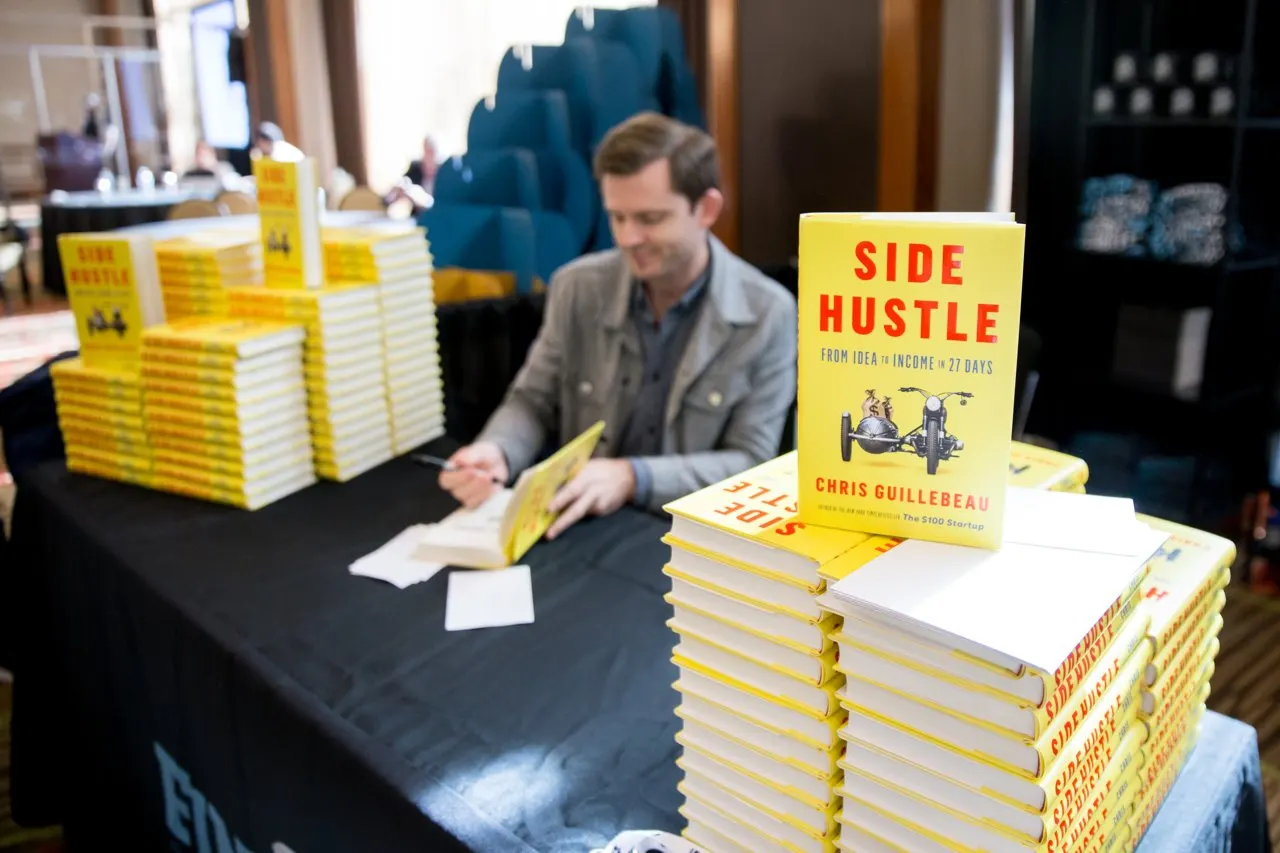
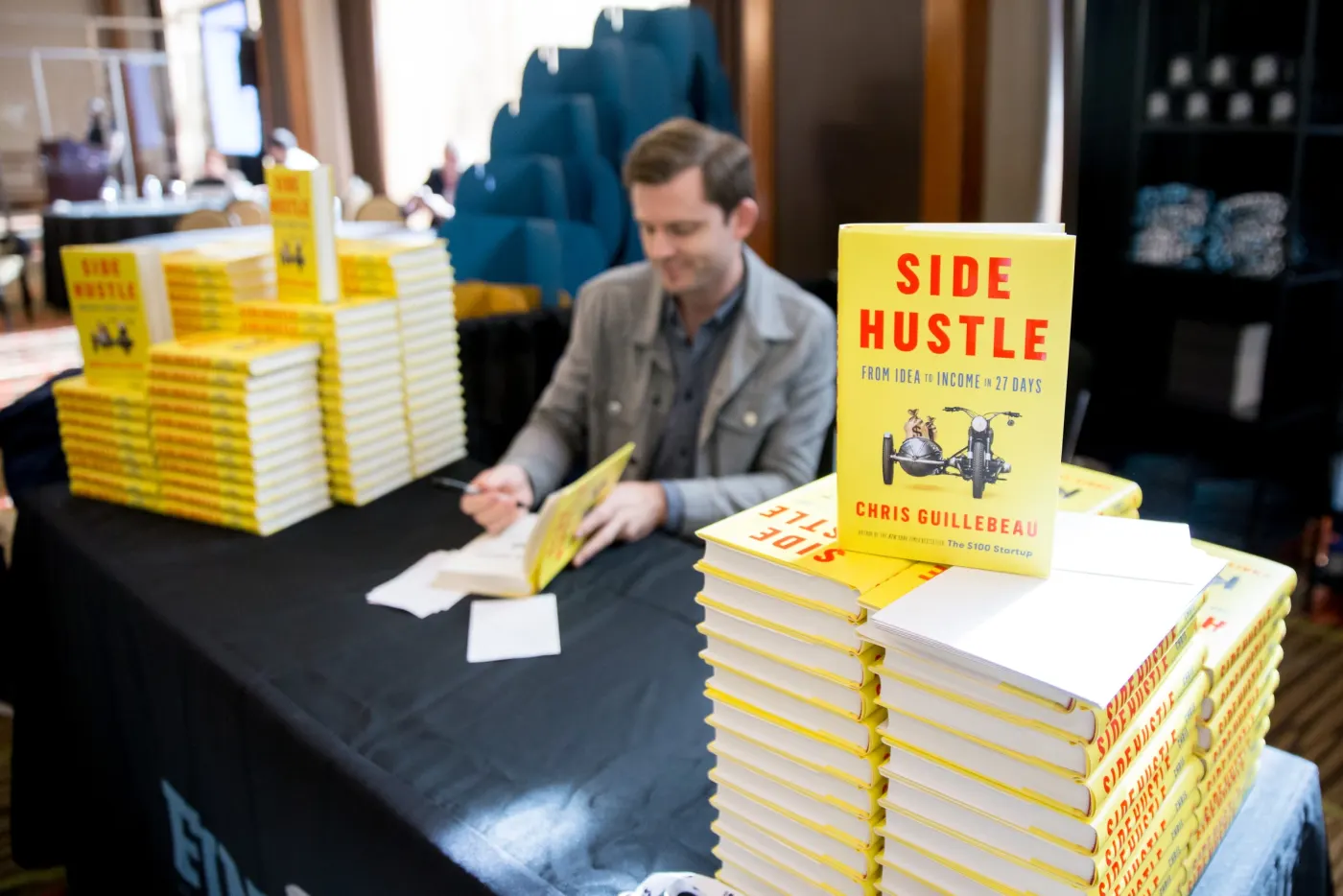
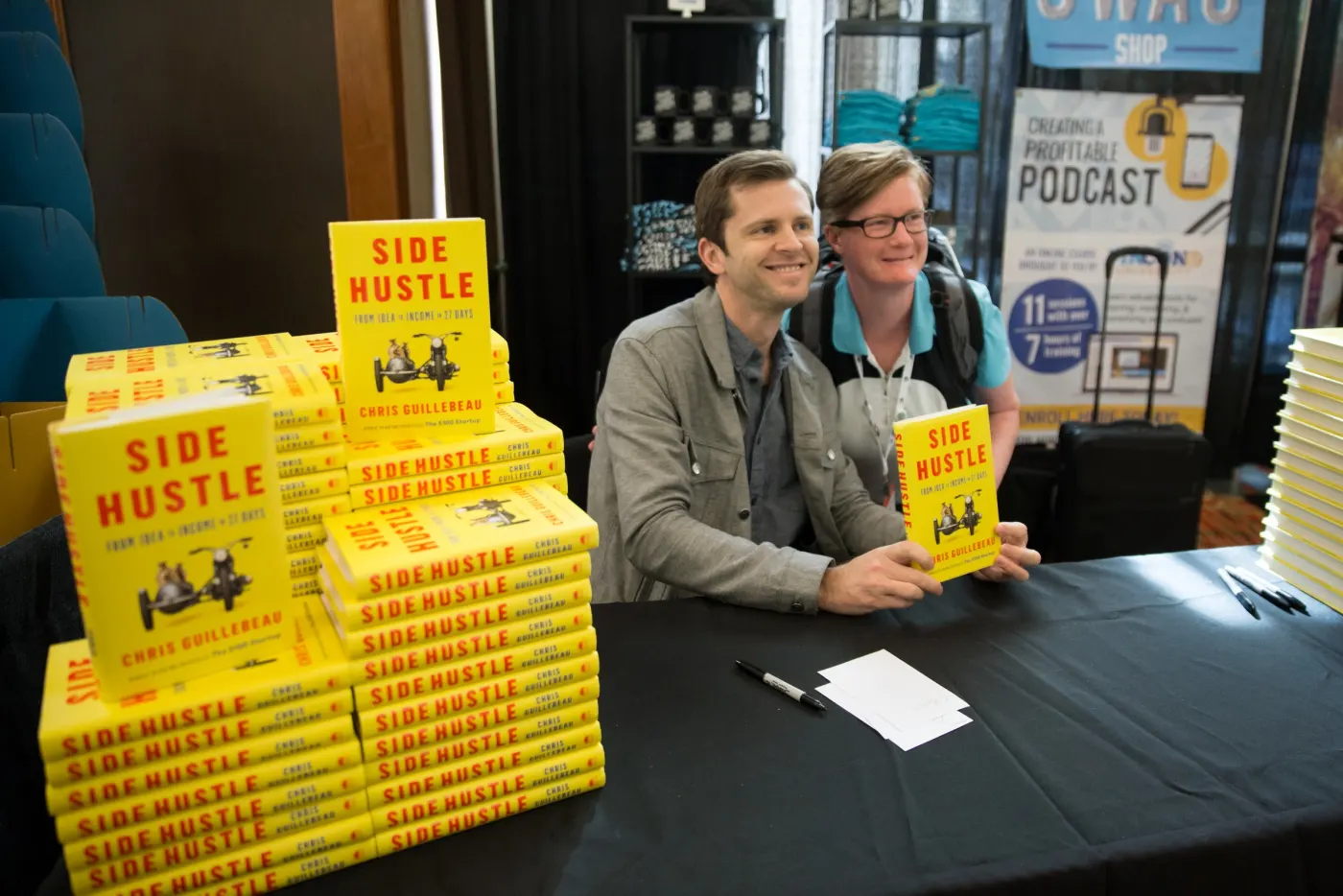
On January 1, 2017, Guillebeau started Side Hustle School, a daily podcast of short stories and tips for people who wanted extra income without quitting their jobs. Later that year Crown published Side Hustle: From Idea to Income in 27 Days. In 2019 came 100 Side Hustles, a hundred stories harvested from the show. The podcast was free. The discipline was not. Episode after episode, year after year, he turned other people's experiments into a library of patterns: skills that translate to money, deadlines that force action, permission that nobody else will grant.
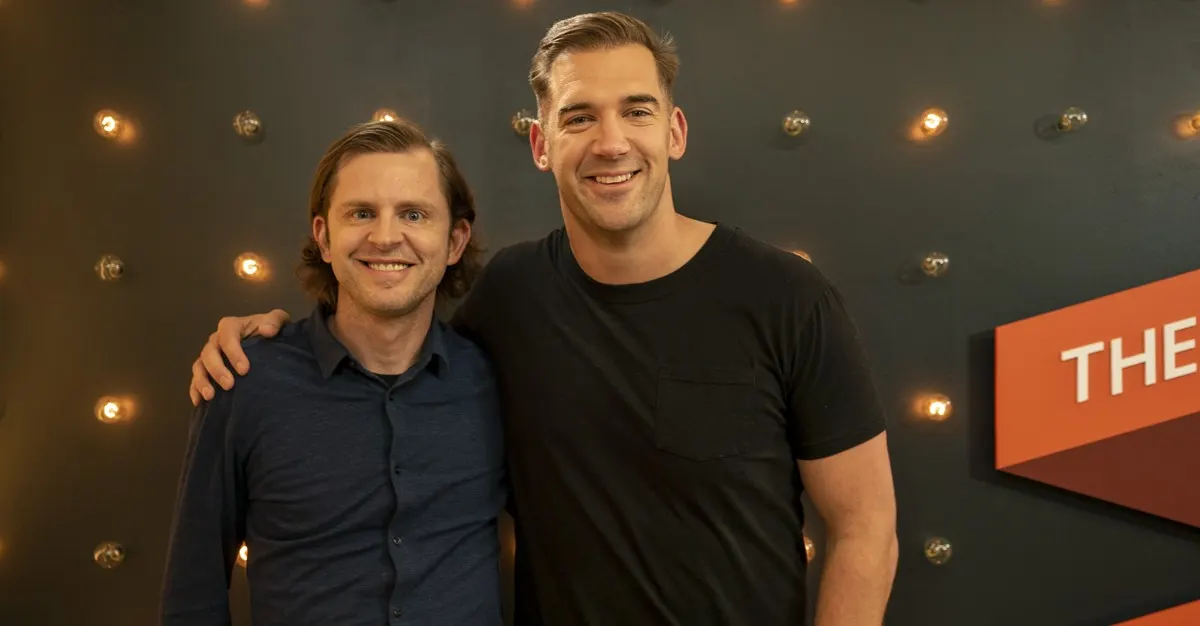
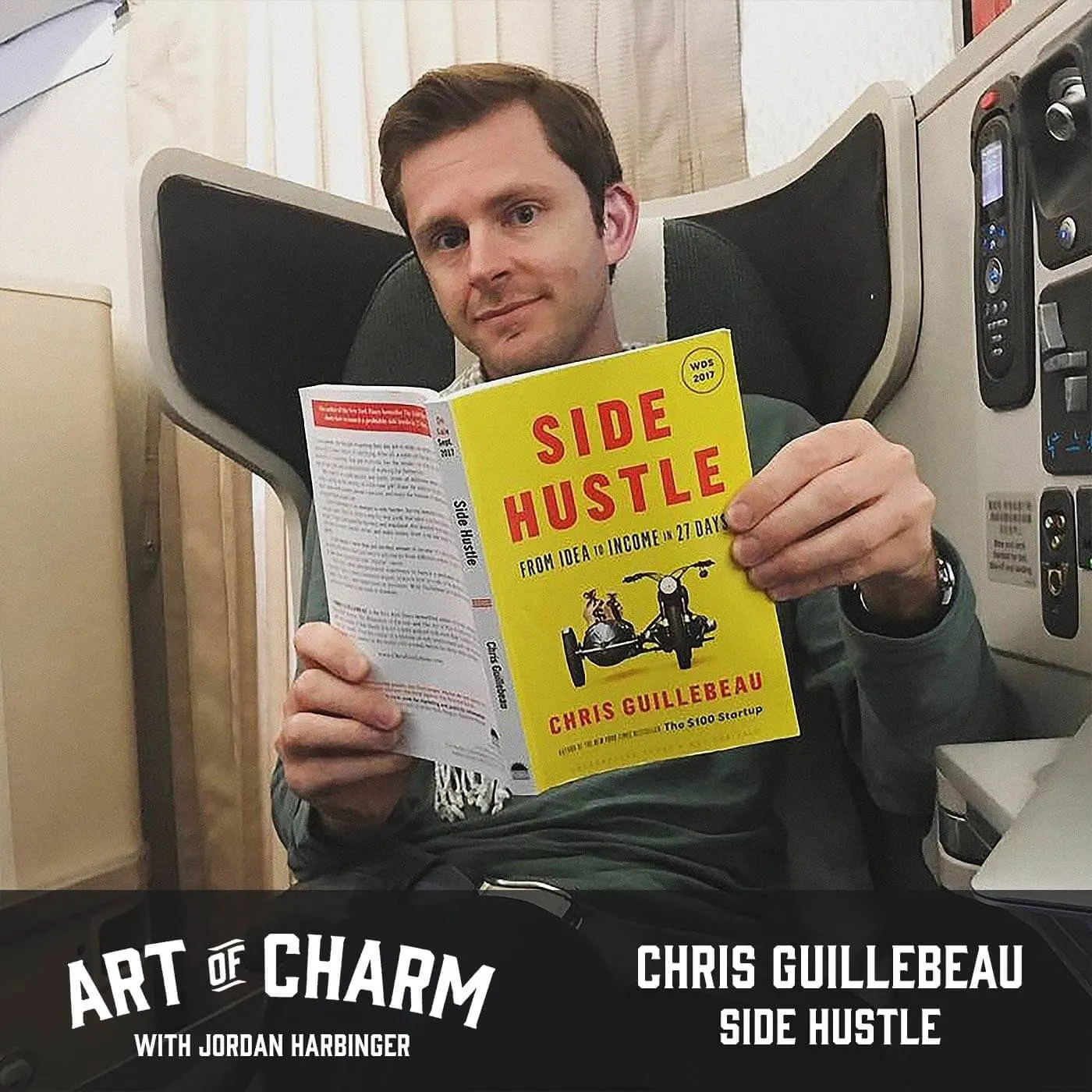
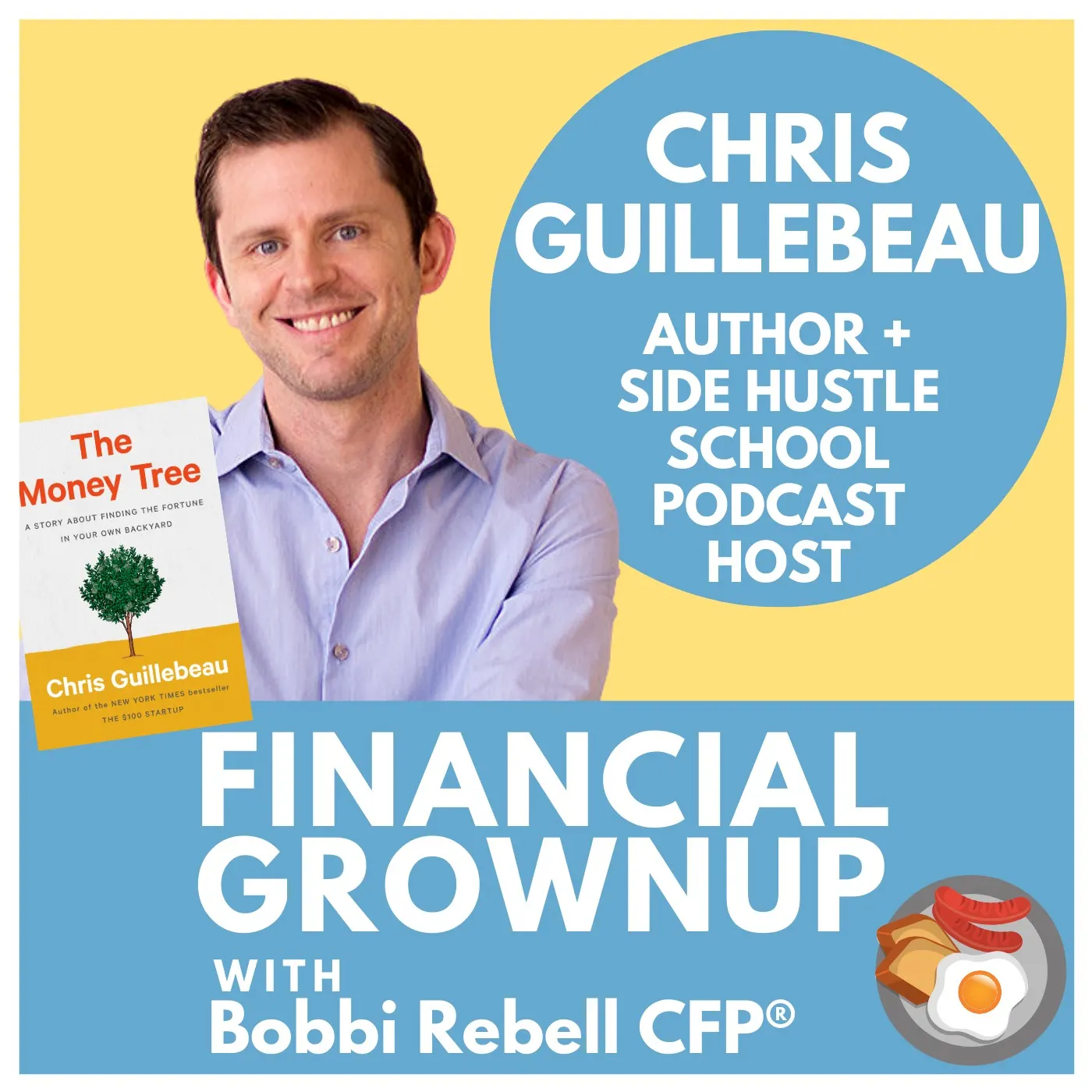
By the mid-2020s he would say on Newport's show that the podcast had become his primary financial model. That admission matters for anyone romanticizing pure book advances. Traditional publishing still mattered for reach. The daily show mattered for cash flow and for staying in readers' ears when attention got expensive. He appeared with Lewis Howes, Jordan Harbinger's Art of Charm, Bobbi Rebell's Financial Grownup, and a long list of entrepreneurship podcasts, always circling the same practical question. If you had to make an extra thousand dollars, what would you actually do by Friday.
Ending a beloved conference without killing the mission
June 2022 brought the tenth and final World Domination Summit. Ten years is a long run for an independent event with a ridiculous name. Guillebeau wrote that WDS was one of the greatest things he had ever been part of, and that he felt proud of it in a way he rarely felt about anything else. Ending it was a product decision as much as an emotional one. Creator conferences had multiplied. The original blog tribe had aged into parents, managers, and people with less weekend bandwidth. Keeping WDS forever risked turning a living community into a costume party for 2012.
He did not go quiet. April 2020 brought his first novel, The Money Tree, a story about finding fortune in ordinary places. August 2023 brought Gonzo Capitalism from Little, Brown Spark, a harder-edged look at making money in an economy that feels hostile. The through-line held. Institutions feel broken. Individuals still need agency. Guillebeau's answer stayed tactical rather than partisan. Build a small income stream. Take the trip. Gather your weird friends. Write the book you needed and could not find.
Time Anxiety and the fear that time is both scarce and empty
Time Anxiety: The Illusion of Urgency and a Better Way to Live landed on April 15, 2025, from Crown Currency. Guillebeau pitched the idea as a cluster of feelings many high-achievers recognize. Fear that time is running out. Uncertainty about how to spend the time you still have. A low-grade sense that you should be doing something important right now, without knowing what. On Cal Newport's Indepth interview he refused the fantasy that the cure is only becoming more efficient. Efficiency is a tool. The point is a purposeful life, not a faster hamster wheel.
The book tour that followed stretched into 2026. His own site later thanked crowds in Portland, Houston, Los Angeles, St. Louis, Phoenix, Nashville, Tampa, Austin, and other stops, saying the ten-city run wrapped in May 2026. Meeting readers in person had always been part of his method, whether that meant fifty states for a first book or a museum atrium for WDS. Time Anxiety was the philosophical upgrade of a career spent telling people to stop waiting. Now he was telling them to stop drowning in urgency theater too.
NeuroDiversion: the Austin sequel
In 2025 Guillebeau launched NeuroDiversion, an annual Austin gathering and year-round community for neurodivergent adults. He framed it bluntly. Standard advice assumes a brain many of his people do not have. Executive function, energy management, attention, relationships, parenting, and neurodivergent entrepreneurship needed their own room. The first year proved demand. The second year, NeuroDiversion 26 in March 2026, jumped forward. More than five hundred people came from across the United States and Canada, plus eleven additional countries. The program listed more than forty speakers. An ND Expo format for dozens of vendors drew more than a thousand public visitors over a day. On the last day he announced ND27 for the following March in Austin, plus plans for continuing education and a business directory.
The shift from WDS to NeuroDiversion is not a rebrand of the same party. WDS celebrated unconventional careers in a broad sense. NeuroDiversion narrows the aperture to people whose wiring makes conventional productivity advice feel like gaslighting. Guillebeau has spent enough years publishing daily and touring constantly to know that hustle culture can become another cage. The new work tries to keep the community magic while changing the operating assumptions.
How he actually works
Watch him across a decade of interviews and a method appears. He likes public deadlines. One hundred ninety-three countries by thirty-five. A book tour that refuses to skip small states. A podcast that cannot miss a calendar day without breaking the brand. Public deadlines create accountability when you have no boss. They also create content. Every milestone is a story the list can follow.
He likes small bets that can grow. A free ebook. A hundred-dollar microbusiness. A side hustle before a resignation letter. The $100 Startup was not anti-ambition. It was anti-theater. Guillebeau distrusted the idea that you must raise a seed round before you learn whether strangers will pay you. That distrust aged well in an era of cheap talk and expensive burn rates.
He likes gatherings that feel slightly too sincere for cool people. World Domination Summit's name dared critics to sneer. People who needed the room came anyway. NeuroDiversion continues that bet in a more specific community. He also likes ending things. The Google talk Q&A about closing a blog without guilt foreshadowed the WDS finale. Sentimentality is allowed. Infinite continuation is not required.
Travel remains in the bloodstream. Even after Norway he kept using miles, airports, and long-haul seats as mobile offices. One promotional photo shows him in a premium airplane seat holding Side Hustle for a podcast appearance, a WDS 2017 sticker still on the cover. The road is both distribution and identity. He has said he tries to visit readers in dozens of cities a year. The business is the audience relationship, not a single headquarters product.
What he built that outlasted the blog era
It is easy to misread Guillebeau as only a motivational writer. The durable assets are more concrete. A long-running email and blog franchise. A decade-long live event with five-figure cumulative attendance. A daily podcast archive measured in thousands of episodes. A stack of books that still sell the microbusiness idea to new freelancers. Scholarship grants that moved real money into other people's projects. A travel-hacking education product. And now a neurodivergence-focused conference with expo infrastructure and a stated multi-year roadmap.
World impact, in his case, is cultural rather than industrial. He helped popularize the side hustle as mainstream vocabulary before every bank ad used the phrase. He gave early platform to voices that later became huge on their own stages. He modeled a career where airline miles and book royalties funded a border-crossing life that looked impossible from a salaried cubicle. Critics can argue that hustle talk ignores structural inequality. Guillebeau's own Africa years complicate the cartoon version of that critique. He has seen how thin the slice of humanity is that gets to obsess over personal branding. His answer has been gratitude plus audacity: do something suitably unique, and help others climb toward freedom too.
Failures, limits, and the things he will not pretend
Not every product was a rocket. Travel businesses are regulated, competitive, and easy to overpromise. Independent conferences are operational nightmares with thin margins. Daily podcasts create quality pressure and personal burnout risk even when the streak becomes a selling point. Guillebeau has also lived through the awkward middle of creator fame: large enough to fill rooms, not large enough to be insulated from platform shifts. When blogs lost primacy, he had to migrate. When WDS matured, he had to close it. When neurodivergence became a more public conversation, he had to learn a new community's norms rather than importing Portland 2012 wholesale.
He is not a billionaire founder, and this biography will not invent a yacht. His wealth is the slower kind built from books, speaking, affiliate and sponsorship economics around a trusted show, course and subscription products, and event tickets. The Cal Newport conversation makes the tradeoffs audible. He juggles writing, speaking, podcasting, and new projects, then jokes about rules that make it hard to walk away from any lane that still works. Time Anxiety is partly a book for his own mirror.
The unconventional book tour as logistics art
Most authors do ten cities and call it a tour. Guillebeau treated The Art of Non-Conformity launch like another country list. Every U.S. state. Every Canadian province. Four months of stages, living rooms, and Google cafeterias. The point was not only sales. It was proof of concept for the life he was selling. If you say you live unconventionally, you cannot promote the book from one coastal bubble and hope the Midwest imagines the rest.
Those rooms taught him a speaking style that shows up again and again. Short on lecture. Long on invitation. He told the Google Art of Non-Conformity audience he assumed they could read, so he would not recite chapters. He talked about contribution as something that improves the giver, not only the receiver. He floated the first World Domination Summit as an open invitation rather than a polished corporate retreat. The tour was customer research disguised as promotion. He learned which stories landed, which objections repeated, and which cities hid surprisingly large pockets of people who felt alone in their ambition.
Charity: Water receiving twenty percent of that first book's proceeds was both ethics and brand. Guillebeau had spent years in places where clean water and medical access were not abstractions. Donating a slice of royalties kept the Africa chapter from becoming only colorful backstory. It also signaled to readers that nonconformity was not an excuse for selfishness. The small army he was recruiting was supposed to improve their own lives and other people's lives in the same motion.
Microbusinesses before micro was a buzzword
The $100 Startup research process mattered as much as the finished hardcover. Guillebeau did not invent the lemonade-stand business. He industrially collected proof that ordinary people were already doing it with almost no capital, then translated those proofs into patterns a skeptical reader could copy. The book arrived in 2012 into a culture still wobbling between recession memory and app-economy fantasy. Silicon Valley was teaching young people to raise money. Guillebeau was teaching baristas, freelancers, and hobbyists to raise prices.
That difference is why the title aged into a meme and a syllabus. Banks and YouTube channels later flooded the zone with side-hustle content. Guillebeau got there while blogs were still the main classroom. He qualified stories carefully enough that the book could survive a fact-checker's mood. He also accepted a limitation he has repeated in interviews. Not every passion is profitable. Skill, demand, and willingness to sell still gate the dream. The book is optimistic without being magical.
When he handed out hundred-dollar bills at WDS, he temporarily erased the gap between parable and cash. Attendees could not claim they lacked seed money for a tiny experiment. Some likely spent it on rent or dinner. Some likely launched the joke business that became a real invoice. The gesture's power was theatrical equality. For one afternoon, a conference of dreamers all held the same ridiculous bill and the same dare.
Travel hacking as infrastructure, not flex
People who only know Guillebeau from bookstore tables sometimes miss the airline-miles engineer underneath. Visiting one hundred ninety-three countries on a writer's income is not possible on retail airfare forever. He studied routing rules, alliance sweet spots, and credit-card reward timing the way some founders study ad auctions. Travel Hacking Cartel productized that obsession in 2010. The subscription model matched his audience. People did not need another inspirational essay. They needed alerts and education that turned points balances into boarding passes.
The Norway finale was therefore not only romantic. It was a systems success. A public KPI, a funding method, a content engine, and a personal identity fused into one project that could be marked done. Closing a quest cleanly is rarer than starting one. Guillebeau's later advice about ending blogs and conferences sits on top of that lived practice. He knows what completion feels like. He also knows the vacuum that follows.
The Money Tree, Gonzo Capitalism, and a sharper tone
Fiction was a risk. The Money Tree (2020) let him smuggle entrepreneurship lessons into narrative without another numbered list. Readers who would never buy a business book might follow a story about fortune hiding in plain sight. Gonzo Capitalism (2023) then swung the other way, speaking to people who felt the economy was actively hostile. The title alone told legacy fans that the cheerful nonconformist had been watching inflation, platform fees, and precarious work. He still offered tactics. The emotional weather around those tactics had darkened.
That tonal shift helps explain Time Anxiety. After years of telling people to start, hustle, and ship, he wrote toward the hangover. Urgency culture can become another conformity. The calendar fills. The soul thins. Guillebeau's 2025 book does not renounce ambition. It interrogates the panic that ambition installs. Newport's interview makes clear the two writers share a suspicion of productivity as an end in itself. Tools should serve a life. A life should not become an accessory to tools.
Community operations nobody sees on stage
A glossy keynote hides the spreadsheet. WDS required venues, volunteers, speaker travel, accessibility planning, and the soft politics of a community that included both fame-adjacent authors and first-time attendees who maxed out a credit card to belong. Guillebeau has described much of the WDS labor as volunteer-powered with a core team. That structure creates magic and fragility at once. People give their hearts. People also burn out. Running ten annual editions without becoming a soulless trade show is an operational achievement even if it never appears on a cap table.
NeuroDiversion inherits those lessons with new constraints. Neurodivergent attendees may need different sensory defaults, schedule shapes, and communication norms. An expo floor that welcomes the public adds city-scale logistics on top of a intimate conference. Announcing continuing education and a business directory in 2026 means Guillebeau is trying to build year-round infrastructure, not only a spring pilgrimage. If WDS was a reunion, NeuroDiversion aims to be a home base.
The daily episode as founder habit
Side Hustle School's unbroken daily streak is easy to praise and hard to copy. Guillebeau has to find, record, and ship a story while touring, writing, and hosting live events. The show's format helps. Short episodes. Clear promise. A catalog that compounds. Listeners can miss a week and return without homework. Sponsors understand the inventory. The streak becomes a trust signal. He told Newport he had not missed a day. Newport called him a madman. Both were complimenting the same industrial discipline.
The podcast also solved a distribution problem books alone cannot solve. A hardcover peaks. A daily show reminds. In the Cal Newport conversation Guillebeau named the podcast as his primary financial model after years of evolution. That is a founder pivot hiding in plain speech. The blog was the original company. The books were the breakout products. The conference was the cathedral. The podcast became the cash register that still opens every morning.
Readers who became a market
Guillebeau's audience is not anonymous traffic. It is a long-term relationship list that has followed him from Feedburner eras to modern email, from Portland ballrooms to Austin hotel meeting rooms. That continuity lets him take swings. Ending WDS did not erase the relationship. It tested it. Launching NeuroDiversion asked the relationship to stretch into a more specific identity conversation. Publishing a novel asked readers to follow him across genre. The ones who stay are buying a person and a worldview, not a single SKU.
World impact shows up in imitators. Cities that never hosted WDS still sprouted meetups of people who met through his comment threads. Writers copied the manifesto-plus-product pattern. Educators assigned The $100 Startup in classrooms that wanted practical entrepreneurship without pretending every student would raise venture capital. The phrase side hustle entered bank commercials and HR small talk. Guillebeau did not trademark the English language. He did ride and reinforce a wave early enough that his name stays glued to it.
Rivals, neighbors, and the lane he refused
He never tried to become a full-time venture capitalist, a SaaS CEO, or a political pundit. Neighboring creators chased YouTube volume, Instagram aesthetics, or hard-edged hustle porn. Guillebeau stayed comparatively text-and-voice forward, tour-forward, and community-forward. That refusal limited his ceiling in algorithm economies. It also preserved a trust that flashier brands burned. When he talks about permission, it does not sound like a growth hack. It sounds like the high school dropout telling another trapped person that the door was never locked.
Legal and factual care still matter. Medical charity work in West Africa should not be inflated into a claim that he personally remade public health systems. Book sales ranks move. Conference attendance figures are cumulative and should be read as such. NeuroDiversion's rapid growth is real in his March 2026 report, and also young enough that the long-term institution test is ahead. This biography sticks to verified milestones and lets the open questions stay open.
What 2026 looks like from inside the work
As of late 2026 the public checklist is full. Time Anxiety is out and toured. Side Hustle School still dailies. NeuroDiversion has two Austin editions behind it and a third announced. The Art of Non-Conformity blog still updates. The old country-count quest is closed. The new quest is quieter: build a community where neurodivergent adults do not have to translate themselves before they can learn. Guillebeau has also kept a Year of Mental Health writing thread that sits beside the entrepreneurship work, another sign that the brand is widening from hustle mechanics to lived cognition.
None of that requires a mythical origin. The origin is already strange enough. A kid who left high school. A young couple who moved to Sierra Leone and Liberia. A blogger who put one hundred ninety-three countries on a spreadsheet and finished the spreadsheet. A conference host who handed out hundred-dollar bills. A podcaster who refuses to miss a calendar square. The through-line is permission, manufactured first for himself, then packaged for anyone willing to use it.
Scenes that keep repeating for a reason
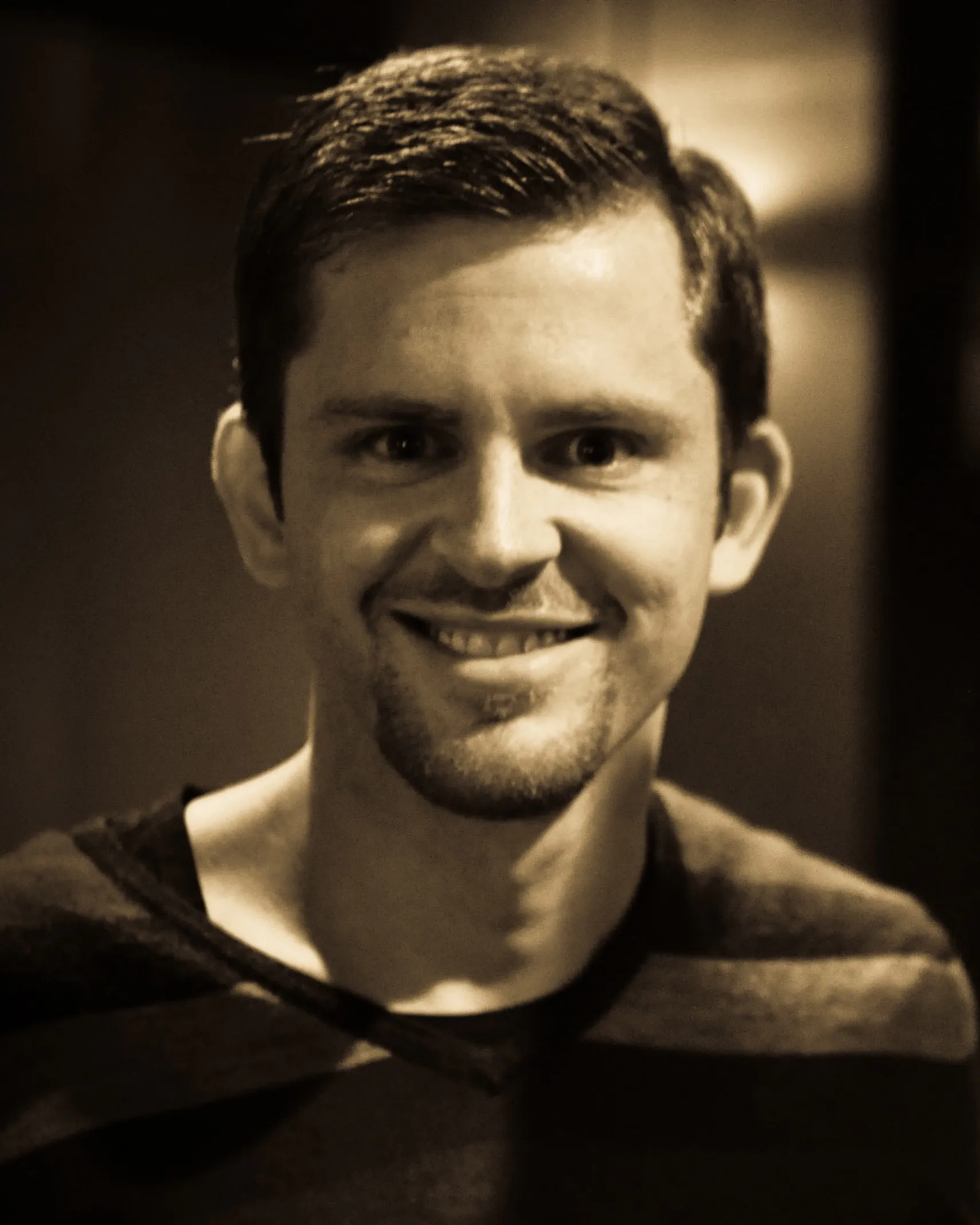
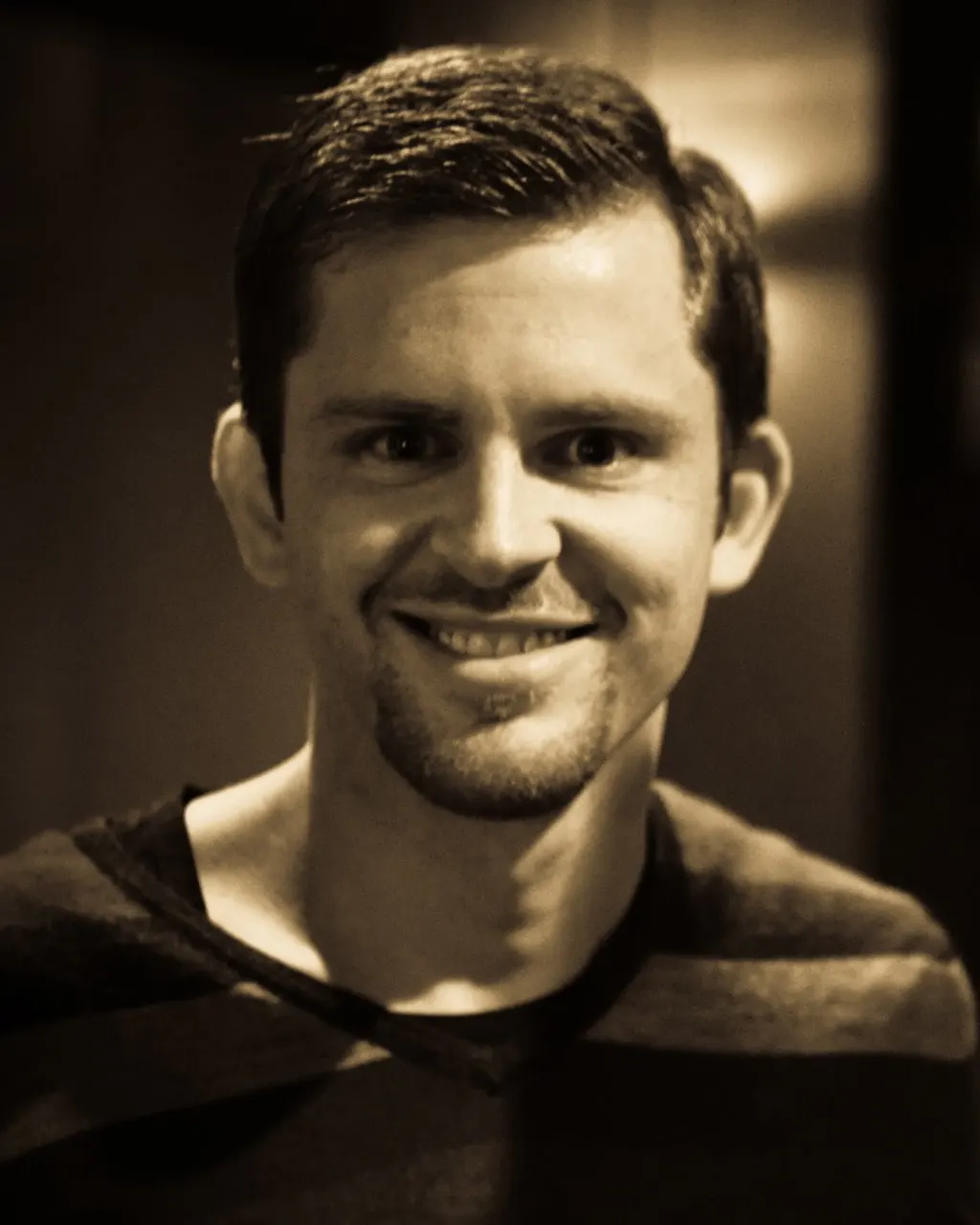
Certain images recur in Guillebeau's public life because they encode the business model. The yellow Side Hustle cover on a black tablecloth under fluorescent conference light. The author with a Sharpie and a line of people who want their name written under the motorcycle-and-sidecar illustration. The airplane seat used as a mobile studio for podcast appearances. The sepia portrait that makes a blogger look like a classic magazine subject. These are not accidents. They are the visual language of a founder whose factory is attention plus trust plus a next useful idea.
Listen to him beside Lewis Howes and you hear friendship economics. Shows trade audiences. Books ride those audiences into bookstore discovery. Conferences convert online weak ties into strong ties that buy tickets next year. Guillebeau understood that loop early, when many writers still treated interviews as vanity. He treated them as distribution. The School of Greatness bulb wall, the Art of Charm lower third, the Financial Grownup breakfast-plate logo: each is a storefront he was willing to stand inside because the customer journey continued after the episode ended.
The same loop explains why he can end a conference and still not lose the company. The company was never only WDS. The company was the promise network. Keep the promise in a new format and the network follows. Break the promise and no amount of nostalgia saves the ticket revenue. NeuroDiversion's early growth suggests the network still answers when the invitation is specific and sincere.
Closing
Chris Guillebeau's founder story does not climax with an IPO party. It climaxes with a series of kept promises. He said he would visit every country by thirty-five, and Norway closed the list. He said unconventional lives were worth building, and he built a media company that taught millions of readers how to start small. He said community mattered, and he filled Portland for ten summers before choosing an ending. He said he would show up every day, and Side Hustle School kept the streak alive into 2026. He said urgency can become a trap, and he wrote Time Anxiety. He said neurodivergent adults needed their own gathering, and Austin answered with hundreds of travelers and a sequel already dated for 2027. The high school dropout who hated the default path never found a single permanent mountain. He found a way to keep walking, publish the map, and leave the gate open behind him.
Watch alongside this story
Short cuts from interviews, keynotes and launches. Each plays only the moment that matters.