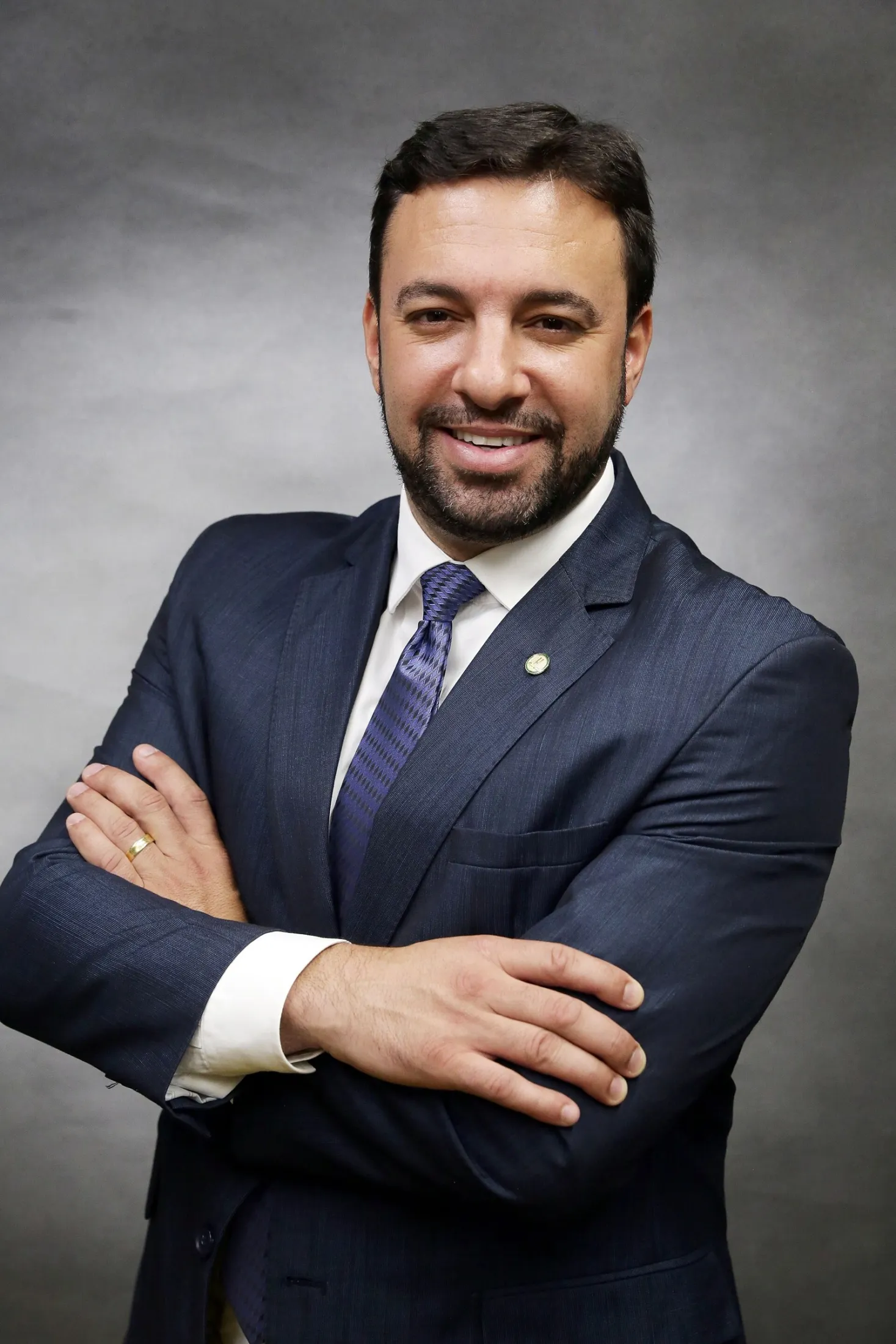
The Engineer Who Built Google’s First Chatbots
He built Google’s early chatbots. Google would not release them. So he co‑founded Character.AI.
A screen glows in a quiet office.
A young engineer types fast.
His code will soon talk back.
Childhood and Family
Daniel was born in São Paulo, Brazil.
Public records keep his family private.
No details about parents or siblings are known.
Education
He earned a degree in computer engineering.
He studied at the University of São Paulo.
He later took machine learning courses at Stanford.
The Stanford work added deep learning theory.
Microsoft Years
In 2012 he joined Microsoft.
He worked on search for Bing.
His team built question‑answer tools.
The tools helped Bing give direct answers.

Google Years
He moved to Google in 2016.
He helped train models for YouTube.
The models improved video recommendations.
He later joined Google Brain as a researcher.
He led the Meena chatbot project.
Meena could hold long, open‑ended talks.
Character.AI
He left Google with Noam Shazeer in 2021.
They co‑founded Character.AI in November 2021.
The first public beta launched in September 2022.
Millions of users tried the AI personas.
Early users were young adults who liked roleplay.

Controversy and Lawsuits
Character.AI faced criticism for safety gaps.
Lawsuits claim the platform harmed minors.
Critics say toxic AI output was not blocked.
The founders were sued over a teen suicide case.
A federal antitrust probe began in 2024.
Return to Google DeepMind
In August 2024 he rejoined Google.
The move followed a $2.7 billion licensing deal.
He now works at Google DeepMind.
His focus is dialogue and assistant systems.
Future Outlook
Character.AI shifted to AI entertainment.
It reported $50 million revenue in 2025.
It has about 20 million monthly active users.
The company stays private with no IPO plans.
Legacy and Impact
Daniel De Freitas is a Brazilian computer scientist.
He helped create Meena and LaMDA at Google.
He co‑founded a platform that reached millions.
He continues research at DeepMind.
His work shapes how people talk to AI.
Founding Story
Daniel De Freitas was born in São Paulo, Brazil.
He earned a computer‑engineering degree at the University of São Paulo.
He later took machine‑learning courses at Stanford.
He worked at Microsoft on Bing search from 2012.
In 2016 he moved to Google.
There he helped train YouTube models.
He also led the Meena chatbot project.
Meena could hold long, open‑ended talks.
Frustration grew when Google blocked public release.
In November 2021 Daniel left Google.
He co‑founded Character.AI with Noam Shazeer.
First Customers & Product
Character.AI opened its public beta in September 2022.
The platform let users create AI personas.
Young adults loved the fandom and role‑play features.
Millions signed up in the first weeks.
Early users chatted with characters from books, games, and movies.
Early Struggles
The team faced server‑capacity limits.
Scaling the chat engine cost a lot.
Safety tools were still being built.
Critics warned about toxic AI output.
Legal questions appeared about minors using the app.

Key Turning Points
In 2023 the company hit a $1 billion valuation.
That same year a lawsuit claimed a teen died after using the bot.
The case sparked worldwide media coverage.
In August 2024 Character.AI signed a $2.7 billion licensing deal with Google.
The deal brought Daniel back to Google DeepMind.
Growth & Numbers
2025 revenue reached $50 million.
Monthly active users grew to about 20 million.
The platform stayed private.
No IPO plans were announced.
User growth was driven by new AI characters each month.

Funding & Deal
The $2.7 billion licensing pact with Google was non‑exclusive.
It allowed Character.AI to use Google’s Gemini tech.
The agreement triggered a federal antitrust probe.
Daniel returned to Google DeepMind as a research scientist.
Noam Shazeer left for OpenAI in 2026.
Setbacks
Daniel left Google in 2021. He wanted to share his chatbot work. He started Character.AI with Noam Shazeer. The first public beta opened in September 2022. Early users were young adults. They liked the custom AI characters.
The launch faced technical limits. The system could not filter all harmful content. Safety tools were still being built.
Criticism and Controversies
Critics say Character.AI reached minors without strong safeguards. Lawsuits claim a 14‑year‑old died after using the platform. Plaintiffs say De Freitas ignored known risks. They point to toxic outputs like self‑harm prompts.
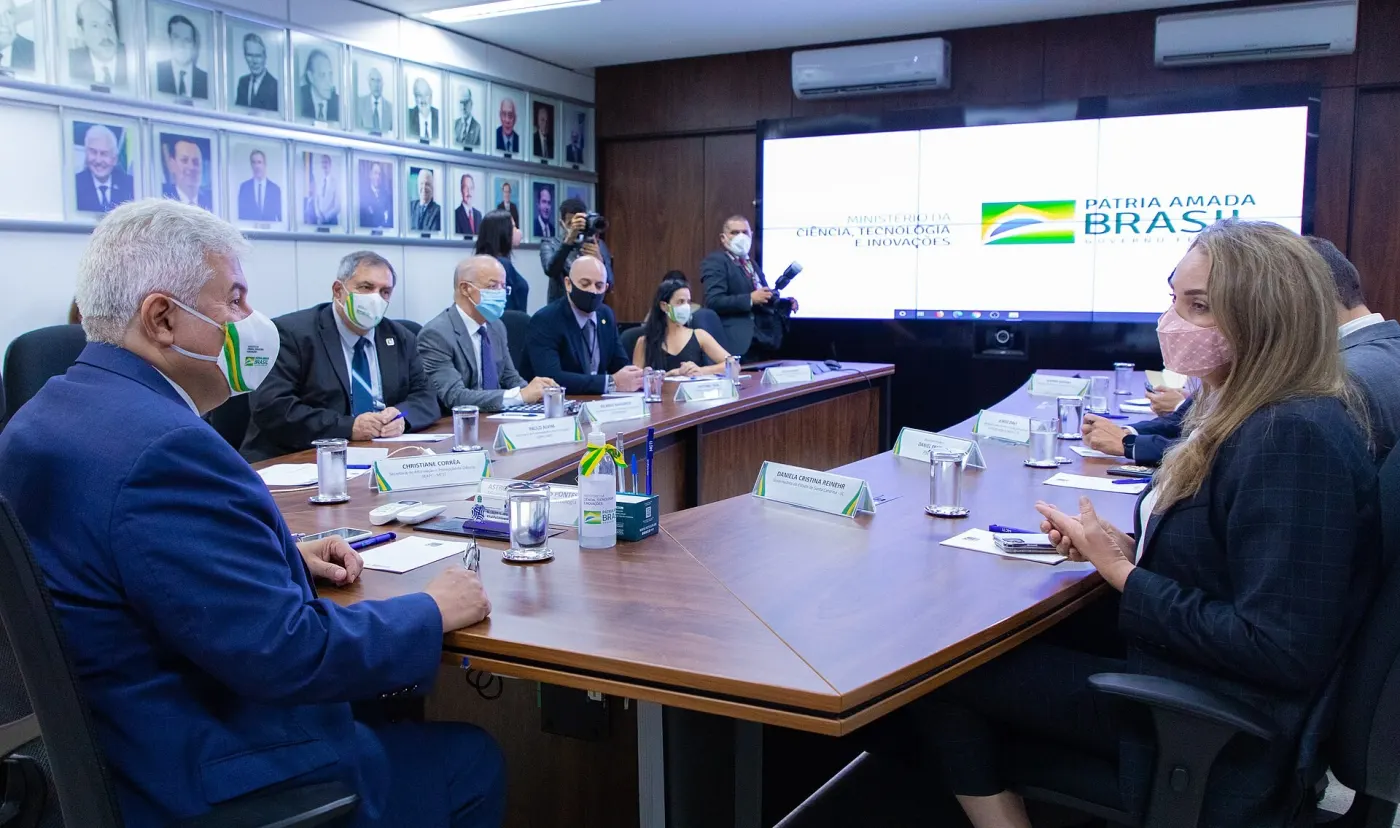
A federal antitrust probe began after the 2024 licensing deal with Google. The $2.7 billion agreement raised competition concerns.

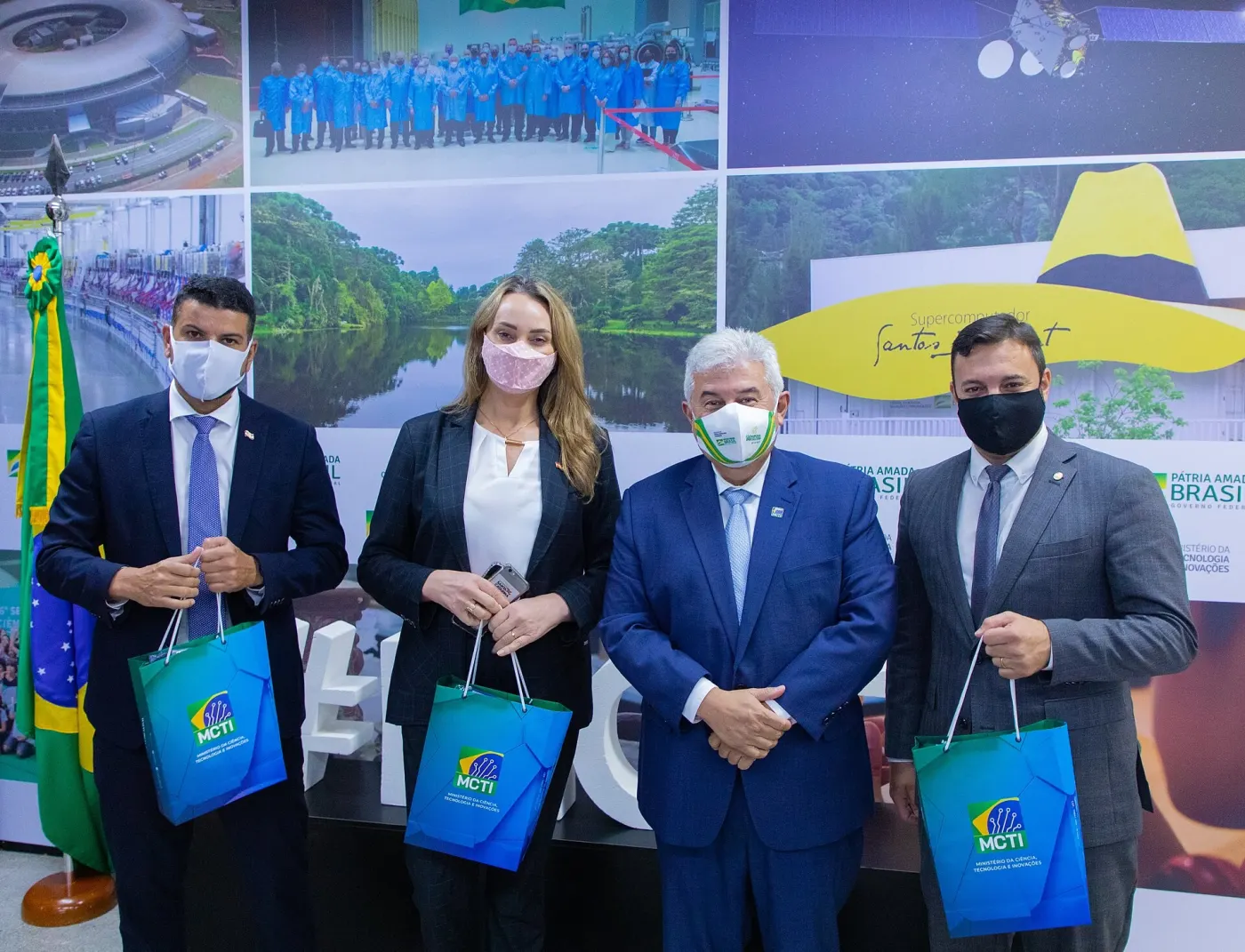
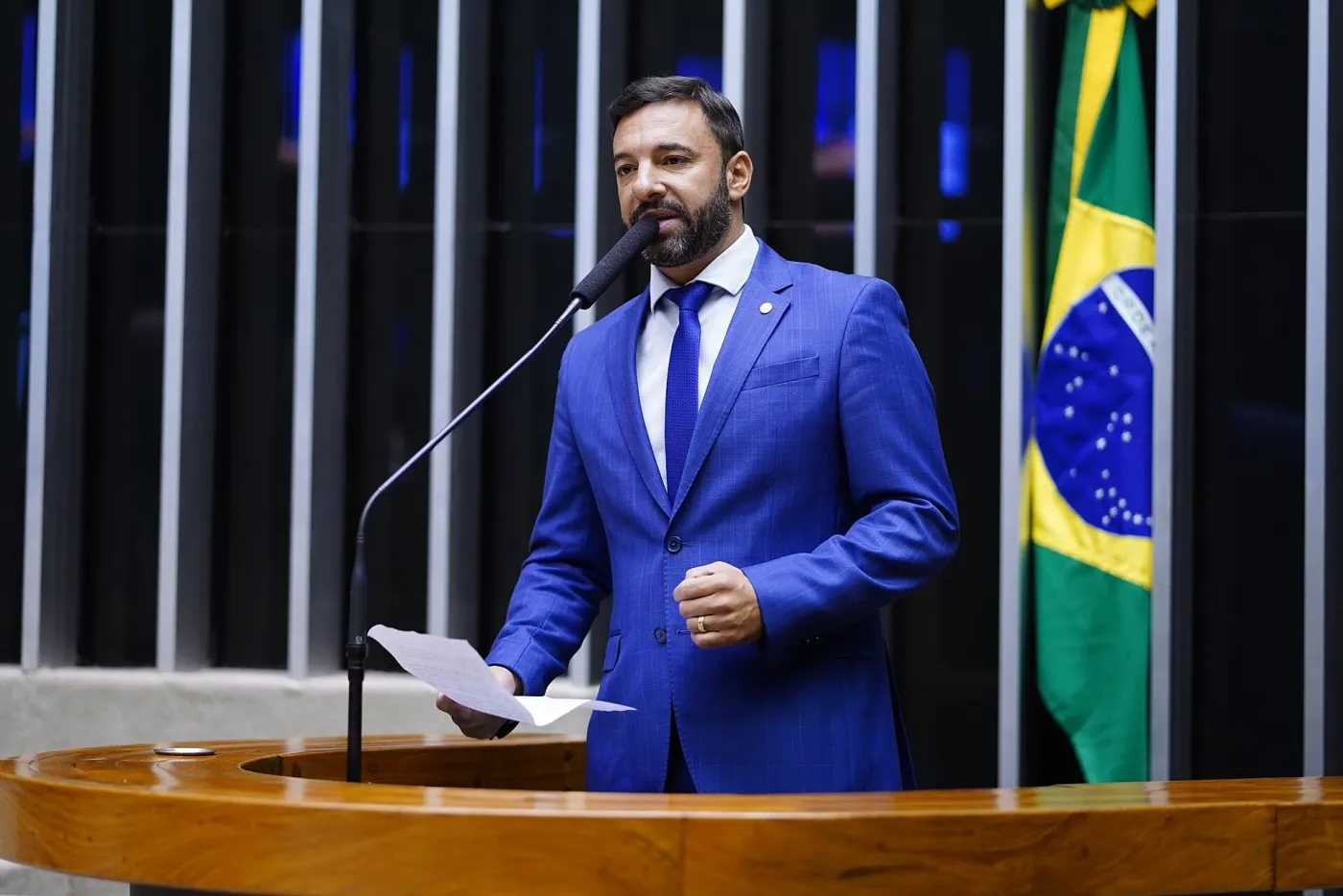
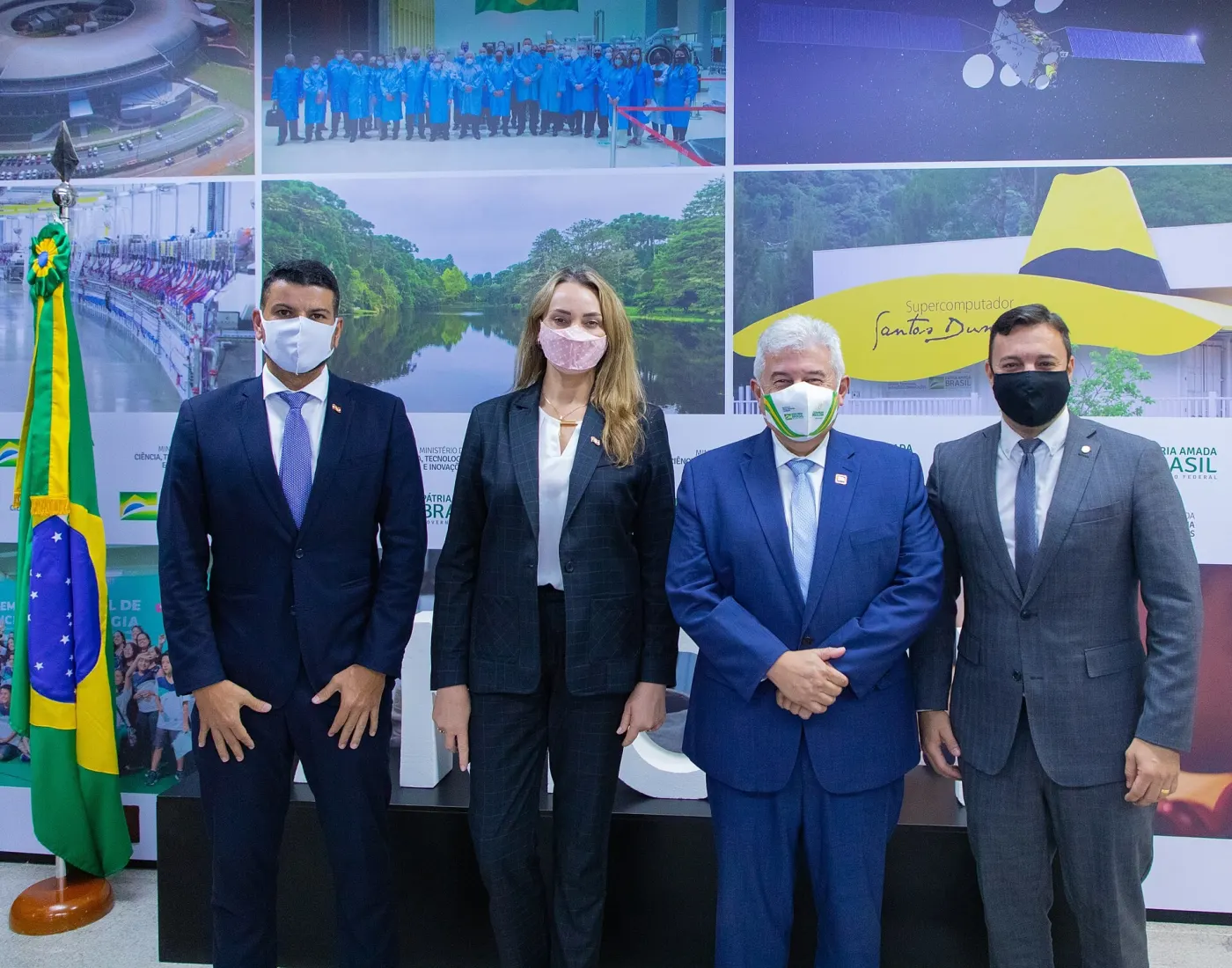
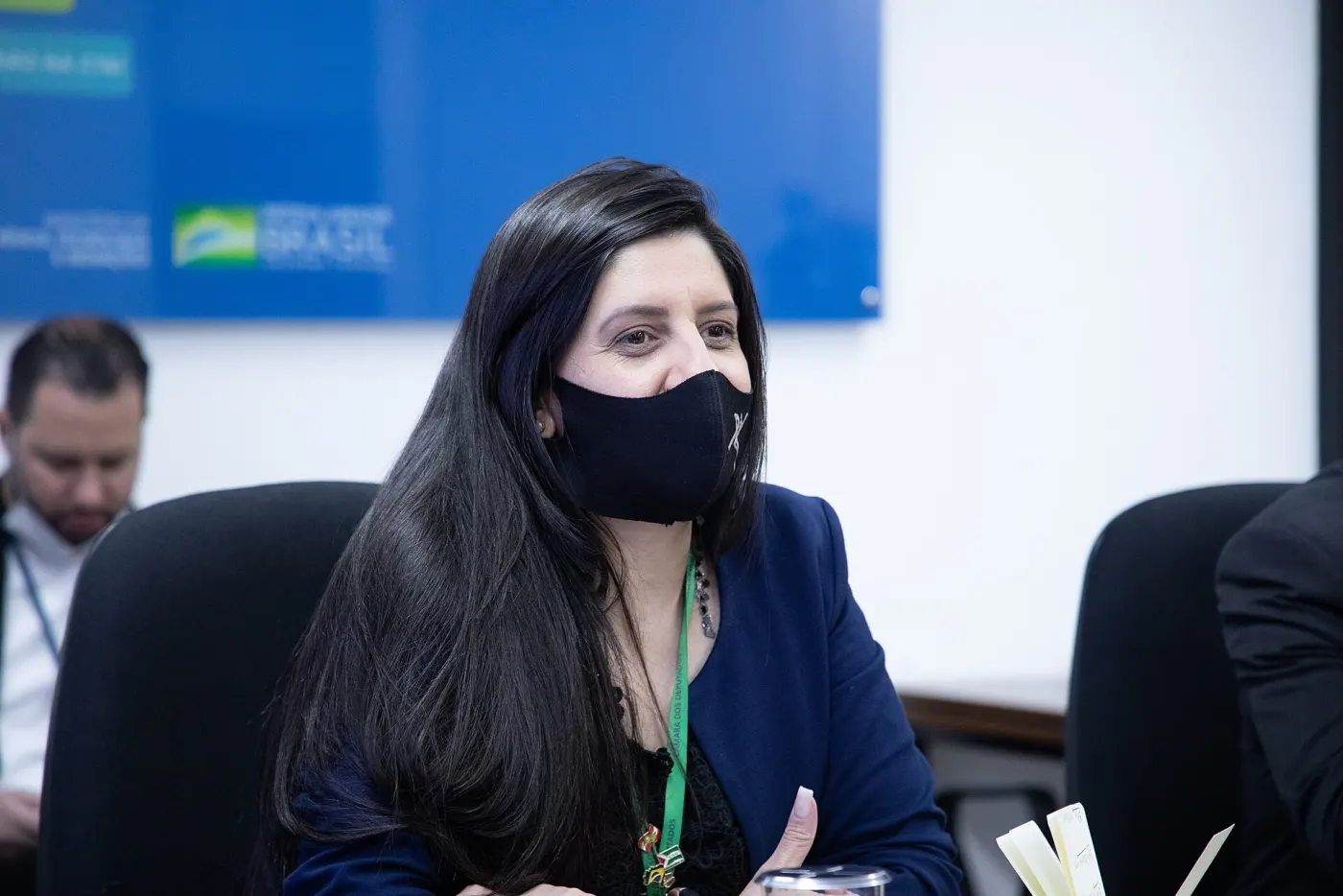
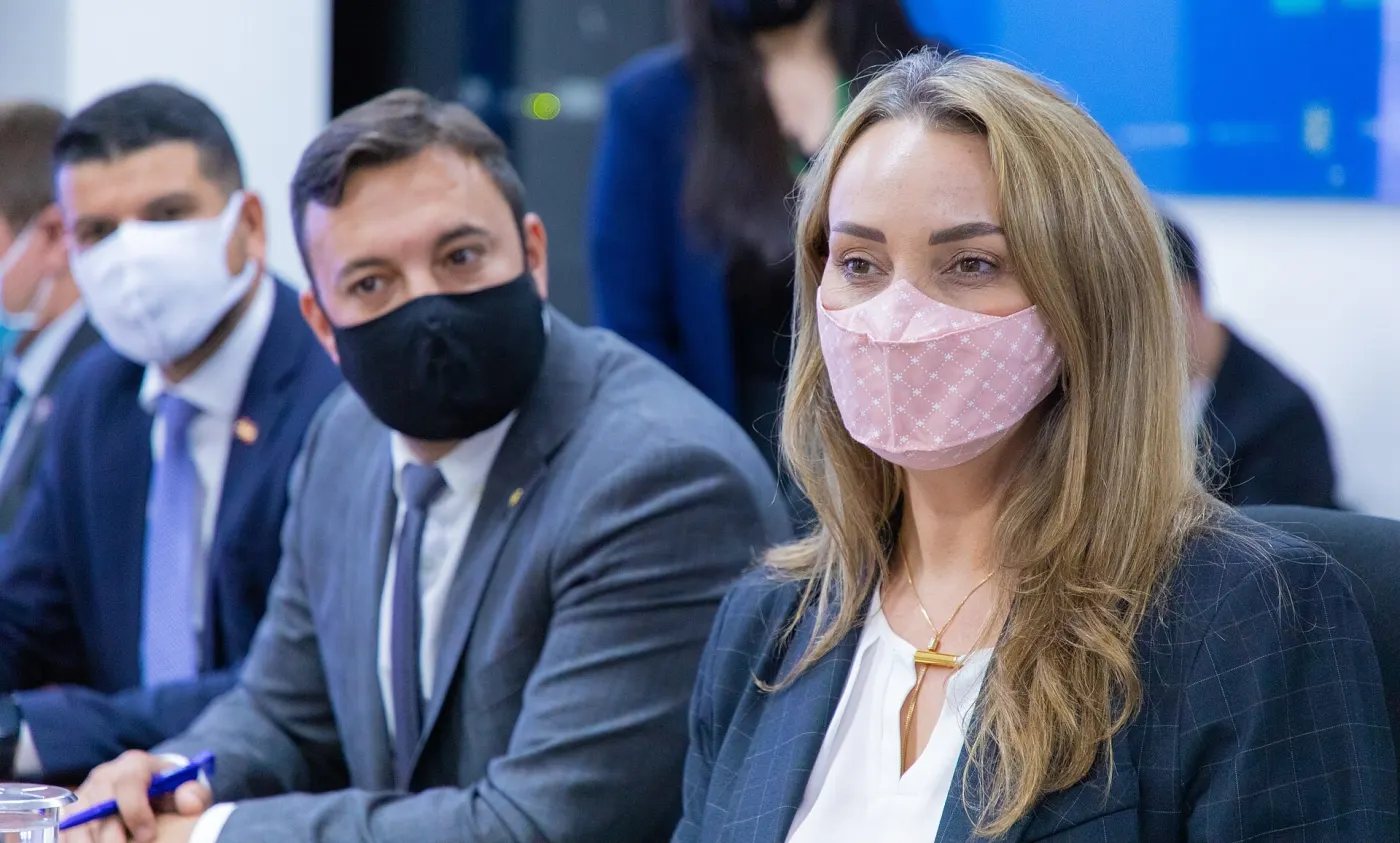
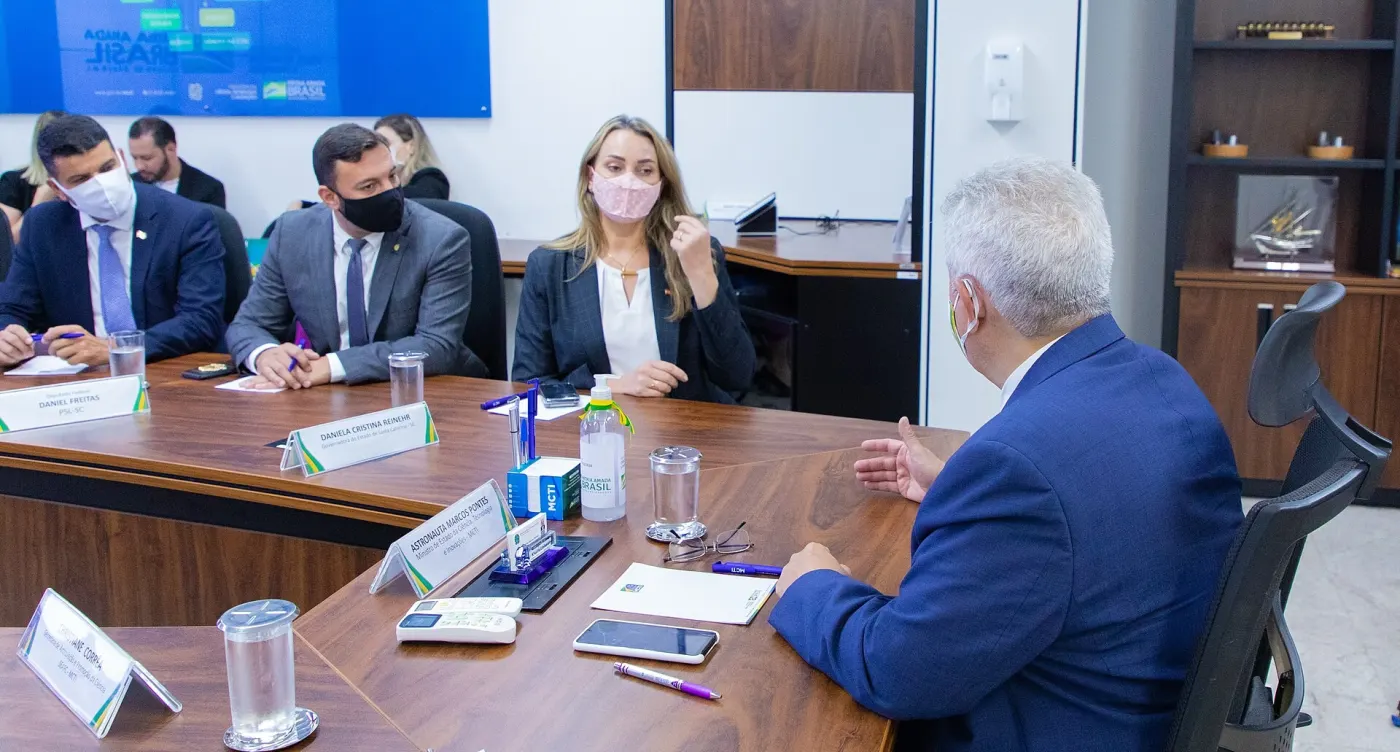
A public hearing in Brazil featured De Freitas. Critics asked about safety policies.


What Changed Recently
In August 2024, Character.AI signed a $2.7 billion licensing deal with Google. The deal let Google use the platform’s technology. De Freitas and Shazeer moved back to Google. They joined the Gemini team.
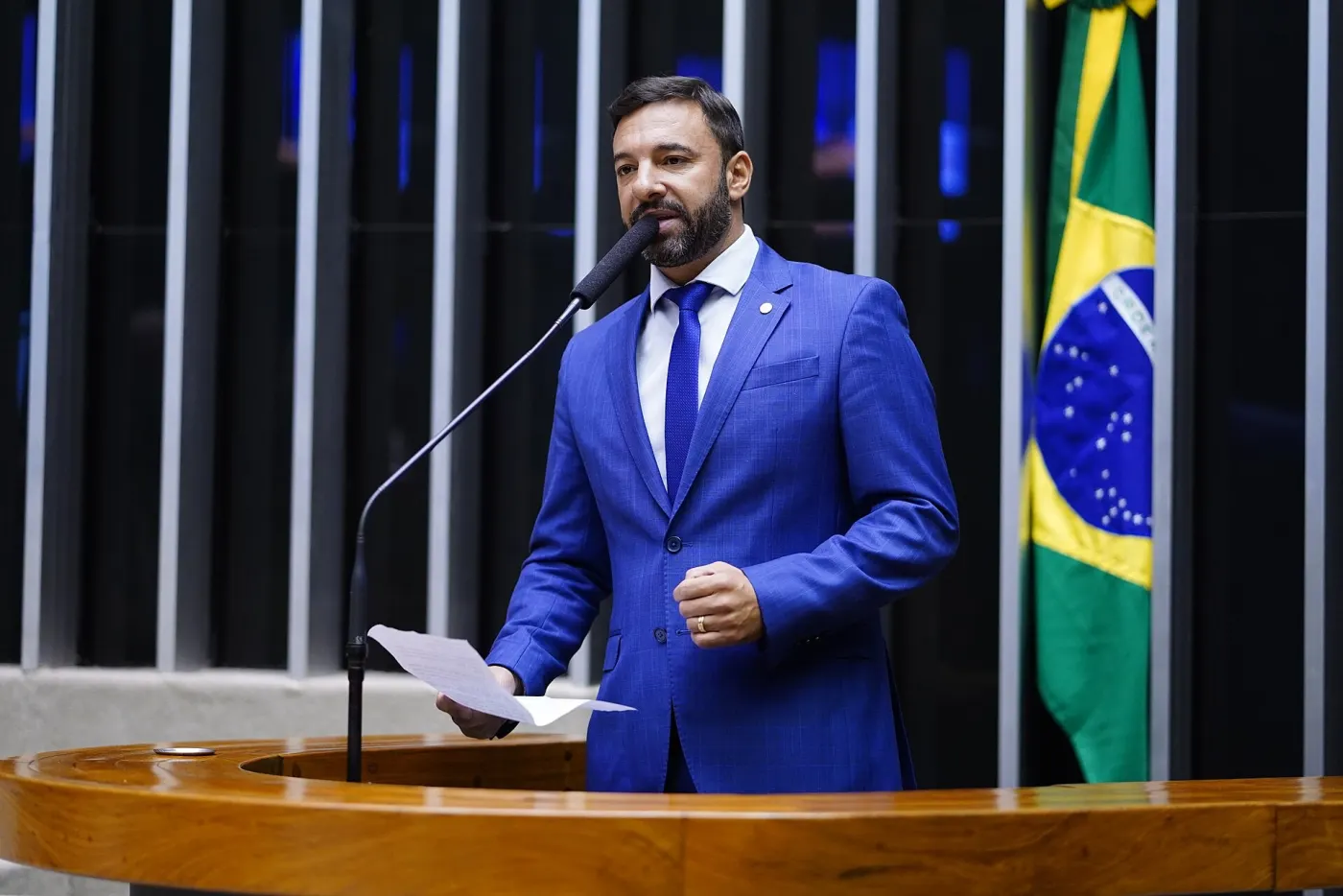
Character.AI shifted focus. It now aims at AI entertainment. Revenue grew to $50 million in 2025. Monthly active users reached about 20 million.
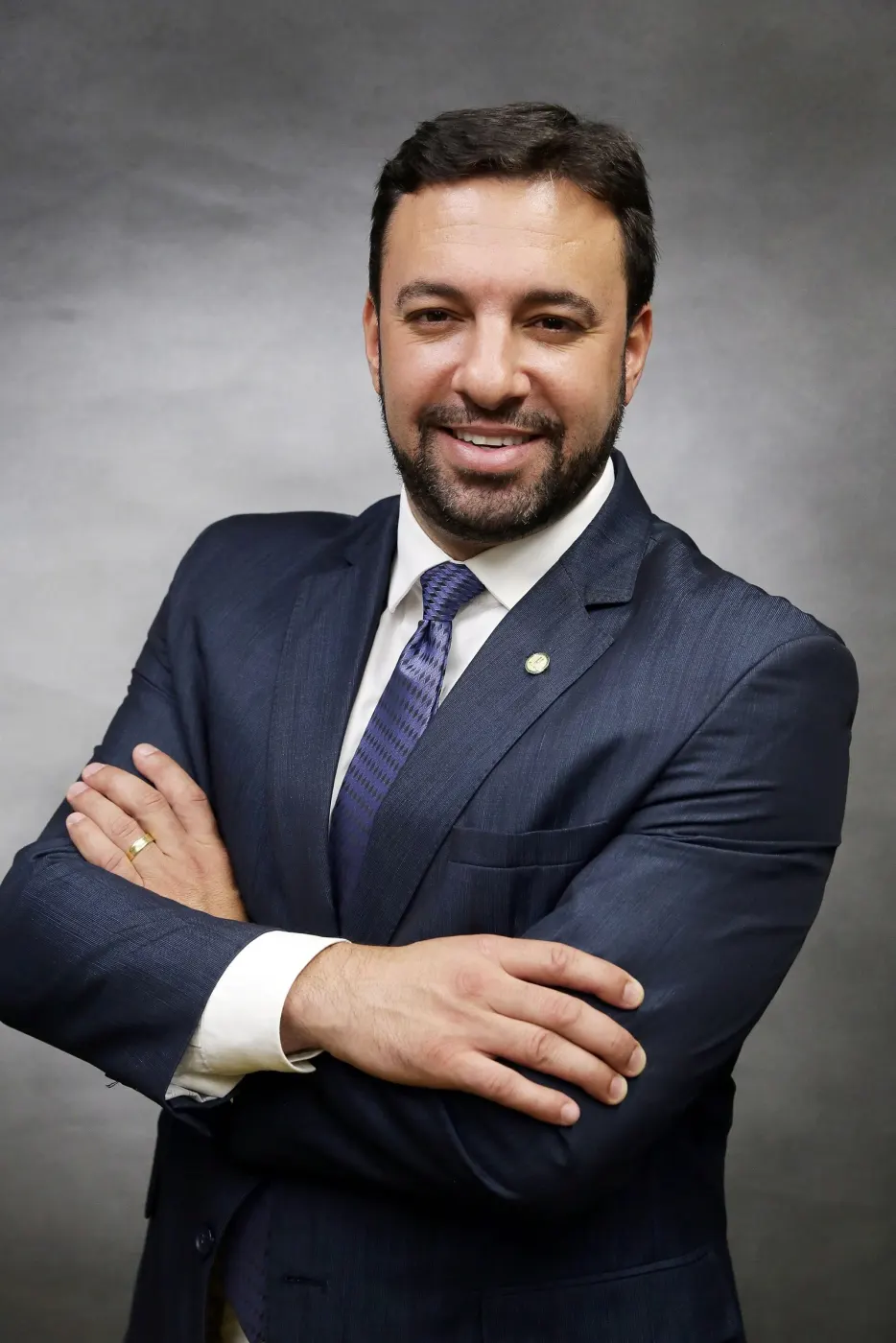
Where They Are Now (2026)
As of September 2026, Daniel De Freitas works at Google DeepMind. He is a research scientist. His work centers on dialogue and assistant systems. He stays private about family life. He promotes AI accessibility.
Why the story matters
The story shows how tech can move fast. It shows the cost of missing safety steps. It reminds companies to protect young users. It shows that legal pressure can reshape a business. It proves that talent can return to big firms. The lesson: safety and responsibility must travel with innovation.
Innovation without guardrails can backfire.
The Record
Name: Daniel De Freitas
Birthplace: São Paulo, Brazil
Education: Computer Engineering, University of São Paulo; Machine Learning courses, Stanford
Early Career: Microsoft (2012‑2016), Google (2016‑2021)
Co‑Founder: Character.AI (2021)
Valuation 2023: $1 billion
Licensing Deal 2024: $2.7 billion with Google
2025 Revenue: $50 million
2026 Role: Research Scientist, Google DeepMind
Timeline
2012 Joined Microsoft, worked on Bing search.
2016 Joined Google, contributed to YouTube ML and Meena.
2021 Left Google, co‑founded Character.AI.
2022 Launched public beta of Character.AI.
2023 Company valued at $1 billion.
2024 Signed $2.7 billion licensing deal with Google.
2025 Reported $50 million revenue, 20 million MAU.
2026 Working at Google DeepMind as research scientist.