Better Than Piracy
A working class Stockholm suburb. A retired millionaire at twenty three. Then a product that outran free theft.
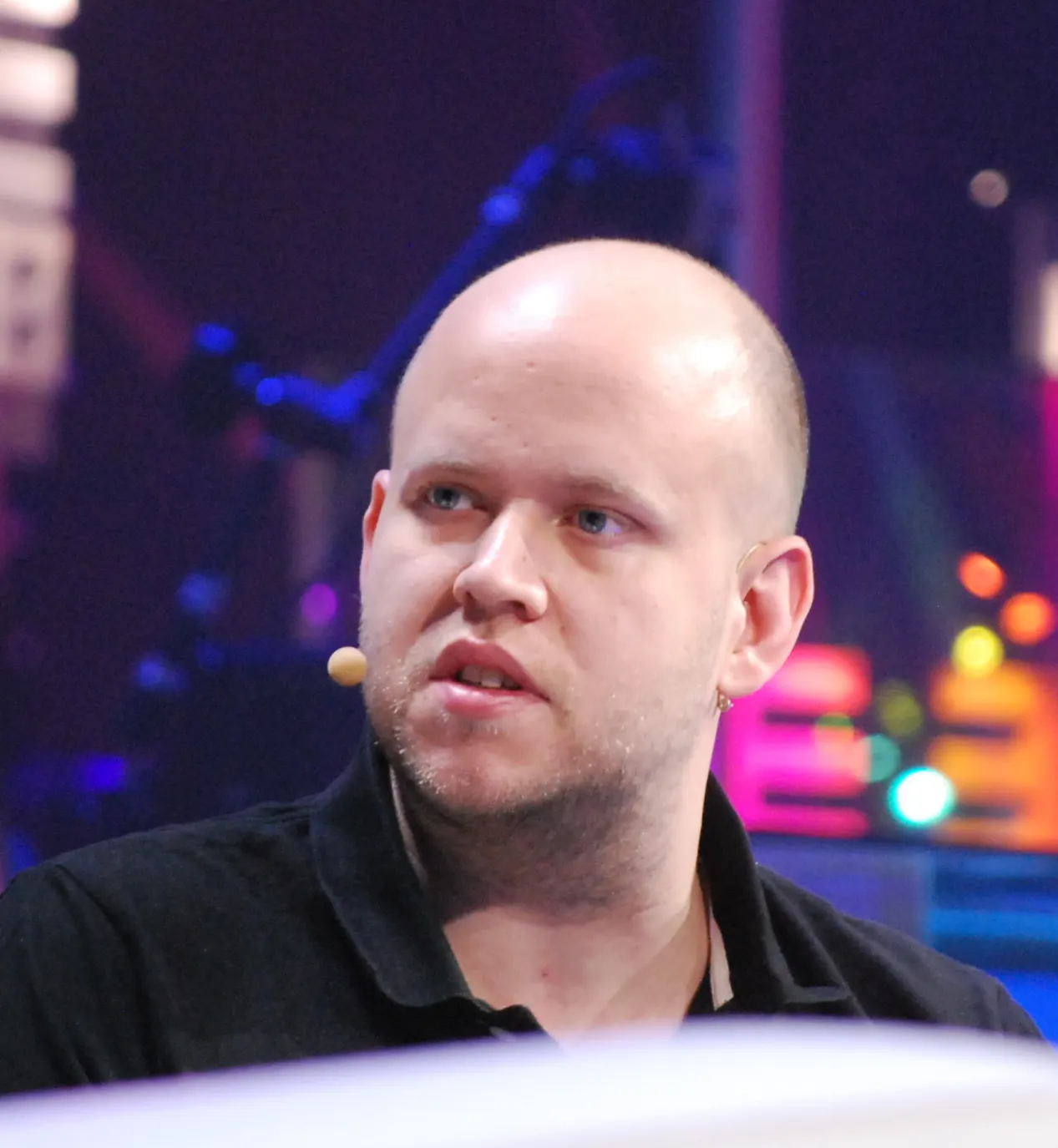
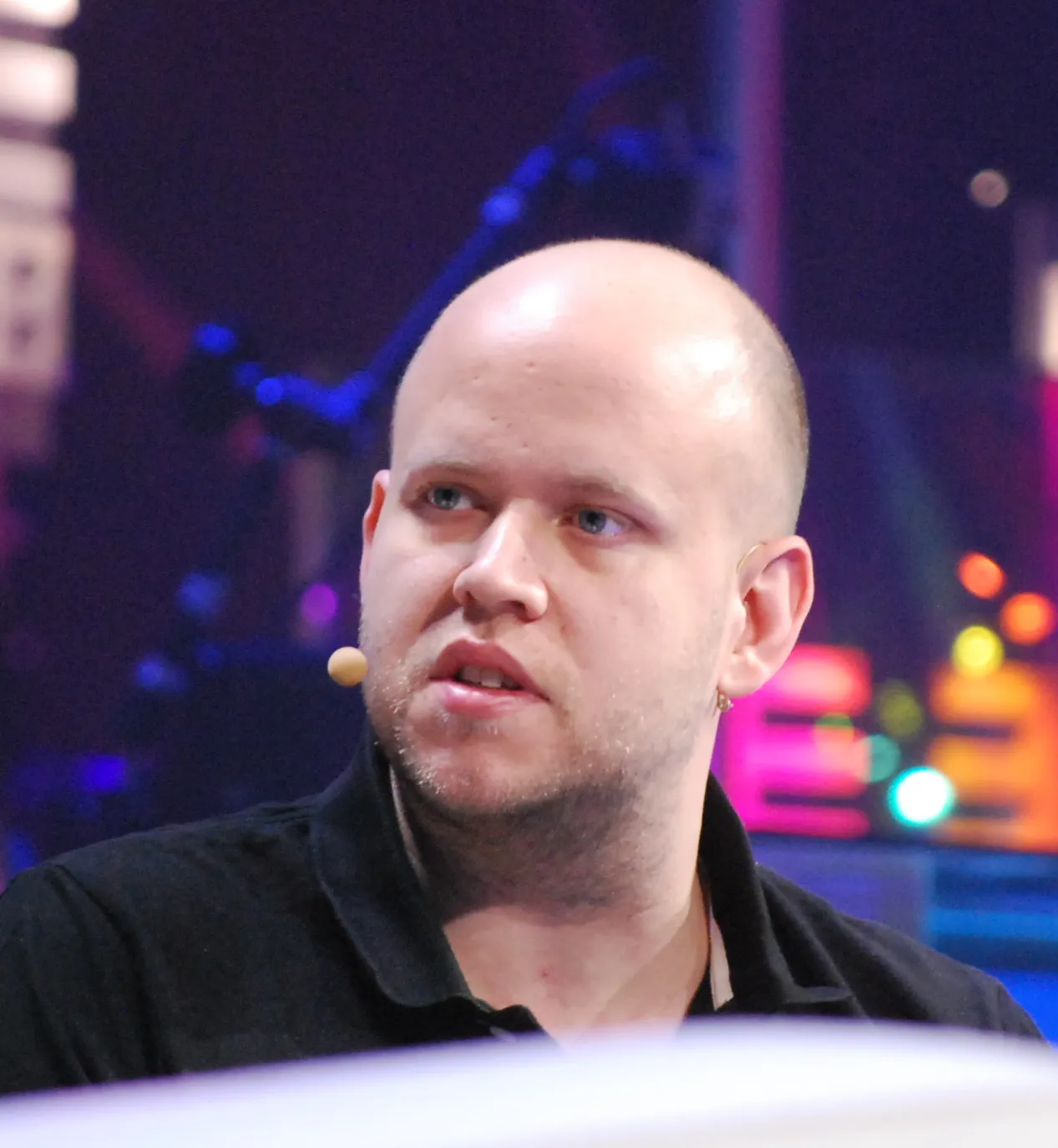
In late 2006, Daniel Ek looked like someone who had already won.
He was twenty three. He had sold companies. He had cash. He had a sports car and nights that looked like a music video. For about a month it felt like the prize.
Then the prize turned hollow.
He has said the emptiness crept in like a quiet weight in the chest. Nightlife did not fix it. Money did not fix it. Retirement at twenty three was not freedom. It was a pause with no purpose.
He went back toward home. Toward a quieter life near his parents. Toward a cabin and long talks with another restless founder named Martin Lorentzon. Out of that empty stretch came the bet that would remake how the world listens.
He would later call the bet simple. Build a product better than piracy. Pay the industry. Make music feel instant.
Simple sentences. Brutal work.
Rågsved and two hobbies
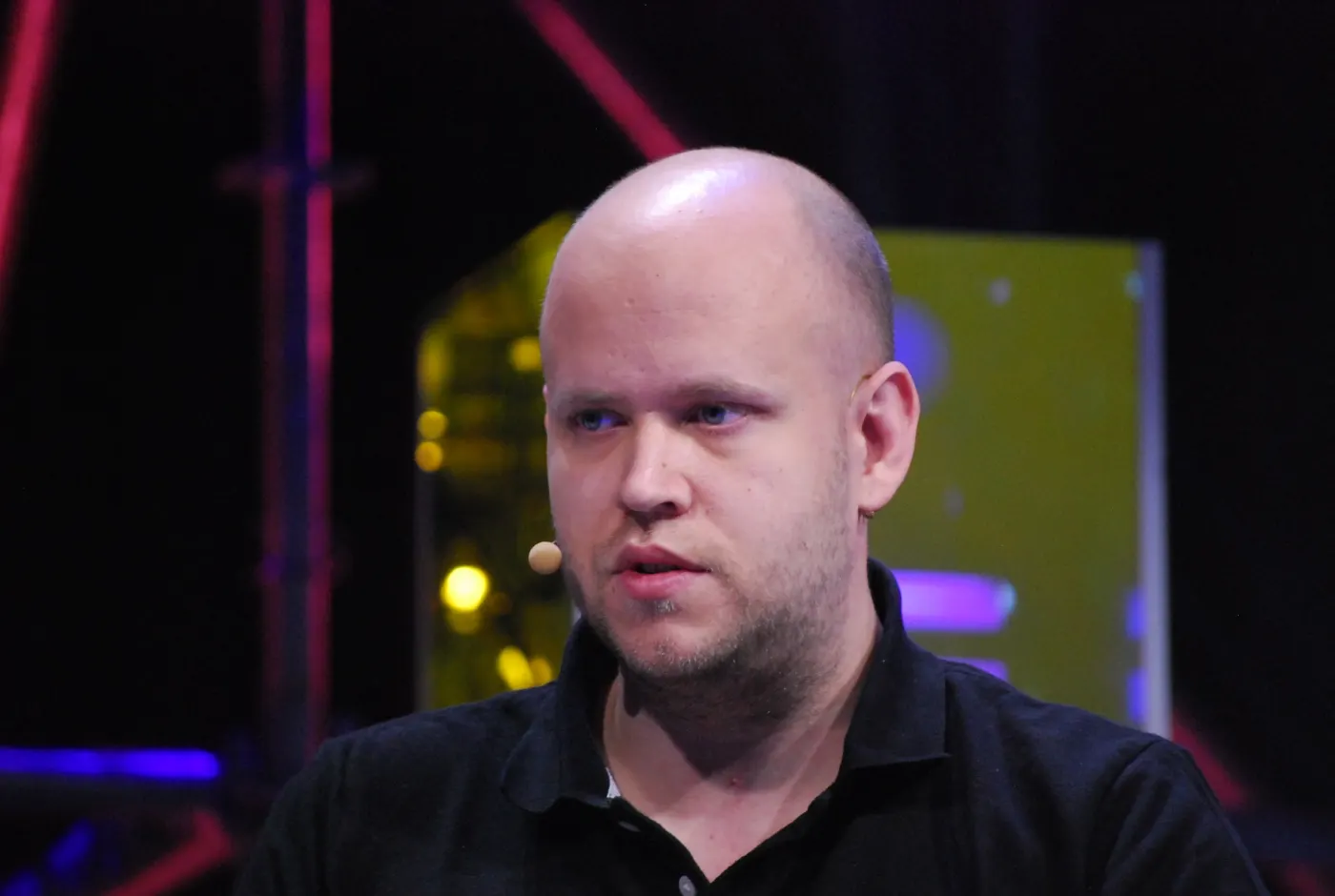
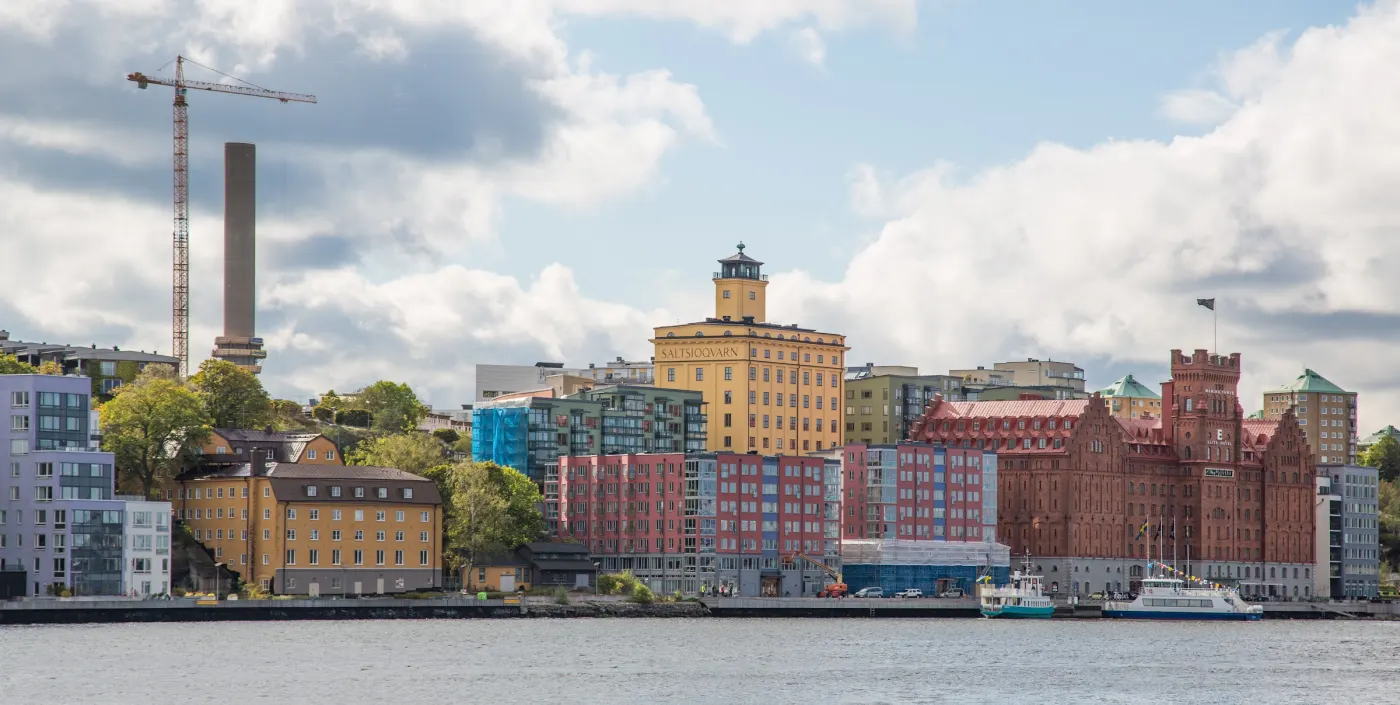
Daniel Georg Ek was born on 21 February 1983 in Stockholm. He grew up in Rågsved, a working class district south of the city. His mother worked in daycare. His father worked as a car mechanic and later in IT. Nobody around him ran startups. Entrepreneurship was not a family story.
Music was.
His maternal grandparents included an opera singer and a jazz pianist. He started playing guitar around age four. A computer arrived early. Those two tools became his real school: strings and code.
His mother pushed him into a classical pentathlon. Fencing. Horseback riding. Shooting. Running. Swimming. It was an odd mix for a kid from a rough suburb. He has said it taught focus and range. It also taught him that you can train across skills that do not look like they belong together.
School did not crown him. He has described himself as an introvert who did not feel academic belonging. He went to IT-Gymnasiet in Sundbyberg and graduated in 2002. He tried engineering at the KTH Royal Institute of Technology. He lasted about eight weeks. Then he left for work that already paid.
The teenage web shop floor
In the late 1990s, companies paid serious money for websites. Big consultancies charged tens of thousands. Daniel was a teenager who could learn HTML and Photoshop fast enough to ship.
He did not start by dreaming of venture capital. He started by quoting a price he thought would scare a client away. The client said yes. Suddenly he had to deliver.
He taught classmates. Kids good at math learned markup. Kids good at art learned design tools. The school corridor became a small production line. It was messy. It was real. When the dotcom crash hit, he had to fire people. That was when the work stopped feeling like a game and started feeling like responsibility.
He applied to Google around 1998, when the company still felt like a rumor with a strange name. They told him to come back with a college degree. He tried to build a better search engine instead and lost money learning how hard that problem was. The lesson stuck. Hard problems punish ego. They also reveal who keeps going.
Tradera, Stardoll, Advertigo, uTorrent
After high school he worked at Jajja, a search engine optimization firm. He took senior roles at Tradera, the Nordic auction company later bought by eBay. He served as CTO of Stardoll, a fashion and community game that lived in the browser.
Then he founded Advertigo, an online advertising company. In 2006 TradeDoubler bought Advertigo for about ten million Swedish kronor. The deal mattered for more than cash. It put him in orbit with Martin Lorentzon, TradeDoubler's co-founder, who was also searching for a next act after a public market chapter that left him restless.
Around the same season Daniel briefly became CEO of uTorrent, working with founder Ludvig Strigeus. BitTorrent bought uTorrent in December 2006. Strigeus would later help build Spotify's early technical core. The peer to peer DNA of that world would shape Spotify's first distribution model.
These years look neat on a résumé. Inside them were nights of shipping, deals that arrived before identity felt settled, and a sudden fortune that did not answer the question of what to care about.
Napster as a religious experience
Daniel has said Napster was the moment the internet stopped being mostly text and gifs. Suddenly the network carried music. Demand was obvious. People wanted more songs, faster discovery, and less friction than a drive to a record store.
The business model was the failure. Labels sued. Services died. Consumers still wanted the feeling.
He and Martin sat in an apartment in suburban southern Stockholm and asked what they would work on if they could pick anything. Daniel said music, then immediately called it a terrible idea. The industry was collapsing. Piracy was everywhere. Regulation alone would not save it.
Martin pushed. If one fixed it, how would one fix it?
Daniel's answer became the company thesis. You cannot legislate desire away. You need a product better than free theft, and you need to pay rights holders.
They misheard a name in conversation and typed Spotify into a search box. Nothing useful came back. The empty result felt like a green light. They kept the word.
Two years of no
Spotify AB formed in 2006. Launch as a licensed service did not arrive until October 2008 in parts of Europe. The gap was not a branding delay. It was years of label negotiations, demos, and trust building with an industry that had burned before.
They invested personal fortune into the company. Reports put combined founder capital in the multi million range. The point was survival. Without that bridge money, the product would have died while lawyers talked.
Early Spotify used peer to peer distribution, an approach familiar from the uTorrent world, to make streaming feel fast on ordinary connections. In 2014 the company moved toward a more classic server client model as scale and infrastructure matured.
The product bet was freemium before freemium was polite boardroom language. Free with ads for reach. Premium for clean listening and offline. Labels feared free. Consumers loved instant. Daniel argued that free was the on ramp that made paid feel fair.
Crossing the Atlantic
Europe proved the model could live. The United States was the prize and the wall. Licenses for the world's largest music market took longer. Spotify reached U.S. listeners in July 2011.
By then the company was already a story about patience under fire. Competitors rose and fell. Apple would later bring its own service. YouTube remained a giant music surface. Amazon entered. The fight was never only about songs. It was about defaults: which app opens when someone wants sound right now.
Daniel's public style stayed Swedish in the best sense of the word. Calm surface. Hard spine. He talked about product quality as the moral answer to piracy, not as a slogan for conferences.
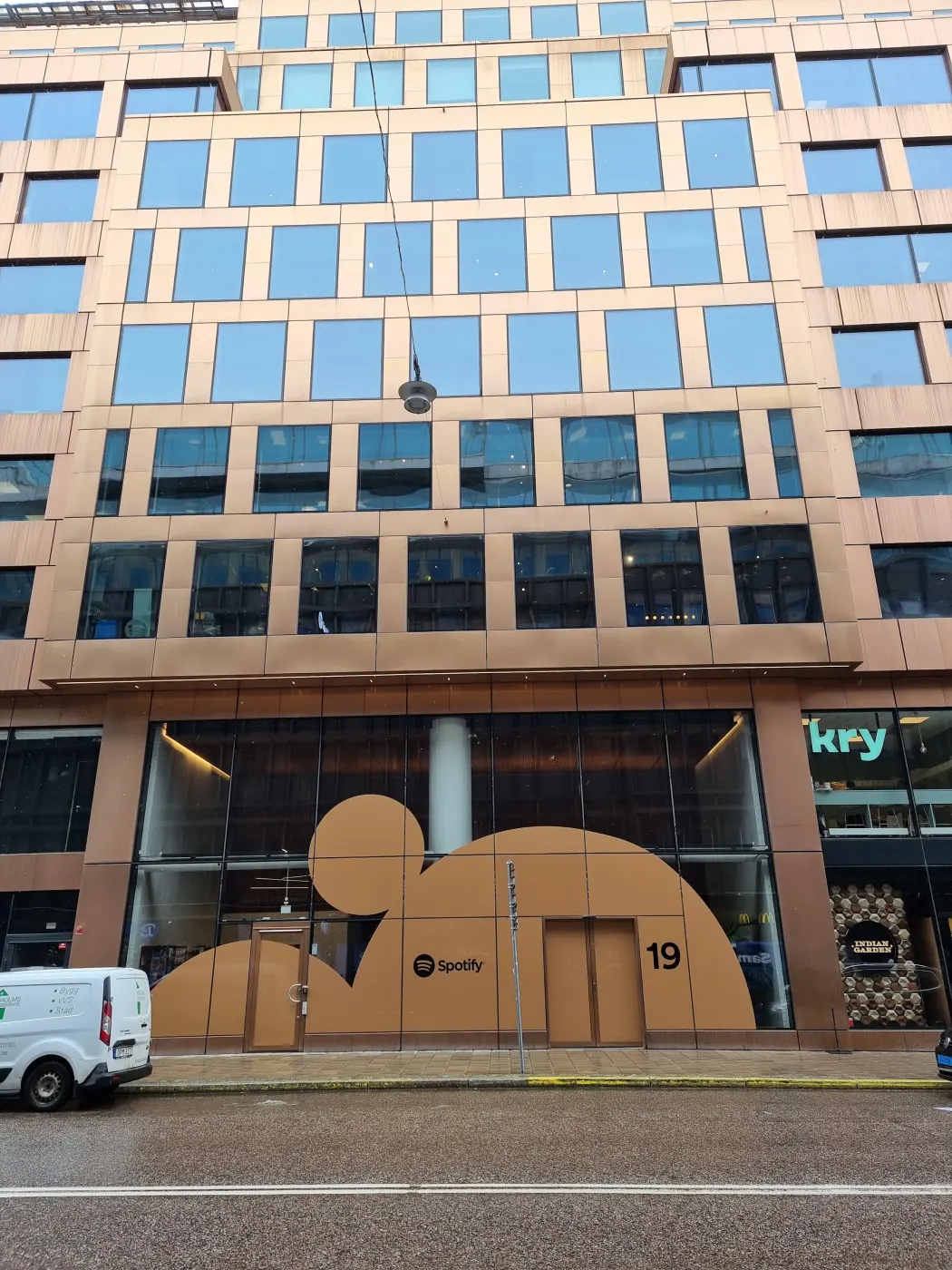
Inside the company the work was playlists, catalog deals, recommendation systems, and the grind of making a library feel personal. Discover Weekly and related features later turned the catalog from a warehouse into a weekly conversation with each listener.
Power, IPO, and the weight of the catalog
In October 2016 Martin Lorentzon stepped down as chairman. Daniel took the chair while remaining CEO. The dual role concentrated founder authority at a moment when Spotify was preparing for public markets.
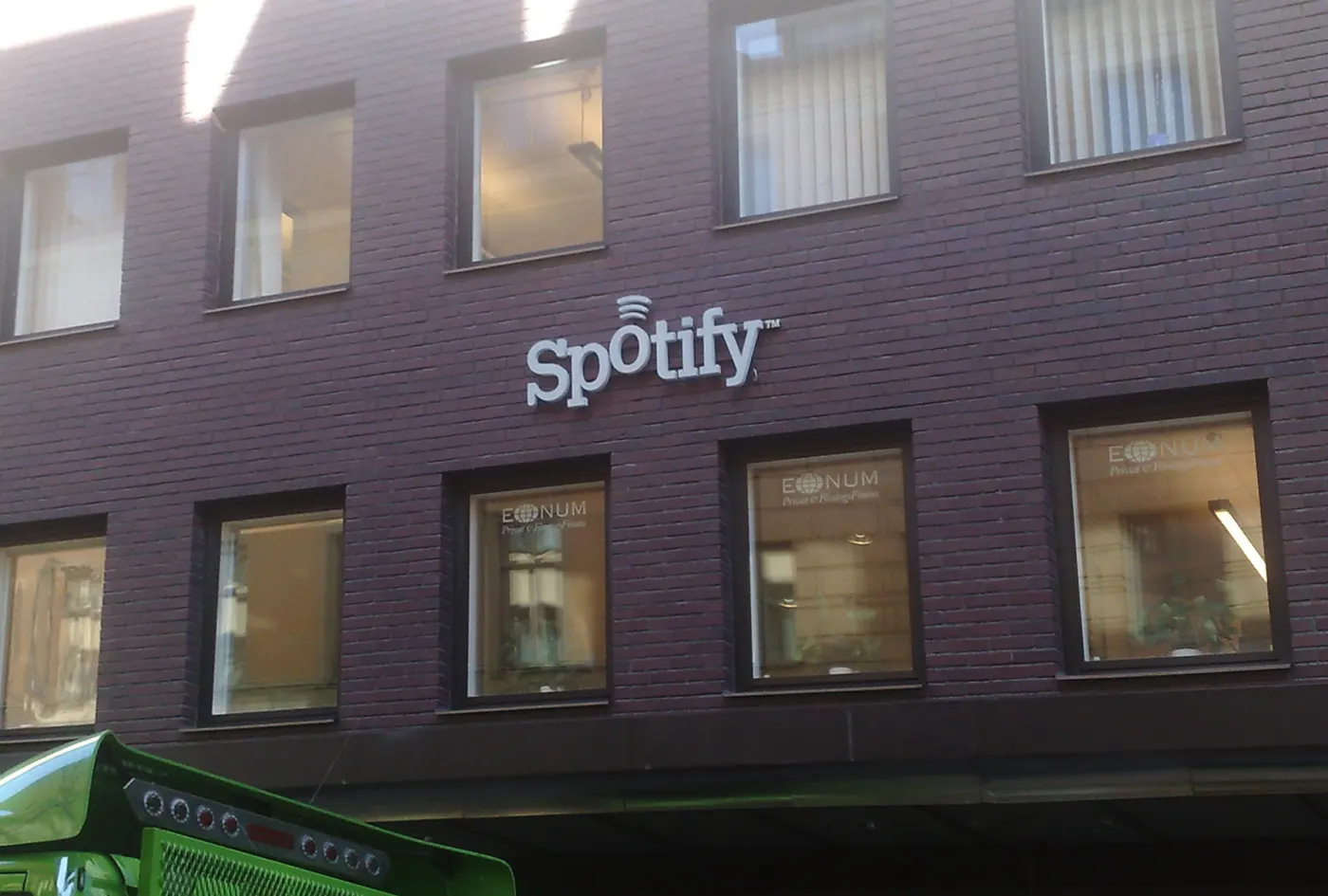
In April 2018 Spotify listed on the New York Stock Exchange through a direct listing under the ticker SPOT. The event turned a Swedish product company into a global market story. It also locked in a new kind of pressure: quarterly numbers, margin fights, and the endless argument about what artists earn per stream.
Billboard named Daniel the most powerful person in the music industry in 2017. Power in that chair is double edged. Fans love convenience. Artists argue about rates, discovery, and whether a platform rewards craft or volume.
Daniel has been blunt in interviews about continuous engagement with fans. Some musicians heard that as respect for hustle. Others heard a billionaire telling art to behave like content. In 2020 his Music Ally comments drew sharp public pushback from artists and producers. In 2024 a social post about the falling cost of creating content again lit a fight. He later said his wording had been too vague and reductive. The controversy remains part of the biography, not a footnote.
Podcasts, video, and the audio platform
Spotify did not stay a music only jukebox. Podcasts became a second pillar. Exclusive deals and creator tools pulled talk audio into the same home screen as songs. Video experiments followed. The company argued it was building a technology platform for listening and creator connection, not only a playlist machine.
Daniel's interviews in the mid 2020s circle the same strategic claim. Discovery is the hard problem. Monetization must work for creators who live across formats. AI will make average audio cheaper to produce, so personality, taste, and continuous relationship matter more.
Joe Rogan's presence on the platform became a free speech and brand flashpoint in public debate. Daniel has defended a broad approach to speech while navigating advertiser and user pressure. That stance wins some listeners and loses others. It is part of how Spotify chose to grow talk audio.
How he works
Daniel's working style mixes product obsession with long horizon capital thinking. He talks like an engineer who still believes distribution and delight beat policy lectures. He also talks like a European founder who expects the company to survive decades, not only a growth quarter.
He is comfortable with paradox. Introvert on stage. Hard negotiator with labels. Optimistic about technology and wary of Europe falling behind in ambition. In conversations with Nordic investors he has framed Europe's challenge as a cultural one: equal opportunity versus equal outcome, risk appetite versus comfort.
He builds through partners. Lorentzon at the founding. Strigeus in the early stack. Later product and business leaders like Gustav Söderström and Alex Norström who grew inside the company until they could carry the CEO title themselves.
He also builds outside Spotify. That second stack of companies reveals what he thinks the next hard problems are.
Neko Health and Prima Materia
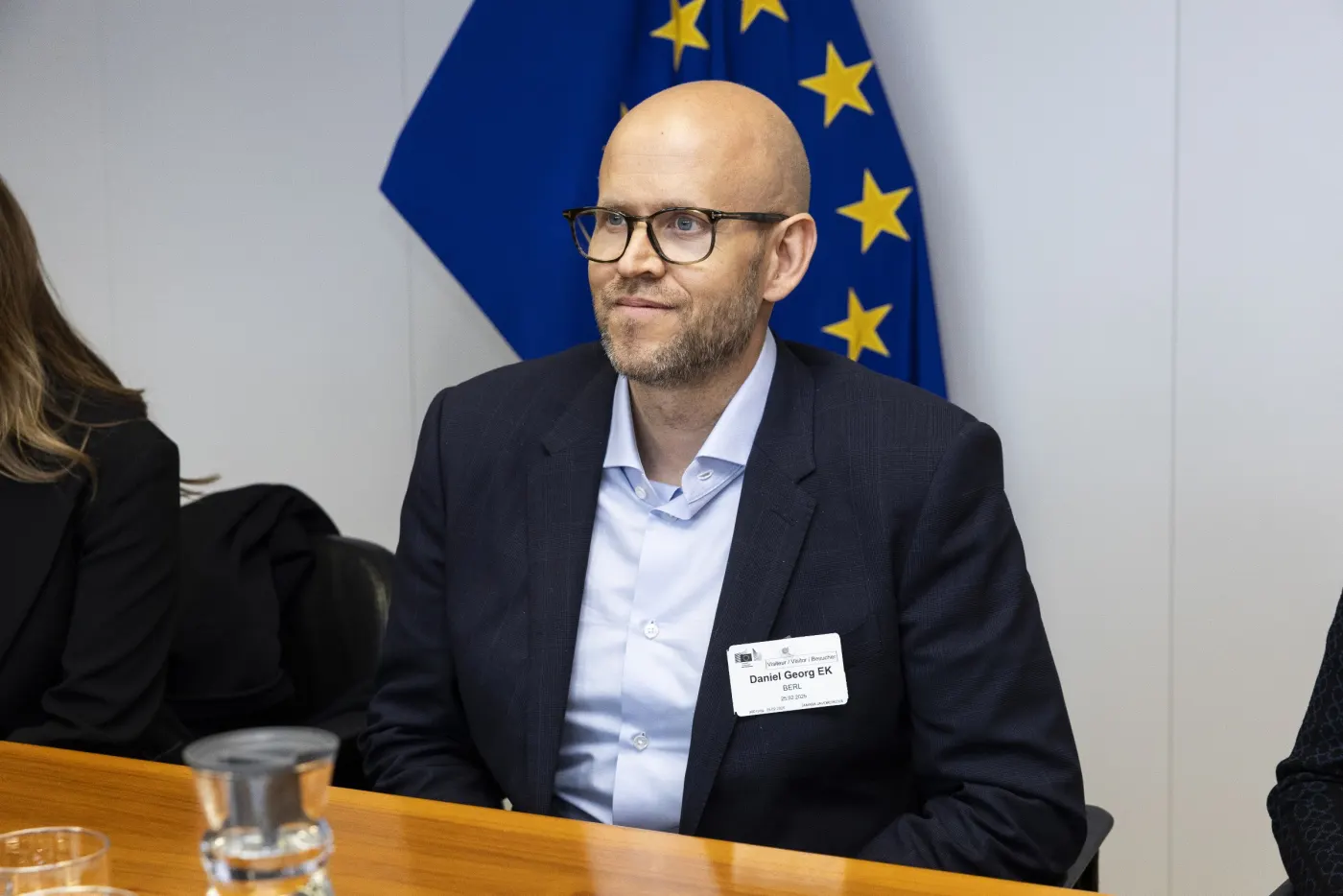
In 2018 Daniel co-founded Neko Health with engineer Hjalmar Nilsonne. The company offers full body scans and blood tests, using sensors and software to turn a checkup into a dense data picture. He chairs the effort and has described a simple goal: make advanced preventive health more accessible rather than a luxury ritual.
Neko began with his own capital through investment vehicles, then drew outside backing. By 2026 it had locations in Stockholm and London, with reported plans to expand further, including U.S. ambitions discussed in coverage that year.
In February 2021 he launched Prima Materia with Spotify investor Shakil Khan, pledging about one billion dollars toward European moonshots. Prima Materia became an early backer of Helsing, a German defense technology company. Daniel became Helsing's chairman. In 2025 the Financial Times reported Prima Materia leading a large funding round measured in hundreds of millions of euros.
That defense bet triggered artist protests. Several acts removed music from Spotify in 2025, linking streams to investments they opposed. The dispute sits in the open. Supporters call dual use defense tech a European necessity. Critics refuse to separate the playlist from the portfolio. A careful biography states both the investment facts and the protest facts without turning either into a sermon.
Arsenal, family, and the Netflix mirror
Daniel married Sofia Levander in 2016 at Lake Como. Bruno Mars performed. Chris Rock officiated. Guests included Mark Zuckerberg. The couple have two daughters.
He is a lifelong Arsenal supporter. In 2021 he publicly signaled interest in buying the club and later said a roughly 1.8 billion pound approach was rejected by the Kroenke ownership. The bid failed. The story still tells something about how far the Rågsved kid's balance sheet had traveled.
In 2022 Netflix released The Playlist, a dramatized miniseries about Spotify's rise, with Edvin Endre portraying Daniel. Drama compresses and invents. The series still sent millions of viewers back to the real timeline: piracy crisis, label wars, and a Swedish product that became infrastructure.
Current achievements and world impact as of 2026
On 30 September 2025 Spotify announced that Daniel would become Executive Chairman on 1 January 2026. Gustav Söderström and Alex Norström became co-CEOs, reporting to him and joining the board subject to shareholder approval. Daniel framed the change as matching titles to how the company already ran. He said he would focus on the long arc: strategy, capital allocation, and regulatory fights, in a European style chairman role more hands on than some U.S. peers.
By Q4 2025 Spotify reported about 751 million monthly active users and about 290 million Premium subscribers. Revenue and operating income figures showed a company that had fought for years to prove streaming could be a real business, not only a growth story. Daniel's employee letter highlighted a first full year of profitability as part of the confidence behind the leadership handoff.
As of August 2026 Forbes estimated his net worth around 12.5 billion dollars. The number moves with Spotify's stock and private holdings. The deeper scoreboard is cultural. Playlists became a default language for parties, workouts, heartbreak, and focus. Independent artists found audiences without a label gate in some cases, and still argued about money in others. Podcasts moved from hobby feeds to mainstream careers inside the same app. Audio became a utility the way search and maps became utilities.
World impact is not only convenience. Recorded music's economics reorganized around streams. Live touring and social media grew as companion engines. Younger listeners grew up assuming any song should be one search away. Older industry structures lost monopoly power and gained a new dependency on platform algorithms.
Daniel's wager from the cabin still sits underneath all of that. Desire for music would not die. The industry could fight the network or join a product that made paying feel better than stealing. Spotify did not end every argument about fairness. It did change the center of gravity for listening on Earth.
Label rooms and the long no
The hardest years were not branding years. They were rooms with lawyers and catalog owners who had watched Napster burn value and did not want a Swedish startup to finish the job.
Daniel and the early team demoed a product that felt illegal in speed even when the pitch promised licenses. That paradox was the point. If the demo felt worse than piracy, nobody would switch. If it felt better, the business conversation could begin.
Negotiations stretched. Catalogs arrived in pieces. Some rights holders wanted higher guarantees. Some wanted equity. Some wanted the free tier dead on arrival. Spotify's answer stayed stubborn: free as funnel, premium as business, and a product so convenient that paying became normal for tens of millions later.
Inside the engineering teams, peer to peer bits moved songs across users' machines to keep playback snappy when servers alone would have been too expensive or too slow. That architecture was a bridge. It also tied Spotify to a technical culture that understood distributed systems from the file sharing era without copying the legal model.
When the company later moved off heavy peer to peer reliance, it was a scale decision as much as a philosophy decision. The product had to stay instant while the company became a proper cloud operator.
Discover Weekly and the personal catalog
A library of tens of millions of tracks is useless if it feels like a warehouse. Spotify's breakthrough with many listeners was not only availability. It was taste assistance.
Discover Weekly and related personalized mixes turned Monday mornings into a ritual. People opened the app to meet themselves through songs they did not know how to search. That habit is how a utility becomes emotional.
Daniel's product instinct here matches his origin story. He wanted music to feel as easy as the first Napster rush, without the theft. Personalization was how ease scaled past the limits of human DJ labor.
Critics later argued algorithms flatten culture and push mood music over challenging art. That criticism is real in industry debates. Spotify's answer has been more tools, more Loud and Clear reporting on payments, and continued investment in discovery systems. The argument continues because the stakes are cultural, not only contractual.
Direct listing day and the public scoreboard
The 2018 direct listing skipped a traditional IPO roadshow structure in a way that made finance people talk. Spotify wanted liquidity without the same old bank theater. On listing day the company became a ticker that employees, artists, and rivals could watch like a sports score.
Public markets forced a new honesty about margins. Music streaming pays rights holders a large share of revenue. That math made profits slow. For years the story was growth first. Investors asked when the model would throw off durable operating income.
Daniel's public comments during those years often returned to patience and product. He bought more Spotify shares personally in 2022, putting tens of millions of dollars in as a signal during a rough tape. Signals do not replace execution. They do tell you what a founder believes when prices hurt.
By the mid 2020s the profitability narrative had shifted. The employee letter around the CEO transition pointed to a first full year of company profitability as proof the machine finally worked as a business, not only as a movement.
Creator economy fights inside the green app
Podcasting pulled Spotify into a different creative class. Comedians, news shows, true crime hosts, and interview empires wanted better monetization and discovery. YouTube remained a fierce rival for attention, especially as video podcasts grew.
Daniel's mid 2020s interviews show him thinking like a platform founder again. Share subscription economics with creators. Improve discovery so new shows can live. Accept that multi format creators will not live in one app only. Compete anyway.
Music artists remained the original constituency and the loudest critics. Per stream rates, playlist gatekeeping, and promotional leverage all stayed hot. Spotify published more transparent reports over time. Transparency did not end anger. It did change the quality of the argument from rumor to numbers.
When Daniel spoke about artists needing continuous fan engagement, he stepped on a cultural landmine. Legacy acts heard disrespect for album cycles. Newer acts sometimes heard a description of their actual week. The biography keeps both reactions because both shaped his public image.
Europe, ambition, and the open letter
In 2016 Daniel and Martin published an open letter warning that Sweden's rules on housing, taxes, and education could push tech companies out. Stock options taxed in ways that hurt startups were a key complaint. Housing scarcity was another.
The letter was political theater and policy critique at once. It showed a founder willing to spend reputation on the ecosystem that produced Spotify. It also showed the friction between Scandinavian social models and startup compensation norms copied from Silicon Valley.
Years later his investor conversations still return to Europe's risk appetite. He argues the continent needs more builders who attempt hard products, not only regulations that manage outcomes. Whether one agrees or not, the through line is consistent: product ambition as civic stance.
Neko clinic mornings
Neko Health is easy to misunderstand as a billionaire toy. The stated design is closer to an industrial rethink of the checkup. Sensors gather a dense body map. Software and clinicians help translate risk earlier than a rushed annual visit.
Daniel has said the goal is broad access, not a velvet rope. Clinics in Stockholm and London became the first proof points. U.S. expansion talk in 2026 put the company into a harder regulatory and cultural market. He chairs rather than running daily operations, a pattern that matches how he now treats Spotify: set direction, allocate capital, stay close to the defining bets.
Health data is intimate. A music founder entering that space invites scrutiny about privacy, medical claims, and inequality of access. Those questions belong in the story because they will shape whether Neko becomes infrastructure or a niche luxury.
Helsing and the protest catalog
Prima Materia's bet on Helsing placed Daniel inside Europe's defense technology boom. Drones and AI systems for military customers are not metaphorically controversial. They are literally controversial.
When artists removed catalogs from Spotify in protest in 2025, they made a moral claim: listening royalties should not fund weapons systems they oppose. Daniel's investment role and chairmanship made the claim personal. Newsrooms covered the pullouts. Fans chose sides.
A neutral documentary record states what happened. Prima Materia invested. Helsing builds defense technology. Artists left. Spotify remained a separate public company while its founder wore multiple hats. Those hats now collide in public opinion even when legal entities stay distinct.
Day to day craft
People who work with Daniel describe a founder who still cares about the feel of opening the app. Latency, playlist quality, and creator tools are not beneath him. At the same time he thinks in decade arcs: regulation, capital structure, and which new surfaces (wearables, cars, AI interfaces) will own listening next.
He delegates hard. The co-CEO structure with Gustav and Alex was rehearsed in practice before it was announced in titles. That rehearsal matters. Many founder transitions fail because the founder never truly shared the wheel. Spotify's 2026 shift tried to avoid that failure mode by renaming a reality that already existed.
He also protects focus by saying no. Not every adjacent media idea becomes a Spotify feature. The company has launched and later reshaped experiments. Discipline shows up as much in what gets killed as in what gets shipped.
The listener's ordinary Tuesday
World impact is easiest to see on an ordinary Tuesday. A nurse in Manila starts a focus playlist. A teenager in São Paulo finds a local rapper through an algorithmic radio. A truck driver in Ohio finishes a three hour interview show. A songwriter in Stockholm checks streaming numbers before rehearsal.
None of those people need to know Rågsved. They live inside the default Daniel helped build. Defaults are quiet power. They set what culture feels effortless.
That effortlessness has costs. Homogenized playlists. Fights over pay. Dependence on a few platforms. The same inventor who escaped piracy's chaos also concentrated discovery inside a green icon. Holding both truths is how a magazine documentary stays honest.
Second cabin, different decade
If the first cabin was about inventing Spotify, the Executive Chairman years are a second cabin of a different kind. Less line by line product management. More capital, regulation, and moonshots. Neko. Prima Materia. Helsing. The long arc of audio as AI changes production costs.
Daniel has always been clearest when he talks about desire. People wanted music on demand before the business model existed. People want health clarity before clinic systems catch up. People want European technology champions before politics finishes arguing about them.
His method is to treat desire as a design brief. Then survive the years when incumbents say no.
Freemium as a moral argument dressed as product
Daniel often frames the free tier as ethics as much as growth. If piracy is the true competitor, then a limited free experience is not a gift. It is a fence that keeps listeners inside a paying ecosystem.
That argument convinced enough label partners over time to keep the model alive. It also created a permanent tension. Free users stream. Streams trigger royalties. Royalties need a pool funded by ads and by premium upgrades. When ad markets soften, the free tier looks expensive. When premium conversion rises, the free tier looks brilliant.
Living inside that tension for nearly two decades trained Spotify's culture. Ship features that make premium feel worth it. Keep free good enough that pirates still switch. Never pretend the economics are simple.
The U.S. years of proving density
Landing in America in 2011 was not the end of the fight. It was the start of proving density in a market where radio, iTunes purchases, YouTube, and later Apple Music all claimed hours of the day.
Spotify had to win cars, phones, living rooms, and student discounts. It had to sign more catalogs and survive promotional wars. It had to become a verb for a generation that did not remember Tower Records.
Daniel's role in those years was partly diplomat and partly product chief. He spent reputation on relationships while teams spent sprints on playback reliability and playlist culture. The company hired heavily outside Sweden. Stockholm remained a spiritual home even as New York and other hubs grew.
What "better than piracy" demanded of engineering
Instant playback is a feeling. Under the feeling sit codecs, caching, CDN contracts, offline downloads, and ruthless attention to battery and bandwidth.
Early users forgave rough edges because the alternative was illegal downloads that broke and infected machines. Later users forgave nothing. A stutter on a subway ride could send someone to a rival app.
That escalation is why Daniel's product talk still sounds engineer native. He knows the biography is not only vision. It is milliseconds. It is catalog completeness. It is the quiet shame of a missing track at a party.
Family distance and public myth
Lake Como wedding coverage turned him into tabloid tech royalty for a weekend. Arsenal bid coverage turned him into a sports page headline. Netflix turned him into a dramatized character.
The real person still reads as more cabin than red carpet. Interviews show an introvert who learned to perform clarity in public without loving the performance. He returns to the same few themes: desire, product, Europe, long arcs.
Myth tries to make him either savior of music or villain of artists. Neither cartoon survives contact with the ledger. Spotify increased legal listening at planetary scale and still left many musicians unpaid relative to their hopes. Both can be true in one life.
The 2026 handoff as a design problem
Founder succession is usually a crisis story. Spotify tried to make it a design story. Titles caught up to operating reality. Co-CEOs already steeped in product and business took the wheel. The founder stayed close enough to keep the company founder led on the bets that matter for a decade.
Whether that design works will be judged by listeners who never read the press release. If the app keeps feeling inevitable, the handoff worked. If ambition thins into maintenance, the cabin lesson will have been forgotten.
Daniel's own words at earnings as Executive Chairman still sound like a builder. He talks about audio as a technology platform facing AI, new interfaces, and wearables. That is not a retirement speech. That is a second brief.
Portrait of the operator
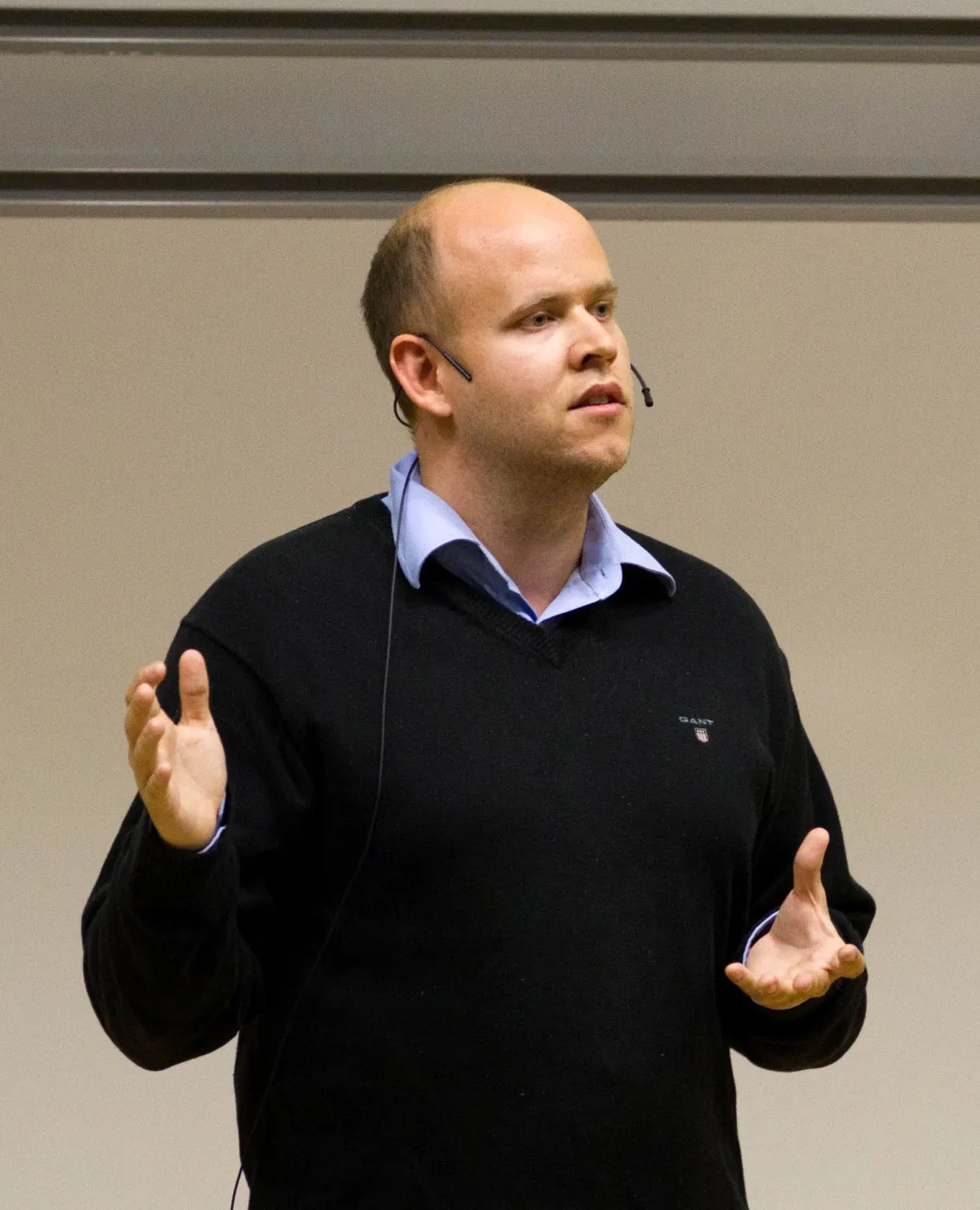
Across interviews spanning more than a decade, Daniel's voice stays surprisingly consistent. He is less interested in sounding clever than in repeating the mechanism: desire first, product second, licenses third, scale fourth. When he drifts into politics or health or defense, the same mechanism appears. Find a broken system people already feel. Build a preferred path. Endure the years of no.
That consistency is why the Executive Chairman chapter can still fit the same biography. The sports car empty months taught him that winning without meaning collapses. Spotify taught him that meaning without a working business also collapses. The 2026 role tries to hold both lessons at once while other leaders run the daily machine.
Closing
Daniel Ek's life runs from a Rågsved childhood of guitar and code to a teenage web workshop, a string of Swedish tech jobs, a sale that bought a sports car and a depression, and a cabin conversation that became Spotify. He spent years begging and bargaining with labels, shipping a freemium product across oceans, taking the company public, absorbing artist anger, expanding into podcasts and platform tools, and then handing day to day CEO power to leaders grown inside the house while he moved to Executive Chairman in 2026.
He also pushed into preventive health with Neko and into European moonshots with Prima Materia, including a defense investment that some artists rejected by walking away from the catalog. The through line is not charm. It is a stubborn product belief: if the old system is broken, build something people prefer, then fight for the licenses and the margins long enough for the preference to become habit.
As of 2026 hundreds of millions of people open an app that began as a Swedish answer to piracy.
He keeps returning to ordinary listening as the true scoreboard. Awards and net worth estimates move with markets. The Tuesday playlist does not care about either. If the product still wins that Tuesday against silence, radio, downloads, and rival apps, then the cabin bet is still alive.
The kid who felt average in school helped turn listening into infrastructure. The empty months after the sports car turned out to be the doorway, not the destination.
Watch alongside this story
Short cuts from interviews, keynotes and launches. Each plays only the moment that matters.