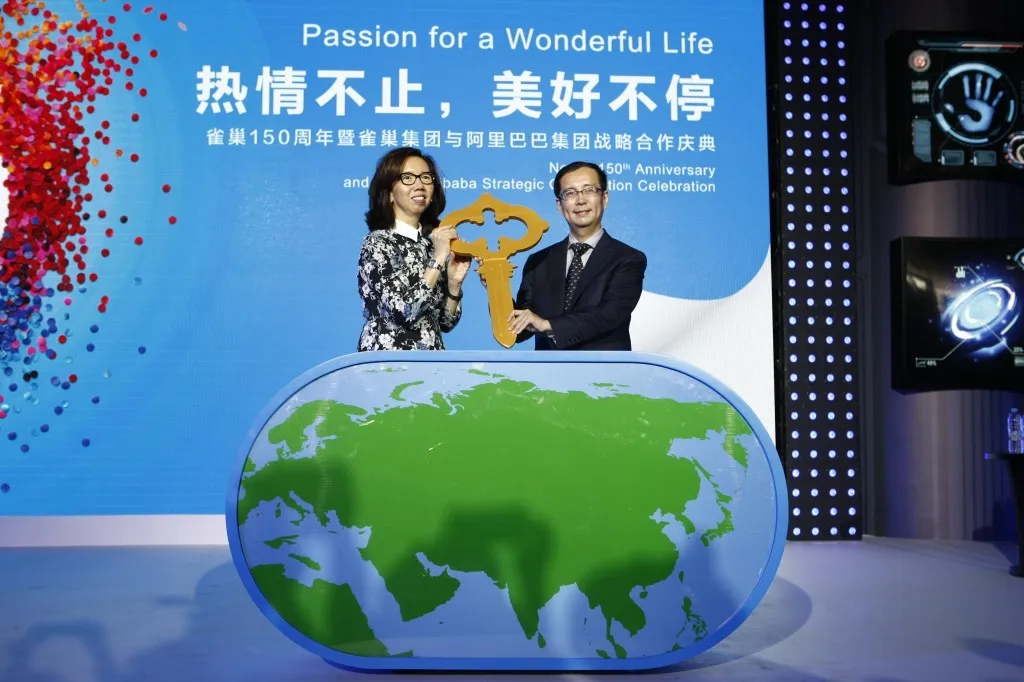
The Accountant Who Built Singles’ Day
He joined Taobao as CFO. He turned a quiet date into a shopping festival. Then he led Alibaba.
Daniel Zhang changed online shopping.
He made Singles’ Day a global event.
He led Alibaba through growth and pressure.
Childhood and Family
Daniel Zhang was born on January 11, 1972.
He grew up in Shanghai, China.
His family was middle‑class.
His father worked as an accountant.
Education
Zhang attended Shanghai University of Finance and Economics.
He earned a bachelor’s degree in finance.
He graduated in 1995.
Early Career
After school he became a certified accountant.
He worked at Barings Bank.
He also worked at Arthur Andersen.
He later audited for PricewaterhouseCoopers.
Before Alibaba he was CFO of Shanda Interactive Entertainment.
Joining Alibaba
Zhang joined Alibaba in 2007.
He was CFO of Taobao.
In 2013 he became Chief Operating Officer.
He led the creation of Cainiao Network.
Cainiao was built to move goods worldwide.
In 2015 Zhang succeeded Jack Ma as CEO.
In 2019 he added the title of Chairman.
Growth and Challenges
Under his lead Alibaba bought a 51% stake in Cainiao in 2017.
The investment was RMB 5.3 billion.
Alibaba pledged another RMB 100 billion over five years.
Cainiao now serves over 100,000 merchants.
In 2021 the company paid an 18 billion yuan fine for anti‑competitive practices.
In 2023 Alibaba announced a Cainiao IPO.
The plan was dropped in March 2024.
Alibaba offered up to $3.75 billion to buy back shares.
A 2011 controversy called the Siege of October hit the Tmall platform.
Zhang raised merchant fees.
Smaller retailers protested.
Jack Ma stepped in to calm the market.
Zhang also oversaw a major cloud outage, the longest in a decade.
Later Years and Legacy
Zhang is known for the quote: “If we don't kill our existing business, someone else will.”
He left Alibaba in September 2026.
He moved to an emeritus role after stepping down from Alibaba Cloud Intelligence.
He entered venture capital in 2024.
He became a managing partner at Firstred Capital.
He focuses on mergers and acquisitions.
Alibaba set aside $1 billion for a technology fund run by Zhang.
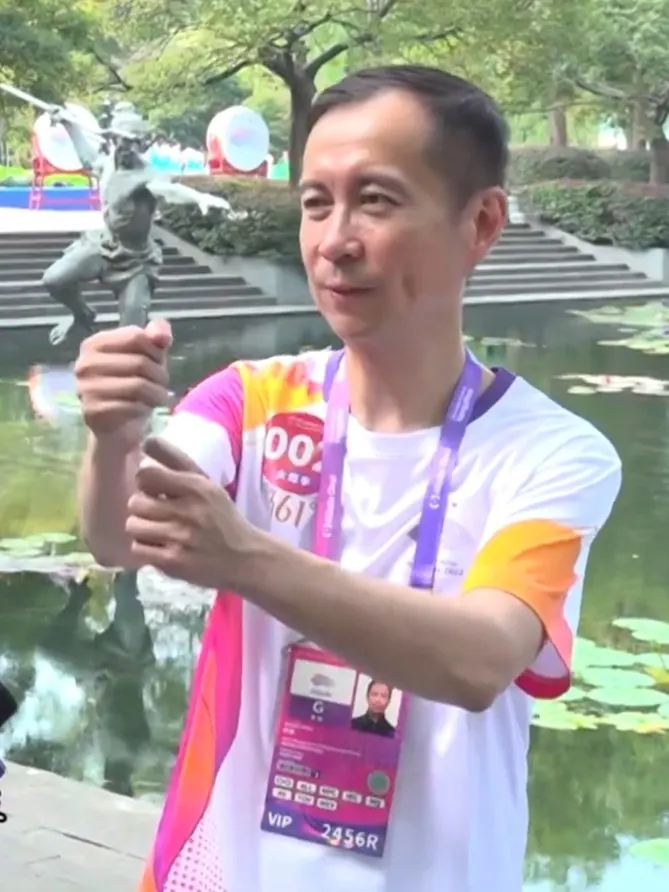
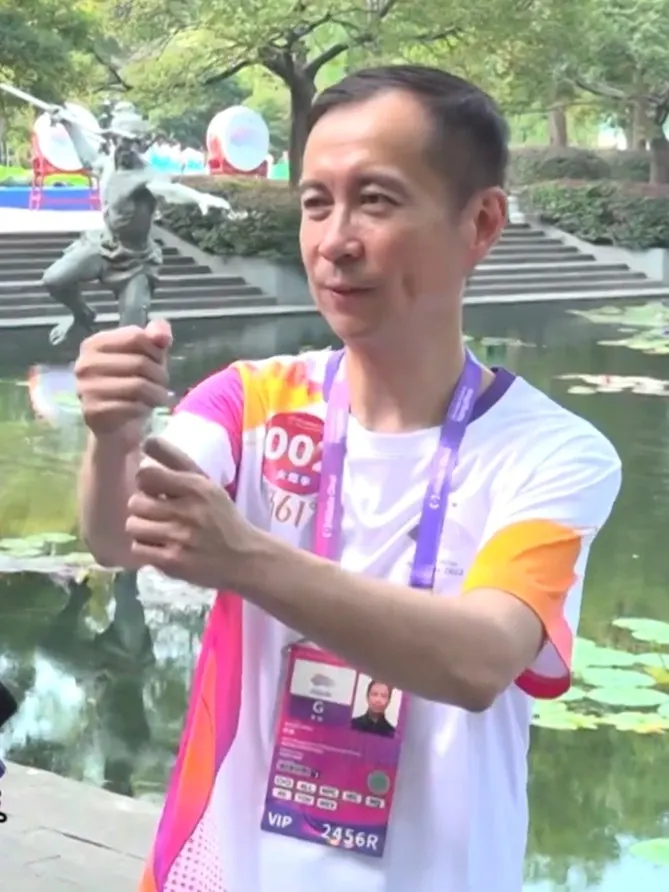
Zhang enjoys soccer and basketball.
He follows the NBA, especially the Houston Rockets.
He used the nickname Xiaoyaozi at Alibaba.
The name means “the free and unfettered one.”
His story shows how a finance background can shape a tech empire.
It also shows how leaders can step away at the top.
Founding Story
Jack Ma started Alibaba in 1999. He did it with 17 friends. They worked in a small Hangzhou apartment. Their goal was to help small Chinese businesses sell abroad. The company grew fast. Daniel Zhang was not a founder. He watched the early growth from outside.
First Customers and Product
Zhang joined Alibaba in 2007. He became CFO of Taobao. Taobao was Alibaba’s consumer marketplace. He helped the platform handle more sellers. The first big sale was Singles’ Day in 2009. It started on Tmall, a part of Alibaba. The event grew into a huge shopping festival.
Early Struggles
In 2011 the company raised merchant fees on Tmall. Small sellers protested. The event is called the Siege of October. Jack Ma stepped in to calm the dispute. Zhang learned the risk of upsetting merchants.
Regulators increased pressure on Alibaba. In 2021 the firm paid an 18 billion yuan fine for anti‑competitive practices. The same year the cloud division faced its longest major outage in a decade. Zhang had to manage both public and internal crises.
Key Turning Points
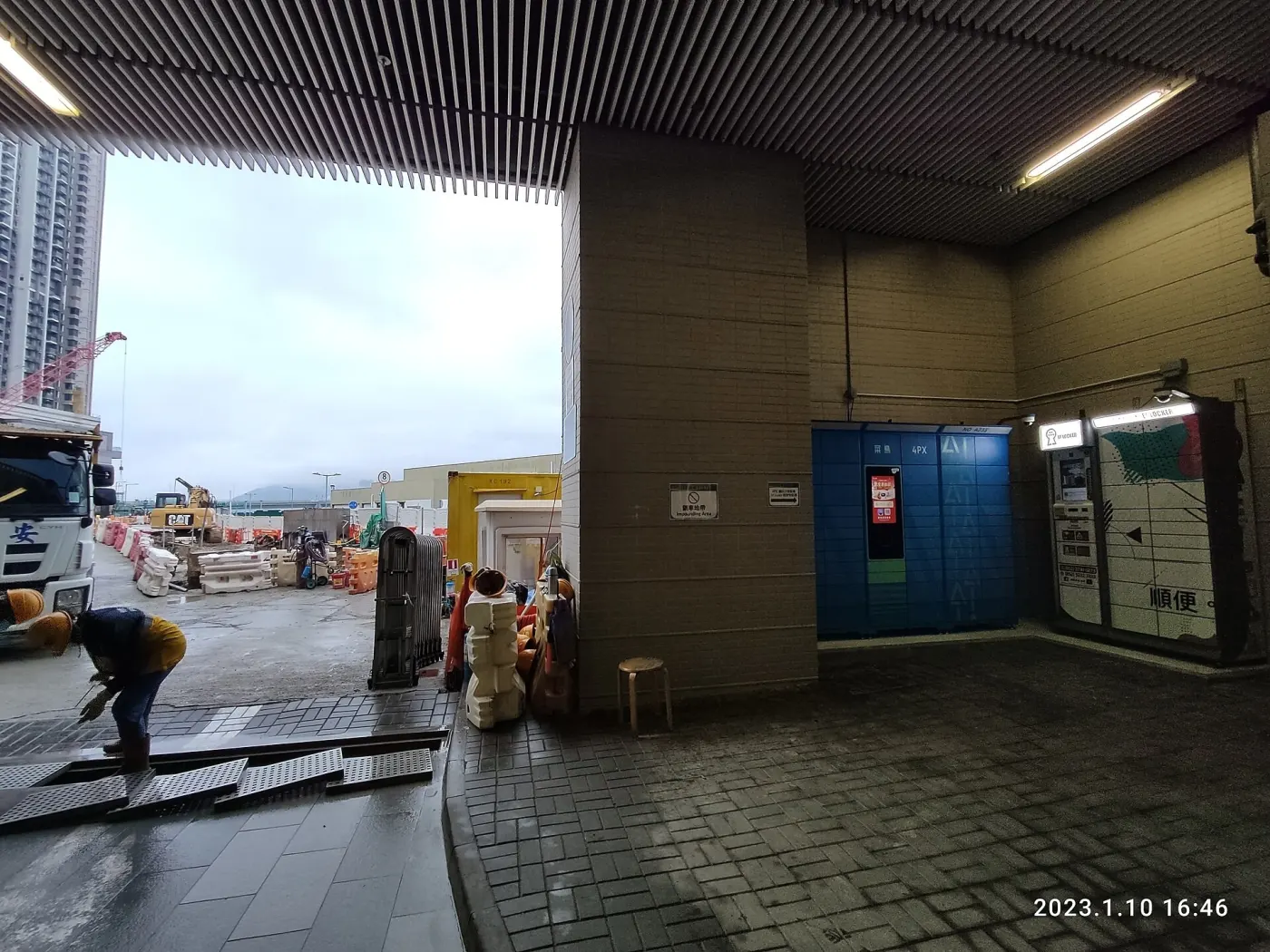
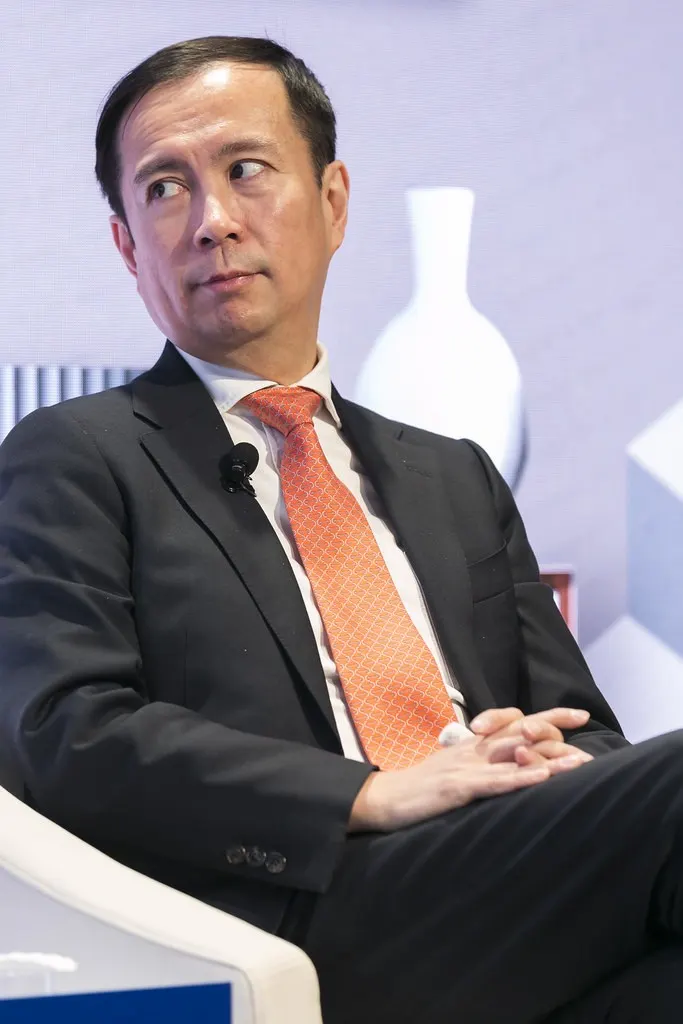
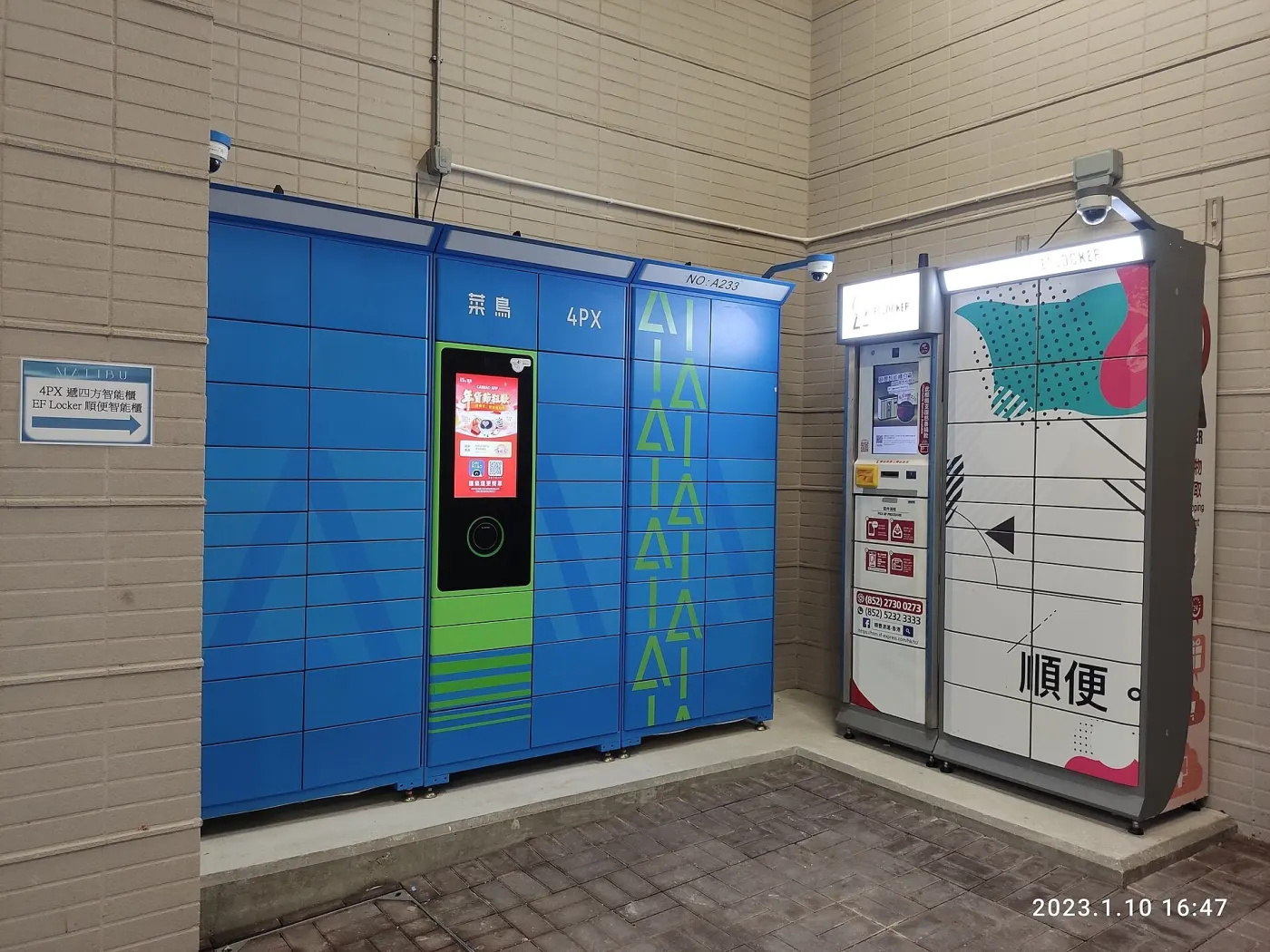
In 2013 Zhang became COO. He led the launch of Cainiao Network. Cainiao was built to move goods worldwide. The network added smart lockers in Hong Kong and other cities.
Zhang succeeded Jack Ma as CEO in 2015. He became chairman in 2019. Under his watch Alibaba increased its stake in Cainiao to 51 % in 2017. The investment was 5.3 billion RMB. He also pledged a further 100 billion RMB over five years to grow the logistics network.
Zhang often said, “If we don't kill our existing business, someone else will.” The quote guided his strategy.
Growth with Real Numbers
Cainiao grew into a global cross‑border logistics provider. By 2023 it served over 100 000 merchants. The network linked more than 1 000 cities worldwide. Alibaba’s investment helped lock in volume for its e‑commerce platforms.
In 2023 Alibaba announced a plan for a Cainiao IPO. The goal was to unlock value for shareholders. In March 2024 the IPO filing was withdrawn. Alibaba offered up to $3.75 billion to buy back all minority shares.
Funding, IPO and Acquisitions
The 5.3 billion RMB stake in Cainiao gave Alibaba control. The later 100 billion RMB pledge showed long‑term commitment. After the withdrawn IPO, Alibaba kept Cainiao as a core unit.
Zhang left Alibaba in September 2026. He moved to a venture‑capital role at Firstred Capital in 2024. He also helped launch a $1 billion technology fund that Alibaba agreed to back. The fund is managed by Zhang as an emeritus partner.
Zhang’s story shows how a finance background can shape a tech empire. He moved from accounting to leading one of the world’s biggest e‑commerce groups. His decisions on logistics, fees, and global expansion left a lasting imprint on Alibaba’s path.
Daniel Zhang was born on January 11, 1972 in Shanghai.
He grew up in a middle‑class family.
His father worked as an accountant.
Zhang earned a finance degree in 1995 from Shanghai University of Finance and Economics.
He worked as an auditor at Arthur Andersen and PricewaterhouseCoopers.
He later became CFO of Shanda Interactive Entertainment.
Zhang joined Alibaba in 2007 as CFO of Taobao.
Setbacks
Zhang faced a fee increase on Tmall in 2011.
Small retailers protested loudly.
Jack Ma stepped in to calm the dispute.
The incident is called the Siege of October.
In 2021 Alibaba paid an 18 billion yuan fine for anti‑competitive practices.
That fine was the largest ever for the company.
The same year the cloud division suffered its longest major outage in a decade.
Criticism or controversies
Regulators tightened rules on Chinese tech firms.
Alibaba was scrutinized for market dominance.
Critics said the fee hike hurt small merchants.
Zhang defended the move as needed for platform health.
He said, “If we don't kill our existing business, someone else will.”
What changed recently
In 2017 Zhang led Alibaba to buy a 51 % stake in Cainiao.
Alibaba pledged 100 billion yuan over five years for global logistics.
Cainiao grew to serve over 100 000 merchants worldwide.
In 2023 Alibaba announced a Cainiao IPO.
The plan was dropped in March 2024.
Alibaba offered up to $3.75 billion to buy back minority shares.
Zhang moved to venture capital in 2024.
He became a managing partner at Firstred Capital.
He focused on mergers and acquisitions.
Where they are now in 2026
Zhang left Alibaba completely in September 2026.
He stepped down from the Cloud Intelligence Group in July 2026.
He now holds an emeritus title with the firm.
Alibaba created a $1 billion technology fund for him to manage.
He continues to advise on logistics and investment.
Why the story matters
Zhang shows how finance skills can drive tech growth.
He turned a fee change into a lesson on market balance.
His logistics push helped small merchants reach global buyers.
He navigated a company through heavy regulation.
His exit shows that leaders can move on while still adding value.
Strong leadership can reshape an empire.
The Record
Birth: January 11 1972
Education: B.A. Finance, Shanghai University of Finance and Economics, 1995
Early career: Barings Bank, Arthur Andersen, PwC, Shanda CFO
Alibaba roles: Taobao CFO (2007), COO (2013), CEO (2015‑2023), Chairman (2019‑2023)
Cainiao stake: 51 % in 2017, 100 billion yuan pledge
Recent move: Managing partner, Firstred Capital (2024)
2026 status: Emeritus role, $1 billion tech fund manager
Timeline
1995 to Graduated with finance degree.
2007 to Joined Alibaba as Taobao CFO.
2011 to Fee increase on Tmall sparked merchant protest.
2013 to Became COO and launched Cainiao Network.
2015 to Became Alibaba CEO.
2017 to Alibaba bought majority stake in Cainiao.
2021 to Paid 18 billion yuan fine for anti‑competitive practices.
2023 to Planned Cainiao IPO announced.
2024 to IPO withdrawn; offered $3.75 billion buyback; joined Firstred Capital.
2026 to Fully departed Alibaba; took emeritus role; leads $1 billion tech fund.