The Mailroom Forgery That Built Hollywood's Taste
He lied about a UCLA degree to keep a mailroom desk. He signed songs before he signed buildings. Then he sold labels the way other men sold houses.
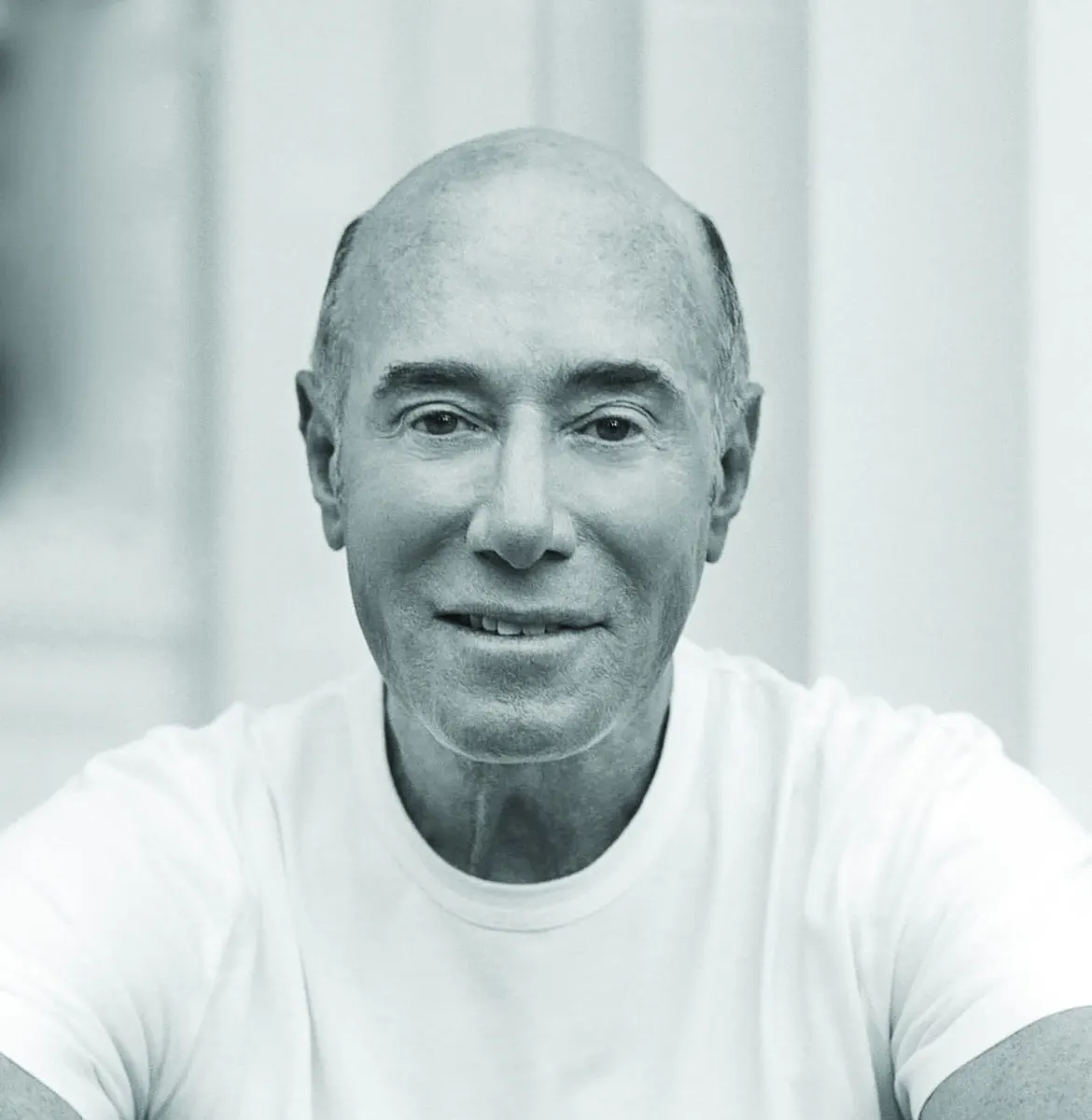
In November 2025, Bloomberg reported that David Geffen held roughly thirty million shares of Warner Bros. Discovery, a stake worth on the order of six hundred eighty-six million dollars after a bidding frenzy had more than doubled the stock from the depressed levels where he had bought. At eighty-two, the man who once forged a UCLA letter so he could keep sorting envelopes in a talent-agency mailroom was again sitting on a media bet large enough to move gossip columns. Forbes, updating into September 2026, put his fortune near nine point seven billion dollars and listed him among the richest people alive in entertainment. The scoreboard is late-career noise. The real story is how a Brooklyn shopkeeper's son learned to hear talent, own distribution, and turn taste into institutions that outlive any single hit.
That story begins with a corset shop, a forged degree, and a young agent who decided the music business was more open than the movie business, then proved it by inventing the companies that fed both.
Brooklyn, Chic Corsetry, and a hunger that would not wait
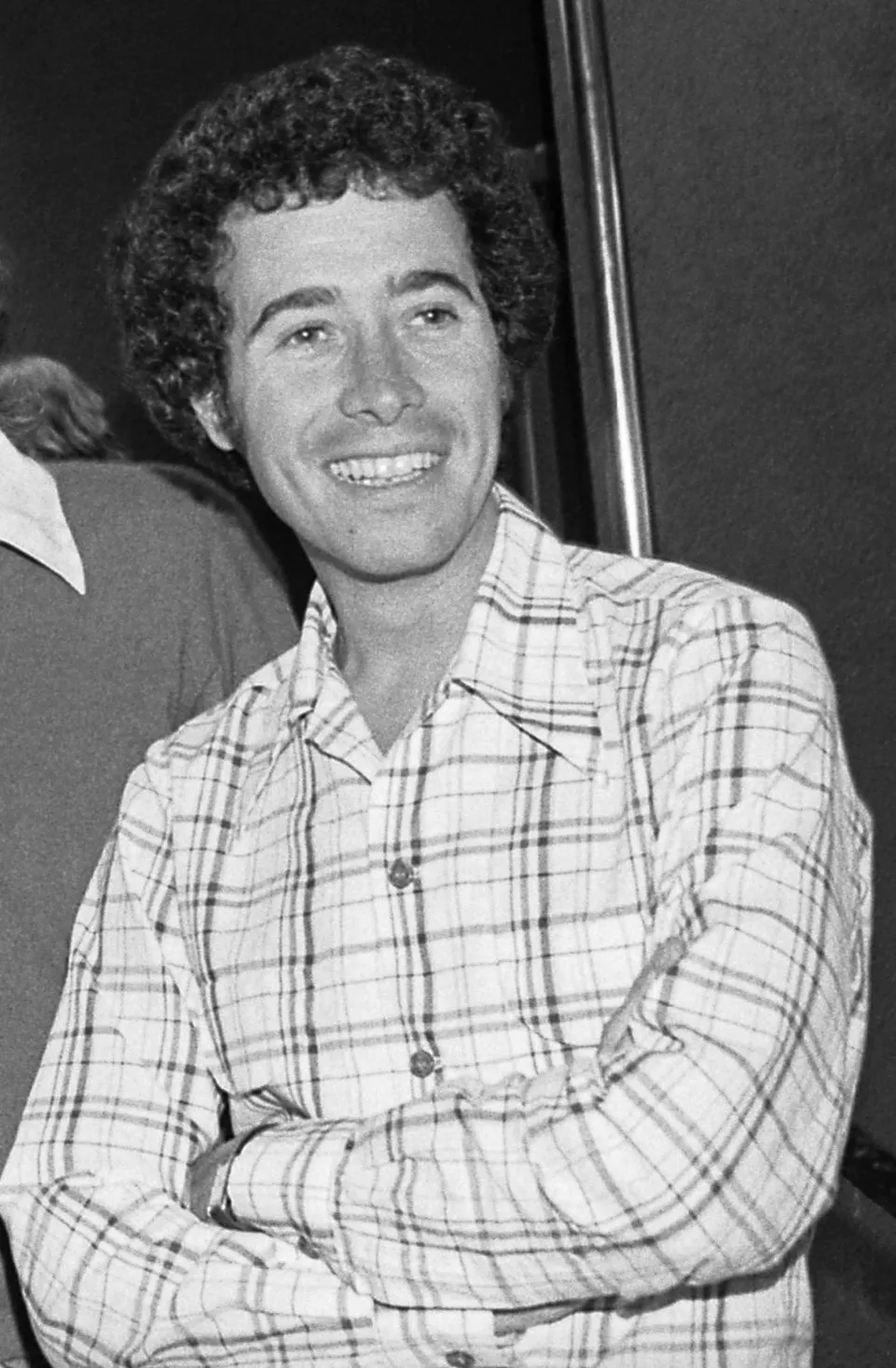
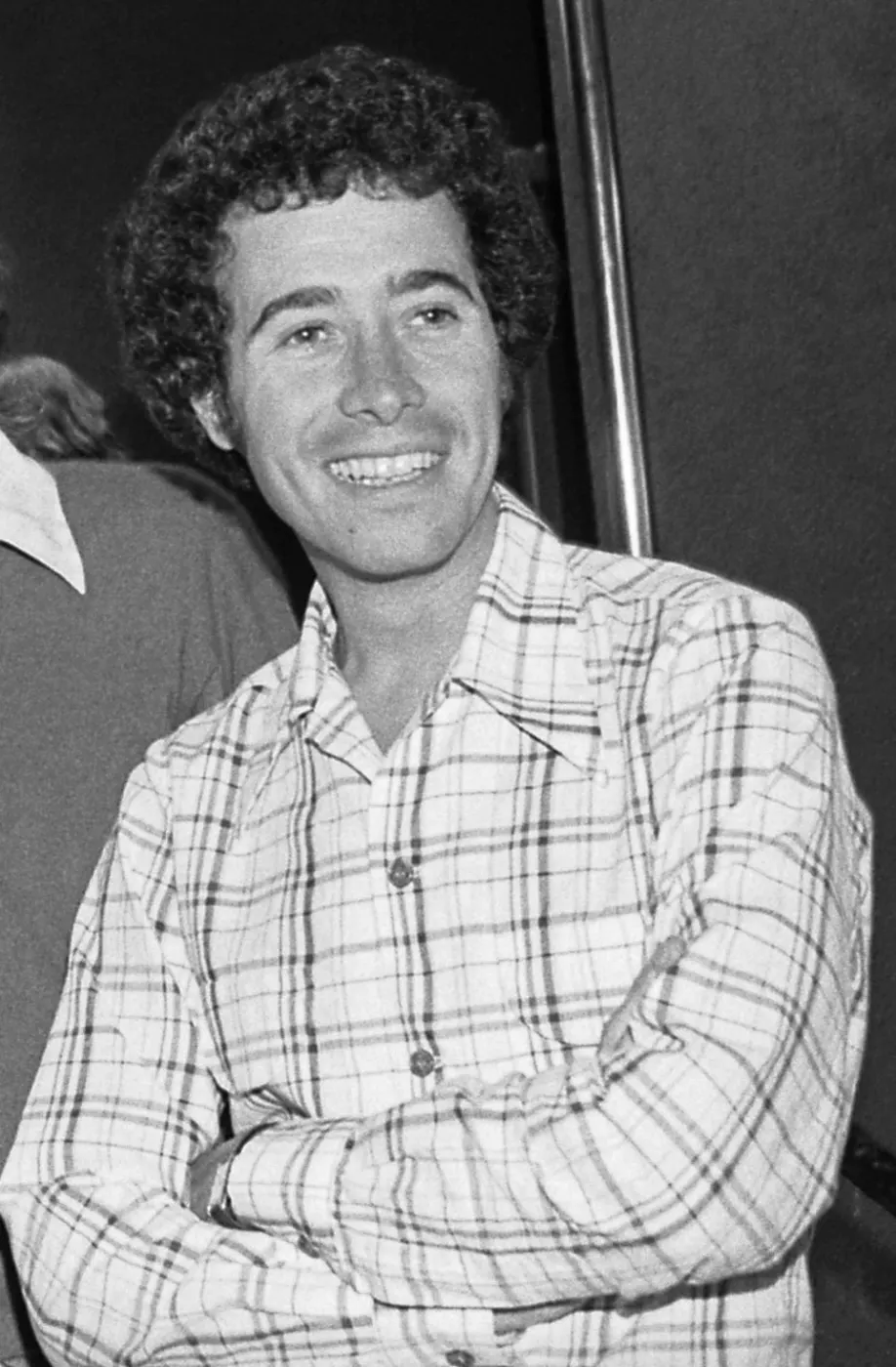
David Lawrence Geffen was born on February 21, 1943, in Brooklyn, to Abraham Geffen, a pattern maker, and Batya Volovskaya Geffen, a shopkeeper whose energy became the household engine. Profiles and the PBS American Masters timeline place Batya's nervous breakdown and hospital stay in the late 1940s, then the opening of Chic Corsetry by Geffen around 1950. The shop was not a metaphor invented later for magazine copy. It was inventory, fittings, and a mother who kept customers while the family absorbed private strain. Abraham's health failed. In March 1961 he died at Kings County Hospital. David was still a teenager learning that adulthood arrives as a bill, not a ceremony.
School at New Utrecht High left a yearbook joke that he might one day run for president. The joke mattered less than the early hustles: scalping Broadway tickets as a kid, delivering a car west after answering a New York Times ad, tasting Los Angeles while his brother Mitchell studied law. He tried Remington Rand keypunch work. He tried bits of acting. He tried UCLA and was rejected. University of Texas at Austin accepted him, then lost him before a full term finished. Brooklyn College night classes and Santa Monica City College joined the dropout list. Degrees did not stick. Ambition did.
He came back east and west again like a person checking doors. Ushering at CBS Television City put him near Judy Garland tapings and, in one ugly story preserved by biographers, got him fired after he lunged at a man who cheered during news of President Kennedy's assassination. The pattern was already visible: intensity, poor impulse control, and a refusal to treat the room as neutral.
William Morris, a lie, and the first real classroom
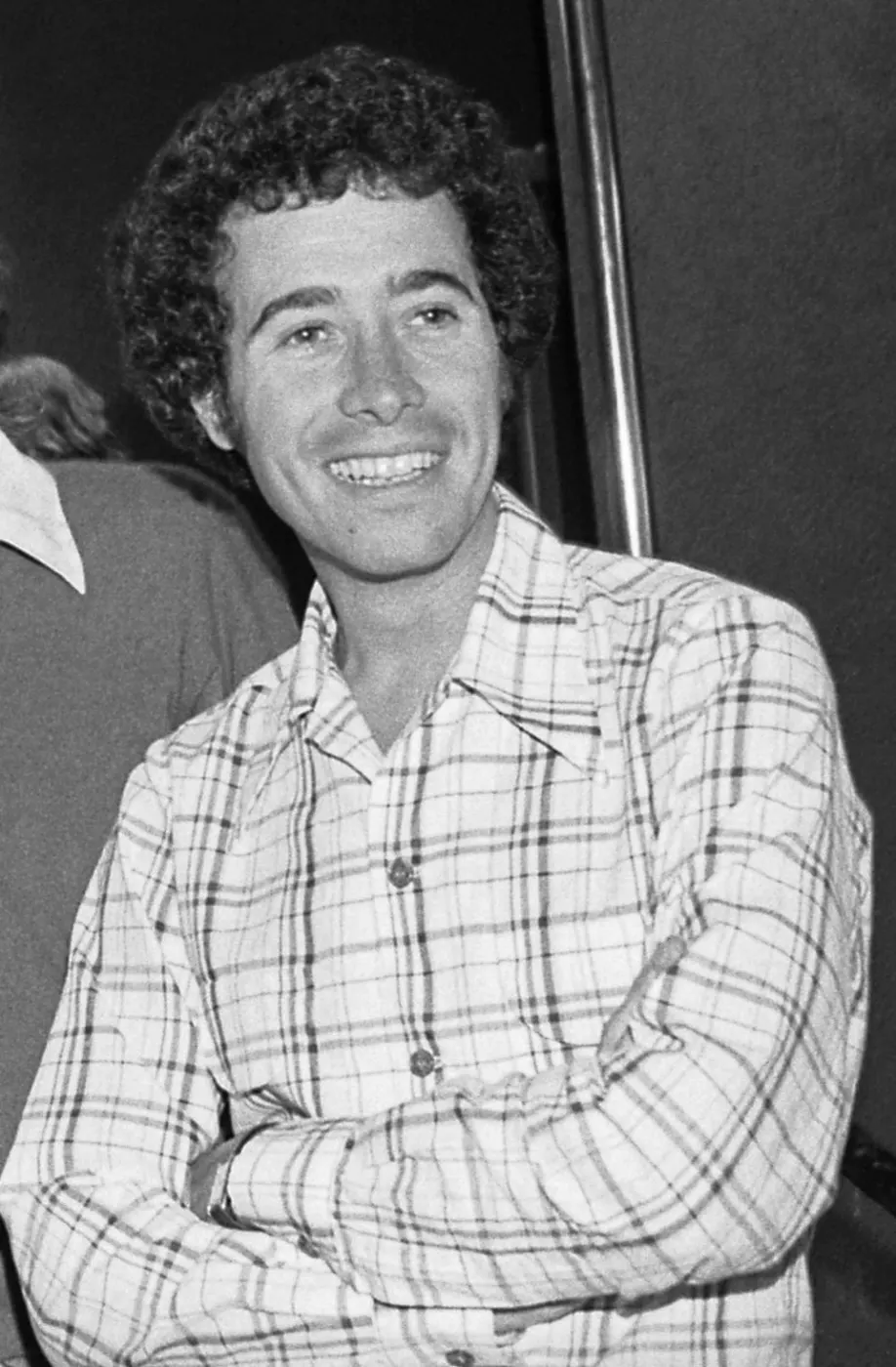
In 1964 Geffen aimed at the William Morris Agency mailroom, the legendary farm system for Hollywood operators. Ashley Famous had already rejected him for lacking a college degree. He would not make that mistake again. On the Morris application he wrote that he was a UCLA graduate in theater arts. Timeline research long associated with Thomas King's biography The Operator describes the next move in cold detail: when a verification letter from UCLA threatened to expose him, he intercepted the mail early for months, printed UCLA stationery, forged a confirming letter, and had Mitchell rematch it from Los Angeles. Forbes still notes the fake degree as a foundational anecdote he later admitted once success made confession cheap.
He worked Saturdays to bump into Nat Lefkowitz. He befriended young agents. He got fired and rehired in office politics that rewarded nerve. By the mid-1960s he was an agent with an expense account, then a music-department player after Jerry Brandt told him music was where a young shark could make a name. He met Elliot Roberts. He came out privately to a friend on a Los Angeles trip. When the Vietnam draft board asked about homosexual tendencies, accounts in the King/PBS timeline say he checked yes and was classified unable to serve. Those details travel with the usual caution of oral history, but the larger point does not: Geffen was learning to survive systems that punished honesty and rewarded paperwork.
The mailroom was not romance. It was a apprenticeship in information. Who returned calls. Who lied. Who could be moved. Geffen practiced the craft until the craft became identity.
Laura Nyro, Clive Davis, and the first protected artist
The breakthrough client was Laura Nyro. A California dinner at director Steve Binder's house, a spun record, and a suggestion sent Geffen hunting a nineteen-year-old songwriter whose early management had left her bruised. He bought the album, tracked her, heard her manager put her down on the phone, and decided protection was the product. In a 1969 television interview that still circulates on YouTube, a young Geffen tells the story without corporate polish: he did not discover her so much as rescue the relationship between her talent and the industry's machinery. He got her in front of Clive Davis at CBS. Eli and the Thirteenth Confession arrived in 1968. Publishing fights with Artie Mogull dragged through courts because Nyro had been a minor when contracts were signed. Geffen learned litigation as a management tool.
He left William Morris for Ashley Famous under the Kinney-era orbit of Steve Ross, then helped rebuild a music desk by pulling Todd Schiffman and, with him, Albert Grossman's client gravity. Crosby, Stills and Nash needed a manager who could swim with sharks. David Crosby later summarized the logic: they needed a shark of their own. Geffen and Roberts shook on it without a paper shrine. The band became both a business and a salon. When Woodstock mud threatened Joni Mitchell's Dick Cavett commitment the next day, Geffen kept her in New York. Mitchell wrote the song Woodstock in his apartment while the festival happened without them. The anecdote is almost too neat, which is why it survives: it shows Geffen's instinct to choose television and career geometry over mythic mud.
Asylum, a trash can, and a sauna-sized label
Ahmet Ertegun of Atlantic pushed the next leap. After Clive Davis snubbed Jackson Browne in a meeting that Geffen walked out of in fury, Ertegun floated a dangerous kindness: why not start a record company so you can have a lot of money. Asylum Records took shape around 1971 at 9130 Sunset Boulevard, with Atlantic support and a roster philosophy Geffen later described on British television as artist-first: if they did not believe in the music, they should not be involved, and they would not drop an artist merely for a soft sales quarter.
Browne's demo had nearly died in a trash can. Geffen's secretary fished it out because she liked the photograph, made him listen, and changed the label's future. Browne introduced Glenn Frey. Geffen bought out contracts to assemble the Eagles and, in legend, paid for dental work. He vowed in a sauna with Frey, Henley, and Ned Doheny that Asylum would never grow larger than the artists who could fit in that steam. The vow was marketing and management theory at once: scarcity as quality control.
Joni Mitchell, Tom Waits, Linda Ronstadt, and the Laurel Canyon orbit made Asylum a taste brand. On The Old Grey Whistle Test, Geffen said the label reflected his ear more than a committee. That was not humility. It was product positioning. In roughly two years he sold Asylum to Warner Communications for about seven million dollars, a number he later framed as the biggest figure he could think of. Year citations vary slightly across CNN timelines and Asylum histories, but the shape is stable: a young label, a quick sale, Warner stock, and a founder who had learned that ownership could be temporary if the exit was priced like a mirage.
Free Man in Paris, The Roxy, and the cost of winning Dylan
Success made private life public. Mitchell lived with him for a stretch as a friend and wrote Free Man in Paris about the relief of traveling with him away from the industry cage. Geffen, Lou Adler, and Bill Graham opened The Roxy. Opening night featured Neil Young and, in the social history that American Masters loves, Geffen's first date with Cher. He courted Bob Dylan into a short Asylum window that produced Planet Waves and the live Before the Flood, then watched relationships fray when handshake assumptions met auction reality. Jerry Wexler once lunged with a line about jumping into a pool of pus for a nickel. The insult stuck because enemies recognized the same ferocity friends used as a compliment.
Cher's divorce chaos, a Time Magazine quote that cut him, and a short tour as Warner Bros. Pictures vice-chairman in 1975 showed the limit of lateral moves. He lasted about eleven months in the movie executive chair, clashed with Ted Ashley, and exited into a noncompete twilight. A bladder-cancer diagnosis in that era terrified him until a later Sloan Kettering opinion found the earlier malignancy story wrong. Idle years bought analysis, Studio 54 nights, art, real estate, and a hard look at what money could not fix. Batya heard him come out. Paul Simon and Lorne Michaels, on a Barbados trip near the end of the decade, told him to begin again with what he knew: records.
Geffen Records, a white suit, and the night Lennon died
In 1980 he formed Geffen Records in a joint venture with Warner Bros. Records that covered expenses while splitting profits and equity in a structure Steve Ross blessed. Calvin Klein urged him to put his own name on the door. Donna Summer became an early signing. Elton John followed. Then came the Dakota meeting: Geffen wore white because he had heard Yoko Ono liked white, mistimed the joke, and still won the right to release Double Fantasy without hearing the record first. On December 8, 1980, after being with John Lennon and Yoko earlier at the Record Plant, he raced to Roosevelt Hospital after the shooting and helped walk Yoko home through the crowd. The album became a posthumous giant. Grief and commerce arrived in the same week, which is how the music business often keeps its books.
Broadway became a second theater of war. He helped finance Dreamgirls and then Cats, collecting cast-album and film rights along the way. Cats opened in 1982 and later collected Tonys. Film followed under the Geffen Film Company banner: Personal Best, then Risky Business, where he fought Paul Brickman over a happier ending that test audiences preferred and Tom Cruise rode into stardom. Beetlejuice and Little Shop of Horrors extended the brand. Decades later, Tim Burton's 2024 sequel Beetlejuice Beetlejuice revived the Geffen company credit, a 2026 LA500 note that treats the logo as living IP, not nostalgia.
The label's early 1980s were uneven. Neil Young's experimental albums triggered a lawsuit from Geffen alleging uncharacteristic records and damages over three million dollars; Young countersued; both sides eventually dropped the fight. The episode stained the artist-friendly myth without erasing it. A&R hires Tom Zutaut and Gary Gersh later tipped the decade. Guns N' Roses Appetite for Destruction in 1987 and Aerosmith's Permanent Vacation rebuilt commercial fire. Nirvana's Nevermind, released on DGC in 1991 after Sonic Youth's recommendation path, turned the indie bet into a global shock. Geffen Records was no longer a boutique. It was a machine that could hold Cher, Henley, metal, and Seattle in one catalog argument.
Five hundred fifty million, Matsushita, and a public sentence
By 1990 Geffen choreographed a sale. MCA took Geffen Records for stock worth about five hundred fifty million dollars, making him a major MCA shareholder after he had spurned other cash stories, including a reported Thorn EMI approach near seven hundred million. Months later, Matsushita's purchase of MCA multiplied the value of that stock. Contemporary accounts and later Forbes summaries place the crystallized outcome in the high hundreds of millions, the kind of liquidity that turns an operator into a permanent capital allocator. Edward Lampert's later investment returns, described in billionaire profiles, compounded the pile. Art collecting and trophy real estate followed the cash.
On November 18, 1992, at an AIDS Project Los Angeles Commitment to Life honor, Geffen came out publicly: as a gay man, he said, he had come a long way to be on that stage. The Advocate named him Man of the Year. The timing mattered. Friends and collaborators had already died. Activists had criticized closet power. The speech did not erase earlier silence, and it did not need to. It marked a pivot into open political fundraising, fights over gays in the military, and a philanthropic identity that would eventually dwarf any single album cycle.
DreamWorks SKG and the last new studio myth
In 1994, after Jeffrey Katzenberg's blowup with Michael Eisner at Disney, Geffen joined Steven Spielberg and Katzenberg to announce DreamWorks SKG at the Peninsula Hotel. White House dinner lore and morning-after commitment stories travel with the founding. The pitch was historic: the first new Hollywood studio in more than fifty years. ABC and Microsoft deals sweetened the early map. Animation, live action, and records all tried to grow under one ambitious roof. Hits arrived unevenly. American Beauty, Gladiator, and A Beautiful Mind gave the live-action side Oscars gravity. Shrek minted an animation cash engine. Sinbad-era animation losses, which Geffen later discussed in a 2005 92nd Street Y conversation as a one-hundred-twenty-five-million-dollar education in infrastructure without product, reminded the founders that taste and balance sheets can divorce.
DreamWorks sold into the Paramount/Viacom orbit in 2006. Geffen left the DreamWorks chapter around 2008. The studio myth outlived the partnership, which is both a success metric and a eulogy. He had helped birth a company that moved culture, then walked away when the operator season ended.
Medicine, drama school, museums, and stone that keeps the name
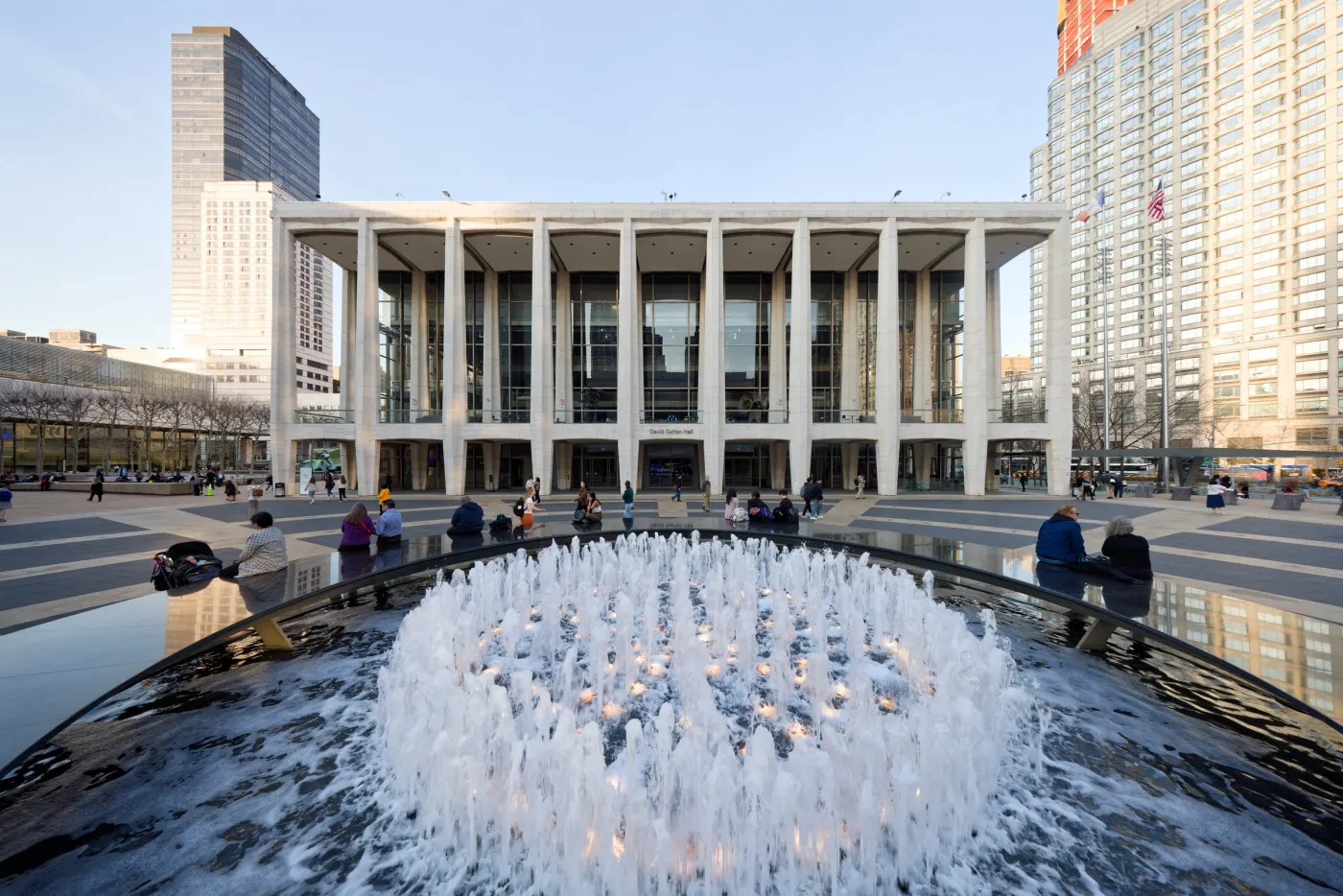
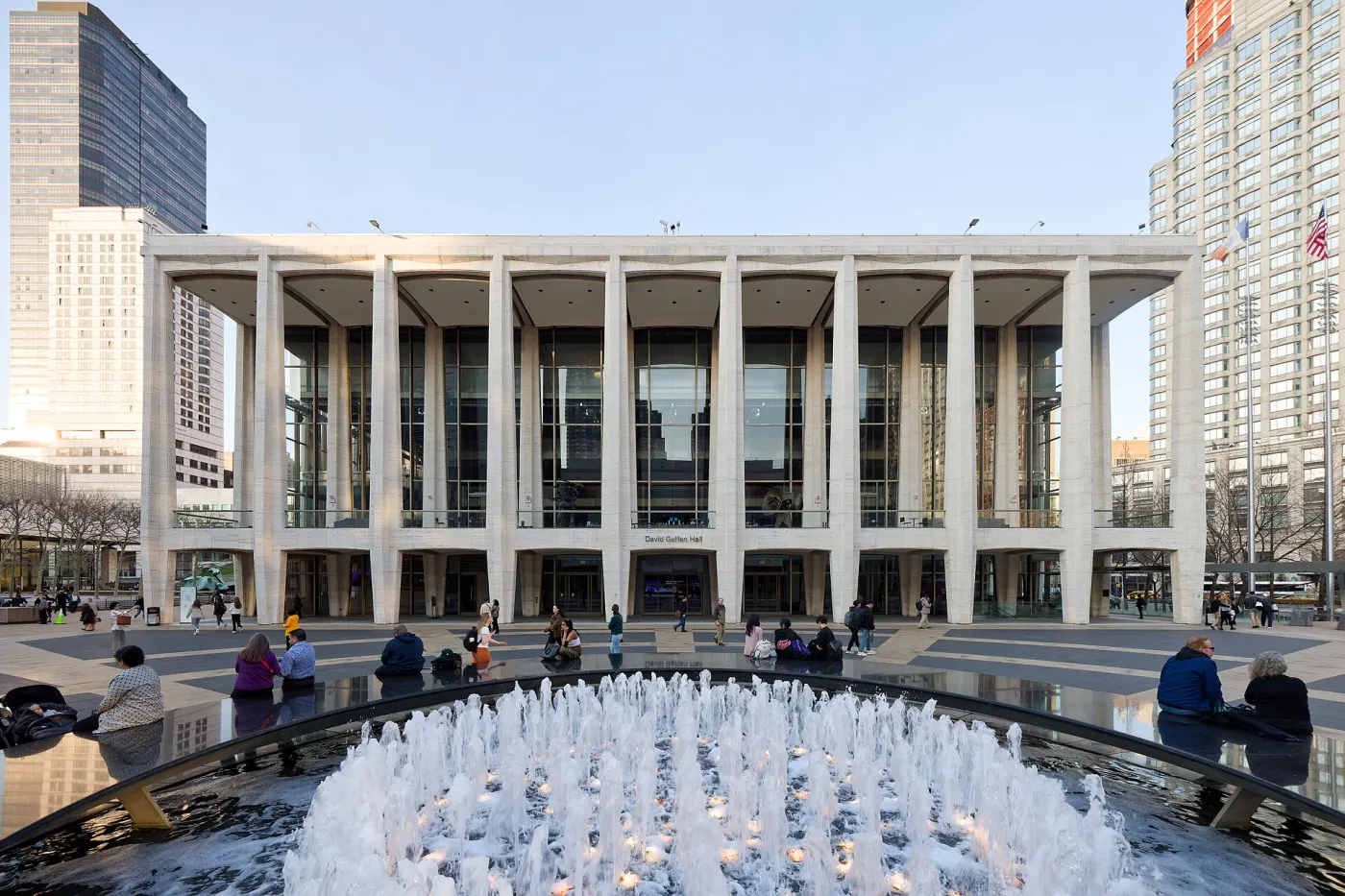
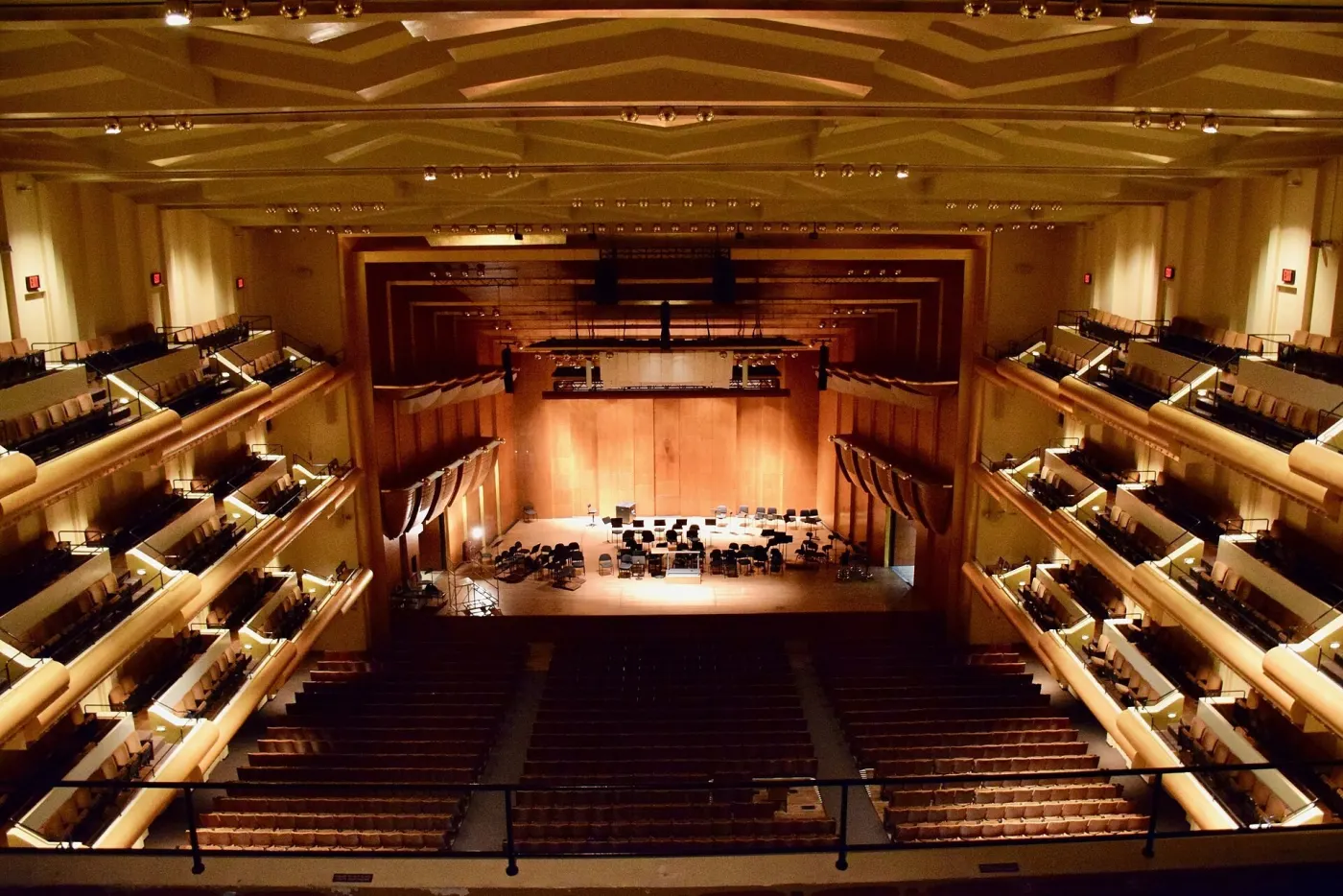
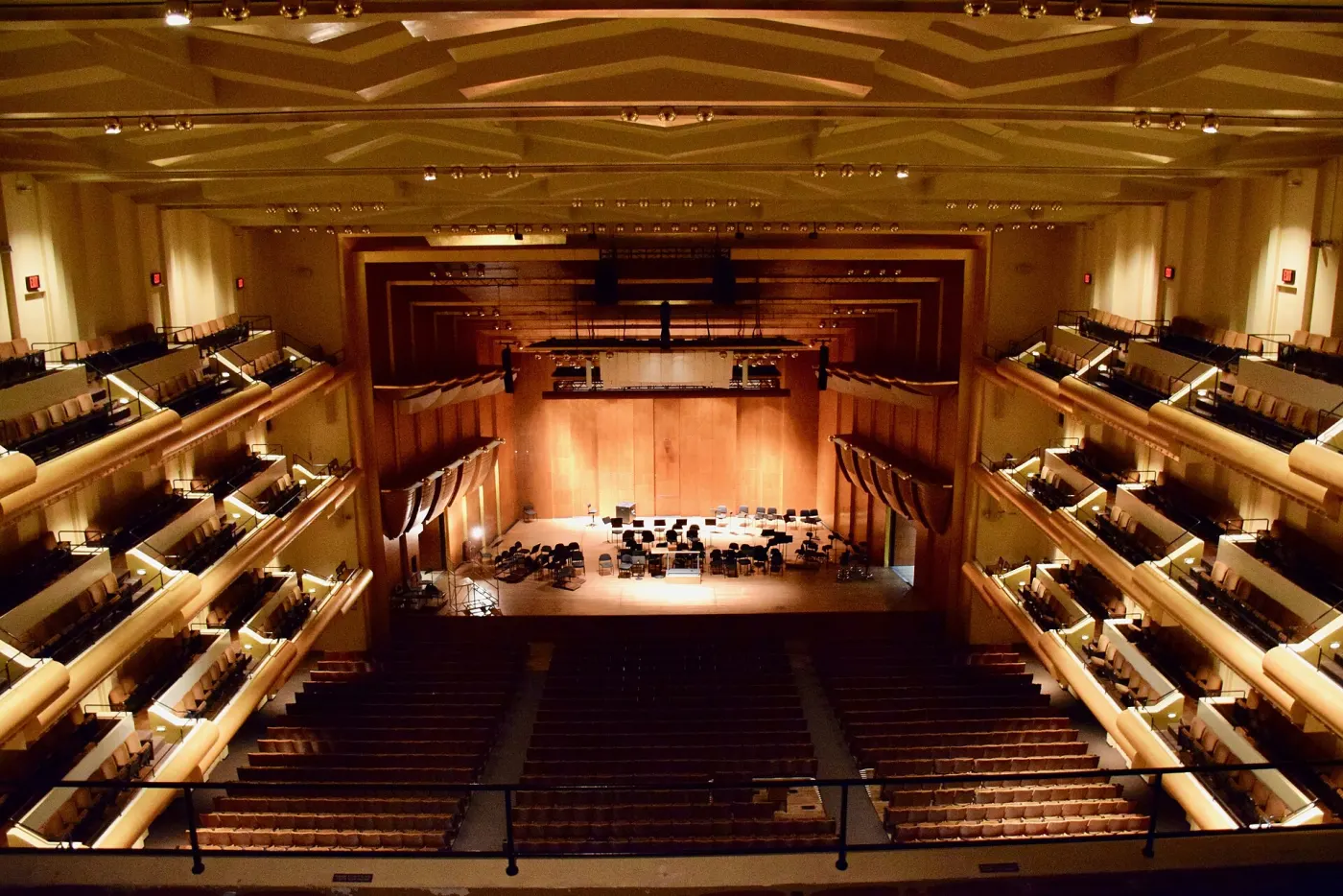
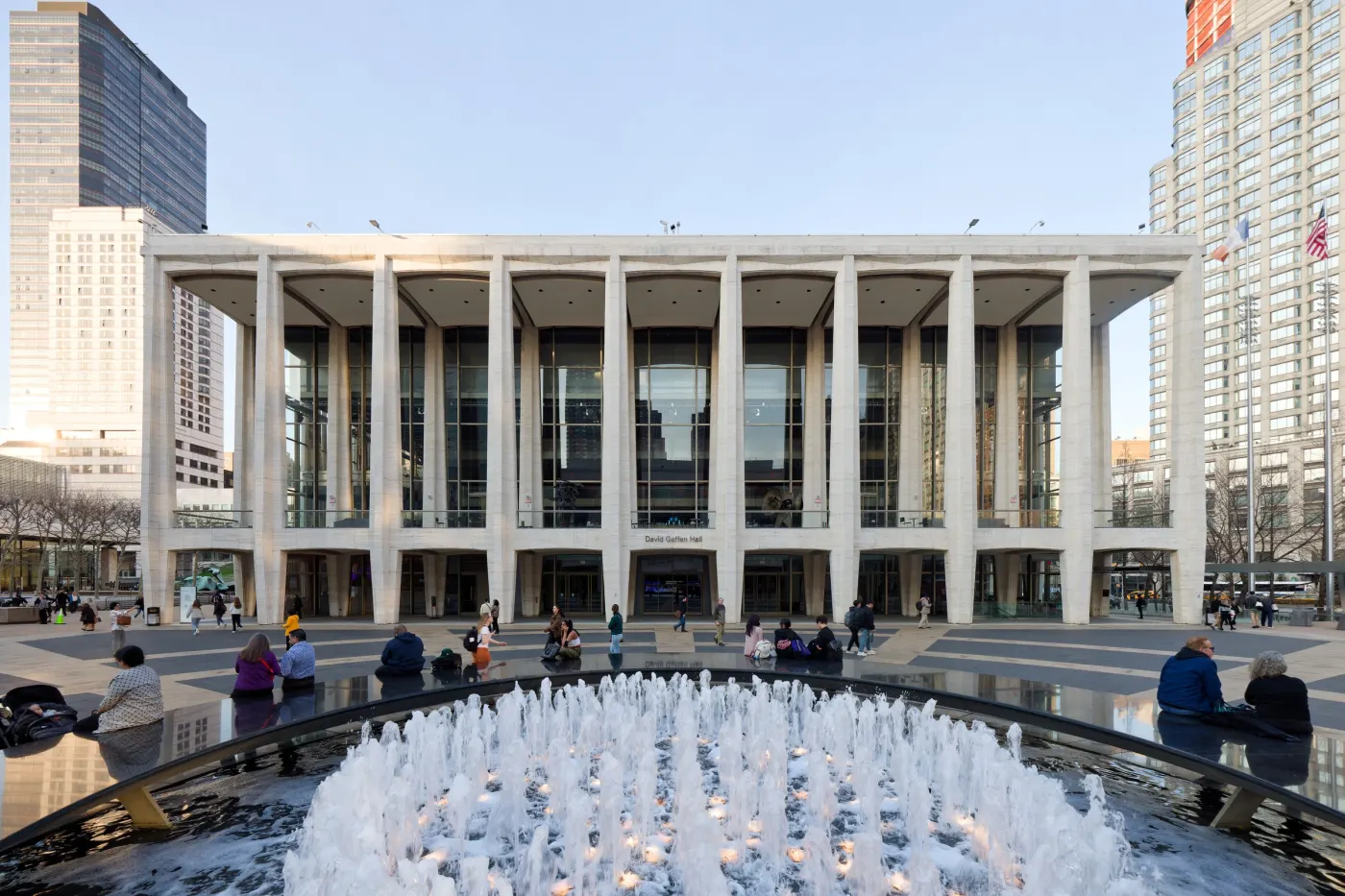
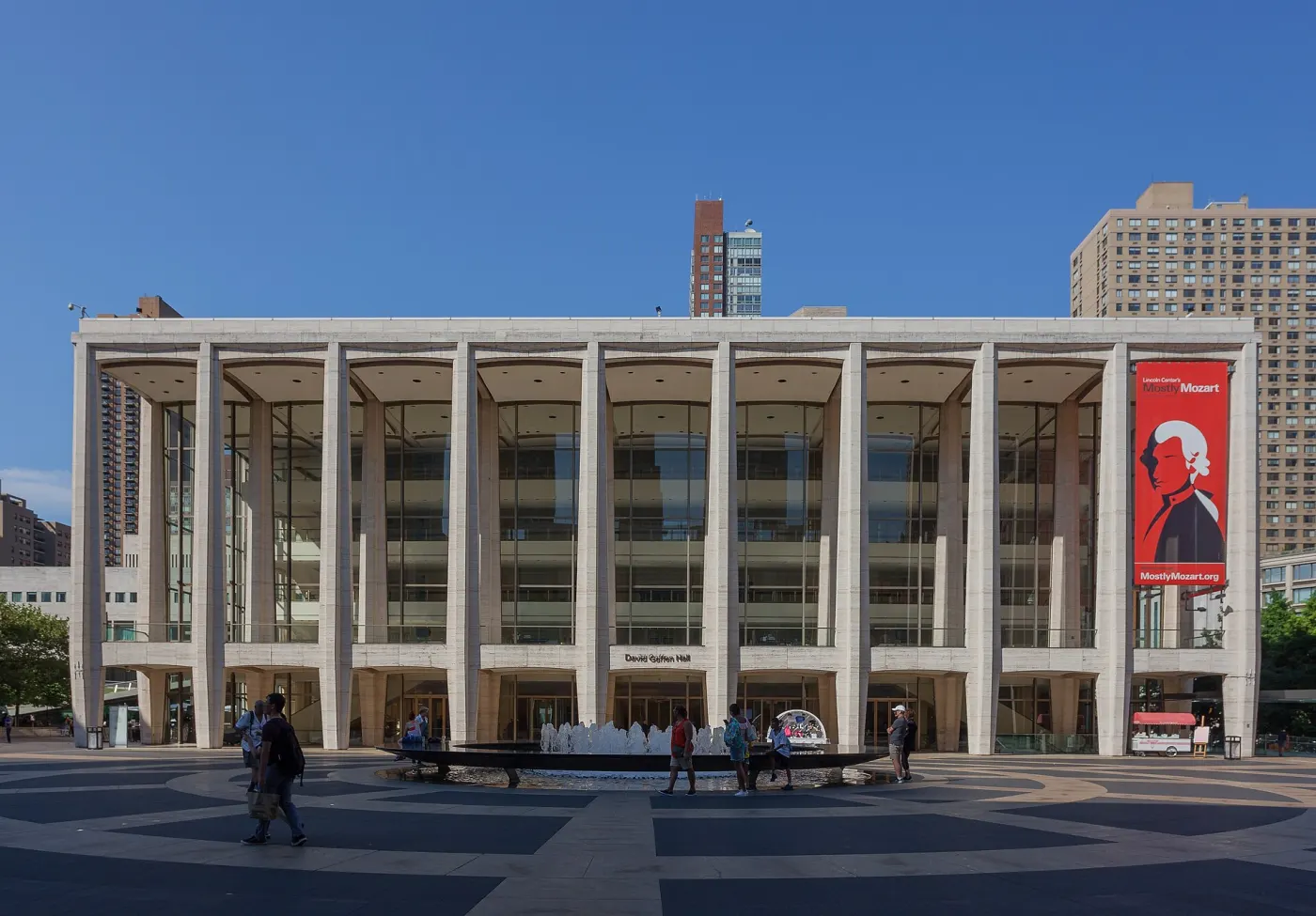
Philanthropy became the long second act. In May 2002 he gave two hundred million dollars to UCLA's medical school, then a landmark gift that put his name on the David Geffen School of Medicine. Another hundred million followed in 2012 for scholarships covering full attendance costs for cohorts of students. Further medical-school support around 2020 pushed UCLA totals, in 2026 civic roundups, past four hundred fifty million dollars. In June 2021 Yale's drama school announced a one-hundred-fifty-million-dollar gift that made tuition free for degree and certificate students and renamed the school the David Geffen School of Drama. Lincoln Center renamed Avery Fisher Hall as David Geffen Hall after a one-hundred-million-dollar gift announced in 2015; the renovated hall's exterior lettering now anchors tourist photographs and New York Philharmonic nights. LACMA received a one-hundred-fifty-million-dollar pledge in 2017, described then as the museum's largest gift. With Ken Griffin, he helped fund a four-hundred-million-dollar Memorial Sloan Kettering gift announced in December 2023. The Academy Museum's David Geffen Theater opened into the 2020s film-culture skyline.
These gifts are not separate from the dealmaker biography. They are the dealmaker choosing permanence. A forged UCLA letter in 1964 becomes, in a bitter irony he has acknowledged, a medical school and scholarship engine under the University of California flag. A Broadway investor becomes the underwriter of tuition-free dramatic training at Yale. A music man who once measured success in chart positions now measures it in buildings where strangers rehearse, heal, and listen.

How he works
Geffen's method, across six decades of testimony, is relationship as operating system. Forbes quotes him saying it is not about height or looks or football, but whether you can create a relationship. American Masters interviewees describe Geffen/Roberts as beyond artist-friendly: twenty-four-hour defense of people you chose to spend years with. Early television shows a young agent who speaks of Nyro as both woman and child, a phrasing that dates itself while revealing the protector role he sold. Later enemies describe the same intensity as predation. Both readings can be true in different rooms.
He stages phone calls for an audience. He forges urgency. He walks out of meetings. He settles lawsuits. He fires loyal assistants after equity fights, as the King timeline records with Linda Loddengaard after seventeen years. He sues artists and later needs them again. He raises Democratic money, sleeps in the Clinton White House, then publicly breaks toward Obama in 2008 with a New York Times quote about how easily the Clintons lie. The throughline is not ideology. It is control of narrative temperature.
Day to day, even in semi-retirement, the public Geffen remains a capital allocator with a collector's eye: contemporary art, New York and California property, the Rising Sun yacht that tabloids treat as a floating salon for DiCaprio, Iger, and Oprah. The yacht is lifestyle coverage. The quieter habit is the old mailroom habit: know who needs what before they say it, then invoice the universe in equity, gifts, or silence.
2023 to 2026: marriage filings, a sequel logo, and a WBD chip
Personal life returned to headlines in the mid-2020s. In March 2023 Geffen married David Armstrong, also known as Donovan Michaels. In May 2025 he filed for divorce, citing irreconcilable differences, with a separation date listed as February 22, 2025, and filings reported by major outlets noting the absence of a prenuptial agreement. In July 2025 Armstrong filed a lawsuit alleging breach of promises of lifelong financial support and describing the relationship in harsh terms. Those claims are allegations in court papers, not adjudicated findings, and a careful biography keeps them in that lane. Forbes by September 2026 listed Geffen's marital status as separated. The human story inside the filings is older than any complaint: power, age gaps, money, and the difficulty of private contracts when public fortunes are involved.
Professionally, the Geffen Film Company brand resurfaced on Beetlejuice Beetlejuice in 2024. In 2025, according to Bloomberg's sourcing, he bought Warner Bros. Discovery shares near seven to eight dollars before the strategic-sale drama lifted the stock; by late November 2025 the position was framed near six hundred eighty-six million dollars in value, with pretax profit scenarios above five hundred million dollars if a deal cleared near twenty-five dollars a share. Whether he still held every share into autumn 2026 is a market detail that moves with filings and private sales. The thematic point is stabler: decades after selling Asylum and Geffen Records into larger oceans, he was still willing to take a concentrated media bet with other people's conglomerates as the waves.
What he changed
Before Asylum, singer-songwriters could be mishandled by managers who did not respect the song. Geffen and Roberts built a West Coast model where the manager-label hybrid treated the writer as the center of gravity. The Eagles, Mitchell, Browne, and their peers did not only sell records. They sold a California emotional product that radio still recycles. Geffen Records later proved a named boutique could scale into Guns N' Roses and Nirvana without abandoning star packaging. DreamWorks tried to prove three famous friends could restart the studio system; the attempt reshaped animation economics even when live-action results were mixed.
Outside entertainment, his medical and arts giving changed price tags for what a single donor can demand: tuition-free drama school, named research and scholarship capacity at UCLA, a rebuilt Philharmonic home, museum expansion capital. Younger queer executives inherited a public example of an out billionaire who fundraised inside Democratic power while remaining professionally ruthless. That example is complicated. Ruthlessness and generosity do not cancel. They coexist in the same biography, which is why the documentary refuses a children's-poster ending.
Rivals and counterparts fill the wings: Clive Davis, Ahmet Ertegun, Mo Ostin, Irving Azoff, Michael Ovitz, Barry Diller, Steve Ross. Geffen's difference was serial reinvention across agency, management, label, Broadway, film, studio founding, and philanthropy without ever pretending he was the artist. He said, in the American Masters framing, that he had no talent except recognizing and enjoying it in others. The sentence is both modest and imperial. Recognition, in his hands, became an industry.
The Eagles lawsuit and the price of wearing three hats
Success created a structural conflict Geffen could not charm away. When he was manager, publisher, and label boss at once, artists eventually hired lawyers to ask whether the copyrights had been gathered fairly. The Eagles, through Irving Azoff, sued for damages and the return of publishing, arguing illegal conflict of interest. The fight settled out of court. The settlement mattered beyond one band. It taught the industry that the Geffen model of total enclosure could be challenged, and it taught Geffen that friendship language does not replace clean contracts. Azoff's rise as a rival power center grew partly from that fracture. Geffen kept winning elsewhere. He also kept collecting enemies who knew his filing cabinets from the inside.
Batya's death in March 1988 at Cedars-Sinai cut the last cord to the corset-shop childhood. Friends say the loss rearranged his urgency. Forbes debuted him on the 400 that year near two hundred forty million dollars, a number that already felt antique beside the MCA exit two years later. Money accelerated. Grief did not vanish. The public coming-out speech in 1992 sat downstream of personal losses to AIDS and of activist pressure that named closet power as a political problem. Geffen answered on a stage with a sentence that traveled: he had come a long way to stand there as a gay man. The Advocate cover followed. So did harder Democratic fundraising seasons and a willingness to spend social capital on policy fights that earlier decades would have kept quiet.
DreamWorks in the weeds
The Peninsula press conference was the glamour frame. The operating frame was uglier and more interesting. Building a studio meant hiring before hits, leasing before scripts, and feeding an animation pipeline that could vaporize nine figures on a single miss. Geffen's later 92Y comments about Sinbad and infrastructure without product were not self-pity. They were a founder's after-action review. Katzenberg brought Disney-honed animation ambition. Spielberg brought directing gravity and taste. Geffen brought capital markets fluency and Hollywood diplomacy. The trio still had to invent distribution deals, television alliances, and a record wing under Mo Ostin. When Disney bought Cap Cities/ABC, the DreamWorks television map bent. When Eisner hired Ovitz, Geffen's press war with Ovitz became tabloid fuel. The company released enduring titles anyway. That duality is the point: institutional chaos and cultural output can share a calendar.
After the Paramount sale, Geffen's operating chapter narrowed. He did not need another mailroom. He needed portfolio decisions, gift agreements, and the occasional media equity swing. Leaving DreamWorks around 2008 was less a failure than a graduation into permanent capital. The Shrek engine and Oscar films remained proof that the SKG bet had moved the medium, even if the corporate shell changed landlords.
Real estate, art, and the Bezos house headline
Geffen's wealth showed up in walls people could photograph. The Warner estate purchase in the early 1990s, Fifth Avenue apartments, Hamptons houses, and Beverly Hills compounds became a secondary biography written by real-estate reporters. In February 2020 the Wall Street Journal reported that Jeff Bezos bought Geffen's Beverly Hills estate for about one hundred sixty-five million dollars, framed as a California record. Art sales could be even larger in a single weekend: the 2015 foundation sale of paintings to Ken Griffin for about five hundred million dollars entered lore as one of the biggest contemporary deals. These transactions are not frivolous beside the music story. They are how a liquidity event from MCA and Matsushita became a diversified fortune that Forbes still marks near ten billion in 2026.
The Rising Sun yacht, roughly four hundred fifty-three feet, turned into a floating rumor engine. Guest lists became soft power. During the early COVID period, yacht photos drew public anger about elite distancing. Geffen's defenders called it private life. Critics called it tone-deaf. The argument was never really about a boat. It was about whether billionaire leisure can remain invisible in a networked age. For a man who once needed forged stationery to keep a job, the irony was thick: now the problem was too much visibility, not too little.
Politics without a clean halo
Geffen's Democratic fundraising in the 1990s bought proximity to Bill Clinton, including the overnight White House stay that CNN timelines still list. Proximity is not purity. In 2008 he publicly preferred Obama and needled the Clintons in the New York Times for lying with unsettling ease. The quote burned bridges and advertised independence. It also fit the older pattern: Geffen does not stay grateful on command. Steve Ross learned that when Time Warner merger politics left Geffen feeling betrayed on options and promises. Ross was sick with cancer while Geffen blasted him in the press, a cruelty biographers do not sand away. Loyalty, in this life, is intense and conditional.
What the buildings do when he is not in them
Walk into David Geffen Hall after the renovation cycle and you are inside a civic machine that outranks any single donor's mood. The New York Philharmonic rehearses. Tourists photograph the colonnade. Students at Yale's drama school attend without tuition invoices that used to sort talent by family wealth. UCLA medical trainees carry debt loads reshaped by scholarship endowments. LACMA's expansion plans lean on gift capacity that includes his pledge. Memorial Sloan Kettering's 2023 megagift with Griffin aims at cancer care at a scale individual concerts cannot fund. None of this erases labor disputes, museum politics, or the awkwardness of naming rights. It does mean the founder's late style is infrastructure, not only anecdote.
The entertainment workforce changed under his shadow too. Managers studied Geffen/Roberts as a template for artist enclosure. Label founders studied the Warner joint venture that left manufacturing rights as a hidden jackpot. Studio chiefs studied SKG as both inspiration and warning. Queer executives studied the 1992 speech as permission and as unfinished business. Every template includes the scars: the Young lawsuit, the Eagles publishing war, the fired assistant, the press knife.
Closing
David Geffen's life can be told as a sequence of exits: Asylum to Warner, Geffen Records to MCA, DreamWorks to Paramount's parent, houses to Bezos, paintings to other billionaires. It can also be told as a sequence of names that stayed: a medical school, a drama school, a concert hall, a museum gift, a theater inside a movie museum. The exits paid for the names. The names try to justify the exits.
He began as a kid who stole a Social Security check narrative from family fear, delivered cars, forged stationery, and learned that the entertainment economy rewards people who can stand between a gifted neurotic and a corporation. He ends, as of September 2026, as an eighty-three-year-old separated billionaire whose fortune still ticks on Forbes screens while students rehearse under his Yale lettering and patients walk UCLA corridors that carry his name. The Warner Bros. Discovery chip of 2025 proved the old reflex still fires. The divorce filings proved that private bargains at that altitude become public documents.
The free man in Paris was never free of the industry. He simply learned to own more of the room. Brooklyn made him hungry. The mailroom made him cunning. The artists made him necessary. The gifts made him unavoidable. Whatever courts and markets do next with the late chapters, the earlier chapters already rewired how American popular culture finds, packages, and remembers talent.