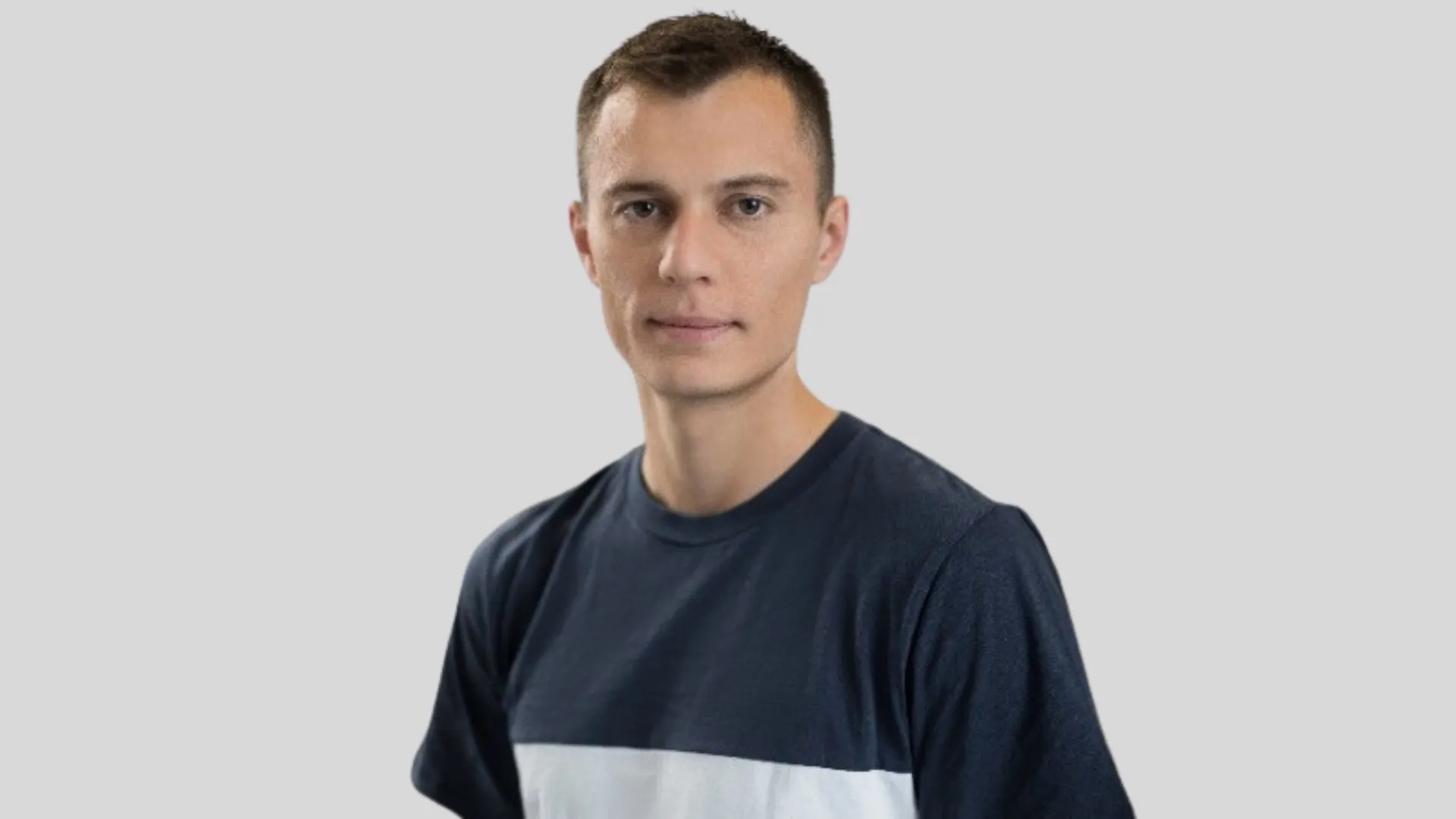
Perplexity's CTO
A researcher at Meta AI. A PhD student at NYU. A co‑founder of Perplexity.
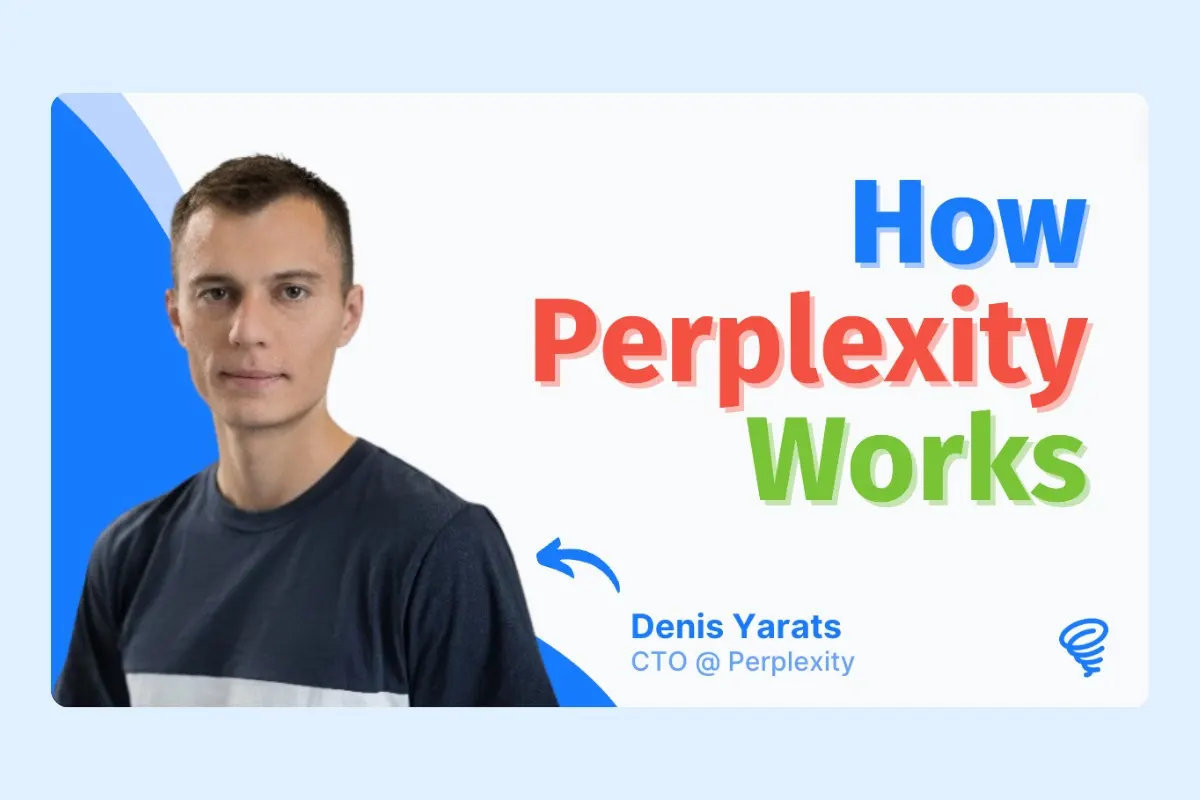
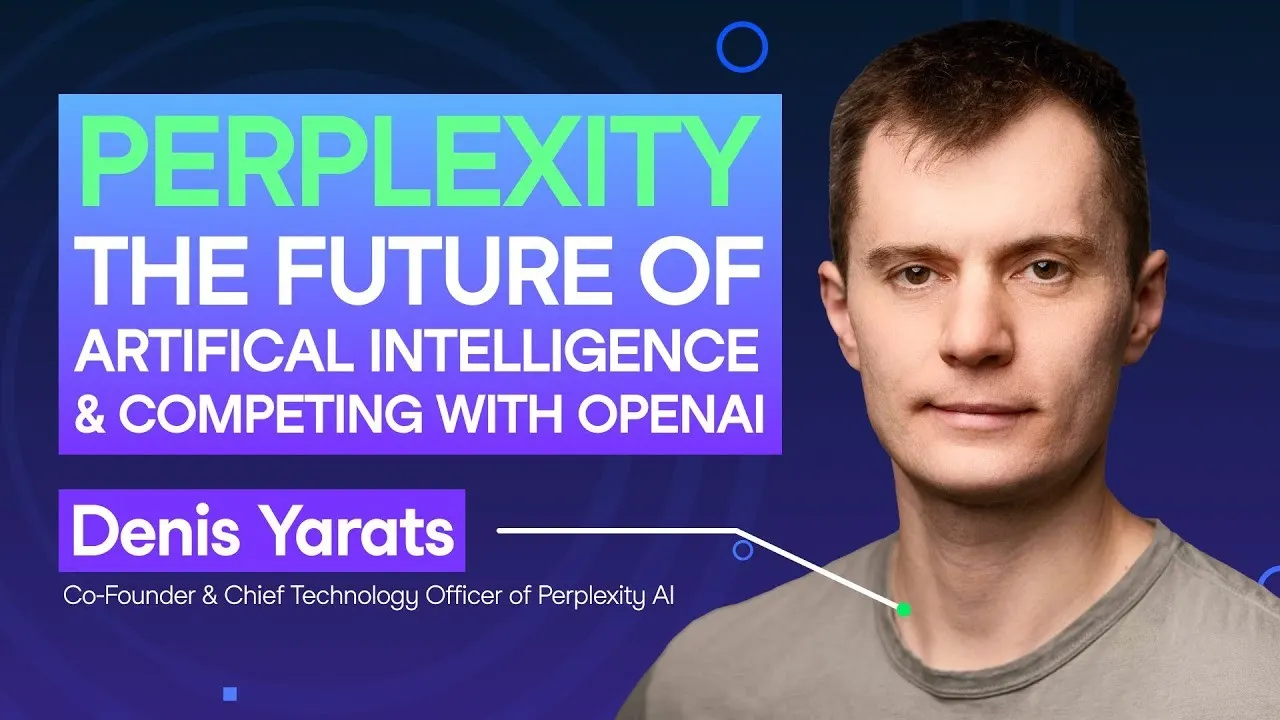
Denis Yarats is the technical leader behind Perplexity, the AI answer engine.
Born in 1987 in Belarus.
Worked at Microsoft, Quora, and Meta AI.
Now leads Perplexity technology.
From a tractor factory town to a global AI startup.
From a failed Google interview to building a $22 billion company.
His story shows how research and shipping combine.
Biography: Denis Yarats
Denis Yarats grew up in a city called Gomel.
It was part of the USSR then.
Today it is in Belarus.
His father built tractors.
His mother stayed at home.
When Denis was a child his family moved to Minsk.
Minsk is the capital of Belarus.
In Minsk he went to school.
He liked numbers and computers.
He earned a bachelor’s degree at Belarusian State University.
He studied applied mathematics and IT.
After graduation he moved to Moscow.
He got his first job at Yandex Maps.
He then moved to the United States.
He started a Ph.D. at New York University.
His research was on reinforcement learning and language.
He left the Ph.D. program early.
He wanted to build products.
He joined Microsoft in 2011.
He worked on the Bing search engine.
In 2013 he left Microsoft.
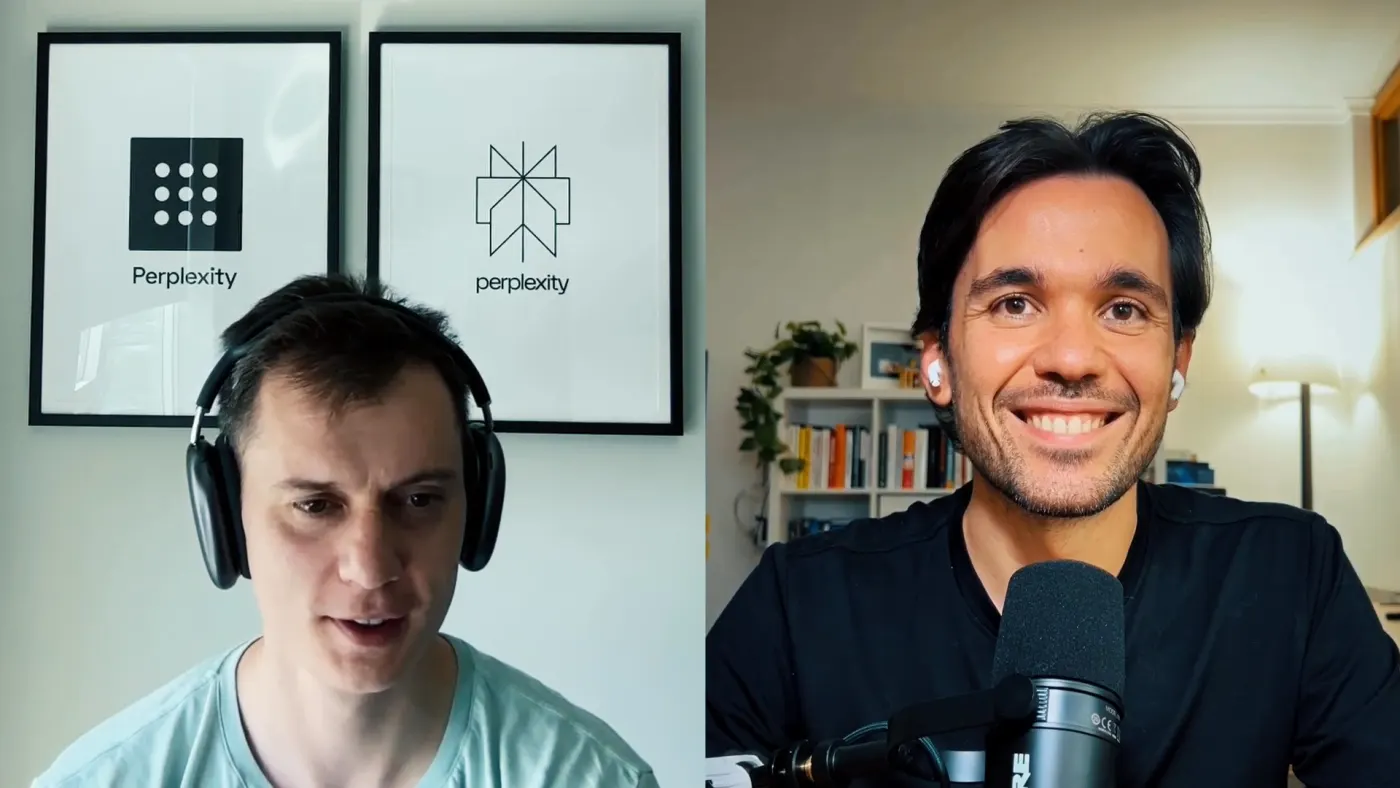
He became a staff machine learning engineer at Quora.
He stayed at Quora until 2016.
Then he joined Facebook AI Research.
He was an AI research scientist there.
He left Meta in 2022.
He co‑founded Perplexity AI in August 2022.
Denis and Aravin Srinivas met by email in 2020.
They both published AI research.
They decided to build a search‑focused app.
The first product was called Bird SQL.
It turned plain language into SQL code.
Bird SQL went viral on Twitter.
Jack Dorsey praised it.
The team got seed funding after showing the demo to Yann LeCun.
When Twitter limited its API in early 2023 the team stopped Bird SQL.
They saw that users wanted answers with sources.
They built a citation‑first conversational search engine.
It launched on December 7, 2022.
The new tool gave accurate answers with links.
It quickly attracted many users.
Perplexity grew fast.
By April 2026 it reported about $500 million in annual recurring revenue.
Its valuation reached $22.6 billion in January 2026.
It raised $1.72 billion total.
More than 100 million people use Perplexity each month.
The company bought Visual Electric and Carbon.
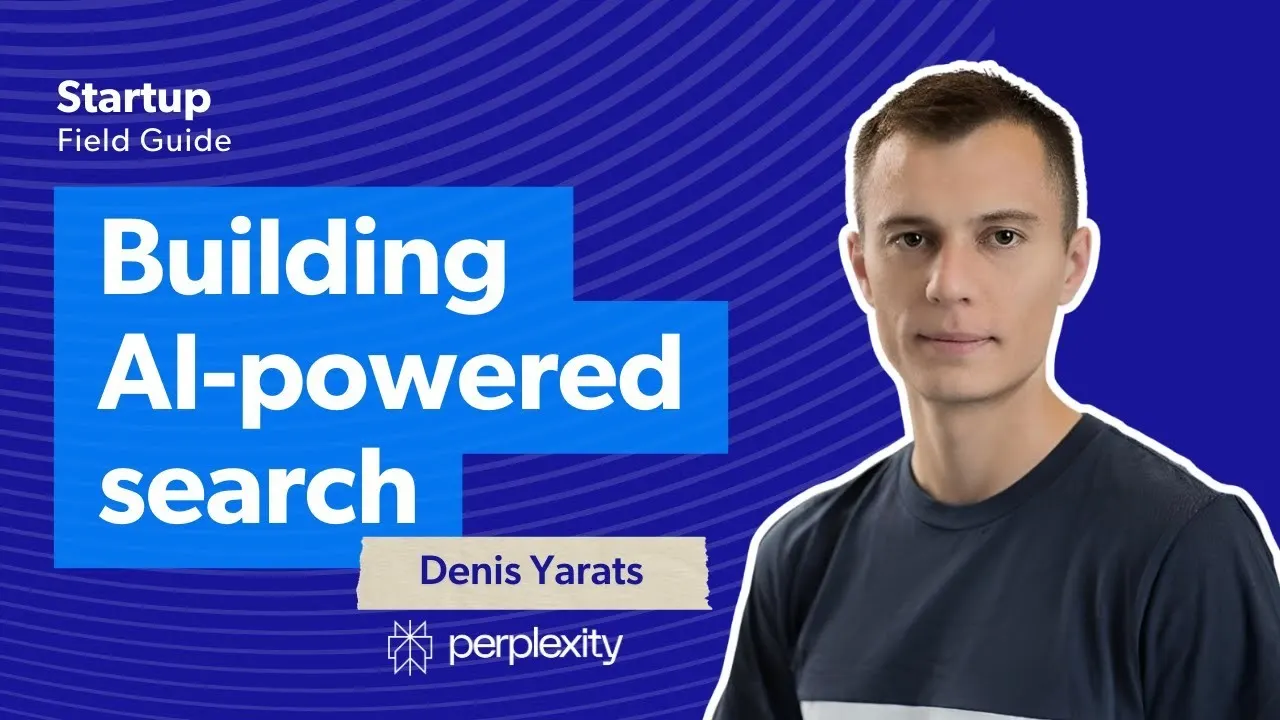
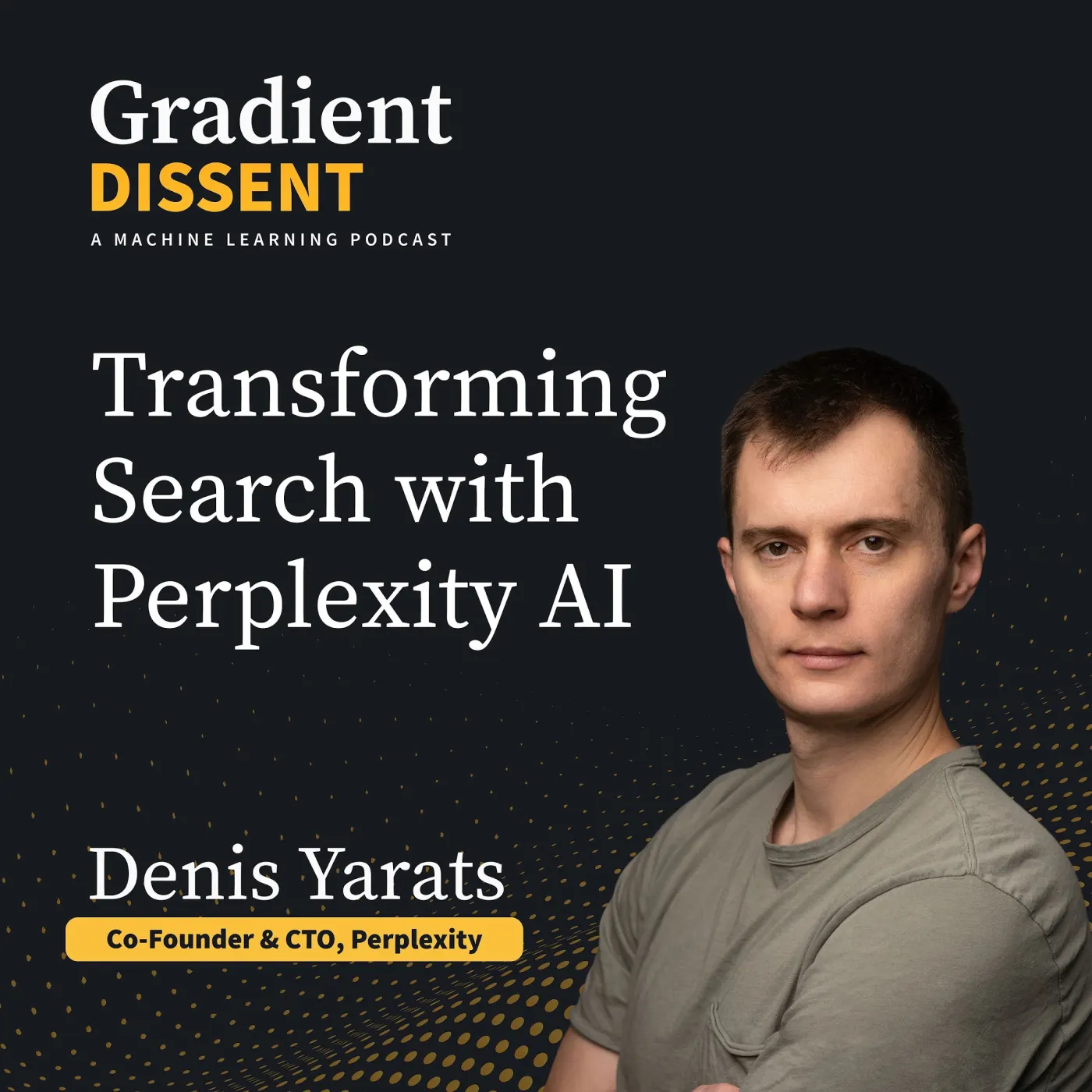
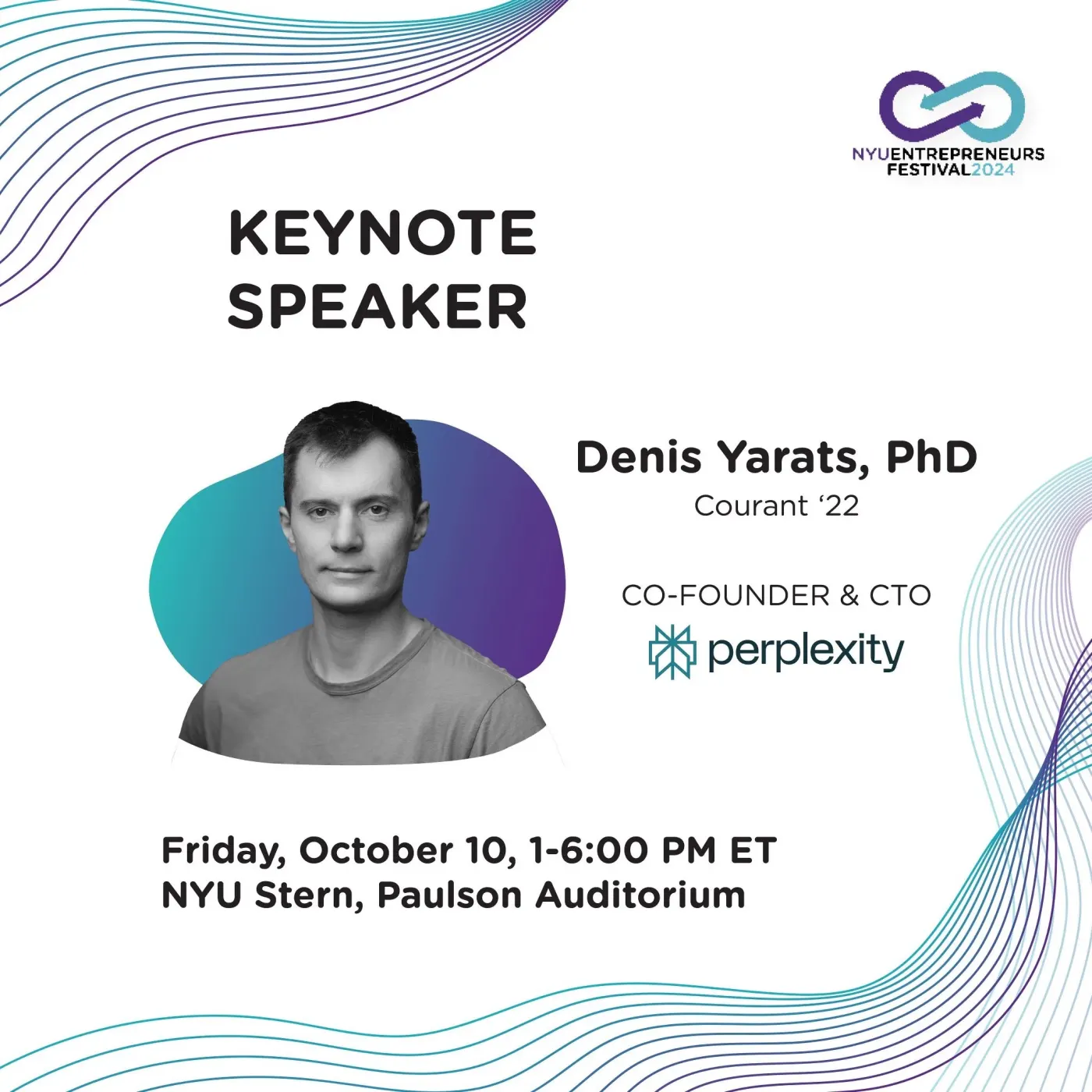
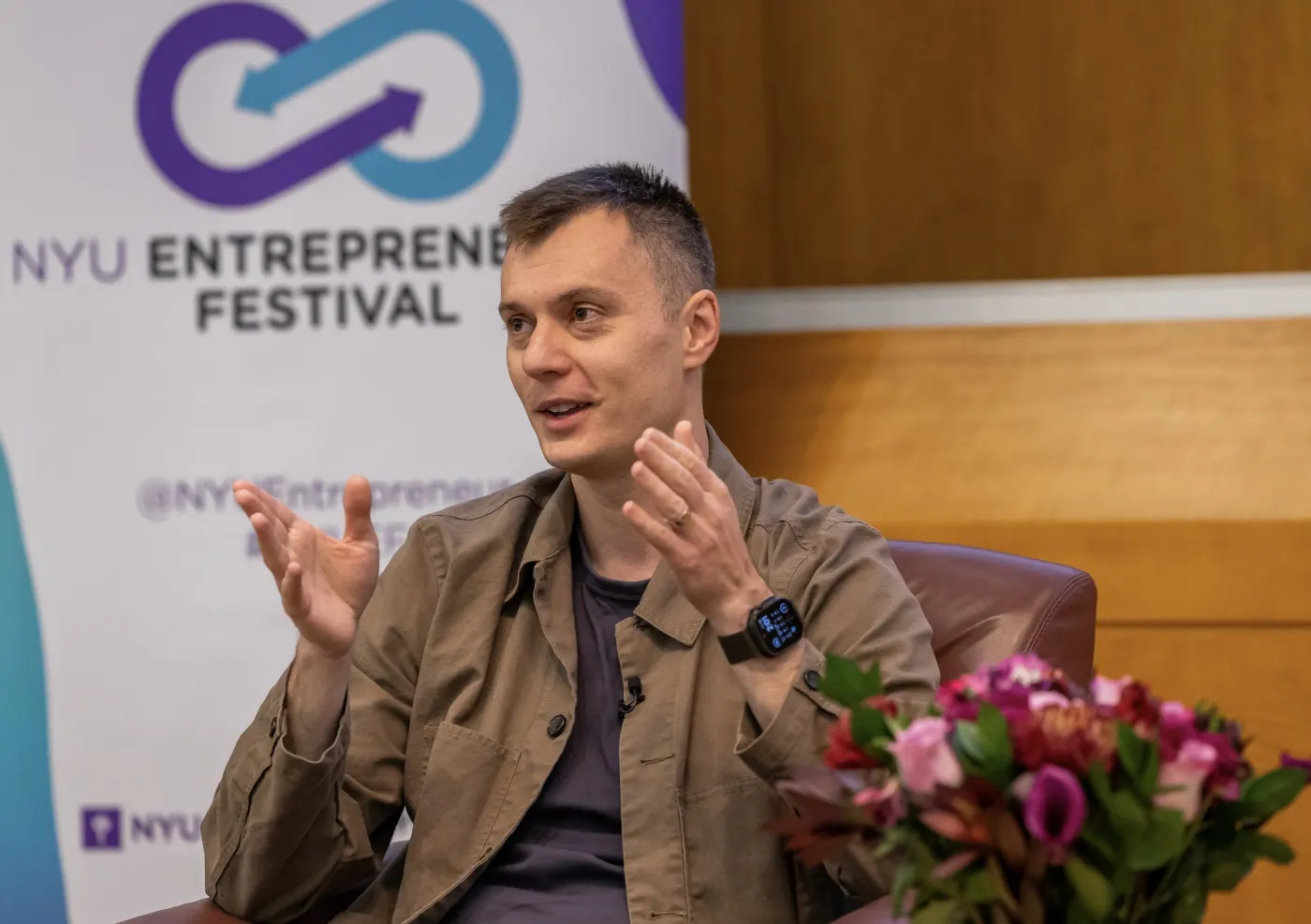
Denis is the chief technology officer.
He guides large‑scale reinforcement learning work.
He leads agentic search projects.
He builds internal AI infrastructure.
Recent work includes open‑sourcing WANDR.
WANDR measures agentic search performance.
He also helped create Teammate.
Teammate lets engineers own projects autonomously.
Perplexity has faced lawsuits over copyright.
The New York Times, BBC, Asahi Shimbun, and Yomiuri Shimbun sued.
Wired and Cloudflare found the company’s crawlers bypassed protections.
Denis has not been personally sued.
He shares responsibility as CTO.
Earlier in his career he missed a job at Google.
He reached the Code Jam finals in 2008.
He did not get the job because his English was not strong enough.
Denis says his work is a lifestyle, not a job.
He enjoys solving hard problems.
He uses ChatGPT often, but he trusts his own coding skills more.
He once said, "compounding is everything".
He believes perfection is a goal that drives daily improvement.
As of September 2026 Denis still serves as co‑founder and CTO.
He has held the role for four years.
His focus now is on multi‑agent collaboration and continual learning.
Denis Yarats shows how deep research can become a product used by millions.
His path moves from a tractor town in Belarus to leading a multi‑billion‑dollar AI company.
Founding Story
Denis Yarats was born in Gomel, USSR, now Belarus.
His father worked at a tractor factory.
His mother was a housewife.
He grew up in Gomel and later moved to Minsk.
He earned a bachelor’s degree in applied mathematics and IT at Belarusian State University.
He then started a Ph.D. in computer science at New York University.
His research focused on reinforcement learning and natural language.
He left the Ph.D. program early to start a company.
In August 2022 Denis co‑founded Perplexity AI.
He teamed up with Aravind Srinivas, Johnny Ho, and Andrew Konwinski.
Denis and Aravind first met by email in 2020 while publishing similar AI research.
They saw a chance to use large language models for search.
First Product and Early Customers
The first product was called Bird SQL.
It used OpenAI’s Codex to turn plain language into SQL queries.
Bird SQL went viral on Twitter.
Jack Dorsey gave it an endorsement.
The buzz helped the team attract seed investors.
Early Struggles
The founders first tried to raise money for a general search engine.
Investors were hesitant.
They pivoted to Bird SQL to prove the technology.
In early 2023 Twitter limited its API.
That forced the team to drop Bird SQL.
Denis and his team noticed that users wanted citations.
ChatGPT did not show sources.
They decided to build a citation‑first conversational search engine.
Key Turning Points
The new product launched on December 7, 2022.
It gave answers with clear source links.
Users liked the verifiable answers.
The shift to a citation‑first model set Perplexity apart.
It attracted attention from AI researchers and investors.
Growth and Real Numbers
By April 2026 Perplexity reported annualized recurring revenue of about $500 million.
The company valued at $22.6 billion in January 2026.

It raised a total of $1.72 billion in funding.
More than 100 million users visited each month.
Denis now leads work on large‑scale reinforcement learning.
He also guides the development of agentic search tools.
He opened source the WANDR evaluation environment.
He helped create internal tools like Teammate for autonomous project work.
Funding, Acquisitions, and IPO Plans
The seed round came after showing Bird SQL to leaders like Yann LeCun.
Later rounds brought in billions of dollars.
Perplexity bought Visual Electric and Carbon to expand its capabilities.
The company aims to go public in 2028, according to CEO Aravind Srinivas.
Denis remains the CTO and co‑founder as of September 2026.
The firm has faced lawsuits over copyright from major news outlets.
Investigations found its web crawlers sometimes bypassed site protections.
Denis has not been personally sued.
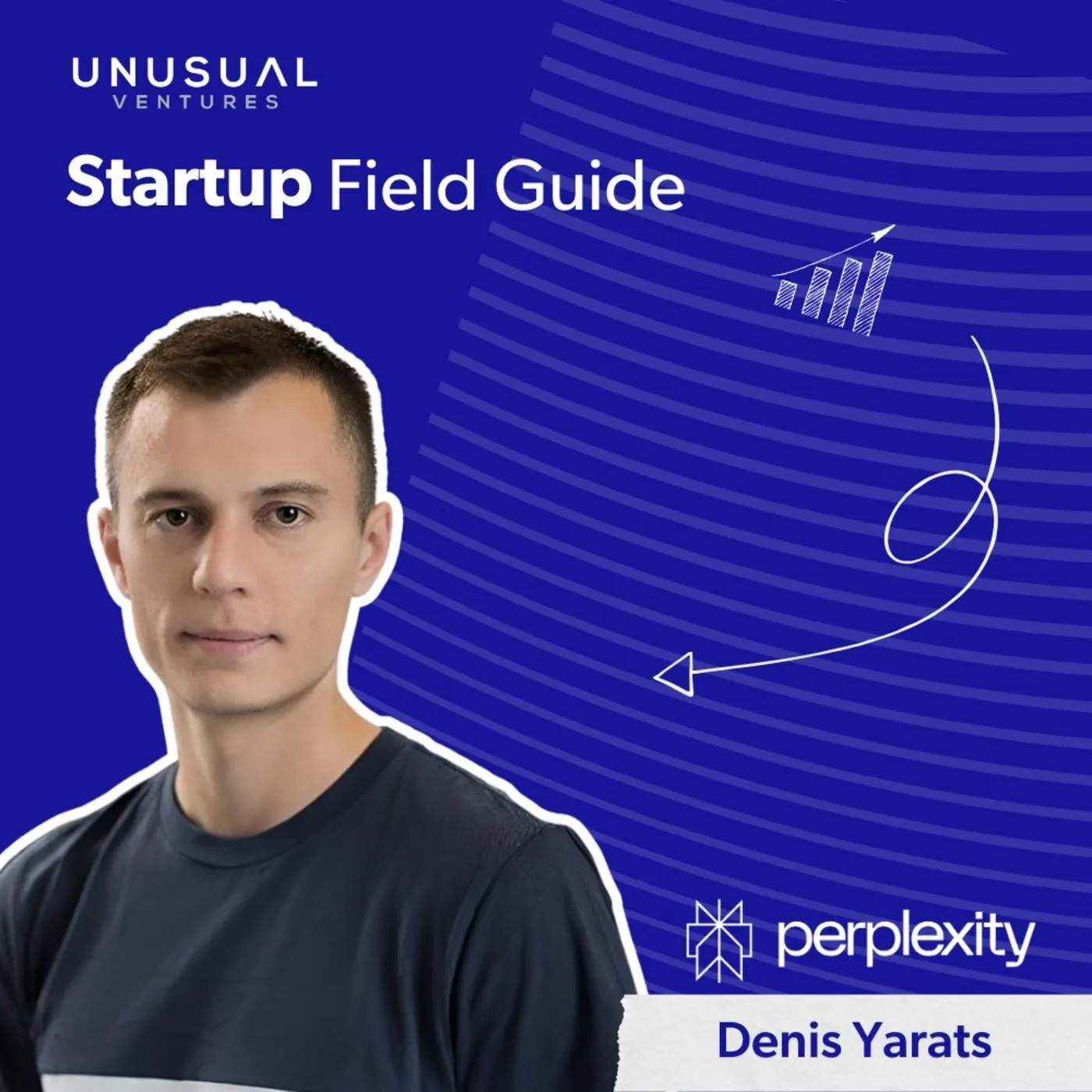
“compounding is everything.”
Denis says his work feels like a lifestyle, not just a job.
He prefers his own coding skills over current AI assistants.
The story shows how research depth and fast shipping can create a global product.
Young builders can learn to ship often and listen to users.
Setbacks
Denis Yarats grew up in Gomel, USSR. His dad worked at a tractor factory. His mom stayed at home. He moved to Minsk for school. He earned a bachelor's in applied math and IT. He later started a Ph.D. at NYU. He left the program early. He wanted to build a company.
In 2008 he reached the finals of Google Code Jam. He did not get the job. He said his English was not strong enough. This was a early career disappointment.
He first worked at Yandex Maps in Moscow. Then he joined Microsoft on Bing (2011‑2013). He left Microsoft for Quora (2013‑2016). He later joined Facebook AI Research (2016‑2022).
Criticism and Controversies
Perplexity AI has faced lawsuits. Major news groups say the tool copies their articles. The New York Times, the BBC, The Asahi Shimbun and the Yomiuri Shimbun have all sued.
Wired and Cloudflare found that Perplexity’s web crawlers skip site protections. The company says it wants to give users reliable answers.
Denis shares the blame as CTO. He has not been sued personally. The criticism is about the product, not his character.
What Changed Recently
In early 2023 Twitter cut off its API. The team stopped the Bird SQL project. They listened to users who wanted citations. They built a citation‑first search engine. It launched on December 7 2022.
Since then the team grew. They added multi‑agent collaboration. They opened the WANDR tool for measuring search performance. They built “Teammate” to let engineers own projects.
Denis says “compounding is everything.” He also says perfection, while perhaps unattainable, should be the ultimate goal to ensure daily improvement.
Where He Is Now (2026)
As of September 2026 Denis is still Co‑Founder and CTO. He leads work on large‑scale reinforcement learning. He pushes agentic search and internal AI tools.
Perplexity now has over 100 million monthly active users. Its ARR is about $500 million. The company is valued at $22.6 billion. It has raised $1.72 billion total. The CEO plans an IPO in 2028.
Denis still sees his work as a lifestyle. He prefers coding himself over using AI assistants. He keeps learning and shipping fast.
Why the story matters
Young builders can learn from early setbacks. Failure can lead to new paths.
Balancing speed with responsibility matters. Fast products can draw legal heat.
Listening to users can change a product’s direction. Citations saved Perplexity.
Team culture matters. Lean, autonomous teams can scale quickly.
The tech world rewards relentless shipping. Denis shows that research plus action wins.
Speed and learning win.
The Record
Born: 1987
Birthplace: Gomel, USSR (now Belarus)
Education: B.S. Applied Math & IT, Belarusian State University; Ph.D. studies at NYU (unfinished)
Early Jobs: Yandex Maps, Microsoft Bing, Quora, Facebook AI Research
Co‑Founder & CTO: Perplexity AI (2022‑present)
Key Projects: Bird SQL, citation‑first search engine, WANDR, Teammate
Timeline
1987 to Born in Gomel, USSR.
2008 to Reached Google Code Jam finals, did not get job.
2011‑2013 to Software engineer on Bing at Microsoft.
2013‑2016 to Staff machine‑learning engineer at Quora.
2016‑2022 to AI research scientist at Facebook AI Research.
2022 to Co‑founded Perplexity AI.
Early 2023 to Dropped Bird SQL after Twitter API cut.
Dec 2022 to Launched citation‑first search engine.
2024 to Open‑sourced WANDR evaluation tool.
2025 to Expanded multi‑agent collaboration team.
2026 to Perplexity valued at $22.6 billion, ARR $500 million, 100 M+ users.