The Engineer Who Built Inbound Marketing
He met his co‑founder at MIT. They launched HubSpot together. Now he creates AI agents.
Opening Scene
A boy watches a flickering screen in a tiny house.
The room smells of spices and rain.
He presses a key and sees a line of code.
That moment sparks a lifelong love of building.
Childhood in Gujarat
Dharmesh was born at home in Ankleshwar, Gujarat. A midwife helped his mother deliver him because there was no doctor nearby. His parents are not named in public sources, but his father later left for the United States on a student visa while Dharmesh and his mother remained in India. The family moved several times, spending periods in Canada and the United States before returning to India for Dharmesh’s high school years. During that time he helped his grandmother with household chores, an experience he later cites as shaping his work ethic and sense of responsibility. The early exposure to a multilingual environment and to the challenges of moving between continents gave him a perspective on adaptation that would prove useful in later entrepreneurial ventures.
Early Education
Dharmesh began his post‑secondary education studying mechanical engineering at a university in India. After completing that program he traveled to the United States to continue his studies. He enrolled at Purdue University but soon transferred to the University of Alabama at Birmingham, where he earned a Bachelor of Science in Computer Science. The switch from a traditional engineering discipline to computer science marked a turning point, aligning his natural curiosity for building things with the emerging opportunities of software development.
Graduate Studies at MIT
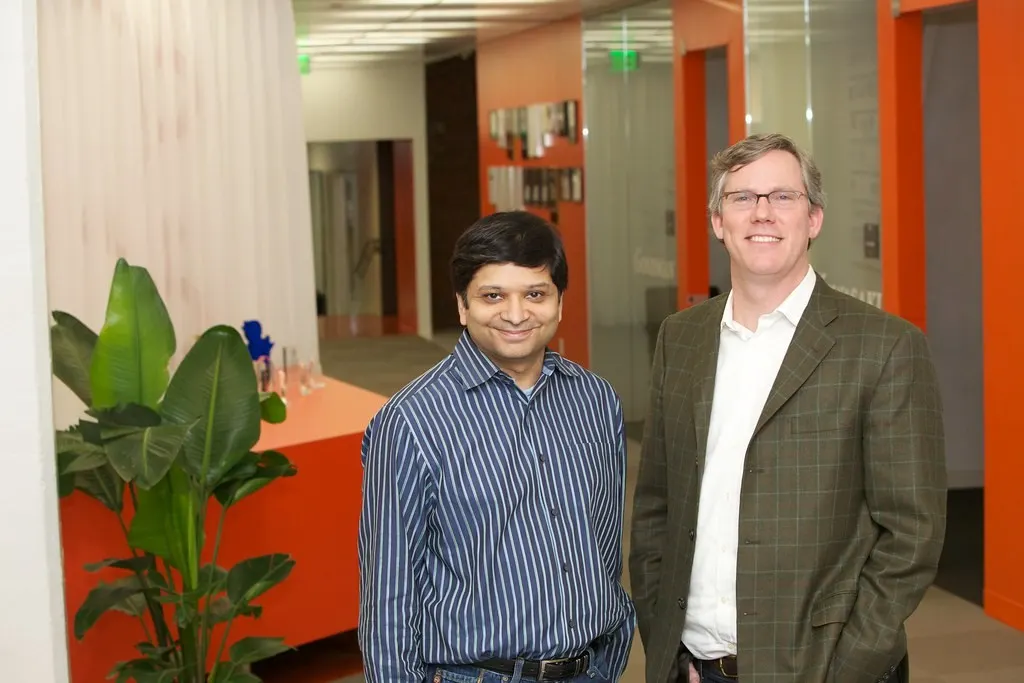
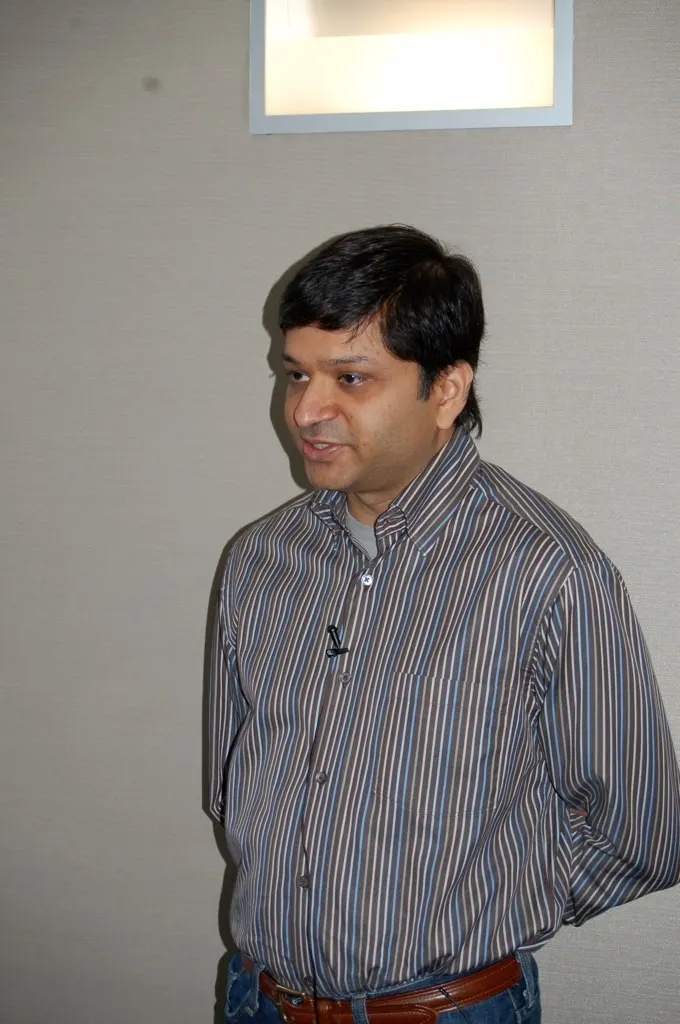
After completing his undergraduate degree, Dharmesh pursued a Master of Science in Management of Technology at the Massachusetts Institute of Technology. He joined the Sloan School of Management, a program that blends technical expertise with business strategy. Class projects were used as experimental labs, and Dharmesh deliberately paired with Brian Halligan for several assignments. Their collaboration was not accidental; they wanted to test whether their complementary skills, Shah’s engineering mindset and Halligan’s sales and marketing experience, could survive the pressures of a startup. The two discovered a shared frustration with the fragmented toolsets available to small businesses, a problem they would later turn into a market opportunity.
First Company: Pyramid Digital Solutions
In 1994 Dharmesh founded Pyramid Digital Solutions, an enterprise software firm that built custom applications for financial services firms. He served as CEO for more than a decade, overseeing product development, sales, and client relationships. The company grew steadily, earning a reputation for delivering reliable, secure solutions to banks and insurance providers. In 2005 SunGard Data Systems acquired Pyramid, providing Dharmesh with a successful exit and valuable experience in negotiating a merger, integrating teams, and managing post‑acquisition transitions. The acquisition also gave him insight into the challenges of scaling software platforms, lessons he would later apply at HubSpot.
The Birth of HubSpot
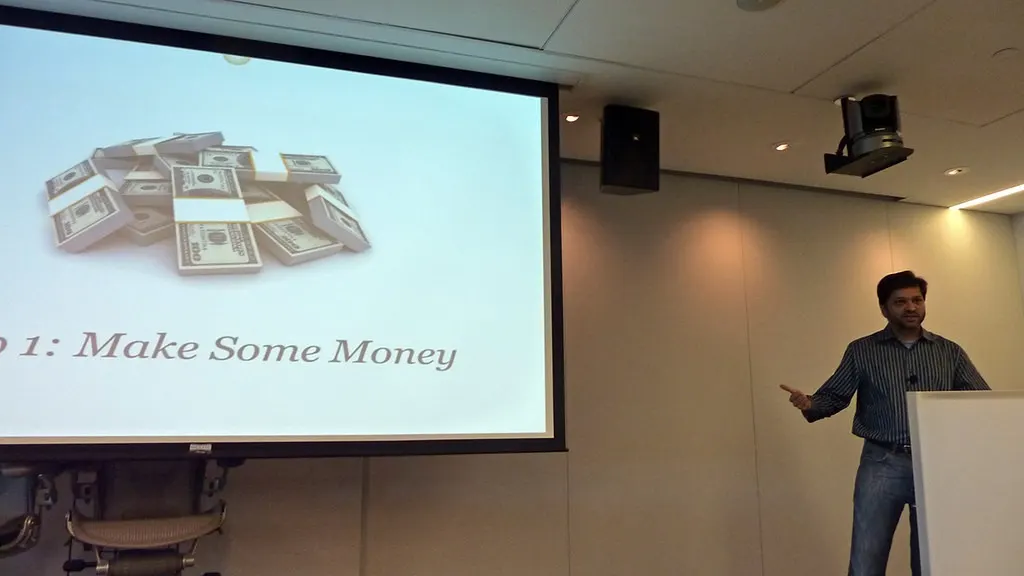
In 2006 Dharmesh and Brian officially launched HubSpot. Their market research revealed that small and medium‑size businesses struggled to coordinate blogging, search‑engine optimization, social media, and email marketing because each tool required a separate login, separate data set, and separate reporting system. They envisioned an all‑in‑one inbound marketing platform that would let businesses attract visitors, convert leads, and close customers without the need for a large IT department. To test demand, they charged early adopters for a rough version of the software, a move that contradicted the prevailing advice to give away early products for free. By the official November 2007 launch, HubSpot had secured more than 100 paying customers, proving that the market gap was real and that businesses were willing to pay for integration.

Early Growth and First Wins
The first HubSpot office was a modest space in Cambridge, Massachusetts. The team worked long hours, often writing code late into the night. Dharmesh’s engineering discipline kept the product roadmap focused on scalability, while Halligan’s sales background drove early customer acquisition. In 2007 the company posted $255,000 in revenue. By fiscal year 2025 that figure had grown to $3.13 billion, a compound annual growth rate that reflects both organic expansion and strategic acquisitions. The customer base expanded from a few hundred early adopters to more than 288,000 businesses worldwide by late 2025. HubSpot’s growth was fueled by a combination of inbound marketing education, a transparent “culture code,” and a pricing model that evolved from a simple subscription to a tiered suite of services.
Funding, Acquisitions, and IPO
HubSpot raised a total of $100.5 million across six funding rounds. The final round, a Series E in 2012, brought the company to a valuation that made an initial public offering feasible. On October 9 2014 HubSpot listed on the New York Stock Exchange under the ticker HUBS. The IPO provided capital for a series of selective acquisitions that broadened the platform’s capabilities. Performable added marketing automation, The Hustle contributed a media brand and audience, Clearbit supplied data enrichment tools, and Frame AI introduced conversational AI for sales teams. Each acquisition was integrated into the core product suite, reinforcing HubSpot’s position as a mid‑market CRM platform.
Big Numbers and Market Impact
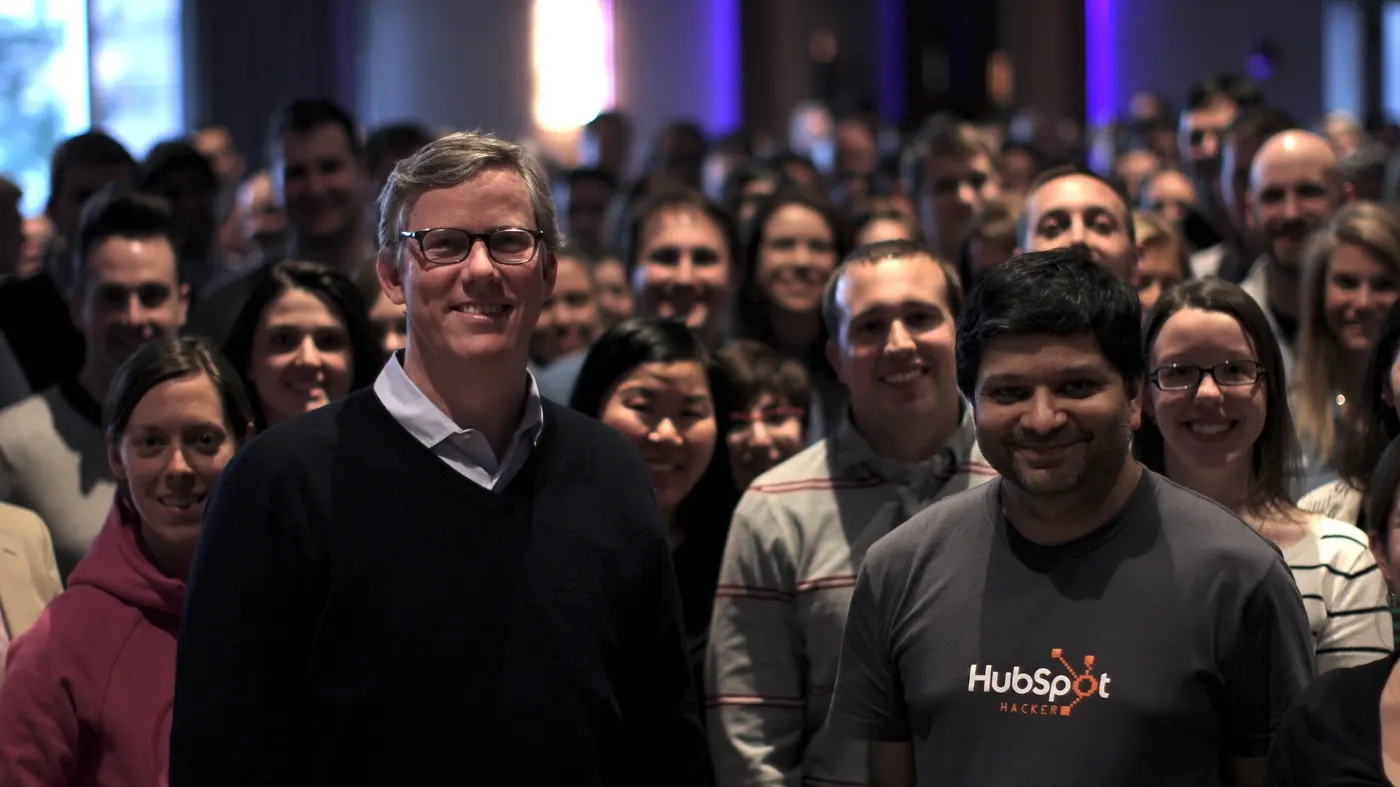
Fiscal year 2025 saw HubSpot report $3.13 billion in revenue, a figure that placed the company among the top SaaS providers for mid‑market customers. The platform now serves over 288,000 customers in more than 100 countries, spanning industries from e‑commerce to professional services. Acquisitions have added SEO tools, advanced analytics, and AI‑driven features that keep the product competitive. HubSpot’s “Culture Code,” authored by Dharmesh, is taught in business schools and cited in startup incubators as a model for aligning values with performance. The company’s emphasis on inbound methodology has reshaped how marketers think about lead generation, shifting the industry away from interruptive advertising toward content‑driven engagement.
Controversies and Setbacks
In 2015 HubSpot faced a public controversy when executive Mike Volpe was terminated for attempting to obtain an unpublished manuscript of Dan Lyons’s book Disrupted, a critical account of the company. The board also sanctioned CEO Brian Halligan for not reporting the incident promptly. Dharmesh, while not directly involved, was named in a later trademark lawsuit concerning his side venture OnStartups; the case centered on alleged infringement of a pre‑existing brand. He has spoken openly about early pricing mistakes, such as undercharging for premium features and failing to segment the market clearly. Cultural missteps also occurred; for a period the company used the term “graduations” to refer to employee terminations, a practice Dharmesh later regretted and corrected. Most recently, in July 2026 he publicly reversed a decision that altered data‑enrichment terms after receiving strong feedback from users who felt the change compromised trust.

Culture Code and Leadership Style
Dharmesh describes himself as an introvert who prefers written communication over phone calls. He avoids direct reports whenever possible, delegating authority to senior engineers and trusting them to make technical decisions. Despite this distance, he writes code daily, a habit he says keeps him grounded in the product’s reality. He authored HubSpot’s “Culture Code,” a concise manifesto that outlines the company’s values, hiring principles, and expectations for transparency. The code emphasizes radical candor, data‑driven decision making, and the belief that founder happiness is a prerequisite for sustainable growth. Dharmesh has admitted that early on the company suffered from vague target markets and a pricing model that did not reflect the value delivered. He later instituted regular “culture reviews” to ensure that the code remained a living document rather than a static statement.
AI Projects and Recent Ventures
Since 2020 Dharmesh has turned his attention to artificial intelligence. In January 2025 he launched Agent.ai, a marketplace that lets developers create and sell AI “agents” capable of performing specific business tasks. The platform grew quickly, attracting both internal HubSpot teams and external partners. In March 2026 he announced HubCode, an agentic coding tool designed to accelerate development within the HubSpot ecosystem. By August 2026 he introduced YouSpot, an AI‑native solo‑company CRM that leverages HubSpot’s infrastructure while offering a private‑beta waitlist for early adopters. These projects reflect his belief that solving for humans, by reducing friction and automating repetitive work, will define the next generation of business software.
Philanthropy, Beliefs, and Personal Passions
Dharmesh has pledged to donate more than 90 percent of his wealth to causes that focus on human rights, environmental protection, technological innovation, and education. He invests in early‑stage startups as an angel, often supporting founders who share his commitment to ethical growth. Outside of work he collects internet domain names and studies piano, a hobby he says helps him unwind after long coding sessions. His public statements emphasize sacrifice as a necessary component of building breakthrough startups. He often repeats the idea that “mediocrity is the thing everybody should be fearful of” and that “to really win in the modern age, you must solve for humans.” These beliefs are woven into HubSpot’s product philosophy and its internal culture.
Key Quotes
“Wanting work‑life balance is OK. Wanting to build a breakthrough startup is OK. But you shouldn’t expect both.”
“Success is making those who believed in you look brilliant.”