Throw Away Your USB Drive
He forgot a thumb drive on a Boston bus. He built a folder that followed you everywhere. Then he said no to Steve Jobs.
In late 2006, Andrew W. Houston sat on a Chinatown Funwa bus rolling from Boston toward New York and realized the worst kind of small failure. He had left his thumb drive at home. On that stick lived the work for his early online SAT company, including a fat Linux virtual machine image he kept dragging between a laptop, a desktop, and whatever other machine he could borrow. For four and a half hours he had nothing to do but hate himself for being disorganized again. Then he opened an editor and started writing code so he would never have to carry a plastic stick of his own life again.
That code became Dropbox. This biography follows Houston from a childhood in Acton, Massachusetts, through MIT Course 6, a stubborn Y Combinator bet with cofounder Arash Ferdowsi, a Digg video that exploded a waitlist overnight, a polite refusal of Steve Jobs, a public company built on a blue open box, the hard years of slowing growth and layoffs, and the May 2026 decision to hand the CEO chair to Ashraf Alkarmi while Houston moved toward executive chairman and a new AI chapter. It is a story about making ordinary software feel like magic, and about how long a founder can stay in the same fight.
Acton, a PCjr, and a five year old who wanted games
Houston was born on March 4, 1983, in Acton, Massachusetts. He went to Acton-Boxborough Regional High School in the 1990s. At home there was an IBM PCjr. First he played games. Then his father showed him BASIC. He has said he was writing early lines of code at about five years old, not because he wanted to be a CEO, but because he wanted to understand how the games on the screen were made.
That pattern never left. He reverse engineered systems the way other kids took apart radios. As a teenager he worked around local software and game companies near Boston. He treated the SAT like a machine that could be opened. At sixteen he wrote flashcard software so he would not have to cut paper cards by hand. He has said that reverse engineering helped him score a perfect 1600 on the older test scale. The point is not the trophy. The point is a mind that treats hard systems as puzzles with seams.
MIT Course 6, Phi Delta Theta, and Accolade
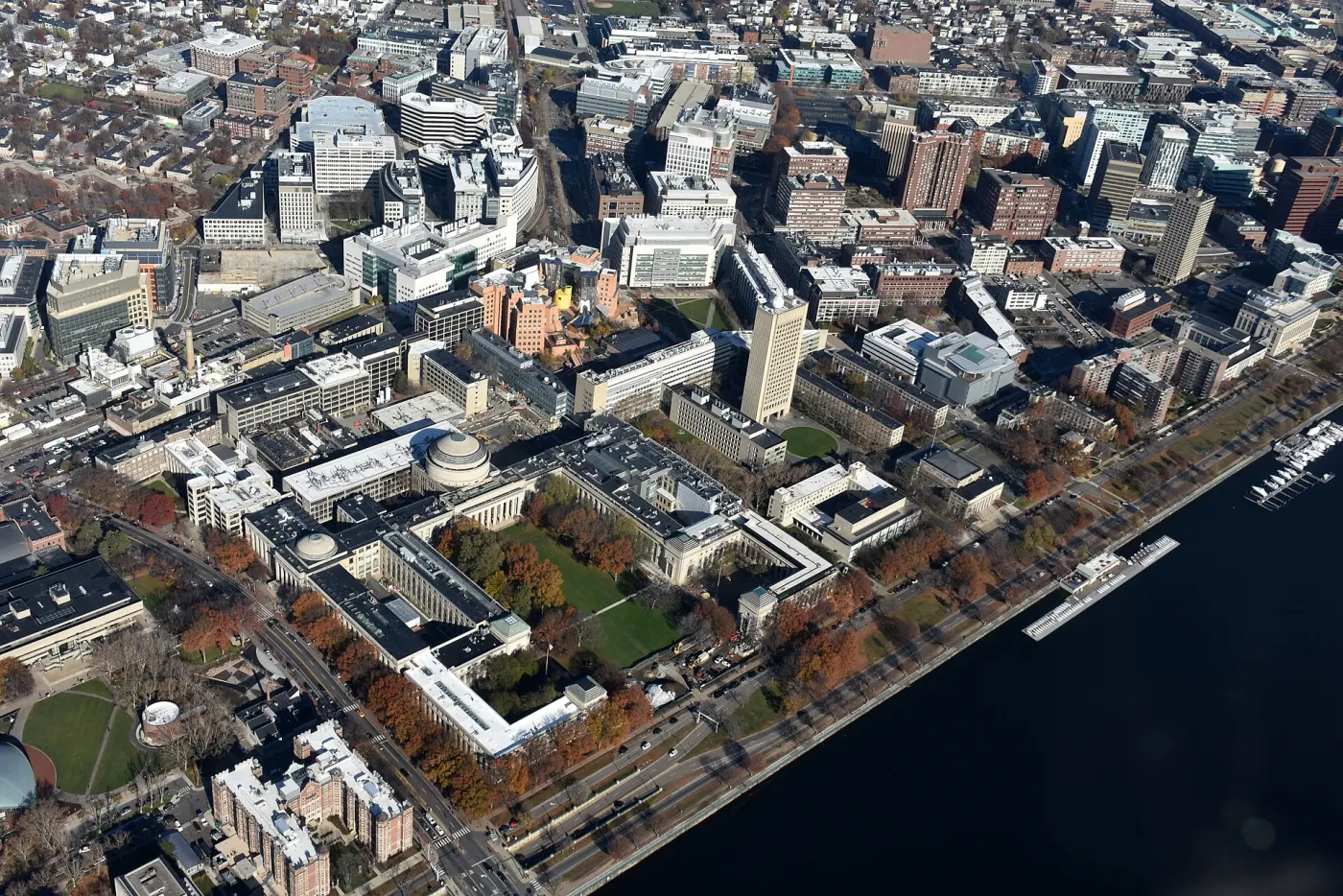
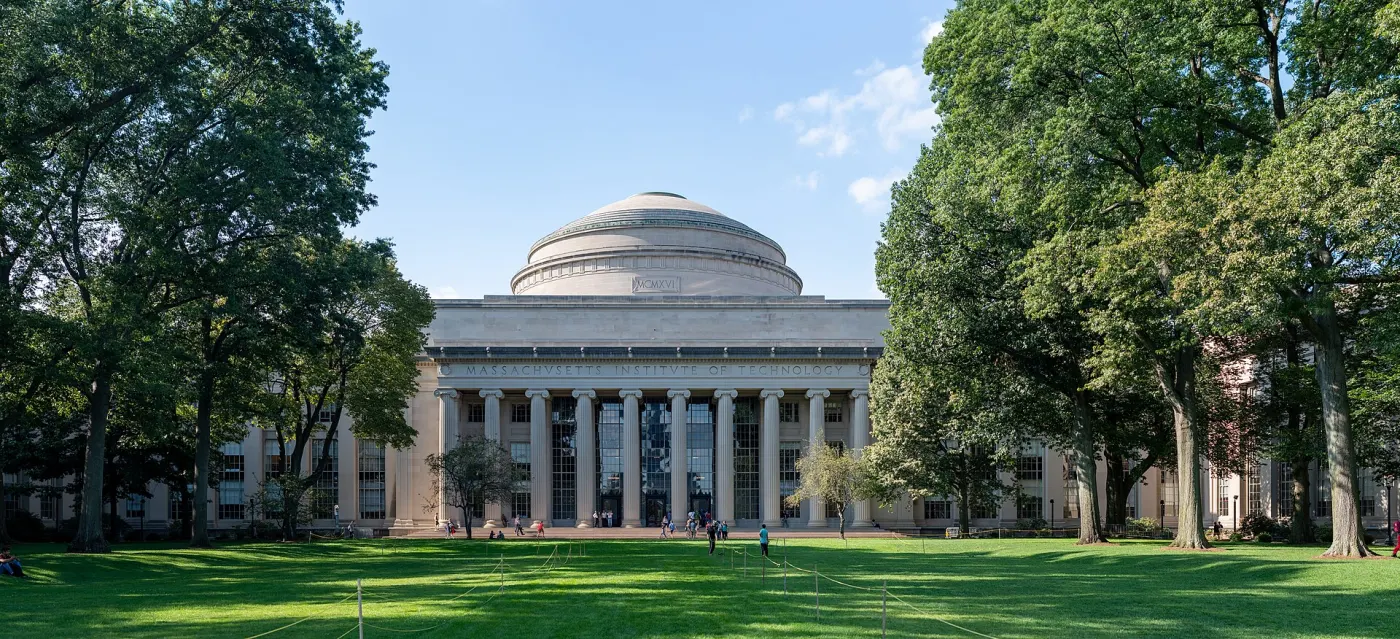
At the Massachusetts Institute of Technology he studied Course 6, computer science. He joined Phi Delta Theta. He also started companies before Dropbox had a name. During his junior year he took a leave of absence, promised his parents he would return, and cofounded Accolade, an online SAT prep company, with a former high school teacher. The College Board was remaking the test. Weekend classroom grind still ruled the market. Houston thought the internet should already have killed that Saturday morning lecture culture.
Accolade taught him the unglamorous parts of founding. Logos. Business cards that said founder. Delaware paperwork. Then day seventy four of taking out the trash and writing math questions because nobody else would. He has described bootstrapping as a long stretch of effort with thin return. The company did not become Dropbox. It did teach him sales books from Amazon, marketing language, and the difference between feeling like a founder and shipping something people pay for. It also forced a multi computer sync problem that made the later thumb drive disaster feel personal rather than abstract.
He returned to MIT and finished. That mattered later when alumni days, commencement stages, and recruiting loops all circled back to Cambridge.
The bus, the stick, and a product that just worked
Cloud storage was not a new idea in 2006. Plenty of tools claimed to sync files. Houston tried them and found they failed where life actually happens: conflicts, partial copies, Windows and Mac together, big files, flaky networks. On the Funwa bus he stopped waiting for someone else to fix it. He built toward a folder that behaved like a pocket. Open it on one machine. Find the same stuff on another. Share without emailing zip bombs. The early internal nickname and Accel lore later remembered an Evenflow phase, but the public name that stuck was Dropbox.
He applied to Y Combinator mostly alone. To get attention he posted a short screencast to Hacker News in April 2007 with a line that still reads like a dare: throw away your USB drive. The video sat near the top of the site. Paul Graham noticed. So did a younger MIT student named Arash Ferdowsi, who found the work through the post and then through a mutual friend. Houston needed a cofounder. Graham liked pairs. Houston and Ferdowsi met at the MIT student center. The demo was simple and elegant. After about two hours, Ferdowsi agreed to leave his graduate path and build with Houston. They were strangers who shared a campus and a taste for hard systems.
Y Combinator, Sequoia wire, and a checking account that jumped
Dropbox entered Y Combinator in 2007. Houston has said early marketing felt like spaghetti on a wall, and that Graham helped crush a fuzzy pitch into something investors could hold. At Demo Day they risked a live product demo that could have wrecked the slides. It worked.
In September 2007 they walked into Sequoia Capital and saw framed original stock certificates from Apple and Cisco on the walls. Houston has recalled feeling like a kid who had wandered into the wrong room. They pitched. The next day Michael Moritz came to their small apartment. Sameer Gandhi joined the conversation on numbers. A few days later Sequoia asked for wire instructions. Houston and Ferdowsi stared at each other because they were not sure how to receive a million dollars without looking foolish. Then they watched an online balance climb from about sixty dollars to one point two million. Accel followed in the Series A era. Bryan Schreier and others at Sequoia later described a sleepy Saturday morning Russian Hill demo that still felt like the start of a real company.
Money did not invent the product. It bought time to make the product boringly reliable.
Digg, Easter eggs, and seventy five thousand strangers overnight
Private beta still left them hungry for distribution. In March 2008 they posted another deadpan demo video, this time aimed at Digg and Reddit culture. File names winked at Chocolate Rain, Office Space, Obama, XKCD. The bait title called Dropbox a Google Drive killer from an MIT startup, years before Google Drive even launched. The video racked up about twelve thousand Diggs and rocketed. The waitlist jumped from roughly five thousand to seventy five thousand in a day. They had hoped for fifteen thousand at best.
They did not dump every name into a buggy build. They used a careful invite style closer to early Gmail. Public launch came in September 2008. Within about seven months they crossed a million users. Referrals, shared folders, and word of mouth did more than ads. Houston later showed slides claiming a two sided referral program permanently lifted signups by about sixty percent, inspired by PayPal style bonuses. Sean Ellis helped with surveys and funnel tests. By early 2010 the company talked about millions of users and sustained month over month growth while spending almost nothing on classic advertising. Engineers owned distribution because the product itself was the pitch.
Steve Jobs, a Zipcar Prius, and a feature insult
In December 2009, Steve Jobs invited Houston and Ferdowsi to Cupertino. Houston has said preparing for that meeting felt impossible because the visitor was Steve Jobs. They arrived in a Zipcar Prius. When Houston opened a laptop for a demo, Jobs waved it away and said he already knew what they did. He praised the product, then asked if they would sell. They said they wanted to stay independent. Jobs smiled and told them they were a feature, not a product, and that Apple would come for the space. Contemporary reporting often put the unaccepted offer in nine figure territory, with two hundred fifty million dollars as a circulating figure. Treat the exact dollar amount carefully. What is solid is the refusal and the threat.
Jobs later unveiled iCloud and publicly framed Dropbox as an incomplete answer to the multi device mess. Houston kept building. The bet was that a cross platform folder people loved would outlast a platform company calling them small. Years later he told interviewers that Jobs trolled them and that independence still felt right in the room.
Magic Pocket: leaving Amazon to own the bits
Syncing files at consumer scale means paying someone for disks, power, and bandwidth forever, or building your own warehouse of storage. Dropbox started on Amazon Web Services like many startups. By 2013 the bill and the control problem pushed them into a project they named Magic Pocket, after the early product metaphor. A small team spent years designing software and hardware so Dropbox could store most user data itself.
On February 27, 2015, Dropbox began storing and serving user files exclusively on its own system for the first time. The goal was to move about ninety percent of data in house by late October 2015. They hit the mark early, on October 7, without a major data loss story in the public telling. IPO paperwork later linked the shift to roughly seventy five million dollars in operating cost savings. Engineers kept going, packing more onto shingled magnetic recording drives and cutting storage cost further. Magic Pocket is the unglamorous answer to how a consumer sync company survived as a durable business instead of a pure Amazon reseller.
From darling to public company
Forbes put Dropbox on the cover in 2011 as one of tech hottest startups, with tens of millions of users and a new signup every second in the magazine framing. Valuations climbed into the multi billion range. Enterprise features, Paper, and collaboration tools tried to deepen the product beyond a consumer folder. Competitors never slept: Box on the business side, Google Drive and Microsoft OneDrive on the platform side, countless sync utilities in between.
On March 23, 2018, Dropbox priced its initial public offering at twenty one dollars a share on Nasdaq under the ticker DBX, valuing the company around nine point two billion dollars at the offer. It was a landmark for Y Combinator: Houston became the first founder to take a YC company all the way through that public door. Pre IPO filings showed Houston holding about twenty four percent of voting power. The company reported hundreds of millions of registered users and about eleven million paying users around that moment. Revenue later crossed one billion dollars a year and then two billion by 2021. Wall Street still argued about growth rates, margins, and whether cloud storage was a trap or a platform.
How he works: talent bar, reading, and seeing around corners
Houston talks about company building less like destiny and more like training. Early advice he repeats is to obsess over people. Put strong operators between you and hard problems. Keep the talent bar high even when hiring feels slow. He reads histories of Amazon, Apple, Microsoft, Intel, and other long running tech companies not for slogans but to notice how messy the early years really were. He asks CEOs a year or five years ahead what pain is coming next. In the Khan Academy conversation he mocked the clean TechCrunch narrative that skips the middle: two MIT kids, then suddenly millions of users. The real middle, he said, was complicated and hard.
He has also joked about the early founder costume: Photoshop a logo, print cards, hand them out so the world knows you are official. Dropbox forced him past that costume into reliability work, support queues, and the quiet craft of making sync feel invisible. Ferdowsi carried deep technical leadership for years as CTO before Aditya Agarwal took that title in 2016. Ferdowsi later left the company around 2020 after about thirteen years. Partnerships that start in a student center do not stay frozen in amber.
MIT commencement and the long decade of attention
In 2013 MIT asked Houston to speak at commencement. He stood as proof that Course 6 could leave Killian Court and still reshape daily computer life for non engineers. The speech themes that traveled farthest were practical: curiosity, persistence, and the way days feel long while decades vanish. For a magazine story the useful fact is simpler. The kid who coded BASIC for games had become the alumni voice telling seniors that building still matters more than posing.
Outside the company he backed FWD.us in 2013, a tech driven push on immigration and education policy. In 2016 he endorsed Hillary Clinton. In February 2020 he joined the board of Meta Platforms, filling a seat after Reed Hastings left. Those moves place him inside the wider California power network, not only inside a file sync app. He later spent more time based in Austin, Texas, part of a broader founder migration story covered by business press. Wikipedia notes he is married and has one child. Keep family detail light and respectful.
World impact: the folder as soft infrastructure
What did Dropbox change for ordinary people? It made the phrase my files on this computer feel outdated. Students dragged thesis drafts between dorm and library. Freelancers sent design folders without FTP theater. Families shared vacation photos without filling email inboxes. Offices adopted Dropbox even when IT preferred other vendors because humans hated friction more than they loved policy. The product taught a generation that a cloud path could feel as obvious as a desktop folder.
That shift also created new risks: ransomware riding synced folders, accidental oversharing, and dependence on a vendor for memory itself. Houston's company answered with sharing controls, business tiers, and security work, while rivals copied the folder metaphor until it became industry default. The deeper impact is cultural. Once people trust a blue box with wedding videos and tax PDFs, every later cloud product inherits that trust and that fear.
By the mid 2020s Forbes described Dropbox as serving more than seven hundred million users. Exact active definitions move with marketing, but the order of magnitude is the point. A forgotten USB stick became a habit measured in hundreds of millions of human lives.
The hard middle: growth slows, costs rise, AI arrives
Public markets are less romantic than Hacker News. After the IPO glow, Dropbox fought maturity. Private market peaks near ten billion dollars in 2014 sat above later public valuations that hovered nearer six billion by spring 2026 in press summaries. Sales growth cooled. In 2025 revenue slipped in reported accounts. In October 2024 the company cut about twenty percent of staff, roughly five hundred twenty eight people in widely reported figures, while pushing harder into AI surfaces such as Dash, a search and organization layer meant to make scattered work files answerable in plain language.
Houston had to lead both the original sync religion and a reinvention pitch. Platform giants still bundled storage into larger suites. Startups still nipped at niches. The founder who once rejected being called a feature now lived inside a market that sometimes treated Dropbox as a feature of the broader cloud. Staying independent meant living with that pressure every quarter.
May 2026: co-CEO, executive chairman, and an AI next act
On May 26, 2026, Houston told Dropbox employees that Ashraf Alkarmi would become co-CEO. Alkarmi had joined from Vimeo in late 2024 and run the core business. After a transition, Houston would move to executive chairman and Alkarmi would become sole CEO. The company also said Michael Torres, a Google Chrome product leader, would arrive as chief product officer in July. Houston told CNBC the timing was never perfect, that part of him had imagined dying as Dropbox CEO, and that the present AI moment made him restless to build again. He joked that his post CEO life would not be racing sailboats.
Forbes listed his net worth around two point six billion dollars as of late August 2026, reflecting a stake above twenty percent and status as the largest individual shareholder. He remains a living founder whose first act is not over, only changing seats. Treat forward looking AI venture plans as intention, not as finished companies, unless and until they ship under clear names.
Competitors he outran and the ones he could not ignore
Microsoft and Google could give away storage to lock users into Office and Workspace. Apple could deepen iCloud for people already inside its phones. Box spoke fluent enterprise procurement. WeTransfer owned simple send links. Notion, Figma, and other collaboration tools ate attention that once lived in file trees. Dropbox answered with focus on delight, cross platform honesty, and later business suites. Sometimes that was enough. Sometimes the platform tax won. Houston's long game was never to beat every suite. It was to remain the place where important files still felt personal.
Fifth grade truth about a blue box
If a fifth grader asks what Drew Houston did, the honest answer is clear. He made it so your homework, photos, and work papers could follow you from computer to computer without a tiny drive in your pocket. If the fifth grader asks why that was hard, the honest answer is also clear. Computers disagree, networks fail, and people rename files at the worst moment. If the fifth grader asks whether saying no to Steve Jobs was brave or foolish, the honest answer is that it was a bet. The bet paid in a public company and a household verb. It also meant decades of fighting giants with deeper pockets.
Body of work, not a single stunt
Dropbox is not only the 2007 prototype. It is referral math, support tickets, Magic Pocket racks, Sarbanes Oxley checklists, earnings calls, layoff memos, and an AI product still proving itself in 2026. Houston's biography is the rare founder story that stays attached to one company long enough for the middle chapters to hurt. Nineteen years is longer than many Silicon Valley marriages between founder and firm. The USB origin story is true and useful. It is not the whole movie.
Demo Day nerves and the steak room
Y Combinator Demo Day is a room where founders feel waved like meat in front of investors. Houston has used that metaphor himself. Dropbox walked in with a product that required a live sync to look real. If the demo failed, the slides would look like fiction. They survived the high wire. The lesson he kept repeating afterward was not about theatrical courage. It was about rehearsing the one sentence that made Dropbox different from a hundred half broken sync tools: it just worked across the machines people already owned.
Investors in 2007 were tired of online storage graveyards. Accel partners later wrote that a cursory glance showed little more than two founders and a deck in a category littered with corpses. Thirty minutes of conversation flipped the mood because Houston and Ferdowsi sweated details other people ignored. An early demo synced a photo from the first iPhone to a Mac and a Windows laptop. That tiny bridge across walled gardens was the product thesis in one gesture.
The apartment years and the talent religion
Early Dropbox lived in the classic San Francisco apartment grind before proper offices. Hiring advice from angels became scripture: never lower the bar to fill a seat. Houston later told Khan Academy that putting an excellent person between you and a class of problems is the best hack available. That sounds soft until you watch a sync company drown in edge cases. Every new file type, every flaky cafe Wi Fi, every corporate proxy becomes a support ticket. Average engineers create average reliability. Dropbox needed people who treated a failed sync as a moral event.
Culture also meant saying no. Feature requests poured in. Games, social layers, and noisy upsells would have made short term charts prettier. Houston and Ferdowsi leaned into a utility identity. The blue box should disappear into daily life, not become a media feed. That restraint later looked conservative to growth maximalists and wise to users who simply wanted Friday's spreadsheet on Monday's laptop.
Referral loops that felt like friendship, not spam
Paid acquisition was hostile for a desktop download product. People feared installing software. Banner ads could not explain magic. So Dropbox turned users into distributors. Share a folder, earn space. Invite a friend, both sides win. Houston's Startup Lessons Learned deck claimed trailing thirty day invite volume in the millions once the machine warmed up. About thirty five percent of daily signups came from the referral program in one reported window, with more from shared folders and other viral hooks.
The craft was psychological. Rewards had to feel fair. The ask had to arrive after the product had already helped. Sean Ellis style surveys found language that matched what fans already loved. Landing pages were split tested. Signup friction was hunted like a bug. Distribution became an engineering surface, not a marketing afterthought. That is how a company with almost no ad budget reached one million users in months and kept climbing.
Paper, business suites, and the fight to be more than a disk
Consumer sync was never going to pay forever at the price users expected. Dropbox pushed into Dropbox Business, admin controls, and collaboration experiments including Dropbox Paper. The strategic tension was obvious. Stay a pure storage pipe and watch platforms undercut you. Become a full workplace suite and fight Microsoft and Google on their home court. Houston's teams walked the ridge line: deepen sharing and workflow without abandoning the emotional core of a personal folder that feels private and fast.
Some products landed. Some were retired. Public investors graded every move. That grading was part of the founder education Accolade never provided. Reading business books is one curriculum. Living inside quarterly expectations is another.
Earnings calls, guidance, and the voice of a public CEO
After 2018 Houston had to speak two languages. Inside the company he still talked about craft and users. Outside he talked about paying users, revenue run rates, margins, and product roadmaps Wall Street could model. Short clips of earnings interviews show a calm, practiced tone. The boy who reverse engineered the SAT had become a man reverse engineering market narratives. He still preferred builder identity over celebrity founder theater, but the job required both cameras and dashboards.
When growth decelerated, that calm voice had to carry bad news without sounding finished. AI became the bridge sentence: Dropbox would help people find and use what they already stored, not only hold bytes. Dash and related work were bets that search and summarization could reprice a mature storage base. Whether those bets fully succeed remains an open 2026 question. What is clear is that Houston refused to pretend the old pure sync story was enough forever.
Meta board seat and the wider valley map
Joining Meta's board in 2020 put Houston in rooms where feed algorithms and messaging empires set global norms. Dropbox was never Meta's scale, but the seat signaled peer status among consumer internet operators. It also created a dual loyalty puzzle familiar to modern tech: advise a giant while running a company that competes for attention and files inside the same digital day. He kept the Dropbox CEO role for years afterward, proof that the board seat was addition, not escape.
Austin days and a quieter personal frame
Business coverage in 2021 noted Houston among founders spending more time in Austin. Wikipedia later listed Austin as home, with marriage and one child. Those facts belong in a biography as grounding, not as gossip. The Acton kid who loved lonely coding sessions eventually built a life where company scale and family scale had to share a calendar. Founders who stay nineteen years at one firm do not stay twenty four years old in the photos.
What Magic Pocket felt like from the server room side
Leaving AWS is easy to cheer and hard to execute. Durability targets for consumer files sit near the edge of what humans can emotionally comprehend. One lost wedding album destroys trust that took years to earn. Dropbox engineers automated hardware failure handling, audited software paths, and moved exabytes while users kept working. The public blog posts sound proud because the work earned pride. Cost savings mattered for IPO optics. Durability mattered for the brand promise born on that bus: your stuff will be there.
International footprints still leaned on partners in places. The ninety percent in house figure was a headline, not a claim of total isolation from the cloud industry. Houston's company became both customer and peer of the infrastructure world it once rented entirely.
The Digg title as a time capsule
Calling Dropbox a Google Drive killer in 2008 was cheeky because Google Drive did not yet exist in the form users later knew. The joke aged into prophecy and rivalry at once. When Google Drive arrived, Dropbox had already trained millions of people on the folder metaphor. Platform distribution still favored Google. Brand love still favored Dropbox for a long stretch. That tension is the adult version of the Jobs feature insult. Sometimes the market agrees you are a product. Sometimes it treats you as a checkbox inside someone else's suite. Houston spent his career arguing for the first reading.
Unverified edges and careful wording
Some popular numbers travel farther than primary sources. The two hundred fifty million dollar Jobs offer appears often in secondary retellings; Forbes contemporaneous writing emphasized a nine figure conversation more than a single locked figure. Accolade's financial outcome is lightly documented in public founder talk compared with Dropbox. Exact Dash AI adoption metrics in 2026 remain company narrative more than independently audited proof. This biography flags those edges rather than inventing certainty.
Why the USB story still works in 2026
Origin myths survive when they remain emotionally true. People still forget drives, cables, and which laptop held the final version. Phones made the problem worse before they made it better. Houston's story works because the pain is democratic. You do not need to understand erasure coding to understand the bus. You only need to remember the moment work was stranded on the wrong side of town. That is why the magazine cover can still lead with a thumb drive even after Magic Pocket, Nasdaq, layoffs, and a co-CEO memo.
Partners, rivals, and the long shadow of Ferdowsi
Arash Ferdowsi is not a footnote. He was the technical cofounder who quit a graduate track after a two hour meeting and helped invent the reliability cult inside Dropbox. When he stepped back from the CTO title in 2016 and later left, the company had to prove the product was bigger than either founder ego. Houston staying as CEO for another decade after that shift shows both ownership concentration and operational continuity. Dual founder stories often end in public rupture. This one ended more like a quiet handoff of technical leadership, then a later exit, while Houston remained the external face.
Office string art and the politics of a logo wall
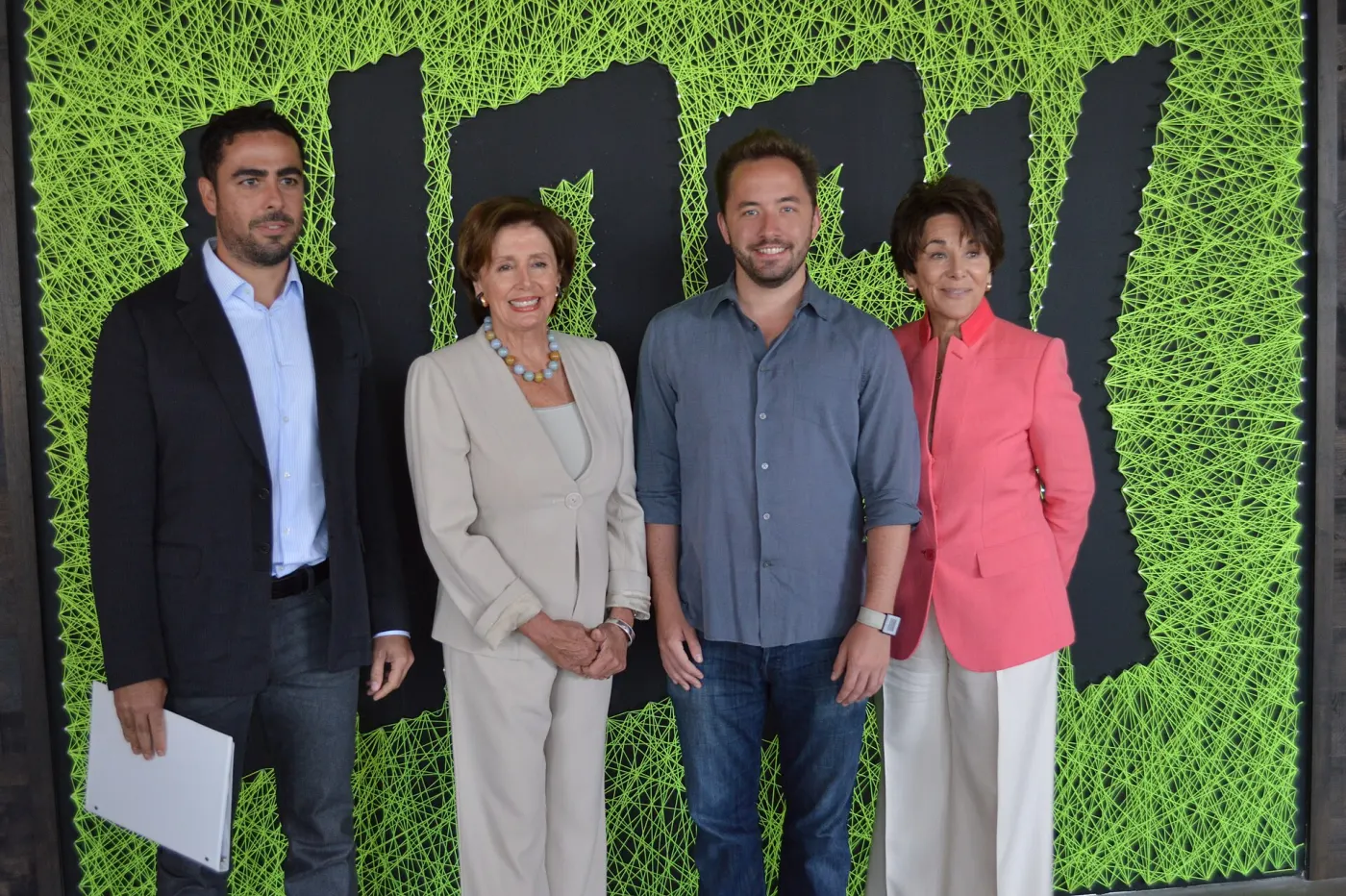
One photo in the folder shows Houston standing with elected officials beside a wild green string art wall that spells Dropbox in black cutout letters. It is an ordinary headquarters visit image, and that is why it matters. By the time politicians tour your lobby, the product has left the Chinatown bus and entered civic life. Immigration policy through FWD.us, education talk at MIT, and California tech lobbying all sat near that same logo. Houston's company became a place people photographed, not only a binary people downloaded.
Code Conference brevity and the public shorthand
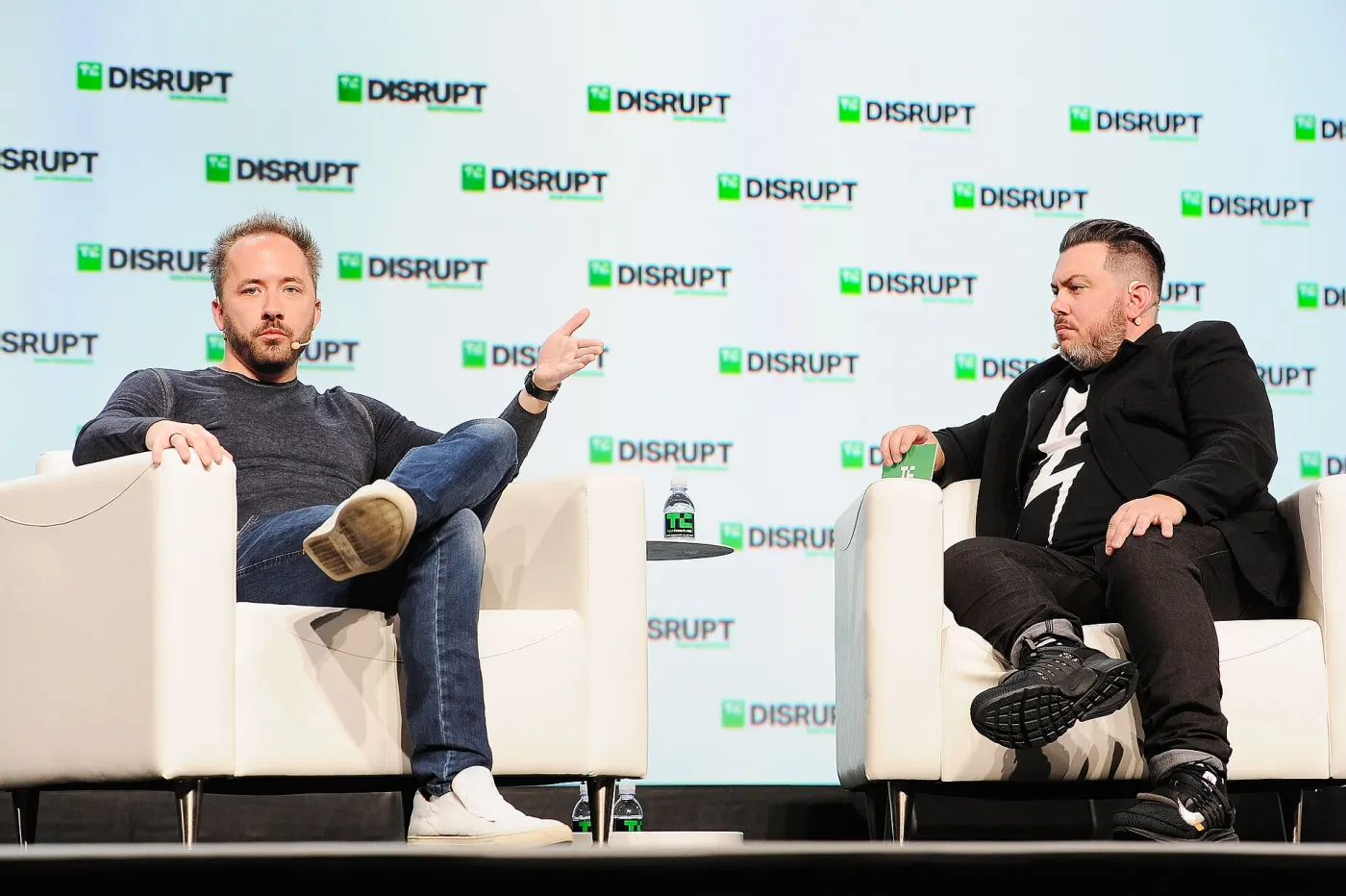
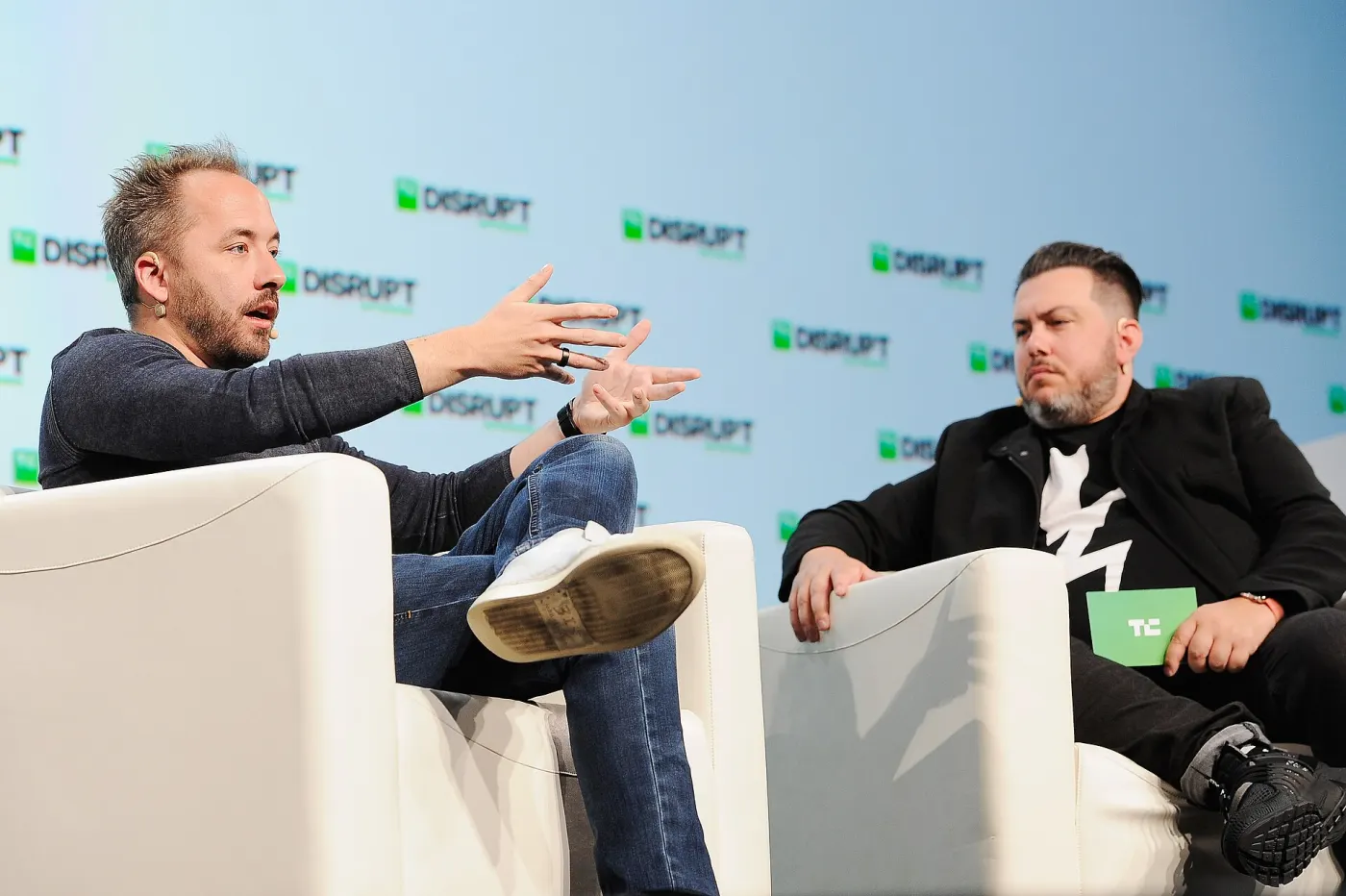
Short conference clips compress him into sound bites: hiring, earnings, product direction. The longer Khan Academy and founder interviews restore the texture those bites erase. Both layers belong in the record. The sound bite version explains why strangers know his name. The long version explains why engineers stayed through Magic Pocket nights. A documentary that only uses one layer lies by omission.
Stakes of a dull sounding invention
Cloud storage sounds dull until you imagine a world without it. Email attachments bounce. USB sticks die in laundry loads. Corporate VPN folders punish designers. Dropbox and its peers turned personal computing into a multi device assumption. Houston's specific contribution was timing plus taste plus stubborn independence. He arrived when broadband and smartphones made sync urgent. He cared about design details competitors ignored. He refused a hero's acquisition offer. He took the company public. He absorbed the boredom of maturity. Then, in 2026, he began the rare founder move of leaving the CEO seat without pretending the company was finished or that he was.
Closing
Start with a plastic thumb drive missing from a Boston bus seat. End with a May 2026 memo that promotes a new co-CEO and points Houston toward an executive chairman chair and an AI itch he refuses to call retirement. Between those scenes sits a blue open box that taught the world to treat files like water that can flow to any screen. Drew Houston did not invent remote storage. He made it feel inevitable for people who never wanted to learn the words remote storage. He learned business from books and bruises, learned distribution from Digg jokes and referral loops, learned courage in a Cupertino room where his hero called him a feature, and learned humility when growth slowed and payroll shrank. In an age of giant platforms, a stubborn independent folder still matters because memory is personal. He spent the best years of his working life making sure that memory could move.
Watch alongside this story
Short cuts from interviews, keynotes and launches. Each plays only the moment that matters.