
Facebook’s Quiet Co-Founder Who Built Asana
Dustin Moskovitz wrote code while classmates refreshed the page. Thefacebook, later Facebook, spread from dorm to dorm like a rumor with a login screen. Years later the same young co-founder would leave the company that made him famous and start Asana, a tool for teams drowning in email and sticky notes.
Today Asana is a major work platform, with public market value often discussed in the ~$25B* neighborhood depending on the year and price. Moskovitz’s wealth is frequently estimated near ~$13B. The numbers move. The arc stays clear: build something people cannot stop using, then ask what else deserves that level of care.
This is the story of a quiet founder who helped invent modern social networking and then tried to invent modern teamwork.
Where he came from
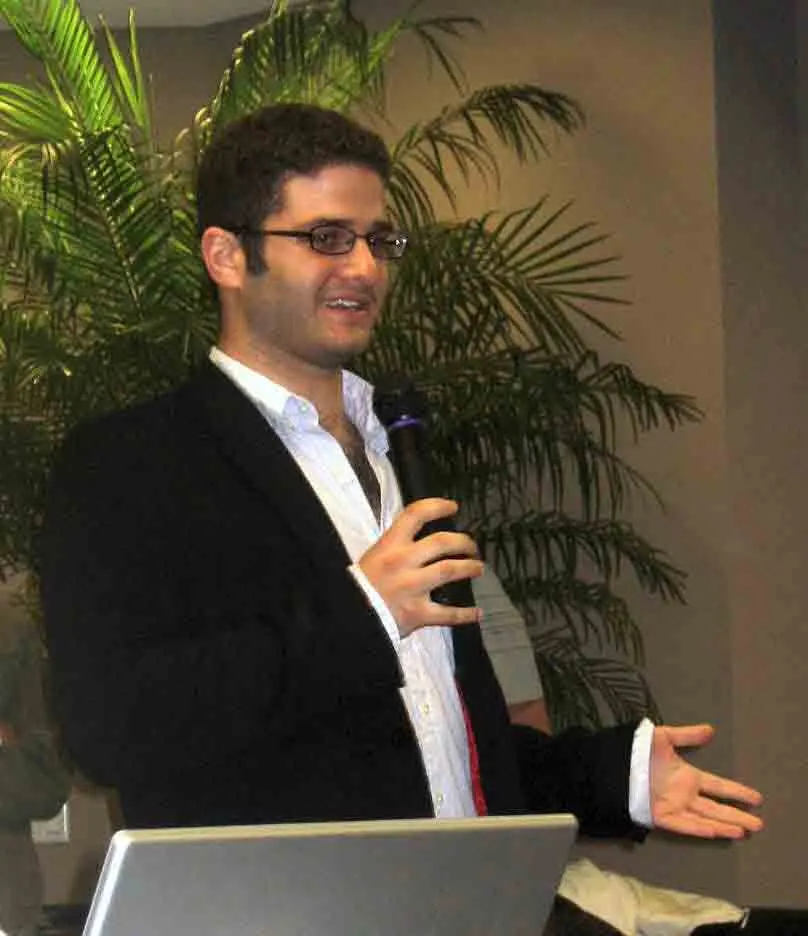

Dustin Aaron Moskovitz was born on May 22, 1984. He grew up in Florida, far from Silicon Valley’s mythology. He was bright, intense about computers, and comfortable spending long hours solving problems alone.
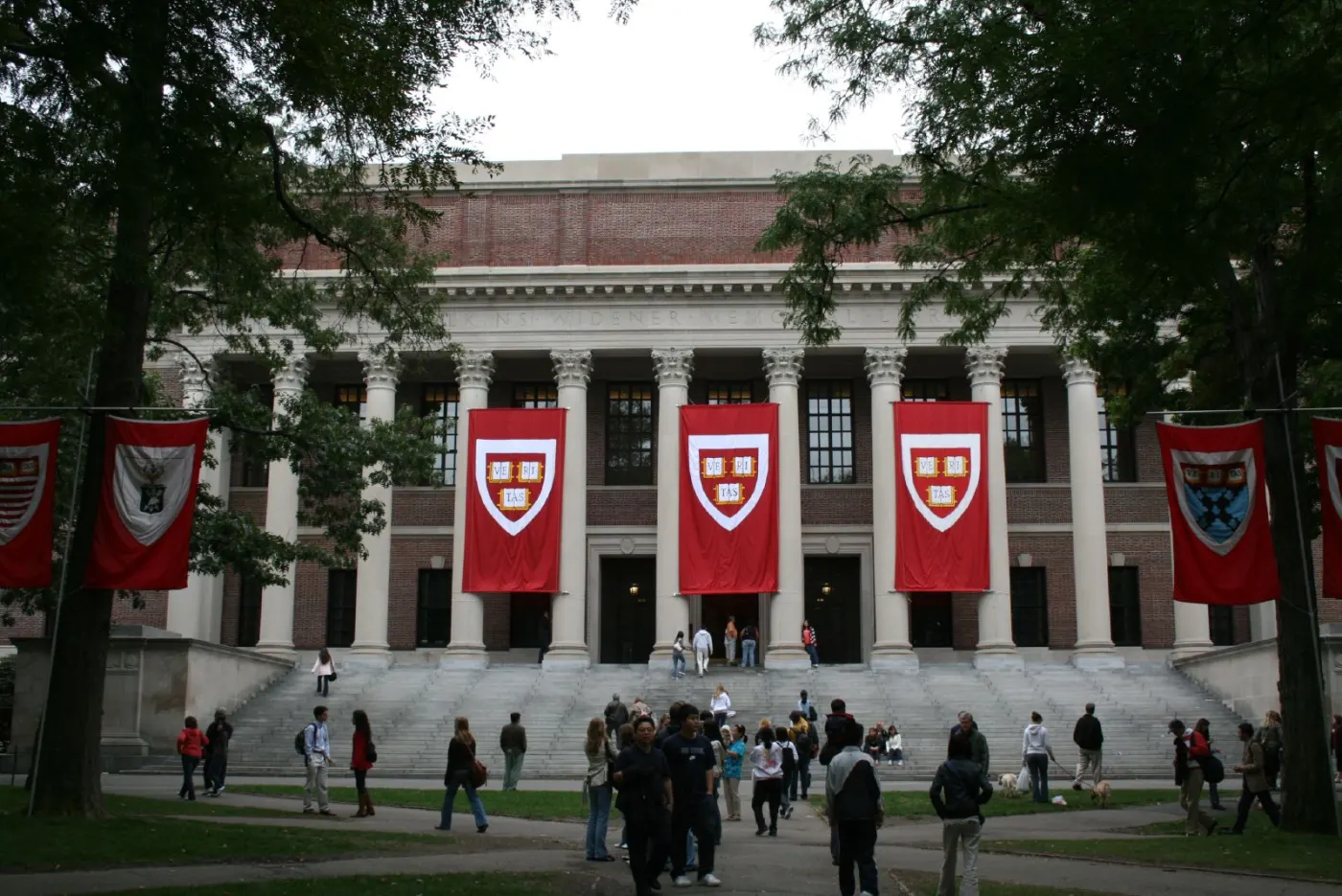
He enrolled at Harvard University. There he roomed with Mark Zuckerberg and joined a tiny circle that included Eduardo Saverin and later others who became part of Facebook’s founding legend. The dorm was not glamorous. It was cables, laptops, pizza, and urgency.
Moskovitz was not the loudest storyteller in the room. He was often the one shipping. In early Facebook lore, that mattered. Features had to work when thousands of students arrived at once. Servers had to survive popularity. Bugs had to die at 3 a.m.
Harvard gave him elite peers. Thefacebook gave him a mission.
Building Facebook from the inside
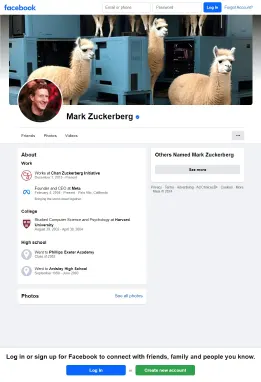

Moskovitz became Facebook’s first chief technology officer in spirit long before titles settled. He helped build the systems that let the site expand beyond Harvard to other schools, then to the world. Growth was a technical problem as much as a social one.
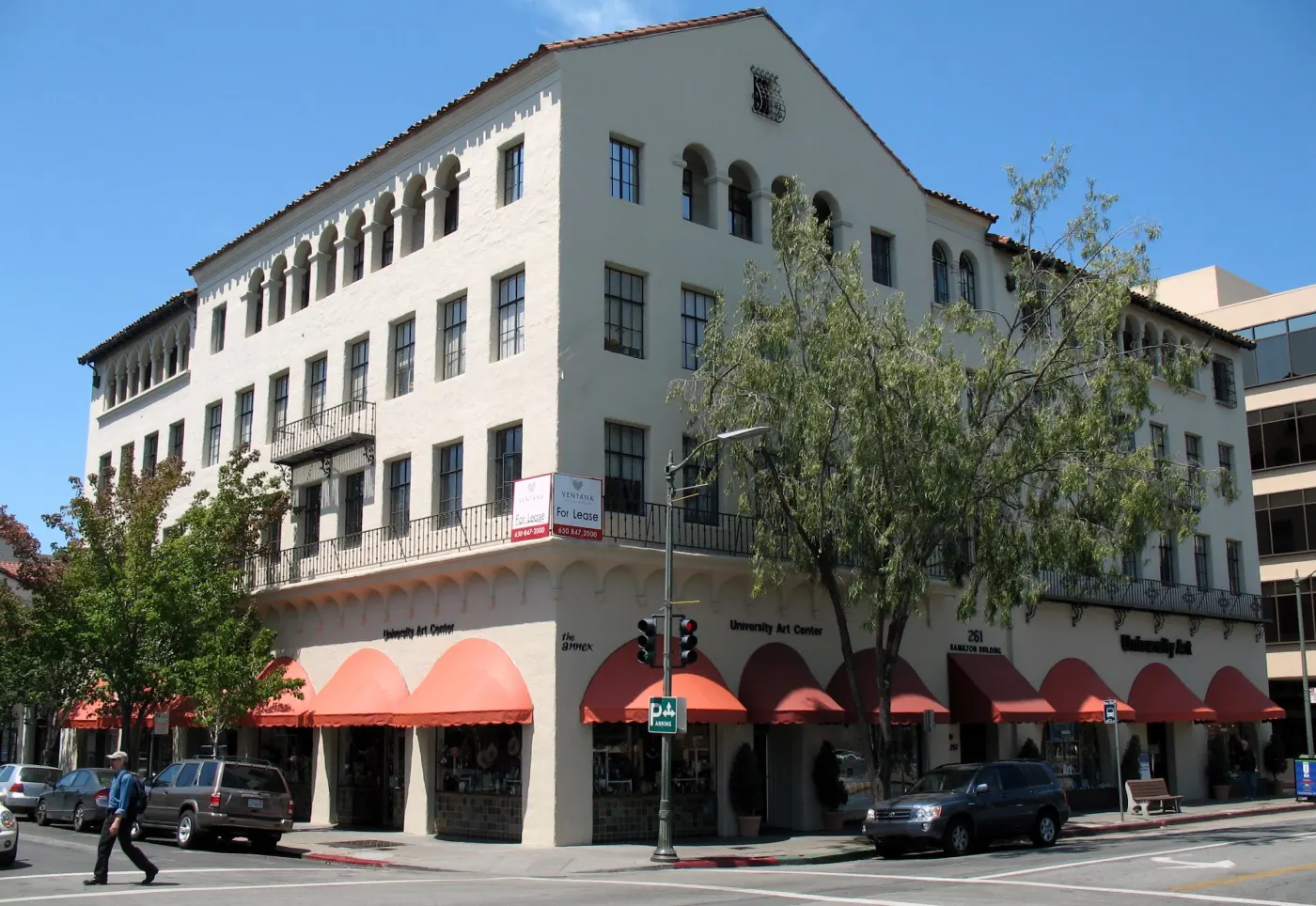
He moved with the company to Palo Alto. The office culture was young, competitive, and obsessed with speed. Moskovitz lived inside that pressure. Friends described him as thoughtful and sometimes shy in public, yet stubborn about engineering quality.
Facebook’s rise minted paper wealth that looked unreal on spreadsheets. It also created stress. Scaling a social network means moderation crises, outages, competitor threats, and moral questions that do not fit neatly in a sprint plan.
In 2008, Moskovitz left Facebook’s day-to-day. He was still young, still wealthy on paper, and still restless about how people worked together. Leaving a rocket ship sounds crazy until you remember what the rocket ship felt like on the inside: endless messages, unclear ownership, and meetings that multiplied like tabs.
That pain became product inspiration.
Asana: software for work that should not feel like chaos


With Justin Rosenstein, another strong product mind from Facebook and Google circles, Moskovitz co-founded Asana. The name nodded to yoga: balance, posture, presence. The pitch was practical. Teams needed a shared system of record for tasks, not a swamp of email threads.
Asana launched into a market crowded with project tools. It differentiated with design polish, flexible workflows, and a philosophy that work software should reduce anxiety. Moskovitz became CEO and the public face of a calmer kind of ambition.
The company raised venture capital and grew through freemium adoption inside startups and enterprises. Competitors included Jira, Trello, Monday.com, and later Notion-like suites. Asana’s bet was that clarity itself is a feature.
Going public put Asana on a scoreboard every quarter. Stock prices swung. Enterprise sales cycles tested patience. Moskovitz had to learn the difference between dorm virality and boardroom procurement.
He also had to lead without copying Facebook’s culture. Asana talked about mindfulness, inclusive management, and sustainable pace more than “move fast and break things.” Whether every ideal matched every day is a fair question. The intention was visible.
Money, giving, and effective altruism


Moskovitz and his wife, Cari Tuna, became major figures in modern philanthropy. Through Good Ventures and close ties to the Open Philanthropy project, they directed large gifts toward global health, scientific research, criminal justice reform, and other causes ranked by evidence and impact.
They were associated with effective altruism, a movement that asks donors to treat doing good like an engineering problem: measure, compare, update. Admirers praised the seriousness. Critics debated the movement’s blind spots and later controversies around other public figures in the same intellectual neighborhood.
For Moskovitz, giving was not a side hobby after the IPO party. It was a second operating system running beside Asana. Wealth from Facebook equity funded the ability to take bigger philanthropic swings than most founders ever can.
Hard times

Asana faced the classic SaaS squeeze: customers want simpler tools and more powerful tools at once. Big tech platforms bundled collaboration features into suites. Interest rates and tech selloffs punished growth stocks. Hiring and focus became harder when the market mood flipped.
Moskovitz also carried the strange weight of Facebook’s reputation. Even after leaving, he remained a co-founder of a company that reshaped politics, attention, and teenage life. Biography is not a clean split. Legacy sticks to your name.
Internally, building a values-forward company while competing hard is tense. Idealism meets quotas. Founders learn that culture is a product you ship every week, not a poster.
Where he is now

Dustin Moskovitz remains a defining owner and leader associated with Asana and a major philanthropist. Public estimates often place his net worth near ~$13B, largely from Facebook and Asana stakes. Treat rankings as weather reports.
He is less meme-famous than Zuckerberg. That seems intentional. Influence for him looks like product defaults and grant portfolios more than viral keynotes.
Legacy


Moskovitz’s legacy has two pillars. First, he helped build the social graph that connected billions. Second, he tried to civilize the workplace with software that makes responsibilities visible.
He also models a certain founder path: extract yourself from a defining company, start again, and route surplus wealth toward carefully argued good. Not every student will get a Facebook-sized lottery ticket. Many can copy the habit of noticing broken coordination and inventing a clearer system.
From a Florida childhood to a Harvard dorm to Palo Alto nights to philanthropy ledgers, Dustin Moskovitz kept choosing leverage. Sometimes leverage meant code that scaled friendships. Sometimes it meant code that scaled teamwork. Sometimes it meant money that scaled medicine and research.
Quiet does not mean small.
It can mean precise.
The roommate advantage and its cost
Being Zuckerberg’s roommate made Moskovitz early, essential, and forever compared.
Comparison is a tax. Every interview wants Facebook gossip. Every profile wants a rivalry narrative. Moskovitz usually steered back to systems: how teams assign work, how goals cascade, how software can lower the temperature of collaboration.
That temperament shaped Asana’s brand. Where some productivity tools celebrate hustle theater, Asana sold clarity. The company still had to hustle. Sales teams still chased seats. Engineers still shipped under deadline. The difference was the story Moskovitz wanted employees to tell themselves about why the grind mattered.
He also learned that equity wealth is volatile psychology. Paper billions can feel abstract until taxes, diversification, and philanthropy make them concrete. Choosing to give aggressively is a product decision about your life’s second act.
In the end, his biography is not only about a dorm website. It is about what a founder does after the first miracle: whether he chases applause or builds quieter infrastructure for other people’s best work.
Building after the feed
There is a special difficulty in founding a second company after a once-in-a-century first company.
People expect fireworks. Moskovitz offered workflow.
That choice revealed his values. He did not need another fame engine. He needed a problem worthy of decades. Work software is unglamorous until you realize civilization runs on coordinated tasks. Hospitals, schools, startups, and nonprofits all drown without shared clarity.
By pairing Asana with serious philanthropy, he sketched a full-stack identity: build tools that help teams execute, then fund efforts that help humanity survive and flourish. Not perfect. Not finished. Distinct.
His story tells ambitious students that you can be present at the birth of a giant platform and still author a second chapter that sounds like your own voice.
Asana's philosophy of work
Moskovitz argues that clarity reduces suffering at work. That philosophical claim sits underneath features like goals and task ownership. Whether every workplace becomes calmer is doubtful. That a billionaire co-founder spent his second act on the problem is notable.
Effective altruism ties stretched his identity into global ethics debates. He kept funding through controversy around the broader movement, insisting on evidence. History will keep auditing those choices.
More context on the long arc (1)
The public remembers launches and exits. The real biography hides in the years of repetition: hiring, apologising, rewriting roadmaps, and choosing what not to build. Dustin Moskovitz lived those repetitions inside markets that reward impatience.
Numbers such as company valuations and net worth estimates are weather. Character is climate. The climate here includes resilience, taste, and a willingness to be misunderstood early.
Students reading this pack should track decisions under uncertainty, not only trophies after certainty arrives. That is where founder skill actually lives, between the press releases.
More context on the long arc (2)
The public remembers launches and exits. The real biography hides in the years of repetition: hiring, apologising, rewriting roadmaps, and choosing what not to build. Dustin Moskovitz lived those repetitions inside markets that reward impatience.
Numbers such as company valuations and net worth estimates are weather. Character is climate. The climate here includes resilience, taste, and a willingness to be misunderstood early.
Students reading this pack should track decisions under uncertainty, not only trophies after certainty arrives. That is where founder skill actually lives, between the press releases.
Watch alongside this story
Short cuts from interviews, keynotes and launches. Each plays only the moment that matters.