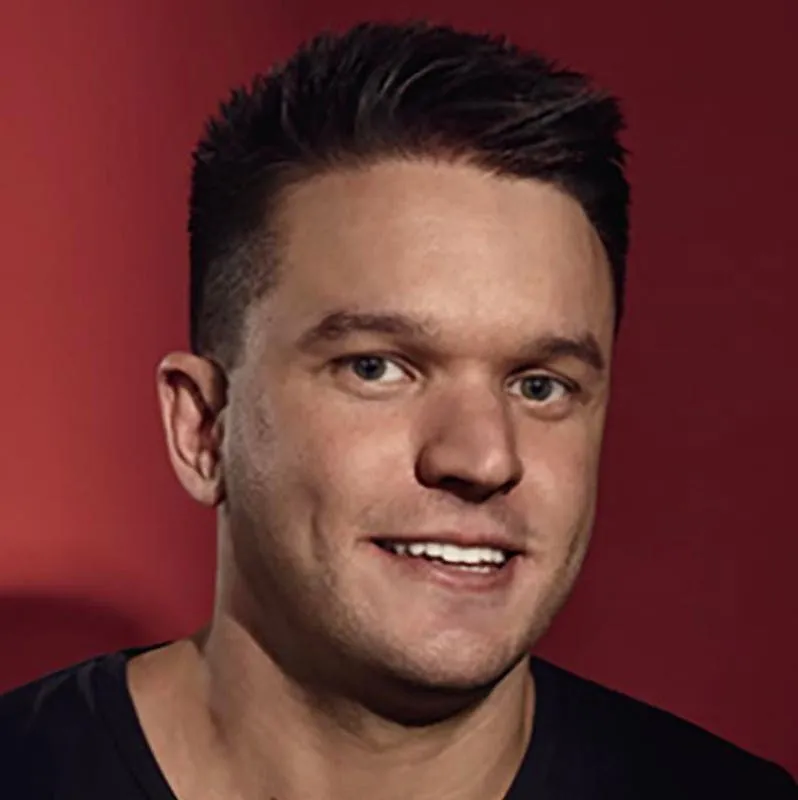
The Teen Who Staked a Casino on Crypto
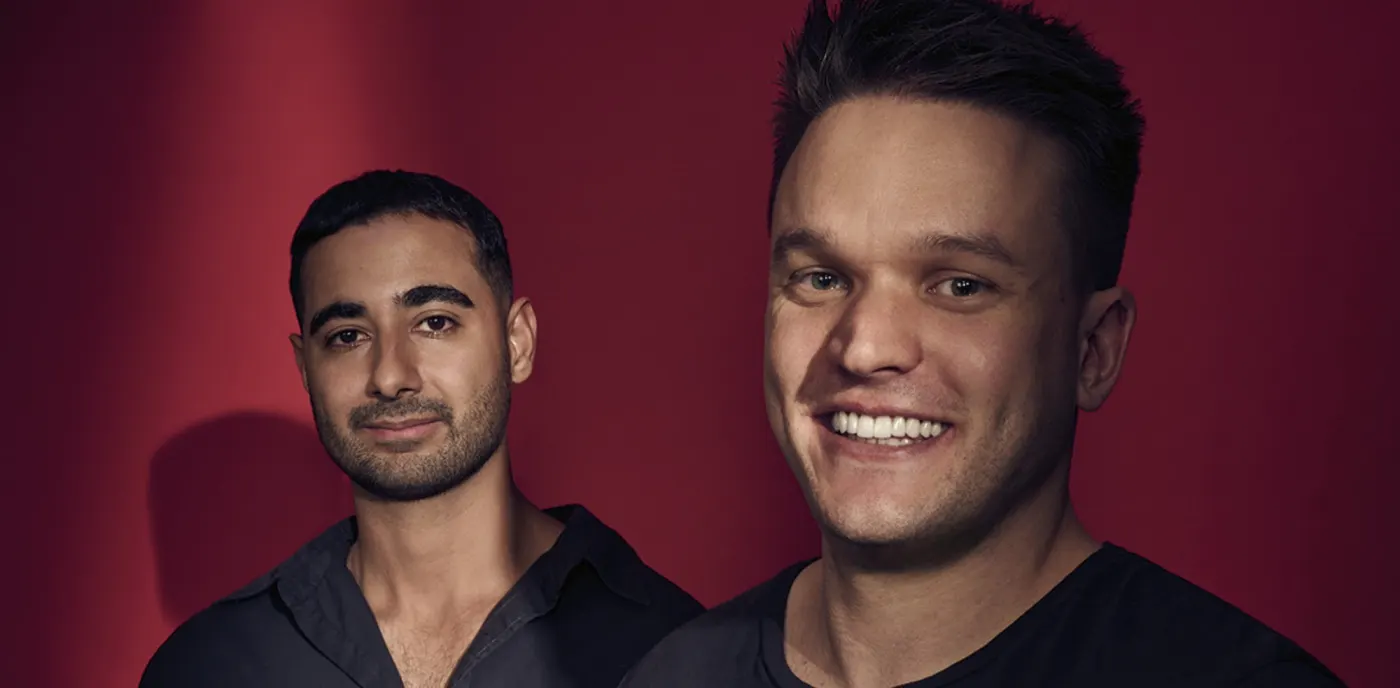
In September 2026, Forbes still listed Edward "Ed" Craven among the world's richest self-made young founders, with a real-time fortune near two point two billion dollars. The money did not come from a clean Silicon Valley Series B. It came from Stake.com, a crypto-native online casino that Forbes called the largest of its kind, and from Kick, the livestreaming app Craven and his partner built after Twitch shut the casino's ads out of the biggest gaming chat rooms on earth. Craven was about thirty. He lived and worked out of Melbourne. The brands he backed sat on Formula One cars, Premier League shirts, and UFC octagons. The story behind them started in a game that was never supposed to mint billionaires.
RuneScape, staking, and a friendship that stuck
Craven grew up in Australia in the mid-1990s internet. Like a lot of restless teenagers, he spent hours inside RuneScape, the fantasy massively multiplayer game where digital gold mattered as much as hit points. Players dueled. Winners took loot. The slang for putting that loot on the line was staking. Forbes later reported that Craven and Bijan Tehrani first met in that online world, turning player-versus-player fights into a teenage side hustle until the game's owners made clear they did not like the market forming inside their map.
The detail sounds small. It is the whole biography in miniature. Craven learned early that attention, risk, and a clear payout screen could move money faster than a classroom lesson about careers. He also learned that platforms write the rules. When a game company clamps down, the hustle either dies or migrates. He would migrate.
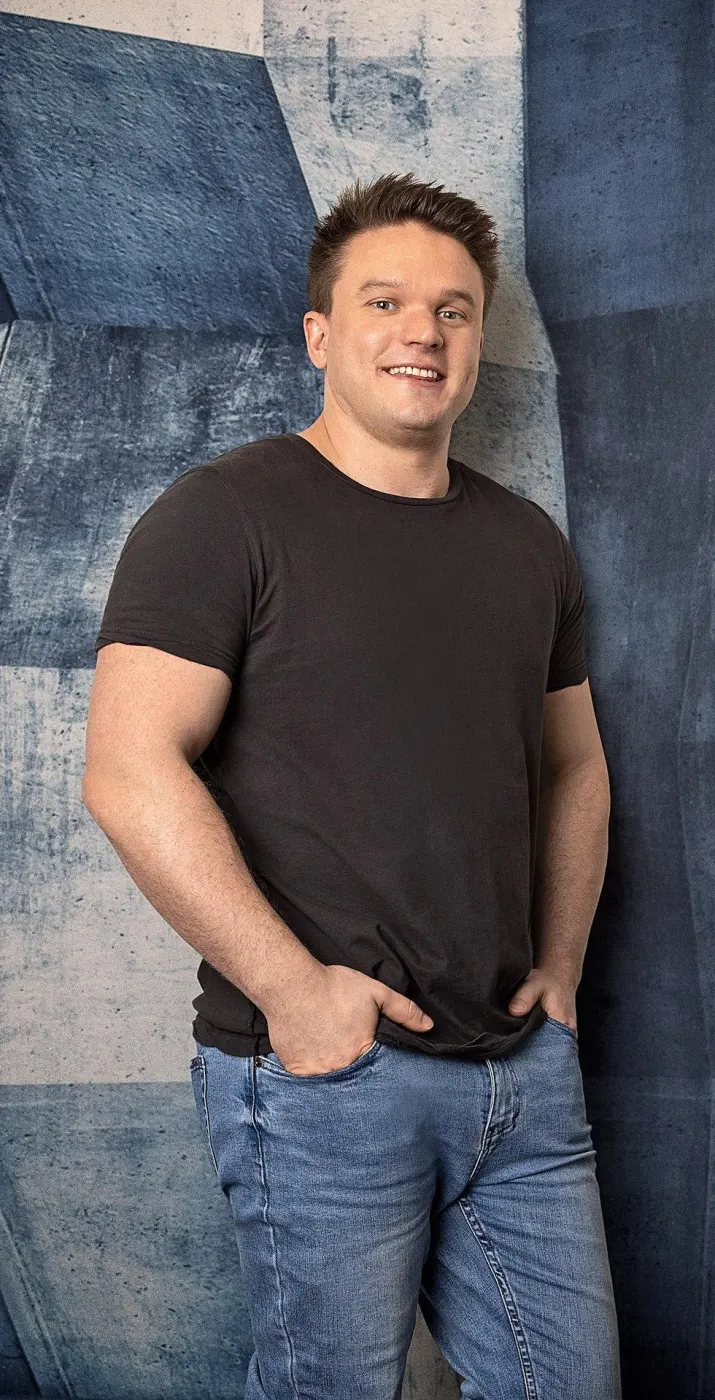
Bitcoin at a hundred dollars and Primedice
Around 2013, when Bitcoin still traded near a hundred dollars, Craven and a small circle of friends coded a bare-bones dice game that let players bet crypto on a virtual roll. The product became known as Primedice. It was not a marble lobby with a chandelier. It was a webpage, a random number, and a wallet. That was enough. Early crypto gamblers wanted speed and anonymity more than carpet. Primedice made enough money that the teenage builders could treat it like a full-time job while classmates still argued about university majors.
Those years were messy by design. Crypto law barely existed. Online dice sites lived in a grey zone where a licence from a small offshore jurisdiction and a working cold wallet mattered more than a polished investor deck. Tim Heath, a crypto casino veteran later quoted by Forbes Australia, described the early operators as community leaders more than spreadsheet executives. Craven belonged to that generation. He shipped first and hired accountants later.
Easygo on Collins Street
By spring 2016 the side project had become a company. Craven and Tehrani opened an office in Melbourne and founded Easygo with roughly eighteen people. Public reporting from The Age and The Sydney Morning Herald later placed the team in the Royal Bank Chambers building on Collins Street, the kind of CBD address where a visitor might expect lawyers, not a crypto casino brain trust. Instagram scraps from the era showed staff lunches, boat days, and office games with phone prizes. From the street, Easygo looked like a young game studio. Inside, the studio was learning how to build casino software at internet speed.
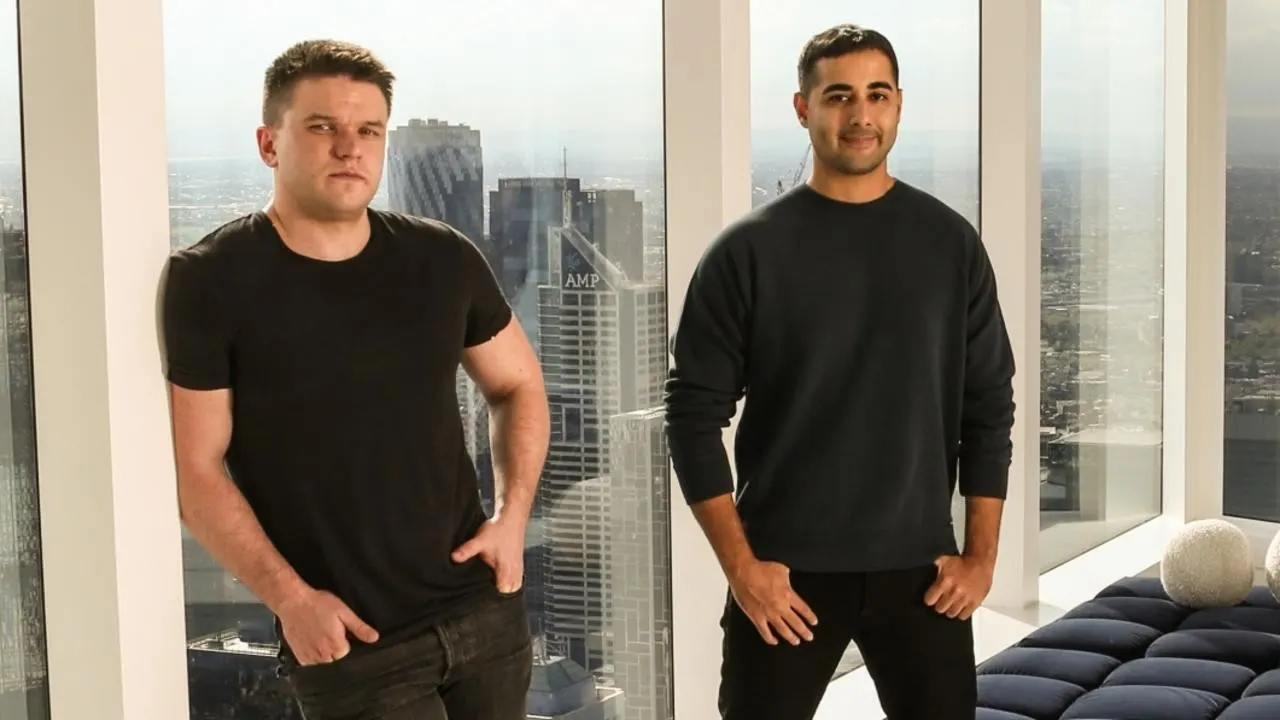
Stake.com launched the next year, in 2017. The public face of the business sat behind a Curacao licence held by an entity often listed as Medium Rare N.V. The product offered slots, table games, and later a sportsbook, with deposits and withdrawals in cryptocurrency. Players saw dollar-denominated bets on the screen. The rails underneath were Bitcoin, Ether, and other coins that moved without a traditional bank wire. That design was both marketing and strategy. Crypto wallets let Stake reach customers in places where card processors and gambling banks would have slammed the door.
Craven did not give The Age a long interview when journalists knocked in 2021. He declined politely. The investigation still mapped an Australian story wrapped in Caribbean paperwork: founders and key staff in Melbourne, games built by Easygo, a licence stamped offshore, and a legal posture that Australian law allowed an online casino to be run from the country so long as it did not serve or advertise to people inside Australia. Anti-gambling advocates called the arrangement a loophole that should close. Money-laundering specialists said the structure sat outside Australia's usual banking checks. Craven's public reply, when he spoke elsewhere, stayed focused on product and perception rather than a courtroom defense.
The pandemic rocket and the Drake megaphone
Stake's early growth was real but still niche. Then the pandemic locked people indoors and Twitch viewership more than doubled. Craven's team had already been paying creators to gamble on stream, sometimes at reported rates of a million dollars a month or more. Livestreamed risk turned out to be free advertising with a chat room attached. Forbes later charted Stake's gross gaming revenue rising from about one hundred million dollars in 2020 to more than two billion dollars by 2022. The company remained privately held and, by multiple accounts, still split between the two founders without a parade of venture firms on the cap table.
In 2022 Stake struck a blockbuster partnership with Drake, reported near one hundred million dollars. The rapper's face and catchphrases turned an offshore crypto casino into a mainstream meme. Watford Football Club shirts carried the brand. UFC cages and later Formula One paint jobs followed. Tehrani told Forbes that some of the biggest sponsorship cheques were not classic return-on-investment math. They were bets on owning attention once you had it. Craven's public quotes circled the same idea from another angle. Stake had fused two industries people loved to hate, crypto and gambling, and the company would always be climbing a hill of public doubt.
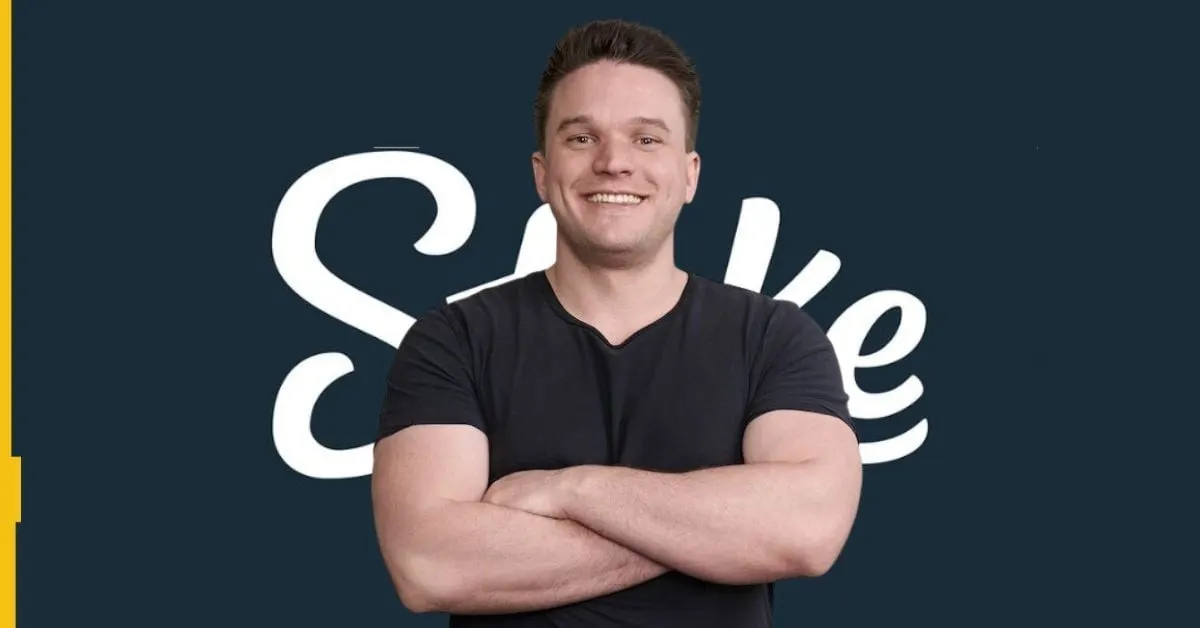
The founders started living like the numbers on the screen. Reporting put Tehrani in a Manhattan townhouse once linked to the Rockefeller family, bought for tens of millions. Craven bought prestige homes in Melbourne's Toorak, with Forbes Australia later describing a combined price tag near seventy-six million Australian dollars. The houses were proof of cash flow in a business that still preferred crypto rails to quarterly earnings calls.
Twitch draws a line; Kick draws a crowd
Success drew regulators and platforms. Twitch moved to restrict or ban Stake advertising, citing consumer-protection worries. For a company whose growth engine was livestreamed gambling, that was an existential slap. Craven and Tehrani's answer was not a quieter media plan. In late 2022 they launched Kick, a livestreaming service aimed straight at Twitch's creators.
Kick's opening bid was brutal and simple. Streamers could keep about ninety-five percent of subscription revenue, against Twitch's long-running fifty-fifty split. Multimillion-dollar contracts pulled big names across. In a short on-camera answer about Kick's partnership program, Craven said the company was paying out about two point four million U.S. dollars a week, a little under four hundred thousand dollars a day, and called the spend worth it because creators deserved to be paid like stars. The clip is blunt. It sounds like a payroll philosophy disguised as a flex.
Kick grew fast enough to scare incumbents and messy enough to scare advertisers. Critics said loose moderation made the app a home for extreme or illicit content. Forbes estimated the platform was losing millions of dollars a month and more than a hundred million dollars since launch. Craven and Tehrani told interviewers they were investing for growth, not for a tidy quarterly profit. In one long sit-down later recirculated as "Confronting the CEO of Kick," Craven argued that Kick and Stake kept separate profit-and-loss lines even while sharing engineering muscle, the way a big tech holding company runs sibling apps. He also kept returning to a cultural point. New platforms look embarrassing until they do not. TikTok had that arc. He wanted Kick to earn the same patience.
How he works
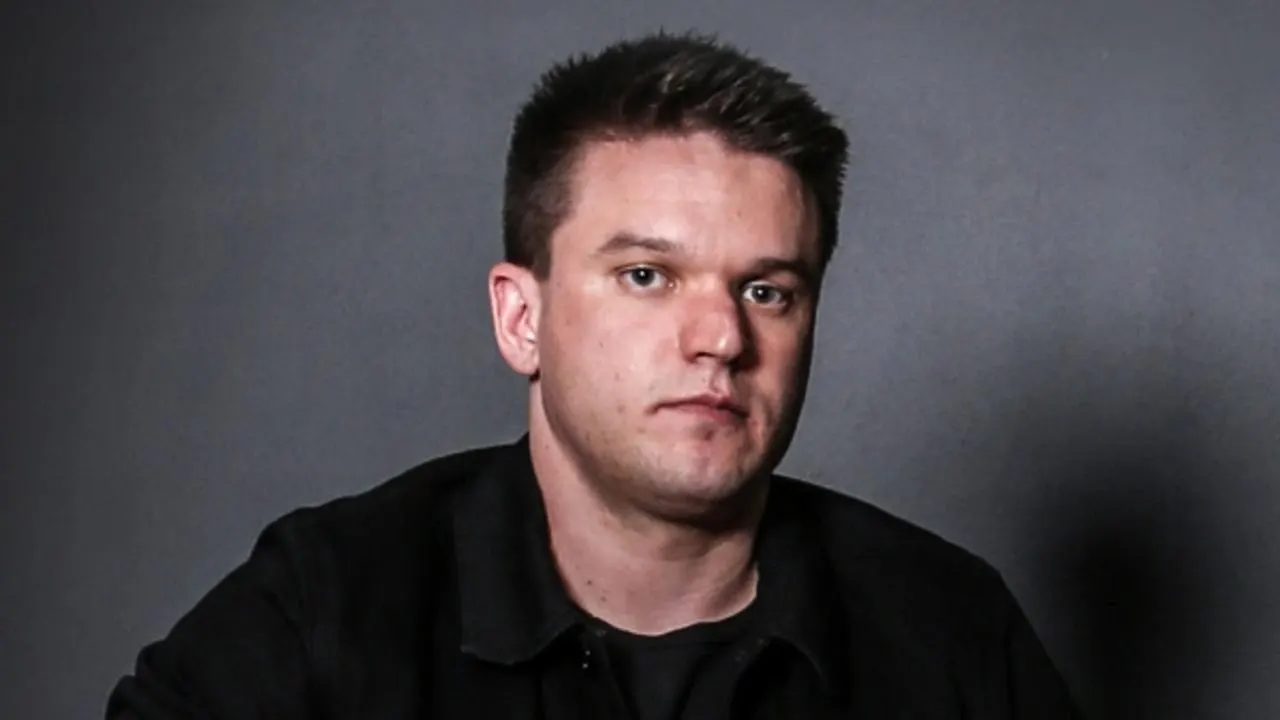
Craven does not perform as a polished Davos founder. In interviews he wears black t-shirts, talks in operational sentences, and rarely romanticizes the casino floor. He frames Stake as a product problem: faster wallets, stickier games, louder distribution. He frames Kick as a creator-economics problem: pay more, ship features, survive the reputation war long enough for advertisers to soften. When Forbes Australia pressed him on legitimacy, he answered with the line that still defines the brand. They had combined two controversial technologies and industries. Beating public perception would always be uphill.
Partners describe a two-man core that stayed fifty-fifty through the cash explosion. Tehrani often sounds more expansive about splashy marketing. Craven often sounds more like the operator watching churn, payout queues, and creator invoices. Both men convert a lot of crypto revenue into fiat according to Forbes, because, as Craven put it, they were already in the gambling business and did not want to double down on coin volatility.
Inside Easygo, the culture reporters glimpsed was young, Melbourne-local, and comfortable with risk that traditional Australian wagering companies treat as radioactive. Staff LinkedIn pages blurred Easygo and Stake titles. Facebook page admins for Stake and Primedice clustered in Australia. The company looked global on a sports jersey and local on a Friday lunch.
The legitimacy project
By the mid-2020s Stake was no longer only an offshore crypto shop. The company hired legal and compliance staff, tightened verification, and opened or pursued regulated, often non-crypto, operations in markets such as the United Kingdom, Portugal, Italy, and Colombia, with a social-casino style product aimed at the United States where real-money crypto casino play stayed restricted. Forbes reported Stake's 2024 gross gaming revenue near four point seven billion dollars even while large parts of the rich world remained closed. The paradox is the business model. Ban lists and grey lists shrink the map. Marketing and creator deals expand the room that is left.
Sports sponsorships became the respectability costume. A Formula One naming deal reported near one hundred million dollars over three years put Stake on cars that ordinary families watched on Sunday. Premier League shirts and UFC placements did the same job in different living rooms. Critics called it gambling advertising dressed as sport. Craven's camp called it brand building in the only arenas that still felt mass.
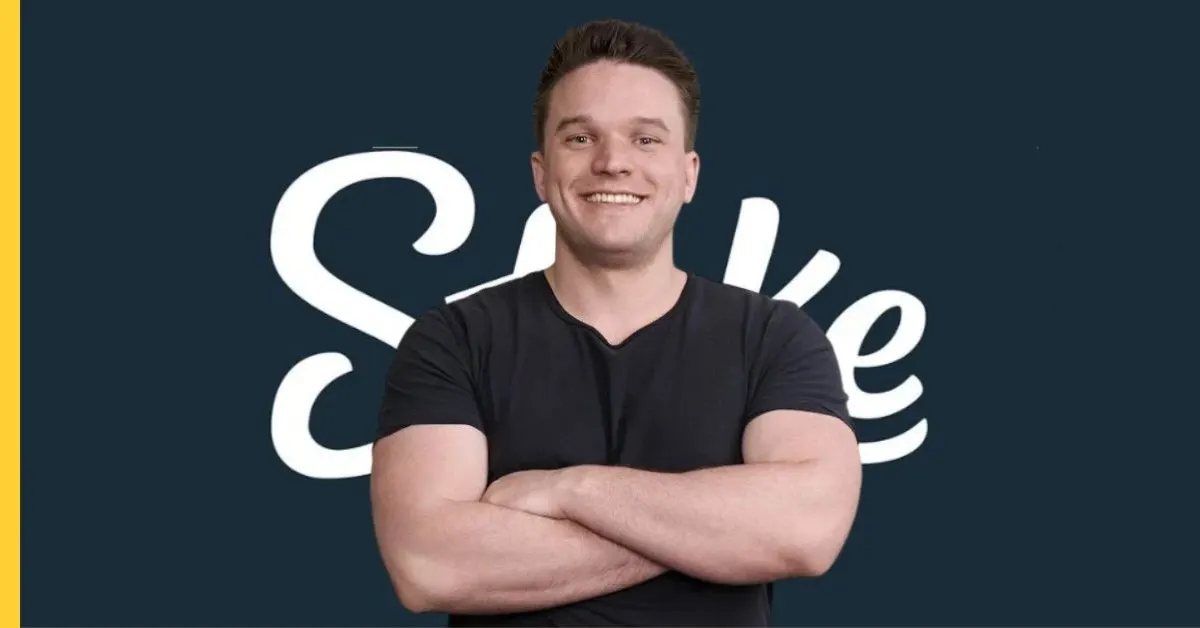
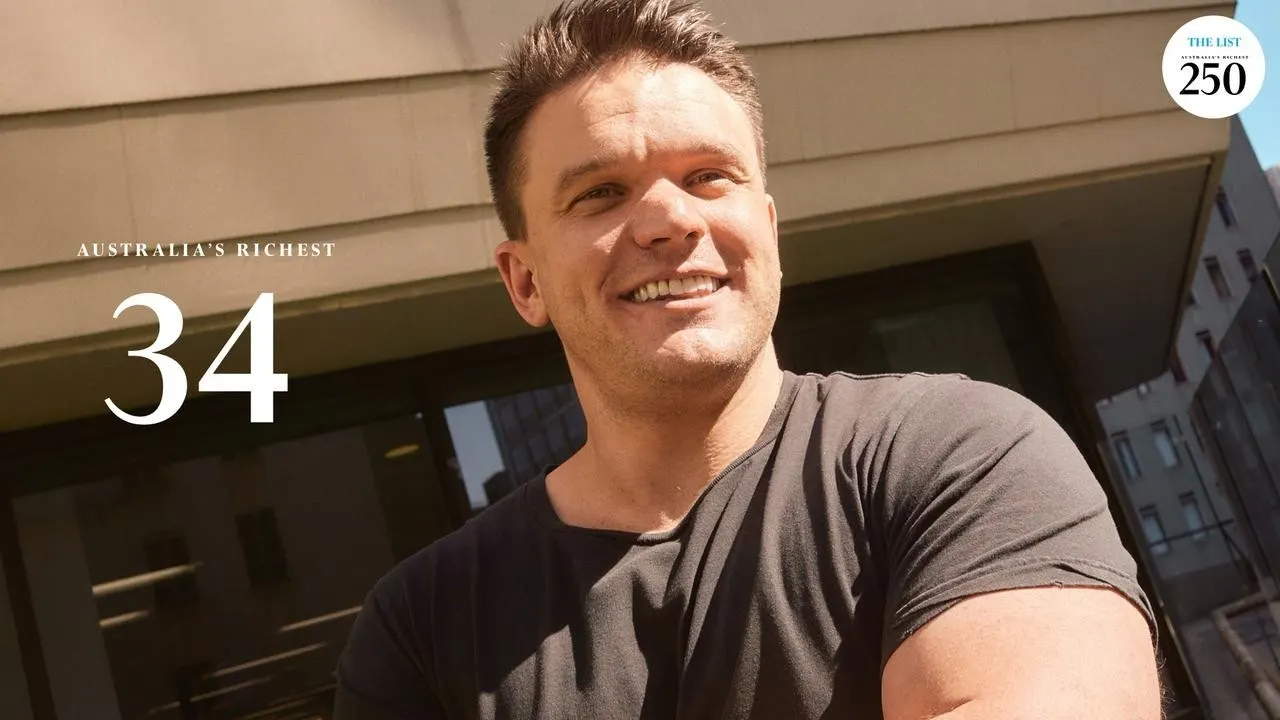
Money, houses, and a country that stares
Forbes Australia's 2024 cover package valued Craven and Tehrani near two point eight billion dollars each at one point, a combined fortune that made them two of the youngest self-made billionaires on the planet. By September 2026 Craven's Forbes real-time quote sat nearer two point two billion, still absurd for a founder who started with dice scripts. The Age's 2021 investigation had valued Stake more cautiously near a billion dollars when the brand was less famous. The jump between those estimates is the pandemic livestream era in one chart.
Australia did not know how to feel about that chart. The country already led the world in gambling losses per person. Watching two Melbourne founders export casino software through crypto wallets and Curacao paper felt, to Reverend Tim Costello and other campaigners, like another chapter of national capture. To Craven's employees it felt like a start-up that had simply won. Both descriptions can be true in the same city.
2026: still climbing the hill
As of 2026 Craven remains co-founder and public face of Stake and Kick through the Easygo sphere. Stake is still the cash engine. Kick is still the expensive bet on creator loyalty. The F1 paint, the UFC octagon logos, and the streamer payroll all depend on one stubborn fact: enough players keep depositing crypto, and enough viewers keep watching people risk it on camera.
Craven's biography is not a neat morality play. It is a product biography. A teenager learned that digital stakes could pay. A young man in Melbourne built a casino the banks would not underwrite. A platform ban forced a second company into existence. Billions followed. Legitimacy did not fully arrive. In his own words, that was always going to be the hard part.
Childhood Australia and the internet as a second suburb
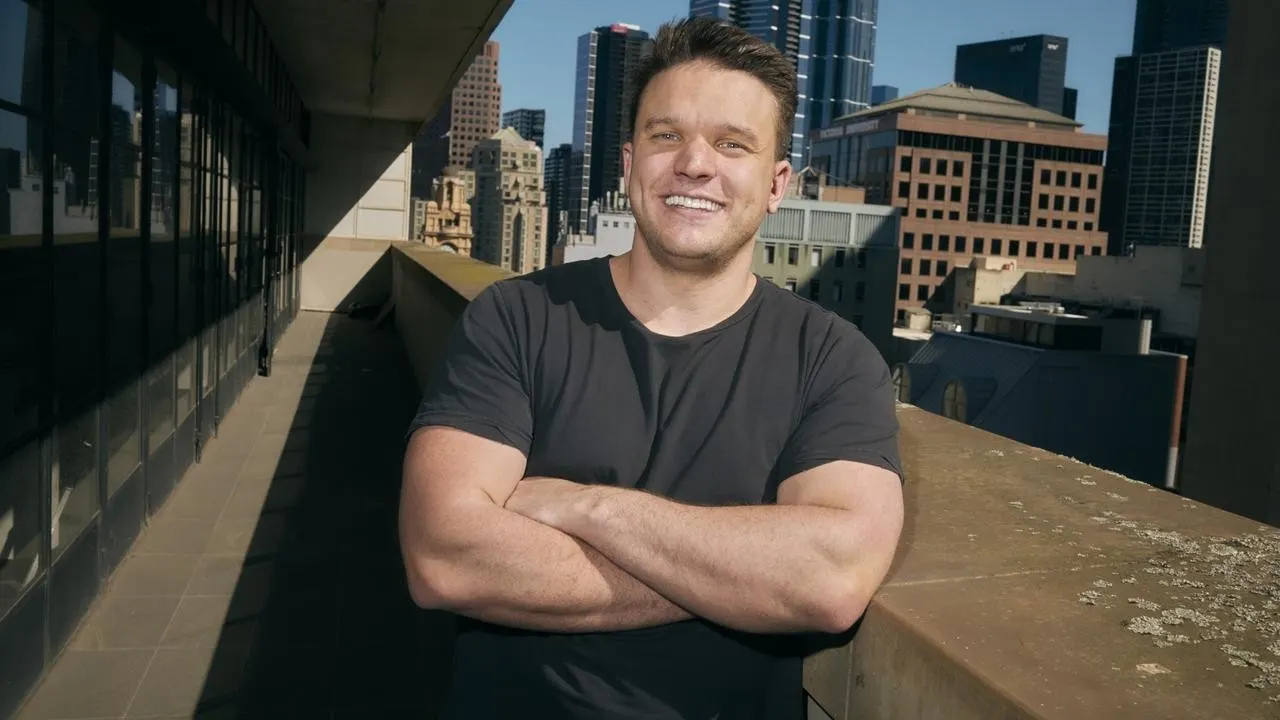
Public profiles list Craven as Australian and place his adult life in Melbourne. He has not flooded the internet with a polished childhood memoir. What he has allowed into the record is simpler. He was online early. Games were not a side hobby after homework. They were the place where status, money, and friendship already mixed. RuneScape's staking pits taught him that a crowd will watch risk if the rules are clear and the payout is instant. That lesson aged better than most career advice handed to teenagers in the late 2000s.
Australia around him was already a hard-gambling culture by global standards. Pokies hummed in pubs. Sports betting ads owned the ad breaks. Craven's path did not invent the national appetite. It routed that appetite through servers, wallets, and later through livestream chat. When campaigners later said Stake was Australia exporting its gambling habit, they were describing a feeling many locals recognized even if they hated the companies making money from it.
Primedice as a factory floor
Primedice was tiny by later Stake standards and enormous by teenage standards. A dice game is almost a joke when you describe it out loud. Players pick a number range. A server rolls. Crypto moves. The house edge is the business. The craft is keeping the site up, keeping the randomness trusted, and keeping withdrawals flowing when Bitcoin's price is doing vertical leaps. Craven and his collaborators lived inside those operational details while the wider world still treated Bitcoin as a punchline or a bubble.
Those years also taught him distribution. Crypto Twitter, forum threads, and early YouTube explainers mattered more than a billboard on the freeway. Community trust was marketing. A delayed withdrawal could kill a brand overnight. A fair-feeling game with fast cash-outs could grow without a sales team. When Forbes later quoted industry peers calling early crypto casino builders "community leaders," they were pointing at this exact skill: hang out where the users hang out, ship what they ask for, and stay online when the coin chart goes insane.
Easygo: eighteen people and a CBD disguise
The 2016 Easygo office mattered because it made the teenage internet operation look like a company. Eighteen employees is small enough to share lunch and large enough to specialize. Some people built game clients. Some people handled payments. Some people learned the ugly vocabulary of gaming licences, beneficial owners, and payment-processor rejection letters. The Age's later reporting on Collins Street life, staff boat days, and phone-prize office games painted a start-up that enjoyed itself. The same reporting argued that enjoyment sat next to a serious regulatory arbitrage: build in Melbourne, licence in Curacao, block Australians hard enough to argue you were following the Interactive Gambling Act's letter.
Craven's refusal to sit for that investigation is part of the public record. So is the basic corporate sketch journalists assembled without him. Easygo as the studio. Stake as the consumer brand. A Curacao operator company on the licence line. Founders who could walk to a Melbourne cafe after a product meeting about an app used by bettors on other continents. The structure offended people who wanted gambling tightly squared inside one country's rules. It delighted people who believed the internet had already made that square impossible.
Building Stake into a full casino
Stake did not stay a dice page. Over the late 2010s it thickened into a catalogue: slots, live dealer tables, crash-style crypto originals, and a sportsbook that could take a position on football, basketball, or a UFC card. The point of crypto was not only ideology. Card networks and ordinary banks often refuse gambling merchants, especially offshore ones. A player with coins in a self-custody wallet could still arrive. That widened the map and complicated every compliance conversation Stake would later try to have with regulated jurisdictions.
Product culture inside a crypto casino rewards speed. New games, new rakebacks, new VIP ladders, new chat features. Craven's public comments rarely linger on a single feature name. They linger on the machine that produces features: hire hungry people, watch what streamers make popular, spend on distribution until the brand feels inevitable. Tehrani's Forbes line about spending beyond neat ROI math fits that machine. Attention was the scarce input. Money was the tool used to buy it.
Numbers that stopped sounding real
Forbes' chart of Stake's pandemic years still reads like a misprint. About one hundred million dollars of gross gaming revenue in 2020. More than two billion by 2022. Later company and Forbes notes put 2024 gross gaming revenue near four point seven billion dollars. Those figures are not profit. Gross gaming revenue is the house's take before expenses, sponsorships, creator deals, and the cost of running Kick at a loss. Even so, the scale explains the houses, the F1 paint, and the ability to fund a Twitch rival from casino cash flow instead of a SoftBank term sheet.
Self-funding shaped temperament. Venture-backed founders learn to narrate a future for investors. Craven learned to narrate a present for players and creators. The weekly Kick partnership number he recited on camera was a present-tense flex. So were the VIP host programs and the sudden six-figure streamer contracts. Cash on hand let Stake and Kick move at the speed of internet drama.
Drake, shirts, and the loudest billboard money can buy
The reported Drake deal in 2022 was less an endorsement than a weather system. A global pop star who already loved high-stakes sports betting became a walking billboard for a crypto casino many parents had never heard of. Clips of big wins and bigger losses traveled farther than any static banner ad. Stake's earlier Twitch strategy had proved that audiences would watch gambling if a charismatic player sat in the chair. Drake made that chair stadium-sized.
Sports inventory did the rest. Watford's shirt deal, later Premier League placements, UFC integration, and Formula One naming rights put the word Stake in places regulators find hard to ignore and fans find hard to avoid. A hundred million dollars over three years for F1 naming, as reported in the business press, is not a subtle brand whisper. It is a decision to be unmissable. Craven's team treated unmissable as a feature. Critics treated it as proof that gambling advertising had captured sport. Both readings feed the same headline: the company had left the forum and entered the arena.
What Twitch's ban really taught them
When Twitch squeezed Stake advertising, the easy analysis was moral: a big platform protecting users. The operator analysis was colder. A distribution channel that can erase you overnight is not a partner. It is a landlord. Kick was the decision to buy the building. Paying creators ninety-five percent of subscriptions was the decision to make the building impossible to ignore.
That generosity has a casino-shaped shadow. Skeptics argue Kick's economics only work while Stake's profits underwrite them. Craven answers, in long interviews, with corporate structure talk. Shared engineers. Separate books. A belief that livestreaming can become its own business if the creator terms stay better than the incumbent's for long enough. Whether that belief clears in 2027 or 2028 is still an open market question. Forbes' estimate of nine-figure cumulative Kick losses shows how expensive the question has been.
Creator politics on Kick have been loud. Big streamers arrive with contracts, fight with management in public, leave, return, or threaten to. Craven has had to learn a skill Primedice never required: being the boss in other people's live dramas. The confronting Kick CEO interview shows him patient, sometimes clipped, always trying to pull the conversation back to retention, monetization, and cultural patience. He is not trying to win a philosophy seminar. He is trying to keep a platform alive long enough for the embarrassment phase to end.
Regulation as a second product
Stake's legitimacy project is slow by design. Opening in the United Kingdom or another licensed market means accepting slower payments, heavier identity checks, tighter ad rules, and often less crypto romanticism. It also means a path to bank partnerships and a quieter night's sleep for executives who do not want their whole empire to depend on one Caribbean licence category. Craven's public posture has been that Stake must grow into something that can last decades, not only a boom cycle. Hiring lawyers and compliance staff is less cinematic than signing a rapper. It may matter more to the 2030 version of the company.
The United States remains a special puzzle. Real-money crypto casino products face a thicket of state and federal constraints. Social casino and sweepstakes-style products are the usual wedge. Stake's American experiments sit in that wedge. They will not, by themselves, recreate the offshore revenue engine. They are flags planted for a future map.
How Craven decides
Across interviews, a pattern holds. Craven likes clear incentive math. Pay creators more than Twitch and they will test you. Pay for attention in sport and people will learn your name whether they approve or not. Keep fiat buffers because crypto prices whip. Separate risky new products enough that a failure does not delete the cash cow. He is less interested in sounding humble than in sounding coherent. The biography is full of controversy. The decision style is strangely conservative once you accept the industry he chose.
He also stays geographically stubborn. Melbourne is not Monaco. Collins Street is not Dubai Marina. Running a global grey-to-regulated gambling and streaming group from an Australian CBD keeps the founders close to a talent pool of engineers and traders who understand both sport and software. It also keeps them inside a country that will keep arguing about them.

Tehrani, the other half of the bet
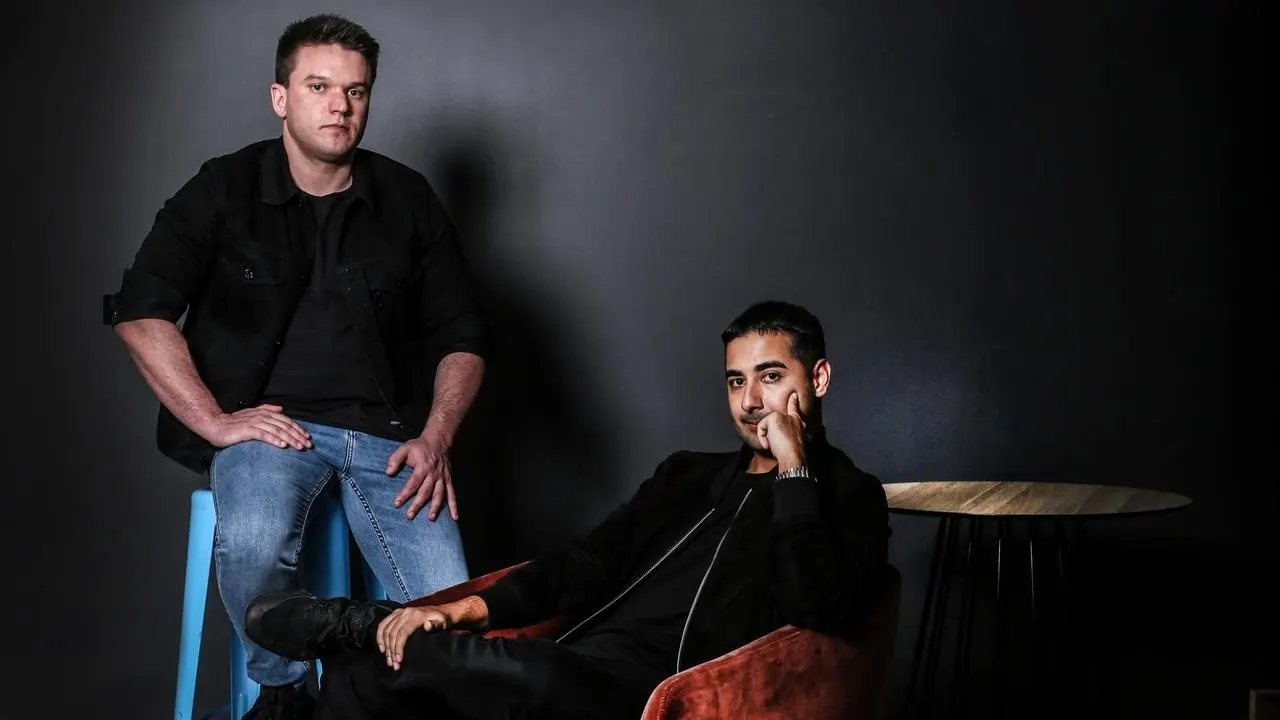
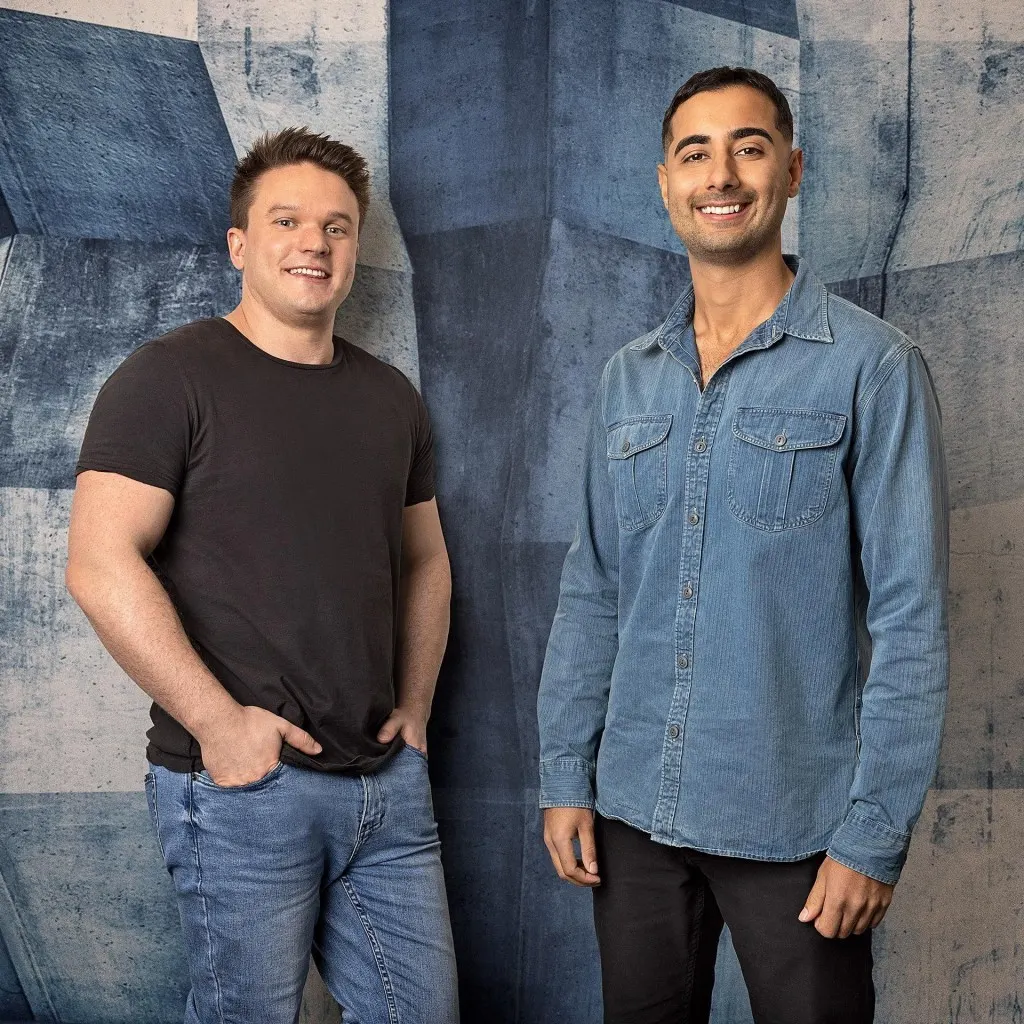
Any honest Craven biography is also a Tehrani biography. The partnership began in a game and survived the jump to offices, licences, sports deals, and a second unicorn-scale app. Fifty-fifty ownership, as repeatedly reported, is rare at this magnitude. It forces a kind of permanent negotiation. Marketing taste, risk appetite, and public face can differ by the day. The shared fortune is the glue. So is the shared memory of being two kids who figured out that digital gold could become real gold if you built the exchange layer yourselves.
The unfinished argument
As of 2026 the argument around Ed Craven is unfinished because the category is unfinished. Crypto casinos still sit in a patchwork of bans, licences, and shrug-shaped grey zones. Livestreamed gambling still sits in a fight between platforms, payment firms, and politicians. Kick still sits between breakthrough and punchline depending on which week of drama you sample. Craven's personal wealth, still measured in billions on Forbes' real-time list, does not settle the argument. It only proves the old teenage insight scaled.
He remains, on camera, a black-t-shirt operator from Melbourne who talks about payouts and patience. The RuneScape kid is still visible in the billionaire. He is still looking for a room where risk is the show, the rules are coded, and the house keeps a cut. The rooms got larger. The cameras got brighter. The hill of public perception, by his own admission, is still a climb.
VIP rooms, affiliates, and the invisible sales force
Stake's public face is celebrity. Its private engine is VIP management and affiliate links. High rollers get hosts who remember time zones and favorite games. Mid-tier players arrive through streamer codes and comparison sites that take a cut of net losses. This is ordinary iGaming infrastructure, rebuilt for crypto settlement speeds. Craven's skill was not inventing the VIP host. It was wiring that host model to livestream culture so that the sales force could be a thousand creators talking into webcams at once.
Affiliates create a permanent tension. They push volume. They also push the brand into corners a compliance officer hates. Kick intensifies the tension because the same human might be a Stake affiliate, a Kick streamer, and a walking controversy. Craven's interviews show him trying to hold a line: creators can be chaotic; payments should be professional; moderation should improve without turning Kick into a museum. Whether viewers believe him depends on which clip they saw last.
A day measured in chat, not in board decks
People who work with hypergrowth consumer apps talk about dashboards. Craven's dashboards include creator Discord complaints, sportsbook margins on a Premier League Saturday, crypto withdrawal queues when Bitcoin dips, and the soft metrics of whether Kick feels culturally embarrassing this month or last month. That mix is why he sounds operational even when the backdrop is a luxury apartment. The business never becomes abstract. Someone is always depositing, withdrawing, raging in chat, or asking when the next payout lands.
The Melbourne clock matters. European football peaks at night. North American UFC cards land at strange local hours. Crypto never sleeps. A founder who stays in Australia accepts a life of evening stand-ups and morning postmortems. Craven has not relocated the myth to London or Miami. The choice keeps Easygo's hiring rooted in a city with strong universities and a deep sports-betting vernacular.
Reputation management without a halo
Most founder biographies eventually reach for a charity chapter or a clean tech rebrand. Craven's public record is thinner there, at least as of 2026. The legitimacy campaign runs through licences, sponsorships, and creator pay, not through a signature climate pledge. That absence is informative. He is not primarily selling moral uplift. He is selling games, streams, and the feeling that the payout will arrive. When he talks about perception, he talks about it as a competitive obstacle, not as a spiritual conversion.
Journalists and campaigners will keep writing him as a symbol of Australia's gambling excess. Fans of Kick will keep writing him as the person who paid creators properly. Sports fans will keep seeing his brand on a jersey and shrugging. All three audiences are part of the same market he built. The biography does not need to pick a choir. It only needs to show how a RuneScape staker learned to keep all three rooms noisy at once.
Product taste: speed over ceremony
Watch Craven on camera long enough and a product aesthetic appears. He likes obvious incentives. Ninety-five percent is obvious. A weekly partnership number spoken out loud is obvious. A sports logo on a car is obvious. Crypto deposit in, crypto withdrawal out is obvious to the user even when it is nightmare fuel for a bank. He rarely sells mystery. He sells a dial turned further than the incumbent was willing to turn.
That taste has limits. Obvious incentives can attract bad actors as efficiently as star creators. Kick's moderation controversies are the tax on the same dial. Stake's regulatory fights are the tax on crypto convenience. Craven's bet is that you can pay the tax and still outgrow the people who refused to turn the dial. The 2024 revenue figures say the casino side of the bet worked. The Kick P&L says the streaming side is still an IOU written against future culture change.
What success buys and what it cannot buy
Toorak houses, Forbes rankings, and Formula One paint buy insulation from ordinary money anxiety. They do not buy a quiet reputation. Craven can hire counsel in five countries and still be introduced as the crypto casino guy. He can fund Kick until creators cheer and still be asked, every interview, whether the whole thing is just Stake in a hoodie. Success made the questions louder. It did not retire them.
Perhaps that is why he keeps answering in systems language. Separate the P&Ls. Expand licensed footprints. Keep paying creators. Convert crypto to fiat so the treasury is not a second casino. The answers are boring on purpose. Boring is how grey businesses try to become institutions. Whether Stake and Kick become institutions, or remain spectacular outsiders, is the next chapter. The chapter already written is stranger than most fiction: a Melbourne teenager's game habit became a billion-dollar stack of casino and livestream infrastructure the legacy platforms tried to ignore until they could not.
Even the name Stake is a breadcrumb. It points back to the RuneScape verb, not to a focus-grouped abstract noun. Craven has been unusually willing to leave that breadcrumb visible. Many founders sand their origin story until it looks like a TED talk. His origin still looks like a chat window and a dice roll. That continuity is why the biography feels less like a pivot than like a zoom lens. The same human kept building larger tables for the same hunger: watch the risk, clear the payout, keep the room from going cold.
Closing
Ed Craven did not invent gambling, crypto, or livestreaming. He stacked them until the stack threw off enough cash to buy Toorak mansions and rename a Formula One team. The first classroom was RuneScape. The first company that looked like a company was Easygo. The first brand the world could not ignore was Stake. The second act, Kick, is still being judged in public, one creator contract and one moderation fight at a time. Whether history calls him a builder or a grey-market accelerant will depend on who writes the next set of rules. The fortune, as of 2026, is already real.
Watch alongside this story
Short cuts from interviews, keynotes and launches. Each plays only the moment that matters.