Jars of Hope
She mixed creams on a Queens stove. She sold beauty under hair dryers. Then she taught the world to buy its own perfume.
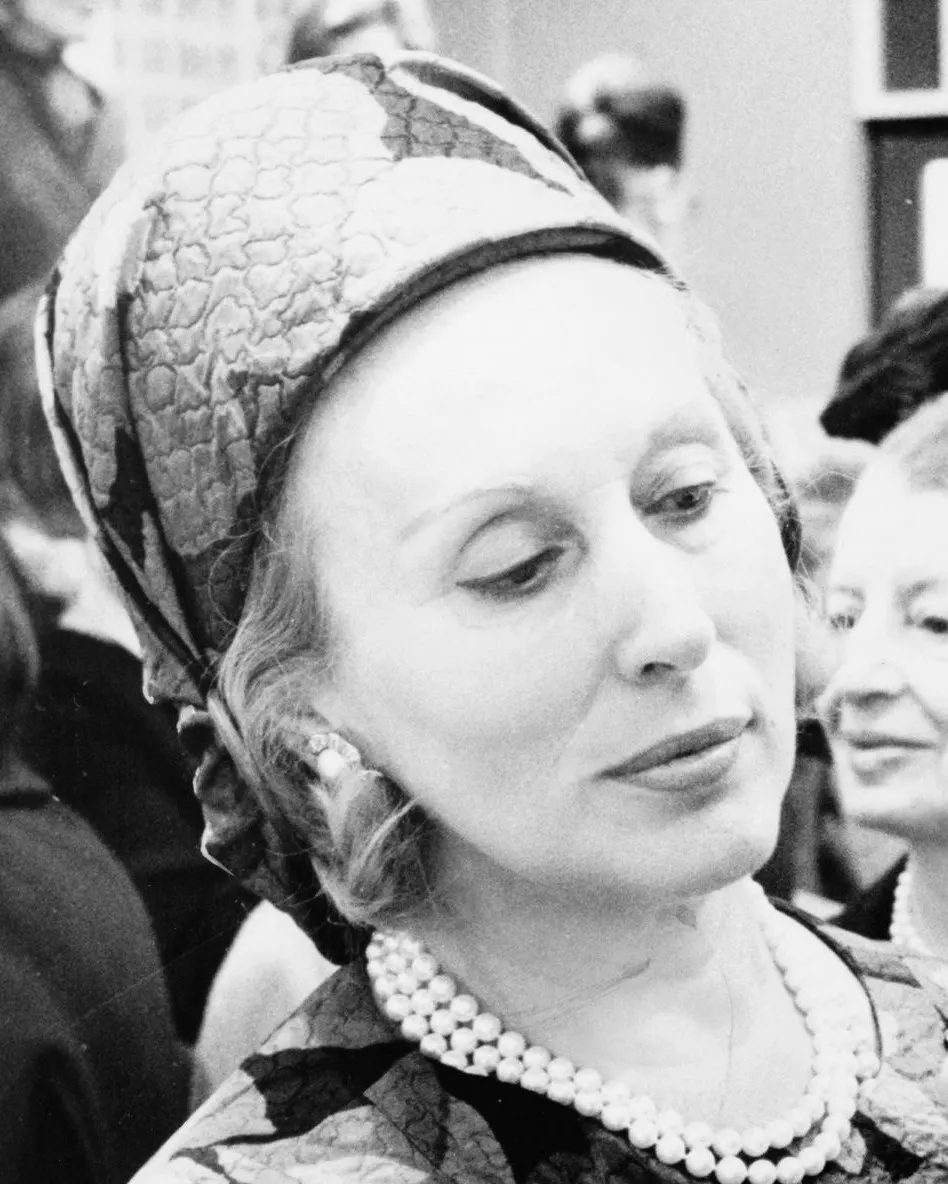
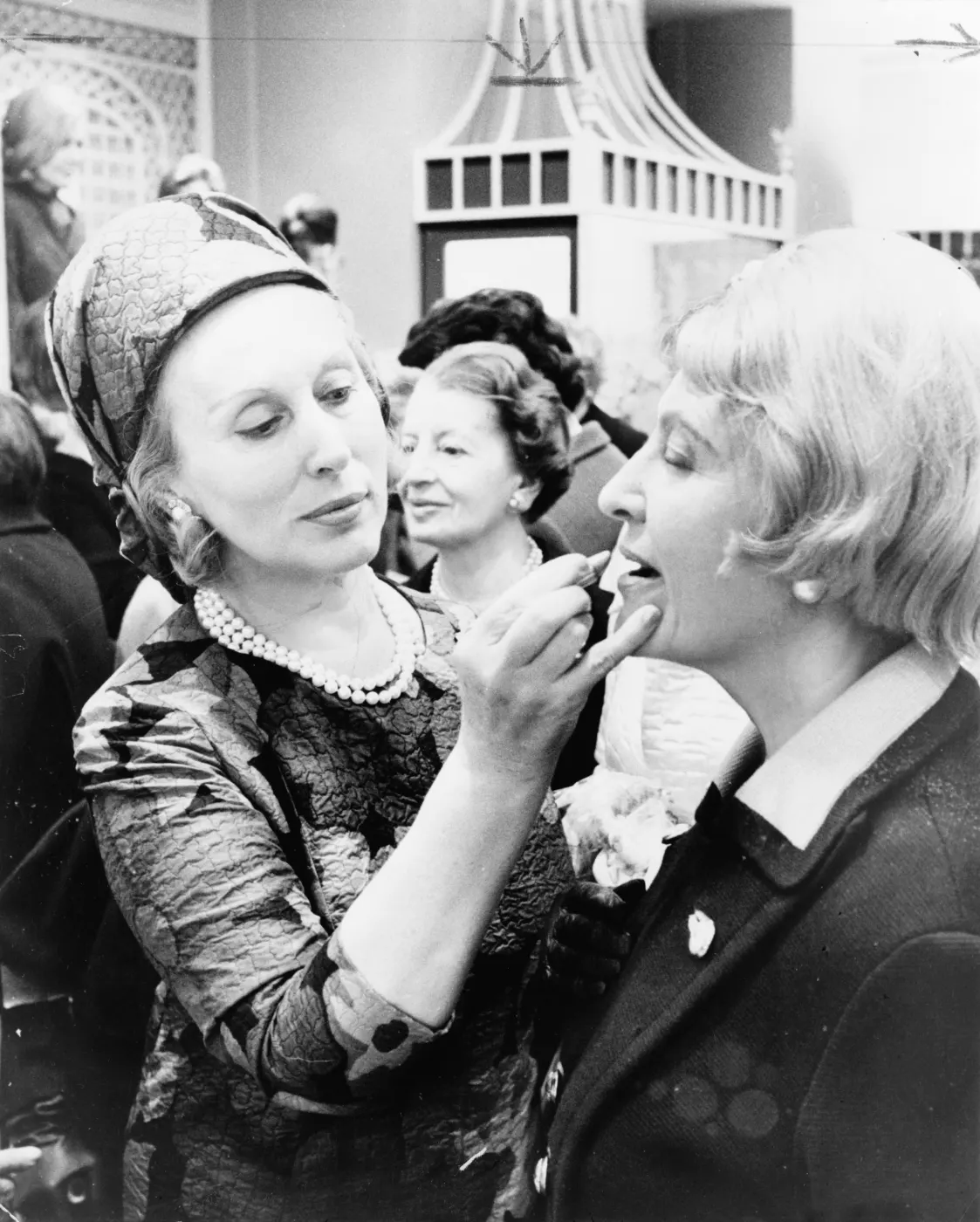
In April 2004, New York lost the woman who taught prestige beauty how to touch a stranger's face and close the sale. Estée Lauder died at her Manhattan home on April 24 after a long public career and a quieter private decline from Alzheimer's disease. She was ninety five by the company's birth year of 1908, though some obituaries said ninety seven. The counters she built kept working the next morning. Soft turquoise jars still waited under glass. Sales associates still offered a free sample with a smile she would have recognized.
This biography follows Josephine Esther Mentzer from Corona, Queens, to the founding of Estée Lauder Cosmetics in 1946, the Saks breakthrough, Youth-Dew in 1953, Clinique and a family public company, and the 2026 world her heirs still steer. It is a story of hands on skin, not boardroom slogans.
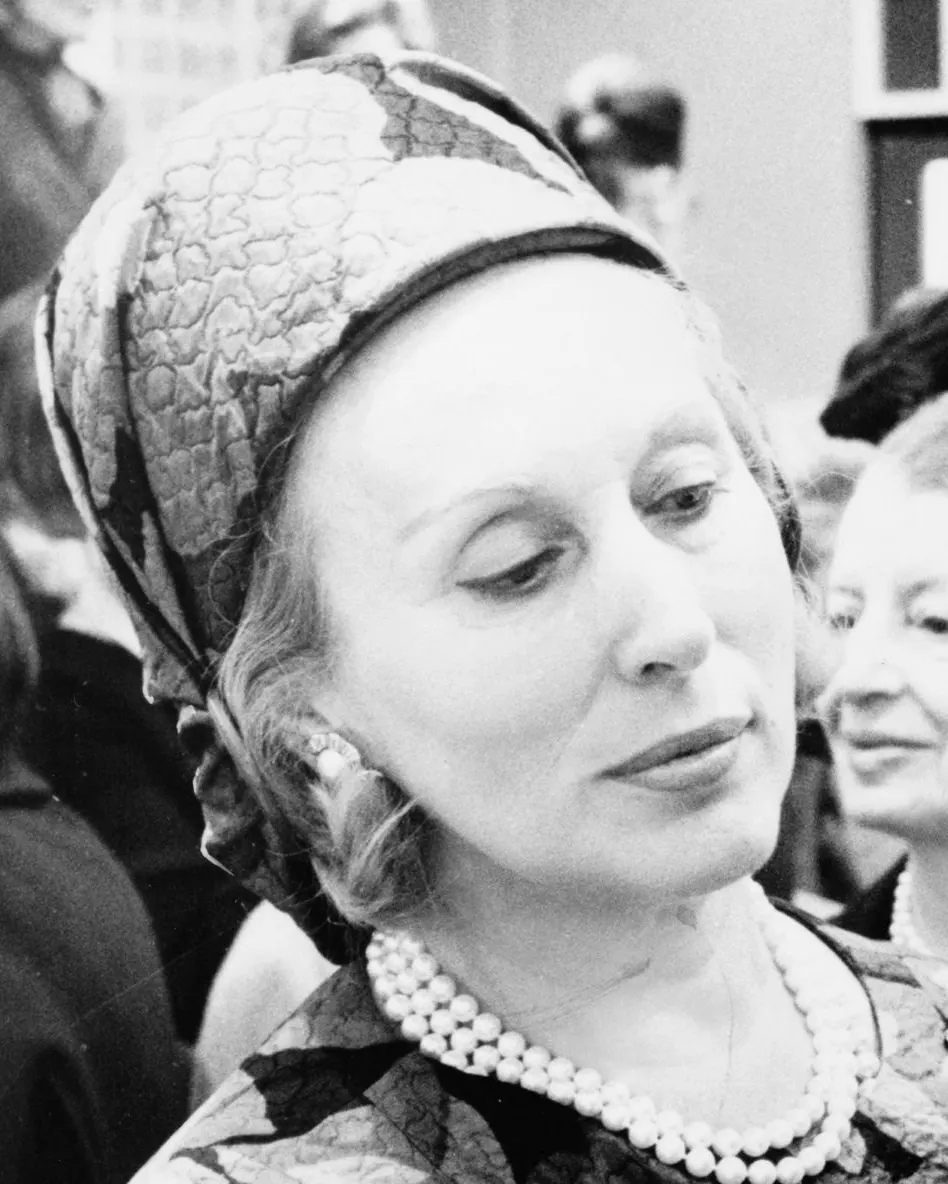
Corona, the hardware store, and an uncle's cream
Estée Lauder was born Josephine Esther Mentzer on July 1, 1908, in Corona, Queens. Her mother, Rose Schotz Mentzer, had emigrated from Sátoraljaújhely in Hungary. Her father, Max Mentzer, came from Pressburg, now Bratislava. The household was Hungarian Jewish, busy, and practical. Money was counted. Style was still a duty.
Rose had arrived earlier with children from a first marriage and later married Max, a shopkeeper. The Mentzer hardware store became Estée's first classroom in retail. She watched customers hesitate, touch goods, and decide. She learned that a counter is a stage and that the person behind it controls the scene.
Her childhood nickname was Esty, after a beloved Hungarian aunt named Eszter. Josephine stayed on the birth papers. Esty became Estee. Years later she added an accent and shaped the pronunciation into Estée, a name that sounded French enough for perfume counters and American enough for Queens ambition.
She later told glamorous origin stories about Viennese manners, Flushing aristocracy, stables, and nurses. Careful biographies, including Lee Israel's Estée Lauder: Beyond the Magic in 1985, and her New York Times obituary, pushed back. She was a New Yorker inventing a myth the beauty industry loves. The myth sold. The Queens facts built the company.

Uncle Schotz and the kitchen laboratory
The spark was chemistry close to home. Her maternal uncle, Dr. John Schotz, a chemist, lived with the family for stretches and ran New Way Laboratories. He mixed creams and lotions. Estée watched. He taught her how to wash a face and how to massage product into skin so a woman felt the difference before she paid.
She named blends and carried jars. Super Rich All Purpose Cream became a calling card. Friends tried it. Beach clubs tried it. Beauty shops tried it. She was not waiting for a business degree. She was collecting proof on faces.
In a later filmed interview she recalled being thirteen when her uncle warned her never to use anything but a good cream, and how she began with the idea of keeping everyone beautiful. The line sounds simple. It became a sales religion.
Hair dryers, Florence Morris, and the three minute makeover
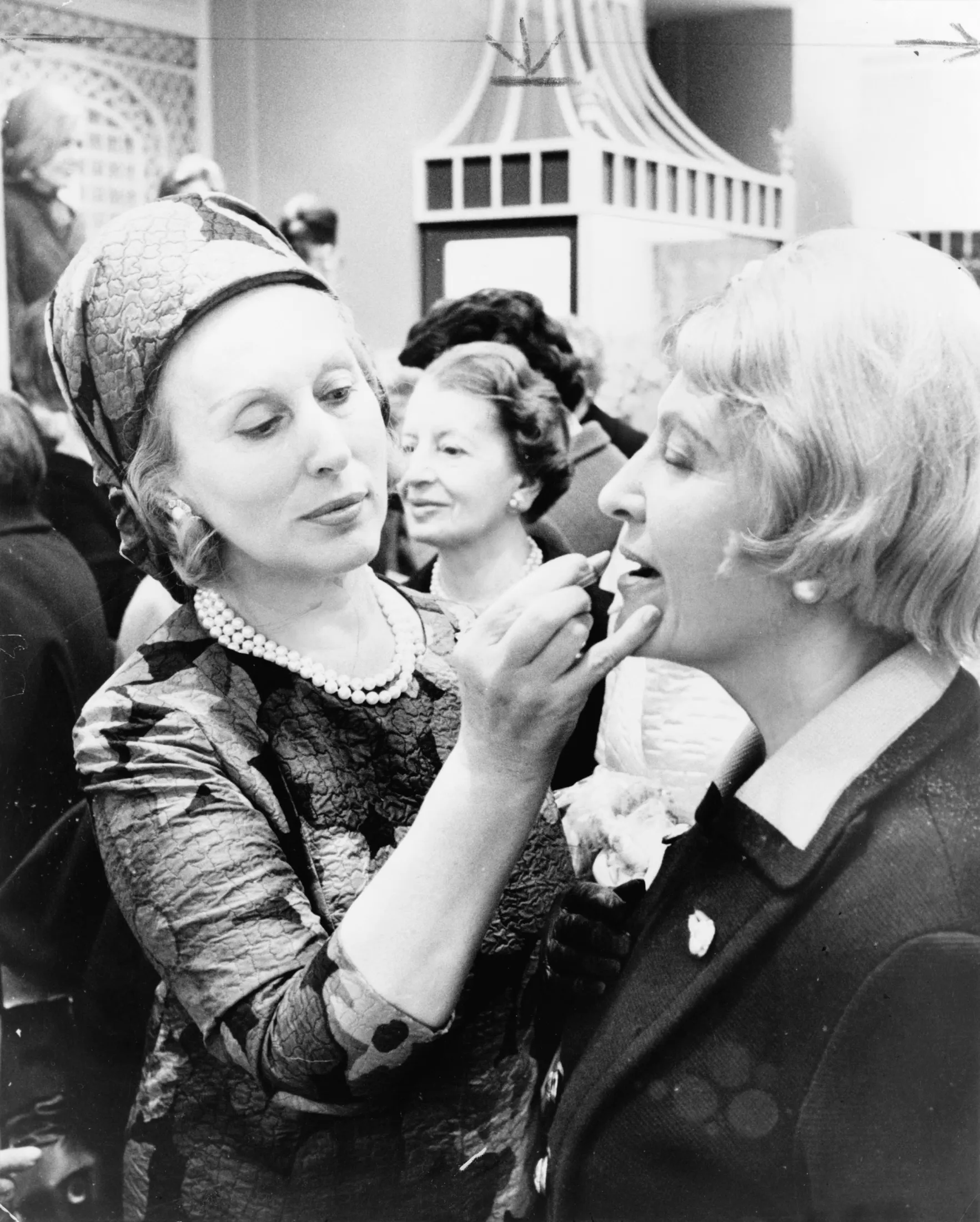
Department stores were still a locked door. Salons were open. Estée sold by demonstrating on women sitting under hair dryers, when they could not leave and had time to feel a cream sink in. A three minute makeover could flip a stranger into a customer. Touch was not optional. Touch was the product.
At the House of Ash Blondes, owner Florence Morris noticed Estée's skin and asked what she used. Estée returned with creams and a demonstration. Morris put her products into the salon. That pattern, earn the face then earn the shelf, would scale from neighborhood chairs to Saks.
She later said she never worked a day without selling. If she believed in something, she sold it hard. The sentence is printed in company histories and documentary voiceovers because it fits. The work was relentless hospitality with a close.
Joseph Lauter, divorce, remarriage, two sons
In the late 1920s she met Joseph Lauter, whose father had emigrated from Austria. They married on January 15, 1930, moved toward Manhattan, and later corrected the surname spelling to Lauder. Leonard Ronald Lauder was born on March 19, 1933. Joseph kept books. Estée kept faces.
The marriage cracked. They divorced in 1939. She spent time in Florida and later said she had married young and thought she had missed life, then discovered she already had the sweetest husband in the world. They remarried in 1942. Ronald was born in 1944. The second marriage held until Joseph's death in 1983.
Leonard remembered sitting in a high chair watching her mix creams on the stove. He packed powder and cleansing oil after school for twenty five cents an hour in a tiny factory. Dinner conversation was inventory and buyers. Beauty was the family language.
1946: four products and a rented kitchen
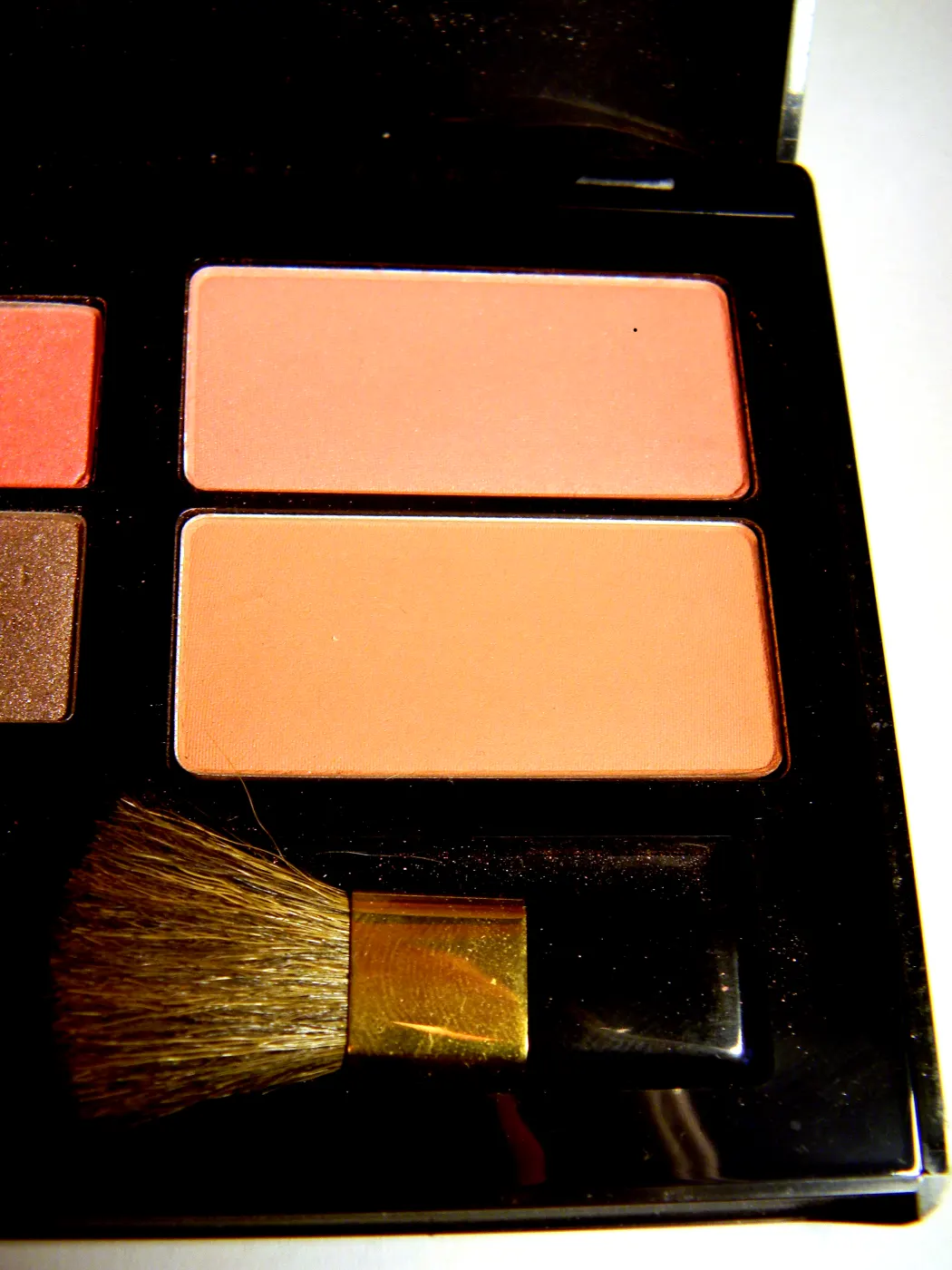
In 1946 Estée and Joseph launched Estée Lauder Cosmetics. Early accounts list four core products: Cleansing Oil, Skin Lotion, Super Rich All Purpose Creme, and Creme Pack. The first office story centers on 501 Madison Avenue. Production often meant a former restaurant kitchen pressed into laboratory service. They cooked batches by hand. They filled jars themselves.
Prestige required a door she did not yet own. She pushed toward Saks Fifth Avenue. Sources place the first major Saks order in 1947 or 1948 at about eight hundred dollars. Company heritage pages often say a year after the 1946 launch. Later reporting often says 1948. Either way, the order was real money for a kitchen brand, and the couple poured everything into filling it, including rent paid months ahead on workspace they could barely afford.
Estée did not mail the goods and hope. She showed up at the counter. She demonstrated. She gave samples of what customers did not buy. In two days Saks sold through the stock and wanted more. The prestige door opened because she stood in it.


Gift with purchase as strategy, not charity
Advertising agencies wanted budgets she did not have. She spent on samples instead. Every jar sold could leave with a small powder, a lipstick trial, a sachet of hope. Competitors called it waste. She called it message delivery.
Her motto, polished into company lore, was Telephone, Telegraph, Tell a Woman. In filmed remarks she sometimes said telephone, television, and tell a woman. The meaning stayed: peer talk beats a cold page. Gift with purchase became an industry standard because it turned first touch into habit.
She chose pale turquoise for the jars because she believed it looked luxurious and coordinated with bathrooms. Packaging was theater for the medicine cabinet. Color was a silent salesperson that worked after she left the counter.
Youth-Dew, 1953: perfume women could buy themselves
Until the 1950s many American women treated fragrance as a gift received, not a product chosen. Estée disliked the wait. In 1953 she launched Youth-Dew, a bath oil that doubled as skin perfume, with a blend remembered for rose, jasmine, vetiver, and patchouli. Women poured it into baths by the bottle instead of dabbing French perfume by the drop.
First year sales are widely reported near fifty thousand bottles. By 1984 the cumulative figure cited in standard profiles reached about one hundred fifty million. Youth-Dew turned a start up into a perfume power and made Estée Lauder a household name. Granddaughter Aerin Lauder later called it the scent that made the house a fragrance authority, noting Warhol era cult status and packaging that barely changed.
The product was not only juice. It was permission. Women bought their own glamour without waiting for an anniversary.
How she worked the room
Estée attended store openings and stayed for days training beauty advisors. She crossed the country to meet buyers and editors. She stopped women on Fifth Avenue when she needed faces. She listened like a one woman research department. Soft manners covered a hard close.
She wanted every young woman to believe business was possible if she worked. In public remarks she thanked rooms of advisors and said she looked around and believed any young lady could be in business with enough work. The feminism was practical, not theoretical. It lived in commissions and counter mirrors.
Joseph stayed the operational partner. Books, factory discipline, and quiet logistics let Estée remain the face. Their division of labor was the company's first org chart.
Leonard in the shared office, then Clinique
Leonard joined after college and Navy service in 1958 and shared an office with his mother. He listened to her phone calls and later said he learned, and learned again. He wanted the best company in the world, nothing less.
As the Estée Lauder brand grew, he argued that size would attract rivals. Why wait? Create your own competition. Clinique launched in 1968 as a fragrance free, allergy tested line shaped with dermatological thinking associated with Dr. Norman Orentreich and editorial partner Carol Phillips, with Evelyn Lauder often credited for spotting the idea early. Estée wanted her name on it. Leonard refused a double branded Estée Lauder Clinique. Separate brands could fight each other without confusing the mother label.
Aramis for men arrived in 1964. Lab Series, Prescriptives, and later Origins extended the idea that one house could own many moods. Leonard also reshaped lipstick geometry with a simple blade cut so the bullet fit a woman's mouth better. He joked he was still a lipstick salesman. The joke was a business thesis.
Near misses, rivals, and the private struggle
Growth was not a straight line. French perfume houses guarded prestige. Mass brands undercut price. Department store buyers could stall. Estée answered with presence. If a counter lagged, she stood there until it moved.
Personal mythmaking created risk. Aristocratic European claims invited debunking. The Lee Israel biography scraped varnish. The company survived because jars outperformed legends. Customers cared about skin feel more than Flushing stables.
Later years brought Alzheimer's, a disease that had also touched her mother and sister, according to Leonard's public interviews. Evelyn once told Estée the office missed her. Estée answered that she missed herself too. The line is devastating because it admits the saleswoman knew what was leaving. Leonard and Evelyn funded Alzheimer's research as transformative philanthropy rather than casual checks.
Joseph's death in 1983 closed the founding partnership. Leonard was already CEO. Ronald moved through public service, including Reagan era defense work and a stretch as U.S. ambassador to Austria, then returned to company and wider Jewish communal leadership. Family remained control even as professional managers filled floors.
IPO night and a retiring founder
On November 16, 1995, The Estée Lauder Companies went public on the New York Stock Exchange. Class A shares priced at twenty six dollars and closed near thirty four fifty on heavy demand. The family sold a portion while retaining overwhelming voting control. Estée stepped back around the same era after decades as the living trademark.
The 1990s also filled the portfolio: investment then full ownership of M·A·C, Bobbi Brown, La Mer, Aveda, Jo Malone London, and fashion fragrance licenses. The kitchen brand became a house of houses. Estée's original insistence on high quality ingredients and prestige doors remained the filter even as Leonard's acquisition machine roared.
Time magazine in 1998 named her the only woman among the twentieth century's twenty most influential business geniuses. France had already made her a Chevalier of the Legion of Honour on January 16, 1978. The Presidential Medal of Freedom arrived in 2004, the year of her death. Awards trailed the counters, not the reverse.
What she actually built
She built a service ritual: explain, apply, gift, follow up. She built a color system in turquoise. She built fragrance as self purchase. She built a multi brand logic before conglomerate talk was fashionable. She built a family bench that could professionalize without fully surrendering control.
She did not invent cream. She invented a way of selling cream that made department stores feel intimate. That intimacy scaled across continents because advisors were trained like a theater troupe with scripts of touch.
Re-Nutriv and later treatment lines pushed skincare toward luxury science theater. Beautiful and other fragrances kept the emotional aisle busy after Youth-Dew aged into classic status. The brand taught women to collect beauty the way some collect jewelry: with loyalty and ritual.
World change measured at the mirror
Estée Lauder changed who was allowed to sell prestige without a European passport. An immigrant daughter from Queens proved American beauty could set global taste. She changed marketing budgets by proving samples can outperform ads. She changed gender scripts around perfume by making bath oil a passport to self bought scent.
She also changed corporate beauty structure. Clinique's dermatological counter made clinical language normal in department stores. M·A·C and later acquisitions widened who prestige beauty spoke to. By 2026 the company sold in about one hundred fifty countries and territories across more than twenty brands, from Estée Lauder and Clinique to La Mer, M·A·C, Jo Malone London, TOM FORD, The Ordinary, and others.
Fiscal 2026 net sales reached about fifteen billion dollars, up five percent as the firm tried to reaccelerate after prior declines under a plan leaders call Beauty Reimagined. Stéphane de La Faverie became president and CEO in January 2025. Six brands passed the billion dollar mark in fiscal 2026, including Jo Malone London and TOM FORD. Amazon and TikTok Shop expanded coverage while freestanding fragrance stores multiplied. The founder's soft touch now competes inside algorithmic malls she never saw.
Leonard A. Lauder, the son who sliced lipsticks and built Clinique, died in June 2025. William P. Lauder chairs the board. Granddaughters Aerin and Jane carry brand and executive threads. Three generations still orbit the name on the jar.
Failures she would recognize
Not every brand launch sang. Not every store door stayed open as department stores shrank. China travel retail swings and prestige slowdowns in the early 2020s hurt results and forced restructuring talk. Those are corporate weather systems. They still test her core bet: that women will pay for hope in a jar if someone shows them the result on their own skin.
Family control is both strength and criticism. Outside investors sometimes want faster change. Insiders argue stewardship protects long brands. The argument continues in 2026 earnings calls. Estée's own answer would likely have been simpler. Go to the counter. Move the merchandise.
How a day at her counter felt
Imagine a woman in a good coat pausing under bright lights. Estée does not pitch from a distance. She steps in, compliments something true, asks permission, and applies. She narrates what the cream will do in plain words. She adds a gift. She remembers a name if she can. She asks the advisor to follow the same script when she is gone.
That choreography is why rivals copied gift with purchase and still failed to copy her. The difference was belief performed at close range. She made the customer feel chosen. Chosen customers return.
Madison Avenue to the world
From Madison Avenue roots the brand entered Harrods, Galeries Lafayette, Bloomingdale's, Neiman Marcus, and airports that smell like duty free ambition. Estée treated each opening like a premiere. She stayed, drilled, corrected displays, and left a staff that sounded like her even when accents differed.
International growth accelerated under Leonard, yet the template was hers: prestige doors, trained humans, sampling, and products that felt expensive in the hand. The turquoise jar traveled farther than the hardware store girl once imagined.
Beautiful, White Linen, and the fragrance ladder
After Youth-Dew proved women would buy scent for themselves, the house kept climbing the fragrance ladder. Beautiful became a wedding aisle classic. White Linen suggested clean American light. Cinnabar and later pleasures kept the counter rotating without abandoning the older bottles that still paid rent.
Fragrance is memory business. A mother gifts a daughter the scent she wore to dinner in 1978. A tourist buys a miniature at duty free because the blue green jar felt like New York. Estée understood that memory is inventory with a heartbeat. She designed products that could live in both the medicine cabinet and the family story.
Leonard pushed international distribution so those memories could form in London, Paris, Tokyo, and later Beijing. Estée still insisted the human demonstration travel with the stock. A bottle without a trained hand was only glass.
Re-Nutriv and the science of hope
Treatment skincare demanded a richer story than lipstick. Re-Nutriv and related creams wrapped laboratory language around sensory pleasure. Estée did not pretend to be a PhD. She pretended nothing. She translated chemistry into sentences a tired shopper could feel.
Uncle Schotz had shown her that texture is an argument. Luxury treatment lines made that argument expensive on purpose. Price was part of the ritual. If hope is free, it is not believed. If hope costs, the customer leans in.
The day Joseph died and the company kept ringing
When Joseph Lauder died in 1983, the founding marriage that had survived divorce and remarriage ended. Leonard was already chief executive. The phones did not stop. Buyers still needed spring launches. Advisors still needed training flights.
Estée's public glamour hid private grief and, later, illness. She had always used appearance as armor. Alzheimer's slowly took the armor's owner while leaving photographs of the armor everywhere. The company archive Leonard loved became a museum of a voice that could no longer run a counter.
Ronald's detour and the family table
Ronald Lauder's years in Washington and Vienna looked like a exit from cosmetics. They were also brand diplomacy. An ambassador brother made the family name travel in rooms perfume could not enter. He later led major Jewish communal institutions, including the World Jewish Congress. Dinner talk still returned to Saks and skin.
Family businesses survive when siblings can disagree without burning the warehouse. Leonard's grip on operations and Ronald's public life created a workable split for decades. Grandchildren entered with their own brands and titles. Aerin built a namesake line. Jane took senior roles. Continuity was a product feature.
Training the advisors like a touring company
Estée's week long store openings were not vanity. They were quality control. She corrected how a mirror faced the aisle. She fixed how testers sat. She made advisors practice the permission ask before touch. She wanted every counter to feel like her hands were still there.
That touring discipline created a corporate culture where service scripts mattered as much as formulas. In 2026, when the company talks about One ELC operating models and digital storefronts, the ghost requirement remains: make the consumer feel personally handled even through glass.
Rivals at the glass
Revlon, Elizabeth Arden, Helena Rubinstein, and later L'Oréal prestige brands fought for the same marble floors. Estée's edge was intimacy at scale. Arden had spa mystique. Rubinstein had scientific theater. Estée had the three minute makeover and a gift in the bag.
She refused to be only a mass brand. Prestige doors were strategy. When mass retail tempted other houses, she held the line longer. That choice limited some volume and protected pricing power. The 2020s tension between Sephora, Amazon, and department stores is a new version of the same argument. Where can hope sit without cheapening?
Money, control, and the 1995 bargain
The IPO raised cash and status while the dual class structure kept Lauder hands on the wheel. Family members sold shares partly to settle internal debts, according to contemporary coverage, yet retained the vast majority of power. Public markets got a peek. They did not get the keys.
Estée's retirement timing matched the offering era. The living founder became heritage. Heritage still sold. Her signature and photographed smile remained packaging assets after her calendar cleared.
Philanthropy as brand afterlife
Central Park playgrounds, Versailles restoration support, medical and cultural gifts, and later Alzheimer's funding extended the Lauder name beyond lipstick. Estée liked civic beauty as much as facial beauty. New York had made her. She paid parts of New York back in visible improvements.
Leonard scaled that instinct into museum scale art philanthropy, including a celebrated Cubist gift pledged to the Metropolitan Museum of Art. The son's collecting life was not separate from the mother's aesthetic obsession. Both believed taste could be organized and taught.
2004: the Medal and the silence
The Presidential Medal of Freedom in 2004 arrived as a national bow. She died the same year. Coverage replayed Youth-Dew, Saks, and the immigrant kitchen. Competitors sent respectful notes. Advisors cried at counters in cities she had opened in person decades earlier.
Death did not shrink the brand. It freed the myth to simplify. Company pages kept her quotes: she never dreamed about success, she worked for it; never underestimate any woman's desire for beauty; recognize the moment and seize it. The quotes are sharp because they sound like sales coaching, which is what she always was.
China, travel retail, and a founder's stress test
In the twenty first century, Chinese demand and travel retail became enormous engines for prestige beauty. When those engines sputtered in the early 2020s, Estée Lauder Companies felt it in reported sales declines across fiscal years before the 2026 rebound. Restructuring programs and leadership change followed.
A founder who personally restocked Saks could not have imagined TikTok Shop. She would have recognized the fear under a quiet counter. Soft demand is a face that will not lean forward. The cure she trusted was still demonstration, sampling, and local presence, now translated into livestreams and marketplace bundles.
What fifth graders can understand about her power
She found something that made skin feel better. She put it on people's faces so they could feel it. She gave a small free gift so they would remember. She asked stores to let her stand there until strangers became customers. She invented a perfume bath oil so women did not have to wait for a present. She taught her son to build new brands before enemies did. She kept the family in charge when Wall Street arrived.
That is the whole machine. Everything else is cologne mist around it.
The unverified edges, held carefully
Birth year debates (1906 versus 1908) remain a small scholarly quarrel. Aristocratic ancestry stories remain marketing fog. This documentary treats 1908 as the company standard, notes the obituary age conflict, and refuses to promote discredited noble lineage as fact. Personal rumors that lack solid sourcing stay out. Living executives and family members deserve the same care.
Counters in Sydney, Hong Kong, and the long mirror
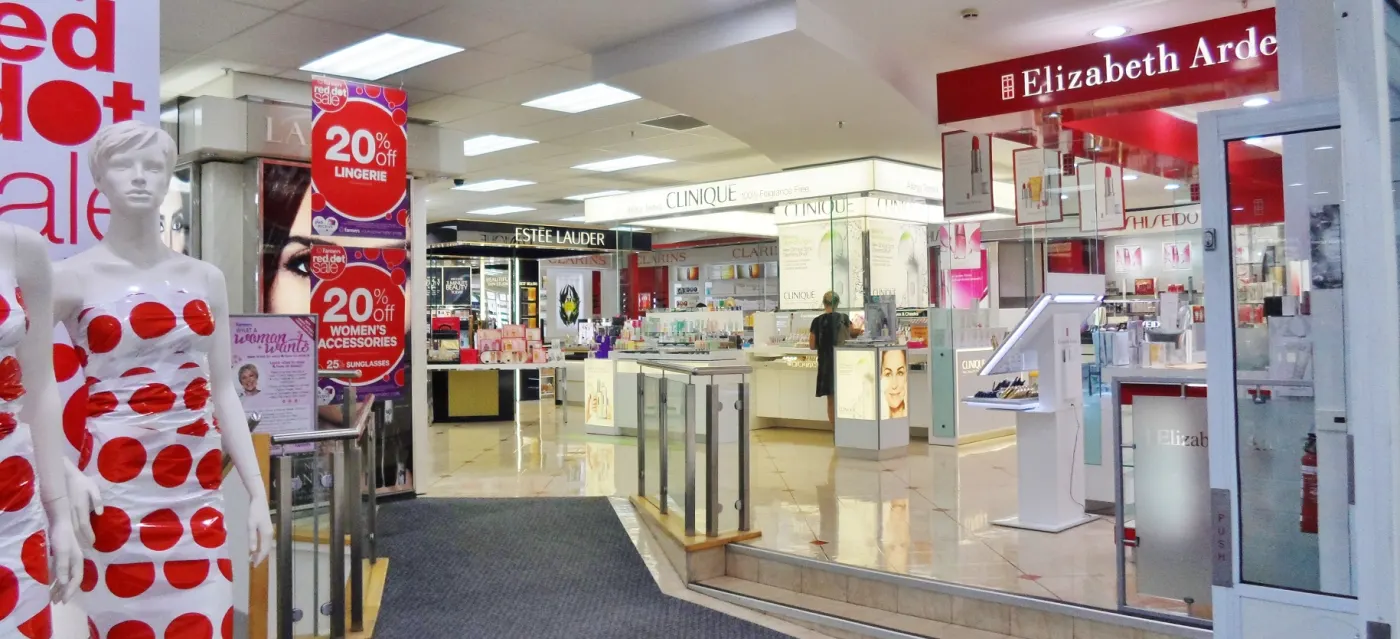
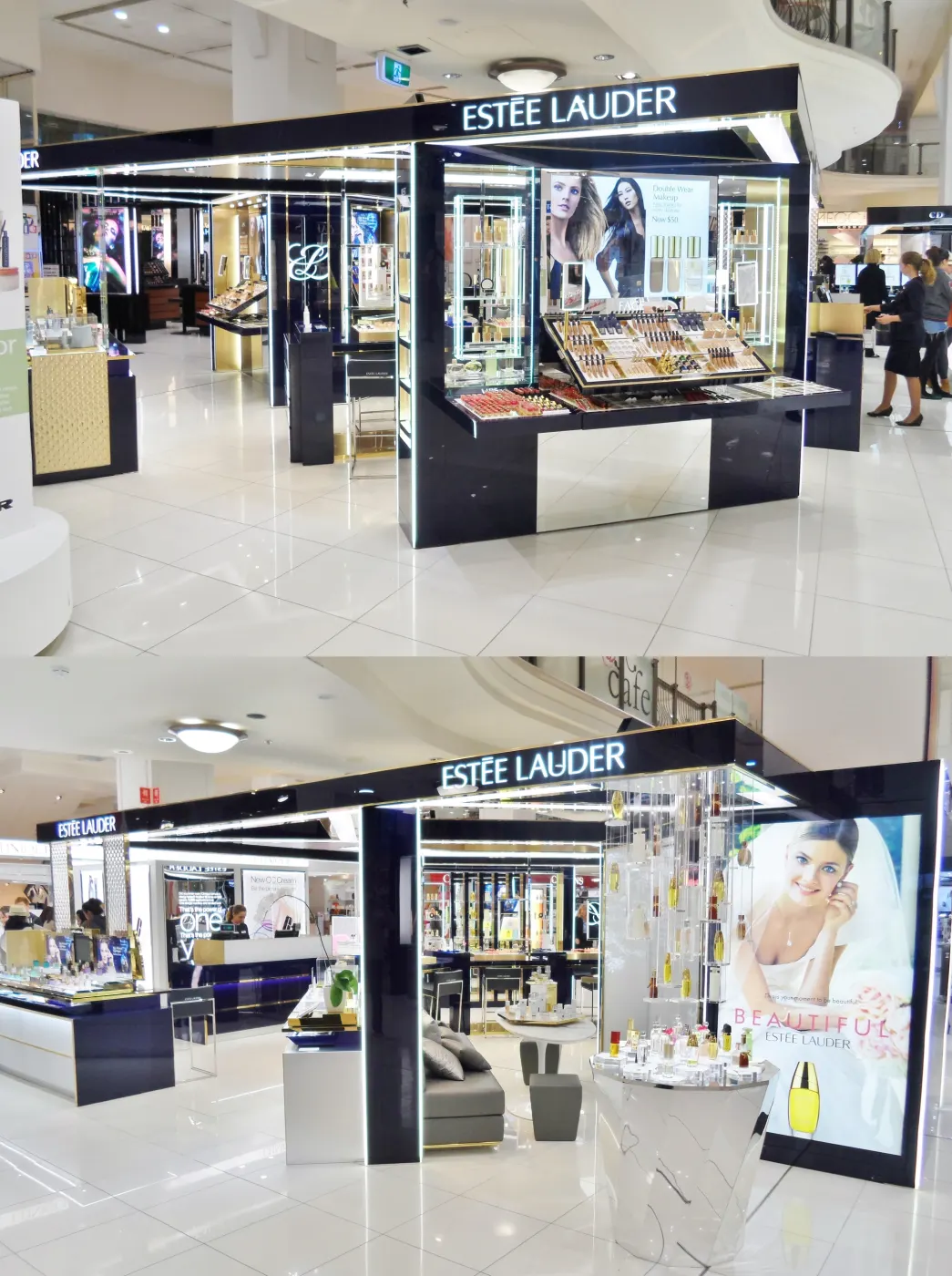
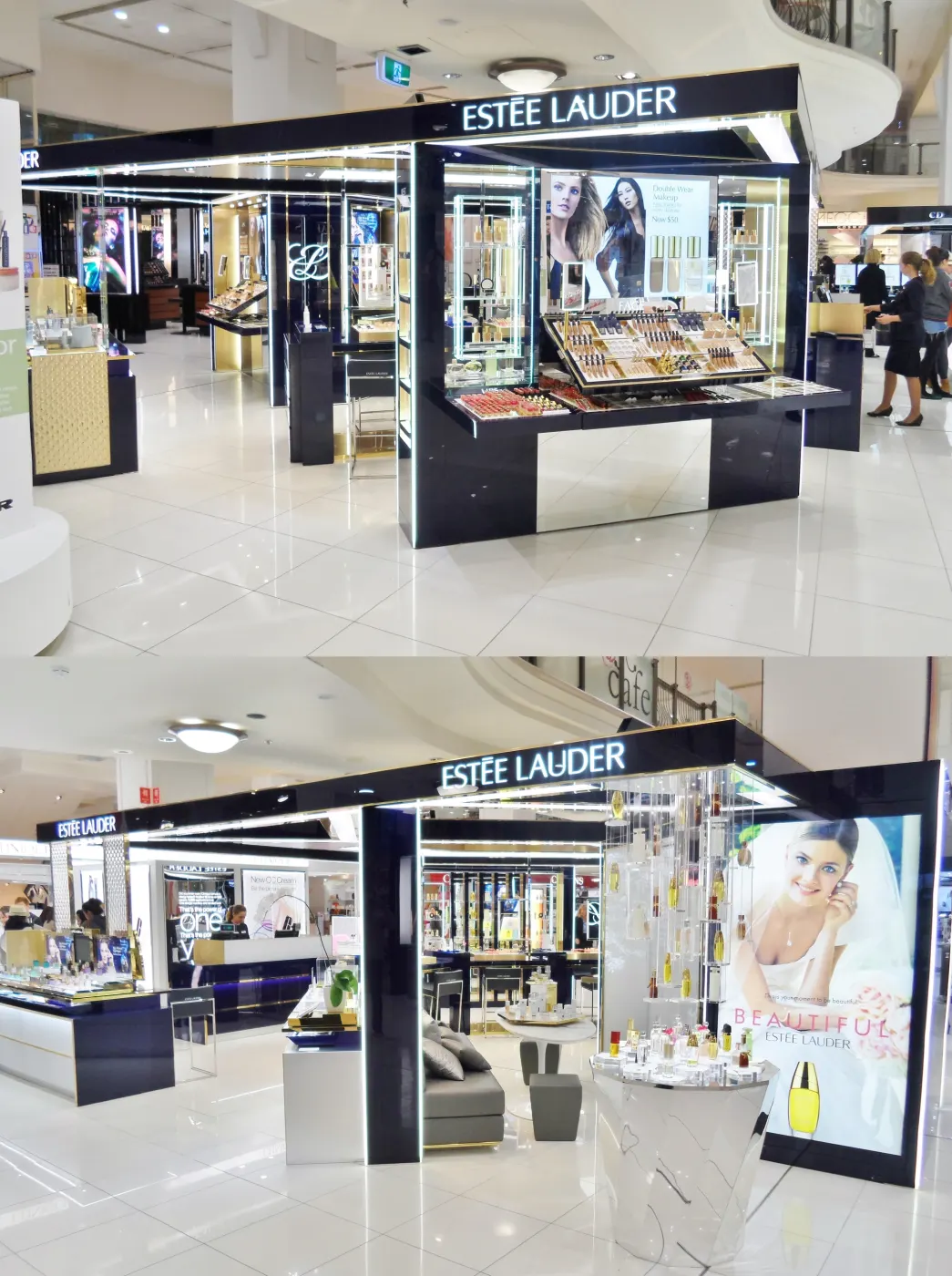
Retail photos in the Drive folder show MYER Sydney counters and Hong Kong malls where the name still draws traffic. Those rooms are far from Corona. They still run on her physics: light, mirror, tester, human voice. A tourist who never heard of Queens can still meet her system in under three minutes.
The soft sell that was never soft
People remember Estée as charming. Charm was the tool. Behind it sat inventory risk, rent paid in advance on a dead restaurant kitchen, and a willingness to stop strangers on Fifth Avenue. She could flatter without losing the close. She could retreat into myth when useful and return to jar counts when necessary.
Leonard called himself a lipstick salesman to stay honest. Estée was a face salesman who happened to own the factory. Ownership mattered. So did the daily willingness to ask for the order.
Origins, Prescriptives, and the idea of many doors
Origins brought wellness language into department stores. Prescriptives offered custom color matching for shoppers who wanted precision. Lab Series spoke to men who would not walk to a pink counter. Each brand was a different door into the same corporate house.
Estée's namesake line remained the emotional flagship. She understood that one door cannot fit every shopper. Multi brand logic let the company grow without forcing every customer to love Youth-Dew. That flexibility is why the 2026 portfolio can hold both La Mer and The Ordinary without collapsing into nonsense.
The pale turquoise decision as industrial design
Choosing jar color sounds minor until you multiply it by millions of bathrooms. Estée picked pale turquoise because it photographed as luxury and sat calmly beside tiles of many colors. The decision is early industrial design thinking from someone without the title.
Packaging, ribbon, and gift box geometry became part of the product. Holiday sets trained customers to expect theater with purchase. Gift with purchase evolved into seasonal events stores still advertise. The calendar of beauty retail owes her a debt every December.
Warhol baths and celebrity fog
Later lore says Andy Warhol bathed in Youth-Dew and that Madonna loved the scent. Celebrity fog is hard to verify line by line, yet Aerin's public remarks treat the Warhol story as part of the cult. What matters for the business history is that Youth-Dew escaped the gift only niche and entered pop memory.
Estée courted society names and photographed well beside power. She also never stopped needing the ordinary shopper who paid with a department store charge plate. Prestige without volume is a boutique. Volume without prestige is a discount bin. She hunted the narrow road between.
Evelyn Lauder and the breast cancer ribbon
Evelyn Lauder, Leonard's first wife, became a major force in breast cancer advocacy and in company culture. The pink ribbon campaigns associated with her work changed how beauty brands speak about health. Estée's empire became a platform for causes that outlived any single fragrance launch.
When Evelyn told Estée the office missed her during the Alzheimer's years, the moment tied family, company, and illness into one sentence. The business was never only numbers. It was a room people wanted to return to.
From four SKUs to a catalog city
The 1946 assortment could fit on a small table. By the late twentieth century the catalog was a city of stock keeping units: foundations in dozens of shades, treatments by concern, fragrances by mood, men's lines, travel sizes, and holiday vaults. Complexity required systems Leonard loved to build.
Estée's contribution to that city was the zoning code. Prestige first. Demonstration always. Sampling as marketing. Family oversight. Those rules still echo when 2026 leaders open Sephora tests for M·A·C or add brands to Amazon Premium Beauty. The channel changes. The zoning argument returns.
Why the hardware store child still matters in 2026
Corona taught scarcity and display. The hardware store showed her that customers touch before they trust. TikTok shoppers still touch with their eyes and click when trust arrives. The medium changed. The psychology did not.
A fifteen billion dollar sales year is a long way from an eight hundred dollar Saks order. The bridge is thousands of repeated human demonstrations and a refusal to let the product stay abstract. Abstract beauty dies. Felt beauty ships.
One more morning at the mirror
Picture Estée before a store opening day. She checks her hair. She checks the advisors' nails. She checks that testers are clean. She smiles at the first shopper as if that woman is the only person in New York. Then she asks for the sale without apology.
That morning discipline, repeated for decades, is the real biography. Empires are mornings stacked until the stack casts a shadow across one hundred fifty countries.
Florence Morris and the salon proof
The House of Ash Blondes moment matters because it is reproducible. A salon owner noticed skin, asked a question, received a demonstration, and opened shelf space. Estée did not win with a cold pitch deck. She won with visible results under fluorescent salon light.
Every later Saks victory is that salon scene wearing better clothes. The physics stayed constant: face, product, time, proof, order.
The restaurant kitchen gamble
Renting a former restaurant and paying months ahead was a near death cash moment. If Saks had stalled, the young company could have drowned in prepaid rent and leftover cream. They bet the household on velocity. Velocity arrived in two days.
Founders often romanticize risk after survival. Estée's risk was specific: inventory, rent, and reputation inside a store that could blacklist a nobody brand. She managed the risk by standing inside it until it converted.
Tell a woman in the age of comments
Telephone and telegraph are antique words now. Tell a woman survives as reviews, group chats, and comment threads. Estée's insight was social proof before the phrase existed. She funded samples because samples create sentences between friends.
Modern beauty still runs on that circuit. A viral routine is tell a woman at platform speed. The company that learned it in 1940s New York is still fluent in 2026, even when the messenger is a creator under ring light instead of a neighbor under a hair dryer.
Leonard's blade and the shape of a mouth
When Leonard sliced a standard lipstick bullet with a Gillette blade so it fit a woman's lips, he performed a tiny Estée lesson. Improve the object at the point of use. Do not worship the factory shape. Worship the mouth that wears it.
That habit, multiplied across packaging, shade ranges, and men's lines, turned a kitchen brand into an industrial taste maker. Estée supplied the religion of the face. Leonard supplied systems that could ship the religion worldwide without diluting the sermon.
Closing
Estée Lauder's life ran from a Corona hardware counter and an uncle's cream lab to a public beauty empire that still prints her name in soft letters on hard glass. She remarried the partner she needed, conquered Saks with eight hundred dollars of courage, poured Youth-Dew into American baths, argued brands into being, and sold hope by touching faces.
As of 2026 her company sells across roughly one hundred fifty markets, restocking growth after rough years, mourning Leonard, and teaching new advisors the old ritual. The jars remain turquoise. The offer remains personal. Tell a woman.
Watch alongside this story
Short cuts from interviews, keynotes and launches. Each plays only the moment that matters.