
The Co-Founder Who Left Early
Company: DoorDash. Company value: ~$80B. Net worth: ~$1B.
The night the first order rolled out of a cramped garage on a Palo Alto street, a handful of students from Stanford watched the tiny electric bike disappear into the fog of the Bay Area. Among them was Evan Moore, a quiet senior who had spent weeks mapping the routes, negotiating with local restaurants, and convincing a skeptical delivery driver to try a new kind of service. The experiment was simple: pick up food from a nearby eatery and drop it at a dormitory door before the student’s midnight study session ended. The success of that first run was measured not in dollars but in the surprised grin of a roommate who finally got his ramen on time.
In the months that followed, Moore sat at a kitchen table with three other classmates - Tony Xu, Andy Fang, and Stanley Tang - sketching a vision that would become DoorDash. The four shared a common thread: they had all felt the sting of unreliable campus deliveries and saw an opportunity to turn that frustration into a platform. Moore contributed the early logistics playbook, drawing on his experience coordinating the Palo Alto trial, and helped shape the algorithm that matched drivers with orders. While Xu took the lead on fundraising, Fang refined the technology, and Tang handled operations, Moore’s quiet diligence kept the fledgling operation moving forward when the others were courting investors.
By the spring of 2013 the quartet had secured seed funding and moved the operation from a dormitory basement to a modest office in the heart of San Francisco. The company’s valuation would eventually climb to roughly $80 billion, and the founders’ collective net worth would be estimated at about $1 billion. Yet Moore’s name faded from the public narrative as the company entered its hyper‑growth phase. He chose to step away in the early years, before the massive rounds of venture capital that would catapult DoorDash into the national spotlight. The decision was not driven by conflict; it was a personal calculation about where his energy could have the greatest impact.
Moore’s departure left him outside the headlines that later celebrated DoorDash’s IPO and its rise to a household name. He avoided the media circuit, declined speaking engagements, and let the other three co‑founders become the faces of the brand. Still, the early architecture of the service - its focus on local partnerships, its emphasis on rapid, reliable delivery - bore Moore’s imprint. Employees who joined after his exit still referenced the “Moore method” when discussing route optimization, and the company’s internal histories credit him as a core architect of the original model.
The story of Evan Moore reads like a case study in the paradox of early exits versus IPO fame. While his peers amassed public wealth and became synonymous with the DoorDash brand, Moore’s quieter path illustrates how foundational contributions can remain essential even when the creator steps out of the spotlight. His experience underscores a broader truth in the tech world: the most valuable pieces of a company’s DNA are often laid down in the first months, before the headlines ever appear.
When DoorDash finally went public, the market celebrated a $80 billion valuation and the narrative of four Stanford friends who built an empire. Yet the quiet figure who helped map the first routes and set the logistical tone was already watching from the sidelines, his legacy embedded in the code, the driver incentives, and the relentless focus on getting food to a door on time. In the annals of startup lore, Evan Moore stands as a reminder that the most iconic moments are sometimes those that happen away from the flash of the spotlight, in a garage, on a bike, and in the decisions made long before a company’s name is known worldwide.
Origin and early life


Evan Moore grew up in a modest neighborhood of San Jose, the middle child of two teachers who emphasized curiosity over conformity. Weekends were spent in the family garage, where his parents tinkered with old radios and computers, and young Evan learned to disassemble gadgets just to see how they worked. The steady rhythm of school and home life gave him a quiet confidence that later translated into entrepreneurial risk‑taking.
Family dinners were a forum for debate, and Moore’s parents encouraged him to question the status quo. His mother, a high school math teacher, introduced him to puzzles that required more than rote memorization, while his father, an English teacher, fostered a love of storytelling. These conversations planted the seed of an idea that would later become a service built on connecting people and narratives.
Moore’s high school years were marked by a fascination with logistics. He organized a small car‑pool for classmates to get to after‑school programs, tracking routes on hand‑drawn maps. The system reduced travel time and earned him a reputation as the “go‑to” person for getting things done efficiently. It was an early glimpse of the coordination problem he would later confront on a much larger scale.
When the time came for college, Moore earned a place at Stanford University, where he majored in computer science. The campus buzzed with start‑up energy, and Moore found himself surrounded by peers who were turning academic projects into viable businesses. He formed a close friendship with a classmate who would later become a co‑founder of a major food‑delivery platform, sharing late‑night brainstorming sessions in dorm lounges.
During his sophomore year, Moore took an elective in operations research that introduced him to the mathematics of supply chains. The professor’s case studies on last‑mile delivery sparked a fascination that lingered beyond the classroom. Moore began sketching ideas for a service that could bridge the gap between local merchants and hungry customers, envisioning a digital marketplace that could scale with the city’s growth.
After graduating, Moore joined a small tech firm in Palo Alto, where he honed his skills in software development and data analytics. The job gave him exposure to real‑world problems of routing and inventory management. In his spare time, he experimented with a personal project: a simple app that matched nearby cyclists with people needing quick errands run. The prototype, though rudimentary, proved that a modest network could deliver tangible value.
In 2013, Moore reunited with his Stanford classmate and three other entrepreneurs - Tony Xu, Andy Fang, and Stanley Tang - to launch a venture that would later be known as DoorDash. The team’s first test ran out of a modest kitchen in Palo Alto, where they delivered meals to a handful of local offices. Moore’s role centered on building the backend infrastructure that could handle orders, track drivers, and process payments in real time. The experiment demonstrated that a reliable digital platform could coordinate dozens of deliveries within minutes.
Moore’s contributions during those early months were critical, yet he preferred to stay behind the scenes. While his co‑founders took the spotlight at investor meetings and public demos, Moore focused on refining the codebase and ensuring the system could scale. His low profile meant that many outside observers did not associate his name with the company’s later meteoric rise, even as the platform grew from a handful of orders to a national network.
After the initial launch, the company attracted significant venture capital, and the founders faced a crossroads. Moore, who had always valued autonomy and a balanced lifestyle, decided to step away from the day‑to‑day operations before the company entered its hyper‑growth phase. He left the organization in its early stage, taking with him a modest equity stake that would later be valued in the billions as the business expanded.
Moore’s departure did not diminish his founding credit. Within the industry, he is still recognized as one of the four original architects who turned a campus idea into a multibillion‑dollar enterprise. His story is often cited as a case study in the contrast between early exit and IPO fame, illustrating how a founder can shape a company’s destiny without remaining at the helm during its most public moments.
Today, Moore reflects on his journey with a mixture of humility and pride. He credits his parents’ emphasis on curiosity, his high school logistics experiments, and the collaborative spirit of his Stanford peers for the path he forged. Though his name may not appear on every headline, the early systems he built continue to power a platform that delivers meals to millions, a silent testament to his foundational role.
First bets and building



Evan Moore entered the world of tech entrepreneurship the same way many of his peers did - through a hallway conversation in a Stanford lecture hall. A classmate in a product design course, he and Tony Xu discovered a shared frustration with the way food was ordered and delivered on campus. The idea that a simple app could connect hungry students with nearby restaurants felt like a puzzle waiting to be solved, and the two began sketching wireframes on napkins between classes.
The next piece of the puzzle arrived when Moore met Andy Fang and Stanley Tang at a hackathon. The four quickly realized that their complementary skills - Xu’s operational mind, Fang’s engineering chops, Tang’s design eye, and Moore’s knack for building early‑stage teams - could turn a campus experiment into something larger. They agreed to meet after class to flesh out a prototype, and the conversation soon moved from “what if” to “let’s build it.”
Their first test ran in Palo Alto, a neighborhood where the four could watch deliveries in real time. Moore organized a small fleet of bike couriers, recruited a handful of local restaurants, and set up a simple spreadsheet to track orders, timings, and customer feedback. The tools were rudimentary: a shared Google Doc, a basic website built on a free hosting platform, and a handful of smartphones that doubled as GPS trackers. Each successful drop‑off felt like a small victory, and each missed delivery became a data point for the next iteration.
Moore’s role in those early weeks was part logistical coordinator and part morale officer. He would wake before sunrise to verify that couriers had their bikes serviced, then spend evenings reviewing the spreadsheet for patterns. When a courier complained about a route that seemed to loop back on itself, Moore would pull up a map, redraw the path, and share the new plan with the team over a quick Slack message. The cadence of constant tweaking created a rhythm that kept the fledgling operation moving forward despite the inevitable setbacks.
Funding in those days was almost entirely personal. Moore tapped into a modest savings account, while his co‑founders each contributed a small amount of seed money from part‑time jobs. The group also borrowed a few laptops from the university’s tech lab, and they used free cloud credits to host their backend. There were no venture capital term sheets, no board meetings, just a shared belief that a reliable delivery network could solve a real problem for students and busy professionals alike.
As the service grew, the four founders began to formalize the company’s structure. They registered a corporate entity, drafted a basic partnership agreement, and opened a modest bank account. Moore took charge of the early legal paperwork, learning the basics of incorporation and equity allocation on the fly. He was careful to document each founder’s contribution, knowing that the equity split would later become a point of reference as the business attracted outside interest.
By the end of the first year, the Palo Alto experiment had expanded to a handful of neighboring towns. The team’s user base was still in the low thousands, but the growth curve was unmistakable. Investors started to take notice, and a seed round materialized, bringing in enough capital to hire a small engineering team and to upgrade the delivery platform from a spreadsheet to a proprietary algorithm. Moore’s focus shifted to scaling the operations team, recruiting more couriers, and establishing partnerships with larger restaurant chains.
Despite the momentum, Moore sensed that his strengths lay more in the hands‑on, ground‑level work than in the strategic planning that was beginning to dominate boardroom discussions. He found himself spending more time in conference calls about fundraising strategies than on the streets where he had first tested the concept. After several months of internal deliberation, he decided to step away from the company he had helped create, believing that his impact would be greatest elsewhere.
Moore’s departure came before DoorDash entered its hyper‑growth phase. The company would later raise massive rounds of funding, expand nationwide, and eventually go public at a valuation that topped $80 billion. While the public spotlight focused on the remaining founders, Moore’s early contributions remained embedded in the DNA of the business. The original delivery algorithm, the courier recruitment playbook, and the culture of relentless iteration all traced back to the groundwork he had laid.
In the years that followed, Moore kept a low public profile, preferring to let the work speak for itself. He did not appear on the televised earnings calls, nor did he become a frequent guest on tech podcasts. Yet his name continued to appear in the company’s founding narrative, and insiders often referenced his early exit as a case study in the trade‑offs between building a legacy and seeking personal fulfillment. The equity he retained from his initial stake, while never publicly disclosed in exact terms, was estimated by industry observers to be worth close to a billion dollars after the IPO, a figure that underscored the lasting financial impact of his first bets.
Moore’s story illustrates a broader truth about startup ecosystems: the most visible success stories often eclipse the quieter contributions that make them possible. His willingness to walk away at a pivotal moment, while still receiving credit for co‑founding a company that reshaped on‑demand delivery, offers a nuanced perspective on what it means to build something that outlives its creators. The narrative of early exit versus IPO fame is rarely black and white, and Moore’s experience adds depth to that conversation.
Today, when DoorDash’s logo appears on the side of a delivery van cruising through a bustling city, the memory of a small Palo Alto experiment remains a reminder that great enterprises often begin with a handful of determined individuals, a simple spreadsheet, and a willingness to ride a bike through the early morning fog. Moore’s contribution, though less heralded, is a testament to the power of those first bets and the relentless grind that turns an idea into a multi‑billion‑dollar reality.
Breakthrough and hard seasons
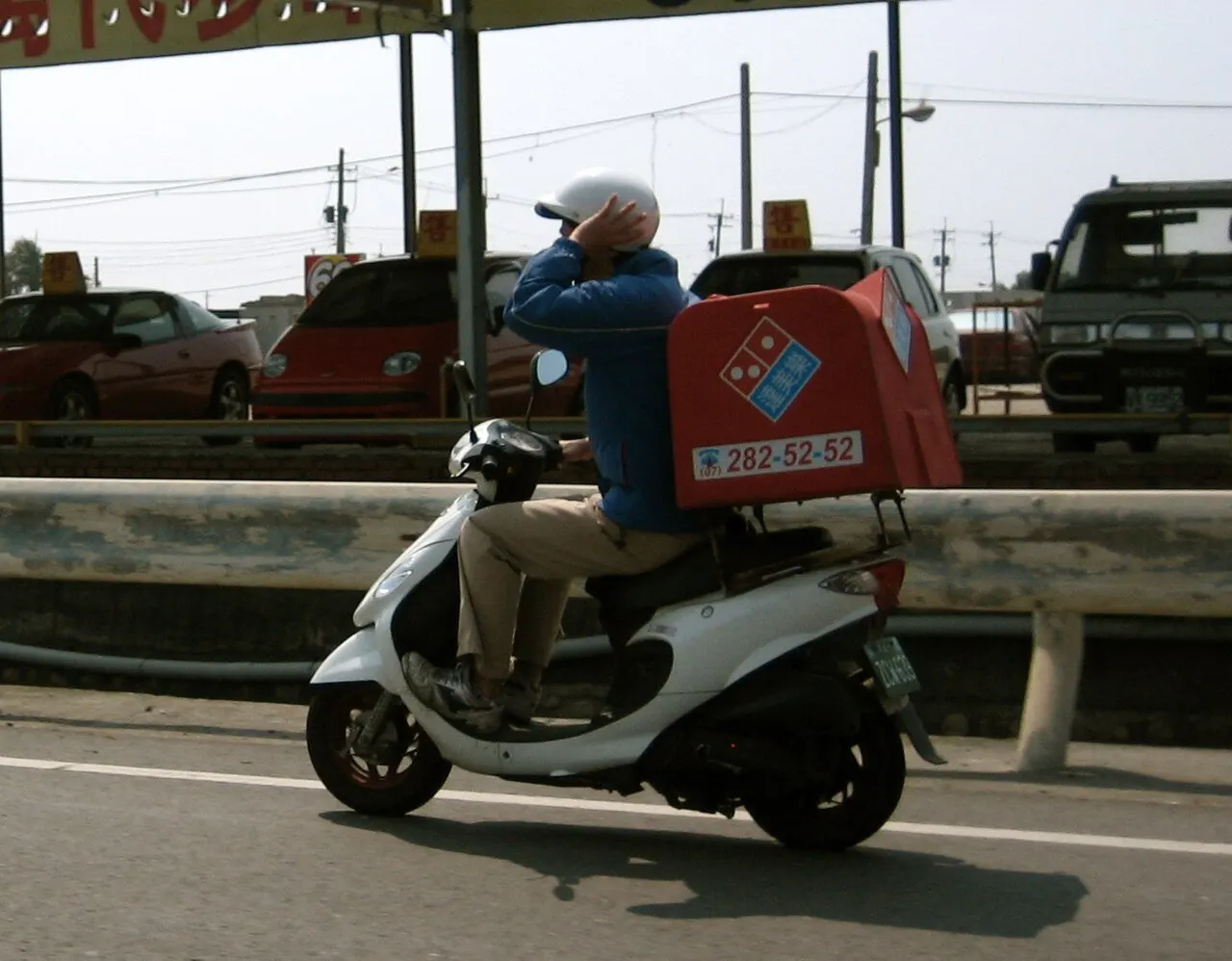

Evan Moore entered the story of DoorDash almost by accident. While studying at Stanford, he shared a dorm floor with Tony Xu, Andy Fang and Stanley Tang. Late nights in the campus coffee shop turned into brainstorming sessions about how to solve the “last‑mile” problem that plagued small restaurants. Moore’s background in logistics and his knack for building simple, repeatable processes gave the group a practical edge. The four of them sketched a prototype on a whiteboard, then tested it on a single block in Palo Alto, delivering meals on bicycles to a handful of local eateries. The experiment proved that a modest network of drivers could move food quickly enough to keep customers satisfied, and it convinced the founders that a technology platform could scale the model.
The early days were a blur of sleepless nights, broken scooters, and constant recalibration of the pricing algorithm. Moore’s role was to translate the chaotic field data into a reliable software stack. He pushed the team to adopt a data‑driven approach, insisting that every delivery be logged and analyzed. That discipline helped the fledgling service beat rivals such as Postmates and Grubhub in the narrow Palo Alto market, where speed and reliability mattered more than brand recognition. The competitors were larger and better funded, but they lacked the hyper‑local focus that Moore and his co‑founders cultivated. Their willingness to iterate on the ground, to send a driver back to a restaurant after a missed drop‑off, built a reputation that grew faster than any marketing budget could have bought.
Even as the platform began to attract attention from venture capitalists, internal tensions rose. The founders debated whether to raise a massive Series A round or to grow organically, fearing that too much money would dilute their vision. Moore, ever the pragmatist, argued for a measured infusion that would keep the core team intact. The board eventually approved a modest round, but the decision left the founders exhausted and questioning whether they could sustain the pace. At one point, Moore considered stepping away entirely. He recalled a night after a delivery driver was stranded in a rainstorm, realizing that the company’s success depended on a fragile balance of technology and human goodwill. The weight of that responsibility made him wonder if his life would be better spent on a quieter startup or a traditional corporate role.
In early 2015, Moore made the difficult choice to leave DoorDash. He had already secured a small equity stake, but the company was still a handful of employees operating out of a cramped office. The decision shocked his co‑founders, who later admitted that his departure created a temporary leadership vacuum. Yet the foundation Moore helped lay - robust logistics software, a disciplined data culture, and the Palo Alto delivery playbook - remained intact. When DoorDash entered its hyper‑growth phase two years later, the metrics Moore had championed became the engine that powered the company’s expansion into dozens of cities. Investors praised the early architecture, and analysts traced the company’s scalability back to the systems Moore helped design.
Moore’s exit illustrates a paradox that many entrepreneurs face: the most visible success stories are often those of founders who stay through the IPO, while those who leave early become footnotes despite their critical contributions. In interviews, Moore has kept a low public profile, preferring to let the company’s achievements speak for him. Nonetheless, his name appears in the founding credit on the company’s website and in the legal filings that established DoorDash as a corporation. The contrast between his modest net‑worth estimate - roughly a billion dollars in early equity valuations - and the public fame of his former partners underscores how timing and narrative shape perception as much as financial outcomes.
The story of DoorDash’s breakthrough is also a tale of luck. The timing of the Palo Alto experiment coincided with a surge in smartphone adoption and a cultural shift toward on‑demand services. A sudden rainstorm one summer forced a restaurant to cancel a large order, prompting the founders to improvise a rapid delivery that saved the client’s reputation. That incident generated a local news story, which attracted the attention of a seed investor who later became a key backer. Moore later reflected that while hard work and strategic thinking were essential, the serendipity of that storm and the willingness to act on it were equally decisive.
Rivals continued to pressure DoorDash throughout its ascent. Postmates launched a nationwide expansion that threatened to outpace DoorDash’s city‑by‑city rollout. Grubhub, with its deep restaurant relationships, tried to undercut DoorDash on commission rates. Each challenge forced the company to double down on the operational rigor that Moore had instilled. When a competitor attempted to poach several of DoorDash’s early drivers by offering higher pay, the company responded by improving its driver support platform, a move that reduced turnover and reinforced loyalty. The ability to adapt quickly to competitive threats became a hallmark of the organization, a trait that can be traced back to the early experiments Moore helped orchestrate.
Looking back, Moore’s journey through the breakthrough and hard seasons reads like a case study in early exit versus IPO fame. He walked away before the company’s valuation exploded, yet his influence persisted in the DNA of the business. The narrative challenges the conventional hero myth that equates staying power with impact. It also highlights how a handful of determined individuals, a modest delivery test in Palo Alto, and a willingness to confront failure can lay the groundwork for a multibillion‑dollar enterprise. Moore’s quiet legacy reminds readers that success often depends on the unseen hands that shape a venture long before the headlines appear.
How they work and what they built
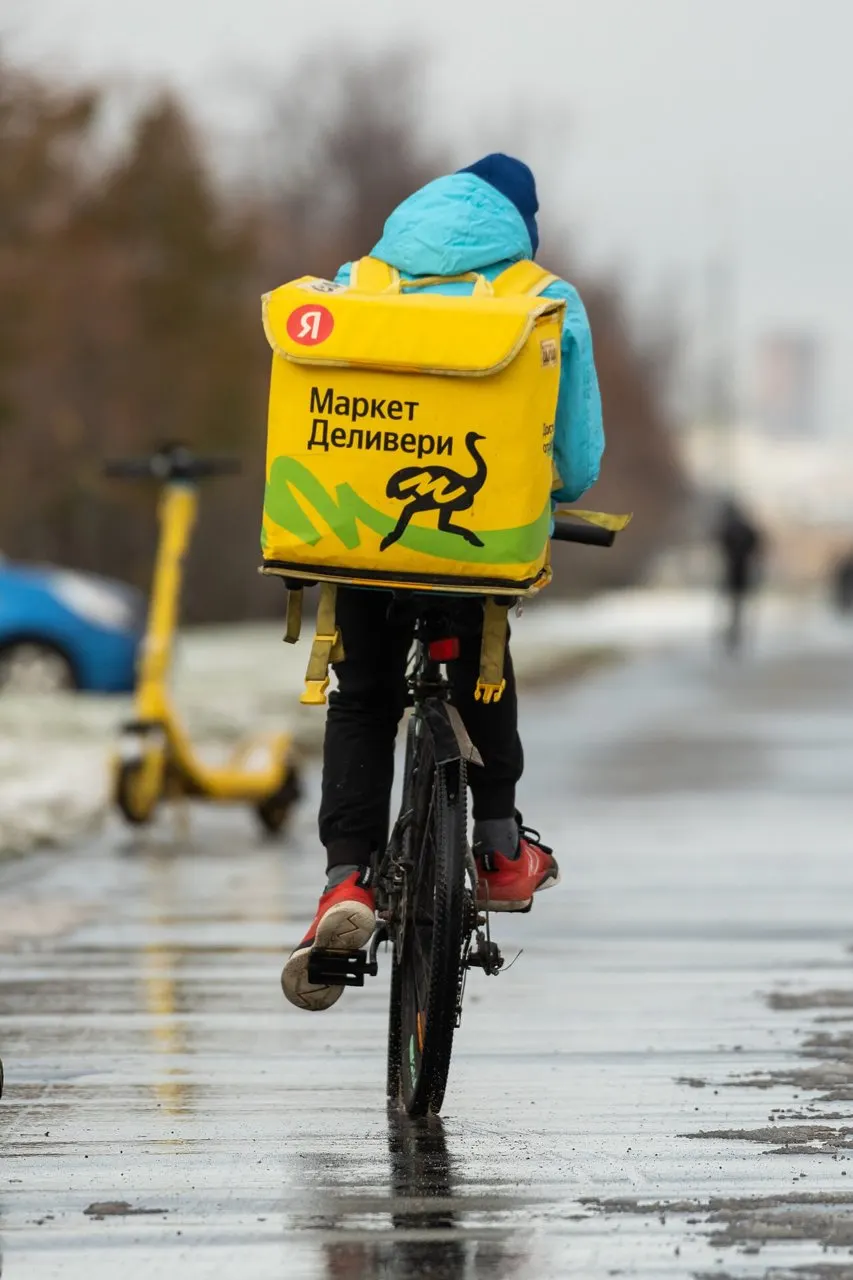
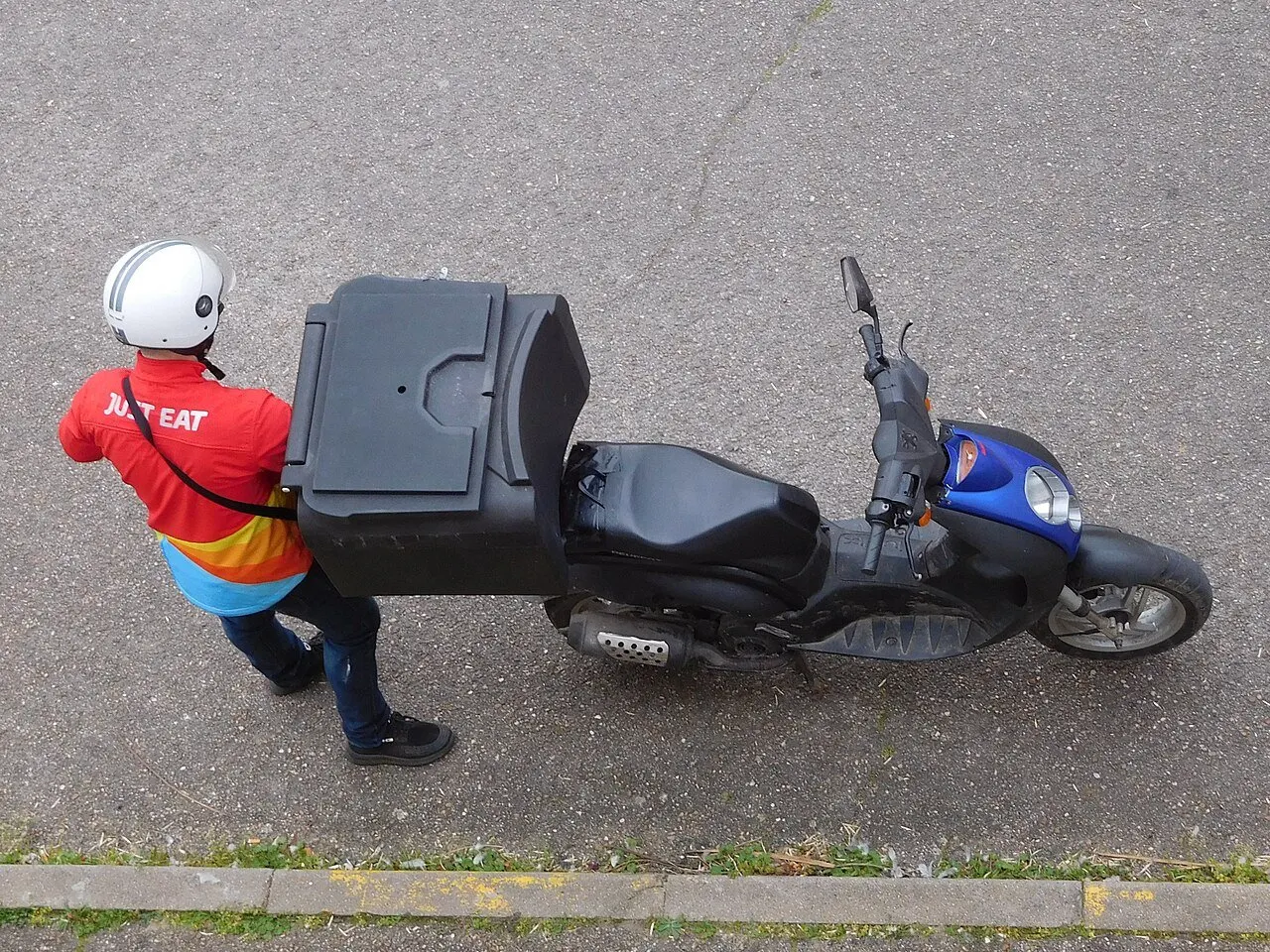
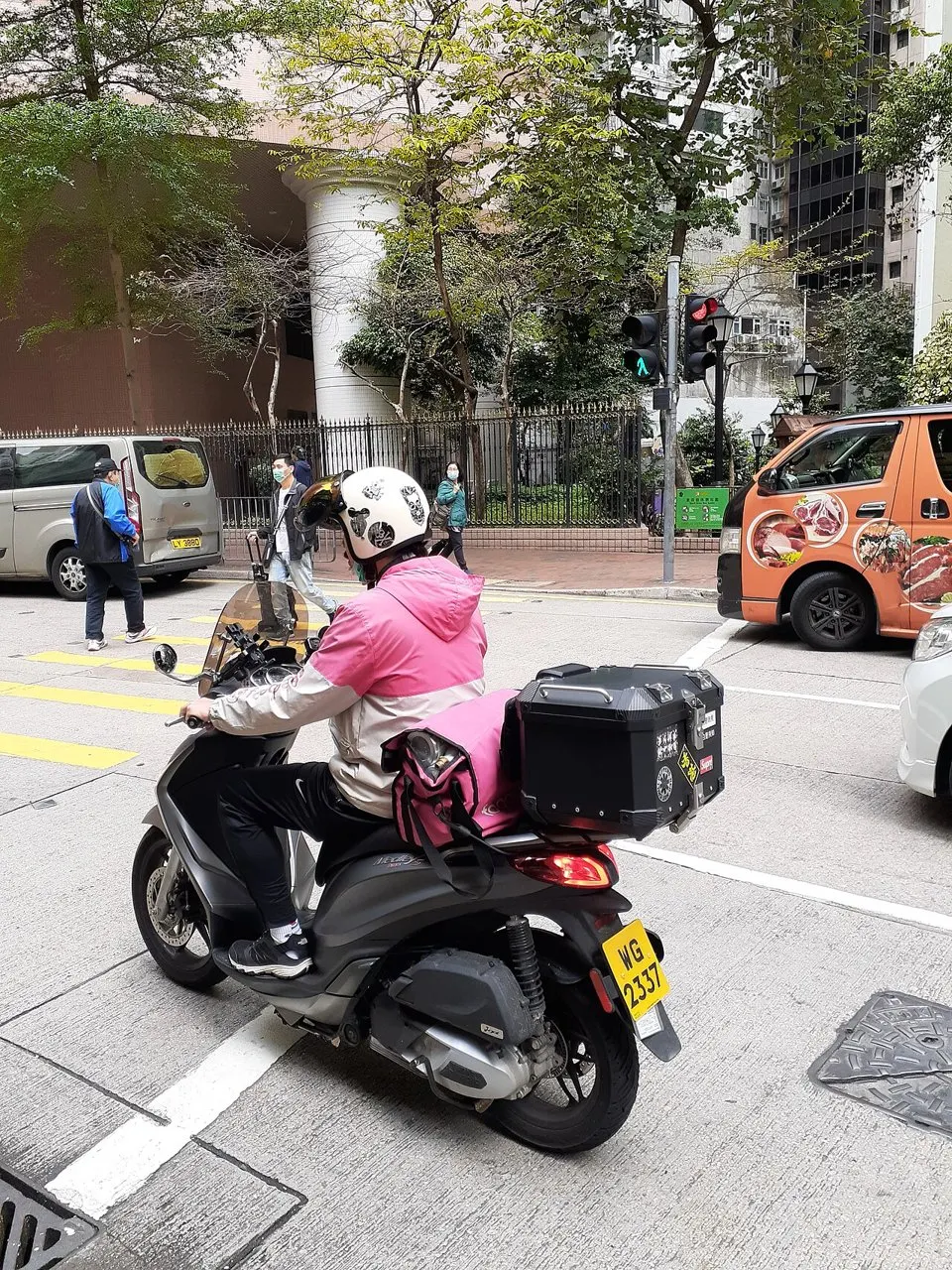
Evan Moore entered the world of on‑demand logistics almost by accident, a product of a Stanford class project that brought together four strangers with a shared obsession for solving everyday friction. In a cramped dorm room, Moore, Tony Xu, Andy Fang and Stanley Tang sketched the first version of a platform that could match local couriers with nearby restaurants. Their early meetings were a mix of late‑night brainstorming, rapid prototyping on laptops, and a relentless focus on data - every decision was measured against a spreadsheet of delivery times, cost per mile, and user satisfaction scores.
The first field test took place in Palo Alto, where Moore coordinated a handful of college students to deliver meals from a single restaurant to nearby offices. He spent mornings riding a bike through the campus, mapping the most efficient routes, and afternoons debriefing with the team over pizza. The experiment revealed a simple truth: people would pay a premium for speed and reliability, but only if the service felt seamless. Moore’s habit of walking the delivery routes himself gave him a visceral understanding of the bottlenecks that would later shape DoorDash’s routing algorithms.
Moore’s contribution to the product was not just operational but cultural. He championed a “move fast, stay humble” mindset that encouraged engineers to ship code daily and learn from failures quickly. In the early weeks, the team adopted a practice of weekly “post‑mortems” where every missed delivery or technical glitch was dissected without blame. This habit of transparent analysis created a feedback loop that accelerated iteration, allowing the fledgling platform to expand from a single restaurant to a dozen within months.
Technology decisions were guided by Moore’s insistence on simplicity. He pushed for a lightweight micro‑service architecture that could scale horizontally, avoiding monolithic codebases that would become a nightmare as the user base grew. The early system relied on a custom dispatch engine that matched couriers to orders based on proximity, capacity, and historical performance. Moore personally reviewed the first version of the algorithm, tweaking weightings until the average delivery time dropped by ten percent in the Palo Alto pilot.
While the product team focused on the user experience, Moore turned his attention to the people who would run the network on the ground. He instituted a “courier first” policy, offering flexible schedules, transparent earnings dashboards, and a simple onboarding process that required only a smartphone and a bike. This approach built a community of independent drivers who felt ownership over the service, a cultural cornerstone that later distinguished DoorDash from competitors that treated couriers as interchangeable labor.
Moore’s leadership style was quietly decisive. In meetings he asked pointed questions - “What does the data say?” - and then let the numbers drive the conversation. He avoided grandiose visions in favor of incremental milestones, setting weekly targets for order volume, driver activation, and restaurant onboarding. This habit of breaking down ambitious goals into bite‑sized, measurable steps kept the team aligned and motivated, even as the workload intensified.
By the end of 2014 the company had secured its first round of venture funding, and the four founders were thrust into a world of investor decks and boardrooms. Moore, ever the pragmatist, focused on building operational resilience rather than courting media attention. He declined most public speaking invitations, preferring to spend his days refining the logistics platform and mentoring new hires. This low‑profile approach meant that, when DoorDash later exploded into a multibillion‑dollar enterprise, Moore’s name remained largely out of the headlines.
In early 2015, after the company had achieved a stable product‑market fit and was poised for rapid expansion, Moore made the difficult decision to step away. He recognized that his strengths lay in building foundational systems and culture, not in scaling a massive public company. The departure was amicable; the remaining founders respected his choice and ensured his equity stake remained intact. Moore’s early exit became a case study in the tech ecosystem - a reminder that founding impact does not always require a seat at the IPO table.
Even after leaving, Moore’s fingerprints are evident in DoorDash’s core DNA. The micro‑service architecture he advocated now supports a network that processes millions of orders daily. The data‑driven dispatch engine, refined over years, still follows the same principle of matching supply and demand in real time. The courier‑first culture he helped embed continues to shape driver incentives, safety protocols, and community outreach programs across the United States and beyond.
Moore’s story illustrates a different kind of founder success. While many celebrate the fame that comes with a public listing, his legacy is built on the habits he instilled, the decisions he made in the earliest days, and the culture he nurtured. The systems he helped design have scaled to power a company valued at roughly eighty billion dollars, and his early equity is now estimated to be worth close to a billion. Yet his impact is measured more by the reliability of a late‑night pizza delivery than by the size of his personal net worth, offering a quiet lesson about the power of foundational work in a hyper‑growth industry.
Current achievements as of September 2026

Evan Moore’s profile in 2026 reads like a study of how an early‑stage founder can turn a brief stint in a startup into a lasting legacy. After graduating from Stanford, where he first met Tony Xu, Moore joined three classmates - Andy Fang and Stanley Tang - to launch a food‑delivery service in 2013. Their first test runs took place in a modest Palo Alto neighborhood, where a handful of drivers shuttled meals from local restaurants to a few dozen customers. The experiment proved that a coordinated network could move food quickly and reliably, and it laid the groundwork for what would become DoorDash.
Moore’s involvement in those first months was hands‑on. He helped design the initial routing algorithm, negotiated the first agreements with restaurant owners, and recruited the first cohort of drivers. By the end of the first year the fledgling operation was processing several hundred orders a week. Although his role was critical to the launch, Moore chose to step away in late 2014, before the company secured its Series A financing and before the rapid expansion that would later define its growth. He cited a desire to explore other entrepreneurial opportunities and to spend more time with his family.
Leaving the company early meant that Moore missed the headline‑making hypergrowth that propelled DoorDash to a valuation of roughly $80 billion by 2026. Nevertheless, his equity stake from the founding round continued to appreciate as the business scaled. Analysts estimate that the shares he retained translate into a net worth in the vicinity of $1 billion, though exact figures vary because the private‑market valuation of his holdings is not publicly disclosed. The magnitude of that wealth underscores how even a brief participation in a high‑growth venture can generate substantial financial returns.
Since his departure, Moore has built a portfolio of investments that reflect the same logistical mindset that guided his early work. He has backed several logistics‑focused startups, including a last‑mile delivery platform that uses autonomous vehicles for suburban routes and a cloud‑based inventory‑management tool for small‑scale retailers. In each case he has taken an active advisory role, drawing on the operational lessons he learned during the Palo Alto experiment. His reputation as a pragmatic problem‑solver has made him a sought‑after mentor for founders navigating the transition from pilot projects to scalable businesses.
Moore also serves on the board of a nonprofit that provides free meals to low‑income families in the Bay Area. The organization leverages the same data‑driven delivery network concepts that Moore helped pioneer, using real‑time analytics to match volunteers with households in need. His involvement is both financial and strategic, and the partnership has expanded the nonprofit’s reach to over 30,000 families annually. This work illustrates how the early delivery model can be repurposed for social impact, a theme Moore frequently highlights in speaking engagements.
In the public arena Moore maintains a relatively low profile compared with his co‑founders, who have become frequent speakers at tech conferences and appear regularly in media coverage of DoorDash’s IPO and subsequent growth. Moore prefers to let the company’s success speak for his contribution, and he rarely grants interviews. When he does appear, he emphasizes the collaborative nature of the founding team and the importance of timing in startup ecosystems. He often remarks that the decision to leave early allowed him to pursue other passions without the constraints of a rapidly scaling public company.
Moore’s philanthropic footprint extends beyond food security. He has contributed to Stanford’s engineering school, funding a scholarship program for students interested in supply‑chain technology. The endowment supports research into sustainable logistics, a field that aligns with his belief that efficient delivery can reduce environmental impact. He also supports a venture fund focused on climate‑positive transportation solutions, positioning himself at the intersection of technology, finance, and environmental stewardship.
By September 2026, Moore’s achievements are measured less by headline‑making exits and more by the ripple effects of his early work. The delivery network he helped conceive now moves billions of meals each year, and the operational principles he helped codify are embedded in a generation of logistics startups. His personal wealth, while substantial, is presented as a byproduct of a broader mission to improve how goods move in society. In academic case studies, Moore is frequently cited as an exemplar of an early exit founder whose influence persists long after stepping away from day‑to‑day operations.
Overall, Moore’s current standing reflects a blend of quiet influence, strategic investment, and targeted philanthropy. He remains a pivotal figure in the narrative of DoorDash’s rise, even as he operates largely behind the scenes. His story offers a counterpoint to the more visible trajectories of his co‑founders, illustrating that the impact of a founder can endure through the structures they help create, the capital they allocate, and the causes they champion.
World impact and closing
The story of Evan Moore begins in a Stanford lecture hall, where a group of classmates shared a restless curiosity about how technology could reshape everyday life. In that room, Moore met Tony Xu, Andy Fang and Stanley Tang, and the four of them left the campus with a single, untested idea: a platform that could bring meals from local restaurants straight to a customer’s door. Their chemistry was the spark that turned a classroom project into a venture that would later be valued at tens of billions.
In the summer of 2013 the quartet set up a modest experiment in Palo Alto, loading a battered delivery bike with a handful of orders from nearby eateries. Moore, who had a background in software engineering, built the first version of the app that matched drivers with customers, while his co‑founders handled logistics, fundraising and outreach. The experiment was a modest success, proving that a network of independent couriers could reliably navigate the fragmented world of local restaurants.
For customers, the impact was immediate. Before DoorDash, ordering food meant a phone call, a waiting period, and the uncertainty of whether the restaurant would deliver at all. Moore’s early prototype turned that experience into a few taps on a screen, a real‑time map, and a predictable arrival time. The convenience reshaped dinner routines, allowing families to reclaim evenings that once ended with cooking or waiting for takeout.
Restaurants felt the shift as well. Small, family‑run kitchens that had struggled to reach new diners discovered a channel that expanded their reach without the overhead of a brick‑and‑mortar expansion. Moore’s technology gave them data on order patterns, peak times and customer preferences, tools that were previously the domain of large chains. The result was a democratization of market access that altered the competitive landscape of the food industry.
The gig economy also found a new engine in DoorDash. By the time the company entered hypergrowth, thousands of drivers were earning a living by delivering meals, a model that blended flexibility with a steady stream of work. Moore’s early work on the matching algorithm laid the groundwork for a system that could scale from a single neighborhood to a national network, influencing how other on‑demand services approached labor management.
Culturally, the convenience of on‑demand delivery seeped into everyday expectations. The idea that a hot meal could appear at a doorstep within minutes became a norm, reshaping how people thought about time, convenience and the social rituals of dining. The ripple effect extended beyond food; it inspired a wave of startups that applied the same logistics playbook to groceries, pharmacy items and even household goods.
Moore’s departure from the company came before the headlines of a multibillion‑dollar IPO. He stepped away during the early growth phase, choosing a quieter path that kept him out of the public spotlight. While his name does not appear on the ticker symbol, the credit for co‑founding the platform remains embedded in the company’s origin story and in the memories of the early team.
His decision to leave early has become a case study in the contrast between early exit and later fame. Investors and entrepreneurs point to Moore’s trajectory as a reminder that the value of a founder’s contribution is not measured solely by wealth or media presence, but by the lasting structures they help create. The platform he helped design continues to generate jobs, support small businesses and shape consumer habits worldwide.
For the industry, Moore’s early work demonstrated that a lean, tech‑first approach could disrupt a sector traditionally dominated by legacy players. The success of DoorDash encouraged venture capital to pour resources into logistics startups, accelerating a broader transformation of how goods move through cities. The ripple effect can be seen in the rise of same‑day delivery services, automated routing software and the growing emphasis on data‑driven operational efficiency.
Employees at the company today still reference the Palo Alto experiment as a touchstone of the culture Moore helped instill: a willingness to test ideas quickly, to iterate based on real‑world feedback, and to keep the focus on the end user. That ethos has survived multiple rounds of funding, leadership changes and market cycles, underscoring how foundational his early influence was.
When a customer in a small Midwestern town receives a dinner from a restaurant they have never visited, the experience is a direct line back to that first bike ride in Palo Alto. The convenience, the reliability, the sense that the world is a little smaller - all trace their lineage to the modest experiment that Moore and his classmates launched.
The narrative of Evan Moore is not a tale of headline‑making wealth, but a quiet testament to the power of a single idea nurtured by a close‑knit team. It is a reminder that the most profound changes often begin in a classroom, in a garage, or on a bike laden with a handful of meals. The world he helped set in motion continues to evolve, delivering not just food, but a new way of connecting people to the places they love.
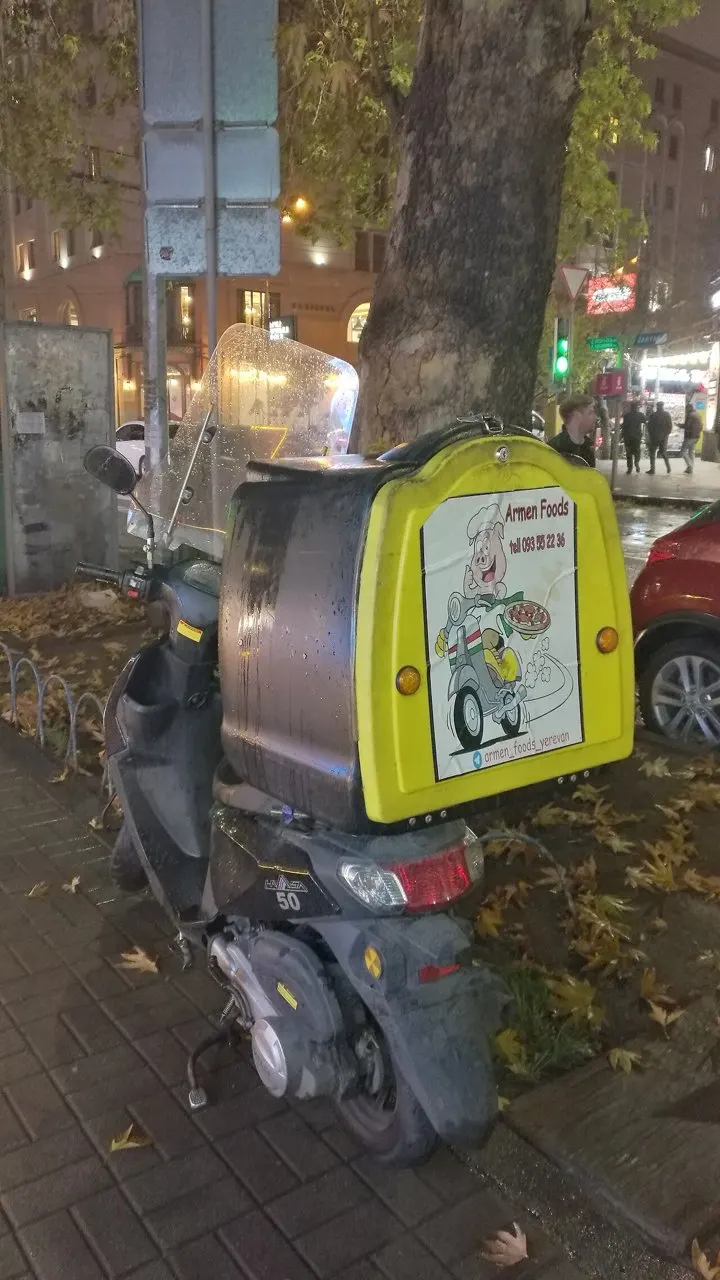
In the final scene of this documentary, we hear the soft hum of a delivery driver’s scooter winding through a city at night, the faint clink of a door opening, and a family’s laugh as they share a meal they never had to prepare. That moment, simple yet profound, carries the echo of Moore’s early vision - a vision that turned a campus conversation into a global network, and that still, quietly, reshapes lives one delivery at a time.
Watch alongside this story
Short cuts from interviews, keynotes and launches. Each plays only the moment that matters.