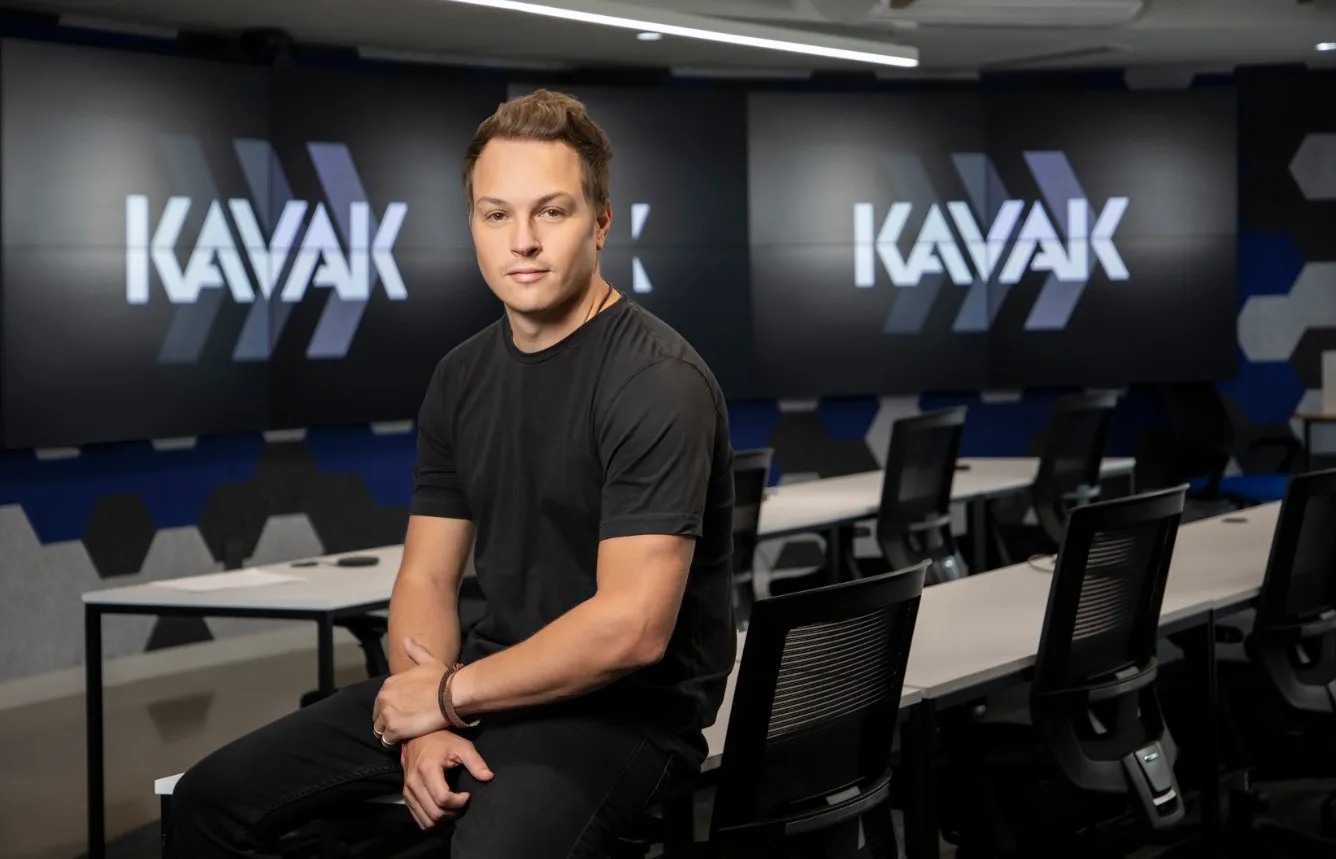
From Caracas to Car Market
He grew up in many cities. He started a lawn care business at twelve.
A fraud‑filled market needed a hero.
Carlos saw the pain of buyers.
He built a safe place for used cars.
Childhood and Family
Carlos was born on September 6, 1983.
His birthplace was Caracas, Venezuela.
His father served in the military.
The family moved often.
They lived in about fourteen cities.
Moving made school hard for him.
Hometown and Early School
Carlos spent his early years in many towns.
He never stayed long in one place.
He struggled to focus in class.
At twelve he started a lawn care business.
The venture taught him how to sell.
Higher Education
He earned a bachelor’s degree in economics.
The school was Universidad Católica Andrés Bello.
He later studied at Stanford.
He completed an MBA at Oxford’s Saïd Business School.
First Jobs
He worked as a business analyst at Bolpriaven.
He interned in marketing at Diageo.
He became brand manager at Alfonzo Rivas & Cia.
He interned at Amazon during his MBA.
He later joined McKinsey as an engagement manager.
He served as Chief Marketplace Officer at Linio.
Founding Kavak
In 2016 Carlos founded Kavak in Mexico City.
His co‑founders were Loreanne García and Roger Laughlin.
The idea came after two car scams.
One scam happened while he sold a car in Colombia.
The other happened when he bought a car in Mexico.
He learned that forty percent of deals were fraudulent.
He built an algorithm for real‑time fair pricing.
The startup began with fifteen employees.
It started with only three cars in inventory.
Early growth came from Facebook ads.
Word of mouth spread as customers trusted the platform.
Kavak grew fast.
By 2025 it handled nearly 120,000 transactions a year.
It reached its first month of global profitability in December 2025.
The fintech arm financed over one billion dollars for users.
Funding reached $3.7 billion, including a $300 million Series F round in February 2026 led by Andreessen Horowitz.
The company faced a tough market in 2022.
Valuation fell from $8.7 billion to $2.2 billion.
Staff cuts and country closures followed.
Employees reported delayed vehicle registrations.
Allegations of nepotism and centralized management emerged.
Regulators and legacy dealers also challenged Kavak’s scale.
Carlos still leads the company.
He runs an annual self‑reflection where he temporarily fires himself.
He invests in other Latin American startups.
He also coordinates emergency supply aid for Venezuela.
His leadership philosophy is constant iteration.
He says he builds for where models are going.
Carlos Garcia Ottati remains the founder and CEO of Kavak.
He continues to push the used‑car market toward transparency and social mobility.
Founding Story
Carlos García Ottani was born on September 6, 1983 in Caracas, Venezuela.
His family moved a lot because his father was in the military.
He lived in about 14 different cities as a child.
He struggled to focus in school but liked starting businesses.
At age 12 he started a lawn‑care business.
He later studied economics at Universidad Católica Andrés Bello.
He earned an MBA from Oxford’s Saïd Business School.
He also took courses at Stanford.
In 2016 he founded Kavak in Mexico City.
He started the company with Loreanne García and Roger Laughlin.
He was inspired after two car scams in Colombia and Mexico.
He saw that 40 percent of used‑car deals were fraud.
He wanted a transparent marketplace for used cars.

First Customers and Product
Kavak began with a team of 15 people.
The first inventory was only three cars.
The platform promised real‑time fair market pricing.
Carlos built an algorithm to set those prices.
The company used Facebook ads to attract buyers.
Word‑of‑mouth helped the first customers trust the service.
Early Struggles
In 2022 the market contracted sharply.
Kavak’s valuation fell from $8.7 billion to $2.2 billion.
The company cut many staff positions.
It closed operations in several countries.
Customers reported delays in vehicle registrations.
Former employees spoke of nepotism and central management issues.
Regulators also challenged Kavak’s rapid growth.
Key Turning Points
Carlos responded by tightening operations.
He focused on improving logistics and customer service.
He introduced stricter quality checks for cars.
He added a fintech arm to finance purchases.
The fintech arm financed over $1 billion for users.
In December 2025 the company posted its first month of global profit.
Growth, Funding, and Acquisitions
By the end of 2025 Kavak handled nearly 120 000 transactions a year.
The company raised $3.7 billion in total funding.
In February 2026 it closed a $300 million Series F round.
Andreessen Horowitz led the Series F round.
Kavak bought Checkars, Carvak, OPI Analytics, and Carzaty.
These acquisitions expanded its data and service capabilities.
The fintech arm helped users buy cars with low‑interest loans.
Kavak remains a private company and has not held an IPO.

Ongoing Leadership
Carlos still serves as founder and CEO.
He runs an annual self‑reflection exercise.
He temporarily fires himself to test his fit.
He also invests in other Latin American startups.
He coordinates emergency supply logistics for Venezuela.
His leadership style focuses on constant iteration.
Summary
Carlos García Ottati turned personal car scams into a tech platform.
Kavak grew from three cars to a $3.7 billion funded firm.
The company survived a major valuation drop.
It now profits globally and finances a billion dollars for buyers.
Carlos continues to lead and innovate in the used‑car market.
Setbacks
Kavak lost value after 2022.
The company fell from $8.7 billion to $2.2 billion.
Staff numbers dropped sharply.
Operations closed in several countries.
Customers reported slow vehicle registrations.
Former workers said nepotism existed.
Regulators pushed back on the business model.

Criticism and controversies
Critics called the rapid growth risky.
Media noted the centralized management style.
Employees complained about inefficient decisions.
Auto dealers argued Kavak threatened traditional markets.
The public questioned the leadership during the downturn.
What changed recently
Kavak raised $300 million in February 2026.
Andreessen Horowitz led the Series F round.
The company turned profitable in December 2025.
Fintech arm financed over $1 billion for users.
Ottati began an AI‑driven overhaul of the platform.
He kept a yearly self‑reflection habit.
Where they are now in 2026
Kavak operates globally with a profitable model.
Ottadi still serves as founder and CEO.
The firm runs an AI platform for pricing cars.
It processes about 120 000 transactions a year.
The company remains private, not listed on any exchange.
Ottadi also invests in other Latin American startups.

Why the story matters
The rise shows how a clear problem can spark a business.
The fall reminds leaders that growth can be fragile.
The comeback proves that funding and tech can revive a firm.
The story teaches the value of constant self‑check.
It shows that transparency matters in used‑car markets.
Strong lessons for any founder.
The Record
Birth: September 6 1983, Caracas, Venezuela
Education: Economics degree, Universidad Católica Andrés Bello; MBA, Oxford Saïd Business School; studies at Stanford
Founded: Kavak, 2016, Mexico City
Funding total: $3.7 billion
Series F: $300 million, February 2026, Andreessen Horowitz
Transactions 2025: ~120 000 annually
Fintech financing: >$1 billion
Timeline
1. 1983 to Born in Caracas, Venezuela.
2. 1995 to Started lawn‑care business at age 12.
3. 2005 to Earned Economics degree.
4. 2009 to Completed MBA at Oxford.
5. 2016 to Founded Kavak with 15 staff and three cars.
6. 2022 to Valuation dropped 75%; staff cuts and closures.
7. 2025 to Achieved first month of global profitability.
8. Feb 2026 to Closed $300 million Series F round.
9. 2026 to Leading AI transformation and active angel investing.