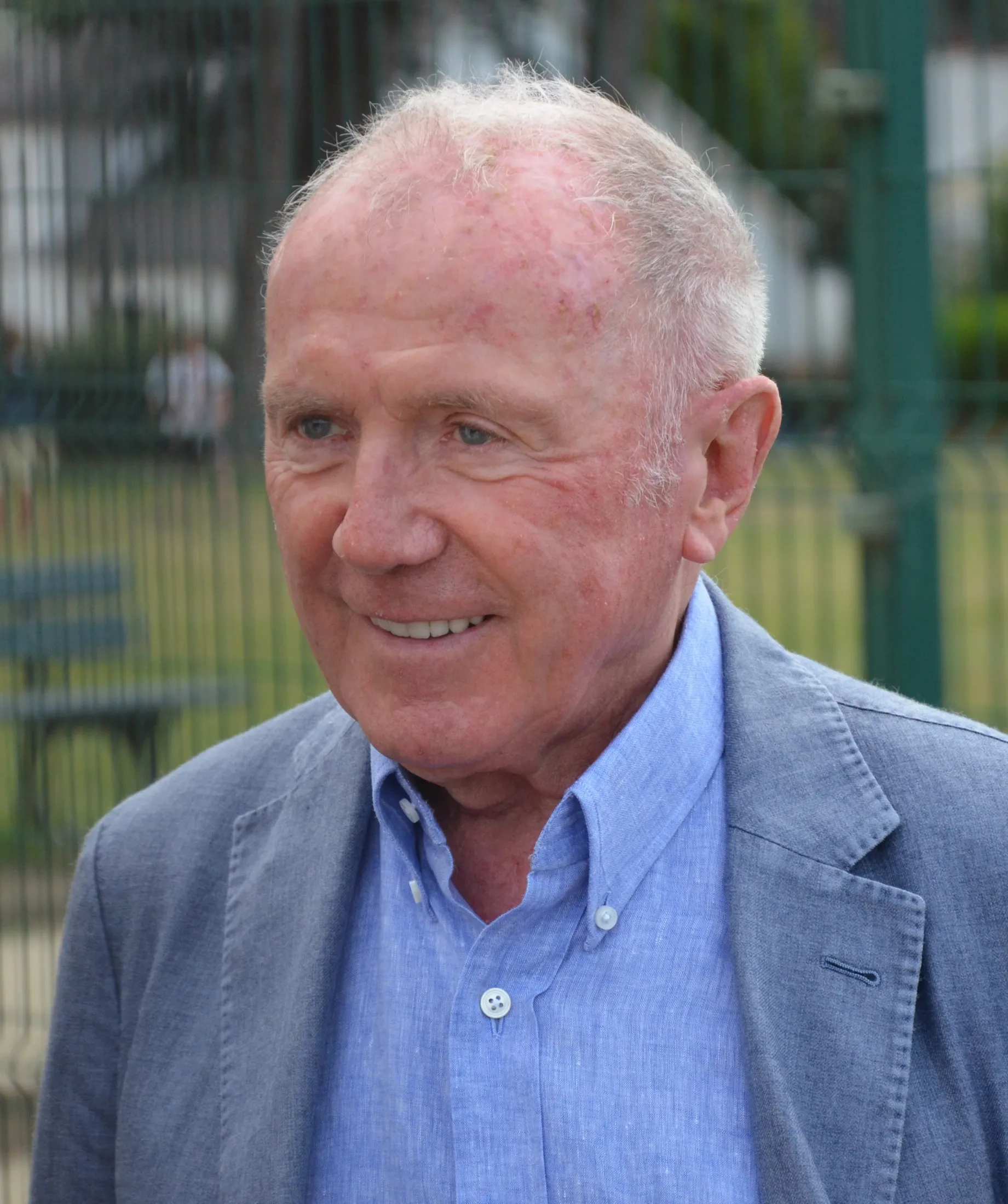
The Timber Man Who Bought Gucci
A farm boy bullied for his accent. A timber trader who listed in Paris. A white knight who stopped LVMH at Gucci.
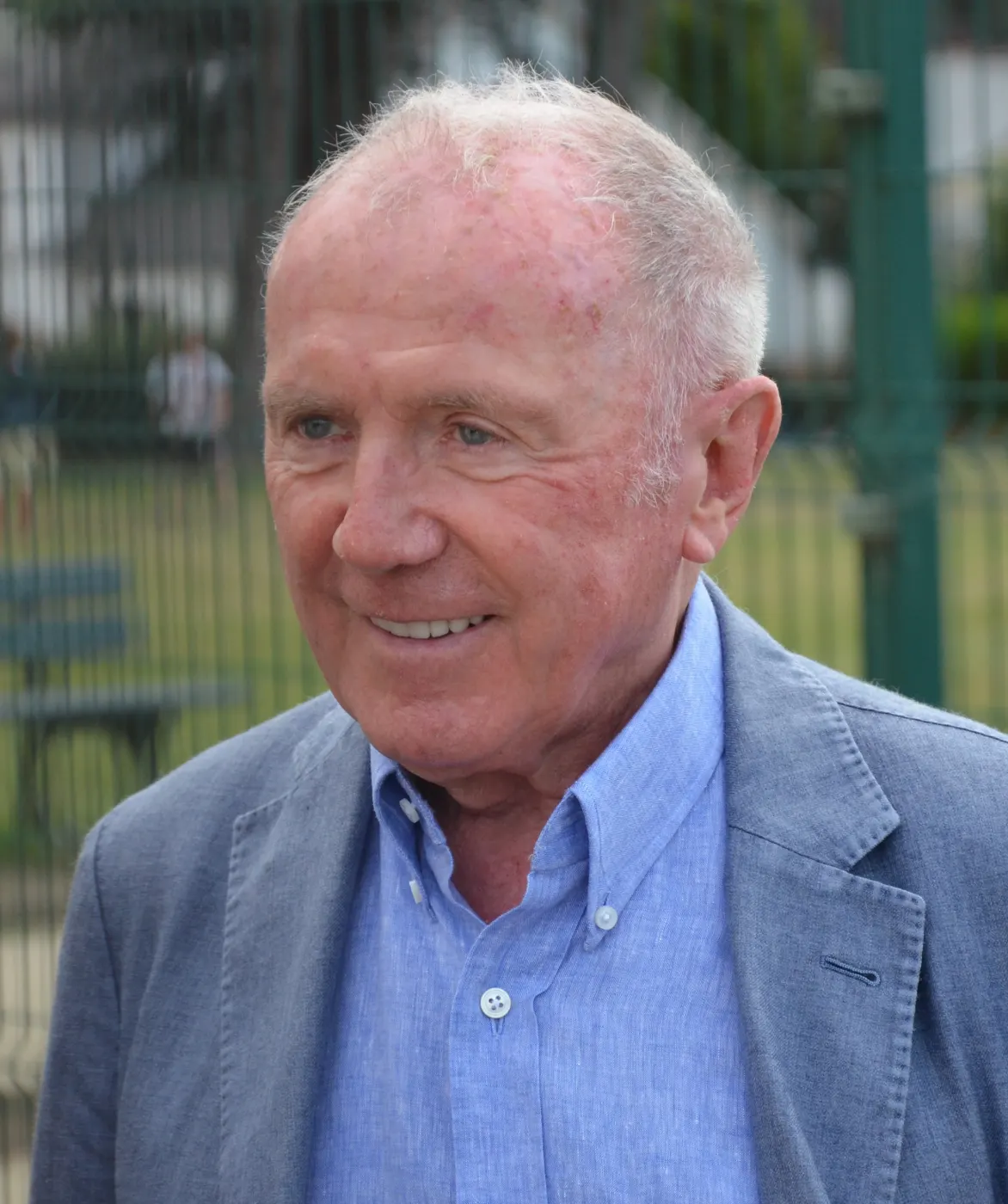
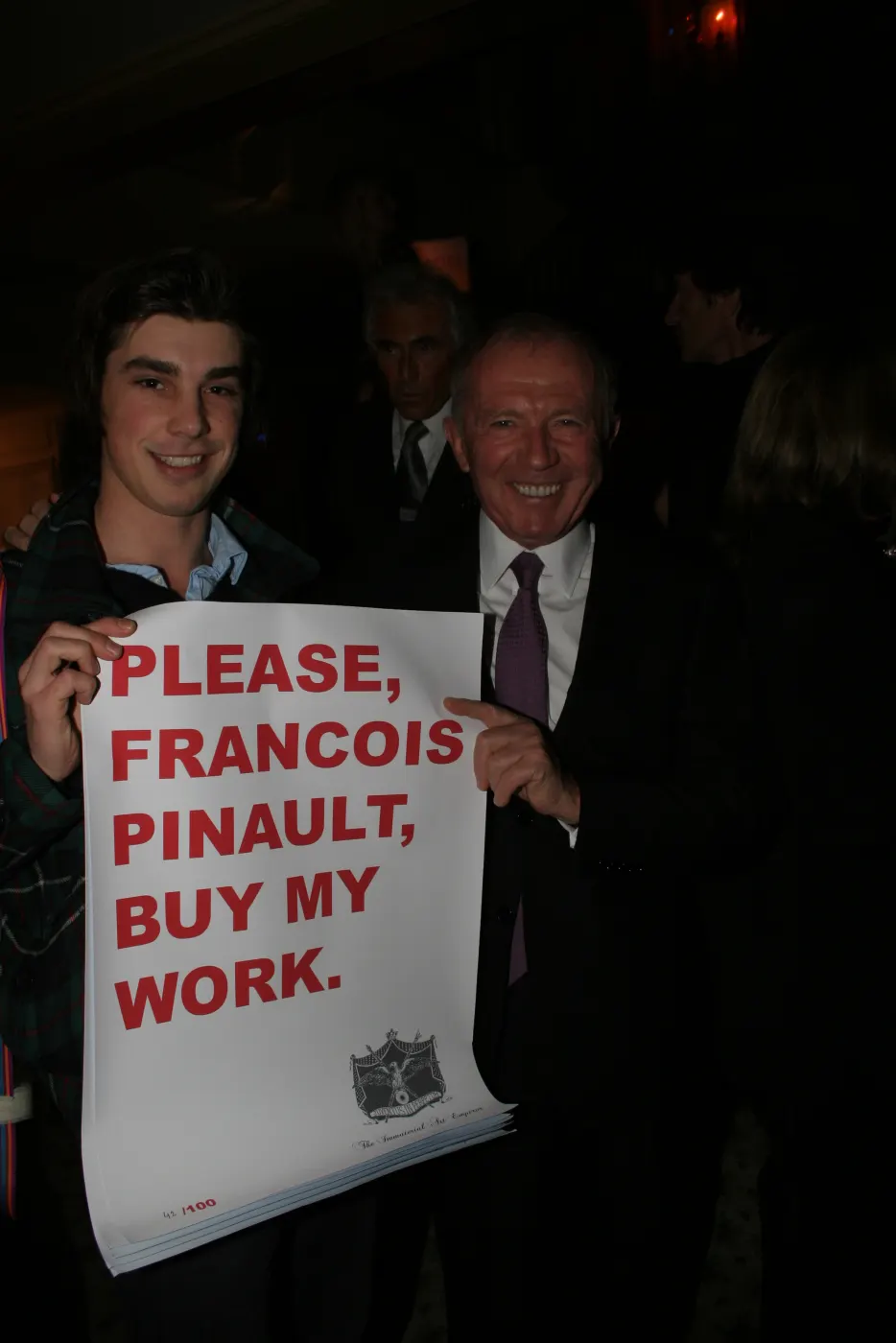
In March 1999, the most famous fight in modern luxury was not fought with handbags. It was fought with lawyers, stock filings, and a phone call to a Brittany timber man who had already become one of France's richest people.
Bernard Arnault's LVMH had been quietly building a stake in Gucci. Gucci's managers, led by Domenico De Sole with Tom Ford as the creative star, saw a takeover coming. They needed a partner strong enough to dilute Arnault and patient enough to fund a fashion house through a public war. They turned to François Pinault and his retail group Pinault-Printemps-Redoute.
Pinault paid roughly three billion dollars for about forty-two percent of Gucci. Dutch courts later cleared the path. Over the next five years his group raised its stake until Gucci was almost fully owned. Yves Saint Laurent, Boucheron, Balenciaga, Bottega Veneta, and Alexander McQueen followed into the same family of houses. The timber trader had become Arnault's lasting rival.
That deal is the famous hinge. The deeper story starts earlier: a wartime childhood in inland Brittany, a school exit at sixteen, Algerian War service, a father's death, a small wood yard on the road to Lorient, a near-death when a British buyer failed, a Paris listing, a pivot through department stores, and a second life as one of the world's most powerful contemporary art collectors.
This is that arc, told as a documentary, current through September 2026.
Les Champs-Géraux and the first map of hard work
François Henri Joseph Pinault was born on 21 August 1936 in Les Champs-Géraux, a small commune in northern Brittany. His father traded timber. The family lived the inland life of Trévérien, not the postcard coast. In a Paris Match interview years later, Pinault remembered the Foire fleurie at Dinan, the horse cart with his sisters and brother between the start and end of Lent, and the first time he saw the sea at age ten, after the war, when his father finally owned a car and drove them to Saint-Malo.
The war years left marks that biographies often soften into legend. Pinault has spoken of a childhood he partly wanted to erase. What is solid is the shape of the place: rural Brittany, a timber household, limited cash, and a boy who learned early that wood was inventory, not poetry.
He went to Collège Saint-Martin in Rennes. He left at sixteen. Reports and his own later comments point to bullying over a rural Breton accent and a refusal to stay in a room that treated him as a rustic. He joined the family lumber trade instead of collecting diplomas. In 1956 he enlisted for the Algerian War. In 1958 he received the Cross for Military Valour. The medal mattered to him; French business profiles later noted how few big bosses wore one.
When he returned, his father died. Pinault sold the father's timber stock. With a family loan and help from Crédit Lyonnais, often described as about one hundred thousand francs, he bought a small plot in Rennes's industrial zone on the route de Lorient and founded Établissements François Pinault around 1962 and 1963. Mornings meant buying wood from small sawmills. Afternoons meant selling to carpenters, cabinetmakers, and builders. The company was not glamorous. It was cash, trucks, and relationships.

The Venesta scare and the habit of buying weakness
Pinault did not grow only by organic trade. He hunted firms that looked tired or cheap, especially in timber and building materials. Restructuring distressed assets became a method. One episode he has told himself involves Venesta, a buyer that took his company and then collapsed in Britain. According to Pinault, Venesta's people wanted to push Établissements François Pinault into bankruptcy while he still ran it. He refused, proposed to buy it back, and restarted. Treat that telling as his account. The business lesson is clearer than the courtroom file: he learned to stay close to operational control when paper owners fail.
Through the 1970s and 1980s the group multiplied. By the late 1980s Pinault SA was described as a web of roughly one hundred eighty companies with multi-billion-franc revenue in timber trading, distribution, and processing. On 25 October 1988 the company listed on the Paris stock exchange. Public capital meant bigger prey.
He had already begun to think beyond forests. Specialty distribution, furniture retail, and African trading networks entered the map. The boy bullied for his accent was now a listed industrialist. He still kept the Brittany habit of speaking little and moving first.
Artémis, Printemps, and the retail years
In 1992 Pinault created Groupe Artémis as the family's private investment vehicle, controlled by the family. Artémis would become the quiet cockpit for everything that was not the day-to-day public group: vineyards, art, media, sport, later Hollywood talent.
The public company kept buying. CFAO brought African specialized distribution. Conforama brought furniture floors. In 1992 came Au Printemps, the department-store name that still means Paris shopping to millions. La Redoute's mail-order engine joined. In 1994 the combination was renamed Pinault-Printemps-Redoute, soon shortened in markets to PPR. Fnac, the books-and-electronics chain, entered the same constellation.
For a decade Pinault looked like a retail consolidator more than a fashion philosopher. That was useful camouflage. Retail threw off cash and taught logistics. It also put him across the table from brands, landlords, and politicians. He bought the news magazine Le Point in 1997 through Artémis. In 1998 he bought Christie's, the London auction house, for about 1.2 billion euros, two years before France fully liberalized private auction competition at home. The same year Artémis took control of Stade Rennais, the football club of Brittany's capital region. Wood, stores, bids, and goals now sat in one family system.
How he worked when the rooms got bigger
People who watched Pinault in those years describe a style that does not match the loud founder myth. He was early, brief, and hard to bluff on numbers. He liked assets with a clear path to cash or control. He did not need to be the face in every campaign photo. He built holding structures that kept family voting power even when public shareholders owned the float.
He also collected. In the early 1970s he bought Paul Sérusier's Cour de ferme (1891). Through the 1980s he moved toward modern French painting. In 1990 he paid 8.8 million dollars for Piet Mondrian's Losangique II. He later said that purchase taught him he could reach the best art of his time. Postwar and contemporary names followed: Rauschenberg, Warhol, Koons, Twombly, Serra, Hirst, Sherman, Hammons. Owning Christie's accelerated access and information. It also dragged him into the auction world's scandals and cycles, including the commission-fixing storm that hit the industry around 2000. He stayed. Passion and balance sheet were allowed to share a calendar.
At home he had remarried. After a first marriage to Louise Gautier (1962 to 1967) that produced François-Henri, Dominique, and Laurence, he married Maryvonne Campbell in 1970. Maryvonne came from the antiques trade. The household understood objects as both beauty and market.
March 1999: the Gucci white knight
By January 1999 LVMH was on the move in Gucci stock. On the Gucci side, management feared a creeping control that would end their independence. They created defensive structures and looked for a white knight. Pinault's PPR was not a fashion house. That was part of the appeal. He could fund a blocking stake without already owning a conflicting design empire in the same way Arnault did.
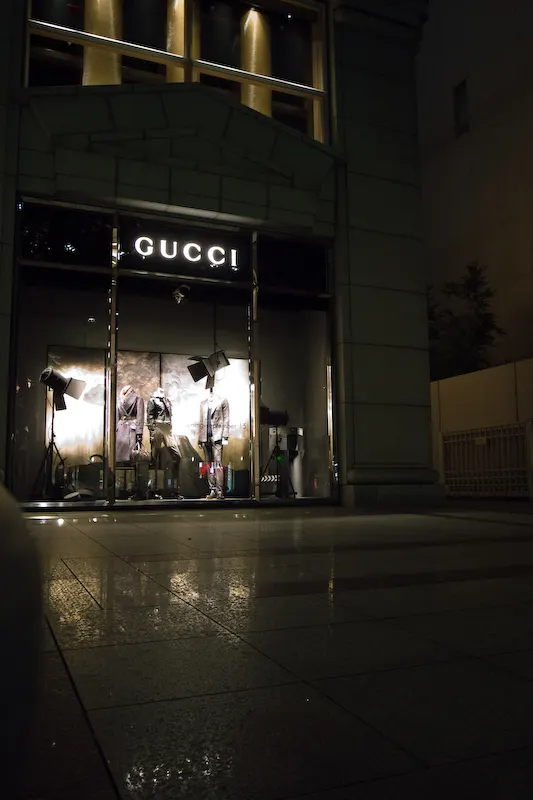
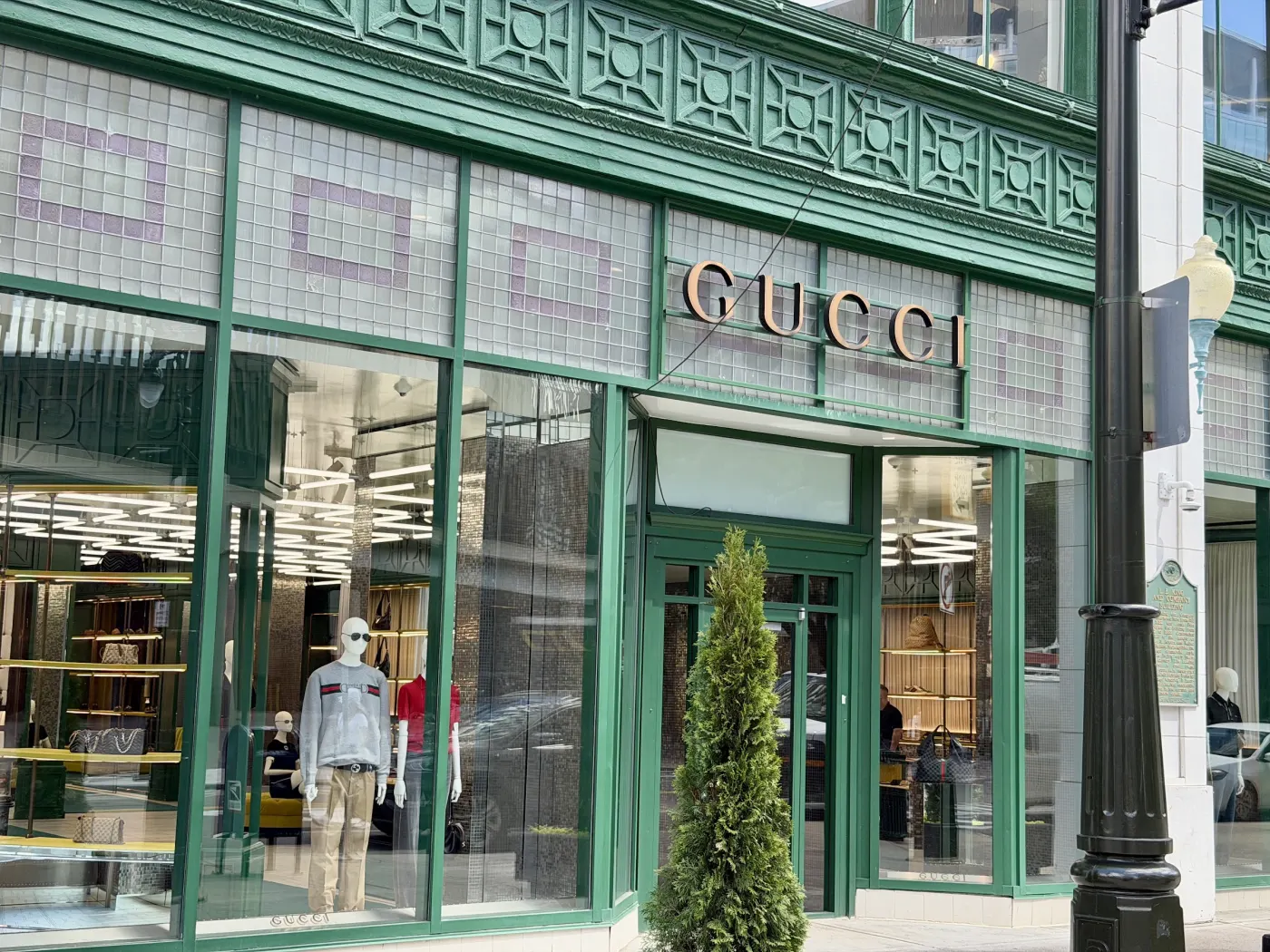
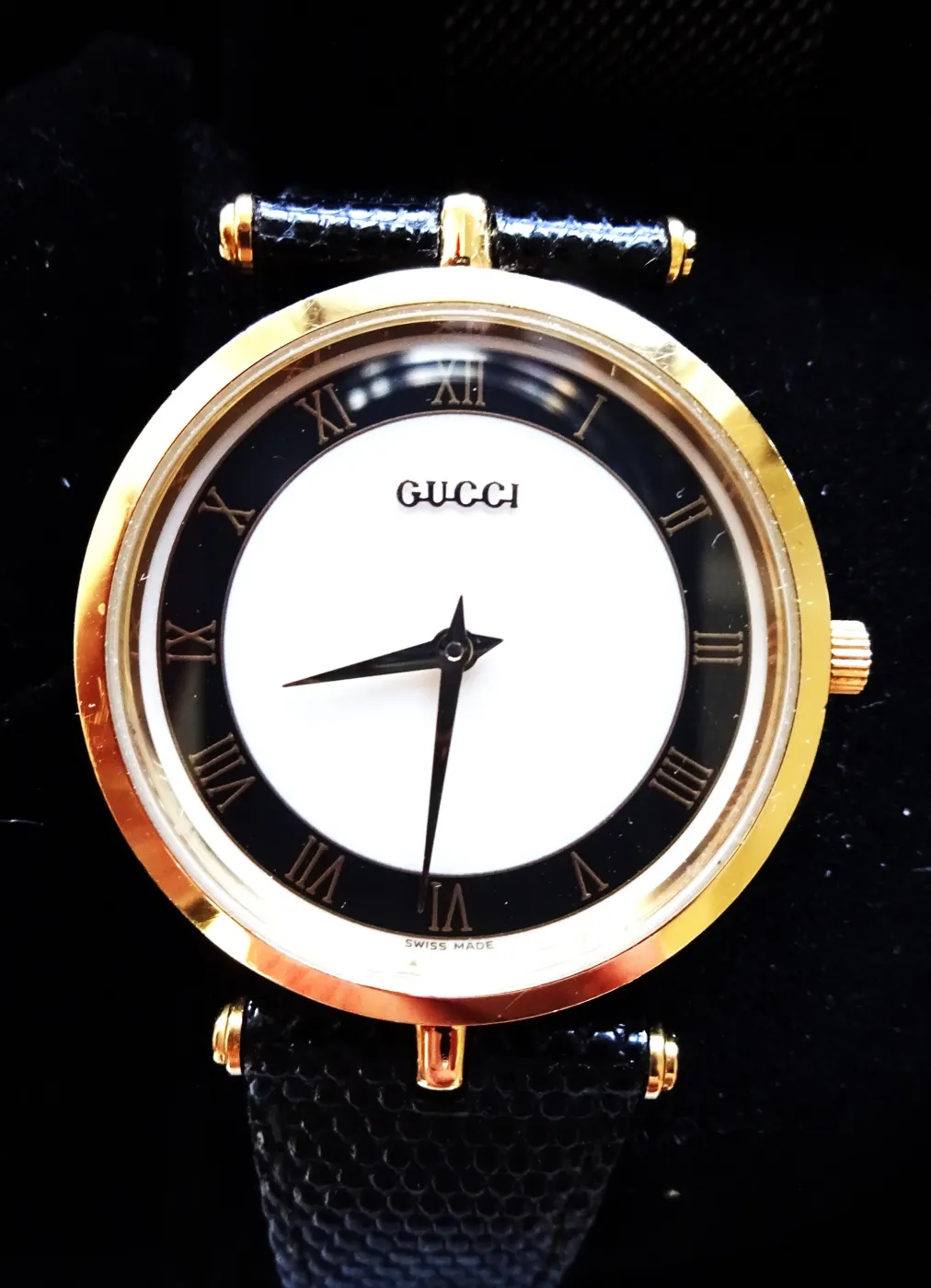
In March 1999 PPR agreed to buy about forty-two percent of Gucci Group for roughly three billion dollars. LVMH fought in court. In May 1999 a Dutch court ruling favored Gucci's defensive path and PPR's entry. The New York Times and others called the fight one of the bitterest in corporate history. In later settlements and purchases, PPR bought out remaining LVMH exposure and kept raising its stake: 53 percent-plus by 2001, 67.6 percent in 2003, 99.4 percent after a 2004 tender. Gucci became the luxury engine inside a group that still had stores on its books.
Yves Saint Laurent arrived through the Sanofi Beauté path. Boucheron came in 2000. Balenciaga and Bottega Veneta came in 2001, with Alexander McQueen and Stella McCartney partnerships around the same wave. Tom Ford's Gucci years gave the story glamour. When Ford and De Sole later left after clashes with ownership, Pinault did not turn the exit into a public tabloid war. He kept the houses and kept buying time.
Handing over the wheel without leaving the road
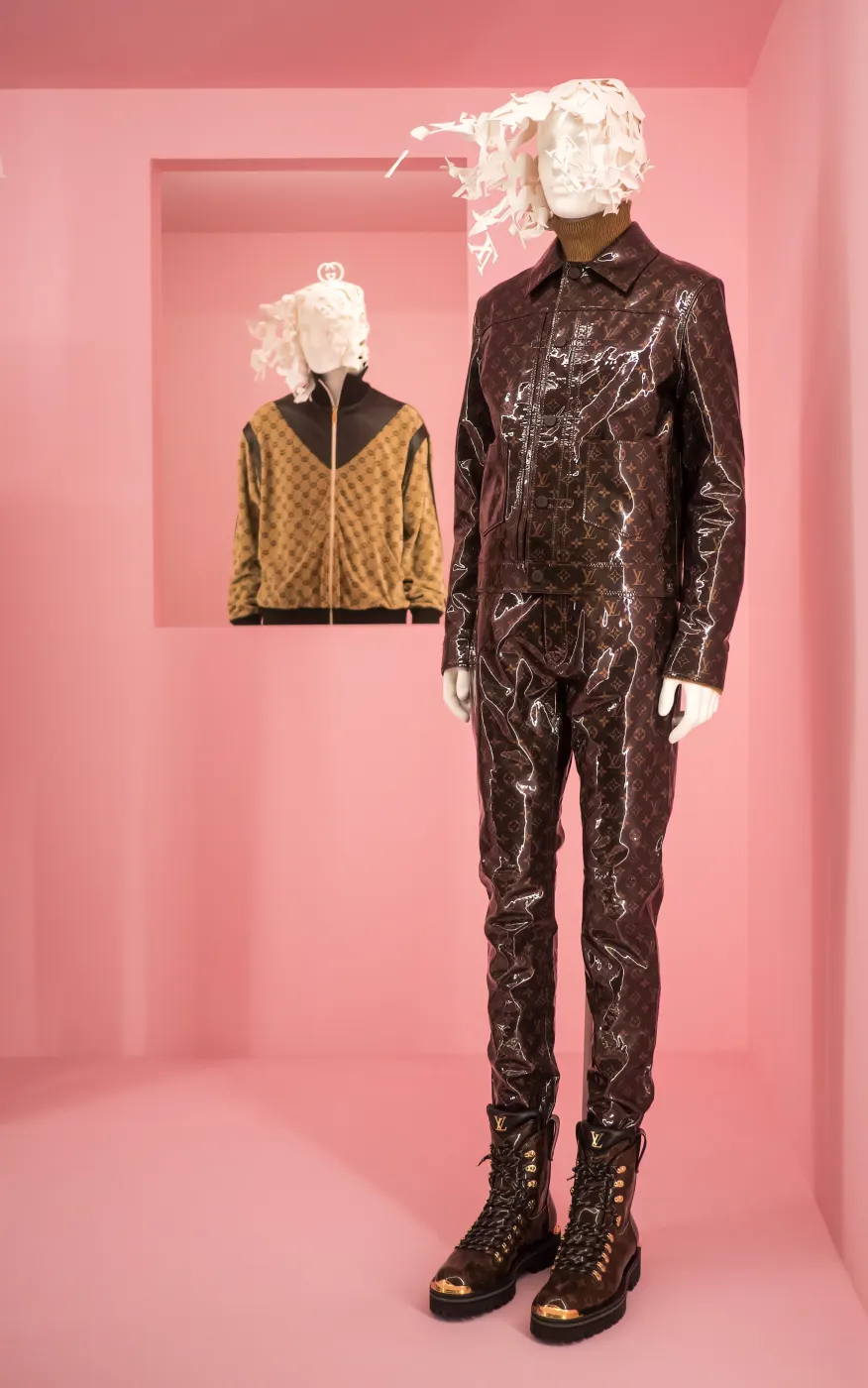
In May 2003 François Pinault passed management of his companies to his elder son, François-Henri. In 2005 François-Henri became Chairman and Chief Executive of PPR. The father did not vanish. Artémis remained the family's strategic vault. The son accelerated the luxury purge: non-core retail and distribution pieces such as the old timber materials arm and Rexel were sold. In 2013 PPR became Kering, a name that nods to the Breton word ker, home. The rebrand told investors the group was no longer a random French conglomerate. It was a luxury house of houses.
François-Henri's long run produced Gucci's Alessandro Michele boom years, a hard sustainability pitch, the Kering Foundation's work against violence toward women, and a marriage that put Salma Hayek into the family story. It also produced, by the mid-2020s, a brutal hangover: Gucci cooled, acquisitions added debt, and investors pressed for change.
On 15 September 2025 François-Henri stepped aside as CEO and became Chairman of Kering's board. Luca de Meo, an automotive executive without a classic luxury résumé, became CEO. The May 2026 annual meeting in Paris put both men on the podium and named Gucci's turnaround as the central operating problem. The founder, then eighty-nine turning ninety, watched a third generation of professional managers try to stabilize the empire he had aimed at Florence in 1999.
De Meo moved fast, and he moved in ways a timber trader would understand: sell what you do not need, and fix what you keep. In October 2025 Kering agreed to sell its beauty business, including the perfume house Creed that it had bought in 2023, to L'Oréal for 4 billion euros in cash. The sale closed on 31 March 2026, and L'Oréal also won fifty-year licenses to make beauty products for brands such as Bottega Veneta and Balenciaga. The numbers showed why the cash mattered. Kering's 2025 revenue fell 13 percent to about 14.7 billion euros, and Gucci alone fell 22 percent to about 6 billion. The designer Demna, moved over from Balenciaga, took over Gucci's creative direction and showed his first Gucci collection in September 2025.
Artémis beyond fashion: wine, boats, Hollywood, football
While Kering held the public spotlight, Artémis compounded a different portfolio. Château Latour anchored Bordeaux prestige. Other domaines followed across Burgundy, the Rhône, Napa, and Champagne Jacquesson. Ponant brought luxury expedition cruising. Stade Rennais kept Brittany on television every football weekend. In September 2023 Artémis bought a majority stake of about fifty-three percent in Creative Artists Agency from TPG in a deal widely reported around seven billion dollars. Hollywood representation joined handbags and hammer prices under the same family roof.
Christie's stayed strategic. Into 2025 and 2026, board moves underlined succession: François Pinault remained honorary chair while François-Henri took the chairmanship of Christie's International, with CAA's Bryan Lourd also joining the board. Auction cycles still swing. Ownership continuity has been the Pinault answer to that swing.
Mid-2025 Reuters reporting described heavy consolidated debt at Artémis after Kering's acquisition years and weaker dividends, plus stress linked to other holdings such as Puma. Artémis told Reuters the spike was temporary and that liquidity was not in crisis. For a documentary, the clean line is this: the family's private holding company can feel leverage even when the surname still opens every door in luxury.
Venice, then Paris: building rooms for ten thousand works
By the mid-2000s Pinault owned more art than he could hang. Reports put roughly eighty percent of purchases in storage at peak collecting speed. In 2005 he bought Palazzo Grassi in Venice and hired Tadao Ando to renovate it. The first Pinault Collection shows opened in 2006. In 2007 Venice awarded him the abandoned Punta della Dogana; Ando again; doors opened in June 2009. The Teatrino followed in 2013 with a 225-seat auditorium.
Paris was the harder political prize. After earlier dreams on the Seguin island stalled, Pinault and the city announced in 2016 that the historic Bourse de Commerce in the first arrondissement would become a Pinault Collection museum. Ando inserted a concrete cylinder into the nineteenth-century shell. The museum opened in May 2021. Visitors now walk from grain-exchange memory into David Hammons and other contemporary installations under a restored dome.
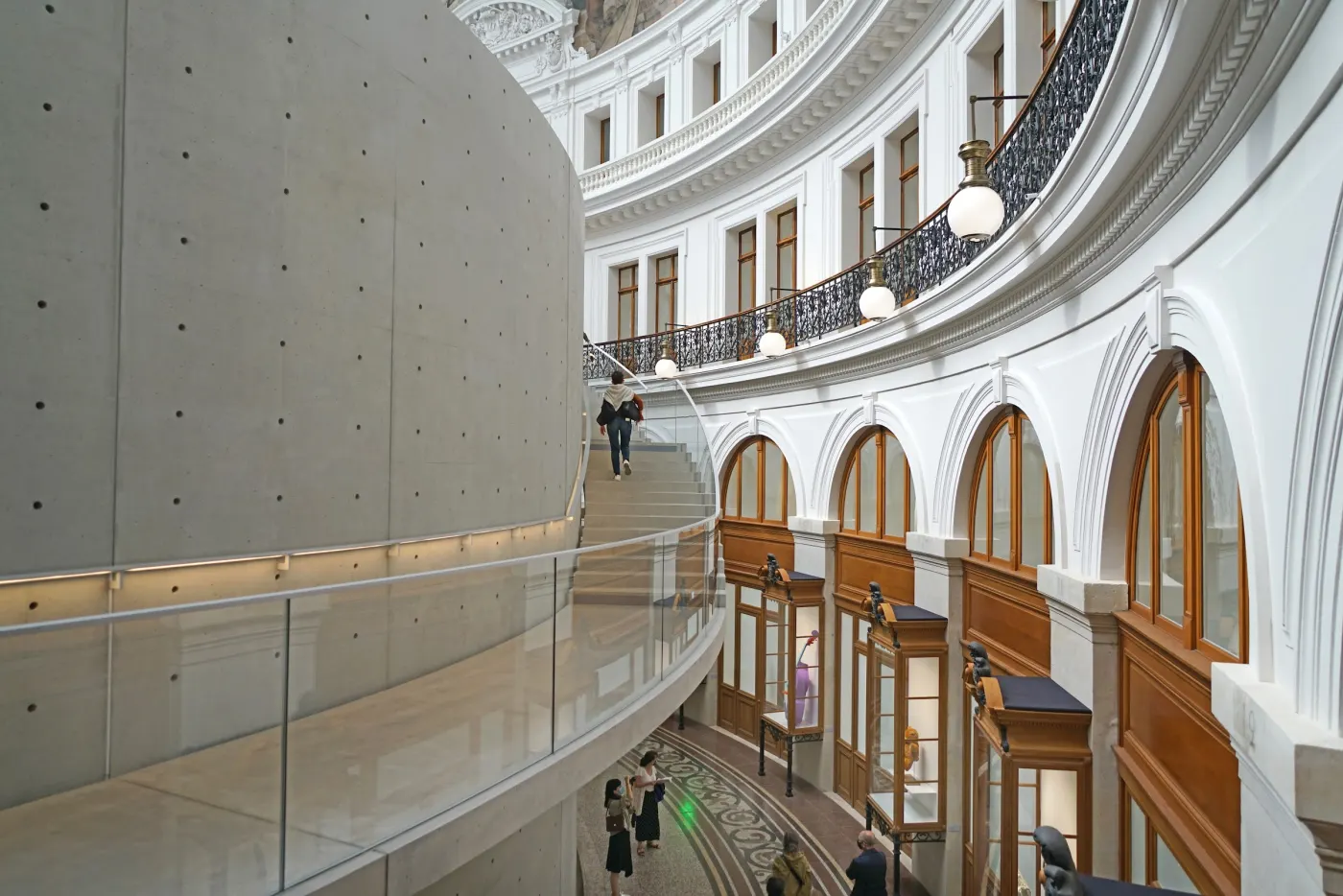
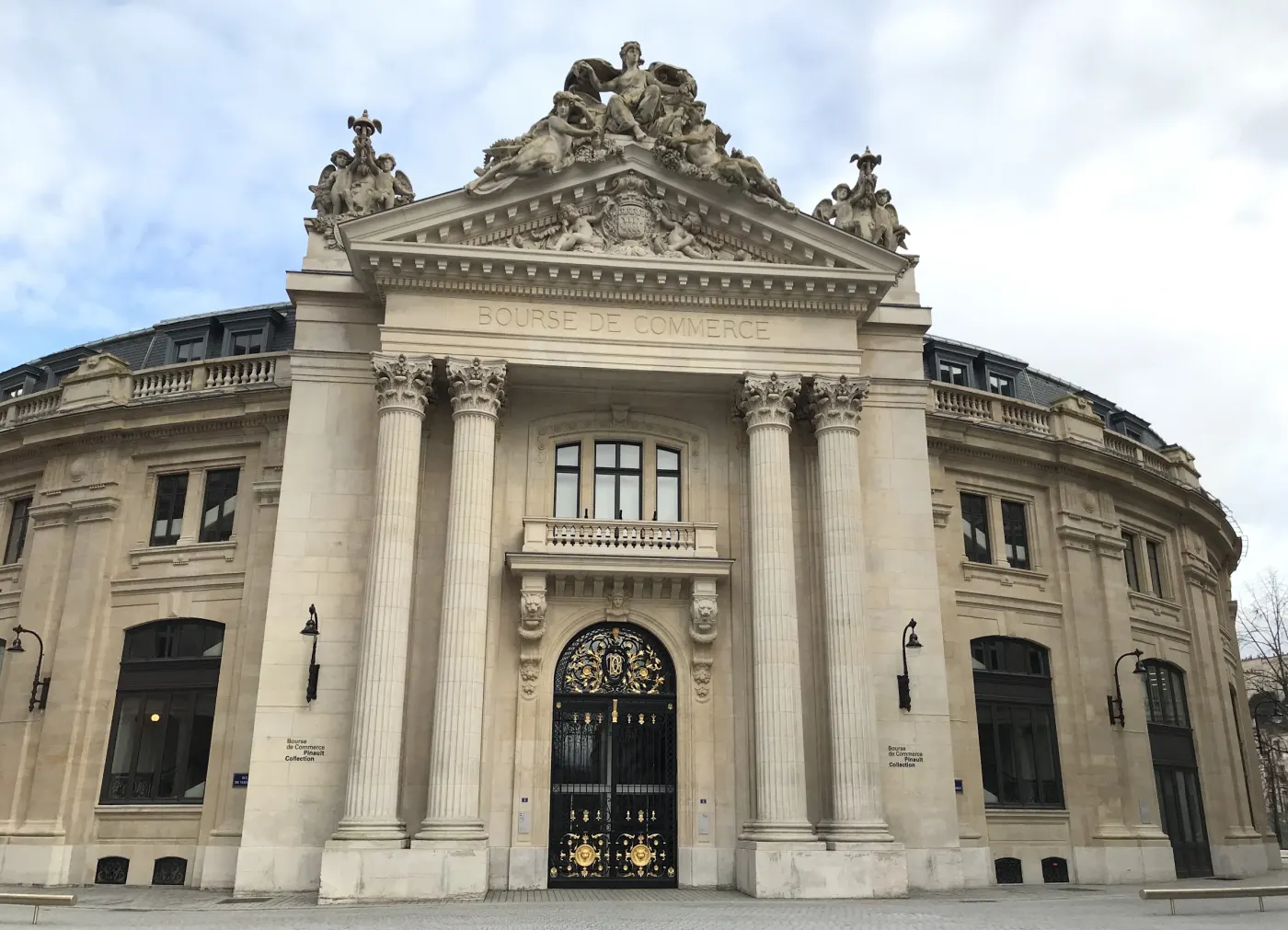
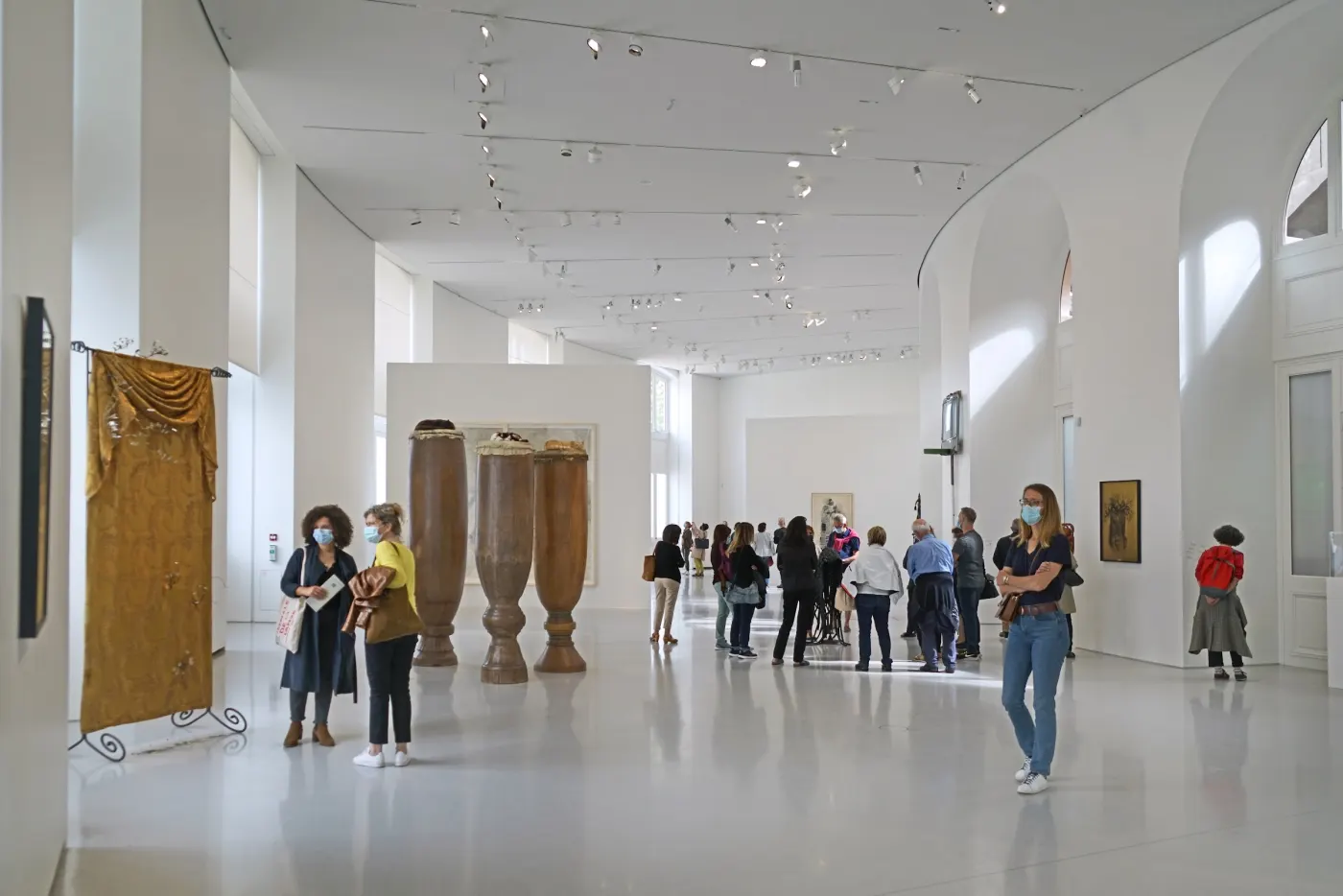
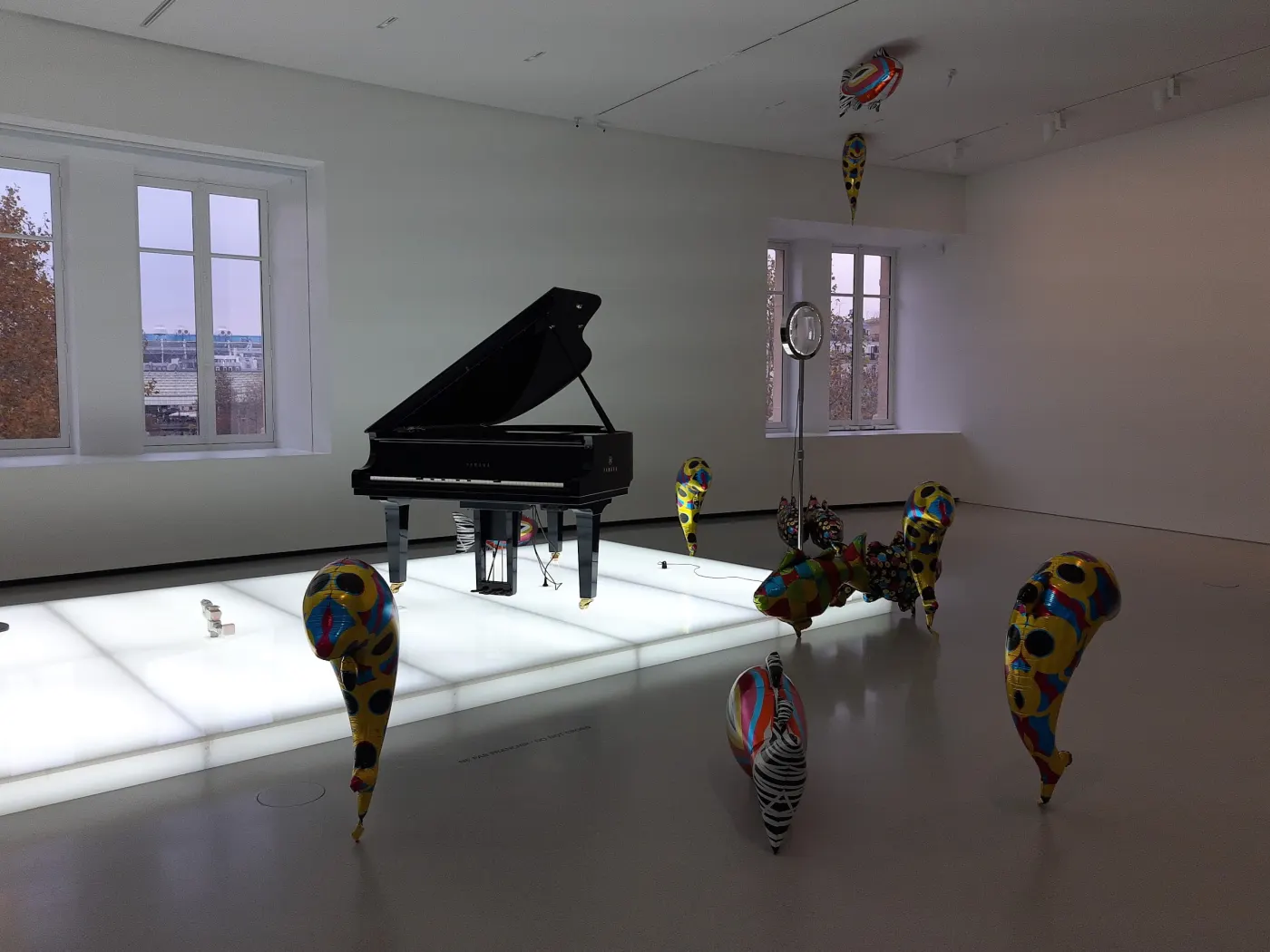
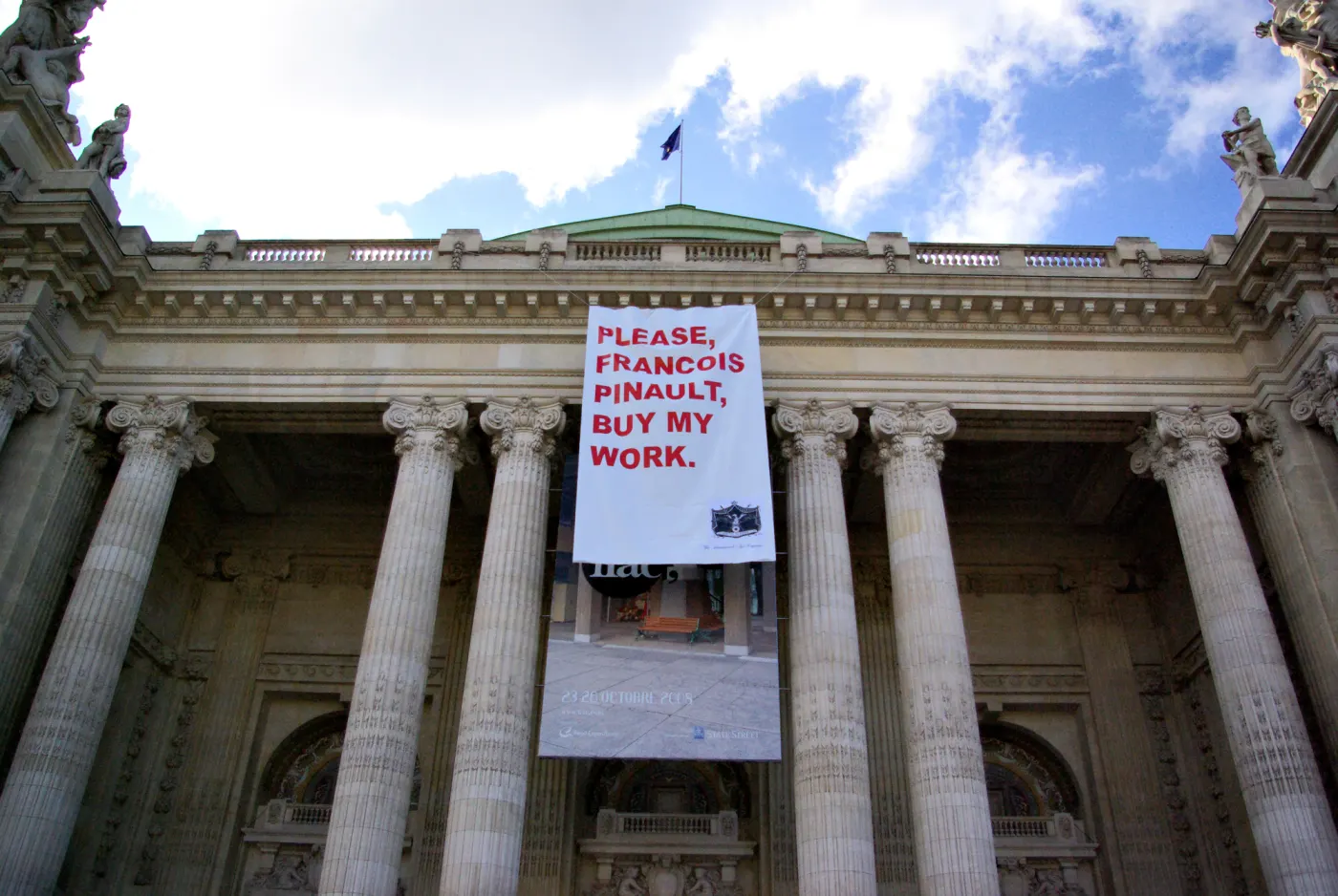
By 2023 the collection was described at about ten thousand works. A Lens residency for artists opened in 2015. The Pierre Daix Prize, named for his friend the Picasso biographer, began rewarding outstanding books on modern and contemporary art. Pinault once told The Art Newspaper that in art, emotion is vital, while in business emotion is often treated as suspect. The sentence explains why he kept both careers running in parallel instead of retiring into either.
Brittany memory and public repair
Money from global luxury returned to Breton ground in visible ways. After a 1990 fire in the Paimpont forest he funded reforestation. After the Erika oil spill in 2000 he sent major help to damaged islands. After wildfires in 2022 he pledged about five hundred thousand euros toward restoring the chapel of Saint-Michel de Brasparts. In 2022 the primary school in Trévérien, where he studied from 1941 to 1947, was renamed École primaire François Pinault. He stood there as an old man and said, in substance, that this was where he had learned everything.
After the Notre-Dame fire on 15 April 2019, the Pinault family pledged one hundred million euros toward reconstruction. The gift was public, competitive with other French fortunes, and consistent with his pattern: when a French symbol burns, he writes a number large enough to matter.
What he actually built
Strip the magazine adjectives and the inventory is still huge. He built a timber trading network that survived a buyer's collapse. He listed it. He folded it into a retail conglomerate that touched French daily life through Printemps, La Redoute, and Fnac. He used that cash and those skills to seize Gucci at the exact moment LVMH overreached. He assembled a multi-house luxury group that his son renamed Kering and ran for twenty years. Through Artémis he owns Christie's, major vineyards, a Ligue 1 club, a cruise line, and a controlling stake in CAA. Through Pinault Collection he rebuilt Venetian landmarks and a Paris commodities exchange into public museums.
World impact sits in several layers. Fashion workers from Florence to Paris felt the PPR and then Kering org charts. Shoppers met Tom Ford Gucci, Michele Gucci, Balenciaga hype cycles, and Saint Laurent reinventions because a timber consolidator decided luxury beat lumber on return on capital. Auction clients met a French owner in London salesrooms. Venice and Paris gained free or ticketed access to a private collection that used to live in crates. Rennes fans got a funded club. Hollywood agents got a French family as majority owner.
None of that makes every decision wise. Gucci's post-boom slide and Kering's debt debates in 2024 and 2025 are part of the same story. Empires compound mistakes as well as taste.
Failures, almosts, and the cost of the method
Pinault's method always carried risk. Distressed acquisitions can hide rot. Retail conglomerates can become slow. Luxury cycles punish anyone who mistimes a creative director. The Venesta bankruptcy scare could have ended him before the first real fortune. The Ile Seguin museum plan died before the Bourse de Commerce lived. The Ford and De Sole exits showed that buying a house does not mean keeping its stars. Artémis leverage in 2025 showed that private holdings feel public markets anyway.
The longest legal shadow came from California. In 1991 the giant insurer Executive Life collapsed. A French group led by Altus, a unit of the state-owned bank Crédit Lyonnais, won the right to buy its huge pile of junk bonds, while partners took over its insurance policies. California law did not allow a company owned by a foreign government to own a California insurer. The state's insurance department later alleged that Altus secretly controlled the new insurer anyway, and that Artémis, which bought the bond portfolio from Altus in 1992, joined the arrangement later. Artémis refused to settle early and fought for years. In 2005 a court ordered it to hand over about 131 million dollars in profits, and it paid 110 million dollars in a separate case brought by federal prosecutors. Appeals and a retrial followed. Only in July 2015, sixteen years after the lawsuit began, did Artémis agree to pay a further 200 million dollars to close the case. The junk bonds had made a fortune. The fight over how they were bought cost money, time, and reputation.
He also lost days of ordinary life to the schedule he chose. The 2009 France 5 portrait François Pinault n'a pas le temps filmed a man moving between deals and installation deadlines with little idle air. The title was not marketing. It was diagnosis.
2026: ninety years old and still on the ledger
As of 24 September 2026, Forbes listed François Pinault and family around 25.1 billion dollars, roughly one hundredth in the world on that day's real-time board. Other desks print different numbers after debt and private marks. The honest sentence is that the fortune remains in the tens of billions and still moves mainly with Kering and the Artémis stack.
Kering's 2025 sales were cited near 17.2 billion dollars on the same Forbes profile. The group is no longer the father's operating toy. It is a listed luxury company under a new CEO, a family chairman, and a founder who is honorary chairman. Artémis still holds about forty-two percent of Kering's capital and a majority of voting rights, the classic Pinault pattern: less than half the shares, more than half the control.
On 16 April 2026, in Florence, the home city of Gucci, de Meo presented a plan called ReconKering. It set three stages: reset by the end of 2026, rebuild by the end of 2028, and reclaim leadership by the end of 2030. The target was to more than double the 2025 operating margin in the medium term, with about 44,000 employees and a leaner set of houses carrying the load. For the founder, it was a familiar script told in new language. Cut hard, restructure, and wait for the cycle to turn.
Pinault is ninety. He has outlived the timber yards that trained him, the retail malls that funded him, and several fashion cycles that enriched him. He has not outlived the rivalry with Arnault, which now plays out through the next generation's balance sheets as much as through personal combat. He has not outlived the museums. Visitors still climb the Bourse stairs without needing to know who paid for the concrete cylinder.
Algeria, silence, and the return to Rennes
The Algerian War does not dominate Pinault's public storytelling, but it sits under the later toughness. He enlisted in 1956 as a young man without a polished school record. He came back with the Cross for Military Valour in 1958. French profiles have noted that the decoration is rare among billionaire bosses. He did not turn the war into a brand speech. He treated it as a closed chapter that taught him fear, hierarchy, and the value of coming home alive with a skill.
That skill was still timber. Rennes in the early 1960s was growing. Builders needed beams and boards. Small sawmills needed a trader who paid and collected. Pinault's yard on the route de Lorient was a node. He learned which mills cut straight, which clients paid late, and which trucks failed in winter. Those boring facts are the real origin of Kering. Luxury biographies like to skip them. Skipping them makes the Gucci deal look like magic. It was not magic. It was decades of reading weak balance sheets.
The listed years: what the 1988 IPO changed
Before the Paris listing, growth depended on banks and cash from operations. After 25 October 1988, Pinault SA could use equity currency. That matters in a country where family firms often stay private too long and then miss a consolidation wave. Pinault went the other way. He took the timber story public, then used the listed vehicle as a shopping cart for distribution and retail.
Investors who bought the wood story soon owned pieces of African trading, furniture floors, and department stores. Some hated the conglomerate discount. Pinault cared more about control and optionality. A retail cash engine could fund a later luxury bet. A luxury bet could one day fund museums. The chain only looks obvious afterward.
Printemps floors and the education of taste
Owning Printemps did not make Pinault a designer. It did put him inside the daily theater of French consumption: window changes, seasonal peaks, brand concessions, and the politics of central Paris real estate. La Redoute taught distance selling before e-commerce language existed. Fnac taught the culture market of books, music, and electronics. Those businesses later left the core, but they trained the holding company in consumer scale.
The same years sharpened his eye for objects through Maryvonne and through auction rooms. Christie's in 1998 was not a toy. It was information: who was selling, who was bidding, which artists were about to reprice. A collector who owns an auction house must manage conflicts carefully. Pinault's public line stayed simple. He bought as a passionate collector. He owned Christie's as a business. The market did not always accept that split cleanly. He accepted the tension rather than selling the house.
Inside the Arnault problem
Bernard Arnault and François Pinault are often framed as twin French self-made luxury emperors. The framing is partly true and partly lazy. Arnault's path ran through finance and Christian Dior. Pinault's path ran through timber and retail. Their 1999 collision over Gucci fixed them as a pair in every business magazine.
Pinault's advantage in that fight was oddity. He was rich enough to write a three-billion-dollar check and not already the owner of Louis Vuitton. Gucci management could tell itself it was choosing independence under a new majority partner rather than absorption into LVMH. Arnault's advantage was fashion fluency and a tighter luxury machine. The courts and the capital structure decided the round. Pinault kept Gucci. Arnault kept building LVMH into a broader empire that would later outscale Kering on most metrics. Rivalry does not require a final knockout. It requires repeated contested rooms. They have had those rooms for a quarter century.
Creative stars and the limits of ownership
Tom Ford's Gucci made the Pinault luxury bet look glamorous in photographs. When Ford and Domenico De Sole left in the mid-2000s after fights with the owner group, the photographs could not save the org chart. Pinault's response style was revealing. He did not chase a long public feud. He protected the asset and moved to the next creative cycle. That pattern repeated across houses: back designers when the numbers work, change course when the cycle dies, absorb the press hit, keep the brand legal entity.
This is how a timber consolidator's mind maps onto fashion. A house is inventory with a soul. Souls can be replaced more easily than trademarks. The cruelty of that view is obvious to designers. The clarity of that view is why the group still exists as a portfolio rather than as a single signature.
Father and son: two operating systems
François Pinault built by acquisition and restructuring. François-Henri Pinault, HEC-trained and raised inside the group from 1987 onward, built by portfolio editing, digital experiments in the early 2000s, and a public sustainability doctrine. The father collected art as emotion. The son married into cinema and made women's safety a foundation cause. Both believed in family control through Artémis.
The 2025 separation of Chairman and CEO at Kering is the latest expression of that dual system. The family keeps strategic orientation. An outside operator gets the factory keys. Whether Luca de Meo can translate car-turnaround instincts into Gucci desire is an open 2026 question. The founder's biography does not need to answer it. It only needs to show that the founder designed a machine that can change drivers.
Opening night at the Bourse de Commerce
When the Bourse de Commerce opened in May 2021, Paris gained a contemporary museum in a building that once priced grain. Tadao Ando's concrete drum sits inside the historic circle like a second clock. Pinault had wanted a Paris home for years. Ile Seguin failed. The Bourse succeeded through city negotiation and money. Estimates around the project often cited costs near two hundred million dollars for the renovation scale. Exact private capital accounting stays partly opaque. What visitors can verify is the experience: a public path into a private collection that used to be almost unreachable.
David Hammons and other artists under that dome complete a joke history loves: a commodities temple now stages works that question markets, race, and value. Pinault the trader funds Pinault the collector who funds rooms that doubt traders. He seems comfortable with the contradiction.
Notre-Dame and the politics of the big gift
On 15 April 2019 Notre-Dame burned on live television. Within hours French fortunes raced to pledge. The Pinault family put one hundred million euros on the table. The gesture drew praise and side-eye in equal measure, because billionaire cathedral politics always do. For Pinault it fit a Breton-Catholic-cultural pattern already visible in chapel restorations and heritage houses: when a French symbol is wounded, write a check that cannot be ignored.
He has bought and restored other stages of French memory: Théâtre Marigny, help for Victor Hugo's Hauteville House in Guernsey, historic Paris hôtels particuliers. These are not operating businesses in the Kering sense. They are how a ninety-year-old fortune writes itself into stone.
Day-to-day power at ninety
By 2026 Pinault is not running weekly Gucci merchandising meetings. His power is structural. Artémis voting rights. Honorary roles. A reputation that still moves a museum board or a political lunch. He remains associated with the collection's choices and with the family's long memory of 1999.
How he works in old age looks like selective intensity. Appear for the rooms that set direction. Skip the rooms that only perform activity. Keep counsel with a small circle. Let specialists fight over display lighting and e-commerce conversion. That is consistent with the young trader who preferred the yard to the classroom. He never loved performance for its own sake. He loved outcomes he could count.
What changed for ordinary people
A documentary that only lists billionaire toys fails the reader. Pinault's decisions changed ordinary days. A carpenter in Brittany in the 1960s met a more organized timber middleman. A Paris shopper in the 1990s walked Printemps halls owned by his group. A teenager in the Fnac years browsed under his capital. A Gucci client in the 2000s wore a house shielded from LVMH by his check. A Rennes supporter watched a club funded by Artémis. A tourist in Venice bought a ticket to Palazzo Grassi because he needed wall space. A student in Paris in 2026 can stand under the Bourse dome without knowing the timber origin story.
Workers also absorbed the shocks: store disposals, brand reorganizations, creative-director churn, and the 2024 to 2026 luxury slowdown that cut through Kering's numbers. Impact is not only uplift. Impact is also restructuring memos.
The magazine problem of living tycoons
Pinault is alive. His son is alive. Their companies are in a soft patch. That forces careful sentences. Debt figures move. Net worth boards disagree. Private Artémis accounts are not a public spreadsheet. War stories from childhood can be polished by memory. The Venesta tale is his version. The Gucci court record is thicker and harder.
What can be said cleanly is enough for a true documentary. He started in wood. He listed. He bought stores. He blocked Arnault at Gucci. He gave the public company to his son and kept the family holding company. He built museums. At ninety his name still sits on the luxury map, thinner in operating power, thick in origin and ownership.
He kept preference for short meetings and long ownership. Allies say he still asks the inventory question first: what do we control, what can we sell, what must we never trade away. In his case the answers have been voting rights, brand equity, and the art that outlives a quarterly call.
Closing
François Pinault's life is a Brittany ledger that learned to read Florence, London, Venice, and Hollywood. He left school at sixteen, survived Algeria, buried a father, and stacked wood on the road to Lorient until the stack became a listed company. He used stores as a bridge and Gucci as a bridge again. He let his son run the public luxury group while he kept Artémis and the collection under family hands.
In 1999 he was the white knight who blocked LVMH. In 2021 he opened a museum inside a Paris commodities exchange. In 2025 and 2026 his empire is being stress-tested by Gucci's slump, new management, and debt debates, while the founder remains the origin story every annual report still has to tell.
The accent that got him mocked in Rennes did not disappear. It just learned to speak in acquisition agreements. Somewhere in Brittany a renamed primary school still sits on the ground where a timber trader's son first learned to count. Somewhere in Paris a former grain exchange holds works he could not stop buying. Between those two buildings runs the real documentary: not a clean fairy tale, but a long, stubborn conversion of sawdust into power.
Watch alongside this story
Short cuts from interviews, keynotes and launches. Each plays only the moment that matters.