
The Quiet Co-Founder Who Called the First Uber
Garrett Camp was tired of standing on the curb and hoping. He had built products that helped people discover the web. Now he wanted a product that could summon a car. On a napkin and in long email threads, he sketched an idea for a sleek black-car service you could request from a phone.
That sketch grew into Uber.
Today Uber is one of the most famous companies on Earth, valued in public markets around the ~$170B* range depending on the day. Camp’s fortune is often estimated near ~$4B, mostly tied to early ownership and later investments. Numbers bounce with markets. The origin story stays sharp: a founder who hated friction enough to invent a new habit.
This is the story of a Calgary-born product thinker who helped turn “I need a ride” into a button.
Where he came from


Garrett Camp was born on October 4, 1978, in Calgary, Alberta, Canada. He grew up in a place known for energy industries, winter, and wide skies. He liked building things and understanding systems. Friends later described him as quiet, careful, and deeply curious about how people move through information.
He studied at the University of Calgary. He earned a bachelor’s degree in electrical engineering and later a master’s focused on collaborative systems and software. School trained him to think about networks: how users connect, share, and find what they did not know they needed.
Canada gave him roots. The early web gave him a stage.
By the early 2000s, the internet felt exciting and messy. Search engines ranked pages. Bookmarks piled up. Camp wondered whether discovery could feel more like wandering with a smart friend.
That question became StumbleUpon.
StumbleUpon: teaching the web to surprise you

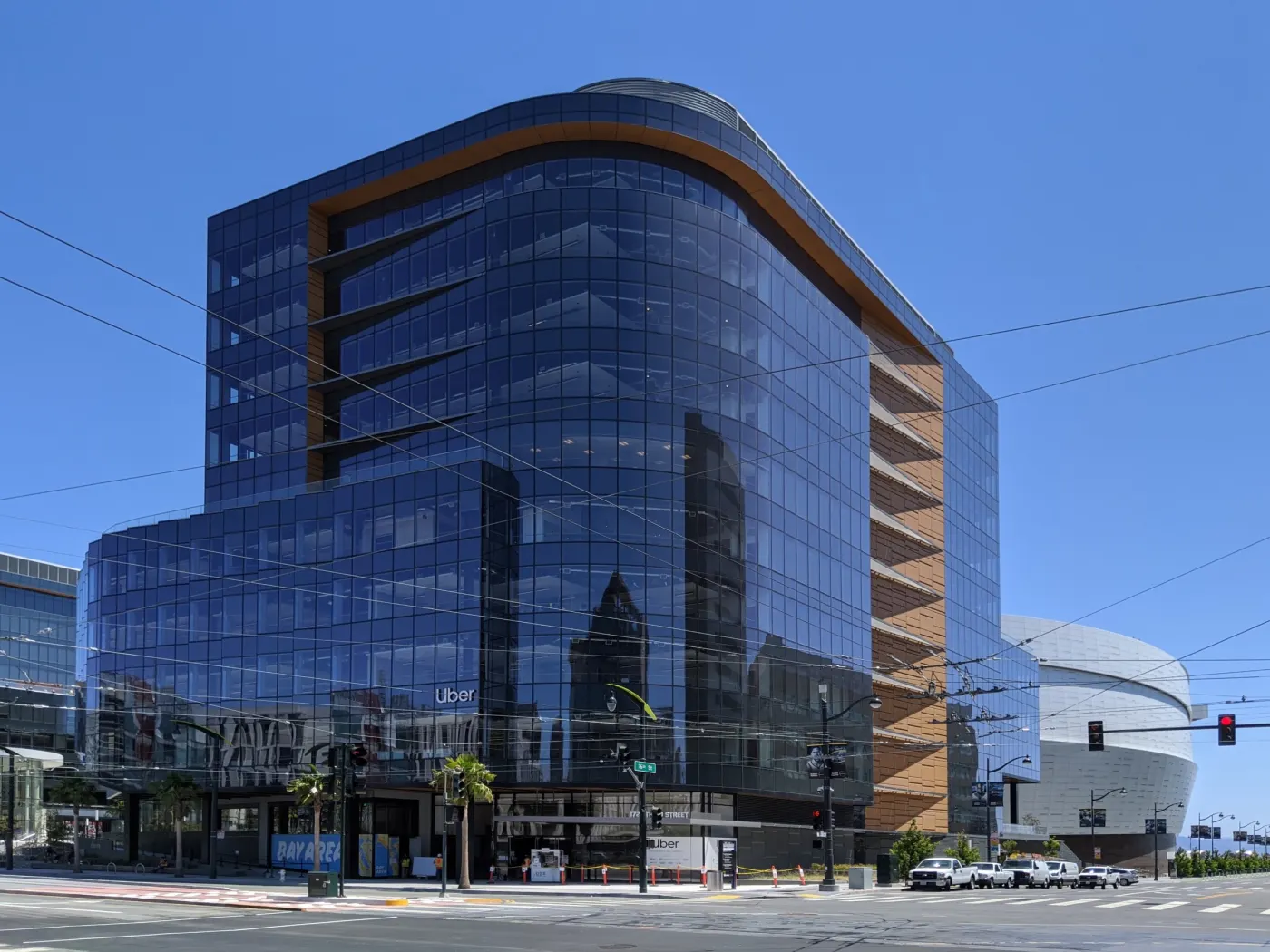
In 2002, while still connected to university life, Camp co-founded StumbleUpon with Geoff Smith and others in the early circle. The product let users click a button and land on websites matched to their interests. It felt like channel surfing for the internet.
People loved the surprise. Advertisers noticed the attention. Silicon Valley noticed the growth.
StumbleUpon moved Camp deeper into the Bay Area startup world. In 2007, eBay acquired StumbleUpon for a reported sum around $75 million. Camp stayed involved as the product continued. Later he helped lead a path for StumbleUpon to operate more independently again. The experience taught him how acquisitions feel from the inside: exciting, complicated, and never as simple as a headline.
More important, StumbleUpon taught him product taste. He learned that habits form when software removes a tiny annoyance and replaces it with delight. He also learned that distribution and community can matter as much as code.
Money from the sale gave him freedom. Freedom made room for a bigger bet.
The night the taxi problem became a company


Camp has often tied Uber’s earliest spark to frustration with taxis, including a memorable stretch of travel when getting a reliable ride felt harder than it should. With Travis Kalanick and a small early team, he pushed a vision first called UberCab: luxury cars, GPS, payments handled in the app, no cash scramble at the curb.
The early product was not for everyone. It was expensive. It was exclusive. That was part of the point. Start with a wedge. Prove the magic. Then expand.
In San Francisco, black cars began appearing when users tapped a phone. The feeling was new. You could see the car approach on a map. You knew the price logic better than a mystery meter. You did not need a street-side negotiation.
Regulators, taxi companies, and cities would later fight Uber for years. In the beginning, the fight was simpler: would busy people trust a phone enough to step into a stranger’s professionally driven car?
They did.
Building Uber while staying product-obsessed
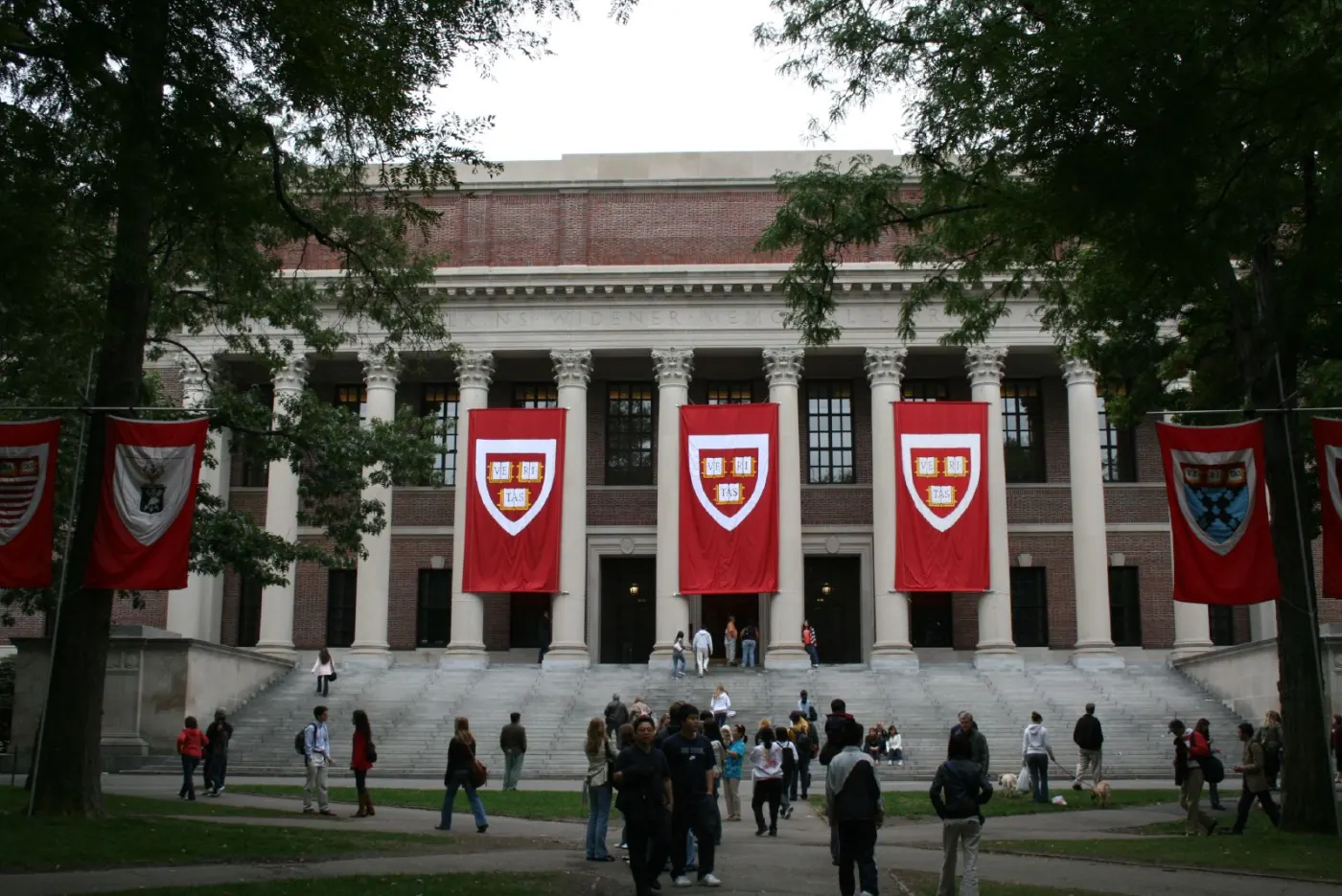


Camp served as a co-founder and chairman in Uber’s early life. Kalanick became the public face of hypergrowth. Camp often worked the product and design angle: how the map should feel, how trust should look, how a request should take seconds instead of minutes of uncertainty.
Uber expanded from black cars into UberX and a wider marketplace of drivers and riders. The company raised large rounds of venture capital. It entered city after city. Growth was explosive and controversial.
Critics said Uber ignored rules. Supporters said old taxi systems failed riders. Drivers gained flexible work and also faced hard economics. Surge pricing angered customers and also pulled supply when demand spiked. The company became a case study in platform power.
Through the noise, Camp’s early ownership stake became extraordinarily valuable. He also kept building elsewhere. Founders who taste one success often hunt for the next interface that feels inevitable.
Expa and the second act of a builder


Camp founded Expa, a studio for starting and growing new companies. The idea was to use experience, capital, and operators to launch products with better odds than a random garage idea. Expa-backed projects have included consumer and marketplace experiments over the years.
He also stayed connected to design culture. People who worked with him often said he cared about details most users never name out loud: spacing, timing, the emotional difference between “searching” and “your ride is 2 minutes away.”
Uber’s later years included leadership changes, a hard public accounting of workplace culture, and finally an IPO in 2019. Camp’s story is not identical to the company’s stormiest chapters, but he remains tied to the founding DNA: map, phone, curb, trust.
Hard times and hard questions

Uber’s rise forced public arguments about labor, safety, congestion, and fairness. Cities banned and unbanned. Courts weighed in. Competitors copied the model. Some drivers thrived. Some struggled. Journalists investigated culture and conduct inside the company.
Camp had to watch a product he helped invent become a political object. That is a strange fate for a button that began as convenience. Founders learn that scale turns personal tools into public infrastructure.
He also faced the quieter challenge of identity. When the world says “Uber” and pictures someone else, what does a co-founder do? Some fight for the spotlight. Camp often chose building and investing instead.
Where he is now
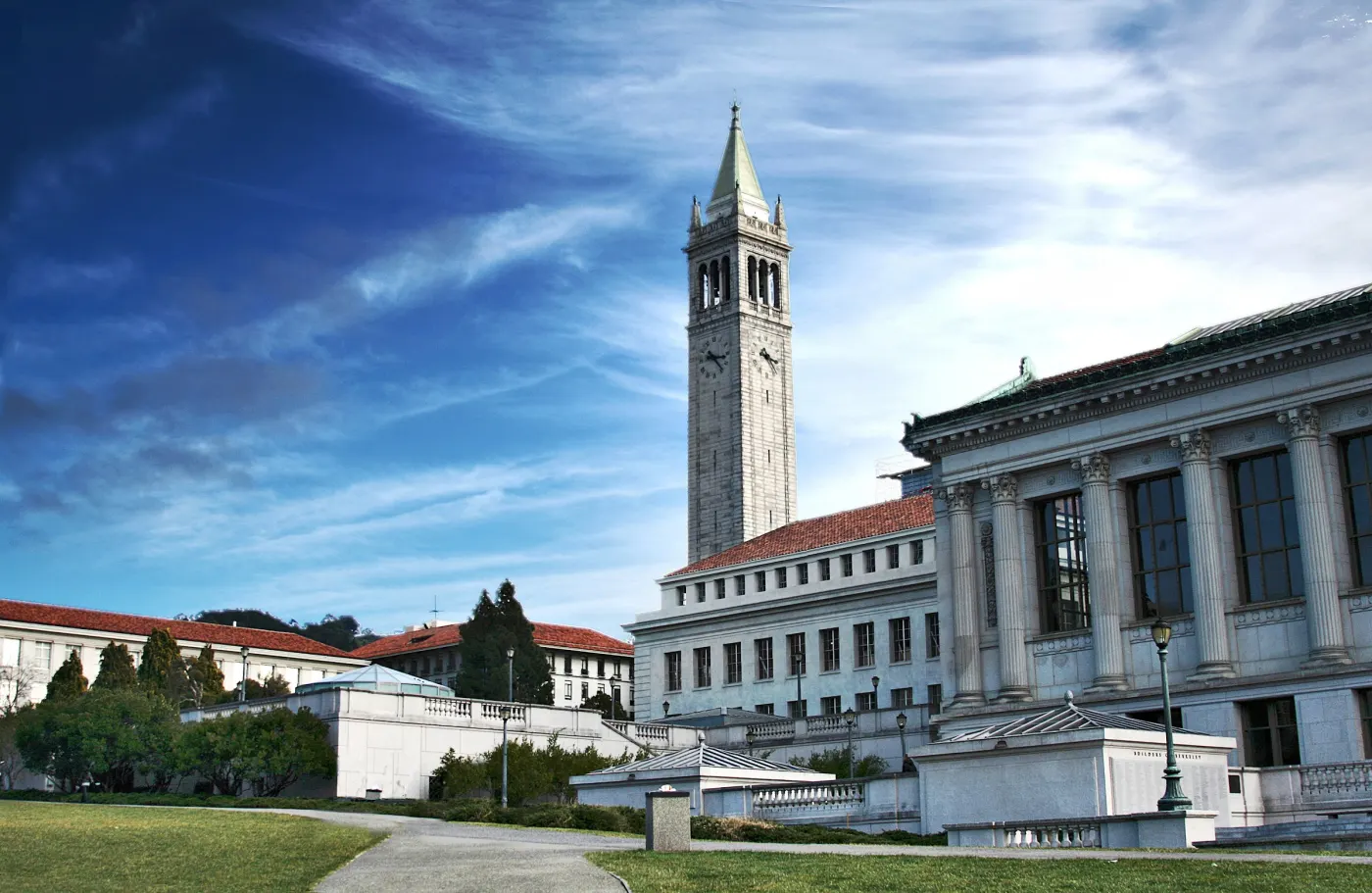

Garrett Camp remains known as Uber’s co-founder and as a builder through Expa and related ventures. He has lived and worked for years in the San Francisco Bay Area, the same region where Uber’s early habits formed.
Public estimates of his net worth often land near ~$4B, driven largely by Uber equity and diversified holdings. Treat any billionaire number as a snapshot, not a permanent scoreboard.
He is less omnipresent on conference stages than some peers. His influence shows up in product patterns: live maps, cashless payments, ratings as trust, and the expectation that a city should answer a phone.
Legacy


Garrett Camp’s legacy is the idea that discovery and logistics are both product problems. StumbleUpon made curiosity clickable. Uber made transportation requestable.
He helped prove that a smartphone could coordinate physical reality at city scale. That proof reshaped taxis, deliveries, and the politics of work. It also created a template countless startups still copy: start premium, expand mass-market, fight regulation, and live or die by liquidity in a two-sided marketplace.
For young builders, Camp’s path offers a clear lesson. Notice friction. Prototype the feeling of relief. Then be ready when relief becomes an industry.
He did not only call a car.
He helped teach the world to expect one.
The product habits behind the empire
Camp’s career makes more sense if you watch the habits, not only the headlines.
He liked systems that reward curiosity. StumbleUpon trained users to click once and receive a surprise worth sharing. Uber trained users to tap once and receive a car worth trusting. Both products turned uncertainty into a little rush of progress.
He also liked starting with a sharp niche. UberCab did not try to move everyone on day one. It tried to make a certain kind of night in San Francisco feel effortless. Narrow magic is easier to feel. Broad magic comes later, if liquidity and operations can keep up.
Investors poured money into Uber because growth looked like a law of nature. Camp had seen growth before at StumbleUpon, and he knew it can hide product debt. Ratings, safety tools, and clearer pricing were not decorations. They were the trust stack that let strangers share a car.
When Uber became a verb, Camp’s early stake became a kind of forever souvenir. Wealth arrived. Attention arrived unevenly. He responded the way many quiet founders do: fund new teams, stay close to design, and refuse to let one company become the only sentence on the résumé.
That choice matters for the biography. Some founders become the brand. Camp became a pattern. Look for friction. Build the button. Then let the city argue about what the button unleashed.
Why the curb still remembers him
Every generation gets a new default for movement. Horses. Streetcars. Taxis. Apps.
Camp helped install the app default. That default is now so normal that teenagers can barely imagine hailing with a whistle.
Normality is the ultimate product compliment. It is also a responsibility. When a button routes strangers through cities, safety, wages, and congestion become part of the design brief whether founders invite them or not.
Camp's career says the quiet part out loud: product people reshape public life. StumbleUpon reshaped attention online. Uber reshaped attention at the intersection. The biography is not only about wealth near ~$4B or a company near ~$170B*. It is about a Canadian engineer who treated frustration as a specification.
If you want to copy him, do not copy only the black car. Copy the habit of writing down the annoyance with enough precision that software can remove it.
Watch alongside this story
Short cuts from interviews, keynotes and launches. Each plays only the moment that matters.