The Accelerator Comes Home
A Winnipeg birth. A Fremont machine-shop kitchen. A Microsoft paycheck he almost never left.
In January 2023, Garry Tan walked back into Y Combinator as president and chief executive, the rare founder who had already lived every room of the building. He had been a Summer 2008 founder with a blogging product that emailed itself into existence. He had been a partner who wrote internal software founders still open every day. He had left to run a venture firm that caught Coinbase before most of the world could spell bitcoin. Then Geoff Ralston handed him the keys and said, in public, that YC was engraved on Garry's heart.
Three years later, in 2026, the batches under his watch are crowded with AI companies, teenage applicants, and revenue charts that climb inside a single cohort. Tan talks about a boom loop: safer streets, stronger schools, enough housing, and a city where founders stay instead of fleeing. Critics hear a loud Twitter account and a man who once posted a death wish at supervisors. Supporters hear an immigrant engineer who still treats a startup like a craft. Both stories are real. The documentary job is to hold them in the same frame without padding either one.
The timing of his return mattered. Startup accelerators had competition again: Sequoia Arc experiments, hacker houses, and founders who skipped programs entirely to raise giant AI rounds on day one. YC's deal still asked for meaningful equity for cash that looked small next to late-stage checks. Tan's answer was not to apologize for the model. It was to make the three months so useful that the equity felt cheap: ruthless weekly progress, partner density, alumni network effects, and a Demo Day that still moved capital. Reputation is a product with churn. He treated it that way.
He was born Garry Tan in 1981 in Winnipeg, Canada, to a Chinese Singaporean father and a Burmese Chinese mother. The family was not a Silicon Valley dynasty. His father worked as a machine-shop foreman. His mother worked as a nursing assistant. In 1991 they settled in Fremont, California, in the long shadow of the Valley but not inside its money. Tan graduated from American High School. He has said, more than once, that computers gave him everything. At fourteen he started programming. He found his first paid work by cold-calling the Yellow Pages, building web pages for about seven dollars an hour. That money helped his parents put a down payment on an apartment. The scene is not cute nostalgia. It is the origin of a man who still talks about equity as the only honest way for builders to capture the value they create.
Fremont in the 1990s was not Sand Hill Road. It was warehouses, strip malls, immigrant kitchens, and a commute that taught a teenager how far the Valley's glow actually sat from a machine-shop paycheck. Tan has said he never planned to become a venture capitalist. He planned to code. The Yellow Pages cold calls were not a branding exercise. They were a way to put money on a table that needed it. When he talks to founders about scarcity, the accent is personal. He remembers what it felt like to test into Stanford without a silver spoon, and he remembers how welcoming technical work felt to a scrawny kid with acne who suddenly had a craft people would pay for.
Stanford, Microsoft, and the check he almost cashed too late
Tan attended Stanford from 1999 to 2003 and earned a bachelor's degree in computer systems engineering. On campus he met people who would later pull him into Palantir, and he absorbed a culture that treated building as a moral activity. He has joked in talks about duck syndrome, the Stanford habit of looking calm on the surface while paddling hard underneath. He has also admitted he was a bad manager early, the kind who bottled anger and then blew up. Therapy and self-work became part of his public advice to founders years later. The confession matters because YC partners sell judgment as much as capital.
Stanford also gave him proximity. Fraternity brothers and classmates rotated through Thiel's orbit, including early hedge-fund internships that made Palantir feel less like a rumor and more like a door with a handle. Tan has said he would never have met Thiel without that campus graph. Networks are luck you can still show up for. He showed up, then hesitated, then showed up again. That stutter is the human part investors usually edit out of founder myths.
After graduation he took a program-manager job at Microsoft, working on Windows Mobile era products. The salary he later quoted was seventy-two thousand dollars a year, the bottom of the ladder for a fresh Stanford engineer. His parents were proud. He was not. In a YouTube story he still tells, friends who were helping Peter Thiel start Palantir flew him to San Francisco for dinner. Thiel asked what he was doing at Microsoft and called it a waste of time. Then Thiel asked what Microsoft paid, opened a checkbook, and wrote a matching check. Cash it, quit, zero risk, Thiel said. Tan thanked him and declined. He thought he might get promoted to level sixty the next year.
He calls that delay his two-hundred-million-dollar mistake, a self-estimate that floats with Palantir's later valuation and is best read as a personal parable rather than an audited number. He did join Palantir later, as employee number ten, from September 2005 to October 2007. He helped stand up the first financial-analysis product team, hacked early software, and designed the company logo still associated with the firm. The work was intense. Years afterward, on an Axios stage, he described leaving after working like a dog for Peter Thiel, and he asked who the real chump was: the YC founders he once mocked for staying poor with equity, or the high-salary employee grinding for someone else's upside.
The Palantir years also gave him product scar tissue. Building financial-analysis software for hedge funds and banks meant sitting with users who did not care about founder romance. They cared about whether a screen helped them see risk. Tan has described hacking early iterations from scratch and defining features for a growing engineering team. Designing the logo sounds like a side quest until you remember how long corporate marks last. He left with skills and with a private vow not to be the last person in the room to notice when equity mattered more than a title.
Posterous: email a blog into existence
In 2008 Tan co-founded Posterous, a blogging platform that treated email as the create button. Send a message to post at posterous.com and the post went live. No setup theater. No dashboard maze. The product was YC Summer 2008. On early podcasts and This Week in Startups interviews, Tan sold the simplicity the way a designer sells a door handle: if you need a manual, the product already failed. Quantcast rankings from that era put the site near the top twenty web properties at its peak, according to his own career summary. Growth came from the boring miracle of removing friction.
The company was not a hundred-billion-dollar fairytale. Twitter acquired Posterous around 2012 for a figure widely reported near twenty million dollars. For a Valley scoreboard obsessed with unicorns, that number looked small. For Tan it was a completed loop: ship, raise, sell, learn. When Twitter later shut the service, he co-founded Posthaven to give users a lifeboat for their sites. The rescue product was less famous than the original. It revealed a habit that would follow him into investing. He hates orphaned work. He wants continuity for the people who trusted a tool with their words.
Co-founding under YC pressure meant learning the batch calendar as a weapon. Weekly dinners, partner office hours, and the constant question of whether users loved the product enough to forgive missing features. Posterous won design praise from people who lived in interfaces. Michael Arrington and other early tech writers called out the setup simplicity. Amazon's Werner Vogels publicly admired how dead simple it felt. Those quotes are marketing now. At the time they were oxygen for a small team competing against giants with blogs as side projects.
The Posterous years also trained his eye for distribution. Email was not a nostalgic channel. It was the one inbox every user already checked. Photo posts, audio posts, and auto-formatting tricks turned casual creators into publishers without a CMS class. Competitors had more venture narrative. Posterous had a habit: ship the simplest path, then watch what people actually send. When Instagram later ate photo-sharing attention, Tan would tell interviewers the growth math changed overnight. That lesson followed him into investing. Platform risk is not a slide. It is a week when your charts stop looking like your story.
Partner years: Bookface, Demo Day, and infinity votes
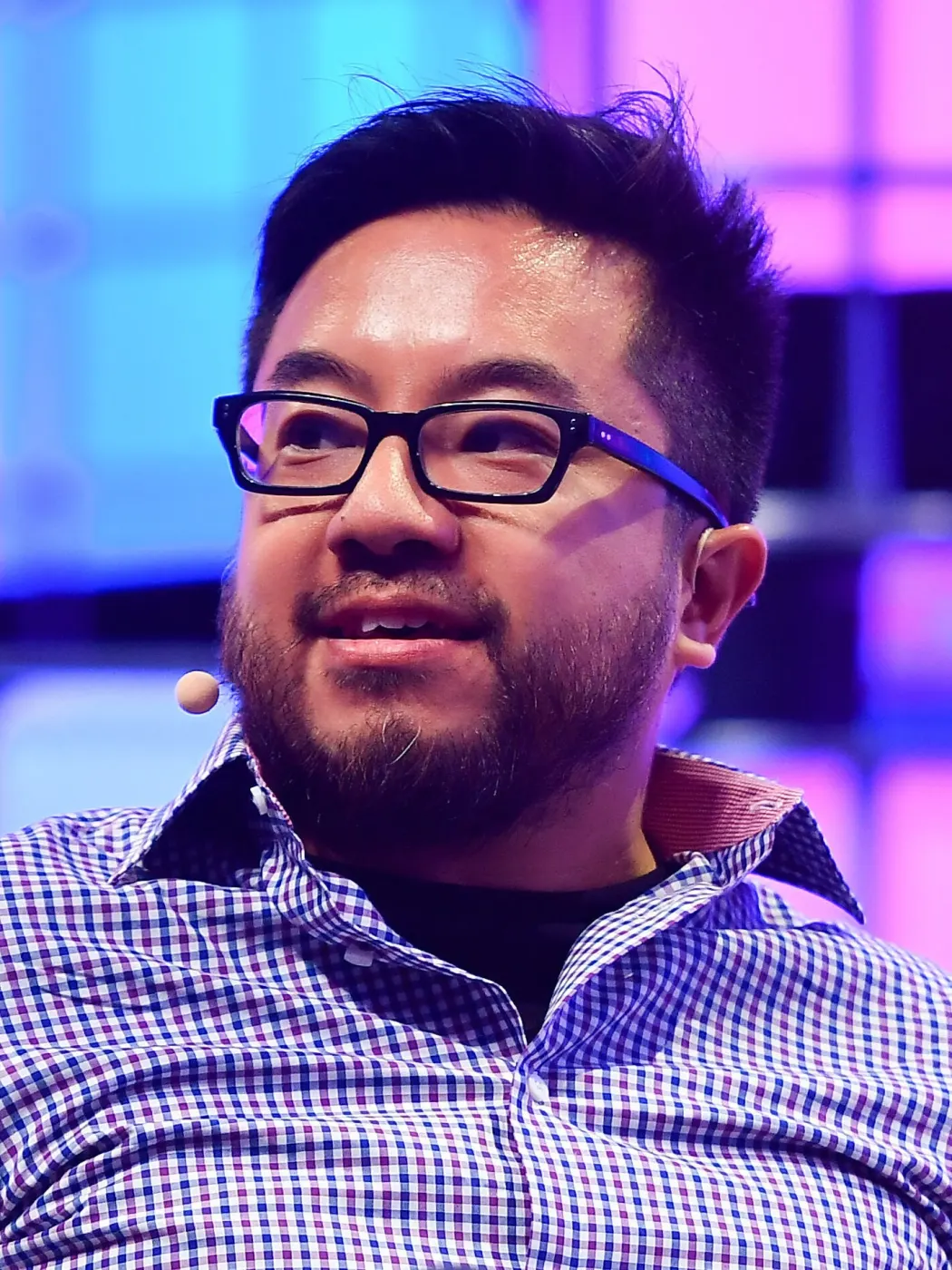
Tan joined Y Combinator around 2011 as a designer in residence and then as a partner, overlapping the years when Paul Graham's culture was becoming an institution. He stayed until late 2015. Inside YC he built Bookface, the private alumni social network and forum that partners still cite as daily infrastructure, and he worked on the Demo Day website with realtime video updates. He helped compile a public directory of strong interaction and visual designers so technical founders could find taste without guessing. The work was unglamorous software for a community that already had myth. It also trained him to see YC as a product, not only a brand.
Bookface in particular is easy to underestimate because it is private. Founders ask for hiring leads, legal war stories, and emotional triage after a bad board meeting. A partner who ships that network understands retention the way a consumer PM understands daily active users. Tan's later presidential rhetoric about community is not abstract. He already measured whether one in three alumni opened the tool on a given day. That is operator thinking inside a myth factory.
His most famous partnership-era bet was Coinbase. Brian Armstrong applied with a bitcoin wallet idea that had earlier names. Tan has said he and others ranked Armstrong with an infinity score in YC's admissions software so the interview would happen. After the batch, when Coinbase raised its first seed capital, Tan and the young Initialized Capital vehicle wrote early checks. Public accounts differ on the exact first slip: Armstrong has cited about one hundred fifty thousand dollars; Forbes later described roughly three hundred thousand dollars of combined Initialized seed-stage capital that became a stake near two-thirds of a percent at IPO, larger when later checks were included. What is not disputed is the outcome. When Coinbase listed in April 2021 near a hundred-billion-dollar narrative valuation, Tan wrote that the investment returned on the order of six thousand times and that the shares were worth billions on paper. He also wrote that he had coached Armstrong monthly after YC, a reminder that his edge was not only a check.
Alongside Coinbase, Initialized and Tan's partner network touched Instacart, Flexport, and other category companies that turned grocery, freight, and logistics into software problems. The fund's story began small. In 2012 Tan, Harj Taggar, and Alexis Ohanian operated an Initialized first fund near seven million dollars, then about thirty-nine million in 2013, about one hundred fifteen million in 2016, and a seven-hundred-million-dollar raise in December 2021 across core and opportunity vehicles. Forbes put Tan on the Midas List from 2018 through 2022. He left the YC partnership in 2015 to focus on Initialized full time, telling TechCrunch goodbye while promising the community he was not disappearing.
Initialized's culture, as Tan described it in founder interviews, prized the awkward early meeting. Founders were often still naming the company. The check was a vote that the person could learn faster than the market mocked them. Ryan Petersen at Flexport, the Instacart grocery surge, and Coinbase's consumer wallet were different categories with a shared pattern: a sharp founder plus a painful offline workflow that software could swallow. Tan's Clubhouse-era fame later amplified his voice, but the portfolio was built in quieter rooms with calendar invites and prototype demos, not with viral clips.
Welcome home: president of the factory
On 29 August 2022, Geoff Ralston published Welcome Home, Garry Tan. Ralston was stepping down at year end. Tan would become president and CEO in January 2023. The post listed the resume the partnership already knew: Stanford engineer, Palantir early designer, Posterous founder, Bookface builder, Initialized operator. It also listed a softer claim. Ralston called him trustworthy, kind, and one of the most likable people he knew. The Valley does not usually write press releases in that register. YC needed a leader who could rebuild founder romance after years of pandemic Zoom batches and growth-fund politics.
Tan's first hard move landed in March 2023. He wound down Continuity, YC's late-stage investment arm that had raised on the order of seven hundred million dollars and later pursued even larger follow-on capital. Continuity had written pro-rata checks and led larger rounds for alumni. Tan called late-stage investing a distraction from the core mission of finding and helping early founders. About seventeen teammates were impacted. Anu Hariharan and Ali Rowghani, who had run Continuity, left to start their own fund. Some alumni were angry that trusted board directors and late-stage partners vanished overnight. Tan's board and group partners largely backed the cut. The message was brasher, leaner, meaner: return the factory to batch craft.
By 2024 Forbes reported that YC under Tan was raising on the order of two billion dollars across three new funds covering upcoming batches and follow-on ownership. Group partners, not a separate Continuity team, were meant to drive more of those later decisions. The structure was a bet that YC could stay intimate at seed while still capturing upside as companies scaled. Whether every dollar closed on the timeline press expected is softer than the intent. The intent was public and repeated.
Inside the partnership, Tan also pushed for in-person gravity again after Zoom-era habits. Demo Days and batch life matter more when founders collide in hallways. He talked about bringing energy back to San Francisco offices and about treating YC as a multi-decade institution rather than a personality cult. Paul Graham, Jessica Livingston, and later board-level voices still haunt the brand. Tan's job was to keep the myth useful without letting nostalgia block AI-native founders who never read the old essays on paper.
AI batches, young founders, and the last window story
Under Tan, YC's batches tilted hard into artificial intelligence. In a June 2025 conversation about the first Spring batch, he described a cohort where roughly ninety percent of companies worked in AI and about eleven percent in hard tech. Batch-wide revenue grew about twelve percent during the program, a notch above the roughly ten percent growth he cited across the prior four batches. Applications and acceptances from founders aged eighteen to twenty-two jumped about one hundred ten percent year on year. Tan's explanation was generational panic and opportunity mixed together. Young founders believed superintelligence would lock in winners fast, so the window to start a company felt short. Partner capacity, not deal flow, was the bottleneck. YC expanded toward about fifteen partners. Acceptance rates hovered near eight-tenths of one percent.
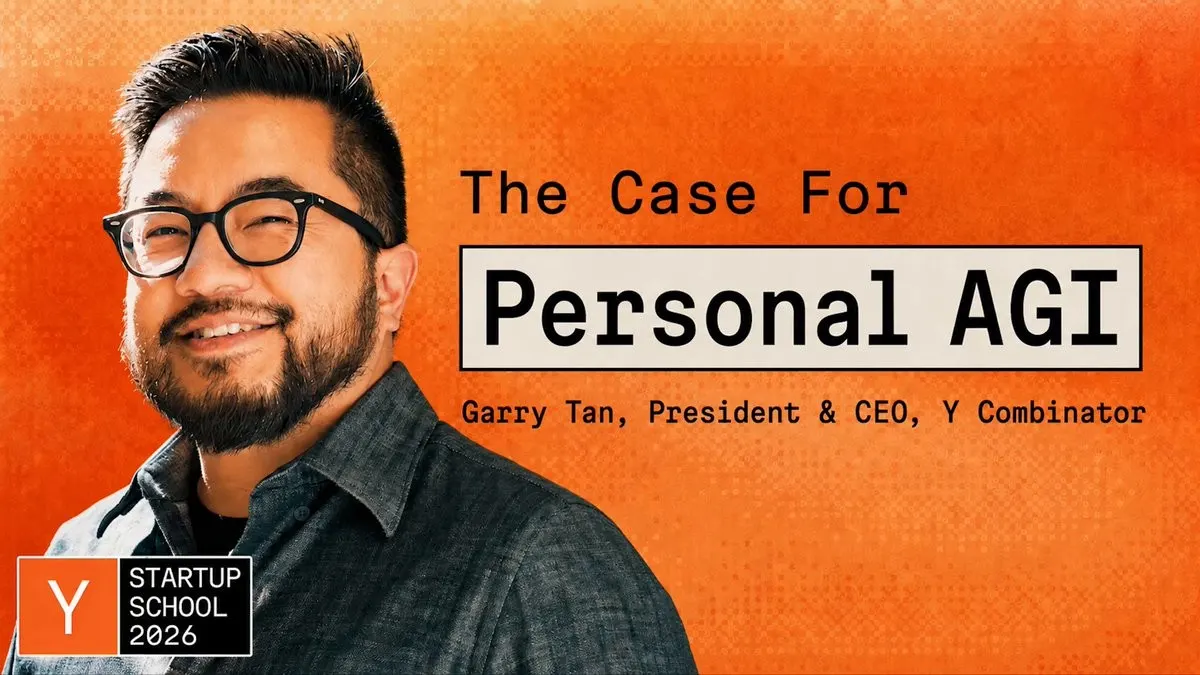
In talks and Startup School programming into 2026, Tan pushes AI-native company building: one founder with agents becoming a thousand-x engineer, durable memory for agents, and products that treat models as coworkers rather than demos. Folder images from Startup School 2026 show him headlining The Case For Personal AGI. The rhetoric can sound breathless. The operating reality is simpler. YC still picks people who can make something people want, then forces weekly progress until Demo Day. AI changed the tools inside that loop. It did not retire the loop.
Tan's AI advice to founders is practical more than mystical. Use coding agents. Ship demos inside the first weeks. Do not confuse model demos with customers who pay. In Stanford and Startup School talks he frames the AI-native company as an organization where process itself becomes software, and where institutional memory should not live only in Slack archaeology. He also warns, in public science-versus-fiction remarks, against doomsday theater that freezes builders. The stance is contestable. It is consistent with a man whose career reward came from shipping while others debated.
How he works
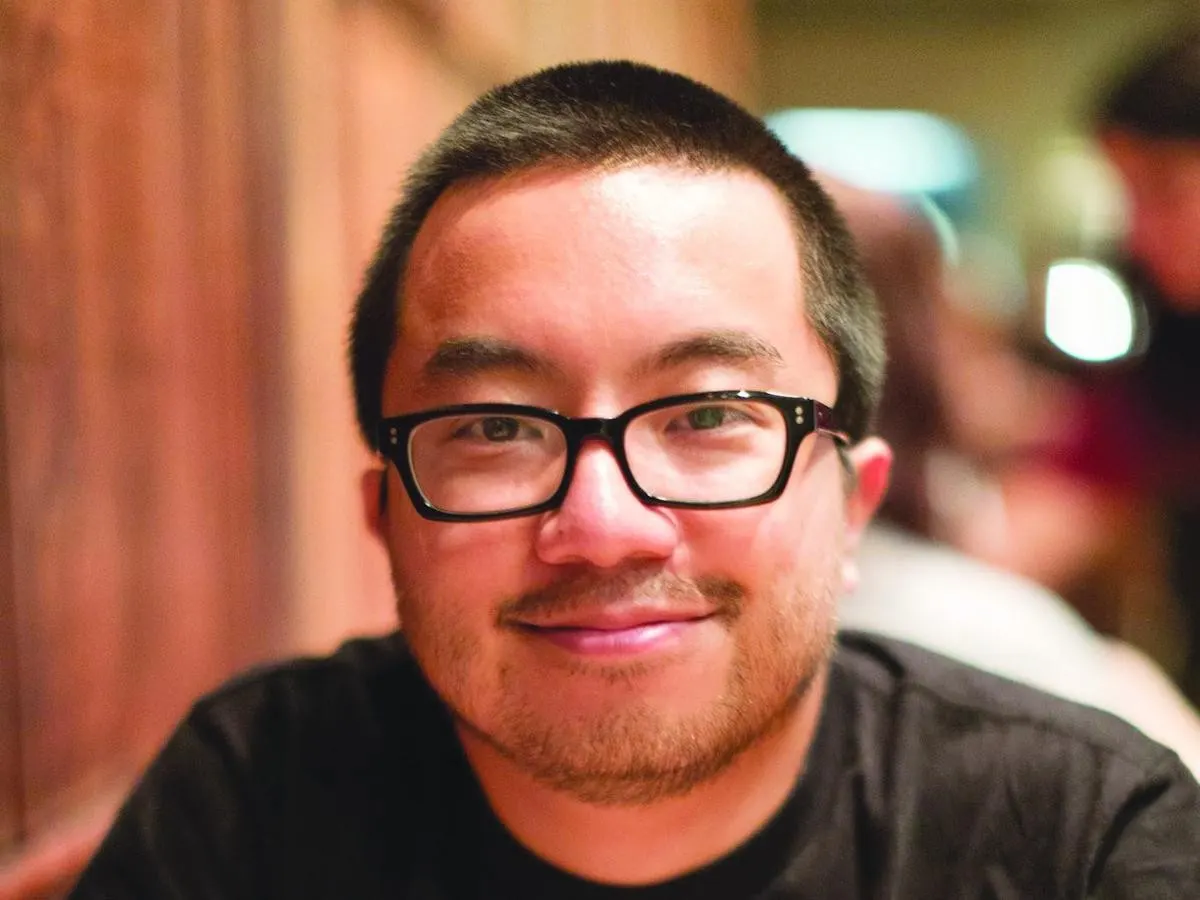
Tan's working style is hybrid: engineer, designer, coach, and broadcaster. He still talks like someone who shipped product bugs at two in the morning. He tells founders to demo early, pivot without shame, and measure learning in days. He builds software for the institution when the institution needs it. He records YouTube lessons that turn personal scars into curriculum, including the Microsoft story and fundraising hygiene. At Initialized he emphasized pre-seed conviction before consensus. At YC he reads applications at industrial volume. The public bio claims he has read more than six thousand YC applications, advised more than thirty-five unicorns, and worked with companies worth a combined two hundred twenty-six billion dollars. Those are firm marketing numbers. The behavior behind them is visible: relentless message volume, office hours, and a belief that taste in people beats spreadsheets.
He is also a political actor in San Francisco, which is part of how he works whether investors like it or not. He has described himself as a moderate Democrat. Since about 2015 he has donated to YIMBY housing groups such as the San Francisco Bay Area Renters' Federation, YIMBY Action, and YIMBY Law. He served on the board of GrowSF, a pro-growth local group, donating tens of thousands of dollars, and announced in January 2025 that he was stepping back from the board while remaining a supporter. He backed the San Francisco school-board recall, including about twenty thousand dollars of his own money plus fundraising from friends. He supported the 2022 recall of District Attorney Chesa Boudin, with reporting that put his donations at or above one hundred thousand dollars, and later backed Brooke Jenkins and Supervisor Matt Dorsey. The New York Times estimated his political giving near four hundred thousand dollars as of March 2024. He argues for more housing of every kind, stronger public schools that value merit, and policing that takes property crime and street violence seriously. Opponents argue that tech money distorts local democracy and that his online tone poisons civic life.
The housing thread is the clearest through-line. Tan has said he supports market-rate housing, affordable housing, and shelters, not only one ideology's favorite unit type. During the pandemic years he grew louder as remote work tempted companies to leave California. He argued that eating the goose that lays golden eggs is bad civic math: tax and regulate startups into exile, then wonder why the tax base shrinks. Whether his preferred candidates delivered the boom loop he advertises is a local argument still running in 2026. What is documented is the checkbook and the megaphone.
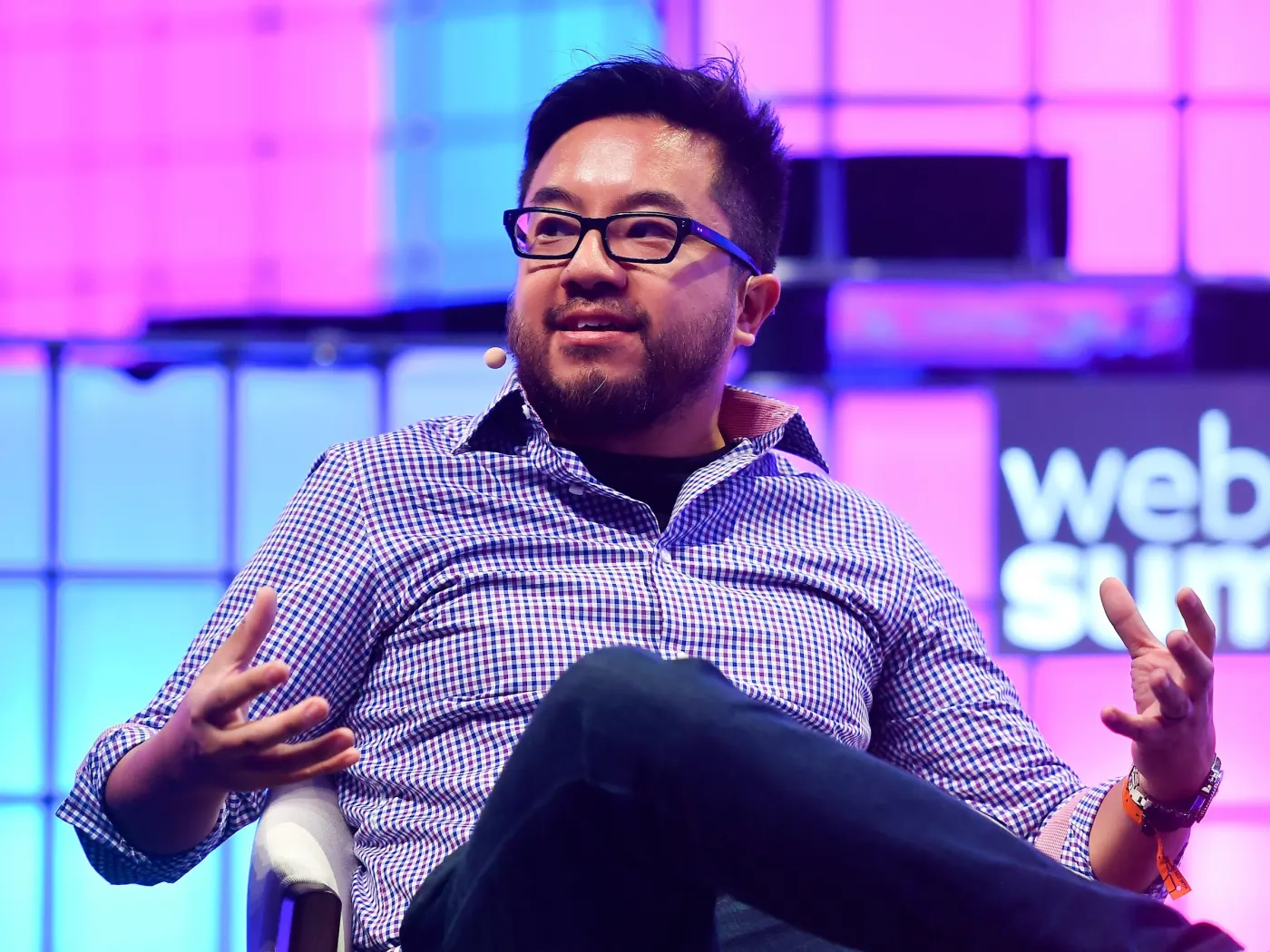
In January 2024 that tension exploded. Tan posted on X a message that included the Tupac lyric die slow motherfuckers aimed at seven members of the San Francisco Board of Supervisors. The post was deleted. He apologized. Police reports were filed. Coverage in the San Francisco Chronicle, Mission Local, and the New York Times framed him as either a Twitter menace or a true believer, sometimes both. This biography does not treat the lyric as policy, and it does not invent private intent. It records a public controversy that damaged trust for some residents and hardened support among others who already wanted a more aggressive tech voice in City Hall. By 2026 he was still arguing for San Francisco as a place founders should stay, while spending more spoken energy on startups, AI, and national stages.
What he actually built
Strip the follower counts and the remaining objects are concrete. At Palantir he helped invent an early financial-analysis product and a logo that still marks a public company. At Posterous he proved that publishing could be as easy as sending mail, then built Posthaven when the acquisitor discarded the garden. At YC he shipped Bookface and Demo Day software that turned a secretive alumni graph into a living network. At Initialized he institutionalized the habit of writing first checks into YC-shaped founders before the market finished debating. As YC chief he cut a late-stage empire that competed with the core mission, pushed multi-fund capital back toward batches, and steered cohort selection into the AI wave while expanding partner capacity. The world impact sits one layer out: Coinbase made crypto trading feel like a consumer product for millions; Instacart changed grocery logistics; Flexport tried to put freight on a dashboard; YC under his watch continues to mint companies that hire, fail, raise, and occasionally redefine a category. None of that requires calling him a prophet. It requires admitting that a Fremont teenager with a Yellow Pages habit ended up editing the admissions funnel for a large fraction of English-speaking startups.
There is also the soft infrastructure: office hours that reframe a pitch, a Bookface thread that finds a first hire, a partner email that unlocks a customer introduction. Those artifacts do not show up in IPO filings. They show up in founder lore. Tan's comparative advantage has been living on both sides of that lore. He knows what it feels like when a product dies after acquisition. He knows what it feels like when a seed check looks stupid until it does not. That dual memory is why Ralston could call the handoff a homecoming without sounding ironic.
Failures, almost-quits, and luck
Tan's story is full of near misses that became marketing only after survival. Saying no to Thiel's first check is the cleanest. Rage-quitting emotional patterns as a young manager is less glamorous but shows up in his advice talks. Posterous's modest exit looks like failure only if the only allowed score is a trillion-dollar outcome. Continuity's shutdown looked cold to alumni who lost familiar partners. The January 2024 tweet looked like a career bomb that he defused with apology and continued work rather than disappearance. Luck is obvious too. He met Thiel's orbit at Stanford. He entered YC as both founder and later steward. He saw Armstrong's prototype when bitcoin still felt like a mailing-list hobby. Denying luck would be dishonest. Denying craft would be worse.
There is another almost-quit hidden in plain sight: leaving YC in 2015 when the partnership already felt like home. He chose Initialized concentration over perpetual batch advising, then spent years proving the fund could stand alone. Coming back required ego management in both directions. The partnership had to accept a loud public figure. He had to accept that Continuity alumni anger would stick to his name. He took the job anyway. That choice is as revealing as any seed memo. Homecomings only work when the person returning is willing to break furniture that no longer fits the mission.
The same stubbornness shows up in smaller habits. He records founder advice even when the calendar is packed. He still argues about design taste as if a pixel can decide a seed round. He still treats Demo Day as theater that must be earned by metrics, not by stage lights. Critics can dislike the politics and still recognize the work pattern: ship, measure, narrate, repeat. In a Valley full of people who only narrate, the shipping history is the part that keeps alumni returning his calls.
2026: achievements and unfinished city

By September 2026 Tan remains president and CEO of Y Combinator and a general partner there, while Initialized continues as the firm he co-founded. Startup School programming still puts him on stage as the public face of the accelerator's AI-native gospel. Batch statistics from 2025 already showed the demographic and technical shift; 2026 continues that trajectory with more agent tooling, more young applicants, and the same brutal acceptance math. Personally, Wikipedia and contemporary reports note that he announced a divorce in July 2026 after earlier profiles described family life in Noe Valley with his wife and two children. Faith remains part of his public identity; coverage of Christians in San Francisco tech has named him among visible believers. Net worth estimates are soft and should stay soft. The durable assets are institutional: judgment over applications, a network of founders, and a megaphone that can still move local races and global founder fashion.
Compare that to the scoreboard obsession that eats founder minds. Tan's own Posterous exit would look like a footnote next to modern AI primaries. Coinbase turned the footnote into a legend. Continuity's end turned a legend into a fight. Living through all three phases is why his 2026 voice carries weight with some founders and triggers allergy in others. He is not a neutral narrator of the ecosystem. He is one of its editors.
That editorial power reaches classrooms and group chats far from San Francisco. A founder in Lagos or Bangalore watching Startup School hears Tan's urgency about AI windows and partner scarcity. Some will sprint. Some will burn out. YC's model has always exported ambition at industrial scale. Under Tan the export includes a sharper political soundtrack and a heavier AI drumbeat. The magazine version of his life has to include both the exported hope and the local cost of the soundtrack. Influence without a consumer app is still influence. The question for readers is whether that influence widens the ladder or only polishes the same rungs.
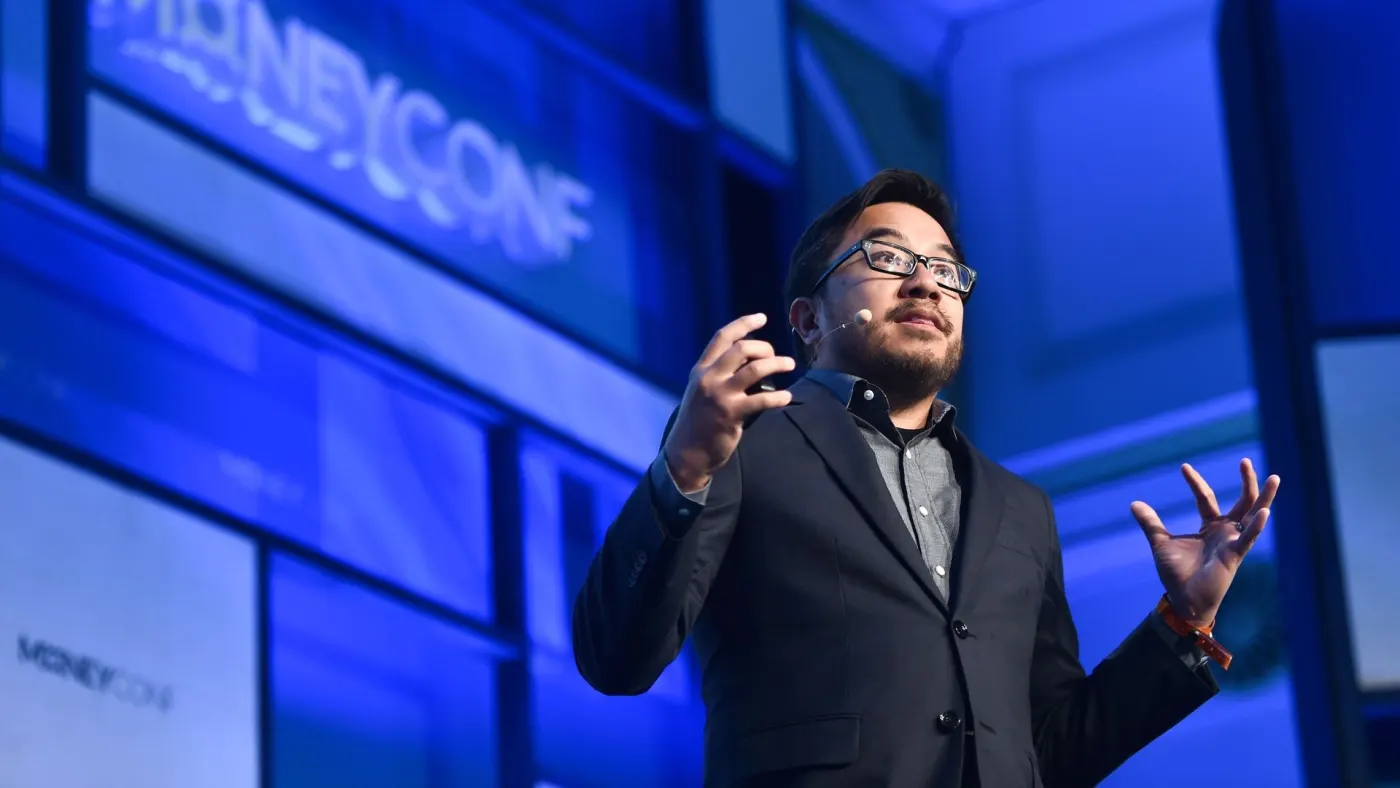
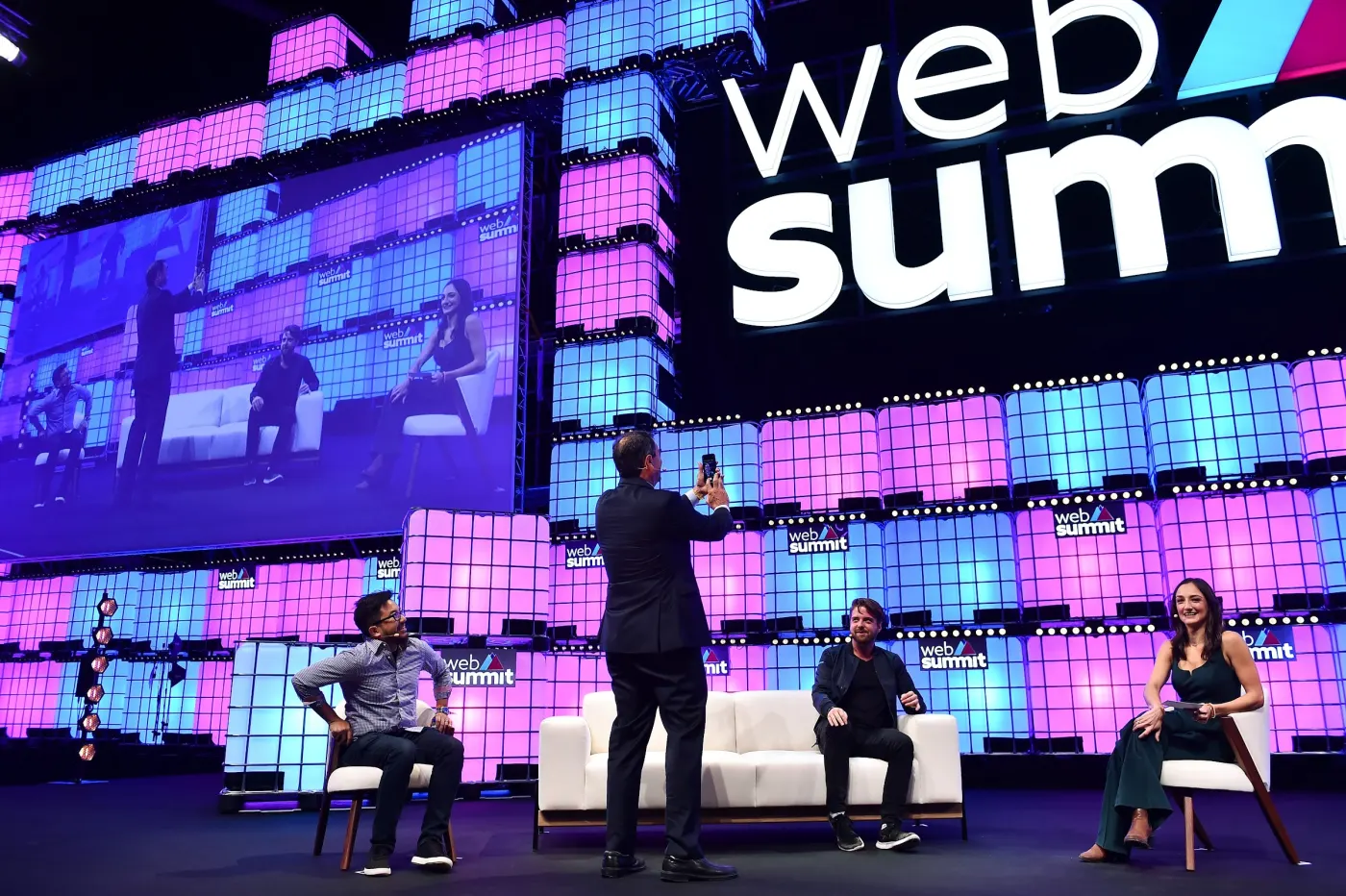
World impact in his lane is leverage. He does not ship a consumer app used by a billion people under his own name in 2026. He shapes who gets the first yes, who practices Demo Day until the story is sharp, and which city narrative tech workers rehearse. That is a quieter power than a product launch. It is also why fights about his tone matter. When the gatekeeper of a major accelerator becomes a political protagonist, the batch is never only about code.
On stages in 2025 and 2026 he keeps returning to urgency without surrendering craft. Young founders are applying in waves. Models are getting better. Capital is still picky after the easy-money years. YC's acceptance rate stays punishing. Tan's public pledge, repeated since the handoff, is that the community that changed his life will do even more for founders than before. Measuring that pledge means watching whether batches stay rigorous, whether alumni still defend the brand after Continuity, and whether San Francisco remains a place where a fourteen-year-old with a phone book habit can still find a first customer.
Closing
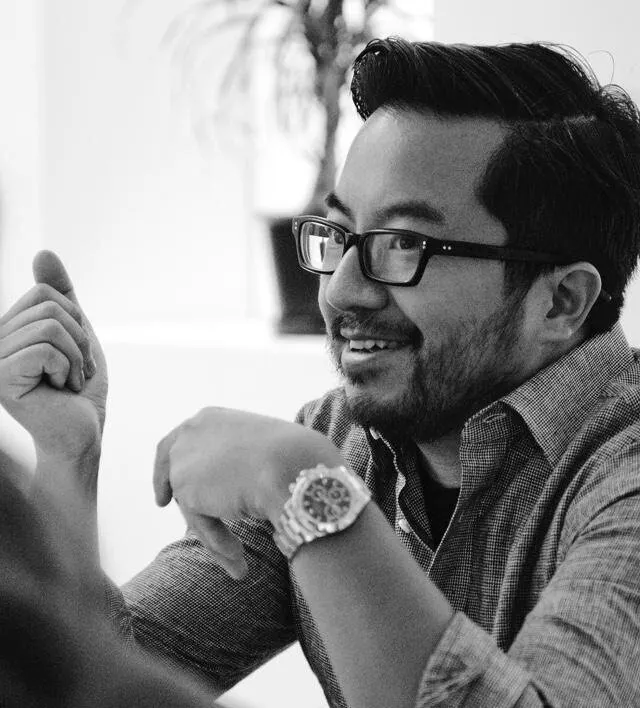
Garry Tan's arc is not a straight line from poverty to podium. It is a sequence of rooms he refused to leave empty: a Fremont kitchen with a first freelance check, a Microsoft cubicle he almost loved too long, a Palantir office where he learned intensity and equity math, a North Beach blogging startup that emailed itself into life, a YC partnership that turned software inward, a venture firm that caught Coinbase early, and a second YC tour where he tried to make the factory feel like a startup again. In 2026 the open questions are the same ones any powerful founder faces. Can the boom loop include people who will never raise a seed round. Can a loud online voice still earn trust in a city exhausted by tech. Can AI batches stay human when agents write the first draft of everything. Tan's answer, spoken through hiring partners, cutting Continuity, and showing up for another Demo Day, is that founders still need a home. He keeps trying to be the landlord who also remembers how it felt to cold-call the Yellow Pages at fourteen.
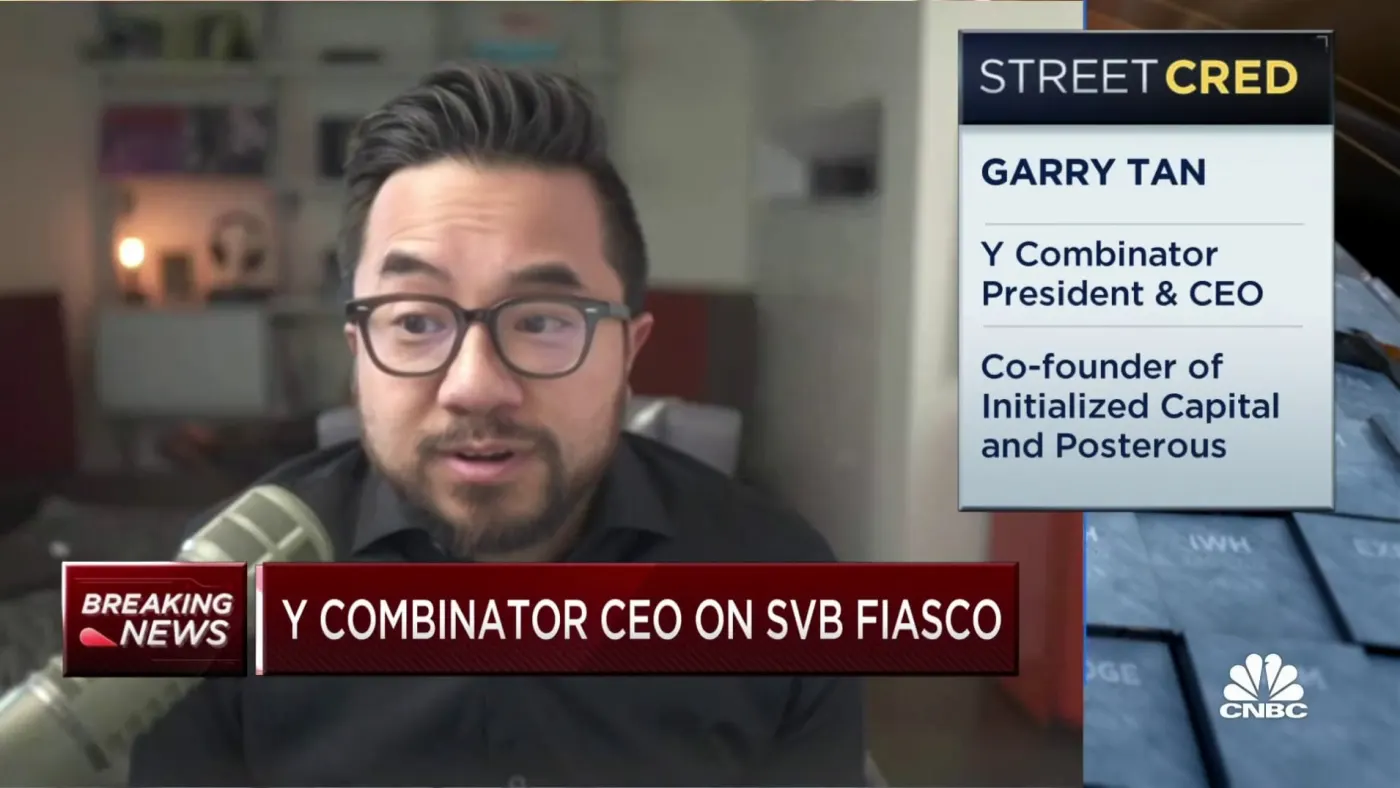
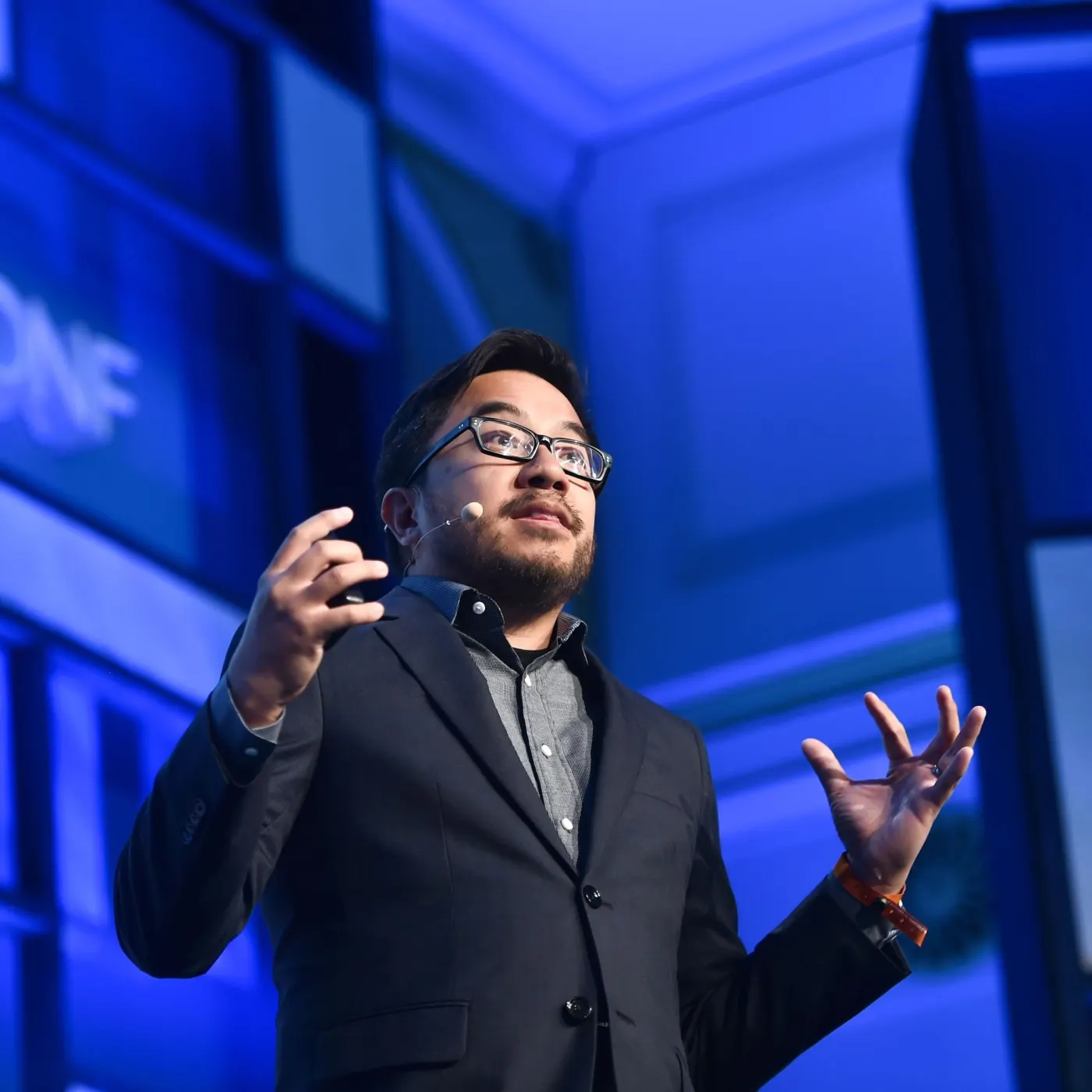
If the magazine needs one lasting image, it is not the Web Summit lights and not the CNBC lower-third. It is a teenager in Fremont dialing strangers because a family needed a down payment, then decades later sitting in a room where strangers dial him for a yes that can change their family's floor. The power is real. The responsibility is heavier than a tweet. Tan's bet is that builders still deserve a factory that feels like a home, and that he is stubborn enough to keep remodeling it while the city argues outside the windows.
Watch alongside this story
Short cuts from interviews, keynotes and launches. Each plays only the moment that matters.