
The Mom Who Made Mamaearth
She trained people in software. She studied art and design. Then she co-founded Mamaearth.
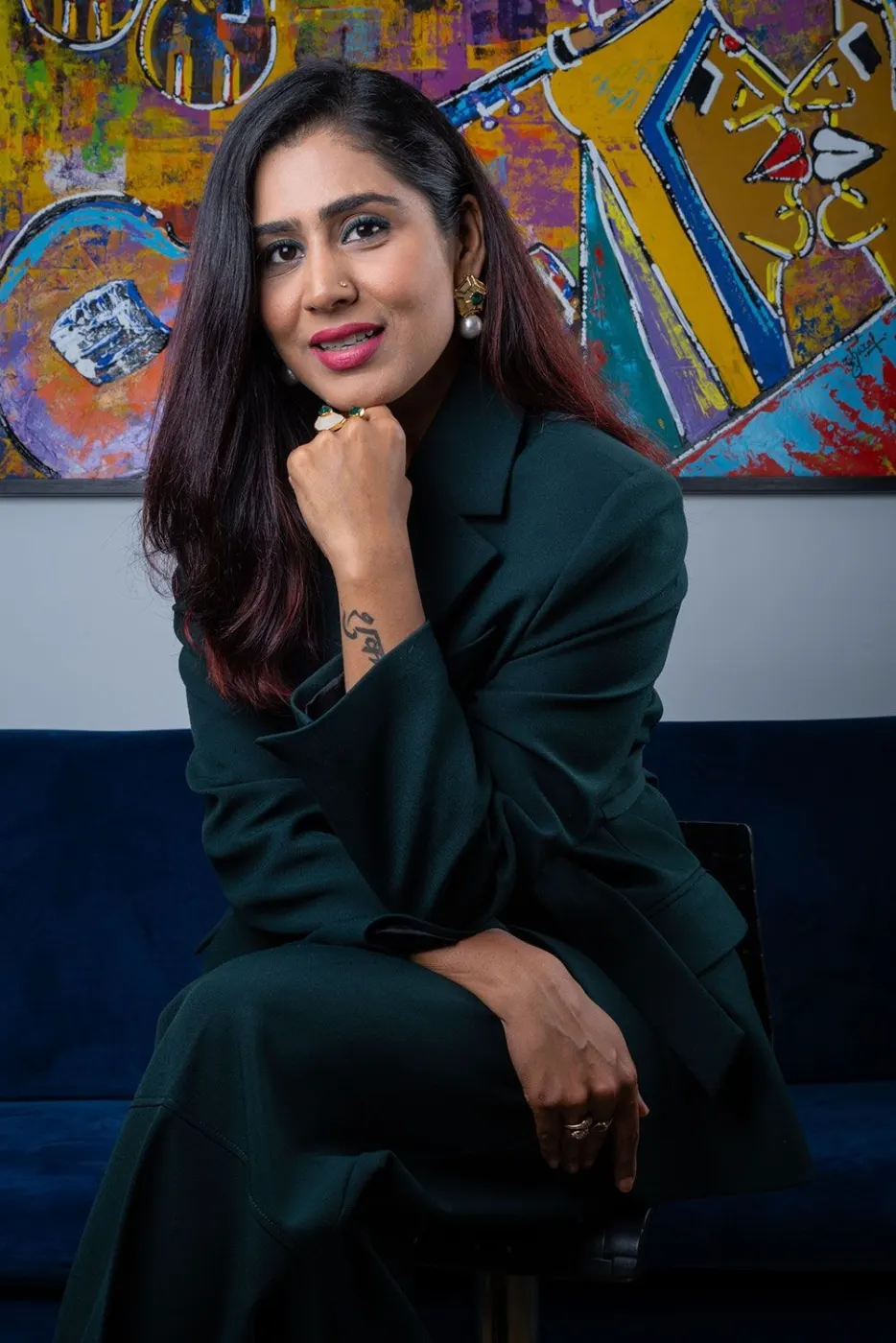
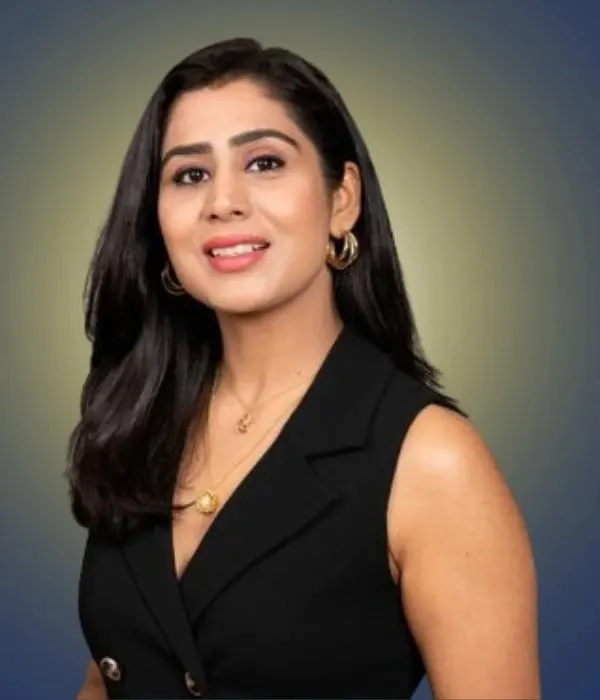
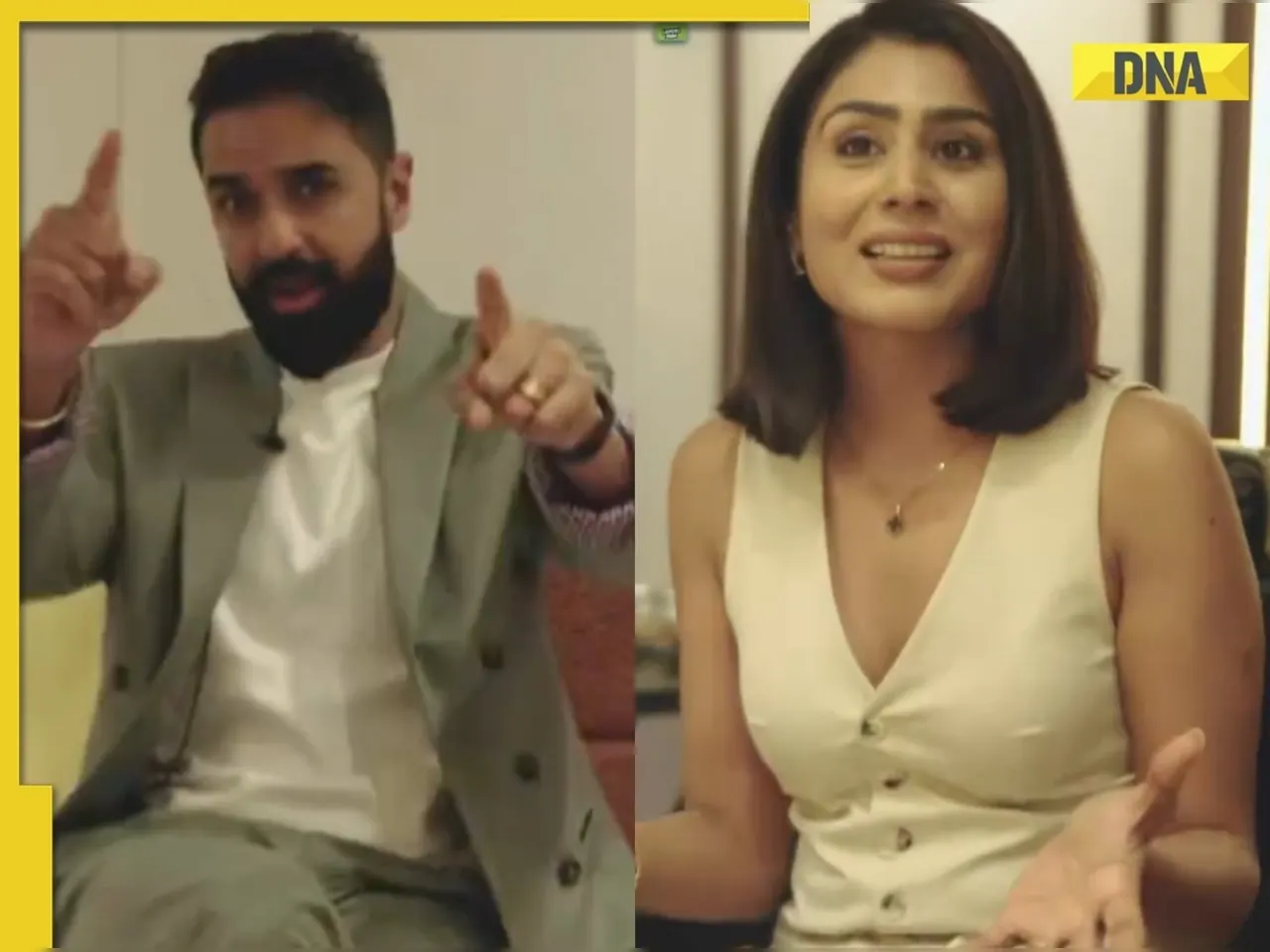
Ghazal Alagh trained people to code, then trained herself to see. Information technology study and corporate training work paid the bills. Modern art and design study, including time connected with the New York Academy of Arts, trained her eye. Motherhood fused both into a company.
In 2016, with husband Varun, she co-founded Mamaearth because their child's sensitive skin made ordinary baby aisles feel unsafe. She became Chief Innovation Officer of Honasa Consumer, the parent behind Mamaearth and sister brands. She sat as a Shark Tank India Season 1 judge, helping invent the show's early chemistry. On IPO day in November 2023 she posted about starting in a small apartment and arriving at the stock exchange, saying the future belongs to the resilient.

Trainer, artist, mother
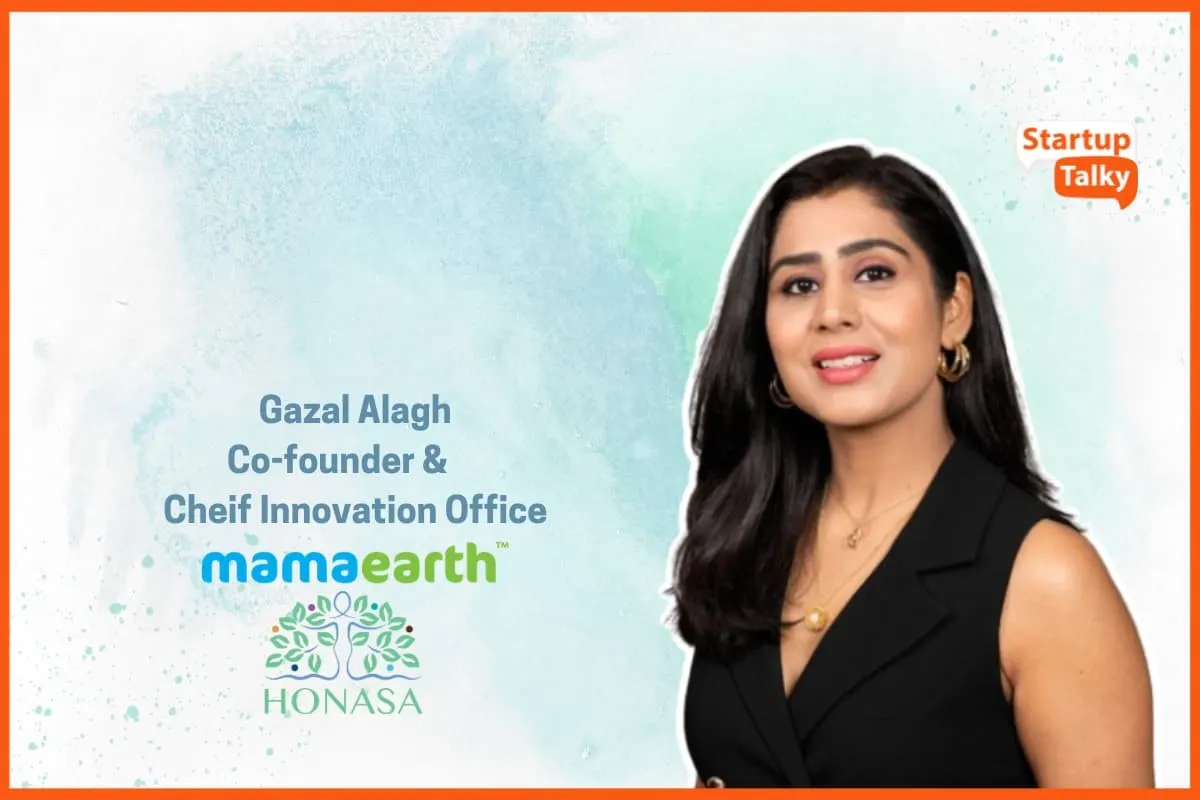

Ghazal's early career as a technology trainer taught her to explain complex systems simply. Standing in front of adults who feared software, she learned patience and translation. Design study taught her that bottles, textures, and color carry emotion before a single claim is read. When parenting arrived with allergies and fear, she refused the idea that Indian parents had to choose between what works and what feels safe.
Motherhood did not pause her ambition. It redirected it. The baby aisle became a research lab. Labels became antagonists. Friends who were also mothers became an informal focus group that later scaled into hundreds of phone calls. The trainer who once explained loops and databases began explaining surfactants and certifications to herself until she could explain them to a nation.
Building Mamaearth's soul





Ghazal drove product and community truth. In founder conversations she and Varun describe marathon phone calls with mothers, sometimes hundreds of conversations, listening longer than surveys usually allow. That research shaped shampoos, lotions, mosquito care, and later adult lines. MADE SAFE certification goals and toxin free claims became her language of care.
She helped the brand look like care rather than clinical coldness or vague natural fluff. Design and science had to share the label. Retail interiors later had to feel like that same promise under mall lighting. Physical retail became her product philosophy made tangible for shoppers who never opened an app.
Chief Innovation Officer



As CIO she translated consumer worry into brand architecture across Honasa: Mamaearth, The Derma Co, Aqualogica, BBlunt, Ayuga, Dr Sheth's, and further experiments. Innovation meant more than new scents. It meant new reasons to believe for Indian weather, Indian skin stories, and Indian digital discovery habits.
The Derma Co needed a different face of her innovation brief: clinical confidence without abandoning accessibility. She carried sister brands into rooms where doctors, creators, and retailers mix. CIO work is partly public persuasion and partly formulation. She had to win both.
Shark Tank India


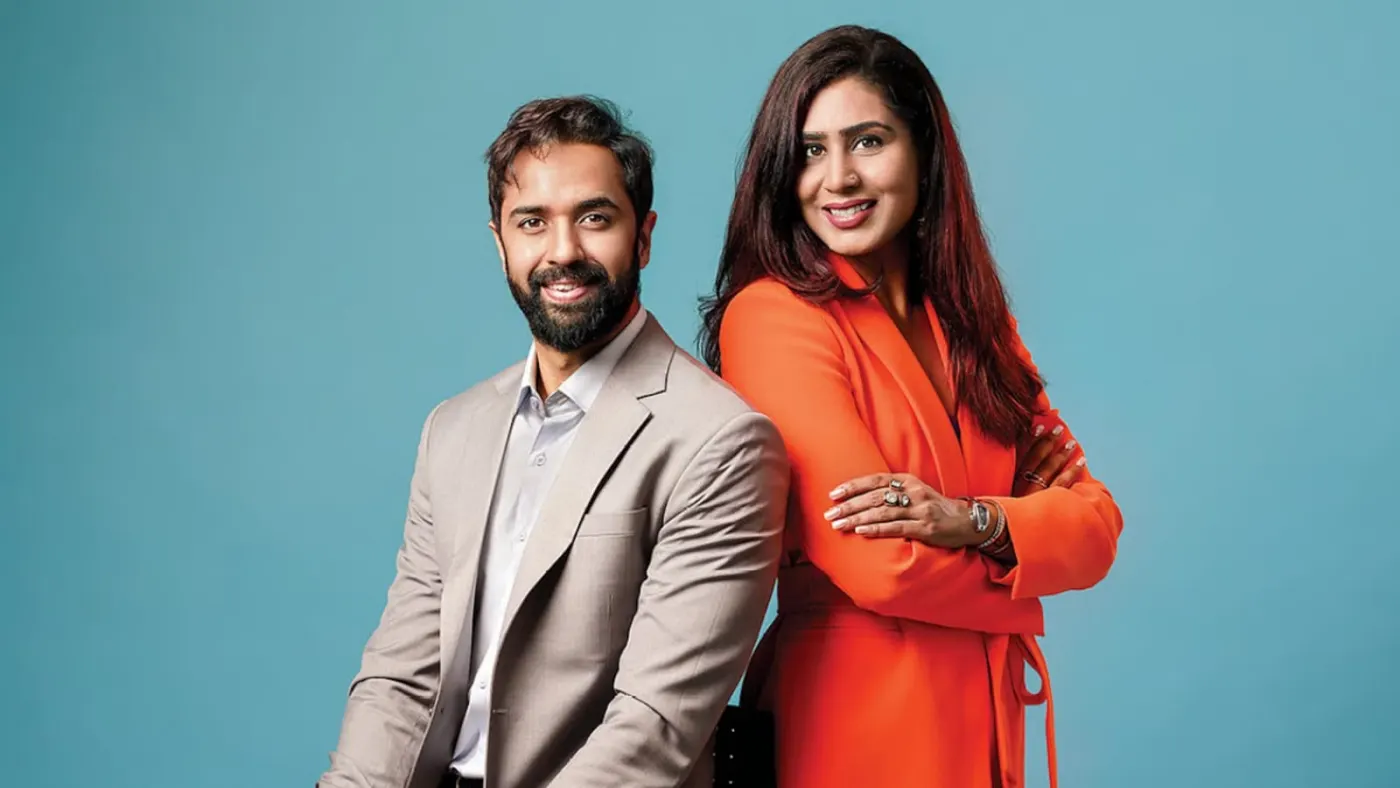

Ghazal joined Shark Tank India in Season 1 as a judge. The show needed a founder who understood product, parents, and performance marketing without sounding like a pure financier. She became widely nicknamed a Mama Shark in coverage and fan conversation: tough on economics, soft on human stakes, quick to spot whether a founder had actually talked to users.
Television compressed her diligence into minutes. Behind the table sat years of Amazon reviews and mom calls. She also published written tips for founders and creators after the show made her a recognizable judge. Public deal and exit tallies made her on air instincts accountable: real checks and real misses, not only good television.

IPO resilience

On IPO week in November 2023, Honasa's listing turned a household founding story into a public market story. Ghazal's own posts and interviews framed the day as resilience: small apartment beginnings, years of doubt, arrival at the exchange. Partnership stopped being a private operating fact and became something markets priced in public.
Resilience for her also meant continuing product standards when scale tempted shortcuts. A listed beauty company can chase quarters. A mother who founded on safety fear cannot fully forget the original customer. That tension is her version of governance.
How she works
Ghazal works by talking to users until patterns hurt. She works by insisting that design and claim hierarchy tell the same story. She works on camera without abandoning the operator underneath. She partners with Varun as co-founder with distinct public weights: her innovation and emotion face, his brand systems and scale face, overlapping on stages when the story needs both.
She also works as a translator between science language and parent language. MADE SAFE and toxin free only matter if a tired mom understands them at midnight. Packaging is a teaching tool in her hands.
Current achievements and world impact as of 2026
As of 2026 Ghazal stood as a co-founder and former or continuing innovation leader whose company had listed, whose portfolio spanned multiple beauty and personal care brands, and whose Shark Tank presence had shaped how India imagines women consumer founders. Her impact is cultural as much as financial: she made parent anxiety a legitimate founding thesis and made conscious beauty talk mainstream in Indian digital commerce.
World impact also shows in founders who cite her on air questions and in moms who treat Mamaearth as a trust shortcut in a noisy aisle. The house of brands multiplies that impact beyond one logo.
From coding labs to formula debates
Technology training taught Ghazal how adults learn when they are scared of looking stupid. Mothers reading ingredient lists feel the same fear. She designed brand education for that emotion. Instead of shaming parents for what they used before, Mamaearth offered a bridge: here is a clearer claim, here is a certification path, here is a texture your child might tolerate.
Formula debates inside Honasa could get technical. Her job was to keep the child's skin and the mother's trust at the center while chemists and marketers argued. Innovation without that center becomes novelty. Novelty without trust becomes returns.
Art school eyes on Indian shelves
Design study, including association with the New York Academy of Arts in her public biography, gave her permission to treat beauty packaging as culture, not only as compliance. Indian shelves are crowded with blues and greens that all claim natural. Differentiation required restraint and consistency. She pushed for visual systems that felt calm rather than loud, especially for baby.
When the brand entered malls, those eyes still mattered. A mall store must read in three seconds from a corridor. At Infiniti and Gallery malls, her packaging had to win a three second glance from a corridor before a shopper ever opened an app.
Hundreds of mom calls as diligence
Early research that looked like friendship was actually diligence. Hundreds of calls meant hearing contradictions: moms who wanted natural and also wanted fast results, who wanted premium and also feared waste, who trusted doctors and also trusted WhatsApp groups. Ghazal learned to hold contradictions without freezing.
Surveys flatten. Calls reveal tone. Tone told her when a product idea was polite fiction. That method later informed how she judged Shark Tank pitches: she listened for whether founders had endured contradiction or only collected compliments.
Mamaearth as emotional infrastructure
For many Indian digital first parents, Mamaearth became emotional infrastructure: a default trust mark in a category full of anxiety. That status is fragile. One quality miss can break it. Ghazal's public insistence on standards is partly personal history and partly brand risk management.
Emotional infrastructure also explains why adult lines needed careful bridging. Moms who loved baby shampoo had to believe the same company understood their own skin. Consumer guided leaps in the BarberShop interview are her philosophy spoken aloud.
Portfolio innovation beyond one hero
CIO responsibility meant asking which problems deserved a new brand rather than a new Mamaearth SKU. The Derma Co answered clinical skincare language. Aqualogica answered hydration and climate. BBlunt answered hair and salon adjacency. Each brand needed a distinct soul so the house did not become a costume party.
Sister brands forced her to let Mamaearth share the stage. Ego would have kept everything under one name. Portfolio craft spreads risk and widens talent.
Shark Tank Season 1 chemistry
Season 1 of Shark Tank India needed personalities that felt new to Indian television business formats. Ghazal brought founder empathy without being a soft touch. She asked about users, margins, and honesty. She also modeled a woman founder who had already built at scale before the cameras arrived.
Fan nicknames like Mama Shark can trivialize. They can also signal recognition. Public deal and exit tallies made the nickname accountable to outcomes. She could not only perform care. She had to pick.
Advice culture beyond the shark table
After the show she published concrete founder tips that carried her television judgment into evergreen form. Founders and creators who never meet her still meet her heuristics. That is distribution of judgment. It risks sloganization. Her better advice stays concrete: talk to users, do not costume your values, know your unit economics before your aesthetic.
Appearances beside other public figures placed her in broader culture conversations, not only startup media. That widened Honasa's brand halo and her personal mandate as a public educator.
IPO day from apartment memory
The small apartment to exchange narrative is powerful because it is specific. Ghazal uses it to talk resilience rather than destiny. Destiny stories discourage imitators who feel behind. Resilience stories invite them to endure. On IPO day she chose the second frame.
The IPO week belonged to both biographies. In hers it marked authorship: she was not adjacent to a listing. She had built product truth that made the listing conceivable.
Partnership without disappearing
Media loves a single hero. Ghazal refuses disappearance without refusing partnership. She credits Varun's brand and corporate muscles. She claims innovation and community as her craft. Separate documentaries exist so neither becomes a footnote. Couple images remain because the company began in a shared household emergency.
Healthy public partnership is a product. Employees and investors watch for cracks. Their united IPO presence was strategy as well as celebration.
How television changed the job
After Shark Tank, strangers recognized her in airports and malls. Recognition helps brand. It also compresses privacy. She had to decide how much of motherhood to keep public. Too little and the Mamaearth origin feels fake. Too much and the child becomes content. Her public balance leans toward principles over intimate detail.
Television also changed founder pitches she sees. People perform for her known soft spots. She learned to detect performance because she has performed on purpose and knows the difference.
Loop from trainer to judge
The coding trainer stood in front of fearful learners. The Shark Tank judge sits in front of fearful founders. The skill rhyme is real: reduce shame, raise standards, demand practice. Mamaearth was the company built in between those two classrooms.
Quality, certification, and the midnight customer
MADE SAFE goals and toxin free language only work if manufacturing agrees. Ghazal's vigilance on claims is a midnight customer fantasy made operational: a parent checking a label under bad lighting. If the brand lies softly, that parent never returns and also tells a WhatsApp group.
Scale pressures certification honesty. More SKUs mean more ways to dilute meaning. Her CIO mandate included saying no to clever claims that would age badly.
Retail floors as truth serum
Online, a brand can control the frame. In a mall, competitors sit inches away. Ghazal's product and design choices had to survive that proximity. Retail floors are exams. Passing meant moms picking the pack up without a creator shouting in their ear.
Retail also forced training of store staff. Her trainer past helped imagine how a salesperson explains a claim without overpromising. Overpromise is a refund with interest.
Competitors copying the greens
When copycats arrived with similar aesthetics, Mamaearth needed deeper trust than color. Community memory, certification history, and consistent texture experiences became moats. Ghazal's work on soul was suddenly also work on defense.
Conglomerates can copy packaging faster than they can copy origin authenticity. Origin authenticity still must be backed by current quality. Nostalgia alone is not a moat.
Women founders watching her public path
Younger women founders saw a mother who did not hide caregiving and still took a shark seat and an IPO stage. Representation without honesty is costume. Her honesty about fear, resilience, and standards made the representation usable.
She also showed that design trained founders belong in P&L rooms. Art school eyes are not opposite to commerce. They can be commerce's unfair advantage in beauty.
What she optimizes for in a pitch
On Shark Tank and in private, patterns recur: clarity of customer, honesty about traction, respect for manufacturing reality, and a founder who can learn. She has little patience for borrowed mission language. Mission must leave fingerprints on the SKU.
That optimization comes from building Mamaearth when mission was expensive. Cheap mission talk triggers her radar.
2026 desk of an innovation founder
As of 2026 her desk, literal or figurative, still mixes product decisions, public advice, and brand stewardship across a listed house. The public face, the working face, and the television face are real layers of one career, and none of them alone explains how Honasa ships.
The future she named on IPO day as belonging to the resilient is also a self description. Resilience here means keeping parent truth audible inside a company loud with markets.
Lessons that are not merch
Listen longer than is comfortable. Design for calm in a screaming aisle. Let consumers kill your roadmap. Build sister brands when one face cannot hold every problem. Use television to teach, not only to glow. Keep co-founder credit specific. Treat certification as operations. Remember the apartment when the exchange applause fades.
These are Ghazal's compressed biography. Founders who steal only her aesthetic steal the wrong thing.
Science language without coldness
Nature meets science was not only a slogan. It was a design problem: how to show rigor without scaring a parent into thinking the product is harsh, and how to show gentleness without looking like empty herbal theater. Ghazal mediated that spectrum across packs and campaigns.
Clinical sister brands could lean colder. Mamaearth had to stay warm. Portfolio strategy gave her more than one temperature to work with. That range is innovation craft.
Creators, community, and the trust circle
Early moms formed trust circles that marketing later tried to simulate with creators. Ghazal understood both. Community is slow and deep. Creators are fast and wide. The brand needed both without letting speed destroy depth. When creator content overclaimed, she had to pull it back toward product truth.
Her published advice often returns to authenticity because she has seen costume authenticity fail in comments.
Failure modes she names
Wrong SKUs. Overextended claims. Hiring too far from the mission. Celebrating press over repeat purchase. She names failure modes because she has paid tuition. Public resilience talk is hollow without admission of tuition.
IPO success does not erase those payments. It makes them educational material for the next bench of Honasa leaders and for founders watching from outside.
Why this documentary stays on her angle
Varun's documentary covers corporate corridors and scale systems. Hers covers trainer classrooms, art trained eyes, mom calls, CIO portfolio soul, Shark Tank Season 1, and IPO resilience language. Shared facts appear because the company is shared. Shared facts do not make the biographies identical.
Readers who want only the couple myth will miss her specific lever: product truth as culture. Readers who want only the shark myth will miss the mall shelves and the certification arguments. This file keeps the lever visible.
Phone call ethnography as a product method
Ghazal's early mom calls were ethnography without the academic costume. She heard kitchens, interrupted naps, and the way fear changes a purchase. Those details shaped fragrance choices, label hierarchy, and which claims deserved the front of the pack. Later teams inherited summaries. She had inherited voices.
When Honasa grew, the risk was replacing voices with dashboards. She kept inserting human checks: still talk to users, still read complaints as stories, still ask whether a new brand solves a real midnight problem.
Design systems that calm rather than shout
Beauty marketing often shouts. Baby care trust often whispers. Ghazal's art trained instinct preferred calm systems: clearer typography, less chaos, textures that photograph as gentle. Calm is hard to protect when growth teams want louder ads. Her pushback was part of CIO work even when her title was not in the room.
Mall stores tested calm under fluorescent competition. If the store shouted, the pack philosophy had already lost.
Season 1 pressure and inventing a public self
Shark Tank India Season 1 had no long local template for her exact role. She had to invent a public self that was still true. Too polished and moms would smell fiction. Too raw and investors would dismiss her. The Mama Shark nickname arrived as audience shorthand for the balance she struck.
Behind season filming sat company building. She could not let television eat Honasa focus. Time management became a founder skill as real as formulation.
Deal exits and the accountability of taste
Published deal and exit tallies make taste accountable. Ghazal could not hide behind empathy forever. Some bets fail. Public failure is tuition paid in daylight. She uses that daylight as teaching material rather than as shame.
Accountability also protects the brand. If a shark is never wrong on TV, parents should doubt her. Occasional wrongness is credibility.
Office mornings after television nights
Most of her value still looks like meetings about claims, pipelines, and creative reviews. Television is a loud minority of the calendar. Product truth is the majority. Founders who chase only the loud part copy the wrong Ghazal.
Resilience as operating system after IPO
Resilience talk after IPO can become empty. Hers stays useful when it constrains behavior: do not cheat the claim, do not abandon the parent, do not pretend the apartment years were destiny. Resilience means continuing standards when the market rewards shortcuts.
Listed company temptation is to sand off the uncomfortable origin. She keeps the origin sharp enough to cut bad ideas.
Ingredient education as empathy
Parents do not fail because they lack love. They fail because labels are hostile. Ghazal treated ingredient education as empathy: reduce panic, increase agency. Mamaearth content that explained what was left out had to avoid fearmongering that makes every rival product look like poison. Fearmongering sells once. Agency builds repeats.
Her trainer muscle showed here. Good teachers do not humiliate. They scaffold. Brand content that scaffolds creates customers who can defend their purchase in a family WhatsApp argument.
Texture, fragrance, and the sensory contract
Baby products live or die on sensory contract. A lotion that stings once is finished in that household. Ghazal obsessing over texture and fragrance was not indulgence. It was churn prevention. Art school sensory attention became unit economics by another name.
Adult lines required new sensory contracts. What calms a parent buying for a child differs from what delights an adult buying for their own face. She had to rebuild intuition category by category.
Hiring innovators who will argue
CIO work fails if the team only flatters. Ghazal needed chemists, designers, and marketers willing to argue with her and with each other. Argument culture is hard to keep when a founder becomes a television face. Status freezes debate. She had to invite dissent explicitly or watch innovation become ceremony.
The Derma Co and Aqualogica launches required dissenters who said Mamaearth alone could not hold every problem. Listening to that dissent was part of portfolio courage.
Public marriage of craft and commerce
People still act surprised when a design minded woman owns commercial outcomes. Ghazal's career is a long refusal of that surprise. She ships product, sits on a shark panel, and talks margins without apologizing for caring about typography. The combination is the point.
Young founders who separate "creative" and "business" into costumes miss her lesson. The pack is the business. The claim is the business. The mom call is the business.
Crisis communications with a parent face
When complaints trend, a parent faced founder is both asset and liability. Asset because empathy lands. Liability because every sentence becomes a promise. Ghazal learned to speak carefully under heat: acknowledge, investigate, fix, do not perform grief for engagement.
That discipline protects the emotional infrastructure Mamaearth built. Cheap apology content can be as harmful as silence.
Cross brand creative without identity theft
Honasa's house needed shared efficiency without identity theft. A Derma Co campaign should not feel like a Mamaearth campaign in a lab coat. Ghazal's innovation leadership included creative guardrails: shared learning, distinct souls that stay distinct when they leave the office.
Identity theft across sister brands confuses customers and wastes the portfolio thesis. Guarding identity is unglamorous CIO labor.
The long shadow of Season 1
Season 1 fame has a long shadow. Years later she is still introduced as a shark. That shadow opens doors for Honasa and for her advice platform. It can also trap her in an old highlight. Her ongoing work is to add new chapters that are not only television reruns: portfolio craft, listed company standards, written advice that stays specific.
Recognition without new chapters becomes nostalgia. She kept adding product work, advice, and public teaching so the shark years would not be the only chapter people remembered.
Co-writing a category with Indian digital parents
Mamaearth did not invent parental anxiety. It co-wrote a category language with digital parents who were already trading tips online. Ghazal's gift was turning that language into SKUs and stores. Co-writing means the audience remains a partner. When brands talk down to that partner, the partner leaves.
Her best public comments still sound like a partner, not like a lecturer from a conglomerate tower.
What 2026 still asks
As of 2026 the asks are familiar and harder: keep trust while competing on price, keep innovation while governance weighs every claim, keep humanity while cameras want soundbites. Ghazal's biography suggests she will answer with more listening, more design care, and more willingness to say no.
The resilient future she named is not a mood. It is a queue of decisions that protect the midnight customer.
Why MADE SAFE talk had to become factory talk
Certification marketing without factory discipline is a scandal waiting for a camera crew. Ghazal's insistence on toxin free language forced Honasa to build supplier questions, testing habits, and rejection rights. Those habits are invisible on Shark Tank. They are why the brand could scale without immediately collapsing into claim theater.
Parents may never see an audit checklist. They feel the result when a product does not irritate their child. That feeling is the real KPI behind the certificate logo.
From New York art rooms to Gurugram decisions
Public profiles that mention art study in New York can sound like lifestyle garnish. In her hands the garnish becomes a tool: taste memory, composition, the courage to leave white space on a pack when competitors crowd every edge with seals and stars. Gurugram decisions about creative still carry that tool even when the calendar is all supply chain.
The distance between an art room and a marketplace war room is supposed to be vast. She made it a commute.
Mentoring founders without becoming their costume designer
Founders ask her for advice on personal brand. She redirects toward customer brand. Personal glow without customer truth is costume design. Her own glow works because the products exist. She mentors by pointing at the unglamorous sequence: talk, build, test, claim, only then amplify.
That sequence frustrates people who want a growth hack. Frustration is a filter. The ones who stay become better companies.
The couple as a startup instrument
Ghazal and Varun together are an instrument: one hears product emotion, one hears channel systems, both hear risk. Instruments need practice. Their practice was Amazon mornings and mom call nights. Later practice was board prep and television prep. The instrument still matters after IPO because listed companies can forget how to play anything but metrics.
This documentary keeps her hand positions clear so the duet does not erase the melody she carries.
Stores as classrooms
Mall staff who explain Mamaearth are temporary teachers. Ghazal's trainer past helps her imagine their script. A bad script overpromises. A good script invites a parent to try one hero product and report back. Stores become classrooms when the brand respects teaching. They become traps when the brand only respects footfall.
Infiniti and Gallery images are pretty. The classroom metaphor is why they matter to her story.
IPO capital versus opening capital
Opening capital funds the experiment. Closing capital, the IPO kind, funds the institution and also invites new pressure. Ghazal's resilience language is about surviving the second kind without betraying the first kind's customer. Many founders only train for opening. She is publicly training for both.
That is why her advice skews toward endurance. Endurance is the skill that compounds after the first viral SKU.
Body, bottle, and the refusal of shame
Beauty culture often sells shame. Ghazal's parent originated brand had to refuse shame without refusing standards. A baby's rash is not a moral failure. An adult's acne is not a moral failure. Products that imply sin while selling salvation poison the category. Her creative direction leaned toward care and clarity instead of humiliation marketing.
That refusal is ethical and commercial. Shame based brands earn distrust in comment sections over time. Care based brands earn the WhatsApp recommendation that no media buy can replace.
Time scarcity as the real competitor
Moms lack time. That scarcity is Mamaearth's real competitor more than any logo. Ghazal designs for scarce time: clearer packs, fewer steps, claims that do not require a glossary in the aisle. Shark Tank founders who ignore time scarcity lose her attention quickly.
Time scarcity also shaped her own career logistics: building while parenting, filming while operating, speaking while still reviewing creative. She does not pretend the logistics are easy. She shows they are possible with partnership and standards.
Memory of the first unsafe aisle
She can still describe the feeling of an aisle that offered abundance without safety. That memory is a management tool. When a growth proposal would recreate that aisle in digital form, cluttered with claims and empty promises, the memory votes no. Companies without such a memory drift toward noise.
Keeping the memory sharp while running a listed portfolio is her ongoing artistic and moral project. Fame will age. The aisle memory must not.
What she wants founders to practice this week
Call ten real users and write down contradictions. Sit with a chemist until you can explain the formula without buzzwords. Look at your pack beside three rivals and remove one noisy element. Ask whether your mission would still be true if cameras disappeared. Then ship something small enough to learn from before you scale the story.
Practice is how a coding trainer became a category shaper. Practice remains available to anyone willing to trade costume for reps.
Her biography is still open in the only way that matters for a consumer founder: each new parent who picks up a bottle is another vote on whether the midnight promise still holds. That vote counts more than a clip, a card, a billboard, or a studio portrait, and she still builds each week as if she can hear that quiet vote in the room where the first unsafe aisle once stood. That continuity across years is her real brand moat and her private daily standard of honest care.
She kept treating parent trust as a renewable asset that could be spent once and lost forever. That discipline shaped which claims survived creative review and which campaigns never left the draft folder on a hard drive.
Closing
Ghazal Alagh's life runs from software training rooms to art study to a frightened parent reading labels to a co-founded brand to a CIO portfolio to a shark seat to an IPO week that priced partnership in public. The continuous thread is translation: complex systems into simple courage, fear into product standards, and public attention into teaching.
As of 2026 India knows her face from television and knows her brand from bathrooms and baby shelves. The deeper mark is methodological. She showed that listening hard enough can build a listed company without abandoning the midnight customer who started it.
Watch alongside this story
Short cuts from interviews, keynotes and launches. Each plays only the moment that matters.