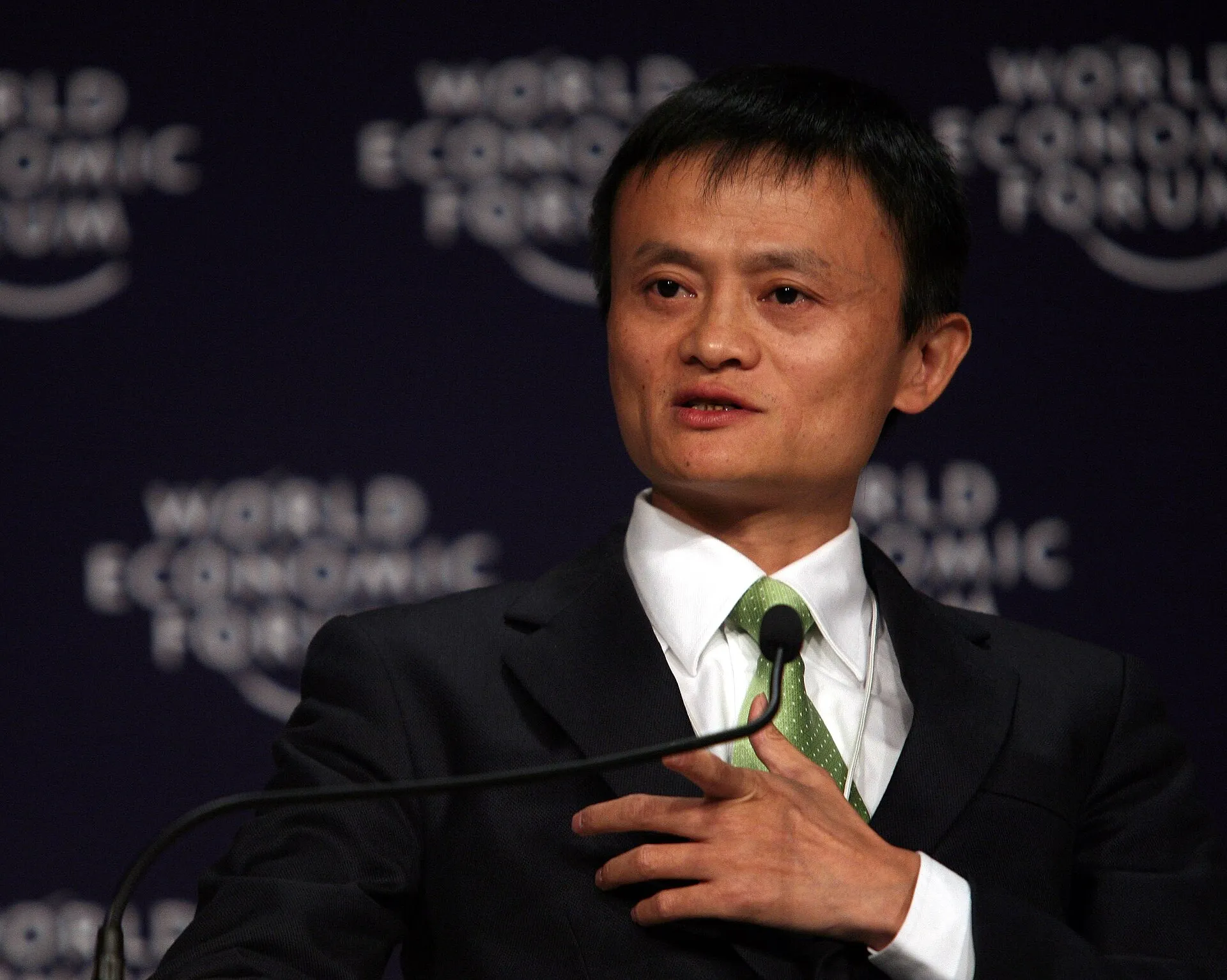
From English Teacher to Alibaba
Failed school exams. Failed job interviews. Then he taught English and sold hope online. Alibaba turned small shops into a network.
Jack Ma failed a lot before he became famous.
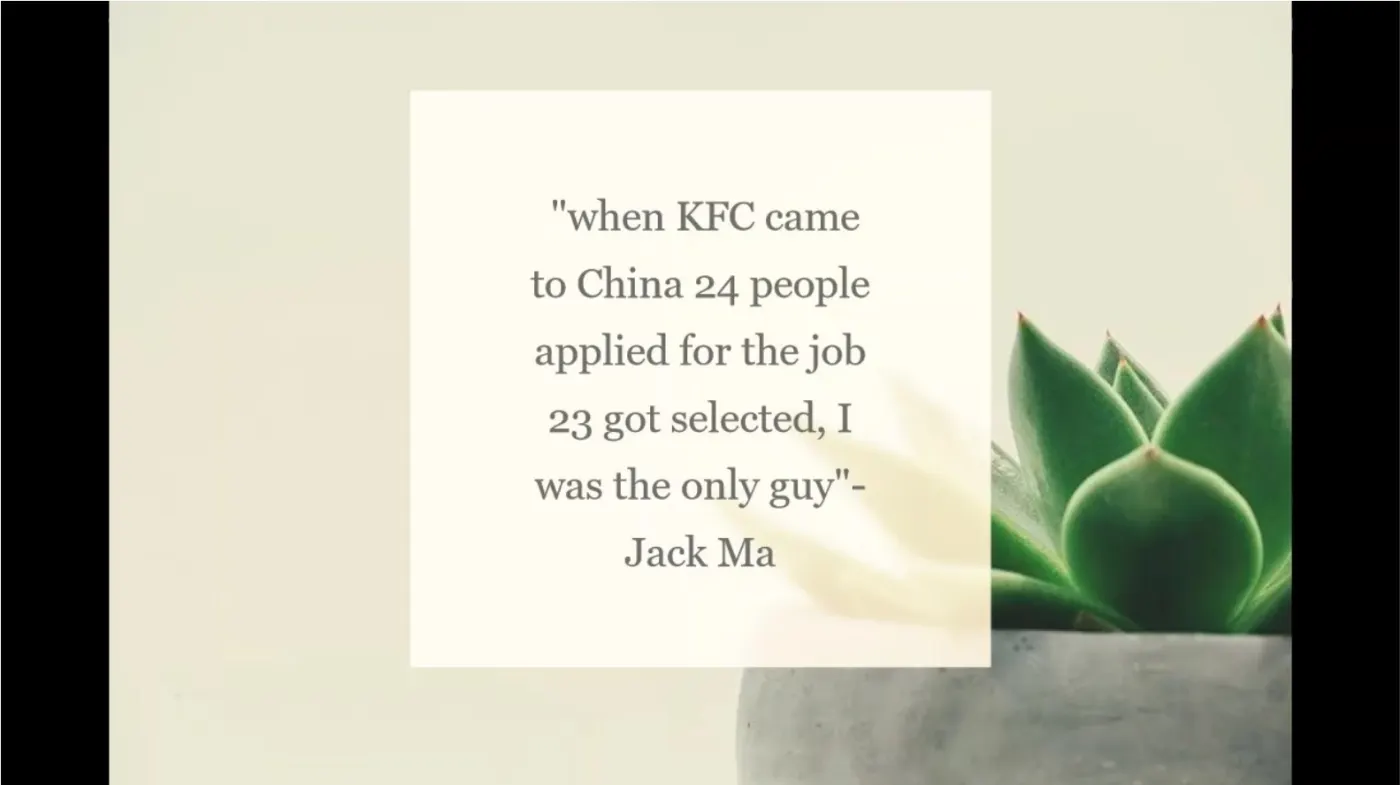
He failed primary school exams. He failed middle school exams. He applied to college more than once. He applied for jobs and heard no after no. One story he likes to tell is that a group of people applied to work at KFC, and he was the only one rejected.
Then he taught English in Hangzhou. He smiled a lot. He organized tourist trips. He learned how to talk to strangers. Years later he would use that same skill to sell a wild idea: put Chinese small businesses on the internet.
His company, Alibaba, helped turn online buying and selling into everyday life for hundreds of millions of people. Public estimates have placed Alibaba's value in the hundreds of billions of dollars, and Jack's own wealth in the tens of billions. Numbers move with markets. The story underneath is simpler. A teacher who loved connecting people built a digital bazaar.
Where he came from
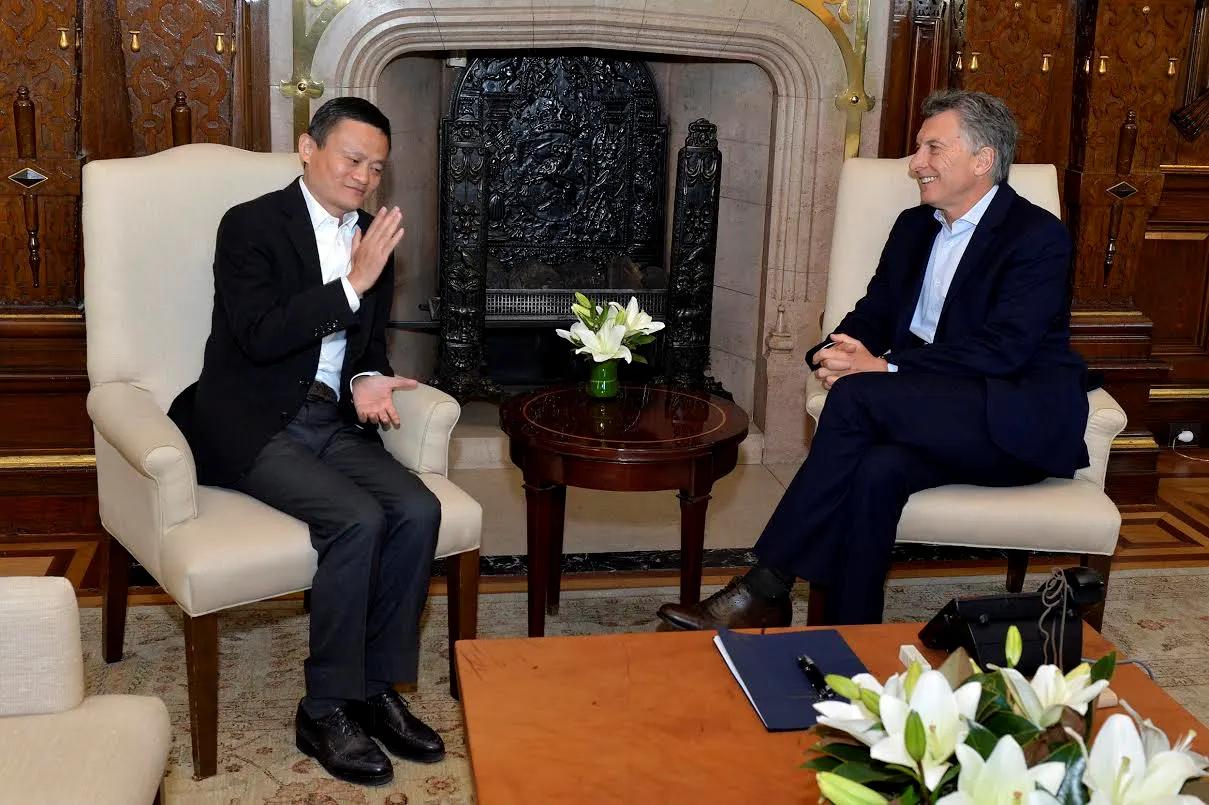
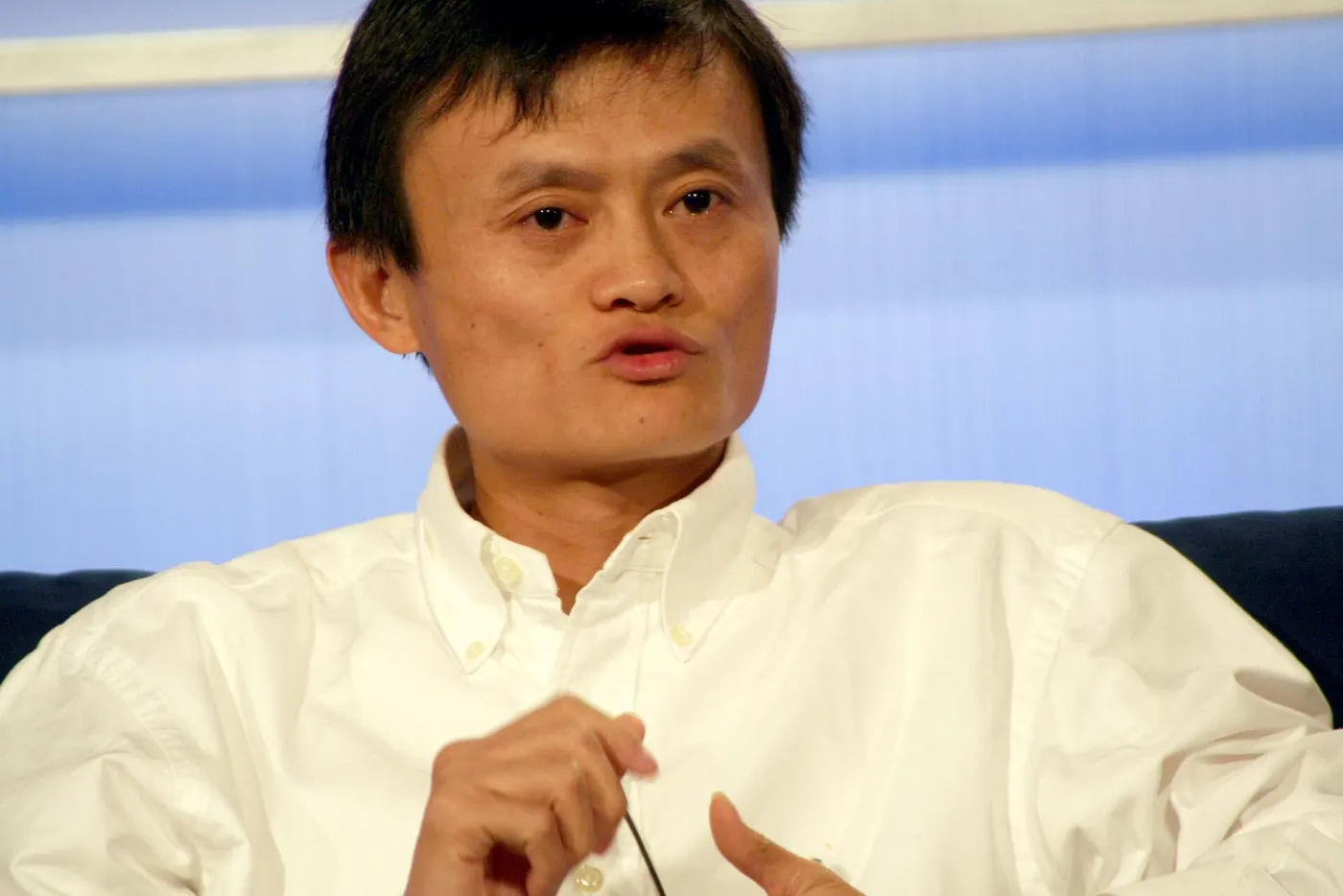
Ma Yun, known worldwide as Jack Ma, was born on September 10, 1964, in Hangzhou, China. Hangzhou is famous for West Lake and for trade. Jack grew up thin, energetic, and stubborn. English became his ladder.
As a teenager he rode his bike to a hotel to practice English with foreign visitors. He offered free guiding. He collected phrases. He collected confidence. The nickname "Jack" came from those conversations with travelers who needed a local friend who could talk.
School was not his talent show. He kept failing key exams. Relatives worried. Teachers doubted. Jack kept showing up anyway. That habit would matter more than perfect grades.
He finally entered Hangzhou Teacher's Institute, a teaching track later associated with Hangzhou Normal University in public biographies. He graduated in the late 1980s and became an English teacher. Students liked him. He was funny. He was dramatic. He made language feel like adventure instead of punishment.
He also started a translation service for local businesses. Factory owners and traders needed help speaking to the outside world. Jack learned how deals felt on the ground: messy, human, full of trust problems. He saw that commerce is not only products. It is communication.
First internet shock
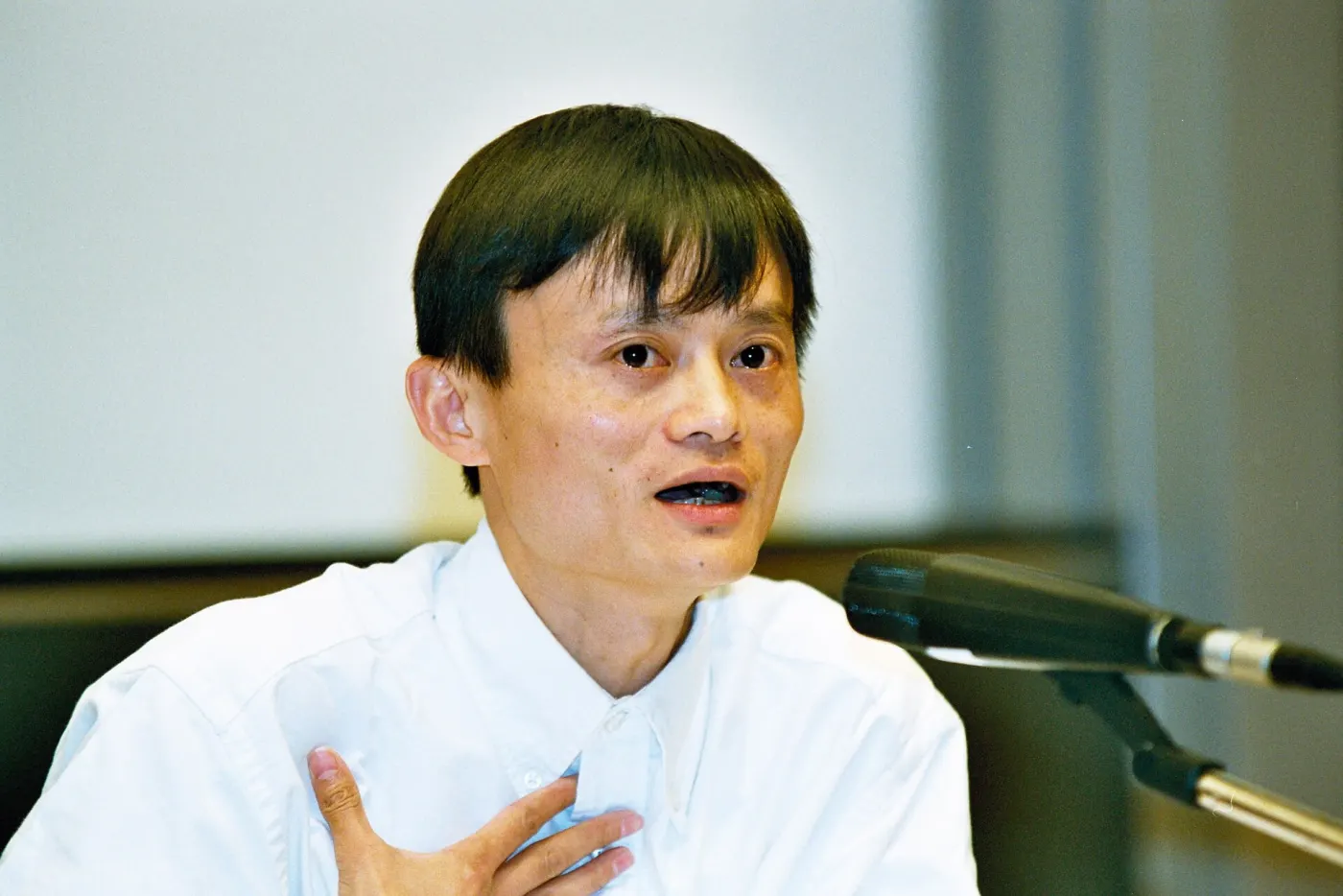
In 1995, Jack traveled to the United States as a translator. A friend showed him the internet. Jack searched for beer from China and found almost nothing useful. That empty screen bothered him. If the web could not find Chinese products, maybe someone should help put them there.
He returned home buzzing with a sentence he could not shake: the internet would change everything, even if most neighbors did not believe it yet. Belief is cheap. Building is expensive. He chose building.
He and fri
ends launched China Pages, an early directory-style business helping Chinese firms appear online. It was hard. Customers did not understand the web. Money was scarce. Partners argued. Some nights felt like failure with a modem sound. The venture taught him pain before it taught him scale.
He later worked in roles tied to government IT cooperation and trade projects. He watched how slow institutions moved. He also watched how fast global buyers wanted samples, quotes, and factory contacts. The gap between old paperwork and new speed looked like a door.
How Alibaba started
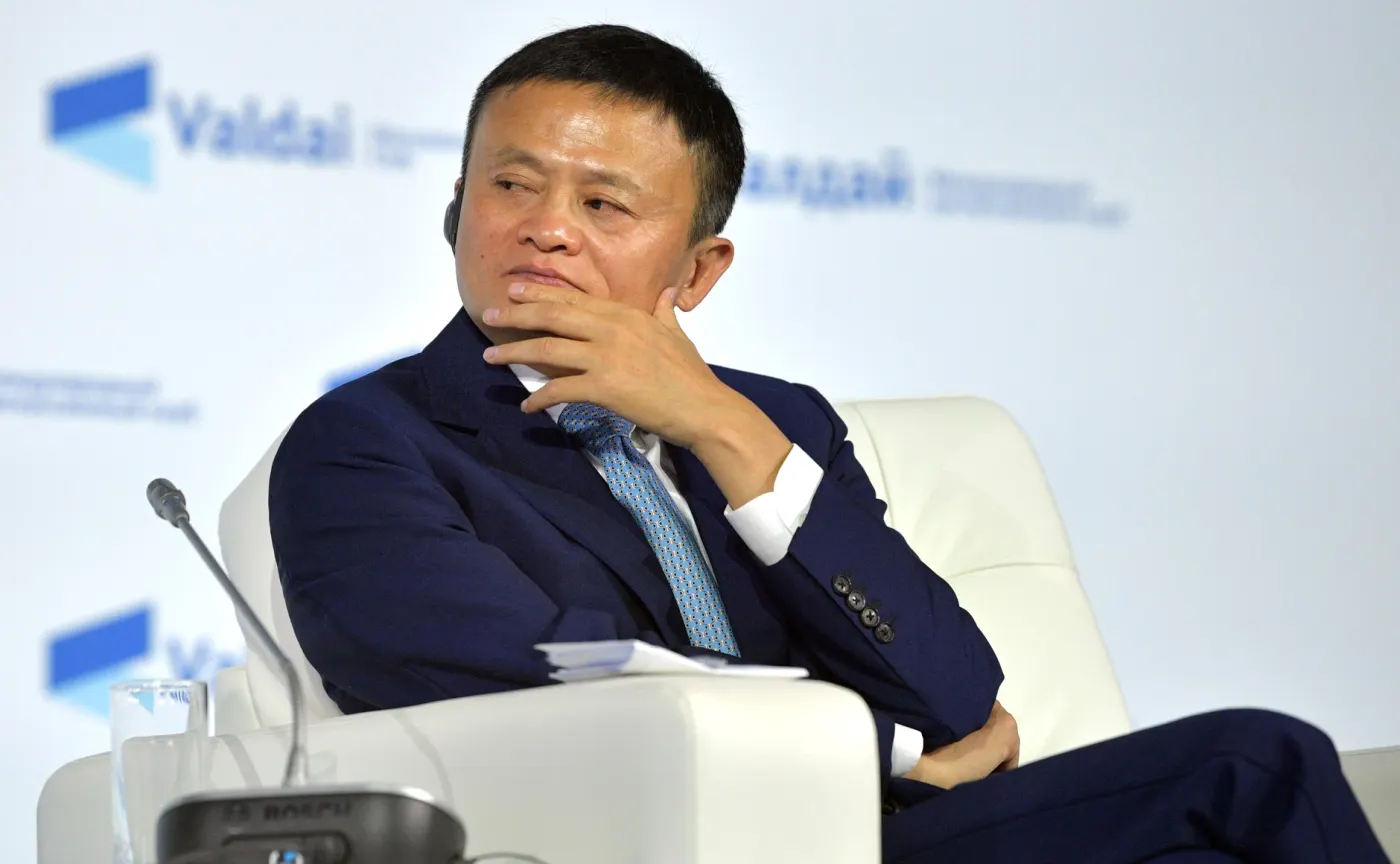
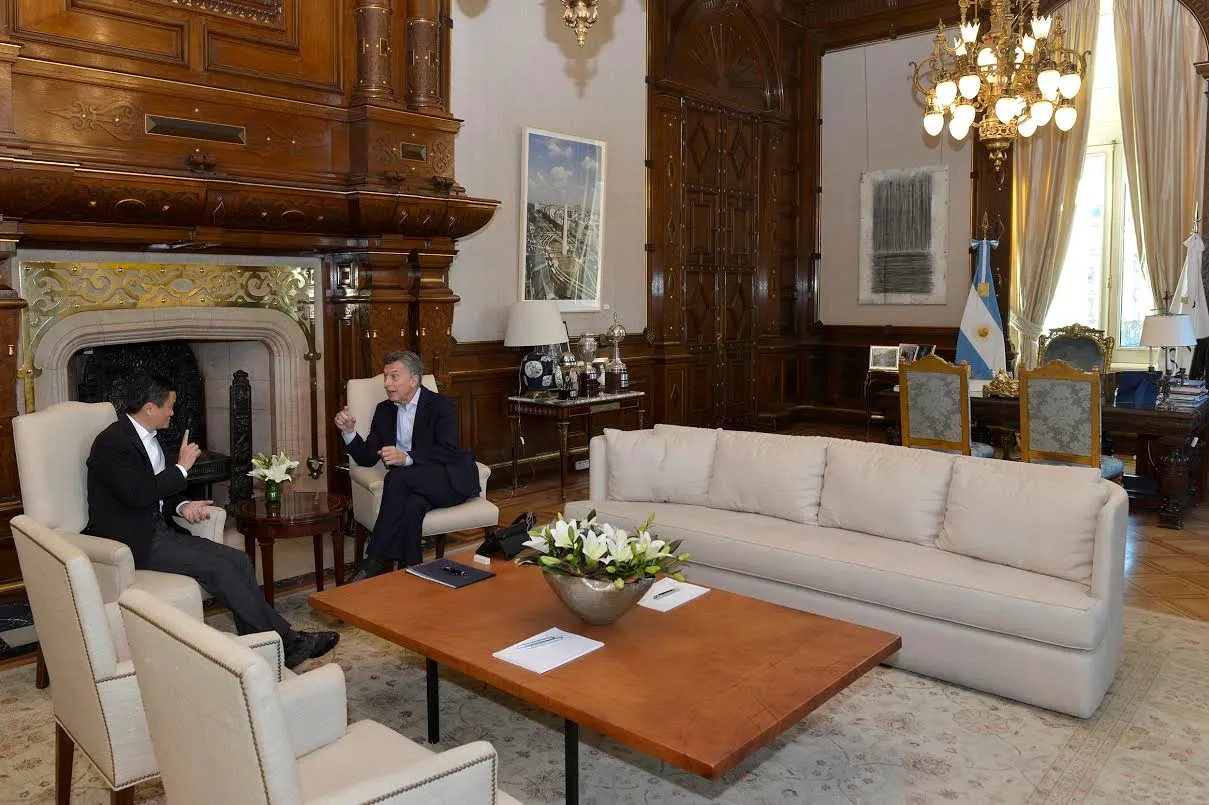
In 1999, Jack gathered a small team in his Hangzhou apartment. The group is often remembered as about eighteen early founders and partners who pooled tiny amounts of money. They built Alibaba as a business-to-business marketplace. The goal was practical: help Chinese factories and exporters find buyers, especially abroad.
Jack was not the best coder in the room. He was the storyteller and the recruiter of belief. He told the team they might work for years without easy glory. He told them to put customers first, employees second, and shareholders third. Slogans do not run servers. Still, the order of priorities shaped early culture when choices got painful.
Venture money eventually arrived, including major backing associated with SoftBank's Masayoshi Son in the Alibaba story. Capital mattered. Trust mattered more. Sellers needed to believe the platform would not abandon them after the first marketing wave.
Jack traveled constantly. He pitched in imperfect English with perfect energy. Investors sometimes laughed at the style, then looked again at the market size. China was waking onto the web. Timing is a kind of genius.
What they built
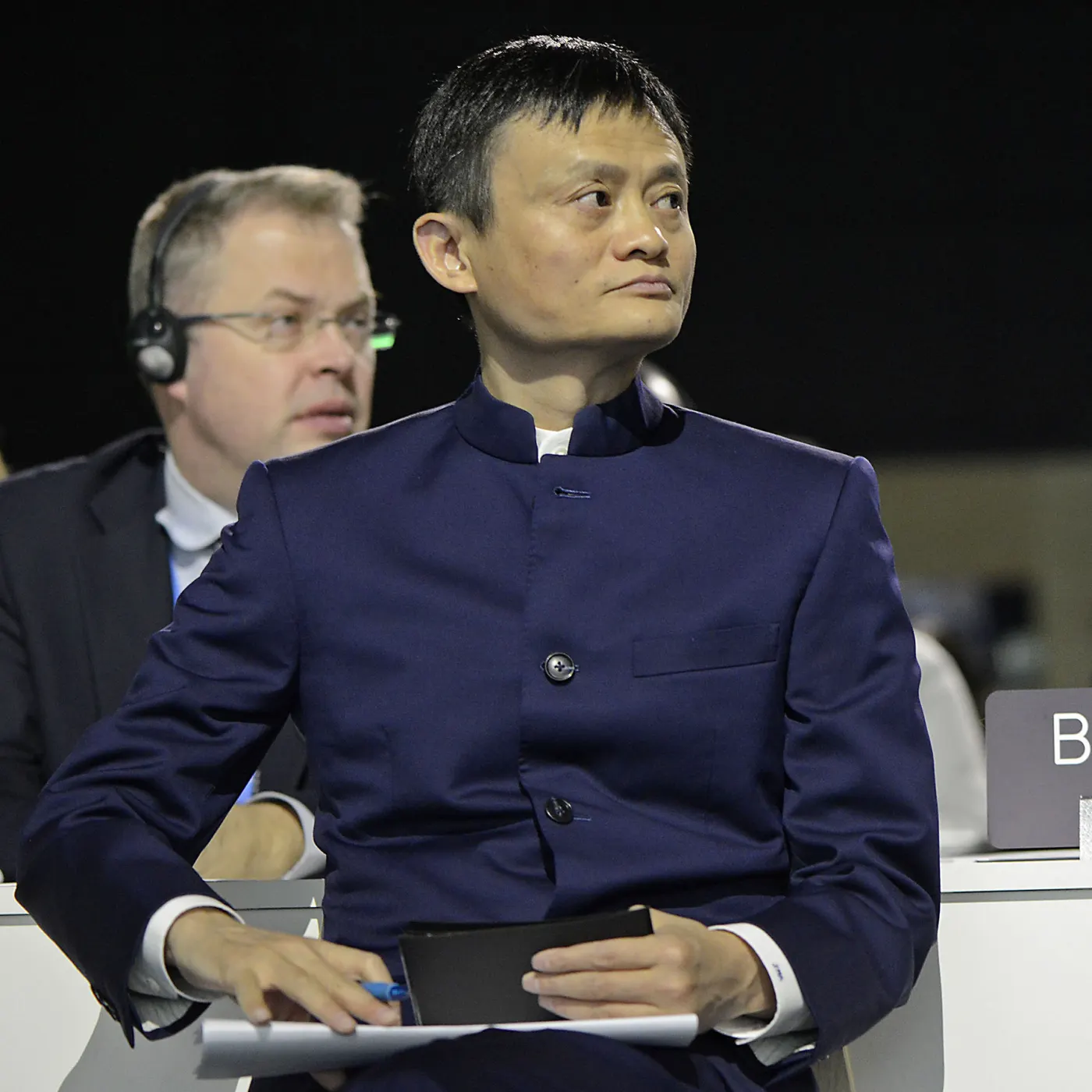
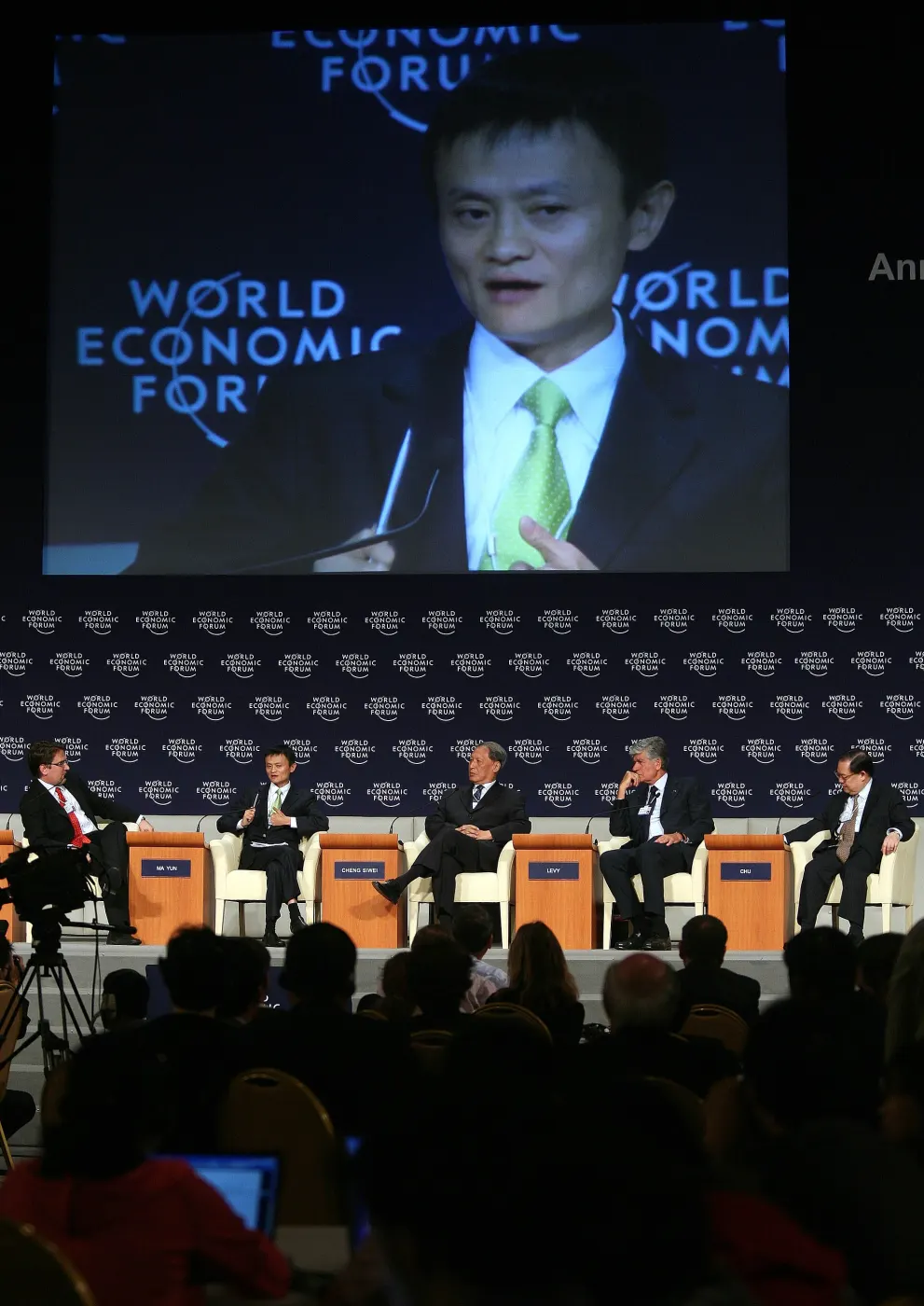

Alibaba grew beyond a simple export directory. Taobao rose as a consumer marketplace and battled global rivals who tried to win China with big budgets. Local focus won. Sellers understood Chinese shoppers. The platform learned fast from complaints, chats, and returns.
Alipay grew as a payments layer that reduced fear between strangers. Escrow-like trust changed behavior. People who would never mail cash to a distant seller began clicking buy. Later pieces of the empire touched cloud computing, logistics ideas, entertainment, and finance-related services.
Singles Day, November 11, became a shopping festival that looked like a national sport. Sales numbers shocked the world. Warehouses strained. Screens glowed all night. Jack appeared on stage like a showman, sometimes in costumes, always with a grin that cameras loved.
For small merchants, Alibaba was not a theory. It was storefront, marketing channel, and sometimes survival. A woman selling clothes in a small city could reach customers far beyond her street. That daily miracle made the brand sticky.
Hard times and hard lessons
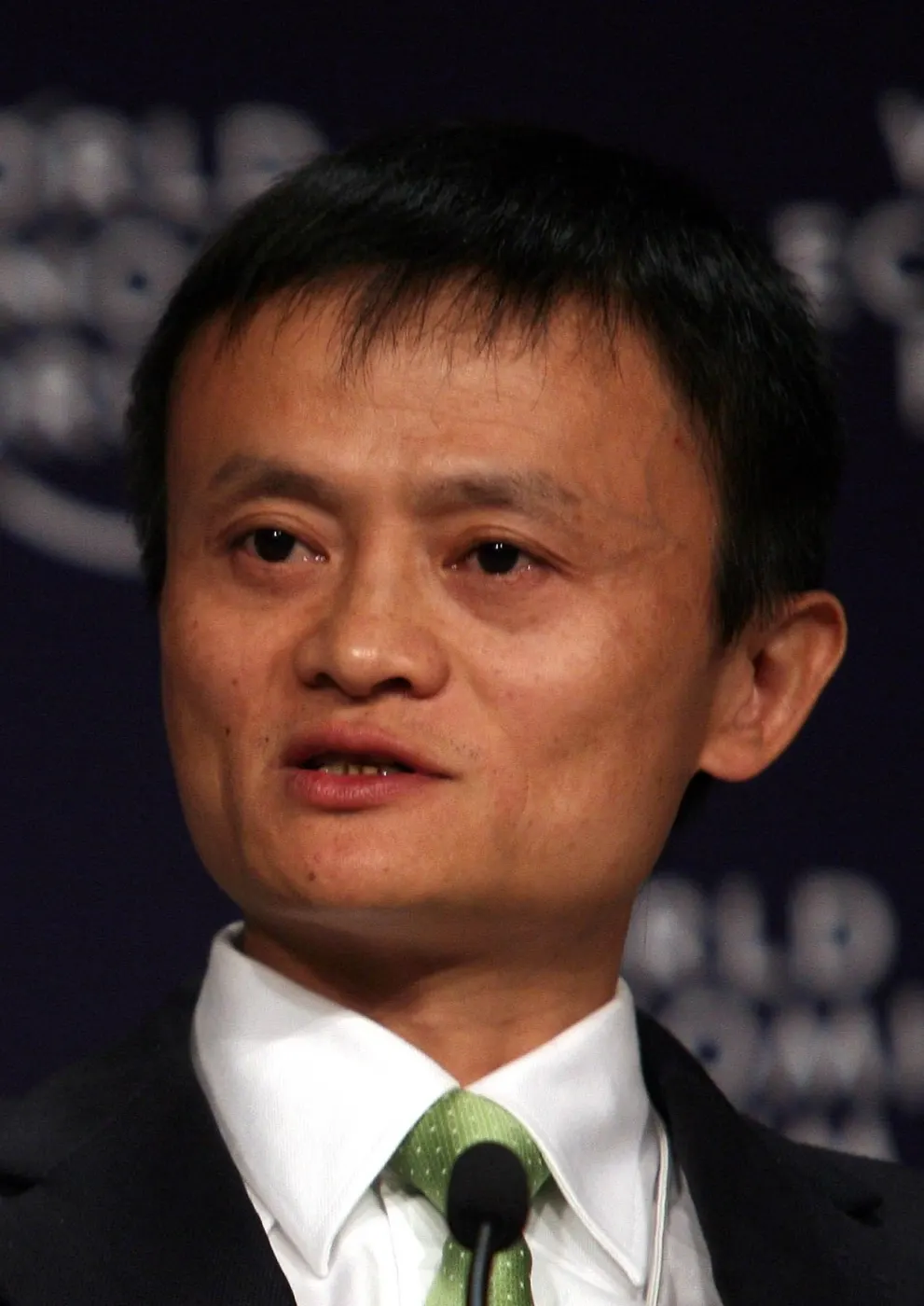
Success brought fights. There were battles with competitors who copied features and poached attention. There were fights over counterfeit goods and trust. Cleaning a giant marketplace is never finished. Every fake product is a tiny crack i
n belief.
There were also tense moments when payments and finance grew large enough to matter to regulators and banks. Platforms that move money sit near the center of state concern. Jack learned that technology fame and policy reality can collide.
Fame itself became a workload. Every speech was clipped. Every joke was judged. Running a company at the center of shopping, payments, and data means living inside politics as well as markets. The smile stayed public. The pressure stayed private.
In later years he stepped back from day-to-day leadership roles and became less visible for stretches of time. Markets wondered what his silence meant. The company kept operating under new leaders. Founders sometimes learn that leaving the stage is also a management skill.
Teaching energy after the spotlight

Jack often returned to education themes in public. He talked about teachers. He talked about rural students. He talked about creativity in a system that prizes exams. Whether people saw him as hero, salesman, or both, the teacher identity never fully left him.
Philanthropy linked to his family and fortune supported education and entrepreneurship programs in public accounts. Billionaires do not erase hard questions about inequality by writing checks. Still, he framed giving as part of responsibility after extreme success.
He also spent time on personal interests that looked softer than corporate combat: music on stage, tai chi stories, visits that looked more like a wanderer than a CEO. Image management and real rest can look alike from far away. Either way, the empire no longer needed him as daily operator.
Where he is now

Jack Ma remains one of the most recognizable entrepreneurs in modern Chinese history. Alibaba continues as a major technology and commerce group, with public market value that rises and falls with competition, regulation, and consumer mood.
His personal net worth, often estimated around the tens of billions, is tied to those swings and to private holdings. Treat every number as a snapshot, not a permanent scoreboard. The more durable fact is influence: he helped normalize e-commerce as ordinary life for a generation.
Younger founders in China and beyond still study Alibaba's early years for marketplace lessons: seed sellers carefully, build trust tools, localize hard, and keep telling a story big enough to recruit talent when salaries cannot.
Legacy



Jack Ma's legacy is the idea that a rejected applicant can still build the marketplace. He showed that soft skills (teaching, storytelling, recruiting) can lead hard infrastructure (platforms, payments, logistics partners).
He also showed the risk of scale. When your app becomes daily life, your company becomes something like a public utility with private ownership. That tension never fully disappears. Builders who want only applause are not ready for that stage.
For young people, his early years matter most. Practice languages with strangers. Take ugly jobs. Launch before you feel ready. Expect failure to be normal. Then, if luck and timing arrive, use them to connect millions of small sellers to customers they could never reach alone.
Jack began as a boy chasing English speakers by a Hangzhou hotel. He became the face of Chinese e-commerce. The smile was branding. The grind was real. Between them sat a simple bet: that ordinary merchants deserved a bigger map.
The apartment years, remembered
People love the apartment founding myth because it is easy to picture: cheap furniture, loud debate, a whiteboard of unfinished dreams. The truth underneath is less romantic. Early Alibaba had to convince factories that a website was not a toy. It had to convince employees that stock options might matter someday. It had to convince Jack himself that rejection was training, not prophecy.
He kept teaching energy inside the company. Town halls. Chants. Stories. Some outsiders rolled their eyes. Insiders often said the theater created belonging when the product was still ugly. Belonging is a technology too. Without it, talent leaves at the first hard quarter.
Lessons you can use today
The first lesson from Jack Ma is simple: start before you feel ready. Origin stories hide the ugly middle where the product is half broken and the founder is fully stubborn.
The second lesson is about customers. Jack Ma kept finding people whose pain was specific enough to measure. Vague ambition does not ship. Specific annoyance does.
The third lesson is about time. Markets scream every quarter. Durable companies often need years of looking slightly wrong. Jack Ma survived long enough for the world to need what the team had practiced.
The fourth lesson is about teams. No founder scales alone. Hiring people who argue well and still row together matters more than a clever slogan on a wall.
The fifth lesson is about character under praise. Success amplifies flaws. The same drive that builds a company can break trust if nobody installs brakes.
If you take only one idea into your own work, take this: build a small loop that helps a real person today, then widen the loop without losing the reason it worked.
Documentary depth: the hotel mornings
Every morning for years, a thin teenager stood near Hangzhou hotels that could take foreign guests. He offered free guiding around West Lake. Tourists taught him English. English taught him that the world outside textbooks was wider than fear.
He has said a tourist named him Jack because Ma Yun was hard to pronounce. The name stuck. The habit stuck harder: show up, ask questions, turn strangers into teachers.
Those mornings matter because Alibaba later needed the same muscle. Selling the internet to factories felt like selling invisible beans. You needed a face people trusted. You needed patience for blank stares. You needed to keep walking after the door closed.
The scoreboard of nos
Public stories Jack repeats include failed exams, failed job tries, and a KFC rejection when others got hired. Treat each story as a pattern, not a single punchline. The pattern is useful: rejection became ordinary, so risk became less terrifying.
When he finally became a teacher, he did not stop wanting a bigger stage. Translation work for local firms showed him the friction of cross-border trade: language gaps, trust gaps, payment gaps. Those gaps were not abstract. They were invoices and arguments and delayed samples.
China Pages as tuition
China Pages was not the final empire. It was tuition paid in frustration. Customers did not understand websites. Partners fought. Money ran thin. Jack learned that being early can feel identical to being wrong.
He also learned institutional speed. Government IT projects moved carefully. Global buyers wanted quotes fast. Between those tempos sat a business opportunity for a marketplace that could translate Chinese supply into global demand without requiring every factory owner to become a webmaster.
SoftBank, belief, and the long winter
Capital stories around SoftBank and Masayoshi Son are famous in Alibaba lore. Money mattered. Belief mattered more on nights when revenue was a rumor. Jack recruited people who could live in uncertainty. He sold a future where small merchants could reach the world.
Taobao later attacked consumer e-commerce with free listing aggression that made eBay's China approach look slow and tax-heavy. Alipay's escrow logic attacked the trust problem: hold money until the buyer confirms the goods. In Davos years later, Jack still framed trust as the core product, not the website skin.
Singles Day as cultural infrastructure
11.11
became a shopping holiday engineered into national habit. Warehouses braced. Payment systems braced. Local governments watched GMV headlines like weather. Alibaba did not invent consumer desire. It industrialized the moment of purchase and made logistics partners race.
Cloud, entertainment, and logistics bets widened the group. Competitors never slept. Regulation never slept. The company that began in an apartment became something like civic infrastructure with private shareholders.
Ant Group and the speech that changed the weather
In late 2020, Ant Group prepared a historic IPO. Days before listing, Jack's public criticism of financial regulation and banking culture collided with political reality. The IPO was suspended. Ant was reshaped under tighter oversight. Jack's public profile cooled. Mentorship and quieter travel replaced constant keynotes for a stretch.
By 2023 he was more visible again in China as Alibaba discussed restructuring into multiple business groups. Plans shifted with markets and policy. In 2026 public wealth trackers still place Jack among the world's richest people, often near the high twenties of billions of dollars on Forbes-style lists, with other indexes sometimes higher depending on Ant and private holdings. Numbers move. The durable fact is Alibaba's role in everyday Chinese commerce and the merchant class it amplified.
World impact in plain scenes
A factory in Zhejiang finds overseas buyers without a foreign sales office. A village seller ships specialties through Taobao. A shopper pays with a phone and disputes less because escrow exists. A cloud customer rents compute instead of buying a room of servers. These scenes are Alibaba's impact without a trophy speech.
Jobs around the ecosystem have been described in the many millions across direct and indirect roles in public company claims over the years. Exact figures change with methodology. The directional truth is clear: digital marketplaces remade work for sellers, drivers, warehouse staff, designers, and streamers.
How Jack worked day to day
He taught like a performer. Town halls could feel like rallies. Outsiders mocked the chants. Insiders often said theater created belonging when the product was still ugly. Belonging is a technology when talent can leave.
He prioritized customers, then employees, then shareholders in the slogan order. Reality is messier than slogans. Still, the order signaled who to protect first when tradeoffs arrived.
He stayed curious about education after the spotlight. Rural students, creativity versus exam machines, teachers as undervalued builders: those themes returned in speeches and foundation talk. The English teacher never fully left the CEO.
Current achievements and how they happened
Alibaba remains a major listed commerce and technology group whose market value swings with competition from rivals, consumer spending, cloud demand, and policy. Jack's fortune tracks those swings plus private interests, including Ant-related economics that are harder to mark to market. He is no longer the daily operator. Influence continues through culture memory, mentoring language, and ownership stakes.
The path to that position was not a clean IPO fairy tale. It was China Pages pain, apartment founding, SoftBank-scale belief, Taobao warfare, Alipay trust design, logistics partnerships, Singles Day industrialization, and then a hard lesson that speech and scale can collide with state priorities.
Closing documentary beat
Hangzhou hotel mornings. Apartment founders. Escrow trust. IPO night in New York. Singles Day warehouses. A cancelled Ant listing. A quieter mentor phase. A company that still shapes how China buys and sells.
Jack Ma's documentary arc is not perfection. It is persistence under rejection, then power under scrutiny. The smile was branding. The grind was real. Between them sat a bet that ordinary merchants deserved a bigger map, and that the internet could draw it if someone kept teaching the world to use it.
Extended arc: eighteen people and a promise
The apartment founding team is often remembered as about eighteen people. Some were students. Some were friends. Few were fam
ous. Jack told them they were building a top site for the world when that sentence sounded like theater. Theater became recruiting technology. Recruiting became a company.
Early Alibaba sold the hard way: explain the internet, take money for listings, deliver pages that sometimes loaded like molasses, then wake up and do it again. Jack was not the best engineer. He was the chief believer and the chief explainer. In The Brave Ones documentary texture, colleagues describe him as a Pied Piper for small business opportunity. Pied Pipers can lead people off cliffs. This one led them into a market that was about to explode.
Escrow as moral infrastructure
Alipay's escrow idea sounds like accounting. Emotionally it is moral infrastructure. Buyers feared fake goods. Sellers feared fake buyers. Holding funds until confirmation turned strangers into counterparties who could finish a deal. Jack later told Davos audiences that trust was the product. Machines watching fraud patterns became Alibaba intelligence before the world said AI every hour.
When transaction volume later reached enormous daily scales, Jack bragged in interviews about resilience under hacking attempts and about teaching machines millions of cheating patterns. Whether every number in a speech is precise matters less for the documentary than the operating thesis: automate trust at national scale.
IPO night and the teacher on Wall Street
The 2014 IPO made Alibaba a global ticker and Jack a global face. He rang bells, smiled, and spoke about small businesses. Behind the smile was a governance structure and partnership model that Western investors had to learn. Behind that was a Chinese consumer internet already living in mobile future tense.
Success invited scrutiny. Competitors copied. Regulators watched. Jack's showmanship, including movie cameos and stage dancing, made him beloved and mocked. Branding is a tax and an asset at once.
The 2020 rupture, explained without myth
The Ant IPO suspension is not a subplot. It is a second climax. A fintech affiliate on the edge of a record listing. A speech that challenged financial orthodoxy. A political system that decided scale without obedience was intolerable. Ant restructured. Jack receded. Markets repriced the Jack premium.
His return to more public visibility years later did not reset the clock to 2014. It started a new chapter: mentor, education advocate, shareholder, symbol. Alibaba's 2020s restructuring talk into multiple units showed even empires must reorganize when growth math changes.
Lessons embedded in scenes
Ride a bike to the hotel and ask strangers to teach you. Launch before the market is literate. Fix trust before you fix ads. Treat culture theater as serious if it keeps talent through winters. Remember that speech at scale is also a political act. Leave the stage before the stage leaves you, if you can. If you cannot, survive the leaving.
Jack's life contains all of those lessons without guaranteeing anyone else can copy them. Timing was China coming online. Character was refusal to treat rejection as prophecy. Together they made a marketplace civilization.
More scenes: the classroom and the bazaar
Jack's students remembered energy. He treated English as a ticket, not a chore. That same teaching voltage later filled Alibaba all-hands. People can mock the performance and still admit it moved rooms.
The bazaar metaphor matters. Alibaba was never only a website. It was a digital market square with rules, gossip, reputation, and police in the form of fraud systems. Jack understood bazaars from Hangzhou trade culture. He modernized them.
Soft skills as hard power
Cross-border commerce fails when humans cannot explain themselves. Jack's translation agency years were market research disguised as service work. He saw factories lose deals because of language and trust. Alibaba automated parts of that pain.
Investors sometimes undervalued that soft-skill founder. Engineers build servers. Teachers build coalitions. Coalitions ship ecosystems.
Rivalries and near misses
eBay's China chapter is a permanent case study. Taobao's free strategy and local focus outmaneuvered a global
giant that misunderstood the market. Jack's team localized fiercely. Payment, IM-style seller chat, and festival marketing were not side quests. They were the war.
There were also near misses on talent, on cash, on regulatory doors. The documentary should not pretend every night ended in victory. Some nights ended in noodles and doubt.
2026 ledger, carefully stated
As of 2026, Forbes-style real-time tallies often place Jack near roughly $28 billion, while other billionaire indexes can print higher figures depending on Ant and private marks. Alibaba Group revenue has been reported around the trillion-yuan annual scale in recent fiscal years. Market capitalization swings with China tech sentiment. Jack is mentor more than manager. The empire continues without his daily presence, which is itself a founding success condition.
What ordinary people gained and lost
Gained: convenience, merchant access, digital payments literacy, logistics jobs. Lost and contested: small retailers under platform pressure, counterfeit battles, data privacy debates, and the political lesson that private platforms can become public concerns overnight. World change is not a press release. It is a mixed ledger.
Day-by-day builder habits
Jack traveled constantly in the early years. Pitch. Recruit. Translate. Argue. Sleep little. Smile anyway. The smile was not the absence of steel. It was a tool for opening rooms that would have closed on a colder face.
He studied martial arts metaphors for business timing: do not mistake the first 200 meters of a long race for the finish. Competitors who sprint early may fade. He said versions of that lesson for decades because Alibaba's race kept lengthening.
The merchant's internet
If you want Jack's world impact in one phrase, use this: he helped make the merchant's internet real in China at population scale. Not only consumers browsing. Sellers living on platforms. Payments becoming daily habit. Logistics becoming a national sport every Singles Day.
That transformation created winners and pressure. Mom-and-pop shops gained reach and also faced platform fees and competition. Counterfeits forced endless cat-and-mouse. Data became power. Power invited the state.
Mentorship chapter
After stepping back from executive chair roles, Jack spoke more about teachers, rural education, and entrepreneurship as national creativity. Skeptics heard image repair. Supporters heard the English teacher returning to his first identity. Both can be true at once. Documentary honesty allows mixed motives.
Final inventory
Failures. Hotel English. China Pages. Apartment. SoftBank belief. Taobao war. Alipay trust. IPO. Singles Day. Ant rupture. Quiet years. Mentor return. Wealth estimates in 2026 still measured in tens of billions. Influence measured in how ordinary people buy and sell.
That is Jack Ma at documentary depth: not a cartoon of smiles, not a cartoon of villainy, but a builder who scaled a bazaar until the bazaar became society.
Additional documentary texture 1
The long arc of Jack Ma rewards slow looking. Headlines flatten people into mascots. Documentary depth restores weather: weather of childhood, weather of near failure, weather of sudden scale, weather of public judgment.
In rooms where Alibaba was only a sketch, the work looked ordinary: meetings, drafts, customer calls, arguments about quality. Ordinary work compounded. That compounding is the true spectacle.
Critics will always exist for anyone who changes a market. Admirers will always exaggerate. The useful middle is evidence: products
shipped, institutions altered, jobs created and disrupted, norms rewritten. Jack Ma belongs in that middle because the artifacts are visible in daily life.
Keep returning to concrete scenes rather than adjectives. A scene can be checked. An adjective cannot. This biography prefers scenes.
Additional documentary texture 2
The long arc of Jack Ma rewards slow looking. Headlines flatten people into mascots. Documentary depth restores weather: weather of childhood, weather of near failure, weather of sudden scale, weather of public judgment.
In rooms where Alibaba was only a sketch, the work looked ordinary: meetings, drafts, customer calls, arguments about quality. Ordinary work compounded. That compounding is the true spectacle.
Critics will always exist for anyone who changes a market. Admirers will always exaggerate. The useful middle is evidence: products shipped, institutions altered, jobs created and disrupted, norms rewritten. Jack Ma belongs in that middle because the artifacts are visible in daily life.
Keep returning to concrete scenes rather than adjectives. A scene can be checked. An adjective cannot. This biography prefers scenes.
Additional documentary texture 3
The long arc of Jack Ma rewards slow looking. Headlines flatten people into mascots. Documentary depth restores weather: weather of childhood, weather of near failure, weather of sudden scale, weather of public judgment.
In rooms where Alibaba was only a sketch, the work looked ordinary: meetings, drafts, customer calls, arguments about quality. Ordinary work compounded. That compounding is the true spectacle.
Critics will always exist for anyone who changes a market. Admirers will always exaggerate. The useful middle is evidence: products shipped, institutions altered, jobs created and disrupted, norms rewritten. Jack Ma belongs in that middle because the artifacts are visible in daily life.
Keep returning to concrete scenes rather than adjectives. A scene can be checked. An adjective cannot. This biography prefers scenes.
Additional documentary texture 4
The long arc of Jack Ma rewards slow looking. Headlines flatten people into mascots. Documentary depth restores weather: weather of childhood, weather of near failure, weather of sudden scale, weather of public judgment.
In rooms where Alibaba was only a sketch, the work looked ordinary: meetings, drafts, customer calls, arguments about quality. Ordinary work compounded. That compounding is the true spectacle.
Critics will always exist for anyone who changes a market. Admirers will always exaggerate. The useful middle is evidence: products shipped, institutions altered, jobs created and disrupted, norms rewritten. Jack Ma belongs in that middle because the artifacts are visible in daily life.
Keep returning to concrete scenes rather than adjectives. A scene can be checked. An adjective cannot. This biography prefers scenes.
Watch alongside this story
Short cuts from interviews, keynotes and launches. Each plays only the moment that matters.