
Hit in the Face, Rebuilt by Habits
A baseball bat broke his face. He rebuilt his life with tiny habits. His book sold tens of millions of copies.

On the final day of his sophomore year of high school, James Clear's life changed in one swing.
A classmate's baseball bat released by accident and struck him in the face. The impact shattered bones, left him unconscious, and sent him into a medically induced coma. When he woke, walking was hard, vision doubled, and the baseball future he wanted looked broken.
Years later he would tell that story as the opening argument of Atomic Habits: that remarkable results are built from tiny, repeated actions, the compound interest of self improvement.

Denison and the long rebuild



Recovery was not a movie montage. It was habits that felt almost insultingly small: sleep, tidy room, show up to lift, show up to practice. At Denison University he pitched, became a two time team captain, earned Academic All America recognition in 2008, and graduated magna cum laude in biomechanics. In 2024 he was named to the Academic All America Hall of Fame.


The athlete identity never fully left. Years later he still published strength numbers like a scoreboard. But the deeper craft became language: how to explain behavior change without jargon, how to make systems feel kinder than willpower theater.
Hospital weeks and dorm rebuilds taught him that progress can look invisible from the outside. Friends saw a pitcher returning. He felt each day as a vote for or against the person he wanted to become again. That voting metaphor later became one of the book's sticky ideas.
Writing online before the book
In 2012 James began publishing articles about habits and improvement on jamesclear.com, often twice a week. The work was unglamorous consistency. An email list grew into millions of subscribers. The 3-2-1 newsletter became a weekly ritual for readers who wanted three ideas, two quotes, and one question.
That audience was the real advance against publishing luck. By the time Atomic Habits arrived in 2018, millions of people already trusted his voice. He had practiced explaining identity, environment, and tiny gains in public, revising what confused readers, and killing metaphors that sounded clever but did not help anyone change a Tuesday morning.
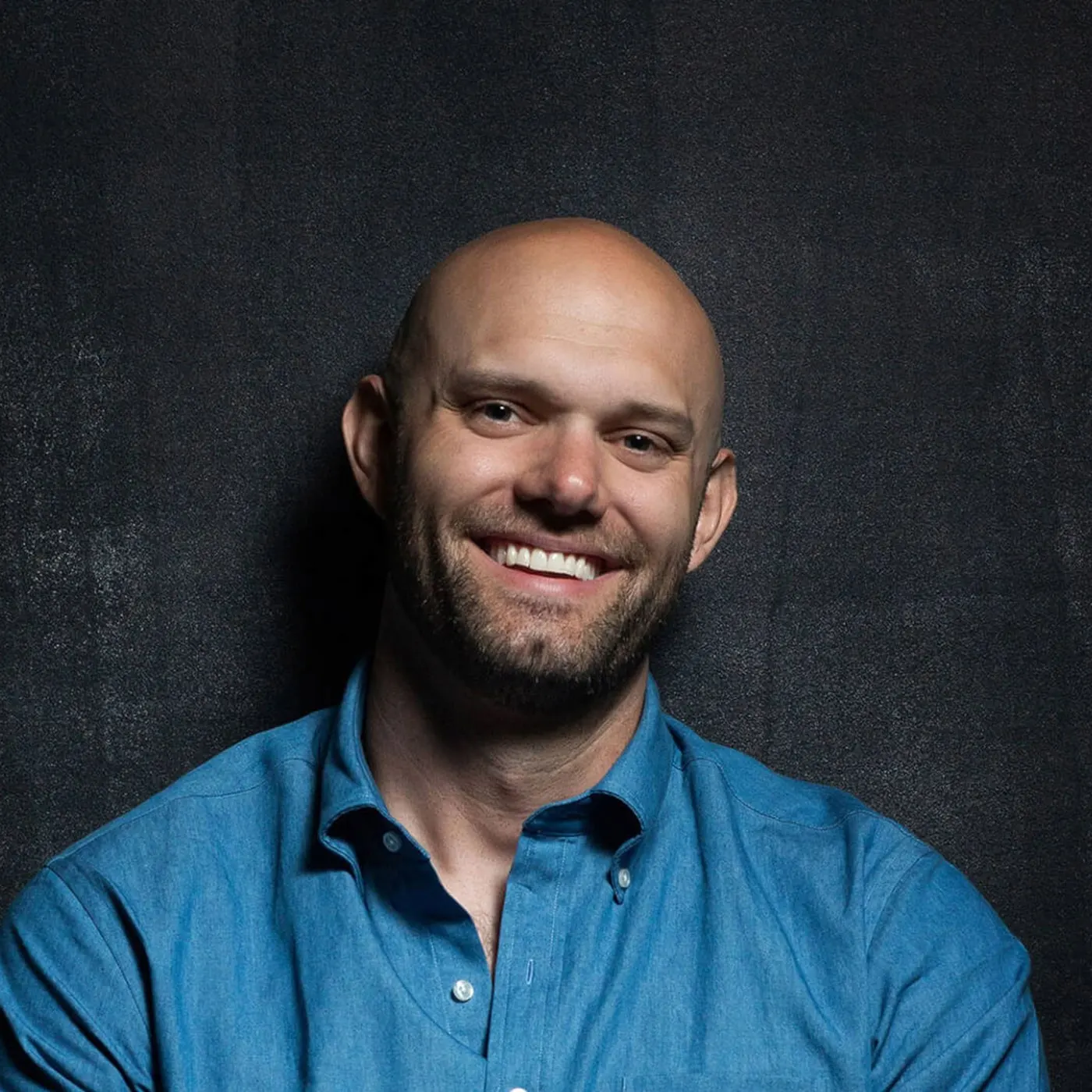
The newsletter factory taught business as well as craft. Open rates, unsubscribe reasons, and reply emails were feedback loops. He learned which examples traveled across countries and which stories only worked for American gym culture. Global readers forced him to strip local slang and keep mechanisms.
Atomic Habits
Atomic Habits argued that goals are useful for direction, but systems create progress. Identity change mattered: become the kind of person who does the thing, then let votes for that identity stack. Environment design mattered: make good habits obvious and easy, make bad habits invisible and hard. Habit stacking and implementation intentions turned vague motivation into calendar reality.
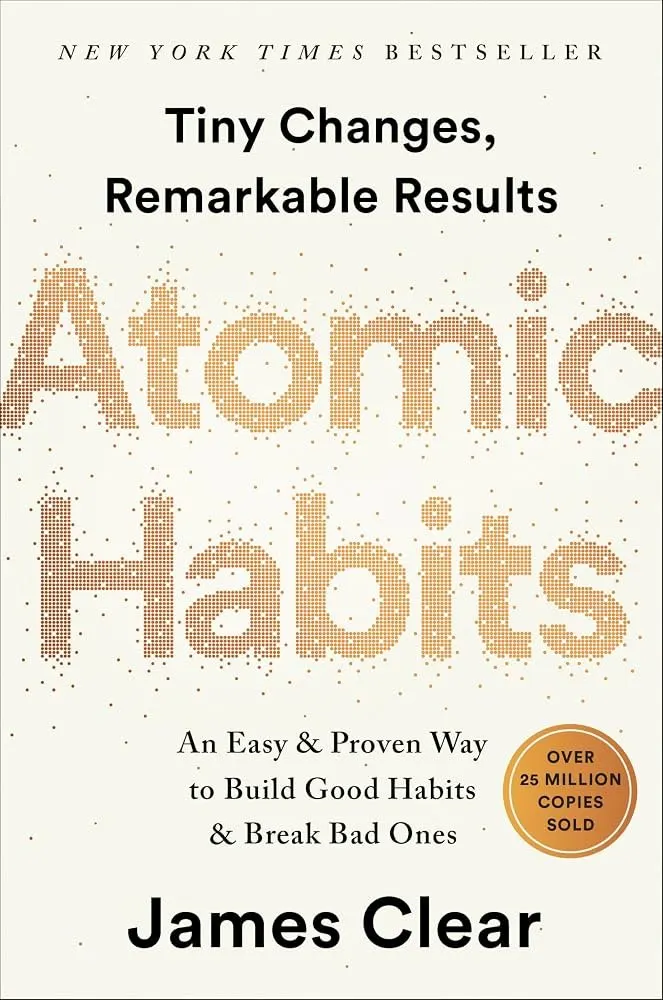

Sales compounded into rare air. Jamesclear.com later stated more than 30 million copies sold worldwide and translations into 60 plus languages, with years on the New York Times bestseller list. Industry conversations in 2025 and 2026 treated the book as one of the defining nonfiction hits of its decade.
The book's power was not that it invented psychology. It translated research and practice into sentences a coach, a parent, and a mid level manager could use the same afternoon. Clear's examples often came from sports and ordinary rooms: plate of cookies on the counter, phone on the pillow, shoes by the door. Small stage sets, large behavior changes.
Critics sometimes called the message too neat. Life includes trauma, poverty, and unfair systems that one percent language can flatten. Clear's better talks admit limits: habits help inside constraints; they are not a cure for every injustice. That humility keeps the framework usable instead of cultish.
Business, speaking, and Authors Equity
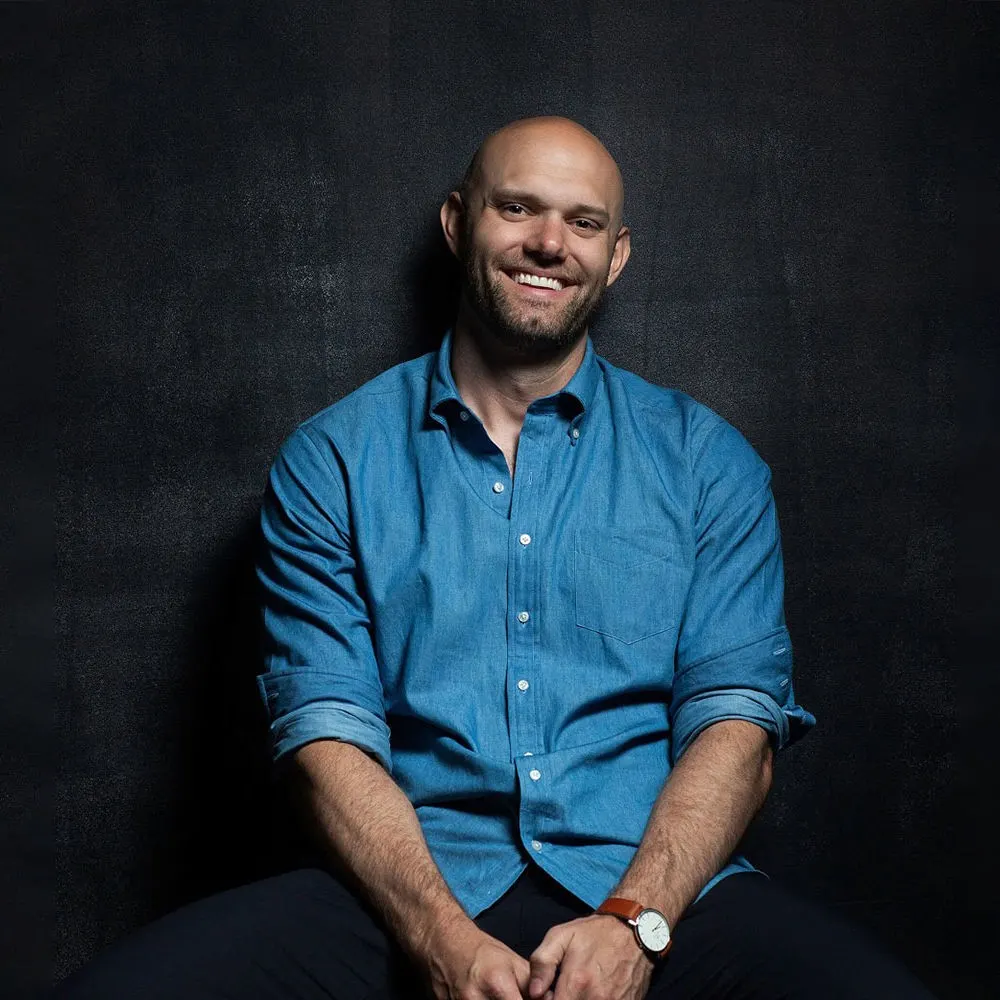
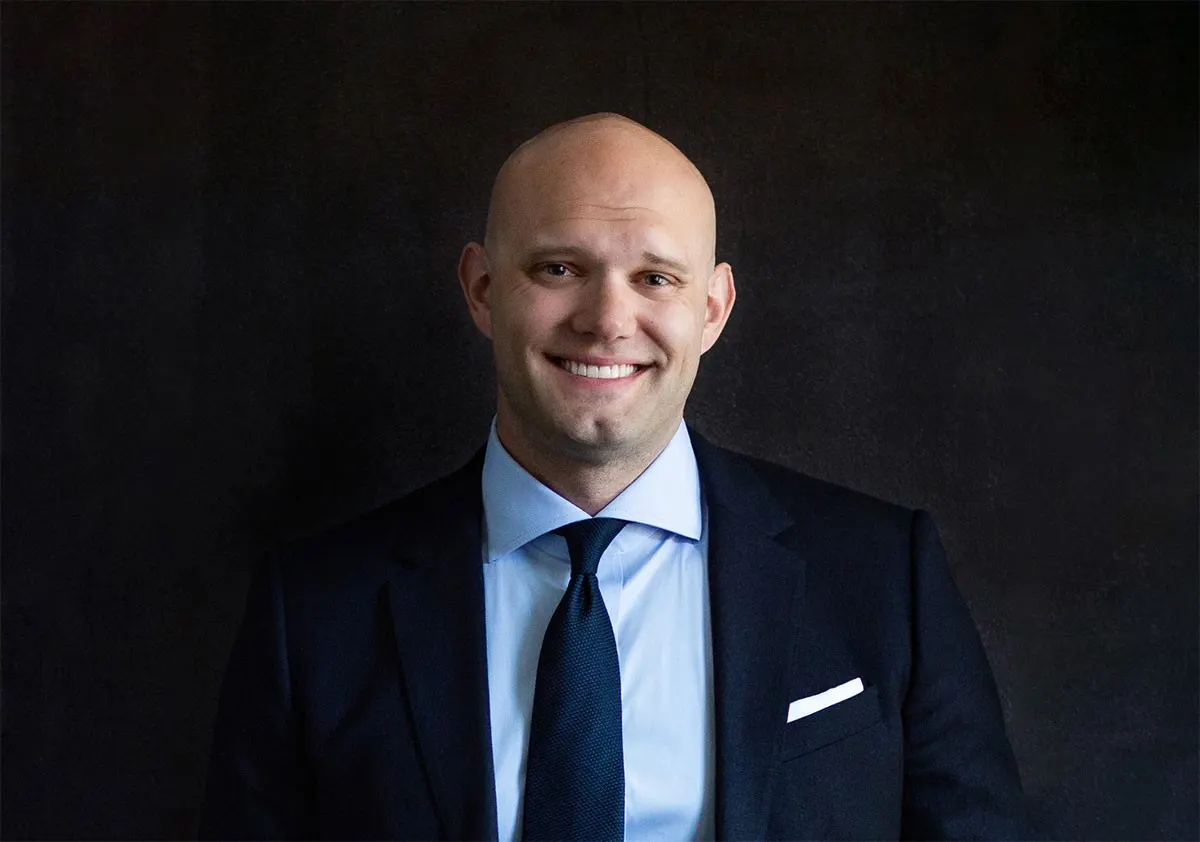


James built a business around the book and the list: speaking, courses, partnerships. Stages paid because the framework was already installed in reader brains. He could walk into a corporate ballroom and skip the first thirty minutes of convincing because attendees had already highlighted the same chapters.
He also helped push a publishing experiment called Authors Equity with Madeline McIntosh, trying to realign incentives between authors and publishers after watching how differently book businesses scale from author labor. The experiment mattered because Atomic Habits made him a rare author with leverage. He used some of that leverage to ask whether the next generation of writers needed a different deal structure.
Charity was part of the public ledger. He has described donating a share of after tax profit, with Against Malaria Foundation as a primary partner and nets delivered at large scale. The donation framing matched his compounding language: small percentage, large absolute impact once the base is huge.
How he works
His method looks simple from outside and brutal from inside: write on a schedule, refine examples until a teenager can use them, test ideas in public before locking them into hardcover. He talks about failure pre-mortems: imagine you failed in six months, list why, then build if-then plans. He treats environment as a silent coauthor of behavior.
He also works like an athlete who still tracks lifts. Scoreboards keep him honest when praise would let him coast. Readers who only see calm essays miss the training schedule underneath: drafts, cuts, and the refusal to publish a muddy paragraph because the calendar demanded volume.
Speaking tours force compression. A keynote cannot hold every footnote. He chooses one or two mechanisms and drills them until a room can repeat them. That compression skill is why the book travels: it was already road tested as talk.
Current achievements and world impact as of 2026
As of 2026, Atomic Habits remains a global default language for personal change inside companies, sports teams, classrooms, and living rooms. Coaches in major leagues cite the framework. Managers assign the book. The newsletter still arrives weekly. The Hall of Fame nod closed a loop from injured high school athlete to honored scholar athlete.
World impact is cultural more than corporate. Millions of people now narrate their lives in one percent terms. That can become shallow slogans. It can also become a kinder operating system than shame based self help. Clear's wager is that kinder systems scale farther than motivational spikes.
Hospital geometry and the first tiny habits
After the bat, the world shrank to hospital geometry: beds, monitors, therapists, the humiliation of needing help to walk. Tiny habits were not a branding idea then. They were survival. Sleep when the ward allowed. Move a limb when the therapist said. Accept that yesterday's ability was not today's entitlement.
Those constraints later became teaching tools. When readers say they are too broken to start, he can answer from memory rather than from a whiteboard. The answer is not that pain is good. The answer is that agency can return in units smaller than pride prefers.
The newsletter as a trust machine
Trust machines need regularity. Missing weeks teaches readers that the sender is optional. Clear treated the newsletter like practice: ship, measure, improve. The 3-2-1 format lowered the cost of opening. Busy people could finish it. That design choice was habit science applied to media.
Over years the list became leverage with publishers, stages, and partners. It also became responsibility. A bad take would reach millions. He stayed closer to mechanisms than to culture war. That restraint kept the brand portable across countries.
Why the book traveled across languages
Translators can carry clear mechanisms more easily than slang heavy memoir. Atomic Habits is memoir enough to feel human and modular enough to localize. A cookie jar example can become a local snack. A gym example can become a cricket net. The skeleton stays.
Travel also happened inside organizations. HR teams needed a shared vocabulary that did not sound like therapy or like bootcamp cruelty. One percent better and environment design filled that gap. The risk is checkbox culture: assign the book, change nothing. Clear cannot police every workplace. He can keep teaching the difference between reading and practicing.
Critics, limits, and the slogan problem
Any massively successful self help frame attracts parody. One percent memes can mock the earnestness. Academics can note that behavior change literature is wider than one trade book. Both critiques can be true without erasing usefulness.
Clear's public responses tend to restate scope: habits are a lever, not the whole machine of a life. Injury recovery, privilege, coaching, and luck all matter. Readers who treat him as a prophet will be disappointed. Readers who treat him as a clear writer of useful tools usually are not.
Authors Equity and the economics of attention
Authors Equity sits at the uncomfortable intersection of art and deal structure. Clear saw how a breakout book creates asymmetric upside that traditional contracts may not share fairly. Experimenting with new terms is not charity to other writers. It is industrial design for a market that still runs on hope and advances.
Whether the experiment reshapes publishing broadly remains open as of 2026. The biographical fact is that he spent some of his leverage on structure, not only on another hardcover sequel rush.
Speaking rooms and the athletic ghost
On stage he still moves like someone who knows locker rooms. Timing, cadence, and the use of scoreboard metaphors keep the athletic ghost present. Audiences who never played sports still feel the training logic. That ghost is part of why corporate rooms trust him: he sounds like performance, not like fog.
The ghost also reminds him that identity can be rebuilt. The pitcher who almost lost the body became the writer who taught millions to reclaim agency in small units.
What young builders should steal
Steal the schedule before the branding. Steal public drafts before the hardcover. Steal environment design before motivational speeches. Steal failure pre-mortems before launch theater. Steal charity percentage math when the base gets large. Steal humility about limits when slogans get loud.
Do not steal the injury as costume. Pain is not a content strategy. His injury was contingency. The response was craft.
2026 desk of a habit teacher
As of 2026 his desk still mixes newsletter deadlines, stage prep, and the quiet work of protecting a framework from becoming empty merch. Fame wants sequels and slogans. Craft wants another clear example that helps a stranger on a bad morning. He keeps choosing craft often enough that the book remains alive in practice, not only in sales charts.
Identity as the hidden scoreboard
Clear's identity chapter is where many readers finally understand why streak apps fail. If the identity is "someone who tries diets," every relapse confirms the identity. If the identity is "someone who does not miss twice," a miss becomes data instead of a verdict. He learned that shift in recovery long before he named it for a mass audience.
Identity work is slow and quiet. It does not trend as hard as extreme transformations. That is why it lasts in company cultures that are tired of hype.
Environment as silent coach
Put the instrument in the room. Remove the temptation from the path. He repeats these lines because willpower is a bad daily plan. Environment design is the coach that shows up when motivation sleeps. Athletes already know version of this: the bag packed the night before, the phone outside the bedroom.
Corporate readers translate it into desk layouts and notification settings. Parents translate it into snack placement. The mechanism is the same.
Habit stacking and the calendar as truth
Habit stacking attaches a new behavior to an existing anchor: after I pour coffee, I write one sentence. The calendar becomes the truth serum. If the stack never happens, the plan was fantasy. Clear keeps pulling readers back to observable behavior because feelings lie and completed reps do not.
The business of not becoming a guru
Guru economies demand constant hot takes. Clear's brand resists by staying near evergreen mechanisms. That choice leaves money on the table and keeps trust on the table. In a decade of internet mood swings, evergreen is a competitive advantage.
Compounding charity and the percentage mind
Donating a percentage of profit after scale is habit language applied to money. The percentage is the system. The absolute dollars are the scoreboard. Against Malaria Foundation nets make the scoreboard concrete. Readers who only see the bestseller miss that second compounder.
What Denison still means
Denison is not only alumni branding. It is where the injured teenager became a captain again. Campus paths and chapel stone are less important than the practice of showing up when the body still remembered the hospital. The Hall of Fame nod in 2024 told that story in institutional language. He had already told it in book language.
Bridge from coma to chalkboard
Teachers write his frameworks on boards. Coaches draw them on whiteboards. Managers paste them into slide thirteen. The path from coma to chalkboard is unlikely and, after the fact, feels inevitable because the writing made the logic feel obvious. Obviousness is the craft.
The long middle between injury and internet
Between the bat and the first jamesclear.com articles sat years that look quiet on a resume and loud in a life. Classes, practices, nights when vision still betrayed him, days when the body obeyed again. He collected evidence that small consistency beats dramatic reinvention. That evidence later became the book's spine.
Many writers invent a hardship origin because markets reward it. His hardship arrived uninvited. The ethical demand afterward was not to milk it, but to metabolize it into tools that help strangers who will never meet him.
Editing as compassion
A confusing sentence is a tax on a tired reader. Clear edits as if compassion were a style guide. Short paragraphs. Concrete nouns. Examples you can act on tonight. Academic precision without academic distance. That combination is rare and is a major reason the book crossed borders.
Compassion also means refusing to shame readers for failing streaks. His two day rule and related ideas treat relapse as expected weather, not as moral collapse.
Corporate capture and how to resist it
When companies assign Atomic Habits, they sometimes want compliance dressed as empowerment. Clear cannot control that misuse. He can keep emphasizing identity and environment over surveillance streak boards. Readers inside those companies still have private leverage: change the desk, change the phone location, change the first five minutes of the morning even if the slide deck is hollow.
Sports teams as early laboratories
Teams already speak in reps and film study. His frameworks mapped cleanly onto athletic culture, which then carried the ideas into business through the same people who left locker rooms for management jobs. The athletic ghost in his speaking is not nostalgia. It is distribution.
The sequel temptation
Publishers love sequels. Audiences ask what is next. Clear's restraint about flooding the market with lesser books protects the main work. A weaker follow up can dilute the trust machine. Better to let the newsletter and stages carry new examples without forcing a hardcover that exists only to occupy a release slot.
Readers who write back
Reply mail is a research department. People describe jobs, babies, addictions, and recoveries. He cannot answer everyone. Patterns still teach him which examples fail and which land. The book stays alive because the audience keeps stress testing it.
Money, fame, and temperature
Fame raises temperature. Temperature makes calm writing harder. His public calm is maintained by systems: writing schedule, workout schedule, limited hot take surface area. The messenger uses the message on himself. That congruence is part of the product.
What 2026 still asks of him
Can the framework stay sharp while slogans multiply. Can Authors Equity matter beyond a press cycle. Can the newsletter remain a craft object rather than a funnel only. Can he keep telling the injury story without letting it become the only story. Those questions are open. His past answers suggest he will meet them with schedules more than with speeches.
Classroom adoption without becoming homework punishment
Teachers love practical frameworks and students hate moralizing homework. Atomic Habits succeeds in classrooms when it becomes experiment design: change one cue for a week, measure, report. It fails when it becomes a forced confession about laziness. Clear's tone prefers experiments. Educators who copy the tone get better results than educators who copy only the vocabulary.
The difference between systems and rigidity
Systems can become prisons if they never update. Clear teaches review: keep what works, drop what does not, redesign environment when life seasons change. A new parent cannot use a childless morning stack unchanged. Flexibility inside systems is adult behavior. Rigidity is fear wearing a productivity mask.
Partnership with publishers as a long negotiation
Even a huge author negotiates. Covers, timing, translation priorities, special editions: each choice shapes who finds the book. Clear's list gave him data about which countries were already reading him online, which made some translation bets less blind. The online years were market research paid for by consistency.
Against Malaria and the visible scoreboard of nets
Abstract philanthropy is easy to ignore. Nets delivered are countable. Connecting percentage profits to countable good is habit thinking applied to wealth. It also answers a quiet accusation fame attracts: that the author only extracts. The ledger is public enough to be checked in spirit even when every receipt is not.
The quiet craft of refusing extremity
Extremity sells: thirty day challenges, total life makeovers, overnight identity swaps. Clear sells the opposite: small, boring, repeatable. Boring is a hard product to market and a good product to live. His commercial success with a boring product is itself evidence for the thesis.
From biomechanics student to behavior translator
Biomechanics trained him to respect physical constraints and measurement. Behavior change writing needs the same respect: bodies and schedules have limits, and vague advice breaks on contact with Tuesday. He translates psychology into moves a person can photograph in a room: shoes by the door, phone on a shelf, journal open on the table.
That translation layer is the product. Researchers already knew much of the content. Millions of people did not have a friendly interface. He built the interface.
Early articles as unpaid research and paid apprenticeship
The 2012 to 2018 articles were an apprenticeship in public. Some posts flopped. Some became evergreen traffic. He learned to open with a human beat, explain a mechanism, close with an action. By the hardcover, the apprenticeship was already complete. Readers who only meet the book meet the graduate, not the student years.
Why managers assign the book and how athletes use it
Managers need shared language that does not require a consultant in the room. Athletes need cues that survive travel and fatigue. Both groups found the same pages useful because the examples are portable. A road trip can still use habit stacking. A team offsite can still redesign the snack table.
Portability is why translations worked. The book is a toolkit with pictures of ordinary life, not a memoir that only makes sense in one country.
The danger of turning one percent into cruelty
One percent language can become a whip: never rest, always optimize. Clear's better framing includes recovery, patience, and the acceptance that seasons differ. Without that, the framework harms the anxious reader it meant to help. He periodically restates the kinder reading because the market will always prefer the whip version.
Building a company without building a cult
Courses and stages create a company. Cults create dependency. He keeps pointing readers back to their own systems rather than to perpetual access to him. That choice reduces some lifetime value and increases the chance the ideas outlive the personal brand.
Email as a weekly stadium
A stadium cheers once. An email list listens weekly. The 3-2-1 format is a seating chart for attention: three ideas, two quotes, one question. The question turns readers from consumers into participants. Participation deepens memory. Memory deepens behavior change odds.
Failure pre-mortems as adult planning
Imagining failure in advance is not pessimism. It is engineering. List likely breakage points, then install if-then plans. He teaches this because motivation plans fail at the first obstacle. Pre-mortems respect obstacle weather.
Strength numbers as personal instrumentation
Publishing lift numbers looks like vanity and functions as instrumentation. It keeps him inside the athlete contract: measure, show up, improve in small units. Readers who mock the lifts miss the point. The lifts are a live demo of the philosophy under non book conditions.
What he owes the injured teenager
He owes that teenager honesty about how long rebuilds take. He owes tools that work on dark mornings. He does not owe a fairy tale where suffering is required for success. The bat was accident. The response was choice. Separating those keeps the story ethical.
Global sales and local practice
Thirty million copies is a global event. Practice is always local: one kitchen, one desk, one phone. He keeps returning talks to the local scale so the sales number does not hypnotize audiences into thinking reading equals change.
Authors Equity as unfinished business
Unfinished business can be honest. Authors Equity is a bet that deal structures can evolve. If it stalls, the attempt still reveals what Clear values: fairness of upside after labor and risk. If it grows, it becomes part of his industrial legacy beyond a single title.
The Hall of Fame echo
Academic All America Hall of Fame membership echoes the student who wrote papers with a recovering brain and still chased excellence. Institutions love full circle stories. His version earns the circle because the middle years of writing were not a break from excellence. They were excellence redirected.
How a trade book becomes workplace infrastructure
Once enough managers share a vocabulary, the book becomes infrastructure. Meeting agendas reference identity based habits. Onboarding packets include environment checklists. Infrastructure can ossify. Clear's ongoing newsletter work is a soft patch system: new examples, restated cautions, reminders that the map is not the territory.
Silence as part of the brand
He is not everywhere. In an attention economy, selective silence signals confidence. It also protects the writing. The biography includes the days he did not post a take. Those days are load bearing.
Readers in crisis versus readers in optimization
Some readers arrive in crisis: grief, addiction edges, post injury depression. Some arrive in optimization mode: already successful, chasing edge. The same frameworks serve both imperfectly. Crisis readers need gentleness first. Optimization readers need humility about diminishing returns. His writing tries to leave doors for both without pretending one essay fits all intensities.
The unfinished argument with willpower culture
Willpower culture says try harder. Clear says design better. The argument is unfinished because willpower stories still win movies. Every year he re-argues design on stages because the culture forgets. Forgetting is the default. Teaching is maintenance.
Concrete scenes that teach without preaching
A messy phone on a pillow teaches more than a paragraph about distraction. Clear returns to scene level teaching because scenes stick in memory. Memory is the first warehouse of habit. If the example cannot be remembered, it cannot be used at 11 p.m. when the theory book is closed.
The ethics of selling hope
Self help sells hope. Hope can be honest or manipulative. Honest hope names constraints and still offers levers. Manipulative hope sells certainty. Clear's commercial success sits closer to honest hope when he stays near mechanisms and admits limits. Drift toward certainty would increase short term sales and damage long term trust. He has enough sales to afford trust.
Collaboration without diluting the voice
Editors, agents, stage producers, and co organizers at Authors Equity all touch the work. The voice stays singular because he protects sentence level control. Collaboration is logistics and leverage. Voice is non transferable. Readers can tell when a famous name becomes a committee product. He resists committee smell.
Time zones and the global list
A global list means someone is always waking up to the newsletter. That fact pressures quality. It also flatters. He uses the pressure more than the flattery when choosing what to send. A weak issue wastes a sunrise somewhere.
Measuring what matters after the charts
Bestseller charts measure velocity. Practice measures depth. He cannot see depth directly. Proxies include letters that describe specific changes, coaches who report team adoption, and the uncomfortable feedback that an example did not travel. He keeps collecting proxies because charts alone would make him stupid.
The next decade's temptation board
Temptations: brand extensions that do not need him, political adjacency for reach, endless special editions, a louder personal myth. Counterweights: schedule, gym, newsletter constraints, and the memory of a hospital bed where myth did not help and tiny actions did. As of 2026 the counterweights still look stronger.
Why systems beat goals in ordinary weeks
Goals shine at the start of January and fade by February. Systems are what you do on a random Wednesday. Clear hammers this because ordinary weeks are where lives actually change. Ordinary weeks are also where readers quit books. His writing tries to be a companion for Wednesday, not only for New Year's Eve.
Peer learning across his audience
Readers teach each other in comment threads and workplaces. He seeds language; they build local dialects. That peer layer multiplies impact beyond what any author can deliver alone. It also creates misquotes. Periodic clarifications in the newsletter are quality control on a living network.
The first week after a reader finishes the book
The dangerous week is the first week after finishing. Inspiration is high and systems are not yet installed. Clear often emphasizes starting tiny precisely for that week: one pushup, one sentence, one flossed tooth. Tiny starts survive the inspiration crash. Large starts die in it.
Speaking fees and the responsibility of the room
High speaking fees change the room. Attendees expect polish. Polish can slide into performance without practice. He prepares like the room paid in attention as well as money. The responsibility is to leave people with one change they can install before the flight home, not with a temporary emotional high.
Index cards, drafts, and the invisible shop floor
Readers see the hardcover. The shop floor is drafts, killed paragraphs, and examples that failed a clarity test. He treats that shop floor as sacred. Without it, fame would eventually publish noise. With it, fame still has to pass through a craft gate.
Habit tracking without becoming a prisoner of streaks
Trackers help until they terrorize. Missing a day should not destroy identity. His guidance around never missing twice and similar rules tries to keep trackers as servants. When a tracker becomes a prison, the environment design has failed in a new way.
Cross generational reading
Parents give the book to teens. Teens roll their eyes and then steal a tactic. Executives give it to teams. Teams meme it and then move a printer closer to the people who need it. Cross generational travel means the prose must avoid dated slang and insider jokes. He writes for the longest shelf life he can manage.
A final practice note before the end
If you take only one practice from his life, take the schedule that does not negotiate with mood. Mood is weather. Schedule is climate. He rebuilt a body and then a body of work on climate.
Why he still tells the bat story
He still tells the bat story because it anchors abstract advice in mortal stakes. Without stakes, one percent talk becomes poster copy. With stakes, it becomes a recovery manual. He is careful not to imply that catastrophe is required. He implies that catastrophe, if it comes, can be answered without waiting for a perfect morning.
Libraries, airports, and the quiet distribution army
Beyond charts, the book moves through libraries, airport stalls, used bookshops, and PDF shares he does not control. Quiet distribution is how ideas become default. Default status is power and danger. Power because more people gain tools. Danger because misreading multiplies. His newsletter remains a steering wheel on that wider river.
He keeps that steering wheel in his hands on purpose. Fame would let him coast on the hardcover alone. Coasting is how frameworks rot into posters. He would rather keep writing into the river than watch the river forget what the tools were for.
The bat, the dorm rebuild, the twice weekly articles, the newsletter, the stages, and the Hall of Fame loop are not separate trophies. They are one long demonstration that small consistent actions can rewrite a life story without waiting for a cinematic turning point that never arrives on schedule.
He also treats boredom as a feature of good systems. If a habit only works when it feels exciting, it will die when life gets dull. Dull weeks are the majority of adult life. Designing for dull weeks is how Atomic Habits earned its shelf life while louder books came and went.
Coaches who last in locker rooms already knew that. Clear's contribution was making the locker room wisdom legible to people who never put on a uniform, then carrying it into offices and kitchens without sneering at either audience.
As of 2026 that dual audience still defines his work: the athlete who wants another clean rep and the office worker who wants a kinder system than shame. Serving both without talking down to either is the ongoing craft.
The craft also includes knowing when not to launch another product. Opportunity cost is real. Every new offer steals hours from the newsletter and from thinking. He has said no enough times that the yeses still feel like practice rather than sprawl.
That selectivity is part of why Atomic Habits did not become a diluted empire of random planners and gimmicks. Merch can exist. Merch should not become the point. The point remains behavior change tools that survive contact with an ordinary week, including the weeks that feel too dull to deserve a transformation story or a loud motivational poster on a break room wall.
Ordinary weeks after extraordinary sales
Ordinary weeks after extraordinary sales are the true test of a habit teacher. If the teacher's own week collapses into pure travel and no practice, readers notice the gap eventually.
Practice that stays small and visible keeps the book honest longer than any anniversary tour.
Closing
James Clear's arc runs from a shattered face and a coma to Denison captaincy, a relentless online writing practice, Atomic Habits as a global language, speaking stages, Authors Equity experiments, and a Hall of Fame circle back to the scholar athlete he fought to become. The continuous thread is compounding: tiny actions, repeated, until the scoreboard changes.
As of 2026 the bat is still the origin, but the biography is the system that followed. He taught millions to stop waiting for a new self to arrive fully formed and to vote for that self in units small enough to survive a hard day.
Watch alongside this story
Short cuts from interviews, keynotes and launches. Each plays only the moment that matters.