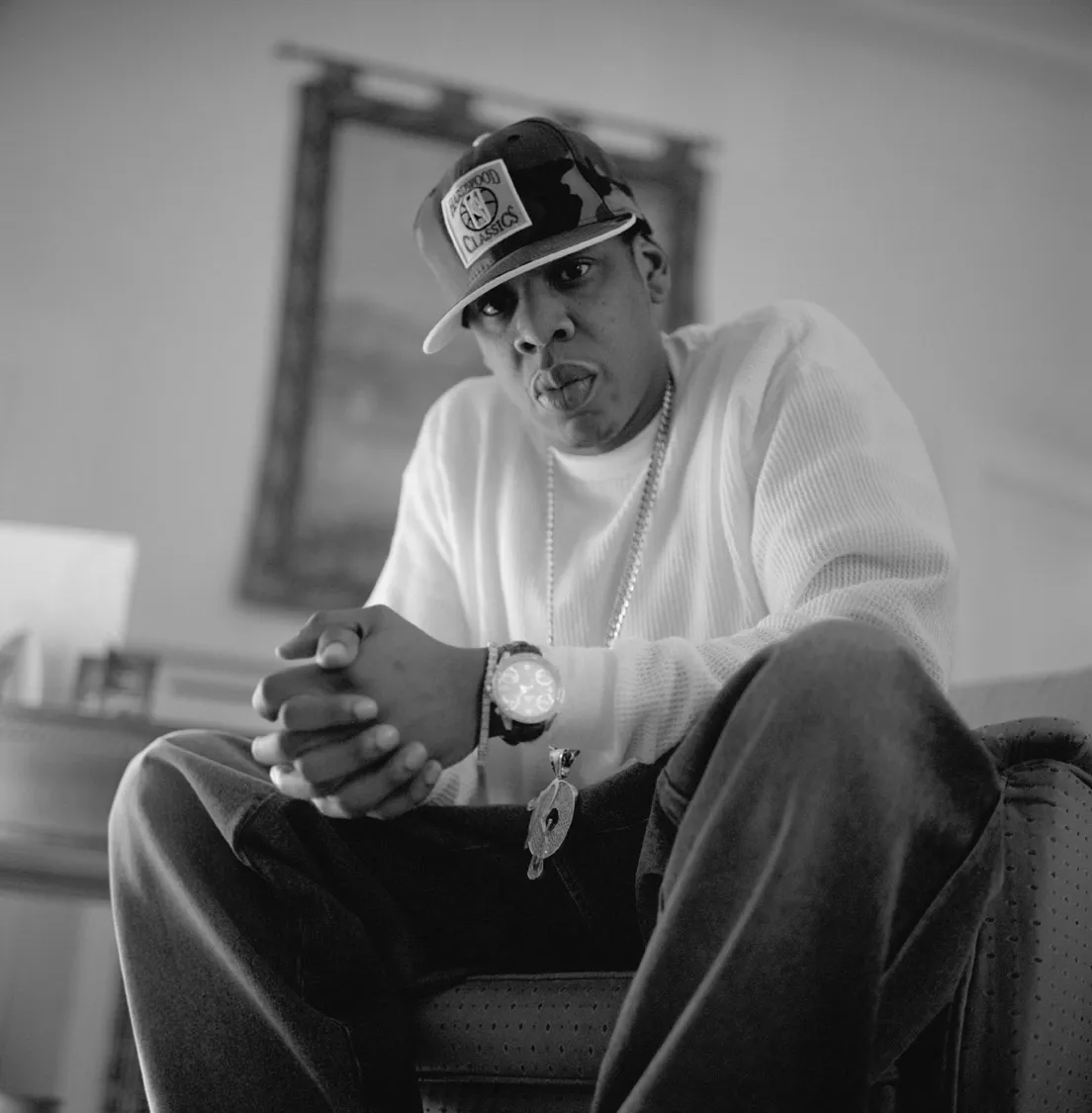
Jay-Z: From Marcy to a Billion
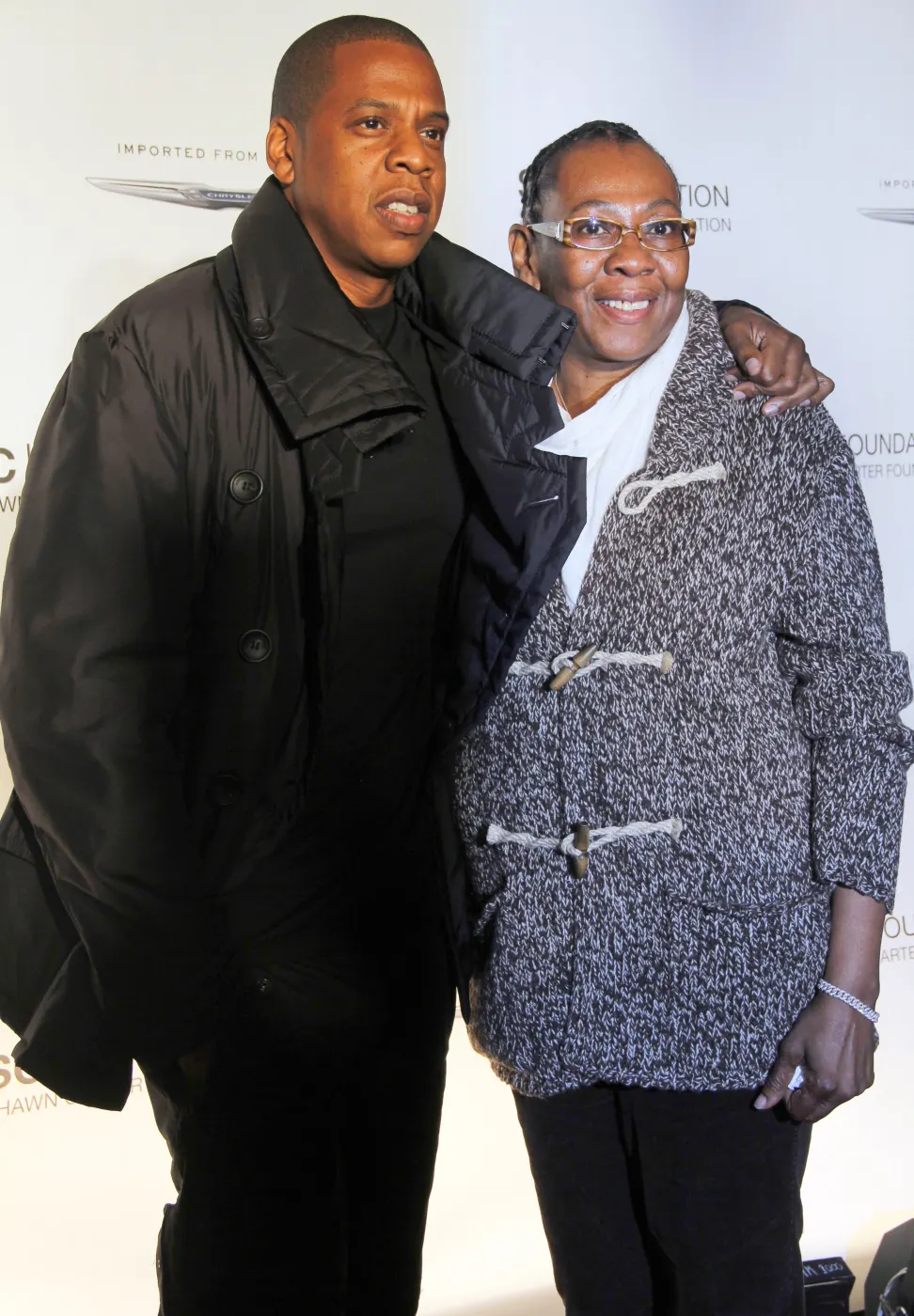
Three nights in the Bronx
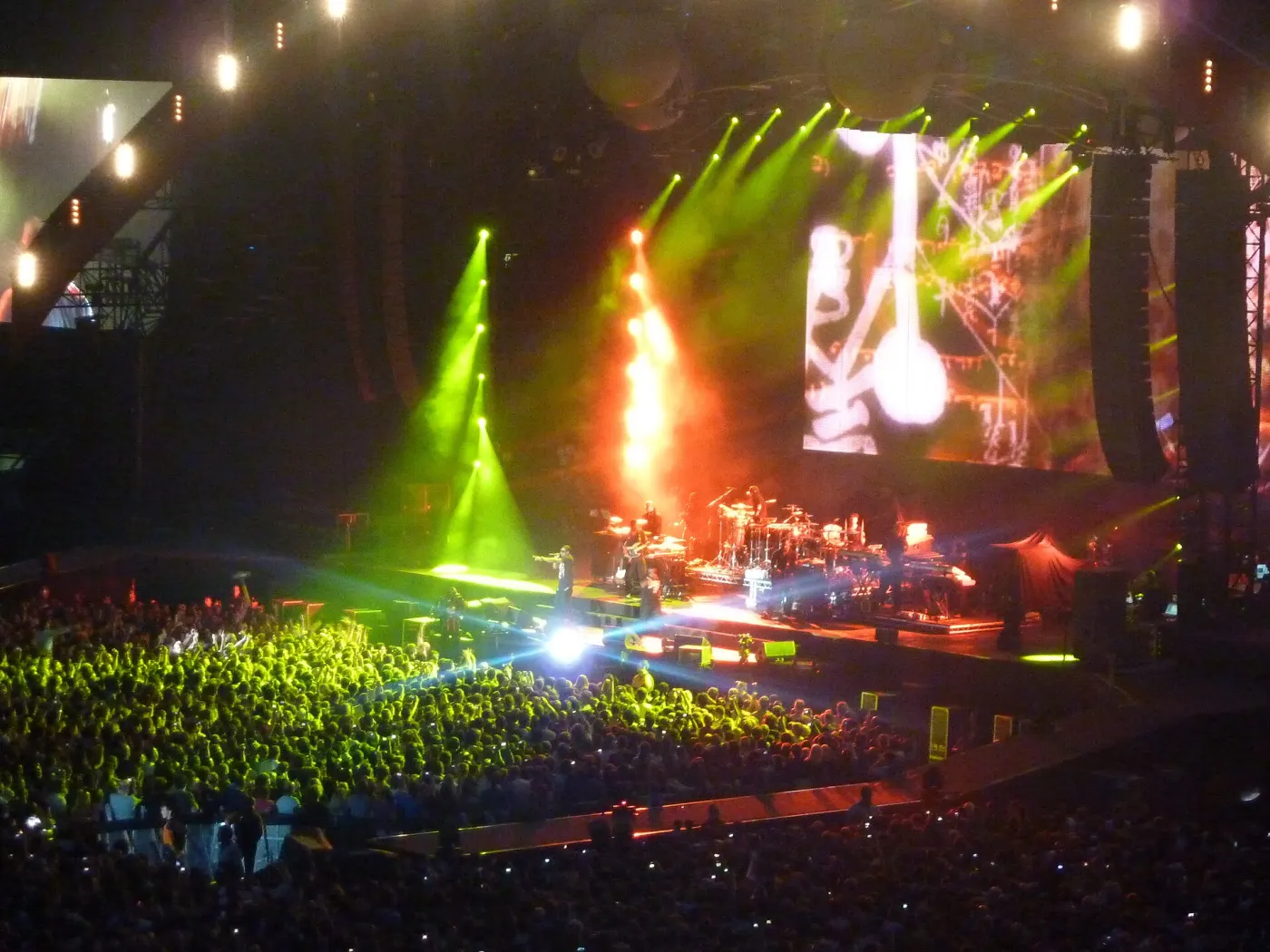
In July 2026, Yankee Stadium turned into a giant Jay-Z record. The subway trains around New York were wrapped in his album art. Fans lined up for hours. More than 1.6 million people had tried to get tickets during the presale alone. One show turned into two, and two turned into three.
The nights were called JAŸ-Z 30 and JAŸ-Z 25. They celebrated thirty years since his first album, Reasonable Doubt, and twenty-five years since The Blueprint. Forbes reported that more than 136,000 people came.
The man on stage was fifty-six. Forbes estimated his fortune at about $2.8 billion, making him the richest musician in the world.
Thirty years earlier, no record label wanted him. When Reasonable Doubt first came out, he has said, it sold about 34,000 copies. MTV did not even have a video of his to play. He and his friends had to sell music out of car trunks.
Before that, he was a teenager selling crack cocaine in the hallways of a Brooklyn housing project. He was shot at more than once. He has said that if music had not pulled him away, he could easily have spent twelve years in prison.
This is the story of how Shawn Carter became Jay-Z, and how Jay-Z became a business.
Marcy
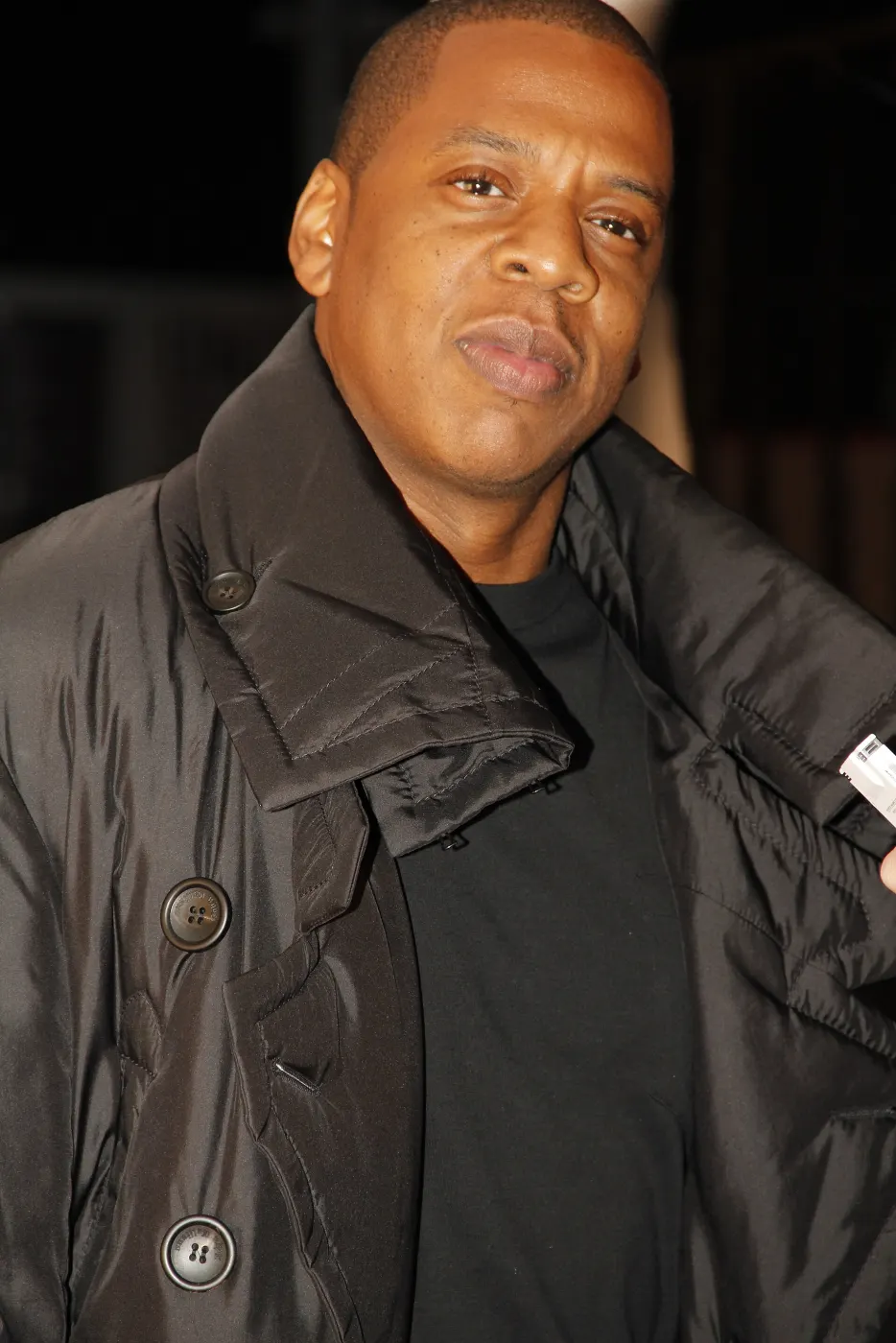
Shawn Corey Carter was born on December 4, 1969, in Brooklyn, New York. He was the youngest of four children. His mother was Gloria Carter. His father was Adnis Reeves.
When Shawn was little, the family moved into the Marcy Houses, a large public housing project in the Bedford-Stuyvesant neighborhood. Marcy had twenty-seven six-story buildings packed with families. It was a hard place, but it was home.
His parents loved music. They had a huge record collection. His dad built a wall unit out of milk crates and plywood, with a turntable and speakers on top. The house was always full of sound. Soul, funk, and one of the very first rap records.
His mother liked to tell a story about him at age four. She came home from work and saw a small boy riding a bike down the street with no training wheels. She thought, that looks like Shawn. It was. He had leaned the bike against a wall and taught himself to ride.
He was not like the other kids in class. He was quiet, watchful, and very smart. Teachers noticed he could read far above his grade.
At night he would sit in the kitchen and bang beats on the table. His mom would tell him it was time for bed. He would keep going.
The notebook
When Shawn was eleven, his father left the family.
He has said it was one of the hardest things that ever happened to him. When you are a kid, you brag that your dad could beat up anyone's dad. Then your dad is gone. He has said he did not know which was worse, never having a father or having one and losing him.
His mother, Gloria, raised the children alone. He calls her tough. She worked, kept the family together, and kept the music playing.
Rap had already caught him. He has said that around age nine he got the bug and became obsessed. He started writing every day in a spiral notebook. He wrote rhymes about anything he could think of. The notebook became his most important thing.
The neighborhood around him was getting worse. In the 1980s crack cocaine flooded poor neighborhoods across America. In Marcy you could smell it in the hallways. Tiny empty vials littered the curb.
At twelve, he has said, he did something he still thinks about. His older brother, who was struggling with drugs, stole his jewelry. Shawn shot him in the arm. His brother survived. Years later Jay-Z wrote about that day in his music, and about forgiving and being forgiven.
He went to several high schools, including George Westinghouse in Brooklyn, where two other future rap stars, the Notorious B.I.G. and Busta Rhymes, were also students. He did not graduate.
The parallel life
Shawn started selling crack as a teenager. It was not hard to get into, he has said. It was everywhere.
On the street he learned things he would later use in business. You had to be serious. You had to show up. You had to understand supply, demand, and trust. He has said he never went to Wharton or Harvard. He learned business on instinct, on corners, in hallways, and on trips down the East Coast.
He sold in Brooklyn, then in Trenton, New Jersey, and later in Maryland and Virginia. The work took him farther and farther from the notebook. So he started doing something unusual. He memorized his rhymes instead of writing them down. To this day he is famous for composing whole songs in his head without paper.
The street life was dangerous. He was shot at. Friends went to prison. Some died.
At the same time, he kept rapping. An older Brooklyn rapper named Jaz-O became his mentor. In 1989 Jaz got a record deal and took young Shawn with him to London while he recorded. For the first time, Shawn saw that rapping could be a real job with real money.
But Jaz's album did not take off, and Shawn went back to the street. He has called that period a step backward. Rap was not yet the giant business it would become. Dealers were driving Mercedes. Many rappers were not.
He did some work as a hype man for the rapper Big Daddy Kane, warming up crowds. He took the name Jay-Z, a nod to his childhood nickname Jazzy and to the J and Z subway lines near his home. He dropped a few songs. Still, he could not let go of the fast money.
He has said he kept one foot in each world for years. He knew in his heart he was going back to the street, and that made it hard to move forward. He did not close that door until his first album came out, when he was twenty-six.
Rejected, not dejected
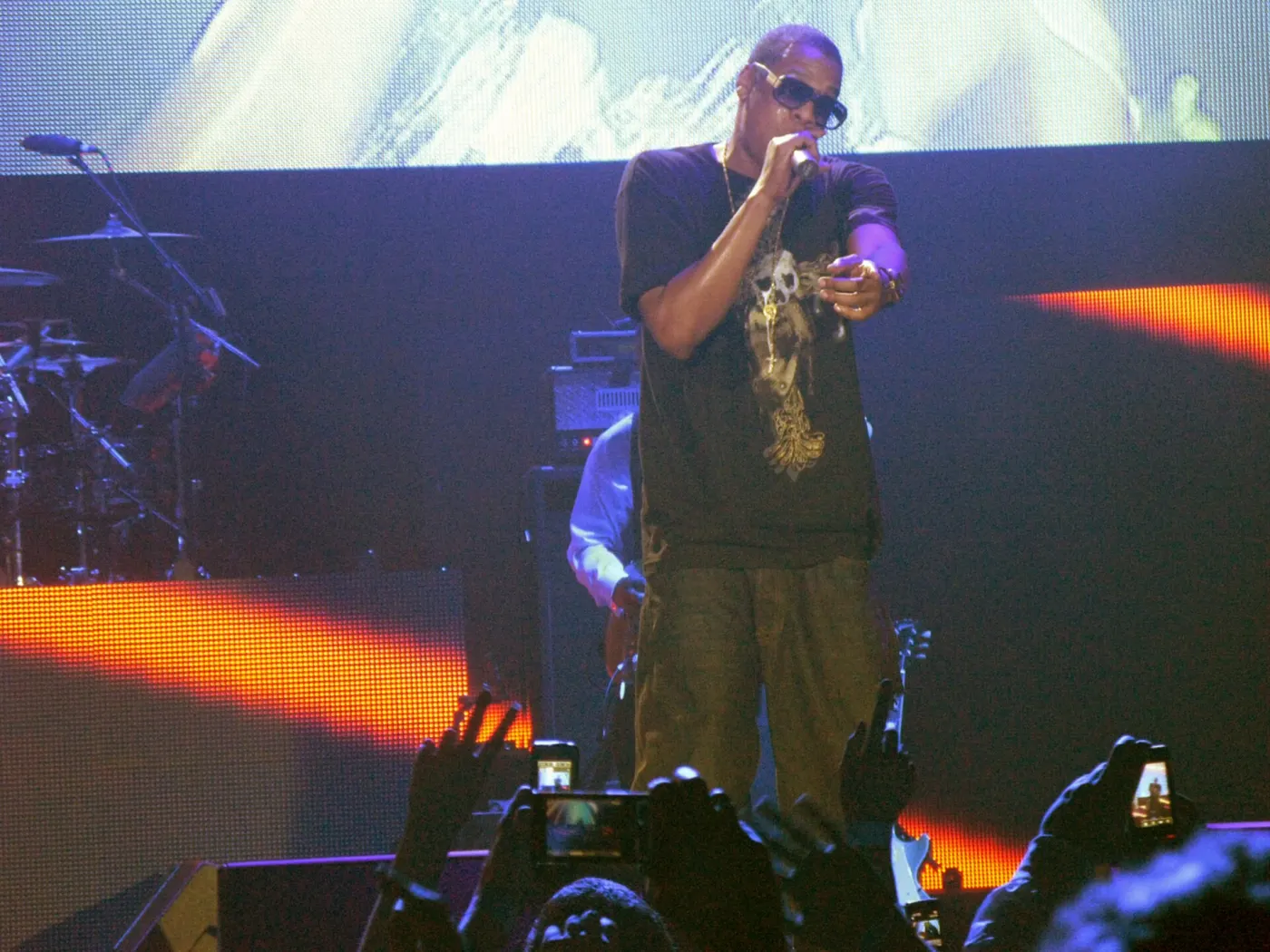
By the mid-1990s, Jay-Z was ready to go all in on music. He went to labels. Every one turned him down.
Many artists would have given up. He has said he was rejected, but never dejected. At every rejection he thought the people saying no simply did not see the vision.
So in 1995 he started his own label with two partners, Damon Dash and Kareem "Biggs" Burke. They called it Roc-A-Fella Records.
They had no big distribution deal and no marketing budget. They pressed records and sold them from the trunks of their cars. They worked the streets like a sales team. They got a distribution deal with Priority Records.
On June 25, 1996, Roc-A-Fella released Reasonable Doubt. The album was smooth, clever, and full of details only someone who had lived that life could know. It featured the Notorious B.I.G. and Mary J. Blige. It did not top the charts. But on the streets of New York, he has said, it felt platinum. You heard it everywhere.
Over time it became one of the most respected rap albums ever made.
He now says not getting a deal was the greatest blessing of his life. If a label had signed him, he would not have owned his work. He likes to say that everything in life is not happening to you. It is happening for you.
Hard knock life
Def Jam, the most famous label in hip-hop, soon bought half of Roc-A-Fella. Now Jay-Z had real distribution and still owned a big piece of his company.
In 1998 he released Vol. 2... Hard Knock Life. The title song sampled a tune from the Broadway musical Annie, sung by a children's choir. It was a crazy idea on paper. A street rapper borrowing from orphans in a musical. It became a massive hit. The album sold more than five million copies in the United States and won the Grammy for Best Rap Album.
Jay-Z was now a star. He kept releasing an album almost every year.
He also kept building. In 1999 he and Dash launched Rocawear, a clothing line. Instead of wearing other people's brands in music videos, they would sell their own. Rocawear grew into a huge business. In 2007 Jay-Z sold the brand rights to a company called Iconix for about $204 million, while keeping a stake and a role.
There were dark moments, too. In December 1999, at a New York nightclub, a record executive named Lance Rivera was stabbed. Jay-Z was charged. In 2001 he pleaded guilty to a misdemeanor and received three years of probation. He has said that moment showed him how close he still was to throwing everything away.
The Blueprint
On September 11, 2001, the same day terrorists attacked New York, Jay-Z released The Blueprint.
It was one of the best albums of his career. Much of it was produced by two young beatmakers, Kanye West and Just Blaze, who built songs from old soul records. Jay-Z has said he wrote much of the album in just a couple of days.
It also had "Takeover," a song aimed at the Queens rapper Nas. Nas answered with a song called "Ether." Their battle became one of the most famous feuds in hip-hop. Years later the two made peace on stage in 2005, and Jay-Z signed Nas to Def Jam.
In 2003 he released The Black Album and announced he was retiring from rapping. He played a huge farewell concert at Madison Square Garden. It was filmed for a documentary called Fade to Black.
The retirement did not last. But it opened the door to his next move.
The president of Def Jam
In late 2004, Jay-Z became president and CEO of Def Jam Recordings. A rapper from Marcy was now running one of the biggest labels in the world.
He signed a young singer from Barbados named Rihanna after an audition in his office. He has told the story of refusing to let her leave the building until she signed. He also worked with Ne-Yo, Young Jeezy, and Kanye West, whom Roc-A-Fella had signed as a rapper.
The Roc-A-Fella partnership with Dash and Burke broke apart around the same time. Jay-Z kept the rights that mattered most to him, including control of Reasonable Doubt.
By 2007 he left the Def Jam job and returned to music full time. He came out of retirement with Kingdom Come in 2006 and American Gangster in 2007.
Roc Nation and the building business
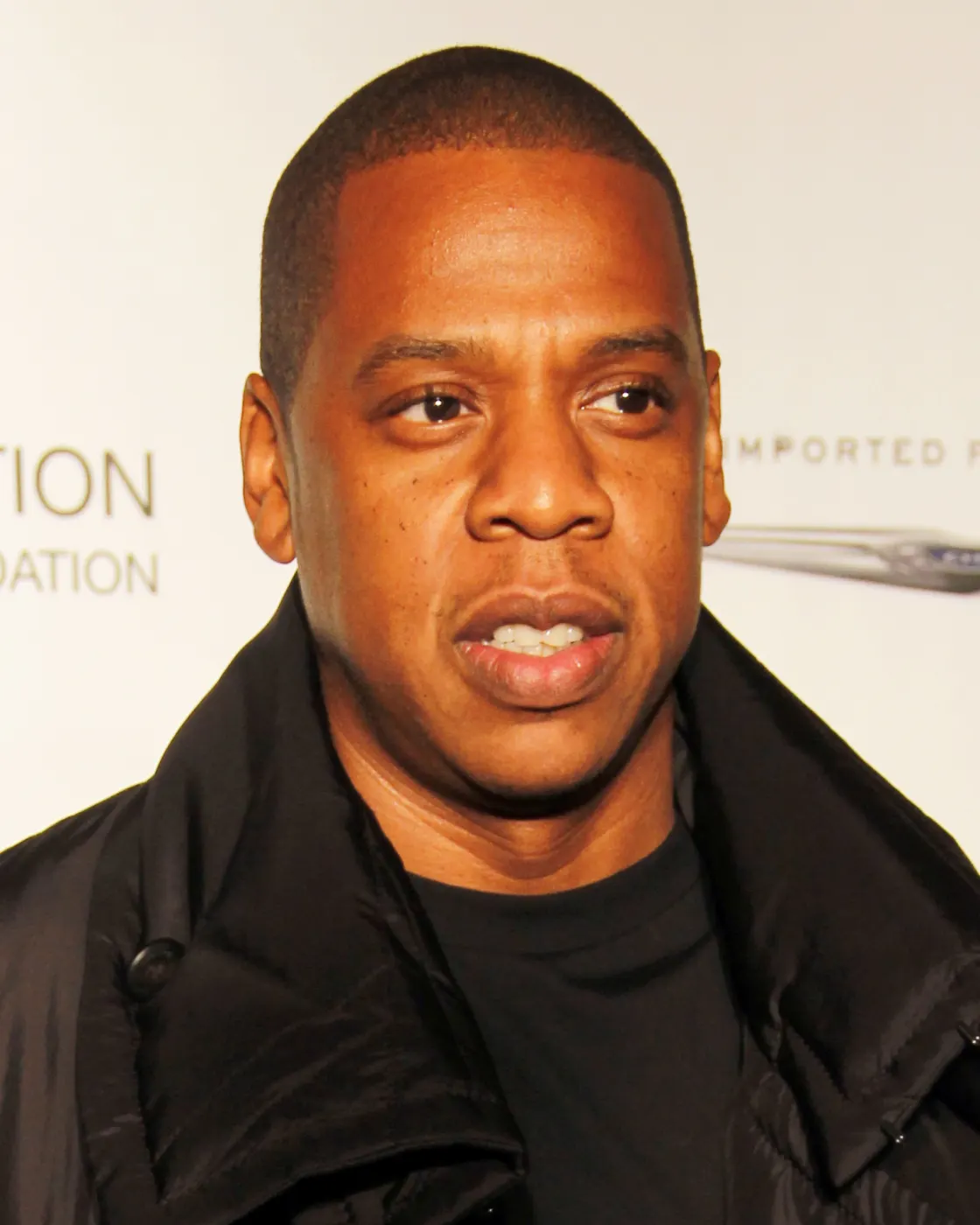
In 2008 he made a deal that shocked the music world. The concert giant Live Nation agreed to pay him about $150 million over ten years. The deal covered his albums, tours, and a new company called Roc Nation.
Roc Nation was not just a record label. It managed artists, published songs, ran a sports agency, and later ran a school at Long Island University in Brooklyn. Jay-Z wanted to own the whole machine.
That same year, on April 4, 2008, he married Beyoncé Knowles in a small, private ceremony in New York. They became the most famous couple in music.
In 2009 he released "Empire State of Mind" with Alicia Keys, which became an anthem for New York.
He also owned a tiny piece of the New Jersey Nets. He helped push the team to move to Brooklyn. When the Barclays Center opened in Brooklyn in 2012, he played the first concerts there. His stake was very small. In the 2026 GQ interview he joked that even if he owned only a tiny fraction of the Nets, he won, because a kid from Marcy had ownership in a basketball team in Brooklyn.
In 2013 he sold his Nets stake so he could become a sports agent through Roc Nation Sports. Clients came to include baseball star Robinson Canó and, for a time, basketball star Kevin Durant.
Champagne, cognac, and a streaming bet
Jay-Z has a habit of turning what he loves into what he owns.
In 2006 he stopped promoting the champagne Cristal after one of its executives made comments that he felt looked down on hip-hop fans. He began featuring a gold bottle called Armand de Brignac, nicknamed Ace of Spades. In 2014 he bought the brand outright. In 2021 he sold half of it to the luxury giant LVMH, the company behind Louis Vuitton and Moët.
In 2012 he helped launch D'Ussé cognac with the spirits company Bacardi. In 2023 he sold most of his stake to Bacardi after a dispute over the brand's value was settled.
Forbes says these liquor deals are the biggest reason his fortune more than doubled after 2019.
He also made a risky bet on music streaming. In 2015 he bought a small Scandinavian company and turned it into Tidal. He brought in stars such as Beyoncé, Rihanna, Kanye West, and Madonna as part owners, and promised artists a bigger share of the money. The launch was mocked. Tidal never caught up with Spotify or Apple Music. But in 2021 Jack Dorsey's payment company Square bought a majority of Tidal for about $297 million, and Jay-Z joined Square's board.
Along the way he collected art by Jean-Michel Basquiat, invested early in companies like Uber, and co-founded a venture fund called Marcy Venture Partners, named after the projects where he grew up.
In June 2019, Forbes declared him hip-hop's first billionaire.
The investor's eye
As his fortune grew, Jay-Z began acting less like a celebrity endorser and more like an investor.
He has said he does not want to just be paid to hold up someone else's product. He wants a stake. When companies approach him, the question is not only how much they will pay him, but how much of the business he can own.
He put money into Uber in its early days, before ride-hailing was a normal part of life. In 2018 he co-founded Marcy Venture Partners with longtime Roc Nation executive Jay Brown and investor Larry Marcus. The fund backs consumer companies and makes a point of investing in founders who often get overlooked by traditional venture capital.
In 2020 he became chief visionary officer of a California cannabis company and launched a premium brand called Monogram. He tied the move to his criminal justice work. He pointed out that people, many of them Black and brown, had been sent to prison for selling a plant that was now becoming a legal, money-making industry, and the company set up a fund to invest in Black and brown entrepreneurs in the cannabis business.
Not every bet paid off. The cannabis business struggled as the market got crowded. Tidal never became the giant he hoped for. But over time the wins were bigger than the losses. In 2026 Forbes listed stakes in Block, the company formerly called Square, and Uber among his holdings, along with Roc Nation, his music catalog, and a valuable art collection.
4:44
Behind the success, his marriage was in trouble.
In 2016 Beyoncé released Lemonade, an album about betrayal and healing. Many listeners heard it as a message to her husband. In June 2017 Jay-Z released 4:44, and he answered. He admitted to infidelity and to hurting the woman he loved.
He told The New York Times in 2017 that he had gone to therapy. He said the biggest lesson was about pain. He realized that many of the fights he saw growing up started because young men were hurting. They thought someone could see their pain, so they struck first. Understanding that, he said, changed his life.
He also said that growing up where he did taught him to shut down emotionally to survive. That shutdown later made it hard for him to connect, even with his wife.
The album included a song called "Smile," about his mother. Gloria Carter had lived for years as a gay woman who kept it hidden. On the song she recites a poem about living in the shadows. He said that the family knew but had never really talked about it until recently, and he wanted her to feel free.
In the same interview he talked about his drug-dealing years with regret. He said he had to take ownership of the harm he caused, and that there is a karmic debt that has to be paid.
In 2017 he also became the first rapper inducted into the Songwriters Hall of Fame.
In 2018 he and Beyoncé released a joint album as The Carters, called Everything Is Love, and toured stadiums together. They have three children: Blue Ivy, born in 2012, and twins Rumi and Sir, born in 2017.
Decoded, Watch the Throne, and a Samsung deal
In 2010 Jay-Z published a book called Decoded. It took his lyrics line by line and explained the life behind them. He told Charlie Rose that it was not really a memoir. It was the story of a whole generation that grew up in the crack years, told through songs. An earlier, more personal draft had felt too raw to publish, he said, so he took a different approach.
The book became a New York Times bestseller. It also made a point he cared about. Rap lyrics were not just noise or attitude. They were a kind of poetry, full of double meanings and hidden jokes.
In 2011 he and Kanye West released a joint album called Watch the Throne. The two men had come a long way since Kanye was making beats for The Blueprint. The album went to number one, and their tour played arenas around the world. The song "Otis" won a Grammy.
In 2012 Jay-Z started a music festival in Philadelphia called Made in America, held over Labor Day weekend. It mixed rap, rock, pop, and dance acts on the same stages, an idea he would later push at the Super Bowl.
In 2013 he pulled off one of the strangest album launches ever. Before Magna Carta Holy Grail came out, the phone maker Samsung bought one million copies and gave them away free through an app. The album was platinum before most people had heard a single song. Critics argued about whether that should count. Jay-Z called it a new rule for a new era, where the value was in the deal, not just the sale.
He also kept growing as a performer. In 2014 he and Beyoncé launched their first joint stadium tour, On the Run. A second one followed in 2018.
The family business
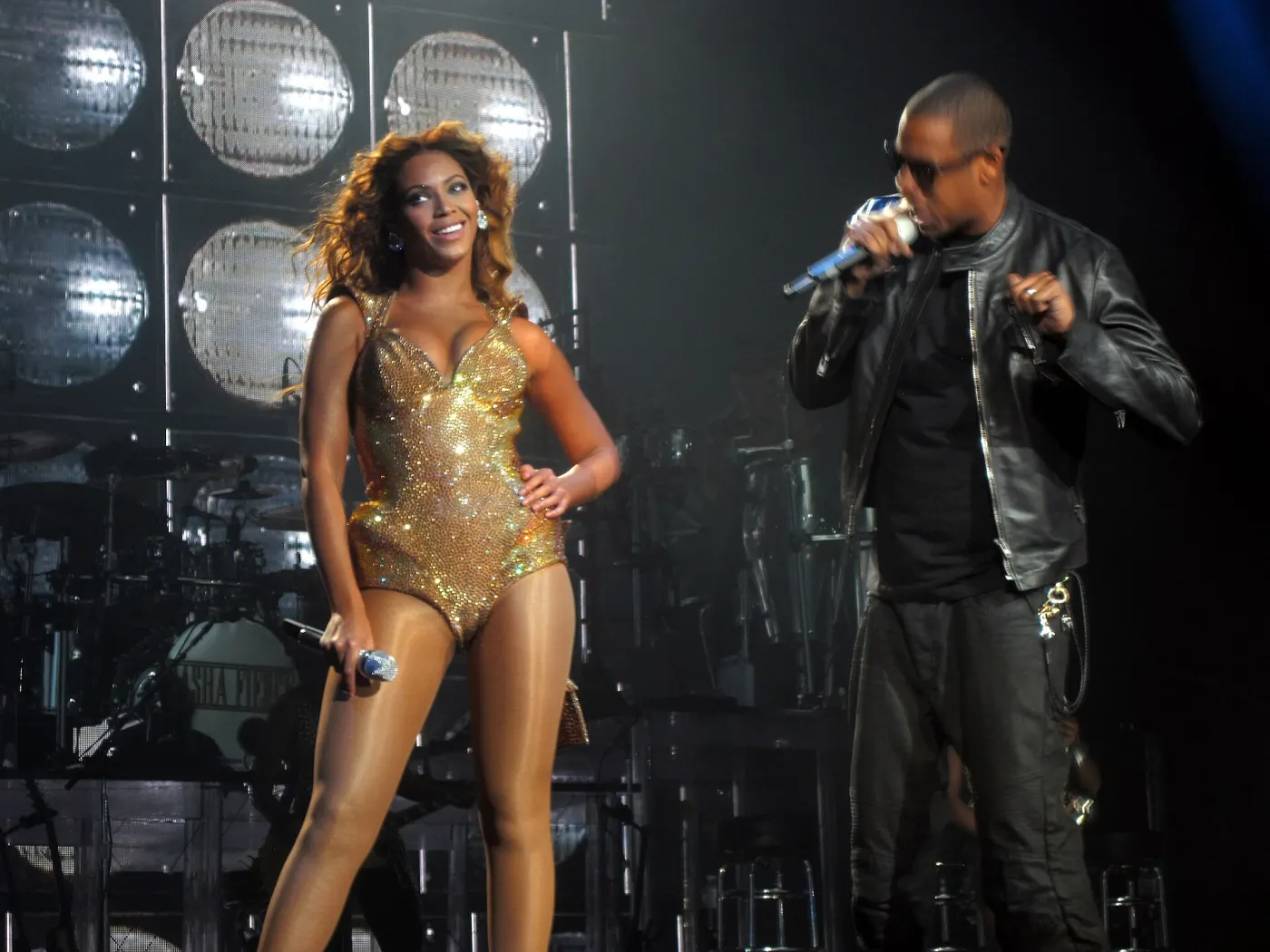
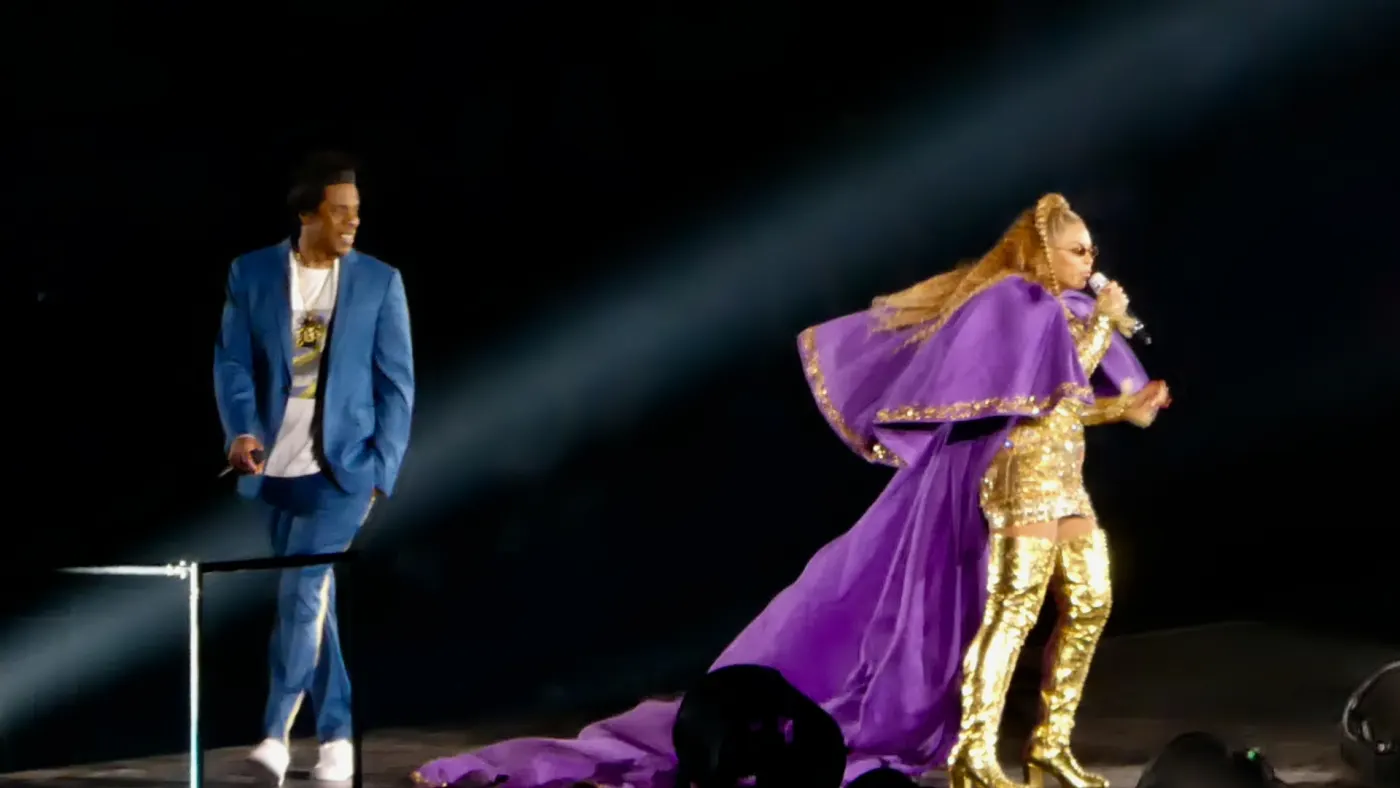
Jay-Z and Beyoncé kept much of their private life private. They rarely did joint interviews. They let their music talk.
When Blue Ivy was born in January 2012, he released a song called "Glory" days later. On it he talked about the joy of becoming a father, and about an earlier pregnancy that ended in miscarriage. Blue Ivy's cries were on the track.
The twins, Rumi and Sir, arrived in June 2017, the same month 4:44 came out.
Being a father changed how he talked about his own childhood. He told The New York Times that his children do not need the same tools he needed to survive Marcy. What he wanted most, he said, was to teach them compassion, to treat people the same no matter where they sit in the world.
By 2025 Blue Ivy was performing on stage during her mother's Cowboy Carter tour. In the 2026 GQ interview, Jay-Z described watching her change from a nervous kid going through the motions to a performer who was going for it. He said he saw her fight back, maybe for the first time in her life. He also said she is a gifted pianist who refuses a teacher because she wants music to stay fun.
He said being in the room with his family on that tour was fun and important to him. It did not make him want to rush back into the studio, he admitted. It actually did the opposite.
Brooklyn keeps pulling him back
For a man who now lives much of the year in Los Angeles, Jay-Z still talks about Brooklyn like a home he never left.
When he walked through the Book of HOV exhibit at the Brooklyn Public Library in 2023, he pointed toward the neighborhoods where he grew up, just a couple of miles away. He told CBS about the first apartment he remembered, and the crates of records that made up his parents' stereo.
The Barclays Center, the 40/40 Club sports bar he opened in 2003, the library cards with his album covers, and the subway trains wrapped in his art in 2026 all tell the same story. He left Marcy, but he kept bringing pieces of his success back to New York.
The halftime chair
In August 2019, the National Football League announced a partnership with Roc Nation. Jay-Z's company would help choose and produce the music for the Super Bowl halftime show, the most-watched musical performance in America each year.
The deal was controversial. Some fans said he was helping the league move past the protests led by quarterback Colin Kaepernick, who had knelt during the national anthem to protest police violence. Jay-Z said he wanted to change things from the inside, and that the partnership also included social justice programs.
Then came the shows. Shakira and Jennifer Lopez in 2020. A West Coast hip-hop celebration led by Dr. Dre, with Snoop Dogg, Eminem, Mary J. Blige, and Kendrick Lamar, in 2022. Rihanna in 2023. Usher in 2024. Kendrick Lamar as a solo headliner in 2025, which broke the halftime audience record. Bad Bunny, performing largely in Spanish, in February 2026. Forbes notes that Jay-Z has won two Emmys for halftime productions.
In the 2026 GQ interview, he said for too long only one side of popular music got represented on that stage. His picks, he said, were not risky at all. They were simply the biggest artists in the world. He called Kendrick's choice to perform his newest songs in front of that huge audience brave.
Using the money
Jay-Z has always said you should uplift the place you come from.
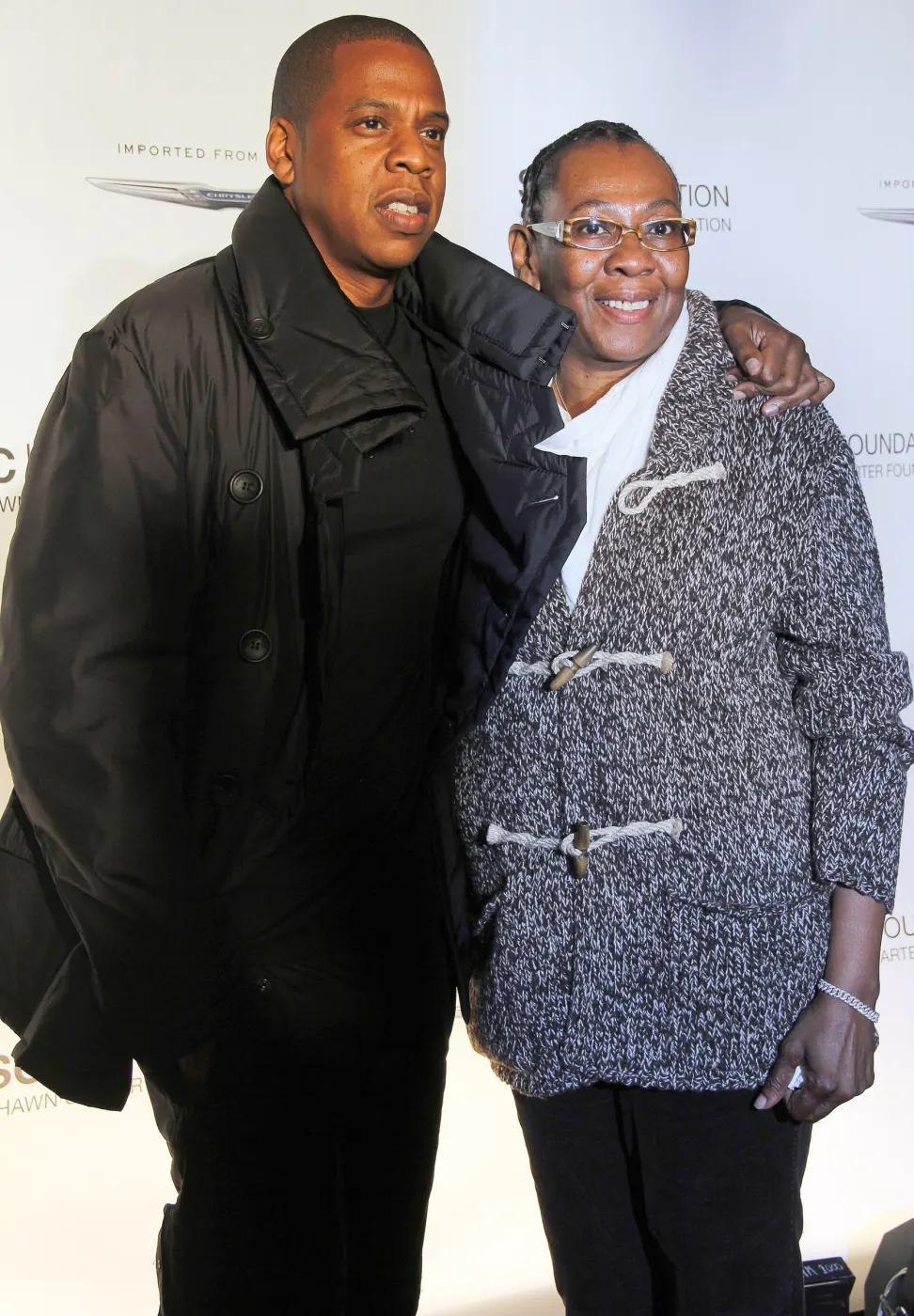
In 2003 he started the Shawn Carter Foundation with his mother. It gives college scholarships and support to young people from tough backgrounds. Gloria Carter has helped lead it for years.
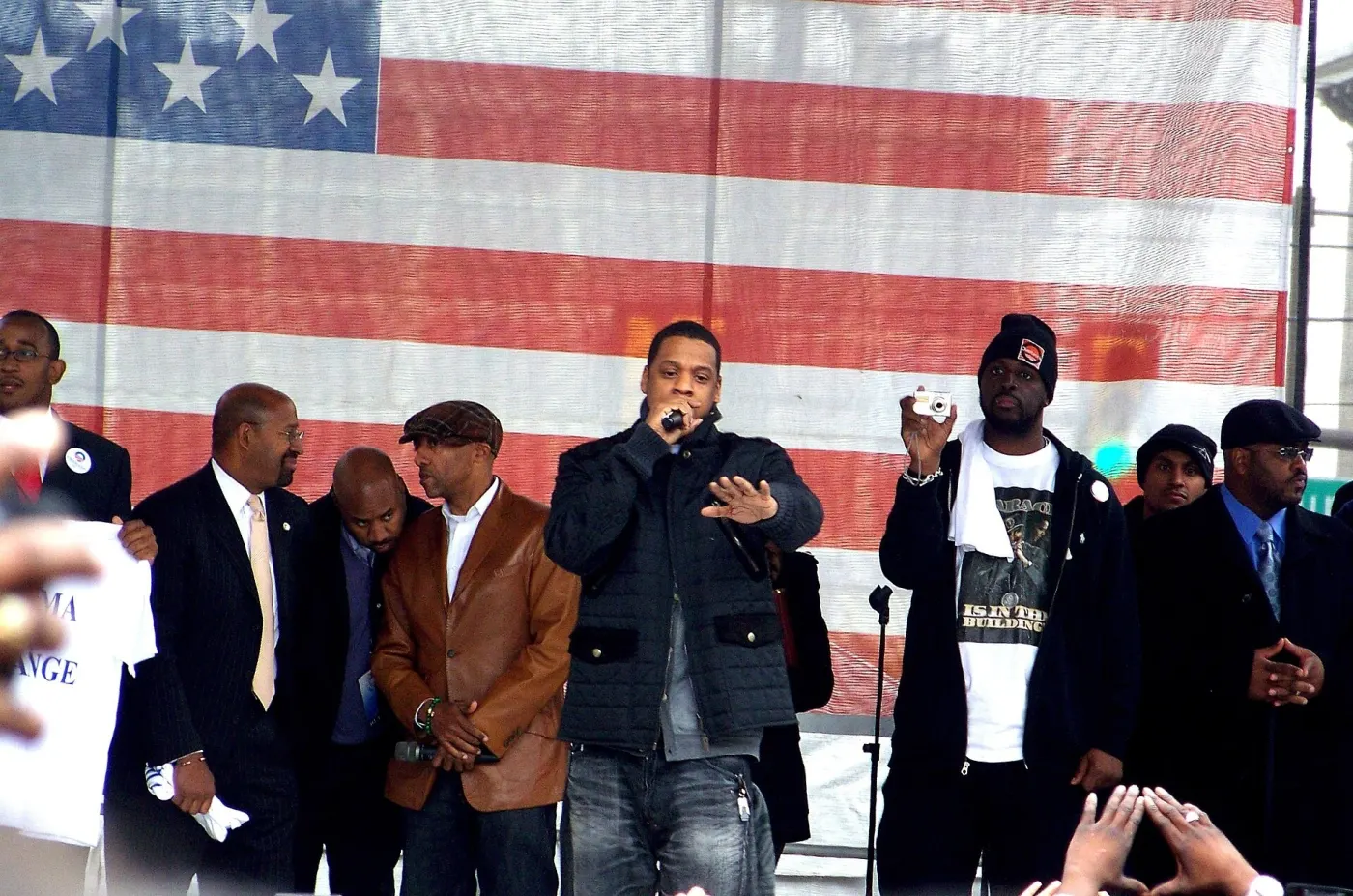
In 2019 he helped launch the REFORM Alliance with rapper Meek Mill, Philadelphia 76ers co-owner Michael Rubin, New England Patriots owner Robert Kraft, and others. The group pushes to change probation and parole laws that send people back to prison for small violations. Meek Mill's own years on probation helped spark it. REFORM says it has helped pass laws in many states.
Through Roc Nation's Team Roc, he has paid lawyers to help families in police shooting cases and pushed for justice for people he believed were treated unfairly.
In 2023 the Brooklyn Public Library opened an exhibit called The Book of HOV, full of his lyrics, awards, and history. The library printed special library cards with his album covers. People lined up around the block to get one.
In 2021 he was inducted into the Rock and Roll Hall of Fame.
Speaking up at the Grammys
In February 2024, the Recording Academy gave Jay-Z its Dr. Dre Global Impact Award. His daughter Blue Ivy stood near him as he spoke.
He used the moment to call out the Grammys. He pointed out that Beyoncé had won more Grammys than anyone in history but had never won Album of the Year. He said that did not work, and told the room that artists should keep showing up anyway.
It was classic Jay-Z. Grateful and pointed at the same time.
The hardest year
In December 2024, a woman filed a civil lawsuit accusing Jay-Z and Sean Combs of sexually assaulting her in 2000, when she said she was thirteen. Jay-Z denied it immediately and forcefully. He called the claim false and said he would not pay to make it go away.
In February 2025, the woman voluntarily dismissed the case with prejudice, which means it cannot be filed again. Jay-Z then pursued legal action against her lawyer, Tony Buzbee. A California judge dismissed his extortion and defamation suit in 2025, and an appeals court upheld that ruling in September 2026. A separate case he filed in federal court in New York was still pending.
In the 2026 GQ interview, he said the accusation took a lot out of him. He said he had not felt that angry in a long time. He said a settlement would have been cheaper and quicker, but it was not in his DNA. First, he said, he had to tell his wife. Then he called business partners, including LVMH, to warn them. He said the people who knew him stood by him.
He admitted he was still working through it. Usually he would make music to let the feeling out. This time he had to sit in it, leaning on a small circle of people who truly cared about him.
Also in 2025, a Times Square casino plan backed by Caesars Entertainment, the developer SL Green, and Roc Nation lost its bid for a New York license. A local advisory committee voted it down four to two in September 2025, after Broadway theater groups and neighbors fought the project.
2026 is all offense
Early in 2026, fans noticed something small. His name on streaming services quietly changed back to JAŸ-Z, with the two dots he used in the Reasonable Doubt era. Rare songs showed up online. Vinyl reissues followed.
Then came the GQ cover story in March 2026. Asked how he bounced back, he said: "We played enough defense. 2026 is all offense."
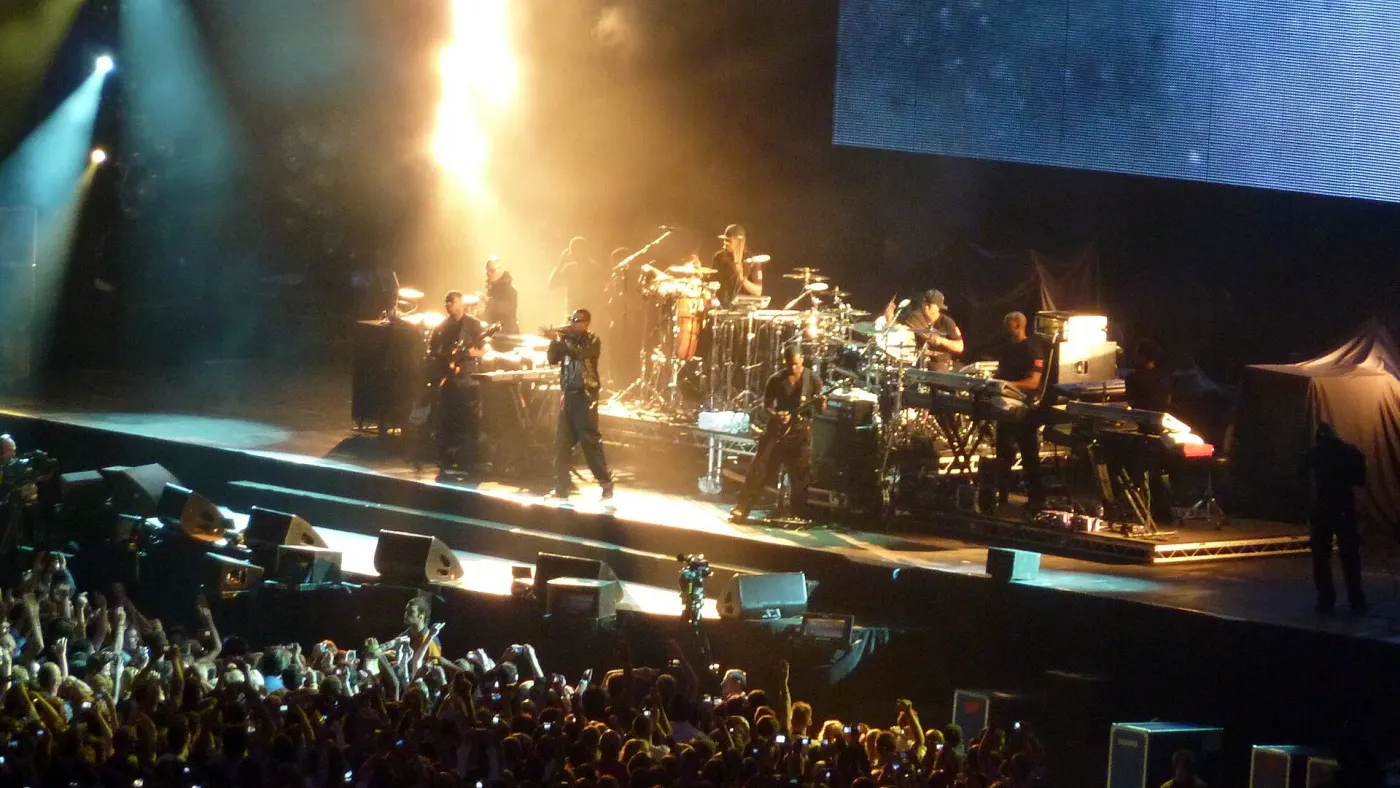
The Yankee Stadium shows followed in July, along with a month of celebrations across New York. There was an exhibit in Dumbo, wrapped subway trains, and special merchandise. Forbes estimated the concerts grossed $25 to $30 million, with far more spent around the events.
On September 18, 2026, HBO Max premiered JAŸ-Z in 8, an eight-part documentary series built around conversations with the legendary producer Rick Rubin. In the trailer, he talks about getting the rap bug around age nine and writing every single day.
In GQ he also defended his wealth. He said a person's morality is not defined by a dollar amount. If all millionaires are bad, he asked, is someone good at $999,000? People behave the way they want to behave, he said. Money just shows who you already were.
He also said he would not try to rap like he did in 1996. He is not doing the same things he was doing then, and faking it would be embarrassing.
How he works
Jay-Z's working style is famous in music.
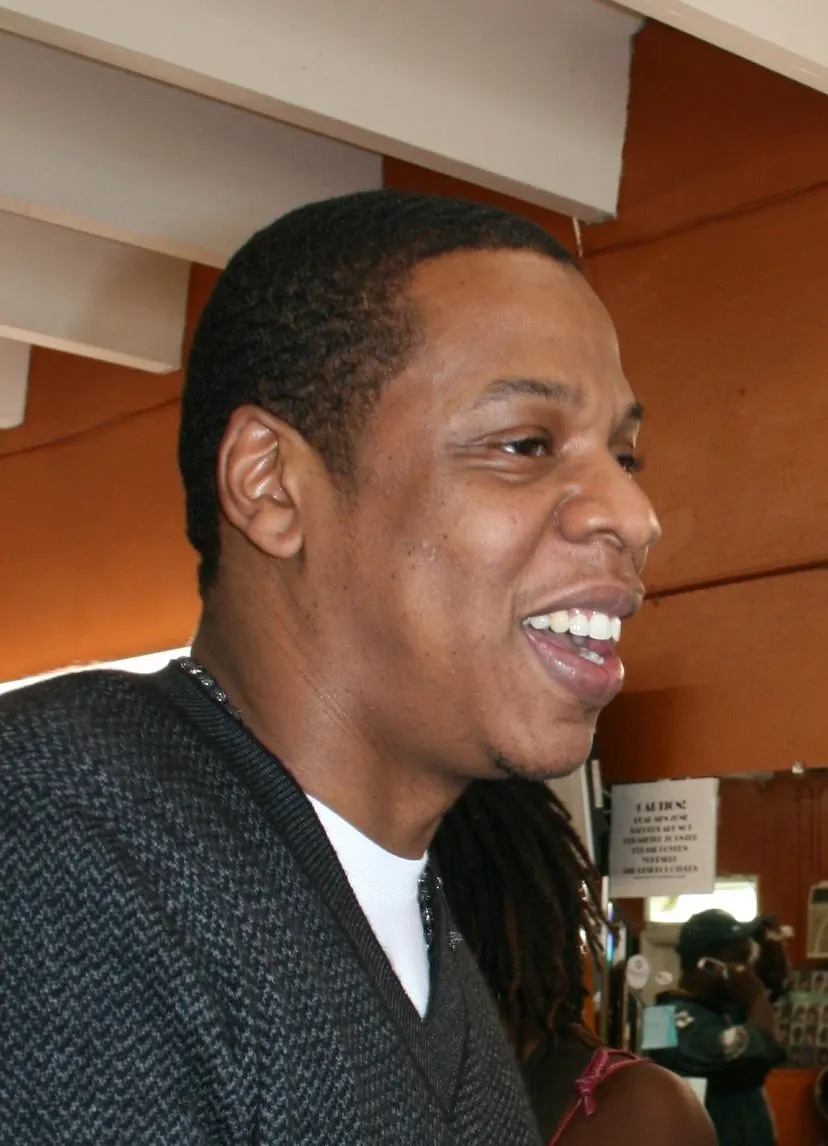
He writes in his head. Producers describe him listening to a beat, mumbling, pacing, and then walking into the booth and recording a full verse with no paper. It started in his street years, when he could not carry the notebook around.
He thinks like an owner. From Roc-A-Fella to Rocawear to Armand de Brignac, he keeps asking the same question: why promote someone else's product when you can own your own?
He plays long games. He likes to say that everything happens for you, not to you. A lost record deal became his own label. A snub from a champagne company became his own champagne brand.
He keeps a tight circle. His GQ interview described a small, safe group of people around him who love him and are not using him.
He mixes pride with self-reflection. In his 2017 New York Times interview he said real strength is being vulnerable in front of the world, and that pretending to be a god is fake.
And he treats his life as the story. He has said telling the truth of his own life has been his job since the beginning, from the struggles in Marcy to the struggles in his marriage.
What changed because of him
Jay-Z helped turn rap from a genre into an economy.
He showed that a rapper could own his label, his masters, his clothing line, his liquor brands, and a piece of a sports team. Artists after him, from Rihanna with Fenty to many younger rappers, followed a path he helped clear.
He helped bring hip-hop to the center of American culture. The Super Bowl stage that once kept rap at arm's length now features the genre's biggest stars.
He made the case that successful people from poor neighborhoods should put money back into them, through scholarships, criminal justice reform, and support for new founders.
And his music gave a generation a voice. He told Charlie Rose that rap let people whom politicians never listened to finally hear their own stories on the radio.
Mistakes he owns
He does not pretend he was always right.
He sold drugs that hurt his own community, and he has said he carries that debt. He pleaded guilty in the 1999 nightclub stabbing case. He cheated on his wife and told the world about it. Tidal's messy launch became a punchline. The NFL deal made some fans angry. His Times Square casino plan failed.
He has also lost friendships. His relationships with Damon Dash and Kanye West, both once close partners, broke down publicly over the years.
Through it all, he keeps a simple rule he shared in GQ. Something goes wrong, don't freak out. Everything happens for your greatest good.
Closing
On a summer night in 2026, a man who once sold records from the trunk of a car stood in Yankee Stadium while tens of thousands of people rapped every word of an album that almost nobody bought at first.
He was a husband and a father of three. His daughter had toured stadiums beside her mother. His company chose who played the biggest stage in American sports. His fortune was measured in billions.
He had also just lived through what he called one of the angriest seasons of his life.
He did not go quiet. He changed his name back to the way it looked in 1996, reopened the vault, and played three nights in the Bronx.
The kid from Marcy who kept rhymes in his head because he could not carry the notebook never stopped writing. He just learned to write in buildings, companies, and stadiums too.