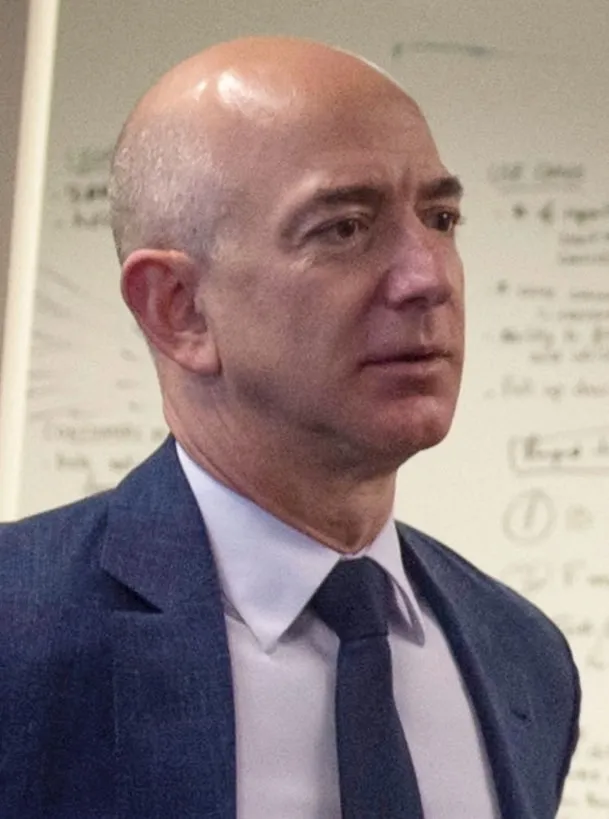
The Man Who Would Not Wait
He left a safe Wall Street job for a website that sold books. Critics said the company would never make real money. Then warehouses, Prime, and the cloud turned a garage experiment into daily life.
In 1994, Jeff Bezos sat in a New York office with a safe job and a wild spreadsheet.
The internet was growing at a speed that looked like a typing error. Some early measures showed usage rising more than 2,000 percent a year. Most people still treated the web as a hobby. Bezos treated it as a land rush. He made a list of products that might sell well online. Books rose to the top. Books were easy to ship. There were millions of titles. No physical store could hold them all.
His boss at the hedge fund D. E. Shaw tried to talk him out of leaving. Bezos later described a test he called regret minimization. He imagined himself at eighty, looking backward. Would he regret trying a crazy online bookstore and failing? Or would he regret never trying at all? He quit. He and his wife MacKenzie drove west. Amazon began in a garage near Seattle.
That choice looks obvious now. It did not look obvious then.
Years later the same man would be executive chairman of a company that sells almost everything, rents computing power to much of the internet, and still shapes how people expect packages to arrive. In 2026 his Amazon stake still sat near the center of one of the world's largest fortunes. The path from the garage to that fortune was not a straight climb. It was a chain of near deaths, warehouse nights, shareholder letters, and a long refusal to optimize for the next quarter alone.
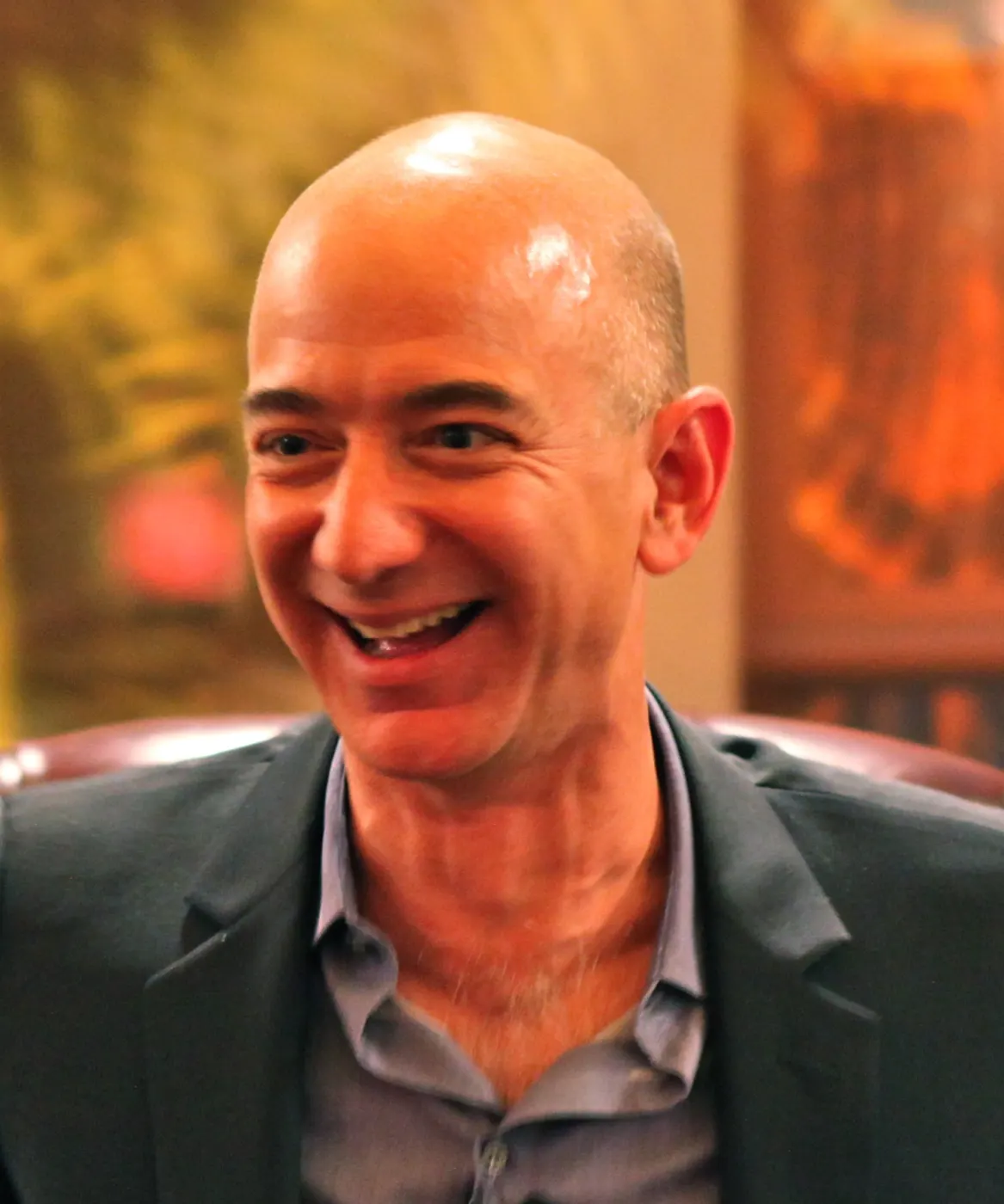
A boy who took things apart
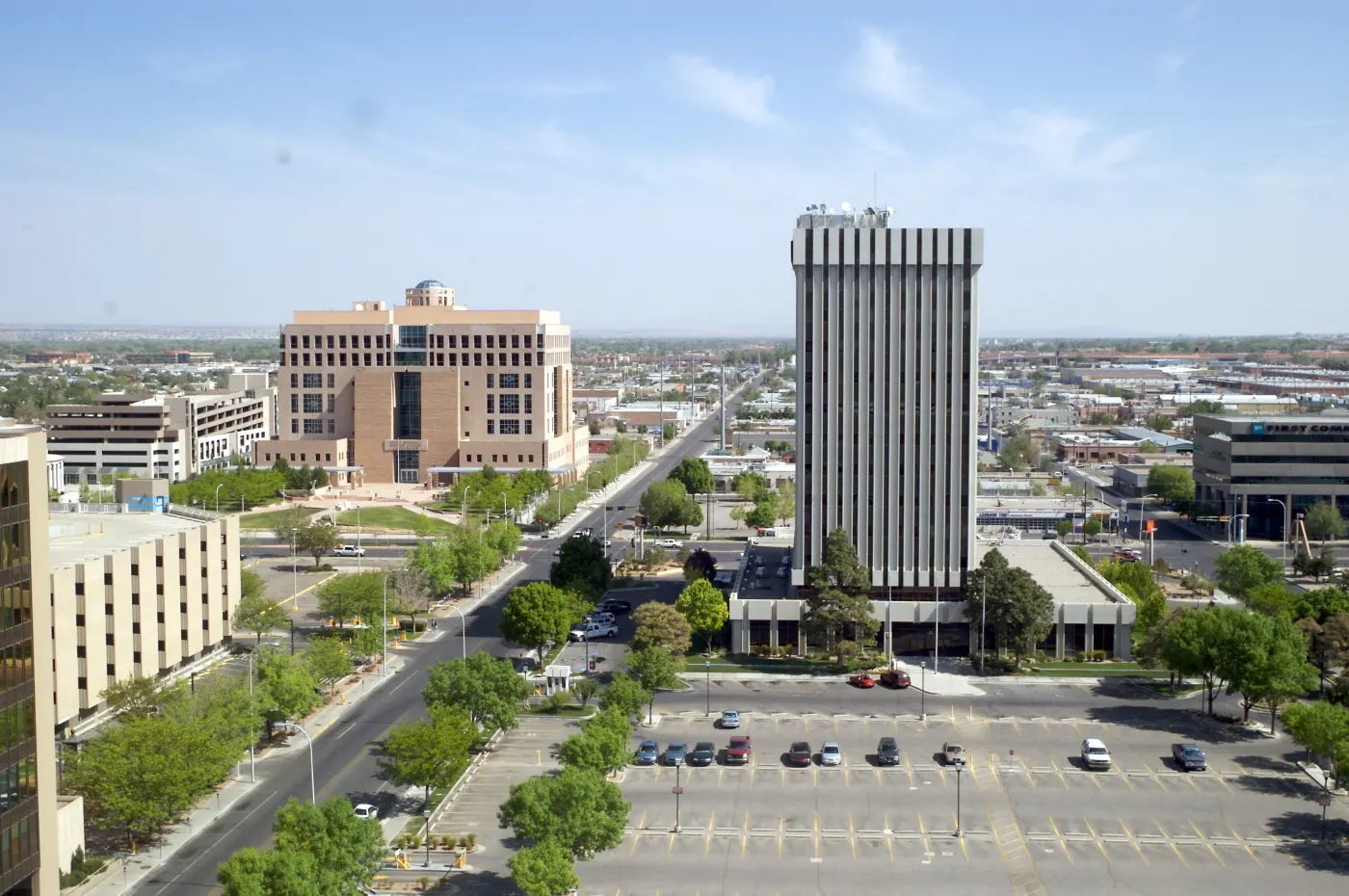
Jeffrey Preston Jorgensen was born on January 12, 1964, in Albuquerque, New Mexico.
His mother, Jacklyn, was a teenager when he was born. His biological father was Ted Jorgensen. When Jeff was about four, Jacklyn married Miguel Bezos, a Cuban immigrant who adopted Jeff and gave him the Bezos name. That adoption is not a footnote. It is the family story he later told as a source of gratitude and drive. Miguel had left Cuba as a teenager, worked, studied, and built a life in the United States. The household treated education as oxygen.
The family later lived in Houston and then Miami. Young Jeff loved tinkering. He built gadgets. He dreamed about space after watching the Apollo moon program. In interviews he has described summers on a Texas ranch, heat, work, and the feeling that the sky was a place humans had already touched and should touch again.
At school he was intense and curious. In high school he started a small summer camp for kids called the Dream Institute. He liked teaching others how to think. Friends remembered a kid who could disappear into a problem and come back with a gadget or a plan.
Space never left him. The moon landings were not only television. They were proof that engineering could rewrite what a generation thought was possible. Decades later, when he funded rockets, that childhood tape was still playing.
He went to Princeton University and studied electrical engineering and computer science. He graduated summa cum laude in 1986. Princeton trained his mind for systems: how parts connect, how failure spreads, how design choices cascade. He was not only a coder. He was a person who liked to see the whole machine.
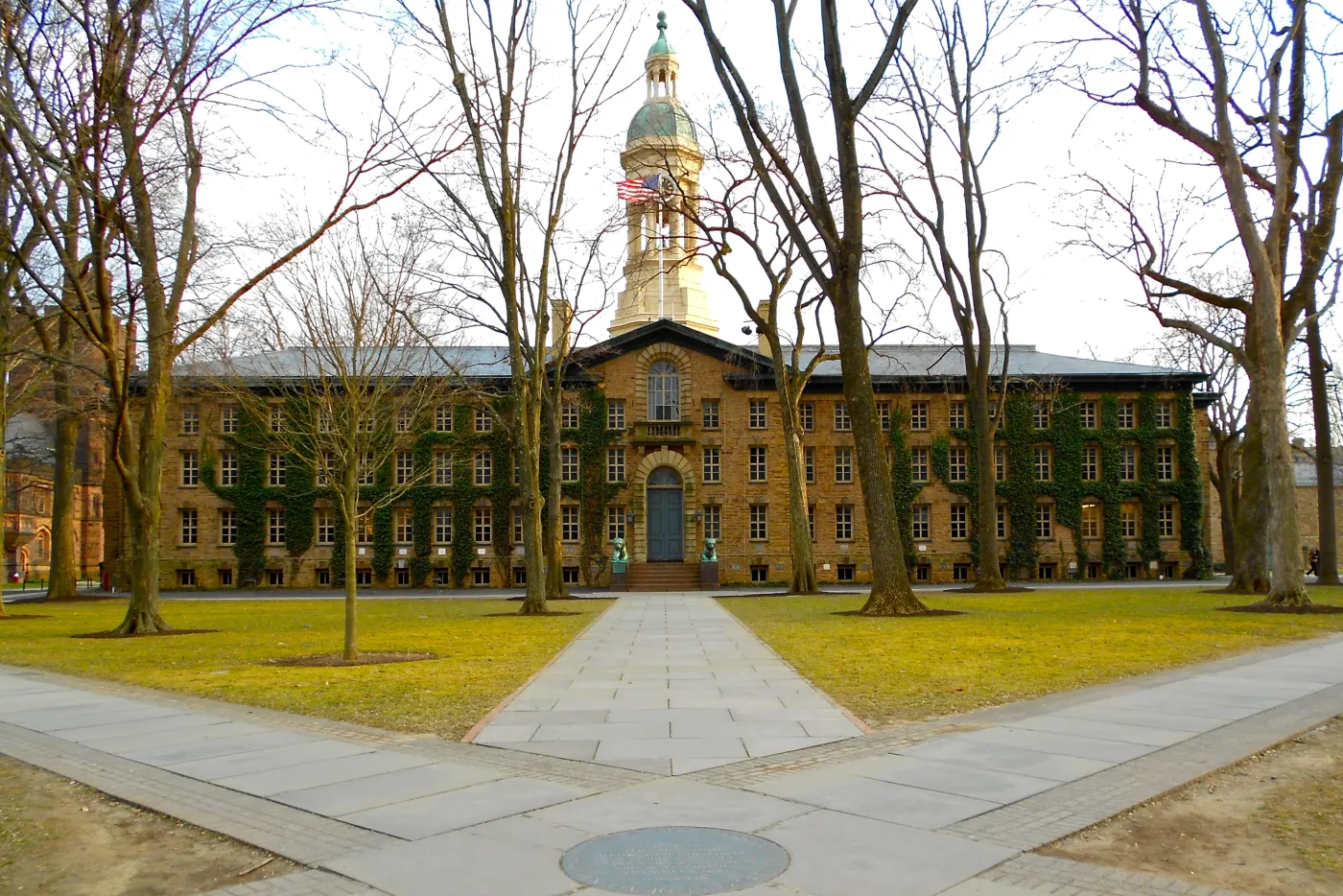

Years later he returned to Princeton to tell graduates that cleverness is a gift and kindness is a choice. The line sounded soft. In his own life the harder choice was leaving a gifted path for a risk that could look stupid for a long time.
First jobs, then the leap
After college Bezos worked at a fintech startup called Fitel, then at Bankers Trust, then at D. E. Shaw. He rose fast. At Shaw he became a senior vice president while still young. The work mixed computers and markets. It also put him close to the early internet boom.
Wall Street paid well. It also had a ceiling. Bezos watched the web and saw a curve that would not wait for a promotion cycle. When he decided to sell books online, he chose Seattle for software talent and for proximity to a major book distributor. The company was first called Cadabra, a name that sounded too much like cadaver on the phone. Then came Amazon, after the vast river. The metaphor mattered. He wanted a store that could grow without a clear edge.
Amazon.com sold its first book in July 1995. Within months orders came from across the United States. Early employees packed boxes on hands and knees. Bezos told them they were building a company that might look foolish for a long time, then suddenly look inevitable.
The garage was not magic. The magic was the list. Selection first. Then price. Then convenience. If those three kept improving, customers would return. Returning customers would fund more selection. That circle later got a name: the flywheel. In 1995 it was still just a young founder packing books and answering customer email as if each message were a product bug.
Local news treated the site as a curiosity. A bookstore without a store. A catalog that lived on a screen. In 1997 Seattle television walked through the young company as if it might be a fad. Bezos talked like a man who had already decided the fad was the future.
to 01:13 (about 73 seconds)
Growth, IPO, and the crash that almost ended the story
Amazon went public in 1997. The stock became a roller coaster. Bezos kept investing in warehouses, software, and customer experience while many analysts wanted quick profits. He repeated a simple idea: focus on customers, not competitors. If you obsess over the customer, the rest can follow.
He wrote annual shareholder letters that became required reading in business schools. In those letters he explained flywheels, failure tolerance, and why high-growth companies should be misunderstood for long stretches. The letters turned Amazon's private logic into public teaching. They also warned investors: if you want last quarter's earnings to be the main scoreboard, this is not your stock.
Then the dot-com crash arrived around 2000 and 2001. Hundreds of internet companies vanished. Amazon's stock collapsed from its late-1990s highs. Critics said the company would never make real money. Layoffs came. Costs were cut. Bezos kept the core bet alive: a better online store with wider selection, lower prices over time, and faster delivery.
Surviving that winter taught Amazon a culture of frugality and long-term thinking. Door desks became legend. They were also a message. Money goes to customers and infrastructure, not to looking rich in the office.
It also taught investors that Bezos would rather look wrong for years than abandon the customer flywheel. Many public-market traders hated that stance. Patient capital loved it. The split between those two audiences defined Amazon's stock story for two decades.
Inside the company, customer service metrics became almost religious. Bezos wanted empty chairs in meetings to represent the customer. He wanted teams to call real users. He wanted defects fixed at the root, not patched with apologies. That discipline turned a bookstore into a logistics company that happens to sell almost everything.
The warehouse is the product
Amazon did not stay a bookstore. It added electronics, toys, and almost every category that could ship. Marketplace sellers joined. Fulfillment centers spread across the country and then the world.
Building warehouses looked dull next to flashy websites. Yet warehouses made two-day shipping real. Once shipping felt magical, customers returned. Returning customers funded more warehouses. That circle is the flywheel Bezos described for years.

In 2005, Amazon Prime launched with fast shipping for a yearly fee. Membership changed how people thought about online buying. Later came streaming video and music inside the same fee. Prime was not only a shipping perk. It was a loyalty engine that made customers start their shopping search at Amazon by default.
The membership trick was simple and brutal. Pay once. Then every later purchase feels cheaper and faster. Habit moves from the store down the street to a button on a phone.
The cloud nobody asked for, until everyone needed it
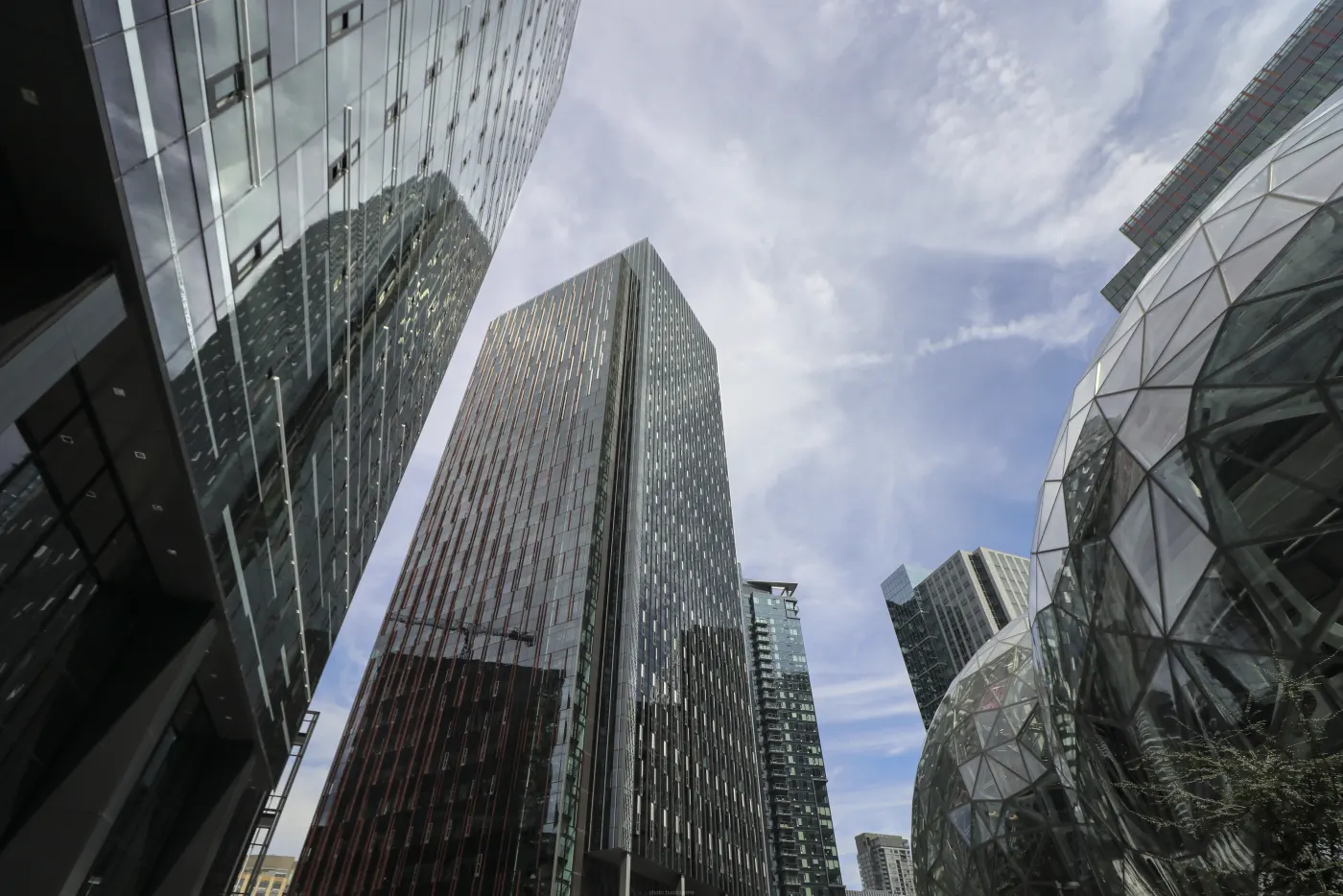
In 2006, Amazon Web Services began selling cloud computing to other companies. AWS let startups rent storage and servers instead of buying racks. Over time AWS became one of Amazon's most important profit engines and a backbone of the modern internet.
AWS succeeded because Amazon had already solved hard problems for itself: unreliable hardware, sudden traffic spikes, and the need to let many teams ship quickly. The company flipped internal infrastructure into a product. Critics asked why a bookstore was selling computers by the hour. Developers answered by building on it.
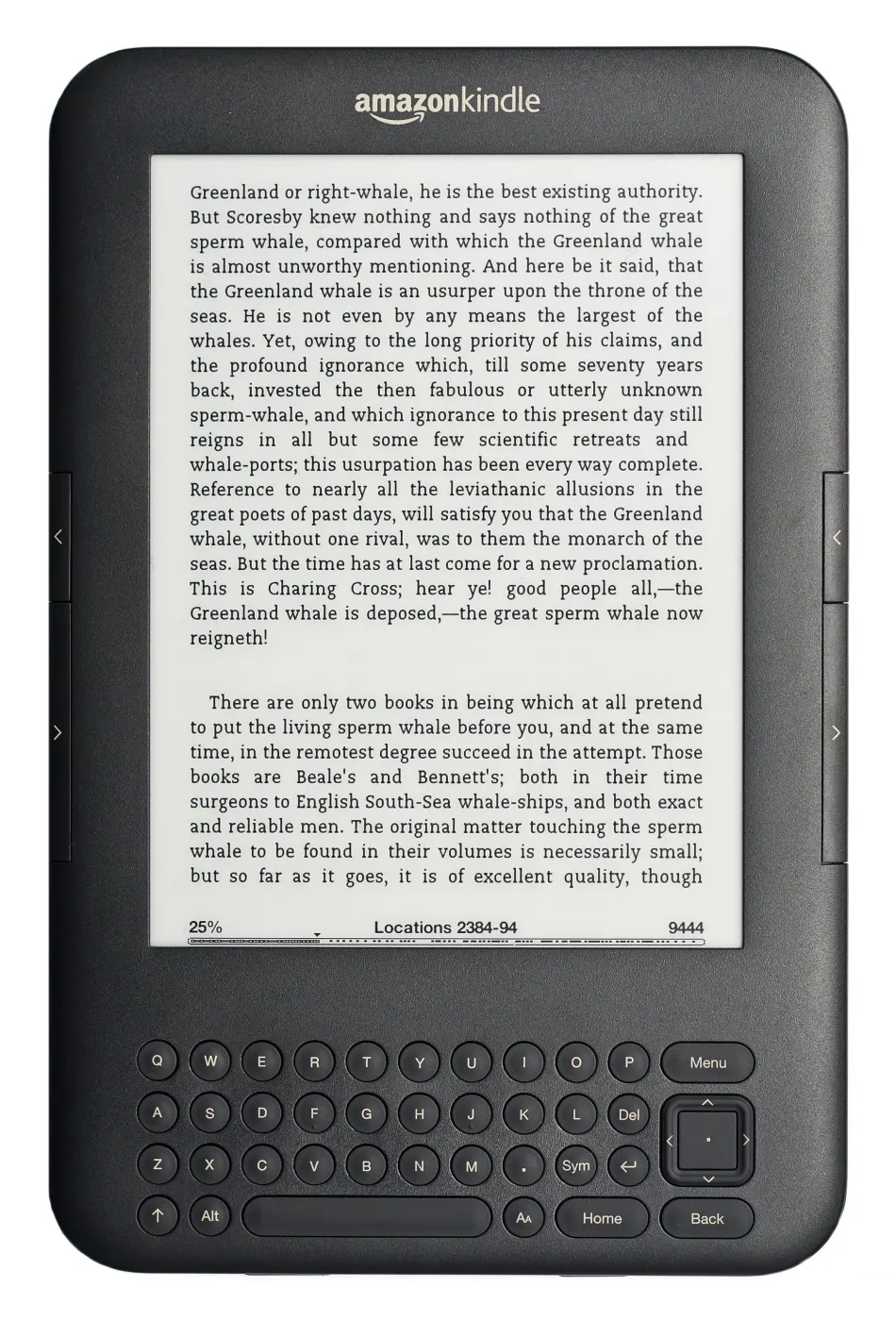
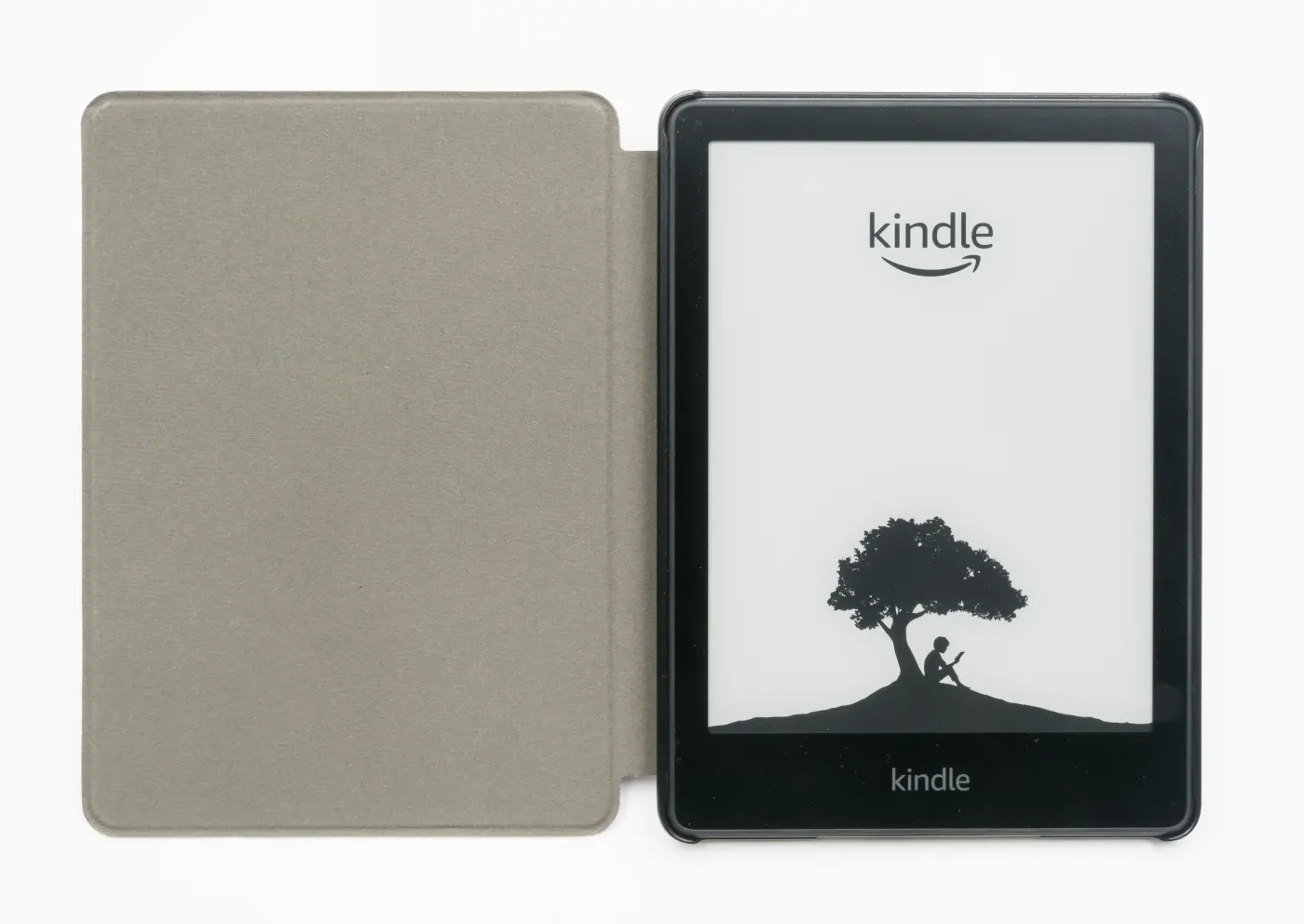
In 2007, the Kindle made e-books mainstream for millions of readers. Devices and digital catalogs reinforced each other. A bookstore that began with paper learned to ship files in seconds.
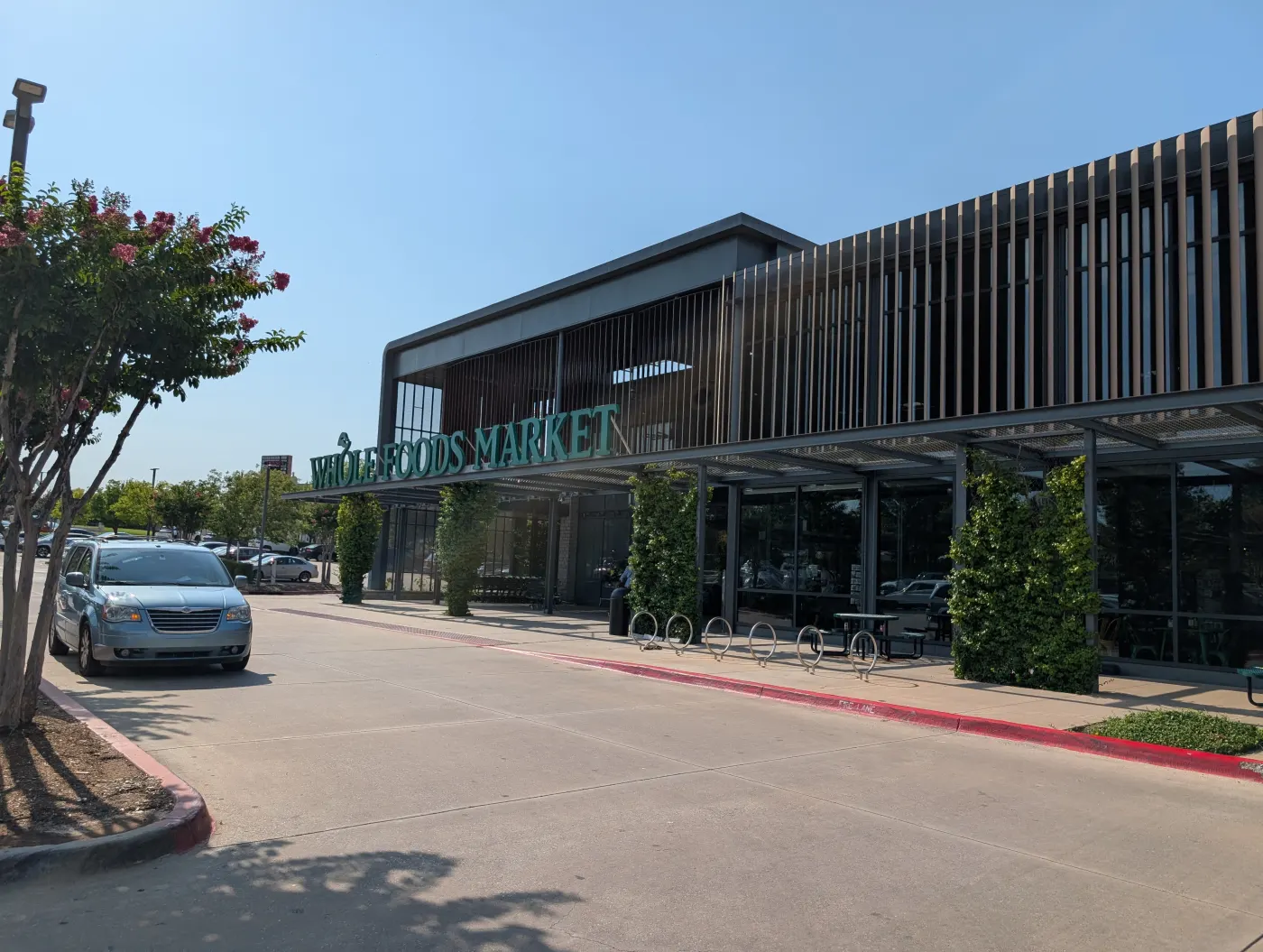
Amazon Studios made shows. Amazon bought Whole Foods in 2017 and stepped deeper into groceries. Physical bookstores and cashier-less experiments came and went as tests. Advertising became another circle. When shoppers already lived inside Amazon, brands paid to appear higher in search results.
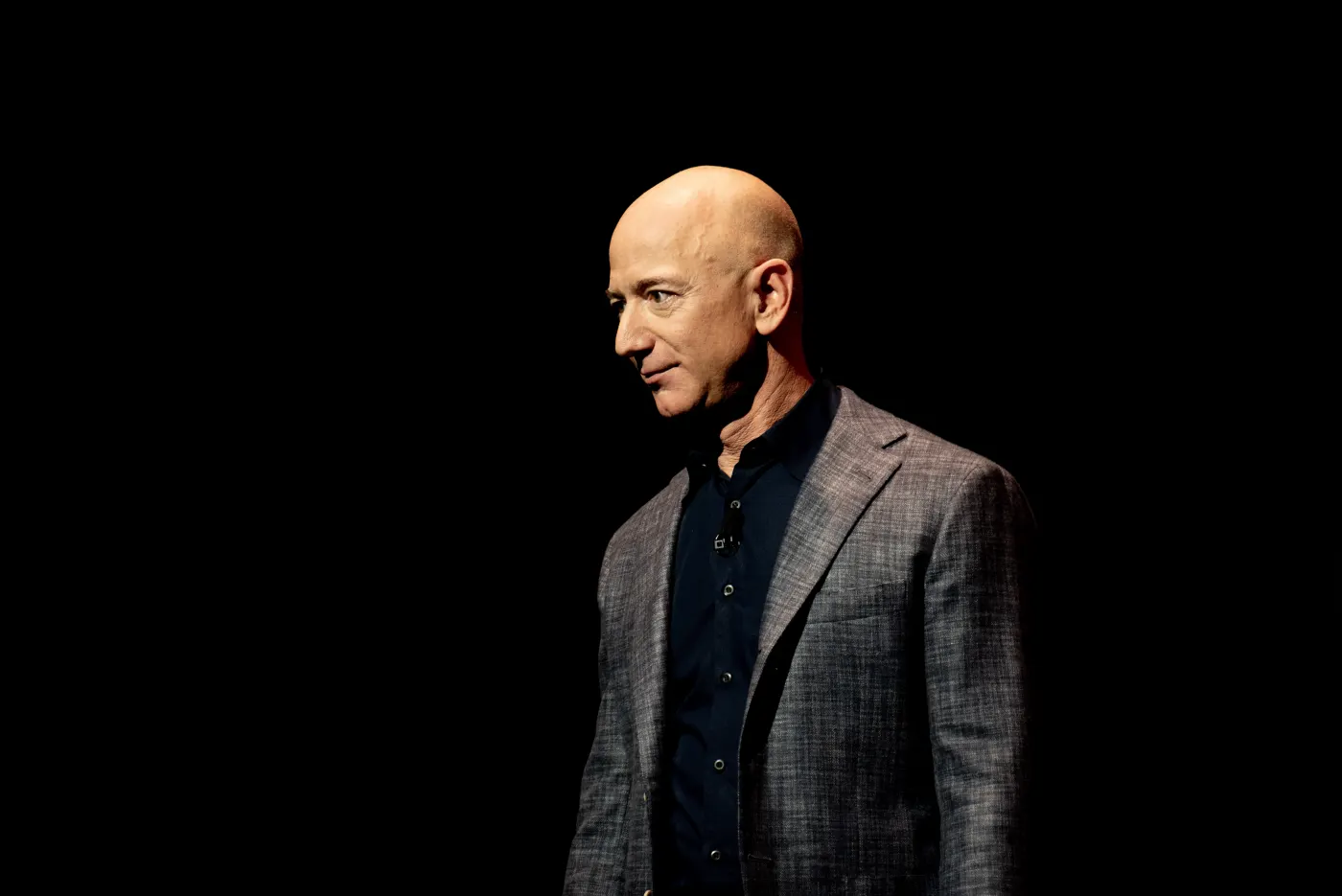
One famous habit inside the firm was the six-page narrative memo. Meetings often began in silence while leaders read. Bezos believed slides hid weak thinking, while prose forced clarity. That ritual shaped how Amazon decided what to build next.
He also pushed leaders to think in decades. He asked teams what would still be true in ten years. Low prices, vast selection, and fast delivery stayed on that list. Fashion trends did not. The filter sounds simple. It is hard to obey when markets scream for short-term earnings.
Blue Origin and the childhood sky
Space never left Bezos. He founded Blue Origin in 2000 to build reusable rockets and push for a future where millions of people can live and work in space. Progress was slower and quieter than some rivals, but the company kept testing vehicles like New Shepard.
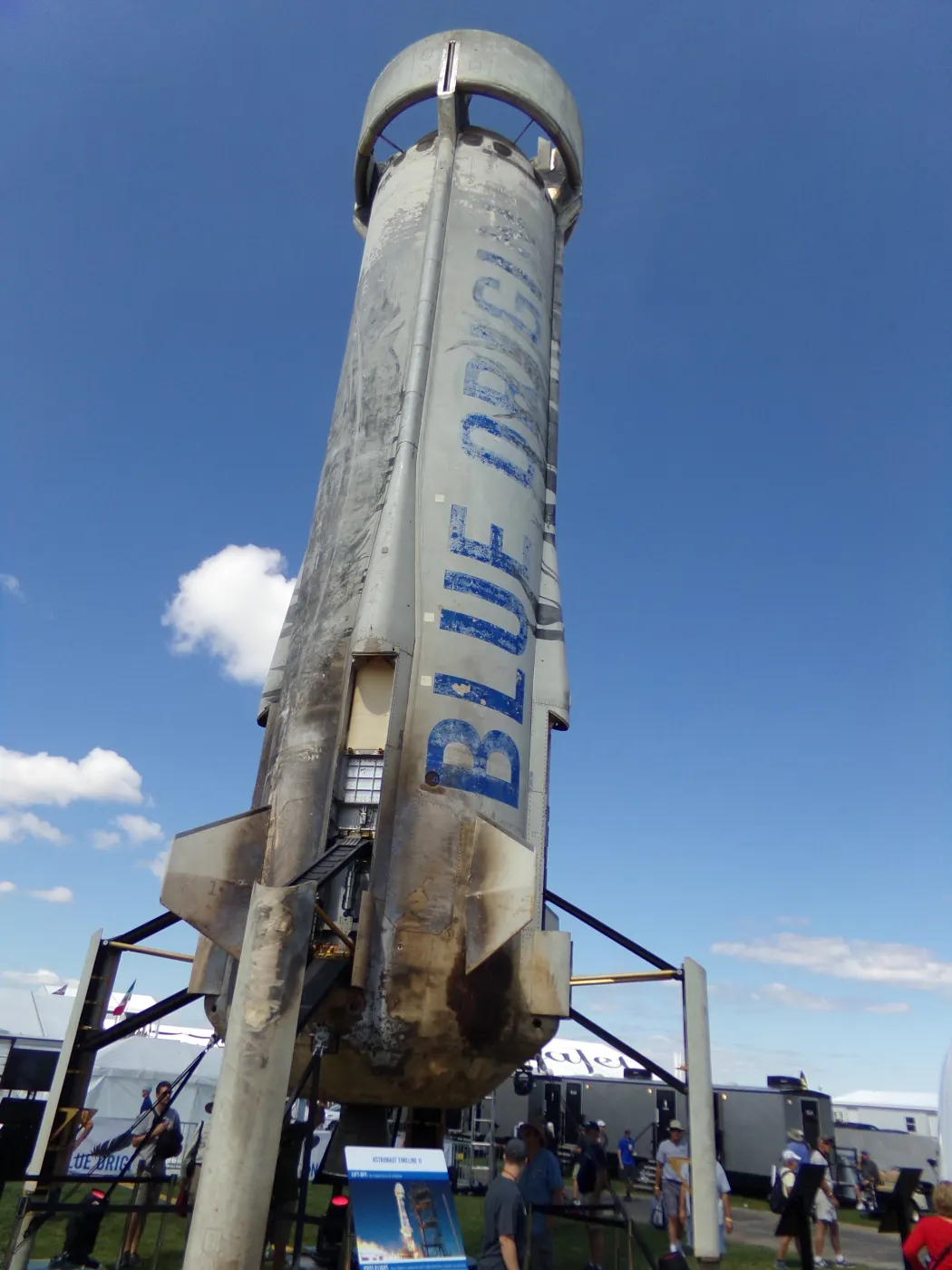
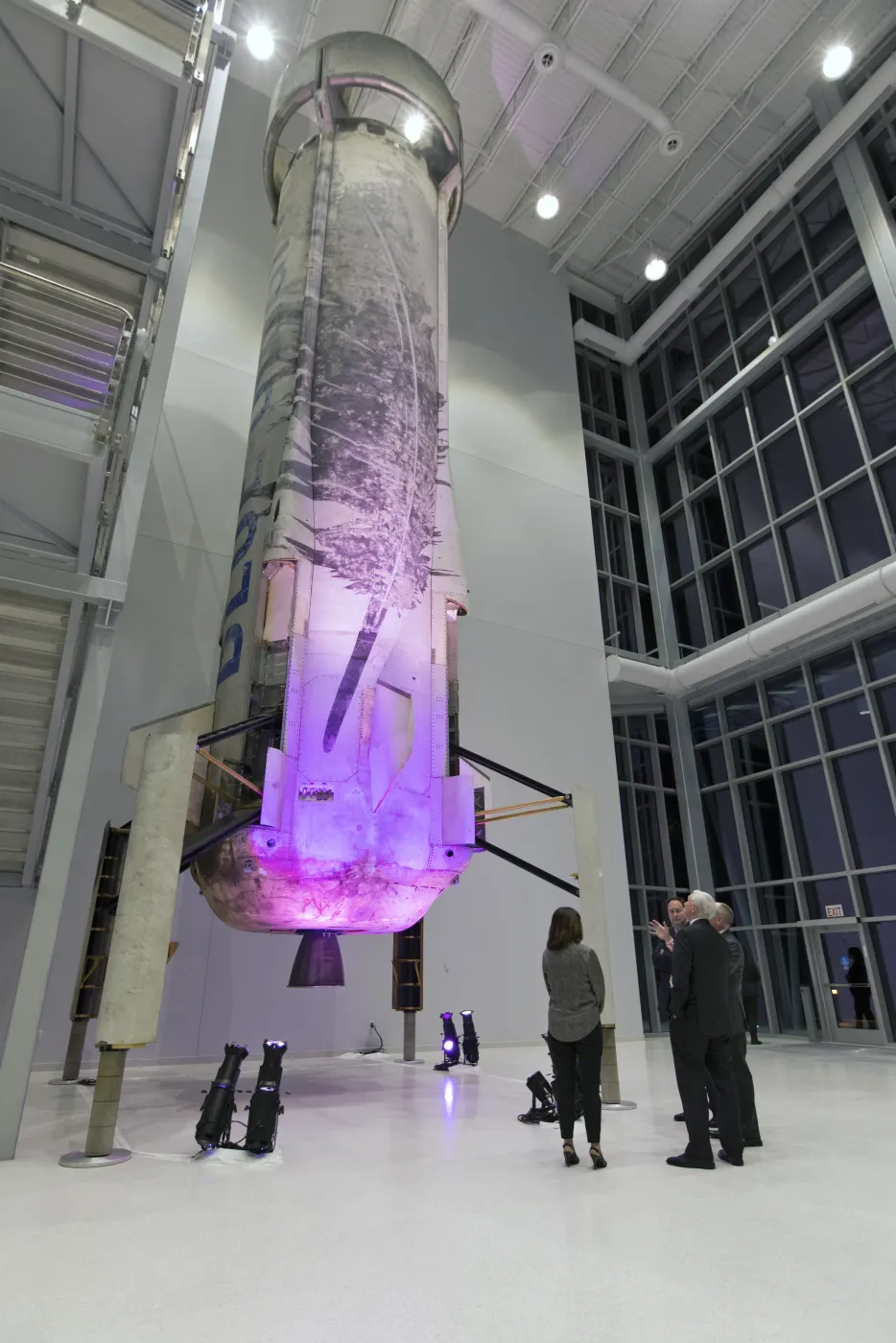
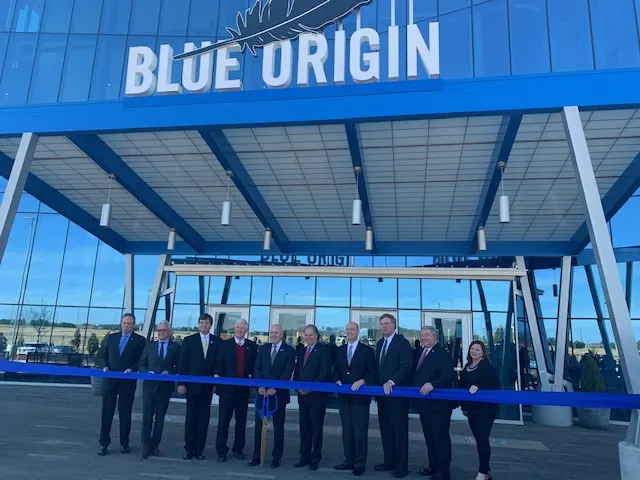
He funded the space company by selling Amazon stock. In 2017 he said the burn was about a billion dollars a year. Later reporting put the figure higher, around two billion a year as human flights and larger rockets arrived. The bookstore paid for the launch pad.
In July 2021, Bezos flew to the edge of space on New Shepard with a small crew that included Wally Funk, a long-sidelined aviation pioneer. The flight was short. The symbol was large: the founder of an online bookstore had funded a vehicle that carried him above the atmosphere.
He also bought The Washington Post in 2013, stepping into news ownership and the debates that come with it. The purchase was not a warehouse. It was a public square with ink, lawsuits, and politics. Ownership of a newspaper is a different kind of power than owners
hip of a shopping cart.
Hard costs of scale
Amazon's success brought fights. Workers and critics raised issues about warehouse conditions, union drives, and market power. Publishers and retailers accused Amazon of squeezing partners. Regulators asked whether the company was too big. Bezos answered that customers kept voting with purchases, and that scale enabled lower prices and faster shipping.
Those answers did not end the questions. When millions of sellers depend on your platform, a policy change can sink a small business overnight. When warehouses employ hundreds of thousands of people, labor fights become national news. Bezos's later years were less about inventing the store and more about governing an empire that touches daily life.
Inside the company, Bezos pushed written memos, high standards, and a Day 1 mindset. Day 2, he warned, is stasis, followed by irrelevance, followed by decline. The Day 1 idea became a slogan on buildings and in letters to shareholders. It was also a way to keep a giant acting hungry.
Personal life also changed in public view. He and MacKenzie announced their divorce in 2019 after 25 years of marriage. The settlement transferred a large block of Amazon stock and made her one of the world's largest philanthropists overnight. Bezos later became more visible in media and fashion circles, a shift from the early years of khaki pants and intense focus on spreadsheets.
In 2021, Bezos stepped down as Amazon CEO and became executive chairman. Andy Jassy, who helped build AWS, took the CEO seat. Bezos remained a major shareholder and a guiding voice, while spending more time on Blue Origin, philanthropy, and other projects.
How he works
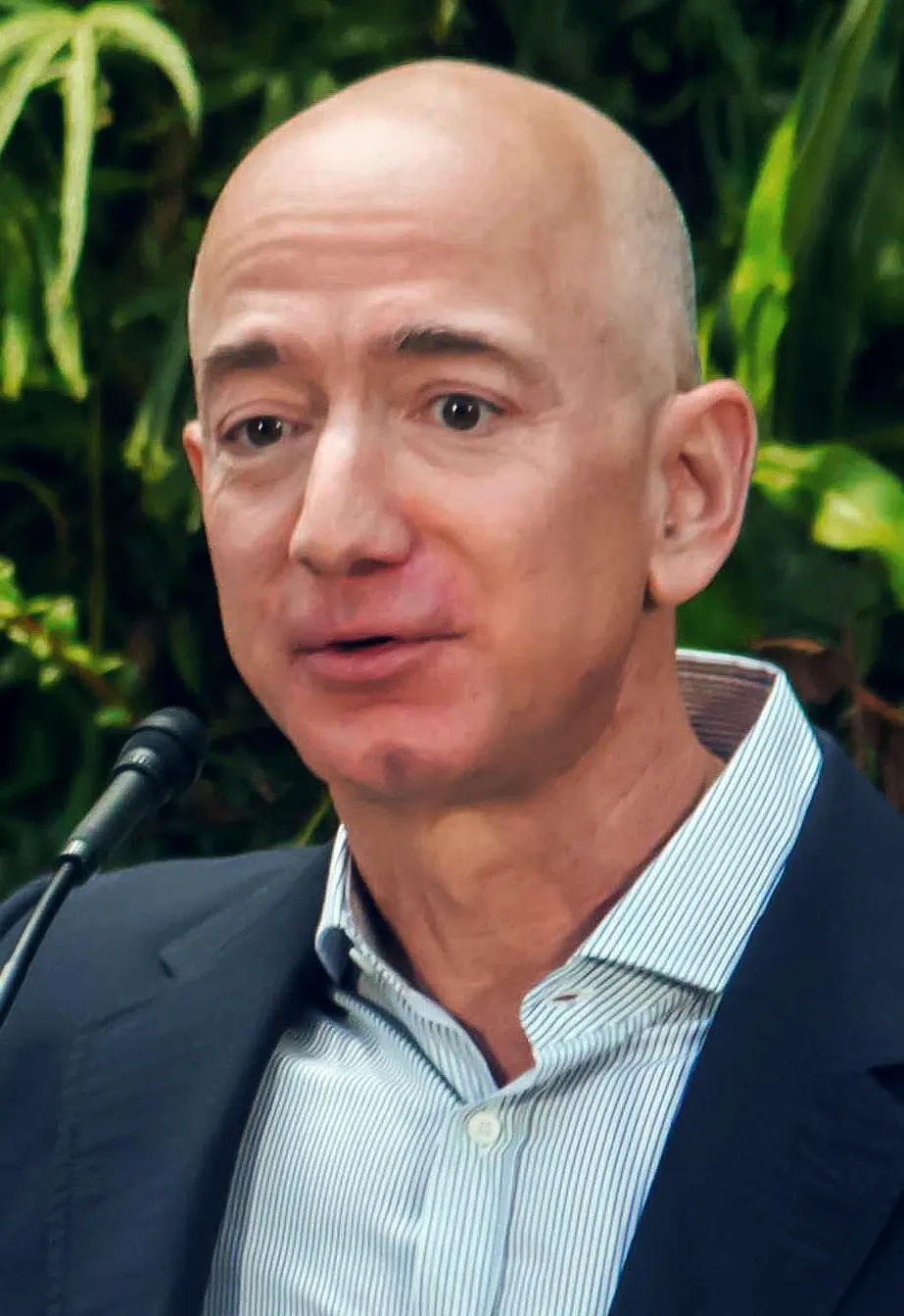
Bezos's method is not mystery. It is writing, waiting, and pressure.
He wanted narratives instead of slide decks because sentences have to choose an order. He wanted metrics that start with the customer, not with the internal org chart. He wanted teams small enough to be fed with two pizzas, a joke that became an operating system. He wanted decisions sorted into two kinds: one-way doors that are hard to reverse, and two-way doors that should be walked through quickly.
He slept on the long game. He would look wrong in public for years if the flywheel still turned. Allies called it conviction. Critics called it an excuse for losses. Both could be true in different seasons.
He also understood theater when the moment needed a picture. A laugh that became a meme. A rocket with a blue feather. A newspaper on a doorstep with his name in the ownership line. Under the theater sat a boring truth. He read contracts. He argued about packaging waste. He asked why a process needed extra steps. The brand looked like a smile. The days looked like logistics.
Customer obsession was the religion. Everything else was a tactic. If a feature delighted the customer and hurt a short-term margin, he often took the feature. If a competitor copied a tactic, he told teams not to stare at the competitor. Stare at the user.
That style created brilliant infrastructure and bruised people. Many executives left. Many stayed because the problems felt historic: how to ship anything anywhere, how to rent a data center by the second, how to make a membership feel like a public utility.
What the world changed because of the work
The wealth story is loud. The impact story is quieter and larger.
Before Amazon scaled, buying something unusual often meant a mall, a catalog, or giving up. After Amazon, a huge share of daily desire started with a search box and a promise of a box on a porch. Small towns got access to catalogs that used to belong to big cities. Parents ordered diapers at midnight. A student found a used textbook that no local shop carried.
That shift is incomplete. Not every town has same-day delivery. Not every worker loves the warehouse clock. But the Overton window moved. People began to treat two-day shipping as a right, then one-day, then hours. Retailers that could not match speed had to change or shrink.
AWS changed software the way cheap electricity changed factories. A two-person startup could rent the same class of infrastructure that once required a Fortune 500 budget. Streaming companies, banks, governments, and app makers parked workloads in Amazon's cloud. When the internet feels like it just works, a large share of that feeling is someone else's computer, rented by the hour.
Jobs moved with the warehouses and the data centers. Towns gained employment and also gained fights about unions, bathrooms, and injury rates. Software jobs clustered around Seattle and then around cloud regions. Publishers and brands learned to live inside Amazon search the way earlier generations lived inside supermarket shelves.
For ordinary people the effects show up as a cardboard box, a movie on a phone, a small business that sells across the country without a storefront. For industries the effects show up as forced reinvention. Malls emptied. Logistics firms copied Amazon's cadence. Microsoft, Google, and others raced in cloud. Grocery chains answered Whole Foods. Media companies answered Prime Video.
The Washington Post purchase changed a newsroom's owner and, with it, arguments about billionaire press power. Readers got a well-funded paper. Critics asked whether any one person should own a capital-city newspaper and a commerce giant at the same time. That debate is part of the world impact too.
Climate work arrived later as a second scoreboard. Through the Bezos Earth Fund he pledged $10 billion by 2030 for climate causes. Public reporting has put grants in the range of about $2 billion so far, with the rest still a promise against a deadline. The pledge does not erase Amazon's own carbon footprint. It does show a founder trying to spend some of the fortune on the physical world his delivery network uses.
Experiments that failed in public
Not every Amazon bet became Prime.
The company tried auctions and could not beat eBay. It tried a smartphone called Fire Phone and watched it stall. It opened physical bookstores and later closed that path. It built cashier-less Go stores and then pulled back. Bezos treated many of those misses as tuition. A culture that cannot fail in public, he argued, will not invent in public either.
The Fire Phone stung because it was a founder-led hardware dream. Amazon already knew devices from Kindle. Phones were a different war, with Apple and Google holding the high ground. The failure taught a useful limit: Amazon could own the shopping habit without owning the pocket computer.
Echo and Alexa did better, at least for a time. A speaker in the kitchen that could reorder paper towels felt like science fiction that had moved in. Privacy fights followed. Accuracy fights followed. The device still spread a habit: talking to a computer as if it were a clerk.
International expansion was another grind. Britain, Germany, Japan, India, and later more markets each had local retailers, local rules, and local shipping pain. Amazon won some and bled in others. India became a long campaign. China was a lesson in how a giant can still lose a home-field fight.
Toys in 1999 almost broke the young company. Holiday demand exploded. Bezos and the team had to promise they could fulfill. The scare became lore: growth can kill you as fast as a crash if the warehouse cannot keep up. After that season, logistics stopped being a back-office function. It became the product.
The flywheel in daily motion
Every Amazon expansion followed a pattern. First came a customer pain. Next came a prototype that looked expensive. Then came years of investment while critics counted losses. Finally the product became habit, and habit became cash.
Advertising became a quiet giant inside the giant. When shoppers already lived inside Amazon, brands paid to appear higher in search results. That business later rivaled the fame
of retail itself. Cloud computing funded itself the same way: developers who started on AWS often stayed as they grew.
Bezos told early investors that Amazon would prioritize growth over near-term profit. Many public-market traders hated that stance. Patient capital loved it. The split between those two audiences defined Amazon's stock story for two decades.
When mobile phones changed shopping, Amazon rebuilt itself again. Apps, one-click ordering, and later voice devices tried to shorten the path from desire to delivery. Not every experiment won. Enough of them did.
Third-party sellers changed the store from a retailer into a mall. Amazon took a cut. Amazon also stored and shipped many of those goods. The line between partner and rival blurred. A brand could sell through Amazon and also compete with Amazon's own labels. Regulators later treated that blur as a problem. Customers treated it as more choice.
HQ2, the hunt for a second headquarters, became a civic drama. Cities bid. Activists pushed back. New York's first plan collapsed under local anger. The episode showed what Amazon had become: not only a website, but a political object that could move housing prices and elections.
The company's size created new duties. When millions of sellers depend on your platform, a policy change can sink a small business overnight. When warehouses employ hundreds of thousands of people, labor fights become national news. Bezos's later years as CEO were less about inventing the store and more about governing an empire that touches daily life.
He also used metrics as weapons against fuzzy thinking. How many packages late? How many clicks to buy? How many defects per million? The numbers were not poetry. They were how a bookstore became a utility.
The 2026 chapter: stake, cloud, rockets, and a factory AI bet
By 2026 the market had a clear way to price the empire Bezos no longer ran day to day.
He remains executive chairman. Andy Jassy, the AWS builder, remains CEO. From Amazon's 1997 IPO to the day Bezos left the CEO seat in 2021, the company's market value grew from under $500 million to about $1.8 trillion. Under Jassy, later reporting in September 2026 put the market cap around $2.7 trillion. Those numbers move with the stock. The mechanism is clearer than any single day's price: shopping scale plus a cloud business that prints a large share of operating profit.
Amazon's 2025 revenue was reported around $717 billion. In the second quarter of 2026, company sales were reported around $200.6 billion, up about 20 percent year over year. AWS sales in that quarter were reported around $42.2 billion, up about 37 percent, and accounted for about 60 percent of operating income. Management raised capital spending plans from about $131.8 billion in 2025 toward about $220 billion in 2026, much of it for data centers to meet AI and cloud demand. Investors argued about the payoff. The bet is the same pattern Bezos used on warehouses: spend ahead of the customer so the customer never waits.
Bezos is still the largest individual shareholder. A February 2026 proxy snapshot put his holdings near 950 million shares, about 8.8 percent at that date. A later May 2026 company filing was reported around 8.2 percent. Forbes has described the stake as about 8 percent. The careful point is the order of magnitude, not a frozen decimal: he kept a high-single-digit slice of a company now valued in the trillions, and that slice is the core of his fortune. On some 2026 lists the fortune sat around $268 billion to $281 billion, moving with Amazon's price.
How did ownership stay so large after a public divorce and years of stock sales? Early risk, a huge original position, and sales that were large in dollars but not large enough to make him a small holder. He transferred a quarter of his then-16 percent stake to MacKenzie in the 2019 divorce. He has sold tens of billions of dollars of stock over time to fund Blue Origin and other bets. He still holds enough that a bad week in AMZN is a bad week in his net worth.
Blue Origin's 2020s were no longer only suborbital theater. On January 16, 2025, New Glenn reached orbit on its first launch. The booster landing missed. Reaching orbit on a debut still moved the company from a tourist capsule story toward the orbital launch market that SpaceX had dominated. Later testing trouble, including a 2026 hotfire anomaly reported in industry coverage, slowed the cadence. The race is not finished. The first orbit mattered because it proved the larger rocket could do the job Amazon-scale money had been buying for years.
In 2025 Bezos took on his first operational role since leaving Amazon when he co-founded Project Prometheus, an AI company aimed at the physical world, especially manufacturing automation. Public reporting named former Google executive Vik Bajaj as co-CEO alongside Bezos, and put venture funding around $6.2 billion, with the firm still in stealth into summer 2026. The idea fits his old pattern: take a tool that looks like software and aim it at atoms. Warehouses were atoms. Rockets are atoms. Factory robots would be atoms with models attached.
He has said he plans to give away the majority of his wealth in his lifetime, without laying out a full timetable like some peers. The Earth Fund clock to 2030 is the clearest public climate deadline. The rest remains a statement of intent against a fortune that still rides Amazon equity.
Where he is now
Bezos no longer sleeps in the office. He still sits near the center of Amazon's ownership chart. He spends more visible time on Blue Origin, on philanthropy, and on the new AI manufacturing bet. He is more public as a person than the khaki-wearing founder of the 1990s. The companies are more public as infrastructure than as startups.
Amazon today is a logistics machine, a cloud utility, an advertising giant, and a media player. Many people meet it daily without thinking about a garage in 1994. That invisibility is part of the achievement.
Why the story matters
Bezos did not invent the internet. He invented a way to turn internet growth into a customer habit, then turned that habit into warehouses, servers, and devices.
The chain is clear. A regret test made him leave a safe job. Books were the wedge. Customer obsession funded expansion through a crash. AWS turned internal tools into a new industry. Prime locked in habit. Blue Origin spent Amazon wealth on a childhood dream of space. Project Prometheus aims some of that same restlessness at factories.
Critics still ask whether such scale is healthy for workers, small sellers, and democracy. Those questions are part of the legacy too. A biography that only praises growth would miss the tension that comes with becoming infrastructure for daily life.
For builders, the lesson is not "quit your job tomorrow." The lesson is to choose a problem where long-term customer value can compound, then survive the years when the market calls you crazy.
Amazon's lasting mark is simple to feel and hard to copy: when people want something quickly, at a fair price, from almost endless choice, they often open the same app. That habit started with one book order in 1995 and a founder who refused to optimize for the next quarter alone.
Bezos likes to say that you can work long, hard, or smart, but if you want to change big things you often need all three. His career shows another rule sitting under that slogan: pick a market that can keep expanding for decades, then build the boring systems (warehouses, APIs, membership) that make expansion feel easy to customers.
Stand in 1994 and the ending looks impossible. Stand in 2026 and the beginning looks inevitable. Both feelings are traps. The real documentary is the middle: the drive west, the first book, the crash, the empty chair, the Prime badge, the first AWS customer, the New Shepard hatch, the New Glenn orbit, and a fortune that still lives mostly as a slice of Amazon.
He told early employees
that they could work long, hard, or smart, and that changing the world often required all three. The line became poster copy. The real operating rule sat underneath it. Choose a market that can keep expanding for decades. Then build the boring systems that make expansion feel easy to customers.
That is the story. Not a clean myth. A long bet that kept looking wrong until it remade the porch, the server rack, and the idea of what a store can be.
Watch alongside this story
Short cuts from interviews, keynotes and launches. Each plays only the moment that matters.