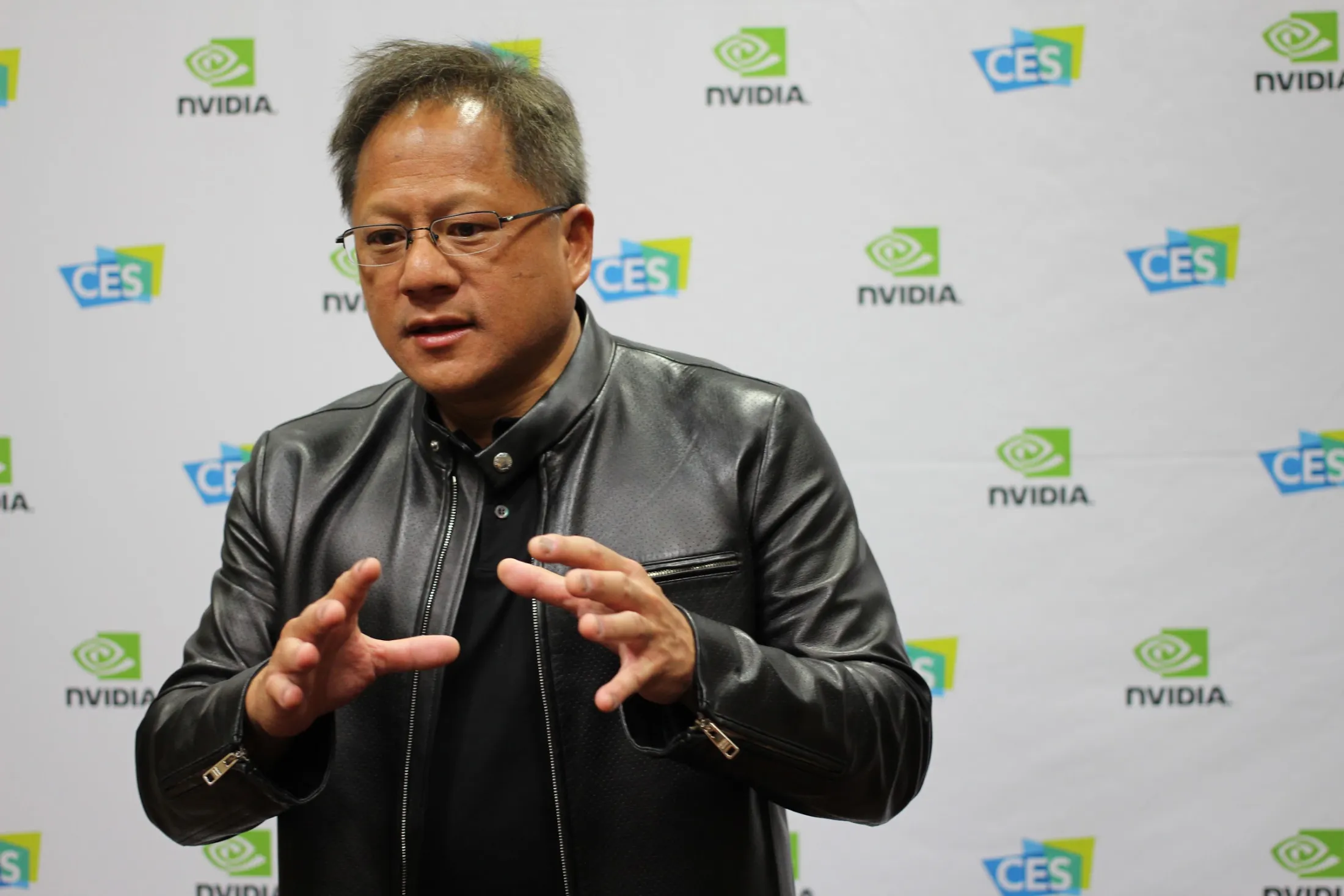
The Leather Jacket That Built AI
How Jensen saw the future in the chips & GPUs NVIDIA became the stack beneath intelligence.
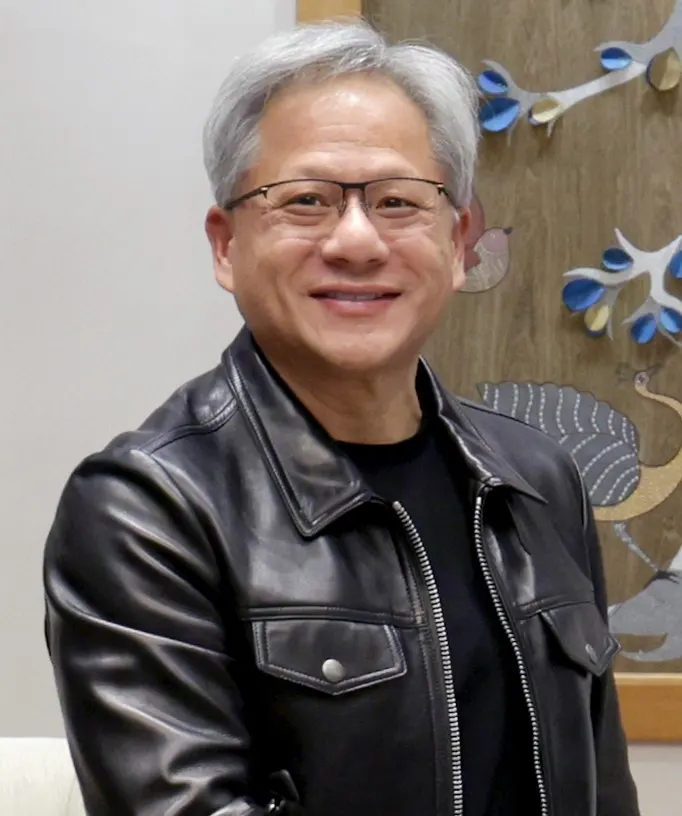
The night shift at Denny's was not glamorous.
A teenage immigrant washed dishes, cleared tables, and learned how hard work feels in your hands. Years later he sat in another Denny's booth in San Jose with two friends and sketched a chip company on napkins and cheap coffee.
The night shift at Denny’s was not glamorous.
His name is Jensen Huang. He co-founded NVIDIA in 1993 and has led it as president and CEO ever since. In 2026 NVIDIA's market value sat in multi-trillion territory, powered by AI data-center demand for Blackwell and next-generation Rubin chips. Public lists place Huang's fortune near the top of the world, mostly from his stake in the company he never left. The path from dishwashing to that fortune was not a straight climb. It was bullying in Kentucky, near-death product bets, a long platform gamble called CUDA, and a refusal to act like success was permanent.
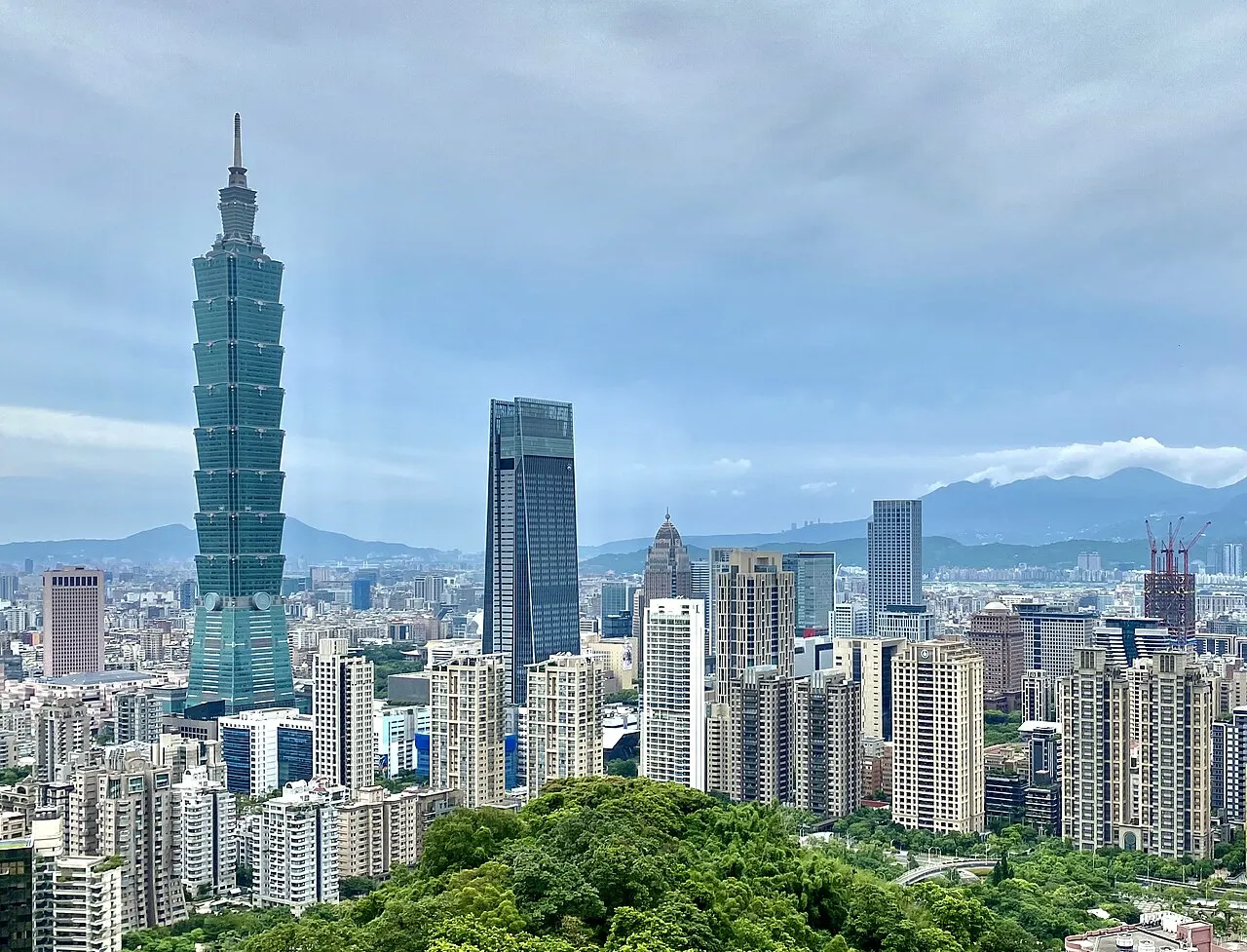
Taiwan, Thailand, Kentucky, Oregon
Jen-Hsun "Jensen" Huang was born on February 17, 1963, in Taipei, Taiwan. He also lived in Tainan as a child. His father, Huang Hsing-tai, was a chemical engineer. His mother, Lo Tsai-hsiu, was a schoolteacher. The family spoke Taiwanese Hokkien at home. His mother drilled English with dictionary words every day. Small habits became bridges.
When Jensen was about five, the family moved to Thailand for his father's work. He attended Ruamrudee International School in Bangkok. Then came another leap. Around age nine, he and his older brother were sent to the United States. Relatives in Washington State were supposed to help. A misunderstanding sent the boys to Oneida Baptist Institute in Kentucky, a boarding school that was not the elite academy the family expected.
Life there was tough. Jensen was small, spoke English with an accent, and faced bullying. He cleaned toilets. He learned to survive far from home. About two years later his parents reached America and settled in Beaverton, Oregon. The brothers left Kentucky to reunite with them.
In Oregon, Jensen bloomed. He attended Aloha High School, skipped grades, and graduated at sixteen. He excelled in math and joined computer, science, and math clubs. The school's Apple II fascinated him. He played text games and wrote simple programs, including his own version of Snake. He also became a nationally ranked table-tennis player.
To earn money he worked at Denny's from his mid-teens into his early twenties as a dishwasher, busboy, then waiter. He has said those jobs taught humility and respect for every kind of work. Service work trained his patience. Engineering later trained his ambition.
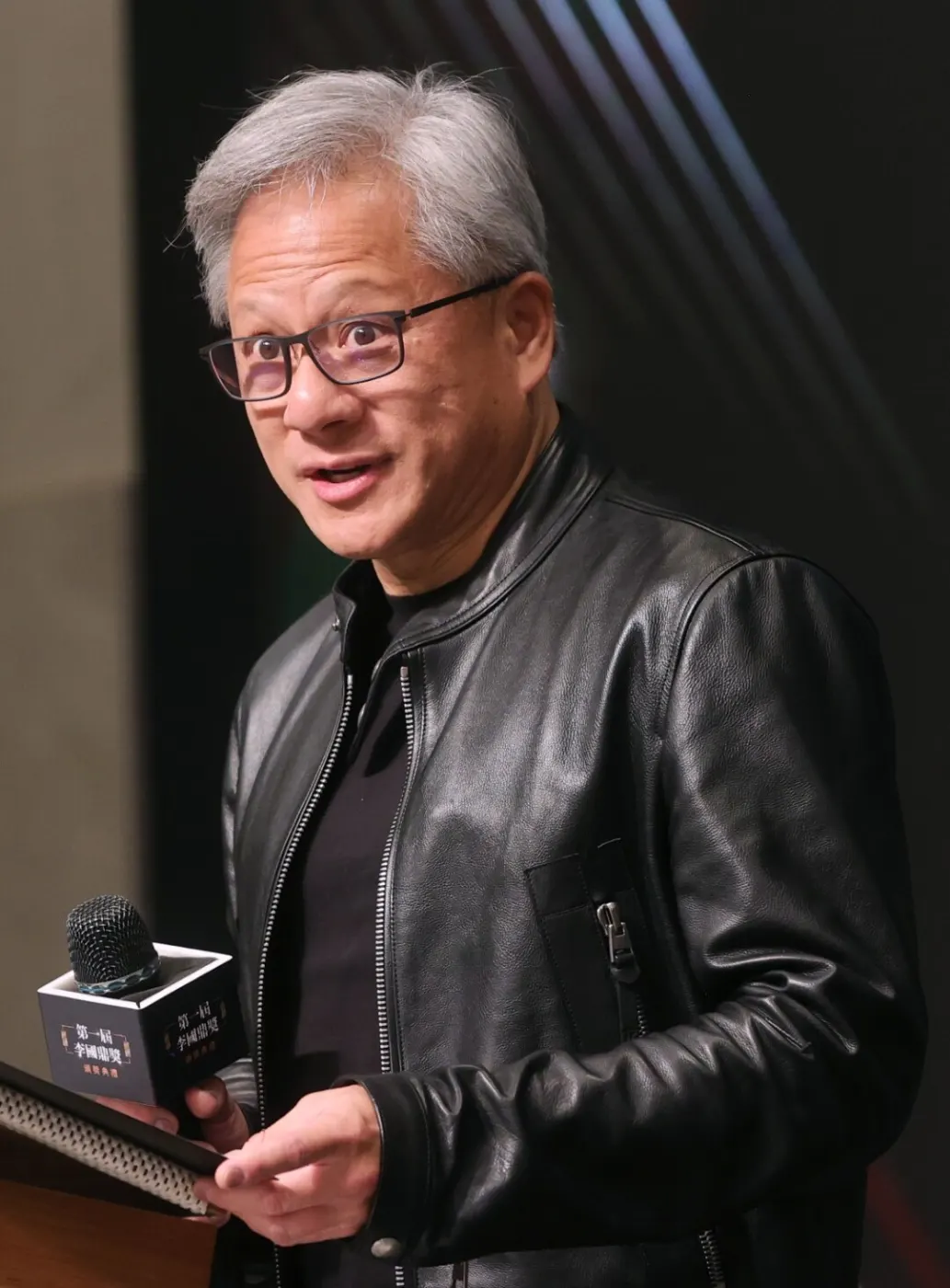
College, chips, and the night master's
For college he chose Oregon State University, partly because in-state tuition was affordable. He studied electrical engineering and graduated in 1984 with highest honors. He was young for his classes and sometimes felt like the kid in the room. He kept going.
After Oregon State he worked in semiconductors, including roles at AMD and LSI Logic. While working he took night classes at Stanford and earned a master's in electrical engineering in 1992. He learned how chips are designed, manufactured, and sold. He also learned how fragile young tech companies can be.
By then he could see a gap. Personal computers needed better graphics. Games and visual software were hungry for speed. The market was crowded and cruel. That danger did not stop him. It sharpened the need for a better approach.
Denny's, three founders, and a name from envy
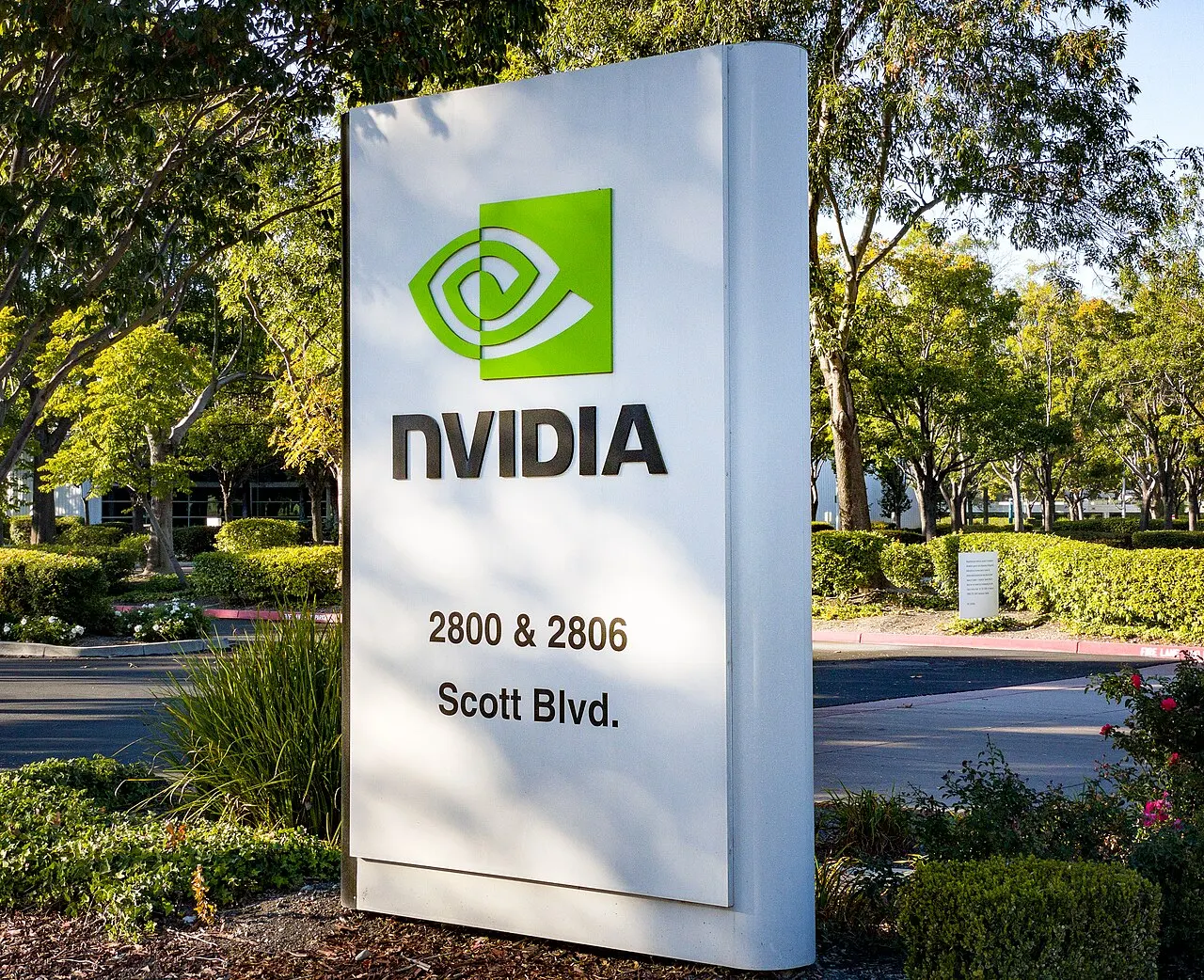
In 1993, at age thirty, he co-founded NVIDIA with Chris Malachowsky and Curtis Priem. They sketched the company at a Denny's in San Jose near Jensen's home. Each put in a small amount of money. Public accounts often say the starting capital was only a few hundred dollars each. Jensen became president and CEO, roles he has held ever since.
The company name played on the Latin "invidia," linked to envy. The dream was bold: make rivals green with envy at what the chips could do.
Jensen has said he was thirty and had never taken a business class. He had never used the presentation software of the era. He learned by shipping. The first six months were chaos: recruiting, fundraising, architecture fights, and the sudden reality that a chip company burns cash before it earns trust.
Near death: NV1, Sega, and thirty days from failure
Early NVIDIA focused on PC graphics. The market was brutal. The NV1 architecture bet went wrong. The company faced product disaster and cash crisis. Public histories describe a rescue moment when Sega's investment and related deals bought time to rebuild.
Jensen told employees the company was always thirty days from failure. The phrase was not poetry for posters. In semiconductors a missed generation can erase a lead. A wrong architecture can waste years. Physics, software, and markets must line up together.
Survival required shipping better chips, listening to developers, and refusing to quit when the easy path disappeared. Rivals were larger. Standards shifted. NVIDIA had to become faster and more useful than fear.
GPU, gamers, and the CUDA platform bet
In 1999 NVIDIA introduced a chip it called a GPU, a graphics processing unit. Programmable shading changed how games and movies looked. Gamers adopted NVIDIA hardware in huge numbers. The company's reputation grew around performance and software tools for developers.
Then came a second act. Researchers discovered GPUs could accelerate scientific computing because they handle many parallel tasks at once. NVIDIA invested in CUDA, a platform that let programmers use GPUs for general computing, not only graphics.
That bet looked expensive and uncertain for years. Supporting developers costs money before it returns money. Jensen treated CUDA as a moat, not a side project. Hardware without software is a brick. Chips plus platform compound.
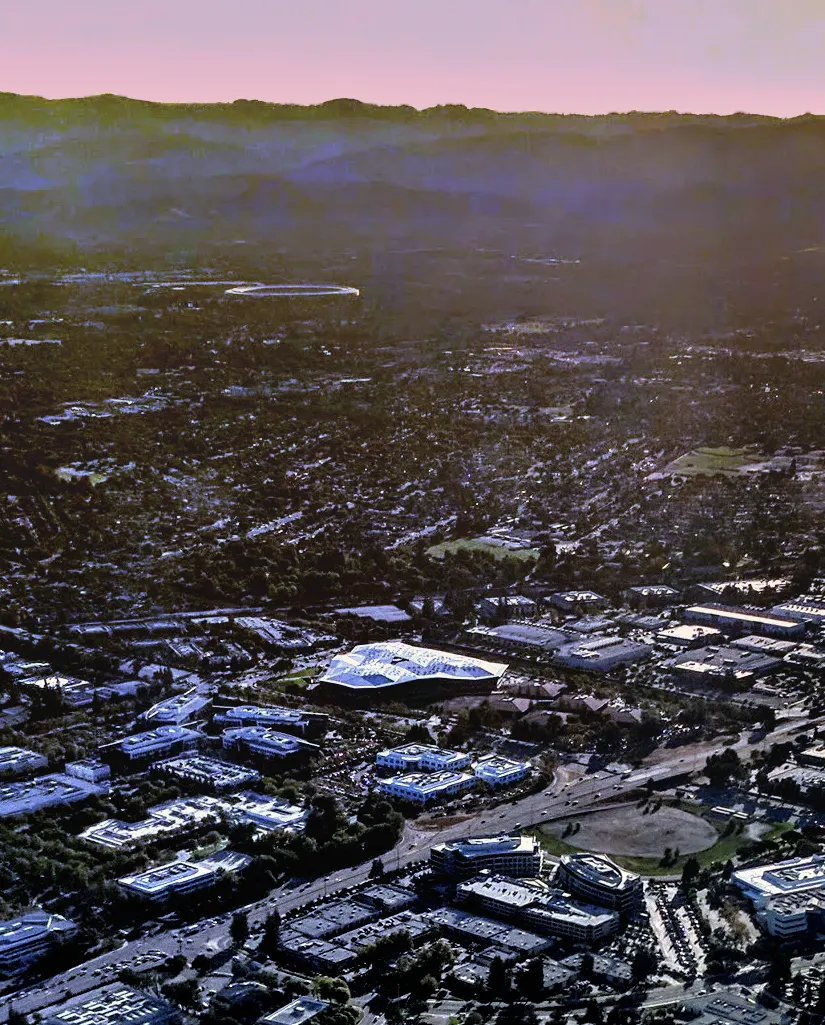
Later, deep learning arrived. Training modern AI models requires enormous parallel math. NVIDIA's chips, networking, and software stack became the backbone of many AI data centers. The gaming company became world infrastructure.
How Jensen works
Jensen runs NVIDIA with extreme attention to engineering detail and customer urgency. In long interviews he talks about rack-scale design, memory walls, power limits, and supply chains as one problem. He wants chips, systems, networking, and software co-designed.
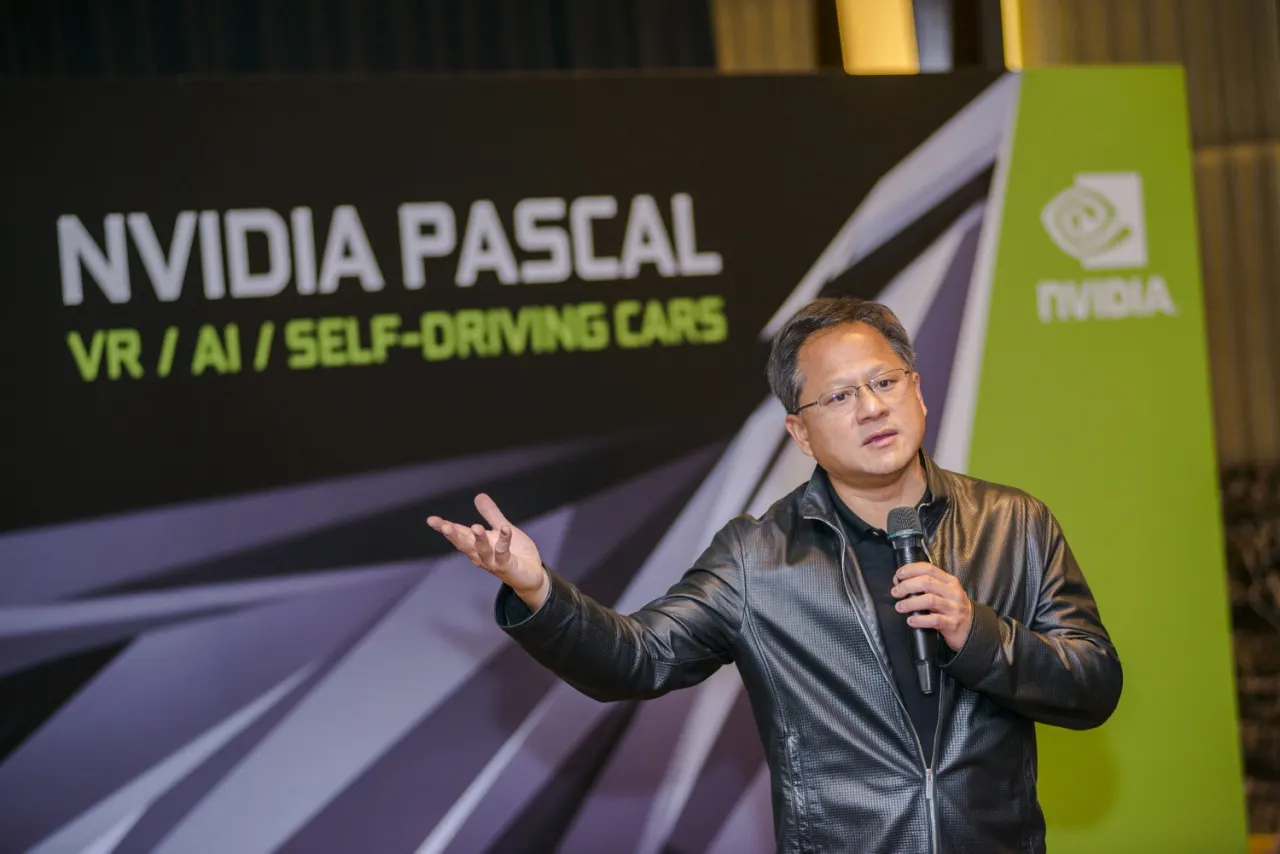
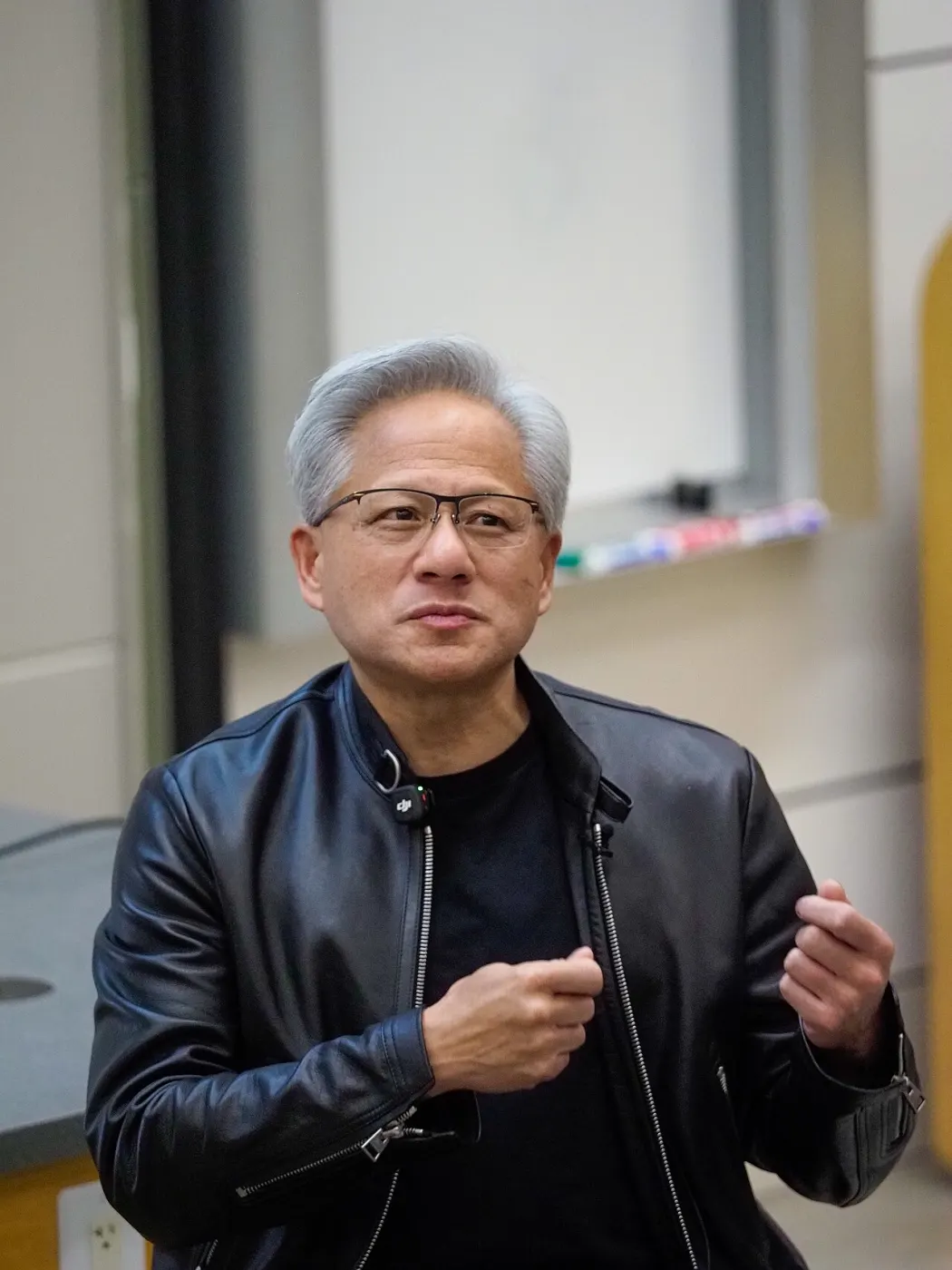
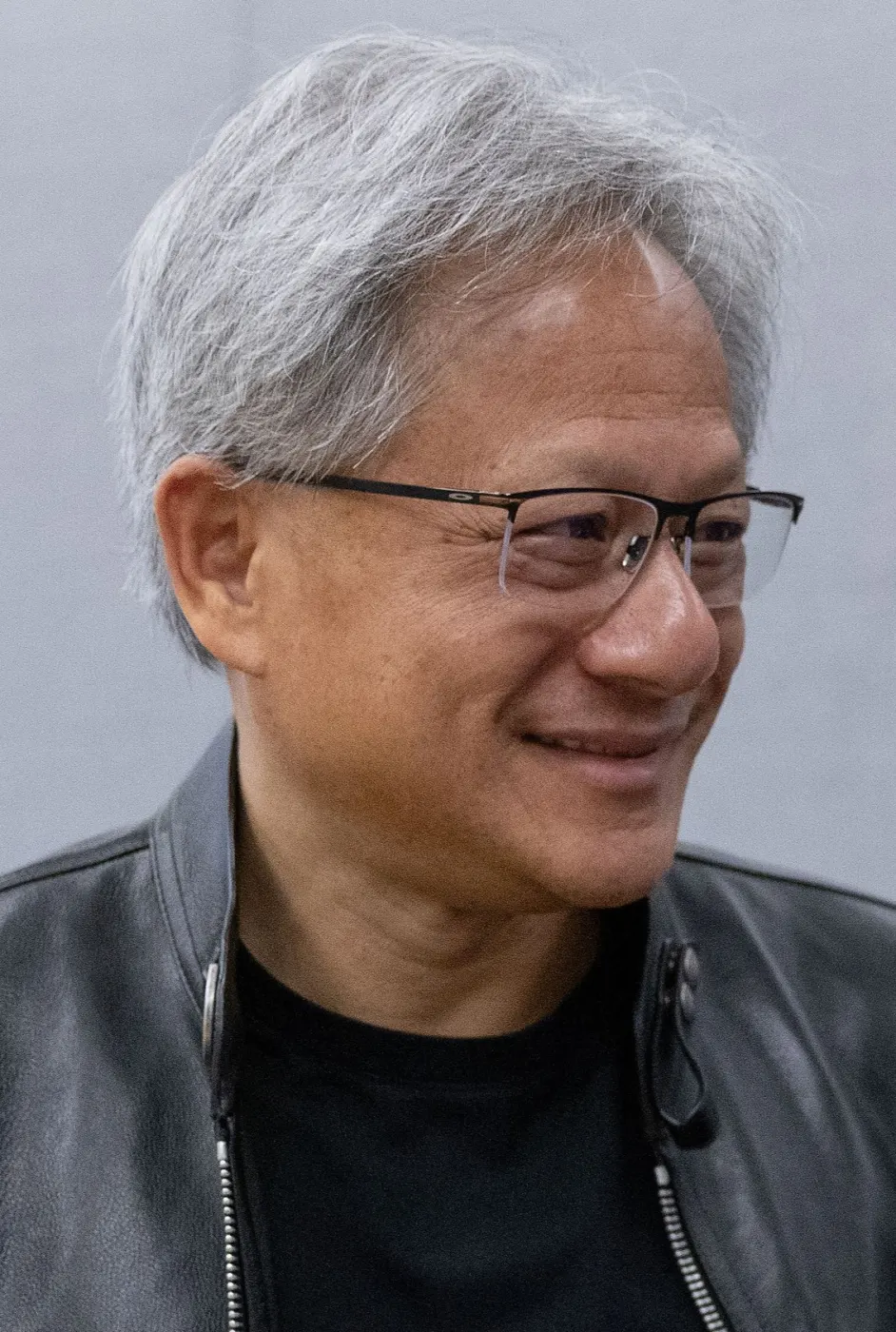
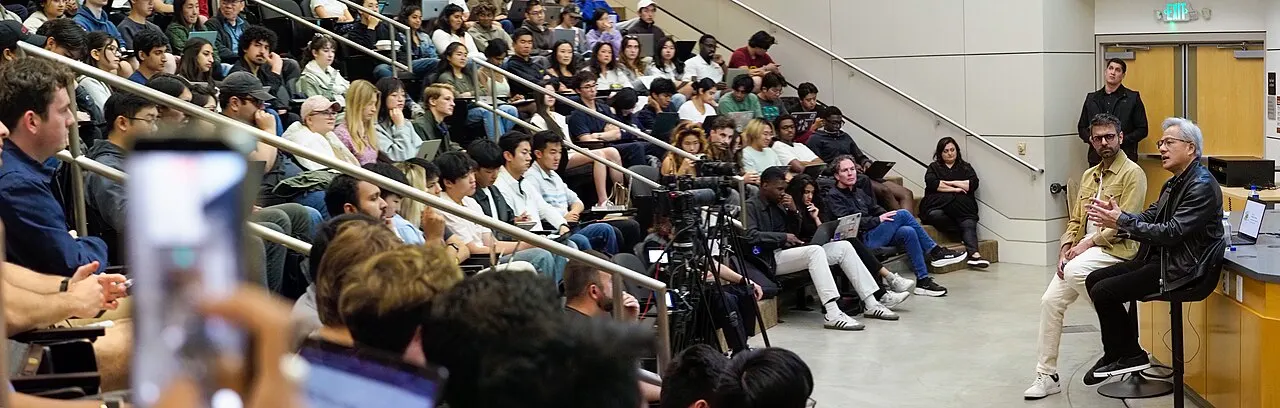
He is famous for keynotes in a leather jacket, explaining complex ideas with energy and clear metaphors. Customers and developers watch because the roadmap often signals where computing is heading next.
He also talks about resilience. High expectations can create fragility. Suffering, he has said, builds people who can endure the long road. Coming from Kentucky bullying and near-bankruptcy chips, the theme is lived, not borrowed.
Hard times after success
Even after gaming success, new markets brought new risks. Cryptocurrency cycles swung demand. Supply chains strained. Geopolitics affected chip sales and manufacturing partners. Export rules and competition with custom chips from cloud giants became boardroom topics.
TSMC and Taiwan sit at the center of manufacturing reality. Jensen speaks carefully and clearly about that dependency. Winning AI does not remove geography. It makes geography more important.
Leadership under pressure means telling customers the truth about supply, shipping generations on time, and keeping developers loyal when rivals offer cheaper silicon. NVIDIA's moat is not only transistors. It is the ecosystem.
The AI wave and world impact
When generative AI exploded into consumer life, NVIDIA was already underneath many of the training runs. Data-center revenue came to dominate the company. Blackwell demand, then Rubin projections, turned keynotes into industrial forecasts. In 2026 Huang spoke of on the order of a trillion dollars of cumulative Blackwell and Rubin sales visibility through 2027. Those figures are company projections, not guarantees, and they move with supply and customer capex.
World impact is concrete. Scientists simulate weather and proteins faster. Carmakers and robot makers train perception stacks. Film and game studios render new worlds. Startups rent GPU time by the hour. Nations argue about chip export controls because AI infrastructure became strategic.
Jensen's personal wealth rose with NVIDIA's stock. Public estimates in 2026 often placed him among the world's richest people, with a fortune on the order of roughly $180 billion to $200 billion depending on the day and the list. Exact numbers change. Ownership of roughly the low single-digit percentage of NVIDIA, held personally and in family trusts, is the durable engine.
What he actually built
List the artifacts, not the adjectives. GeForce lines that made PC gaming a mass entertainment industry. Quadro and professional visualization tools. CUDA and cuDNN that researchers actually installed. DGX systems that packed AI into racks. Networking through acquisitions and internal design that moved gradients across clusters. Omniverse and simulation bets for digital twins. Automotive compute platforms. Software libraries that turn silicon into usable acceleration.
The company culture mixed urgency with long-term platform thinking. Jensen's "thirty days from failure" mindset kept complacency radioactive. At the same time CUDA required years of patience. Both tempos lived inside one CEO.
Closing beat
Jensen began as a boy far from home, cleaning toilets in Kentucky and washing dishes in Oregon. He became an engineer who co-founded a company in a Denny's booth. He nearly lost that company, then rebuilt it into the engine room of modern AI.
In 2026 the leather jacket is a trademark. The real trademark is endurance. The night shift never fully left him. It taught him that every role matters, and that survival is a daily practice. The world now trains models on the machines that practice made possible.
Immigrant grit as operating system
The Kentucky years matter because they explain the emotional voltage of NVIDIA's culture. A child who is bullied for accent and size learns that status is not automatic. A teenager who washes dishes learns that customers remember how you treat them when the work is messy. Jensen translated those lessons into a company that obsesses over developers and fears complacency.
Oregon gave him acceleration. Math clubs. Early graduation. Table tennis ranking. An Apple II that made programming feel like play. The United States was not only a safer school. It was a kit of tools for a builder.
First customers and the graphics wars
NVIDIA's early customers were PC makers and gamers who wanted smoother frames and richer worlds. Beating rivals meant shipping drivers that worked, boards that did not crash, and features artists could feel. Marketing slogans could not hide a bad chip for long.
The graphics wars of the late 1990s and 2000s were brutal. Competitors rose and fell. Jensen's edge was treating software support as seriously as silicon. Developers who trust your tools stay. Developers who burn weekends on broken drivers leave and do not return.
CUDA as a decade-long faith
CUDA's story is the heart of the second act. Jensen asked the company to invest in a programming model for parallel computing when the obvious money was still gaming. Universities adopted it for science. Oil and gas used it. Finance used it. Then neural networks arrived and suddenly every AI lab spoke CUDA dialects.
Platform bets create lock-in only if they create real productivity. CUDA did. That is why rivals struggle to displace NVIDIA even when they ship competitive transistors. The stack is the product.
Keynote as industrial theater
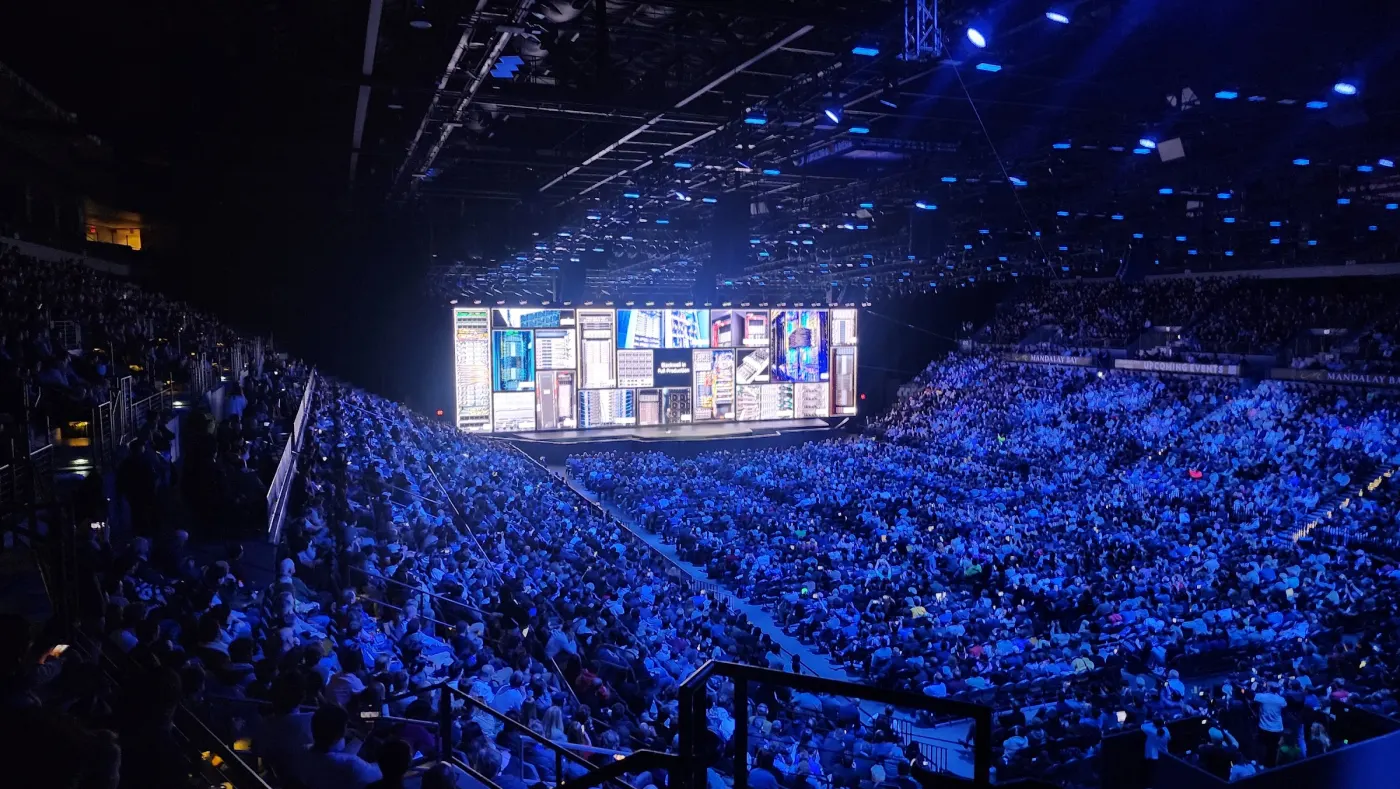
GTC keynotes became a ritual. Jensen walks the stage, leather jacket on, and turns roadmaps into stories. Acceleration libraries. Data-center architecture. Inference platforms. Omniverse. The theater recruits talent and aligns customers. It also forces the company to have something real to say each year.
Behind the theater is supply-chain warfare: wafers, HBM memory, networking silicon, power delivery, liquid cooling, and rack integration. Jensen talks about these constraints because they are the true governors of AI progress.
Geopolitics and responsibility
As NVIDIA became strategic infrastructure, governments paid attention. Export controls, Taiwan manufacturing risk, and competition with cloud providers building custom accelerators all entered the CEO's calendar. Jensen argues for open innovation and also navigates national security realities. The tension is unresolved. It is part of the job now.
Day in the life of a forever CEO
He has never handed the CEO title to a successor. That choice concentrates accountability. It also creates key-person risk investors watch. Jensen's answer is culture and depth of bench in engineering, plus an obsession with teaching the company to think in platforms.
He stays close to customers. He stays close to researchers. He stays close to the metal. That triangle explains how a gaming chip firm became an AI factory vendor.
World change in plain scenes
A student trains a model overnight that once took a lab a month. A hospital researches imaging faster. A car company simulates driving scenarios by the million. A film studio iterates lighting in hours instead of weeks. A national lab runs climate ensembles that used to be impossible. These scenes are NVIDIA's impact without a press release.
2026 ledger
By 2026 NVIDIA was repeatedly among the world's most valuable public companies, with market capitalization measured in multiple trillions of dollars as AI capex stayed hot. Huang's net worth estimates swung with the stock, often near the top ten globally. Company commentary pointed to enormous demand visibility for Blackwell and Rubin. Supply remained the bottleneck as much as demand.
Jensen still presents as an engineer-CEO, not a retired founder. The Denny's booth is a museum story. The urgency is not.
Lessons
Start before you feel ready. Treat near-death as tuition. Build software around hardware. Keep expectations humble enough to survive pain. Stay CEO of the hard problem as long as you are the best person to carry it. Wash enough dishes to remember that every job in the chain matters.
The immigrant kid who cleaned toilets helped build the machines that clean signals out of noise at planetary scale. That is the documentary arc. Not envy as a brand. Endurance as a system.
Scenes from the near-death years
Imagine the conference room after NV1. Engineers arguing. Investors worried. Jensen insisting the company can still ship a future if it faces the failure honestly. Sega's capital was oxygen. The real rescue was organizational: kill the bad path, rebuild the architecture, protect the people who could still invent.
Thirty days from failure sounds harsh. It kept meetings short. It kept egos from pretending. Semiconductor history is full of companies that died politely. NVIDIA refused polite death.
Developer love as strategy
Jensen understood early that chips are adopted through developers. Tools, samples, documentation, forums, and later CUDA courses created a funnel from curiosity to production. When deep learning labs needed speed, many already had NVIDIA hardware on the desk because of gaming or science.
That installed base became destiny. Switching costs are not only financial. They are muscle memory in code.
Gaming first, forever
Even as AI dominated revenue, Jensen refused to treat gaming as a museum wing. Video games remain a cultural engine and a forcing function for real-time graphics. Features invented for games migrate into simulation and design. The consumer franchise also keeps NVIDIA famous beyond data-center buyers.
In interviews he still lights up talking about games. That joy matters. Companies that despise their first customers often lose their soul.
Rack-scale thinking
Modern AI is not a single GPU story. It is racks, networking, cooling, power contracts with utilities, and software that schedules work across thousands of accelerators. Jensen pushed NVIDIA to sell systems and platforms, not only chips. DGX, HGX, networking, and software subscriptions turned the company into a full-stack vendor for AI factories.
Lex Fridman-era conversations show him thinking in constraints: memory bandwidth, interconnect, electricity. Progress is a negotiation with physics.
Competitors and custom silicon
Cloud giants design custom accelerators. AMD competes. New startups pitch alternatives. Jensen's response is faster cadence and a richer software ecosystem. He cannibalizes his own generations rather than waiting for rivals to do it. That habit is painful and necessary.
Taiwan, family, and identity
Born in Taipei, shaped in Thailand and America, Jensen carries a transnational story common to the chip industry itself. Manufacturing strength in Taiwan is not abstract to him. It is personal geography. He celebrates TSMC partnerships and also warns about concentration risk because he lives the dependency.
Wealth, fame, and the jacket
The leather jacket became a meme. The fortune became a headline. Neither replaces the engineering calendar. Jensen still prepares keynotes like product launches. He still argues about roadmaps. Fame is a side effect of becoming infrastructure.
Public net-worth snapshots in 2026 often showed roughly the high one-hundreds of billions of dollars. The number is a shadow of NVIDIA's price. The substance is ownership plus decades of not selling the mission.
What changed for ordinary people
Gamers got better worlds. Students got faster research. Artists got new tools. Drivers of AI products got assistants that write, summarize, and code. Workers also faced disruption as automation improved. World impact includes both abundance and anxiety. Jensen's machines amplify whatever humans choose to train.
Closing expansion
From Denny's night shifts to Denny's founding booth to GTC stage lights, the through-line is work. Not glamour work. Dishwasher work. Debugging work. Near-bankruptcy work. Platform work that looks wasteful until history flips.
In 2026 the world calls NVIDIA inevitable. It was not inevitable. It was a series of almost-endings that did not end because Jensen and his co-founders and teams refused to let them.
Hold that fact beside any market-cap chart. Charts are late. Character is early.
Co-founders and the triangular start
Chris Malachowsky and Curtis Priem were not side characters. Early NVIDIA was a three-person argument about what graphics should become. Jensen's CEO role made him the public face and the accountability sink. The founding triangle still matters because it shows the company began as engineers talking to engineers, not as a pure financial vehicle.
Hiring warriors and teachers
NVIDIA needed people who could suffer through chip bring-up and also teach outside developers. Jensen prized intensity. He also prized clarity. A platform company must explain itself or it dies in complexity.
Automotive, robotics, and Omniverse
Beyond data centers, Jensen pushed into cars, robots, and simulated worlds. Some bets mature slower than AI training clusters. They still fit the thesis: intelligence will be embodied, and embodiment needs compute plus simulation.
Crisis management style
When crypto mining distorted GPU supply, gamers raged. When export rules hit, customers scrambled. Jensen's public style mixes candor and showmanship. Internally the culture returns to the thirty-day clock: what must we ship before the window closes?
The long memory of scarcity
Immigrant scarcity and early company scarcity rhyme. Both teach inventory of what matters. Food on the table. Payroll. Wafer starts. Developer trust. Jensen's low-expectations talk is really a scarcity mindset that survived abundance.
Documentary coda
If you only remember one scene, remember two Denny's: the workplace of a teen and the booth of a founder. Same fluorescent honesty. Different stakes. Same person learning that useful work compounds.
Extended arc: from Aloha High to AI factories
At Aloha High School Jensen was already compressing time. Early graduation. Clubs. Code. Table tennis. The pattern was intensity with play. That mix later made NVIDIA culture feel serious without feeling joyless.
Oregon State taught fundamentals of electrical engineering when personal computing was still young enough to feel wide open. AMD and LSI Logic taught industry process: schedules, yields, customers who do not care about your excuses. Stanford nights added theory while he still held a day job. He did not wait for a perfect clean academic path. He stacked paths.
The Denny's founding meeting is famous because it is humble. Humility is not the same as small ambition. The three founders wanted to change what a PC could show. Visual computing was the first mountain. Parallel computing was the second. AI factories are the third. Each mountain reused muscles from the last.
NV1's failure is the moral center of the early story. Without it, the Sega rescue and the rebuilt roadmaps lose meaning. Companies that never almost die often never learn how to live. Jensen turned almost-death into doctrine.
CUDA required a different courage: the courage to look wasteful. Funding developers, courses, and tools years before the AI gold rush meant carrying costs while gaming still paid the bills. When deep learning hit, NVIDIA was not lucky in a vacuum. It was prepared.
GTC became a drumbeat. Each year Jensen had to show the next curve of performance and the next layer of software. The leather jacket is costume. The drumbeat is management.
In the 2020s AI demand reordered the global tech economy. Cloud companies spent as if compute were oil. Nations treated accelerators as strategic goods. Huang became a translator between physics and markets. He told audiences about power, memory, and networking because those are the true governors of model scaling.
By 2026 NVIDIA's valuation and Huang's fortune reflected that translator role. Estimates vary by list and by day, often placing him among the richest people alive, with net worth commonly cited around the high one-hundreds of billions of dollars as NVIDIA traded as a multi-trillion-dollar company. Treat the figures as moving shadows of equity. Treat the equity as the outcome of decades of platform compounding.
World impact remains double-edged. AI tools boost productivity and threaten jobs. They help science and enable scams. NVIDIA does not choose every end use. It sells capability. Societies write rules. That division of responsibility is now a public argument Jensen cannot ignore.
Still, the personal through-line stays simple. A kid who cleaned toilets learned dignity of labor. A founder who nearly went bankrupt learned urgency. A CEO who bet on CUDA learned patience. Urgency plus patience is a rare alloy. It is NVIDIA's real process node.
For young builders the lessons are practical. Work service jobs without shame. Learn the stack end to end. Co-found with people who can argue in engineering detail. Tell the truth when a product is wrong. Invest in developers before they are fashionable. Keep shipping generations even when you are winning. Do not outsource the hard problem if you are still the best person to carry it.
The fluorescent lights of Denny's still flicker in the origin myth. The AI factories of 2026 hum under different lights. Same founder. Longer shadow.
Product generations as plot points
Each major GPU generation was a plot point: win gamers, win creators, win scientists, win hyperscalers. Miss one and the story changes. Jensen's teams lived on those cliffs.
Drivers and SDKs were quiet heroes. A chip without stable software is a paperweight. NVIDIA's reputation among developers was earned in forums and late-night bug fixes as much as in transistor counts.
Acquisitions filled gaps in networking and software. Organic invention filled gaps in architecture. The mix kept the company from becoming only a fabless chip shop.
People leadership
Jensen is demanding. He is also a teacher on stage. Employees describe pressure and purpose. The culture rewards those who can take blunt feedback and return with better designs. It punishes politics that hide bad news. In a thirty-day-from-failure company, hidden bad news is fatal.
Family and private stamina
Public profiles note his long marriage and family life as ballast. Documentary honesty does not require invading privacy. It requires noticing that endurance careers need ballast. Decades as CEO would crush someone without recovery rituals and loyal partners at home and at work.
Final measure for Jensen
Ask what daily habit changed. People now assume AI features inside apps. Those features train and run on accelerated stacks NVIDIA helped standardize. The assumption is the impact.
One more scene
Before a keynote, Jensen walks the details again: demos, numbers, metaphors. The audience will remember the jacket. He remembers the constraints. Power. Memory. Time. The immigrant kid who stocked patience in a Kentucky boarding school still shows up in that preparation. The company that almost died still shows up in that urgency. Together they built an AI era that the dishwashing teenager could not have named, and somehow already understood: work compounds when you refuse to quit.
The booth at Denny's was never a cathedral. It was a table. Three engineers chose a hard problem and then chose it again after failure. That repeated choice is the biography.
- Born
- February 17, 1963
- From
- Taipei, Taiwan
- Studied
- Electrical engineering, Oregon State (1984) and Stanford (1992)
- Co-founded
- NVIDIA, 1993, with Chris Malachowsky and Curtis Priem
- Role
- President and CEO since 1993
- 1963
Born in Taipei, Taiwan.
- 1984
Graduates from Oregon State University with highest honors.
- 1992
Earns a master’s in electrical engineering from Stanford.
- 1993
Co-founds NVIDIA after sketching it at a Denny’s in San Jose.
- 1999
NVIDIA introduces the GPU.
Watch alongside this story
Short cuts from interviews, keynotes and launches. Each plays only the moment that matters.