The Heart of Y Combinator
She was a marketing VP at a bank. She helped start a small summer program. It became the world's most famous startup school.
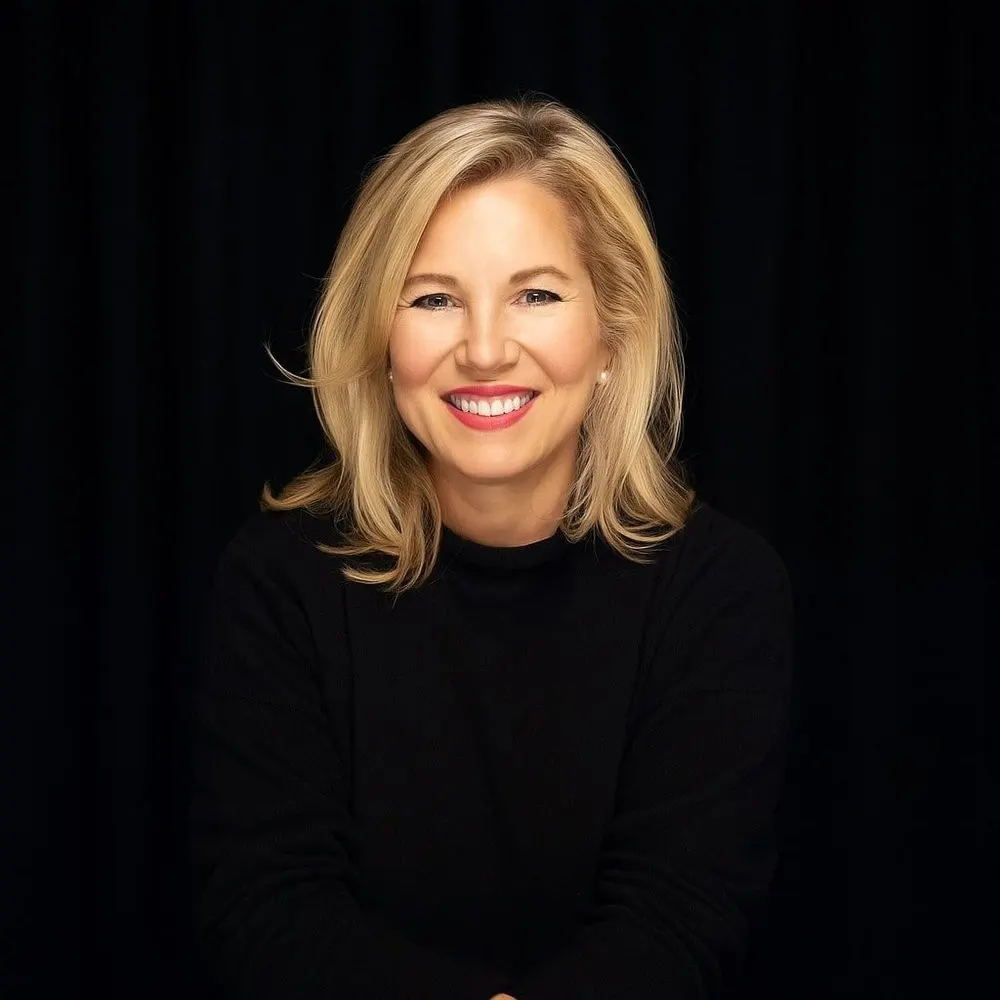
In 2005 a tiny summer program in Cambridge offered small checks and large advice to young founders. People in Silicon Valley mostly shrugged. Jessica Livingston, co-founder of Y Combinator with Paul Graham, Robert Morris, and Trevor Blackwell, helped turn that shrug into the most copied startup institution on earth.
YC backed companies that became household verbs and wallets: Airbnb, Dropbox, Stripe, Reddit, DoorDash, Coinbase, and thousands more. Inside the partnership she earned the nickname social radar, the person who could sense which founding teams would endure when spreadsheets still had no rows. Sam Altman later introduced her as someone who probably knew more about the path from three people and an idea to a world changing company than almost anyone alive.
By 2026 she was a retired founding partner who still shaped founder culture through The Social Radars podcast with Carolynn Levy and through talks that refused to shrink her role to Paul Graham's wife. In 2025 her alma mater Bucknell asked her to deliver commencement. The English major who once did not know what an entrepreneur was had become one of entrepreneurship's primary historians and talent pickers.
Minneapolis, grandmother, and two houses
Jessica Livingston was born in Minneapolis in 1971. Later that year her mother left. Her father took the baby to the Boston area, where Jessica lived with her grandmother on weekdays while her father worked, then with her father on weekends. In public talks she has called her grandmother the most important female role model in her life.
The word people used for that grandmother was free spirited. After putting Jessica to bed in winter, she would go back outside and work late on giant ice sculptures in the front yard. She did what she wanted and did not care if neighbors thought she was unconventional. For a child in the 1970s who knew almost no other kid without a mother at home, that example mattered more than any lecture about independence.
Her father worked his entire career at Gillette. Different divisions, same company, suit on the train, home for dinner, weekends free. To Jessica that looked like what adulthood was supposed to be. She has said she barely knew anyone who owned a business, much less a startup. Predictability kept her close to him as an only child. It also delayed the idea that you could invent your own institution.
She played soccer as a kid and later specialized as a goalkeeper. In ninth grade an away game took her to Phillips Academy in Andover, Massachusetts. The campus looked so fabulous that she decided on the spot she would go there. She has called the consequence bittersweet. In her old school she had been a straight A athlete. At Andover everyone seemed to be a straight A athlete. She got discouraged, defaulted to mediocrity, and later named the next decade her personal Dark Ages.
That honesty is part of her public method. Journalists love early predictors of success. Jessica tells audiences that nobody would have voted her most likely to succeed. What she did have, she says, were three traits that later made YC work: a compulsion to notice when something felt off, a hatred of being at anyone else's mercy, and a straight shooter habit she inherited from her grandmother and father.
She graduated from Phillips Academy in 1989 and studied English at Bucknell University, class of 1993. The day after college graduation her grandmother died. The grief sat next to the start of an ordinary career path. She entered marketing and investment world jobs, eventually becoming a vice president of marketing at the Boston firm Adams Harkness.
The bank, the book, and the Cambridge spark
Corporate marketing near public companies paid benefits and status. It did not feel alive. In Cambridge she met Paul Graham and the circle around Viaweb, the software company Graham and others had sold to Yahoo. Their stories sounded like oxygen. She read Jerry Kaplan's book Startup about the pen computing company Go and felt hooked on the chaos of building something before the market knew it needed it.
She began interviewing founders for what became Founders at Work, published by Apress in 2007. The book collected early day stories from people like Steve Wozniak and other builders before myth calcified. Doing the interviews trained her ear for the difference between polished narrative and true beginning chaos. That ear became YC infrastructure before YC had a brand.
Leaving Adams Harkness for a half formed investment idea with Paul felt scarier than any Demo Day she would later run. She has recalled being terrified to tell her father she was quitting a job with benefits for something she could barely explain. His first question was whether it had health care coverage. She said no, and that she would figure out COBRA. The parent anxiety and the daughter leap sat in the same kitchen. YC began with that domestic friction, not with a Silicon Valley press release.
Founding Y Combinator
In 2005 Jessica co-founded Y Combinator with Graham, Morris, and Blackwell. The idea was radical in its simplicity: fund batches of startups at once, advise them intensively for a season, and use group dinners and office hours as the product. Traditional angels wrote occasional checks. YC invented a school calendar for seed stage companies.
The first batch was small and Cambridge local. Weekly meals at their home turned founders into a temporary family with standards. Robert Morris and Trevor Blackwell brought deep technical judgment. Paul Graham brought essays and product taste. Jessica brought people reading and culture design. The partnership worked because those sensors disagreed productively in interviews instead of rubber stamping one another's excitement.
Outsiders treated the summer program as a curiosity. Silicon Valley had its own clubs and partner meetings. A Cambridge experiment that paid small checks and demanded intense presence looked unserious until the alumni list became impossible to ignore. Jessica's job in those years was not to look serious. It was to make the dinners, the empathy, and the red flag detection into a repeatable system.
Social radar in a ten minute room
YC's famous short interviews rewarded teams who could think clearly under stress. Jessica watched for defensive founders, broken co-founder trust, and fake resolve. She has explained that she looked hard at whether co-founders actually got along and whether people were truly committed. Technical partners might love a demo. She might halt a deal because the human system was cracked.
The nickname social radar was affectionate and accurate. In a firm that invested before metrics existed, character diligence was the diligence. She has described herself as the kid who could not let anything pass if it seemed off or out of character. She asked questions. She tracked subtle social cues. Later founders would call that soft. Early YC treated it as alpha.
Countless accelerators copied Demo Day. Fewer copied her insistence that personality risk is product risk. When two co-founders interrupted each other into silence, she heard a future lawsuit. When a founder polished the pitch and dodged the hard personal question, she heard a future abandonment. Those reads scaled better than any scoring rubric the firm tried and discarded.
Batches, dinners, and Airbnb grade outcomes

As batches grew, so did the alumni network. Airbnb's Brian Chesky and team became a canonical YC story of relentless resourcefulness after a rough early reception. Stripe, Dropbox, Reddit, and later waves turned the summer experiment into a global brand. Jessica organized culture pieces others undervalued: events, emotional support after near death pivots, norms about helping other YC companies even when they competed for the same customers.
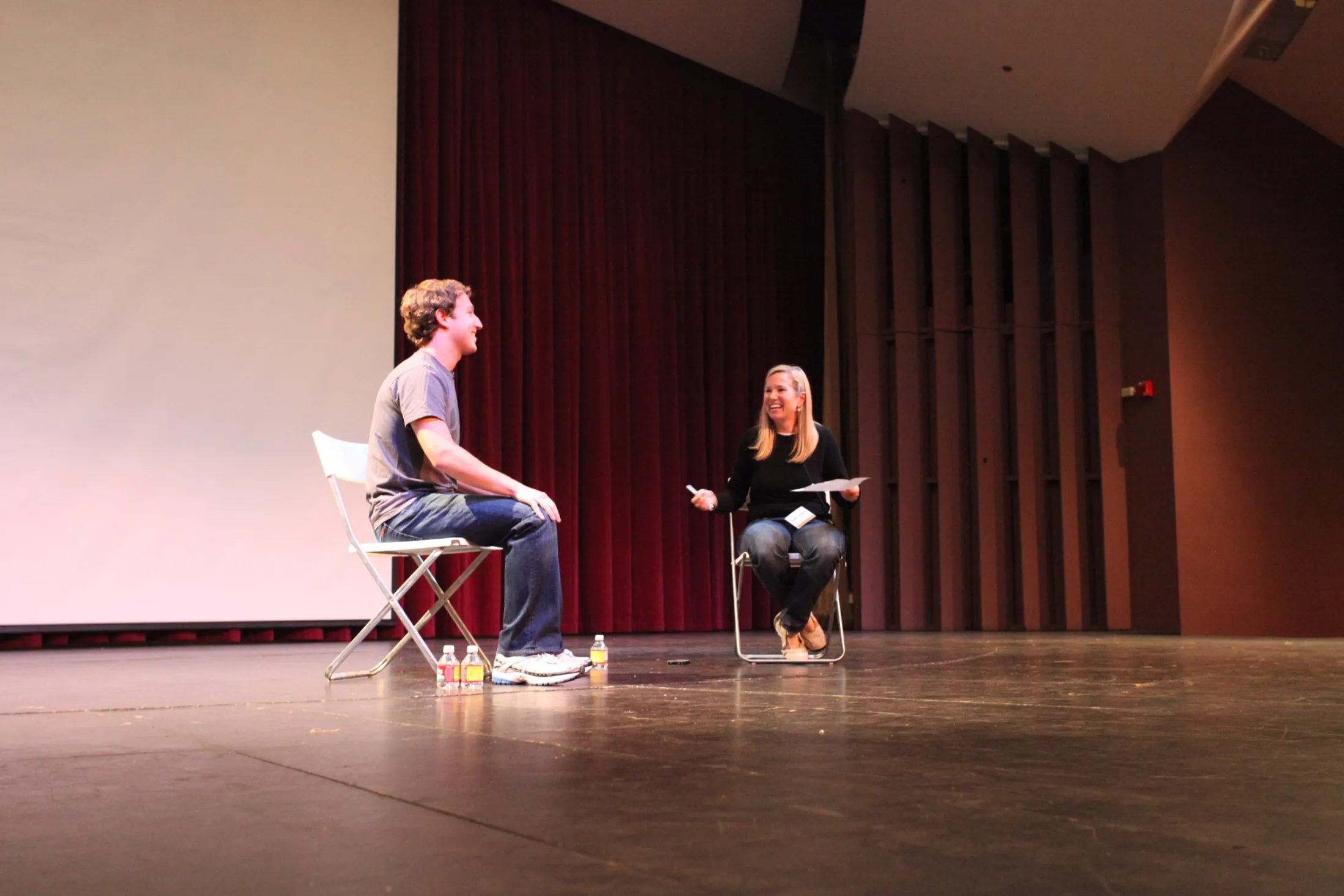
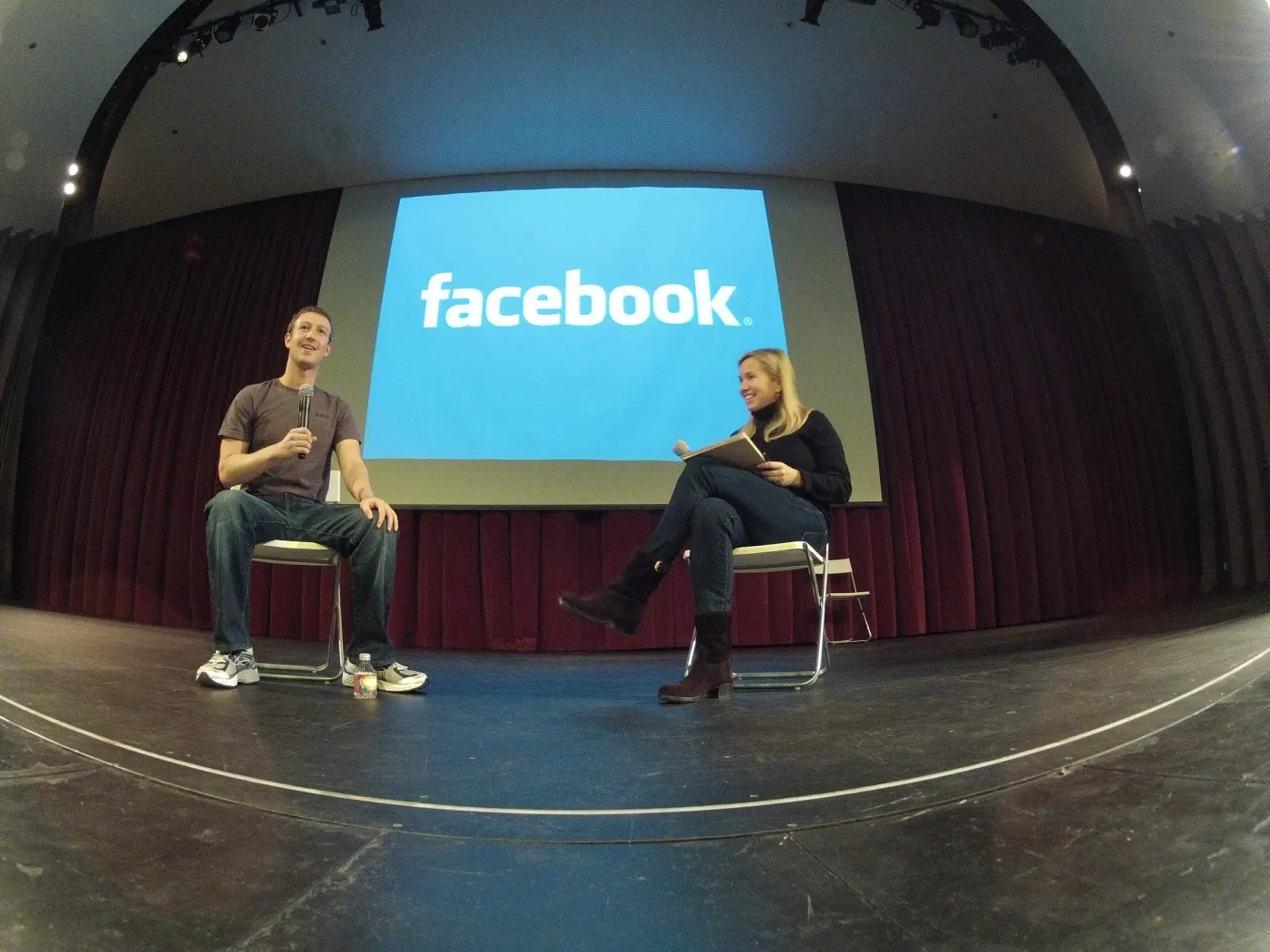
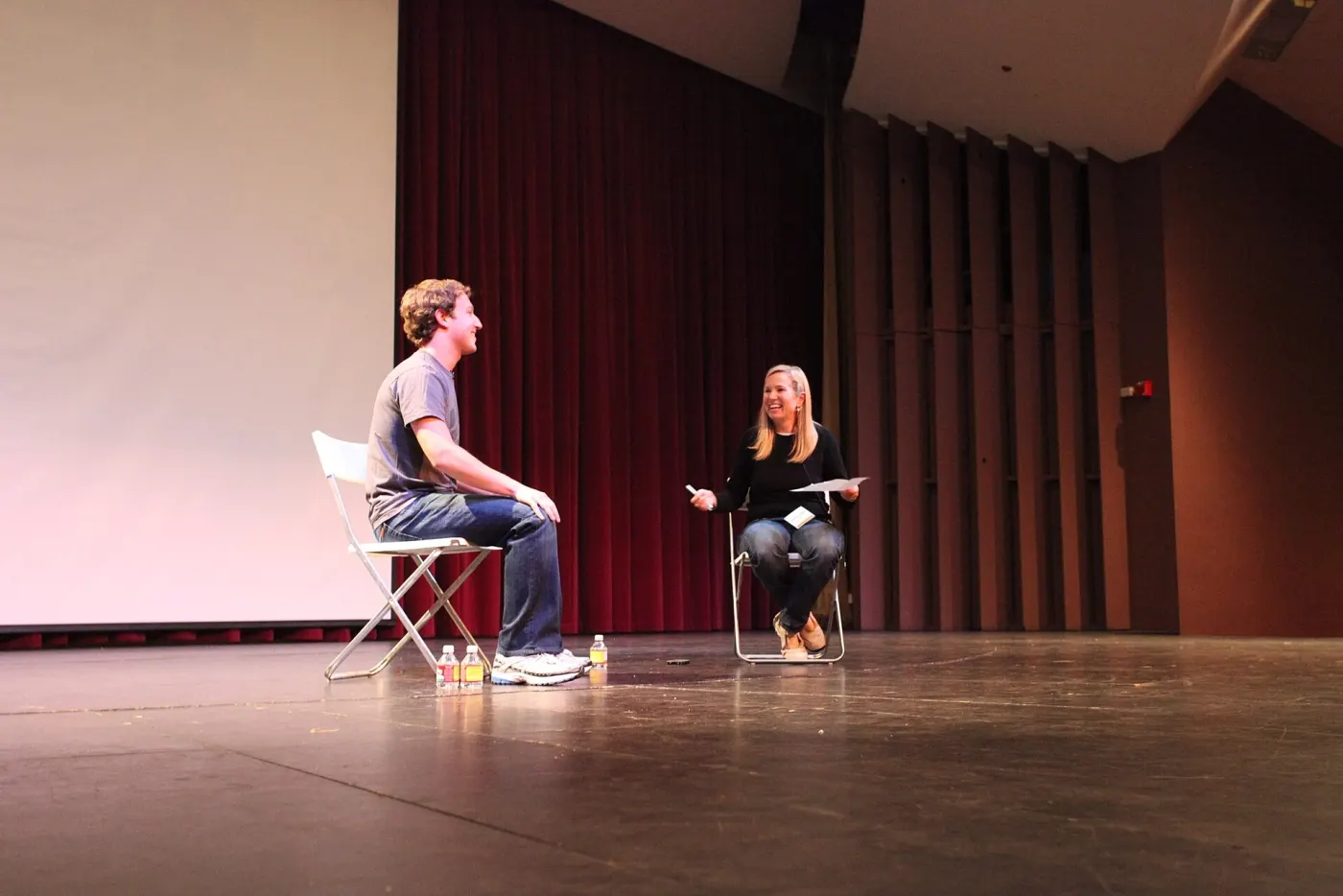
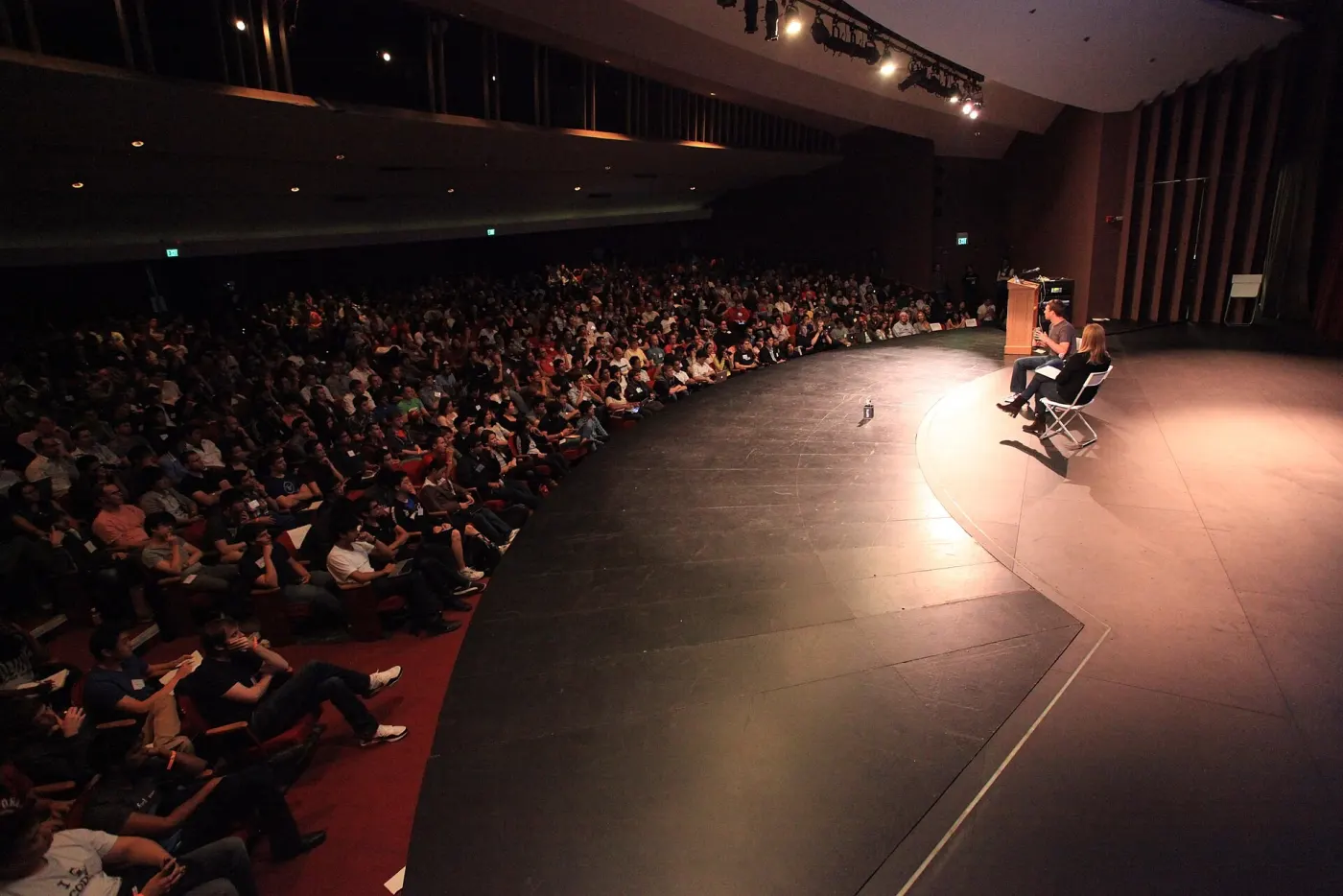
She also became a public interviewer. At Startup School she sat across from Mark Zuckerberg and others while thousands of young founders watched how questions are asked. The stage craft mattered because YC's product was not only money. It was a model of how to talk about building without theater.
When Paul Graham stepped back from day to day leadership and Sam Altman rose, Jessica's operational involvement in programs like Startup School deepened. She was continuity. New partners inherited a culture she had already encoded in dinners, office hours, and the refusal to treat founders as interchangeable term sheet targets.
Founders at Work as cultural weapon
The 2007 book gave Jessica an independent intellectual platform. Interviews with builders made early chaos respectable. Students who would never read a term sheet could still learn what beginning feels like. The book quietly argued her thesis: stories of people matter as much as diagrams of products.
Founders at Work also protected her from the wife only narrative that media sometimes preferred. The byline was hers. The questions were hers. The archival instinct that later powered The Social Radars was already visible in those pages. She was building a library of beginning while YC was still inventing its own beginning.
Female founders, underestimation, and straight talk
Jessica has spoken often about being underestimated, including inside rooms where YC's brand was already loud. She used that experience as a filter rather than a grievance brand. Female Founders Conference talks and later essays and interviews framed practical advice: ignore networking theater early, build the product, choose co-founders like you choose a war partner, and tell the truth even when the room wants a smoother story.
Straight shooting was not a personality quirk for her. It was an operating system. Founders who needed flattery bounced off. Founders who needed a clear no got one. Partners who wanted to fund a clever demo without examining the marriage of the founding team heard her objection in the debrief. That friction is why the social radar nickname stuck.
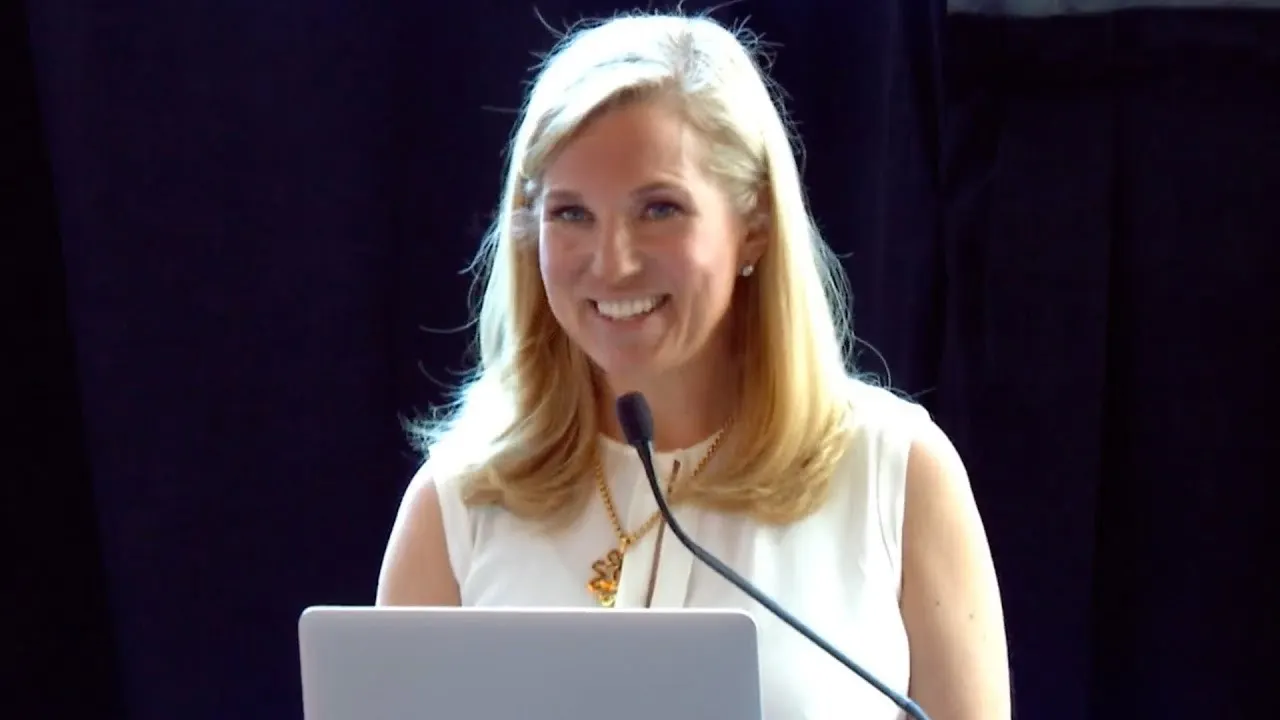
She also refused to let coverage erase her. In the Nine Things talk she opened by naming the media impression that her contribution was being Paul Graham's wife, then walked the audience through grandmother ice sculptures, Andover mediocrity, bank resignation terror, and the actual work of inventing YC. The talk was structure as argument: biography as proof of agency.
Later years, podcast, and Bucknell commencement
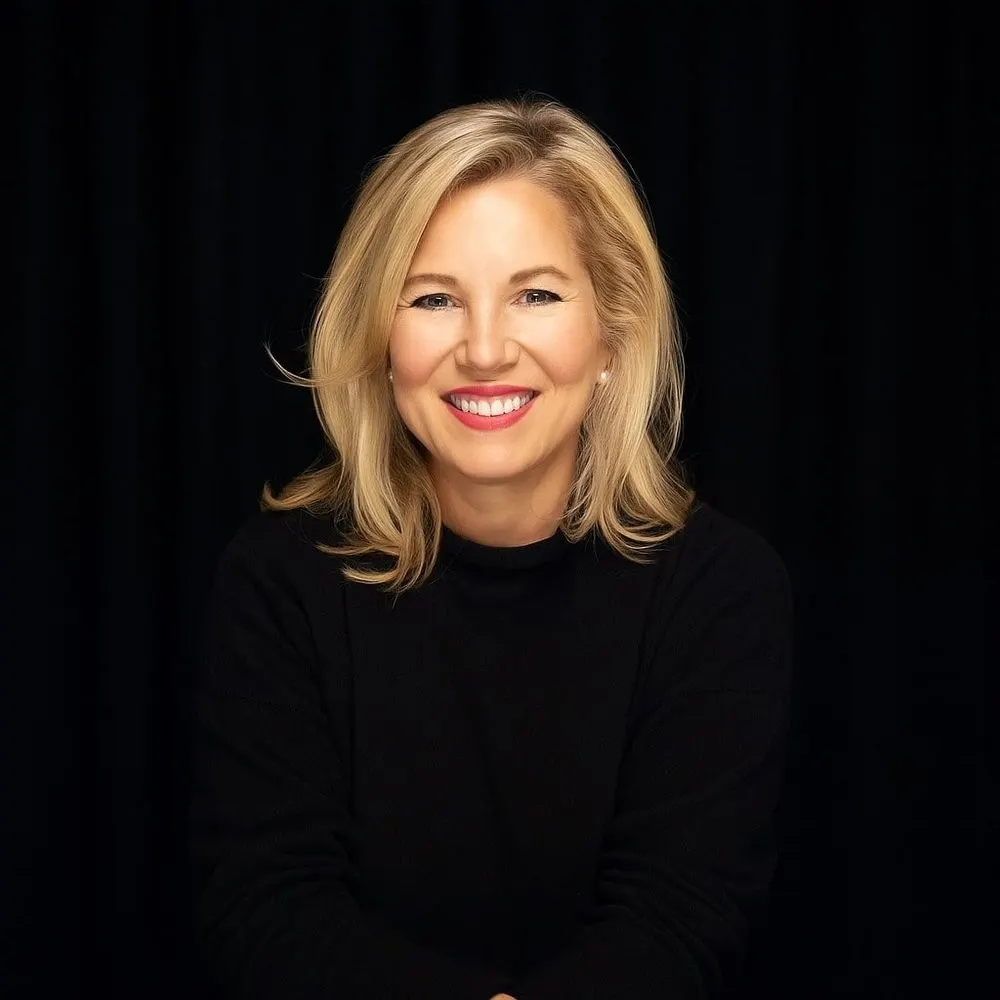

In 2023 she began co-hosting The Social Radars with Carolynn Levy, interviewing billion dollar founders with the same human first lens she used in YC interviews. The podcast title recycled her nickname on purpose. It told listeners that the show would hunt for social truth the way early YC hunted for co-founder cracks.
In 2024 conversations with Garry Tan and others revisited untold early YC stories for a new generation of founders who only knew the firm as a brand. In 2025 Bucknell named her commencement speaker, closing a loop from English major who had no entrepreneur vocabulary to institutional founder asked to bless graduates. As of 2026 she remained a cultural reference point even as day to day YC leadership sat with later generations of partners.
How she works
Jessica works by listening past the pitch. She asks about relationships between co-founders. She watches who interrupts whom. She designs gatherings where truth shows up in jokes and side conversations. Her craft is social instrumentation.
She also writes and records to preserve institutional memory. Accelerators forget their own beginnings unless someone archives them. Founders at Work and The Social Radars are the same project in two formats: keep the early texture so later founders do not mistake luck for a process or process for a personality cult.
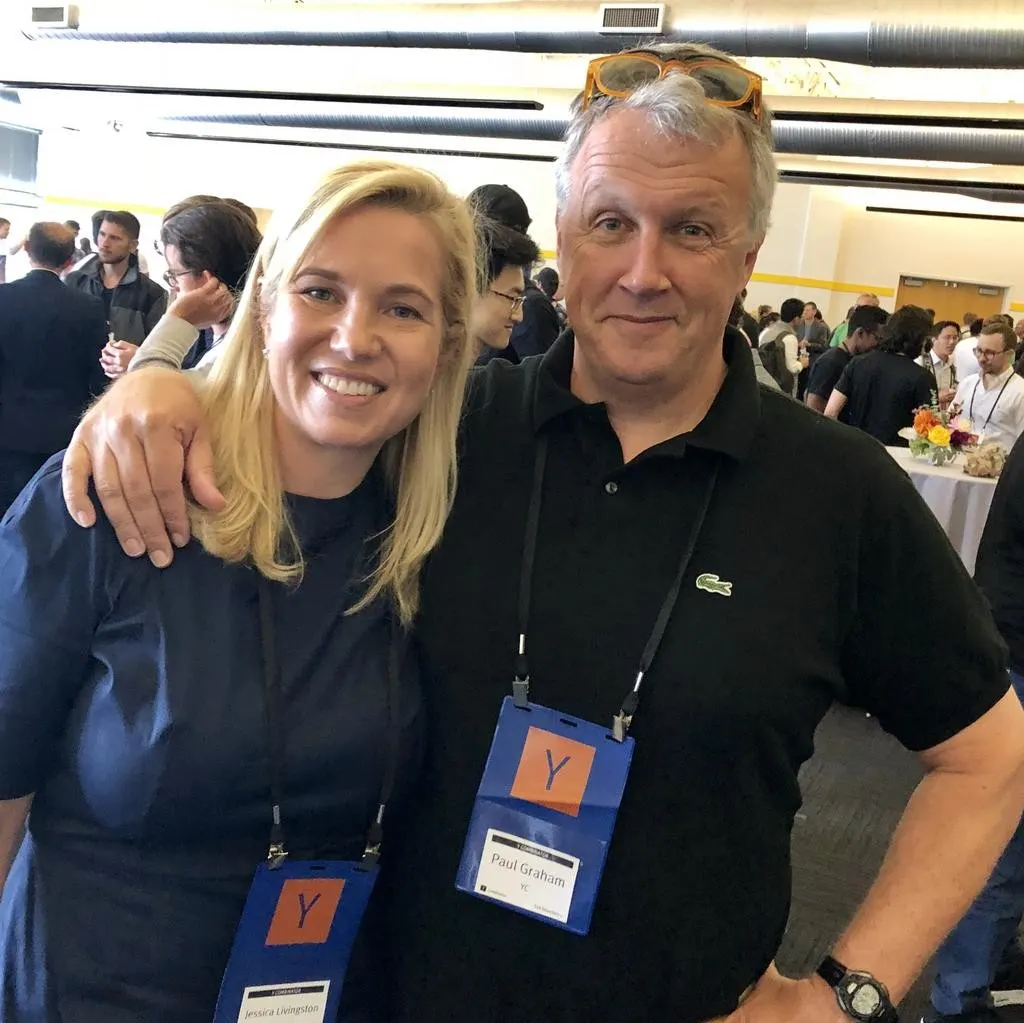
Her partnership with Paul Graham is part of the story without being the whole story. They built a firm together. They married. Media loved the shorthand. She kept adding primary documents that made the shorthand incomplete.
Current achievements and world impact as of 2026
World impact is measurable in copied batch models from Nairobi to Bangalore to Berlin. It is measurable in founders who got funded because someone spotted grit over polish. It is measurable in women founders who heard Female Founders Conference talks and stayed in the arena when the default path said leave.
YC changed venture timing. Seed became a real stage with a calendar, a peer group, and a Demo Day audience. Dinner table advice became a scalable product. Jessica Livingston is why the product had a heartbeat. The firms that copy only the check size and the stage miss the radar. The founders who listen to her interviews still get the harder lesson: choose people who will still be honest with you when the product is embarrassing and the bank account is thin.
As of 2026 YC had funded thousands of companies across more than two decades, with unicorn counts in the hundreds depending on market marks. Jessica's imprint is not a ticker symbol. It is the interview room habit of treating character as infrastructure.
Cambridge nights before the brand existed
Before YC was a noun founders used as status, it was a calendar conflict. Jessica cooked and hosted. Founders arrived awkward and hungry. Advice spilled across tables while Morris and Blackwell poked at technical holes and Graham argued about product taste. She watched who helped clear dishes and who performed brilliance without listening. Those nights were diligence disguised as hospitality.
The early checks were small by later venture standards. The scarce resource was attention. Jessica's attention had a particular shape: she remembered personal details, followed up on co-founder tension, and noticed when a founder who claimed commitment still kept a soft landing job. Soft landings killed more seed companies than bad code. She said so when it was unpopular.
Cambridge also kept them away from Valley fashion for a while. Distance let them invent rules without a local peer group laughing them out of the room. When Valley finally paid attention, the culture was already baked. Jessica had already decided what kind of community she would defend.
What she learned watching thousands of beginnings
Across batches she saw patterns that essays later made famous. The best companies talked to users until it hurt. They shipped embarrassing versions. They stayed small in ego while getting large in ambition. They treated YC peer founders as allies rather than competitors for the same trophy photo.
She also saw failure patterns. Founders who needed constant external validation burned out. Co-founders who never argued politely exploded later. Teams that optimized for investor theater underbuilt the product. Her interviews with Sam Altman era audiences returned to those patterns because they were still true after the firm scaled.
The Social Radars podcast extended that classroom. Carolynn Levy brought legal and operational sharpness from years inside YC. Together they asked billion dollar founders about early humiliation, not late victory laps. Listeners who would never get a YC interview still got a compressed version of Jessica's diligence style.
Partnership without erasure
Paul Graham's essays made YC philosophically famous. Jessica's work made it socially real. Treating those as rivals is a media mistake. The firm needed both the essay and the dinner. It needed both the technical no and the human no. Jessica's public project in the 2020s has been to keep the human no visible so younger partners and copycat accelerators do not industrialize only the easy parts.
She has said she got into startups fifteen years too late relative to the curiosity she later felt. That regret did not become bitterness. It became urgency on behalf of founders who still waste years in jobs that feel safe and dead. The bank resignation story is her conversion narrative. She retells it because conversion is the product YC sells: leave the ladder, join a batch, accept the risk with eyes open.
Office hours as a product
Office hours were not calendar filler. They were where Jessica and her partners forced founders to say the quiet part. A founder who claimed traction had to explain the last ten user conversations. A founder who claimed commitment had to explain what they had quit. Jessica listened for rehearsed answers. Rehearsal meant the founder was optimizing for the partners instead of for the user.
She has talked about how early stage work is mostly not networking events or business cards. The critical path is product and users. That message sounds obvious in a blog post. In a batch it is hard because fear pushes founders toward visible activity. Jessica's social radar included detecting performative busywork. She redirected people back to the uncomfortable conversation with a stranger who might hate the prototype.
The dinners supported the same goal. Around a table, status games were harder to sustain. Founders saw peers who were also scared. They traded customer introductions. They watched Jessica and Paul argue about ideas without collapsing the relationship. Conflict modeled as care became part of the curriculum.
Reddit, Dropbox, Stripe, and the long tail
Famous logos are easy to list. The harder Jessica story is the long tail of companies that never became household names yet still changed the founders' lives and sometimes entire niches. YC's power was portfolio math plus culture. Jessica's culture work made the average company better behaved even when it did not become a unicorn.
Dropbox showed how a clear demo and relentless simplicity could win. Stripe showed how infrastructure companies could still feel founder led and design obsessed. Reddit showed community products with messy human dynamics. Airbnb showed resourcefulness after rejection. Jessica's contribution across those arcs was rarely the code review. It was the insistence that the team remain psychologically solvent while the product searched for a market.
When later batches included DoorDash, Coinbase, and waves of fintech and consumer companies, the firm was larger and the process more formal. Jessica's earlier habits still echoed: short interviews, partner debriefs that weighed character, alumni pressure to help the next batch. Industrialization threatened to sand off the radar. Her public talks and podcast kept sanding in the opposite direction.
Startup School and the open classroom
Startup School extended YC's classroom beyond the funded batch. Jessica's interviews on those stages taught question craft. Watching her interview Mark Zuckerberg showed thousands of students that famous founders can be asked human questions, not only metric questions. The clips in the Drive folder from those events are not vanity photos. They are evidence of her role as the firm's public explainer of founder psychology.
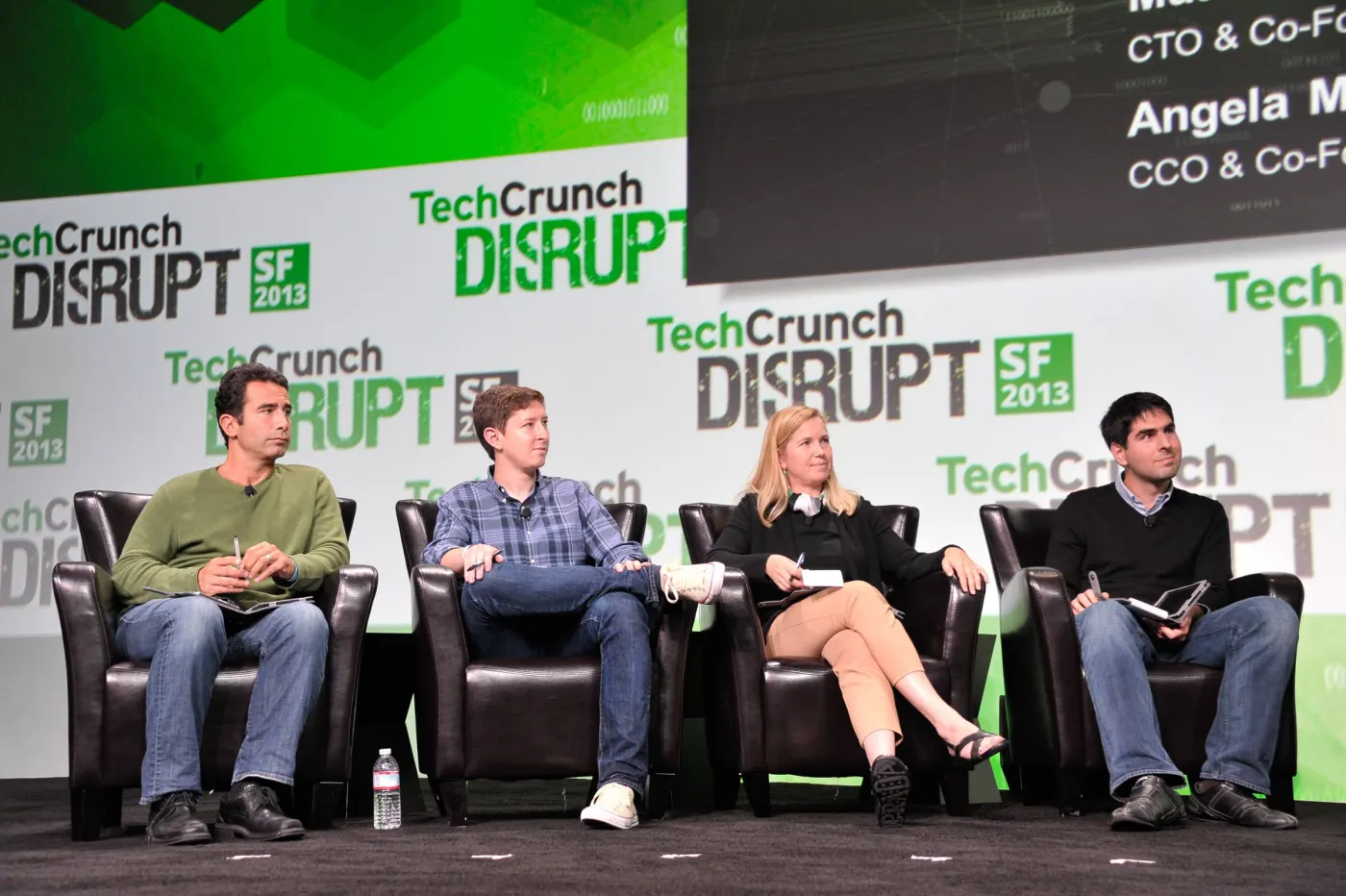
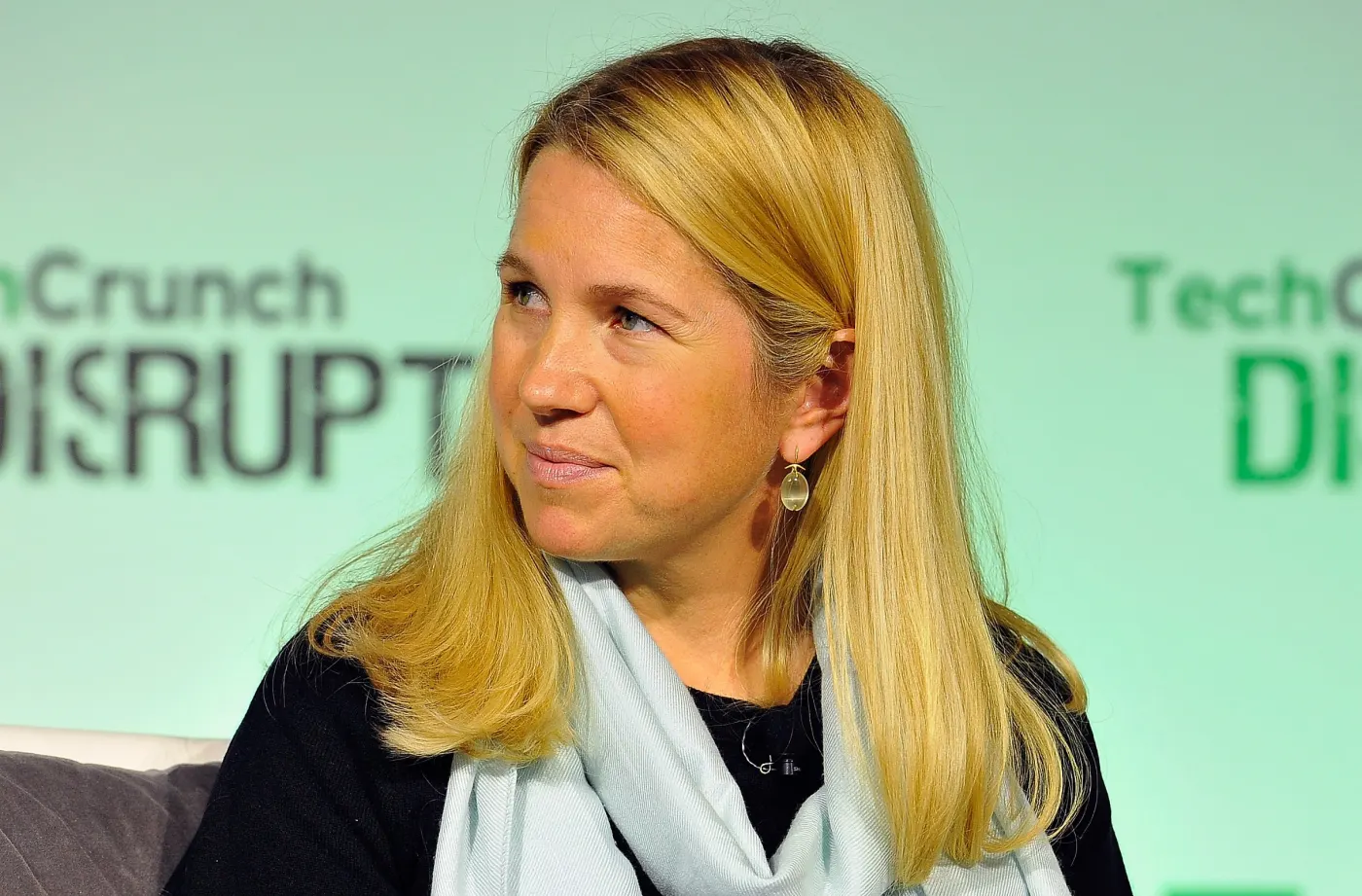
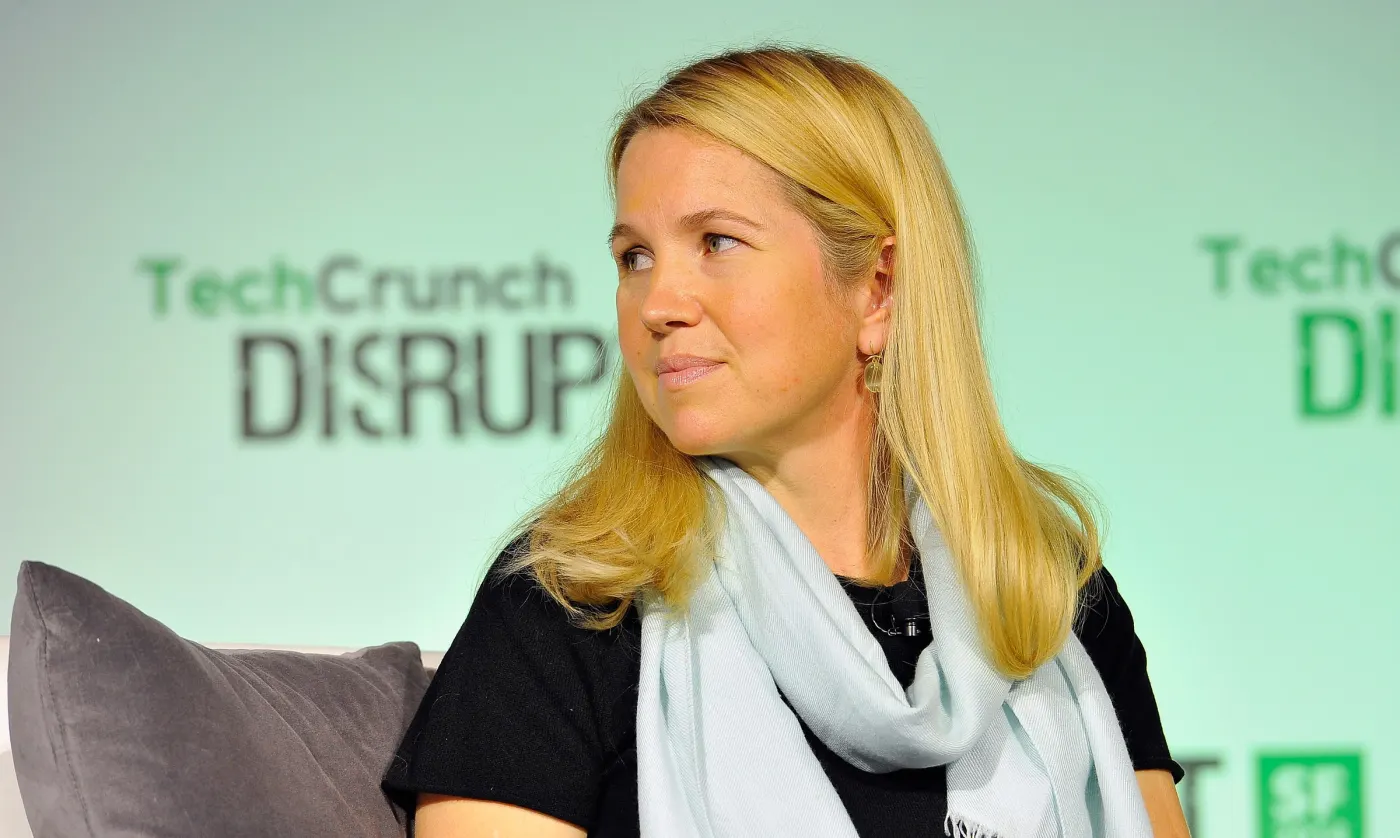
TechCrunch Disrupt appearances in 2013 and 2014 put her on stages where the press still sometimes framed YC as Paul Graham's project. She used those panels to talk about batches, founders, and selection. Over time the framing shifted because the primary sources multiplied. Founders at Work, Female Founders talks, Startup School, and later The Social Radars made erasure harder.
What Bucknell heard in 2025
A commencement speech is a forced summary. Bucknell asking Jessica to speak meant the university wanted students to hear that an English major path can invent institutions, not only join them. Her own story includes mediocrity at Andover and a decade without impressive trophies. That is useful to graduates who feel behind. It is also useful to parents who only know the Gillette style career. Her father's health care question remains the emotional hinge: love expressed as risk management, answered by a daughter who chose uncovered risk anyway.
By 2026 that speech sat alongside a podcast archive and a body of YC lore that still cites her. She did not need an operating title to remain consequential. The radar had become a portable method.
Selecting for toughness without cruelty
Jessica's interviews could feel blunt. Straight shooting is not the same as cruelty. She has described wanting founders who could take hard feedback without collapsing or retaliating. YC's intensity created casualties when people mistook bluntness for contempt. Her better days calibrated honesty with care: clear no, specific reason, still respecting the person.
That calibration matters for anyone copying YC. Copying only pressure produces theater and trauma. Copying pressure plus radar plus hospitality produces the Cambridge dinner effect. Jessica's biography is a warning label on accelerator products that forgot the hospitality half.
The wife narrative and the primary documents
Media shorthand is sticky. Jessica kept producing primary documents that made the shorthand look lazy. The Nine Things talk, the Garry Tan conversation, the Altman interview, Founders at Work, and The Social Radars are a trail of authorship. Anyone writing her as a spouse footnote has to ignore an archive she built on purpose.
Partnership with Paul Graham remains real and important. Erasure is the failure mode, not partnership. She has said she loves being his wife and that there is more to the story. Holding both sentences at once is the adult version of social radar applied to her own public image.
Money, ownership, and what she actually sold
YC's deal terms changed over the years, but the early idea stayed stable: small capital, large advice density, equity that looked expensive only if you ignored the network. Jessica helped sell that bargain to founders who had never raised money. She translated partner anxiety into founder language. She also translated founder chaos into partner decisions.
Ownership psychology mattered as much as percentage points. Founders who treated equity like lottery tickets behaved differently from founders who treated it like a shared company they might run for a decade. Jessica watched for people who wanted the YC logo more than the work. Logo hunters failed diligence even when their slides were pretty.
As the firm grew, the money got larger and the brand got louder. Her counterweight was always the beginning: remember the Cambridge nights, remember the small check, remember that the product is the batch. When alumni became famous, she still interviewed them about the embarrassing version of the company. That habit kept the culture from becoming a victory lap factory.
Competitors, copycats, and the incomplete imitation
Once YC worked, imitators appeared on every continent. Some copied Demo Day and missed dinners. Some copied dinners and missed selection rigor. Some copied selection and missed alumni obligation. Jessica's public comments repeatedly pointed at the incomplete imitation problem without needing to name every clone.
The deepest incomplete copy is the radarless accelerator: capital plus curriculum plus stage, minus the person who will kill a deal because two co-founders do not trust each other. Software can schedule office hours. Software cannot yet replace the feeling in a room when a founder lies by omission. Jessica's career is an argument that the feeling is investable.
Carolynn Levy and the second radar
Co-hosting with Carolynn Levy made structural sense. Levy had lived YC's legal and operational insides. Jessica had lived the selection and culture insides. Together on The Social Radars they could ask about SAFE history, founder conflict, and early humiliation with authority. The show extended YC's teaching beyond people who could get into a batch.
Listeners heard billion dollar founders admit fear. That admission is a Jessica specialty. She prefers the sentence that risks status over the sentence that protects brand. In a media environment full of founder myth, the podcast functioned like Founders at Work with microphones.
What young builders should actually steal
Steal the refusal to be only a supporting character in someone else's myth. Steal the habit of noticing what is off. Steal the courage to quit a safe job without a perfect pitch deck. Steal the archival instinct: write the beginning down before success edits it. Steal hospitality as diligence. Steal blunt feedback paired with respect.
Do not steal cruelty dressed up as honesty. Do not steal networking as a substitute for users. Do not steal the YC logo as identity. Jessica's life keeps separating the method from the merch. The method is portable. The merch is not the point.
2026 snapshot without a trophy reel
As of 2026 Jessica Livingston stood as a retired founding partner, author, podcaster, and commencement voice whose institution had outgrown any single founder. YC's current partners run a larger machine. Her remaining job is cultural: keep the human signals loud. The Drive folder photos from Disrupt, Demo Day, and Startup School freeze moments when she was still in the middle of that machine. The later audio keeps the same machine honest.
The immigrant son story is not hers. The bank VP to batch inventor story is. The social radar nickname is not branding fluff. It is a job description she accepted in public and then taught to anyone willing to listen past the pitch.
How Demo Day felt from her side of the room
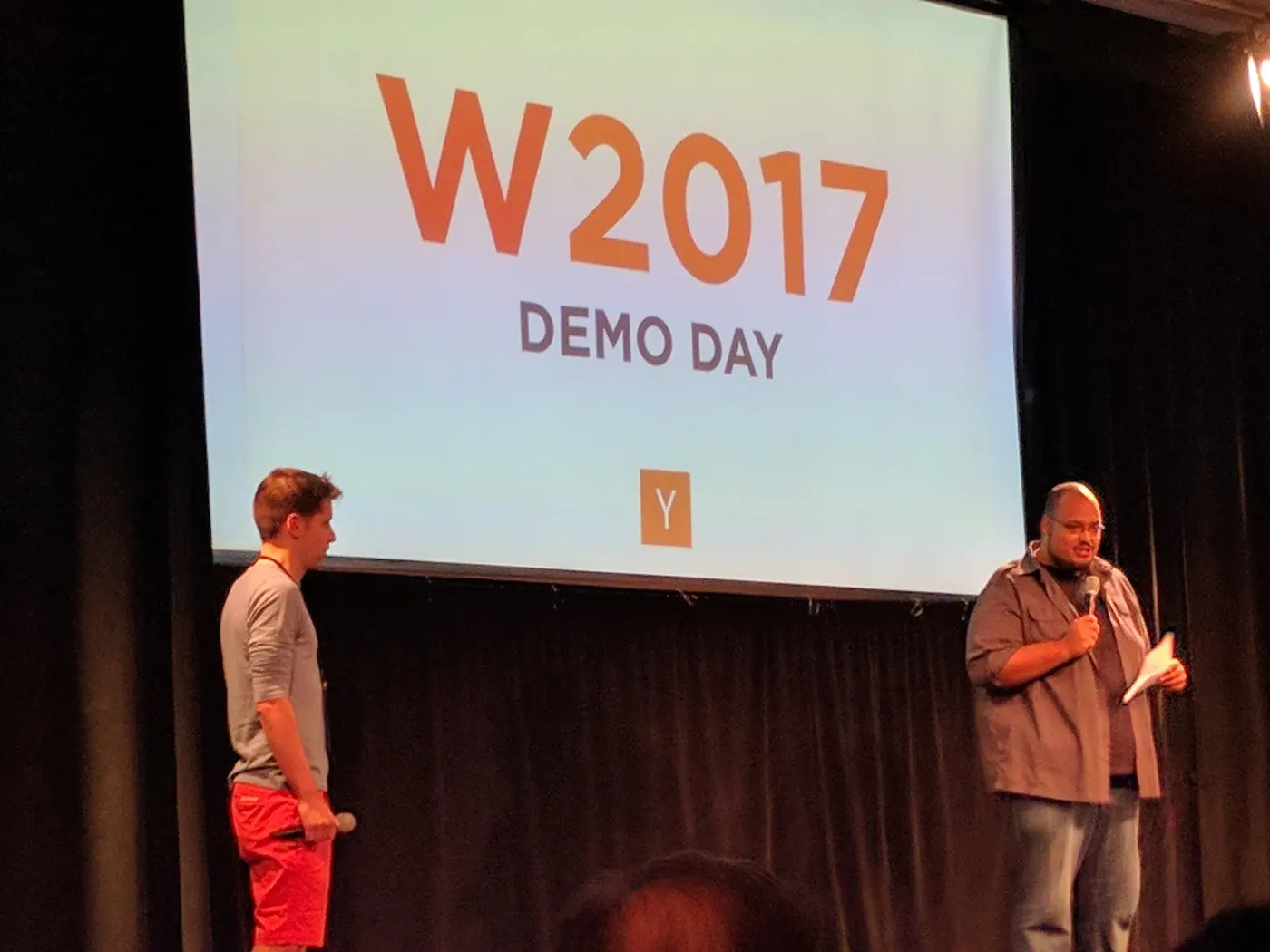
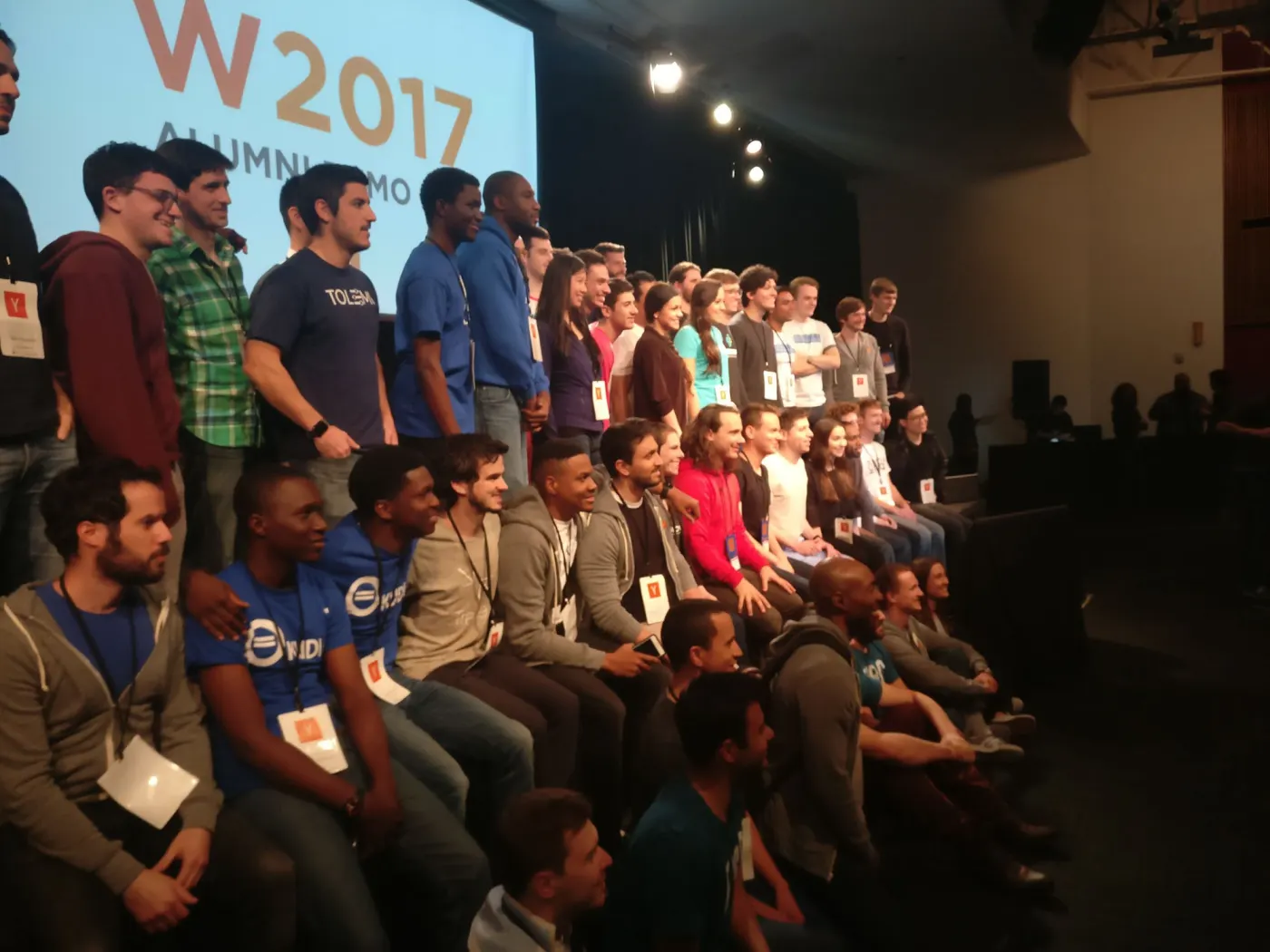
Demo Day looked like theater to outsiders: slides, timers, investors in chairs. From Jessica's side it was the exam after a season of dinners. She already knew which founders had faced users and which had polished narratives. The stage either confirmed the radar or embarrassed it. When a quiet team suddenly told a crisp story, she felt the batch working. When a charismatic founder melted under a simple question, she felt the interview miss that should have been caught earlier.
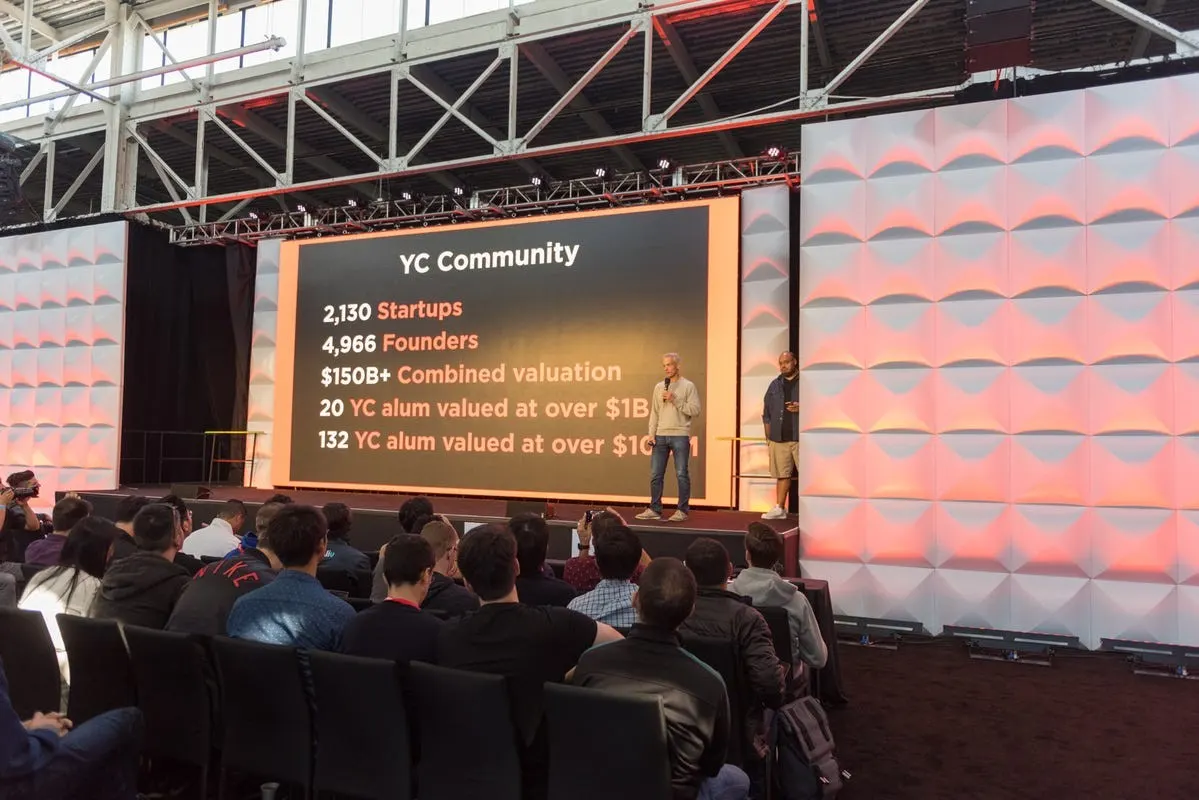
Investors in the audience chased logos. Jessica chased whether the founder still sounded like the person who had argued at dinner three weeks earlier. Consistency under bright lights was another social signal. The photos from Demo Day weeks in the Drive folder show her in that habitat: not as decoration beside Paul Graham, but as an operator of the room's emotional temperature.
The English major advantage
English trained her to track motive in dialogue. Startup pitches are dialogue with stakes. She could hear when a founder was performing a character instead of describing a reality. That literary habit paired with her childhood radar. Together they produced a diligence style that looked mysterious to people who only trusted spreadsheets.
Bucknell commencement closed that loop publicly. Students who thought humanities were a detour heard a counterexample: close reading of people can build a multi billion dollar ecosystem of companies. The lesson was not that everyone should start an accelerator. The lesson was that attention to human text is not soft. It is a hard skill with economic consequences.
Continuity after the founding partners stepped back
Institutions often lose their founding voice when scale arrives. Jessica's later work is an attempt to prevent that amnesia. She cannot interview every batch forever. She can leave a trail of conversations that encode the early standards. New YC partners who listen to The Social Radars inherit a temper even if they never shared a Cambridge kitchen.
That is world impact of a quieter kind than a product launch. It is cultural infrastructure. Accelerators that last decades need archivists who were also operators. Jessica was both. The biography that only lists Airbnb and Stripe as if she wrote their code misses the actual lever she pulled: selection and culture at the seed of seed.
Her public archive keeps growing even when she is not running day to day interviews inside a live batch.
Closing
Jessica Livingston's life does not read like a straight line from gifted child to inevitable titan. It reads like a person who noticed what was off, hated being controlled, told the truth, and then built an institution that rewarded those same habits in other people. Minneapolis, a free spirited grandmother carving ice, a Gillette commute, Andover mediocrity, Adams Harkness benefits, a scary resignation, Cambridge dinners, Founders at Work, Demo Days, Startup School stages, a podcast named after her nickname, and a Bucknell commencement address are not disconnected trophies. They are one continuous argument: people are the product.
The world copied Y Combinator's batch format. The deeper copy, when it happens, is Jessica's: treat character as infrastructure, archive beginnings before myth replaces them, and refuse any biography that edits a co-founder into a spouse footnote.
Watch alongside this story
Short cuts from interviews, keynotes and launches. Each plays only the moment that matters.