The Boy Who Counted to 100,000
A shy kid in North Carolina filmed himself on a borrowed laptop. Crohn's disease took his baseball dream. YouTube became the only thing he could not stop doing.
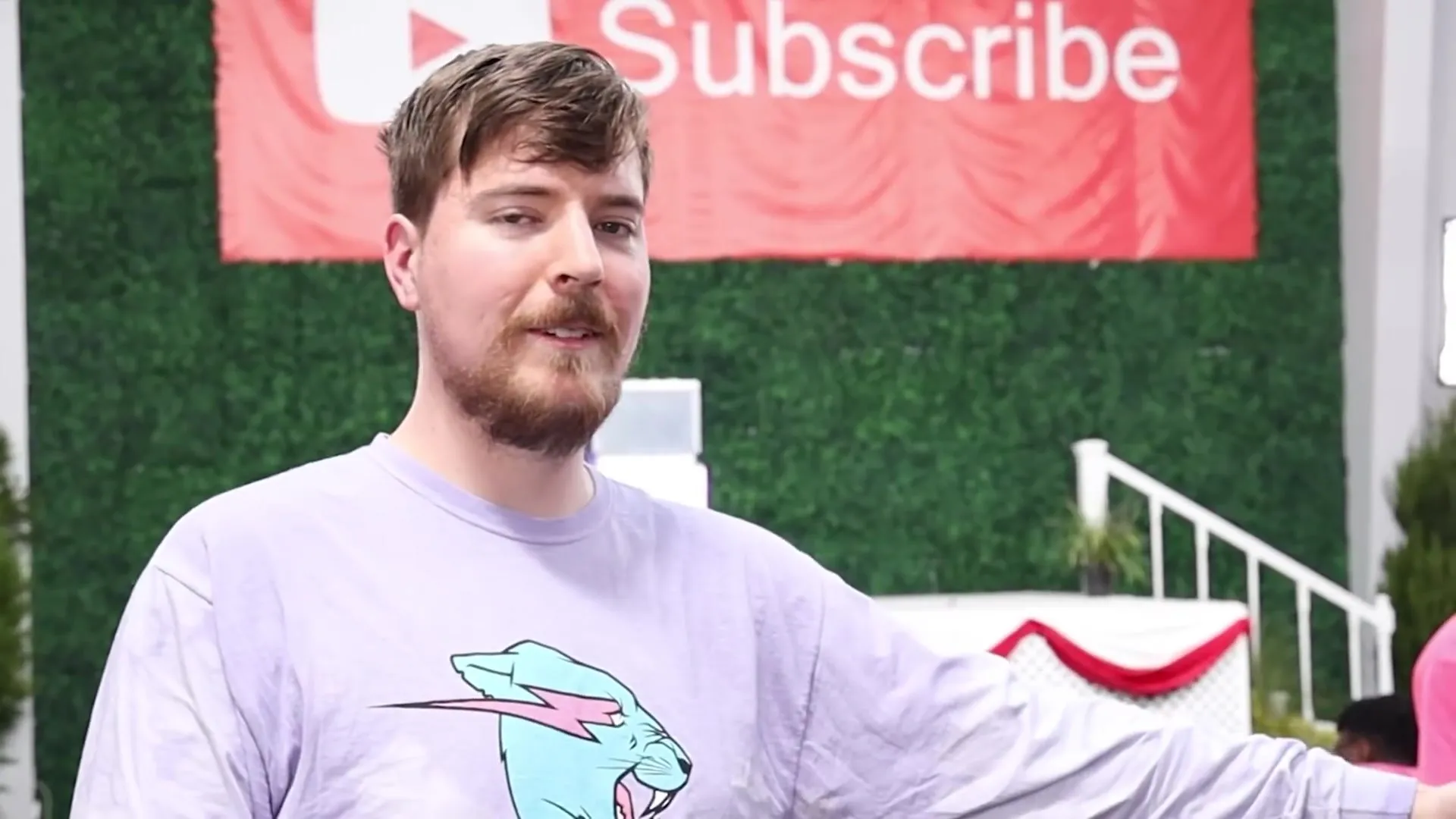
On June 12, 2026, more than six hundred thousand people watched a livestream as a number ticked upward on a screen. When it rolled past five hundred million, Jimmy Donaldson, the young man the world knows as MrBeast, became the first individual creator in YouTube history to reach half a billion subscribers. YouTube's chief executive, Neal Mohan, handed him a custom play button made for the moment. It was a number bigger than the population of the United States and Canada combined. The Verge ran his reaction in its headline: I shouldn't have half a billion subscribers.
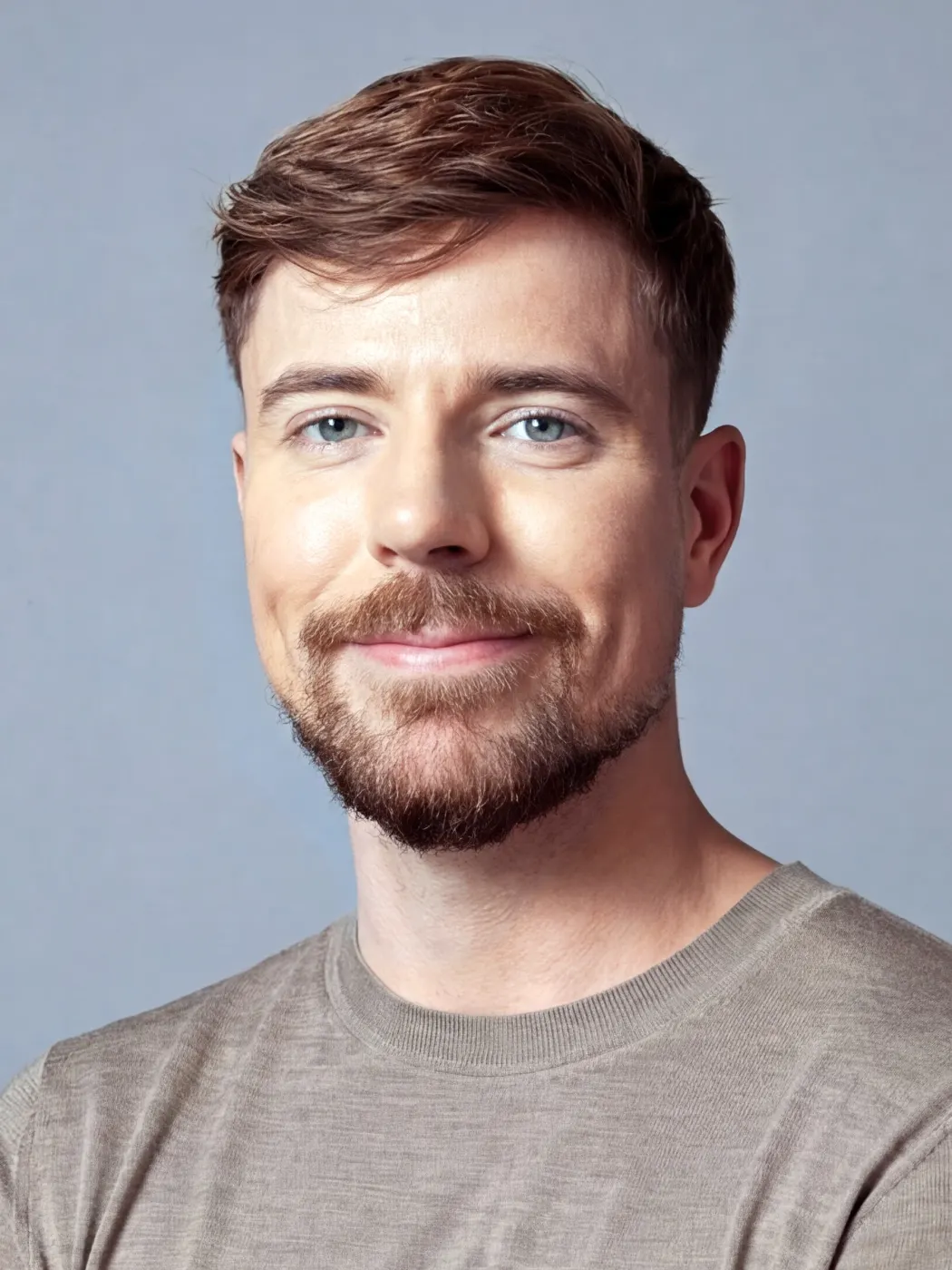
Nine years earlier, the same young man had sat alone in a cheap apartment in Greenville, North Carolina, staring into a camera and saying numbers out loud. One. Two. Three. He kept going for about forty hours until he reached one hundred thousand. He hated every minute of it. It became his first real viral video.
Between those two scenes lies one of the strangest and most studied success stories of the internet age. It is the story of a shy boy with a painful illness, a mother who wanted him in college, four friends who treated YouTube like a science lab, and a habit of giving money away that turned into a business empire. It includes trees and oceans, chocolate bars and burgers, a record-breaking game show, lawsuits, harsh criticism, and a wedding on a private island. It all started in a small town most people could not find on a map.
He has a simple way of describing what drives him. If you had told him at thirteen that he would one day give away a million dollars in a single video, he has said, he would not have known what to say. At the end of the day, he admits, he is a little selfish about it. Giving people money is what makes him happy.
Born in Kansas, raised in Greenville
James Stephen Donaldson was born on May 7, 1998, in Wichita, Kansas. His mother served in the military, and the family moved often. That is why, he has explained, he was born in a different state than his older brother, CJ. His mother eventually raised the two boys in Greenville, a college town in eastern North Carolina. Jimmy has been careful not to overstate the hardship. We were never poor, he has said, but money was not plentiful either.
As a small child he built Lego forts that took over entire rooms. His family remembers the intensity more than the forts. Whatever Jimmy cared about, he cared about completely. At around ten, that thing was baseball. He played constantly. Good luck getting him to study for a test, his family said. He was also painfully shy. He wore his cap pulled low over his eyes until coaches pushed it up. Talking to a stranger felt almost impossible.
Then he discovered online videos. He noticed that the funniest moments came when a childhood friend jumped in front of the camera with him. He also watched a creator he admired quit a regular job to go full time on YouTube and mention making about one hundred thousand dollars in a year. Jimmy did the math. That was several times what his mother earned. If a person could make that kind of money from videos, he thought, he could take care of his mom. He decided, in his own words, that he would be a YouTuber or die trying.
A gamer tag and a hand-me-down laptop
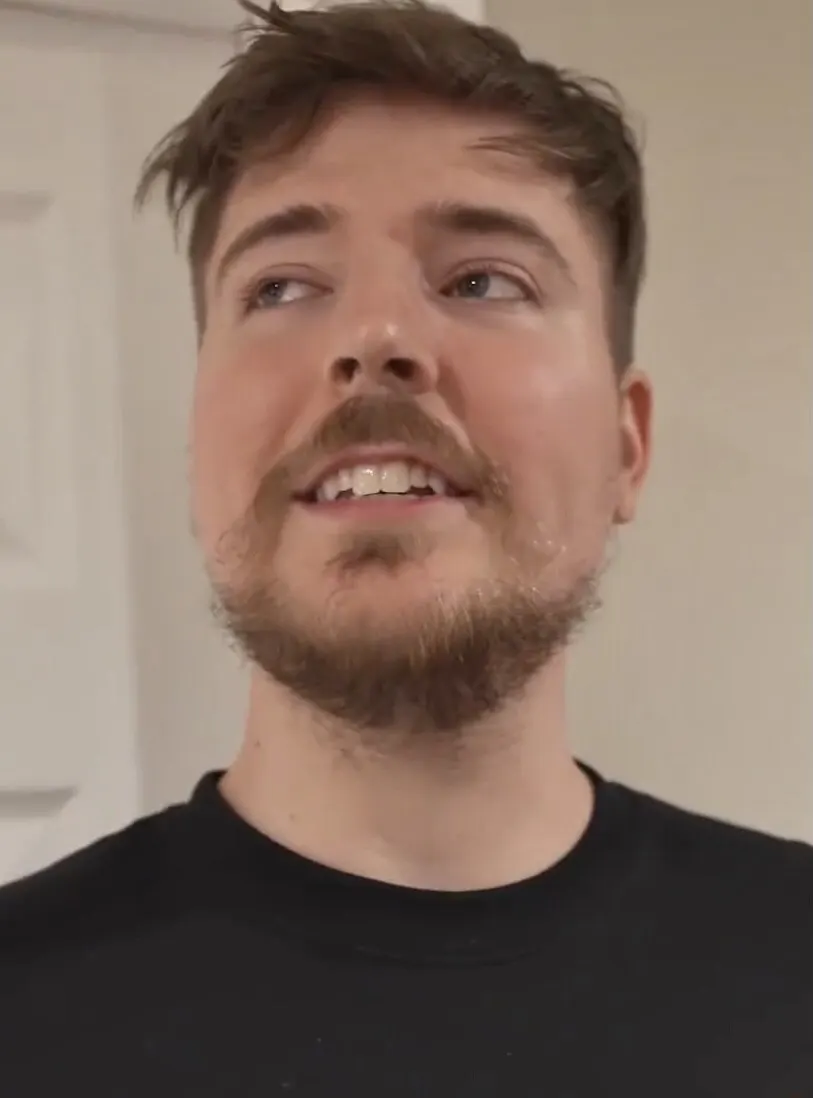
In February 2012, at age thirteen, he started a channel. The name came from an Xbox account that had assigned him a gamer tag. MrBeast, he thought, sounded cool. The channel was first called MrBeast6000. A friend who was with him that day became his very first subscriber.
The early videos were ordinary. He talked over video games. He ranked other creators' intros. He estimated how much money famous YouTubers made. He edited on a clunky hand-me-down laptop that his brother had gotten for Christmas and that Jimmy more or less took over. For a while he filmed on a Windows phone with a camera so bad that, he joked later, it looked like someone had rubbed sandpaper on the lens. He saved for months to buy a cheap microphone and for half a year to buy a computer. He crossed one hundred thousand subscribers before he owned a real camera.
At school, his obsession made him an outsider. Nobody around him made videos. He would try to talk about retention and editing and other creators. Classmates tuned out. After a while he was labeled the kid who only talked about YouTube, so he mostly stopped talking. When a classmate found his channel at thirteen, he was so embarrassed that he deleted his earliest videos.
The illness that ended baseball
At fifteen, his body turned on him. He was diagnosed with Crohn's disease, a condition in which the intestines become inflamed and have trouble processing food. Eating became painful. He lost a lot of weight. He had no energy and did not want to go to school. He has said he hated his life back then and felt truly miserable. His family spent months working with doctors to find a treatment that helped.
The illness ended his dream of playing baseball seriously. It also cleared the field for the one thing he could still do from his room. I was like, all right, I am done with that, he recalled. And then I just went all in on YouTube.
He set challenges for himself. He would post a video every other day for three months and see what happened. He celebrated when the subscriber count hit quadruple digits. He promised himself that when he reached ten thousand subscribers, he would finally tell his mother what he was doing online. For years, his mother thought the voices coming from his bedroom belonged to kids he was gaming with. She had no idea he was building an audience.
His videos from those years pulled in a few thousand views each. He was making around thirty dollars a month. Every night before bed, he has said, he told himself the same thing. It is a lot of work. I feel like I am not getting anywhere. But if I just do it long enough, eventually it will click.
The college ultimatum
His mother was a first-generation college student, and education mattered deeply in the family. It seemed obvious to her that Jimmy should go to college. Jimmy disagreed. His goal all through high school had been to earn enough from YouTube to do it full time by graduation. When he graduated from Greenville Christian Academy in 2016, he was making only a few hundred dollars a month.
His mother gave him a choice. He could keep living at home if he went to school. If he did not go, he would have to move out.
So he enrolled at East Carolina University, the big public university in his hometown. Then, quietly, he stopped going. Sitting in lectures, he told Joe Rogan years later, made him feel close to despair. Instead he sat in his car and edited videos. He was, as he put it, all in. If this did not work, he knew he was in serious trouble.
In that first month, some of his videos took off. In one month he made about twenty thousand dollars. He found an apartment for around seven hundred and twenty dollars a month. Then he went home and told his mother the truth: he had not been going to college, and he was moving out. They argued. For a long time, he has said, there was a lot of drama in the house. Today, he jokes, she tells her friends she always knew little Jimmy would be a success.

Counting to 100,000
In January 2017, he posted the video that changed his direction. He sat in front of a camera and counted from one to one hundred thousand. It took him about forty hours of filming. He wanted to watch anime at the same time and could not figure out how to take a break from making content, so he found a way to do both. Nobody on YouTube, he told viewers, had ever done anything that stupid.
The video exploded. For Jimmy, the lesson was simple. If he did something truly interesting, even something that sounded ridiculous, people would click. He followed it with a string of endurance stunts. He read the entire script of Bee Movie, repeating every earlier mention of the word bee each time a new one came up. He watched a popular music video for ten hours straight. He read the dictionary aloud. He microwaved a microwave. Each idea was so odd that viewers could not resist finding out what happened.
He has since called the counting video miserable. But he has also said it trained a muscle he still uses. Later he would spend days buried alive, a week in solitary confinement, and a week on a deserted island for videos. You train yourself, he has said, to stop being afraid.
Four lunatics on Skype
Around the same time, Jimmy found four other young creators who were as obsessed as he was. Three were college dropouts. One had dropped out of high school. One had simply quit his job. He has called them lunatics, with affection.
Every morning they got on a Skype call. Some days the call started at seven in the morning and ran until ten at night. They did not date. They did not drink. They did not have friends outside the group. They took a thousand thumbnails and checked whether brightness affected how many people clicked. When one of them made a mistake on Friday, he taught the other four, and nobody else made the same mistake again. Jimmy has estimated that he spent something like ten thousand hours talking to one of those friends over the years.
When they started, each of them had ten or twenty thousand subscribers. By the time the calls ended, they all had millions. They crossed one million subscribers within about a month of one another. Jimmy compares it to Malcolm Gladwell's famous ten-thousand-hour idea, except, he says, they probably put in forty or fifty thousand hours between them.
The $10,000 idea
When he was nineteen, a company offered him five thousand dollars to feature its app in a video. It was more money than he had ever seen from one deal. He called his mother, ecstatic. Then he did something that made no sense to her. He asked the sponsor for ten thousand dollars instead, arguing that ten thousand would look better in a title and get more views. They agreed. Then he gave all ten thousand dollars to a homeless man, on camera.
His mother asked why he did not keep a little. Why not give away eight or nine thousand? Jimmy had his reasons. Growing up, whenever he saw a homeless person, he would empty almost everything from his wallet. He loved the look on people's faces. After the video, he and a friend took the man to dinner and heard how the money would help. The feedback poured in. His family said they had never heard him talk about any video with so much heart.
He took the next sponsor check and did it again. He tipped pizza delivery drivers hundreds and then thousands of dollars in cash. Some broke down in tears. One driver came to his house the next day, still crying, because the tip had let him take a shift off.
Jimmy saw a loop. Take brand money and give it away in a video. The video does well. Take the money from that video and give it away in the next. The next video does even better. It was generosity and strategy at once, and he did not pretend otherwise. I think I just cracked the code, he remembers thinking.
Hey Mom, here is $100,000
Not long after, Jimmy showed up at his mother's door with a camera and a group of friends. Try not to be too mad at me, he said. Then he told her he was giving her one hundred thousand dollars to help pay off her house. She told him no. He told her yes. She cried. His friends remember the pure happiness on his face. He has said simply that she needed the money, she was still working a lot, and he wanted her to be part of his success.
By then his income was climbing fast, but his spending climbed right along with it. His rule was make a hundred thousand dollars, spend a hundred thousand dollars. He bought three million pennies to deliver to his three millionth subscriber. He bought everything in a store and gave it to a food bank. A talent manager who met him at around one and a half million subscribers watched the channel end 2018 at about thirteen and a half million.
For a short time he tried the famous-person life. He bought a fancy sports car. He found it did not make him happy. If you have Crohn's, he said later, it does not go away because you have a nicer car. He got rid of most of it. He did have to move once for a very practical reason. He had been living in a below-average house, and someone broke in and stole everything he owned.
Greenville, not Hollywood
Most creators with his numbers moved to Los Angeles. Jimmy stayed in Greenville. He argued that true friends would visit, and that there were fewer distractions at home. His first office was a small space with barely two rooms. The team outgrew it in about three months. Then came several offices, then a warehouse, then more warehouses. He has described hiring about one person a month for years. It was not magic, he has said. It was a very, very slow grind.
The company he built there looks more like a television studio run by engineers than a typical YouTube channel. Everything starts with the idea, the title, and the thumbnail, because those set the promise the viewer clicks on. The first seconds of the video then have to confirm that promise immediately. Jimmy talks about retention, the share of viewers who keep watching, the way pilots talk about altitude. If a shot lingers too long, viewers leave, so the edit cuts fast. Before a video goes live, he has said, several people check it. Later his team began dubbing videos into many languages so viewers around the world could watch in their own tongue. That choice mattered more than almost anything else in the channel's growth. A video about giving away a house or surviving a week in a bunker does not need much explaining. Add a voice in Spanish, Portuguese, Hindi, or Japanese, and the same story can travel almost anywhere. Much of his audience today lives outside the United States.
He does not come up with every idea anymore. He leans on what he calls some of the smartest and most creative people in the world. But the obsession has not faded. Video after video, he returns to the same question. What would make someone click, and what would make them stay?
The crew on camera
Part of the channel's appeal has always been the friends around Jimmy. Over the years a small cast of regulars became stars in their own right, most famously Chandler Hallow, Karl Jacobs, and Nolan Hansen. Viewers watched them get pranked, dunked, stranded, and rewarded. When Jimmy ran a Last to Leave challenge with a private island as the prize, Chandler won and named the island Jeff. When the channel hit one hundred million subscribers, Jimmy flew one hundred random subscribers to a private island and had them compete for it.
The friendships gave the huge productions a human center. A video about a million-dollar prize is really a video about how people you know react under pressure. That mix of spectacle and familiar faces became the formula that competitors spent years trying to copy. The cast has changed over time as people left to pursue other paths, but the idea of a crew of friends at the heart of the chaos has stayed.
Twenty million trees
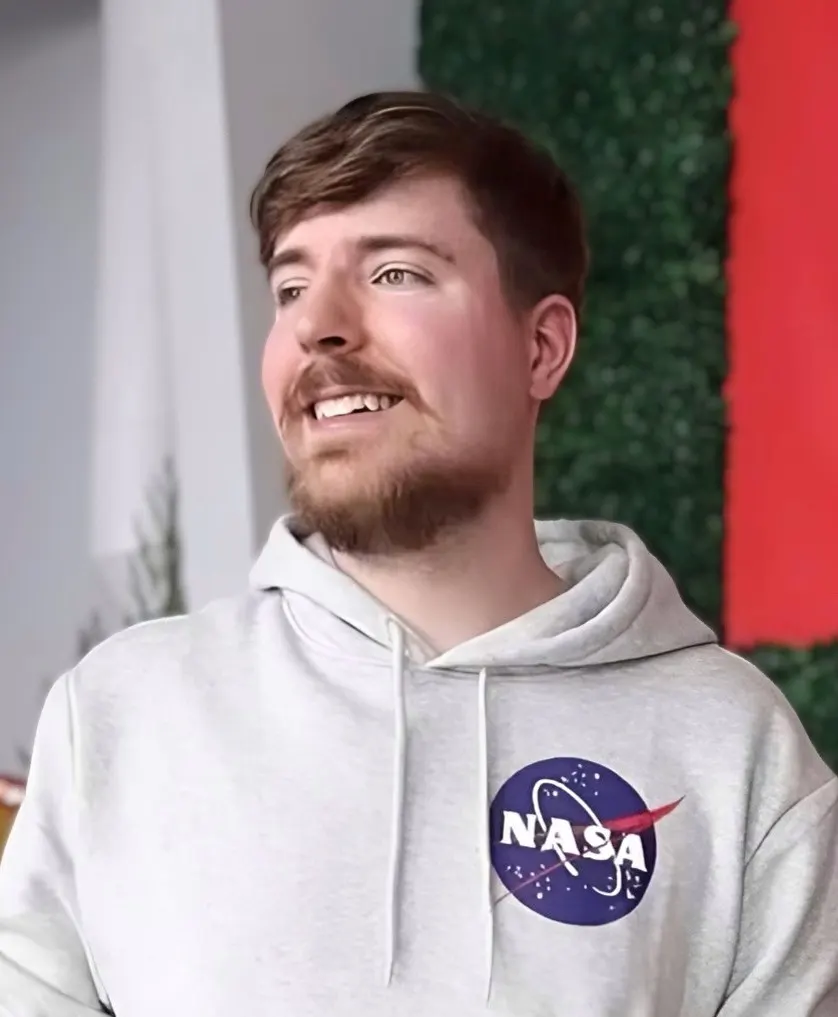
In 2019, as his channel approached twenty million subscribers, fans jokingly suggested that he plant twenty million trees to celebrate. Jimmy and the science and engineering creator Mark Rober took the joke seriously. On October 25, 2019, they launched Team Trees. The rule was simple: one dollar plants one tree. They partnered with the Arbor Day Foundation to plant trees responsibly, in the right places.
Hundreds of creators joined in and made videos. A public leaderboard showed the biggest donors, and the gifts grew from ten thousand dollars to a hundred thousand and beyond. The campaign blew past its twenty million dollar goal, and YouTube now says it raised more than twenty-five million dollars. The team wanted to prove, they said, that the internet was not just for fighting. It could also get things done.
Two years later, in 2021, Jimmy and Rober did it again with Team Seas, which raised more than thirty million dollars to pull trash from beaches, rivers, and the ocean. In 2025 they launched Team Water with creators in more than one hundred countries and raised about forty million dollars for WaterAid. Along the way Jimmy started Beast Philanthropy, a nonprofit channel whose profits go to charity. By early 2026 it said it had provided more than twenty million free meals.
Squid Game and the crown
In November 2021, Jimmy released a video called $456,000 Squid Game In Real Life. His team built full-size sets based on the hit Netflix show and put four hundred and fifty-six real contestants through its games, minus the violence. The winner took home four hundred and fifty-six thousand dollars. The video became one of the most watched in YouTube history and was approaching a billion views by 2026.
The next year he passed the Swedish gamer PewDiePie to become the most-subscribed individual creator on YouTube, in November 2022. In June 2024 he passed the Indian music label T-Series to become the most-subscribed channel of any kind.
The Squid Game video cost about four million dollars to make, which seemed outrageous at the time. Since then, he told WIRED, several videos have cost more. He says he no longer tracks the spending closely. What matters is the story and how people feel. By the mid-2020s, his average video was drawing around two hundred million views. He began talking less about raw views and more about what he calls quality views: not two hundred million people thinking a video was fine, but two hundred million people loving it.
Burgers, chocolate, and lawsuits
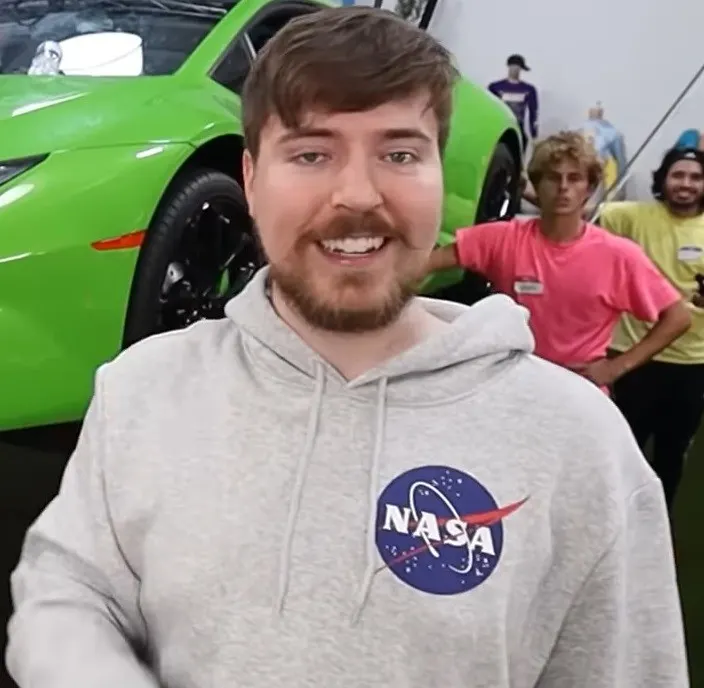
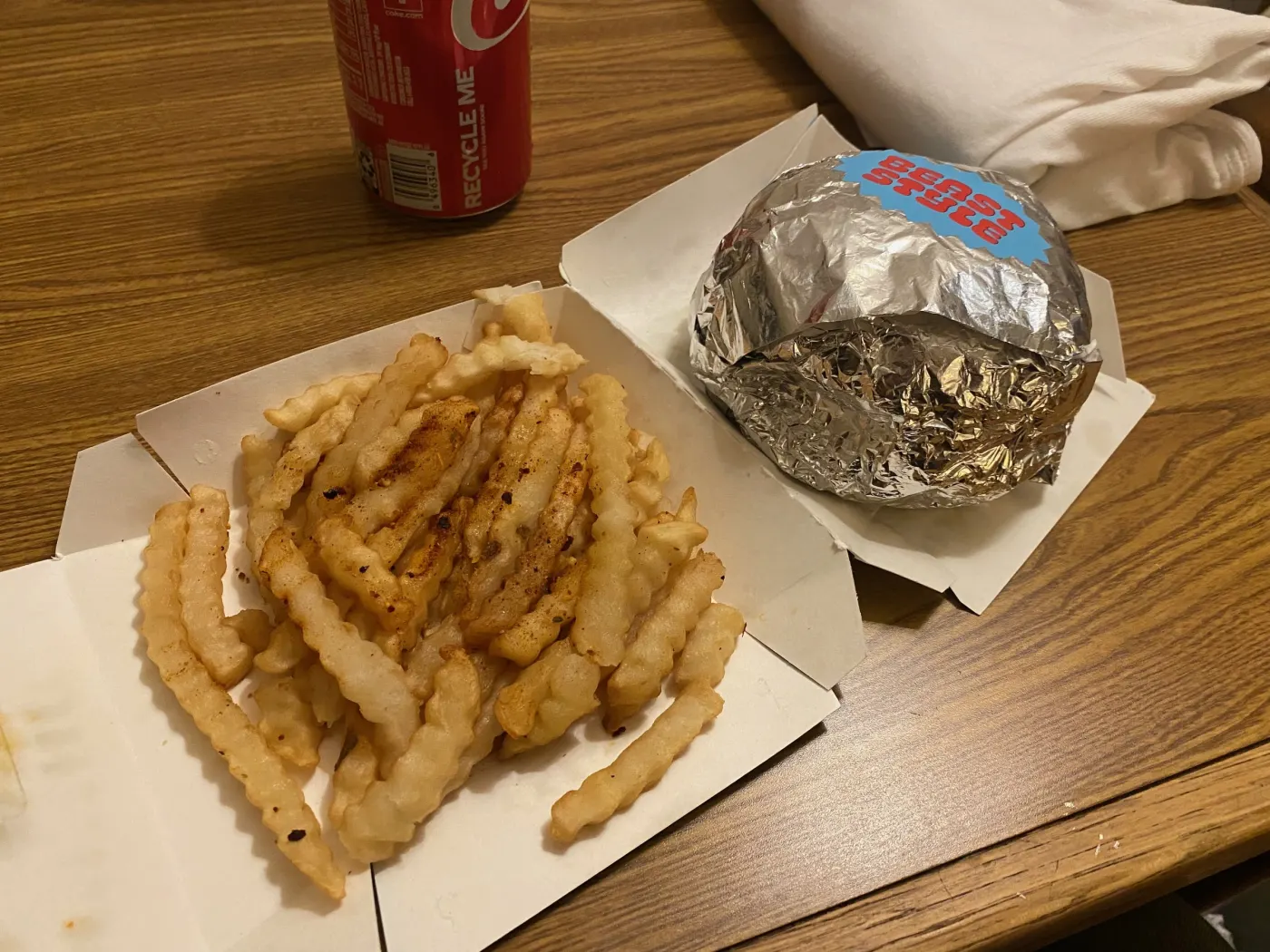
Jimmy wanted businesses that could stand on their own if YouTube ever changed. In December 2020 he launched MrBeast Burger with a company called Virtual Dining Concepts. It was a ghost kitchen idea: existing restaurants cooked MrBeast Burger meals and sold them through delivery apps. The brand opened hundreds of locations almost overnight. But quality complaints piled up. In 2023 Jimmy sued the partner company, saying the food hurt his reputation. The company sued him back. The fight played out in court, a reminder that a famous name cannot control every kitchen.
His next product was built differently. In January 2022 he launched Feastables, starting with chocolate bars. This time the company controlled more of the recipe and the brand, and it sold through big stores like Walmart and Target. Feastables became a genuine hit. In March 2025 Bloomberg reported that Jimmy's company was making more money from chocolate than from YouTube videos, because the chocolate was profitable while the giant videos often cost more than they earned. In July 2026 Business Insider reported that Feastables' growth had slowed, with sales volume in the United States up about thirteen percent.
Jimmy has also used Feastables to talk about how chocolate is made. He has said the brand works only with cocoa farms that audit for child labor and fix problems when they find them, and he has cited estimates that more than a million children work illegally on cocoa farms. Those are his company's claims, and the wider chocolate industry has struggled with the issue for decades. But it marked a shift. A creator known for stunts was now arguing about supply chains.
The storm of 2024
Fame at this scale brought serious scrutiny. In the summer of 2024, a wave of online allegations targeted his company's workplace culture and people close to him. Jimmy hired an outside law firm to investigate. In late 2024 the firm reported that it had reviewed huge numbers of messages and documents and interviewed dozens of employees. According to reporting by the Associated Press and others, it found no basis for the most serious allegations of sexual misconduct involving minors, but did find isolated cases of workplace harassment and misconduct. Several employees were fired, and the company promised new policies, training, and reporting systems.
Beast Games
In 2024, Jimmy signed a deal with Amazon to make a competition show for Prime Video. Beast Games premiered on December 19, 2024. One thousand contestants competed for a five million dollar prize, which was billed as the biggest single prize in television history. The show was enormous and expensive. Jimmy has said he spent far more than the budget to make it as big as he wanted.
The production also drew a lawsuit. In 2024 some contestants filed a proposed class action alleging poor conditions and mistreatment during filming. The companies involved disputed the claims. As of 2026, the case had not reached a final ruling, and one production company had been dismissed from it.
Amazon renewed the show. Season two premiered in January 2026, and Amazon approved two more seasons.
The scale of the show still surprises people. Jimmy has said that for season one his team spent more than twenty million dollars just building a city for contestants to live in. To make sure nothing was scripted, they set up about one thousand cameras and, by his account, broke a world record for the most camera cable run in a single production. The footage filled petabytes of storage. For season two, he pitched a new twist: some of the strongest people in the world against some of the smartest.
Beast Industries
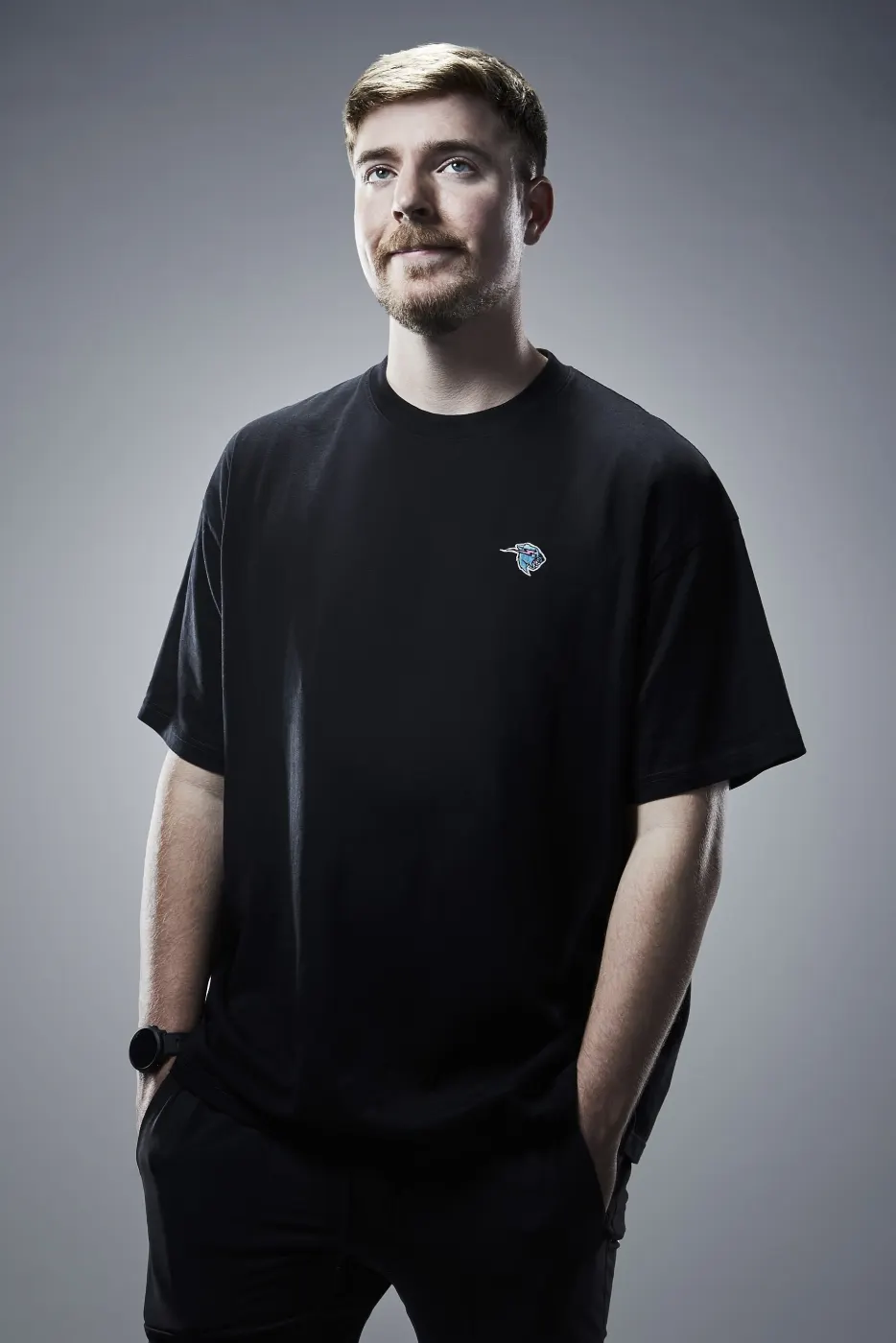
By 2025, all of these pieces sat inside a holding company called Beast Industries, based in Greenville. It covers the YouTube channels, Feastables, Beast Games, licensing, and other ventures. Jeff Housenbold, a veteran technology executive, became its chief executive. In 2025 the company raised money at a valuation reported at about five billion dollars. Reports that year said it targeted large revenue growth while cutting costs by around one hundred million dollars to move toward profit.
It kept experimenting. In November 2025 Beast Land, a MrBeast-themed attraction, opened in Riyadh, Saudi Arabia, for a limited run of about six weeks. On February 9, 2026, Beast Industries bought Step, a financial technology company for young people with more than seven million users. The idea was to use Jimmy's reach to teach saving, investing, and building credit.
Jimmy himself says his personal finances are not what people imagine. On paper he is often described as a billionaire. But he told The Wall Street Journal that most of his wealth is tied up in the company, and that at times he has had to borrow money. I do not really think about my personal bank account, he said. I am laser focused on making the greatest videos possible.

How he works
The people who have spent time with Jimmy describe a man who treats video like a sport he has played every day since he was a boy. He studies data. He tests thumbnails and titles. He cares less about beautiful cinematic shots than about whether viewers keep watching. He often builds a video backward from the thumbnail and title. He likes titles that are slightly mysterious, the kind that make a viewer think, wait, what is this, I need to see it. Then the opening seconds have to prove right away that the video will deliver what the title promised, because a broken promise sends viewers straight to something else. He likes turning YouTube into a giant multiplayer game, as in 50 YouTubers Fight for $1,000,000 and its April 2026 livestreamed sequel, 50 Streamers Fight for $1,000,000.
He still reinvests almost everything. Ever since his first YouTube paycheck at fifteen or sixteen, he has said, he has put the money back into better videos. He pushes his team hard and holds himself to the same standard. When outsiders ask about work-life balance, he tends to describe his work as the thing he loves most.
He also acknowledges that he has had to change. Early on, he did everything himself. Today he has to lead hundreds of people and trust them with ideas he once guarded closely. His answer to many questions is the same: hire great people, learn from mistakes quickly, and keep asking what the viewer wants.

Thirty-eight dates and a wedding on Necker Island
For years, Jimmy's personal life was mostly a mystery. He has said he went on thirty-eight dates before he met Thea Booysen, a South African woman who was studying in the United Kingdom. Within an hour of talking to her, he said, he knew she checked every box. Once, desperate to see her, he rented a private jet for about one hundred fifty thousand dollars, the biggest personal splurge he can remember. He felt guilty about it and did it anyway.
He proposed at the end of 2024. In July 2026 they married on Necker Island in the British Virgin Islands, with about seventy guests at a week-long celebration. On July 21 he shared the wedding photos with a simple caption: I found MrsBeast.
2026: half a billion
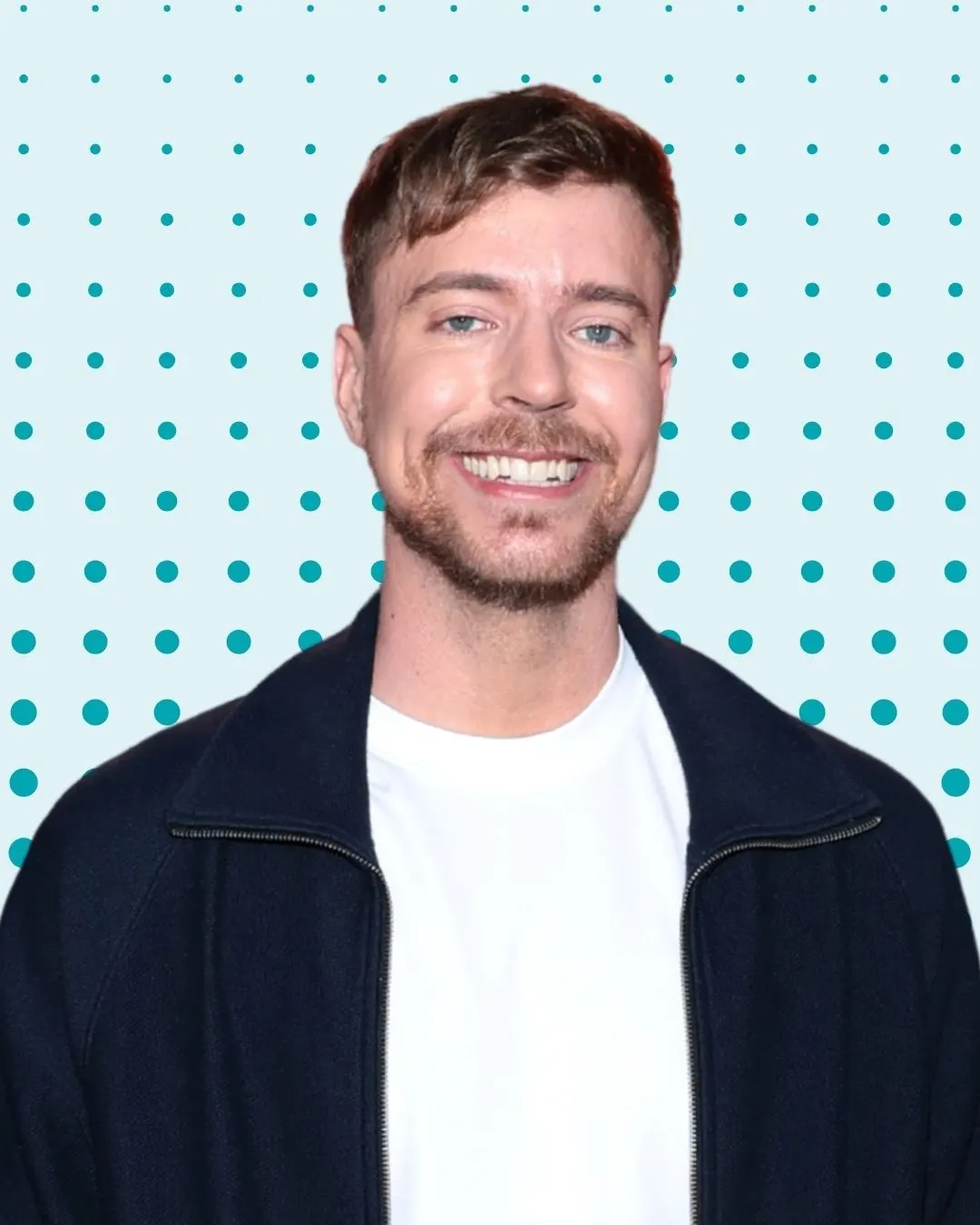
The year 2026 held several peaks. Season two of Beast Games arrived in January. The Step deal closed in February. In April he livestreamed 50 Streamers Fight for $1,000,000. On June 12 he became the first individual creator to pass five hundred million subscribers. In July he married Thea. Beast Industries was reported in 2026 to be valued at about five billion dollars, with talk of a future public listing but no date set.
Through it all he kept filming the kind of videos that made him famous. There were giveaways, huge challenges, and cheap-versus-expensive comparisons that sent him from the world's cheapest hotel rooms to the most expensive. Each month, his main channel and the channels around it reached audiences larger than most countries.
World impact
Jimmy Donaldson changed what people expect from online video. Before him, many YouTube stars filmed in their bedrooms. He showed that a creator could run productions as large as network television, with budgets and crews to match, and still post them for free. Studios, streaming services, and brands began to copy his tactics: bold titles, fast first seconds, and relentless testing.
He also changed how a creator can make money. Feastables showed that a YouTube audience can move chocolate onto the shelves of national chains. Beast Games showed that a streaming service would bet on a YouTuber to host a major show. The Step deal pushed a creator company into finance.
His giving changed the public conversation about charity, too. Team Trees, Team Seas, and Team Water raised well over ninety million dollars combined, much of it in small donations from young fans. Beast Philanthropy turned charity into a regular show. Critics have asked whether filming people at their lowest moments turns hardship into content, and whether the money would do more good without the cameras. Jimmy's answer has been that the videos pay for the giving, and that the giving would not happen at this scale without them.
Closing
Go back to the shy boy with his cap pulled low over his eyes. He had a disease that made eating painful. He had a hand-me-down laptop and a terrible phone camera. He had no friends who understood what he was doing. What he had was a question he could not stop asking: what makes someone click, and what makes them stay?
He asked it for forty hours while counting to one hundred thousand. He asked it on Skype with four friends from seven in the morning until ten at night. He asked it while giving away his first ten thousand dollars and while building a chocolate company and a game show. The question took him from thirty dollars a month to half a billion subscribers.
He still lives near the town where it started. He still tests thumbnails. And somewhere in Greenville, the boy who once promised himself he would tell his mom about YouTube when he reached ten thousand subscribers is working on the next video, asking the same question one more time.