Airbeds, Cereal, and a Trust Machine
Company: Airbnb. Company value: ~$90B. Net worth: ~$8B.
Joe Gebbia still remembers the night the idea first flickered to life in a cramped San Francisco loft. The city was in the throes of a housing crunch, and his roommate, Brian Chesky, was scrolling through listings that seemed to multiply faster than the rent checks. A single mattress on the floor, a few blankets, and a promise that strangers could sleep under the same roof sparked a conversation that would become a lifeline for travelers and a blueprint for a new kind of hospitality.
Two years earlier, at the Rhode Island School of Design, Gebbia had learned to see objects not just as things but as experiences. His industrial‑design projects were always about how people interacted with space, light, and texture. That training taught him to ask, “What does this feel like?” - a question that later guided every pixel of the Airbnb website and every handshake with a host who opened their home to a stranger.
When the 2007 conference that had drawn Chesky and Gebbia to San Francisco ran out of hotel rooms, the pair saw an opportunity. They bought three air mattresses, set them up in their living room, and called the experiment “AirBed & Breakfast.” The first guests were attendees who needed a place to crash, and they paid a modest fee for a night on a foam mattress and a homemade breakfast. The experience taught them that trust could be engineered, not just hoped for.
To keep the fledgling venture afloat, Gebbia turned to a cereal‑box hustle that would become legendary. He designed a limited‑edition “Obama O’s” and “Cap’n McCains” cereal, printed the boxes, and sold them online, raising enough money to pay the rent for several months. The quirky fundraiser was more than a cash injection; it was a proof of concept that design could turn scarcity into scarcity‑driven demand.
In early 2009, the three founders walked into the doors of Y Combinator, a startup accelerator that had already turned countless garage projects into global brands. The partners were skeptical of a business built on strangers sleeping in strangers’ homes, but Gebbia’s pitch - centered on the design of trust, the simplicity of a button that said “Book now,” and the promise of a community - won them over. The seed money and mentorship that followed gave the trio the runway to iterate, test, and refine their platform.
The next months were a blur of sleepless nights and endless redesigns. Gebbia spent hours sketching user flows on napkins, obsessing over the color of the “Confirm” button, and testing how a host’s profile photo could convey reliability. He argued that every visual cue, from the layout of the calendar to the tone of the welcome message, was a piece of the trust puzzle. Those design choices would later become the invisible scaffolding that allowed millions to feel safe in an unfamiliar bedroom.
By 2011, the company had shed its original name and rebranded as Airbnb, a word that now rolls off tongues worldwide. The growth was meteoric, but the journey was not without crisis. In 2015 a series of high‑profile safety incidents threatened to unravel the very trust Gebbia had built. He responded by launching a global safety team, introducing verified IDs, and redesigning the review system to surface authentic feedback. The crisis forced the company to double down on its design ethos, turning a vulnerability into a competitive advantage.
When the company finally went public in December 2020, the valuation hovered around ninety billion dollars, a figure that seemed unimaginable when the first guests had paid a few dollars for a mattress. Gebbia stood on the stage, not as a lone visionary, but as a designer who had turned a simple idea about shared space into a market that reshaped travel. The IPO was a milestone, but it also marked a turning point for his personal involvement.
After the public offering, Gebbia stepped back from day‑to‑day operations, handing the reins to a new generation of leaders. He turned his attention to Samara, Airbnb’s research and design studio, where he explored how technology could address broader housing challenges. Projects ranged from modular housing prototypes to community‑building tools that aimed to reduce homelessness in cities where Airbnb’s presence had sparked debate.
Even as he moved away from the daily grind, Gebbia’s influence lingered in every listing, every review, and every host who greeted a traveler with a handwritten note. The crisis moments, the cereal‑box hustle, the relentless focus on design - each thread wove together to create a narrative that is still being written. In the quiet of his studio, he still sketches, still asks how a space feels, and still believes that a well‑designed experience can turn strangers into friends, one mattress at a time.
Origin and early life


Joe Gebbia grew up in a modest home in the Boston suburb of Medford, where his parents encouraged curiosity and hands‑on problem solving. His mother, a schoolteacher, filled the kitchen table with books on art and engineering, while his father, a carpenter, taught him how to measure, cut, and build. Even as a child, Joe spent afternoons dismantling toys to see how they worked, a habit that later became the foundation of his design mindset.
The family’s modest means meant that every project required ingenuity. When a local bakery ran out of space for a pop‑up shop, Joe offered to design a portable display using reclaimed cardboard. The success of that small venture sparked his belief that clever design could turn constraints into opportunities. He began sketching ideas in the margins of his school notebooks, dreaming of ways to make everyday objects more useful and beautiful.
After high school, Joe earned a place at the Rhode Island School of Design, where he majored in industrial design. RISD’s rigorous studio environment pushed him to think beyond aesthetics, emphasizing how products interact with people’s lives. He spent long nights in the studio, experimenting with materials and prototypes, and formed lasting friendships with classmates who shared his passion for merging design and technology.
It was at RISD that Joe first met Brian Chesky, a fellow designer with a similar appetite for disruption. The two bonded over late‑night brainstorming sessions, often sketching concepts for new ways to share living spaces. Their collaboration deepened when they later crossed paths with Nathan Blecharczyk, a technically minded friend who could translate their visions into code. The trio’s complementary skills set the stage for a venture that would reshape hospitality.
In 2007, the three friends launched a modest experiment called AirBed & Breakfast. The idea emerged when a design conference flooded San Francisco with attendees, and the city’s hotels were fully booked. Joe and Brian rented out air mattresses in their living room, offering a cheap place to stay and a homemade breakfast. The venture was a practical test of their belief that design could foster trust between strangers.
To fund the fledgling operation, Joe turned to an unconventional hustle: he designed and sold limited‑edition cereal boxes featuring a quirky “Obama O’s” brand. The boxes were sold online and at local markets, generating enough cash to cover the initial rent and supplies. This creative financing underscored his willingness to blend design, marketing, and entrepreneurship in unexpected ways.
The modest success of the air‑mattress experiment caught the attention of Y Combinator, the famed startup accelerator. Acceptance into the program provided mentorship, seed capital, and a network of peers who challenged the founders to refine their product. During the intensive weeks at YC, Joe focused on the visual language of the platform, crafting a clean, welcoming interface that would later become a hallmark of the brand’s identity.
As the company grew, Joe’s role evolved from designer to chief product officer, where he championed the concept of “design of trust.” He argued that every visual cue - from the profile photo to the review system - had to convey safety and reliability. By embedding these principles into the user experience, the platform encouraged millions of strangers to open their homes to one another, turning a simple idea into a global marketplace.
The company’s trajectory accelerated dramatically, culminating in a public offering in 2020 that valued the business at roughly ninety billion dollars. By that point, Joe’s influence had expanded beyond the core product. He helped launch Samara, an internal design studio dedicated to exploring new housing solutions and sustainable living concepts. Through Samara, he pursued longer‑term visions of community building and affordable design, echoing the early lessons from his childhood workshops.
In recent years, Joe has stepped back from day‑to‑day operations, allowing a new generation of leaders to steer the company while he dedicates more time to philanthropic projects and experimental design labs. Yet his early spark - the curiosity nurtured by his parents, the hands‑on experiments in a Boston kitchen, and the relentless belief that thoughtful design can solve real problems - continues to echo through every initiative he touches.
First bets and building


Joe Gebbia’s path to the world‑changing platform began in the studios of the Rhode Island School of Design, where he earned a degree in industrial design. The discipline taught him to treat every object as a problem waiting for a solution, and it also introduced him to a community of makers who prized iteration over perfection. In those early years he learned to sketch concepts on paper, prototype with cardboard, and test ideas on classmates who would later become his first collaborators. The design mindset stayed with him, shaping how he would later think about the user experience of a service that had never existed.
In 2007 a chance meeting with Brian Chesky, a fellow designer, sparked the first concrete incarnation of what would become Airbnb. The two shared a cramped San Francisco apartment, and when a design conference flooded the city with visitors, they saw an immediate need for affordable lodging. Together with Nathan Blecharczyk, a technically minded friend, they turned their living room into a makeshift hostel, offering air‑mattress beds on the floor. The trio called the experiment “AirBed & Breakfast,” a name that captured both the literal product - a simple air mattress - and the hospitality they hoped to provide. Their first guests arrived with backpacks and curiosity, and the founders learned quickly that trust between host and traveler would be the linchpin of any lasting service.
Money was scarce, so the trio turned to a creative hustle that would become a legend in startup folklore. They designed a limited‑edition cereal called “Obama O’s,” complete with custom packaging, and sold the boxes to friends, family, and anyone willing to pay for a novelty item. The modest profit helped cover the rent on their apartment and funded the modest website they built on a borrowed laptop. Those sleepless nights of coding, photographing the air‑mattresses, and writing copy taught Gebria the importance of frugality and the power of a story that could be told in a single image. The cereal episode also demonstrated how design could be weaponised to generate buzz without a big marketing budget.
When the fledgling company applied to Y Combinator in early 2009, the partners saw the promise of a marketplace built on design thinking and a clear focus on user trust. The three founders entered the accelerator with a prototype that still relied on a simple WordPress site and a handful of listings. During the three‑month program they refined the booking flow, introduced professional photography for each space, and built a review system that let hosts and guests rate each other after every stay. The design of trust - clear photos, verified identities, and transparent reviews - became the core of the product’s DNA. Gebbia’s background in industrial design gave him a unique lens for shaping those visual cues, turning a digital interface into a feeling of safety for strangers sharing homes.
The platform grew slowly at first, but the combination of a compelling narrative and a reliable user experience attracted enough momentum to secure venture capital and expand beyond air mattresses. By the time the company rebranded simply as Airbnb, the original founders had moved from a single apartment to a global network of listings in dozens of countries. The journey from a modest San Francisco loft to a public offering in 2020 was marked by relentless iteration, a willingness to discard features that didn’t serve the core promise, and an unwavering belief that design could solve the friction of trust. When the company finally went public, its market valuation hovered around ninety billion dollars, a figure that dwarfed the modest beginnings of the cereal box hustle.
After the IPO, Gebbia stepped back from the day‑to‑day operations of Airbnb, but his curiosity about how design could improve society never waned. He turned his attention to Samara, the company’s research and design lab, which explored longer‑term challenges such as affordable housing, community building, and sustainable urban planning. In Samara he led teams that prototyped modular housing concepts, tested new ways of sharing space, and partnered with city officials to reimagine neighborhoods. Those projects reflected the same design ethos that had guided him at RISD: start with a tangible problem, build a simple prototype, gather feedback, and iterate until the solution feels inevitable. While he no longer signs off on every booking, his influence remains woven into the fabric of the platform, from the polished photo galleries to the subtle cues that reassure a traveler that a stranger’s home is a safe place to stay.
Through each phase - student workshops, cereal boxes, a cramped loft, a Y Combinator batch, a public market, and a research lab - Joe Gebbia’s story is a testament to the power of design as a strategic tool. It shows how a handful of ideas, tested in real‑world conditions, can evolve into a global marketplace that reshapes how people think about travel, community, and the very notion of home. The early bets he placed, the grind he endured, and the tools he chose to wield have left an indelible mark on a company now valued at billions and on a world that increasingly relies on trust built through thoughtful design.
Breakthrough and hard seasons
The story of Airbnb’s rise begins in a cramped living room at the Rhode Island School of Design, where Joe Gebbia was honing his industrial‑design instincts. He met Brian Chesky in a graduate‑studio class, and the two quickly discovered a shared fascination with how objects and spaces shape human interaction. Their third partner, Nathan Blecharczyk, brought a technical mind that balanced the design focus with the ability to build a platform from scratch.
In the winter of 2007, a design conference flooded San Francisco with visitors, and every hotel in the city was booked. Gebbia and Chesky saw an opportunity and turned their loft’s air mattresses into a makeshift guest room, advertising “AirBed & Breakfast” on a simple website. The concept was raw, but the trio’s willingness to test an idea on real people set the tone for everything that followed. Their first guests paid $80 for a night on an air mattress, and the modest revenue proved that strangers could be convinced to share a private space.
Money was scarce, and the founders turned to a creative hustle that would become legendary. They printed and sold limited‑edition cereal boxes called “Obama O’s” and “Cap’n McCains” during the 2008 presidential campaign, raising a few thousand dollars to keep the fledgling company afloat. The cereal venture was not a scalable business model, but it demonstrated a willingness to experiment, to market a product with humor, and to tap into cultural moments for cash flow.
When the cereal sales ran out, the team applied to Y Combinator in early 2009. The accelerator’s three‑month program forced them to strip the product down to its essential promise: a trustworthy, easy way for travelers to find a place to stay. The mentors at YC pushed them to think beyond the novelty of air mattresses and to design a system that could handle any type of lodging. Gebbia’s design background became the engine for building trust - clear photos, verified IDs, and a two‑sided review system that turned strangers into a community.
The early months were a roller coaster of growth and setbacks. After the first round of funding, the company rebranded simply as Airbnb and expanded the inventory to include couches, apartments, and entire homes. Yet the rapid scaling attracted fierce rivals. Traditional hotel chains launched their own online booking platforms, and new startups like HomeAway and VRBO entered the market with aggressive pricing. Airbnb’s response was to double down on the user experience, refining the search algorithm and investing in a design language that made the platform feel both personal and reliable.
Failure was a constant companion. In 2011 the company faced a public relations crisis when a host’s property was discovered to be a dangerous, unsanitary space. The incident forced Gebbia and his co‑founders to confront the limits of a trust‑by‑design model. They introduced a more rigorous verification process and a 24‑hour support line, turning a painful lesson into a competitive advantage. The episode also taught the team that growth could not outpace safety, a principle that would shape later policy decisions.
There were moments when the founders seriously considered quitting. By 2012, the burn rate was climbing, and investors were pressing for a clear path to profitability. Gebbia has recalled sleepless nights in which the trio debated whether to abandon the dream and return to more conventional design work. The turning point arrived when a major news outlet featured a family who had found a home in a remote town thanks to Airbnb, and the story went viral. The emotional resonance of that narrative convinced the founders that they were building something larger than a booking engine - it was a new way to belong.
Luck played a subtle but undeniable role. The 2008 financial crisis left many people with extra rooms and a need for supplemental income, while travelers were looking for cheaper alternatives to hotels. The timing of the platform’s launch aligned perfectly with this supply‑and‑demand mismatch. Additionally, the decision to join Y Combinator placed Airbnb in a network of investors and mentors who later became its most vocal champions, providing both capital and credibility at critical junctures.
The company’s ascent continued through a series of funding rounds that brought in billions of dollars, but the true test came with the 2020 initial public offering. The IPO valued Airbnb at roughly $90 billion, a figure that dwarfed the founders’ original expectations. Gebbia’s share of the company contributed to a personal net worth of about $8 billion, a testament to the scale of the enterprise that began with two air mattresses. The public market also forced the leadership to confront new pressures: quarterly earnings, shareholder expectations, and regulatory scrutiny in cities around the world.
After the IPO, Gebbia stepped back from day‑to‑day operations, shifting his focus to longer‑term projects. He helped launch Samara, Airbnb’s design and research studio, which explores how the platform can influence housing policy, community building, and sustainable urban development. This pivot reflects a return to his roots in industrial design, now applied to systemic challenges rather than individual products. It also signals an awareness that the original “air mattress” story was only the opening act of a much larger narrative about how people live together.
Throughout the breakthrough and hard seasons, the common thread was an insistence on design as a problem‑solving tool. Whether it was a cereal box, a verification badge, or a global brand identity, Gebbia’s eye for detail turned abstract ideas into concrete experiences. The failures taught humility, the rivals sharpened the competitive edge, the near‑quits reinforced resilience, and the moments of luck reminded the team that timing can be as powerful as talent. Together, these forces forged a company that reshaped travel, housing, and the way strangers trust each other.
How they work and what they built
Joe’s design instincts were forged at the Rhode Island School of Design, where a rigorous industrial‑design curriculum taught him to see every object as a conversation between user and maker. He carried that mindset into the first cramped living‑room in San Francisco, where he, Brian Chesky and Nathan Blecharczyk turned a spare mattress into a “AirBed & Breakfast” for conference‑goers in 2007. The trio treated the venture like a studio project, sketching layouts on napkins, iterating the booking flow on whiteboards, and testing each change with a handful of guests before moving forward.
The early days were a blur of hustle. When money ran low, the three founders printed a limited edition cereal box called “Obama O’s” and sold it to friends and family to keep the lights on. The stunt was more than a cash‑grab; it revealed a habit of turning constraints into experiments. Each box carried a QR code that linked to a simple landing page, a tiny prototype of the trust‑building tools that would later become the heart of the platform. The experience taught Joe that scarcity could be a catalyst for creativity, a lesson he repeated whenever the company faced scaling challenges.
Acceptance into Y Combinator in 2009 gave the fledgling startup a disciplined rhythm. The batch schedule forced the team to set weekly milestones, demo their progress, and accept brutal feedback from peers. Joe adopted a habit of “design sprints” that compressed months of research into a single week. He would gather a cross‑functional group, define a problem, sketch solutions, build a quick mockup, and test it with real users before the weekend ended. This cadence turned intuition into data, and the resulting refinements made the booking experience feel as smooth as checking a hotel reservation.
Trust became the most valuable product feature. Early on Joe argued that a platform could not survive without a system that reassured strangers to open their homes. He led the creation of a two‑sided rating system, verified ID checks, and a photo‑verification process that required hosts to upload multiple images of their space. The design team built a visual language of green checkmarks and “superhost” badges that signaled reliability at a glance. These cues were tested in A/B experiments, and the version that produced the highest booking conversion was rolled out globally, embedding trust into the brand’s DNA.
As the company grew, the culture remained rooted in design thinking. Weekly “design reviews” were open to anyone, from engineers to finance, and the room was filled with sketches, sticky notes, and prototypes of everything from new search filters to a mobile checkout flow. Joe encouraged a habit of “show, don’t tell,” insisting that ideas be demonstrated with a clickable mockup before a meeting. This practice reduced endless debate and kept the focus on tangible outcomes, allowing the team to move from concept to launch in weeks rather than months.
The 2020 IPO was the culmination of a decade of disciplined iteration. By the time the company went public, the platform supported millions of listings in more than one hundred countries, and the underlying systems that Joe helped design were handling billions of transactions a year. The IPO filing highlighted a suite of proprietary algorithms for dynamic pricing, fraud detection, and personalized search - each a product of the same design‑first philosophy that began with a mattress on a floor. The public market rewarded that consistency, valuing the company at roughly ninety billion dollars.
After the public offering, Joe stepped back from day‑to‑day operations to focus on longer‑term experiments. He launched Samara, an internal research lab that explores housing solutions, community‑building tools, and sustainable design. Samara’s first projects included a modular housing prototype for disaster relief and a data‑driven platform that matches renters with neighborhoods based on lifestyle preferences. Joe’s habit of rapid prototyping continued here, with teams building physical models in a workshop and testing them with real families within weeks.
Even as his role shifted, the habits he cultivated never faded. He still starts each morning with a sketchbook, noting observations from the city streets that might inspire a new feature. He holds a weekly “future‑thinking” session where employees present speculative ideas, from AI‑guided travel itineraries to decentralized payment systems. The culture he helped embed - one that prizes curiosity, rapid testing, and a relentless focus on trust - remains the engine that powers the company’s continual reinvention.
Through every product launch, policy change, and expansion into new markets, Joe’s influence is felt in the way the organization approaches problems. The emphasis on design as a problem‑solving tool, the habit of turning constraints into experiments, and the relentless pursuit of trust have become the invisible infrastructure that supports a platform valued at billions. The story of how they work and what they built is, at its core, a story of disciplined creativity that turned a simple air mattress into a global hospitality ecosystem.
Current achievements as of September 2026


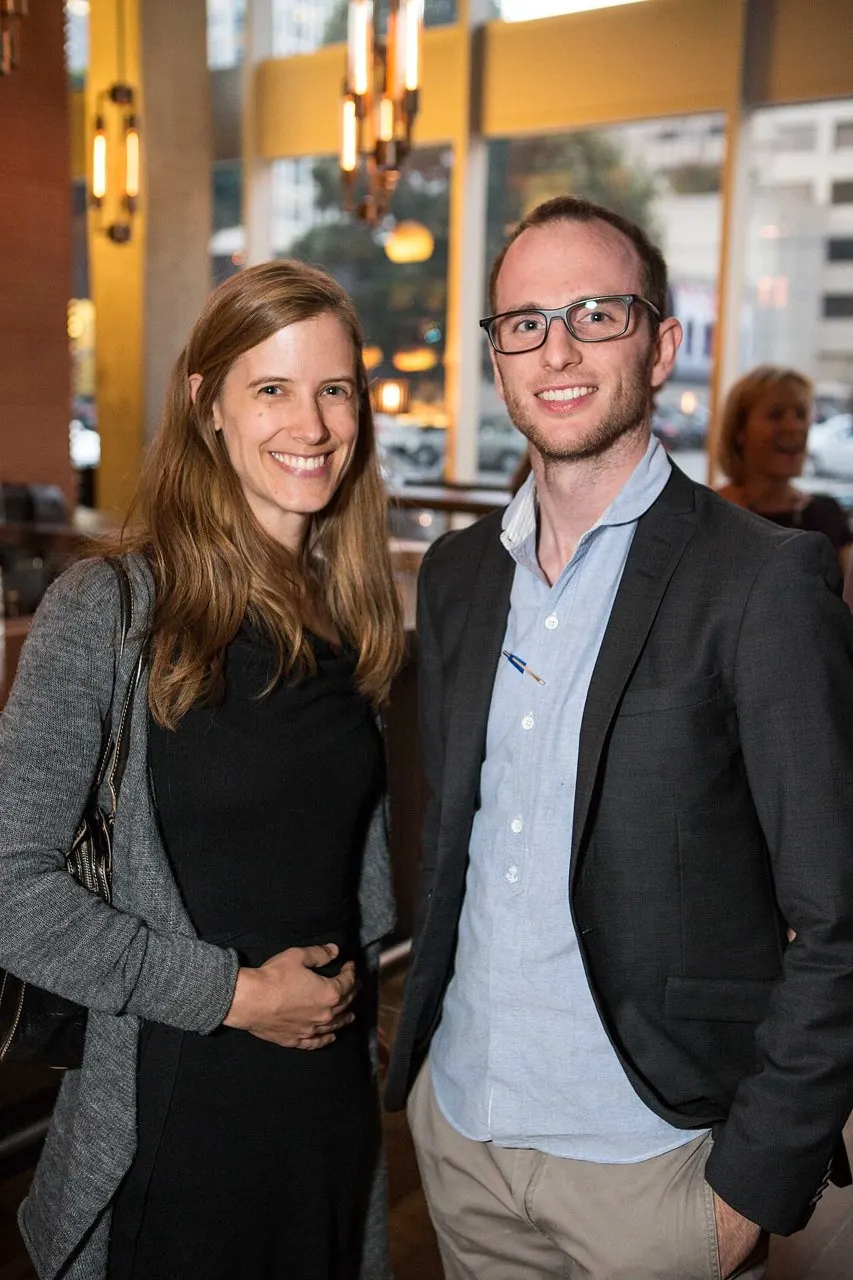
Joe’s journey from a cramped Providence studio to the helm of a global hospitality platform reads like a series of vivid snapshots. In 2007, while still a student of industrial design at RISD, he and his roommates Brian Chesky and Nathan Blecharczyk turned a modest loft into a makeshift inn, offering air‑mattressed beds to conference‑goers who could not find hotel rooms. The trio’s early nights were spent sketching floor plans on napkins, testing the limits of comfort and trust with each guest who arrived.
The first test of their entrepreneurial grit came when they printed a limited run of cereal boxes, each featuring a different city’s skyline, and sold them to fund the fledgling venture. The boxes, emblazoned with the AirBed Breakfast logo, became a quirky symbol of their willingness to hustle. The modest cash flow from that experiment helped cover rent and the cost of a few extra mattresses, keeping the operation alive long enough to catch the eye of a small but influential accelerator.
In the spring of 2009, the trio entered the Y Combinator program, where they refined their pitch and honed the user experience that would later become the company’s hallmark. The mentors urged them to focus on the emotional core of travel - trust between strangers. Joe, with his design background, responded by crafting a visual language that emphasized safety, clarity, and community. The result was a set of icons and color schemes that made the platform instantly recognizable and reassuring to new users.
When the service rebranded from AirBed Breakfast to Airbnb in 2011, the design team, led by Joe, rolled out a new logo that blended a simple “Bélo” symbol with a warm, inviting palette. The redesign was more than aesthetic; it encoded the company’s promise that anyone could belong anywhere. This visual identity, coupled with a relentless focus on user feedback, propelled the marketplace to exponential growth, eventually reaching millions of listings across the globe.
The company’s public debut in December 2020 marked a watershed moment. On the day the stock began trading, Joe stood on a stage in San Francisco, his voice steady as he reflected on the platform’s evolution from a handful of air mattresses to a multi‑billion‑dollar enterprise. The IPO valuation placed the company at roughly ninety billion dollars, a figure that underscored the scale of the ecosystem he helped build. The event also signaled a shift in his role, as he began to step back from day‑to‑day operations to focus on longer‑term projects.
One of those projects, Samara, emerged from Joe’s fascination with how design could address systemic challenges in housing. Launched in 2022, the research lab assembled architects, engineers, and data scientists to prototype affordable, modular homes that could be deployed quickly in crisis‑affected areas. The initiative attracted partnerships with municipal governments and nonprofit organizations, positioning Airbnb as a catalyst for innovative housing solutions beyond its core marketplace.
By 2024, Samara’s prototypes had been installed in several pilot communities, demonstrating how prefabricated units could reduce construction time by half while maintaining high standards of livability. Joe’s involvement remained hands‑on; he frequently visited sites, sketching improvements on the spot and engaging with residents to gather real‑world feedback. These field experiences fed back into Airbnb’s broader product strategy, reinforcing the company’s commitment to responsible growth.
Even as his focus broadened, Joe continued to champion the design of trust within the platform. He spearheaded the rollout of a new verification system that combined biometric checks with AI‑driven risk assessment, a move that further reduced fraud and heightened user confidence. The system, rolled out globally in 2025, contributed to a measurable uptick in repeat bookings and helped sustain the platform’s reputation for safety.
Financially, Joe’s personal net worth grew in tandem with the company’s success, reaching an estimated eight billion dollars by the summer of 2026. Rather than retreat into private luxury, he directed a portion of his wealth toward philanthropic ventures aimed at expanding access to affordable housing and supporting emerging designers. His foundation, launched in 2023, funds scholarships for students at his alma mater and backs incubators that nurture socially conscious startups.
Today, Joe’s legacy is visible in both the sleek interface of a global travel app and the concrete walls of modular homes rising in underserved neighborhoods. His ability to translate a simple idea - sharing a space with a stranger - into a trusted, scalable system illustrates how design thinking can reshape entire industries. As the platform continues to evolve, his influence endures, reminding entrepreneurs that the most lasting impact often begins with a humble mattress and a willingness to listen.
World impact and closing
The ripple that began in a cramped San Francisco loft reverberated far beyond the original three‑person team. When Joe Gebbia, Brian Chesky, and Nathan Blecharczyk first opened their “AirBed & Breakfast” in 2007, they offered a simple solution to a single problem: a place to sleep for conference attendees when hotels were full. That modest experiment turned a handful of strangers into a global marketplace where anyone with a spare room could become a host. For travelers, the shift was immediate. The cost of a night in a city center fell dramatically, and the experience of staying with a local replaced the sterile anonymity of chain hotels. For families, a weekend in a countryside cottage felt affordable for the first time in decades.
The design instincts Gebbia honed at the Rhode Island School of Design became the invisible scaffolding of the platform. He treated every listing as a product, every interaction as a touchpoint, and every review as a piece of feedback that could be refined. The “design of trust” he championed meant that a photo of a living room, a verified ID, and a clear cancellation policy were not optional extras but core components of the user journey. That focus on visual clarity and psychological safety set a new industry standard, prompting competitors to invest heavily in user‑centric design and forcing the hospitality sector to rethink how it presented rooms, rates, and reputations.
The early days were marked by a gritty hustle that still feels like a legend. To fund the first prototype, Gebbia and Chesky printed and sold limited‑edition cereal boxes, each emblazoned with a quirky “Obama O’s” label, and mailed them to friends and family. The modest cash flow from that stunt bought the first set of air mattresses and the initial marketing push that attracted the first wave of guests. That story, repeated in countless startup classrooms, illustrates how a blend of creativity and desperation can bridge the gap between an idea and a viable product. It also underscored the importance of storytelling in building a brand that people wanted to belong to.
Acceptance into Y Combinator in 2009 gave the fledgling company a runway and a network that accelerated its growth. The mentorship and seed capital helped transform a weekend‑rental service into a full‑scale platform that could handle millions of bookings across continents. The infusion of capital also allowed the team to invest in sophisticated algorithms that matched guests with hosts based on preferences, price, and location. Those algorithms reshaped the travel industry’s logistics, prompting airlines, hotels, and even city planners to consider the impact of a decentralized lodging ecosystem on traffic patterns, tourism taxes, and local economies.
When Airbnb went public in 2020, the market assigned it a valuation near ninety billion dollars, a figure that dwarfed the modest beginnings of a three‑person startup. The IPO was not just a financial milestone; it signaled the acceptance of the sharing economy as a permanent fixture in the global economy. Jobs that once existed only in hotel front desks and reservation centers migrated to the digital realm. New roles emerged for community managers, data scientists, and experience curators who helped maintain the platform’s promise of authentic, safe, and affordable travel. The ripple effect reached local economies, where hosts earned supplemental income that funded education, medical bills, and small business ventures.
Beyond the core marketplace, Gebbia’s vision expanded into broader societal challenges. The Samara Labs initiative, launched after the IPO, applied the company’s design thinking to housing shortages, disaster relief, and community resilience. Prototypes for modular, affordable housing units were tested in cities grappling with rising rents, and the lessons learned fed back into the platform’s policies on long‑term stays and host support. By stepping back from day‑to‑day operations, Gebbia allowed a new generation of leaders to steer the company while he focused on these larger experiments, reinforcing the idea that the platform could be a tool for social good as well as profit.
The cultural shift sparked by Airbnb is perhaps the most enduring legacy. Travelers no longer see a city as a collection of tourist attractions; they experience neighborhoods as lived‑in spaces, sharing meals, stories, and customs with hosts who become informal ambassadors. Hosts, in turn, have discovered a sense of purpose that goes beyond extra income; many describe the act of opening their homes as a way to connect across borders and combat loneliness. This mutual exchange has softened the perception of strangers, fostering a global community that values hospitality as a shared human language.
For the industry, the ripple forced traditional hotels to reinvent themselves. Many adopted flexible pricing models, introduced boutique experiences, and invested in technology that could personalize guest stays. Some formed partnerships with Airbnb to list their rooms on the platform, blurring the line between conventional lodging and peer‑to‑peer rentals. The competition spurred innovation that ultimately benefited the consumer: cleaner rooms, faster check‑in, and a broader array of choices that cater to every budget and travel style.
As the narrative draws to a close, the picture that remains is one of ordinary people transformed by an extraordinary idea. Joe Gebbia’s journey from a design studio in Providence to a boardroom overlooking a multi‑billion‑dollar enterprise illustrates how empathy, creativity, and a willingness to experiment can reshape the world. The platform he helped build has turned vacant spaces into opportunities, strangers into friends, and a simple air mattress into a catalyst for global connection. In the quiet moments after the crowds have left the stage, the true impact is felt in the countless lives that have been lifted, the neighborhoods that have been revitalized, and the sense that anyone, anywhere, can belong somewhere else for a night. The story is still being written, but the echo of that first loft‑born idea will continue to reverberate through travel, housing, and the way we think about community for generations to come.
Watch alongside this story
Short cuts from interviews, keynotes and launches. Each plays only the moment that matters.