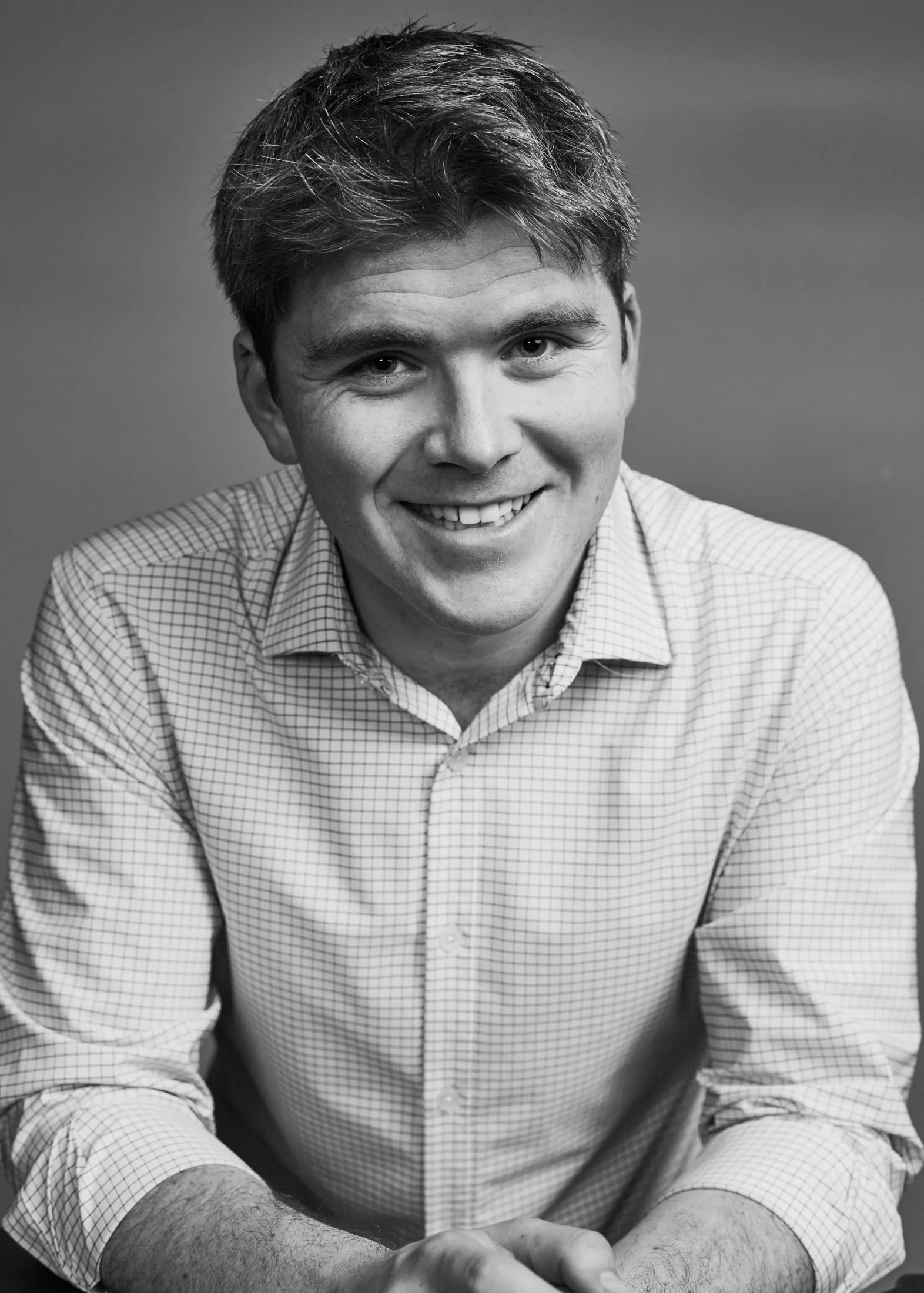
The Younger Collison
A Tipperary teen sold a company at seventeen. He finished school as a millionaire. Then he helped build the payments layer of the internet.
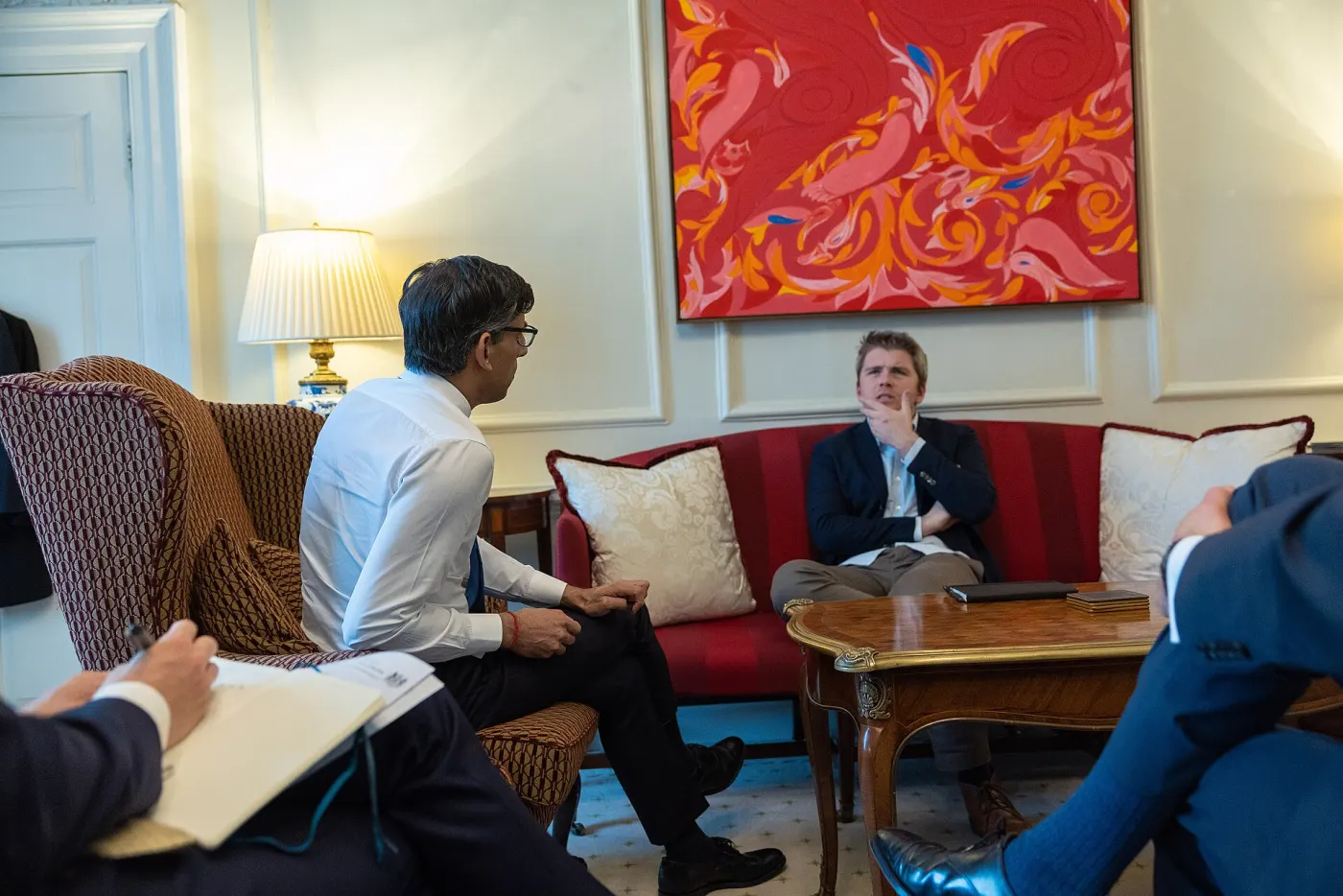
On February 24, 2026, Stripe told the world something private companies rarely say out loud. Through a tender offer for employees and shareholders, investors including Thrive Capital, Coatue, and Andreessen Horowitz were ready to buy stock at a price that valued the company at about $159 billion. The newsroom post came from San Francisco and Dublin together. The annual letter carried both founders' names. And when cameras needed a voice, it was often John Collison, co-founder and president, who sat across from the hosts.
He told interviewers that an IPO would be a solution in search of a problem. Stripe, he said, was self-funding, growing, and busy inventing new products. Wall Street could wait. Builders could not.
That sentence is the key to John's story. Patrick Collison is the chief executive most profiles chase: the essayist, the science philanthropist, the public intellectual of progress. John's beat is different. He is the younger brother who finished Ireland's Leaving Certificate after he was already a millionaire. He is the president who sells, partners, expands, and explains. He is the pilot who once crossed the Atlantic in a small plane for fun, then later helped buy a light-aviation airport outside Dublin because infrastructure needs stewards. In 2025 and 2026, when Stripe's payment volume climbed toward two trillion dollars a year, John was the operator telling markets why the company still preferred to stay private.
Public estimates of his wealth floated in the mid-teens of billions of dollars depending on the week and the data provider, largely tied to a large founder stake in closely held Stripe. The number moves with tender prices. The work underneath it does not.
Dromineer, Castletroy, and the weird teenager
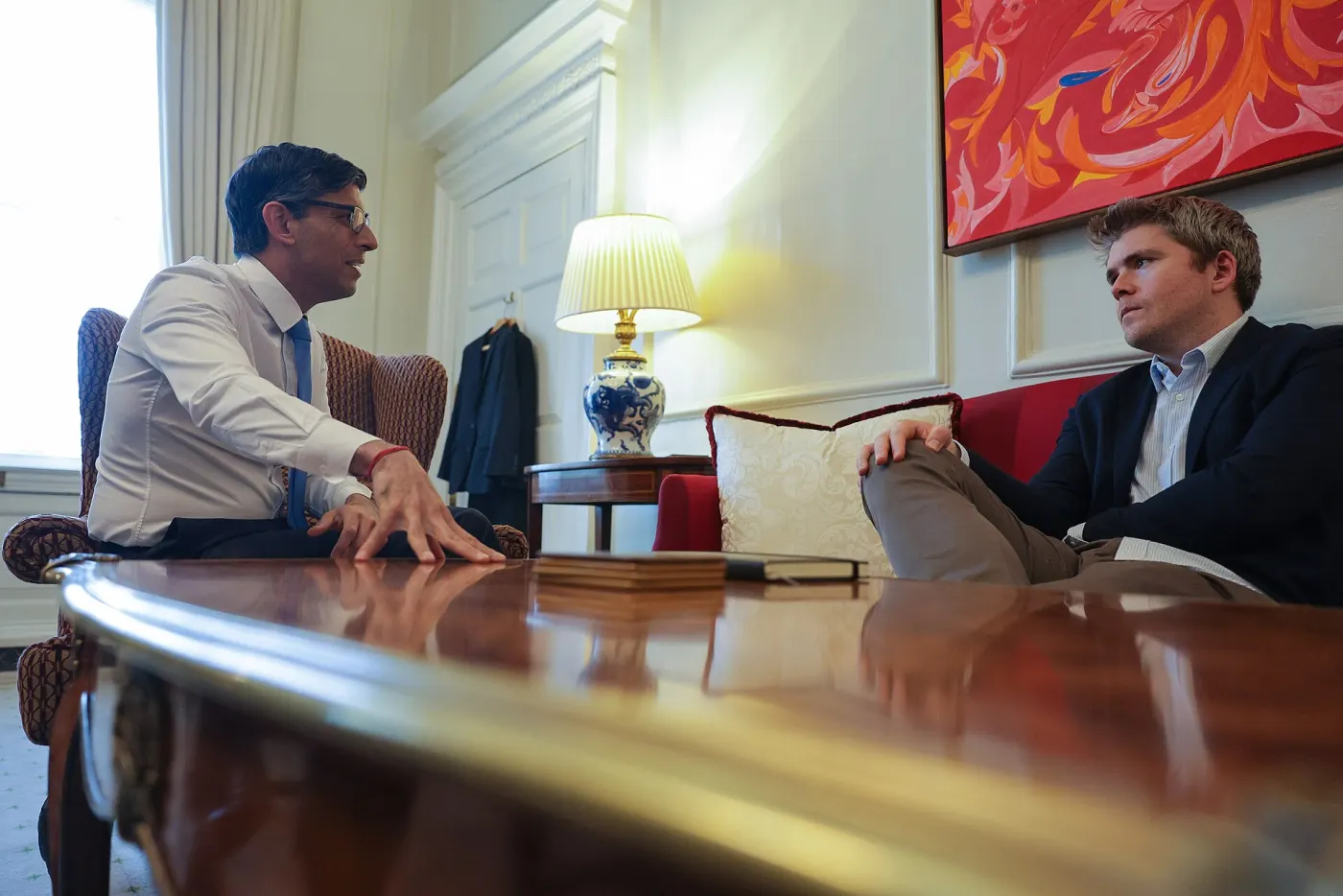
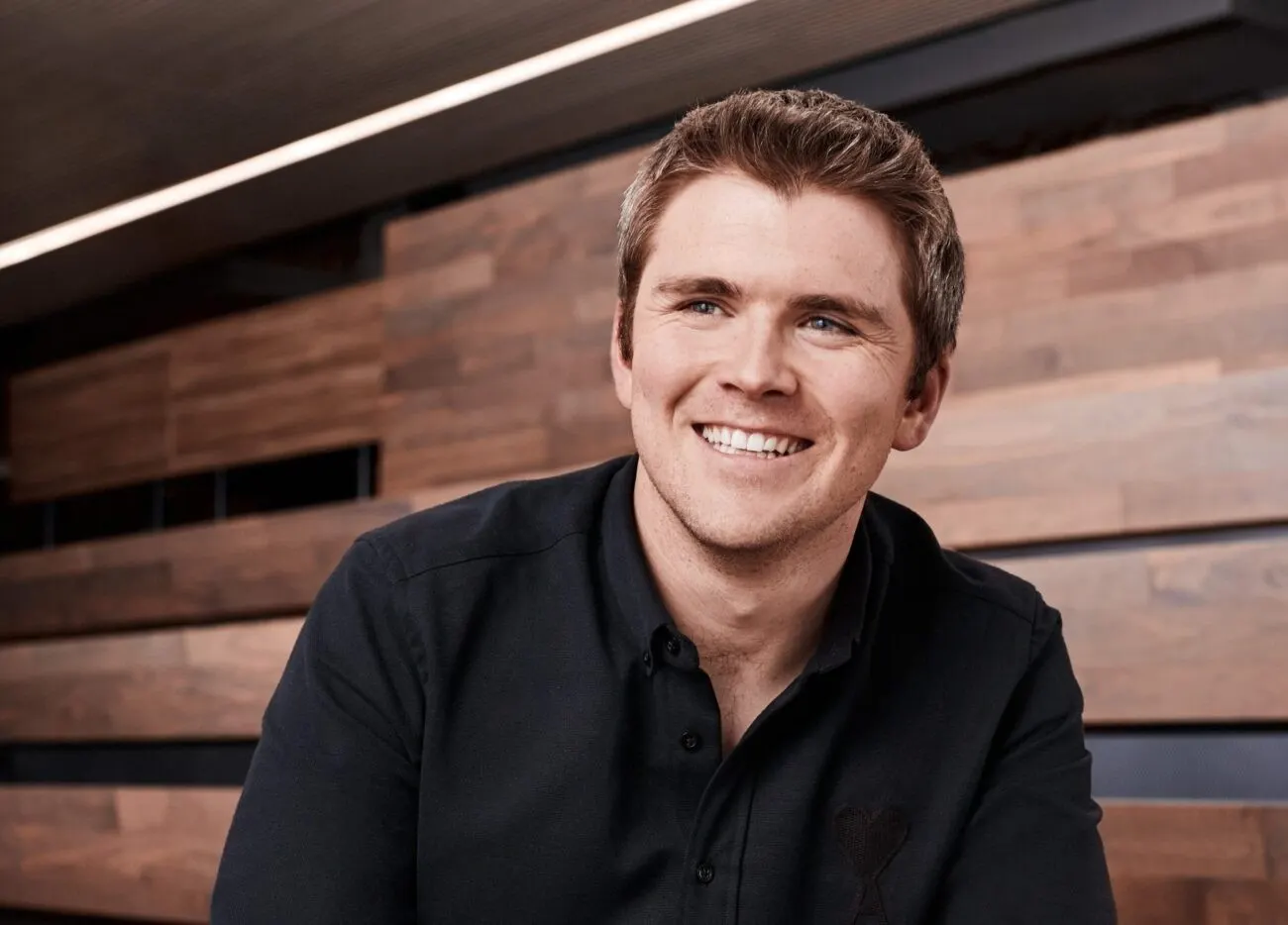
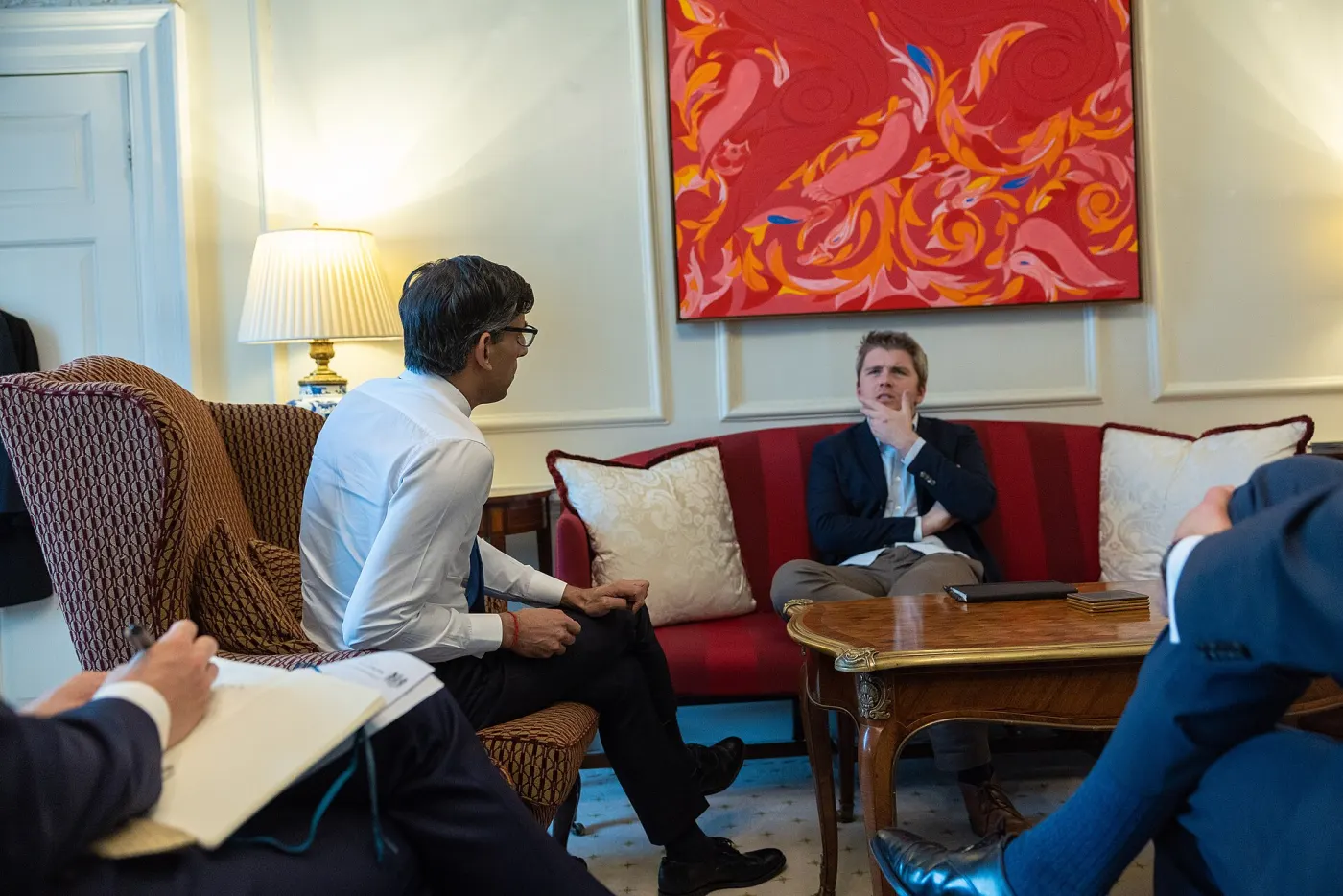
John Collison was born in August 1990 in Limerick, Ireland, and grew up in the small lakeside village of Dromineer in County Tipperary. His mother, Lily, worked as a microbiologist. His father, Denis, worked as an electronic engineer. The house was not a venture capital salon. It was a science-curious home on Lough Derg where two older ideas kept colliding: measure carefully, and build things that work.
He was the second of three Collison boys. Patrick was nearly two years older, already winning science prizes and writing unusual code. Tommy completed the set. John was not a sidekick in waiting. He was a second founder who learned early that being "weird" in secondary school was not a bug. On RTE's Late Late Show years later, he would tell Irish teenagers that weirdness is often a feature. The people around you in school are chosen by circumstance. You do not get to pick most of your subjects or your methods. The internet, by contrast, lets you choose your weirdness and ship it.
At Castletroy College in Limerick he met Daniel, a programmer a year ahead of him, when John was about thirteen. That friendship mattered. Daniel would later help lead Stripe's Japan work. The Collison brothers' story is often told as if Tipperary produced two isolated geniuses. John's version is more social. Mentors, classmates, and a county that still knew their faces kept showing up in the adult company.
The landscape around Dromineer is not Silicon Valley mythology. It is water, fields, small roads, and a sense that big software careers happen elsewhere. John absorbed the opposite lesson: wherever you have a keyboard and a network connection, you can reach a global market. That lesson would become Stripe's sales pitch in miniature.
He has mentioned music and flight as adult crafts that keep his hands on something physical when software becomes too abstract. Piano practice is private. Aviation is private until it becomes Weston. Both fit a personality that likes systems you can feel failing before the spreadsheet does.
It would also become John's lifelong argument for keeping serious ambition planted in Ireland even after San Francisco paid the bills.

Shuppa, Auctomatic, and a Good Friday exit
In 2007, while still teenagers, John and Patrick started Shuppa in Limerick. The idea was practical: tools for people selling on eBay. Enterprise Ireland passed. Y Combinator did not. The brothers flew into the California gravity well, merged with another team built by the Taggar brothers, and the product became Auctomatic.
The work was not glamorous. eBay sellers needed dashboards, automation, and fewer late nights babysitting listings. John learned early that "tools for operators" could be a company even if the category sounded dull at a dinner party. Dull tools that move money and inventory tend to get paid.
Good Friday in March 2008 is the date Irish profiles still underline. Live Current Media bought Auctomatic for about five million dollars. Patrick was nineteen. John was seventeen. A Tipperary teenager became a dollar millionaire on a Christian holiday in a culture that still treated loud money as faintly awkward.
Most people would have quit school. John did the opposite. He went back to Castletroy, sat the Leaving Certificate, and posted a scoreboard of eight A1 grades and two A2s in 2009. The sequence matters for his character. First he shipped. Then he finished the exam. Discipline without romance.
The sale also taught a hard founder lesson about timing and identity. At seventeen, "exit" can sound like the end of the movie. John treated it like tuition. He saw California, saw Y Combinator density, saw how talent clusters, and still returned to Tipperary desks to finish state exams. That loop - leave, earn, return, finish - later echoed in his Ireland investments. He does not romanticize leaving forever. He romanticizes building enough leverage to choose.
He has never needed the myth that school failed him. School was a system he completed after the market already paid him.
He enrolled at Harvard University in September 2009, studying toward mathematics and physics. The campus looked like a prize. The problem he cared about was elsewhere. Online payments were still a maze of merchant accounts, bank paperwork, and brittle integrations. A teenager who had already sold software could see the absurdity clearly: the internet could deliver a video worldwide in seconds, but charging a credit card still felt like filing taxes. By 2010 he had dropped out. The younger Collison was not following his brother into a hobby. He was co-founding the company that would become Stripe.
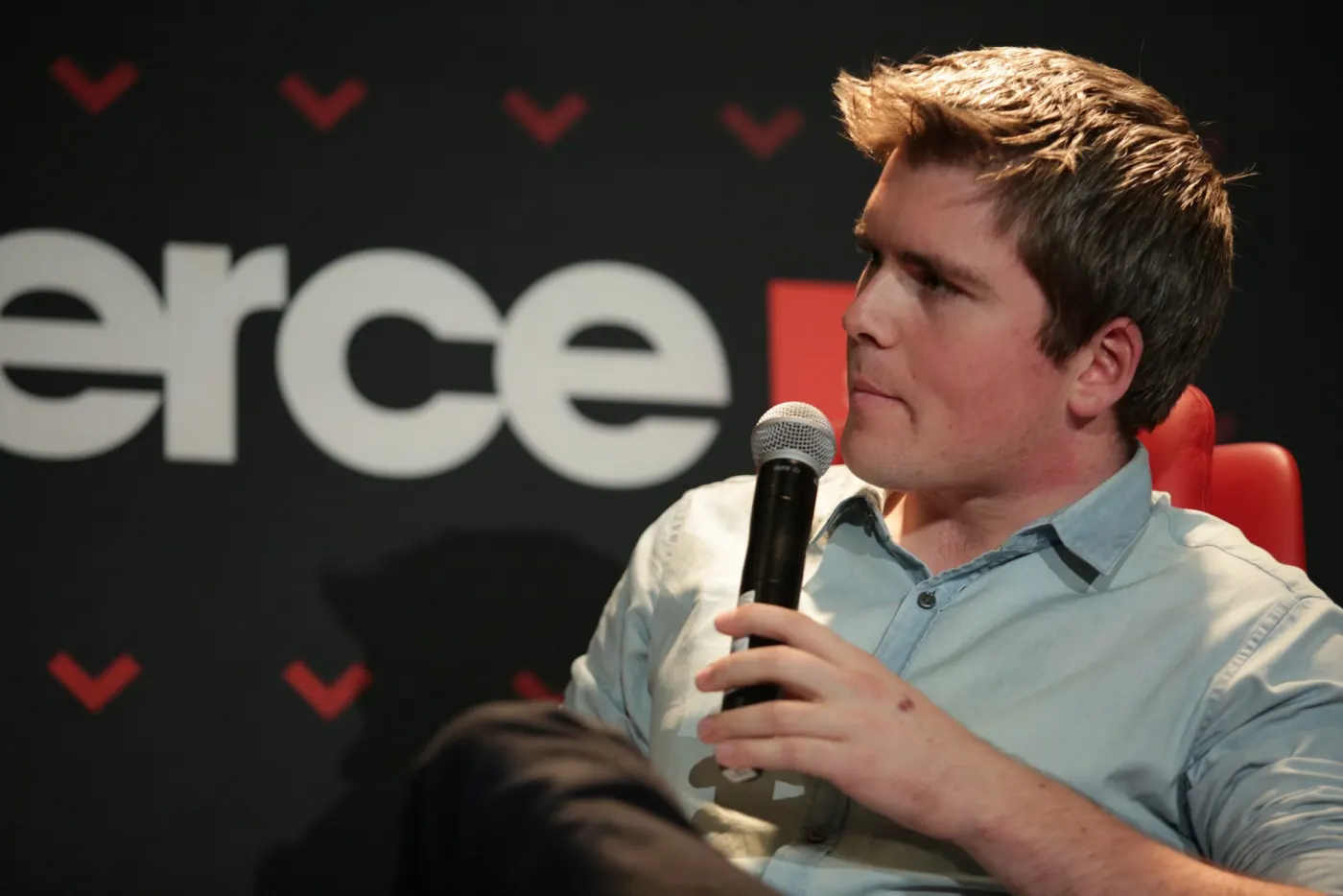
/dev/payments and the president's job
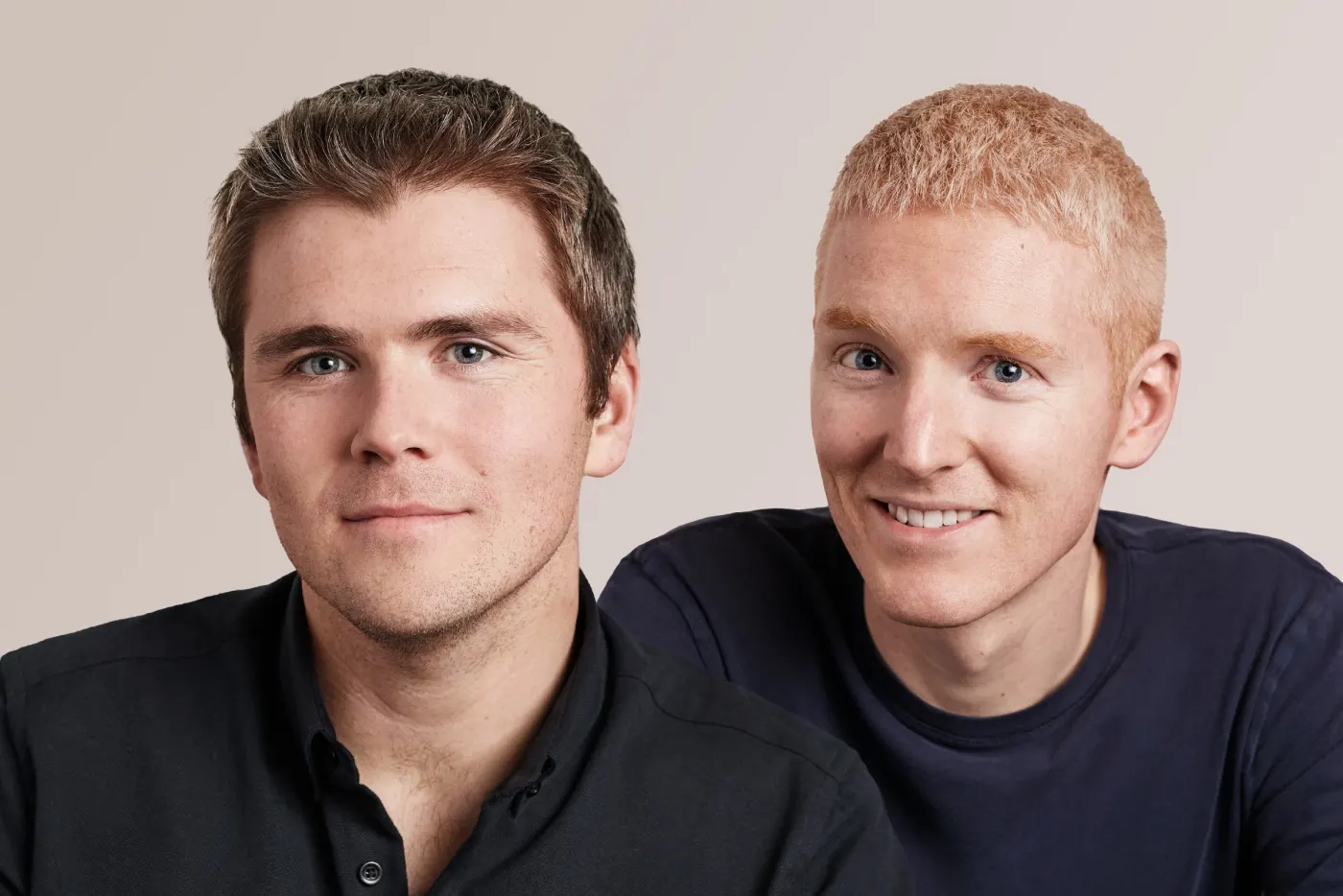
The early company had a programmer joke for a name: /dev/payments. The brothers and a small crew hacked through a winter stretch that included long cafe days in Buenos Aires, cheap bandwidth, and a first production payment that depended on improvised routing while the real banking stack caught up. The craft promise that stuck in industry lore was brutal and simple. Integrating Stripe should feel like seven lines of code, not seven weeks of procurement.
Early money arrived from people who already knew internet payments could be destiny: Elon Musk, Peter Thiel, Max Levchin, Sequoia, Andreessen Horowitz, SV Angel. The round numbers of 2011 look small next to 2026. They were oxygen then. Banks were skeptical. Fraud was real. Compliance was a forest. The brothers kept shipping a product that treated developers as the primary customer, not as a channel to be managed by sales theater alone.
Titles inside a two-brother startup are theater until the company gets big. Stripe got big. Patrick became chief executive. John became president. That split is not a press fiction. Patrick's public life leaned toward essays on progress, science funding, and research institutes. John's public life leaned toward customers, markets, product principles, Ireland projects, and the long grind of making a private giant feel coherent.
He has described a product stance that sounds almost rude to consumer growth teams. Talk up to the user. Do not import dark-pattern consumer product thinking into a serious B2B surface. Developers are not wheelbarrows of conversion rate. They are peers who will leave if you insult their intelligence. In a short Stripe talk clip that still circulates, John argues that statistical nudging culture from social apps is harmful when dragged into tools meant for builders. The president's job, in that frame, is taste plus distribution: keep the surface honest while the company learns to sell to both a two-person startup and a Fortune boardroom.
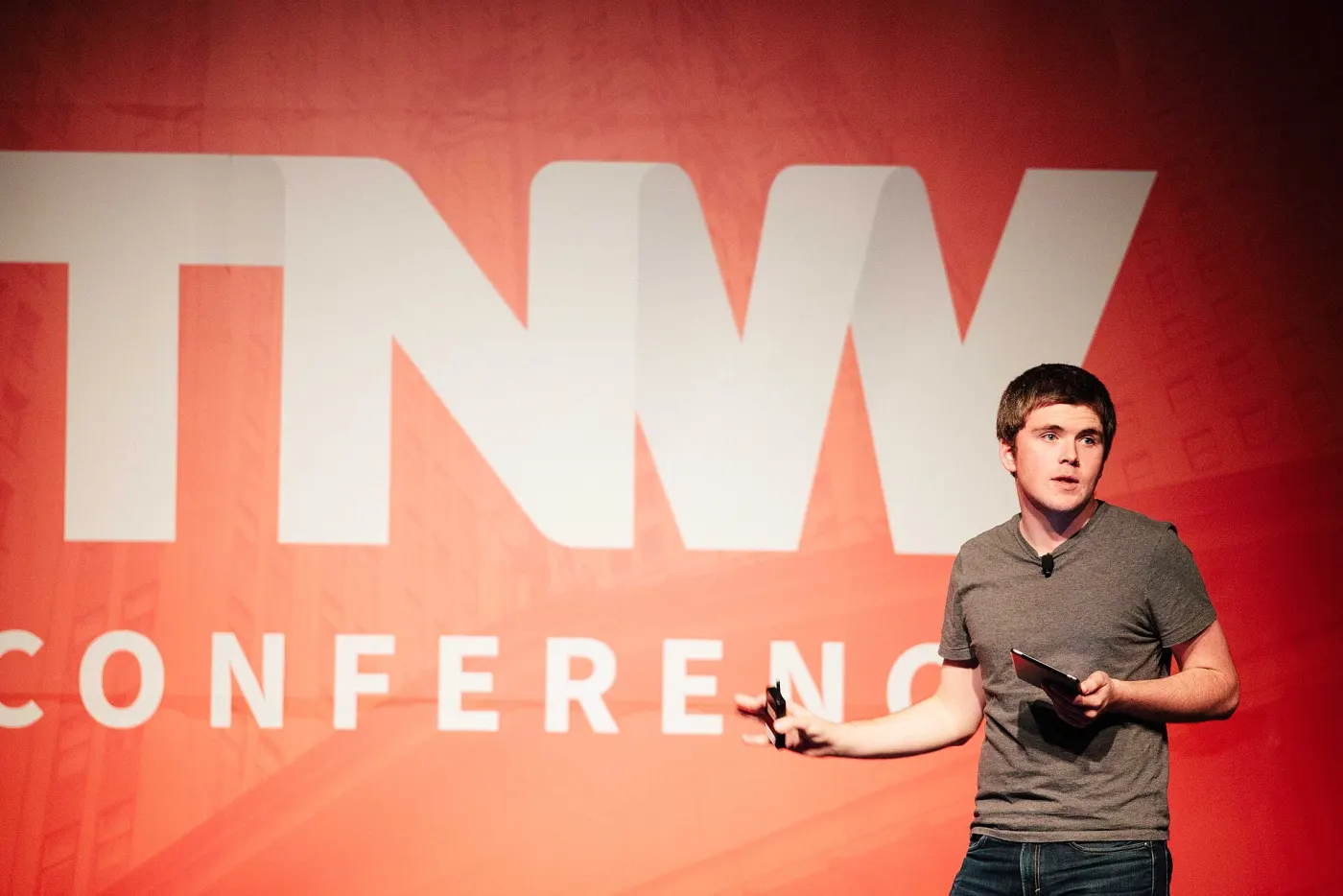
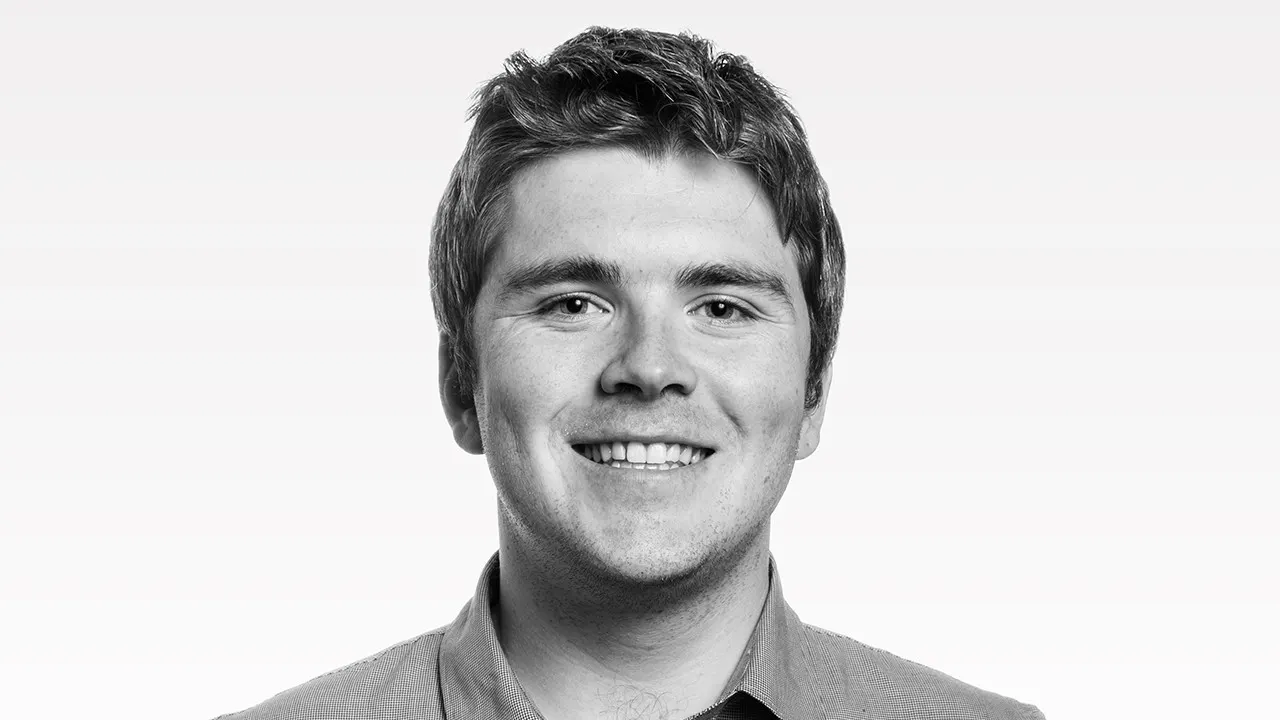
Youngest billionaire, still private
In November 2016, CapitalG and General Catalyst helped push Stripe's valuation near $9.2 billion. John, about twenty-six, and Patrick became the world's youngest self-made billionaires in the headlines that followed. Forbes put John on America's richest entrepreneurs under forty lists while he was still barely past the age when many people finish graduate school.
The money changed the altitude of their lives. It did not change the basic bet. Stripe stayed private through wave after wave of growth, using tender offers to give employees liquidity instead of ringing a Nasdaq bell. Valuation climbed toward $35 billion by 2019 and peaked near $95 billion in 2021, then softened in the rate-shock years before climbing again. Employees who believed early needed cash for houses and taxes. Public markets wanted a ticker. John kept defending a third path: periodic tenders, retained control, and a long product roadmap free from quarterly theater.
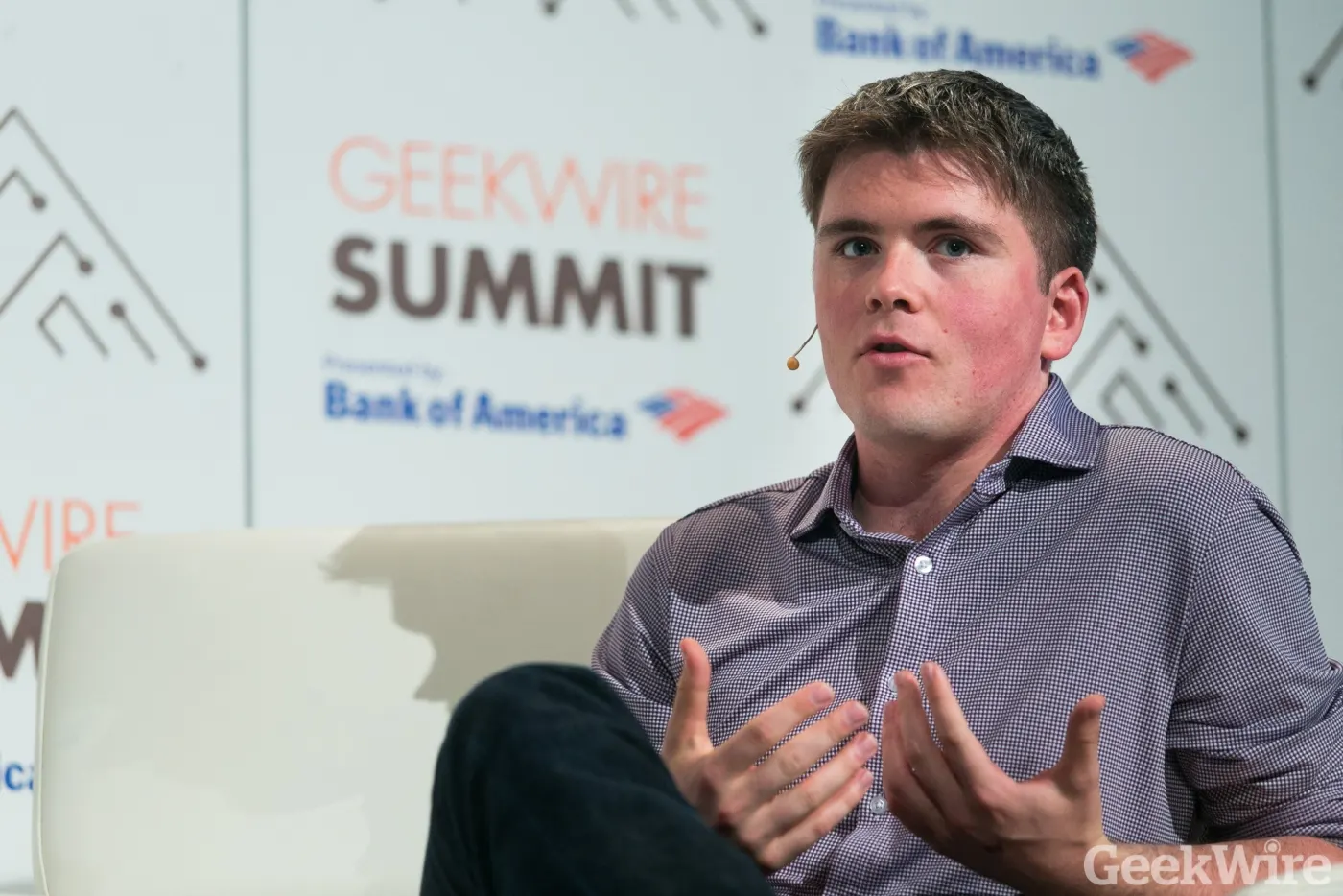
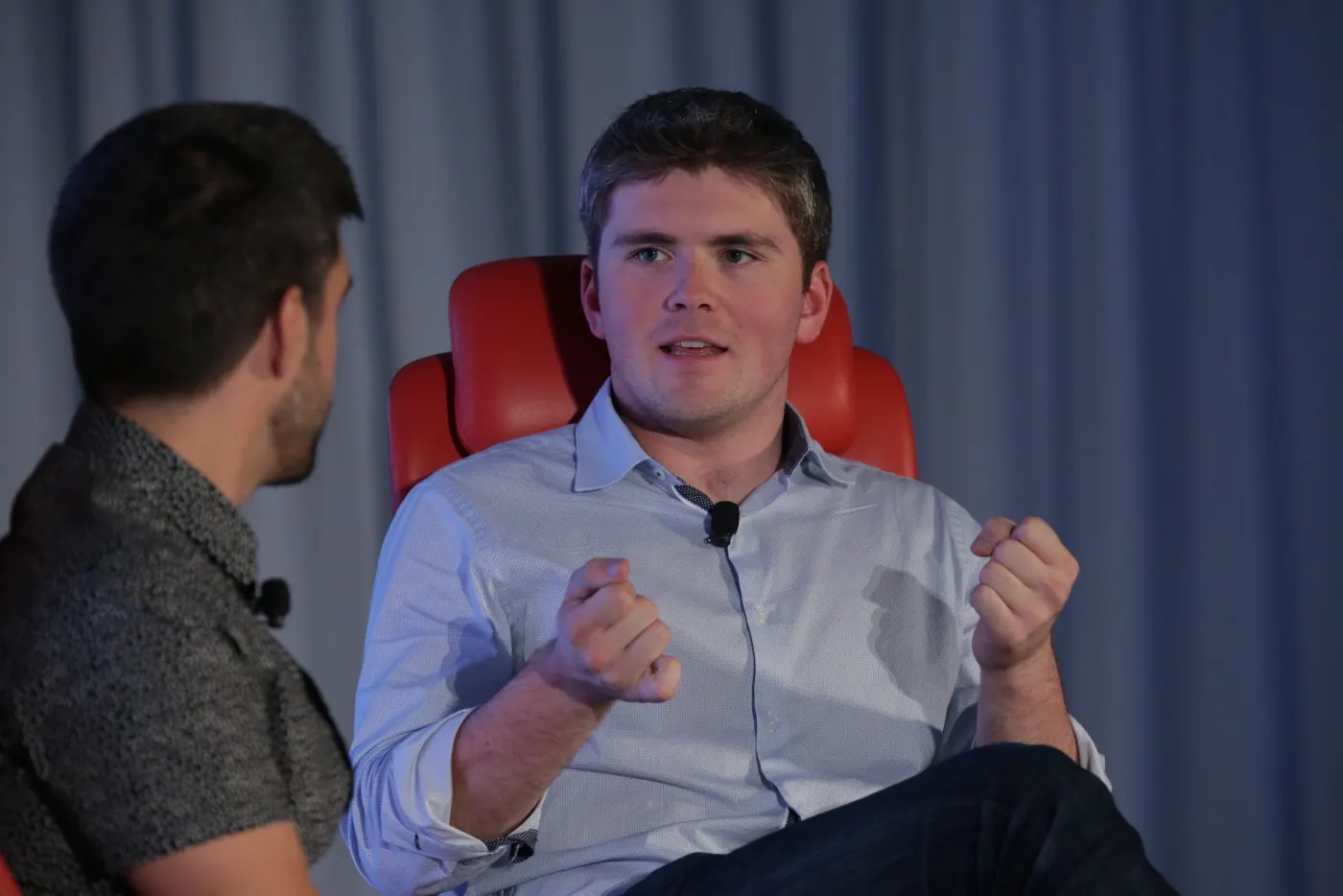
In early 2025, John sat with CNBC as a tender valued Stripe around $91.5 billion. He talked about AI companies and old-line enterprises arriving together. OpenAI, Anthropic, Cursor, and Perplexity were on Stripe, he noted, and so were names like Hertz, Amazon, Comcast, Pepsi, and Hershey's moving more business onto the rails. Growth came in waves. You could not manage Stripe like a tight quarterly EPS machine. He also discussed the long road to robust profitability after roughly fourteen years of building, and the company's habit of reinvesting into new product surfaces even after the P&L finally looked adult.
That pattern is John's lane. He is fluent in the language of Squawk Box without sounding like he wants to become a Wall Street mascot. He keeps repeating a founder's preference: stay private while the invention agenda is still crowded.
How the president actually works
People who watch only Patrick interviews miss John's operating texture. He shows up for Irish startup rooms even when his calendar could stay in San Francisco forever. He hosts conversations instead of only giving them. In 2025 he launched A Cheeky Pint, a podcast recorded in a Stripe office pub setting, pulling founders and operators into long talks over a pint. Guests have included Anthropic's Dario Amodei, OpenAI cofounder Greg Brockman (also remembered as an early Stripe engineer), Intercom's Des Traynor, and indie builder Pieter Levels.
The show is not branding fluff. It is John doing what presidents of builder companies often do best: keep the social graph of ambitious people warm, learn in public, and signal that Stripe still belongs to makers rather than to a museum of fintech. A trailer clip even jokes about AI alignment while dartboards sit in frame. The humor is dry. The network effect is serious.
Inside the company he has been associated with expanding beyond the original charge API into the wider stack: fraud tools, billing, tax, invoicing, issuing, Atlas incorporation, Link checkout identity, and later the stablecoin and agentic commerce bets. The annual letters are co-signed. The press tours often put John on the stool when the subject is valuation, crypto rails, or why the company is not rushing a ticker symbol.
Day to day, the president role in a company like Stripe is a mash of customer escalation, partner diplomacy, narrative discipline, and product judgment. John has to sound credible to a teenage hacker integrating test keys at midnight and to a bank counsel reviewing a new market launch. He also has to keep Ireland in the story without turning Stripe into a tourism board. That balancing act is rarer than coding talent.
He has also talked, in Irish business interviews, about paranoia and complacency as twin risks for a company that wins too early. The Currency and Irish Times profiles of the mid-2020s show a man who still sounds slightly surprised that Tipperary produced this outcome, and slightly impatient with anyone who treats the outcome as finished. In one 2025 Irish Times interview he said he was baffled by companies doing abrupt about-faces on social initiatives, a glimpse of a values stance that prefers consistency over fashion.
Ireland is not a museum visit
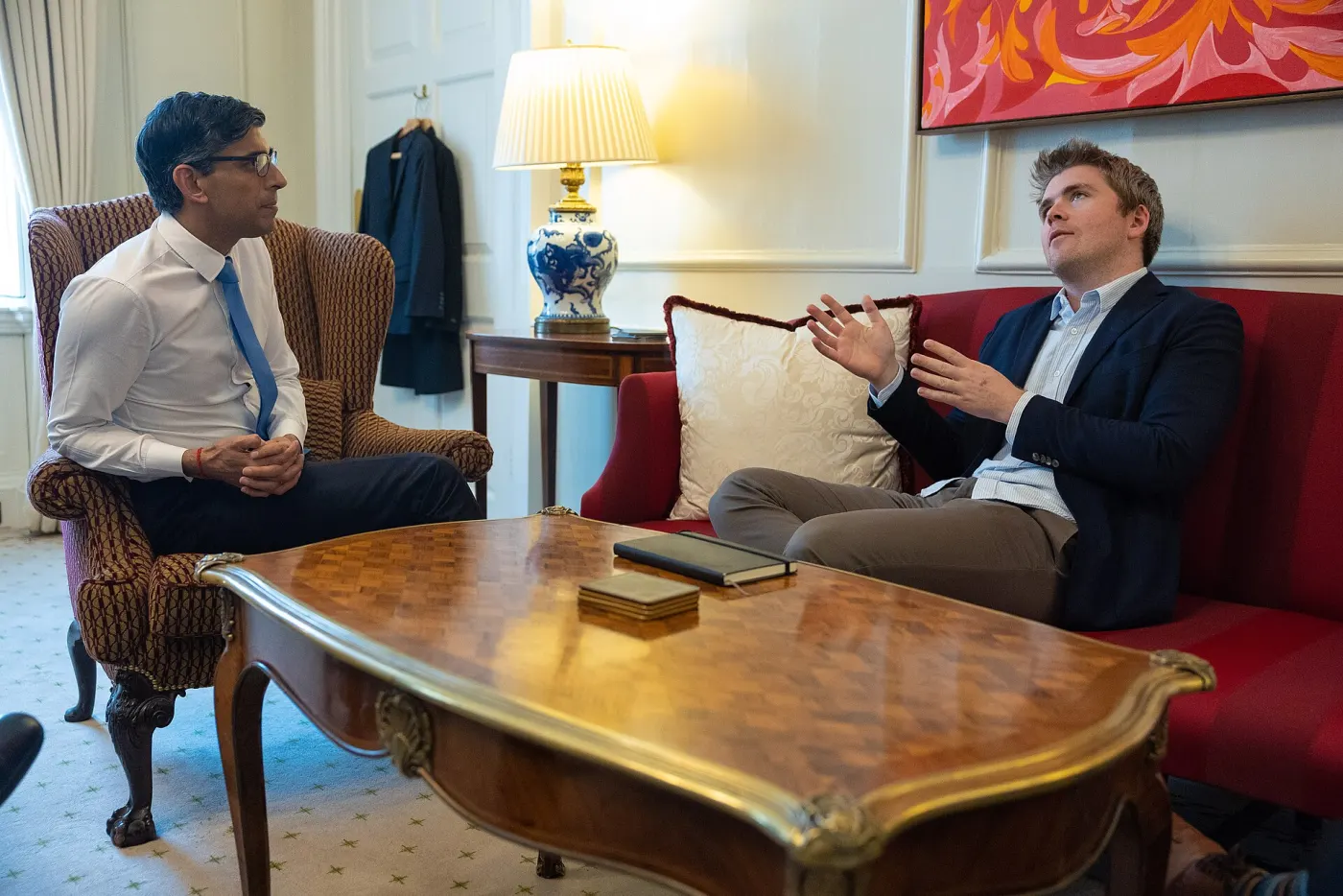
John never fully left Ireland even when the company headquarters story was San Francisco. Stripe's legal and symbolic map kept Dublin in the frame. John's personal map went further.
At the University of Limerick, a dinner conversation in 2019 with economist Stephen Kinsella and Intercom cofounder Des Traynor helped spark Immersive Software Engineering, a hybrid bachelor-to-master pathway built with industry residencies. The Collison brothers helped design the program and offered Stripe placements. John visited cohorts and argued publicly that software engineering should compete with medicine and law for Ireland's strongest students. Early cohorts were small, then grew. By 2026, Irish Times coverage was still tracking how the course was redirecting talent that once defaulted to traditional professions. Kinsella's line landed like a mission statement: the point was not only to produce the next Stripe employee, but the next John and Patrick Collison.
In 2021, John joined a consortium that took a majority stake in Weston Airport, a general-aviation field on the Dublin-Kildare edge. Fellow investors included names such as John Brennan, Catherine Greene, and Gerald Dundon, with Limerick financier Derick Walshe helping assemble the deal according to The Currency. John is a real pilot, not a cabin passenger collecting logos. In June 2017 he had already flown a small twin-engine aircraft from Europe to the United States over about twenty-seven hours across three days, then joked online that he did not even get wet. Weston gave that obsession a civic shape. He has described wanting the field to become the east-coast hub for training, private and corporate light traffic, and public-service flying, including Coast Guard helicopter basing. Dublin Airport, he argued, cannot swallow every mission. Cities like London and Paris separate roles. Ireland should too. "Infrastructure needs long-term investment," he told the Irish Times. He framed himself as a steward of a piece of national machinery, not a trophy owner.
He also bought and began restoring a major midlands estate associated with the de Vesci family in County Laois, reported around 20 million euro in 2021, and kept a tradition of opening it for charity. Separately, Progress Ireland launched in September 2024 with Collison backing, aimed at housing, infrastructure, energy, and transport policy rather than soft branding. John's Ireland work is not nostalgia. It is an operator's bet that the country that produced him should produce the next ones without requiring every ambitious kid to leave forever.
In 2015, Ireland's EY Entrepreneur of the Year stage put both brothers under lights as overall winners, a domestic coronation that arrived long before global billionaire rankings. John accepted that kind of recognition the way he accepts CNBC segments: useful, temporary, secondary to the next product week.
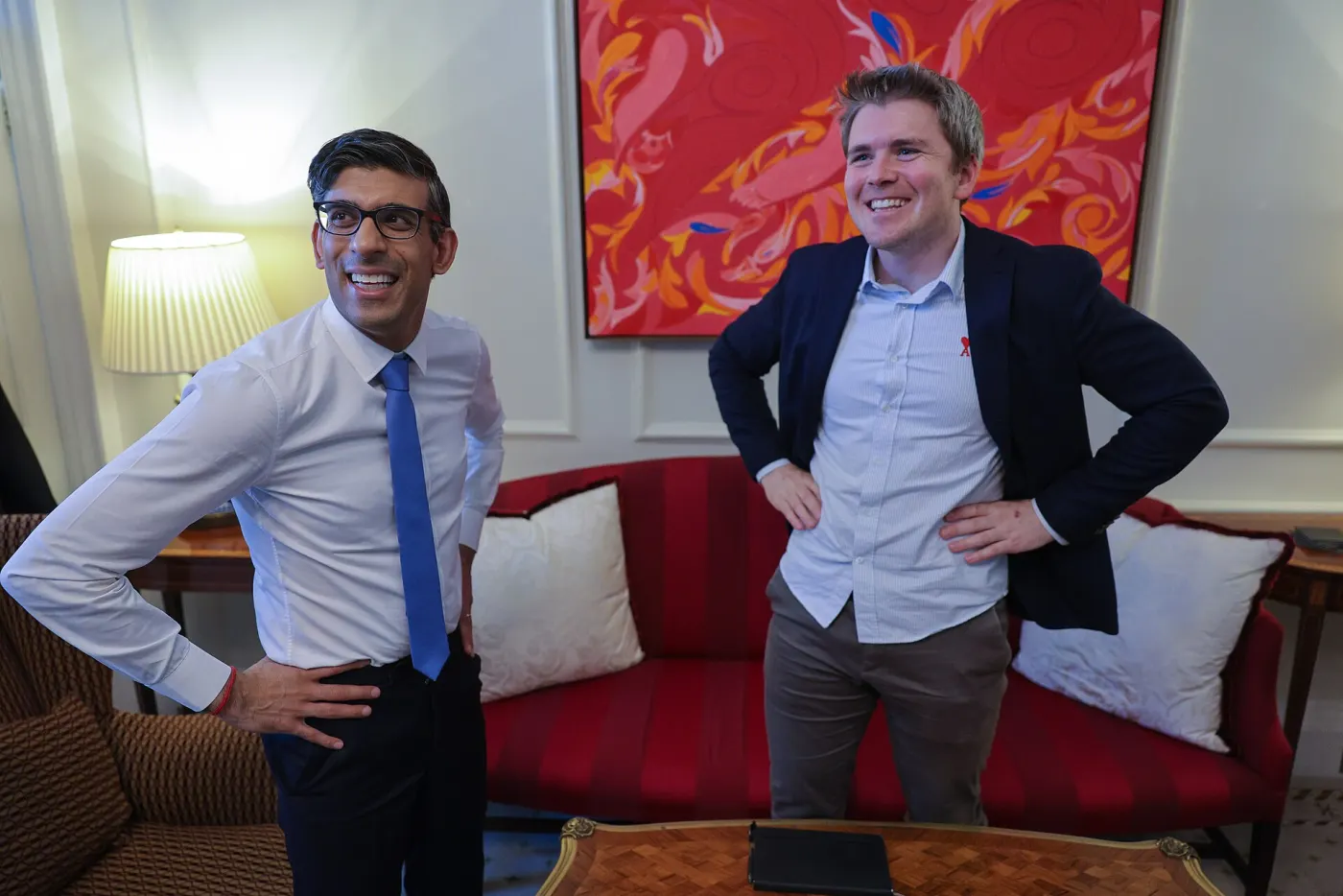

Crypto rails, AI agents, and the 2025 letter
By the mid-2020s, John's interviews kept returning to two frontiers: stablecoins as boring money movement, and AI agents as new economic actors. Years earlier on CNBC he had sounded careful about cryptocurrency, saying he was still making up his own mind and warning against anyone who arrived with total certainty. That caution did not become paralysis. Stripe acquired Bridge, a stablecoin orchestration platform, and later Privy, a wallet infrastructure company said to power more than 110 million programmable wallets. In September 2025 the company unveiled Tempo, a payments-focused blockchain incubated with Paradigm. Industry stablecoin payment volume was described in Stripe's 2025 materials as roughly $400 billion, with Bridge's volume more than quadrupling after the deal. John's public posture stayed operator-first: use the rails that settle value, ignore the carnival.
The AI side was even more concrete. Stripe worked with OpenAI on an Agentic Commerce Protocol, launched tooling so brands could sell across AI interfaces, introduced Shared Payment Tokens so agents could pay without exposing credentials, and experimented with machine payments for API and agent usage. Shopping inside ChatGPT and similar Copilot paths put Stripe under the newest consumer surfaces while still looking like infrastructure. Brands onboarding into agentic commerce suites included familiar retail names. The thesis was simple enough for a fifth-grade reader: if software starts shopping and paying on behalf of humans, someone still has to move the money safely.
The February 2026 package made the scoreboard plain. Businesses on Stripe generated about $1.9 trillion in total volume in 2025, up 34 percent from 2024, described as roughly 1.6 percent of global GDP. More than five million businesses sat on the platform directly or through partners. Stripe said it powered about 90 percent of the Dow Jones Industrial Average and 80 percent of the Nasdaq 100 in relevant payment senses, and that about a quarter of Delaware corporations were now created with Stripe Atlas. The Revenue suite of Billing, Invoicing, Tax, and related products was on track for about $1 billion in annual run rate. The company said it remained robustly profitable while shipping more than 350 product updates and still buying capability. More than half of new businesses joining in 2025 were based outside the United States. The newest cohort grew faster than the prior one. Atlas startups were charging customers sooner than they had in 2020.
John's job in that moment was not to write a victory lap. It was to keep the organization pointed at the next unpaid invoice of ambition: agent commerce, stablecoin settlement, global default startups, and the unglamorous reliability that makes all of that feel boring in the best way. When he said an IPO was a solution in search of a problem, he was defending calendar space for those bets.
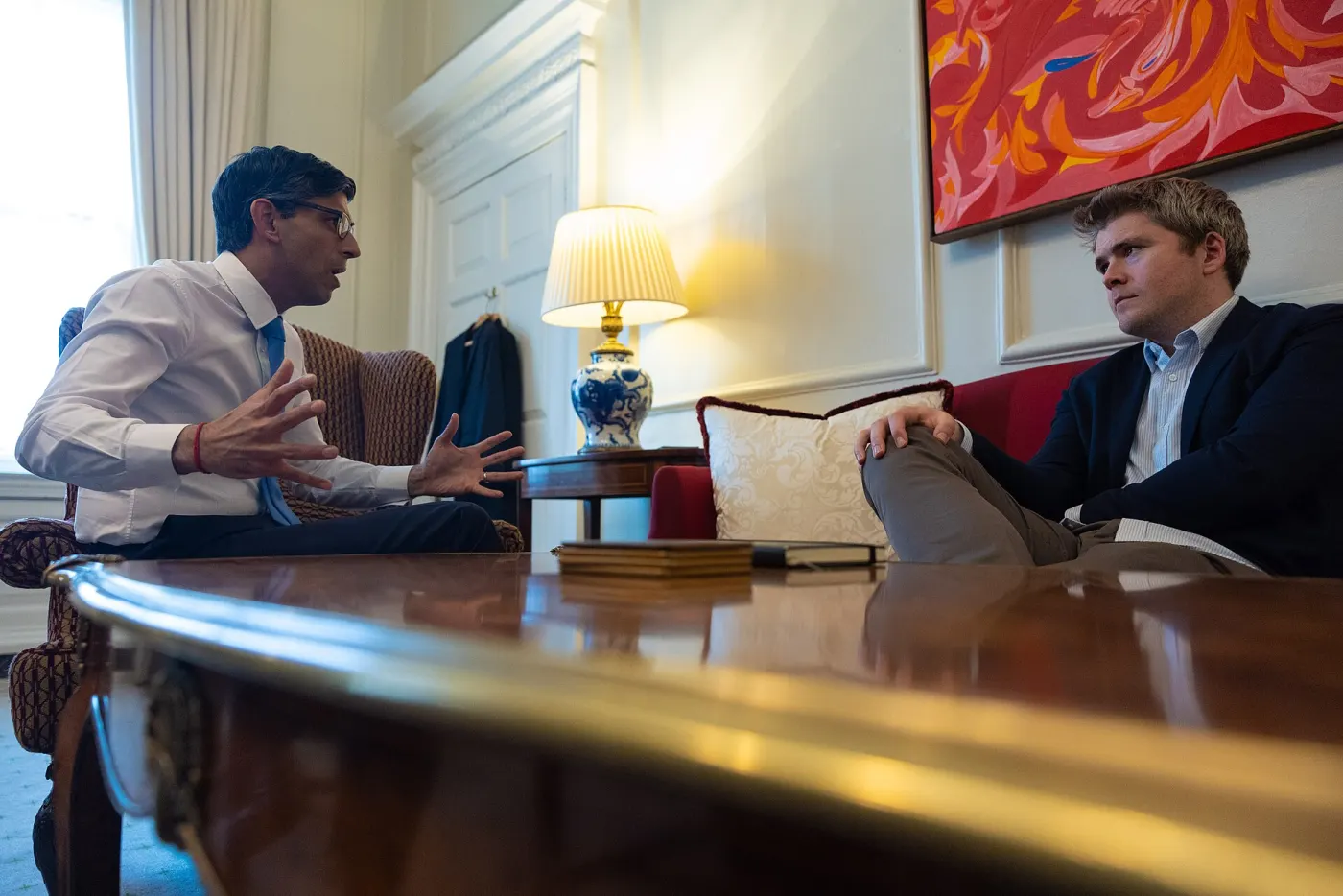
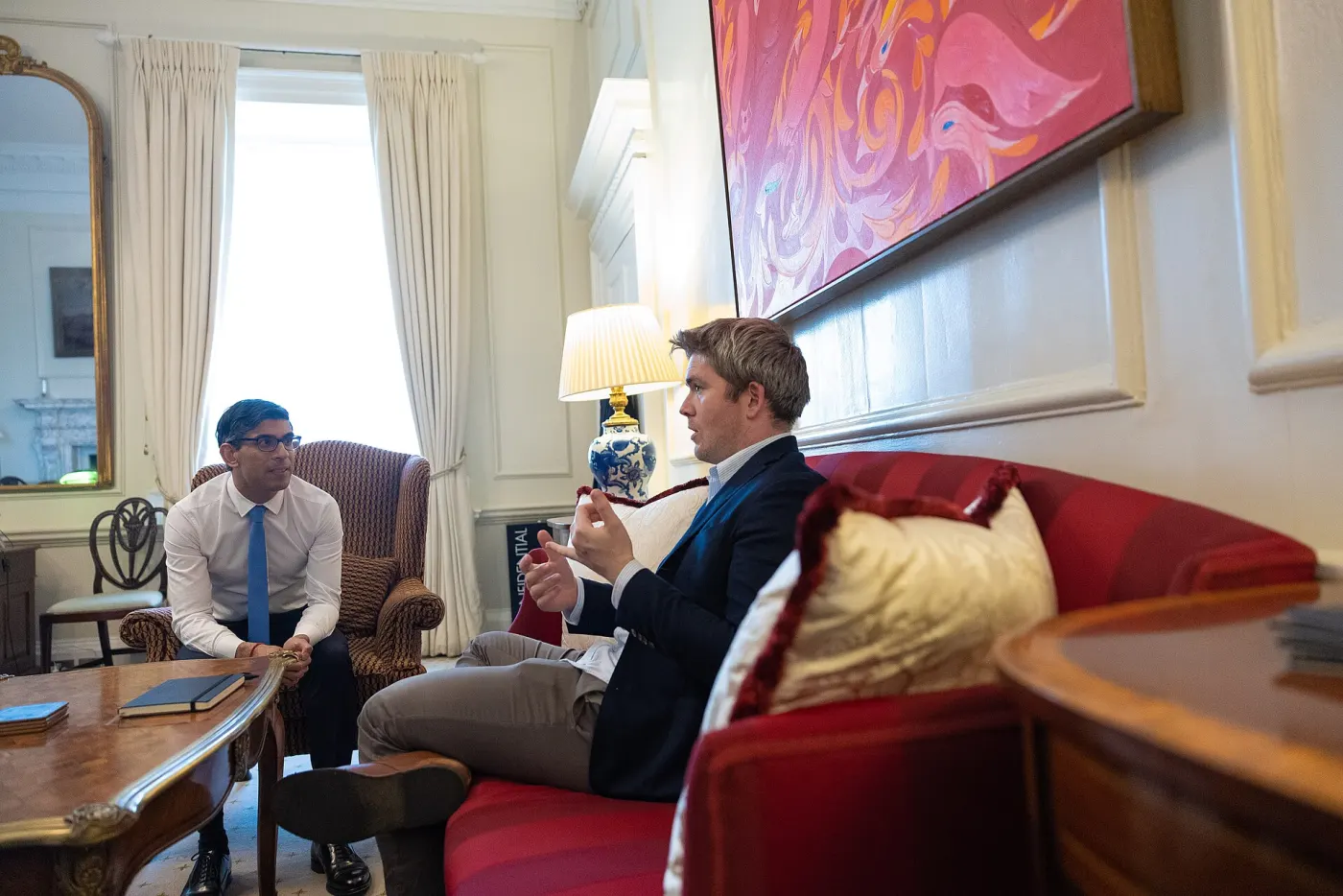
World change you can touch
Stripe's impact is easy to abstract into valuation. John's better metric is friction removed. A student in Nairobi or a shop in Cork can take a global card without hiring a payments team. An AI lab can charge seats on day one. A Delaware incorporation through Atlas can go from idea to bank-ready entity without a week of lawyers. Fraud models run quietly so founders sleep. Tax and invoicing tools turn "we should be a real company" into buttons.
During the early pandemic years, John described from the president's perch how Stripe's data showed offline businesses racing online, grocery delivery spiking, and Atlas incorporations tripling as people founded companies from quarantine bedrooms. That was not theory. It was a payments graph of a world changing shape in weeks. The same vantage later showed AI labs and blue-chip brands arriving on the same rails.
Zoom out and the percentages get strange. Roughly one and a half percent of world GDP moving through one private company's systems is not a party trick. It is a claim that internet commerce now has a default financial nervous system, and that two brothers from a Tipperary village helped wire it. John's particular contribution is the connective tissue: the partnerships, the enterprise migrations, the employee liquidity design that keeps talent without a public ticker, the Irish institutions that try to grow the next generation in place, and the public sentences that keep Stripe sounding like a builder company even at nine-figure billion valuations.
He is also a reminder that "cofounder" is not a synonym for "identical twin." Patrick's biography can carry research institutes and progress essays. John's biography should carry Weston Airport flight paths, UL residency students, Cheeky Pint tapes, Leaving Cert grit after a startup exit, and the CNBC clip where the president shrugs at IPO fashion. Same company. Different camera. Same Tipperary starting line. Different adult craft.
Forbes and Bloomberg will keep arguing about the precise billions. Employees will keep deciding whether tender liquidity is enough. Competitors will keep trying to clone seven lines of charm.
Consider a freelance designer in Manila paid by a client in Berlin through a tool that settles on Stripe without either person learning merchant-bank jargon. Consider a climate startup incorporated on a Tuesday via Atlas and charging its first customer before the month ends. Consider an Irish undergrad who skips the old prestige track because a UL residency at Stripe or Intercom looks more alive than another year of pure theory. Consider a Coast Guard crew staging from Weston while private training flights share the pattern. These are not metaphors. They are the mundane miracles of infrastructure done well.
John's wealth estimates in 2026, whether closer to Forbes' mid-teens of billions or Bloomberg's similar band, are a shadow cast by ownership of that infrastructure. Ownership matters. So does the operating choice to keep inventing instead of cashing out through a fashionable IPO. The younger Collison keeps choosing the invention calendar.
None of that erases the concrete change: checkout stopped being a specialized corporate department for millions of builders, and an Irish president of a private company helped make that feel normal.
Failures, near misses, and the long middle
Stripe's highlight reel skips the years when banking partners said no, when fraud rings probed every new market, and when a single outage could make a founder feel like the internet's villain. John lived inside that middle. The president title does not exempt anyone from pager anxiety. It concentrates it. When a large merchant cannot settle, when a regulator asks a sharper question, when an employee equity plan needs liquidity without an IPO, the call list is short.
The brothers also had to learn that early viral praise is a trap. Seven lines of code made a beautiful demo. Running money across countries required lawyers, risk models, and patient bank relationships. John's public calm on CNBC is partly performance and partly scar tissue. He has watched valuation narratives swing from underdog to crown jewel to "private for too long" and back again. The company dipped from its 2021 private peak near $95 billion into a colder market, then climbed through the $91.5 billion tender of early 2025 toward the $159 billion mark of February 2026. That U-shape is easy to summarize in a sentence. Living it meant keeping engineers shipping while secondary-market chatter argued about paper wealth.
There were cultural tests too. Remote work, office returns, political weather, and social-issue whiplash across Silicon Valley all pressed on a company with millions of businesses depending on uptime more than on tweets. John's Irish Times comment about bafflement at corporate about-faces fit a broader preference: pick a stance you can defend for years, not a costume for a news cycle.
He has also had to share oxygen with a famous sibling without becoming either rival or shadow. Outside writers love a binary: visionary versus operator, philosopher versus salesman. Inside a working company the binary dissolves into weekly decisions. Who flies to the enterprise customer. Who signs the letter. Who takes the crypto question. Who visits UL. The Collison answer, visible from the outside, is that both names stay on the letter while the calendar splits by comparative advantage. John's comparative advantage kept proving to be translation: between Ireland and California, between developers and CFOs, between private ownership and employee cash needs.
What he built that you can name
Strip away the brother mythology and John's fingerprints still show on concrete products and institutions. Stripe Atlas turned incorporation from a specialist errand into a guided flow, and by the 2025 letter roughly one in four Delaware corporations were being created that way. Link aimed to make checkout identity reusable so buyers were not typing card numbers into every new store. Radar and related fraud systems tried to hide complexity behind machine judgment. The Revenue suite pushed Stripe from "accept a card" into the recurring-business stack of billing, invoicing, and tax. Issuing and related money-movement products stretched the company toward full financial infrastructure rather than a thin payments widget.
On the frontier edge, Bridge, Privy, Tempo, and agentic commerce protocols were bets that money would keep digitizing in new shapes. John often spoke those bets aloud. That does not mean he wrote every line. It means the president's public narrative and partnership energy were part of how those bets got oxygen.
Outside Stripe, the institutions are easier to photograph. Weston Airport is steel, runway lights, and flight-school schedules. Immersive Software Engineering is a timetable of residencies and a Limerick classroom competing with medicine for talent. Progress Ireland is policy memos aimed at housing and infrastructure bottlenecks. Abbey Leix restoration is stone, gardens, and charity open days. A Cheeky Pint is a growing archive of founder talk that keeps Stripe culturally adjacent to builders. None of those replace the core payments machine. They explain what John does with the surplus of having helped build one.
Brothers, not clones
Magazine covers love pairing the Collisons as a single myth with two faces. The truth is less symmetrical. Patrick's calendar fills with CEO load, research philanthropy, and long-form ideas about scientific progress. John's calendar fills with presidential load: partners, markets, Ireland projects, product taste fights, and the human network that keeps a private company feeling alive. They share parents, a county, an exit at Auctomatic, and the founding of Stripe. They do not share identical adult jobs.
That distinction is the point of writing John's documentary separately. If you only retell Patrick's arc with the name swapped, you erase the Leaving Cert return, the Harvard dropout path, the Atlantic flight, Weston, Cheeky Pint, and the CNBC habit of explaining valuation without surrendering the product plot. John is not the sidekick who held the coat. He is the cofounder who took the title that means "make the machine run and grow," then used the surplus to reinvest in the island that raised him.
Readers should finish this piece able to answer a simple test. What did John uniquely do? He finished school after the first exit. He became Stripe's president. He became one of the company's most consistent public market voices. He put capital and attention into Irish aviation, education, and policy institutions. He hosted builders on a podcast that treats conversation as infrastructure. Those are not Patrick footnotes. They are John's plot.
Even his hobbies read like systems practice. Crossing the Atlantic in a light twin forces fuel planning, weather humility, and checklist discipline. Hosting a podcast forces listening longer than a keynote allows. Restoring an estate forces patience with physical timelines that software sprints cannot fake. Those crafts do not make him a saint. They make him a particular kind of operator: one who keeps testing whether he can still learn outside the Stripe dashboard.
Closing
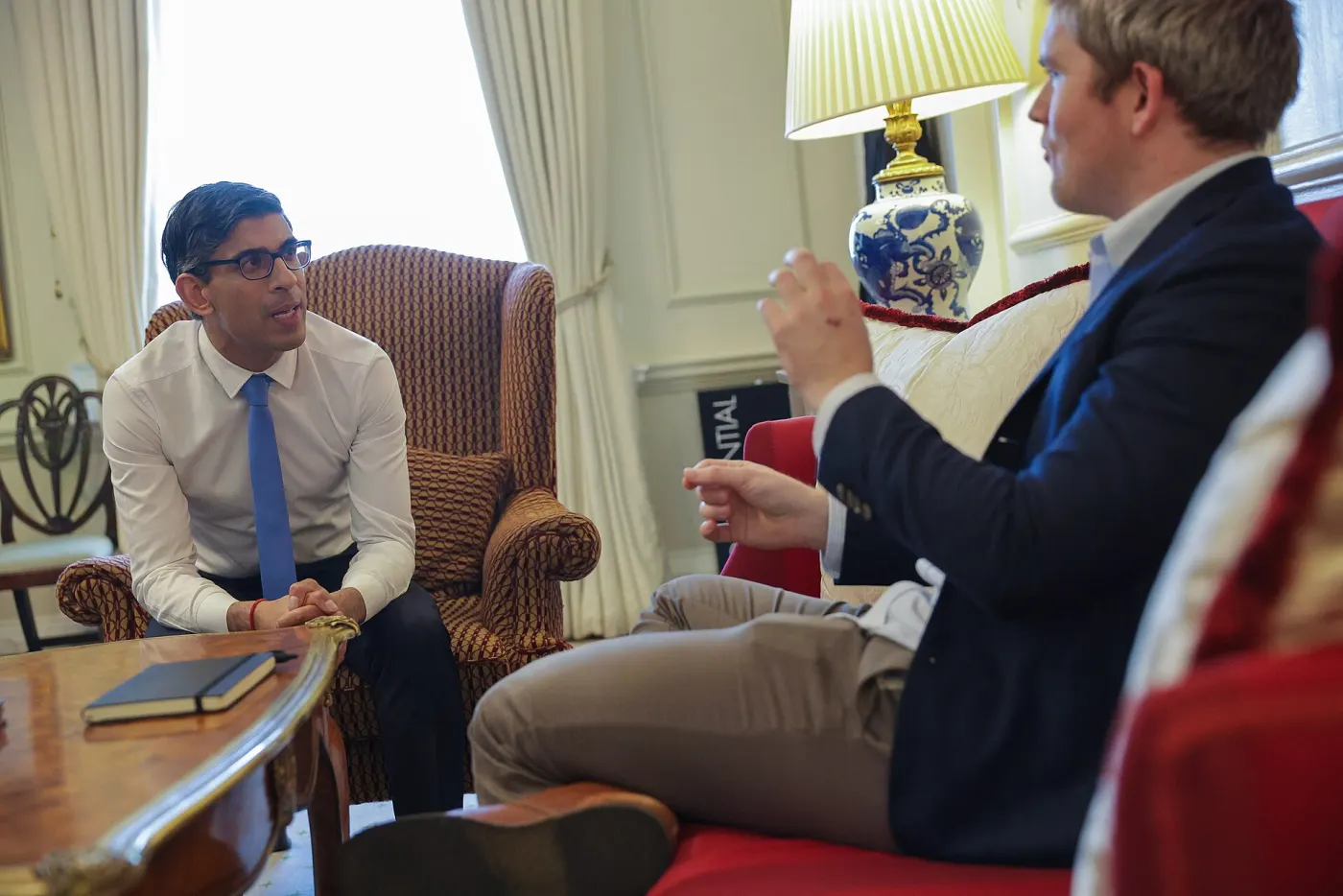
If you met John Collison only through wealth rankings, you would miss the shape of his work. He is the teenager who sold a company and then sat the Leaving Cert anyway. He is the Harvard dropout who took the title president and meant operations, not ceremony. He is the pilot who treats an Irish airport as infrastructure stewardship. He is the podcast host who still likes a long conversation more than a polished myth.
In 2026, with Stripe valued around $159 billion in a tender and processing on the order of $1.9 trillion a year, John Collison remains the younger brother who refuses to become a footnote. The internet's checkout button has his fingerprints on it. So does a runway west of Dublin. So does a classroom in Limerick where students who once planned to be lawyers now invent software for a living. So does a pub booth where a Cheeky Pint microphone catches the next founder mid-sentence.
By late 2026 the pattern was stable enough to summarize without hype. John Collison remained president of a company processing on the order of two trillion dollars a year. He remained an Irish citizen whose biggest civic experiments sat on Irish ground. He remained willing to sit for the hard market interviews that his brother sometimes skipped. And he remained, stubbornly, the younger cofounder whose story is not a copy of the CEO's story: same founding myth, different adult craft, same unfinished ambition.
The famous seven lines of code were always a dare aimed at every future payments form on earth. John's career is what happens when someone keeps answering that dare for fifteen years and more without needing a ticker tape to prove the work was real. The younger Collison did not inherit a finished empire. He helped operate one into being, then spent the surplus on runways, residencies, and the stubborn Irish belief that the next great internet company does not have to be born on Sand Hill Road.
Watch alongside this story
Short cuts from interviews, keynotes and launches. Each plays only the moment that matters.