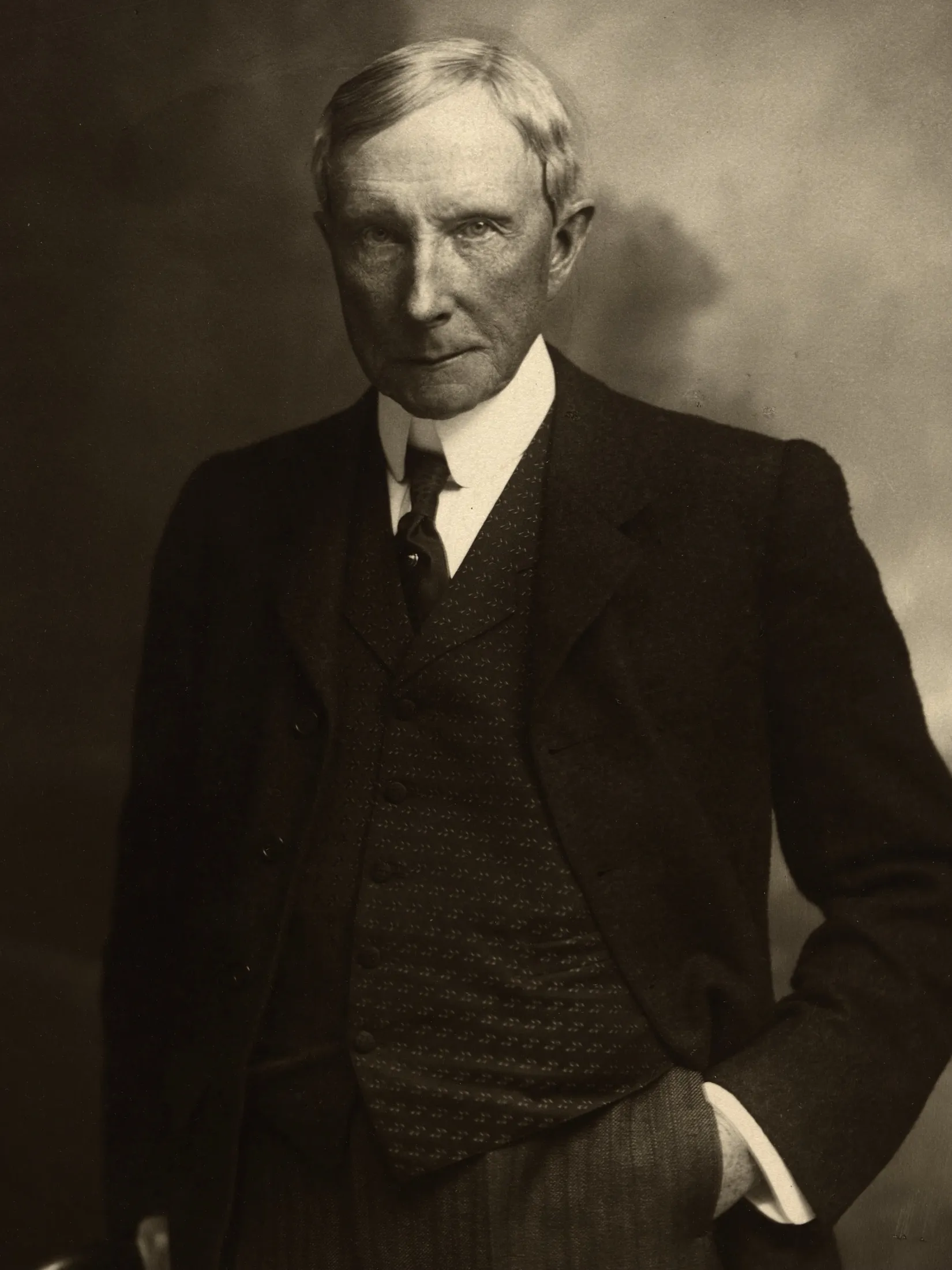
The World’s First Oil Billionaire
Baptist thrift. Ruthless scale. From clerk to colossus. A legacy of power and gifts.
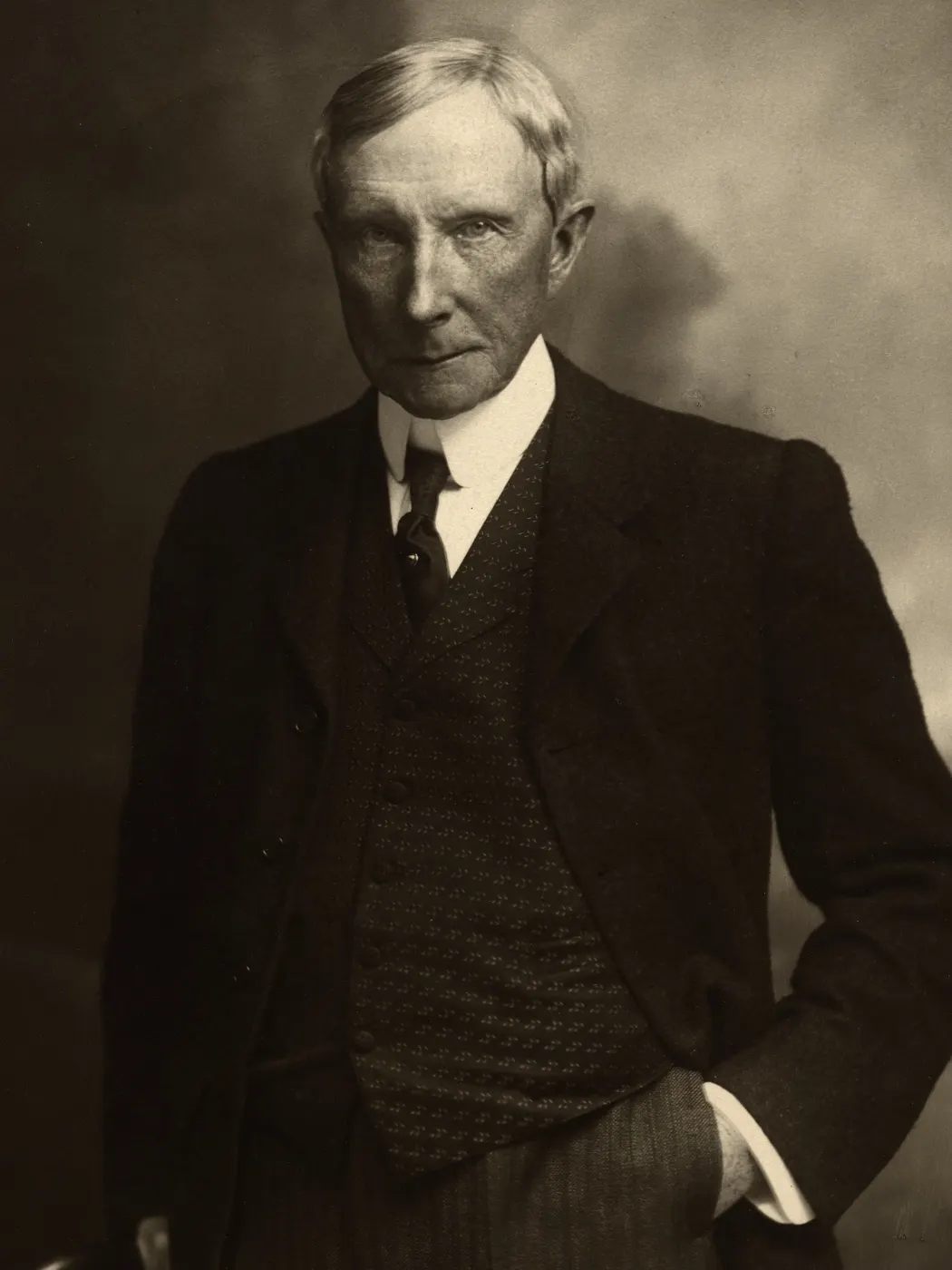
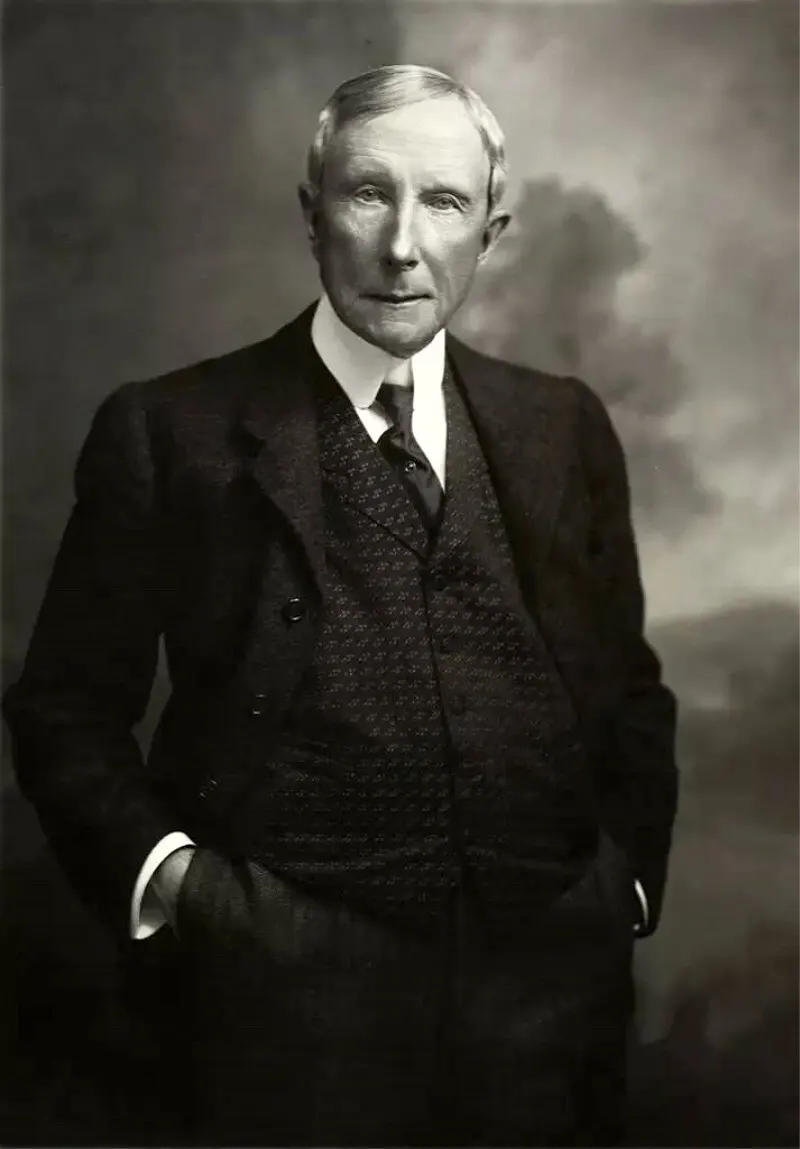
On May 15, 1911, the United States Supreme Court declared the Standard Oil Company of New Jersey an illegal monopoly and ordered it broken into dozens of pieces. In Westchester County, New York, John D. Rockefeller was said to be on a golf course when the news traveled. Whether every detail of that afternoon story is exact, the business fact is not disputed. The largest oil combination in American history was ordered to dissolve. The man who built it did not go poor. Shares in the baby companies rose. The breakup that was meant to punish scale made the ledger even heavier.
This biography follows John Davison Rockefeller from a hard Richford childhood and a Cleveland bookkeeper's stool to kerosene fortunes, railroad rebates, Ida Tarbell's exposés, the 1911 decree, and the foundations that still spend his fortune in 2026. It is a story of arithmetic as power, of Baptist discipline, and of a public that both burned his effigy and burned his oil.
Critics called him a monopolist. Admirers called him a genius of organization.
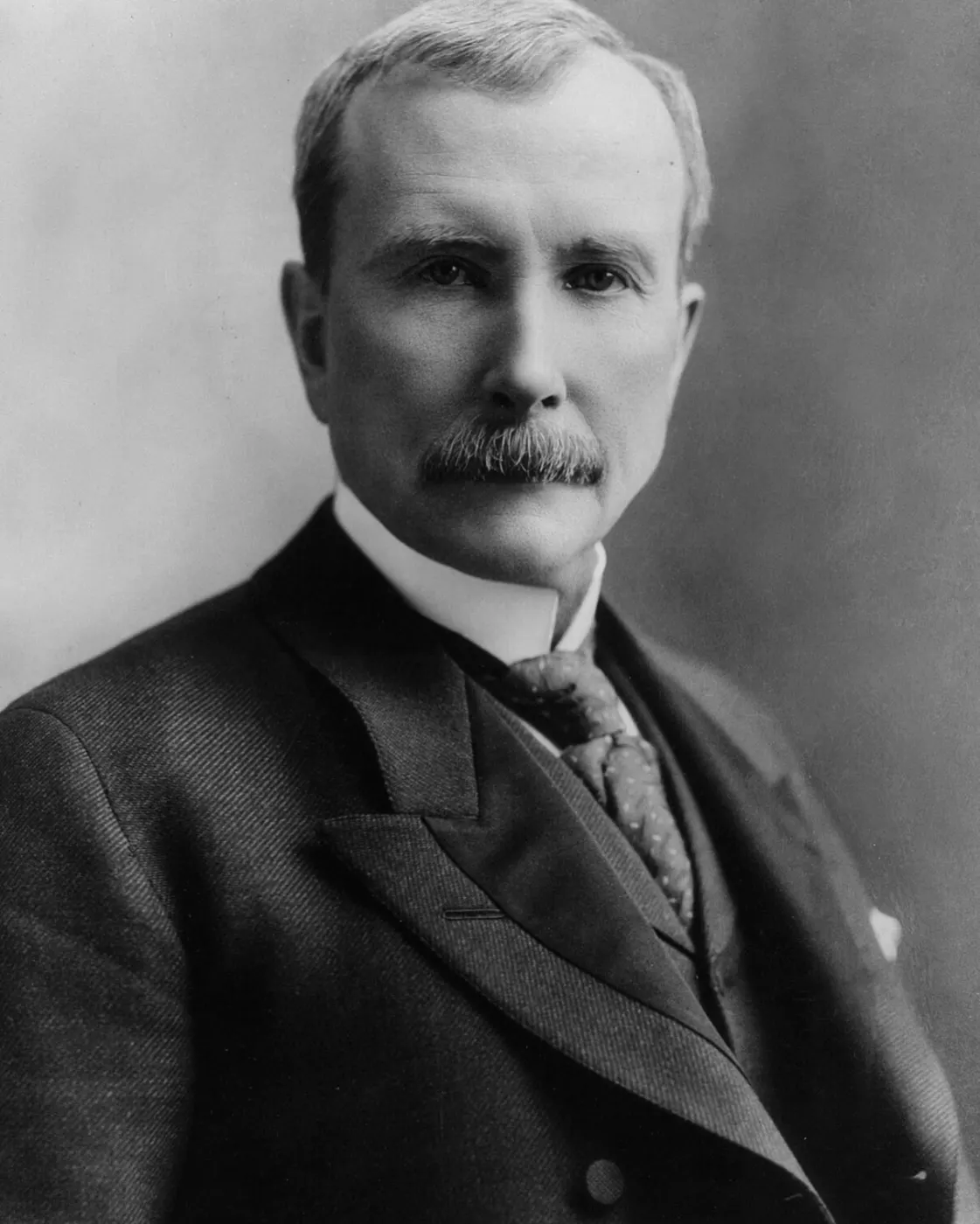
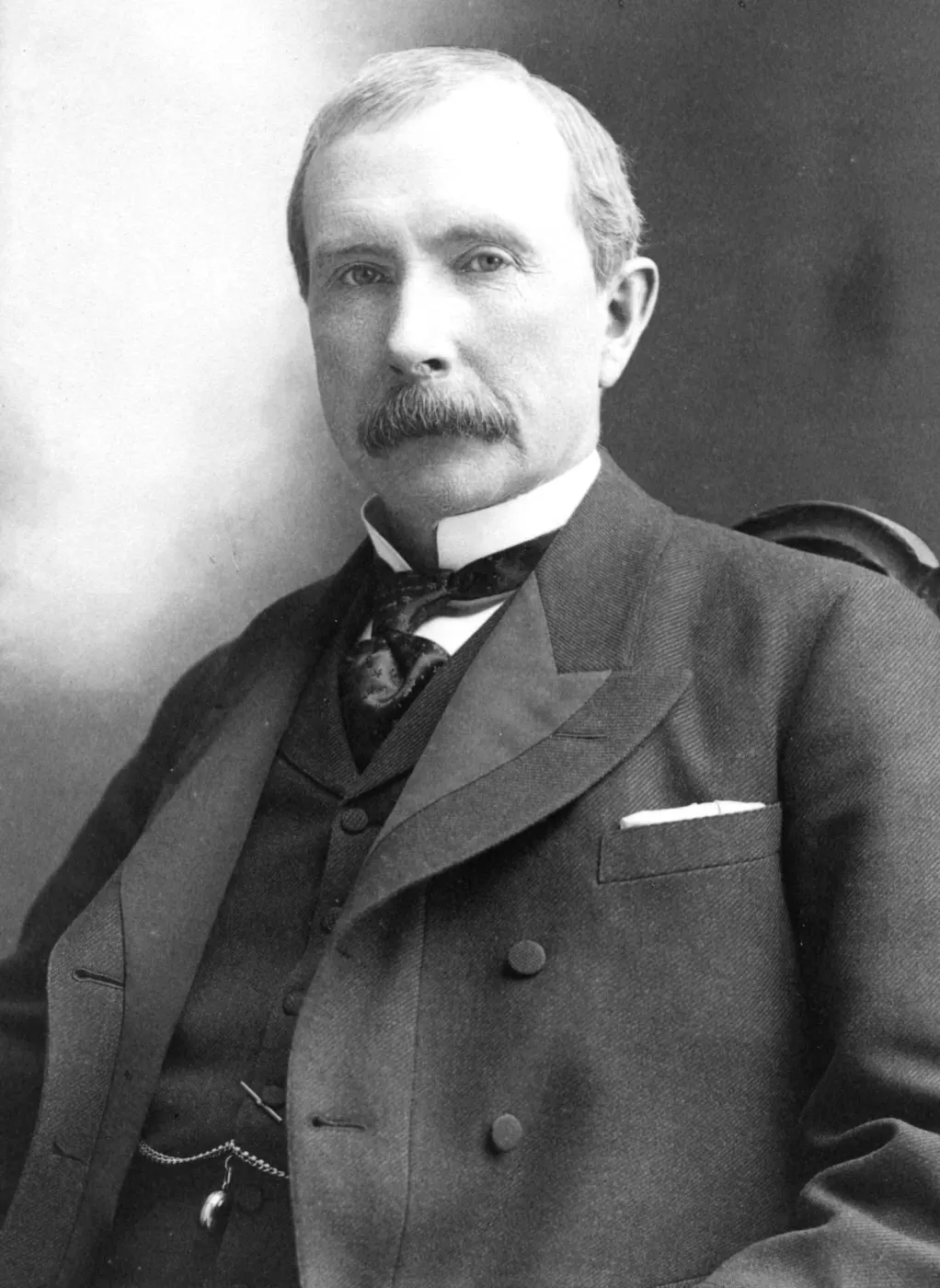
Richford, Eliza, and a father who sold miracles
John Davison Rockefeller was born on July 8, 1839, near Richford, New York. His mother, Eliza Davison Rockefeller, was a devout Baptist who preached honesty, thrift, and God. His father, William Avery Rockefeller, was a traveling salesman of sorts, sometimes called a peddler of patent medicines, a man of charm and trouble. The household learned two lessons that never left John: count every coin, and do not trust every smile.
The trouble was bigger than the family knew at first. William, called Big Bill and later Devil Bill by writers, vanished for months at a time. He sold herbal cures as a so-called doctor and later lived a second life under another name, William Levingston, with another wife. Stories from neighbors say he bragged that he cheated his own boys in deals to make them sharp. John grew up watching charm spend money his mother had to save. He chose to be the opposite: quiet, careful, and never surprised by a bill.
The family moved often. By 1853 they settled in the Cleveland area, first around Strongsville. John boarded in Cleveland and attended Central High School from 1853 to 1855. He took courses at a commercial college. He was not born to an oil derrick. He was born to ledgers.
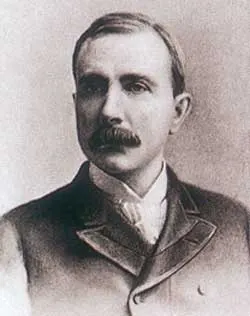
Fifty cents, Hewitt and Tuttle, and the joy of systems
In September 1855 he became assistant bookkeeper for Cleveland commission merchants Henry B. Tuttle and Isaac L. Hewitt, the firm remembered as Hewitt and Tuttle. Later lore says he earned about fifty cents a day at the start. What he loved, he later said, were all the methods and systems of the office. He tracked freight costs with special care. That skill would later decide which refiner lived and which died when railroad rates became weapons.
He started on September 26, 1855, and for the rest of his life he celebrated that date as his Job Day, more joyfully than his birthday. He was not paid at all for about three months. Then he received about fifty dollars for the whole stretch. He wrote every cent into a small red account book he called Ledger A: pay in, rent and food out, and small gifts to his church and to the poor. Decades later, as the richest man in America, he still kept that little book and treated it almost like a holy object.
He kept personal accounts too. Even as a teenager he gave small sums to church and charity. The habit of recording gifts sat beside the habit of recording debts. Philanthropy did not begin when he was old. It began when the numbers were small enough to fit in a pocket book.
Clark partnership, Civil War cash, and the turn to oil
In March 1859 Rockefeller and Maurice B. Clark opened their own commission business in Cleveland. The Civil War years were good for traders who could move goods. Profit stacked. A hundred miles east, Edwin Drake's 1859 well at Titusville had kicked open the Pennsylvania oil region. Crude was messy. Kerosene for lamps was the prize. Refining, not drilling, was where careful men saw cleaner margins.
In 1863 Rockefeller entered refining. Capital for a small refinery could be only about a thousand to fifteen hundred dollars and a few workers. Refined oil could sell around thirteen dollars a barrel with fat margins in early boom years. In 1865 he bought out Clark and went full time into oil. In 1867 Henry Morrison Flagler joined. The firm became Rockefeller, Andrews and Flagler. Flagler handled railroads and deals. Rockefeller handled the cold eye on cost. Together they turned Cleveland into an oil city tied by new rail to the fields.
By 1865 he and the Clark brothers were fighting about how fast to grow. They agreed to settle it the blunt way: sell the refinery at an auction between themselves. In February 1865 the bidding started at five hundred dollars and climbed and climbed. Rockefeller kept raising. At 72,500 dollars, Clark gave up. Rockefeller was twenty-five and now controlled one of Cleveland's biggest refineries. He later called it the day that determined his career.
Standard Oil, January 10, 1870
On January 10, 1870, they incorporated the Standard Oil Company of Ohio. The name Standard promised uniform quality in a market full of unsafe lamp oil. Rockefeller became the driving shareholder and operating mind. He ran the company into the late 1890s and remained its largest shareholder long after day to day retirement. He kept the title of president into the antitrust years.
Standard Oil hunted waste. Early Cleveland refineries might run at about sixty percent efficiency. Rockefeller pushed for using byproducts, cutting leakage, and borrowing to expand when others feared debt. Banks learned he paid. Competitors learned he could underprice and outlast.
Rebates, the Cleveland consolidation, and the trust
Railroads needed steady oil freight. Rockefeller needed cheaper shipping than rivals. Secret rebates and drawbacks repaid Standard for volume and punished independents. The short lived South Improvement Company scheme of the early 1870s became a public scandal even as consolidation continued. In the so called Cleveland Massacre period, many local refiners sold to Standard under pressure. Critics called it coercion. Rockefeller called it order.
The speed was the shocking part. In about six weeks in early 1872, Standard took over twenty-two of its twenty-six Cleveland competitors. Owners were shown Standard's books, offered cash or Standard stock, and told, in effect, that they could not survive alone. Some who took stock became rich. Some who took cash felt robbed for the rest of their lives.
By around 1880 Standard controlled roughly ninety percent of American refining. In 1882 the Standard Oil Trust gathered companies under a committee structure that let the empire operate across state lines before modern holding company law was settled. Efficiency was real. Monopoly power was real. Both lived in the same barrel.
How he worked: the ledger as religion
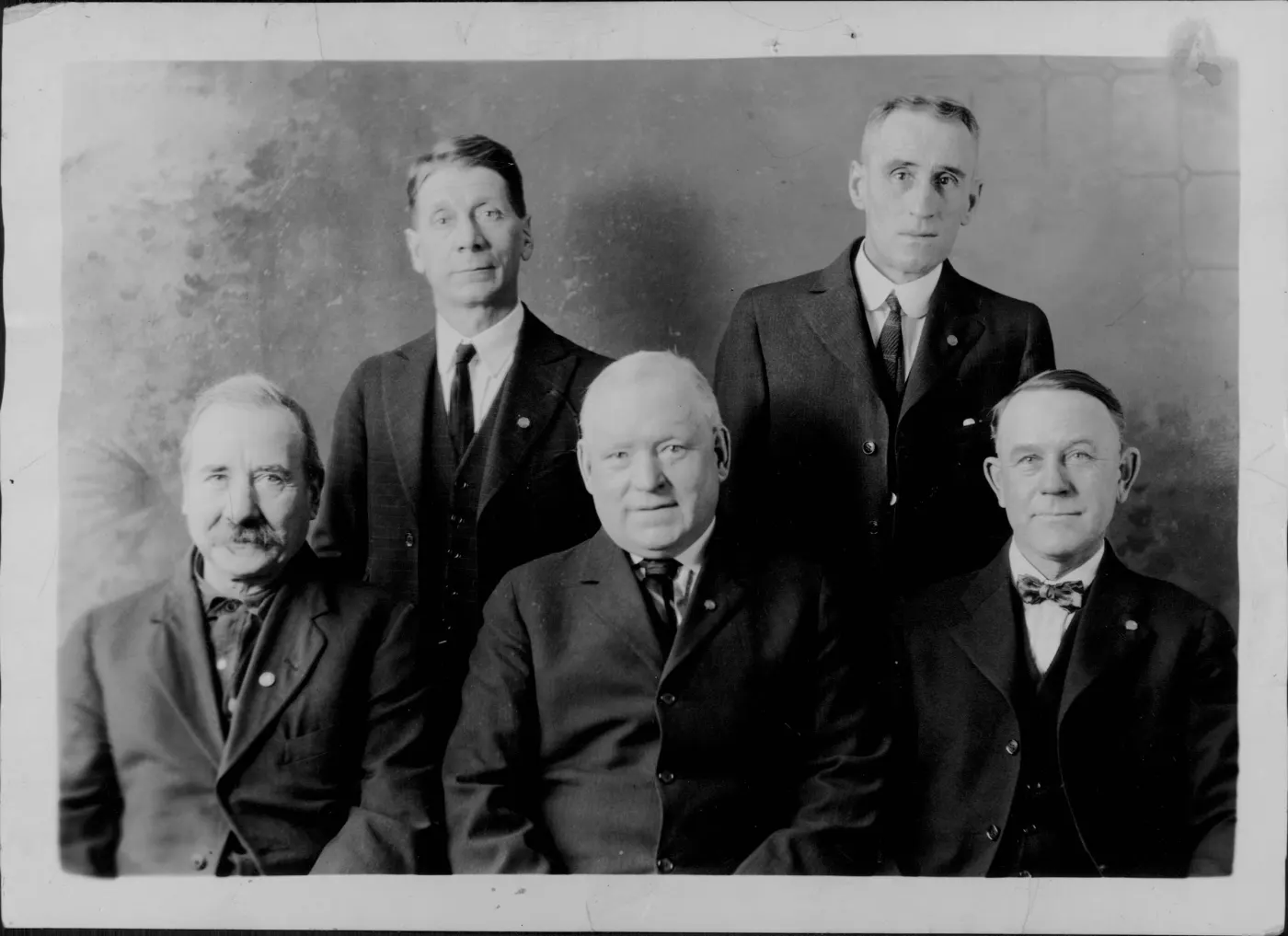
Rockefeller was a mainline Baptist who abstained from alcohol and tobacco. He rose early, studied costs, and hated waste the way other men hated rivals. He preferred quiet rooms to noisy floors. He let partners such as Flagler and later executives handle certain battles while he kept the map of money.
He married Laura Celestia Spelman in 1864. She was a partner in conscience and advice. They had four daughters who survived childhood naming patterns differently in sources, and one son, John D. Rockefeller Jr. Laura's death in 1915 cut the private center of his life. Church, family, and the ledger remained his three rails.
Ida Tarbell and the making of a public villain
As Standard's power peaked, journalists sharpened knives. Ida M. Tarbell's History of the Standard Oil Company, serialized in McClure's Magazine beginning in 1902 and published as a book in 1904, laid out rebates, secret deals, and crushed competitors in plain narrative. She was the daughter of a Pennsylvania oil man. Her reporting helped turn antitrust from theory into popular demand.
Preachers and cartoonists called Rockefeller monstrous. He gave more and more money away even as the hatred rose. The split in public feeling never fully healed: builder of cheap light versus strangler of fair markets.
The pressure showed up in his body. By the early 1890s he suffered from stomach trouble, sleepless nights, and exhaustion. He began stepping back from daily management in the mid-1890s, while keeping the title of president. Around 1901 a condition called alopecia made all his hair fall out, even his eyebrows. He wore a skullcap, then wigs. The man cartoonists drew as an octopus now looked much older than his years.
May 15, 1911: thirty four pieces and a richer man
On May 15, 1911, the Supreme Court affirmed that Standard Oil of New Jersey violated the Sherman Antitrust Act and ordered dissolution. The trust broke into thirty four companies. Among the lineages that later mattered to ordinary drivers were firms that became parts of ExxonMobil, Chevron, and other majors.
Market prices of the successor shares climbed. Rockefeller's wealth, still concentrated in those holdings, increased after the supposed punishment. A spring afternoon story claims he advised buying Standard when he heard. Treat the golf anecdote carefully. Treat the wealth effect as documented industry history.
Philanthropy as a second company
Rockefeller spent roughly the last four decades of his long life designing large scale giving. He helped found the University of Chicago with major gifts beginning in the 1890s. He supported what became Rockefeller University for medical research. The General Education Board, started in 1903, poured money into education, including work in the American South. In 1913 he established the Rockefeller Foundation with a massive endowment often cited around one hundred million dollars at launch, aimed at public health, science, and "the well being of mankind throughout the world."
Hookworm campaigns, medical education reform, and research institutes changed life expectancy and university science. Spelman College carried the Spelman family name connected through Laura. He became, on many accounts, the country's first billionaire around September 28, 1916. In 1913 his fortune was estimated near nine hundred million dollars, a startling share of national output. Inflation adjusted rankings often place him among the richest humans ever. Exact modern dollar conversions vary by method. Say that plainly.
Houses, taxes, and the long retirement
He kept Cleveland roots at Forest Hill even as New York claimed more of his legal life from the 1880s. A 1913 tax fight with Cuyahoga County over an extended stay became local legend when assessors tried to bill him heavily and he resisted. He wintered later at The Casements in Ormond Beach, Florida. Kykuit at Pocantico Hills became the family seat of power and quiet.
He died on May 23, 1937, at Ormond Beach, age ninety seven. He was buried at Lake View Cemetery in Cleveland. The boy who arrived in Ohio with a careful mother went home to Ohio soil after shaping the fuel century.
What he actually built
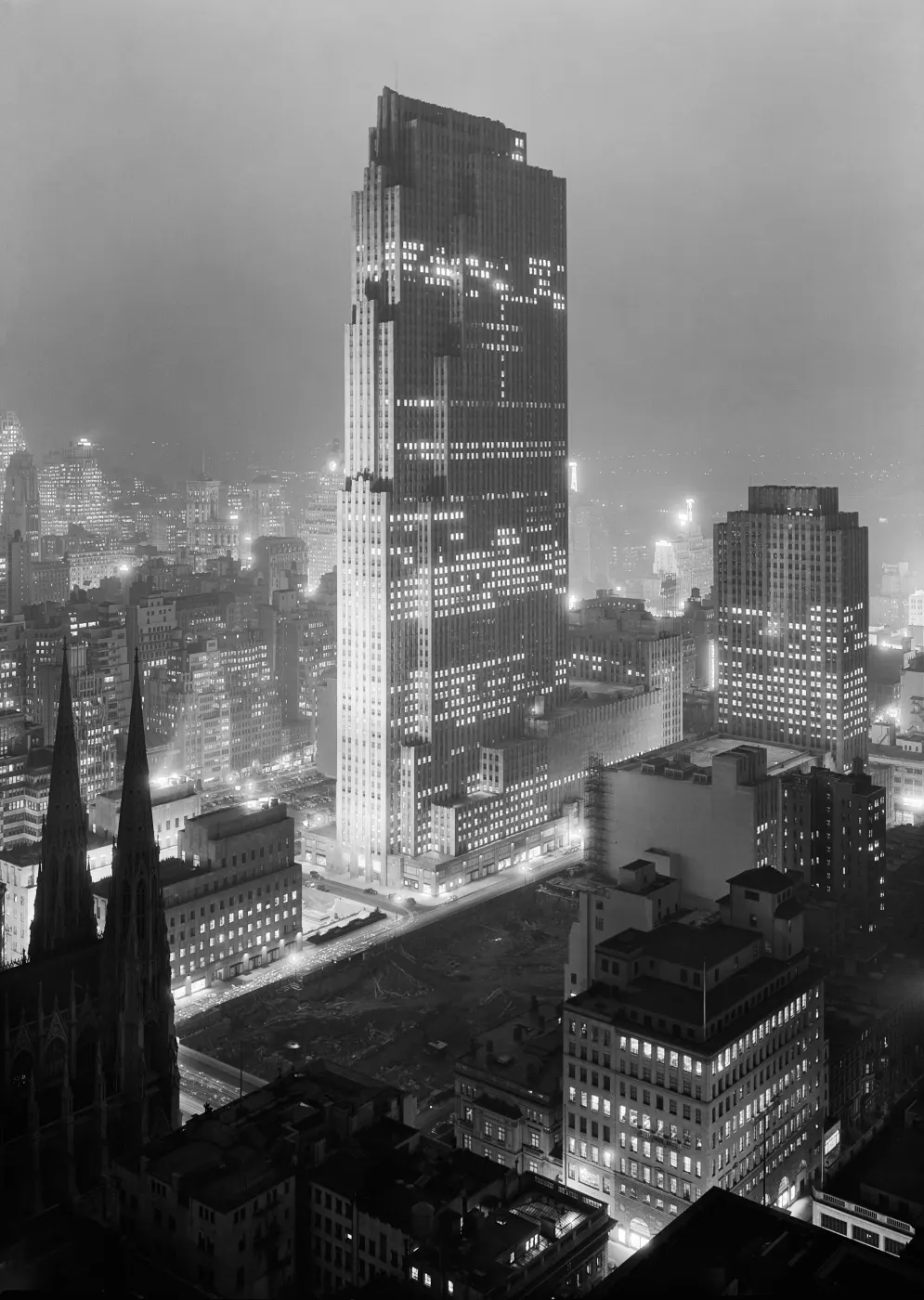
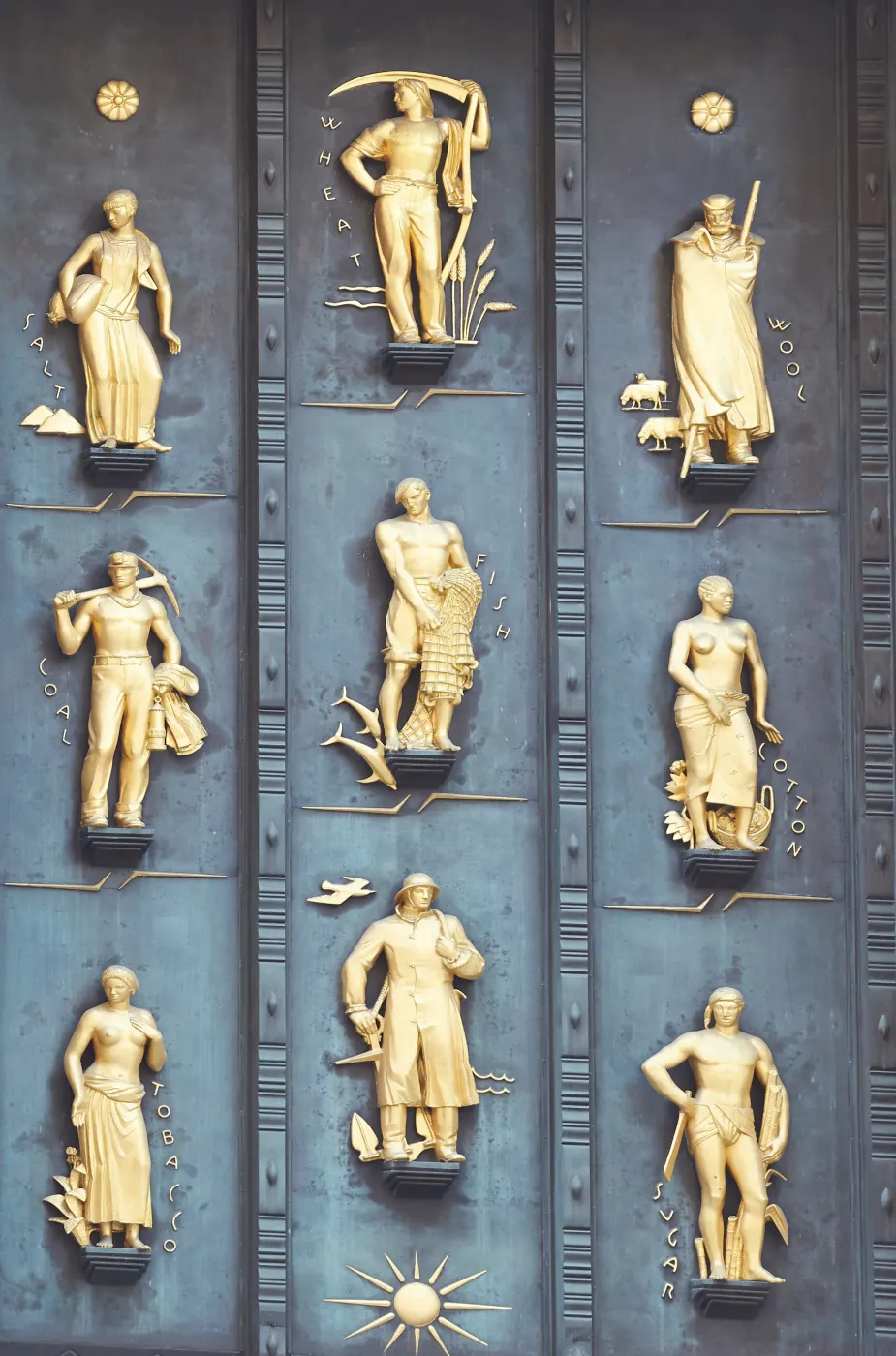
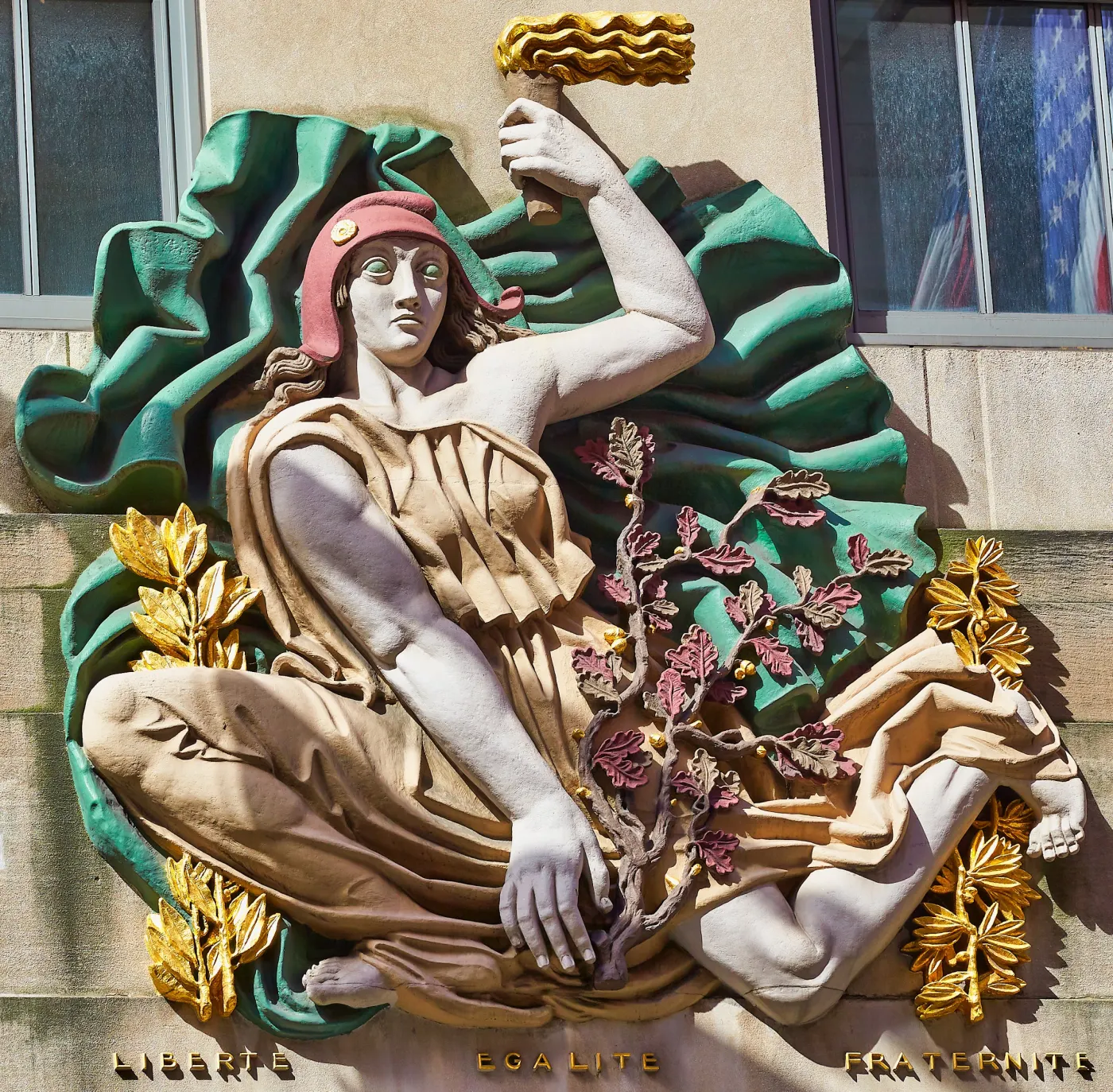
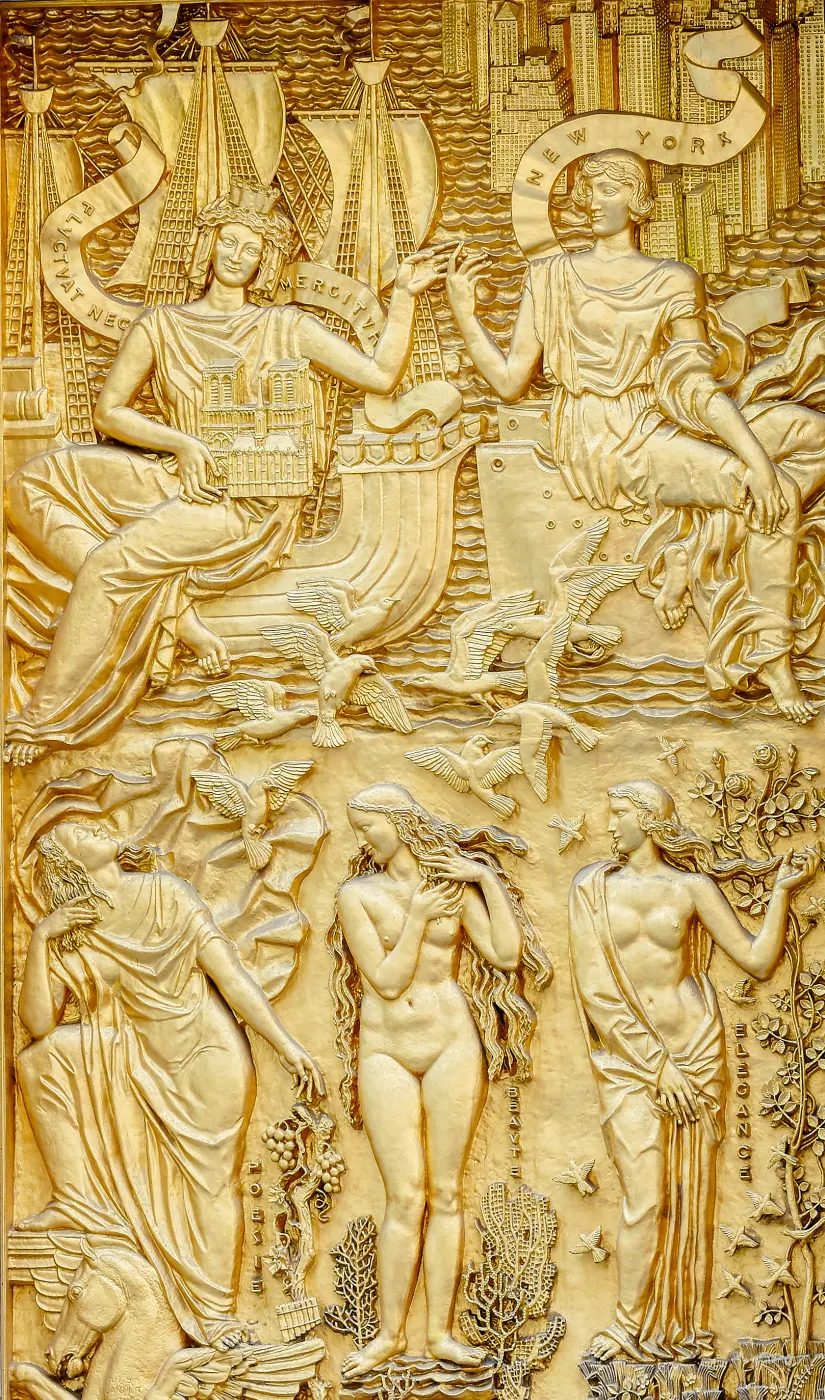
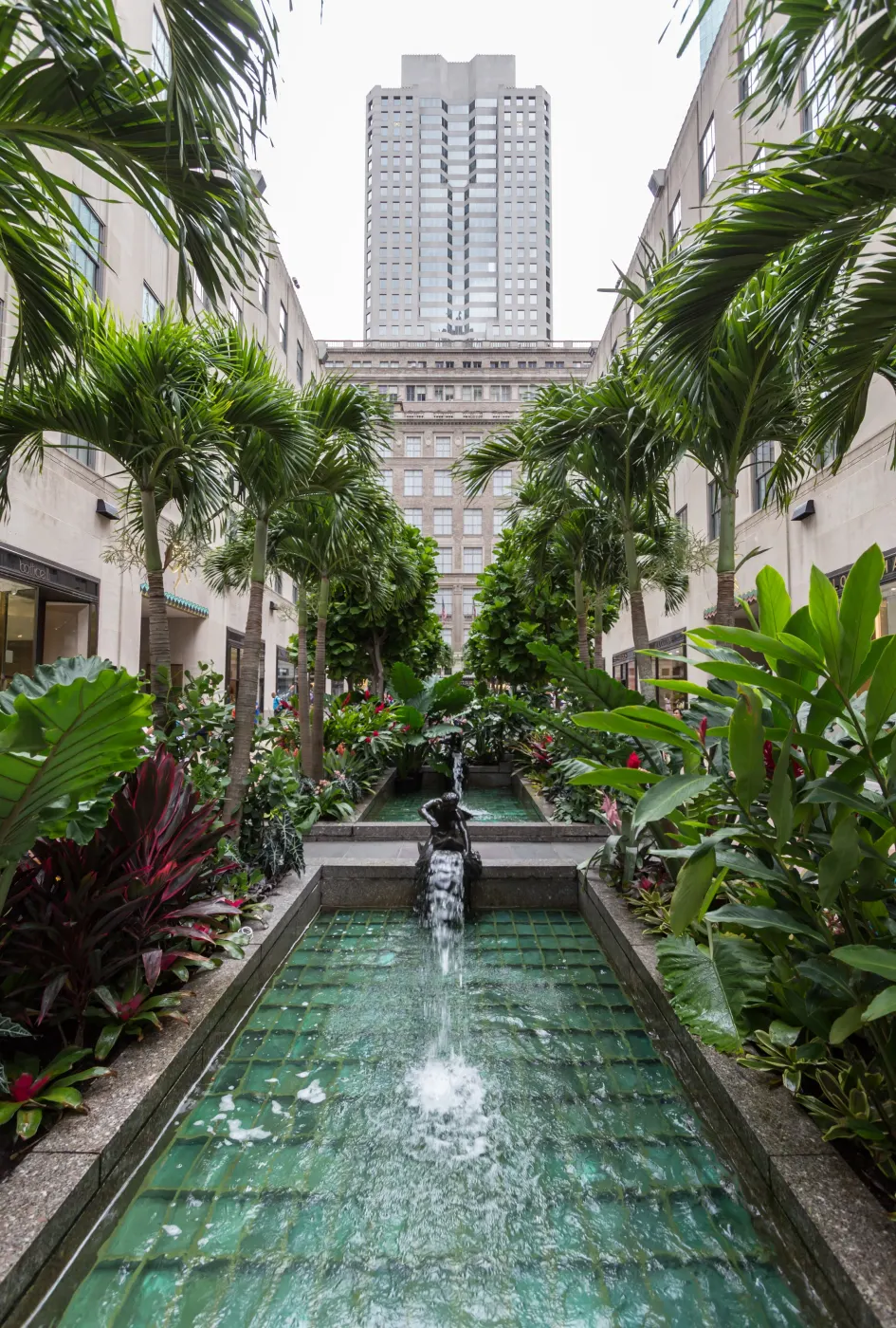
He built a refining and distribution system that standardized lamp oil and later fed the gasoline age. He built cost accounting as a competitive weapon. He built a corporate form large enough to force the Supreme Court to redraw antitrust practice. He built universities and a foundation model that taught later billionaires how to give at continental scale. Through John D. Rockefeller Jr. he also set conditions for Rockefeller Center, the Depression era complex whose towers still define Midtown Manhattan views in 2026.
Failures, hatred, and near political death
Public hatred was a strategic failure even when the books thrived. Secret rebates invited reform. The South Improvement stigma never washed clean. Colorado Fuel and Iron labor conflict associated with the wider Rockefeller story, especially through Junior and the Ludlow era, stained the family name in labor history. Rockefeller Sr. could not buy affection with dividends. He could only outlast critics and fund new institutions.
Antitrust defeat in 1911 looked like failure until share prices said otherwise. That paradox is central: legal loss, financial win, reputational scar.
World impact that still shows in 2026
Every driver who fills a tank touches corporate descendants of the Standard breakup. ExxonMobil, Chevron, and other majors carry geneology from that map even after a century of mergers. University of Chicago and Rockefeller University still shape research. The Rockefeller Foundation continues global health, food, energy access, and climate programs. In 2020 the Foundation committed to divest from fossil fuel exploration and production, a pointed turn for a fortune born in oil. By the mid 2020s it was funding large climate related commitments while Standard's corporate grandchildren remained among the world's biggest energy companies. The contradiction is the history.
The family feud of the Standard children never really ended. In July 2025 an arbitration panel ruled against ExxonMobil, born from Standard Oil of New Jersey, in a fight with Chevron, born from Standard Oil of California. The prize was a stake in huge oil fields off Guyana held by Hess. Chevron won and closed its roughly 53 billion dollar purchase of Hess that month. Two of the pieces broken apart in 1911 were still fighting over oil more than a century later.
Cheap kerosene once lengthened reading hours for families who could not afford whale oil or gaslight. Gasoline later moved armies and suburbs. Public health grants moved death rates. Antitrust doctrine moved how democracies police private empires. Few founders bend so many systems at once.
The unverified edges, held carefully
Exact starting wage stories vary in popular retellings. The golf course buy Standard anecdote may be polished. Inflation adjusted "richest ever" charts disagree by method. Precise GDP percentage claims for 1913 wealth depend on which national accounts series you trust. Some YouTube narrations overstate trillion dollar empire language for modern ears. This piece prefers Supreme Court dates, incorporation dates, and foundation records over hype math.
Greenpoint fire and the cost of oil cities
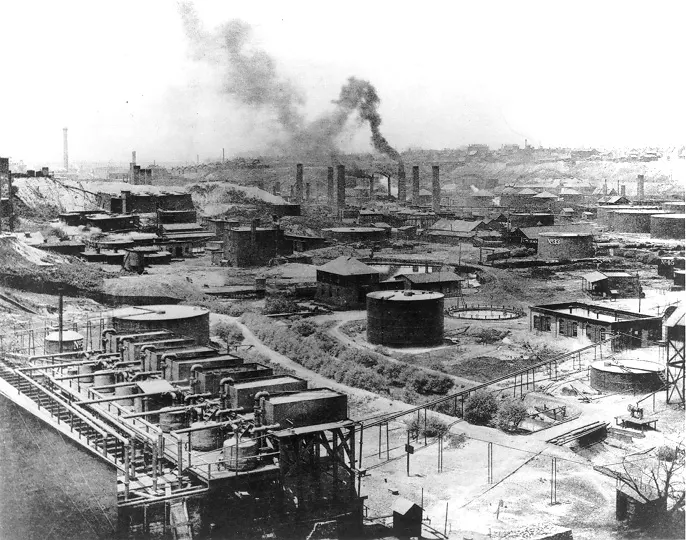
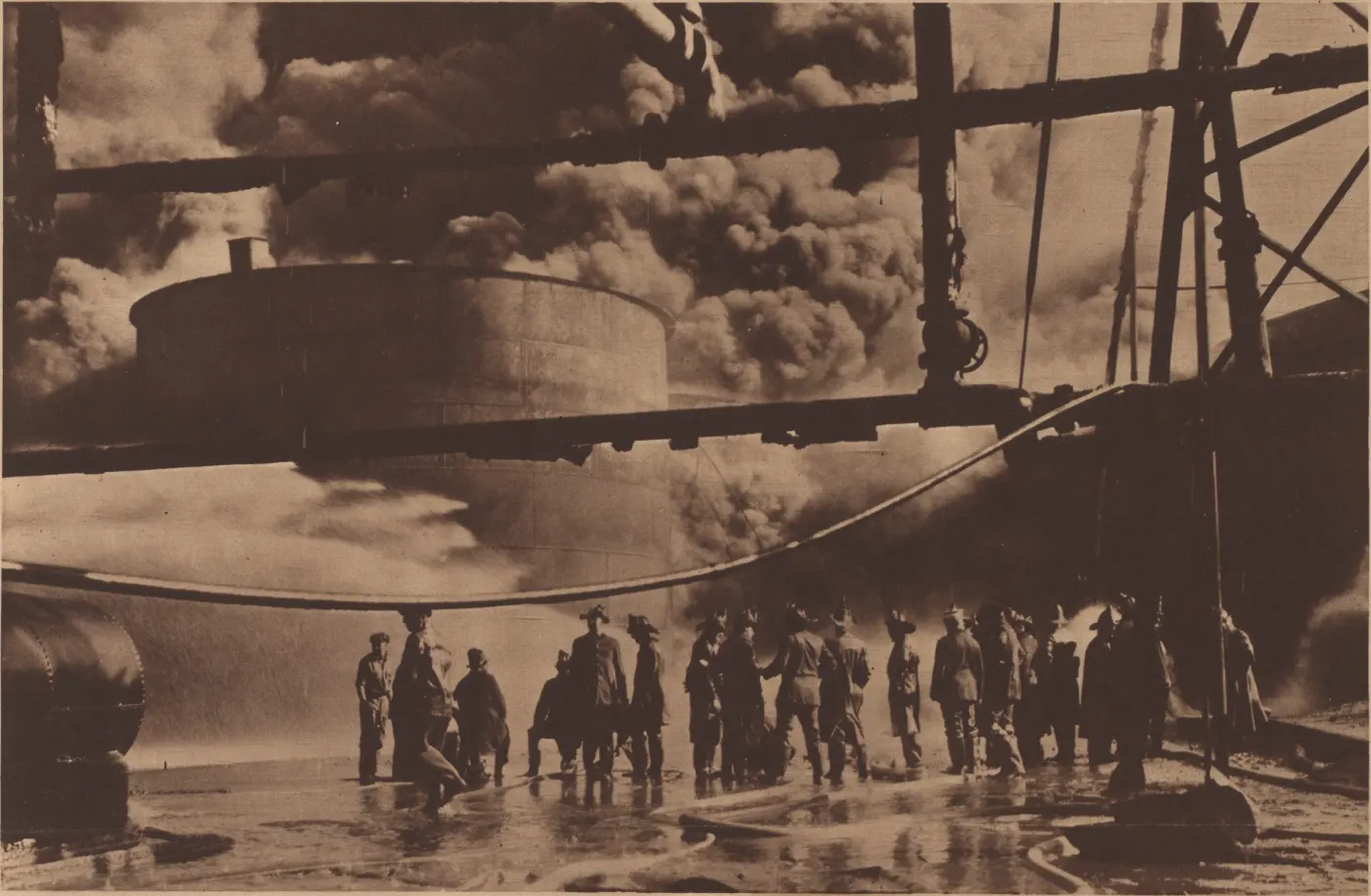
Industrial oil left scars on places. A Standard Oil fire at Greenpoint stands in photographs as reminder that refining wealth came with smoke, risk, and neighborhood cost. Efficiency in a ledger did not always mean safety in a street. The empire's physical footprint was tanks, docks, and flames as much as dividends.
Flagler, railroads, and the partner who understood tracks
Henry Flagler was not a sidekick. He translated Rockefeller's cost obsession into railroad contracts and Florida dreams of his own later life. Partnership let Rockefeller stay partly invisible while the system expanded. Founders who share the road sometimes travel farther than lone genius myths admit.
Baptist preacher advice and the money gospel
A Baptist culture that honored thrift also heard sermons about stewardship. Rockefeller often framed fortune as a duty to gather and a duty to give. Critics heard hypocrisy. He heard consistency. The same hand that squeezed a freight rate wrote a university check. Holding both truths without collapsing into slogan is the adult version of the story.
From Forest Hill summers to a Florida last night
Cleveland summers at Forest Hill kept him tied to the city that made him. Florida winters at Ormond Beach framed the end. Ninety seven years is a long arc from Richford farm mud to a national oil map. When he died in 1937, the Depression still gripped the country, Junior's Midtown towers were rising as jobs and stone, and the foundation machine was already bigger than any one donor's calendar.
Fifth grade truth about his power
He was very good at counting. He used counting to control oil. Controlling oil made him hated and rich. Being rich let him build schools and fight disease. The Court broke his company and he still won on paper. The world got cheaper light, stronger antitrust law, and an argument about money that has not ended in 2026.
Sargent's brush and the face of capital
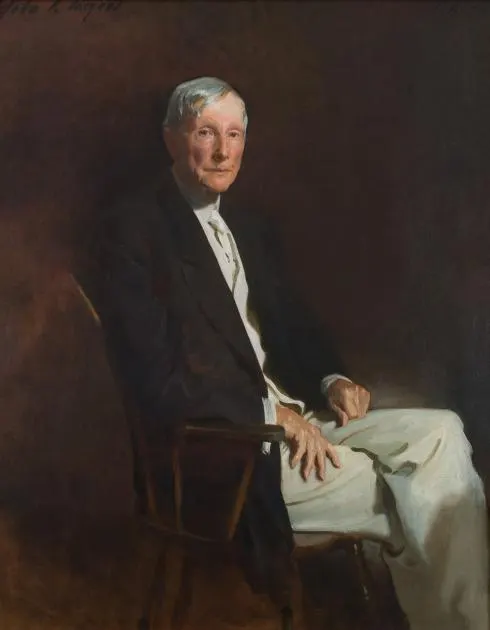
John Singer Sargent painted him as an old power in quiet clothes. The portrait hangs in cultural memory as the face of Gilded Age capital without needing a derrick in the frame. Soft paint, hard empire.
The commission house classroom
Before oil, the commission house taught him risk without romance. Produce spoiled. Freight bills lied. Customers delayed payment. He learned to distrust round numbers and to love written proof. When he later faced wildcat drillers who spoke in hope, he answered with columns. The classroom was Cleveland commerce in the 1850s, not a business school brochure.
Andrews, the first refinery bet, and byproduct religion
Samuel Andrews brought technical refining skill into the early partnership. Rockefeller brought capital discipline. Together they treated sludge and waste as unpaid inventory. If a barrel could yield more than lamp oil, the firm wanted that yield. Byproduct religion is boring until it compounds across millions of barrels. Then it becomes a moat.
Why Cleveland, not Titusville
Drillers clustered near wells. Rockefeller clustered near transport and markets. Cleveland sat on lake and rail paths that could pull crude west and push kerosene toward cities. Geography plus rebate math beat romance of the derrick. He rarely needed to own the hole in the ground if he owned the cheapest path from hole to lamp.
Horizontal combination as a daily practice
Combination was not a single dramatic meeting. It was years of offers, threats, mergers, and shutdowns. Some rivals took stock in Standard and became rich inside the machine. Others left bitter and fed Tarbell's notebooks. The method trained a generation of managers to think of industry as one system rather than a town of stubborn shops.
Vertical reach: barrels, tanks, marketing
Standard moved into barrel making, tank cars, pipelines, and marketing offices. Vertical reach meant fewer tolls paid to outsiders. Pipelines especially threatened railroad leverage and redrew politics. When you own the pipe, you renegotiate the country.
National Trust and the map of fear
As the Trust's map filled in, independent producers felt hunted. Politicians heard constituents. Progressive Era energy turned oil into a morality play. Rockefeller preferred silence to debate. Silence read as guilt to many. The more he refused theater, the more cartoonists drew him as a tentacled king.
Laura Spelman as counsel
Laura was educated, reform minded, and central to his private judgment. Spelman College and related education giving carried her family name into Black women's higher education history. Their marriage was not a society ornament. It was a working alliance between Baptist seriousness and industrial scale.
Junior, Ludlow shadow, and the next generation
John D. Rockefeller Jr. inherited both money and rage. Labor conflict at Colorado Fuel and Iron, including the Ludlow Massacre era associated with company camps, damaged the family reputation during Senior's later years and after. Senior's oil story and Junior's labor story braid together in public memory. A fair biography of the father notes the son's battles without dumping every mine conflict onto the 1870 incorporation papers.
University of Chicago as industrial cathedral
Funding a research university was a different kind of refinery. Ideas instead of kerosene. Rockefeller's gifts helped launch Chicago as a serious world campus. Critics said he was buying respectability. Faculty and students used the labs anyway. Institutions can outgrow the motives of their donors. That is partly the point of durable philanthropy.
Hookworm, public health, and the foundation idea
The Rockefeller Sanitary Commission and later Foundation campaigns against hookworm in the American South showed that private fortunes could fund epidemiology at state scale. Public health victories do not erase monopoly grievances. They do prove that the same organizational talent that crushed refiners could also crush parasites. 2026 foundation staff still speak a language of root causes that began in those early charters.
Kykuit silence and the performance of retirement
At Kykuit he practiced the theater of retirement while share wealth compounded. Visitors saw a gentle old man who handed dimes to children in later lore. Workers and reformers remembered railroad contracts. Both images sold. Neither alone is the whole ledger.
Gasoline age surprise
Standard was built for kerosene light. The automobile turned gasoline from a nuisance fraction into the main act. Rockefeller's timing looked luckier in hindsight than it felt in the lamp decades. Empires sometimes win because the next technology arrives on their infrastructure.
Antitrust as American industrial scripture
Standard Oil Co. of New Jersey v. United States became scripture for later cases against other giants. Tech and telecom lawyers in 2026 still cite the logic of combination and restraint. Rockefeller did not intend to become a legal textbook. He became one anyway.
Exxon, Chevron, and the long corporate afterlife
Walk a 2026 gas station and you are often inside the afterlife of the 1911 map. Names changed. Logos brightened. The refining and production DNA still traces to Standard pieces. That continuity is why breaking a monopoly does not always shrink a founder's shadow.
Foundation divestment irony
When the Rockefeller Foundation moved to divest fossil fuels around 2020 and expanded climate funding into the 2020s, headline writers enjoyed the irony. Oil money funding an exit from oil. History is allowed to turn on itself. The turn does not uninvent the derricks or the antitrust fight.
Ormond Beach and the last arithmetic
In Florida he lived past the age when most Gilded Age barons were statues. Ninety seven years let him watch automobiles multiply, wars burn oil, and his son's Midtown project employ Depression workers. Death on May 23, 1937, closed the personal account. The corporate and philanthropic accounts stayed open.
What fifth graders should argue about
Was he mostly a builder of cheap light or mostly a crushing monopolist. The honest classroom answer is both, with dates attached. 1870. 1882. 1904. 1911. 1913. 1937. Dates keep the argument from becoming a poster.
Barrels, docks, and men with callused hands
Behind the trust diagrams were coopers, stillmen, dock workers, and clerks. Rockefeller's genius was organizing them into a machine that moved faster than independent towns. Human cost lived in hours, fumes, and fires like Greenpoint. A documentary that only praises strategy without smelling smoke fails the people who made the barrels.
Why the bookkeeper beat the wildcatter
Wildcatters gambled on underground luck. The bookkeeper gambled on spreads. Spreads can be managed. Luck cannot. American capitalism often pretends to love the wildcatter and then pays the bookkeeper. Rockefeller is the purest version of that joke that is not a joke.
Media, muckrakers, and the new constraint
Tarbell proved that narrative could wound a trust as badly as a rival refinery could. After her, secrecy had a higher price. Later corporate public relations departments are distant grandchildren of that wound. Rockefeller never became a natural performer. He became a case study in what happens when performance is refused.
Lake View Cemetery and the Cleveland ending
Burial at Lake View Cemetery returned him to the city of his ascent. Tourists still look for the monument. Cleveland remembers Standard Smoke and Forest Hill summers. The national memory prefers Midtown towers and foundation logos. Local memory keeps the bookkeeper.
Rail politics and the public interest claim
Rail executives argued rebates were normal competition. Farmers and independent oil men called them corruption with a timetable. Congress and commissions slowly built rules because Standard made the old informal system look like a private government. When a company becomes a private government, democracies either regulate it or surrender.
Counting gifts the way he counted freight
He tracked donations with the same appetite for totals that he brought to freight. Stewardship theology met spreadsheet practice. Modern donor advised funds and foundation dashboards are secular cousins of that impulse. He helped invent the feeling that giving should be managed like an industry.
The Civil War balance sheet
While other young men fought, Rockefeller's commission house moved goods in a wartime economy. He later hired substitutes rather than serving in uniform, a common legal practice for men who could pay, and a fact critics never forgot. War profits funded early refining stakes. The moral ledger of that choice sits beside the oil ledger whether admirers like it or not.
Price wars as theater and math
When Standard wanted a market, it could drop prices below a rival's survival line, then raise them after surrender. Consumers enjoyed cheap kerosene during the war phase. Independents called it predation. Economists still argue about when low prices help the public and when they only clear the field for later high prices. Rockefeller lived inside that argument before textbooks named it.
The trust certificate and the new kind of owner
Trust certificates let investors own pieces of a combination that spanned states. Ownership became abstract. Power became centralized. American law eventually chased that form with statutes and court orders. Corporate America after Standard learned to hire lawyers as early as it hired chemists.
Pipelines versus iron rails
Pipelines moved oil with less dependence on railroad favor. Building them was capital intensive and political. Standard's pipeline push was both engineering and bargaining chip. Every time a pipe replaced a preferential rail deal, the map of leverage shifted. Infrastructure was strategy poured into steel.
Export barrels and the world lamp
American kerosene lit homes far beyond Ohio. Standard's export networks carried Cleveland decisions into European and Asian nights. Global reach made domestic monopoly fights matter abroad. Antitrust at home could not fully contain a product that crossed oceans in cans.
Spelman, education, and the Southern board
Through the General Education Board and Spelman tied giving, Rockefeller money entered debates about schooling in the South, including education for Black students in a Jim Crow order. Motives mixed stewardship, efficiency, and the limits of Northern philanthropy inside segregation. Outcomes included campuses and programs that outlived the donor. Historians still unpack the mix without needing cartoon villains or cartoon saints.
Medical research as long bet
The Rockefeller Institute for Medical Research treated science as a capital project with uncertain payback periods. That patience differs from quarterly refining. It is one reason biomedical philanthropy copied the model for a century. Lab benches became as strategic as stills.
Public relations before the profession matured
Rockefeller's late life dime giving and church images tried to soften the monster cartoons. Junior later professionalized family public relations after Ludlow. Senior's generation learned slowly that silence plus monopoly equals a story written by enemies. Modern founder media training is a distant echo of that scar.
Ormond Beach routine
In Florida he walked, received visitors, and watched the ocean edge of a country now addicted to motors. The Casements was not Standard headquarters. It was a stage for old age. Even there, mail about foundations and family offices followed him. Retirement was a change of desk, not a change of gravity.
Comparing hatred and dependence
Americans could hate the man and still need the product by Friday night. That split is the emotional core of Gilded Age politics. Dependence breeds rage when the supplier feels like a ruler. Rockefeller embodied supplier as ruler more cleanly than almost any peer.
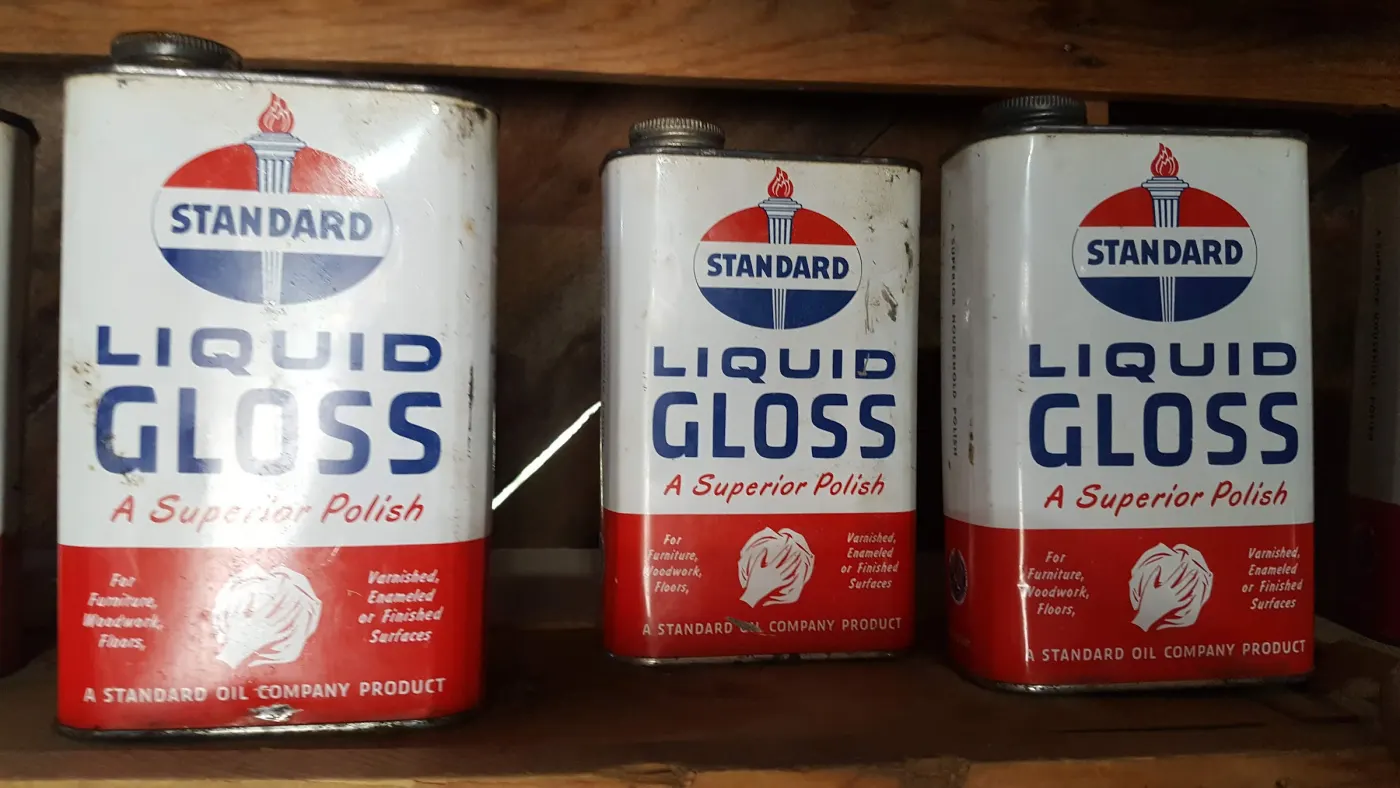
What "standard" meant on a label
The brand word promised safe, uniform lamp oil in a market that had seen explosions and fraud. Quality control was marketing and morality play at once. A standard is a technical claim and a trust claim. He named the company after the claim he wanted customers to feel in the dark.
Account books as autobiography
His ledgers are as close to autobiography as he ever offered. Where other barons wrote memoirs full of speeches, he left columns. Biographers who ignore the accounting miss the man. Biographers who see only accounting miss the church and the terror he inspired.
From Strongsville roads to Midtown stone
The path from a Strongsville area boy boarding for high school to the skyline shaped by his son's Rockefeller Center is a single family century. Sr. made the cash. Jr. made the plaza. 2026 tourists ice skate under a tree in a complex the oil ledger ultimately financed. That is world impact you can stand inside.
Competitors who sold and competitors who wrote
Some rivals who sold early took Standard stock and joined the winning balance sheet. Others refused, failed, and wrote affidavits. Tarbell interviewed the second group with special care. History needs both kinds of losers: the ones absorbed and the ones archived.
The first billionaire label
Calling him the first American billionaire on a 1916 date is popular history with footnotes that quibble about definitions and asset marks. What matters for this story is that contemporaries experienced his wealth as a new category. Billion became a public word attached to a Baptist face.
Why 2026 still argues about him
Because every generation meets a new giant and asks whether Standard's ghost is warning or instruction manual. Break them up. Regulate them. Tax them. Shame them. Copy them. The toolkit expands. The question stays. Rockefeller is the template behind the question.
Quiet Sunday and noisy Monday
Sunday church and Monday rate fight shared one calendar. Observers called hypocrisy. He called whole life. The tension made him narratively durable. Simple villains bore readers. Complicated builders keep documentaries in production.
Lake Erie wind and refinery smell
Cleveland's industrial air carried lake wind and oil smell. Children of the city grew up knowing Standard as employer, polluter, and legend. National politics happened in Washington. Sensory politics happened on the river. Both shaped what the name meant.
Final operating rule
If a cost can be measured, it can be managed. If a rival cannot measure as well, he can be bought. If the public rages, endow a university. If the Court breaks the trust, hold the pieces. That operating rule, crude and effective, is the spine of his biography.
Dimes, myths, and the soft ending people prefer
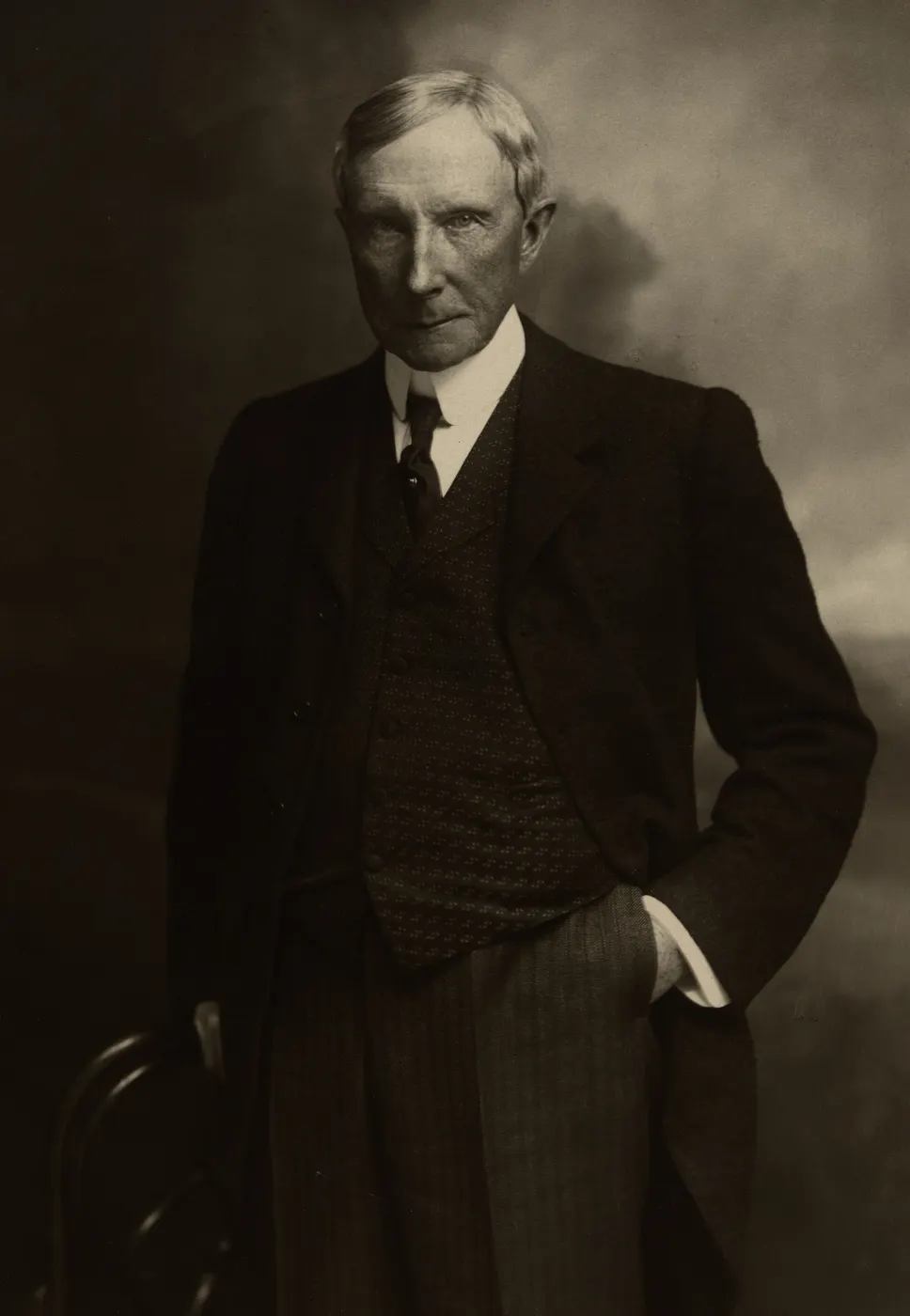
Late photographs show a thin old man who sometimes gave dimes to children. Soft endings are easier to print than rebate contracts. The dime stories may be true in episodes and still misleading as summary. A life is not its last prop. His last prop was kindness theater after decades of industrial hardball. Keep both on the table without letting the dime erase the trust.
Cleveland Arcade shares and side bets
He held interests beyond oil, including stock stories around Cleveland properties such as the Arcade. Diversification was secondary to refining, yet it shows a mind that treated the city itself as an investment surface. Oil was the river. Real estate and rails were the banks.
Reading Tarbell without surrendering the whole case
Tarbell was right about secrecy and crushed rivals in many documented episodes. She was also a narrative artist with a family wound. Reading her carefully means accepting evidence without treating every adjective as sworn math. Rockefeller's managers wrote their own defensive histories. The truth lives in the overlap and the trial record, not in either side's pure poster.
One more morning at the desk
Picture him before the monopoly cartoons, a young clerk checking a freight column twice because once is how mistakes breed. That morning habit, repeated until it became an empire, is the simplest true thing about John D. Rockefeller. Empires are mornings stacked until the stack owns an industry.
He counted. He combined. He gave. He remains the measure later giants are compared against, fairly or not.
Closing
John D. Rockefeller's life ran from a Richford boyhood and a Cleveland bookkeeper's desk to Standard Oil's near total grip on American refining, a Supreme Court breakup in 1911, and a philanthropic architecture that still spends across public health and universities in 2026. He priced kerosene for a nation of lamps, forced the country to invent modern antitrust muscle, and died at ninety seven in Florida with Cleveland earth waiting for his grave.
The ledgers outlived the man. So did the argument about whether such ledgers should ever again be allowed to own a whole industry.
- Born
- July 8, 1839
- From
- Richford, New York
- Founded
- Standard Oil of Ohio, 1870
- Philanthropy
- University of Chicago, Rockefeller Institute, Rockefeller Foundation
- Died
- May 23, 1937, age 97
- 1839
Born in Richford, New York.
- 1870
Co-founds Standard Oil of Ohio.
- 1882
The Standard Oil trust coordinates a web of companies.
- 1911
The U.S. Supreme Court orders Standard Oil broken up.
- 1913
The Rockefeller Foundation is established.
- 1937
Dies on May 23, at age ninety-seven.
Watch alongside this story
Short cuts from interviews, keynotes and launches. Each plays only the moment that matters.