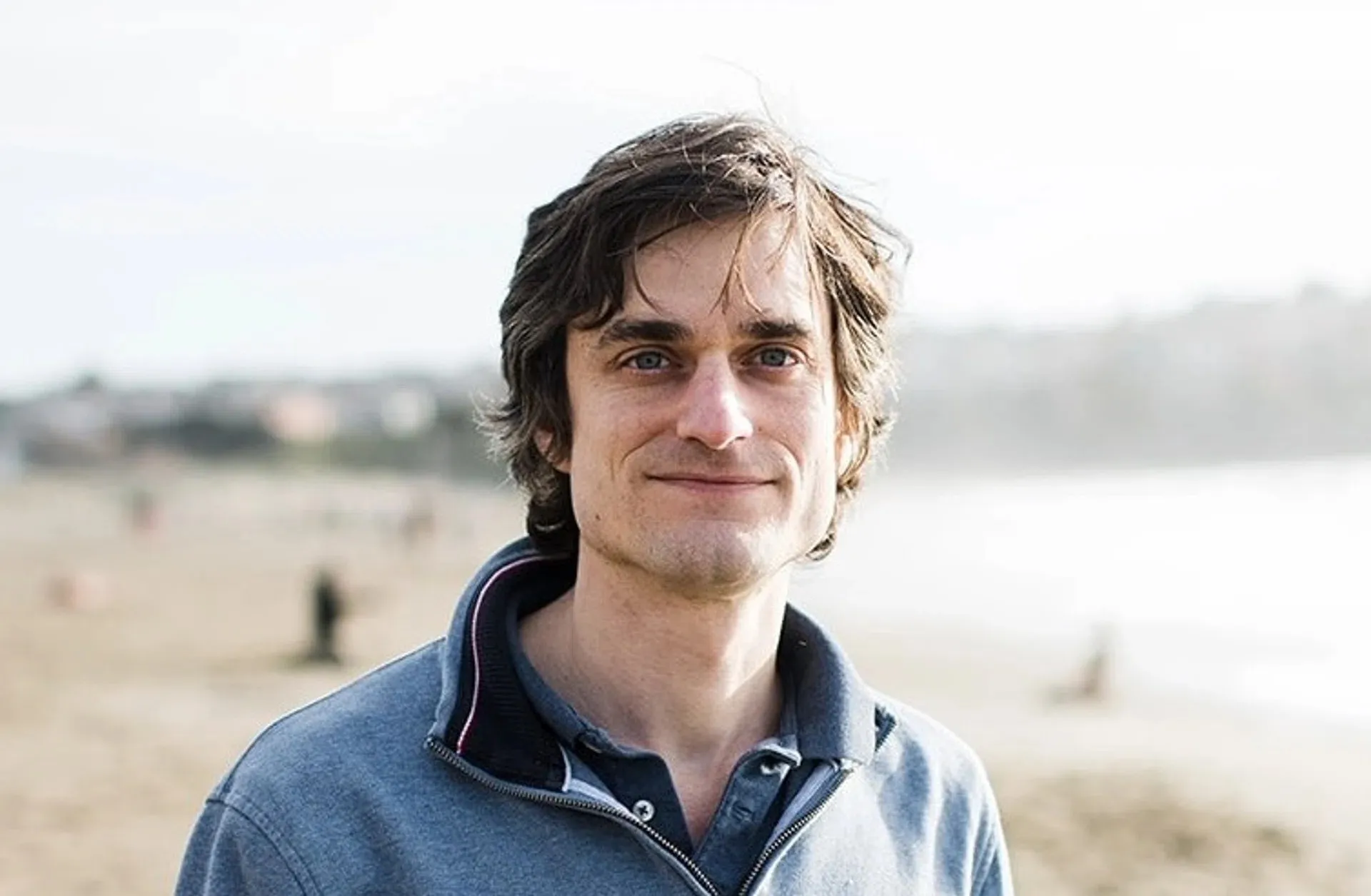
The Researcher Behind PPO
He created a key training algorithm. He co‑founded OpenAI. Now he is chief scientist at a new lab.
John Schulman grew up on Long Island, New York.
He loved science and math as a child.
Science fiction books by Isaac Asimov sparked his imagination.
Vernor Vinge stories added to his curiosity.
In seventh grade he saw the TV show BattleBots.
The robot fights made him research robot design.
Childhood and Early Interests
John spent his early years reading about space and machines.
He built small projects in his bedroom.
His love of physics grew with each new book.
He never mentioned his parents in the sources.
Long Island schools gave him space to explore.
School and Competitions
John attended Great Neck South High School.
In 2005 he joined the US Physics Olympiad team.
The Olympiad experience sharpened his problem‑solving skills.
He continued to read science fiction during school breaks.
These habits prepared him for later research work.
College and PhD
John earned a bachelor’s degree in physics from Caltech in 2010.
He then went to UC Berkeley for graduate studies.
He started a PhD in neuroscience.
He switched to the EECS department to study machine learning.
His advisor was Pieter Abbeel.
He focused on robotics and reinforcement learning.
John completed his PhD in computer science in 2016.
Early Career and OpenAI
In the spring of 2015 John interned at DeepMind.
The internship gave him insight into large‑scale AI research.
In December 2015 he co‑founded OpenAI while finishing his PhD.
OpenAI began as a small academic group.
Teams worked on independent projects like the Universe effort.
Early versions of the OpenAI API struggled with robustness.
The need for funding pushed the group toward product development.
John helped shape the flexible, model‑agnostic API design.
Recent Moves and Thinking Machines
John left OpenAI in August 2024 to join Anthropic.
He said the move was about AI alignment, not conflict.
His stay at Anthropic lasted five months.
In February 2025 he co‑founded Thinking Machines Lab.
He now serves as chief scientist there.
Thinking Machines launched a low‑level fine‑tuning API called Tynker.
The lab also released an open‑weight model named Inkling.
John speaks publicly about alignment and safe AI release.
John Schulman’s story shows how a love of robots and books can lead to world‑changing technology.
His work on Proximal Policy Optimization helped teach machines to learn from feedback.
That algorithm is a core part of today’s chat assistants.
From Long Island to the front lines of AI, his path is built on curiosity and hard work.
The lesson for young builders is simple: solve a hard problem well and share it.
John’s career moves illustrate a focus on safety and impact over fame.
His next chapters will likely keep shaping how machines learn and help people.
John Schulman grew up on Long Island, New York.
He loved science and math as a child.
He read Isaac Asimov and Vernor Vinge books.
In seventh grade he watched BattleBots on TV.
The show made him research robot design.
He went to Great Neck South High School.
He joined the US Physics Olympiad team in 2005.
He earned a physics degree from Caltech in 2010.
He then studied at UC Berkeley.
He started a PhD in neuroscience.
He switched to electrical engineering and computer sciences.
His advisor was Pieter Abbeel.
He finished a computer science PhD in 2016.
In spring 2015 he interned at DeepMind.
Founding Story
In December 2015 John co‑founded OpenAI.
He did this while finishing his PhD.
The goal was to build artificial general intelligence.
OpenAI began as a rag‑tag academic group.
Small teams worked on independent projects.
One early project was the Universe project, which did not succeed.
First Product and Early Customers
OpenAI first released an API.
The early models were not robust.
Customers found the API hard to use.
OpenAI changed to a flexible, model‑agnostic API.
The new API could serve many applications.
Early Struggles
The first API struggled with reliability.
Funding was limited, so the team needed revenue.
Research and product work competed for resources.
John helped steer the team toward product focus.
Key Turning Points
Switching to a model‑agnostic API boosted sales.
The change helped fund more research.
John left OpenAI in August 2024.
He joined Anthropic to work on AI alignment.
He left Anthropic after five months.
In early 2025 he co‑founded Thinking Machines Lab.
Growth with Real Numbers
By September 2026 OpenAI valued at $852 billion.
Its annualized revenue run rate was $25 billion.
OpenAI had over 900 million weekly active users.
Anthropic’s valuation reached $965 billion.
Its annualized revenue run rate was $47 billion.
Anthropic led enterprise AI spending, thanks to its API and Claude Code.
Thinking Machines launched a fine‑tuning API called Tynker.
It also released an open‑weight model named Inkling.
Funding, IPO, and Acquisitions
Both OpenAI and Anthropic filed confidential IPO paperwork in 2026.
No public acquisition of John’s companies is recorded.
Funding for Thinking Machines came from former OpenAI executives and other AI firms.
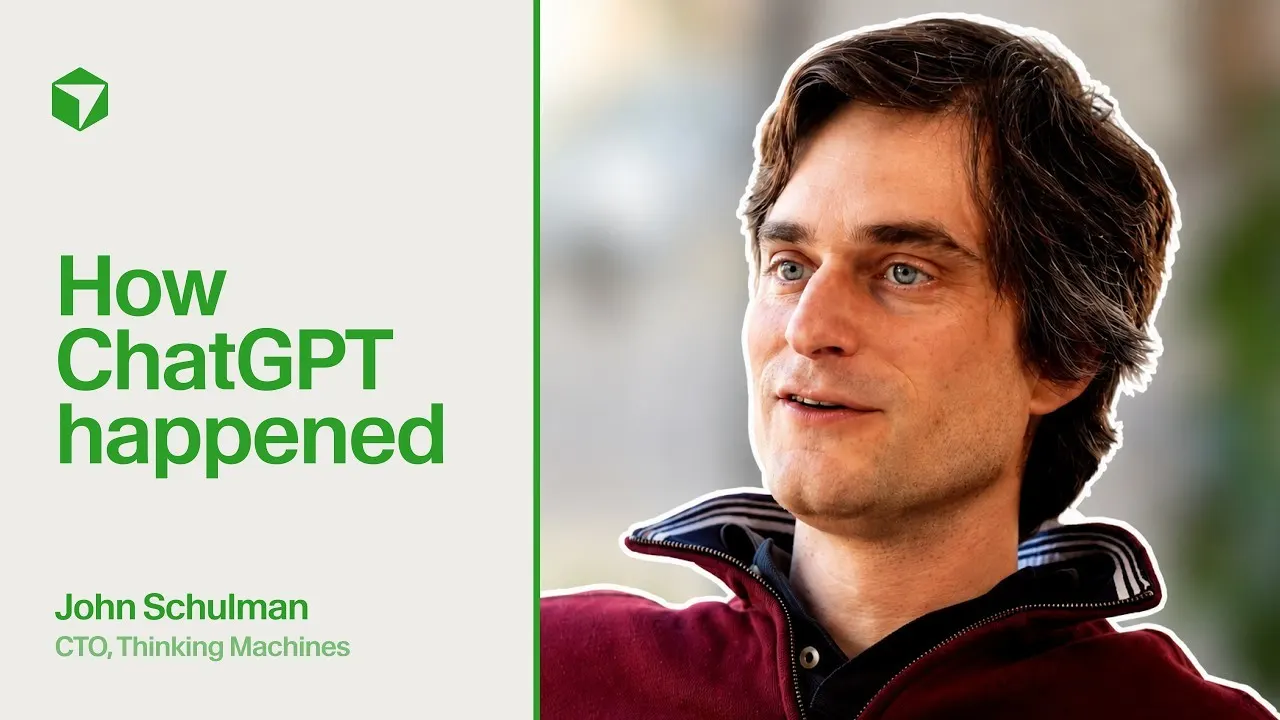
John Schulman now serves as chief scientist at Thinking Machines.
He focuses on AI safety, alignment, and transparency.
He works from coffee shops to brainstorm ideas.
He has not been involved in lawsuits or major controversies.
His career moves show a focus on research over conflict.
He left OpenAI to pursue alignment work, not because of lack of support.
His short stay at Anthropic was also a personal decision.
John’s story illustrates how one algorithm can shape technology used by millions.
He helped create Proximal Policy Optimization, a key reinforcement learning method.
He also contributed to reinforcement learning from human feedback, which powers ChatGPT.
For young builders the lesson is simple.
Solve a hard technical problem well.
Share the solution openly.
John Schulman’s path moves from Long Island kid to AI pioneer.
From Caltech physics to Berkeley computer science.
From DeepMind intern to OpenAI co‑founder.
From Anthropic researcher to chief scientist at a new lab.
His work continues to influence AI safety and alignment.
The future of AI will feel his impact for years to come.
Setbacks
OpenAI’s first API was weak.
Models broke often.
The team had to rebuild.
The early “Universe” project failed.
Criticism and Controversies
People watched Schulman leave OpenAI in 2024.
Some wondered if he was unhappy.
He said his move was personal, not a fight.
No lawsuits or major scandals are recorded.
Recent Changes
In August 2024 Schulman joined Anthropic.
He left after five months.
He co‑founded Thinking Machines Lab in early 2025.
The lab now runs a fine‑tuning API called Tynker.
It also released an open‑weight model named Inkling.
Where He Is in 2026
In September 2026 Schulman is chief scientist at Thinking Machines.
The lab focuses on AI safety and alignment.
It works on long‑horizon reinforcement learning.
Schulman talks about staged, safe releases of models.
OpenAI and Anthropic have filed for IPOs.
Anthropic is valued at $965 billion.
OpenAI is valued at $852 billion.
Why the story matters
John Schulman shows how a single algorithm can shape a whole industry.
His work on PPO helped make chatbots helpful.
His moves show that research can thrive in many homes.
He proves that safety can be a career focus, not a side note.
Young builders can learn that solving hard problems opens doors.
Big ideas need brave steps.
The Record
Born: Long Island, New York
Education: B.S. Physics, Caltech (2010); Ph.D. Computer Science, UC Berkeley (2016)
Co‑founder: OpenAI (Dec 2015)
Key work: Proximal Policy Optimization; RLHF for ChatGPT
Roles: Chief Scientist, Thinking Machines Lab (2026)
Focus: AI safety, alignment, transparent models
Timeline
2005 to US Physics Olympiad team member
2010 to B.S. Physics, Caltech
2015 to Intern at DeepMind; co‑founds OpenAI
2016 to Ph.D. completed at UC Berkeley
2017 to Publishes PPO algorithm
2024 to Joins Anthropic (Aug)
2025 to Leaves Anthropic; co‑founds Thinking Machines Lab (Feb)
2026 to Chief Scientist at Thinking Machines; both OpenAI and Anthropic file IPOs