
He Livestreamed His Whole Life
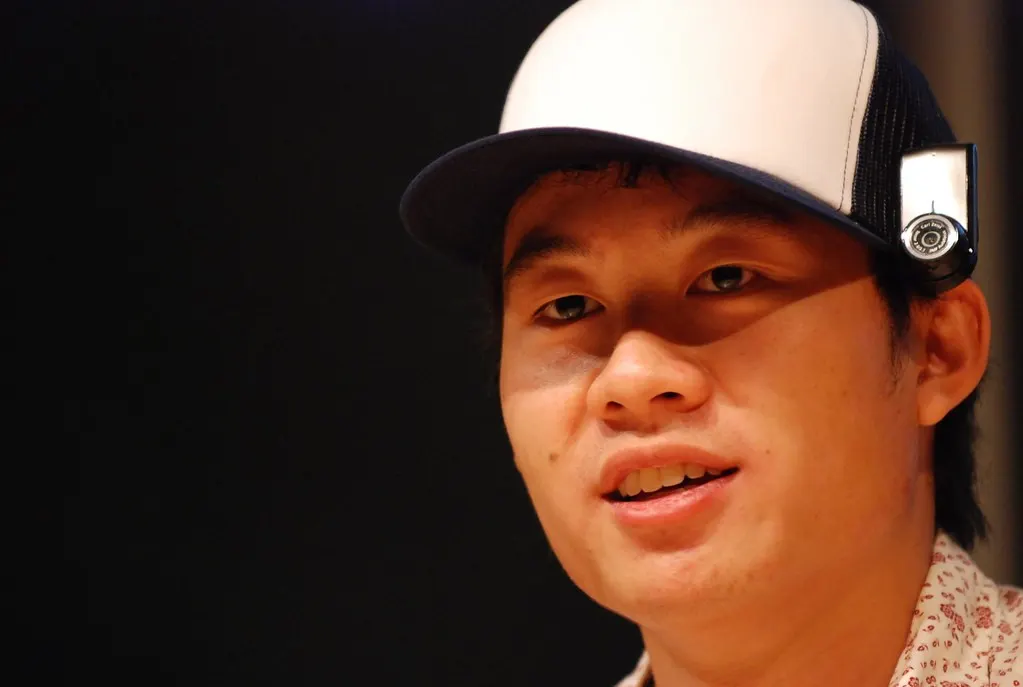
He wore a camera 24 hours a day. It became a live video company. Its gaming section became Twitch.
Justin Kan was born on July 16, 1983.
He grew up in Seattle, Washington.
His parents moved to the U.S. from China.
Childhood and Family
His mother, Treesia, worked in real estate.
She had been a programmer and mortgage broker.
His father also taught a strong work ethic.
Justin has two brothers.
Daniel co‑founded Cruise.
Damien is a software engineer.
School and Education
Justin went to Evergreen Middle School in Spokane Valley.
He later entered Yale University in 2001.
He graduated in 2005.
He earned a double major in physics and philosophy.
At Yale he entered entrepreneurship contests.
First Startup: Kiko
After Yale, Justin co‑founded Kiko Software.
Emmett Shear was his partner.
Kiko was an AJAX‑based online calendar.
It joined the first Y Combinator batch.
Google released a similar calendar soon after.
The team sold Kiko on eBay.
Justin.tv and the Birth of Twitch
In 2007 Justin and three friends launched Justin.tv.
They pitched a 24/7 reality show of Justin’s life.
Paul Graham funded it with $50,000.
The early days had no clear business plan.
Hardware was homemade.
Content creation was a learning curve.
After the lifecasting buzz faded, they changed direction.
They opened the platform to anyone.
Gamers began streaming their play.
In June 2011 the gaming section became Twitch.
Twitch grew fast.
It raised $15 million in 2012 and $20 million in 2013.
Amazon bought Twitch for about $970 million in 2014.
By that year Twitch had over 55 million monthly visitors.
Later Ventures and Current Work
Justin started Atrium, a legal‑tech startup, in 2017.
Atrium raised $75 million.
It closed in 2020 after hiring too fast and lacking product‑market fit.
He has spoken about the failure openly.
He now invests as a general partner at Goat Capital.
He backs AI, consumer tech, and enterprise software.
He helped fund Convex’s $57 million Series B round.
He is building Stash for game developers and Rye, an AI commerce API.
He also co‑founded PriView, a tool for private capital allocators.


Justin focuses now on self‑care, meditation, and intrinsic motivation.
He supports climate‑focused companies.
He invests in wellness and digital health.
His story shows how bold experiments can become huge platforms.
Young builders can learn to watch what users love and to pivot quickly.
Founding Story
Justin Kan was born on July 16, 1983 in Seattle.
His parents moved to the U.S. from China.
They taught him to work hard.
His mother, Treesia Kan, worked in real estate.
She had been a programmer and a mortgage broker.
Justin has two brothers.
Daniel co‑founded Cruise.
Damien is a software engineer.
He went to Evergreen Middle School in Spokane Valley.
He entered Yale University in 2001.
He graduated in 2005 with a double major in physics and philosophy.
At Yale he entered entrepreneurship contests.
He met future business partners there.
Right after graduation he co‑founded Kiko Software.
Kiko was an AJAX‑based online calendar.
Emmett Shear was his co‑founder.
Kiko joined the first Y Combinator batch.
Google later released a similar calendar.
Kan and his team sold Kiko on eBay.

First Product and Early Customers
In 2007 Kan and Shear started Justin.tv.
Michael Seibel and Kyle Vogt also joined as co‑founders.
The idea was a 24/7 reality show of Kan’s life.
Paul Graham of Y Combinator liked the idea.
He gave the team $50,000.
The first viewers watched Kan’s daily life.
They saw him eat, sleep, and work.
The site grew quickly.
People began to stream their own videos.
Early Struggles
The team had no formal business plan.
They struggled with hardware they built themselves.
They did not understand how to help creators.
The “lifecasting” novelty faded fast.
Viewers lost interest in watching daily life.
The founders faced lawsuits over copyright.
They also dealt with dangerous swatting‑style pranks.
One tragic incident involved a viewer’s suicide broadcast.
They were evicted from their office apartment.
Neighbors complained about noise and zoning violations.
Key Turning Points
The team pivoted to an open live‑streaming platform.
They added a gaming section in 2011.
That section became Twitch.
Twitch focused on video game streams.
Gamers liked the real‑time chat.
The gaming focus attracted many users.
It gave the company a clear direction.

Growth and Funding
Twitch raised $15 million in 2012.
Investors included Bessemer Venture Partners.
In 2013 it raised another $20 million.
Draper Associates and Thrive Capital also invested.
By 2014 Twitch had over 55 million monthly unique visitors.
The platform grew fast.
It became the leading place for game streaming.
Acquisition by Amazon
Amazon bought Twitch in August 2014.
The deal was about $970 million in cash.
The purchase closed in September 2014.
The sale gave Amazon a strong foothold in live video.

After Twitch
Kan later founded Atrium, a legal‑tech startup.
Atrium raised $75 million.
It shut down in 2020 after hiring too fast.
He now works as a venture investor.
He is a general partner at Goat Capital.
He helped fund a $57 million Series B for Convex.
Kan also builds Stash for game developers.
He created Rye, an AI‑driven commerce API.
He co‑founded PriView, a portfolio tool for investors.
He focuses on self‑care, meditation, and intrinsic motivation.
He invests in climate‑change solutions and digital health.
His story shows how bold experiments can lead to big change.
It also shows that success can feel empty.
Young builders can learn to watch what users love.
They can learn to pivot when needed.
Justin Kan’s journey started with a camera on his head.
It ended with a $970 million sale.
It continues with new ventures and investments.
Setbacks
Justin Kan faced early setbacks with Kiko Software. The calendar app met a similar product from Google. The team sold Kiko on eBay.

The next venture, Justin.tv, struggled with no clear business plan. The hardware was homemade. Content creation was hard to master.

Later, Atrium raised $75 million but hired too fast. The product did not fit the legal market. Kan said he lacked passion for law.
Criticism & Controversies
Justin.tv dealt with copyright lawsuits. The platform hosted dangerous swatting‑style pranks. A viewer streamed their own suicide.
The founders were evicted from their office apartment. Neighbors complained about noise and zoning violations.
What Changed Recently
After selling Twitch in 2014, Kan left the daily grind. He turned to meditation and self‑care. He now invests in climate‑focused startups.
He joined Goat Capital as a general partner. He backs AI, consumer tech, and enterprise software. He helped fund a $57 million Series B for Convex.
Where They Are Now (2026)
In September 2026, Kan is still active in venture investing. He builds Stash, a platform for game developers to sell directly. He runs Rye, an AI‑driven commerce API. He co‑founded PriView, a tool for private‑capital analysts.
He shares candid advice on startup health and happiness. He remains a public speaker at tech events.
Why the story matters
Justin Kan shows that bold experiments can fail. He proves that failure can teach useful lessons. He shows that money does not guarantee happiness. He reminds builders to watch what users love. He shows that pivoting can turn a flop into a giant.
His path teaches resilience.
His story ends with a clear truth: Keep building, keep learning.
The Record
Born: July 16 1983
Education: Physics and philosophy, Yale University (2005)
Key ventures: Kiko, Justin.tv, Twitch, Atrium, Goat Capital, Stash, Rye, PriView
Current role: General partner at Goat Capital (2026)
Timeline
2005 to Co‑founds Kiko Software.
2007 to Launches Justin.tv.
2008 to Faces copyright lawsuits and office eviction.
2011 to Spins off Twitch from Justin.tv.
2012 to Raises $15 million for Twitch.
2013 to Raises $20 million for Twitch.
2014 to Amazon buys Twitch for $970 million.
2017 to Founds Atrium legal‑tech startup.
2020 to Atrium shuts down.
2022 to Joins Goat Capital as general partner.
2024 to Invests in Convex Series B round.
2026 to Leads Stash, Rye, and PriView projects.