One of India's Youngest Self Made Billionaires
He and his childhood friend left Stanford. Their first startup failed. Zepto did not.
From Dubai classrooms to Indian markets.
A teen dropped out of Stanford.
He built a quick commerce empire.
Fast delivery, fast growth.
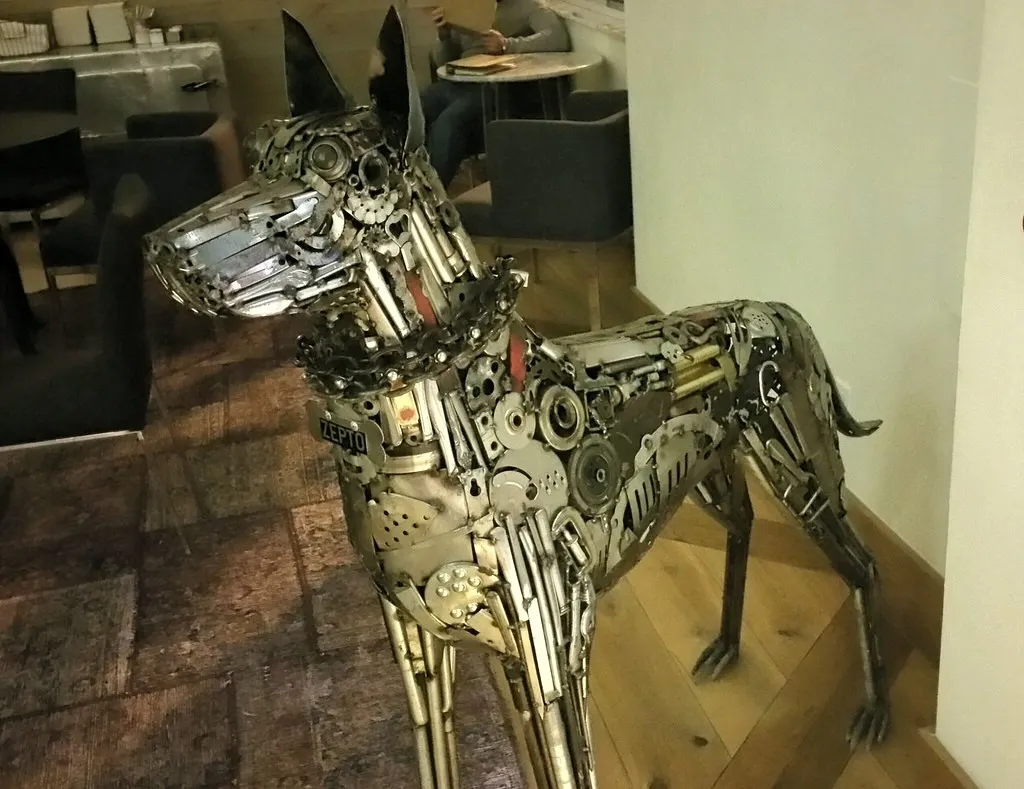
A metal dog demo shows the tech.
The company eyes an IPO.
Biography: Kaivalya Vohra
Kaivalya Vohra was born on March 15, 2003.
He was born in Bengaluru, India.
His family moved to Dubai when he was young.
He grew up in Dubai.
Childhood and Family
His parents valued education.
They supported his early school work.
They wanted him to succeed.
Kaivalya loved numbers.
He liked computers.
School Years in Dubai
He attended Dubai College.
He excelled in mathematics.
He excelled in computer science.
He became deputy head boy.
He started the school Computer Society.
Stanford and the Decision to Drop Out
He earned a place at Stanford University.
He enrolled in a computer science program.
He was 18 when he started.
He left Stanford after a short time.
He chose to drop out to start a business.
First Venture: KiranaKart
In August 2020 he co‑founded KiranaKart.
His partner was Aadit Palicha.
They launched the service during the COVID lockdown.
They used a WhatsApp group to take orders.
The model did not find product‑market fit.
KiranaKart shut down in early 2021.
Building Zepto
After KiranaKart they changed direction.
They tested a mini‑warehouse in Kaivalya’s apartment.
The test showed higher order volumes.
They adopted a dark store model.
They launched Zepto in July 2021.
Zepto promises grocery delivery in about ten minutes.
By March 2026 Zepto ran 1,139 dark stores.
It served 66 cities across India.
It reached 48 million annual transacting users.
Revenue in FY26 was ₹22,624 crore.
The company recorded a net loss of ₹5,905 crore.
Funding totalled over $2.4 billion.
Valuation hit $7 billion in October 2025.
Zepto filed a draft red‑herring prospectus for an IPO.
The prospectus includes an ₹8,010 crore fresh issue.
Kaivalya now serves as Promoter and Whole‑Time Director at Zepto.
He also holds directorships in related subsidiaries.
He leads AI and robotics projects for the supply chain.
He helped launch Zepto Pay Later.
He has faced no public scandals or lawsuits.
His main challenges are cash burn and rapid expansion.
He also deals with industry scrutiny of gig‑economy practices.
Outside work Kaivalya keeps a low‑key personal life.
He lifts weights regularly.
He practices daily meditation.
He stays connected with childhood friends and family.
His company supports farmers and artisans.
It partners to bring indigenous wellness products to market.
Founding Story
Kaivalya Vohra was born on March 15, 2003 in Bengaluru.
He grew up in Dubai and went to Dubai College.
He liked math and computer science.
He was deputy head boy and started the school’s Computer Society.
His parents liked education and supported his school work.
He later enrolled in a computer science program at Stanford University.
He left Stanford at age 18 to start a business.
His first startup was KiranaKart, an online grocery delivery platform.
He co‑founded KiranaKart with his friend Aadit Palicha in 2020.
First Customers and Product
KiranaKart began during the COVID‑19 lockdown.
They used a WhatsApp group to take orders from neighbors.
Orders were delivered from their own homes.
Customers wanted faster delivery, more choices, and better quality.
The duo tested a mini‑warehouse in Vohra’s apartment.
The test showed many more orders than the marketplace model.
Early Struggles
KiranaKart could not find a strong product‑market fit.
The service shut down in March 2021.
Vohra faced the challenge of convincing his parents to support his dropout.
He also dealt with the high cash burn needed for quick‑commerce.
Early attempts at scaling the delivery network failed.
The team learned that sourcing from local retailers caused delays.
Key Turning Points
In July 2021 Vohra and Palicha launched Zepto.
They switched to a dark‑store model after the apartment test.
The dark‑store model kept inventory in small warehouses near customers.
The new model promised delivery in about ten minutes.
Vohra’s decision to drop out of Stanford was driven by this pivot.
Growth, Numbers, Funding and IPO
By March 2026 Zepto ran 1,139 dark stores.
These stores were spread across 66 Indian cities.
The platform served 48 million annual transacting users.
In FY26 Zepto earned ₹22,624 crore in operating revenue.
The same year it recorded a net loss of ₹5,905 crore.
Zepto raised more than $2.4 billion in total funding.
The company reached a $7 billion valuation in October 2025.
It filed an updated draft red‑herring prospectus for an IPO.
The prospectus includes a fresh issue of ₹8,010 crore.
The funds will support expansion, technology, and possible acquisitions.

Current Role and Outlook
In 2026 Vohra is a Promoter and Whole‑Time Director at Zepto.
He now oversees AI and robotics in the supply chain.
He also helps launch new features like Zepto Pay Later.
Vohra holds directorships in Kiranakart Wholesale and other Zepto subsidiaries.
He keeps a low‑key personal life away from the media.
He lifts weights and meditates daily to handle work pressure.
He stays in touch with childhood friends and family.
His company runs programs that help thousands of farmers and artisans.
There are no public scandals or lawsuits linked to Vohra.
Industry observers watch Zepto’s low‑margin, rapid‑delivery model closely.
The Bigger Picture
Kaivalya Vohra’s story shows how quick learning and strong partnership can build a giant.
He proved that teens can launch billion‑dollar companies.
His journey encourages young builders to start early and keep iterating.
The upcoming IPO will test Zepto’s ability to grow sustainably.
Setbacks
Kaivalya Vohra first tried a startup called GoPool.
It failed because he was busy with school.
He then co‑founded KiranaKart in 2020.
KiranaKart could not find product‑market fit.
The team shut it down in early 2021.
These early losses taught him to test ideas fast.

Criticism and Controversies
Zepto grows by delivering groceries in minutes.
The model needs many dark stores and many delivery workers.
Critics say the gig‑economy can be harsh on workers.
Some analysts question the sustainability of low‑margin, rapid‑delivery pricing.
There are no public scandals or lawsuits recorded.
The main pressure is the high cash burn needed for fast expansion.
What Changed Recently
In 2025 Zepto reached a $7 billion valuation.
The company filed a draft red herring prospectus for an IPO.
It plans to raise ₹8,010 crore to fund more stores and tech.
Kaivalya now leads AI and robotics projects in the supply chain.
Zepto Pay Later is being rolled out to customers.
He also holds director roles in Kiranakart Wholesale and other Zepto units.
Where They Are Now (2026)
By March 2026 Zepto runs 1,139 dark stores.
It serves 48 million annual transacting users.
Revenue in FY26 was ₹22,624 crore.
The company posted a net loss of ₹5,905 crore.
Kaivalya is a Promoter and Whole‑Time Director at Zepto.
He continues daily weightlifting and meditation.
He stays in touch with childhood friends and family.
His company supports thousands of farmers and artisans.
Why the story matters
Young founders can learn from early failures.
Testing ideas quickly can save time and money.
Partnerships can turn a small idea into a huge business.
Balancing growth with responsible labor practices matters.
Innovation can still happen with limited resources.
The future belongs to bold learners.
The Record
Born: March 15 2003, Bengaluru, India
Education: Dubai College; Stanford University (dropped out)
First venture: GoPool (failed)
Key ventures: KiranaKart, Zepto
Current role: Promoter and Whole‑Time Director, Zepto
Timeline
2020 to Leaves Stanford; starts KiranaKart.
2020 to Launches KiranaKart during COVID‑19 lockdown.
2021 to Shuts KiranaKart; launches Zepto in July.
2022 to Zepto expands to multiple Indian cities.
2023 to Introduces dark‑store model across major metros.
2024 to Raises over $2 billion in total funding.
2025 to Valuation hits $7 billion; files IPO draft.
2026 to Operates 1,139 dark stores; launches AI‑driven supply chain.