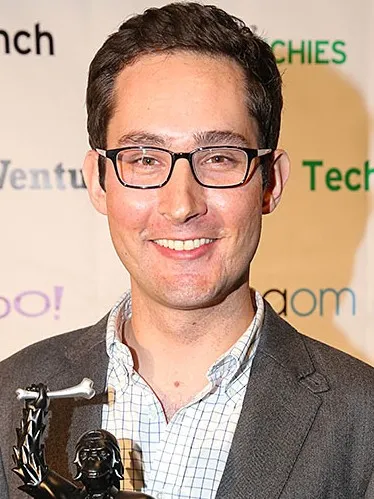
The Filter That Remade the Phone
A Massachusetts kid learned code from Doom levels. He built a bourbon-named check-in app nobody needed. Then he shipped the camera that taught the world to pose.
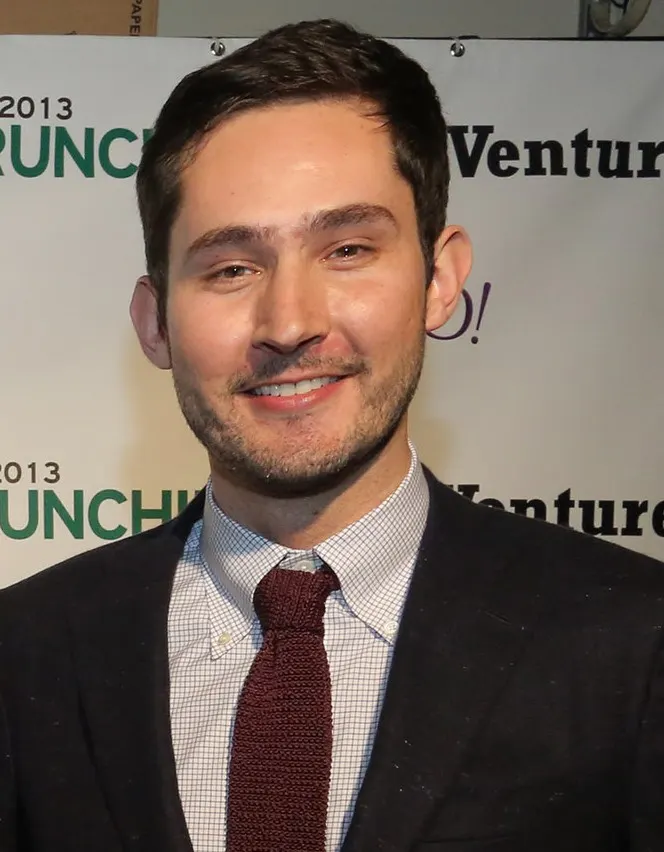
On September 24, 2025, Mark Zuckerberg posted a simple milestone: Instagram had reached three billion monthly active users. The app that began as a square photo feed with slow filters now sat beside Facebook and WhatsApp in Meta's three-billion club. Kevin Systrom was not in the building. He had not been Instant CEO for seven years. The product he co-founded with Mike Krieger had outgrown the founding story and still carried his fingerprints in every Stories ring, every creator paycheck, every tourist posing for a feed that never sleeps.
That gap is the drama of Systrom's life. He built something so sticky that a trillion-dollar parent company needed it. He also learned that ownership of culture and ownership of the org chart are not the same thing. In April 2012 he sold a thirteen-person company for a billion dollars in cash and stock. In September 2018 he and Krieger walked out after months of reported clashes over growth tools, credit, and product control. In 2023 they tried again with Artifact, an AI news app. In 2024 Yahoo bought what was left. By late 2026 Forbes put Systrom's fortune near two point three billion dollars, mostly the long echo of Facebook stock from the Instagram deal. The man who taught phones to look like film cameras had become a case study in what happens when a founder wins the product war and still loses the independence fight.
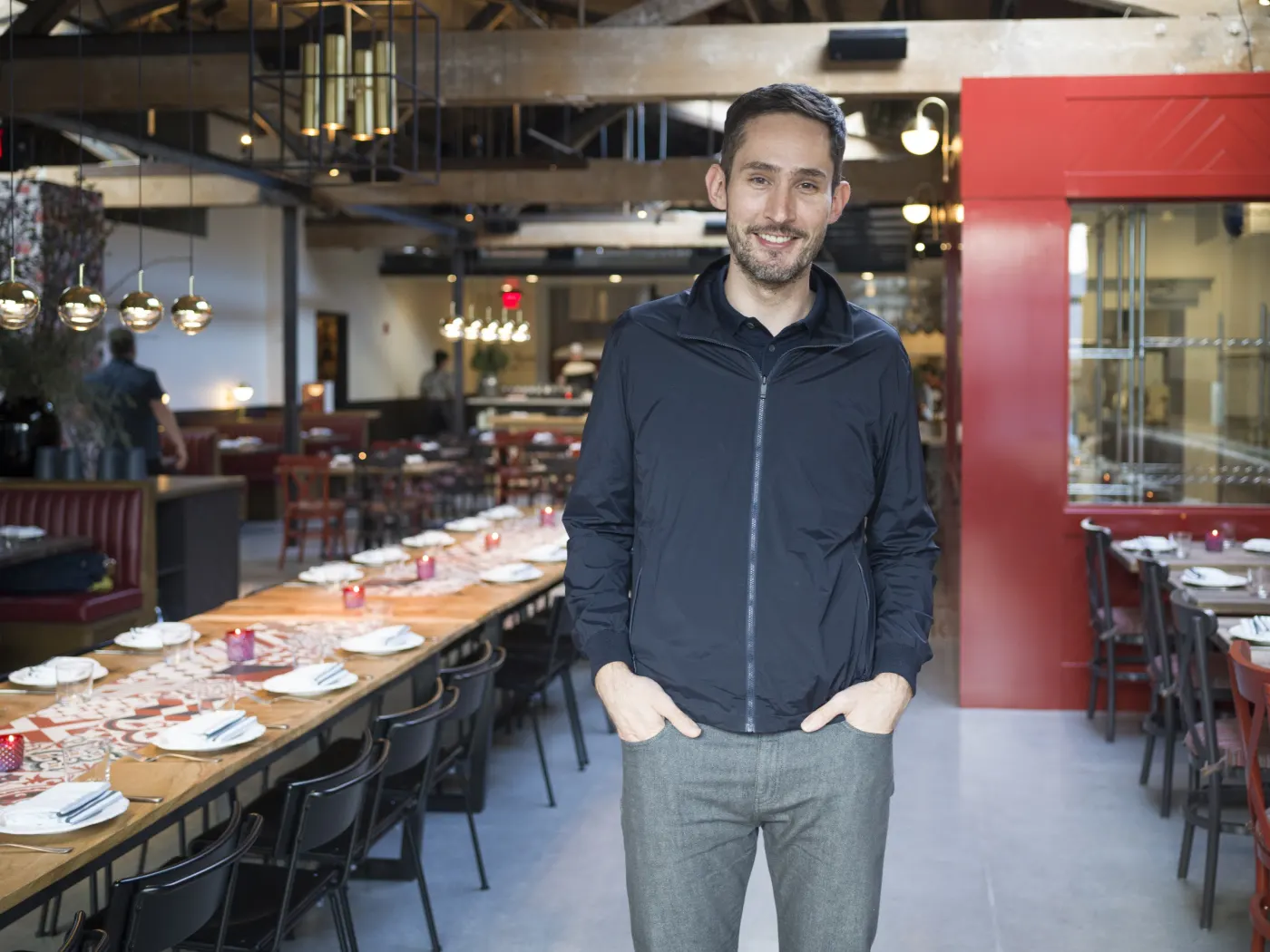
Holliston, vinyl, and Doom levels
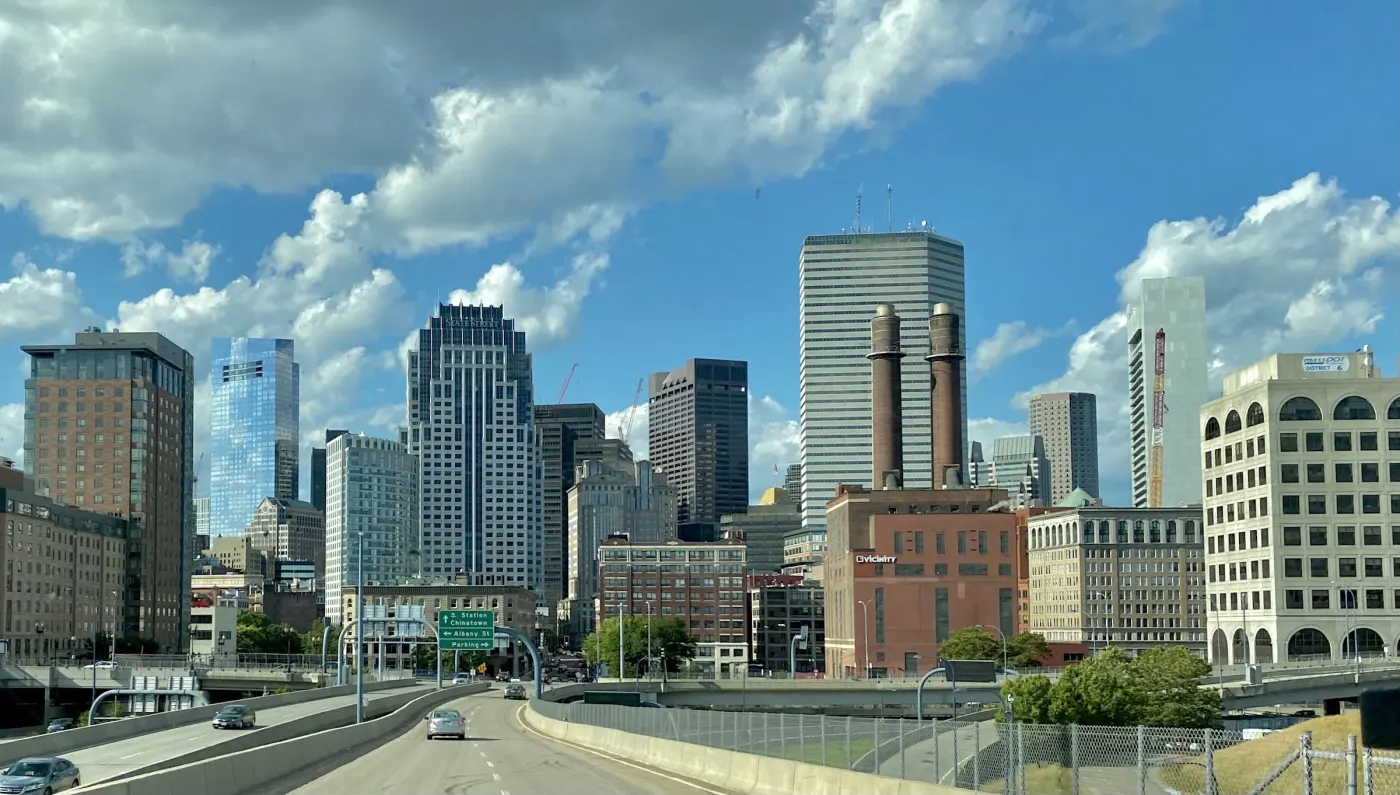
Kevin Systrom was born on December 30, 1983, in Holliston, Massachusetts, a suburb west of Boston where yards were neat and ambition traveled quietly. His mother, Diane, worked marketing jobs through the dot-com years at companies including Monster.com and Swapit, later at Zipcar. His father, Douglas, worked in human resources leadership at TJX Companies. The house was not a garage-startup myth. It was a professional New England household that still left room for a tall kid to get obsessed with machines.
The machine that mattered first was a game. Systrom has said he learned programming by building levels for Doom 2, treating a first-person shooter like a construction kit. That detail sounds cute until you notice the habit underneath: systems can be opened, remixed, and shipped back to other people. At Middlesex School in Concord he kept pushing into code. After school and on weekends he worked at Boston Beat, a vinyl record store, soaking in crate culture and the idea that taste is a product. Friends later described a teenager who wanted to DJ and who talked friends into helping him into clubs so he could open sets. Music taught him scenes. Code taught him leverage.
He applied early decision to Stanford. Computer science was the plan until the classes felt more theoretical than applied. He switched into management science and engineering, a path that mixed systems thinking with the practical language of markets. At Stanford he joined Sigma Nu and built a photo site for fraternity brothers in his spare time. Photography was not yet a company. It was a second nervous system.

Florence, Holga, and the offer he refused
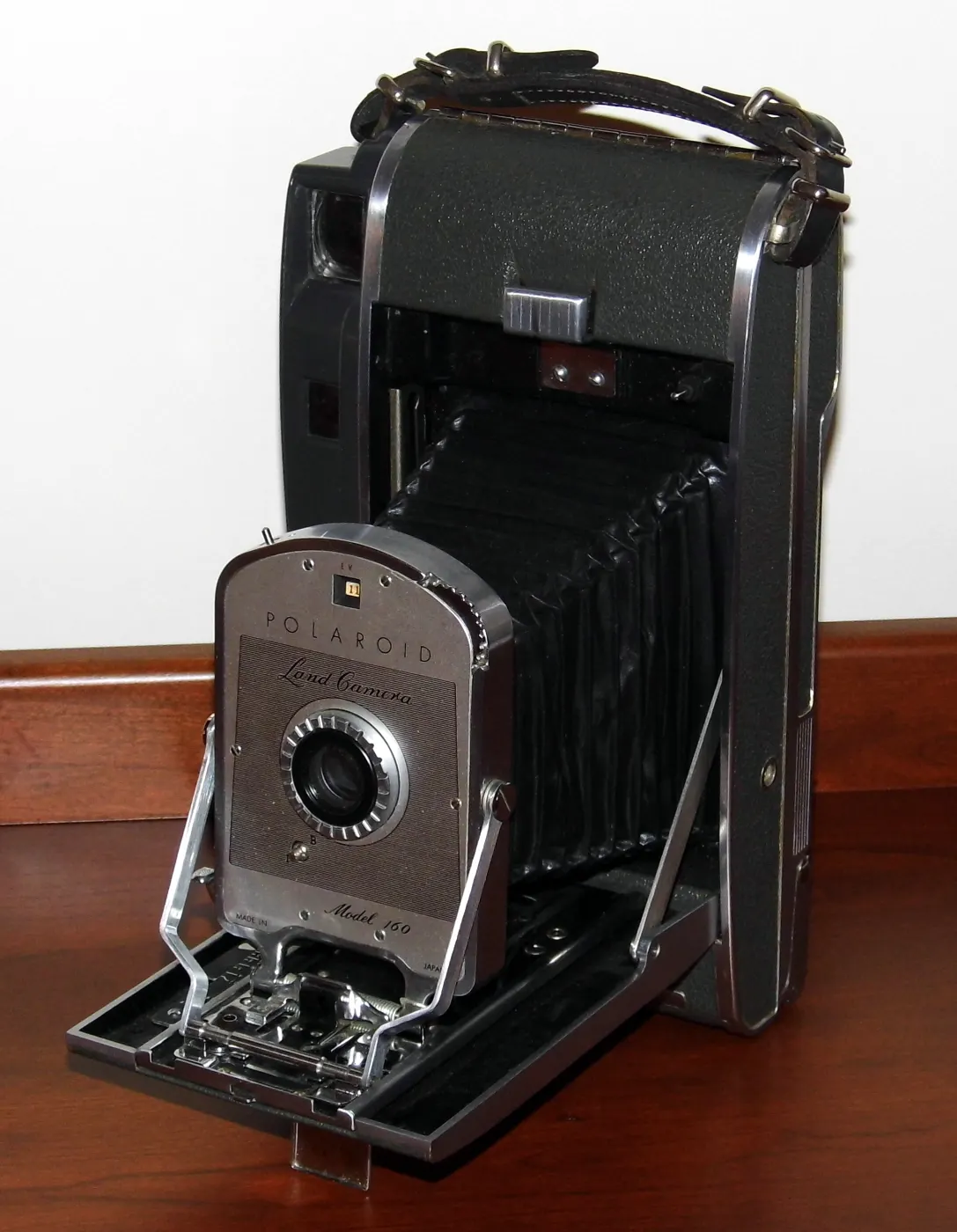
During his junior year he spent a winter term in Florence studying photography. A professor put a cheap Holga film camera in his hands. The Holga made soft, imperfect, oddly beautiful frames. Systrom fell for the look. Years later Instagram's early aesthetic would feel like that camera translated into software: light leaks, vignette, the romance of a flaw.
Around the same season another fork appeared. In 2004, while Systrom was still in college, Mark Zuckerberg tried to recruit him into early Facebook. Systrom said no. He wanted to finish school. Later he told Fast Company he looked back with some envy at Facebook's growth years, and also that the meeting was a harbinger of what would come. The refusal matters because it sets a pattern. Systrom could smell a rocket and still choose his own timing.
Stanford's Mayfield Fellows Program selected him as one of twelve students for high-tech entrepreneurship training. The fellowship led to an internship at Odeo, Evan Williams's podcasting company, where Jack Dorsey also worked. Odeo would mutate into Twitter. Systrom got a front-row seat at the messy birth of a social network and a friendship with Dorsey that outlasted the internship.
Google, Nextstop, and a check-in called Burbn
After graduating in 2006 he joined Google. For roughly two years he worked as a product marketer across Gmail, Google Calendar, Docs, Spreadsheets, and related products. He later moved toward Google's mergers and acquisitions world. The job taught him how large platforms ship and how deals get talked about in conference rooms. It did not scratch the itch to build something with his name on the icon.
He left for Nextstop, a social travel recommendation startup. Facebook acquired Nextstop in July 2010. By then Systrom's nights and weekends already belonged to another idea.
Check-in apps were the rage: Foursquare, Gowalla, Hot Potato. Systrom wanted a better version. He built Burbn, spelled like the whiskey he liked, as an HTML5 product that mixed location check-ins, future plans, points for hanging out, and photos. He pitched early versions to investors at parties and in living rooms. Within about two weeks of quitting his job to chase the idea full time, he closed a five hundred thousand dollar seed from Baseline Ventures and Andreessen Horowitz. Steve Anderson of Baseline and the a16z partners were betting on a founder who could code enough to be dangerous and sell enough to raise.
Burbn was busy. Too busy. Users did not want a Swiss Army knife of social features. Systrom brought in Mike Krieger, a Stanford graduate two years behind him who had been working on Meebo. Together they remembered the Mayfield lesson about focus. They stripped Burbn down until one feature remained: photos. The name became Instagram, a mash of instant and telegram. The bet was that a phone camera, a fast share path, and a little beauty would beat a check-in badge.
Mexico, X-Pro II, and the night the servers died
The emotional hinge arrived away from San Francisco. On a trip that included beach time with Nicole, then his girlfriend and later his wife, Systrom heard a familiar complaint: her photos did not look as good as a friend named Greg's. Greg used filter apps. Nicole's advice was blunt. If filters made people willing to share, Instagram should have filters.
Systrom has told Lex Fridman the building story in concrete terms. He was in a small bed and breakfast room in Todos Santos, Mexico, taking a week to reset from Burbn stress. He coded the first filter, X-Pro II, by iterating over RGB values in a photo array and shifting them. It was not rocket science. It was slow. Early renders took two or three seconds. Users waited anyway because the result looked like intention instead of a bad phone snapshot. Later he moved the work toward OpenGL and speed. The lesson he kept repeating: if the product outcome is right, people tolerate roughness while you compress the experience.

Instagram hit the App Store on October 6, 2010. More than twenty-five thousand people downloaded it in the first day. The servers fell over. That crash was a gift wrapped as a headache. Within a month the app had about a million users. Within roughly a year it passed ten million. The square frame, the filters, and the follow graph turned ordinary evenings into published moments. Coffee cups became content. Travel became a contest. Brands noticed. Celebrities noticed. So did Facebook.
Thirteen people and a billion-dollar yes
By early 2012 Instagram was the hot mobile company. Systrom and Krieger were still running a tiny team. In Lex Fridman's interview Systrom recalled walking into a venture firm asking for terms around a five hundred million dollar valuation and watching jaws drop. Someone later relayed that the ask had been "pretty offensive." Sequoia, Greylock, and others still came together around a round often described as about fifty million dollars at roughly four hundred fifty million pre-money and five hundred million post. Then Facebook arrived and, after negotiation, doubled the headline to a billion.
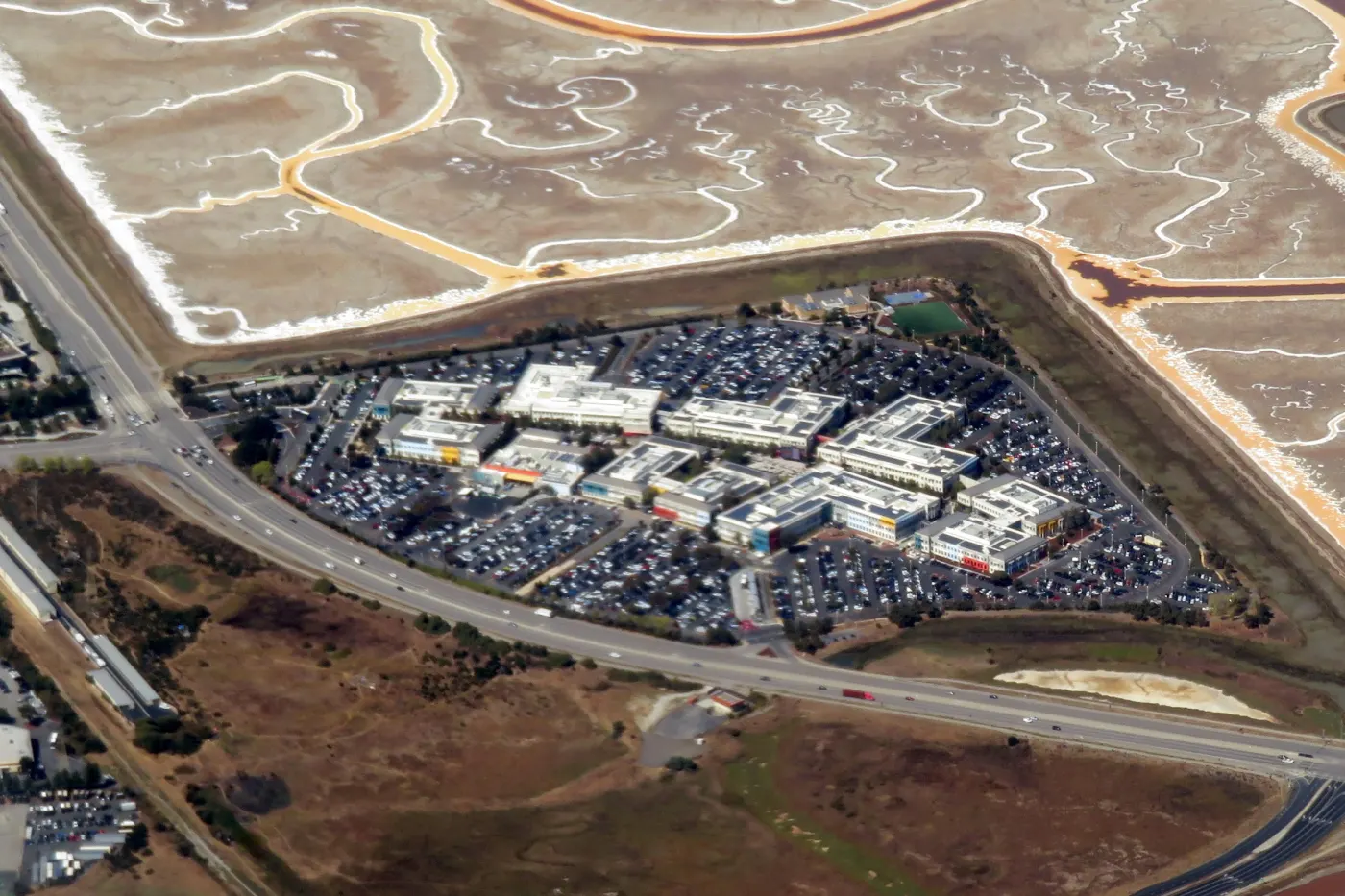
On April 9, 2012, the deal became public. Facebook would buy Instagram for about one billion dollars in cash and stock. The company had thirteen employees. Systrom owned about forty percent going in, according to widely repeated reports, and much of his proceeds arrived as Facebook equity. Zuckerberg said Facebook was committed to building and growing Instagram independently. Systrom told Bloomberg later that pairing with a company that understood growth and management looked like a resource, not a cage.
He also told Fridman he might have had about ten thousand dollars in his bank account at the time. Relative to that number, a billion-dollar exit felt unreal. Relative to what Instagram would become, the price would look small. In 2012 it still stunned the industry. YouTube's sale had been the last consumer exit people reached for as a comparison. Instagram helped kick off a long private-market bull run where unicorns stopped sounding rare.
Systrom stayed. That choice is as important as the sale. Many founders cash out and disappear. He and Krieger kept running the product inside Facebook for six more years, turning a photo toy into a media company.
Building a media company inside Facebook
Independence was real at first. Instagram kept its brand, its office culture, and its design religion. Facebook's infrastructure helped it scale. Ads arrived carefully at first, then became a core business. Major brands tested video ads. Shopping features and creator tools followed. Systrom described Instagram as a media company, not only a social network, which explained why fashion, music, and journalism treated the feed like a front page.
In February 2016 Systrom met Pope Francis at the Vatican to talk about images crossing borders and generations. On October 31, 2016, he married Nicole Schuetz in Napa in a masquerade-ball wedding that magazines covered like a product launch. He joined Walmart's board from 2014 to 2018, a signal that retail giants wanted mobile-native advice. He was tall in rooms, careful with words, and obsessed with craft details that users feel before they can name.
The competitive wound that defined the mid-2010s was Snapchat. Young users were posting ephemeral moments there instead of polished grid posts. On August 2, 2016, Instagram launched Stories, a twenty-four-hour photo and video format that looked, to most eyes, like a near copy. Systrom did not pretend otherwise in public. He said Snapchat deserved credit for the format and argued that Silicon Valley products are remixes. Critics called it theft. Users called it convenient. Stories became one of the most important surfaces in consumer social media and later a template other apps copied again.
Under Systrom as CEO, Instagram crossed about eight hundred million monthly users by September 2017 and about a billion by June 2018. The product that crashed on day one had become a planetary habit.

How he worked
Systrom's working style sat between designer and diplomat. He could write filter code and also sit across from a billionaire buyer without blinking. He cared about taste: type, spacing, the difference between a hamburger button and a clean tab bar. He liked to say he was dangerous enough to code and sociable enough to sell. Teammates described a founder who defended Instagram's visual identity even when parent-company metrics wanted more cross-promotion.
He was not a chaos founder. He preferred clear product bets, small teams early, and the courage to delete features. Burbn's pivot was the founding myth because it proved subtraction can be a strategy. Stories was the later myth because it proved he would ship an uncomfortable remix if the user habit was migrating somewhere else. Both moves required ego control. Both also required a willingness to be disliked by purists.
The independence break
Success bred friction. Reporting in the New York Times, Bloomberg, the Wall Street Journal, Wired, and The Verge described a 2018 arc in which Zuckerberg asserted more control as Instagram's growth outshone parts of Facebook's core app. In a company meeting, Zuckerberg was asked whether Instagram could have hit a billion users without Facebook. The politics of credit hung in the air. In a July 2018 earnings call Zuckerberg said Instagram had been able to use Facebook's infrastructure to grow more than twice as quickly as it would have on its own. Around that period, according to Wired's reporting as summarized by Casey Newton, Facebook reviewed growth supports that helped Instagram and then pulled them back to protect Facebook's own health. Systrom reportedly sent a memo to Instagram staff saying he opposed the change but had to go along.
Other reported flashpoints included tighter rules on magazine profiles after Systrom did press, and product tests while he was on paternity leave, including location tracking and interface changes he disliked. Systrom and Krieger had pushed for Adam Mosseri as a trusted liaison from Facebook. After they told their team they planned to leave, the news leaked to the New York Times and Facebook rushed a public goodbye.
On September 24, 2018, the co-founders resigned. Systrom's public line was that they wanted time to explore curiosity and creativity again. He did not publish a war diary. The reporting fills the gap with an institutional story: autonomy eroded until the founders chose exit over a long grind inside someone else's org chart. Adam Mosseri took the helm. Instagram kept growing. The founding duo became legends who were no longer in the room.
After Instagram: silence, rt.live, and a TikTok rumor
Post-exit Systrom stayed quieter than most billionaire founders. He attended SXSW in 2019. Business Insider noted he deleted a stretch of his own Instagram photos. The feed he built no longer needed his personal posting to survive.
When COVID-19 hit the United States in 2020, Systrom and Krieger shipped rt.live, a tracker estimating the effective reproduction rate by state. It was a public-interest side project from two product people who still liked clear interfaces for scary data. That same year The New York Times reported that TikTok had approached Systrom about a CEO role during a leadership vacuum. Taking the job would have put him in direct competition with Zuckerberg again. He did not become TikTok's CEO. The rumor still revealed how the market priced his name: rare people have shipped a consumer habit at planetary scale.
Artifact: a second product, a short life
On January 31, 2023, Systrom and Krieger launched Artifact, an AI-powered personalized news app from their company Nokto. The name packed articles, artificial intelligence, and fact into one word. A waitlist grew to about one hundred sixty thousand people before an open beta on February 22, 2023. The team was tiny, about seven people at points, chasing a feed that learned what you cared about without forcing you into a social graph.
Artifact added listening features, link sharing, and reputation experiments. It also faced a brutal market: news attention is fragmented, advertising is hard, and AI summarization races against free alternatives. In January 2024 Systrom announced the standalone app would shut down. His public conclusion was sober rather than dramatic. The market opportunity, he said, was not big enough to warrant continued investment in that form.
In April 2024 Yahoo acquired Artifact to fold its personalization technology into Yahoo News. The second act ended as a tech acqui-hire of ideas more than as a new consumer giant. For Systrom it still mattered. He had proven he could start again after Instagram, ship with Krieger, and take a clear-eyed kill decision when the curve was wrong.
Pope, fashion, and the taste brand
Systrom understood something many engineers miss: Instagram was not only software. It was a taste brand. Flying to the Vatican in February 2016 to help discuss images with Pope Francis was product marketing at civilizational scale. Showing up at fashion weeks and the Met Gala was not vanity alone. It taught the app's users that the feed belonged in culture, not only in tech blogs.
Nicole Schuetz, whom he married in 2016, built her own path in clean energy investment. Their public life mixed Stanford networks, California design, and a private preference to keep family mostly off the product. The golden retriever Dolly briefly became a small internet character. The more durable signal was restraint. Systrom could have turned himself into a permanent influencer founder. He mostly chose to let the product be the celebrity.
That restraint later made his silence after 2018 feel consistent rather than bitter. He did not run a multi-year media war against Zuckerberg. He left. He rested. He built something smaller. He shut it down when the math failed. In a founder culture that rewards eternal loudness, that sequence reads like discipline.
Angel checks, SPACs, and a fortune tied to Meta
Outside the products, Systrom invested. Forbes notes he became a backer and director of the Ajax I SPAC in 2021, which took online car marketplace Cazoo public a year later. He has put personal capital into consumer, fintech, and AI startups as an angel. The precise portfolio marks move with markets. The durable asset remains the Instagram story and the Meta equity that followed the 2012 sale.
As of August 25, 2026, Forbes listed his realtime net worth around two point three billion dollars, ranking him near one thousand eight hundred sixty-three in the world on that day. Those numbers are soft, mark-to-market, and driven heavily by Meta's stock path. They still show the asymmetry of the original deal: thirteen employees, one billion dollars, then a decade of platform compounding.
What Instagram did to the world
Systrom's world impact is easy to feel and hard to overstate. Instagram changed how people document ordinary life. It trained a generation to think in squares, then in vertical Stories and Reels. It created careers for creators, photographers, small brands, and local restaurants that suddenly had a free storefront in everyone's pocket. It also intensified comparison culture, body image pressure, and the politics of attention. Any honest documentary has to hold both sides. The same filters that made a vacation photo shareable helped invent a stage where insecurity could go viral.
Inside Meta, Instagram became a growth engine and a youth bridge when the core Facebook app aged. By September 2025 it reached three billion monthly active users. Meta's Family of Apps, which includes Instagram, posted about sixty point four billion dollars in segment revenue in the second quarter of 2026 alone, with advertising dominating. The company does not publish a clean Instagram-only revenue line in every filing, so outsiders argue over attribution. What is not arguable is cultural centrality. Elections, fashion weeks, sports finals, and teenage friendships all route through surfaces Systrom helped invent.
He also normalized a hard Silicon Valley truth in public: products remix. Stories was the loudest example. Critics heard arrogance. Practitioners heard a founder refusing to lose a generation over pride of authorship. Whether one cheers or winces, the move reshaped the industry's ethics of copying and its expectations for speed.
Krieger, the second brain
Mike Krieger is not a footnote in Systrom's story. He is the other half of the product brain. Systrom could sell a room and taste a photograph. Krieger could keep the systems from melting when a million people arrived overnight. Their Stanford gap, about two years, mattered less than their shared allergy to clutter. When Burbn sprawled, Krieger helped cut. When Instagram scaled inside Facebook, Krieger stayed as the technical conscience. When they left in 2018, they left together. When Artifact launched in 2023, they launched together. Founding pairs often break after a liquidity event. This pair kept choosing the same door.
That loyalty shaped culture. Early Instagram employees talk about a company that punched above its headcount because the founders agreed on what not to build. Direct messages stayed simple longer than rivals expected. The profile stayed centered on the grid. Even Stories, the big remix, tried to feel native to Instagram's visual language rather than a bolted-on clone. Systrom's public voice carried the brand. Krieger's quieter engineering kept the promise.
Launch week and the square religion
October 2010 in San Francisco felt smaller than the myth. The App Store listing went live. Friends texted. Tech blogs posted. Then the graphs bent vertical and the machines behind the app started failing in public. Systrom and Krieger spent the early days in the classic founder loop: fix servers, apologize, ship again, watch the next spike. The square crop was not a gimmick for them. It was a constraint that forced composition. Filters were not decoration. They were permission. Captions stayed short because the image was the sentence.
Competitors existed. Hipstamatic owned a filter culture. Camera apps fought for home-screen slots. What Instagram added was social gravity: follow, like, comment, and a feed that made other people's lives feel adjacent. The network effect arrived faster than the monetization plan. That gap scared some investors and excited others. It also meant the company could still be bought before it had to become an ads machine on its own.
Money, ads, and the media claim
Turning a free photo app into a business inside Facebook required a different temperament than the seed pitch. Systrom had to protect the feeling of the product while accepting that attention would be sold. Early ads were limited and polished. Brands such as Disney and Activision tested video. Fashion houses treated Instagram like a runway archive. By calling Instagram a media company, Systrom gave advertisers a story they understood and gave creators a ladder to climb.
He also had to manage the politics of cross-posting into Facebook. Every share button was both a growth hack and a brand risk. Too much Facebook DNA and Instagram would feel like a reskin. Too little and the parent would wonder why it paid a billion dollars. For years Systrom threaded that needle well enough that Instagram's brand stayed cool while Facebook's reputation wobbled through scandals. That coolness was strategic capital. It was also fragile.
Walmart's board seat from 2014 to 2018 showed how far the photo kid from Holliston had traveled into old-economy power. Retailers needed someone who understood mobile discovery. Systrom could explain why a product shot in natural light outperformed a catalog crop. He could also listen to supply-chain veterans without pretending a filter solved inventory.
Stories, Snapchat, and the ethics of remix
The Snapchat threat was generational. Polished grids rewarded the highlight reel. Snapchat rewarded the messy day. Teenagers migrated. Systrom watched the graphs and made the call that still defines debates about originality in consumer software. Instagram Stories launched on August 2, 2016. The format was ephemeral, full-bleed, sticker-friendly, and unmistakably familiar to Snapchat users.
Systrom's interviews afterward were unusually frank for a CEO in a copy fight. He said Snapchat deserved credit. He said everything is a remix. He said you can trace features through the history of technology. To Snapchat's team, that language sounded like a shrug over a heist. To Instagram's growth team, it sounded like survival. Within a short period Stories became central to how people used Instagram daily, and other platforms followed. The remix argument did not end the moral debate. It did change the market.
This is one place a documentary has to stay careful. Copying a interaction pattern is not the same as stealing private data or lying about users. It is still a choice with winners and losers. Systrom chose users over purity. History rewarded the product metrics. Snapchat's valuation story took a different path. Founders studying the moment still argue about whether courage or cynicism drove the ship.
Inside the 2018 pressure cooker
By 2018 Instagram was no longer a side bet. It was a pillar. That success changed Zuckerberg's incentives and Systrom's daily life. Reporting describes resentment inside Facebook among executives who felt Instagram siphoned engagement. It describes Systrom pushing for Mosseri as a buffer. It describes a clamp on magazine profiles after Systrom's press. It describes the July earnings line about Instagram growing more than twice as fast with Facebook infrastructure. It describes growth supports being inventoried and removed. It describes Systrom's memo to staff, his paternity leave, and product tests he hated when he returned.
None of those reported scenes need cartoon villains. Large companies optimize for the parent. Founders optimize for the product identity they birthed. Those goals can align for years and then suddenly not. Systrom's suspicion, as later reporting framed it, was that misery was being used as a management tool. Whether that was strategy or collision of egos, the outcome was clear by late September: the co-founders were gone, Mosseri was in, and Instagram's next decade would be written without them.
Legal care matters here. These are accounts from major newsrooms based on sources inside the companies. Systrom's public resignation note stayed graceful. Zuckerberg's public posture emphasized gratitude and continuity. The private emails and meeting minutes are not fully public. A fair biography reports the conflict without pretending to own the last word on motive.
Second-act craft: why Artifact still counts
Artifact is easy to dismiss because it did not become the next Instagram. That dismissal misses what Systrom was testing. After a decade of social graphs, he and Krieger bet that AI could personalize news without forcing you to perform for friends. The waitlist showed curiosity. The open beta showed they could still ship. The shutdown showed they would not burn years on a thin market.
Yahoo's acquisition in April 2024 turned Artifact into infrastructure for a legacy news brand trying to modernize recommendation. That is a quieter kind of impact than a billion-user consumer brand, but it is still impact. Systrom's career now has two completed product arcs: one that remade culture, and one that taught him the limits of news-app economics in the generative AI era. Investors still take his calls because both lessons are scarce.
Angel investing and the Ajax I SPAC work put him on the other side of the table he once faced as a founder asking for five hundred million when jaws dropped. He knows what offensive asks feel like. He also knows what product-market fit smells like when filters take three seconds and users wait anyway.
World change in 2026 terms
By late 2026 the world Instagram shaped is simply the default. Politicians campaign in Reels. Small businesses live or die by local discovery. Tourism boards optimize for photo spots. Kids learn visual rhetoric before they learn formal essays. Meta's Family of Apps counts billions of daily people; Instagram alone counts three billion monthly. Systrom does not collect a CEO badge for that scale. He still owns a share of the origin.
There is also a cautionary inheritance. Mental health researchers, parents, and regulators argue about teen use, algorithmic amplification, and body image. Instagram under later leadership has shipped restriction tools, default private modes for younger users, and safety campaigns. Those fights continue. Systrom's era built the stage. Later eras argue about the lighting and the exits. Holding him solely responsible for every downstream harm would be lazy. Ignoring the platform's role in modern anxiety would be lazier.
What remains distinctive about Systrom is craft under constraint. Square photos. Slow filters that still felt magical. A sale that looked enormous until the product outgrew the price. A resignation that looked sudden until the reporting filled in months of pressure. A second startup that died honestly. In an industry addicted to eternal growth narratives, an honest kill is its own kind of discipline.
Closing
Kevin Systrom's arc is not a clean hero myth. It is a sequence of sharp edits. Doom levels to vinyl clerk. Stanford to Florence. Google to Burbn. Burbn to Instagram. Independence promise to billion-dollar sale. Billion users to a resignation email. Silence to Artifact. Artifact to Yahoo. And then a September day in 2025 when the app he no longer ran announced three billion monthly users to the world.
He taught phones to look like memory. He sold early enough to de-risk a tiny team and late enough, in cultural terms, that the product still had decades ahead. He left when the independence he was promised felt thinner than the job. He tried again, killed cleanly when the market was wrong, and kept investing in the next wave.
The tall kid from Holliston who once opened DJ sets and stocked vinyl bins ended up rewriting how billions of people see themselves. He did it with a square, a filter, a ruthless pivot, a billion-dollar handshake, and a resignation that refused to pretend everything was awesome. That is not a fairy tale. It is a builder's life with the volume turned up.
If you open Instagram today, you are walking through a house he framed. The furniture has changed. The owners have changed. The light that made strangers want to share their imperfect lives still has his name on the original blueprint.
Watch alongside this story
Short cuts from interviews, keynotes and launches. Each plays only the moment that matters.