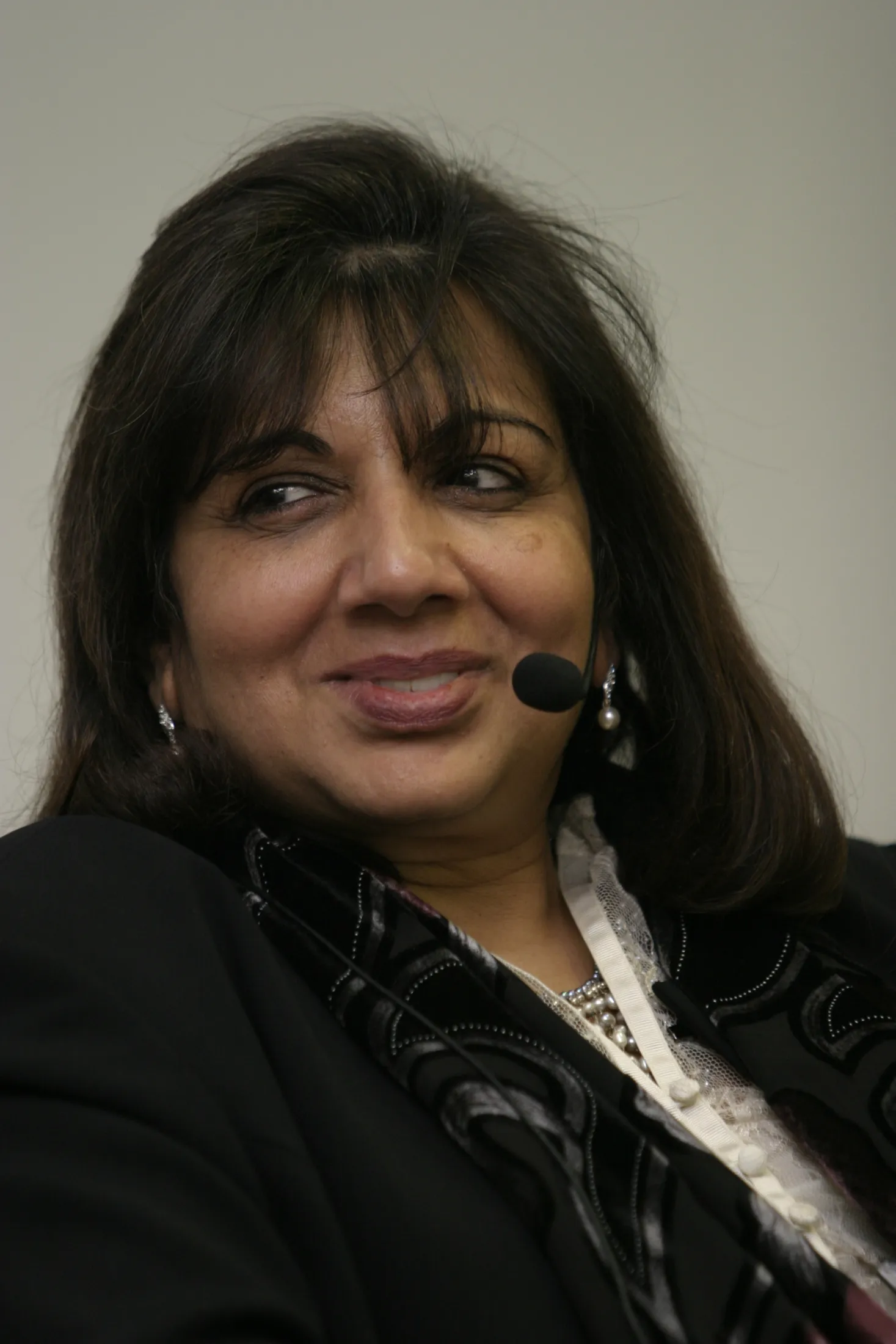
The Brewer Who Built India's Biotech Industry
It was 1978. She was twenty-five. She wanted to start a biotechnology company in Bangalore. Bankers stared at her the way people stare at a strange animal. What is the end product, they asked. A liquid or a powder, she said. How do we know it works, they asked. She tried to explain enzymes and fermentation. They heard risk.
Kiran Mazumdar-Shaw kept walking from bank to bank anyway. One Canara Bank officer finally got excited enough to offer a credit line. That thin yes became the spark for Biocon, India's first real biotech startup story, begun in a garage shed with Irish partners and a buyback guarantee instead of a venture-capital fairy tale.
Company today: Biocon. Company value around about $4B. Net worth around about $3B. Those later numbers only make sense if you understand the early years: gender closed doors, science that looked like science fiction to Indian lenders, and a founder who treated rejection like weather.
This is the documentary of how a brewmaster's daughter turned fermentation craft into medicines, and how that shift changed what Indian patients could afford.
Origin: a charmed childhood with a liberal father
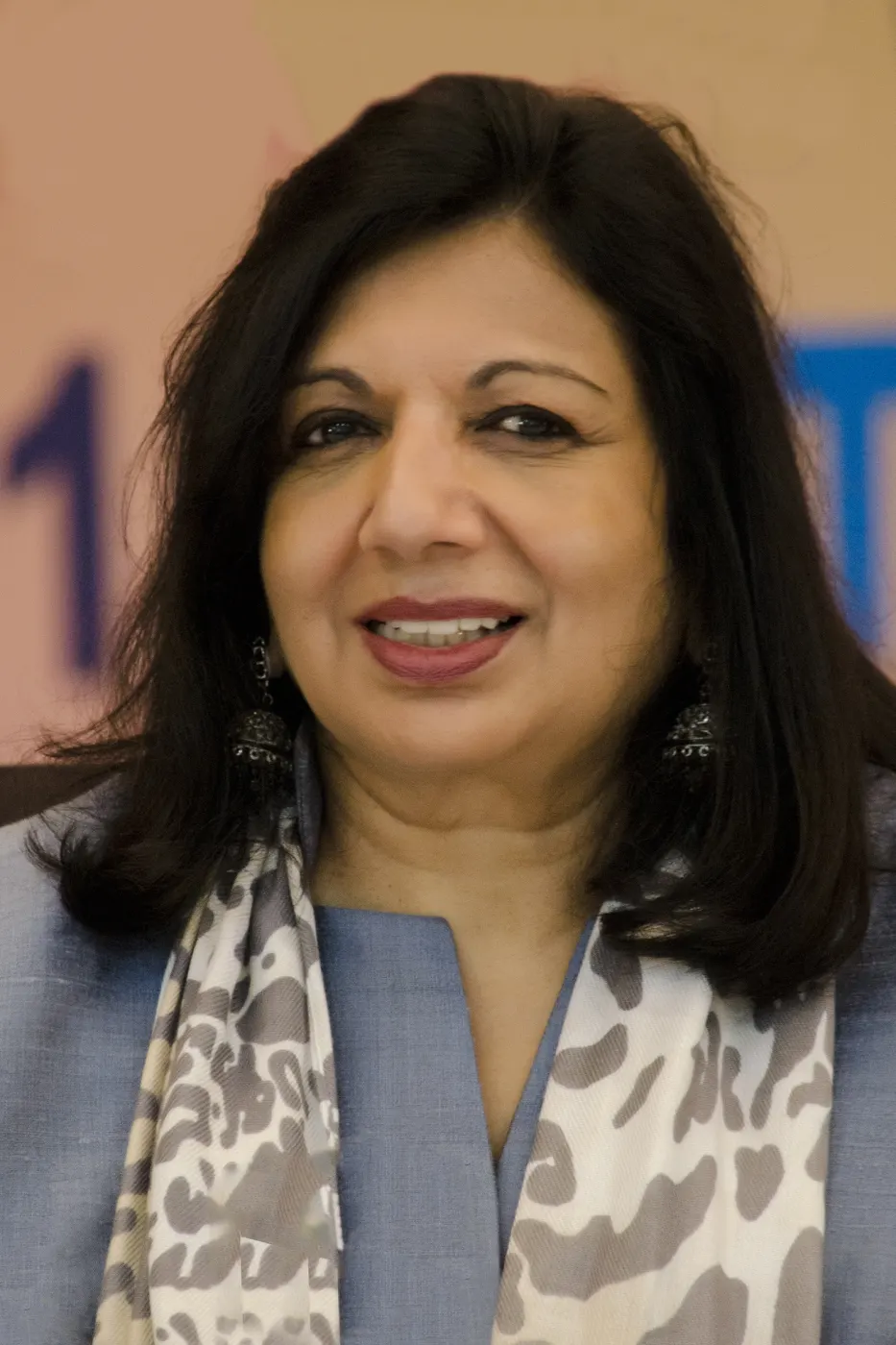
Kiran was born on March 23, 1953, in Bangalore. She describes her childhood as charmed, not in the soft sense of luxury theater, but in the warm sense of a close family. Her father, R. I. Mazumdar, was a brewmaster and later a senior leader at United Breweries. Her mother kept the home. She had two younger brothers. Holidays meant golf trips and friends across India, including Kashmir visits.
Her father had studied brewing in the United Kingdom. He helped shape brands that became part of Indian beer culture, including the Kingfisher story that later became famous. More important for Kiran, he treated science as gender-blind. When she wanted applied science after college, he suggested brewing. She told him it was not a profession for a woman. He answered that gender had nothing to do with science and technology.
That sentence became a spine.
She went to Australia around 1974, celebrated her twenty-first birthday there, and topped her brewing class. She came home ready to work. Indian breweries would not hire her. She went back to her father and said, basically, I told you so. He told her the breweries were making a mistake. They did not know what they were losing.
She was trained, angry, and unemployed in the one craft she had mastered.
The Irish letter and the enzyme bet
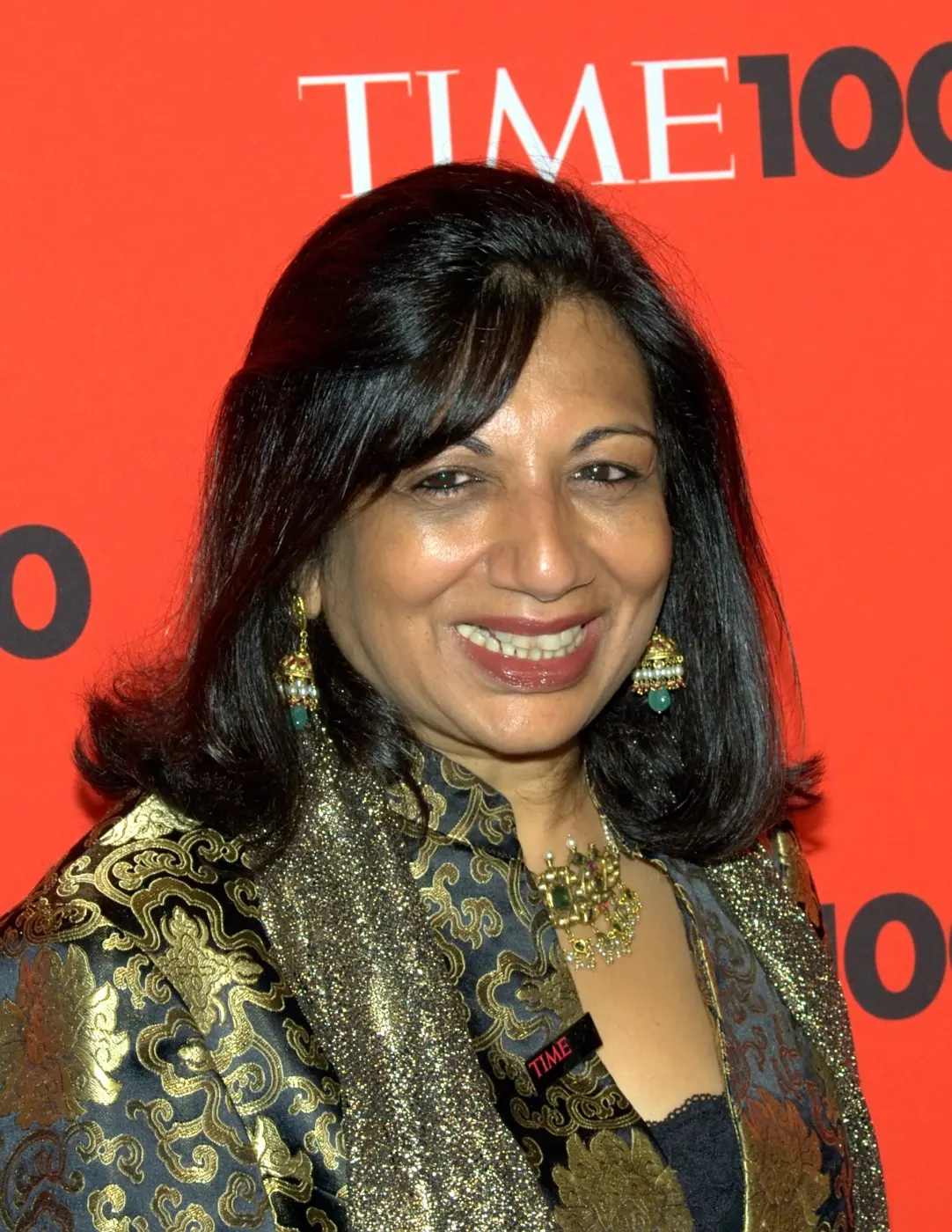
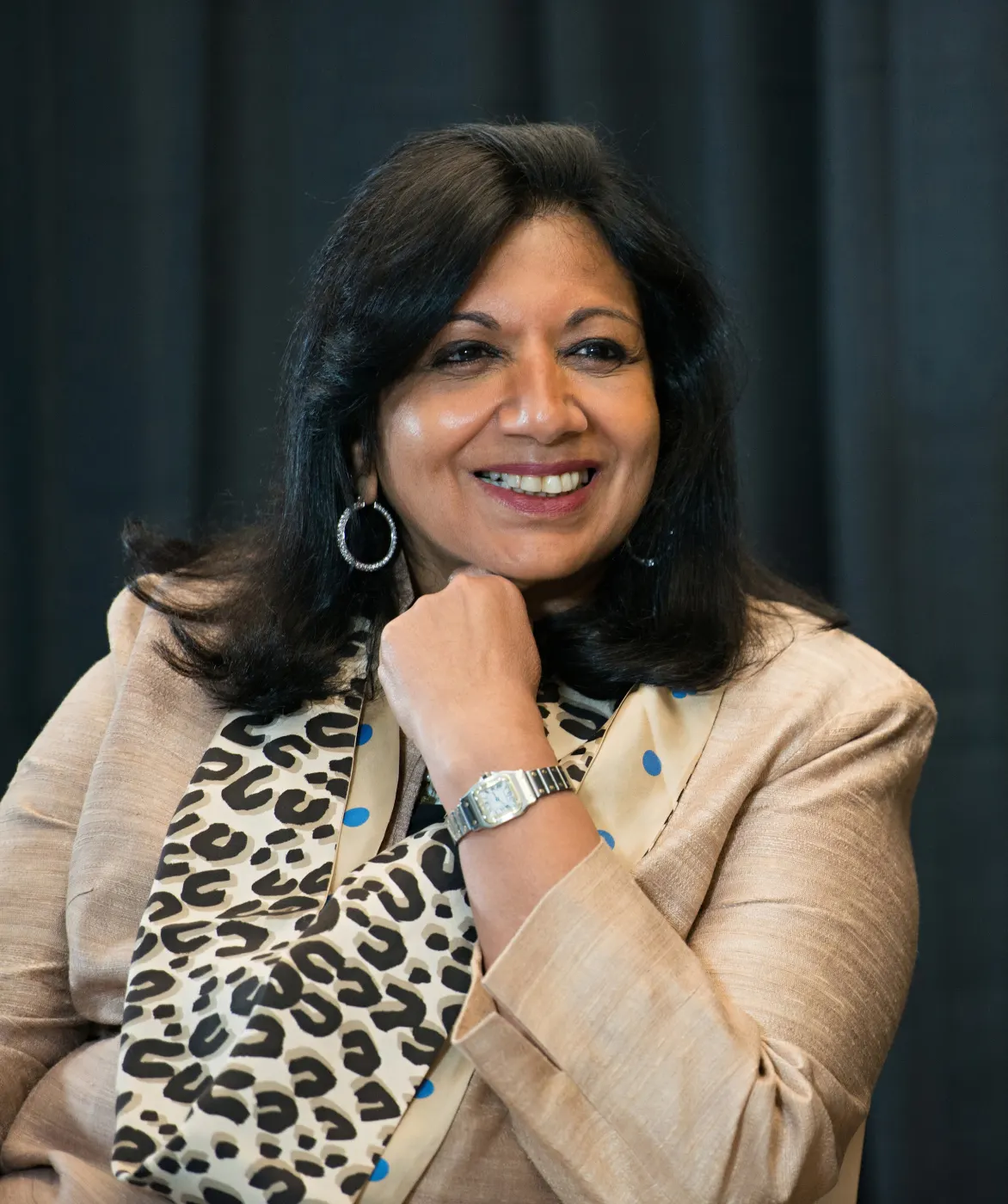
Then came an unexpected door. Les Auchincloss (often remembered in her tellings as an Irish entrepreneur with Scottish roots and a brewing past) was building enzyme technology in Ireland. He wanted an India play for two reasons that matched the land: papain from papaya latex, abundant in India, and fermentation platforms that could grow.
He needed someone who understood fermentation. Kiran understood yeast, fungi, bacteria, process discipline. He offered a path that did not require her to beg a brewery for a job title. She could make enzymes.
There was no fancy market survey. There was a ready customer with a buyback guarantee. That mattered more than slides. She could make something Ireland would purchase. Cash flow logic beat theory.
She started Biocon in India with tiny capital and huge social friction. She has called herself the first biotech startup in the country, begun brick by brick in a garage shed, frugal on purpose. Early work included extracting proteolytic enzyme from papaya latex. It was messy, technical, and real. Later she pushed fungal fermentation platforms harder.
Every batch taught operations. Every customer taught trust.
Banks, gender, and the long hallway of no
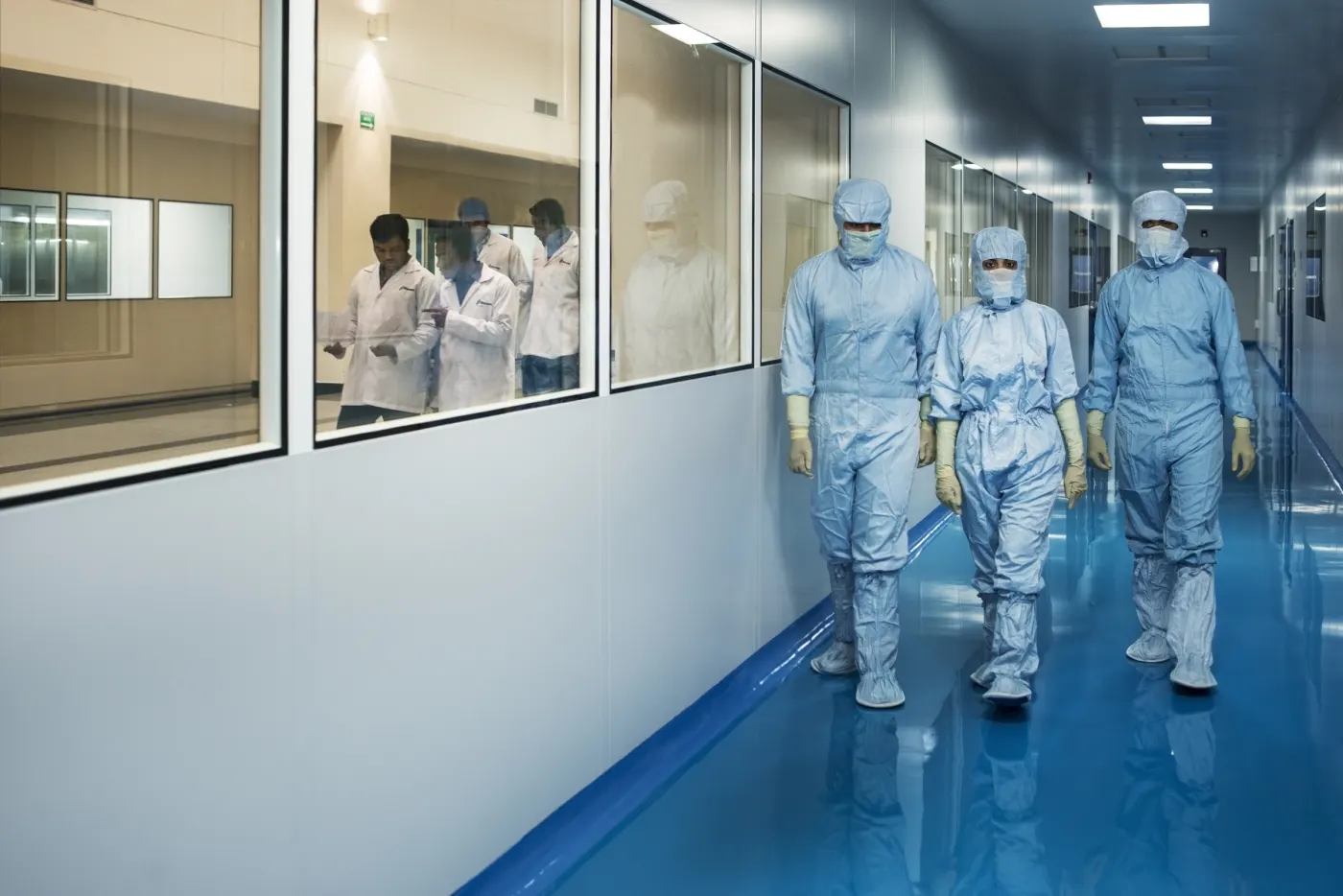
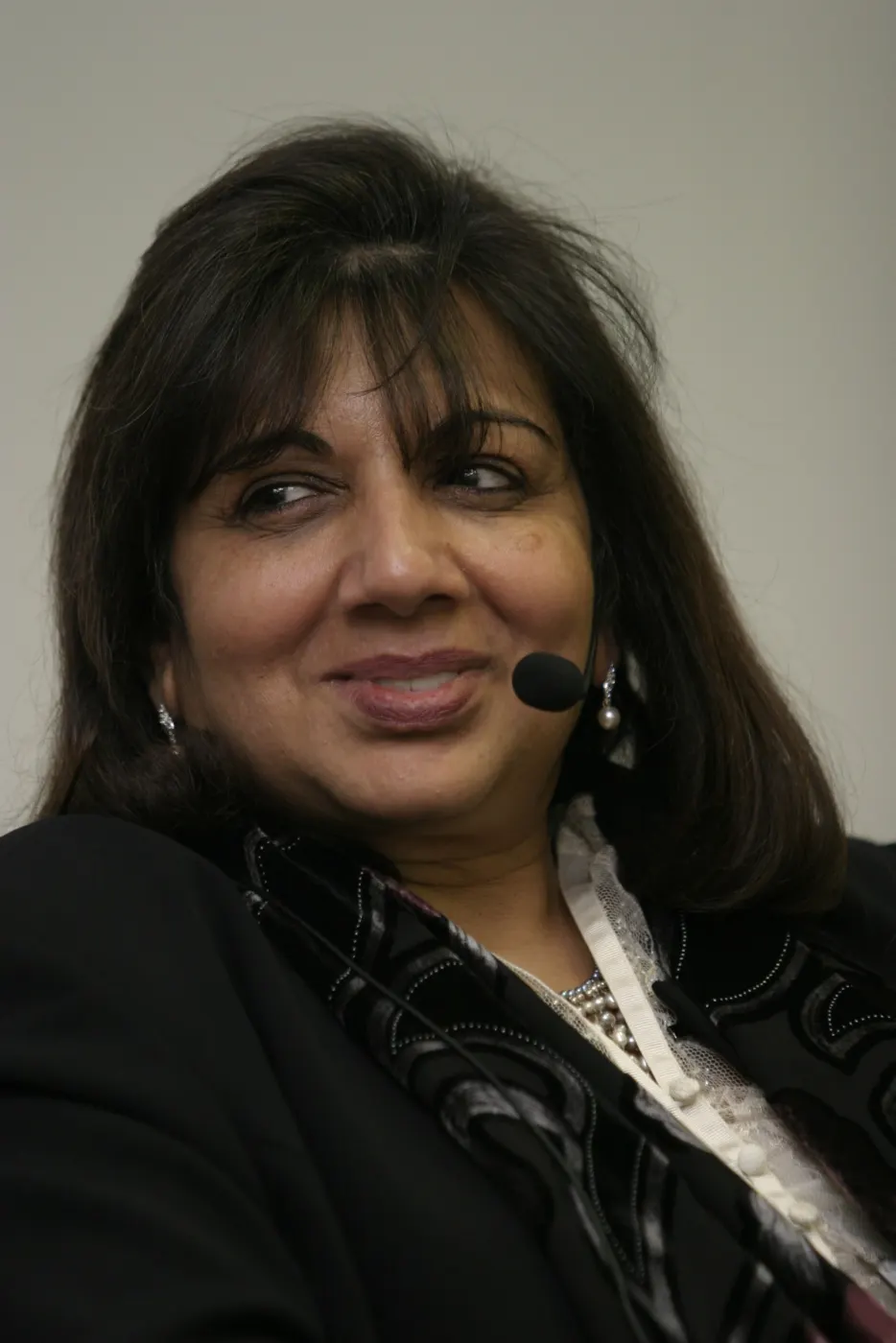
In her own retelling, she was high risk to the brewing industry that would not hire her, and high risk to banks that did not understand biotechnology. She was a young woman with no classic business resume asking for debt in an era before Indian venture capital was a lifestyle. Interest talk floated in the mid-teens. Lenders feared they would never see their money.
She went from pillar to post. Rejection stacked up. Frustration burned. She wondered if people were simply saying women were not capable. She did not dissolve into self-pity. She kept pitching until one banker said come tomorrow, I will give you a loan. Canara Bank gave a credit line. That is how the company truly started moving.
She learned a founder skill that sounds soft and is not: make someone excited enough to help. Narrative was not branding fluff. Narrative was oxygen.
Near-death construction and Asian Games cement
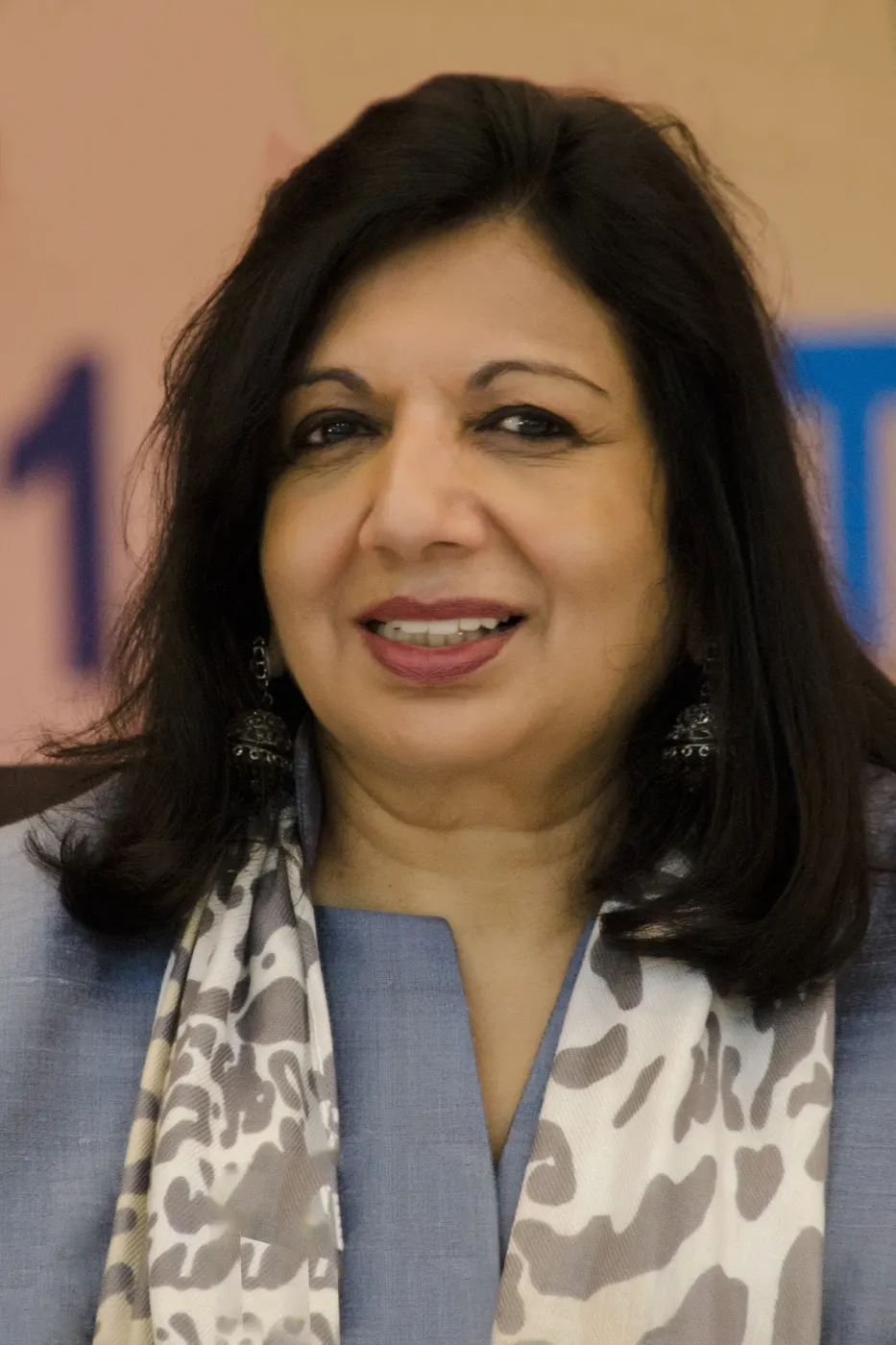
She has described early near-collapse pressure when she borrowed from Karnataka State Financial Corporation to build. Then the Asian Games sucked cement and steel into national priority channels. Construction timelines slipped. Debt service does not care about your patriotic calendar.
That season was not cinematic bankruptcy. It was worse in a quiet way: a young company trying to build a physical plant while materials vanished into someone else's spectacle. She survived it by stubborn scheduling, supplier hunting, and refusing to treat delay as destiny.
Biotech companies die in the gap between science and steel. She learned to manage both.
From industrial enzymes to India's insulin problem
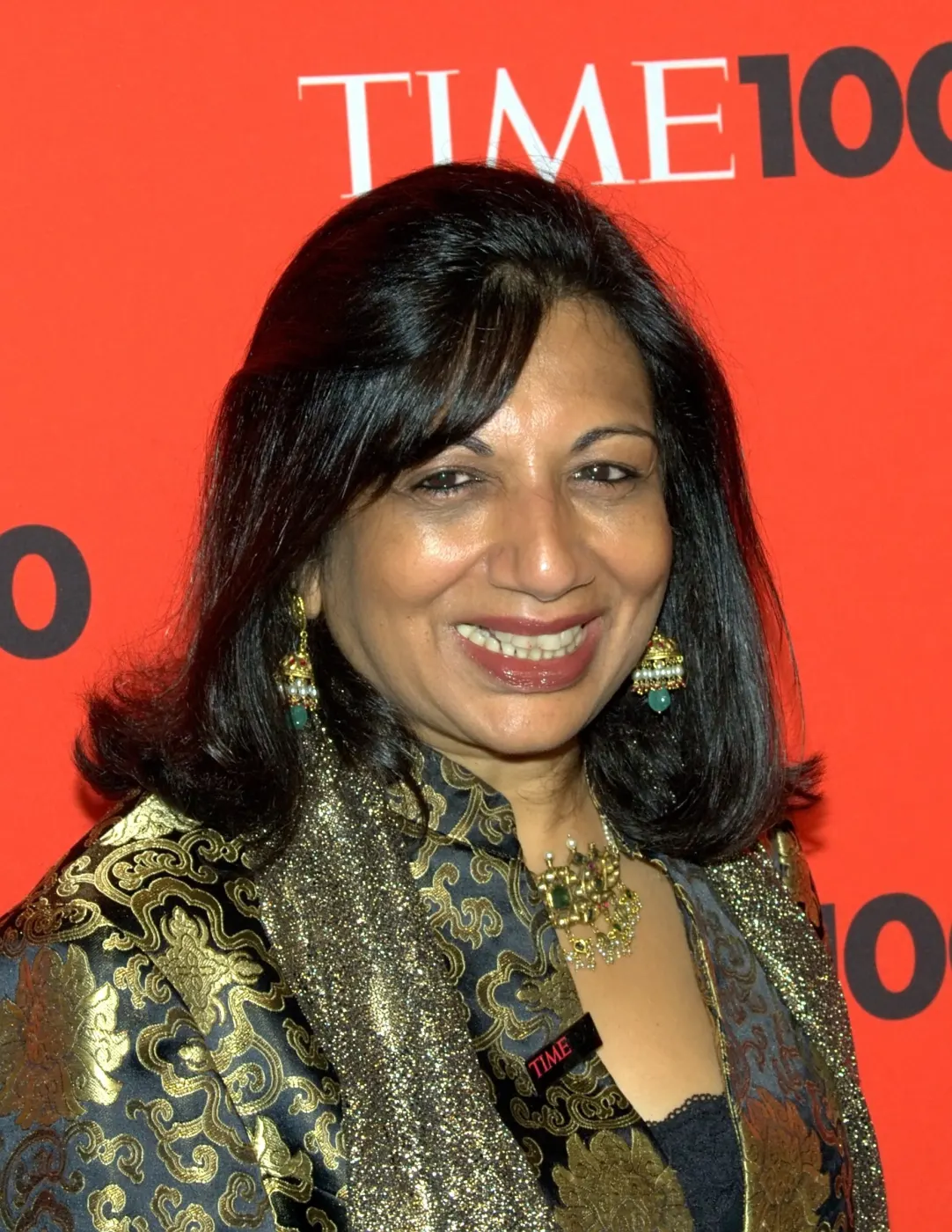
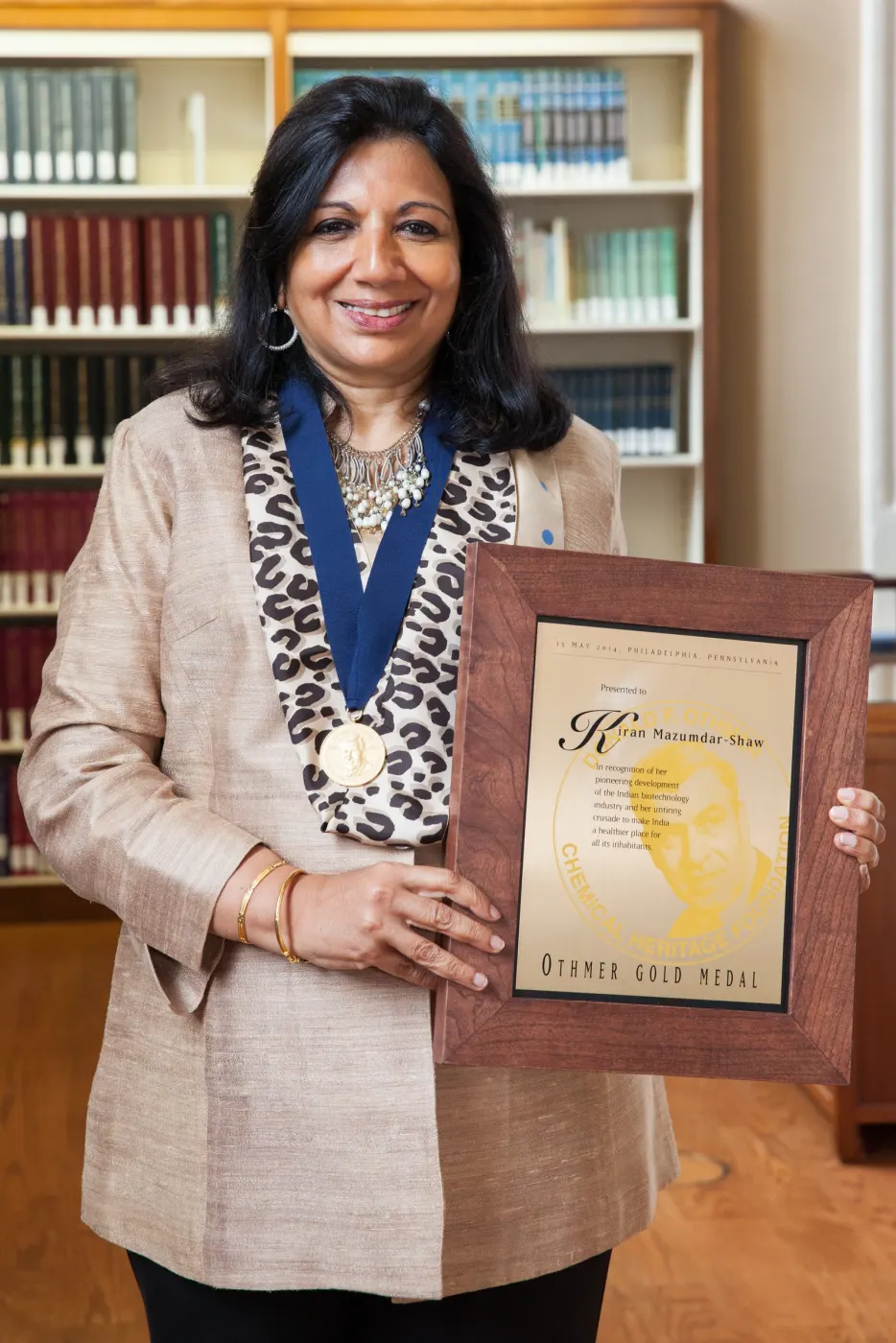
Enzymes paid bills and trained the muscle. Then she looked at India and saw diabetes at massive scale. The country imported insulin. In her telling of that era, most available insulin was animal-derived and inferior, while recombinant human insulin made with biotechnology was scarce and expensive. Patients who needed the better product often could not afford it.
She asked a hard question: why can't we use recombinant DNA methods we already touch in enzyme work to make insulin here?
Biocon had proprietary approaches tied to special yeast systems, including work she has linked to Pichia platforms in interviews. The eureka was not a movie montage. It was a lab moment when insulin expression showed up and the team realized they could make it. India's first recombinant human insulin push became a defining Biocon chapter: not because it was trendy, but because the need was obvious.
She frames the logic simply. If the country needs it, the bet is not wild. Wild is inventing a toy nobody asked for. Insulin was pain with a price tag.
Cancer, a friend's bill, and biosimilars
Insulin access taught a doctrine: disrupt price and expand reach. Then cancer arrived as both market and wound. She has spoken about losing a best friend who needed modern biologic therapies and was paying on the order of a couple of lakh rupees per dose, even as a wealthy person. If wealth struggled, what about everyone else?
Biocon moved into antibodies and biosimilars. Biosimilars are not casual generics. They are complex copies of biologic drugs, hard to make, sensitive to process. When Biocon began, regulatory pathways were incomplete. Kiran's bet was that if you follow the science rigorously, pathways would eventually follow. She has said they were right, and that Biocon moved early enough to become a first-wave global player in key antibody biosimilar spaces.
Competition, she notes, is what crashes prices. More competitors can drive discounts dramatically. That is not a slogan. That is the mechanism of world impact: science plus rivalry plus manufacturing scale equals access.
How she works: excitement, proof, and no self-pity theater
Listen to her interviews and a pattern repeats. She hates empty self-doubt loops when the mission is clear. She wants people who can get excited and then do the dull work. She talks in process language: fermentation platforms, regulatory science, credit lines, buyback guarantees.
She also refuses to soften aggression when the work needs edge. She has talked about how confident women get punished socially for traits that look like leadership on men. Her answer is not to shrink. Her answer is to keep building products that argue for her.
Inside Biocon, culture had to hold chemists, biologists, engineers, and commercial teams in one argument. Quality documentation was not bureaucracy. In biologics, trust is the product.
Public markets, Syngene, and the long game
Listing brought capital and scrutiny. Research cycles do not obey quarterly applause. She had to protect long bets while answering investors. Biocon's story also includes research services and adjacent platforms that helped deepen scientific capacity in Bangalore's ecosystem.
The company did not stay a cute garage myth. It became plants, people, audits, exports, and partnerships. That institutional weight is the point. A founder who only stays charismatic without building systems leaves a speech. Kiran built systems.
Current achievements (as of August-September 2026)
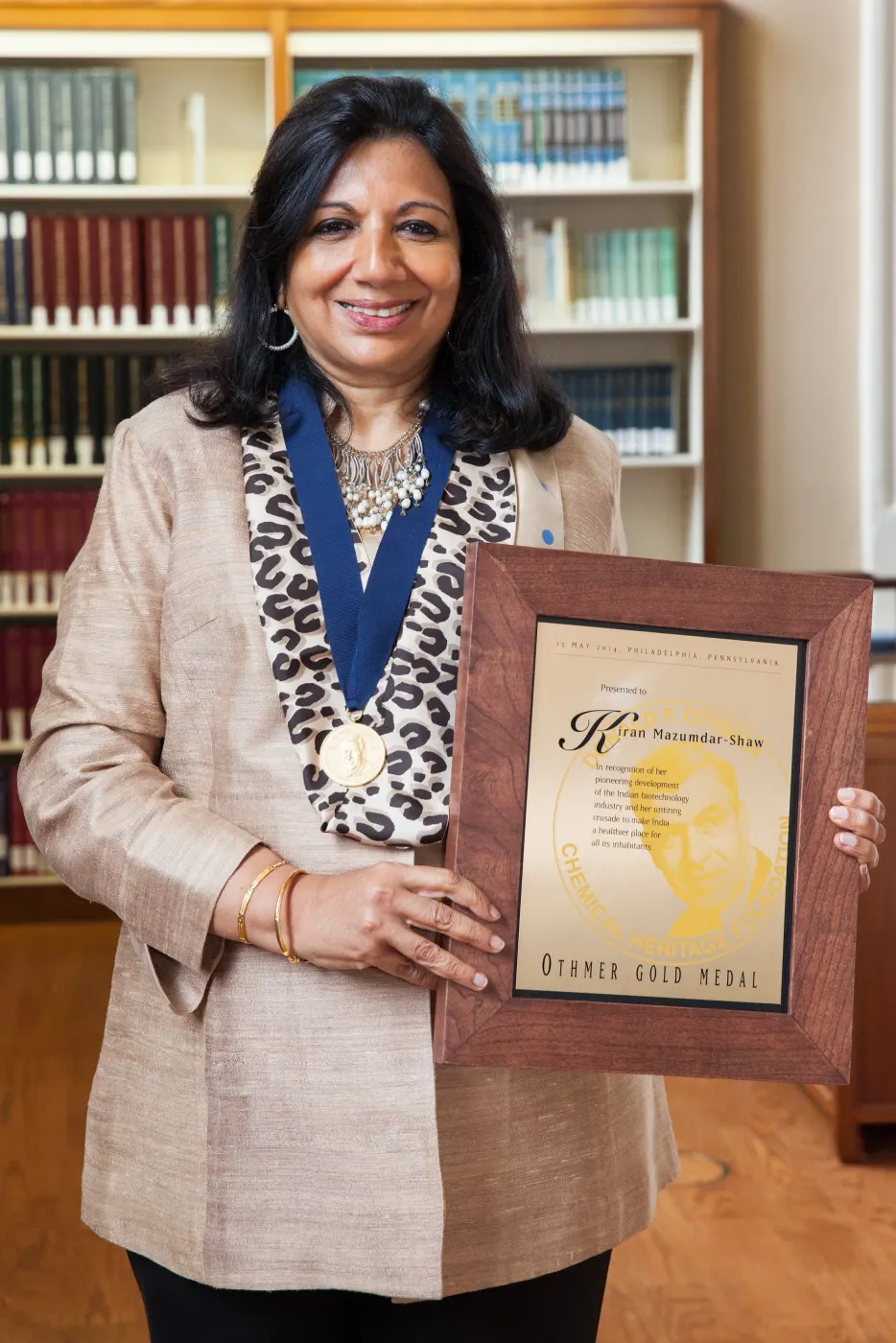
Company: Biocon. Company-value context: multi-billion; Biocon Biologics deal valued at about $5.5B in Dec 2025 consolidation announcement. Personal wealth context: about $3.6B (Forbes realtime estimates move with markets).
Current achievement is not a trophy shelf. It is the path still being walked: products shipping, balance sheets tightening or expanding, successors being trained, and public fights that still matter.
Dec 2025: Biocon announced buying the rest of privately held Biocon Biologics to consolidate biosimilars and generics, valuing Biocon Biologics at about $5.5B.
FY26: Biocon reported total income about Rs 17,270 Cr; operating revenue about Rs 16,927 Cr (about 13% YoY after adjusting one-time lenalidomide); EBITDA about Rs 3,798 Cr; biosimilars about Rs 10,431 Cr (about 16% YoY).
Integration of Biocon Biologics into Biocon created one unified global biopharma platform; major capacity build-out across biosimilars, insulins, peptides, complex generics largely complete; focus shifted to utilization, margins, deleveraging.
Succession: named niece Claire Mazumdar as successor path after Claire helped build Bicara Therapeutics (Nasdaq IPO 2024 raised about $362M; later valued over $1B in press).
Earlier: 2022 Viatris biosimilars acquisition about $3.3B reshaped global commercial footprint.
What shifted inside the business is the real scoreboard. Markets clap late. Operators live in utilization, cash, quality, and whether tomorrow still works.
For Kiran Mazumdar-Shaw, the mid-2020s question is not "did they win once." It is "are the systems they built still rearranging other people's days."
World impact: what actually shifted
World impact is consequence, not applause. It shows up when a habit becomes normal, a price wall cracks, a career path appears, or a country's soft power changes shape.
Consequence 1: Proved India could climb from industrial enzymes into recombinant therapeutics and global biosimilars, hiring scientists and making biotech a believable career path.
Consequence 2: Insulin and complex biologics access: local manufacturing and biosimilar competition cracked import-only price walls for diabetes and oncology patients at population scale.
Consequence 3: Global pharma had to treat Indian biologics capability as a real supply-chain and partnership force.
Consequence 4: Visible counterexample to gender scripts in Indian deep tech: not fixing sexism alone, but making the next founder harder to dismiss.
None of that arrived as fireworks. It arrived as years of ugly process, then as ordinary life for people who never learn the founder's name.
That is the documentary test for Kiran Mazumdar-Shaw: what changed for customers, workers, industries, and culture after the highlight reel ended.
Failures, luck, and honest limits
Documentary honesty requires limits. Not every product launch was clean. Timelines slipped. Some bankers never came around. Some social attacks never stopped. Construction nearly stranded her. She has said she did not live a cinematic near-death every month, but early debt-and-build stress was real.
Luck existed: an Irish partner with buyback demand, a Canara banker who got excited, a father who paid for Australia and defended her identity as a scientist. Luck is not a smear. It is part of the physics. What she did with luck was convert it into plants and platforms.
Day-to-day grind: fermentation truth
The romantic garage photo hides the real schedule. Early Biocon days meant explaining powder and liquid until throats hurt, then returning to extraction and fermentation where truth lived in yields.
Papain from papaya latex was not a pitch deck. It was sticky work with a ready Irish buyback customer. That buyback mattered more than applause. Cash flow taught survival before India had a venture-capital lifestyle.
She has said she started with roughly ten thousand rupees and foolish courage. Banks priced her as high risk: young, female, no classic business resume, selling a sector they could not pronounce. Canara Bank's credit line was not destiny. It was one excited banker after a hallway of no.
Near-death construction arrived when a loan for a building collided with Asian Games demand for cement and steel. Materials vanished into national spectacle while her site waited. That is the kind of documentary beat highlight reels skip: politics of scarcity inside a startup story.
Climbing the value chain
Enzymes paid tuition. Statins and immunosuppressants taught fermentation platforms could climb. Then insulin: India as diabetes epicenter, importing animal-derived insulin while recombinant human insulin stayed expensive.
They used recombinant DNA platforms, including yeast systems she describes with proprietary pride, and watched insulin appear. The eureka was not a slogan. It was a process window where protein production became believable on Indian soil.
Cancer sharpened the mission after she lost a close friend who needed biologic therapies priced like luxury. Biosimilars meant making products as close as science allowed when regulatory pathways were still forming. Follow the science, she argued, and pathways will follow. Competition, she later explained, is what collapses prices.
Public markets and the long game
The 2005 IPO era turned a hard science company into a public story. Syngene, built earlier as research services muscle, later took its own public path. Divesting enzymes was not nostalgia failure. It was focus: biologics became the spine.
The 2022 Viatris biosimilars acquisition was a balance-sheet earthquake that bought global commercial reach and debt pressure together. By late 2025 she was consolidating Biocon Biologics back into a unified platform. FY26 results talk of margin expansion after integration, not only revenue theater.
Succession talk naming Claire Mazumdar is current achievement as governance: building a company that outlives one founder's energy. Bicara's Nasdaq chapter sits beside Biocon's India-to-world biologics map as proof the family and ecosystem can invent again.
Rivals, imports, and honest limits
Rivals were not only other Indian firms. Rivals were import habits, physician skepticism, quality fear, and capital markets that punish long cycles. Timelines slipped. Some bankers never converted. Not every launch was clean.
Documentary honesty keeps those limits. The world impact still stands because patients and scientists felt the cracked price wall and the new career map anyway.
Documentary scenes mined from long interviews
These beats are shaped from long-form interview and talk transcripts used in research. Paraphrased into story voice. Not a quote dump.
Scene 1 (brew): Kiran Mazumdar-Shaw's interviews return to this texture: ...which has shaped you into a person you are today? Well, you know, I always say that I had a very charmed childhood, okay? Because I grew up in a very happy family. My father was a brew master at United Breweries. My mother was a housewife and I have two brothers. Um, you know, I'm the eldest in the family. you know, we we had a very, you know, cozy family, a very close-knit family. Um,...
Scene 2 (brew): Kiran Mazumdar-Shaw's interviews return to this texture: ...into a person you are today? Well, you know, I always say that I had a very charmed childhood, okay? Because I grew up in a very happy family. My father was a brew master at United Breweries. My mother was a housewife and I have two brothers. Um, you know, I'm the eldest in the family. you know, we we had a very, you know, cozy family, a very close-knit family. Um, you know, we used...
Scene 3 (brew): Kiran Mazumdar-Shaw's interviews return to this texture: ...Kashmiri friend. So we used to go to Kashmir quite often and so on and so forth you know and you know my father was a very liberal thinker. I mean the fact that he made me go and pursue brewing in Australia tells you what kind of a man he [laughter] was. But I think we were a Gujarati family. My father and mother had come from Gujarat. My father of course had gone to the UK to...
That scene matters because it shows process under pressure, not a trophy. The documentary lives in those textures for Kiran Mazumdar-Shaw.
Scene 4 (garage): Kiran Mazumdar-Shaw's interviews return to this texture: ...at uh you know pioneering the biotech sector that was my starting point saying oh wow it's exciting to think that I'm the first biotech company in India the first biotech startup I would say because I started in my garage um so that was very exciting exciting for me and then if you think about it u you know when I got you know when I moved from enzymes to biioarma even there I was the first one...
Scene 5 (bank): Kiran Mazumdar-Shaw's interviews return to this texture: ...I said wow this is so exciting, I must do it. And of course, it was that was another big challenge because you know biotech nobody understood this was a new sector and uh even when I went to banks they would say we don't understand what you're trying to do. So what is your end product? And I would say oh it's it's either a liquid or a powder. Yeah. How do we know? But I said it's...
Scene 6 (bank): Kiran Mazumdar-Shaw's interviews return to this texture: ...know it was like pulling teeth so um I remember those days you know I was again if you think I was high risk in by the brewing industry who didn't want to hire me. I was considered high-risisk by banks also because they said you're too high risk. You're only a young girl 25 years old with no business experience trying to start this strange business called biotechnology and enzymes which we don't understand and you
That scene matters because it shows process under pressure, not a trophy. The documentary lives in those textures for Kiran Mazumdar-Shaw.
Scene 7 (bank): Kiran Mazumdar-Shaw's interviews return to this texture: ...at 16 to 18%. Right? So they would say no you're too high risk and we are scared that we won't get back our money. So I had to go from pillar to post. I had to go from bank to bank asking them to believe me and you know get excited about what I was trying to do. But I just kept getting rejected there also. But I didn't give up. And there was one banker who was...
Scene 8 (enzyme): Kiran Mazumdar-Shaw's interviews return to this texture: ...scared." And he said, "No, no, nothing of the sort." In two weeks, I got n but what was the idea? What do you want to start at that? [laughter] I wanted to start a company making enzymes. That was the whole plan. But why? Why enzymes? What was Did you do some market survey something? It was there were no market survey. But I had a ready customer in my Irish partners. They...
Second acts inside the same mission
Biocon's second acts were not reinventions for fashion. They were the same mission climbing a taller ladder. Enzymes taught manufacturing. Statins and immunosuppressants taught fermentation platforms could earn respect. Insulin made the mission personal for a diabetes-heavy nation. Biosimilars made the mission global for cancer and immunology patients who meet price walls like cliffs.
Syngene gave the group a research-services engine that could learn alongside product risk. Public markets forced vocabulary changes: guidance, margins, integration risk. The Viatris biosimilars chapter bought reach and debt in the same handshake. Consolidation talk in late 2025 was the adult sequel: own the platform fully, simplify the map, harvest utilization after years of building capacity.
Succession naming is also a second act. A founder who began as a high-risk twenty-five-year-old asking banks for a credit line now has to design continuity so patients and scientists are not hostages to one biography. That is current achievement as institutional craft.
What current means beyond net worth
Net worth estimates near the mid-single-digit billions are a market shadow of equity and sentiment. Current meaning is vials, regulatory filings, plant utilization, and whether Indian biologics remain a serious global noun. When FY26 commentary stresses margin expansion after integration, it is saying the heavy lifting of building is supposed to turn into earnings discipline.
World impact keeps accruing in quiet places: a pharmacy counter, a hospital protocol, a young scientist choosing biotech because the path looks real. Those are the rearranged days.
Closing beat
Picture the twenty-five-year-old again, holding a liquid-or-powder answer in a bank lobby.
Now picture a country where biotech jobs exist, where recombinant insulin is not only a foreign miracle, where biosimilars are a strategy instead of a rumor, where a woman can say she topped brewing class and built a biologics company without sounding like fiction.
Kiran Mazumdar-Shaw did not win by being the loudest person in India. She won by staying with fermentation truth long enough that money, law, and medicine had to rearrange around it.
The garage was never the point. The point was patients who should not lose because science lived somewhere else.
That is the documentary. That is the impact. That is still the unfinished work.