Everyone Else Must Lose
Adopted in Chicago. Dropped out of college. Turned a CIA project name into a software empire. In 2026 he still drives Oracle as CTO and chairman.
The baby was sick, and a young mother in New York City could not keep him.
At nine months, Lawrence Joseph Ellison was adopted by his aunt and uncle in Chicago. He grew up not knowing the full story of his birth at first. Decades later he would build Oracle, one of the most important software companies on Earth, and race sailing boats across oceans.
This is the story of a restless student who turned a research paper about databases into a business that runs banks, governments, and clouds.
Where he came from
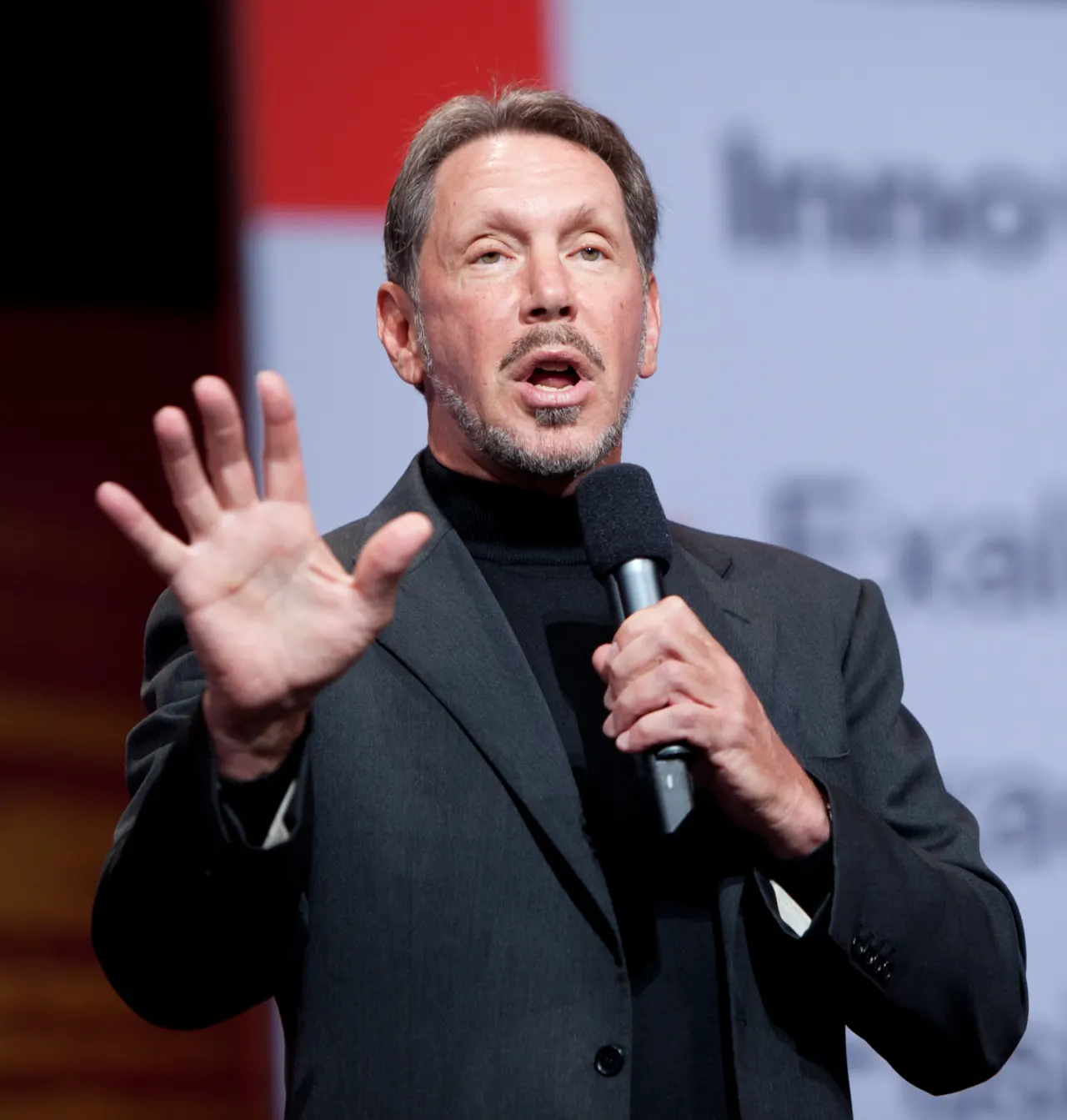
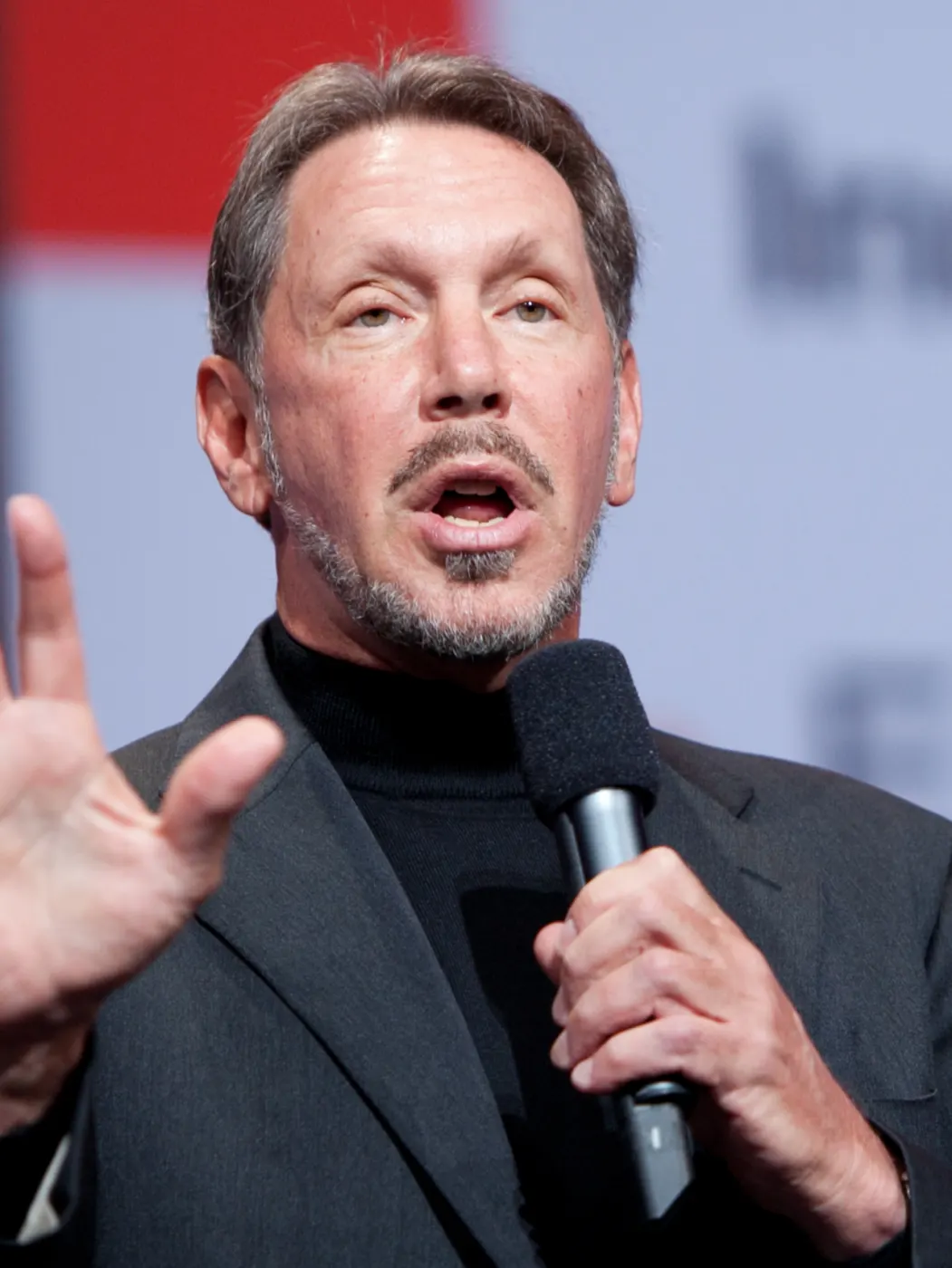
Larry Ellison was born on August 17, 1944, in New York City. His birth mother, Florence Spellman, was nineteen and unmarried. After Larry contracted pneumonia as an infant, she gave him to her aunt Lillian and uncle Louis Ellison to raise.
He grew up on Chicago’s South Shore. He remembers Lillian as warm. He found Louis austere and hard to please. Louis had lost a real estate fortune in the Great Depression and later worked as a government auditor. He had chosen the surname Ellison to honor Ellis Island, his entry point to America.
At age twelve, Larry learned he was adopted. The news did not make him smaller. It made him more determined to prove himself. He showed early strength in math and science. He also showed a rebellious streak that clashed with his adoptive father’s strict style.
He attended South Shore High School. He enrolled at the University of Illinois at Urbana-Champaign as a pre-med student and was named science student of the year. Then life broke the plan. After his sophomore year, Lillian died. Larry left without taking final exams.
He spent a summer in California, then attended the University of Chicago for one term, studying physics and mathematics. There he first encountered computer design. He never completed a college degree. Formal credentials were not going to be his ladder. Skill and nerve would be.
The spark in California
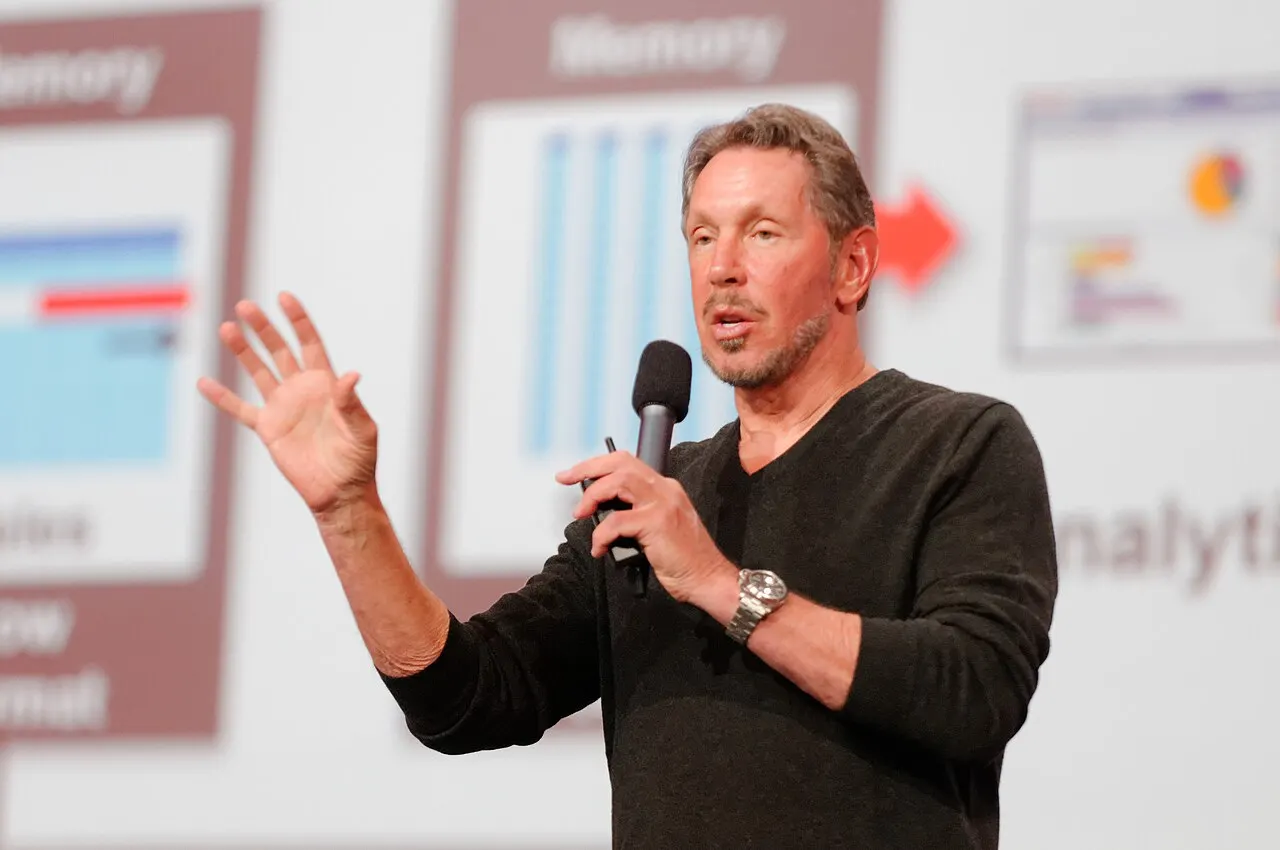
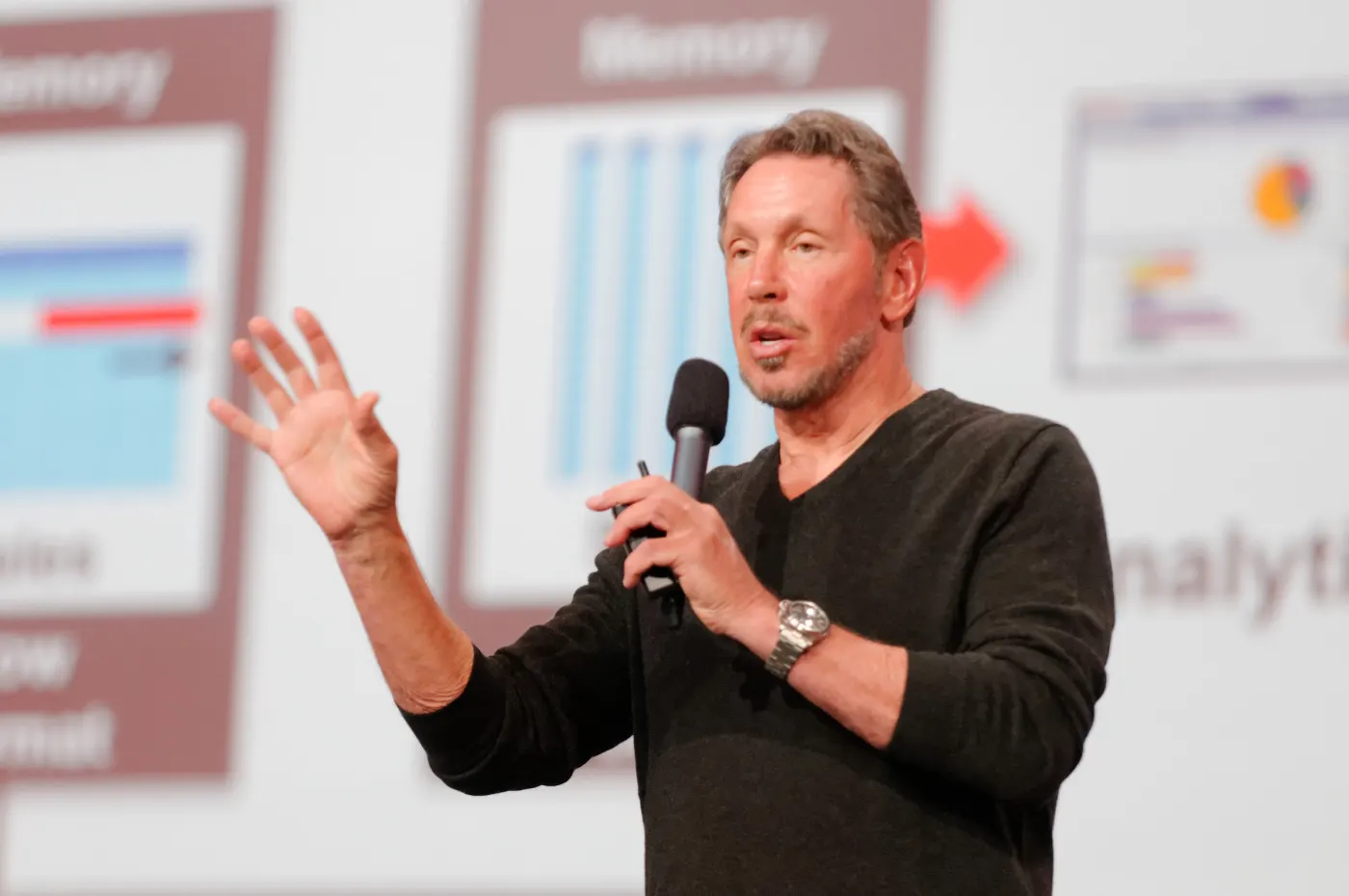
Larry moved to Berkeley, California, and began working as a computer programmer. He held jobs at several companies. After a short stint at Amdahl, he worked at Ampex Corporation. One project included a database for the CIA with the code name Oracle.
Around that time he read the work of Edgar F. Codd, an IBM researcher who described a relational model for data. The idea was powerful. Store information in tables. Relate those tables with clear rules. Ask questions with a structured language. Businesses could manage facts with less chaos.
Larry saw a product where others sas a paper. In the 1970s, many companies still struggled to organize records. A working relational database could become essential software, the kind customers renew year after year.
How Oracle started
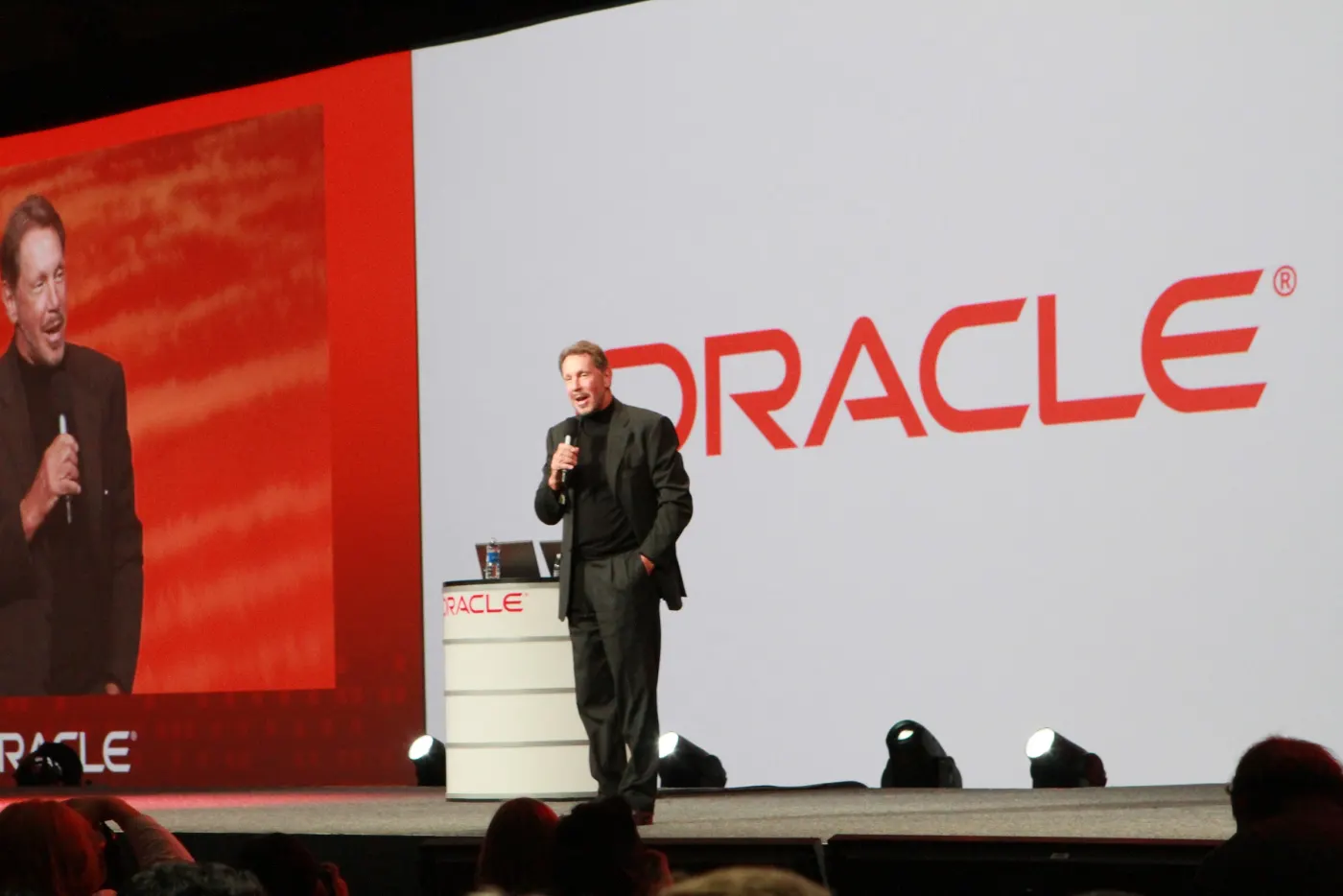
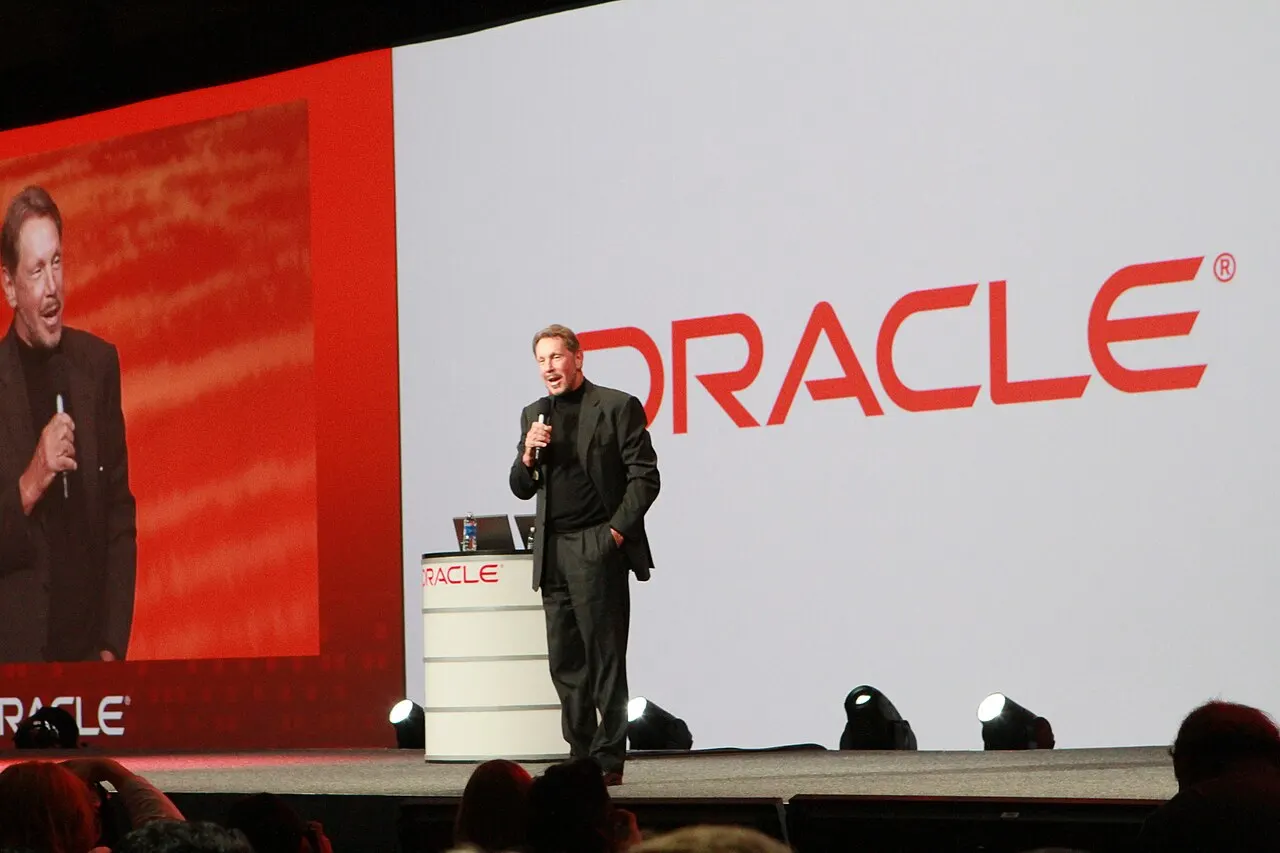
In 1977, Larry co-founded Software Development Laboratories with Bob Miner and Ed Oates. Public accounts say the founders invested about $2,000 total, with Larry providing most of it. They aimed to build a commercial relational database.
They won work connected to the CIA project named Oracle and finished ahead of schedule. They used the extra time to push a commercial product. They named the database Oracle too. Later the company itself took the Oracle name.
Early years were lean. In 1980 the company had only a handful of employees and under a million dollars in revenue. Then growth accelerated. IBM’s interest in relational systems helped legitimize the category. Oracle’s sales climbed fast through the 1980s.
Larry was not only a technologist. He became the fierce face of sales and competition. He liked winning publicly. He liked setting targets that sounded impossible until the team hit them. Cause and effect in his world looked like this: ship a strong database, hire aggressive sellers, lock in customers who cannot easily leave.
What they built
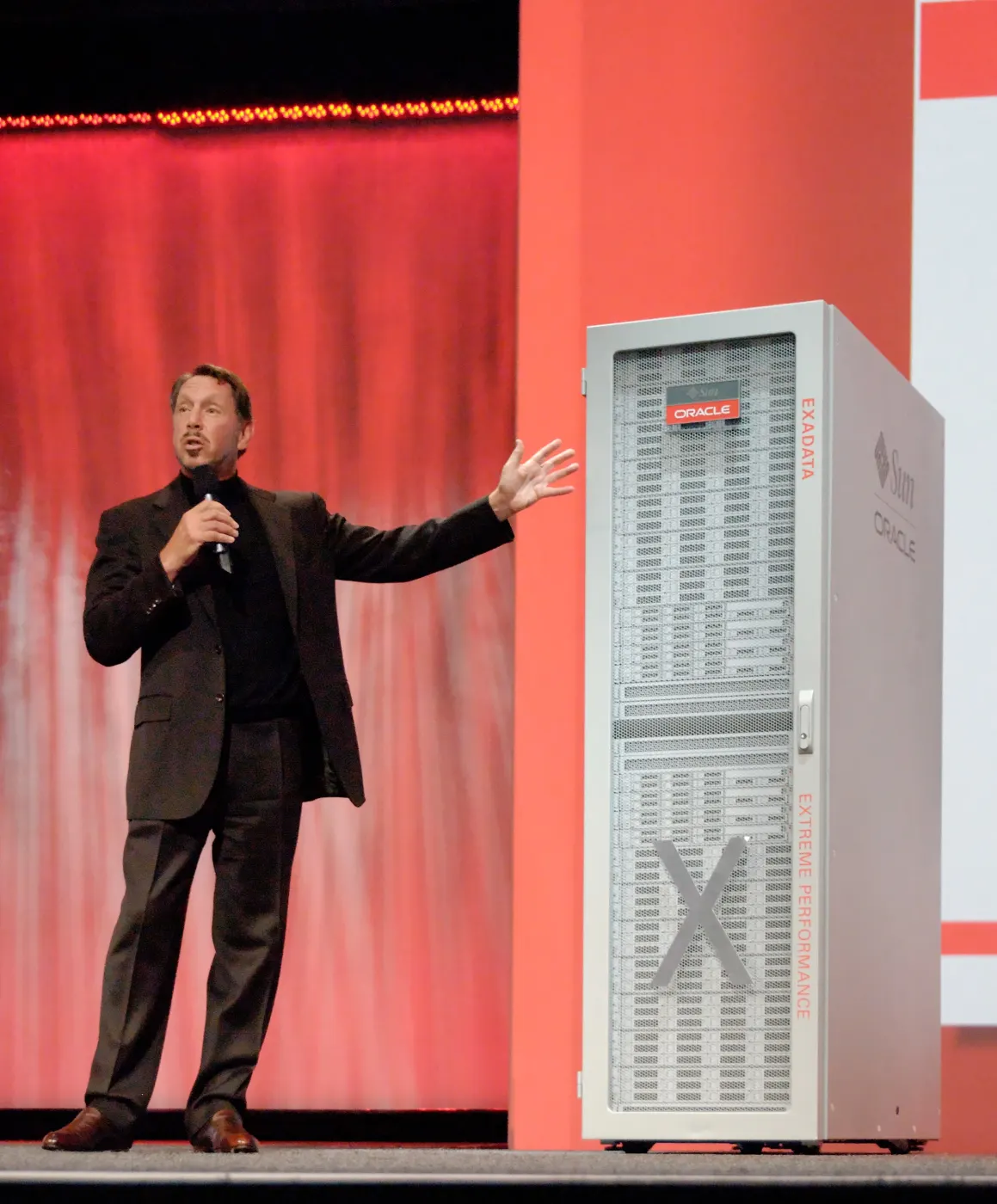
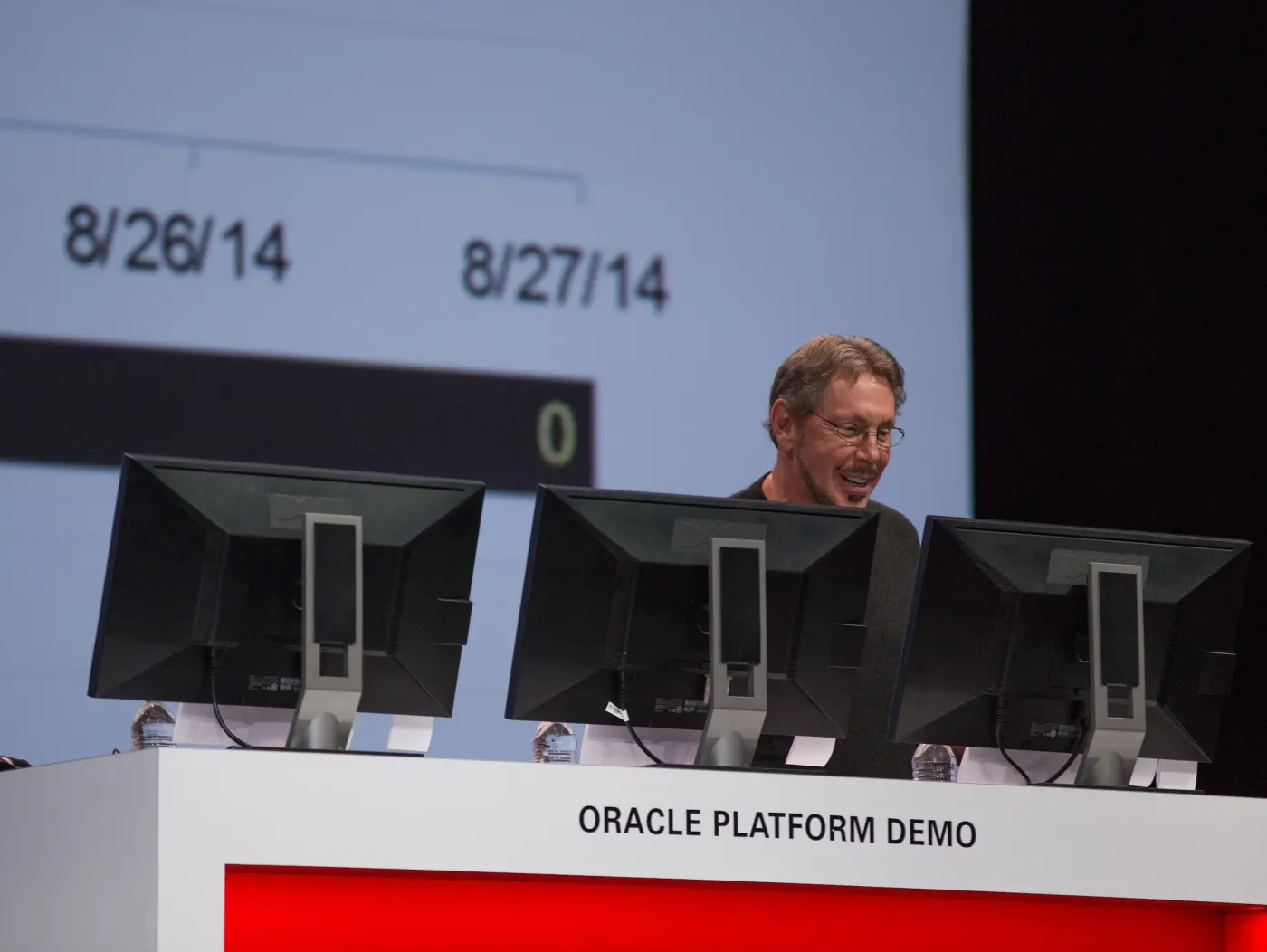
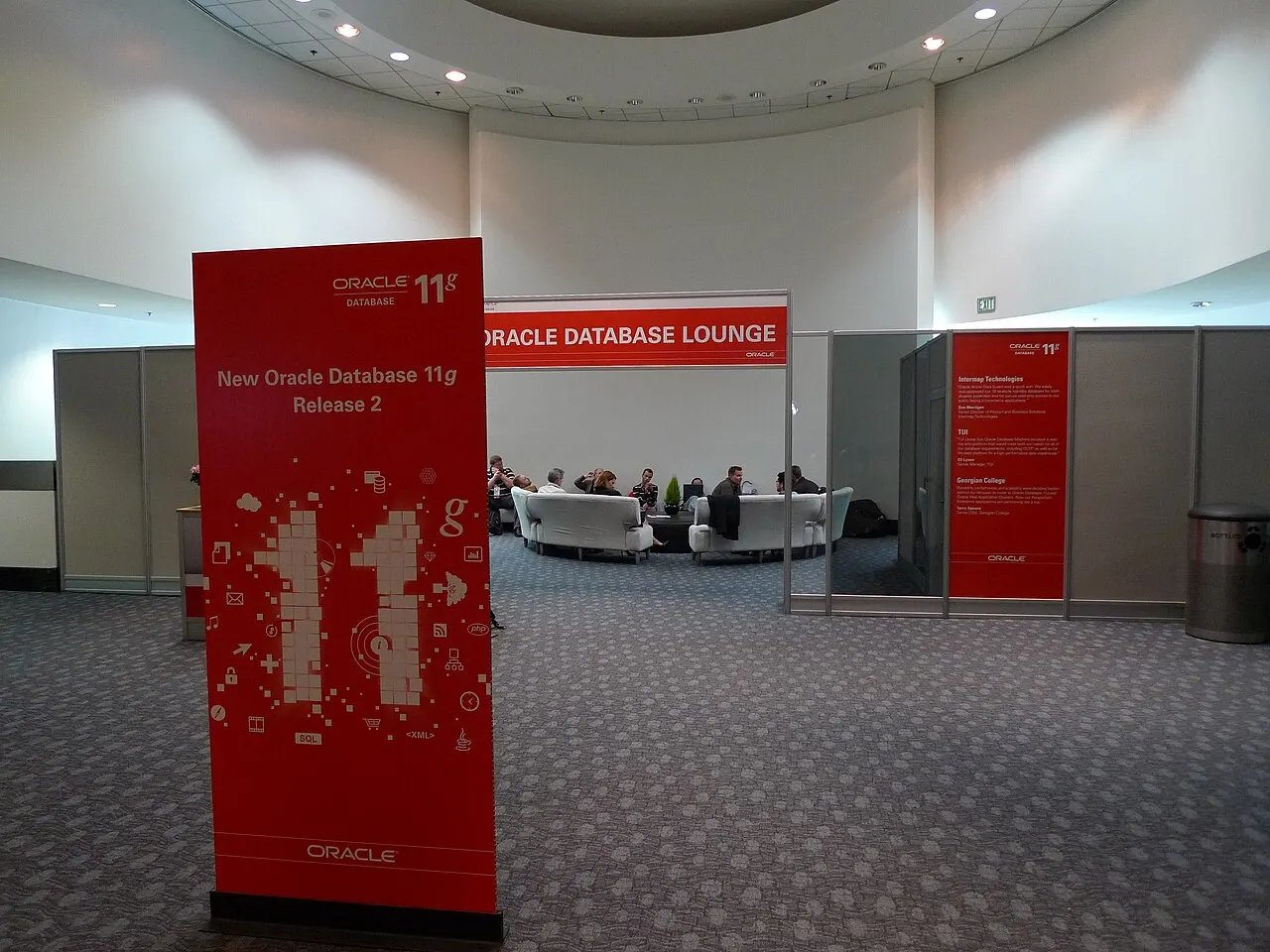
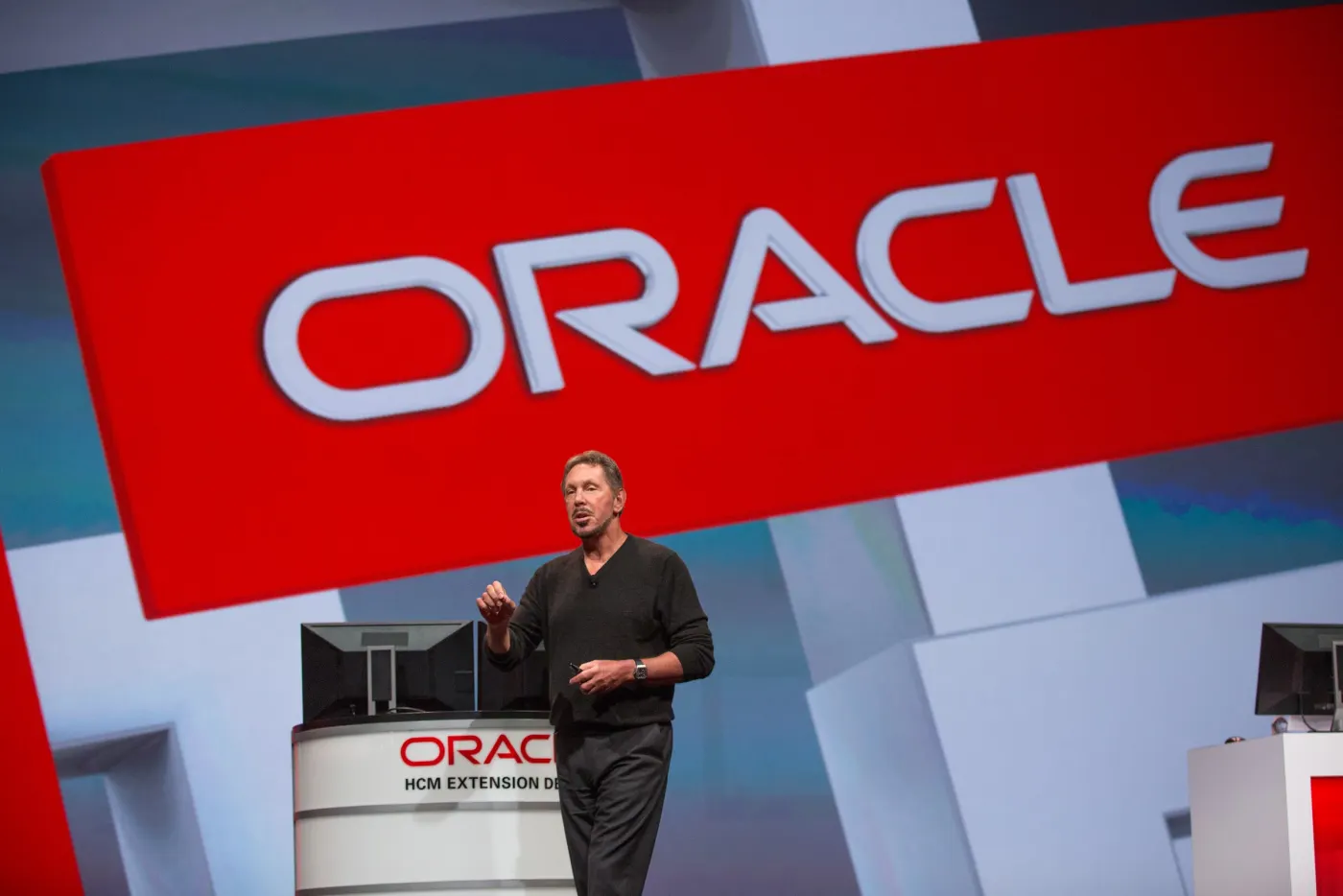
Oracle grew into a giant of enterprise software. Databases sat at the center. Around them Oracle added tools for applications, middleware, and later cloud services. Companies trusted Oracle with their most critical records: money, inventory, customers, employees.
Larry pushed for acquisitions that expanded the stack. Buying other software firms could fill gaps faster than building everything inside. Critics sometimes called the approach ruthless. Supporters called it strategic. Either way, Oracle’s footprint widened across corporate IT.
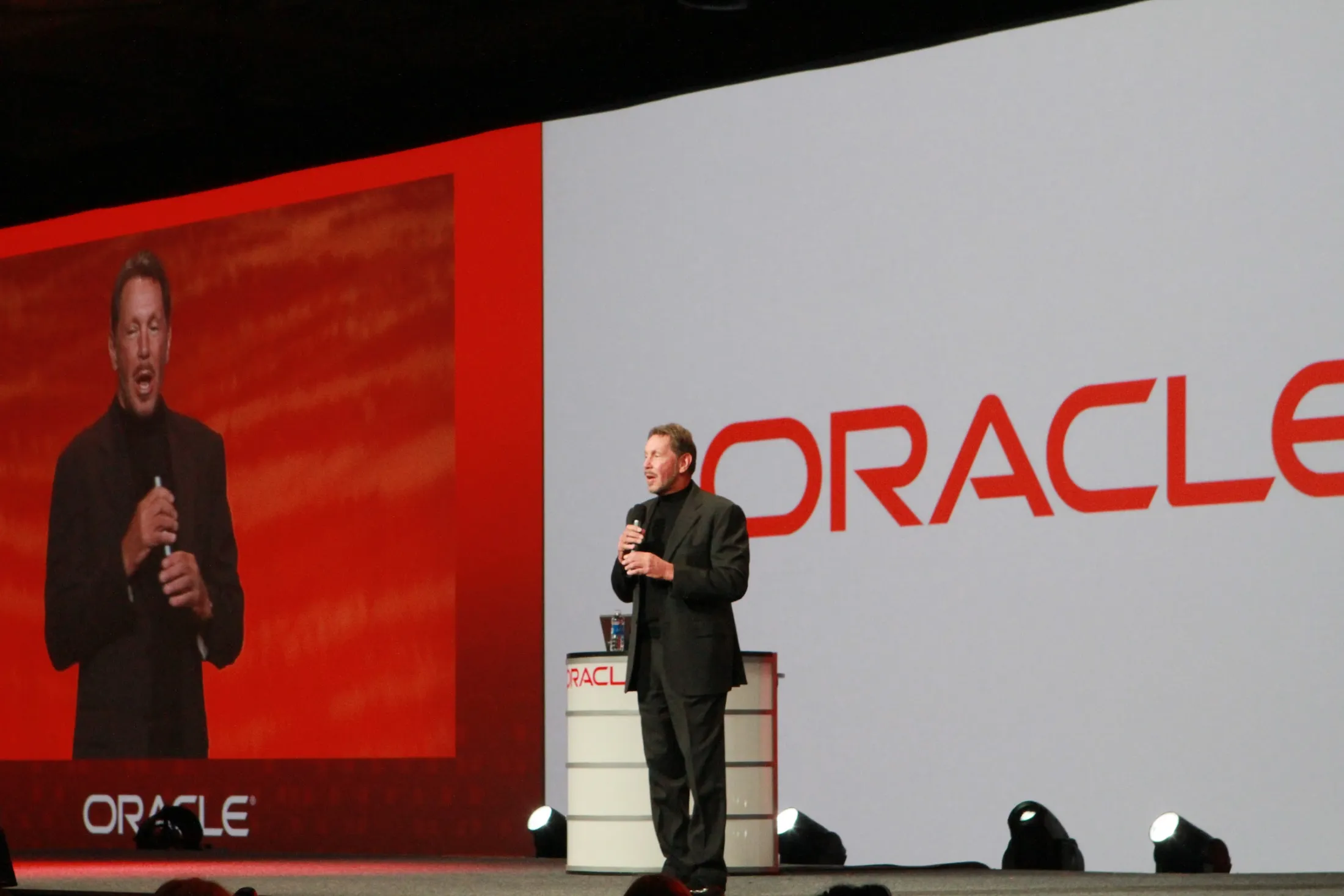
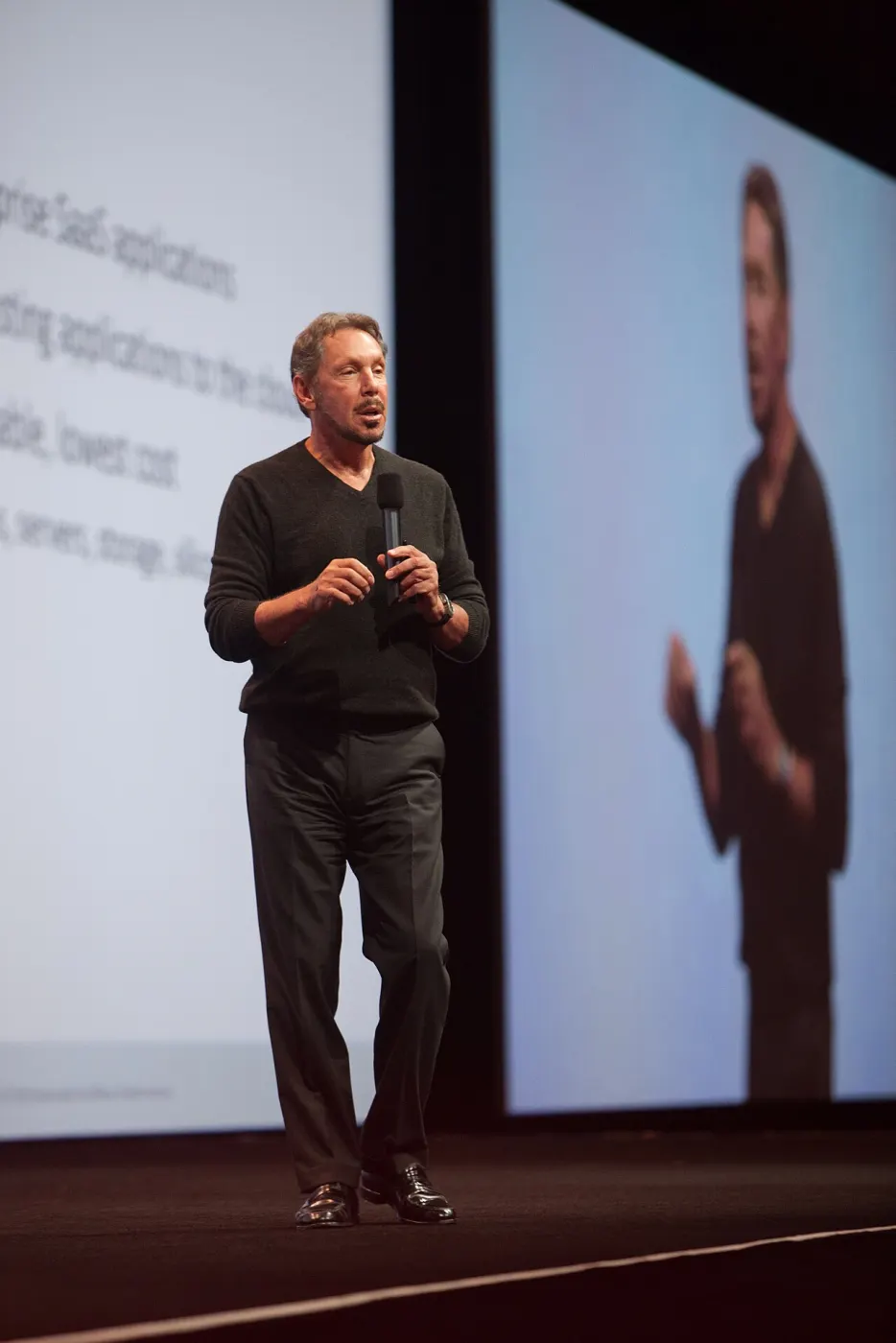
OpenWorld conferences became theater and classroom at once. Larry took the stage, teased rivals, and showed demos. Customers came to learn roadmaps. Competitors came to watch. The showmanship was part of the sales machine.
He also loved sailing and competition outside software. He raced the yacht Sayonara to major titles in the late 1990s. He backed America's Cup campaigns. In 2010, BMW Oracle Racing won the America's Cup. The team won again in 2013. Later he co-founded SailGP, a global sailing league with identical high-speed boats and national teams.
Sailing was not a side hobby only. It revealed the same traits: expensive preparation, team coordination, and a hunger to win in public.
Hard times and crashes
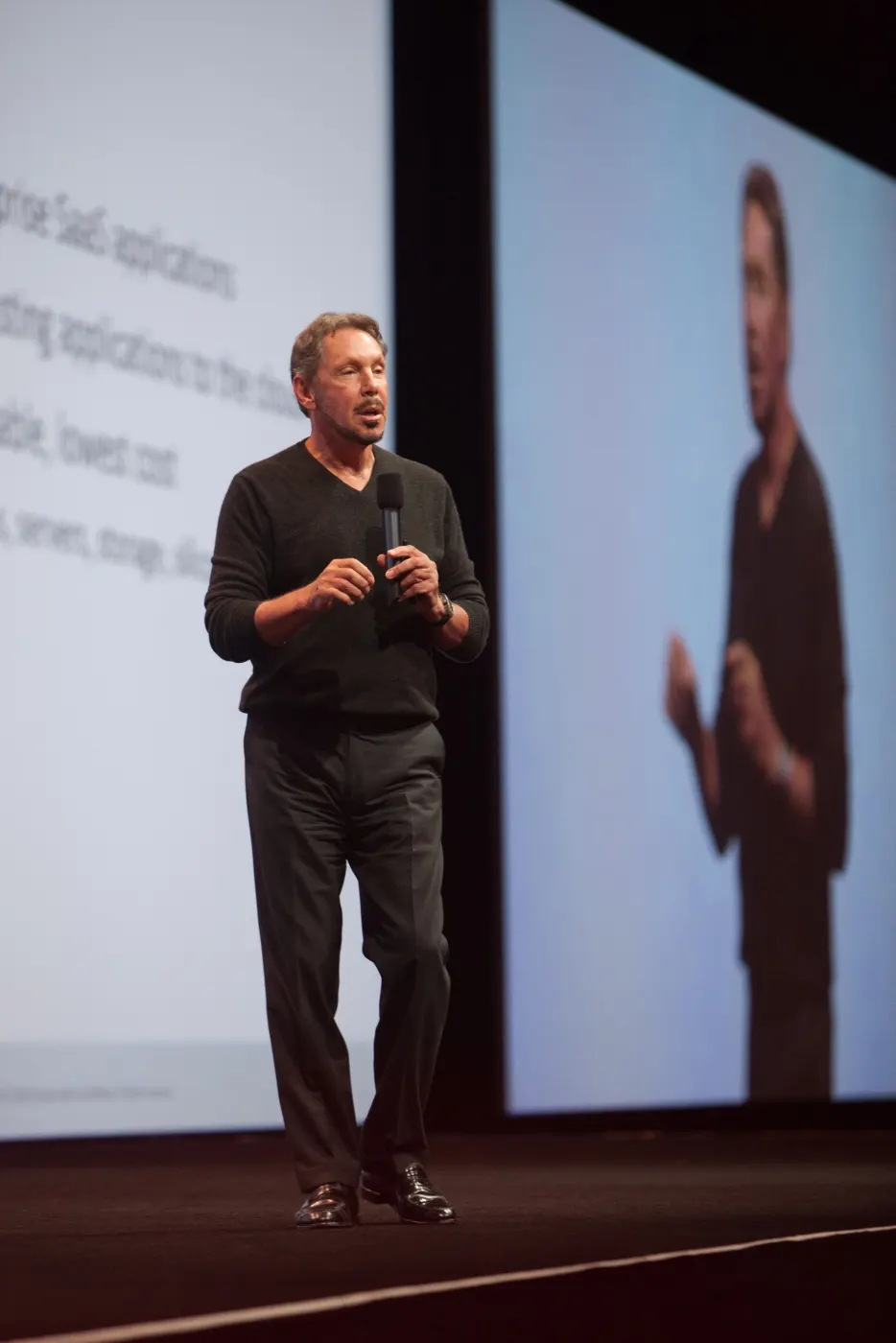
Enterprise software is a hard business. Deals are large. Implementations are complex. Customers complain when systems fail. Rivals cut prices. Economic downturns freeze budgets.
Oracle faced lawsuits, product wars, and periods when Wall Street doubted its cloud transition. Moving from licenses sold on premises to cloud subscriptions is a difficult rebuild. Revenue models change. Sales teams must learn new motions. Engineers must rebuild delivery.
Larry's personal style also created turbulence. He was famous for sharp comments about competitors. He lived large, with mansions, planes, and islands reported in the press, including the purchase of the Hawaiian island of Lanai. Admirers saw confidence. Critics saw excess. Both could be true at once.
He married and divorced multiple times. He has two children, David and Megan, with Barbara Boothe. Family life and business life both demanded energy. Public biographies list marriages to Adda Quinn, Nancy Wheeler, Barbara Boothe, and Melanie Craft.
Sales as a system
Larry understood early that great database code still fails if nobody buys it. He built Oracle's sales force into a relentless machine. Quotas were high. Competition was personal. Customers heard a simple promise: mission-critical data needs software that does not blink.
That intensity created loyalty and enemies. Rival CEOs became characters in his keynotes. The theater helped Oracle stay top of mind when buyers planned budgets. In enterprise software, attention is part of the product.
He also invested in education for customers. Conferences, training, and partner networks turned Oracle from a tool into an ecosystem. Once a company's staff knows Oracle deeply, switching costs rise. Advantage compounds like interest.
Risk, image, and control
Larry's public image (jets, boats, islands) sometimes overshadowed the engineering story. Yet the same appetite for risk showed up in product bets and acquisitions. He preferred owning strategic pieces to renting them forever.
Stepping down as CEO in 2014 could have been an ending. Instead it became a redesign. As CTO and executive chairman he kept technical authority while operators ran daily management. Few founders manage that handoff without losing relevance. Larry stayed loud on purpose.
America's Cup wins and SailGP extended his brand into sport. Identical boats in SailGP mirror a software idea too: compete on skill and execution when the platform is shared. He likes contests where preparation decides the winner.
Rebuilds and the cloud era
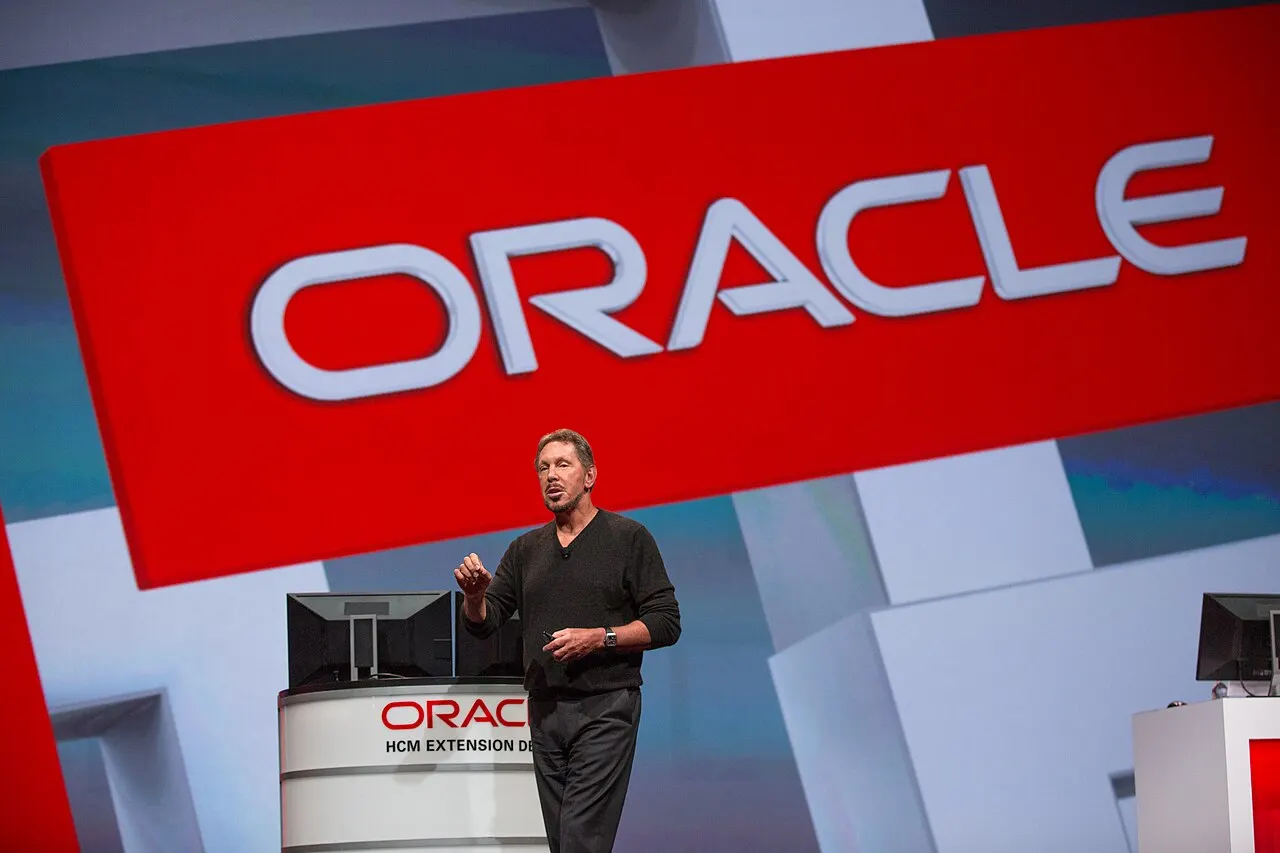
In September 2014, Larry stepped down as CEO after decades in the role. Safra Catz and Mark Hurd became co-CEOs (Hurd later passed away; leadership continued to evolve). Larry became chief technology officer and executive chairman. He did not leave. He changed seats.
From the CTO seat he kept pushing cloud infrastructure and database innovation. Oracle Cloud, autonomous database features, and large enterprise contracts became central themes. He argued that cloud customers still needed security, reliability, and performance for critical workloads.
Acquisitions continued to reshape the company, including major deals that expanded cloud applications. Larry's theory stayed consistent: own more of the stack, deepen customer dependence on Oracle reliability, and keep competing with whoever leads the moment, whether old rivals or newer cloud giants.
Where he is now
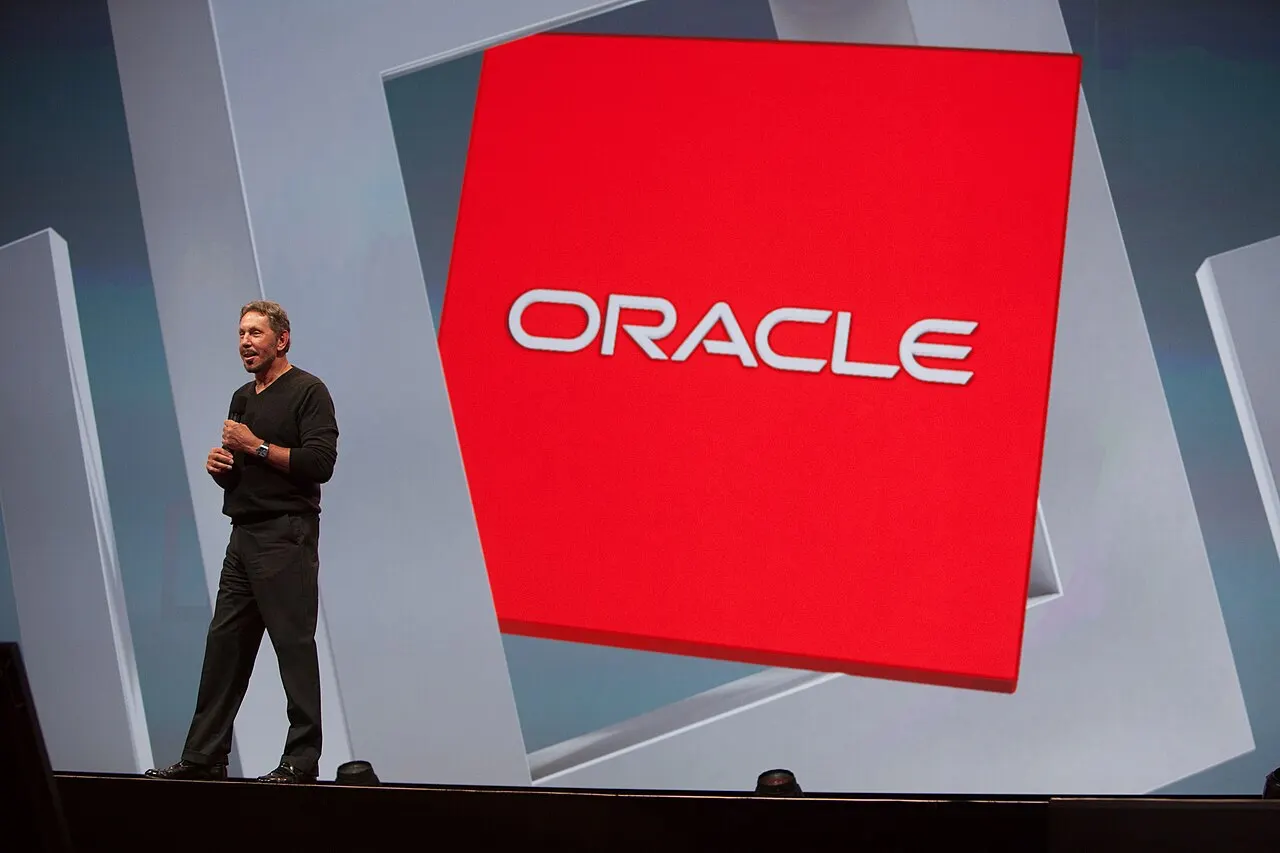
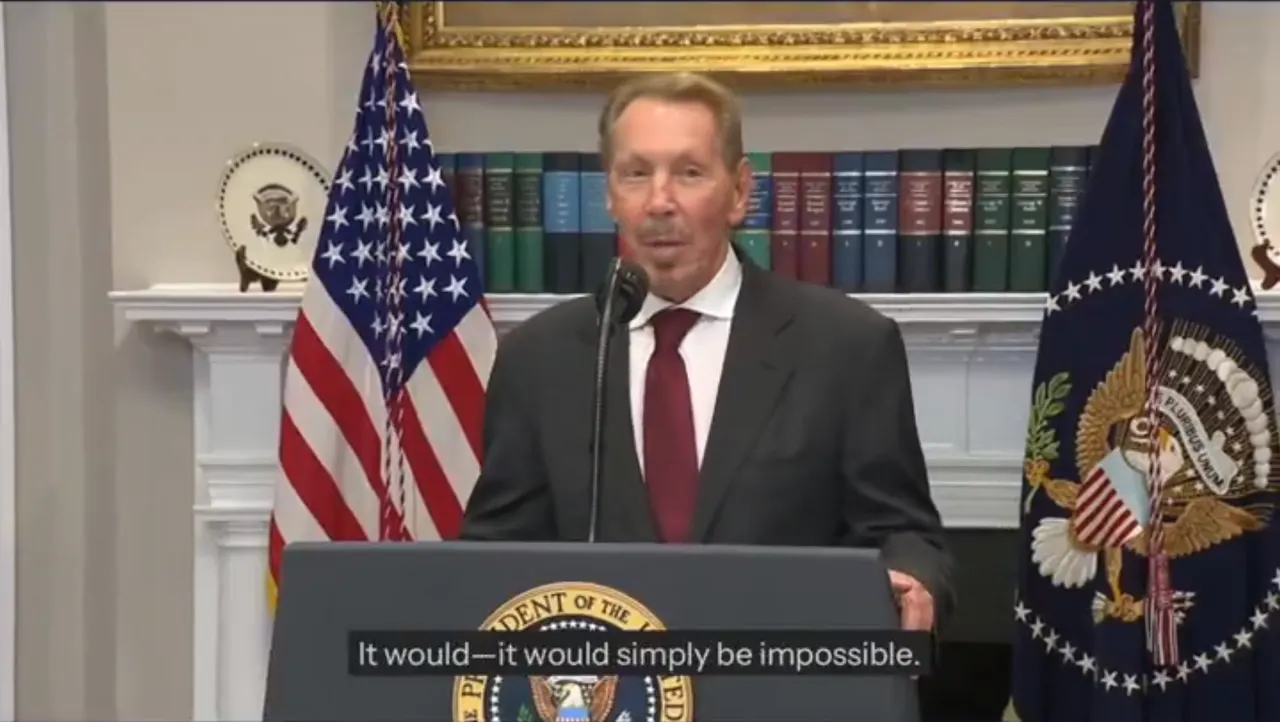
Larry Ellison remains executive chairman and CTO of Oracle. He is still a major public voice on databases, cloud, and increasingly AI infrastructure. Public wealth rankings in recent years have placed him among the richest people alive as Oracle's stock rose with demand for data and AI-related computing, though estimates move with markets.
He continues sailing interests through SailGP and related efforts. He continues to appear at Oracle events with the same competitive tone that marked earlier OpenWorld stages.
He never finished college, yet he built software that universities, companies, and governments rely on. That contrast is part of his legend. Credentials did not crown him. Customers did.
Lasting work
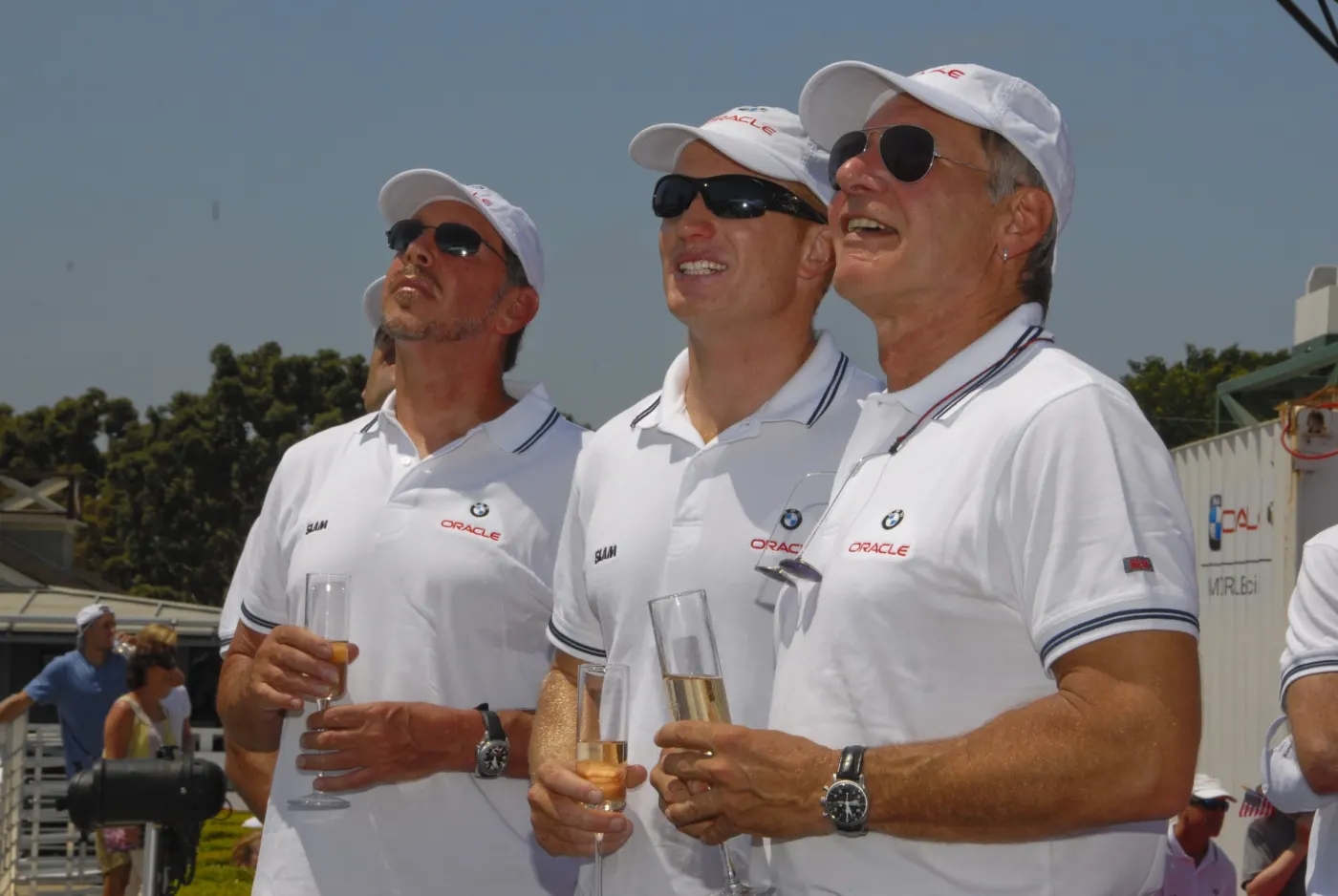
Larry's lasting work is the relational database industry as a commercial force and Oracle's role inside it.
He helped turn Codd's research ideas into products companies could buy and run. He built a sales culture that treated software like a strategic weapon. He stayed close to technology decisions even after leaving the CEO title.
For better and worse, he showed that enterprise software empires are won with engineering plus theater plus stamina. The boats and stages were loud. The quieter legacy sits in data centers where Oracle systems still keep records straight.
Why databases still matter
Every app that stores customers, payments, or inventory needs a system of record. Larry bet his life on that truth. Fashion in tech changes. The need for trustworthy records does not.
Oracle's long survival comes from living at that layer. Cloud eras rearrange where machines sit. AI eras rearrange how people query knowledge. Underneath, tables, transactions, and security rules still decide whether a business can open in the morning.
Larry's career is a reminder that unsexy infrastructure can build enormous companies when a founder treats it as destiny, not as a temporary stepping stone.
Legacy
For young builders, Larry Ellison's story is sharp.
Read the research others ignore. Turn papers into products. Hire people who can ship. Compete hard. Expect hatred from rivals if you win. Rebuild when the market shifts from packages to cloud. Remember that adoption stories can fuel ambition without defining your whole self.
He began as an adopted child on Chicago's South Side. He became a programmer in California. He became the long-time leader of Oracle. The database was named Oracle. The company became one too. Questions still go in. Answers still come out.
Documentary expansion: childhood proof and California code
Larry learned he was adopted at twelve. The fact did not shrink him. It lit a long fuse. Louis Ellison, his adoptive father, was hard to please. That hardness became fuel. Decades later Larry still told stories about proving the doubters wrong. The kid who would not amount to anything built software that amounted to a global standard.
Chicago's South Shore taught street toughness and classroom talent. Science student of the year at Illinois looked like a pre-med future until Lillian died and Larry walked away from exams. Grief broke the plan. California rebuilt it. Programming jobs paid. Curiosity paid more.
At Ampex the CIA-related Oracle project gave him more than a paycheck. It gave him a name with mythic weight and a taste for mission-critical systems. Reading Edgar F. Codd's relational model showed him the academic map. Building Software Development Laboratories in 1977 with Bob Miner and Ed Oates turned the map into a company.
Sales warfare and enterprise lock-in
Ellison understood that enterprise software is won in rooms where fear of downtime is real. Banks cannot shrug at a failed ledger. Governments cannot shrug at broken records. Oracle sold reliability as destiny. The sales force became legendary for intensity. Quotas were mountains. Rivals were named on stage.
"It's not enough that I win. Everybody else must lose." Whether the line began with Genghis Khan or with Larry's retelling, it fit the brand. Competitors hated it. Customers remembered it. Attention is oxygen in enterprise deals.
Acquisitions widened the stack. Applications. Middleware. Cloud apps. Each purchase was a bet that owning more of the customer's IT life cycle beats renting a thin slice forever. Critics said ruthless. Supporters said coherent. The footprint grew either way.
Sailing as mirror
America's Cup campaigns cost fortunes and demanded team engineering at the edge of physics. BMW Oracle Racing's wins in 2010 and 2013 were public victories that matched Larry's appetite for visible contests. SailGP later standardized boats so skill and preparation decide outcomes. Identical platforms, different execution. It is almost a software parable.
Steve Jobs friendship stories on Charlie Rose and elsewhere show another side: rivalry mixed with admiration among California builders. Larry could insult an industry and still love a peer who shipped beautiful systems.
Cloud rebuild and AI infrastructure
Leaving the CEO seat in 2014 looked like an ending. It was a redesign. As CTO and executive chairman Larry kept technical authority while Safra Catz and others ran management. Oracle had to transform from on-prem license gravity to cloud subscriptions. That transition punishes half measures. Larry argued loudly that mission-critical databases belong in a cloud built for security and performance, including multicloud deployments beside AWS and others.
Autonomous database messaging promised automation that reduces human error. AI-era demand for data platforms and cloud capacity pushed Oracle back into growth narratives. In 2025 and 2026 Oracle's stock swung hard with AI infrastructure optimism and later doubts about spending and debt. Public estimates of Ellison's fortune moved with it, often cited around $180 billion to $200 billion or more depending on the week, after earlier spikes that briefly pushed him near the very top of global wealth lists. Treat the numbers as equity shadows. Treat the roughly 40 percent Oracle stake as the durable fact.
Media, TikTok, and family power
Larry's influence spilled beyond enterprise software. Oracle's role hosting TikTok U.S. data under political pressure made the company a trust broker in a geopolitical fight. Through his son David Ellison and Paramount Skydance, family capital entered Hollywood-scale deals, including contested bids around Warner Bros. Discovery financing guarantees reported in the press. Those stories show a founder using wealth as a strategic weapon across industries.
World impact in plain language
If your salary hits a bank account, an Oracle database may have helped keep the ledger straight. If a hospital stores records, if a retailer tracks inventory, if a government issues a benefit, systems of record are the quiet backbone. Larry commercialized that backbone early and defended it for decades.
Cloud and AI did not erase databases. They made trustworthy data more valuable. Models need clean inputs. Transactions still need ACID discipline. Ellison's career is a reminder that unsexy layers can outlast fashionable applications.
How he works
He prepares like a competitor. Keynotes are combat. Demos are weapons. He stays close to product claims even without the CEO title. He likes control: large ownership, loud narrative, expensive hobbies that double as brand.
He also reinvented without disappearing. Few founders remain technologically central after handing off CEO duties. Larry insisted on remaining the CTO voice. That insistence kept Oracle's story tied to his identity.
Closing beat for Ellison
He began as an adopted infant passed to Chicago relatives. He became a dropout who read the right paper. He became the long face of Oracle. In 2026 he still argues about cloud architecture on stage while markets argue about his net worth.
Questions go into databases. Answers come out. The man who named a company Oracle still lives on that exchange.
More scenes from the Oracle machine
Picture OpenWorld: thousands of customers, partners, and rivals in one hall. Larry walks out and turns a roadmap into a contact sport. Engineers backstage sweat the demo. Sales teams watch for lines they can reuse tomorrow. The conference is product, recruiting, and warfare at once.
Picture a bank negotiation in the 1990s. The fear is downtime. The promise is a database that holds. Oracle did not always win on charm. It won on the cost of being wrong.
Picture Lanai. Buying most of an island looks like excess from the outside. From Larry's pattern it looks like another control surface: own the strategic piece, then shape it. The same pattern shows up in software stacks and in boats that must win under public lights.
Picture CloudWorld in the AI years. Multicloud banners. Security talks. Database services living beside hyperscalers. Larry still refuses to treat Oracle as a legacy caretaker. He treats it as a fighter that can re-enter the center of the market whenever data becomes scarce relative to models.
These scenes are why the biography cannot stop at 1990s sales myths. The through-line is control of systems of record across changing fashion. Fashion moved to internet apps, then to cloud, then to AI. The record layer remained. Larry remained with it.
Additional builder lessons: read primary research; ship before credentials; make sales a designed system; use theater carefully; rebuild revenue models before pride freezes you; keep enough ownership to steer; accept that enemies are a side effect of winning markets that matter.
Extended documentary depth: Ellison
Adoption is not a footnote in Larry's psyche. It is a beginning that framed ambition as proof. Chicago winters, a strict adoptive father, and a sudden knowledge at age twelve that his origin story was more complicated than classmates assumed: these are the emotional roots of a man who later needed public scoreboards.
College incompleteness became part of the legend, sometimes too cleanly. The deeper point is that he found a substitute curriculum: programming jobs, Codd's papers, and the early relational wave. IBM's research created the idea. Larry's company commercialized urgency around it.
Software Development Laboratories started with tiny capital and a huge category bet. Miner and Oates were engineering ballast. Larry was catalyst and closer. The CIA project's code name Oracle migrated onto the product and then the company. Naming is destiny when you sell trust.
The 1980s growth curve turned a handful of employees into an enterprise force. IPO wealth and competitive ads made Larry a celebrity CEO before that template was common in enterprise software. He learned to weaponize narrative. Rivals were characters. Customers were armies to win.
Personal turbulence (marriages, divorces, children David and Megan, press about mansions and jets) sat beside professional stamina. Documentary honesty holds both. The work product is still the database empire. The human life is not a press release.
Cloud transition was existential. License revenue is addictive. Subscription revenue is slower and then stronger if you survive the dip. Larry's CTO years were about insisting Oracle could be a cloud winner for the workloads that cannot fail. Multicloud partnerships, including database services adjacent to AWS, showed pragmatism inside the fighter persona.
AI years elevated data platforms again. Models need governed data. Agents need tools. Oracle pitched security and enterprise gravity. Stock volatility in 2025-2026 rewarded and punished that story in turns. Ellison's fortune estimates swung by tens of billions with Oracle's price, including periods when he ranked near the global top and later periods when he settled lower as shares cooled. Ownership near 40 percent kept him permanently leveraged to the narrative.
TikTok U.S. data responsibilities and Paramount-related family capital extended his influence into politics and media. Whether one agrees with those moves, they show a founder using corporate and personal capital as instruments beyond a single product line.
World change from Oracle is quiet and enormous. Payroll systems. Banking cores. Telecom billing. Government registries. The modern organization is a stack of records. Larry sold the belief that those records should live in Oracle.
Builder takeaways remain sharp. Turn ignored research into product. Design sales as carefully as schema. Compete in public. Rebuild when the delivery model changes. Keep technical authority if that is your edge. Accept that a life this large will collect critics.
He is still not done. That may be the most Ellison fact of all.
Timeline leverage for Ellison
1944: birth and adoption into Chicago.
1960s: college starts and stops; California programming begins.
1977: Software Development Laboratories founded.
Early 1980s: Oracle name and relational commercial push.
1980s-1990s: enterprise dominance and sales machine.
Late 1990s-2010s: sailing championships and America's Cup arcs.
2014: CEO handoff; CTO and executive chairman roles.
2010s-2020s: cloud rebuild, acquisitions, autonomous database.
2025-2026: AI infrastructure narrative, media/politics adjacency, wealth volatility.
Each stage reuses competitive hunger. The objects change. The appetite does not.
People, rivals, and the long memory of deals
Oracle's history is full of named enemies and temporary alliances. In enterprise software, today's rival can be tomorrow's acquisition target or cloud partner. Larry's public style made those shifts dramatic. Inside the company, the quieter work was releasing databases that could upgrade without destroying customer weekends.
Engineers who survived Oracle's intensity often describe a culture that rewarded shipping and selling in the same breath. That dual mandate is hard. Product people who ignore quota reality build museums. Sales people who ignore engineering reality sell vapor. Larry insisted on both lungs breathing.
Mark Hurd's years, Safra Catz's operating power, and engineering leaders around the database franchise all matter to the story. A founder-CEO who becomes founder-CTO still needs operators. Larry's post-2014 design admitted that without surrendering the microphone on technology direction.
Habit and craft
He studies competitors obsessively. He rehearses lines. He likes demos that force a comparison. He spends capital like a person who believes preparation wins races, whether the race is a America's Cup leg or a cloud RFP.
He also understands myth. The dropout story, the adoption story, the island story, the boat story: each is true enough to stick and incomplete enough to need the database underneath. This documentary keeps returning to that underneath.
Final Ellison measure
If you remove the yachts and the stages, what remains? A commercial relational database company that trained the world to store critical truth in tables and transactions. That is enough legacy for several lifetimes. Larry keeps acting as if it is only a start.
Competitive scenes that explain the man
In 1997 interviews he already sounds fully formed: aggressive ads, childhood hardness, advice for the young that mixes defiance and craft. Watching those tapes beside 2024 CloudWorld keynotes shows continuity. The jacket and hair change. The need to win on a public scoreboard does not.
When he says everyone else must lose, listeners should hear sales physics as much as ego. In winner-take-most enterprise categories, second place can be a slow fade. Larry optimized for not fading.
Lanai ownership, tennis tournament stakes, and SailGP teams look like toys until you notice the pattern: pick an arena, fund preparation, demand a podium. Software was the first arena. It remains the main one.
Oracle's AI-era contracts and capacity buildouts put him back on financial-news chyrons. Debt worries and execution questions arrived too. Founders who stay loud absorb both praise and blame. Larry has practiced absorbing both since the first decade.
For employees and customers, the practical Ellison legacy is expectations. Systems should be fast. Sales should be hungry. Roadmaps should be argued in the open. Whether one loves or hates that culture, it left a deep imprint on enterprise tech.
Last mile on Ellison
Stand in a data center aisle where Oracle systems hum and the biography becomes physical. The adoption story, the dropout story, the boat story, and the cloud story all funnel into machines that must not lie about money, inventory, or identity. Larry Ellison's documentary depth is not that he is loud. It is that he attached his entire competitive life to the quiet problem of truthful records, then refused to leave when the problem moved to the cloud and into the AI age. That refusal is the ending that is not an ending.
Coda lines for Ellison
The relational model was a research gift. Oracle was a commercialization machine. Larry was the person who refused to treat either as finished. In 2026 that refusal still shapes how enterprises buy trust in data. The biography ends only when the records stop mattering. They have not.
He turned proof into a lifestyle and a company. The lifestyle got the magazines. The company got the world's ledgers. Keep those weights straight when you judge the man.
OpenWorld and CloudWorld are rituals of renewal. Each year Larry has to argue that Oracle is not yesterday. The argument works when products keep critical systems alive tomorrow morning. That is the standard. Meet it and the biography keeps earning new chapters.
The ledger is still the plot. Larry Ellison is still the author who will not put down the pen.
One more line: customers still open in the morning because records held overnight.
Watch alongside this story
Short cuts from interviews, keynotes and launches. Each plays only the moment that matters.